Wednesday 17th of June 2026

Nairobi, Kenya

African Designers and Brands To Know About Now

When it comes to fashion, Africa is a continent with no shortage of ability.
While individuals like Virgil Abloh stand out as some of the most significant designers of our generation, the industry is home to a large number of creative people. Designers from throughout the continent are coming up with new textiles, patterns, and textures to create stunning clothing for consumers around the world. The entire globe is enthralled watching.

Others in South Africa are embracing natural components to redesign everyday clothing, while many Ghanaian designers are eschewing traditional wax cloth and kente clothes.

Additionally, there has been a surge of environmentally conscious designers that reuse deadstock materials to create brand-new products. Former Balenciaga employee Bobby Kolade founded Return to Sender in 2022 with the goal of bringing Uganda’s textile sector back to its pre-mid 1970s apex, when more cotton was processed than exported.

Designers from the United States, including Anifa Mvuemba of Hanifa, are doing important fashion exhibits in unusual locations like Washington, DC. “I’m purposeful. She said to Teen Vogue in 2021, “I like doing things my way and I dislike conforming, being put in a box.
“I honestly find it unsettling. I stayed loyal to myself and pushed myself with this performance in D.C. The result was astounding.

African fashion designers are emerging both on the continent and in the diaspora.
Togo-born Jacques Agbobly received a 2019 CFDA Scholarship and attended Parsons. Born in Austria of Nigerian parents, Kenneth Ize is a finalist for the 2019 LVMH Prize.
And Maram Aboul Enein, who later went on to work for Pierre Balmain, Zac Posen, and Oscar De La Renta, fled Egypt for Canada as a young girl.

Algeria
Ilyes Ouali won “Fashion Star Arabia” in 2019 and takes heavy inspiration from the glitz and glamour of the ’70s in his recent work.

Angola
Fashion designer and criminologist Nadir Tati uses fashion as a means of celebrating Angolan womanhood and promoting a culture of peace.

Benin
With his brand Allëdjo, Kassim Lassissi aims to channel all that he has encountered while traveling across the world, into sustainable fashion and style.

Botswana
From shining gold bodycon dresses to floor-length bridal gowns, DihDah offers a range of striking pieces.

Burkina Faso
Pathé’O has designed head-turning garments since the ’70s, dressing African leaders such as Nelson Mandela.

Burundi
Content creator, stylist, and entrepreneur Juan Nsabiye crafts bespoke suits, with a focus on elegance for all genders.

Cabo Verde
Stylist-turned-designer Marvin Lima uses his brand Virtuoso to recognize African videographers, photographers, makeup artists, and models.

Cameroon
With a background in environmental engineering, Liz Ngwane creates both upcycled and one-of-a-kind garments under her slow-fashion brand Margo’s Mode.

Central African Republic
O’poma Designs founder Olga Nganzi Samba-Pamza incorporates African kitenge fabrics into her clothes, which often teem with colorful hues.

Chad
During the height of the COVID-19 pandemic, Jonas Berassengar sewed masks for members of his community, to extend the accessibility of protective measures.

Comoros
Sakina M’sa fuses her interests in contemporary art, dance, and philosophy into her art direction and fashion design work.

Congo
“For women without limits” is Hanifa’s motto, which founder Anifa Mvuemba furthers through increased access to shows as well as inclusive sizing and model casting.

Cote d’Ivoire
Loza Maléombho fuses contemporary and traditional silhouettes through footwear, accessories, and made-to-order garments with gold accents.

DRC
Designer and creative director behind Moulandzaou, Aton Tsiba creates genderless clothes with loose form and fluorescent color palettes.

Djibouti
Yanie Ayoun draws inspiration from her mother and designs for the next generation of Djiboutian youth.

Egypt
Maram Aboul Enein reflects on her own spiritual journey with the brand MARAM and plays with texture through sequins, ruffles, and electric colorways.

Equatorial Guinea
Visionary Society founder Diosdado Sima draws from his early interests in typography and streetwear to create a brand centered on community.

Eritrea
Former costume designer and stylist Selam Fessahaye launched her brand in 2018 and features gilded embroidery and beading in recent work.

Eswatini
For her label Mamakatessa, Temahlubi Dlamin uses silks and tulles of every shade to make gowns for a plethora of occasions.

Ethiopia
Maisha Marshall-Ende’s label Lehwatch explores cultural exchange, as its name translates to, and uses Ethiopian fabrics to create garments inspired by her move to Canada.

Gabon
Teddy Ondo Ella’s label draws inspiration from Gabonese culture and dress, utilizing traditional pieces such as sarong wraps paired with bold patterns.

Gambia
Masaneh Badjie’s dresses are rich with detail, including corset-style boning, appliqué, and crystal beading.

Ghana
Free the Youth began in 2013 by Jonathan Coffie, Winfred Mensah, Richard Ormano, and Kelly Foli; it has grown beyond its initial purpose of documenting Ghanaian streetwear and now encapsulates the brand and organization.

Guinea
Mariama Camara is a designer and humanitarian, whose interest in handmade textiles began at a young age when she watched her family design and dye prints.

Guinea-Bissau
Armando Cabral began working in the fashion industry as a model and shifted to design in 2009 as his continued interests in footwear and luxury clothing grew.

Kenya
Akiba Studios fuses functionality and playfulness through whimsical motifs and pieces with a street-style twist.

Lesotho
Creative director and fashion designer Thabo Makhetha offers luxury coats, jackets, and capes inspired by Basotho blankets.

Liberia
Archel Bernard began her sewing factory with an all-woman staff in 2016, to help those impacted by the Ebola epidemic; after the factory’s success, she opened her ethical fashion store, Bombchel, four years later in Atlanta.

Libya
Through minimalistic and geometric pieces, designer Ibrahim Shebani allows Born in Exile’s ensembles to speak for themselves.

Madagascar
After studying fashion in Paris, Eric Raisina debuted his work in the mid-2000s, which focuses on tactility and color.

Malawi
Award-winning entrepreneur Lilly Alfonso’s penchant for fashion design traces itself back to her youth when she would upcycle and reinvent her mother’s old clothing.

Mali
Lamine Kouyaté’s Xuly. Bët repurposes deadstock fabrics in his garments, a practice pulled from his mother and grandmother who would reshape old clothes for him and his siblings as children.

Mauritania
Kadiata Diallo of Niuku fuses form and function with hand-painted dresses and suits.

Mauritius
Fabien Fauzou is a designer and seamstress who specializes in geometric and vibrant dresses.

Morocco
Doum offers a range of bags, from totes to cross bodies, with summery, woven elements.

Mozambique
From a tracksuit touting the word “fearless” to sleek little black dresses, Taibo Bacar offers customers a range of garments and accessories.

Namibia
Melisa Poulton, founder of House of Poulton, describes her label as powerful, dramatic, and bold, and she aims to bring strength to her wearers.

Niger
Referred to as the “magician of the desert,” Alphadi debuted his label in the mid-1980s and has crafted highly-detailed bustiers, maxi skirts, and floor-length dresses since.

Nigeria
Kenneth Ize’s unisex work features technicolor hues and traditional Aso-Oke fabrics on oversized tunics, waistcoats, and dresses.

Rwanda
The Mysteries plays with extreme silhouettes and textiles in its unconventional sets and individual pieces.

Sao Tome and Principe
D&D Clothing offers both ready-to-wear and custom ensembles, donning patterns that range from animal print to neon patchwork.

Senegal
Contemporary lifestyle brand Diarrablu innovates tradition through its inclusive clothing, jewelry, ceramics, and artwork.

Seychelles
Johanna Didon launched her brand Katiti in 2017, which focuses on classic styles with edgy twists, although she had been sewing clothes since she was 12.

Sierra Leone
Sai Sankoh looks to retro and vintage clothing for inspiration as well as pieces in her own wardrobe; her work brings luxury to anyone and everyone.

Somalia
Through a combined interest in jewelry and tailoring, Omar Munie began his award-winning work as a bag designer in the early 2010s.

South Africa
Swim, surf, and beachwear brand Bantu Wax is making waves with its graphics-driven apparel.

Sudan
Yousra Elsadig aims to dismantle stereotypes and sustainability through her work with the brand Boutique de Nana.

South Sudan
Activist, doctor, and designer multi-hyphenate Mayada Adil use clothes to empower women refugees and honor diplomacy.

Tanzania
Through her brand Naledi, designer Kemi Kalikawe celebrates spunk and youthfulness and advocates for women’s equality at the intersections of fashion and technology.

Togo
Textile artist and designer Jacques Agbobly launched their made-to-order knitwear label, Black Boy Knits, inspired by the joy they saw as a child from customers of tailors and seamstresses in Togo.

Tunisia
Appearing on Project Runway Middle East, Malek Gheni juxtaposes maximalist bling with simple and geometric pieces.

Uganda
Bobby Kolade’s brand Buzigahill aims to combat Uganda’s secondhand clothing crisis, by making efforts to return its textile industry to the success it faced in the late twentieth century.

Zambia
As an entrepreneur and founder of Debbie Chu, Deborah Chuma sees her label as a community, rather than a fashion design brand.

Zimbabwe
Vanhu Vamwe has created a community of macramé weavers and celebrates handmade objects and craftsmanship.


Content courtesy of Teen Vogue & NFH


South African Fashion Designers Revive the Detritus of Western Fashion.

Khumo Morojele and Klein Muis, two aspiring fashion designers from South Africa, spend hours searching a secondhand street market in Johannesburg for clothing.
The pair then upcycles what they discover into apparel or accessories that, in their opinion, show African style in a distinctive way.

Unlike recycling, which typically entails disassembling the original material and turning it into something else, upcycling refers to reusing an object in a novel way without compromising the material it was built of.

The two are currently working on a project called “Dunusa: Life of a Garment,” in which they source second-hand clothing that is frequently shipped from European nations to Africa and then disassembled and reconstructed into avant-garde and abstract apparel.

On July 14–16, the collection will be on display at the “Forecast Forum,” an international arts festival in Berlin where budding artists can find mentorship.

According to the 22-year-old Mr. Muis, “The question that we are trying to answer with the project is really the disparity between the north and the south… how certain parts of Africa become dumping grounds for European countries.”

The two work together as well as with other African artists. They are collaborating with a shoemaker in Ghana on a project to transform used soccer boots into sandals that honor both African and European passion for the game.

Because we value and truly connect with the possessions we own, it is consistently emphasized in our culture that we don’t squander anything.

According to Mr. Morojele, a 20-year-old, ” We kind of want to represent it and transcend that in our clothing.

Content courtesy of  Business World & NFH


African Textiles and Cutting-edge Technology Revolutionize the Fashion Industry, Thanks to a Nigerian Consultant

Felix Adu, a Nigerian-born fashion consultant working in Sweden, is creating waves by combining African materials into mainstream fashion, a revolutionary move that has shocked the fashion world.

Not content with that, Adu is also revolutionizing the fashion sector by fusing AI, NFTs, and cryptocurrency tokens into his line of clothing.
Adu is revolutionizing the world of fashion with his creative methods and dedication to exhibiting the splendor of African culture.
Adu’s concept is the result of his abiding love for his Nigerian roots and his ambition to make African textiles more prominent in the world of fashion.

Adu seeks to overthrow the fashion industry’s predominance of Western aesthetics by recognizing the wide range and exceptional craftsmanship found in African materials.
Adu honors the rich diversity and cultural legacy of Africa by combining traditional African textiles into his creations, which also promotes awareness of underappreciated artistic genres.

The way that Adu has used artificial intelligence (AI) in his fashion line is one of the main factors contributing to his success.
Adu improves his design process by utilizing AI technologies, making it possible to produce fashion items more quickly and accurately.

Adu can push the envelope and explore with daring patterns, colors, and styles because of the combination of artificial intelligence and artistic vision.

African textiles and artificial intelligence work together to produce a distinctive blend that appeals to fashion fans around.

The innovative mindset of Adu goes beyond only design. He enters the world of digital art by using crypto tokens and non-fungible tokens (NFTs) to give his fashion business a new level of worth.
Adu gives collectors the chance to own unique digital copies of his creations by minting NFTs of his limited-edition clothing.

Furthermore, Adu has embraced the possibilities of cryptocurrencies and crypto tokens, allowing his consumers to use digital currencies to make transactions and upending established payment systems.
African textiles and the thriving fashion business on the continent are now receiving much-needed attention thanks to Felix Adu’s trailblazing initiatives, which have won him international renown.

Adu is challenging perceptions and changing international standards of beauty by infusing African aesthetics into the mainstream fashion narrative. His brand is at the vanguard of technological development in the fashion business thanks to his inventive use of AI, NFTs, and crypto tokens.
Along with profoundly altering Felix Adu’s personal life, his move from Nigeria to Sweden had a significant effect on the fashion industry.

He stands out as a true innovator in the business thanks to his dedication to exhibiting the exquisiteness of African textiles and his incorporation of AI, NFTs, and crypto tokens.

As Adu continues to revolutionize fashion, his work inspires young fashion designers throughout the world by demonstrating that creativity, cultural celebration, and cutting-edge technology can all coexist on the catwalk.

Content courtesy of Van Guard & NFH


A New Website Called “Teach Me Fashion” by Maikem Anderson Has Just Been Launched to Elevate African Fashion Through Unique  Designs.

Anderson Maikem, a designer from Cameroon, has truly perfected the art of dressing well.
Having a profound awareness of the transformational potential of clothes, Maikem set out to build his own company, Teach Me Fashion, a few years ago. Teach Me Fashion (TMF), a well-known Cameroonian apparel company, is known for its outstanding designs that give African fashion a new perspective.

The idea that one’s clothing should reflect their cultural history and personal personality is at the heart of Teach Me Fashion’s ideology. No matter where a person is in the globe, the brand’s products, which are all made of pure cotton, serve as a representation of their connection to their country of origin.

This distinctive strategy has captured the attention of fashion aficionados who wish to show their origins and uniqueness through their clothing choices.
What was originally a domestic business in Douala, Cameroon has now broadened its sights to include a global market. Teach Me Fashion has successfully expanded its business into Latvia and now provides delivery services to all countries through dependable partner delivery companies. The company has been able to transcend borders and share its unique fashion vision with people all over the world thanks to its global presence.

For those with a good sense of fashion, Teach Me Fashion is a gold mine for both sexes. The line offers a wide range of items, such as streetwear, tuxedos, jeans, underwear, and joggers in addition to custom suits and combinations.

Teach Me Fashion offers such a large selection of items that it can satisfy the needs of people looking for distinctive, cutting-edge clothing that stands out.
Teach Me Fashion has the ideal attire to suit any situation, whether it’s a formal function, a casual trip, or a laid-back day at home.

Visit Teach Me Fashion’s official website to see for yourself how excellent they are. Get ready to be amazed by the superb craftsmanship and meticulous attention to detail in each outfit.
Teach Me Fashion offers a wide selection of exceptional clothing that will up your style game, from expertly made-suits to fashionable streetwear.

Teach Me Fashion is unique because it values authenticity and individual expression. The company recognizes the value of expressing one’s identity via apparel. Teach Me Fashion offers styles for each season of the year to meet a wide range of fashion requirements.
You can rely on Teach Me Fashion to provide designs that capture the essence of each season while showcasing your own individuality, whether it’s summer, winter, spring, or fall.

Beyond only fashion, Teach Me Fashion has an influence. The company is committed to empowering regional communities and promoting environmentally friendly methods.
Teach Me Fashion not only creates outstanding clothing but also supports the expansion and advancement of the fashion industry in Cameroon and elsewhere by obtaining premium materials and working with knowledgeable artisans.

Teach Me Fashion encourages people to embrace their ancestry, express their individuality, and celebrate their sense of style as it continues to create and redefine African design.

Teach Me Fashion offers people the chance to wear clothes that conveys their narrative and ties them to their roots by meticulously crafting each piece of apparel.
Teach Me Fashion introduces a fresh perspective to the world of fashion.

Don’t pass up the chance to participate in this fashion revolution.
Immerse yourself in the extraordinary world of African fashion by visiting the Teach Me Fashion website at https://teachmefashion1.com right away. Unlock a new level of style that speaks to your true identity by learning how to dress to impress at your gatherings and appointments.

Contact Information
Company name: Teach Me Fashion 1
Contact person: Mr. Maikem Anderson
Instagram: Tmf_designs_Maikem_anderson_
Facebook: Teach me fashion
Snapchat: Maikem.Anderson
TikTok: teachmefashion1

Email: Teachmefashion731@gmail.com
Phone# +37126007107
Address: Europe, Latvia, Riga
Website: https://teachmefashion1.com

Content courtesy of Benzinga & NFH


Just In Time For Summer, Adeife Fl Releases Her First Pret-a-porter Collection.

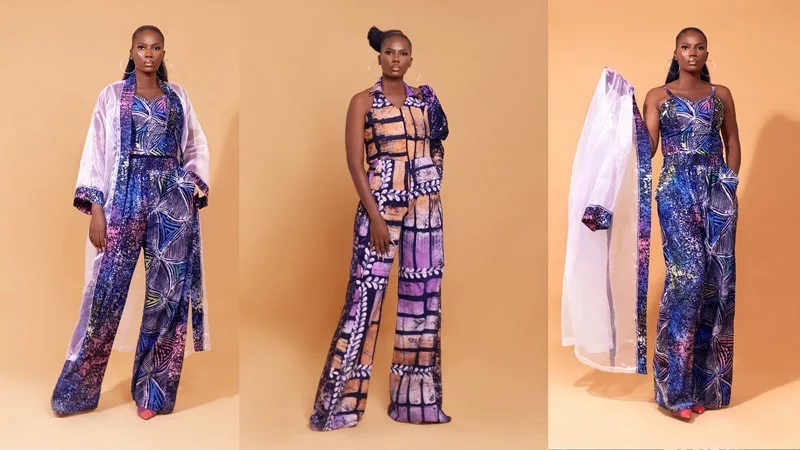
Adeife FL, a well-known clothing company that specializes in giving fashionable African garments from both traditional and contemporary cultures, is excited to announce the release of her newest ready-to-wear summer collection.

Adeife Fadahunsi, the innovative designer and founder of the Afro-Summer Collection, commented on it in a statement, saying that “this collection represents a fusion of traditional African elements and contemporary urban fashion, allowing individuals to express their Africanness while connecting with the rich heritage of the motherland.”

Adeife, who was excited by the new collection, noted that it is a genuine tribute to the company’s commitment to innovation and excellence. The collection features a wide selection of clothing intended to upgrade summer wardrobes with an African flair, drawing inspiration from the fascinating hues and patterns seen in African settings.

Every item in the summer collection, from bold dresses that flow smoothly to chic jumpsuits that exude confidence, is expertly made. Wearers are encouraged to embrace their Africanness with grace and style through the collection’s eye-catching prints, elaborate needlework, and bold patterns, which reflect Africa’s rich cultural past. she added.

Adeife FL’s summer collection offers a wide variety of solutions to fit various events and tastes, whether it’s a coastal holiday, a summer soiree, or simply an expression of personal flair.
Each piece of clothing is made to be as comfortable and functional as possible, enabling users to move through the summer with style and assurance.

Credits
Designer: @adeife_fl
Photography: @ednut__the_photographer
Model : @theoreofgod @ellathekingg @milanboy__ @bolalois
Creative director / Stylist: @moghagram

Content courtesy of Mo AfricaPR & NFH


Cardi B Attends Schiaparelli’s Paris Fashion Week Show in Sleek “Cardi Couture” 2023

At the Schiaparelli Haute Couture show on July 3 during Paris Fashion Week, Cardi B was in a league of her own in terms of fashion. The “WAP” rapper looked stunning in a dress by the Italian label that Schiaparelli herself labeled “Cardi Couture” on Instagram. Cardi attracted attention while donning a head-to-toe black outfit and flashy gold jewelry, in part because of her large, feathery black jacket.

While her scene-stealing coat was difficult to look away from, Cardi looked equally stylish when she took it off to show a form-fitting, sleeveless black dress with a touch of gold embroidery at the bust and a corset back with two rows of buttons.

She accessorized her look with two stacks of golden bracelets, two black head wraps (a Schiaparelli staple), and gold earrings in the form of human ears. As if that weren’t remarkable enough, she also wore earrings that had pearl decorations on them.

Her followers shouldn’t be shocked by Cardi’s stunning appearance. Although many people only know her as a rapper and businesswoman, she is also a rising fashion star. The mother of two isn’t afraid to test (and create) new trends, whether she’s captivating crowds at the Met Gala or donning vibrant catsuits. Cardi wore a dress to the 2023 Grammy Awards that had been on the runway at Paris Fashion Week just five days prior.

Cardi isn’t hesitant to dress in high fashion in everyday situations, even though exquisite couture is typically only worn on catwalks.
To see her Schiaparelli appearance from every perspective, look forward to the gallery!

With a number of eye-catching outfits, the “Bodack Yellow” rapper recently transformed the streets of Paris into her own private runway.
Fans, however, would not have anticipated anything less from the 30-year-old, particularly during a time like Paris Fashion Week.
Case in point? Cardi grabbed attention on July 3 when visiting Schiaparelli’s fall/winter 2023/2024 haute couture collection in a black strapless gown with a curve-hugging design in velvet fabric and sparkling gold accents.
She accessorized the look with an oversized feathered coat, black velvet headgear, and gold earrings in the shape of ears with pearl bangles.

Content courtesy of Pop Sugar & NFH


The Road To Success: African Creatives Are Reshaping And Redefining The Global Fashion Landscape In Africa Fashion

Africa Fashion The Journey To Success, African Creatives Shaping And Redefining The Global Fashion Landscape.

The red ground and blue-roofed homes are given a lovely glow as dawn breaks through Canchungo. Last winter, while bringing school supplies to the neighborhood kids, the stylist Wilow Diallo came discovered this community in the coastal area of Cacheu, Guinea-Bissau.
In addition to the vibrant color scheme, he was mesmerized by the residents’ unique sense of style and the sight of several generations gathered under the morinda trees.
He determined that this would be the ideal setting for a photo session exhibiting the “talent, innovation, and diverse perspectives of black creatives who are shaping and redefining the global fashion landscape.”

Africa has a population of more than 1.4 billion people, thousands of societies, and more than 2,000 languages; the borders between its 54 countries, as well as everywhere else, can hardly contain its multitudes.
According to Dr. Christine Checinska, the curator of the recent V&A exhibition Africa Design (now on display at the Brooklyn Museum through October this year), “The beauty of African fashion is that it is as varied as the continent itself.” “The aesthetic vocabulary of people is varied.

Global Africans have a respect for the skill that goes into creating a garment, print, or piece of weaving that has perhaps been lost in the global north. And there is a collective strength among designers, as they desire to enlist others in their quest for success.

The ways that black creatives incorporate African customs into their work particularly affect Diallo, who was reared in Senegal and now resides in Paris. He mentions the Cameroonian dancer and fashion designer Imane Ayissi, who transforms traditional Burkinabe woven fabric Faso Dan Fani into cocktail dresses and Ghanaian Kente fabric into cocoon coats. He cites the Nigerian company Emmy Kasbit, which is well-known for using fabrics from the Igboland region called Akwete, and Lagos Space Programme, winner of this year’s Woolmark Prize, whose collections feature lace and brocade motifs applied to clothing using the resist-dyeing method known as Adire, which has its roots in Yoruba culture.

Diallo, a Senegalese native who now calls Paris home, is particularly struck by the ways in which black artists incorporate African customs into their creations. He mentions the Cameroonian dancer and fashion designer Imane Ayissi, who creates cocoon jackets out of Ghanaian Kente fabric and cocktail dresses out of Faso Dan Fani, a traditional woven fabric from Burkina Faso.
He cites Lagos Space Programme, the winner of this year’s Woolmark Prize, whose collections feature lace and brocade motifs added to clothing using the resist-dye technique known as Adire, which has its roots in Yoruba culture, and the Nigerian brand Emmy Kasbit, which is renowned for its use of Akwete textiles from the Igboland region.

Thebe Magugu of South Africa is another. Magugu has collaborated with Dior on a capsule collection since becoming the first African to receive the LVMH Prize in 2019, and she reinvented a Valentino couture gown for Vogue.
These partnerships have been crucial for visibility. It gives visitors a familiar lens through which to view African fashion, he claims. “Bigger brands are becoming more respected.

The most successful partnerships benefit both parties.
Further explanation is provided by Adama Ndiaye, the Senegalese entrepreneur and creator of Adama Paris who organized Chanel’s Métiers d’art exhibition in Dakar last December.

“When a great luxury brand like Chanel comes to us with open arms asking to collaborate, it says that African fashion is at the top of its game,” she adds of the occasion that honored regional craftsmen and craftspeople.
“It was very successful. Africa is no longer seen as a continent that has to be “helped”; we now own our story and no one else does.
Twenty years ago, Ndiaye left her banking job in Paris to launch both her brand and Dakar Fashion Week. Back then, “nowhere was showcasing African fashion,” she explains. “We invited foreign designers from all over, including Moldova and Brazil, to learn about our culture and establish a platform for their work.

Now that there are so many talented African designers, we only pay attention to their work.
The exponential rise of Sub-Saharan Africa’s flourishing garment and footwear business, which is estimated to be worth $31 billion, is reflected in events like Dakar Fashion Week and Lagos Fashion Week, which debuted a decade ago.
Ndiaye claims that a major obstacle for designers is a lack of funding. She is currently attempting to establish a fund for up-and-coming designers.
In June, the same week that he reopened his worldwide internet store, Johannesburg faced power and water disruptions.
Magugu emphasizes the critical infrastructure changes that need to be implemented.

“The African fashion industry is being truthful about the harsh realities that exist here,” claims Magugu. We are no longer presenting this idealized business of African fashion, which I adore because it means we are dealing with reality.
The African Development Bank has recognized the creative industries, including fashion, as a sector with enormous potential growth as part of its objective to invest in high-growth industries and support women’s economic empowerment. Currently, only 1.9% of the world’s manufacturing takes place in Africa.

Although they may not be based in Africa, Diallo wanted to work with fashion designers whose roots provided them with a unique perspective.

When discussing the history of the African diaspora in London, Grace Wales Bonner draws on her Caribbean heritage and her understanding of black culture, while Priya Ahluwalia’s namesake label combines elements from the designer’s dual Indian-Nigerian heritage, as seen in her SS23 Africa is Limitless collection. In honor of Africa, “a vast wonderland of cultural innovation,” as the show notes put it, her research included vintage museum blankets from Tunisia, album covers from Côte d’Ivoire with exquisite Sapeurs and beadwork from Kenya and Rwanda.

Because of its constant emphasis on sustainability and preference for handcrafted or reused materials, like Emmy Kasbit, Ahluwalia shares a bond with African designers. Meanwhile, Diallo, Magugu, and Ndiaye all discuss how clothing is lovingly passed down from generation to generation in their own communities.

“Global African creatives build their collections in a more artistic way and they evolve,” claims Dr. Checinska. They are more thoughtful and not confined by the seasons. Sustainability is the starting point for many of them.

Focus is placed on people, resources, skills, and ultimately the earth, which promotes more ethical consumption.
She comes to the conclusion that the desire to build a sustainable fashion environment, as well as how they demand and exercise agency, are what truly unify African fashion creatives.

Milanca Figuereido, Angel Da Silva, Mari Seide, and Valentina Gomes are models.
Braima Djata is casting. Tânia Mário Gomes’s hair. Melissa Righi does makeup. Adam Storm, a photographer’s helper.
Assistant to the stylist, Jordan Renou Rohel. Paris, SW Studio for production

Content Courtesy of  Financial Times  FT & NFH


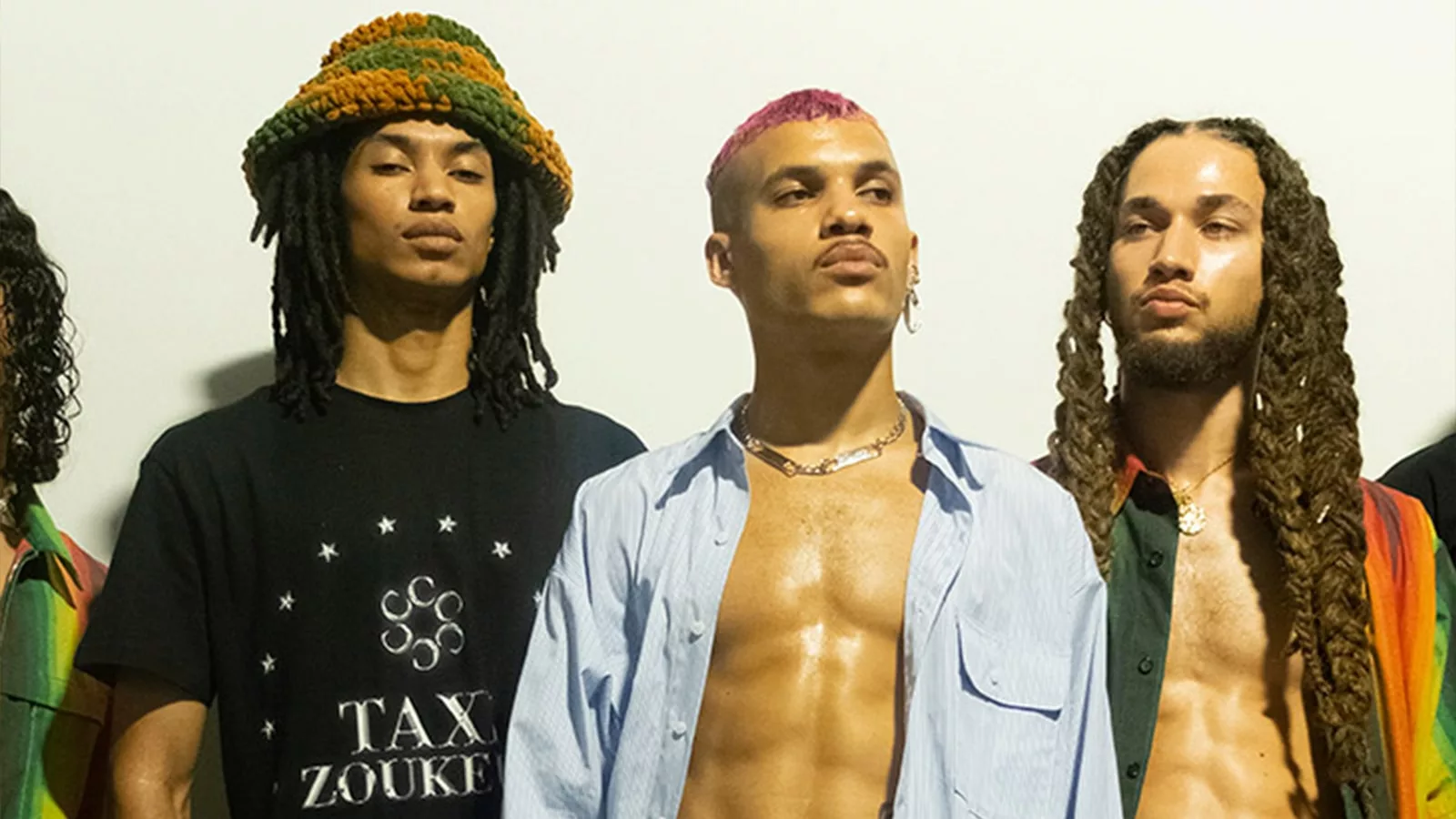
C.R.E.O.L.E. Men’s Spring 2024 Vincent Frederic Colombo Sets Out To Dismantle Preconceived Ideas Of African Fashion

Fashion label C.R.E.O.L.E. debuted its Spring Summer 2024 collection, which pays homage to Guadeloupean director Christian Laura’s 1979 movie “Coco La Fleur, Candidat.” At the conclusion of Paris Fashion Week, on June 25, the presentation took place at the Palais de Tokyo.
Coco La Fleur, Candidat, the first Antillean (French Caribbean) film in French cinema history, directed by a Guadeloupean director in Guadeloupe, served as inspiration for designer Vincent Frederic-Colombo.
In the current French overseas territories, its message is still pertinent. This movie pits technocratic elites against populist ideals, stirring up a sense of revolution during election season.

Designer Vincent Frederic-Colombo, a Guadeloupe native who was reared in Paris, said, “The whole collection is very much inspired by where I come from.”
Guadeloupe is a Caribbean archipelago that is part of France’s overseas department and region.
According to Frederic-Colombo, his clothing is intended to reflect the rich history and historical crafts-making from Africa, “and doing things in a very slow way.”
Additionally, it emphasizes the alternative African narrative. People frequently have preconceived notions about what African fashion is like.
I wish to dispel those ideas and demonstrate the diversity of African fashion.
Similarly to that, the term C.R.E.O.L.E. can stand for “Consciousness Relative to Emancipation Overcoming Obstacles.”

In an effort to decolonize his style, Frederic-Colombo said that it is inspired by not only a specific location but also by the music he listens to, the art, and the movies he likes.
By combining several universes, the designer hopes to develop a fresh look.
His designs and silhouettes draw inspiration from classic clothing, yet they propel him ahead rather than backward.

The core of C.R.E.O.L.E. is workwear, yet some tailoring and sewing methods, including lace and crochet, refer to femininity. Brown shorts with a similar trim were shown with a sheer men’s shirt with silver paillettes.
Long shorts and a blouse with wide, vertical colored stripes in greens, yellows, oranges, and reds were worn together.

A black blazer with tall, broad mock lapels and matching loose pants were two of the more fashionable items. Another was an olive-colored blazer with a longer, more conventional style.
The 1979 French movie “Coco-La-Fleur, Candidat,” about a Guadeloupian man who becomes involved in an electoral scam concocted by Parisian officials, was an inspiration for the spring collection.

Content courtesy of WWD & NFH


Opening Ceremony For The East Africa Textile And Leather Week (EATLW) 2023

With a projected market value of $31 billion in 2020, the apparel and textile business would likely overtake agriculture as the second-largest sector in Africa. It has the potential to generate millions of employment across the continent, particularly for women and young people, and it is growing every year.
The eagerly awaited EAST AFRICA TEXTILE AND LEATHER WEEK [EATLW] 2023 edition is the most prestigious gathering venue for the home textile, leather accessories, and footwear sectors and is ready to revolutionize the East African textile industry.

EATLW, a three-day conference, and exhibition (June 28–30) brings together influential industry players and thought leaders from around the world to explore business opportunities, engage in meaningful discussions, and see the incredible potential of East Africa’s garment manufacturing sector with a focus on sustainability, innovation, and craftsmanship.
Three thousand five hundred wholesalers, retailers, chains, manufacturers, and dealers from East and Central Africa will attend the event along with 150 exhibitors from East Africa, the Middle East, and Asia.


OPENING CEREMONY PROGRAM
09:00 Opening of EAST AFRICA TEXTILE AND LEATHER WEEK
10:00 VIP Gathering

11:00 OPENING SPEECHES, ORGANIZERS & MC:
11:05 Skander Negasi

CEO of Trade and Fairs Group, Germany
President, East Africa Textile and Apparel Center

WELCOME REMARKS – PARTNERS:
11:15 Mr. Hussein Adan Mohammed

Ag. Chief Executive Officer, Export Processing Zones Authority (EPZA),

11:25 Thomas Wimmer

Head of Mission, Embassy of the Federal Republic of Germany to Kenya

11:35 Ms. Floice Mukabana

Ag. CEO, Kenya Export Promotion & Branding Agency – KEPROBA`

OPENING REMARKS
11:45: Dr. Juma Mukhwana, HSC

Principal Secretary, State Department for Industry,
MINISTRY OF INVESTMENT, TRADE, AND INDUSTRY

12:10 OFFICIAL RIBBON CUTTING
12:15 OFFICIAL ROUND TOUR

13:00 END OF OFFICIAL ROUND TOUR
PRESS CONFERENCE – INTERVIEWS

Content courtesy of East Africa Textile And Leather Week ([EATLW), Couture Africa & NFH


A Fashion Exhibition In Congo Aims To Promote Harmony And Creativity In A Conflict-affected Region

Congo, Goma (AP)  A clothes designer in the Congo views the pinning, stitching, and ironing of her most recent collection as a means of communicating with the rest of the world.
Flore Mfuanani Nsukula declares in her Goma workshop that “through art, all the colors that we will express, through our clothes, it will be full of emotions, trying to explain what we are going through in our country.”

As numerous armed factions battle for control of lucrative mineral resources, there has been conflict in the eastern Congo for decades. Mass murders occur often, and the unrest has led to a refugee exodus.

The ninth Liputa fashion show was conducted on Saturday. According to the organizers, this was a chance to advocate peace and peaceful cooperation throughout Africa.

“Africans must unify as one. Although we do have a very diverse range of cultures, Délia Ndougou, a fashion designer from Cameroon, emphasized that this diversity must help us come together. She displayed a collection that was based on the flag of her country.

“We really wanted to convey joy in the clothes, peace in the clothes, very cheerful styles, a question of making the world smile,” remarked Kinshasa-based creative stylist Chadrac Lumumba.
Designers, models, and artists from Cameroon, Senegal, Burundi, France, the United States, and other countries participated in the Goma event.

Nsukula said after her new collection made its runway premiere, “We think we have sent a message to say that all these people who have come from elsewhere, that means that the situation is already improving.”

“We had visitors show their collections who came from the Central African Republic, Cameroon, the USA, and France. That implies that there is comfort and optimism that things will become better in due course.

The program aims to generate a more favorable perception of the continent in addition to spotlighting Congo’s fashion sector.
According to the collection’s organizer, David Ngulu, “We showed these collections not only to promote the creators’ ideals but to demonstrate that in Africa, in the (Congo), the areas that are deemed “red,” we can carry out the same activities as in other peaceful nations.

He stated, “I believe that each creator contributes to love, peace, and coexistence.

Content courtesy of AP & NFH


Kenyan Fashion Tech Shopzetu Raises $1.0 Million In Pre-seed Funding To Revolutionize Africa’s Fashion And Lifestyle E-commerce Landscape

To meet the rising demands of young, fashion-conscious women in Africa, Kenyan fashion e-commerce company ShopZetu is expanding its portfolio to include beauty and home décor categories.
To this end, it has raised pre-seed capital to support the expansion of its marketplace beyond Kenya.
In the next few months, it plans to develop geographically while luring in worldwide fashion labels and more than double the number of sellers on its platform to 1,000.

Equipped with a $1 million pre-seed fundraising round that it recently finished, the firm intends to expand beyond Kenya, where it debuted in 2021, to test regional distribution services in Rwanda, Tanzania, and Uganda.

“The objective is for ShopZetu to emerge as the top lifestyle site.
We want to provide more options in the areas of hair, skincare, beauty, and home décor all areas where a person may show their individuality. Our goal is to become a one-stop store,” stated Marvin Kiragu, CEO of ShopZetu, who, alongside Wandia Gichuru, co-founded the well-known Kenyan fashion company Vivo.

Chui Ventures led the pre-seed investment, and Launch Africa, Roselake Ventures, and Logos Ventures also participated. The CEO of RT Knits Kendall Tang, the co-founder and CEO of Nadine West Ben Munoz, and the CEO of Estée Lauder Inc.
Sumit Bhasin, the CEO of WPP Scangroup Patricia Ithau, and the CEO of Twiga Foods Peter Njonjo are among the angel investors that participated in the round.

According to Kiragu, who spoke with TechCrunch, ShopZetu was created in response to the demand for a multi-brand marketplace to connect a severely fragmented market with “hundreds of thousands of sellers” both offline and online, including on Facebook, Instagram, and WhatsApp. He pointed out that this results in a difficult purchasing process that lacks client trust and pricing visibility.

He went on to say that because there are an endless number of different stock-keeping units, it is practically impossible for any one person to hold the whole selection in one physical area.
“ShopZetu aims to address this issue by consolidating the existing inventory of fashion and lifestyle items into a single location,” he stated.

There are presently over 20,000 goods listed on the ShopZetu marketplace, with over 300 sellers, mostly consisting of small and major local producers and traders of imported fashion products. Onboarding of vendors is free of charge; however, they get payment for extra services, such as delivery, and for sales that are made on the platform.

We also provide warehousing, digital marketing, last-mile delivery, content creation, and return management to our vendors. To guarantee that vendors are successful online, these services are provided at a fee, although they are heavily subsidized,” Kiragu added.

“We want to make it easier for anybody to launch and grow a fashion company by utilizing ShopZetu’s extensive network and resources.
He stated, “We have excellent case studies of firms that were nurtured and introduced on ShopZetu before expanding online and opening physical locations.

The startup stipulates that, among other requirements, retailers selling on the marketplace must offer inclusive sizing, high-quality items, and be well-stocked.
According to the firm, within the last 24 months, it has catered to more than 30,000 clients, sold over 100,000 items, and seen a 400% rise in monthly orders since January 2021.

ShopZetu claims to be keeping an eye on the expanding sub-Saharan African fashion market, which is now dominated by used apparel.
Startups such as ShopZetu, however, are relying on the expanding fashion-conscious and tech-savvy population in Africa as well as reasonably priced new apparel alternatives to fuel their expansion.

“We think there is a huge market for fashion because clothes are a basic human need.”
Although a significant portion of this is now satisfied by used apparel, Kiragu noted that as more reasonably priced choices become available, there is a slow transition to new apparel.

“We think that the largest e-commerce category in Africa will be online fashion retail, surpassing formal retail.”

Content courtesy of TechCrunch, ShopZetu & NFH

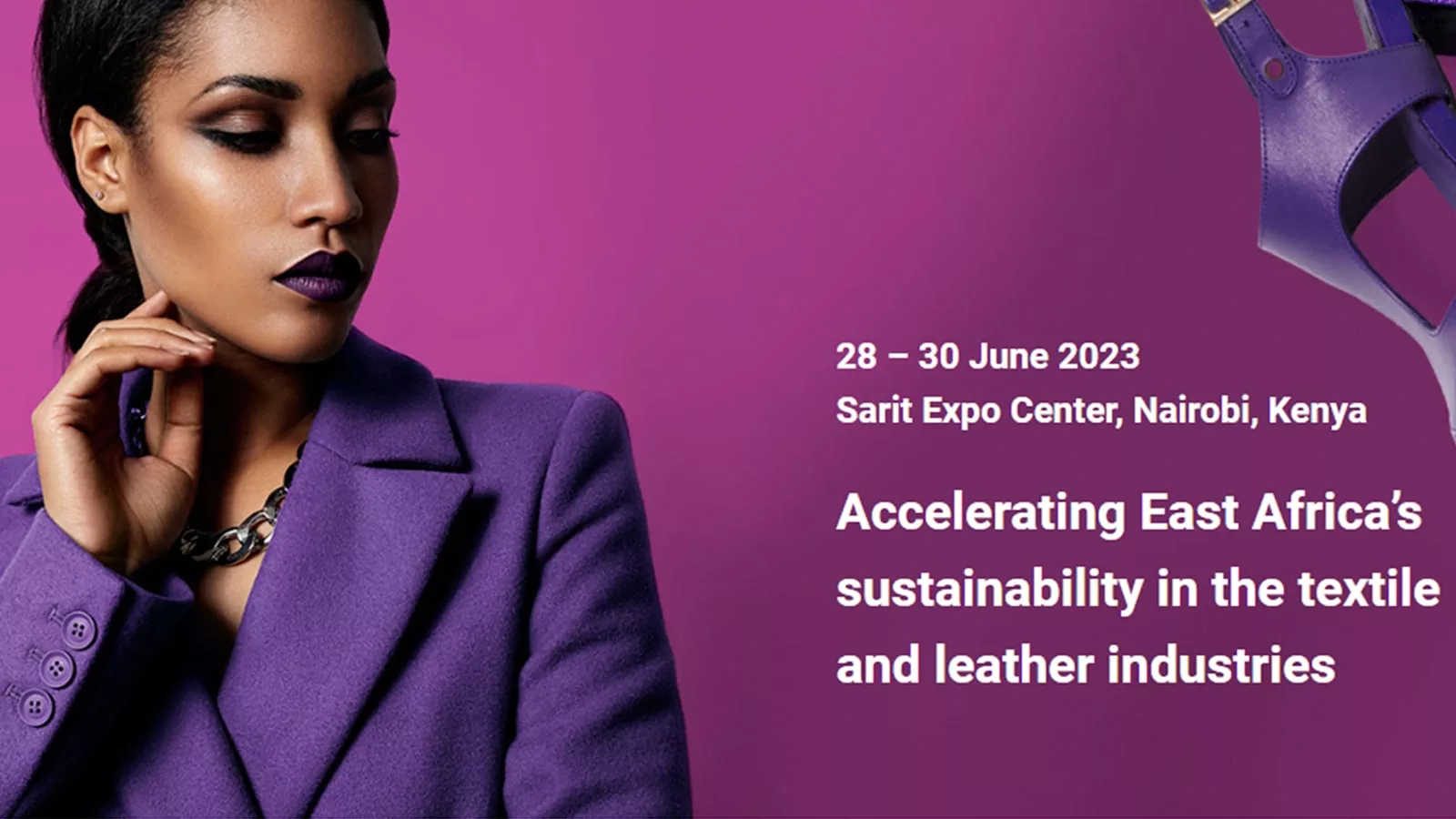
East Africa Textile And Leather Week (EATLW) 2023 Accelerating East Africa’s Sustainability In The Textile And Leather Industries

Nairobi, Kenya, Sarit Expo Center, Wed., June 28th–Fri., June 30th
With a projected market value of $31 billion in 2020, the fashion and textile business is Africa’s second-largest industry after agriculture. Growing annually, it has the capacity to produce millions of jobs across the continent, particularly for women and young people.
The eagerly awaited EAST AFRICA TEXTILE AND LEATHER WEEK (EATLW) 2023 edition is the most prestigious gathering venue for the home textile, leather accessories, and footwear sectors and is ready to revolutionize the East African textile industry.

Leading African and international decision-makers from all points along the fashion value chain will gather in June to assess upcoming trends and costs.

Key industry players and thought leaders are brought together by EATLW to have in-depth conversations, look into business opportunities, and see the incredible potential of the garment manufacturing industry in East Africa.

with an emphasis on innovation, craftsmanship, and sustainability. Three thousand five hundred wholesalers, retailers, chains, manufacturers, and dealers from East and Central Africa will attend the event along with 150 exhibitors from East Africa, the Middle East, and Asia.

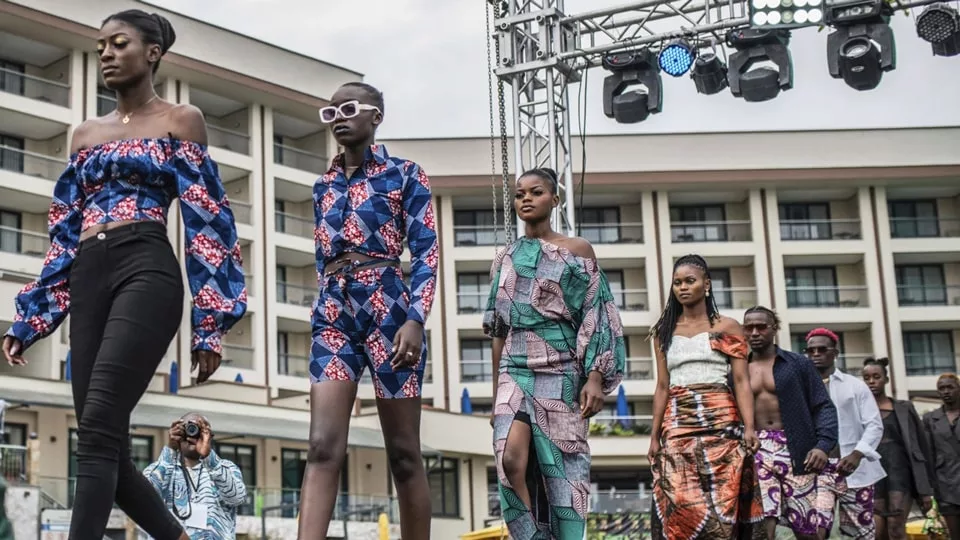
Carvico Ethiopia Plc, Leather Masters Kenya, Starsewing Dubai, Desta Plc, and Josef Seibel are a few notable exhibitors. The three-day RUNWAY KENYA ready-to-wear fashion show will include clothing and accessory designers from all over East Africa, hosted by Couture Africa Magazine in partnership with Ajuma Limited.

The Ministry of Investment, Trade, and Industry, EPZA, The Leather Apex Society of Kenya, Ubunifu Association, Women in Business, and Fashion Agenda Africa are a few other significant partners.

The CEO of Trade & Fairs Consulting GmbH, Mr. Skander Negasi, said, “We are delighted to host East Africa Textile and Leather Week, a platform that highlights the rich tradition, craftsmanship, and tremendous promise of the East African textile and leather sector.
“EATLW is more than just a conference; it serves as a catalyst for the industry’s development, cooperation, and advancement. We cordially encourage all interested parties, international investors, and fashion fans to join us on this remarkable adventure.

Sarit Expo Center, Main Hall / Nairobi, Kenya
Daily 10.00 am – 6.00 pm EATLW Exhibition
Changes in program structure or exchange of speakers or referees remain reserved | www.eatlw.com

CONFERENCE PLAN
DAY 1 28th June 2023
9.00 am – 10.30 am Registration
11.00 am-noon Inauguration and opening ceremony
Principal Secretary, Department of Industry
Ministry of Investment, Trade and Industry
Exports Processing Zones Authority (EPZA)
1.00 pm – 2.00 pm LUNCH BREAK
2.00 pm – 2.45 pm A critical analysis of government policies and initiatives; Agenda to boost production and create employment in the leather and textile industries in the region
Speakers: EPZA
Ministry of Investment, Trade and Industry
3.00 pm – 4.00 pm BRAND IDENTITY AND SOURCING SME Dialog session: Establishing a brand name that speaks
to the market to enable scaling and enhancing the taking of large orders for international markets
Speakers: KENIVEST
Moderator: Ms. Grace Mbugua, CEO of Jeilo Collections and Chairperson, Ubunifu Association
5.00 pm – 6.00 pm Fashion Show
Runway Kenya by Couture Africa


CONFERENCE PLAN
DAY 2 29th June 2023
9.00 am – 10.00 am Registration
10.30 am – 11.15 am Women‘s economic empowerment in the textile, apparel, and leather industries: Strategies for
promoting gender equality and empowerment in the industry
Speakers: Women in Business
Caroline Ngumba – Program Manager Sustainable Manufacturing – Textiles & Apparel (IDH)
Catherine Ndungu – CE0, Design 365 / Ubunifu Association
11.30 am – 12.45 pm PRESENTATION Combating counterfeits in East Africa: A comprehensive approach to
enhancing local sourcing in the textile and apparel industry
Speakers: Anti-Counterfeit Authority EPZA
1.00 pm – 2.00 pm LUNCH BREAK
2.00 pm – 2.30 pm Opportunities in the leather, textile, and apparel industry: Financing and investment prospects for industry growth
Speakers: KenInvest KEPSA
2.45 pm – 3.30 pm The rise of African fashion: Sustainable textiles pioneers from East and Central Africa region
Speakers: Ms. Akinyi Odongo, OGW – President & Founder, Fashion Agenda Africa (FAA)
Ms. Aulgah Nato – International Multi Award Winning Fashion Designer
Moderator: Ms. Connie Aluoch – Award-Winning Stylist, Connie Aluoch Styling Management
3.45 pm – 4.20 pm Protecting intellectual property in the Textile and apparel industry: Strategies for
safeguarding designs, trademarks, and patents
Presentation: KIPI
4.20 pm – 5.00 pm Fashioning sustainability in design-led businesses: Systems for sustainability and the role of
diversity and Inclusivity in shaping wearable design
Speaker: EPZA
David Avido, Kibera Fashion Week
Olive Gachara
5.00 pm – 6.00 pm Fashion Show
Runway Kenya by Couture Africa


CONFERENCE PLAN
DAY 3 30th June 2023
9.00 am – 10.00 am Registration
10.30 am – 11.15 am Leveraging government support and exploring new markets to promote growth and
competitiveness in the East African leather sector
Speakers: Leather Apex Society of Kenya
Ministry of Livestock
11.30 am – 12.45 pm PRESENTATION Strategies towards overcoming challenges such as high investment costs
and the need for incentives to attract investment in the leather industry
Speaker: Leather Apex Society of Kenya
1.00 pm – 2.00 pm LUNCH BREAK
2.00 pm – 2.45 pm Panel Discussion by Couture Africa
3.00 pm – 5.00 pm Fashion Show Mega Final
Runway Kenya by Couture Africa

Kenya’s Textile And Apparel Sector
The nation’s current textile and clothing businesses create a wide range of goods.
While integrated mills provide a wide range of goods such as yarn, fabrics (knitted and woven), canvas, school and travel bags, blankets, sweaters, shawls, uniforms, towels, baby diapers, and knitted clothing, spinning enterprises generate yarn (including industrial) and sewing thread. On the other hand, garment producers provide a variety of clothing for both the domestic market and export.
Men’s apparel is produced by about 46% of the garment factories, while the remainder makes woven chemise and robes, slacks, Kaunda suits (for men), and knitted, and woven clothing.
Investments in cotton farming, cotton ginning, spinning, weaving, as well as the manufacturing of clothing and other goods, are guaranteed to have ready access to local, regional, and global markets. Kenya offers advantageous production incentives and enticing investment incentives.

Only 15 of Kenya’s 52 textile mills are now in operation, and they only use less than 45% of their total capacity. In Kenya, there are thousands of clothing businesses. There are over 170 middle and big businesses and over 74,000 small and micro businesses.
The Export Processing Zones are home to twenty-one businesses, each of which employs 1,800 people on average.

Content courtesy of Couture Africa, East Africa Textile And Leather Week & NFH


Ad