Wednesday 17th of June 2026

Nairobi, Kenya

Fast-Fashion Giant Shein Is Under Investigation in South Africa for Import Procedures

Textile workers and business associations claim Shein sends items in small packets to avoid paying import taxes.
After allegations from the regional textile union and industry organization that the fast-fashion retailer Shein may be abusing tax breaks to obtain an unfair edge in Africa’s most advanced economy, the South African government announced on Monday that it is looking into the matter.

A representative for the Department of Trade, Industry, and Competition declined to offer information on the probe, but he said that it was begun in response to concerns voiced by labor and business groups.

https://www.instagram.com/reel/CpsMt7nrIO3/?utm_source=ig_web_copy_link

The allegations made by the South African organizations are similar to those made by American unions and manufacturers who assert that Shein and other Chinese shops are abusing a provision in American customs law that exempts them from paying duties on imports.
The investigation into Shein’s import tactics hasn’t been officially confirmed by the government until the South African investigation.
tightly held Shein, which was established in China but is now headquartered in Singapore, has grown to be one of the biggest online fashion retailers in the world by sending ultra-cheap goods from China directly to customers in more than 150 different countries. On Shein’s website, you can buy some gowns for less than $5 and women’s tops for as little as $2.

The National Clothing Retail Federation of South Africa and the Southern African Clothing and Textile Workers’ Union assert that Shein purposefully distributes its items in small packages of lower value to avoid paying import tariffs.
These taxes are in place to aid local businesses in competing with low-cost imports.
According to import records, the corporation appears to be taking advantage of a gap that was actually designed for individual consumers, according to Etienne Vlok, national industrial policy officer for the union. You don’t have to pay the same taxes as someone importing tens of thousands of clothes if your import is below a particular value threshold.

According to Mr. Vlok, Shein may be paying as little as 10% to 20% in taxes, which the South African government typically levies on imported apparel.

If that’s the case, we should consider a solution to close that gap, he said. “Shein doesn’t seem to be playing by the rules others are playing by,” says the author.

A representative for Shein stated that the business is dedicated to abiding by local rules and regulations of the markets in which it operates.

Similar worries about a regulation known as the de minimis rule have been voiced by organizations in the US, such as the Alliance for a Prosperous America, which is made up of US manufacturers and labor organizations. Companies are currently using this rule, which permits American travelers to carry duty-free items back from abroad, to avoid paying billions of dollars in tariffs.

As long as products are packaged, targeted to specific purchasers, and cost less than $800, the rule permits American stores that sell Chinese imports and Chinese businesses that sell straight to American consumers to escape tariffs.

The fact that Shein has very, extremely aggressive low price points is somewhat of a global phenomenon, according to Michael Lawrence, executive director of the National Apparel Retail Federation of South Africa.
“My membership is not the only one attempting to figure out how much aggressively low pricing points are possible.”

Content courtesy of The Wall Street Journal & NFH 


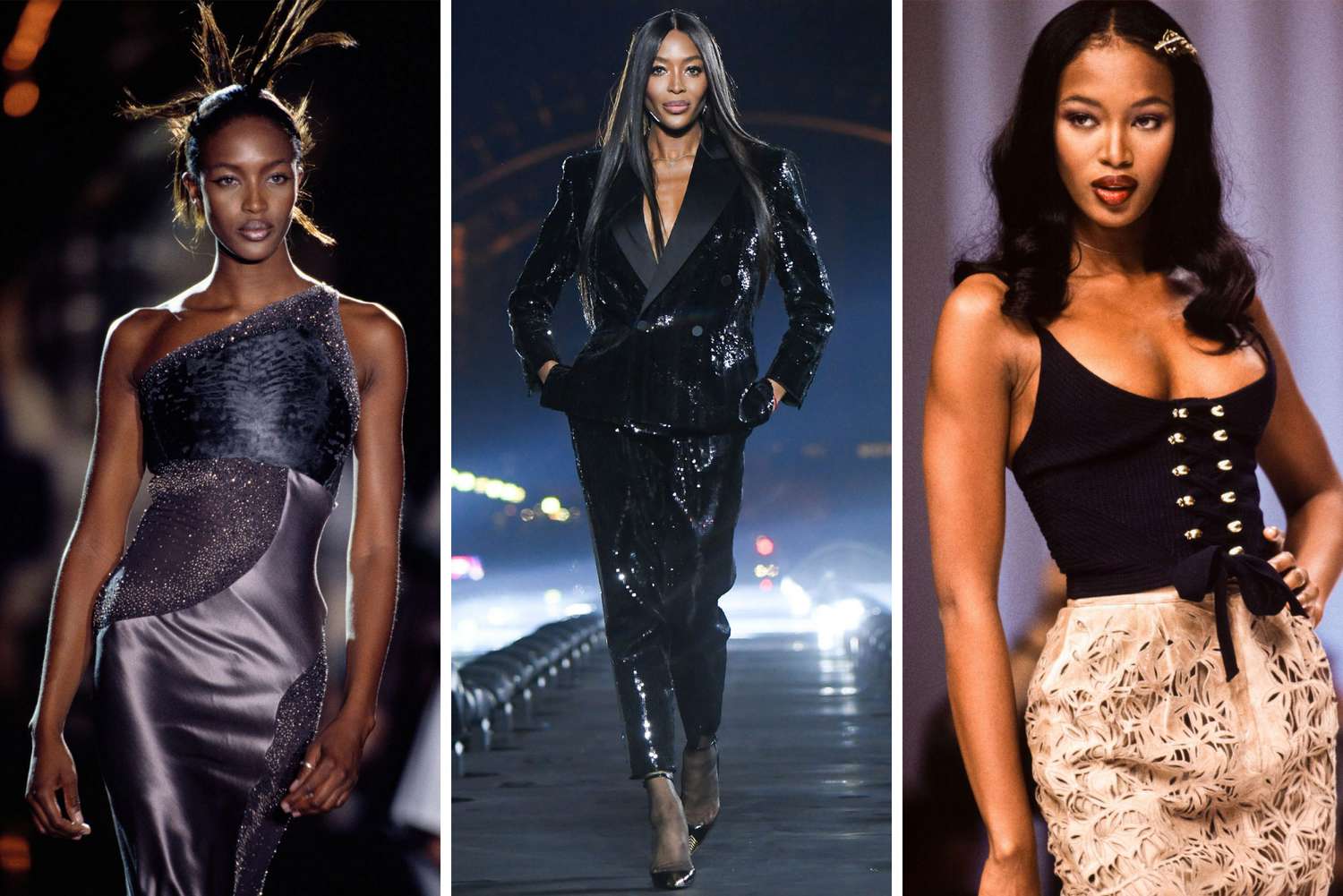
Fashion Super Model: Naomi Campbell Knows What She Wants

The world has been attempting to describe her for three decades.
The supermodel and campaigner, though, would rather handle things on her own terms.
Naomi Campbell’s origin story plays a significant role in the mythos around her as a supermodel, activist, fashion star, and occasionally hothead.
I’ll reiterate what you likely already know: Campbell, a 15-year-old schoolgirl from the relatively nondescript streets of London’s Streatham area, was discovered by a model scout while window-shopping in the city’s West End.
It’s a very different narrative from how today’s most successful models appear to be found either via Instagram scouting or being thrust to the head of the line because of their well-known parents.

Together with Kate Moss, another ’90s icon (and close friend), Campbell is to blame for inspiring a generation of British teenage girls to try their hardest to appear “modely” as we browsed the expansive Topshop on Oxford Street in the hopes that we too might be “spotted” while out on a Saturday afternoon.

https://www.instagram.com/p/CpXwvIRseK8/?utm_source=ig_web_copy_link

Campbell’s background gives the impression that a fortuitous encounter is what altered the course of her life as if hers is some type of “right place, right time” Cinderella tale. Then, however, as you’re seated next to her in a hotel suite in a secretive part of Europe, you realize that with a face like hers—those imposing cheekbones reaching upward as though in homage to the celestial entities that must have played a role—there must have been some sort of celestial influence.

Naomi Campbell was destined to become renowned because of how they were made and those full, proportionate lips.
“I’ve been requested to write a book by virtually everyone,” she tells me, sinking into a sofa.
The thought of a Campbell memoir is tantalizing one wonders what her perspective of the countless tabloid headlines that have been published about her would be but so far she’s held off. “It’s time-consuming,” she argues, and anyhow, she doesn’t want to use a ghostwriter. She prefers to tell her own story.

Campbell epitomizes Old Hollywood; she exudes the confidence of someone who has experienced pre-2000 stardom, or legitimate popularity.

She does not engage in the calculated humility or relatability politics that seem to be the norm among today’s rising stars. She constantly mentions the incredibly well-known celebrities and fashion designers she counts among her close pals, and her Instagram is covered in glitz and jet-setting.

She has managed to hang on to her position as the hot spot of fashion for more than three decades, and she will go down in the annals of the business. So of course I agree to quit everything the day after Christmas and board a plane in exchange for just one hour of her time.

Despite her haughtiness, Campbell can also be extremely girlish at times, such as when we sneak outside to her hotel room’s terrace so she may smoke a cigarette. She tells me in a slightly conspiratorial manner, “I’m going to resign on New Year’s Eve.”

Her recent travels included flights from Milan to Miami, Miami to London, London to Egypt (where she sat front row at a Dior menswear show), back to London for the British Fashion Awards, and then on to the Senegalese city of Dakar to see Chanel’s first-ever catwalk show in sub-Saharan Africa.

Saudi Arabia then travels to London. from London to New York. Get back to London.
She will soon travel to the Middle East once again before returning to Senegal for a vacation.

https://www.instagram.com/p/CkLu96DMxsQ/?utm_source=ig_web_copy_link

She still puts forth a lot of effort, I wonder why. Most of her countrymen had long since retired, occasionally resurfacing for a legacy campaign but, for the most part, appearing glad to slow down. Campbell, in comparison, is still as booked and active as she was during her heyday in the 1990s; just this past year, she fronted advertisements for Balmain, Hugo Boss, and Pat McGrath Labs. What possible new peaks could she possibly climb?

“I just like what I do,” Campbell claims. “I consider myself fortunate to have the freedom to decide what I do at this stage in my life. And it’s a blessing that I still have access to so many wonderful chances. Why not then?
She goes on to say, “I have nothing to prove. I enjoy doing it, so. Although my work is challenging, I enjoy it.
The fact that you enjoy what you do is crucial. I still find enjoyment in what I do.
For quite some time, that effort has not only involved modeling.

Now, a large portion of Campbell’s time is devoted to activism, philanthropy, and cultural ambassadorship, frequently through Fashion for Relief, the nonprofit organization she established in 2005 to support Hurricane Katrina victims and which has since raised more than $15 million charitable causes around the world.

https://www.instagram.com/p/CoDQ10eMjcA/?utm_source=ig_web_copy_link

She introduced Emerge in October with a star-studded gala and fashion show in Qatar, an effort aimed at finding and nurturing the following generation of creative talent from emerging communities around the world. In layman’s words, that refers to internships, coaching, and skill development in the creative industries, which include tech, art, entertainment, and fashion in addition to fashion.

The number of young models Campbell has taken under her wing is another indication of her commitment to supporting the next generation of fashion creatives.
Adut Akech, a doll-faced 23-year-old model from South Sudan who is currently one of the most in-demand faces in the business, is one of those people.

This is large because of Campbell’s backing for her career.

“You know how a mother takes care of her child? I always feel comfortable when I’m around her,” adds Akech. “She’s like a comforter. I feel like I have another mother figure who is raising me even though I’m so far away from my original mother. On the set of Tim Walker’s Alice in Wonderland-themed Pirelli Calendar photo shoot, which famously included an all-Black ensemble, Akech first met Campbell in 2017. That was a “fangirl moment,” according to Akech, “but I was like, ‘Don’t be strange.’ ” A few months later, when she moved to New York City by herself, she contacted Campbell because she had given her phone number. She treats me the same way she would treat her own daughter, says Akech

“She always makes sure I get into my car safely whenever I hang out with her. As soon as you get home, text me. If I don’t SMS her, she won’t go to sleep.
Mothering can be done in a variety of ways. When I bring up the subject, Campbell replies, “I mother a lot of people. She claims that her desire to be one has always been clear. “Always.”

Campbell announced the birth of her daughter in May 2021. It didn’t matter when she claims. “Everyone’s life develops in a unique way. And it’s about who, and it’s a crucial question because you need to be certain that you’re doing that with the appropriate person.

For the rest of your life, you are linked. She takes a momentary pause that seems to last much longer. “For that reason, I decided to go it alone.”
Yet starting out as a single parent at 50 is a big commitment. Was she not afraid of the possibility?
“No.”
In no way?
“No, no.” After some time, she changes her mind. “Yes, I suppose I might be anxious in the sense of wondering if I’m doing everything correctly. Yet, you follow the flow.
The actress Cameron Diaz (or “Cammie,” as Campbell calls her), who Campbell now consults for parenting guidance, was one of the few individuals Campbell told about her plans to have a kid.

She’s someone I’ve known for a very long time, and I genuinely respect and love her. When I told her, she just said, “Alright,” She’s just a solid, trustworthy friend.

Nevertheless, Campbell is hesitant to talk much about parenting because she doesn’t want it to become the focal point of her public persona—a sentiment that many women who become mothers would understand.

The sun is starting to set while we are still outside on the terrace, where we have moved permanently from the hotel room. It is an impossibly lovely scene, perched high on a hill and looking down at the dazzling lights of a nearby town. In light of this, Campbell relaxes.

Though Campbell frequently describes herself as a “global citizen,” it is obvious that this is the region of the world that genuinely has captured her heart. In the coming days, she will travel to Senegal for a holiday. “I immediately sense the absence of racism as soon as I land in Africa. So that’s a big tick off the box,” she says, noting the psychological weight that is lifted when one can simply blend in with their skin folk and not have to worry about the possibility of a racial microaggression (as much as someone as famous as her can ever truly blend in).

Campbell speaks wistfully of Kenya, her home country, and its breathtaking natural beauty.

She talks eloquently about Senegalese dishes like thieboudienne and yassa as she says, “I’m just happy that people are finally understanding how beautiful the African continent is.
(Sensing a chance, I attempt to prod her into choosing a side in the “jollof wars,” a jocular competition between diasporic Ghanaians and Nigerians over which country makes the best jollof rice, but she politely avoids my attempts to coax her to join Team Nigeria.
I won’t be participating.

Content courtesy of  Hapers Bazaar & NFH


African Fashion: In A Double Performance, Kaijuka Abbas Conquers West Africa.

In a double performance, Kaijuka Abbas conquers West Africa.

Without a doubt, it is his universe, and the rest of us are likely gliding through it in a fog. The Ugandan designer keeps expanding his empire internationally. His most recent achievement was in West Africa, where he presented a collection of distinctive items at the Nook International Fashion Weekend in Nigeria last month.

An all-female collection featuring vibrant colors and edgy silhouettes was displayed by the designer who is known for these distinctive and audacious items that push the limits of fashion.
The designer’s heart and work were evident throughout the feminine collection.

For day two, the award-winning designer showed yet another spectacular collection, a celebration of masculinity, with the designs being bold, edgy, and style approved.

The second stop on his West African showcase tour took him to Lome, Togo, where he unveiled a range of clothing with a flamingo-hued monotone at the FIMO228.
The goal with these collections, according to Abbas in a statement following the display, was to celebrate life and bring that atmosphere to the Nook International Fashion Weekend and FIMO228.

“I wanted to demonstrate to the world the boldness, originality, and bravery of Ugandan fashion. And I think that with this collection, we achieved that goal. I could not be more pleased with my team, and I am eager to see where the Kai’s Divo Collection Brand will go in the future,” he said.

Content courtesy of Kai’s Divo Collection, Haguma Gloria & NFH


Kenyan Fashion: Making Kenya’s Fashion Industry More Efficient

Kenya’s apparel sector needs to close the loop. Over 400,000 tons of cotton waste are produced annually in Kenya by the apparel industry.
Global climate targets may or may not be achieved due to the fashion sector. Being the second-largest consumer of water, the sector is responsible for 4 to 10 percent of world emissions.
Being the second-largest consumer of water, the sector is responsible for 4 to 10 percent of world emissions.
A persistent increase in the world’s gross domestic product (GDP) has raised incomes everywhere, encouraging customers to buy new clothes more frequently, which could make the situation worse.
To keep warming to 1.5 degrees Celsius, the industry must cut emissions by 45 percent in absolute terms by 2030. Without quick action, emissions will yet increase to 1.588 gigatons by 2030.

To accomplish this reduction in emissions, the industry will need to address the substantial amount of garbage it generates. One factor is post-production textile waste, since up to 20% of the fabric used to make garments is lost. Via transportation to landfills or emissions emitted during the burning of textiles, this garbage generates its own emissions.

Waste management presents particular difficulties in East Africa. The area generates a sizable portion of the world’s textile manufacturing, which results in a sizable amount of post-production trash.
An estimated 400,000 tons of cotton waste are produced by the clothing industry each year in Kenya.

Despite having the ability to recycle materials, manufacturers do not have circular waste-to-value solutions that preserve the value of textiles. Because of this, textiles are frequently transformed into inferior materials with limited usefulness, such as floor mats, pillow filling, and insulation material.

Waste reduction strategies that are revolutionary are required for the apparel industry in East Africa and beyond.
Successful implementation of these solutions is being demonstrated by one partnership in Kenya.
As other nations transition their fashion businesses toward more sustainable practices, their work may offer important lessons for them.
As a result, both the global climate goals and economic growth will be aided by this change.

A New Alliance Is Altering The Fashion Industry.
A middleman who can transform trash into sustainable raw materials for the manufacture of new garments is necessary to reduce waste across the supply chain, from manufacturing to recycling.
Closing the Loop on Textile Waste in Kenya fills that need.
They make use of a cutting-edge chemical recycling process created by the American company PurFi, which turns textile waste into high-quality products that can be recycled again and again in fresh production.

To reduce waste, the fashion industry in East Africa and beyond needs innovative solutions.

Compared to conventional methods for recycling textile waste, this system utilizes 99 percent less water, up to 90 percent fewer greenhouse gas emissions, and 90 percent less energy.
More than 15,000 chemicals, some of which are toxic, are involved in the production of clothing, so chemical use itself is not environmentally friendly; however, PurFi’s cutting-edge rejuvenation technology maintains a closed process that absorbs the recycling chemicals back into the resulting fabric.

The collaboration not only has positive effects on the climate but also shows how social fairness and environmental impact are intertwined. They provide training to previously unemployed women in the neighborhood, assisting in securing fair and secure employment that enables them to support their families.

The 36,000 kg of rubbish that this all-female sorting staff processes each month is being increased to 100,000 kg each month.
The collaboration has thus far sold 100,000 kg of textile cotton waste collectively.

A successful 2018 project from India served as the foundation for this multistakeholder program, which is being managed by the nonprofit Enviu and includes PurFi and Upset Sourcing East Africa.
The absence of recycling options and rising textile manufacturing in Kenya provided the ideal setting for the cooperation to imitate India’s model.
The Global Goals 2030 (P4G) and Partnering for Green Growth (P4G) State-of-the-Art Partnership Awards honor the most significant collaborations worldwide that are advancing new business models each year.

For its efforts to revolutionize textile recycling throughout Africa, Closing the Loop on Textile Waste received the Partnership of the Year for 2021 award, which was presented at COP26.

The future of Kenya’s fashion industry and Closing the Loop
The work of Closing the Loop is taking place at a crucial juncture as Kenya’s significance in the fashion sector is rising quickly.
Kenya’s Big Four Strategy, which places an emphasis on job creation in the manufacturing sector and raised living conditions, lists the restoration of the local textile industry as one of the country’s top priorities.
The expansion of textile manufacturing for export has also been encouraged by recent trade agreements and the establishment of special economic zones.
As a result, it is anticipated that over the next five years, Kenya’s export of textiles and apparel will rise by 25% annually.

Even though Kenya’s textile sector will increase significantly, post-production waste is already amassing as a result.
With two crucial strategies, the collaboration is seeking to develop alongside the sector and include recycling methods in the supply chain:

1. Public-private Partnership
Closing the Loop has a unique potential to assist both government organizations and clothing manufacturers in addressing the problem of textile waste thanks to their waste-to-value solution.

The Ministry of Industrialization, Trade, and Enterprise Development in Kenya’s Export Processing Zone Authority (EPZA), which is in charge of fostering export-oriented business projects, has been enlisted by the collaboration.
To manage the enormous amounts of textile waste produced by large clothing manufacturers inside their agency, EPZA needs viable and circular solutions. 450 new production lines are being built simultaneously inside EPZA, which will increase the amount of waste generated after production.

Closing the Loop can help EPZA by working together to give the agency the circular solutions they now lack. As a result of the partnership’s access to the textile waste produced by both old and new production lines, they will be able to recycle even more materials.

Meanwhile, in Kenya, waste management firms and producers have entered sourcing agreements with the collaboration. The collaboration is able to accurately track waste across their supply chain by developing an extensive connection with vendors. Given the intricate network of middlemen that source and produces items, product traceability is frequently challenging. In order to better reduce and recycle garbage, the collaboration will be able to better identify the areas where it is produced by collaborating closely with a variety of firms.

2. Scale And Efficiency Improvements
Via its partnerships, Closing the Loop will be able to access and recycle more waste than ever before. On the other hand, the collaboration will need to operate more effectively and on a greater scale in order to be able to process such a large volume of waste. In light of this, Closing the Loop intends to grow by moving to a bigger location where it will have access to more tools, staff members, and post-production materials. The alliance will be able to sift the enormous volume of rubbish they will receive as a result.

Solving environmental difficulties in textile production will not only mitigate climate change but also give a $192 billion total boost to the world economy by 2030.

Extending their work will have financial advantages for the partnership and the areas they serve in addition to significant trash reduction. The price per sorted kilogram of waste will decrease as waste volume from suppliers is increased and sorter output is increased. Additionally, this will enable the collaboration to keep creating socially just jobs and support Kenya’s Big Four Agenda.

In the long run, Closing the Loop intends to spread its technology throughout Kenya and create a network of strong, neighborhood textile waste centers. Recycled post-production waste would be given back to the original producers by this network. They would then make it possible for waste to flow continuously for regeneration.

If the agreement is successful, it will significantly aid Kenya’s textile industry in making the shift from its current inefficient informal waste methods to a formal circular system.

Establishing A Globally Sustainable Fashion Business
The Closing the Loop on Textile Waste effort demonstrates that it is feasible to transition to circular textile waste management, promote social fairness, and generate employment in the areas where the sector has the most negative effects.
This all-encompassing model shows how local solutions can contribute more to the shift to sustainable practices. Moreover, some solutions may have significant advantages: By 2030, addressing environmental issues in the textile industry would help the world economy gain $192 billion in benefits in addition to reducing climate change.

P4G is creating a network of collaborations that, like Closing the Loop, turn trash into a resource for the textile, plastic, and food industries.

Completing the Loop builds on the synergies with P4Circular G’s Fashion Partnership, which brings brands, producers, and recyclers together to improve the value of trash by recycling it into new textile products in Bangladesh. These partnerships have the ability to increase their impact, increase transparency, and track waste throughout the global fashion chain by cooperating and exchanging lessons learned about textile reuse and recycling around the world.

The world needs more cutting-edge business models that can quickly change established processes. These models can be advanced through partnerships across the supply chain, but only with backing from financiers and participants in the fashion industry. They can attain the scale and collaboration required to develop a truly sustainable fashion sector if they take Closing the Loop’s lead.

Photos Credit Shop Zetu & African Yuva

Content courtesy of World Resources Institute, Green Biz & NFH


Nairobi’s Fashion Elite Dazzle at the Glamorous Fashion High Tea 2023

Fashion High Tea 2023: A Dazzling Celebration of Style, Charity, and Glamour, Nairobi’s fashion scene reached its pinnacle on Saturday, February 25th, as the highly anticipated Fashion High Tea 2023 unfolded at the serene and stylish Zen Garden. Despite the sweltering heat of February, the event lived up to its reputation as the city’s most glamorous, extravagant, and fashionable affair. A crowd composed of Nairobi’s most influential figures from fashion, media, politics, and entertainment gathered to sip on carefully curated drinks from gin and bubbles to whiskey and beer while savoring an assortment of gourmet snacks and sweet treats. But it wasn’t just the beverages and bites that made the event unforgettable; the fashion was, without question, the star of the show.

Fashion High Tea 2023: A Dazzling Celebration of Style, Charity, and GlamourNairobi's highly anticipated Fashion High Tea returned in dazzling style on Saturday, February 25th, transforming the Zen Garden into a haven of glamour, extravagance, and impeccable style.#nairobifashionhub #fashion

Nairobi Fashion Hub (@nairobifashionhub.bsky.social) 2025-02-19T12:05:20.643Z

The attendees, a dynamic mix of women and men, effortlessly showcased their style prowess. From bold, statement-making pieces to sophisticated, understated elegance, the guests understood the assignment each outfit a testament to the level of sophistication that has come to define Fashion High Tea year after year. The event provided the perfect platform for fashion lovers and industry professionals to mingle, forge new connections, and celebrate all things chic.

Created by the powerhouse duo, sisters Shivani and Payal Radia, the event has become a tradition that marks the start of Nairobi’s fashion calendar. As the co-founders of Zen Garden, the venue that hosted the event, and the masterminds behind Fashion High Tea, the Radia sisters have made it their mission to blend high fashion with a noble cause. This year’s gathering was no different, as the event stood as a fusion of luxury, philanthropy, and style.

More than just a fashion spectacle, the event seamlessly blends style with philanthropy, raising funds for worthy causes. This year, Fashion High Tea proudly supported the Kenya Women & Children’s Wellness Centre (KWCWC), an organization dedicated to supporting survivors of gender-based violence.

Nairobi Fashion Hub (@nairobifashionhub.bsky.social) 2025-02-19T12:13:10.610Z

A notable aspect of Fashion High Tea 2023 is its dedication to giving back. This year, proceeds from the event went to the Kenya Women & Children’s Wellness Centre (KWCWC), a pivotal organization committed to aiding survivors of gender-based violence. The KWCWC is currently working towards the construction of a Gender Violence Recovery Centre (GVRC) on a 10-acre plot of land near the Northern Bypass, behind USIU. In the interim, the center is actively engaging in sensitization programs and educational initiatives designed to raise awareness and build capacity within the Kasarani region. The efforts of KWCWC are vital, as they aim to provide support and healing for those affected by violence, while also fostering a deeper understanding of gender equality and justice in Kenya.

The event was a resounding success, not only as a style celebration but also as a powerful reminder of the role fashion plays in supporting meaningful social change. From start to finish, Fashion High Tea 2023 was a reminder that fashion is not only about what we wear, but about the causes we support and the communities we uplift.

The 2023 Fashion High Tea proved to be a resounding success, a testament to the Radia sisters' vision and the vibrant fashion scene in Nairobi.

Nairobi Fashion Hub (@nairobifashionhub.bsky.social) 2025-02-19T12:15:01.755Z

Content courtesy of NFH Digital Team

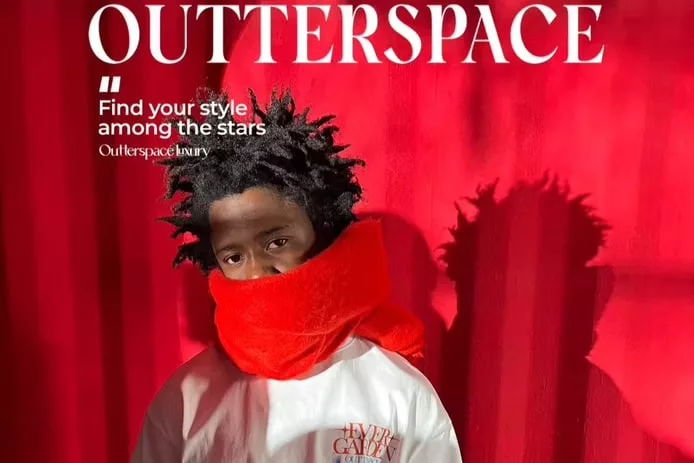
How Outterspace is Changing the Definition of Luxury for Black Owned Apparel Companies

Africa has a diverse population in terms of languages, histories, and styles.
Several African-owned fashion firms are adding their distinctiveness to the current metropolitan fashion landscapes, making African fashion in particular a spectacle in the global fashion industry. Outterspace Integrated Luxury is a representative of these brands.

Outterspace Integrated Luxury is positioned to become a worldwide voice that raises awareness of Africa’s growing luxury fashion industry while staying true to its passionate and unusual creative heritage. In the three years since the brand’s launch, some of our favorite celebrities and powerful people have grown to appreciate its originality and youthfulness, making magnificent collectibles from the brand a staple in their wardrobes.

Integration of outer space Indulgence, comfort, prestige, sophistication, and street cred all fall under the category of luxury.

Excellence controls its original thought.
Since fans of high-end premium style and comfort exist all over the world, the brand strives tirelessly and creatively to cater to these customers by producing luxury streetwear.
Presently, the brand’s strongholds are in Nigeria and the United Kingdom, and it is progressively expanding its branches throughout the rest of Africa, Europe, America, and Asia.
Unlike the vast majority of African-owned clothing companies, which are frequently considered quota purchases (purchases meant to show love and support for Blacks)

With a voice that screams class, @Outterspace Luxury is changing the game by putting its distinctive design and aesthetic aspirations to life on people’s bodies all around the world. By doing this, they are not only changing how Africans view luxury but also opening the road for future African-owned fashion firms to compete with other international brands in the fashion industry.

For people who aren’t scared to stand out and utilize their clothing as a form of self-expression, their stunning designs are statement items.

Through their fantastic creations, the brand’s designers hope to bring cosmogenic joy and unwavering quality into their customers’ wardrobes.

A glance through their inventory reveals pieces that ooze style and work for a variety of occasions, such as Sunday brunch, romantic nights, picnics, etc.
Outterspace Integrated Luxury (@Outterspace Luxury) touts itself as a fashion find in the modern urban scene, deserving of all attention and capable of competing with the top names in international fashion.
They remain a high-end, daring, yet adaptable addition to any wardrobe, appealing to fans of comfort and sophistication as well.

Content courtesy of Fashion United & NFH


African Fashion: Professor Of Social Work Uses Clothes Design To Communicate With His Ancestors

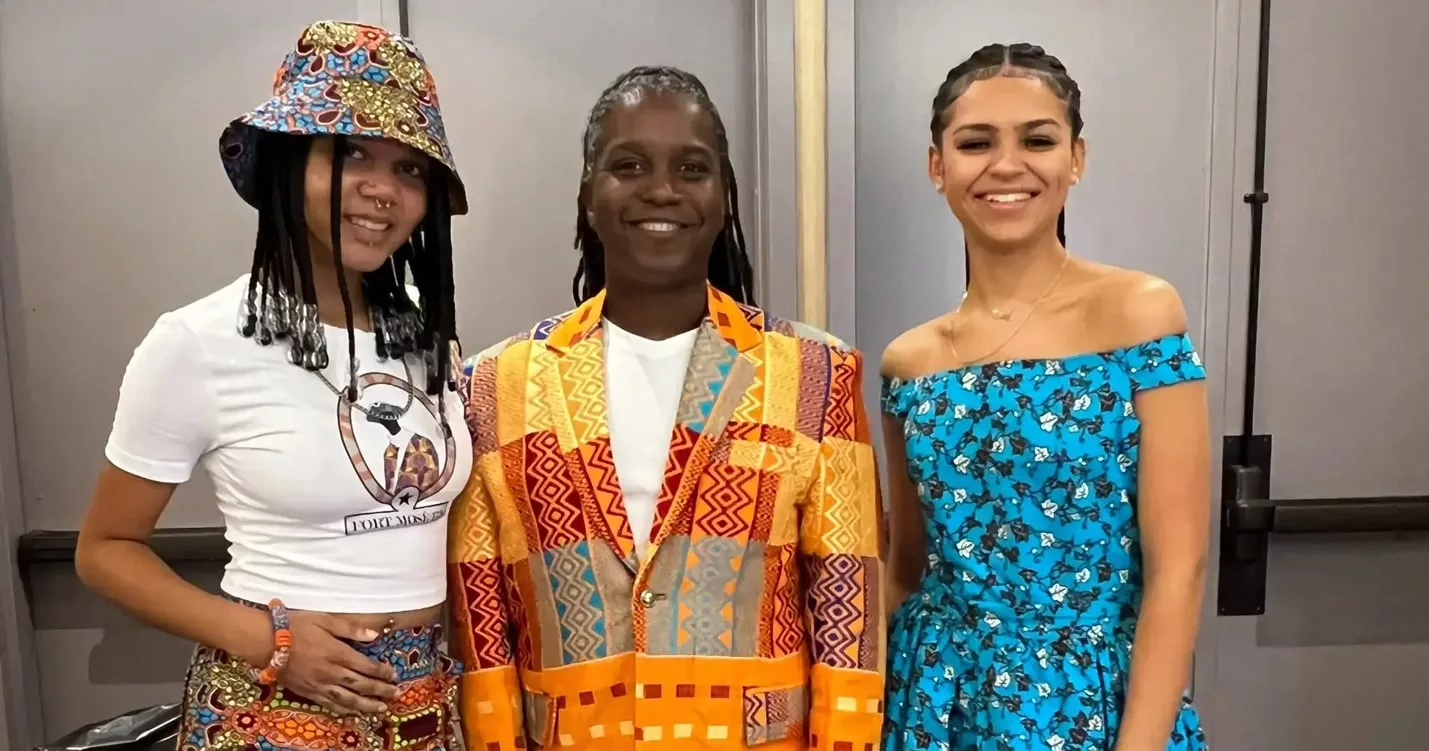
By collaborating commercially with a Ghanaian family, the Fort Mosé 1738 collection, created by VCU’s Maurice Gattis and displayed at DC Fashion Week, complements Gattis’ social efforts.
At DC Fashion Week last fall, fashion model Diamond Minnetta was introduced to the creations of Fort Mosé 1738 LLC, a clothing brand established in 2021 by Virginia Commonwealth University faculty member Maurice Gattis, Ph.D.

Modeling all around the United States, Minnetta remarked, “I was in wonder over the colors and I loved how the cloth felt on me and how it looked.”

It was simply breathtaking. I felt fantastic after it.
On the occasion, Minnetta wore one outfit by Fort Mosé 1738, but she ultimately bought a jumpsuit and matching headband from the brand that she had seen being worn on the runway.

“I found it to be excellent. She said, “I had to have it. Because they were so genuine, his designs stood out. It feels like a celebration when you wear it. I was very impressed by that. I also enjoyed the cultural component.

Gattis, an associate professor at the VCU School of Social Work who has never taken a fashion or design course, claimed he never dreamed he would launch his own clothing company.

However, around a dozen items from Gattis’ clothing business were displayed on the runway the year before, one of which was modeled by a VCU student.
I’ve always been interested in clothing, particularly bright apparel, the man admitted.

According to Ean Williams, executive director of DC Fashion Week Inc., the panel that evaluates designer applications for DC Fashion Week, which is hosted at the Capitol Hilton Hotel in September, decided Fort Mosé 1738 would be a strong fit for the Emerging Designers Showcase.

Williams stated that the collection “boasts vivid colors, the staple of materials found in Ghana.” The fashion industry will undoubtedly be drawn to Gattis’ use of traditional textiles and a new silhouette.

An accidental encounter turns into a business opportunity
It was accidental for me to go into the apparel business. Gattis didn’t think about beginning a clothing business until he traveled to Ghana and met a couple, Nathaniel and Faustina, who was his driver and manufactured personalized apparel for Gattis while he was there.

He thought he and his wife would make the outfits, and I would design them. That sounds like a fascinating notion, I thought to myself,” Gattis recalled. “The universe was in harmony when I met Nathaniel and his wife.”

In order to help the couple, Gattis established Fort Mosé 1738, which he named after the first free Black town in the United States that was established in 1738 for people who had previously been held as slaves in West Africa. Fashion events in Richmond and Washington, D.C. have showcased his company’s designs, which are also available in-store and online via bespoke orders.

The company, according to Gattis, “helps me and Nathaniel connect with our ancestors.”

Cotton or a silk/cotton combination makes up the handwoven material that is utilized to make the clothes. Contemporary West African clothing is designed by Gattis, and Nathaniel and his wife produce the garments before shipping them to the United States.

“I believe in them and the fabric’s quality, which is why I said yes to Nathaniel. The clothing are extremely wonderfully crafted, added Gattis, who also stated he enjoys creating the clothes.
“It’s a fantastic outlet for creativity. It appears to be beneficial for my employment at VCU. I get to connect with individuals who don’t know me or what I do, which I find to be stimulating, so it strikes a wonderful balance.
where academics and creativity converge
Gattis, a native of Daytona Beach, Florida, has always delighted in pursuing his intellectual and artistic passions. He studied sociology at Emory University and danced for the Emory Dance Company.

He earned a master’s degree in social work from Columbia University and a doctorate in social work from Washington University in St. Louis’ George Warren Brown School of Social Work.

Following three years as a tenured professor at the University of Louisville, Gattis joined VCU.
He works at VCU’s Intersections in the Lives of LGBTQIA+ Communities Core as an iCubed scholar. In the fall of 2021, he received the position of senior adviser at VCU’s Q Collective.
He is also a founding member of the VCU School of Social Work’s Center for Youth-Engaged Research to Prevent and End Youth Homelessness.

His research focuses on homelessness, adolescent risk behaviors, and health disparities among LGBT+ (lesbian, gay, bisexual, and transgender) populations in North America, South Africa, and Canada. His primary research focuses on how social environment (family, peers, stigma, and discrimination) affects harmful psychosocial consequences like poor mental health and substance abuse.

Gattis was happy with himself for trying something in fashion and succeeding, he remarked after the D.C. fashion show.

He remarked, “I think it complements my work at VCU with LGBTQ youth and homelessness. Because this was a family trying to improve their financial situation, it complements my field of macrosocial work and community development.

Content courtesy of VUC & NFH


The Company Behind House Of Blueberry Is Bringing Diversity To The Realm Of Online Fashion.

While inclusion is unquestionably vital in the real world, it has only recently started to get attention among individuals in the industry because the virtual world is still in its early stages of growth.
Only a few companies have genuinely implemented inclusion into the core of their business practices, so the value is still filtering through everything from company leadership to product offerings.

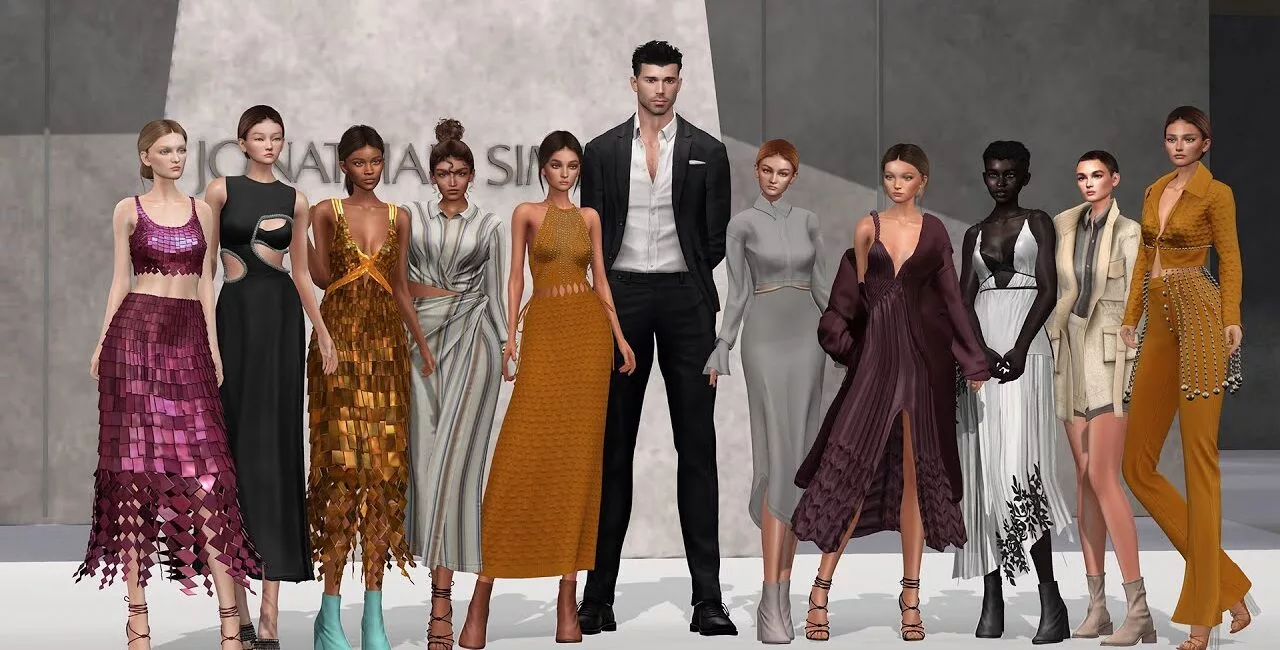
House of Blueberry, a brand of online clothing, is one of them. Gizem “Mishi” McDuff started the business in 2012, however, the landscape at the time was very different from what it is today, with regard to digital fashion.
Because she wanted more digital apparel alternatives for the open-world platform Second Life, Mishi originally entered the industry.

https://www.instagram.com/tv/CZ2Bl1zMd-U/?utm_source=ig_web_copy_link

where her dissatisfaction with the restricted selection for her avatar was evident. In reaction, she began creating her own clothing, largely using Photoshop, and over time, she developed the brand into what it is now.
But this was not the start of Mishi’s tech career. She oversaw a variety of start-up businesses before joining House of Blueberry, including the marketing and gaming data company Peanut Labs. She also briefly served as Sony’s head of publishing.
She eventually came across virtual concerts and otherworldly avatars, a realm that piqued her interest and inspired her to play a bigger role in this sector.

In an interview with FashionUnited, Mishi remarked, “Before I knew it, House of Blueberry was earning one million dollars in revenue each year from other people buying my creations.
I essentially came onto an underserved market of metaverse users that want stunning, current pieces crafted with the same care as IRL (in real life) fashion.

New funding and multi-platform accessibility
The brand moved from its Second Life home to introduce digital wearables into The Sims and Roblox, an open-world platform where it has already amassed a community of over 13,000 in just a few months, as the industry started to rapidly evolve.
This was the beginning of the true scaling of House of Blueberry, which saw the company grow out of its Second Life home.
The business also disclosed earlier this month that it had obtained a six million dollar finance to support its initiatives.
Direct-to-avatar products, which may be purchased through in-game markets and catalogs on various virtual platforms, are what makes them appealing to customers.

https://www.instagram.com/p/Bp5-trUAVP0/?utm_source=ig_web_copy_link

In terms of representation, Mishi has also overcome obstacles. She belonged to a minority group because she founded a company in the tech sector as a woman.
However, her business acumen has only been influenced by her experience, as evidenced by the company’s 20 employees, 90% of whom are women, and the products it produces.
While not entirely on purpose, Mishi continued, she enjoys looking for strong women to collaborate with in order to increase the representation of women in metaverse-related businesses, where just 9% of founders and CEOs are female.

Female representation in tech and gaming
This has also influenced the way House of Blueberry approaches its product selection. Mishi said the following about the subject: “Given that women and girls make up roughly half of all gamers, I think it’s imperative to expand representation in the gaming business, particularly when it comes to female entrepreneurs and leaders.

If women aren’t involved in the development of games, how can we expect them to reflect the interests and desires of female gamers?
One of my key objectives, when I founded House of Blueberry, was to make a brand in the digital industry that was developed by and for women.
The merchandise produced by House of Blueberry reflects this sentiment, as do the partners it chooses to work with.

“I believe that people are embracing or finding beauty in what they might often consider to be a fault and receiving that support from their group.
It is assisting with such insecurities. It is undoing the damage. Customers want to be free to embrace their actual selves and be distinctive, not a flawless appearance, in my opinion.

Self-expression matters
Building a feeling of community is one of House of Blueberry’s distinguishing ideals, as seen by its most recent partnerships with modern streetwear brand Boy Meets Girl and Roblox influencer Leah Ashe, for which the company unveiled a digital clothing line and held a virtual event.
It is noteworthy that traditional fame does not resonate with the digital fashion community as much as those who are already fully involved in this industry, many of whom are gamers.
They prefer to watch entertainment from these kinds of influencers, which encourages more devoted participation.

As a result, Mishi said, “we were able to connect to the Leah Ash community, a group of people that follow her exploits in virtual spaces. People aren’t purchasing into a specific brand or product; they’re buying into a community.” It’s even more personal.
The ties and allegiance to that influencer are stronger.
Customers now view artists as influencers in their own right.

Mishi aims to continue implementing these concepts into House of Blueberry’s virtual world presence in the future by embracing its four core values: creator-led, community-obsessed, data-informed, and partnership-ready.

“Gaming communities and the amazing creators who occupy them are at the heart of what we do,” she said.
“House of Blueberry wants to be present on all digital platforms where self-expression is valued. We intend to strive toward this aim this year while upholding our key principles.

Content courtesy of Fashion United & NFH 


​​African Fashion Foundation: The African Fashion Futures Incubator Welcomes 14 New African Fashion Designers.

14 fashion designers who have been chosen for the African Fashion Futures Incubator’s first cohort and who will be enrolled in the program to receive training and grant money are introduced.

The incubator’s goal is to provide upcoming fashion designers and companies with the knowledge and funding they need to build a company with an ethical foundation for people, place, and profit.

The African Fashion Futures Incubator gives the 14 participating fashion designers a place to test out ideas and business models as well as access to mentors and resources. The incubator will also cover business models, market positioning, comparative advantage, sustainability & impact, and other related subjects.

The incubator seeks to foster cross-cultural learning and peer mentoring among its participants, as well as to future-proof them and provide the groundwork for strong operational and commercial foundations that will support expansion. While enhancing the business skills of fashion designers, the program also aims to create financially sound businesses.

The Impact Fund For African Creatives established the African Fashion Foundation in Ghana as a partner in the African Fashion Futures Incubator, with Seedstars serving as the program’s implementing partner.

“Since it was founded, the African Fashion Foundation platform has fostered employment and educational possibilities in collaboration with well-established actors to assist the growth of the African creative sector. This collaborative program’s goal is to support budding designers by giving them access to resources like workspace, start-up money, training, mentorship, and investment opportunities. Onyinye Fafi Obi, the African Fashion Foundation’s project director, shared.

African Fashion Foundation (AFF) is a non-profit organization that helps Africans and members of the diaspora who work in the creative industries flourish in the global fashion industry.

https://youtu.be/UgBcaMk3C48

AFF has been chosen as the aggregator and incubator for fashion designers and brands for the Impact Fund For African Creatives, drawing on their vast experience in offering professional and educational developmental opportunities (IFFAC).

IFFAC will make investments in privately owned small and medium-sized firms in Africa that target the creative, fashion, and lifestyle sectors. The Fund strives to solve fledgling brands’ lack of funding and management expertise.

Following are the names of the 14 fashion designers taking part in the African Fashion Futures Incubator:

1. Omafume Niemogha of Pepper Row (Nigeria)
2. Travis Obeng-Casper of AJABENG (Ghana)
3. Cynthia Otiyo-Abila of Cynthia Abila Studios (Nigeria)
4. Jason Jermaine Asiedu of Jermaine Bleu (Ghana)
5. Orire Aleshinloye of Oríré (Nigeria)
6. Kusi Kubi of PALM WINE IceCREAM (Ghana)
7. Ebuka Omaliko of Maliko (Nigeria)
8. Kelvin Vincent of Anku Studio (Ghana)
9. Abiola Adeniran-Olusola of Abiola Olusola (Nigeria)
10. Jafaru Larry (Ghana
11. Victor Anate of VICNATE (Nigeria)
12. Nadia Eman Ibrahim of TABOu (Ghana)
13. Aline Mukamusoni of AMIKE (Rwanda)
14. George Tetteh of Atto Tetteh (Ghana)

“We’re thrilled to aid designers in their work by fusing commercial knowledge with their creativity.
The network that supports and empowers creatives in all facets of their job, according to Seedstars, is what fuels creativity across all industries. Tom-Chris Emewulu, Program Manager of Seedstars, stated, “In this scenario, from fabric to the runway, we’d like to ensure designers in the incubator are equipped to scale.

Roberta Annan, the founder of IFFAC, said: “IFFAC is eager to begin this cooperation with AFF and Seedstars, with the intention of establishing and capturing value in these brands at their initial growth stages.

In order to develop their businesses and improve their value chains, participants will engage in an exponential and revolutionary program over a 5-month incubation period.
Through a tried-and-true technique, the fashion designers will also receive practical assistance from industry professionals within a global network, grant financing of up to $5,000 apiece, and further fundraising assistance.

Content courtesy Tech Economy of & NFH 


Meet Malik Afegbua The Nigerian AI Artist Redefining Fashion for The Older Generation’s Style

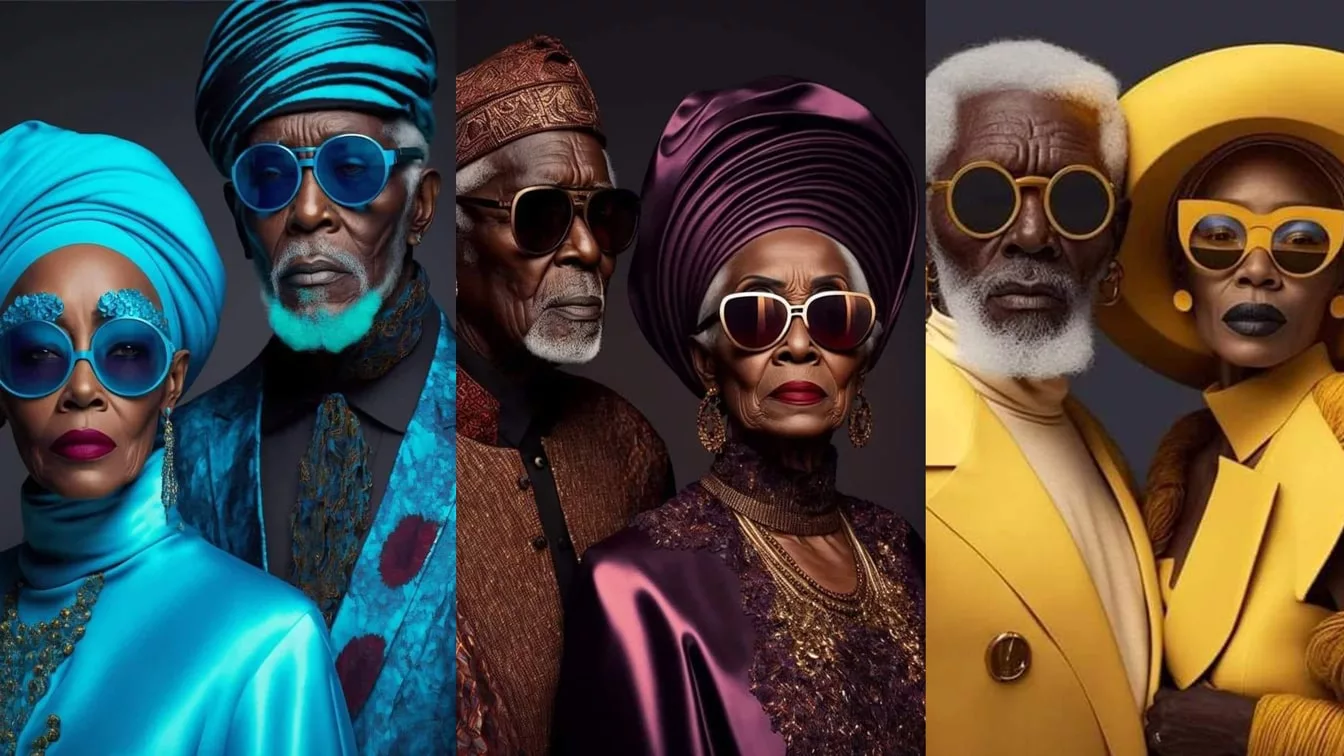
Malik Afegbua, a Nigerian filmmaker and artist, is dispelling myths about African beauty, particularly among the older age.

Today’s digital culture has made artificial intelligence a popular topic. Despite being a contentious technological advancement, you can tell how many people are preparing for an AI world by just scrolling through your social media page.
The internet went wild over Malik Afegbua’s fashion show, which featured images of classy, old-fashioned seniors wearing the sexiest African garb.

The Fashion Show for Seniors photo series has received over 100,000 likes on social media and sparked debate about whether computer-generated art can truly replace human creativity.

Malik Afegbua organized a fashion show for seniors last month as his debut runway event. The showcase defied every fashion guideline by having a cast of classic males and attractive old-fashioned women. Senior models from Afegbua strolled down the catwalk while dressed in natural tones.

Some had their gele headdresses elegantly folded, while others had their outfits expertly arranged with overlapping pieces. The models provided a range of modern flare and vintage majesty that is particularly Nigerian, with the stately air of senior gentlemen.

The ground-breaking runway extravaganza by Afegbua received a lot of praise. It was nearly impossible to persuade his models, who were admired for their regal appearance, that their experience wasn’t real. However, neither they nor it was the case. The world is a fabrication. False characters have been created. All of it is idealistic, Afegbua told ESSENCE.

The models, the clothes, and the complete Fashion Show for Elders were inventions of the artist or, more precisely, an artificial intelligence-powered embodiment of his genius.
One of Afegbua’s numerous creative interests is pushing the boundaries of digital art, yet his daily work as a filmmaker takes up much of his attention.

The director, who was born in Nigeria, works with his production firm, Slickcity Media, to create advertisements, movies, and documentaries.

He is now developing a Netflix documentary about Nike Davies-Okundaye, a Nigerian textile designer and recognized fashion icon around the world. This year will see the release of the biopic. Additionally, he co-produced and directed the second and third seasons of the Netflix documentary series Made By Design, which celebrates African creative genius.

I spoke with the multimedia artist through video call when he was at home in Lagos. He discussed the impact of technology on the development of art, the bizarre experience of becoming instantaneously popular, and the moving motivation for his Fashion Show for Elders.

Regarding AI and the future of the arts.

Since its early inception into the cultural zeitgeist, the idea of artificial intelligence has advanced significantly. The Wizard of Oz, a 1939 motion picture, introduced the public to the archetype of an artificially intelligent robot. The idea was first presented in the image of the “Tin man,” a mechanical man without a heart who personifies human characteristics. As AI technology advanced, so did its applications.

The creative vision that Afegbua has for AI is only partially realized in his Fashion Show for Elders. Ese, my wife, and I both write. She creates screenplays and movies. Additionally, we cannot afford to make the movies that we write. We would require a sizable studio, personnel, and various overhead.

We’ll get there eventually, but in the meantime, technology allows us to accomplish so much.

Different mediums of art have different perspectives on how technology and art should coexist. Concerns about what AI means for the future of artists have been expressed by several. Many people think that machine-generated pictures will kill the artist, much as some claim that the popularity of music videos destroyed the radio star.

That anxiety is not shared by Afegbua. Instead, he accepts AI as a way to improve creativity in people.
Artists and buyers should both accept the inevitable if the astonishingly lifelike models used in his virtual fashion show are any hint of what is achievable in art with AI.

When the elders broke the internet.

Afegbua’s virtual runway display went viral on social media in a matter of minutes. He was surprised by the prompt response, saying, “I honestly wasn’t expecting it. I anticipated around 20 comments and a few friend reposts. He received far more than that. My phone kept buzzing nonstop. It spread all over again. Everyone was tagging me all over the timeline after The Shade Room tweeted it, he claimed.

Afegbua’s email and direct messages (DMs) were inundated with demands for interviews from social media blogs, television networks, and reporters (including those from the present company) from all over the world within an hour of publishing his vividly melanoid AI-generated models.

Afegbua had 3,000 Instagram followers before sharing his Fashion Show for Elders, and he now has over 35,000.
“I received many touching comments from individuals all throughout the world expressing how it affected them. I received messages from elderly individuals who had lost friends and spouses, as well as from young people who missed their grandparents. I’ve received thousands of prayers and thank-you notes from folks. Thousands,” he remarked.

None of us could have imagined that the dignified elders who sparked our communal pride were motivated by heartbreak.

The virtual show serving as the essential catharsis for a creative in distress was something we also could not have foreseen.

Afegbua was so overwhelmed by the warm welcome that it took him some time to understand its significance. In fact, he admitted, it was rather overpowering. “But I understand now.
For me, this endeavor was personal.

I believe that resonated with folks. Many individuals who are going through a lot of difficulties, like I was when I made it, might relate to it. So perhaps it really is a worldwide phenomenon, Afegbua speculated.
Every day, Afegbua talks to his mother, Elizabeth. The two are connected in a way where they ask each other for counsel and find excitement in recounting mundane daily activities. It’s deep with my mum,” he remarked. “I’m 38 now.

I reflect on all of our discussions and all of the teachings Mom has imparted.

Afegbua, one of six kids, claims that his siblings and the family’s grandmother get along well. She deserves the privilege. “Before he retired, my father worked as a pilot, therefore he frequently traveled from one nation to another. So, our mother was with us most of the time. She had direct contact with each and every one of us, he claimed.
Afegbua, who is now a spouse and father, recently confronted one of his greatest fears.

Early last year, after a 12-hour journey from Nigeria to Atlanta, the relationship between him and his mother almost came to an end.

On the jetway at Hartsfield airport, she had a crippling stroke. She suffered several strokes. He remarked, “It was awful.

The family had a very hard time processing the circumstance because it happened suddenly and unexpectedly. Thankfully, Elizabeth’s condition started to get better.

She remained on life support for a long, but Afegbua claimed that she kept improving. “God operates in a strange manner. Every day as a family, we prayed. Every single one of us has a very close relationship with our mother.

Although the path to recovery has been difficult and long, Afegbua is incredibly grateful that his mother is still alive. But he claimed that the experience of almost losing her changed something about him.

For a long time, I was unable to speak with her. Due to all the aftereffects of the stroke, we were unable to converse. Months went by so quickly. I was reflecting on her in a variety of ways, including our pleasant interactions and chats. “Everything is shared with us,” he stated.

“During that time, I had several life events that I was unable to share with her. And it put me in a peculiar situation. Afegbua turned to his art for solace when he was experiencing an existential crisis.
“For me, creating is like therapy. I find it to be calming and relaxing. I also utilize it to aid in my emotional processing, he said.

What he experienced at the time was a sobering understanding of the frailty of life and a gratitude for old age as a blessing that should not be taken for granted.

He considered his mother, who now required the assistance of family members and medical experts to meet her basic necessities. All the grown children in his situation sprang to mind. He reflected on how senior persons are discarded by society. “I believe that seniors are marginalized in society once they reach an age or stage in life where they are unable to take care of themselves or participate as they once did. He said, “It’s like we just dumped them somewhere to wait to die.

The artist discovered his muse at that precise moment of inspiration.

“I wanted to design something that will alter how we perceive things” (of seniors). Elderly Black people have experienced so much injustice and been put down, he remarked.

Would it be possible to depict them as Kings and Queens?
What if I demonstrated their self-assurance and fortitude?

Content courtesy of Essence, Malik Afegbua, Slick City & NFH 



An Iconic French Lingerie Brand Etam Opened Its First Store In Nairobi At Village Market, One Of A Kind Within East Africa With Plans For Many More

The most famous lingerie company in France, Etam, launched its first Kenyan location at Nairobi’s Village Market last month in an effort to fill a void in the lingerie market there. Etam provides upscale nightwear, swimwear, lingerie, and accessories with a focus on Kenya’s expanding middle class.
Etam, which was established in 1916, is currently active in more than 45 nations. The company, which has opened its first site in East Africa, intends to grow even further in the upcoming years in order to keep up with the rising demand for lingerie of superior quality and reasonable prices.

Etam is well-known throughout the world for its “perfect fit,” which combines sexiness, comfort, and sustainability.

Despite being the only lingerie brand to walk the catwalk during Paris Fashion Week, Etam is also renowned for its high-quality products.

Committed To Fashion That Is Responsible For The Planet
Etam makes it a point to use materials from fibers with the least negative environmental impact when making its collections. By 2025, the company hopes to have 80% of its items meet environmental standards, up from 53% in 2022.

Due To The Women
Etam cares deeply about women. The company has teamed up with Solidarité Femme and Toutes L’Ecole, campaigns that aim to eradicate gender-based violence and advance educational opportunities for underprivileged young girls globally.

French Liberté, the country’s top-selling lingerie brand, is aiming to become the most popular French lingerie brand worldwide, according to Etam, which is also the country’s No. 1 lingerie brand.
Your daily style and frame of mind are determined by what you choose to wear underneath your clothes. It endows you with the strength and self-assurance to handle anything the world can throw at you. We are constantly innovating because of this belief and the brand’s expertise.

Lingerie that empowers means ladies who are empowered.
Committed
Because the term “French Liberté” encompasses a wide range of ideas, including “feminine,” “feminist,” “carefree,” and “committed activist,” Etam is proud to support and work alongside women by collaborating with groups like Gynécologie Sans Frontières, One Drop, UN Women France, La Maison des Femmes, and Solidarité Femmes.

Fantastic collaborations promoting a shared vision and desire to improve a lot of women on earth.

Content courtesy of Liberty Group (Etam) & NFH


Zari All-white Party: Young Famous And African Cast Arrive In Ugandan As Rick Ross Endorses Zari Hassan’s All White Party

On Thursday, December 22, 2022, as Zari Hassan’s All White Party made a triumphant return, pomp, glitter, showbiz, and all the good things shone brightly on Motiv in Bugolobi, Kampala.
The Zari the boss lady All White Party was returning to Motiv on Thursday night, and socialites, performers, actresses, deejays, media personalities, and other public figures descended upon the venue.

As you approached the location, shiny rides, gorgeous ashers, and decor made it obvious that you were entering somewhere frequented by wealthy elite Kampala partygoers.
It was quite a sight that may have caused some eyes to go blind: revelers clothed in white, appearing pretty heavenly, save for the pricey liquor brands that crowded the tables.

The evening began with red carpet arrival when Zari’s ardent followers showed off their sense of style before her South African guests also showed up dressed like celebrities.
Andile Ncube, Naked DJ, and Kayleigh Schwark, the stars of the Netflix reality series Young, Famous, and African, arrived first and looked glam.

Later, Zari showed up there with Swanky Jerry and Shakib Cham, and her outfit must have made some people’s jaws hit the floor.
The night continued with champagne popping, DJ mixes, performances from musicians, and all the other activities that occur at the illuminated parties.

#ZariAllWhiteParty

Content courtesy of #ZariAllWhiteParty & NFH


Ad