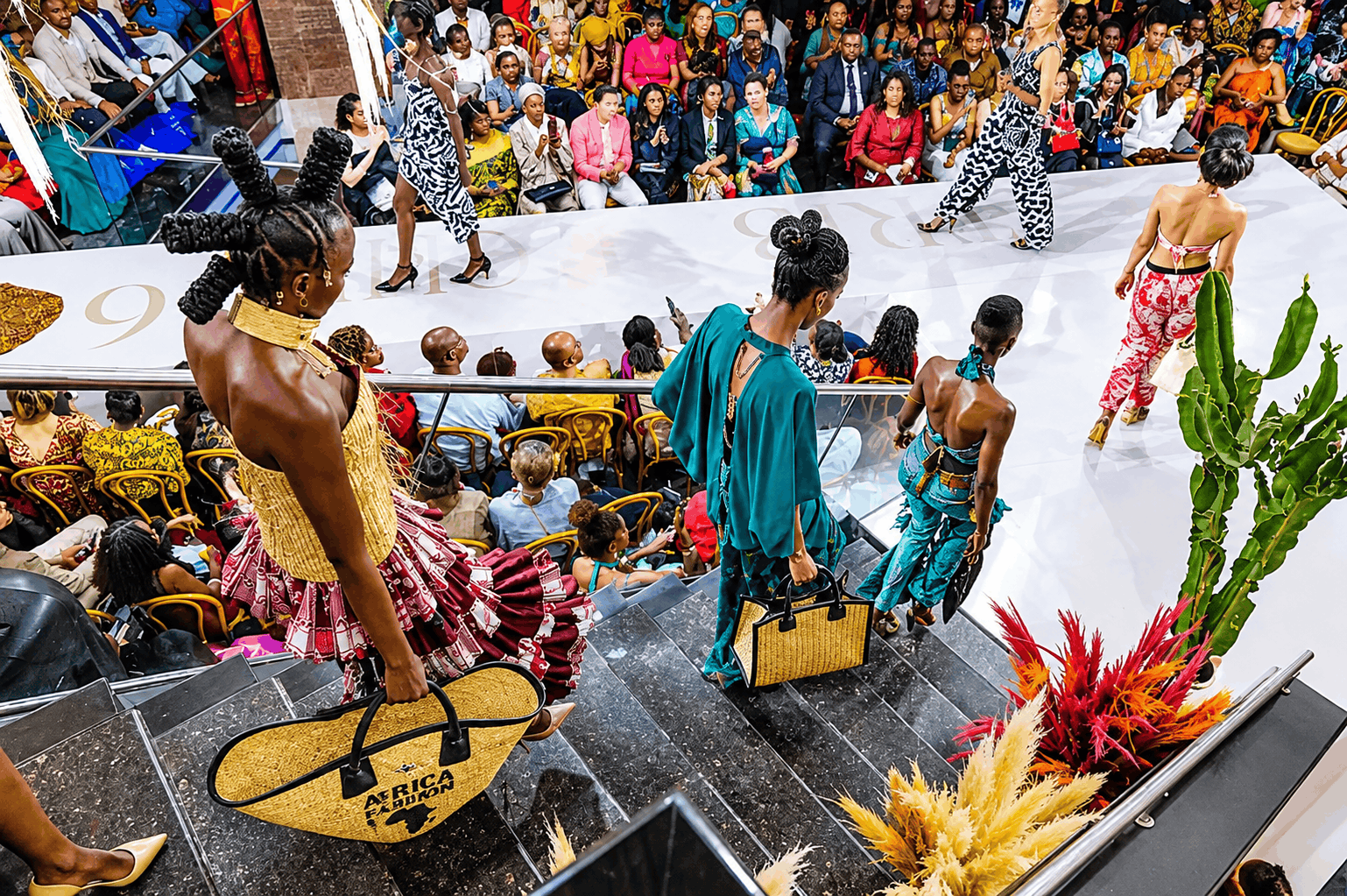
Friday 13th of November 2026

Nairobi, Kenya

The African Fashion Industry: Key Players, Opportunities, Trends and Global Influence

The African Fashion Industry: Key Players, Opportunities, Trends and Global Influence

From the ateliers of Lagos and Accra to the fashion studios of Nairobi, Johannesburg and Dakar, African fashion is building an increasingly influential presence on the international stage. Driven by a new generation of designers, models, photographers, entrepreneurs and cultural innovators, the industry is redefining how African creativity is produced, presented and experienced around the world.

By Nairobi Fashion Hub Editorial Desk | African Fashion, Business & Culture

Africa’s fashion industry is entering a new era

African fashion is much more than a story of beautiful garments and emerging designers. It is an expansive creative economy connected to culture, identity, craftsmanship, manufacturing, technology, entrepreneurship and international trade.

Across the continent, fashion professionals are developing businesses, building distinctive brands, creating employment and introducing new interpretations of African aesthetics to global audiences. From traditional textile techniques reimagined for contemporary luxury to streetwear labels influenced by urban culture, African fashion is increasingly participating in conversations about the future of international style.

Yet the industry’s greatest potential may lie beyond the runway. It is found in the networks of people who make fashion possible: designers, textile producers, tailors, models, photographers, stylists, makeup artists, manufacturers, retailers, buyers, event organisers, journalists and digital entrepreneurs.

Understanding these connections is essential to understanding where African fashion is heading—and the opportunities available to those who want to participate in its growth.

UNESCO’s landmark 2023 report, The African Fashion Sector: Trends, Challenges and Opportunities for Growth, offers an important overview of this expanding creative economy. It identifies the contribution of fashion to employment, entrepreneurship, cultural expression and economic development, while highlighting the opportunities created by digital technologies, growing consumer markets and stronger regional connections.

The report also identifies challenges that continue to restrict the sector, including limited investment, inadequate infrastructure, gaps in professional training, intellectual property concerns and difficulties accessing affordable materials and international markets.

The message is clear: Africa has considerable creative potential, but realising that potential requires stronger business infrastructure, investment, collaboration and access to opportunities.

1. Understanding the African fashion industry

The African fashion industry is a diverse ecosystem that includes the entire journey of fashion, from raw materials and textile development to garment production, branding, retail, media and international distribution.

Its participants operate at different levels.

Some are independent designers creating bespoke garments for individual clients. Others operate ready-to-wear labels, manufacture clothing at scale, supply textiles, produce accessories, manage fashion retail businesses or provide creative services to commercial brands.

The industry can broadly be understood through several interconnected sectors.

Fashion design and garment production

Fashion designers are among the most visible contributors to the industry. They transform ideas, cultural references, materials and consumer needs into clothing and accessories.

Their businesses range from independent couture studios and bespoke tailoring houses to contemporary ready-to-wear labels and larger manufacturing operations.

African designers frequently draw inspiration from local textile traditions, craftsmanship, architecture, music, contemporary art and everyday life.

However, modern African fashion is not limited to traditional garments or heritage-inspired designs. It encompasses minimalism, luxury, streetwear, experimental fashion, contemporary tailoring, sportswear, bridal fashion and many other international design categories.

The growing diversity of African design is helping challenge narrow perceptions of what African fashion should look like.

Textiles, fabrics and craftsmanship

Textiles are fundamental to African fashion.

Across the continent, different communities have developed distinctive weaving, dyeing, embroidery, printing and fabric-making traditions.

Among the widely recognised textile traditions are:

  • Kente: Associated particularly with Ghana, recognised for its intricate woven patterns and cultural significance.
  • Aso-oke: A traditional handwoven Yoruba textile from Nigeria, frequently used in ceremonial and contemporary fashion.
  • Bogolan: A Malian mud-cloth tradition recognised for its distinctive patterns and natural dyeing techniques.
  • Kuba textiles: Associated with the Democratic Republic of the Congo and known for their complex geometric designs and craftsmanship.
  • Kanga: An East African printed textile traditionally worn in different ways, often featuring decorative borders and messages.
  • Shweshwe: A printed cotton fabric strongly associated with South African dress and design traditions.
  • Bazin: A richly finished fabric widely used in West African formal and ceremonial clothing.

These traditions continue to inspire designers, textile artists and contemporary fashion businesses.

Their importance extends beyond aesthetics. Textile production and craftsmanship support specialised skills, local enterprise and cultural knowledge that can be passed between generations.

Fashion retail and ecommerce

Fashion retail connects designers and manufacturers with consumers.

Across Africa, businesses operate through boutiques, independent retail stores, shopping centres, markets, online stores and social commerce channels.

Digital retail is creating additional opportunities for fashion brands to present collections, reach customers and build relationships beyond their immediate locations.

For independent designers, ecommerce can provide an alternative to relying exclusively on physical retail.

However, successful online fashion businesses need more than attractive product photographs. They require reliable product information, pricing, inventory management, payment systems, customer service, delivery arrangements and effective digital marketing.

Fashion media, photography and creative production

Fashion photography, journalism, videography, styling, modelling and content creation are essential parts of the industry’s commercial and cultural ecosystem.

These professionals help communicate the identity of a fashion brand, introduce new collections, document industry events and create visual stories that connect fashion with audiences.

Their work also contributes to the international visibility of African designers.

A fashion collection may be creatively outstanding, but without effective photography, styling, storytelling and distribution, its ability to reach potential buyers and audiences can be limited.

This makes creative professionals valuable participants in the wider fashion economy.


2. The key players shaping African fashion

The African fashion industry is powered by different professionals and organisations whose contributions often overlap.

Understanding these roles helps explain where opportunities exist and why collaboration is so important.

Fashion designers and fashion brands

Designers establish the creative identity of the industry.

They research, develop concepts, select materials, create patterns, oversee garment construction and present collections to consumers, buyers and the media.

Their businesses may specialise in luxury fashion, contemporary African design, streetwear, bridal fashion, bespoke tailoring, ready-to-wear clothing or accessories.

Fashion brands also require professionals in marketing, communications, ecommerce, retail, production and customer relations.

For emerging designers, developing a recognisable identity, producing consistently and establishing a reliable customer base are important steps towards building a sustainable business.

Models and modelling agencies

Models help bring fashion concepts to life.

They present garments through runway shows, fashion editorials, commercial campaigns, ecommerce photography, beauty productions and promotional events.

The industry includes runway models, editorial models, commercial models, beauty models, fitness models and specialist talent for different creative productions.

Modelling agencies contribute through talent development, casting, representation and professional coordination.

For emerging models, opportunities can begin with portfolio development, reputable castings, creative collaborations and participation in fashion events.

Fashion photographers and videographers

Photographers and videographers document and communicate fashion through visual storytelling.

Their services support designer campaigns, fashion magazines, ecommerce catalogues, brand advertisements, runway shows, model portfolios and social media content.

Fashion photography itself includes several specialisations:

  • Editorial fashion photography.
  • Commercial and advertising photography.
  • Runway and event photography.
  • Beauty and portrait photography.
  • Ecommerce and product photography.
  • Campaign and lookbook production.

Videographers increasingly contribute through fashion films, campaign videos, backstage documentaries, interviews, runway coverage and short-form digital content.

Fashion stylists and creative directors

Stylists interpret fashion concepts and develop complete visual presentations.

They select garments, accessories, footwear and other elements to create looks that communicate a particular identity or creative direction.

Creative directors often coordinate the broader visual vision of a campaign, production, brand or collection.

Their work can involve collaboration with designers, photographers, models, makeup artists, set designers and production teams.

Makeup artists, hairstylists and beauty professionals

The beauty industry is closely connected to fashion.

Makeup artists, hairstylists, beauticians and beauty specialists contribute to runway presentations, editorial shoots, advertising campaigns, celebrity styling and commercial productions.

For emerging beauty professionals, fashion events and photography collaborations can provide opportunities to demonstrate their skills and develop industry relationships.

Textile manufacturers, tailors and artisans

The professionals behind garment construction and material production are essential to the industry’s long-term development.

Textile manufacturers, weavers, pattern makers, tailors, seamstresses, embroidery specialists, leatherworkers and accessory makers provide the skills and services required to turn design concepts into finished products.

Strengthening these parts of the value chain is particularly important if African fashion businesses are to increase local production and compete more effectively in international markets.

Fashion entrepreneurs, retailers and buyers

Fashion entrepreneurs develop and manage the commercial side of the industry.

They may establish fashion labels, operate boutiques, manage ecommerce businesses, distribute clothing, source products or develop manufacturing partnerships.

Buyers and retailers play an important role in connecting designers with customers and identifying products that meet market demand.

Their decisions influence which brands reach retail spaces, how collections are distributed and which products receive commercial attention.

Fashion journalists, influencers and digital creators

Fashion media helps determine how designers, trends, brands and events are presented to audiences.

Journalists, editors, bloggers, influencers, content creators and fashion commentators contribute through reporting, reviews, interviews, photography, video and social media storytelling.

Digital creators have also introduced new ways for brands to reach communities, collaborate with audiences and communicate their identities.

Professional credibility, editorial quality and audience relevance remain important considerations for successful partnerships.

Fashion event organisers and industry institutions

Fashion weeks, exhibitions, trade shows, competitions, workshops and professional associations provide important platforms for the industry.

They bring together designers, buyers, media, models, sponsors, investors, creative professionals and consumers.

Beyond their immediate entertainment and promotional value, these gatherings can facilitate business conversations, professional learning and new partnerships.


3. Africa’s influential fashion capitals

African fashion does not have one centre. It is shaped by multiple cities with distinctive design communities, commercial environments and creative cultures.

Lagos, Nigeria: A powerful centre of contemporary fashion

Lagos has become one of the continent’s most visible fashion and creative centres.

Its fashion landscape includes contemporary designers, luxury labels, streetwear businesses, modelling agencies, photographers, stylists, fashion media and an active event culture.

Lagos Fashion Week has helped provide a platform for designers, industry discussions and professional connections.

The city’s creative environment also reflects the influence of music, film, entertainment and popular culture on fashion.

For businesses, Lagos offers an important market for exploring collaborations, fashion retail and brand development.

Accra, Ghana: Craftsmanship and contemporary design

Accra’s fashion identity is strongly connected to Ghana’s textile traditions, tailoring culture and contemporary design entrepreneurship.

Designers reinterpret traditional materials and techniques through modern silhouettes, formalwear, streetwear and luxury fashion.

The city’s creative environment also includes textile producers, accessory designers, fashion schools, photographers and independent fashion businesses.

Its international appeal continues to grow through designers and creative professionals presenting Ghanaian fashion perspectives to wider audiences.

Nairobi, Kenya: East Africa’s creative fashion connection

Nairobi is an important centre for East African fashion and creative entrepreneurship.

The city brings together designers, models, photographers, stylists, fashion brands, event organisers and other professionals working across fashion, beauty and the creative industries.

Kenyan fashion draws on a wide range of influences, including traditional craftsmanship, contemporary African aesthetics, urban culture, sustainable design and international trends.

The Nairobi fashion ecosystem also benefits from connections with regional creative markets and the city’s broader business and technology environment.

Fashion events, creative showcases, designer presentations and professional networking gatherings provide opportunities for people to connect and collaborate.

The growing importance of digital discovery is particularly relevant to Nairobi’s fashion community. Platforms such as Nairobi Fashion Hub are creating additional ways for professionals, clients and event organisers to find one another.

Johannesburg and Cape Town, South Africa: Established creative and commercial markets

South Africa has a diverse fashion ecosystem with designers, retailers, manufacturers, photographers, fashion publications and established creative institutions.

Johannesburg is an important centre for fashion business, retail, contemporary design and creative production.

Cape Town is known for its design, editorial photography, lifestyle and fashion-related creative industries.

South African fashion also draws on diverse cultural influences and a strong relationship with visual arts, music and contemporary urban culture.

Dakar, Senegal: Heritage, couture and cultural expression

Dakar has an important place in West African fashion.

Its creative landscape includes tailoring, couture, textile craftsmanship and designers who reinterpret Senegalese and broader African cultural influences.

The city’s fashion environment demonstrates how cultural heritage can become a source of contemporary creative and commercial expression.

Casablanca, Morocco: Design, manufacturing and international trade

Casablanca is an important fashion and textile centre in North Africa.

Its industrial and commercial environment connects fashion design, garment production, retail and international supply chains.

Morocco’s position between African, European and Mediterranean markets also makes it relevant to conversations about international fashion trade and manufacturing.

Other emerging fashion destinations

Beyond these major centres, fashion communities across Kigali, Abidjan, Addis Ababa, Kampala, Dar es Salaam, Maputo, Lusaka, Tunis and other cities are contributing to the continent’s wider creative landscape.

Each market offers different opportunities for designers, creative professionals, manufacturers and entrepreneurs.

The future of African fashion will depend partly on strengthening connections between these markets rather than treating them as isolated creative communities.


4. The major trends transforming African fashion

The industry’s development is being shaped by changing consumer behaviour, technology, cultural expression, sustainability and international demand.

Several trends are particularly important.

The global rise of contemporary African design

African designers are increasingly presenting collections that combine cultural references with contemporary fashion language.

Rather than relying on a single interpretation of African style, they are exploring different materials, silhouettes, techniques and visual identities.

This diversity is important because international fashion audiences are increasingly exposed to a wider range of design perspectives.

For African brands, the opportunity is to develop recognisable identities while remaining commercially relevant and creatively independent.

Heritage craftsmanship and modern innovation

Traditional textiles and craftsmanship continue to influence contemporary fashion.

Designers are combining handwoven fabrics, embroidery, natural dyeing, beadwork, leatherwork and other specialist techniques with modern construction and international design influences.

This creates opportunities for artisans and craftspeople to participate in higher-value fashion production.

It also provides designers with distinctive materials and stories that can differentiate their brands.

However, heritage-inspired design should be developed responsibly, with appropriate recognition of cultural origins, knowledge holders and intellectual property.

Sustainable and responsible fashion

Sustainability is becoming an important part of global fashion conversations.

African fashion businesses have opportunities to develop approaches that prioritise local sourcing, responsible production, garment durability, repair, reuse and reduced waste.

Independent designers and small businesses may be able to experiment with made-to-order production, upcycling, deadstock fabrics and limited collections.

These approaches can reduce unnecessary inventory and create distinctive products.

However, sustainability claims should be supported by evidence. Businesses should be transparent about sourcing, working conditions, materials and production practices.

Digital fashion businesses and ecommerce

Digital technology is changing how fashion brands reach customers and manage their businesses.

Online stores, mobile applications, social commerce, digital payments and professional directories are creating new ways to discover fashion products and services.

For independent designers, digital platforms can help extend visibility beyond physical retail locations.

For creative professionals, online portfolios and service listings can make their work easier to discover.

For event organisers, digital ticketing and online promotion can help manage audience engagement.

The next phase of fashion technology in Africa will depend on how effectively these tools address practical business needs.

Streetwear and youth-driven fashion culture

Streetwear has become an important influence on contemporary African fashion.

Its development is connected to music, sport, urban communities, youth culture, art and digital media.

Independent labels are experimenting with graphic design, contemporary silhouettes, cultural references and limited-edition releases.

The opportunity for African streetwear brands is to build strong identities, produce quality products and create meaningful connections with their target communities.

Inclusive representation and diverse identities

The fashion industry is increasingly recognising the importance of representing different body types, ages, identities and communities.

African fashion has an opportunity to contribute to this wider movement by presenting more varied perspectives in modelling, advertising, editorial production and brand communication.

Inclusive representation should extend beyond campaign imagery to professional opportunities, workplace practices and business decision-making.

Fashion, music, film and entertainment

The relationship between fashion and entertainment continues to create opportunities for African creatives.

Musicians, actors, dancers, filmmakers and public personalities influence how fashion is presented and consumed.

Designers can collaborate with performers on stage costumes, music videos and public appearances. Stylists can work across entertainment productions, while photographers and videographers can develop campaigns that connect fashion with music and film.

These collaborations can introduce brands to audiences beyond traditional fashion channels.

Artificial intelligence and emerging creative technology

Artificial intelligence and digital production tools are beginning to influence fashion research, visualisation, marketing, customer service and content creation.

Fashion businesses can use emerging technology to explore creative concepts, organise information, develop marketing materials and improve selected business processes.

However, technology should complement professional skills rather than replace the value of designers, photographers, models, stylists and artisans.

Authenticity, creative ownership, transparency and responsible use of digital tools will remain important.


5. The economic opportunities in African fashion

The fashion industry creates opportunities that extend beyond designing and selling clothing.

It supports a broad chain of businesses and professional services, many of which can be developed by independent entrepreneurs and small enterprises.

Fashion entrepreneurship and brand development

Starting a fashion business can involve launching a clothing label, developing accessories, offering bespoke tailoring, producing uniforms or operating a specialist fashion retail business.

Entrepreneurs can identify opportunities by studying consumer demand, understanding local markets and developing products that solve specific customer needs.

A successful brand requires more than a creative concept. It needs a clear business model, production strategy, pricing structure, distribution plan and marketing approach.

Textile production and local manufacturing

Africa has opportunities to strengthen its textile and garment production capabilities.

Local manufacturing can support employment, create demand for raw materials and increase the value retained within African economies.

However, building competitive production systems requires investment in machinery, technical training, energy, logistics, quality control and access to affordable finance.

Modelling and creative services

Models, photographers, stylists, makeup artists, hairstylists and videographers can develop independent professional businesses.

Their services support fashion campaigns, retail catalogues, designer collections, events, advertising and entertainment productions.

A professional portfolio, clear pricing and reliable service delivery can help creatives establish a sustainable client base.

Fashion education and skills development

The industry needs professionals with technical and business knowledge.

Training opportunities exist in fashion design, garment construction, pattern making, textile development, photography, styling, fashion marketing, merchandising, retail management and entrepreneurship.

Education institutions, established designers, professional associations and industry organisations all have a role in strengthening these skills.

Fashion events and creative tourism

Fashion weeks, exhibitions, trade shows, designer showcases and cultural festivals can create economic activity beyond the fashion industry itself.

Events generate demand for venues, accommodation, transport, catering, event production, photography, media coverage and other services.

They can also introduce visitors to local designers, craft traditions and creative businesses.

International trade and distribution

African fashion brands can explore international opportunities through wholesale partnerships, ecommerce, exhibitions, trade missions and collaborations with retailers.

However, international expansion requires careful planning.

Brands must understand product standards, pricing, customs procedures, shipping costs, intellectual property protection, consumer preferences and distribution arrangements.

The strongest international strategies are built on consistent quality, reliable production and a clear brand identity.


6. What is holding African fashion back?

Despite its potential, the industry continues to face structural challenges.

Understanding these issues is important for anyone seeking to develop a fashion business or contribute to the sector’s long-term growth.

Limited access to investment

Many African fashion businesses operate as micro, small and medium-sized enterprises.

They may have strong creative products but limited access to finance for equipment, materials, production, marketing and expansion.

This can restrict their ability to fulfil large orders or compete with better-capitalised international businesses.

Improving access to suitable financing, business development support and investment partnerships is therefore important.

Production and supply-chain constraints

Access to quality fabrics, trims, machinery and reliable manufacturing services can be difficult or expensive in some markets.

Production delays, transport costs and inconsistent supply can affect pricing and delivery schedules.

Strengthening local textile production and regional supply chains could help reduce some of these challenges.

Intellectual property and design protection

Original designs, textile patterns, brand identities and creative works represent valuable business assets.

However, designers and artisans may lack sufficient awareness, resources or practical access to intellectual property protection.

Education about trademarks, copyright, design rights, licensing and contractual agreements is important.

Creative professionals should also establish clear agreements concerning the use of photographs, videos, designs and other production materials.

Limited international market access

International visibility does not automatically translate into international sales.

Fashion businesses must navigate distribution, international logistics, consumer expectations, product standards, customs requirements and payment systems.

Access to international buyers, retail networks and trade opportunities remains an important area for development.

Skills and professional development gaps

Fashion requires a combination of creative, technical and commercial skills.

A designer may understand garment construction but need additional knowledge in finance, ecommerce or marketing. A creative professional may have strong technical ability but limited experience in business development.

More accessible training, mentorship and professional networks can help address these gaps.

Fragmented professional networks

One of the industry’s less visible challenges is the difficulty of connecting the different people and businesses involved in fashion.

A designer may struggle to find a reliable photographer. A model may not know where to discover legitimate castings. A brand may spend considerable time identifying a stylist or production team.

An event organiser may need to coordinate several independent professionals across different disciplines.

These challenges demonstrate why professional directories, digital discovery tools and industry networking platforms are increasingly relevant.


7. Networking: The foundation of a stronger African fashion industry

Fashion is fundamentally collaborative.

A successful runway show may involve designers, models, stylists, makeup artists, hairstylists, photographers, lighting technicians, event producers, sponsors and media professionals.

A fashion campaign may require a brand manager, creative director, photographer, videographer, model, stylist and production coordinator.

The quality of the final result often depends on how effectively these participants work together.

Networking therefore should not be viewed as an activity reserved for established industry figures. It is an essential part of professional development for emerging creatives, independent businesses and established brands.

Where to build fashion-industry connections

Fashion weeks and runway shows

These events bring together designers, models, buyers, journalists, photographers, stylists and sponsors.

They provide opportunities to observe industry developments, discover new talent and initiate professional relationships.

Fashion exhibitions and trade fairs

Exhibitions connect designers and manufacturers with buyers, suppliers, retailers and entrepreneurs.

They can be especially valuable for people interested in production, distribution and commercial partnerships.

Creative workshops and masterclasses

Training events provide opportunities to learn from experienced professionals while developing relationships with people working in related disciplines.

Photography studios and creative productions

Collaborative shoots can connect models, designers, photographers, stylists, makeup artists and creative directors.

They can also help emerging professionals build portfolios and demonstrate their abilities.

Professional associations and creative communities

Industry organisations, educational institutions and professional communities can provide mentorship, training, advocacy and networking opportunities.

Digital fashion platforms

Online directories, professional profiles and specialised industry platforms provide additional ways to discover talent, present services and identify potential collaborators.


8. Nairobi Fashion Hub: Connecting fashion professionals, clients and event organisers

As African fashion becomes more interconnected, digital platforms are creating new ways for people within the industry to discover one another.

Nairobi Fashion Hub is a Kenya-based fashion and creative platform designed to bring together fashion professionals, clients, brands and event organisers through a shared digital experience.

Its web application and mobile applications provide tools for professional discovery, service listings, portfolios, booking requests, creative gigs, fashion-event discovery and event hosting.

The platform recognises that fashion is not built by designers alone. It depends on an entire network of professionals whose skills and services contribute to the success of creative projects.

For a fashion brand preparing a campaign, this may mean finding a photographer, model, stylist and makeup artist. For an emerging designer, it may mean presenting a portfolio and discovering potential clients. For an event organiser, it may mean publishing an event and managing ticket sales and attendance.

Nairobi Fashion Hub provides a digital starting point for these connections.

Discover fashion professionals through one directory

The platform’s services directory allows users to explore fashion and beauty professionals across Kenya.

Available categories include fashion design, modelling, styling, photography, fashion blogging and makeup artistry, among other creative services.

Users can explore professional profiles, review service information and identify people whose work may suit their requirements.

For example:

  • A designer can look for models to present a new collection.
  • A photographer can showcase services and attract potential clients.
  • A fashion brand can explore photography, styling and makeup services for a campaign.
  • A client can discover a designer for a custom garment.
  • An event organiser can search for professionals to support a fashion production.

Explore the services directory:

https://app.nairobifashionhub.co.ke/services

Create a professional profile and showcase your work

Professional visibility is important in a competitive fashion industry.

A model needs a portfolio that demonstrates their presentation skills. A photographer needs images that communicate their creative style. A designer needs to present collections and craftsmanship, while a stylist needs to show the quality of their visual work.

Nairobi Fashion Hub provides professionals with an opportunity to create discoverable profiles, list their services and showcase portfolio work.

This gives potential clients an additional place to review their services and consider whether they are suitable for a project.

For emerging professionals, it can be an additional channel for establishing a digital presence. For established creatives, it offers another route through which potential clients can discover their work.

Join Nairobi Fashion Hub as a service provider:

https://app.nairobifashionhub.co.ke/join/provider

Discover clients and explore booking opportunities

Finding clients is one of the ongoing challenges facing independent fashion professionals.

Social media can help people become visible, but turning that visibility into professional assignments requires clear service information, communication and an organised way to handle enquiries.

Nairobi Fashion Hub allows clients to discover professionals, review their services and submit booking requests.

This creates an additional channel for people and businesses seeking creative services.

A fashion label, for instance, can explore photography or styling services before making a booking request. A client looking for a designer can browse relevant professional listings and consider available options.

The final scope of work, pricing, schedule, deliverables and working arrangements should be agreed between the parties.

Register as a client:

https://app.nairobifashionhub.co.ke/join/client

Creative gigs: Turning ideas into project opportunities

Some fashion projects begin with a specific brief rather than an established professional relationship.

A clothing brand may need a photographer for a campaign. An event organiser may require a stylist. A designer may be looking for creative support for a new collection.

Nairobi Fashion Hub includes a creative gig feature through which clients can publish a project brief and budget, allowing interested professionals to submit offers.

This creates a structured starting point for discussing project requirements.

For clients, a useful brief should explain the assignment, expected deliverables, location, schedule, budget and creative direction.

For professionals, a strong offer should communicate relevant experience, availability, proposed fees and how the work will be delivered.

The feature provides another way for creatives and potential clients to identify opportunities for collaboration.

Fashion events: Discover the people and experiences shaping the industry

Fashion events are important spaces for networking, learning and professional visibility.

Runway shows, designer launches, exhibitions, workshops, fashion talks and industry gatherings bring together people with different skills and interests.

Nairobi Fashion Hub provides an event discovery and ticketing experience through which users can explore listed events and access available tickets.

For fashion professionals, attending industry events can help develop relationships, discover new designers, learn about market developments and identify potential collaborators.

For fashion enthusiasts, events provide opportunities to experience the creativity and diversity of the industry.

Explore fashion events:

https://app.nairobifashionhub.co.ke/events

Event hosting: Promote and manage fashion experiences

Fashion event organisers need effective ways to communicate event information, reach audiences and manage attendance.

Nairobi Fashion Hub provides an event-hosting experience that allows organisers to publish events, sell tickets and manage guests, including attendee check-in.

The platform can support organisers working

Content Courtesy of NFH Digital Team
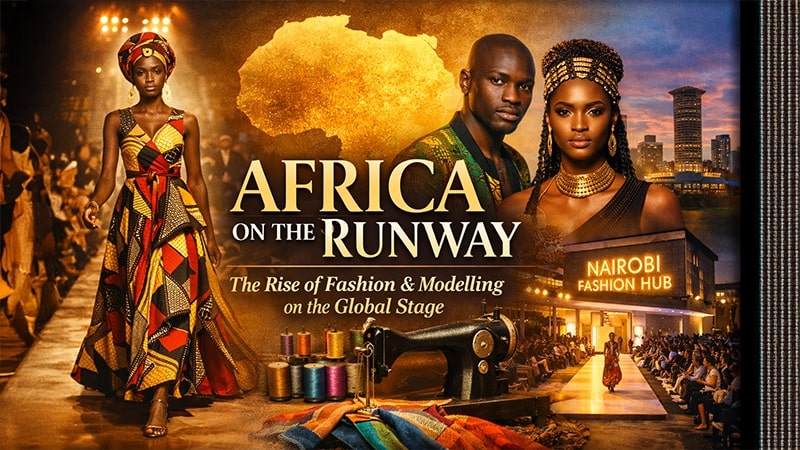
Africa on the Runway: How Fashion and Modelling Are Rewriting the Continent’s Story


Africa on the Runway: How Fashion and Modeling Are Rewriting the Continent’s Story.

Africa’s fashion and modeling industries are no longer whispers in the wings of the global style conversation. They are a chorus loud, inventive, and insistently original, pulling the continent’s textiles, stories, and faces onto international runways, into glossy editorials, and onto e-commerce storefronts. That rise is not accidental: it’s a product of grassroots creativity, entrepreneurial grit, strategic partnerships, and a growing recognition from international buyers and media that African fashion is not a niche but a market and cultural force. Yet the lift-off comes with persistent friction, structural, financial, and logistical, that the industry is learning to overcome in real time.

The landscape: creative abundance, structural scarcity.

From Lagos to Johannesburg and Nairobi to Dakar, designers are mining local crafts, indigenous textiles, and contemporary sensibilities to produce work that reads modern and memorably African. The continent’s apparel and footwear sector is sizeable and growing: recent industry analyses describe a multi-billion-dollar market driven by a young, urbanizing population hungry for styles that speak to identity and aspiration. At the same time, major gaps remain limited capital flowing into creative businesses, weak local supply chains, high costs of quality raw materials, and underdeveloped intellectual-property protections that make scaling risky for designers. These are not cosmetic issues; they shape whether a designer can move from a market stall to sustainable factory runs and from seasonal shows to year-round international distribution. (Euromonitor)

Models, agencies, and representation: progress and persistent gatekeepers.

The modelling side has made visible strides. A new generation of African faces, not merely tokenized but celebrated for their variety and cultural specificity, has appeared on major magazine covers and in advertising campaigns. Publications and runways have started to reflect a broader beauty code, from British Vogue’s landmark Africa-focused features to boutique agencies exporting talent overseas. Yet pipelines are uneven. There are still too few professional agencies with scouting, training, and welfare systems that match international standards, and many aspiring models lack access to education on contracts, health, and financial planning. Where models and agencies collaborate with reputable fashion weeks and hubs, the speed and quality of career development rise. (British Vogue)

The twin engines: local markets and foreign support.

Growth is being fuelled by two complementary currents. First, robust local demand: middle-class growth, the rise of luxury boutiques across African capitals, and digital platforms are expanding domestic consumption. Second, strategic foreign interest from global retailers in cultural institutions that open distribution channels and funding pipelines. International prizes, retail partnerships, and editorial coverage have helped put designers on global maps and provided practical capital and mentorship. Still, dependence on foreign grants or one-off placements is risky; sustainable scale requires stronger domestic investment, better trade policy, and predictable financing instruments for creative SMEs. (Vogue)

Private sector, individuals, and corporate sponsorship: the new patrons of style.

Where governments have been slow to act, individual entrepreneurs and corporations are stepping in. High-net-worth patrons, local retailers, hair and beauty brands, and multinational sponsors are underwriting runway shows, pop-ups, and incubators. These contributions are catalytic: they offer marketing reach, seed capital, and platform visibility. Corporate sponsorships, when thoughtfully structured, can professionalize events and link designers to logistics, export know-how, and retail distribution. But sponsorships must be strategic and long-term: short promotional spends boost visibility but don’t replace investments in production capacity, digital infrastructure, and skills development.

Nairobi Fashion Hub: a case study in market-making

In Nairobi, one organisation exemplifies how a local initiative can alter industry dynamics. Nairobi Fashion Hub (NFH) began as a digital platform and has since developed into a multifaceted ecosystem builder: promoting designers, staging showcases, profiling models and fashion professionals, and creating networking opportunities across East Africa. By amplifying local talent and connecting creators to commercial and editorial channels, NFH helps convert creative capital into economic capital. Its programming, from runway events to training and editorial features, addresses a key industry bottleneck: visibility. For many Kenyan designers and models, platforms like NFH are the bridge between local recognition and regional or global opportunity. (NFH – African Fashion)

What’s changing the rules of the game

Several converging trends are reshaping possibilities:

  • Digitization: E-commerce, social media, and digital lookbooks let designers sell globally without traditional wholesale deals. The pandemic accelerated virtual showcases and direct-to-consumer models. (Vogue)
  • Sustainability and craft revival: A pivot toward regenerative materials, circular fashion, and elevated craft narratives gives African brands a competitive edge in conscious luxury markets.
  • Pan-African collaboration: Fashion weeks and platforms are increasingly pan-African, pooling designers and buyers across borders to build scale. Lagos Fashion Week, for example, has emerged as a major node linking local talent to sponsors and international buyers, a model that other hubs emulate. (Vogue)

The obstacles that won’t vanish overnight

For all the momentum, friction points remain stubborn:

  • Financing: Creative businesses are often high-risk to conventional lenders; alternatives like creative funds, impact investors, and blended finance are still nascent across the continent. (UNESCO)
  • Manufacturing and sourcing: Without integrated supply chains (from spinning yarns to dye houses to finishing facilities), designers face long lead times and quality variability that deters large buyers.
  • Skills and standards: Technical training in pattern cutting, grading, manufacturing management, and modelling professionalism is unevenly distributed. Bridging that gap requires structured vocational programs and private-public partnerships.
  • Market access costs: Trade tariffs, logistics, and export paperwork add layers of cost that make international expansion expensive and slow.

Practical wins: what accelerates success

A set of practical interventions has proven effective in markets that have moved faster:

  1. Incubation + Market Access: Hubs that combine business training with buyer introductions (like NFH’s programming) shorten the runway to commercial deals. (NFH – African Fashion)
  2. Sponsorships with capacity building: Corporate funding tied to supply-chain investments, training, and production support builds durable capacity instead of one-off events.
  3. Regional trade facilitation: Lowering intra-African trade frictions helps brands scale across borders before taking on far-flung export markets.
  4. Investment vehicles for creatives: Dedicated fashion funds, blended finance, and grant-to-equity structures reduce early-stage risk and help brands professionalize.

The human story that matters

At the heart of every statistic are designers, models, tailors, textile workers, and entrepreneurs turning ideas into livelihoods. For them, fashion is not mere glamour; it is jobs, cultural preservation, and new career pathways. Initiatives that respect that human dimension, offering fair pay, worker protections, and sustainable growth, will create an industry that is both stylish and just.

Looking forward: from creative bursts to a durable industry.

Africa has the ingredients for a globally resonant fashion ecosystem: raw creativity, rich textile heritages, a hungry consumer base, and an increasingly connected diaspora market. To turn that potential into long-term impact requires patient capital, smarter public policy, and more hubs that combine visibility with commercial scaffolding. Organisations like Nairobi Fashion Hub are doing the hard, unglamorous work of shaping markets: cataloguing talent, staging consistent platforms, and building the networks that turn runway applause into export contracts.

If stakeholders, designers, models, funders, governments, and media double down on infrastructure and skills while protecting creative agency, Africa will not just contribute to global fashion: it will help redefine the industry’s aesthetics, ethics, and economy. The continent’s next decade in fashion is not a matter of if but how fast and how sustainably it chooses to run.


Sources & further reading: UNESCO’s report on the African fashion sector (trends and challenges); market analysis on apparel in sub-Saharan Africa; Vogue coverage of African fashion and Lagos Fashion Week; Nairobi Fashion Hub’s platform and programming. (UNESCO)

Content courtesy of NFH Digital Team

Here Are The Highlights Of The 23rd Designer Collections Autumn/winter Season Of South African Fashion Week At Mall Of Africa

The Autumn/Winter 23 collections were displayed at the Mall of Africa in Midrand from Thursday through Saturday, October 20–22, as South African Fashion Week (SAFW) returns for its 41st season since its beginning in 1997.

Trans-seasonal designs, which can be worn in both cool and warm weather, have been included as part of fashion week’s adherence to global trends. It supports the gender-neutral and gender-fluid design and champions inclusion and diversity.

The local and international creative partnerships during fashion week have improved.

In addition, it continues to be dedicated to “marketing and supporting our designer entrepreneurs, creatively and commercially, while most importantly, providing the visibility required to access the local, as well as global, fashion industry,” as stated by fashion week founder and director Lucilla Booyzen.

Day 1: Fikile Sokhulu’s Gradual Ascent
Be on the lookout for Fikile Sokhulu’s understated genius. Her clothing has an ethereal, feminine, and timeless aspect that is infused with ecological and thoughtful ideas.

Her x-factor is only confirmed by her inclusion in the recent Standard Bank Gallery exhibition We Are Culture, which was organized by creative visionary Bee Diamondhead and featured 13 young artists.

Sokhulu, a fashion design graduate from the Durban University of Technology, made history as a student by debuting at fashion week and participating in the Cheers Qingdao Fashion Project in China. She and Mr. Price worked together on a collection, and she was a finalist in the SAFW New Talent Search competition.

Sokhulu was additionally one of four South African designers chosen for the Fashion Bridges project, a partnership between South Africa and Italy through a number of organizations, including Milan Fashion Week and the SAFW, that provided young designers from South Africa and Italy with the chance to collaborate on cross-cultural and artistic exchange.

“I’m extremely fascinated by the idea of life and trying to represent it in a way that has an aesthetic femininity, a connection to nature, and an organic approach,” Sokhulu explains. I enjoy observing women in my career wearing both delicate and sturdy clothing. This is also apparent in the fabrics I select because I only use natural materials.

Her most recent collection, which explores holy beauty and has the theme “converting dust into gold,” expands on her adoration for women.
The American-based Amanda Laird Cherry, who has never missed a SAFW season, is another Day 1 standout. Her clothing is renowned for incorporating cultural anthropology, and her designs are deliciously theatrical and sculptural.
Cherry returns to her South African roots this season and draws inspiration from the Victoria Street spice market in Durban.

Rubicon’s Hangwani Nengovhela is also researching her ancestry. Her Autumn/Winter 22 collection, which used muted colors and a restrained design approach, was a memorial to her late father and a time for introspection.
In the Rubicon Autumn Winter 23 collection, she draws inspiration from her Venda ancestry to continue down this route.

Day 2: Munkus is One to Watch
With its New Talent Search competition, the SAFW has established careers and produced fashion stars for 24 years. Successful designers like Jacques van der Watt of Black Coffee, David Tlale, Anissa Mpungwe, and most recently Woolmark prize winner Mmuso Maxwell have all benefited from it.

The SAFW’s continuous and thoughtful responses to industry difficulties can be credited with the competition’s longevity and success. It has achieved this by putting a strong emphasis on commercial success and by assisting the winners and finalists via a number of platforms.
In order to check the sustainability box, Booyzen added the slow fashion criterion to the competition brief around 2017.
Textile craft and print were added to the brief in 2019 in response to South Africa’s faltering textile sector.

This year’s New Talent Search design subject, “Show us your print,” challenged the top contenders to alter public ideas of fabric design and think about eco-friendly fabrics.

The winner for 2022 is Thando Ntuli, with her company Munkus, and Day 2 should feature her. Her design philosophy and successful collection, which featured colorful prints and voluminous, asymmetrical, traditional, and layered constructions, were influenced by the conveniences of the home.

Ntuli began her career working with boutiques that support regional products while she was a student at the North West School of Design and Fedisa Fashion School in Cape Town.

As a junior fashion buyer, she was hired by a corporation and immediately realized that it wasn’t a suitable fit for her creative style.

She invested herself in developing her brand and testing out many platforms in search of chances and growth, living by the maxim “apply for everything and think about it later.” She won the New Talent Search competition this year, her second attempt.

Ntuli’s distinctive design aesthetic stems from the way she scrounged items from her mother’s and grandmother’s wardrobes to develop a multigenerational look with millennial, modern elements.

“To me, being at home means being at your most contented and finest. I’m such a homebody, and I believe that South African culture is rooted in the family.
My mother, my grandmothers, and the way I was raised are the wonderful ladies who have shaped my life and all I am, says Ntuli.

Her Umama Wam collection for Autumn/Winter 23 is a tribute to her mother.

Day 3: Veterans Evolve
The opening performance by Maxhosa Africa on Day 3 on Saturday was a highlight.
The brand returns to the SAFW after a lengthy absence, having just shown the Alkebulan collection in London.
With it, Laduma Ngxokolo has developed an aspirational brand with a flare for luxury and workmanship.

In addition to the Scouting Menswear Competition, keep an eye out for Ephymol by Ephraim Molingoana. The designer’s ongoing experimentation with new textures, prints, and fashion trends.
A pioneer, Molingoana made his debut at the SAFW in 2002 with a collection named Pink Panther that introduced menswear to tailored tailoring and vibrant color. He delivers a collection this time that is gender-neutral.

Wandi Nzimande, a co-founder of Loxion Kulca who passed away, was another pioneer we lost.
Loxion Kulca, which has its roots in Soweto’s street culture, will finish this season of the SAFW now that Ole Ledimo is in charge.

The new collection is expressive and unconventional, according to Ledimo. It presents viewpoints, assertions, narratives, and perspectives on the core of streetwear.
It symbolizes an African-born way of life that was influenced by skateboarding, graffiti, punk, kwaito, reggae, hip-hop, the burgeoning amapiano and club scene, as well as the downtown city center art movement.

Content courtesy of Mail Guardian & NFH 


Teyei’s Couture: A Unique Nigerian Fashion Label Founded By Faith Teyei Afan

Teyei’s Couture is a unique Nigerian fashion label founded by Faith Teyei Afan. It focuses on creating unique and high-quality fashion items. She founded Teyei’s Couture to help women express themselves through fashion but she’s also empowering and educating upcoming fashion designers at her Fashion Academy.

Faith Teyei agreed to talk to our NFH Contributing writer Linda Wairegi to share more details about her inspiring fashion design journey and what other African designers can learn from her journey. 


LW: Can you tell me about yourself? 

FT: I am a Nigerian fashion designer, the Chief Executive Officer (CEO), and Founder of Teyei’s Couture born and raised in Jos, Nigeria.

I completed my secondary education at the Girls’ High School Gindiri, Plateau State, where my interest in designing was first conceived. After secondary education, my drive for fashion increased, and I learnt how to sew for two years. 

My drive for designs grew astronomically higher when I started designing and sewing for myself, my siblings, and my close friends. In early 2016, I moved from sewing in my bedroom to an empty room in my family house, where I started my entrepreneurial adventure with two sewing machines. In the same month, about four ladies showed interest in wanting to learn under me, but only two eventually got enrolled. 

With the increase in demand for designs, ladies’ interest in wanting to learn, my passion to create high-quality African clothes, put my home city of Jos on the world fashion map, and to use fashion as a tool to change the world for a better tomorrow, I launched my label Teyei’s Couture. 


LW: When did you know that fashion was your passion in life?

FT: I got to understand that fashion is my passion when I discovered that even if I was tired, I’d still want to draw, design, and think of creative ideas. It became a big part of my life. Anytime I succeed with a design, I feel so happy and satisfied. 


LW: Who inspired you to start your fashion journey? 

FT: My inspiration comes from several people, but most especially my husband. He has been my strongest strength and supporter, pushing me right from the onset. He is not into fashion, but he opened my eyes a lot. 


LW: How long has Teyei’s Couture been open? 

FT: Teyei’s Couture will be 6 years this year. 


LW: Where is your fashion business Teyei’s Couture located? 

FT: Jos, Plateau State, and Abuja, both in Nigeria 


LW: What’s the mantra for Teyei’s Couture? 

FT: Believe in yourself, for there’s always this one multibillion-naira idea in you. 

LW: What’s your ideal customer? 

FT: I have fallen in love with creating designs for women who want to feel confident in who they are women who love to reinvent themselves, and women who love innovation. This set of people is my ideal customer.


LW: What’s your favourite fashion piece or pieces from Teyei’s Couture? 

FT: My favourite piece has always been the free gowns. I love comfort so everything I find myself comfortable in is always my best. That aside, I also love skirts and blouses made from Ankara or any native African print fabric. They make me appreciate the African woman in me. 


LW: Why do you love them so much? 

FT: I love them so much, especially the Ankara prints, because they make me come alive, feel fulfilled, and be proud of my African self. 


LW: What sets you apart from other African labels? 

FT: What set us apart from other fashion labels is that we are not just a brand aimed at producing unique and quality garments. We also run an academy that trains young African women in fashion and entrepreneurship, empowering them with the right skill sets, mentorship to build their confidence, networking opportunities, and access to African fashion-related information.

Our dedication to our students and clients is driven by our promise to deliver Excellence, Value, and Quality. We aim to be at the forefront of exploring the innovative path that combines fashion, education, and technology. 

LW: Have you encountered difficult moments in your fashion journey? 

FT: One of the most difficult parts of my journey has always been insufficient funds for the company. I struggle with the little at hand to see that I give my students a comfortable place to learn and provide an appealing place for my customers. 

We’re also challenged by an inadequate workforce, which is a result of a lack of resources. This has been a major setback as it has made us several times unable to take disadvantaged ladies on scholarship. 

In a nutshell, lack of funds has been a major challenge to me in the journey, and that has made us keep our doors open to anyone ready to bring more value to us. 


LW: What’s the best moment that made you feel alive as a fashion designer?

FT: There’s no greater joy compared to the immense joy and big smile from my customers.  

This is because I put myself wholeheartedly into each of my designs. Therefore, anytime I get complimentary reviews and comments, it makes me alive to know that at least my work is paying off. This always encourages and pushes me to do more. 


LW: I noticed that you also offer training to fashion students… So, can you tell us more about imparting and empowering the next fashion designers? 

FT: Teaching has always been my dream. It’s something I enjoy doing. As an entrepreneur empowering the next generation of fashion designers, therefore, I try as much as I can to provide special scholarships for young girls and disadvantaged women who are very passionate about learning fashion. Occasionally, I employ the best students to work with me for some time so that they get to learn the administrative aspect to aid them to have a better approach when they start their own business of fashion. 

LW: How do you balance the creative & the business side in fashion? 

FT: I’ve always seen these two as having a meeting point at the end of each of my thoughts because my creativity has a way of intertwining itself with business. 

One thing I usually say to my team is, “there’s always this one multibillion idea in you.” I always say to my team that as a brand and in our tradition, to apply creative thinking to business decisions and business shrewdness to our creative processes. 


LW: What’s one thing that you wish you knew before you started on your fashion journey? 

FT: I wished I knew that I could learn fashion with the little I had by simply watching videos on YouTube before learning the basics of sewing and pattern making. 


LW: What’s your dream collaboration? 

FT: My number one dream collaboration is to work with Hollywood to design costumes that portray an African woman in her native attire. 


LW: Recently, you launched a fashion webinar, what’s the inspiration behind this?

FT: Teyei’s Couture became the first fashion brand/academy in the whole of Northern Nigeria to organize a fashion webinar. It took place on December 11th, 2021. The webinar themed “Fashion as a Way of Communication” explored fashion as an important aspect of culture, forming part of the non-verbal aspect of communication and shaping relations in society. 

This was inspired by my desire to educate the public, especially my immediate community, about fashion and other fashion-related issues. I want to create a groundbreaking mindset that triggers ladies into embracing fashion as a tool to plunge them into their entrepreneurial journey and create awareness around it. We plan to make the webinar a series. 


LW: What’s your vision behind this? 

FT: My vision is to bring together speakers (women) from different walks of life to discuss fashion-related topics and trigger a change in mindset. 

LW: What’s your personal style like? 

FT: My personal style can be described as simple but classic. I love wearing easy clothes to be able to move around comfortably. I also love clothes that don’t go out of time easily. 


LW: Do you have an inspiring quote for other designers?

FT: When you have a dream do not let it die. Keep watering it and nurturing it until it grows, and the results will be amazing. Never let your passion go away because of life challenges. Keep the light burning, having it at the back of your mind that one day it will all pay off.


LW: We’d love to connect with Teyei’s Couture online. Can you share the links with us?

Website: https://www.teyeiscouture.com 

Instagram: https://www.instagram.com/teyeiscouture 

Twitter: https://twitter.com/TeyeisCouture 

Facebook: https://www.facebook.com/TeyeisCouture 

Pinterest: https://www.pinterest.com/teyeiscouture 

Tumblr: https://teyeiscouture.tumblr.com 

LinkedIn: https://www.linkedin.com/company/teyeiscouture 


United States Of America Consulate Honours 20 Nigerian Fashion Designers

The United States Consul-General, Claire Pierangelo, played the perfect host when the Public Affairs Section of the Consulate General in Lagos organized a reception in honor of 20 emerging and mid-career Nigerian fashion designers who recently participated in the US State Department’s International Visitors Leadership Programme (IVLP). Funke Olaode captures the exciting moment

The atmosphere inside the expansive compound of the United States Consul-General’s residence situated in the highbrow area of Ikoyi, Lagos on Tuesday, September 28, 2021, was colorful and relaxing. From the colorful display by the 20 emerging and mid-career fashion designers, who participated in the International Visitors Leadership Programme, organized by the Consulate, it was evident that the evening was not an ordinary one. It was one marked with outstanding creativity and awards of excellence.

After intense three-week training, the participants were hosted to a beautiful reception by Pierangelo. In attendance were leading Nigerian fashion designers, creative industry leaders, and investors. Among the dignitaries were Deputy Chief of Mission, US Embassy, Kathleen FitzGiboon, Nigerian pioneer in fashion designing, Shade Thomas-Fahm, Senator Florence Ita-Giwa, and billionaire businesswoman, Mrs. Folorunsho Alakija.

IVLP, a three-week program with participants drawn from different parts of Nigeria is a collaboration between Nigeria and the United States. This year’s IVLP project titled, ‘Promoting Economic Growth and Trade in the Fashion Industry’, was unique for the opportunity it availed the participants to connect with their US counterparts and enriched their knowledge of entrepreneurship, business development, and innovation in the US fashion industry.

Pierangelo, while thanking her guests for honoring the invitation, highlighted the US government’s commitment to promoting economic growth and trade in the fashion industry, by empowering local fashion designers to not only thrive in Nigeria’s fashion industry but also to prepare for the global fashion marketplace.

According to the diplomat, this year’s program was done virtually but the process has trained thousands of participants over the years.
“This year’s participants were awesome. I am pleased with their creativity, energy, and enthusiasm. I know that they have learned the skills that will help their business grow. I know we have amazing designers who are set to rule the fashion industry. The United States created this program to strengthen economic growth in Nigeria, being the heartbeat of Africa. And with Nigerian artistes winning Grammy Awards, it shows that indeed the country is beating the heart of Africa even in entertainment.”

Speaking further, she said the purpose of the program is to help connect all the creativity of Nigerian designers to their American counterparts, not only to expose them but to use the opportunity and what they have learned during the program to grow their business. “The feedback we got was impressive; their energy and enthusiasm was amazing and I hope they will keep the tempo going,” she added.

Praising the Consulate for giving her the opportunity of a lifetime, one of the participants, Abiola Adeola of Treasure Stitches said she got to know about the program through the First Lady of Ekiti State, Mrs. Bisi Fayemi who nominated her. “The experience was good because we were exposed to the business side of fashion on how we can showcase and market our products to the international community. How we can attract investors. I am based in Ekiti and I am able to showcase our indigenous fabrics (aso-oke) which are woven locally in Ekiti State. Before now, aso-oke was occasional wear that was restricted to either funerals or weddings. To keep it trendy and make it everyday wear, I mix it with Ankara. The three-week training was an amazing experience because it boosted my confidence and opened my eyes to the international world.”

Corroborating Adeola, Peter Emealih of Rockdart, a Youtuber who teaches people for free and equally promotes African fabrics online said through IVLP his effort has paid off. I was recommended for the program. I do everything fabrics but with a mixture of African prints. Basically, the training helped me want to serve humanity in the fashion industry more.

“My takeaway was that I was exposed to other people and what they were doing. This broadened my horizon and knowledge and having access to the American market is awesome. On the economy side, we went to AGOA where they helped us to know the value of what we are doing as our wears can be readily available for export which in turn will increase the GDP.”

Bolupe Adebiyi, Founder of Cotton Loops who has been in the business for 15 years and has visited America several times said IVLP was a life changer as it has given her access to the international market. “The training, the strategy on how to market, and leveraging on the opportunity was superb. I use locally made materials such as hemp fabrics, batik, cotton mostly organic, tie and dye, and recently recycled denim for my designs. For me, my goal is to be number one and this program has shown me that it is possible.”

Speaking on behalf of other participants, President, lVLP Alumni Association (AA) Adetoun Tade expressed her gratitude to the American Consulate for the life-changing experience. Adetoun said IVLP is an expression of diversity: climate, fashion, creativity, and so on. “For us, the expectation goes beyond three weeks of training. It means when you enjoy such benefits you must give back. Again, the expectation is to bring African fashion to the global stage in a compelling way. And we are set to rule the fashion industry globally,” she concluded.

Content courtesy of This Day Live 

Stockholm Fashion Week Spring 2022, Aajiya Designer Maimuna Cole Is Dreaming Big

Among the most striking looks to appear at Copenhagen, Fashion Week were cowrie-print separates from Aajiya, a Stockholm-based brand founded by Maimuna Cole. Born in Sweden with Gambian roots, Cole says she’s designing with a higher purpose (or two or three).

She’d like to raise the profile of Africans in fashion and hopes to contribute to the infrastructure of West Africa by moving her business there at some point. In the meantime, she’s busy building her own universe and filling it with colorful prints and romantic openwork dresses that are attracting a growing fan base that includes Seinabo Sey, Sabina Ddumba, and Gabrielle Union.

Here, Cole talks to Vogue Runway about her influential grandmother (for whom the line is named), the struggles she faces as a Black designer, and some of the people who inspire her.

When did you first become interested in fashion?
Where it all started was when I moved to Gambia when I was 10 years old, and I lived with my uncle and my grandmother. They have a huge atelier there, and every day they’re sewing from the morning tonight. I would see my grandmother taking the leftover fabrics and putting them together, and I always felt it was very cool. She was such a creative woman and really inspiring to me, so I would also just take the pieces from here and there [and try] to make a top or skirt or whatever.

How did you start your business?
I started the concept of Aajiya when I was 16, and I’m 27. I was 16 when I moved back to Sweden, and I began small projects here and there. My first one was batik blazers, and the response from that was such that, I was like, Okay, maybe I’m good at this, so let me just start to do it. So I did, but then I felt like I was lacking the business part of it. So I studied business management.

After that, I was like, Now I feel like I’m kind of ready, but how do you start? Where do I go? Who do I connect with? So I went to Senegal for six months and created a collection, my first, which Seinabo Sey wore at Way Out West in 2019, and that became my viral moment. And that’s when I was like, You know what? I’m going to do this as a career.

What challenges did you face?
[After that I was] just kind of like, Do I want to stay here in Sweden? Because I never felt like I belonged in Sweden. I’ve never been comfortable. Growing up, I felt like I was always the outsider. I always felt like I was different, the only Black girl in the classroom. In fashion, it felt as if there was no door for us at all, like there was nowhere for us to turn, so we had to just move out of here. It’s like, you guys don’t want us to be part of this. We’re never invited to events; even internships are a problem.

I was like, If you don’t want to open the door for me, I’ll make sure to build my own door. Honestly, it’s sad that you have to leave your own home, your own country, to go somewhere else where you’re appreciated. [In Stockholm] it’s more like, Oh, we have our own circle; let’s stick with that. It’s been like that for years, and it’s not working so far because they haven’t really advanced in the fashion spectrum. If you look at America or England, everything is so diverse, things are happening, but here it’s just flatlined.

I can speak for a lot of Black people here, creatives; we always have to adapt. My story is I had to change my name to Maya because people couldn’t pronounce my name. It’s like, I’m losing my identity to adapt to you. I shouldn’t have to do that. You always have to adapt and it always feels like you don’t belong here. They speak English when they see you. And it’s like, No, I speak Swedish. Or it’s like, “How long have you been here?” No, I was born here. Why does it always have to be that conversation? And it’s daily all the time. I just don’t care anymore; I’m creating my own little bubble and if you want to come, you can come get some knowledge, some culture, some stories, so you can feel where I come from through my clothes.

Do you have any role models?
Selam  Fessahaye honestly opened the doors for us. I can say that because she definitely made me feel like I can do this too, being a woman and being from East Africa. I was like, Oh, my God, she really did this. And she did not care. She did that. She had the big silhouettes, the colors everything; it was so, so amazing. And for me, that really inspired me to also just not give a shit, basically.

Do you feel more comfortable in Sweden now?
I honestly had to create my own world and that is why my clothes are so loud prints, colors…. This is who I am and I’m not afraid to own my space.

How do your Swedish and African roots meet in your work?
My work is basically a description of me. I come from two worlds, and I’m putting that together and just creating strength through that. That’s the simplest way for me to explain it. And also African fashion has been so downplayed, and I just want Africans to take space in the fashion industry. It’s coming, it’s coming, but I’m taking my steps as well to be part of African fashion, to lift it up and [to] be more mainstream [so] you can go everywhere and [it’s] not just like a costume, so it’s beautiful. And I’m so excited for this.

Can you tell me about the cowrie print in your latest collection?
For me, this collection was an introduction of who I am, where I come from. And the cowrie shell has been so commercialized that the history of it has been kind of lost. So for me it was [like], Let me take that back and educate people and also wear it as armor. It’s just a luxury feel when you know the history of it. In Africa, it was the first currency before the colony, and for me, it was like, this is something rich and also very cool and very authentic, so why not put this as a print and just have loud colors on top of it?

What could the industry do to help you?
I think it’s becoming more open to new creatives, a new experience of clothes and not just sticking to just one thing. I’m starting to see that Africans are being more accepted in the fashion industry, like Kenneth Ize. He’s someone who is very inspiring, because he came and had his show in Paris, which was amazing, with fabrics that were made in Africa. That’s what I want to be.

I just want people to accept what I’m making, and in the near future, I’m going to introduce other fabrics, like batik that is handmade. There’s so much luxury in our culture, and I really want to show that to people. As Africans, we wear customized clothes every single time and bring that kind of luxury feel with fabrics that are handmade and sustainable as well.

What do you dream of doing long-term?
My ultimate goal is to have a studio in my home country and bring all the tailors together. The thing is, in Africa, they’re all self-taught, and they’re lacking skills that could be very good for them if they want to branch out and create their own stuff. My ultimate goal is to have my clothes made in Gambia. I make them in China right now. I want to move everything here, make all this stuff in Sweden.

And then once I feel like I’m stable enough, I can go to Gambia, back and forth, and just make my stuff from there. I really, really want to be part of the infrastructure in Gambia or Senegal. It’s a higher purpose, it really is. It’s not just to sell clothes or whatever; it’s to bring awareness to Africa, how creative they are, how sustainable they are really, because most of the things that they do, it’s [with] what they have. It’s a big job to do, but I am very determined.

Content courtesy of Vogue Magazine & Nairobi fashion hub 

Whole: A Fun, Fresh Plus-size Kenyan Fashion Label Founded By Getrude Njeri

Whole is a fun, fresh plus-size Kenyan Fashion Label that will soon be the go-to destination for plus size women and plus size men in Kenya looking for beautiful fashion pieces.

NFH Contributing Writer Linda Wairegi sat down with the founder Getrude Njeri, to learn more about Whole clothing brand and her journey as a fashion designer.


LW: Can you tell us a bit about yourself?

GN: My name is Gertrude Njeri I am a multimedia journalist and a media marketer. I have worked as a writer, audiovisual producer and digital media strategist, and storyteller for different brands. I enjoy uncovering and narrating stories that relate to human experiences, their desires, convictions, interests, and challenges.

Fashion is an extension of who I am, and I believe it is also a great tool to tell one’s stories and express oneself fully. That’s why when I saw a gap for full-figured men and women to openly express themselves through fashion, I was inspired to start my clothing brand.

LW: When did you fall in love with fashion?

GN: I think I’ve just always loved fashion since I was young. Dressing up, styling, and seeing how little bits, pieces, and elements can come together to make something really beautiful!

LW: Who inspired you to start your fashion journey?

GN: Myself to be honest. haha. I am such a lover of clothing and style and when I visited stores, and shops that had really beautiful pieces but didn’t have them in my size, it was disheartening. Also knowing that other plus size men and women were going through this inspired me to serve them.

LW: What’s the name of your fashion label? And why?

GN: Whole.

I was looking for a name that had meaning behind it and that would be timeless. So the message behind it also greatly influenced the name.

For so long plus size men and women were made to feel inferior cause they did not fit into beauty standards. Whole seemed like a perfect fit cause it alluded to how wholesome and complete these full-figured beings are both inwards and outwards.

LW: When did you start your Whole?

GN: Whole has been a process, I can’t say it had a definite beginning. But the concept came to me when I was at my aunt’s place. (She is very religious and spiritual)

So as she and my mum were having banter and drinking tea, I was in the other room browsing through my phone, looking at style inspiration as I always do, then it came to me!

So I ran out to where my mum and my aunt were and I pitched the idea to them and they were like “YES! please do it!” And being in that anointed home, it just felt like God told me to do it there and then!

So from that day, it has just been a journey really. We are constantly launching and identifying new ways that work for us and our customers.

LW: Where can potential customers view and purchase your designs?

GN: We have the temporary shopping site now and the catalogue available here:
https://linktr.ee/WholeClothingBrand

So regarding the price points, we have custom-made pieces that are 10-20 % more than the ready-to-go pieces. However, the ready to go pieces range from Ksh 2,000-4,000.

LW: Why did you decide to come up with a plus-size clothing line?

GN: From a personal experience, I lacked trendy and unique clothing in my size and so many of my plus size girlies expressed the same sentiments. And generally, plus-size bodies are so divine and they too, deserve clothing that makes them feel beautiful and whole.

LW: What makes it different from other plus-size fashion labels/houses?

GN: Our Whole Assist feature is a whole new ball game!

We know that plus size men and women have their mass distributed differently; into different sizes shapes such as apple, hourglass, pear, square etc.

This platform is here to ensure that all the pieces you buy from us have the perfect fit! With the specific measurements you share, we tailor-make or adjust the clothing you purchase from us according to your size and shape.

Also Whole is more of a message than a clothing brand. We are here to literally change the perception of these beings as worthy frames of style and appeal through our pieces. Think of Whole as a revolution!

LW: Can you tell us more about your design process?

GN: So we mostly curate our designs and pieces. The idea was that so many trendy clothing that was in the market was unavailable in larger sizes. So we identify these unique pieces and recreate them, to flatter the full-figured body and make them available to plus-size men and women.

LW: Do you have an interest in making plus-size clothing for men?

GN: Yes most definitely! I have a whole design mood board for my plus-size men. And we plan to actualize this in the next collection.

LW: Have you faced any challenges?

GN: There are constant challenges, It has not been easy! Especially in the early stages. Just getting everything in place and getting that grounding was super hard. But we continue to grow and overcome!

LW: What’s your favourite ‘Whole’ Item? Why?

GN: This is so so hard for me to choose lol cause all of them are just amazing and have different elements in them that make them unique and beautiful.

LW: What’s your highlight so far, in your fashion journey?

GN: My highlight would definitely be the fact that Whole has so much potential, each time I am in my Whole workspace working, I see so many avenues for its growth and success.
And that is my constant highlight, to be honest!

LW: What’s your dream collaboration?

GN: There are excellent plus-size models that I’d love to work with! They are:
@Misslionhunter
@Styleissttyle
@jnaydaily

I’d also love to tap into brands that do not have a broad size range and give them that!

LW: Do you have an inspiring quote for aspiring fashion designers?

GN: Please just do it! Dream it, Idealise it, Fall in Love with It and do it! Do it scared, uncertain, and terrified but please do it! Everything else will follow, I promise.

LW: Is anything else, that you feel our readers should know about you or about Whole?

GN: Go purchase your first piece from Whole!
For your sisters, aunts, girlfriends, mum, best friends! There is something for everyone.
https://linktr.ee/WholeClothingBrand

David Avido Ochieng Icon Of Hope In Kibera

David Avido Ochieng was born and raised in Kibera, Nairobi. As the firstborn in a family raised by a single mum, he had to take responsibility early. Dropping out of school, because money was short, he started to work long hours – without any hope that his paycheck will ever be enough to support his three siblings and mother the way they deserve.

Frustrated, he quit his jobs and reflected on what he wants from life and what is holding him back. Was it Kibera? People have strong opinions on this place, but most of them have never come here. Avido never felt that coming from Kibera was something to be sorry for. The opposite was the case. Kibera inspired him.

“There is no barrier,if you believe in your talent and take the next step, I want to encourageand create beauty,where people don’t expect.”
~ David Avido ~

This awareness is what started the lookslike avido story in 2017, when Avido decided to sew stage outfits for his dance crew himself. Through finishing his fashion & design diploma at Buruburu Institute of Fine Arts, he developed a solid skill set to grow as a designer. He took it from there and started expressing his message through crafting handmade pieces in Kibera.

By word of mouth, a diverse set of people in Nairobi soon got to know the designer and tailor with his iconic straw hat. Ruven came on board a German, who came to Nairobi to work and explore the city’s scene of creatives and start-ups. Cooperations with international musicians followed and lookslike avido received attention from Kenyan and international media.

Cologne in Germany became the service and distribution centre for lookslike avido fashion in Europe. The city celebrates diversity, is a centre for creative industries and a great location to reach people all over Europe and world wide.

David Avido Imapact on his Community 

Our goal is to localize our sourcing to the maximum and become 100% organic, By becoming part of the lookslike avido-story, you make Kibera proud and create opportunities:
We currently hire 12 local tailors (7 female, 5 male) on assignment basis. Fair remunerations are self-evident. Permanent employment is our goal, including pension payments and health insurance

  • We are part of the community
    • Schoolfees for 10 pupils in 2019: lookslike avido supports young students
    • 13 school uniforms in 2019: lookslike avido provides school uniforms to kids that can’t afford them
    • 150 youths mentored (2019): Youths want to know more about David Avido. We engage in mentoring youths from neighbourhoods like Kibera, to help them focus on their talents
    • 3 compound cleaning activities (2019): We regularly organize compound cleaning activities to make Kibera a cleaner place
  • 100% of our fabric is used. All left-overs are processed to shopper bags or donated to tailoring classes in the area
  • Our packaging and logistics in Europe are climate-neutral. We use recycled materials, where possible. You won’t find plastic in your LLA-box
  • 100% of our profit is re-invested into localizing the value chain

Content courtesy of Lookslike Avido & Nairobi fashion hub 


Ad