Sunday 20th of September 2026

Nairobi, Kenya

Jack Photography: Jackson Watenya on the Art of Creating Images With Intention

Introduction

In Nairobi’s increasingly dynamic fashion and creative landscape, photography has become more than a means of documenting people, clothing and moments it has evolved into a language of its own. Jackson Watenya, the creative force behind Jack Photography, is part of a new generation of photographers exploring that language through fashion, portraiture and visual storytelling.

Based in Nairobi, Watenya approaches photography as a carefully constructed creative process, bringing together concept development, mood, lighting, composition, direction and post-production. His background in photo editing and retouching has informed an instinctive understanding of the finished image, while his experience behind the camera has allowed him to develop a more complete approach to visual creation.

His philosophy is rooted in intention: creating images that feel purposeful rather than accidental. Whether working with models, fashion creatives or clients, he sees each frame as part of a larger visual narrative. His ability to work creatively within different environments, including modest or unconventional spaces, has become an important part of his evolving aesthetic.

In this conversation with Nairobi Fashion Hub, Jackson Watenya reflects on his creative journey, the philosophy behind Jack Photography, his approach to fashion and portraiture, the importance of collaboration, and his ambitions for the future of photography in Kenya.


THE INTERVIEW

About You & Jack Photography

1. Tell us about yourself and the story behind Jack Photography. Who is Jackson Watenya beyond the camera?

I am a Nairobi-based photographer working across fashion, portraiture and weddings under the name Jack Photography. My journey began with a curiosity about light, composition and the ability of an image to transform an ordinary moment into something memorable.

My early experience in photo editing and retouching gave me a strong appreciation for the creative process, but photography allowed me to become involved in the entire journey from developing an idea and creating the image to shaping its final expression.

Beyond photography, I am naturally curious and solution-oriented. I enjoy finding creative ways to work with the environment, available light and resources, rather than waiting for perfect conditions. That mindset continues to influence how I approach every shoot.

2. What inspired you to pursue photography professionally, and when did you realize photography could become your career?

My foundation in retouching gave me an understanding of what makes an image visually compelling, but I eventually wanted to take greater ownership of the creative process.

Working with local models and creatives became an important turning point. It showed me that I could develop a concept, shape its visual direction and carry that idea through to a finished photograph. That experience helped me recognise photography not simply as an interest, but as a serious creative pursuit.

3. How would you describe Jack Photography to someone discovering your work for the first time?

Jack Photography is a visual storytelling practice centred around fashion, portraiture and wedding photography. I approach each project with intention, beginning with the concept and visual references before moving through production and final editing.

The aim is to create images that feel considered, directed and connected to a larger visual idea rather than simply documenting what happens in front of the camera.

4. What does photography mean to you personally, and what keeps you passionate about the craft?

Photography is, for me, one of the most powerful forms of storytelling without words. I am fascinated by the process of taking an idea that exists only conceptually and translating it into something tangible.

Collaboration also keeps the work exciting. When different creatives bring their perspectives and ideas into a project, the final result can become something greater than the original concept.


Creative Vision & Visual Storytelling

5. Your work spans fashion, portraits and weddings. What attracts you to these different forms of photography, and how do they complement each other?

Each genre offers a different creative language. Fashion gives me the freedom to explore concepts, direction and visual experimentation, while portraiture places greater emphasis on connection and individuality.

Wedding photography represents another dimension of storytelling, where emotion and authenticity become particularly important. I am currently continuing to develop my experience in this area while learning from established professionals.

6. You mentioned that your goal is to build a complete visual story from concept to final image. What does visual storytelling mean to you?

To me, visual storytelling means creating an image that suggests something beyond the frame. A strong photograph should communicate a mood, feeling or narrative that allows the viewer to imagine there is a larger story behind what they see.

The individual image becomes part of a broader visual experience.

7. You describe yourself as someone who does not simply capture a moment but directs one. How does directing a photograph influence the final result?

Direction gives an image intention. Rather than leaving every element to chance, I make considered decisions around posing, lighting, expression and environment.

That approach allows the final photograph to communicate a specific feeling and ensures that the visual outcome remains connected to the original concept.

8. Walk us through your creative process, from receiving a brief or developing an idea to delivering the final images.

The process usually begins with an idea—whether it comes from a client, model, collaborator or from my own creative direction. I then develop a moodboard to establish the overall visual language, including mood, styling and references.

From there, I consider the lighting and create a shot list to give the production structure. During the shoot, I test the setup and work through the planned direction while remaining open to unexpected moments.

The final stage involves carefully refining and retouching the images in a way that remains faithful to the original concept before delivering the finished work through an online gallery.

9. What role do lighting, composition, location, styling, posing and mood play in creating your visual style?

They are all interconnected. Lighting is particularly important to me because it can completely transform the atmosphere of an image, even when working with a relatively simple setup.

Location and composition help establish the visual foundation, while styling and posing are guided by the mood and story established during the conceptual stage. I like every element to feel as though it belongs to the same visual world.

10. How do you help clients, models or subjects feel comfortable and confident in front of your camera?

I believe confidence begins with communication. I involve collaborators early in the creative process so they understand the concept and know what to expect.

During the shoot, I give clear and specific direction rather than leaving people uncertain about how to pose or move. Creating that sense of clarity helps subjects relax and allows more natural moments to emerge.

11. Which photograph or project from your portfolio best represents your creative identity, and what is the story behind it?

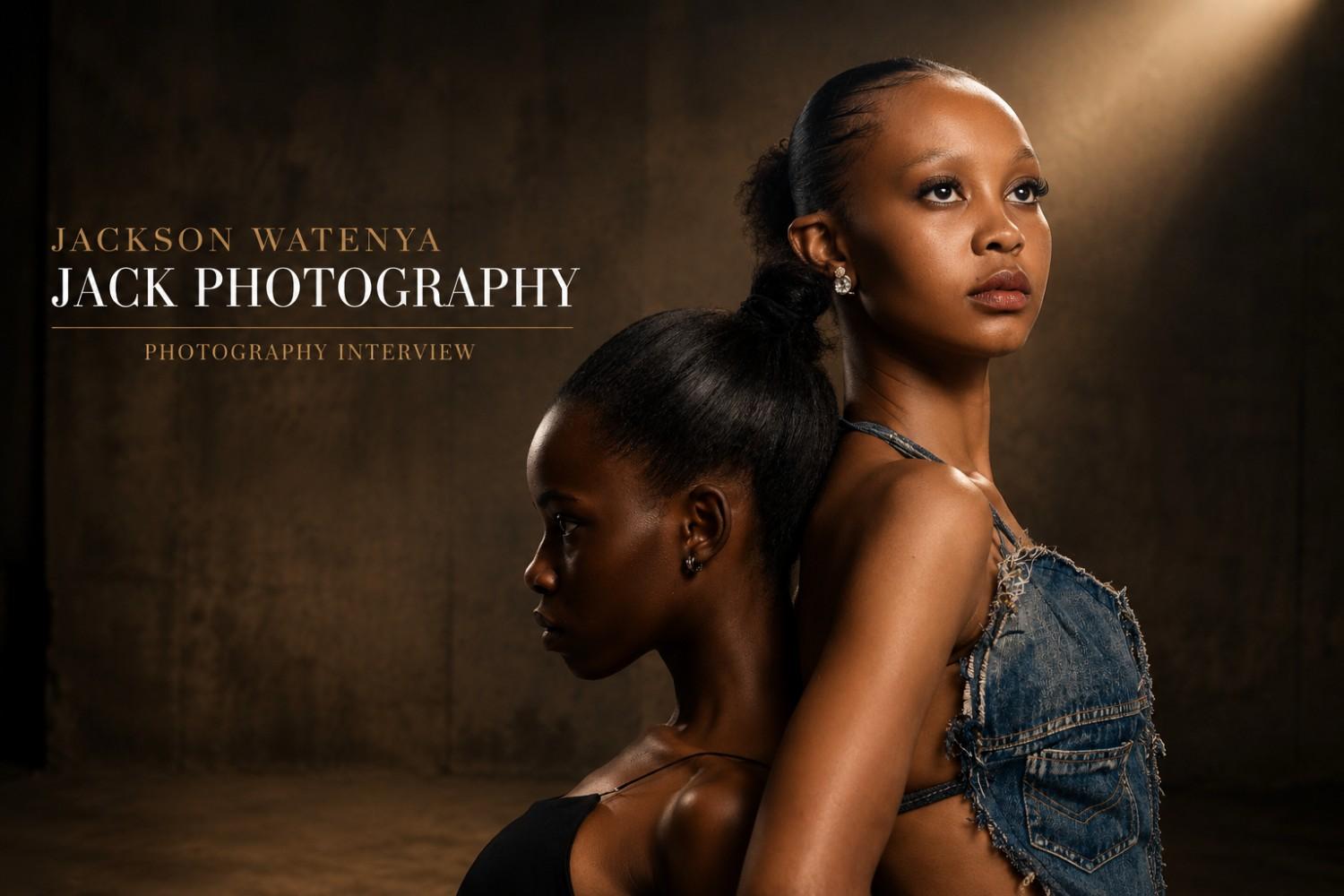
One project that particularly represents my approach is a beauty portrait featuring two models with different skin tones. The concept was visually simple, but technically it required careful consideration of lighting and exposure to create balance between the subjects.

For me, the image represents the intersection of technical precision and simplicity. It demonstrates how a straightforward concept can become powerful when the lighting, composition and human connection are carefully considered.

12. How do you balance your creative vision with a client’s expectations when they have a different idea of the final look?

Communication is key. I often use reference images and moodboards to understand the feeling behind a client’s ideas rather than focusing only on individual images they may have saved.

Once the intended mood and direction are clear, it becomes easier to find a creative balance between the client’s expectations and the photographic approach.


Fashion, Portraits & Weddings

13. What do you enjoy most about photographing fashion and working with models, designers, stylists and other fashion creatives?

The collaborative nature of fashion photography is what I enjoy most. Every person involved contributes something different to the visual language of the project.

There is something particularly rewarding about watching those individual contributions come together and evolve into a complete image.

14. What makes a powerful fashion photograph, in your opinion, beyond simply showcasing clothing?

A powerful fashion photograph should communicate a story or atmosphere beyond the garment itself. Clothing is an important part of the image, but it becomes more compelling when it exists within a wider visual narrative.

The strongest fashion images allow styling, subject, environment, lighting and emotion to work together.

15. Portrait photography requires capturing personality and emotion. How do you create images that reveal the person behind the portrait?

I pay attention to the moments that happen beyond the formal pose. A natural expression, a genuine laugh or an unguarded glance can often reveal more than a perfectly directed pose.

Sometimes the most important part of a portrait session is simply creating enough space for conversation and connection so the subject can move beyond the feeling of performing for the camera.

16. Weddings are filled with important emotions and once-in-a-lifetime moments. How do you balance documentary storytelling with creative direction during a wedding?

Wedding photography is an area I am continuing to develop. My current approach is to gain practical experience alongside established wedding photographers, learning how to balance candid storytelling with the directed portraits and important moments that couples want preserved.

That experience is helping me understand the rhythm and responsibility that comes with documenting such significant occasions.

17. Is there a particular fashion shoot, portrait session or wedding that challenged you creatively or taught you an important lesson?

A duo editorial featuring two models with different skin tones was particularly valuable creatively. It challenged me to reconsider my lighting approach and find a way to create balance while preserving detail and dimension across both subjects.

It reinforced the importance of adapting technique to the people and circumstances within the frame rather than relying on a single formula.

18. How do you think photography contributes to the growth and visibility of Nairobi and Kenya’s fashion and creative industry?

Photography has the ability to take a creative idea beyond the physical space where it was created. A powerful image can introduce a designer, model, event or creative movement to audiences who were never present.

In that sense, photography plays an important role in documenting, promoting and giving visibility to Kenya’s creative culture.


Business, Growth & The Future

19. What challenges have you experienced building and running a photography brand in Nairobi, and how have you overcome them?

The journey has taught me to work creatively with what is available. In the early stages, I worked with simple environments and limited resources rather than waiting for ideal conditions.

Those limitations encouraged me to become more resourceful and ultimately influenced the way I approach locations and visual concepts. As opportunities developed, I gradually expanded my access to equipment and professional spaces while also putting stronger business structures in place, including contracts, invoicing and a more formal portfolio.

20. How important are social media and digital platforms such as Instagram in building a photography brand and attracting clients today?

They are extremely important. Instagram, in particular, has played a significant role in connecting me with models, creatives and opportunities within the industry.

It has become a space where the work can speak for itself and where potential collaborators and clients can discover the photographer behind the images.

21. Where do you see Jack Photography in the next five years, and what kind of creative projects or clients would you like to attract?

I would like Jack Photography to become an established name within Nairobi’s editorial and fashion photography scene, recognised for a distinctive and consistent visual identity.

I hope to work increasingly with designers, brands and fashion events, while expanding into more commercial and catalogue-oriented photography. I also look forward to building stronger relationships within the events industry and, with the right experience, eventually taking on full wedding coverage.

22. How can photographers and other creative professionals collaborate more effectively to create stronger visual stories and opportunities within Kenya’s creative industry?

The industry becomes stronger when creatives create opportunities for one another. Photographers, models, designers, makeup artists and event organisers can build a more connected ecosystem by sharing networks, introducing one another to opportunities and approaching collaborations with a collective mindset.

Some of my strongest work has emerged when everyone involved is invested in the same creative vision rather than focusing only on their individual contribution.


BONUS QUESTIONS

Who would you love to collaborate with in Kenya or internationally photographers, designers, models, brands, artists or creative directors and what would you hope to create together?

I would particularly love to collaborate with established Kenyan fashion designers on a fully developed editorial campaign projects where the photography, fashion and creative direction can come together as one cohesive visual story.

If you could photograph one person, fashion collection, wedding, campaign or cultural moment anywhere in the world, what would you choose and why?

I would love to photograph a major East African Fashion Week runway show, capturing the complete experience rather than only what happens on the runway from the anticipation backstage to the creative energy surrounding the final reveal.

What is one photography or creative-industry misconception you would like to change?

One misconception I would like to challenge is the belief that serious photography requires an expensive studio or the most advanced equipment.

Creativity, vision and the ability to work intentionally with available resources can be just as important as the equipment itself.

As we conclude, what is your parting message or advice to aspiring photographers and young creatives who want to turn their passion into a profession?

Start before you feel ready.


Jackson Watenya — Jack Photography

Based in: Nairobi, Kenya
Specialisations: Fashion Photography | Portrait Photography | Wedding Photography
Instagram: @jack__photography1
Portfolio: Jack Photography / Pixieset

Selected Creative Credits:
@cynthiajuma_ · @fridah_gatheru · @hymynameis_lela

Editorial Closing

For Jackson Watenya, the photograph is never simply the final frame. It is the culmination of an idea, a conversation, a creative decision and a willingness to see possibility in the ordinary. Through Jack Photography, he is building a visual practice shaped by intention, collaboration and an evolving understanding of contemporary fashion and portraiture.

From Nairobi, his ambition is clear: to create imagery that does more than capture attention to tell stories, elevate creative talent and leave a lasting visual impression.

Content Courtesy of Jackson Watenya and NFH Digital Team 

Dolly Parton: The Rhinestone Life of a Woman Who Turned Poverty, Music and Kindness Into a Global Legacy

By Nairobi Fashion Hub | Special Tribute

There are celebrities who become famous, and there are rare human beings who become part of the emotional fabric of generations.

Dolly Parton belonged to the second category.

For more than seven decades, she was a singer, songwriter, actress, author, businesswoman, producer and philanthropist. She wrote songs that became country standards, crossed effortlessly into pop culture, built an entertainment empire, turned childhood memories of poverty into stories of dignity, and eventually gave millions of children something her own father had been denied: access to books.

On August 25, 2026, Parton died in Nashville, Tennessee, at the age of 80 after a brief battle with cancer, according to her family and representatives.

Her death closes one of the most extraordinary chapters in American popular culture.

But Dolly Parton’s story was never simply about becoming famous.

It was about what she did with fame.

From a One-Room Beginning to the World Stage

Dolly Rebecca Parton was born on January 19, 1946, in Locust Ridge, Tennessee, in the foothills of the Great Smoky Mountains.

She was the fourth of 12 children born to Robert Lee Parton Sr. and Avie Lee Owens Parton.

The family was poor. Her father worked hard but had little formal education, while her mother managed a large household and passed down music, storytelling, faith and an extraordinary sense of family.

Parton’s official biography describes her childhood as the beginning of a “rags-to-rhinestones” journey. Music surrounded the family, and she credited her Uncle Bill Owens with helping her find her way into the professional music business.

Her childhood poverty would eventually become one of the most important sources of her artistic identity.

The famous coat made from colourful scraps of fabric became a metaphor for an entire philosophy: you could come from very little and still carry enormous dreams.

That philosophy became music.

It became business.

And eventually, it became philanthropy.

← Back

Thank you for your response. ✨

The Girl Who Knew She Was Going Somewhere

Parton began performing publicly while still a child.

She appeared on local radio and television programmes before moving to Nashville, where she entered a music industry that was still overwhelmingly controlled by men.

Her breakthrough came through The Porter Wagoner Show, where she became a regular performer alongside country star Porter Wagoner.

But Dolly had ambitions beyond being somebody else’s featured singer.

She wanted to write.

She wanted to own her work.

She wanted to build a career on her own terms.

That determination became particularly significant when she and Wagoner eventually separated professionally.

Parton wrote “I Will Always Love You” as part of that transition—a song that would eventually become one of the most famous compositions in modern music history.

Years later, Whitney Houston’s spectacular version introduced the song to an entirely new generation and transformed it into a global phenomenon.

The Rock & Roll Hall of Fame describes Parton as a consummate songwriter whose music crossed country, pop, gospel, bluegrass, disco and rock while maintaining her distinctive identity.

The Songwriter Behind the Rhinestones

One of the biggest misconceptions about Dolly Parton was that the wigs, makeup, sequins and humour were the whole story.

They weren’t.

Behind the rhinestones was an extraordinarily disciplined songwriter.

Parton wrote thousands of songs throughout her career, many rooted in ordinary human experiences: jealousy, heartbreak, poverty, ambition, work, faith, family, loneliness and hope.

“Jolene” became a masterpiece of emotional simplicity.

“Coat of Many Colors” transformed childhood poverty into poetry.

“9 to 5” became an anthem for working women and earned Parton Grammy recognition as well as an Oscar nomination for the song.

And “I Will Always Love You” demonstrated that a song written from personal experience could eventually transcend its original circumstances and belong to the world.

The Grammy Awards record Parton with 55 nominations and 10 competitive Grammy wins, alongside her Grammy Lifetime Achievement Award.

Dolly and the Art of Reinvention

Parton’s genius was not simply that she could sing country music.

It was that she understood culture.

She understood television.

She understood cinema.

She understood branding.

And she understood herself.

In 1980, she made her major film breakthrough in 9 to 5, starring alongside Jane Fonda and Lily Tomlin.

She followed it with films including The Best Little Whorehouse in Texas, Rhinestone, Steel Magnolias and Straight Talk.

Her performances established another side of her personality: comic timing, emotional intelligence and a natural ability to connect with audiences beyond music.

Her film career also reinforced something that had already become obvious in Nashville Dolly Parton was not interested in remaining inside one box.

The Businesswoman Behind the Brand

Perhaps one of the least appreciated aspects of Dolly Parton’s career was her business intelligence.

The public saw the wigs.

Parton saw intellectual property.

The public saw songs.

Parton saw publishing.

The public saw a country singer.

Parton built a global entertainment brand.

She became associated with Dollywood, the Tennessee theme park that grew into one of the region’s major attractions, alongside other hospitality and entertainment ventures.

Her entrepreneurial world eventually expanded into books, food, beauty, merchandise, television, film and musical theatre.

The Rock & Roll Hall of Fame specifically recognised her not only as an artist but as a formidable businesswoman who helped establish new standards for artistic control.

This was Dolly’s quiet lesson to generations of entertainers:

Talent can make you famous. Ownership can make your work last.

The Private Woman Behind the Public Image

Dolly Parton was extraordinarily famous, yet much of her private life remained deliberately private.

Her marriage to Carl Thomas Dean was perhaps the clearest example.

They met in Nashville in 1964 outside the Wishy Washy Laundromat. They married in 1966 in a small ceremony.

Dean deliberately avoided celebrity culture.

Parton’s official account of their 50th anniversary describes their relationship as one built on love, support and respect for each other’s independence.

Carl died on March 3, 2025, aged 82, after almost six decades of marriage. He was a businessman who largely stayed away from the entertainment spotlight while supporting his wife’s extraordinary career from behind the scenes.

Their relationship became unusual by Hollywood standards precisely because it was not performed for Hollywood.

There were no constant red-carpet appearances.

No obsession with proving their marriage to the public.

No requirement that Carl become “Mr. Dolly Parton.”

He simply remained Carl.

And Dolly remained Dolly.

That privacy may have helped protect one of the longest marriages in the entertainment industry.

Why Dolly and Carl Never Had Children

Another part of Parton’s personal story that was often discussed publicly was that she and Carl did not have children.

Rather than allowing motherhood to define her worth, Parton built a different kind of family legacy.

She became an aunt, godmother, sister, mentor and, eventually, a symbolic grandmother figure to millions of children who knew her as the “Book Lady.”

Her goddaughter Miley Cyrus became one of the younger artists with whom she shared a particularly visible relationship, demonstrating Parton’s ability to remain relevant across generations.

Her family itself remained important to her music.

Her siblings appeared in projects and recordings, while family stories repeatedly found their way into her songwriting.

The Secret Power of the Wig

Dolly’s wigs were not simply a fashion accessory.

They were part of her strategy.

Parton embraced a highly recognisable visual identitytowering hair, sparkling clothes, dramatic makeup, high heels and rhinestones.

But there was an important practical reason behind the wigs: they gave her control.

Instead of spending hours trying to recreate the same hairstyle, she could put on a wig and become “Dolly.”

The look eventually became as recognisable as her voice.

And rather than apologise for being glamorous, exaggerated or feminine, Parton made those qualities part of her power.

That was particularly significant in an era when women in entertainment were frequently expected to choose between being taken seriously and being visibly glamorous.

Dolly refused the choice.

She could be glamorous and intelligent.

Funny and strategic.

Sexy in presentation without surrendering control of her identity.

Country and pop.

Traditional and progressive.

Small-town Tennessee and global celebrity.

The Tattoos She Rarely Advertised

One of the lesser-known details about Parton is that she had tattoos.

For years, she kept them largely hidden beneath clothing.

Parton explained that some of her tattoos were connected to covering scars and imperfections on her skin, turning something she might once have wanted to conceal into something decorative.

It became another example of her philosophy of transforming perceived flaws into personal expression.

The woman who turned fabric scraps into a famous coat had spent her life turning imperfections into art.

Why She Loved Looking Glamorous

Parton’s appearance was sometimes dismissed as excessive.

She saw it differently.

She understood the power of presentation.

Her rhinestones were part costume, part branding and part personality.

But there was also humour in it.

Parton often joked about her appearance, refusing to take herself too seriously.

That combination glamour without self-importance helped make her unusually accessible.

She could enter a room looking like a walking jewellery display and still make ordinary people feel comfortable.

That may have been one of her greatest social gifts.

A Woman Who Loved Simple Things

Away from the stage, Parton’s tastes could be surprisingly ordinary.

She loved home cooking, family recipes and Southern food.

In 2024, she and her sister Rachel Parton George published Good Lookin’ Cookin’, a cookbook built around family recipes and memories.

Chicken and dumplings, cornbread and other Southern comfort foods were part of the culinary world she carried from childhood into adulthood.

She also loved Christmas.

She loved books.

She loved writing.

She loved her mountains.

And she loved working.

Even late in life, Parton resisted the idea that turning older meant disappearing.

In interviews near the end of her life, she continued talking about future projects rather than retirement.

The 3 A.M. Dolly

One of the more revealing details about Parton’s private routine was her habit of waking extremely early.

She reportedly began her days around 3 a.m., using the quiet hours for prayer, reflection, writing and planning.

That routine reflected another side of the woman behind the celebrity image.

The rhinestones were visible.

The discipline wasn’t.

She understood that creativity needed space.

And she treated her creative life almost like a daily appointment.

Faith Was at the Centre

Parton’s Christian faith was a recurring part of her life and worldview.

It influenced her music, her approach to charity and the way she spoke about compassion.

But she generally presented faith through kindness rather than condemnation.

Her public philosophy repeatedly returned to the idea that people should help one another.

That approach allowed her to build an unusually broad audience across political, cultural and religious differences.

She could speak to conservative country audiences, younger pop audiences and communities who sometimes felt excluded from traditional American culture.

Her appeal was rarely about demanding that everyone agree with her.

It was about making people feel welcome.

The Imagination Library: Her Most Important Hit

Perhaps Dolly Parton’s greatest achievement was not a Grammy, a film or a No. 1 record.

It was the Imagination Library.

She launched the programme in 1995 in Sevier County, Tennessee, inspired in part by her father’s inability to read and write.

The original idea was simple: give young children free books.

That small local programme grew into an international literacy initiative.

According to the organisation, more than 270 million books have been distributed, with the programme operating across the United States and in countries including Canada, the United Kingdom, Australia and the Republic of Ireland.

Today, millions of children receive books through the programme.

This is where Dolly’s biography becomes larger than entertainment.

She did not simply escape poverty.

She remembered it.

And she used her success to address one of the conditions that had shaped her own family.

The Vaccine Donation

During the COVID-19 pandemic, Parton donated $1 million toward vaccine research at Vanderbilt University Medical Center.

That funding became associated with research supporting the Moderna vaccine.

Her philanthropy therefore moved beyond books and into medical research, demonstrating that her charitable interests were not limited to the entertainment industry.

Awards That Could Fill a Museum

Parton’s honours are extraordinary.

She received:

  • Multiple Grammy Awards, including a Lifetime Achievement Award.
  • Kennedy Center Honors.
  • Induction into the Country Music Hall of Fame.
  • Induction into the Songwriters Hall of Fame.
  • Induction into the Rock & Roll Hall of Fame.
  • Recognition from the Library of Congress as a Living Legend.
  • Numerous film and television nominations and honours.
  • An honorary Academy Award.
  • A Carnegie Medal of Philanthropy.

She also achieved something exceptionally rare: nominations from the four major American entertainment award institutions Emmy, Grammy, Oscar and Tony.

The Rock & Roll Hall of Fame inducted her in 2022, recognising the breadth of her influence beyond country music.

Her Grammy record alone stands at 55 nominations and 10 competitive wins.

Why She Eventually Embraced Rock

Parton initially resisted the idea of being inducted into the Rock & Roll Hall of Fame because she believed she had not done enough rock music to deserve the honour.

Then she did what Dolly Parton always did.

She turned the challenge into an opportunity.

The result was Rockstar, her ambitious 2023 album that explored rock music through collaborations with major artists.

Instead of allowing a category to define her, she entered the category herself.

That album became another chapter in a career built on refusing limitations.

The Touring Years

Parton’s relationship with touring changed as she grew older.

Her 2016 Pure & Simple tour was one of her major late-career global touring achievements, spanning dozens of cities.

Later, she became more selective about extensive touring, preferring projects that allowed her to remain closer to home and family while continuing to create.

In the years immediately preceding her death, she remained involved in new music, business ventures, books and musical theatre.

She was still planning future projects at 80.

That included Dolly: A True Original Musical, scheduled for Broadway in 2026, based on her life and music.

Her passing therefore arrived while the Dolly Parton story was still producing new chapters.

What Dolly Parton Disliked

Dolly’s dislikes were perhaps as revealing as her passions.

She disliked cruelty.

She disliked unnecessary negativity.

She disliked being boxed into categories.

She disliked the assumption that glamour meant a lack of intelligence.

And she was protective of her privacy.

Perhaps most importantly, she disliked the idea of living without purpose.

She repeatedly demonstrated a preference for work, creativity and contribution over simply resting on past achievements.

The Business of Being Dolly

Forbes-style analysis of Parton’s career cannot stop at album sales.

Her greatest financial achievement was the creation of a diversified intellectual-property empire.

Songs generated publishing income.

Films generated royalties.

Books expanded her brand.

Dollywood connected her name to tourism.

Food products connected her to households.

Television connected her to families.

Books connected her to children.

Philanthropy connected her to communities.

And her personal image became one of the world’s most recognisable entertainment brands.

She turned herself into something more powerful than a performer.

She became an institution.

A Woman Who Refused to Hide Behind Age

One of Parton’s most remarkable qualities was her attitude toward ageing.

She continued writing, performing, appearing publicly and developing new businesses long after many entertainers of her generation had retired.

Her philosophy was not about pretending to be young.

It was about remaining curious.

She continued to dream.

And that may be why she remained culturally relevant to people who were born decades after her first records.

Taylor Swift’s generation could discover her.

Miley Cyrus could call her godmother.

Beyoncé could enter the country conversation influenced by the musical world Parton helped shape.

Younger artists could reinterpret her songs.

Children could know her through books.

Families could know her through Dollywood.

Older audiences could remember the original records.

That is cultural longevity.

The Woman Behind the “Dolly” Persona

There is an important distinction between Dolly Parton the celebrity and Dolly Parton the person.

The celebrity had rhinestones.

The person had discipline.

The celebrity had enormous hair.

The person had enormous ambition.

The celebrity told jokes.

The person understood business.

The celebrity performed vulnerability through songs.

The person carefully protected her private life.

The celebrity appeared larger than life.

The person never forgot the Tennessee mountains where she began.

Perhaps that contradiction explains her extraordinary durability.

She never abandoned the girl from Locust Ridge.

She simply gave that girl a much larger stage.

What the World May Have Underestimated

Dolly Parton was sometimes underestimated because people saw the costume before they saw the strategist.

They saw the blonde wigs before they saw the songwriter.

They saw the jokes before they saw the businesswoman.

They saw the country star before they saw the global cultural figure.

But underneath the persona was an extraordinarily sophisticated understanding of storytelling, branding, ownership, audience psychology and human emotion.

She knew exactly what Dolly Parton represented.

And she never apologised for it.

The Final Chapter

Parton’s family announced that she would receive a small private service for immediate family, with fans encouraged to honour her through memories and messages rather than elaborate public mourning. Her family also requested that, instead of flowers, donations be made to Dolly Parton’s Imagination Library.

There is something deeply appropriate about that final request.

For a woman who spent her life collecting awards, records and honours, her family chose to direct attention back to books.

Back to children.

Back to imagination.

Back to giving.

That may be the most accurate summary of Dolly Parton’s life.

She came from a family that had very little.

She became one of the most recognisable women in entertainment.

She wrote songs that survived generations.

She built businesses that outlived individual performances.

She loved a man who preferred to remain outside the spotlight.

She turned personal pain into music.

She turned childhood poverty into philanthropy.

She turned rhinestones into a brand.

And she turned fame into an opportunity to help strangers.

The Legacy

Dolly Parton leaves behind much more than recordings.

She leaves behind songs that will continue to be sung.

A theme park that carries her name.

Books that will continue arriving in children’s homes.

A body of work that spans country, pop, rock, gospel, bluegrass, film and theatre.

A fashion identity that became unmistakable.

A business model studied by entrepreneurs.

A philanthropic model studied by charitable organisations.

And a lesson that may be more valuable than any award:

You do not have to forget where you came from simply because you succeeded.

Dolly Parton spent her life proving that enormous ambition and humility can coexist.

She proved that glamour and intelligence can occupy the same room.

That a woman can build an empire without surrendering her femininity.

That humour can coexist with serious business.

That private love can survive public fame.

And that perhaps the most meaningful measure of success is not how many people know your name but how many lives are better because they did.

The world knew Dolly Parton as the Queen of Country.

History may remember her as something even greater:

the woman who turned a life of rhinestones into a legacy of light.


Content Courtesy of Dolly Parton’s & NFH Digital Team

Jackson Watenya: Crafting Editorial Narratives Through the Lens of Jack Photography

Jackson Watenya, the Nairobi-based creative photographer behind Jack Photography, is steadily establishing a distinctive visual language within Kenya’s evolving fashion, portrait and wedding photography landscape. His work is defined by a deliberate approach to image-making one that places equal emphasis on concept, atmosphere, composition, lighting and post-production to create photographs that feel considered, cinematic and editorial.

Working across fashion, portraiture and wedding photography, Watenya approaches every project as an opportunity to construct a visual story rather than simply document a moment. His creative process begins long before the camera is raised. From developing concepts and moodboards to designing the lighting environment, directing subjects and refining the final image through professional retouching, every stage is intentionally considered. The result is photography that communicates a clear sense of identity, mood and visual purpose.

A Deliberate Approach to Visual Storytelling

At the heart of Jack Photography is Watenya’s belief that compelling photography is created through intention and collaboration. His images demonstrate an understanding of how styling, movement, light, location and human expression can work together to produce a cohesive visual narrative.

Rather than relying solely on naturally occurring moments, Watenya takes an active role in shaping the frame. He works closely with models, designers and other creatives to translate an initial idea into a finished visual statement. This directed approach allows him to explore different moods and aesthetics while maintaining a strong sense of consistency throughout his work.

His fashion photography, in particular, reflects an appreciation for the relationship between the subject, clothing and environment. Through considered composition and lighting, he creates imagery that allows fashion to become part of a larger story where garments, gestures, textures and surroundings contribute equally to the narrative.

Finding Editorial Potential in Ordinary Spaces

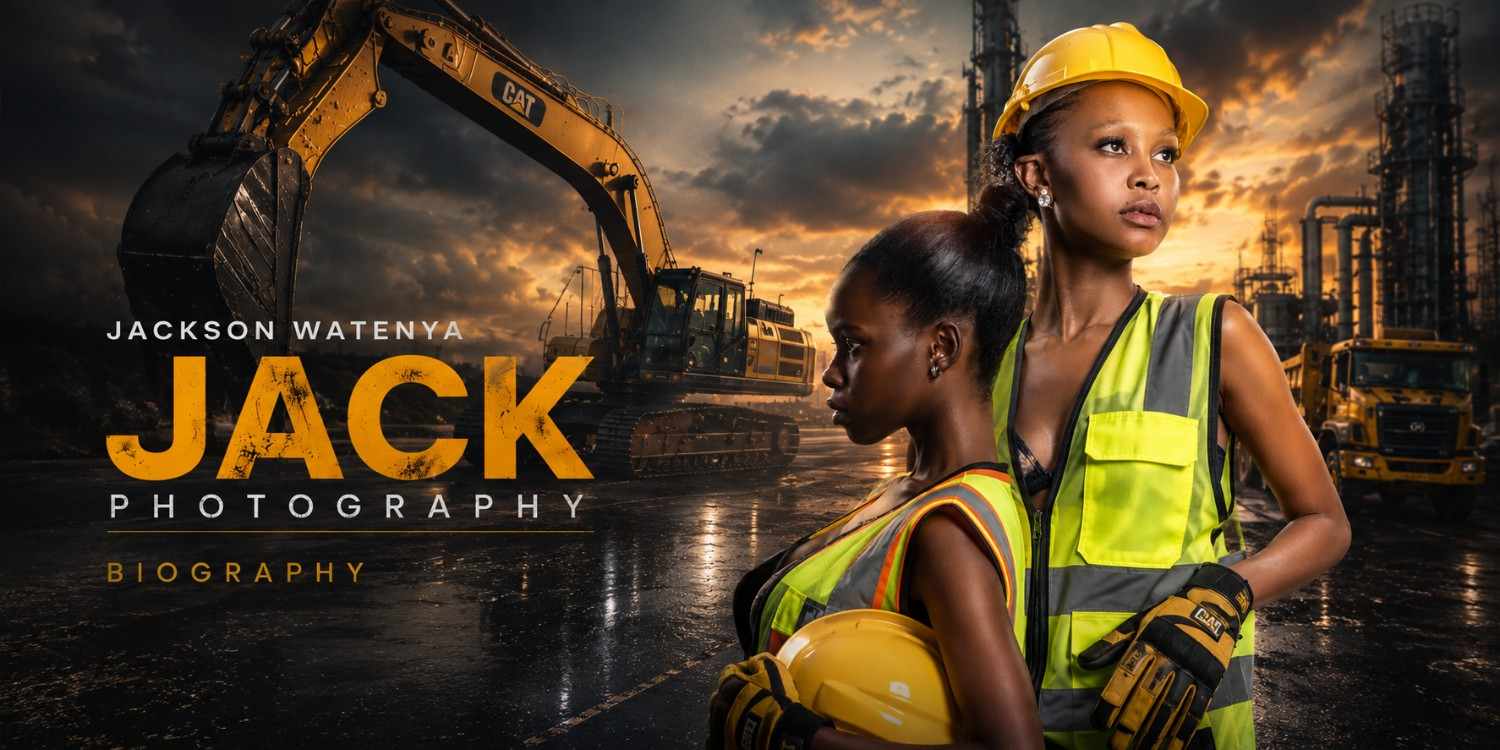
One of the defining characteristics of Watenya’s photography is his ability to transform seemingly ordinary environments into compelling visual settings. Rather than depending exclusively on elaborate locations or studio productions, he looks for the architectural details, textures, light and atmosphere that can give a location a distinctive character.

This ability to reinterpret everyday spaces gives Jack Photography an editorial sensibility while retaining a strong connection to Nairobi’s visual landscape. A familiar environment can become something unexpected when approached through the right perspective, lighting design and composition.

For Watenya, the location is therefore more than a backdrop. It becomes an active element of the photograph helping establish mood, context and visual identity.

Building a Distinctive Creative Identity

Operating under the name Jack Photography, Watenya is developing a portfolio that bridges fashion, portraiture and wedding imagery while maintaining a consistent commitment to polished visual storytelling. His work demonstrates an interest in creating photographs that remain visually engaging beyond the immediate moment, with attention given to the finer details that contribute to a finished editorial image.

His collaborations with Nairobi-based models and designers have further connected his photography to the city’s growing creative community. Among the creatives featured in his work are Cynthia Juma, Fridah Gatheru and Lela, whose collaborations reflect Watenya’s engagement with emerging talent and fashion-oriented visual production.

As Nairobi continues to strengthen its position as one of Africa’s increasingly influential creative centres, photographers such as Watenya are contributing to the visual language through which the city’s fashion and creative culture is represented.

The Vision Behind Jack Photography

For Jackson Watenya, photography is ultimately about more than producing an aesthetically pleasing image. It is about creating a complete visual experience one where concept, subject, styling, environment, lighting and post-production come together with purpose.

His evolving body of work reflects a photographer interested in both the technical and artistic dimensions of the craft. Whether photographing a fashion editorial, an individual portrait or an important wedding celebration, he approaches the camera as a tool for translating ideas, personalities and moments into lasting visual narratives.

From Nairobi, Watenya continues to refine the creative identity of Jack Photography, exploring new collaborations, visual concepts and ways of presenting African talent through contemporary photography.

Jackson Watenya — Jack Photography
Nairobi, Kenya
Specialising in: Fashion Photography | Portrait Photography | Wedding Photography

Instagram: @jack__photography1
Portfolio: Jack Photography — MyPixieset

Selected Credits

Cynthia Juma — @cynthiajuma_
Fridah Gatheru — @fridah_gatheru
Lela — @hymynameis_lela

Content Courtesy of Jackson Watenya & NFH Digital Team.

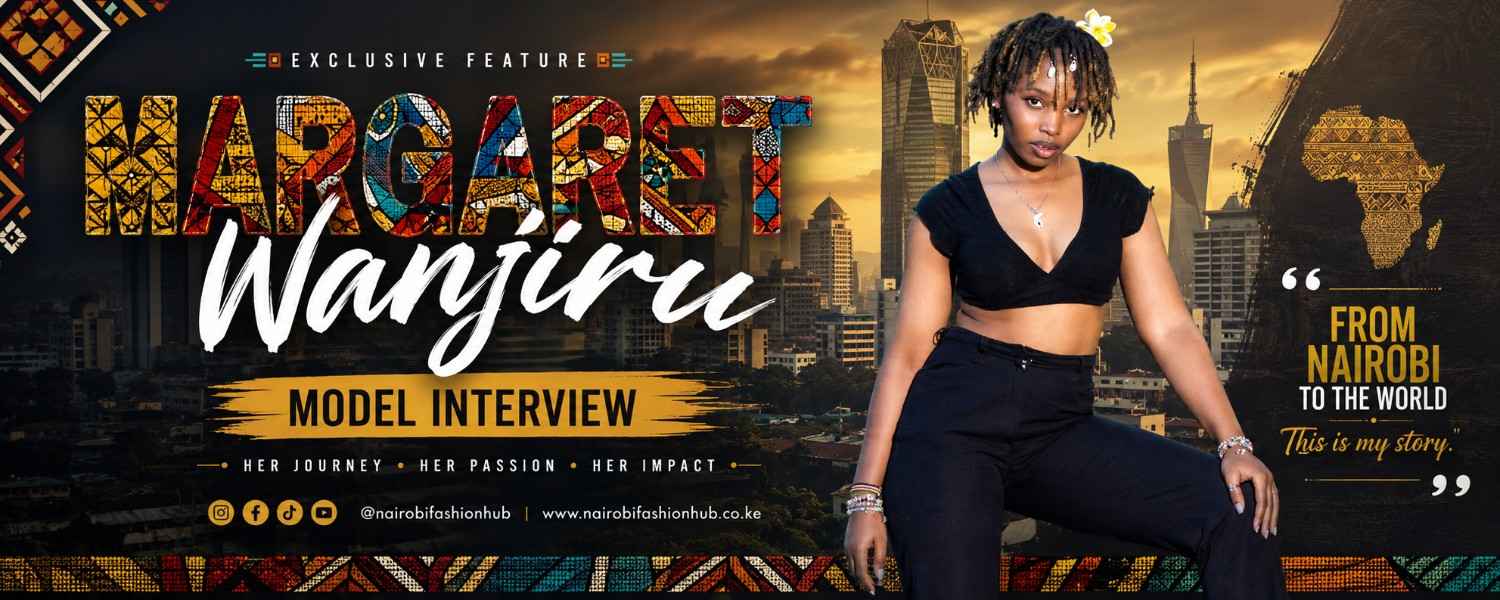
Margaret Wanjiru: The Rising Kenyan Model Redefining Fashion, Confidence and Self-Expression

Margaret Wanjiru: Finding Her Voice in Fashion, One Frame at a Time

Introduction

For Margaret Wanjiru, modelling is becoming a journey of confidence, discovery and creative expression. A professional physiotherapist by background, she has gradually found herself drawn toward fashion, photography and the possibilities of visual storytelling. Her journey has included creative photoshoots, pageantry and new opportunities that continue to shape her identity as an emerging model.

Her crowning as Miss Curvy KMTC 2023/2024 marked a defining moment, particularly as it was her first pageantry experience and an opportunity to discover a confidence she had not previously recognised in herself. Today, Margaret is exploring fashion campaigns, editorial, lifestyle and commercial modelling while continuing to develop her portfolio and professional presence.

In this exclusive conversation with Nairobi Fashion Hub, Margaret reflects on her personal style, the evolving African fashion landscape, the importance of confidence and professionalism in modelling, the role of social media, and her ambitions for the future. Her answers offer a glimpse into a young creative finding her voice while remaining open to growth and new possibilities.


About You & Your Journey

1. Tell us about yourself. Who is Margaret Wanjiru beyond being a fashion creative and aspiring model?

Beyond fashion and modelling, Margaret Wanjiru is a professional physiotherapist committed to helping people improve movement, manage pain, recover from injury and ultimately enhance their quality of life. Her professional background has given her a perspective grounded in discipline, empathy and an appreciation for personal wellbeing.

2. What inspired you to venture into modelling and the fashion industry? Was there a particular person, experience or moment that influenced your decision?

My entry into modelling was inspired primarily by my appreciation for fashion and its ability to provide a platform for self-expression. Over time, that interest developed into a desire to explore the creative possibilities of the industry and understand where I could position myself within it.

3. How would you describe your personal style? What makes your fashion identity unique?

I would describe my personal style as feminine, confident and versatile. I enjoy the ability to move between different aesthetics and adapt my presentation to suit the mood, concept or creative direction while maintaining a sense of individuality.

4. What does fashion mean to you personally? Is it about self-expression, confidence, culture, creativity, or something else?

For me, fashion is fundamentally a form of self-expression. It creates a visual language through which I can communicate my personality, emotions and perspective without necessarily having to articulate them verbally.

5. When did you first realize that modelling and fashion could become an important part of your life?

I began to recognise its significance when I noticed how naturally I was drawn to photography, fashion and creative expression. That growing interest eventually encouraged me to explore modelling more intentionally.


Modelling & Creative Experience

6. What has your modelling journey been like so far? Tell us about some of the experiences that have shaped you.

My modelling journey is still developing, but it has already been a meaningful process of discovery. Creative photoshoots, becoming more comfortable in front of the camera, stepping beyond my comfort zone and learning how to present myself professionally have all contributed to my growth. Each experience has offered an opportunity to learn something new about the industry and myself.

7. What type of modelling interests you most runway, commercial, editorial, beauty, lifestyle, fashion campaigns, or another area and why?

I am particularly drawn to fashion campaigns, editorial, lifestyle and commercial modelling because these areas allow for versatility and creative interpretation. They provide opportunities to explore different concepts, visual identities and dimensions of my personality.

8. What has been your most memorable modelling or fashion experience so far? What made it special?

One of my most memorable experiences was being crowned Miss Curvy KMTC 2023/2024. As my first experience in pageantry, the moment was significant because it allowed me to discover a level of potential and confidence I had not previously recognised in myself. Walking away with the crown made the experience particularly meaningful.

9. What challenges have you encountered as an aspiring model, and how have you handled them?

One of the challenges has been developing confidence and learning to put myself forward, particularly while entering an industry with so much to learn. I have approached this by remaining open to learning, accepting constructive feedback and deliberately working on my confidence through experience.

10. How do you prepare yourself mentally and physically before a photoshoot, casting, runway show or fashion event?

Preparation begins with taking care of the basics getting adequate rest, staying hydrated and allowing sufficient time to prepare without unnecessary pressure. I also believe in understanding the creative concept, wardrobe, location and expectations beforehand so that I can approach the assignment with greater clarity and confidence.

11. What qualities do you believe make a successful model beyond physical appearance?

A successful model needs much more than physical presence. Confidence, professionalism, discipline, adaptability and a strong work ethic are essential. Resilience is equally important because modelling can involve rejection, uncertainty and challenges, all of which require the ability to remain focused and continue developing.

12. How important is confidence in modelling, and how have you developed your own confidence in front of the camera or on the runway?

Confidence is fundamental because it influences how a model carries themselves, communicates emotion and connects with the camera or audience. I have developed mine gradually by becoming more comfortable in front of the camera, allowing myself to be seen and learning to respond positively to direction and constructive feedback.


Fashion & Creativity

13. Who or what inspires your creativity and fashion choices? This could include designers, models, celebrities, artists, cultures, music or everyday life.

My creative perspective draws from a combination of influences, including culture, music, models and everyday experiences. I find that inspiration can come from different environments and moments, often in unexpected ways.

14. Are there any Kenyan or African fashion designers, models or creatives you admire? What do you appreciate about their work?

This is an area I continue to explore as I learn more about the creative landscape. I appreciate creatives who bring originality, strong visual storytelling and a distinct point of view to their work.

Editorial note: Margaret did not provide specific names in her original response to this question, so the answer has not been attributed to a particular designer or creative.

15. How do you think African fashion and modelling are evolving, particularly among young creatives?

African fashion and modelling are evolving in an exciting direction. Young creatives are increasingly finding fresh ways to reinterpret culture through contemporary fashion, creating work that feels both connected to heritage and relevant to modern audiences.

16. If you could collaborate with any fashion designer, photographer, stylist, makeup artist or model in the world, who would you choose and why?

I would choose Alek Wek, as an international collaboration would provide an opportunity to challenge myself creatively while exploring how my own African identity could be expressed within a broader international fashion environment.

17. What role do social media platforms such as Instagram, TikTok and Facebook play in building your identity and career as a fashion creative/model?

Social media provides an important space to showcase my work, communicate my personal style and connect with photographers, designers, brands and other creatives. It also creates opportunities to build relationships and potentially discover new professional collaborations.


Personality, Vision & Future

18. What is one misconception people have about modelling that you would like to change?

One misconception I would like to challenge is the idea that modelling is solely about physical appearance. While presentation is part of the profession, successful modelling also requires confidence, discipline, professionalism, creativity and the ability to communicate through expression and body language.

19. What is your biggest dream in the fashion and modelling industry? Where would you like to see yourself in the next five years?

My ambition is to build a successful and recognisable career in fashion and modelling while remaining authentic to who I am. Over the next five years, I hope to become a more experienced, confident and versatile model with a strong portfolio and a distinctive personal brand.

20. What advice would you give to young people who are interested in modelling or fashion but are afraid to take their first step?

I would encourage them to begin, even if they do not feel completely ready. Feeling nervous or uncertain when entering a new industry is natural, but confidence develops through experience. Taking that first step creates the opportunity to learn, grow and discover what is possible.

21. Finally, what would you like the Nairobi Fashion Hub audience to remember about Margaret Wanjiru after reading your story?

I would like readers to remember me as someone who is passionate, authentic and willing to grow. My journey into fashion and modelling is not simply about being seen; it is about self-discovery, creative expression and using every opportunity as a chance to become better.


Bonus Questions

Who would you love to work with or collaborate with in Kenya or internationally, and why?

In Kenya, I would love the opportunity to collaborate with Brian Babu, the award-winning fashion stylist. His approach to storytelling, creativity and individuality makes the prospect of working together particularly inspiring to me.

As we come to the end of the interview, what is your parting message or advice to aspiring models, fashion creatives and young people pursuing their dreams?

My message is simple: do not be afraid to begin. You may not have everything figured out at the start, and the journey may include rejection, uncertainty or moments of self-doubt. However, those experiences can become part of the learning process. What matters is remaining open to growth, continuing to believe in your potential and allowing each experience to move you forward.


Editorial Closing

Margaret Wanjiru’s story is still unfolding. Her journey reflects the reality of an emerging model learning to navigate an industry where confidence is built through experience and identity is refined through creativity.

From her first steps into pageantry to her growing portfolio and ambitions within fashion, she represents a generation of Kenyan creatives approaching modelling not simply as an image-based profession, but as a platform for expression, individuality and personal growth.

For Margaret, the most compelling part of the journey may not be the destination, but the evolution along the way.

Connect with Margaret Wanjiru on her social media platforms

Instagram: Lifesty_leiva
Tiktok: Lifesty_leiva
Facebook:Lifesty_leiva

Content Courtesy of Margaret Wanjiru, NFH Digital Team, Photography Credit: Bleev Creations

How China’s Top 10 Designers are Redefining Luxury and Sustainability.

In 2026, the Chinese fashion industry has evolved from the “world’s factory” into a global epicenter of creative avant-garde and sustainable innovation. The rise of Guochao (national wave) has matured into a sophisticated fusion of traditional heritage and hyper-modern technology, with designers increasingly commanding the schedules of Paris, London, and Milan.

The State of the Industry: China’s “New Era”

The Chinese fashion market is currently defined by “Cultural Confidence.” Gen Z and Millennial consumers are prioritizing brands that reflect their identity, leading to a projected market value of over $75 billion for premium leather and luxury goods by the end of 2026. Sustainability is no longer a niche; it is a mandate. With over 1,300 textile industrial parks transitioning to net-zero operations, China is leading the global charge in decarbonizing the fashion supply chain.

The Visionaries: Top 10 Chinese Fashion Designers

1. Uma Wang (Label: UMA WANG)

  • Contribution: Known as the “Queen of Knits,” Wang is a master of fabric manipulation. She was the first Chinese designer to be a mainstay on the official Paris Fashion Week schedule.

  • Sustainability: Focuses on “Slow Fashion” by using ancient Chinese textile techniques and natural fibers like mohair, silk, and linen that age gracefully.

  • Shows: Paris Fashion Week (PFW), Milan Fashion Week, and Shanghai Fashion Week (SHFW).

2. Ye Ma (Label: ICICLE)

  • Contribution: Often called the “Chinese Max Mara,” Icicle redefined “Natural Way” fashion, focusing on high-end, minimalist professional wear for the modern woman.

  • Sustainability: The label is a pioneer in eco-friendly manufacturing, using undyed wool, organic cotton, and botanical dyes. They operate a flagship “green” store in Paris.

  • Shows: Paris Fashion Week and various sustainable summits globally.

3. Feng Chen Wang (Label: Feng Chen Wang)

  • Contribution: A leader in deconstructed menswear. Her “future-modern” aesthetic explores the intersection of her Fujian heritage and London street style.

  • Sustainability: Promotes a “buy less, wear more” ethos through multi-functional garments that can be disassembled and styled in multiple ways.

  • Shows: London Fashion Week (LFW), New York Fashion Week (NYFW), and SHFW.

4. Susan Fang (Label: SUSAN FANG)

  • Contribution: Invented the “Air-weave” technique, which allows fabric to stretch and move three-dimensionally. Her work is often described as “ethereal” and “mathematically beautiful.”

  • Sustainability: Her Air-weave method minimizes fabric waste, as the grid-like structures are designed to utilize every inch of material.

  • Shows: LFW, PFW, and was an LVMH Prize semi-finalist.

5. Liushu Lei & Yutong Jiang (Label: SHUSHU/TONG)

  • Contribution: They have captured the global “Coquette” and “Girlcore” trends, blending 1950s hyper-femininity with a rebellious, subversive edge.

  • Sustainability: They implement small-batch production and recently collaborated with ASICS using recycled materials to appeal to the eco-conscious Gen Z.

  • Shows: SHFW (often the closing act), London, and Milan.

6. Rui Zhou (Label: RUI)

  • Contribution: Famous for “second-skin” knitwear that celebrates the duality of fragility and strength. Her pieces have been worn by global stars like Dua Lipa and BLACKPINK’s Jisoo.

  • Sustainability: Uses zero-waste knitting technology and creates modular pieces that require minimal raw material.

  • Shows: PFW and NYFW; winner of the LVMH Karl Lagerfeld Prize.

7. Xiong Ying (Label: HEAVEN GAIA)

  • Contribution: The face of modern “Haute Couture” in China. She integrates Tang Dynasty embroidery and Hanfu silhouettes into red-carpet-ready gowns.

  • Sustainability: Preserves disappearing Chinese craft traditions by employing rural artisans, ensuring the survival of heritage embroidery techniques.

  • Shows: A regular highlight at Paris Fashion Week (Palais de Tokyo) and China Fashion Week.

8. Xander Zhou (Label: XANDER ZHOU)

  • Contribution: A pioneer of sci-fi-infused menswear. He explores the relationship between humans and technology, often featuring “cyborg” aesthetics.

  • Sustainability: Incorporates tech-fabrics that are durable and climate-adaptive, reducing the need for seasonal replacement.

  • Shows: He was the first Chinese designer to show at London Fashion Week Men’s.

9. Caroline Hu (Label: REVERIE BY CAROLINE HU)

  • Contribution: Known for romantic, impressionist-style layering. Her 2026 collection “Daydream” utilized advanced textile bonding to create 3D floral textures.

  • Sustainability: Committed to reducing chemical waste in fabric production and utilizing upcycled lace and organza.

  • Shows: Paris Fashion Week and New York Fashion Week.

10. Samuel Yang & Erik Litzén (Label: SAMUEL GUÌ YANG)

  • Contribution: This duo merges Chinese “Qipao” tailoring with Western construction. Their “Bat Jacket” is a 2026 icon of cross-cultural design.

  • Sustainability: They prioritize traceable supply chains and “Seasonless” collections to combat the fast-fashion cycle.

  • Shows: LFW and Shanghai.

The Faces of the Frontline: Top Models

The global fashion landscape in 2026 is dominated by faces that bridge East and West.

  • Liu Wen: The eternal “First Supermodel of China,” now a veteran who advocates for sustainable luxury.

  • Hu Bing: The legendary face of Chinese menswear, serving as the International Ambassador for the British Fashion Council.

  • He Cong: Currently the most “in-demand” Chinese model on European runways, known for her versatile, porcelain-like features.

  • Mao Xiaoxing: A rising star representing the new generation of diverse, edgy Chinese beauty.

Title: Silk & Silicon: The Visionaries and Muses Defining China’s 2026 Fashion Renaissance

Why “Silk & Silicon” Works Best:
In 2026, the Chinese fashion industry is no longer just about fabric (Silk); it’s about the integration of digital innovation, smart textiles, and sustainable tech (Silicon). This title perfectly bridges the gap between the historical contributions of these designers and their future-forward impact.

Digital Hustle: How Social Media Content Creation is Empowering Kenya’s Youth

In a country where traditional white-collar employment opportunities remain scarce, many young Kenyans are embracing digital platforms to carve out alternative careers. Content creation and photography, once seen as hobbies, are now becoming viable income sources for Kenya’s youth, who are leveraging social media platforms like TikTok, Instagram, and YouTube to build audiences and generate income.

According to the United Nations, 35% of Kenya’s population is aged between 15 and 34, with an alarming 67% of this demographic currently unemployed. Against this backdrop, content creation has emerged as a beacon of hope for many.

Turning Creativity into Livelihood

Every Sunday, groups of young Kenyans gather in parks and public spaces armed with cameras and smartphones. They choreograph dances, film skits, and create engaging content, later uploading their work to various social media platforms. For individuals like 22-year-old Vincent Otieno, this effort provides more than just entertainment—it is a livelihood.

Otieno, along with his six-member dance team from Nairobi’s slums, earns money through tips from TikTok fans, YouTube ads, and live performances at events. Each team member makes an average of $120 per month, which Otieno sees as a significant step toward financial independence. “We post on Instagram, TikTok, and YouTube, where we make around $100 a month, which is better than nothing,” he says.

Rising Stars of Social Media

For 25-year-old street fashion model Caycee Achieng Mboya, known as “Lupita Nyakisumo,” social media is more than a creative outlet—it’s a professional venture. With over 200,000 TikTok followers, she advertises products for clients, showcasing how social media can rival traditional jobs in income generation and exposure.

Similarly, the trio of 20-year-olds—Angeline Muema, Trisha Pangie, and Cecilia Nyambura—have been active content creators on TikTok for a year. Together, they make $600 monthly through fan contributions and partnerships. Angeline, still a college student, views this as a pragmatic choice in the face of Kenya’s unpredictable job market. “It’s better I do these videos and earn something than just staying idle. Even if I graduate, there’s no guarantee I’ll get a job,” she reflects.

Government Support and Policy Changes

In 2022, the Nairobi County Government acknowledged the growing role of creative industries by waiving all business permit requirements for photographers and filmmakers. This policy change eliminated the need for licenses from the Kenya Film and Classification Board, which previously posed barriers with heavy fines and potential arrests for non-compliance.

A Pathway Away from Social Vices

For 25-year-old dancer and nursing graduate Mark Maranga, content creation is about more than financial stability—it’s a means to steer clear of social ills. After failing to secure a job in his field, Maranga turned to dancing and content creation to support his family and provide a positive alternative for youth in his community. “Instead of indulging in activities like stealing, now they engage in dancing and earn something to feed their families,” he explains.

A New Dawn for Kenyan Youth

As traditional employment avenues shrink, social media platforms are becoming lifelines for Kenya’s youth. By combining creativity, technology, and entrepreneurship, they are not only earning incomes but also redefining the concept of work in a digital age. For many, content creation isn’t just a hustle—it’s hope for a brighter future.

Content courtesy of  NFH Digital Team

Transforming African Fashion: The Vision and Impact of Nairobi Fashion Hub

Background Story of Nairobi Fashion Hub, Nairobi Fashion Hub was founded with the goal of creating a platform to celebrate, nurture, and promote African fashion and design. Established in 2016, the hub started as a digital platform that sought to bridge the gap between African designers and the global fashion market. With Kenya’s capital, Nairobi, as its base, the organization leveraged the city’s vibrant cultural diversity and innovation-driven ethos to champion creativity in the fashion industry.

From its inception, Nairobi Fashion Hub aimed to support budding and established designers by providing a space where they could showcase their work, gain exposure, and connect with buyers, investors, and collaborators. The platform also emphasized storytelling, sharing the narratives behind African designs to highlight their cultural significance and craftsmanship. Over time, the hub expanded its offerings to include educational workshops, networking events, and community outreach programs, positioning itself as a catalyst for sustainable development in the African fashion industry.

Mission Statement

Nairobi Fashion Hub’s mission is to empower African designers, artisans, and creatives by providing access to global markets, fostering innovation, and promoting the unique identity of African fashion. The organization is committed to creating a thriving ecosystem that champions sustainability, inclusivity, and economic growth through the arts.

Vision Statement

Nairobi Fashion Hub envisions a future where African fashion takes its rightful place on the global stage, celebrated for its creativity, quality, and cultural depth. The hub aspires to be a leading force in transforming Africa’s creative industries into key drivers of economic empowerment and cultural pride.

Nairobi Fashion Hub is a fast-growing platform for fashion, models, stylists, bloggers, makeup artists, photographers, & fashion/accessory designers from East Africa & the African continent at large. This is where they showcase their talent, market their creativity, & network with both local & inte

Nairobi Fashion Hub (@nairobifashionhub.bsky.social) 2024-11-20T11:02:09.866Z

Short-Term Plan (1-5 Years)

1. Expansion of Digital Platforms:
– Enhance the Nairobi Fashion Hub website and mobile app to feature e-commerce capabilities, making it easier for designers to sell their creations directly to consumers worldwide.
– Incorporate virtual reality (VR) and augmented reality (AR) features to offer immersive fashion experiences, such as virtual runway shows and 3D product views.

2. Designer Support Programs:
– Launch mentorship and incubation programs for young designers, providing training in business management, digital marketing, and sustainable fashion practices.
– Partner with local universities and fashion schools to nurture talent and bridge the skills gap in the industry.

3. Sustainability Initiatives:
– Introduce workshops on ethical fashion and sustainable production methods to reduce the industry’s environmental footprint.
– Collaborate with textile manufacturers to promote the use of eco-friendly materials.

4. Community Outreach:
– Host fashion showcases and pop-up markets in underserved communities to create awareness and appreciation for local designs.
– Launch a scholarship program for underprivileged youths interested in pursuing careers in fashion.

5. Collaborations and Partnerships:
– Strengthen partnerships with African governments, private sector entities, and international fashion bodies to secure funding and support for local designers.

Long-Term Plan (6-10 Years)

1. Global Recognition:
– Establish Nairobi Fashion Week as a premier international event, attracting designers, buyers, and media from around the world.
– Open flagship stores in major cities across Africa, Europe, and the U.S. to showcase African fashion globally.

2. Economic Empowerment:
– Create thousands of jobs by developing a robust value chain encompassing design, production, marketing, and retail.
– Support the establishment of local manufacturing hubs to boost domestic production and reduce dependency on imports.

3. Technological Innovation:
– Invest in AI-driven design tools to help designers create unique, market-driven products.
– Develop blockchain systems to ensure transparency in supply chains and combat counterfeit products.

4. Cultural Preservation:
– Establish a digital archive of African textiles and designs to document and preserve the continent’s rich fashion heritage.
– Promote the use of indigenous fabrics and techniques in contemporary designs.

5. Sustainability Leadership:
– Position Nairobi Fashion Hub as a leader in sustainable fashion by achieving carbon neutrality and championing green initiatives across the industry.

Unleash Your Fashion Empire with the Nairobi Fashion Hub App!Are you a fashion visionary?A makeup maven? A modeling maestro? NFH App is your secret weapon to conquer the fashion world!Why Choose NFH?1. Global Reach: Connect with clients worldwide, from bustling cities to quiet corners.

Nairobi Fashion Hub (@nairobifashionhub.bsky.social) 2024-12-02T10:40:42.012Z

Impact on the African Community

1. Economic Growth:
– By providing designers with access to global markets, the hub has created new income opportunities, empowering artisans and small businesses.
– The platform’s focus on local manufacturing has spurred industrial growth and job creation.

2. Cultural Identity:
– Nairobi Fashion Hub’s storytelling efforts have helped reshape perceptions of African fashion, celebrating its diversity and authenticity on a global stage.
– By reviving traditional techniques and materials, the hub has contributed to preserving cultural heritage.

3. Youth Empowerment:
– Training programs and scholarships have equipped young creatives with the skills needed to succeed in the competitive fashion industry.
– The hub’s emphasis on mentorship has fostered a new generation of confident, innovative designers.

4. Environmental Sustainability:
– Through its focus on ethical practices and eco-friendly materials, the hub has set a precedent for sustainable production in Africa.
– Awareness campaigns have inspired both designers and consumers to adopt greener practices.

5. Social Transformation:
– By engaging marginalized communities, Nairobi Fashion Hub has used fashion as a tool for social inclusion and empowerment.
– The platform’s initiatives have strengthened community bonds and instilled a sense of pride in local creativity.

In the next decade, Nairobi Fashion Hub aims to solidify its role as a transformative force in African fashion, driving innovation, sustainability, and economic empowerment while celebrating the continent’s rich cultural heritage.

Content courtesy of NFH Digital Team 

Nairobi Fashion Hub: Where Creativity Meets Opportunity (Launching App & Live Web Version!)

The Nairobi Fashion Hub is thrilled to announce the launch of its innovative app and live web version, a groundbreaking step toward revolutionizing the fashion landscape across Africa. As a premier platform for creatives, brands, and enthusiasts, we are reshaping how the world engages with African fashion.

Calling all Nairobi creatives! Get ready to unleash your inner fashionista with the launch of the Nairobi Fashion Hub app in January 2025! But wait, there’s more! We’re so excited to announce that the web version is already live and ready to use at www.app.nairobifashionhub.co.ke.
This revolutionary platform is more than just an app; it’s your gateway to success. Whether you’re a designer with dazzling sketches, a makeup artist known for your magical transformations, or a model whose poses captivate everyone, the Nairobi Fashion Hub is your one-stop shop to showcase your talent and connect with the perfect clients.
Bridging the Gap Between City and Country
We believe creativity knows no boundaries, and that’s why the Nairobi Fashion Hub is designed for everyone! Whether you’re in the heart of the bustling city or nestled in a picturesque rural area, as long as you have internet access, this platform is for you.
The app will be your:

  • Digital Portfolio: Showcase your work and let your talent shine!
  • Client Connection Hub: Connect with potential clients seeking your services – no matter where they are located!
  • Inspiration Station: Get inspired by fellow creatives, discover new trends, and learn from the best!
    The web version allows you to experience all the above right now! Start building your profile, browse portfolios, and get ready to take your creative journey to the next level.
    Nairobi Fashion Hub: It’s Time to Shine!
    Join the movement and be part of a vibrant community of talented individuals. Don’t miss out on this incredible opportunity to showcase your skills and connect with the perfect clients.
    Launch the app in January 2025, or get started now on the web version at www.app.nairobifashionhub.co.ke. Let your creativity bloom!


Nairobi Fashion Hub is your ultimate platform to connect with clients and showcase your creativity.

Whether you’re a seasoned designer, a makeup artist, or a model, our app and web platform offer a seamless experience to connect with clients across urban and rural areas. It’s time to take your career to new heights!

Content courtesy of NFH Digital Team

Unleash Your Potential in Fashion: Join the Nairobi Fashion Hub App Today

The world of fashion thrives on creativity, collaboration, and innovation, and now there’s a unique platform designed to amplify the voices of fashion’s brightest talents. Enter the Nairobi Fashion Hub, a transformative space that connects passionate individuals across the globe with opportunities to showcase their skills, build their brands, and elevate their careers.

Whether you’re a budding designer, a seasoned stylist, or a visionary event organizer, this vibrant community is your gateway to the top of the fashion world. Here’s why you should make the Nairobi Fashion Hub your creative home.

A Platform for All Creatives
The Nairobi Fashion Hub is more than just a networking site—it’s a thriving ecosystem where talents from every corner of the fashion and beauty industries come together. By joining this dynamic community, you gain the chance to:

Showcase Your Work: Share your portfolio with an engaged audience.
Collaborate: Meet like-minded professionals who share your passion.
Expand Globally: Tap into an international stage where your creativity can shine.

Choose Your Specialty
No matter your talent or area of expertise, the Nairobi Fashion Hub provides a dedicated space for you to excel. Here’s a closer look at the incredible opportunities for each category of fashion professional:

1. Fashion Designer
Unleash your imagination and redefine style with your unique designs. This is your chance to innovate and make your mark in the world of couture.

2. Model
Step into the spotlight and bring the latest trends to life. The hub connects you with industry professionals who value your poise and presence.

3. Stylist
Shape the future of fashion by creating unforgettable looks that inspire and define trends.

4. Fashion Blogger
Influence the global fashion narrative with your insights, reviews, and thought-provoking commentary.

5. Makeup Artist
Transform appearances with your artistry, enhancing beauty and boosting confidence.

6. Photographer
Capture the essence of fashion with your lens, immortalizing creativity and elegance.

7. Jewelry Designer
Design timeless, exquisite pieces that elevate every outfit and celebrate individuality.

8. Beautician (Salonist & Barber)
Redefine grooming and beauty standards, offering services that make every client shine.

9. Fashion Event Organizer
Set the stage for groundbreaking fashion moments by orchestrating spectacular events.

10. Fashion & Beauty School
Inspire the next generation by sharing your knowledge and expertise through education.

Why Join the Nairobi Fashion Hub?
– Connect Globally: Be part of a diverse, international network of professionals.
– Build Your Brand: Gain exposure and credibility in the competitive world of fashion.
– Empower Your Career: Access opportunities that help you grow and succeed.

How to Get Started
The first step to your fashion journey is simple:
Visit Nairobi Fashion Hub https://app.nairobifashionhub.co.ke/ and join today! Whether you’re looking to network, learn, or lead, this platform is your launchpad to success.

Don’t just dream about your place in the fashion industry claim it.

Let the world see your talent, passion, and creativity.

It’s time to unleash your potential.

Your journey starts here.

Content courtesy of NFH Digital Team

Kenyan Actress Winnie Bwire Succumbs to Cancer

Nairobi, Kenya – Beloved Kenyan actress, designer, and baker Winnie Bwire, widely known for her role as “Dida” in the Swahili telenovela *Sultana*, passed away on September 5, 2024, after a prolonged battle with metastatic breast cancer. She was undergoing treatment in Turkey at the time of her death.

In an official statement, Bwire’s family expressed their deep sorrow, acknowledging the unwavering support received from friends, family, and the public during her treatment. The statement read: “It is with heavy hearts and humble acceptance of God’s will that we announce Winfred Bwire Ndubi lost her battle with cancer on 5th September 2024, while undergoing treatment in Turkey. We thank you all for your overwhelming support, prayers, and generous giving during her treatment.”

Last month, Bwire shared a personal and emotional video on social media, updating her followers on her health status and pleading for further financial assistance. In the video, she chronicled her fight against metastatic breast cancer, candidly discussing the physical and emotional toll the disease had taken on her.

“For the past few months, I have been going through a really hard time in and out of hospital… I was doing very well until I developed a series of side effects from the drugs. There is a drug I was taking that has over 41 side effects. I consulted with my doctors, and they advised me to stop taking it and seek treatment in Turkey,” she shared. Bwire detailed the challenges she faced, expressing frustration over the escalating costs of healthcare and her need for external support.

Despite her valiant efforts, including a recent trip to Turkey for advanced treatment, her battle with cancer came to a heartbreaking end. Her fight was not only personal but also public, as she sought to raise awareness about cancer, its treatment challenges, and the emotional struggles it entails.

Winnie Bwire’s acting career spanned over a decade, beginning with her performances at the Little Theatre Club. She gained widespread recognition for her role in *Sultana*, where she portrayed “Dida,” captivating audiences with her talent and presence. Her contributions to the Kenyan entertainment industry extended beyond acting, as she was also known for her work in design and baking.

Her cancer journey, made public two years ago, showcased her resilience and determination to fight the disease. She was vocal about her optimism and hope for recovery, earning the admiration of many who viewed her as a warrior in the face of adversity.

Bwire’s last social media post, made just five days before her passing, was a heartfelt expression of gratitude to those who had supported her medical journey. “I am failing to caption this because I’m a mess. Not enough thank yous will ever suffice for the sacrifice, support, prayers, tears, time, and money you have accorded me. Dear Humans, Mubarikiwe sana,” she wrote.

Her death marks a profound loss for the Kenyan entertainment industry, and she will be remembered not only for her contributions to television but also for her courage in sharing her battle with cancer publicly. Fans, colleagues, and well-wishers have taken to social media to mourn her passing, celebrating her legacy and the light she brought to the world despite her personal struggles.

Details of her funeral arrangements and further tributes will be announced by her family in due course.

May her soul rest in peace.

Content courtesy of NFH Digital Team

Miss SA Chidimma Vanessa Onwe Adetshina Citizenship Saga: Home Affairs Weighs In

The Miss South Africa pageant has been thrust into a national debate over citizenship and identity, sparked by allegations surrounding contestant Chidimma Vanessa Onwe Adetshina’s nationality. With claims of Nigerian parentage and questions about her eligibility to represent South Africa, the controversy has ignited a firestorm of public opinion and political involvement.

At the heart of the matter is Adetshina’s citizenship status. While the Miss South Africa organization maintains that she meets all the necessary requirements, the Department of Home Affairs has offered a complex clarification of South African citizenship laws.

Deputy Minister of Home Affairs, Njabulo Nzuza, emphasized that citizenship can be acquired either by birth (soil) or through parentage (blood). Unlike countries like the United States, where birthright citizenship is granted, South Africa primarily follows the principle of citizenship by descent from a South African parent.

However, the law also provides provisions for individuals born in South Africa to foreign parents to acquire citizenship under certain conditions, such as if their parents held permanent residence permits. This particular point has become a focal point of scrutiny in Adetshina’s case.

Investigations conducted by The Star revealed potential discrepancies between Adetshina’s stated age and the timeline provided by her alleged father, Ben Dlamini. Dlamini, in an interview, claimed to have arrived in South Africa in 2010 on a visitor’s visa and married Adetshina’s mother in 2013. These claims, if accurate, raise questions about the circumstances surrounding Adetshina’s birth and subsequent citizenship acquisition.

The controversy has divided the nation, with political parties taking opposing stances. The EFF has expressed solidarity with Adetshina, condemning xenophobic attacks and defending her right to participate. On the other hand, the Patriotic Alliance has threatened legal action, questioning Adetshina’s eligibility and calling for her disqualification.

As the debate intensifies, the Miss South Africa organization faces increasing pressure to provide concrete evidence supporting Adetshina’s citizenship. The Department of Home Affairs’ clarification has shed light on the complexities of South African citizenship law but has also raised more questions than answers regarding Adetshina’s specific case.

Ultimately, this controversy serves as a stark reminder of the challenges faced by individuals with mixed heritage and the need for clear and accessible citizenship guidelines. It has also highlighted the deep-seated divisions within South African society on issues of identity, belonging, and representation.

Content courtesy of  NFH Digital Team

Interview with Vanessa Chidimma Vanessa Onwe Adetshina’s Alleged Father Brings New Revelations, Mzansi Suspicious

The Miss South Africa pageant continues to be embroiled in controversy, with the spotlight firmly on contestant Vanessa Chidimma Adetshina. Amidst the ongoing backlash over her eligibility to represent the country, a recent interview with a man claiming to be her Nigerian father has introduced a new layer of complexity to the saga.

The interview, which has rapidly circulated online, offers a purported glimpse into the family’s history and the circumstances surrounding their arrival in South Africa. The man, whose identity has not been independently verified, alleges that he came to South Africa in 2010 to attend the FIFA World Cup as a visitor. He claims to have met Vanessa’s mother during this period. Notably, he asserts that they did not have children together at that time, a statement that directly contradicts the previously established narrative about Vanessa’s birth and upbringing.

When pressed about the nationality of his children, the man declared that they hold dual citizenship, being both Nigerian and South African. He emphasized their entitlement to the same rights as any South African citizen.

However, the interview has sparked a wave of skepticism among South Africans, with many expressing doubts about the veracity of the claims. Social media platforms are abuzz with discussions centered around inconsistencies in the timeline, questioning the possibility of Vanessa being born in South Africa if her parents met during the 2010 World Cup.

Furthermore, the man’s admission of holding a visitor’s visa at the time of his arrival has raised eyebrows, prompting speculation about the legality of his extended stay in the country and the circumstances surrounding the birth of his children.

The controversy has deepened the divide among South Africans, with opinions sharply divided. While some sympathize with Vanessa and condemn the xenophobic attacks directed at her, others remain steadfast in their belief that she does not meet the criteria to represent the country.

As the situation continues to unfold, it is evident that the Miss South Africa pageant has become a microcosm of the broader societal issues facing South Africa, including xenophobia, immigration, and national identity. The pageant organizers find themselves in an increasingly difficult position, navigating a complex web of conflicting narratives and public opinion.

It remains to be seen how the Miss South Africa organization will address the latest revelations and whether Vanessa Chidimma Adetshina will be able to weather the storm and continue her journey in the competition.

Content courtesy of NFH Digital Team

Ad