Wednesday 3rd of June 2026

Nairobi, Kenya

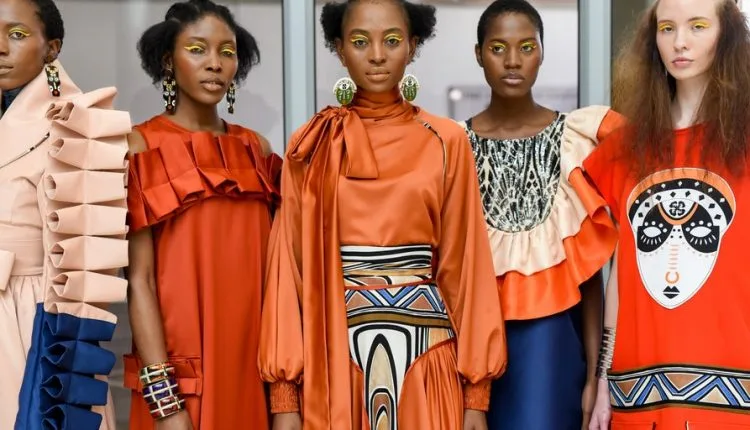
Eliza Christoph Luxury, Ethical Fashion Brand Launched to Embody a Kenyan Sensibility With Color, Pattern, & Sustainability

Chic, urban, sophisticated, vibrant, and inspired Eliza Christoph enters the fashion zeitgeist on a mission.

Founded by Kenyan-born and NYC-based Liz Njoroge, the newly launched brand is an homage to her homeland and an upscale nod to its betterment. Poised to empower women in Kenya by creating jobs for skilled artisans and supporting their training, the brand offers more than sustainable, ethical luxury. Eliza Christoph offers principled, handcrafted clothing and accessories that wholeheartedly embrace the vibrant prints that are the spirit of Kenya.

For clothing and accessories made outside of Africa, the brand donates a portion of the profits to communities where their artisans live and work.

Classic in design, the timeless approach to each garment’s composition is as youthful as it is elegant. The pieces mix unique, vibrant prints with timeless and versatile silhouettes to create luxury staples that add effortless sophistication to any closet. The first collection consists of shirt dresses, skirts and silk scarves.

The dresses come in Dutch-wax-printed fabrics and uniquely designed and printed Italian cotton poplin. The skirts are made from the same cotton poplin, and the scarves are 100% Italian silk.

The double-faced Dutch wax fabric is printed in rich colors with a labor-intensive technique that applies wax resin before submerging the fabric in dye. For the cotton poplin prints, the brand created its own unique print designs inspired by historic African prints and Africa’s natural beauty. The bold prints blend the founder’s love for her home country and passion for modern and contemporary art.

The Eliza Christoph silk scarves bring art and luxury together in a delectable silk scarf. Uniquely designed, the scarf prints are hand-painted and digitally designed to depict the magnificent Kenyan sights and experiences. The scarves are made and printed in Italy on 100% silk and finished with hand-rolled edges for a refined look.

Produced on a non-seasonal calendar in limited runs, the clothing is hand-inspected for perfection. In keeping with their mission, Eliza Christoph will continue to give financial support to the African communities that inspire their collections.

About Eliza Christoph

New York-based Eliza Christoph is a sustainable and ethical luxury brand with the mission of creating the world’s most exquisite clothing and accessories while improving women’s livelihoods in Kenya and other African countries. Founders Liz Njoroge, Creative Director, and Christopher Ramsey, Chief Executive Officer, launched Eliza Christoph after years of travel, research, and development in Africa.

Founder and Creative Director Liz is inspired by her upbringing in Nairobi, Kenya, where women wear vibrant prints and sophisticated clothing for everyday life and celebrations. Having spent her childhood in Nairobi, Kenya, and later in New York City, U.S., Liz’s designs blend traditional African print inspirations with New York City modernism. She mixes unique, vibrant prints with timeless and versatile silhouettes to create luxury staples that add effortless sophistication to any closet.

Eliza Christoph’s fabric prints and scarf designs blend African scenes and nature with modern and contemporary art to create one-of-a-kind masterpieces. Each design is hand-painted or digitally designed in collaboration with our textile design team. For our print designs, Eliza Christoph selects only the best quality, sustainable materials from around the world.

Eliza Christoph employs highly skilled African artisans, who are paid a fair wage and receive benefits, to handcraft their luxury clothing. For clothing and accessories produced in Italy, a portion of the profits go back to the communities where our Artisans live and work. We carefully choose our supply chain partners for their ethical and environmentally sustainable practices.

Contact:

Jess Kennedy
Communications Manager, Eliza Christoph
jess@elizachristoph.com
1.929.416.2558
Website:https://www.elizachristoph.com
Social Media: https://www.instagram.com/eliza_christoph
Press Release Service by Newswire.com
Original Source: Eliza Christoph Luxury, Ethical Fashion Brand Launched to Embody a Kenyan Sensibility With Color, Pattern, & Sustainability

Content courtesy of News Wire & Nairobi fashion hub 
Rwandan fashion designer to represent East Africa at African Fashion International ( AFI )

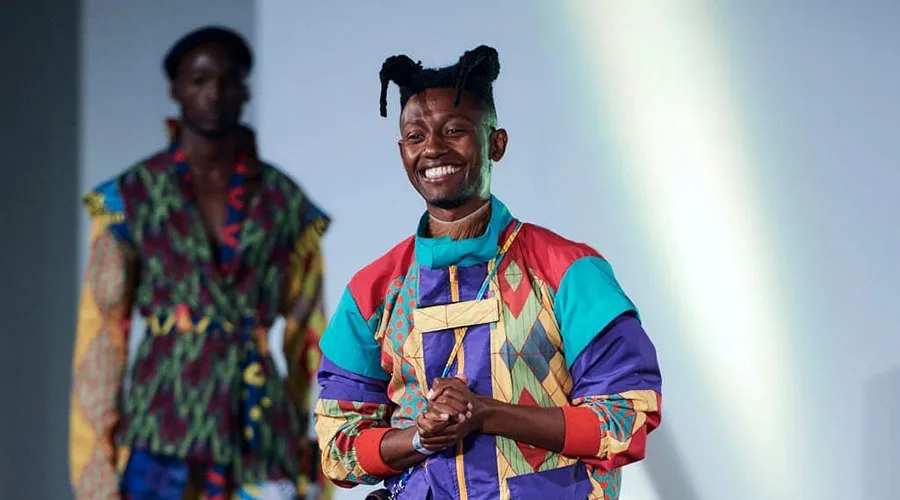
Multi-disciplinary, textile and fashion designer Amza Niyonzima is among four African creatives expected to participate at the forthcoming African Fashion International (AFI) and pan-African network of creatives slated for May 25 in South Africa.

Niyonzima, whose clothing brand ‘Masa Mara’, made it to the AFI  line-up of runway collections and will represent East Africa alongside David Tlale representing the South, Said Mahrouf for the North and Ituen Basi from the West.

https://www.instagram.com/p/CLOUe2opM0c/?utm_source=ig_embed

In commemoration of Africa Day, which recognizes the founding of the African Union, AFI will host an intimate fine-dining, fashion, and music experience for guests and creatives who are steering the African renaissance.

The pan-African experience will fuse fine-dining with fashion, and will incorporate music and dance elements led by renowned producers and artists such as Ayo Solanke a Saxophonist, Vuyani Dance Co and Ndlovu Youth Choir.

The experience is hosted in collaboration with Aurum restaurant and pan-African chef Coco Reinarhz.

“The African Union’s Agenda 2063 aspires for, amongst others, cultural identity and heritage that contributes to Africa’s transformation. The notion of a renaissance, which refers to the European period of transformation that was driven by philosophy, literature and art, calls on us to rediscover and elevate the arts in order to transform Africa into a hub of creativity and innovation,” said Dr.Precious Moloi-Motsepe, AFI’s founder and CEO.

https://www.instagram.com/p/CKvjacspkgA/?utm_source=ig_embed

Since its founding, AFI pioneered pan-African co-operation within the fashion industry.

In 2019, AFI launched a campaign, African Fashion Unites, to bring continental creatives together in response to xenophobic attacks.

In a similar response to the pandemic that has harshly impacted small and emerging creative entrepreneurs, this showcase is a pathway to ensure their sustainability whilst celebrating the aspirations of African people and the African Union.

For audiences at home, the collections that will be shown on the runway will be available to shop online at www.houseofnala.africa and at AFI’s concept store House of Nala at the Leonardo in Sandton, South Africa, and streamed online on AFI Facebook page from 19h00 SA time.

About the designer

Niyonzima developed a love affair with fashion and art at a young age. Even as a young boy, he meticulously put his outfits together, and used his clothing to express his culture, personal taste, and his zest for life.

His fashion journey began when he started customizing his personal style, this sparked interest from friends.

He began creating and printing his own t-shirt designs, and also taught himself patterns and sewing. This propelled the designer to seriously consider the development of his own clothing line in 2013, which he proudly named Ma Casi, which means ‘strength’ or ‘power’ in Swahili/Lingala.

https://www.instagram.com/p/CCQRuG7puDq/?utm_source=ig_embed

According to the designer, the name ‘Ma Casi’ was inspired by African strength, which is exemplified by our formation of powerful empires, and our ability to conquer our struggles victoriously.

“Ma Casi’ honours our freedom to go anywhere and to be anywhere in the world by our will. December 2014 marked the inception of a new collection called The Brave Ones,” Niyonzima said.

This new collection captured Niyonzima’s ever-evolving nature, and represents a new direction for his brand aspirations: Masa Mara, which means ‘The Brave One’.

Masa Mara came from a Rwanda saying Amara Masa (Empty handed or something from nothing).

Content courtesy  of The New Times & Nairobi fashion hub 

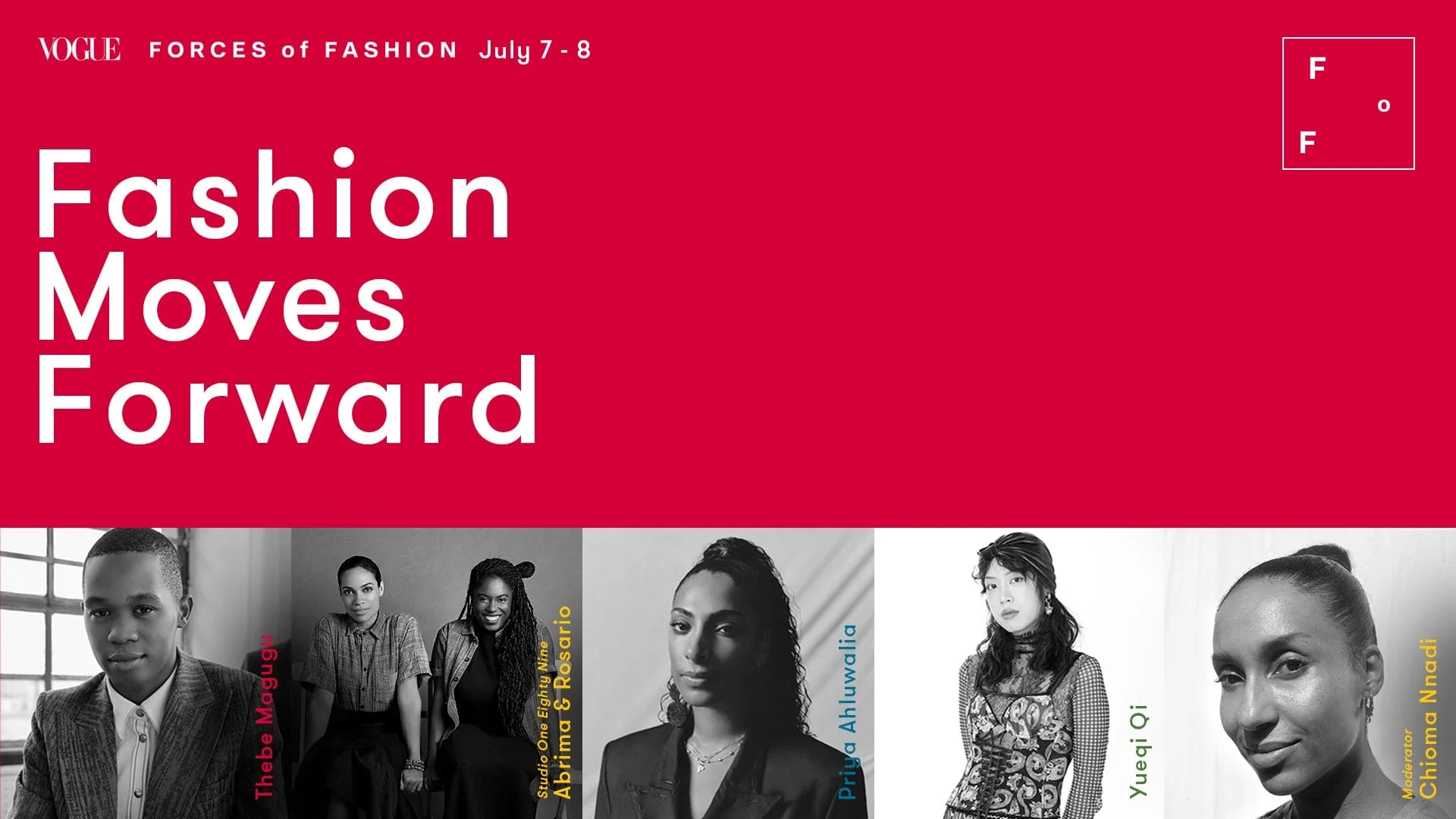
Rosario Dawson, Thebe Magugu, and More Join Vogue’s Virtual Forces of Fashion Summit

On July 7 and 8, 2021, Vogue will host its fifth annual Forces of Fashion summit. The virtual series will feature candid conversations between industry leaders, including designer John Galliano, makeup artist Pat McGrath, stylist Zerina Akers, and Vogue’s Anna Wintour. And today comes the announcement of a new panel spotlighting five important new voices in fashion from across the globe.

Thebe Magugu, Priya Ahluwalia, Yueqi Qi, Abrima Erwiah, and Rosario Dawson will join Vogue.com editor Chioma Nnadi for a discussion about what it means to build a brand with impeccable authenticity. Each brings a strong point of view and an entirely fresh perspective. Magugu recently won the coveted LVMH prize for his South African–based clothing line of the same name. Ahluwalia has made waves with her eco-friendly menswear on the London fashion scene and beyond.

Qi’s eponymous, Shanghai-based label features otherworldly beading with a modern sensibility. (No surprise, as Qi, previously worked as an embroidery designer for Chanel.) Finally, Erwiah and Dawson’s brand, Studio One Eighty-Nine, showcases the beauty of African design while prioritizing artisanal craftsmanship and ethical business practices; the New York design duo was also recently nominated for the CFDA/Vogue Fashion Fund 2021.

More details and tickets are available on the Forces of Fashion website. Check back for updates ahead of the event, which will take place on July 7 and 8.

Content courtesy of Vogue Magazine 

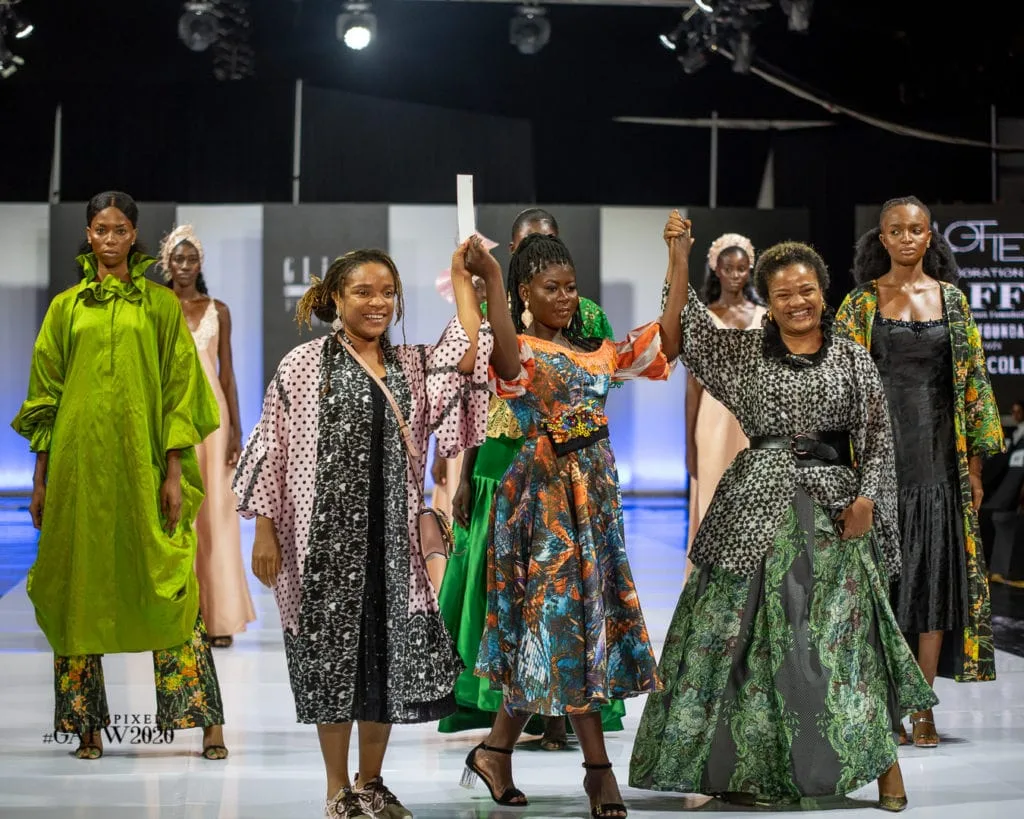
African Fashion Foundation Set To Host First-Ever Creative Industry Retreat In Africa

The African Fashion Foundation (AFF) presents the first-ever Creative Industry Retreat in Africa. The three-day event is scheduled for Wednesday, 19th May to Sunday, 23rd May 2021 and aimed at igniting and facilitating critical and valuable discussions around the industry ecosystem.

The three-day event will provide a unique platform for industry players and stakeholders to convene, collaborate and build solid partnerships needed to scale the fashion ecosystem in Africa. Ghana is set to be the convening point for this trailblazing three-day event. It will focus on the theme “Building a Sustainable Value Chain for Africa’s Creative Industry”Discussions will focus on the need to forge real links in Africa’s creative industry, the strategic role of Development Finance Institutions within the sector and the need to drive the sustainability agenda.


This groundbreaking event seeks to foster industry collaboration and position the creative economy to become sustainable and resilient. It will host top creative industry players and professionals including Claudia Lumor – Glitz Africa, Adama Ndiaye – Adama Paris, Nisha Kanabar – Industrie Africa, Roberta Annan – African Fashion Foundation, Adeline Akufo-Addo Kufuor – The Lotte Accra; Viola Labi – Founder of Woven Worldwide, Jennifer Ronne – Victoria Grace Fashion; Fashion Icon & Broadcaster KOD, P. Y. Addo-Boateng – Mi Prime Entertainment, Emmanuel Uba Okoro – Emmy Kasbit, Nuel Bans – Debonair Afrik, Rebecca Donkor, Maame Adjei – Sweet Roots Media, Arieta Mujay Barg – Creative Strategist, Renown Fashion Writer Ekow Barnes, Writer & Humanitarian, Rozan Ahmed and Fredericka Brooksworth, Founder of Fashion Scholar.

The Retreat also seeks to reiterate AFF’s commitment towards sustainability and showcase its sustainability project, Recycle, Re-work, Re-use, a fashion sustainability project which was launched in March in collaboration with five young African fashion brands to address the issue of fashion waste and sustainable product life cycles. They include Omaliko Godson Ebuka- Maliko, Omafume Niemogha- Peperrow, Samuel Otteng, Baboa Tachie- Menson – Balm labs.

Content courtesy of Modern Ghana & Nairobi fashion hub 

Nigerians Spent Up to $1.82bn on Wears in 2020 as Fashion Overtakes Travel in e-Commerce Earnings

Nigerians spent as much as $1.82 billion purchasing fashion items online in 2020. According to a PayU report, consumers in the country spent more on clothing last year than any other e-commerce category.

Fashion overtook travel and mobility to top consumer spending during the year. Other categories of online shopping expenses include electronic gadgets, video games, food, and digital music.

In 2020, Nigerians expended a total of $8.06 billion on e-commerce products, representing a 6% increase of $480 million compared to the $7.58 billion spent in 2019.

More Fashion, Less Travel

Earnings from the Fashion sector slightly surpassed Travel in the past year, accounting for 22.6% of the total $8.06 billion Nigerians spent on e-commerce sites. Covid-19 lockdowns and curfews meant that many more people were compelled to shop online, leading to greater e-commerce spending among consumers.

Nigerians spent $1.82 billion on online fashion products in 2020, 44% higher than the $1.25 billion recorded in 2019.

Just behind Fashion, Travel amassed the second-highest spend of $1.79 billion, contributing 22.2% of total e-commerce revenue. The travel sector got the highest spending in 2019 ($3.13 billion) but the sector suffered from Covid-19 mobility restrictions and travel bans which shot down earnings by 42.9% to $1.7 billion in 2020.

As part of the wider e-commerce industry, the travel & hospitality sector comprises all payments completed on online platforms for flight booking and hotel reservations such as Travelstart, Wakanow, and Hotels.ng.

Electronic gadgets ($1.34 billion) and Video games ($1.21 billion) were the only other two item categories to record up to $1 billion in consumer spending in 2020. With more people at home for longer periods, there was a higher demand for gadgets including laptops, phones, and PlayStation to facilitate remote work, learning, and entertainment.

Similarly, this also drove up consumer spending on food and personal care products to $484.3 million, up by 59.6% from $303.4 million in 2019.

Nigeria Leads Africa in e-Commerce

Nigeria remains Africa’s biggest e-commerce market with 76.7 million online shoppers, followed by South Africa’s 22 million and Kenya’s 13 million.

More opportunities exist now than ever before for online and omnichannel merchants across Africa. This is especially true for merchants in fashion, beauty, electronic gadgets, and digital goods.

Nigeria’s 50% adult population of 107 million has played a key role in driving e-commerce spending in the country. The population aged between 15-54 years in Nigeria dwarfs South Africa’s 32 million and Kenya’s 28 million. Therefore, the number of online shoppers is expectedly way higher.

However, it is not that Nigerians are spending more than their African neighbours. South Africa, for instance, expended over $3 billion on e-commerce platforms in 2020, with an average $136.4 per shopper. This is higher than Nigeria’s average of $105.1 spent by each consumer.

For context, South Africans and Kenyans have greater purchasing power due to higher minimum wages of $205.9 and $193.54 respectively.

Fashion was the sector with the highest consumer spend in 2020 in Nigeria, Kenya, and South Africa, and PayU projects that consumer spending on wears in each of these markets could reach $2.27 billion, $1.48 billion, and $504 million respectively by the end of 2021.

Content courtesy of Tech Next & Nairobi fashion hub 

Fashion Designer Kithe Brewster’s Catwalks Remove Cultural Roadblocks

Kithe Brewster is an American stylist and fashion designer and founder of the Kithe Brewster brand and company. Leaving for Paris at age nineteen proved to be the right cut for him, as he immediately grasped the French scene, becoming a hot stylish on the move.

After seven years in Paris, he moved to London, where music styling became his forte. While in London, he worked for magazines such as Elle, Scene, Vanity Fair, Interview, Flaunt, Chic (Dutch), French and American Jalouse, and Surface, among others.

His work for these publications gained attention from the crème de la crème of fashion, as well as the European and Hollywood celebrity elite. He has styled covers for Flaunt magazine with stars such as Adrien Brody, Cate Blanchett, Drew Barrymore, Selma Hayek, Winona Ryder, and many others.

His personal clients have included Halle Berry, Julianne Moore, Iman, Diane Lane, Eva Mendes, Usher, and Heidi Klum. He has spent a great deal of time in the Middle East, in Egypt, Jordan, Lebanon, and the UAE. He was Creative Director of DIFW, the original Fashion Week. “I predicted on record,” he says, “that Dubai would become a major fashion capital.”

Currently, in Dubai, Brewster spoke to Gulf Today

Why did you choose the fashion industry as your place of work?

I would like to think my early exposure to the arts in all aspects was definitely a deciding factor. From a very young age, I was extremely conscious of clothing and its many textures. At five or six, I truly understood the definition of beauty.

Looking back, I adored rummaging through my mother’s closets and just appreciating the quality; I was quick to notice when something missed this quality.

It was truly organic in this sense, thus I believe I was chosen. As a man of faith, there are no coincidences. I believe it is the Creator’s plan – the journey and the results.

What are the African-American sensitivities you bring to fashion?

Being African and American contributes a great deal to my creative DNA. I am balanced in rich history and tradition. As a designer, my gift is my hands, draping and manipulating fabric to create one-of-a-kind designs. This is rich African tradition the sense of color and dynamic.

There is a European side of my makeup, which leads me to seek out Europe to discover this sense of style. I was a huge success as a stylist, fashion editor, and celebrity stylist, because of the balance of multiple culture comprehension. In fact, it’s the understanding of all global cultures combined, that is needed to truly be a voice in fashion.

Is fashion only for celebrities or can it be shared by others?

Fashion is, in my belief, for everyone. I definitely think we all want and need the confidence of looking and then feeling good. I spend a lot of time observing the influences in modern society. I’m certain it trickles down, in some capacity, to reach everyone.

Is Faith a constraint on fashion?

I believe Faith is in no way a restraining measure in fashion. For example, my time in the UAE and other Arab countries, helped me to see the progression of High Fashion and Modesty. When I was Creative Director of Dubai Fashion Week, I helped to discover the amazing talent of Rabia Z.

I had the huge pleasure to nurture her and pushing her vision of modesty and the Muslim woman. At that time, twelve years ago, we made history with her first show in Dubai. I get goosebumps when I think back and hear the live drums and the first entrance of the first model.

We proved successfully that within modesty, one can be fashion-forward and completely true to one’s faith, respecting the modesty it is built upon. I cried like a baby that night when she received a true standing ovation. We had managed to inspire Muslim women. It was a historic moment and I have watched a global progression in High Fashion inspired by the modesty of Muslim women. Let’s not forget my first ever collection was inspired by Emirati women.

Is there a distinction between ex-pat fashion and Emirati fashion? If so, what are their defining features?

There is a difference between ex-pat fashion and Emirati fashion. There is a merging of sophistication and class in Emirati fashion. Expat fashion tends to hinge upon trends from Europe, yet slightly behind. As an ex-pat, I say this in an opinion-based manner. What’s beautiful is when all of the incredible high fashion intertwines with traditional and modest apparel.

Why did you think Dubai could be a fashion center of the world?

I felt twelve years ago that Dubai would become a fashion capital because I saw the vision of Sheikh Mohammed and the impact of the year that I spent coming back and forwards from New York. The buildings were going up all around me. I saw it happening.

I felt the hunger for this country’s own place within fashion makeup. I pushed so hard to catch them up to the rest of the world. On a funny note, I got rid of the raised runways and had the models walk on the floor. It caused a huge uproar: it was in the papers. But when the rest of the world saw the shows that came out of Dubai, they were blown away. I convinced American Elle magazine to cover Fashion Week. It was a huge step that was aligned with Sheikh Mohammed’s vision.

How will you define your style?

Maison Kithe Brewster will define its style by being discerning and not by overcapitalizing or overexposing the brand. By always being consistent in style. By not selling the same thing to hundreds of clients.  By quality and personal attention to every client. By never running out of ideas, and creating original excellence.

Content courtesy of Gulf Today & Nairobi fashion hub 

10 Designers Who Made The Cut For CFDA/Vogue Fashion Fund 2021

Not only is the council back for a new season but it returns for an even better cause: providing funds to all 10 finalists.

CFDA/Vogue Fashion Fund is now back on its feet after a year in hiatus because of the struggles brought by the pandemic. Not only is the council back for a new season but it returns for an even better cause. Unlike before when CFDA and Vogue provide funding to the chosen winners (grand finalist and two runners-up), the council is now giving funds to all its 10 finalists.

The 10 lucky designers to receive funding and mentorship from the industry heads are Batsheva Hay of Batsheva; Mike Eckhaus and Zoe Latta of Eckhaus Latta; Anifa Mvuemba of Hanifa; Rebecca Henry and Akua Shabaka of House of Aama; Kenneth Nicholson; Jameel Mohammed of Khiry; LaQuan Smith; Abrima Erwiah of Studio 189; Edvin Thompson of Theophilio; and Willy Chavarria.

1. Batsheva Hay of Batsheva

The lawyer-turned-designer draws inspiration from the traditions of feminine dressing. Think Victorian, Amish, and Hasidic styles. Her dresses consist of flowy silhouettes with prints, ruffles, and collars.

https://www.instagram.com/p/CMKmN7PLz2j/?utm_source=ig_embed

2. Mike Eckhause and Zoe Latte of Eckhause Latta

Known for deconstruction and unpredicted materials, the work of the design duo has been worn by the likes of musician Dua Lipa and model Alek Wek. Their latest collection features pieces in knit, quilts, and leather.

https://www.instagram.com/p/CNDS_KYn-PN/?utm_source=ig_embed

3. Anifa Mvuemba of Hanifa

One of Teen Vogue’s Generation Next designers in 2019, Anifa has emerged as one of the most promising designers to date. She likes to present her pieces as effortlessly beautiful, bold, and functional.

4. Rebecca Henry and Akua Shabaka of House of Aama

Rebecca Henry and Akua Shabaka, mother-and-daughter design tandem, use their platform and designs to rejoice in their community and heritage. One of their most notable collections celebrates Southern Creol spirituality and their African roots.

5. Kenneth Nicholson

Kenneth started his label back in 2016. The Los Angeles-based designer likes to take risks on menswear. His work has been featured in magazines like Blue and Frontpage and has been worn by the equally adventurous Jaden Smith.

6. Jameel Mohammed of Khiry

Khiry is a luxury jewelry label founded in 2016. Jameel Mohammed, Khiry designer, has also been a part of Forbes 30 under 30, with his works worn by Megan Thee Stallion, Doja Cat, Regina King, Michelle Obama, and Alicia Keys.

7. LaQuan Smith

Oozing with sensuality, LaQuan’s designs celebrate all body forms. Because of this philosophy of inclusivity, LaQuan pieces have been worn by big names in the fashion industry including Jennifer Lopez, the Kardashian-Jenner clan, Nicole Scherzinger, and Paris Hilton.

8. Abrima Erwiah of Studio 189

Studio 189 highlights “African and African-inspired fashion” through various regional prints and handcrafted textiles.

https://www.instagram.com/p/CNsjttmsElD/?utm_source=ig_embed

9. Edvin Thompson of Theophilio

The Jamaican designer produces contemporary clothing that draws the line between avant-garde and ready-to-wear pieces. A lot of his pieces incorporate black, red, yellow, and green colors, echoing the colors of Jamaica.

10. Willy Chavarria

The Mexican-American designer who launched his brand back in 2015 is also being funded by CFDA/Vogue Fashion Fund. Willy, who has collaborated with Bench last 2019, is known for his menswear pieces that are loose-fitting, structured, and contemporary.

Content courtesy of Manila Bulletin & Nairobi fashion hub 

African Fashion Huge Potential for e-Commerce Growth in African markets

DURBAN – WHILE South Africa, Nigeria and Kenya have the highest internet penetration in the continent, e-commerce penetration was at less than 40 percent, a report by PayU has found.

Among the three African countries included in the report, South Africa had the highest internet penetration at 56 percent, with Nigeria and Kenya at 46 percent and 31 percent, respectively. However, e-commerce penetration was at 37 percent in both Nigeria and South Africa and at 25 percent in Kenya.

The report by PayU, a payments and fintech business of Proses, said this highlighted the significant potential for growth in e-commerce in these markets.

The data found that Nigeria was by far the largest e-commerce market in Africa in terms of the number of shoppers and revenue, with predicted consumer spend expected to be several times those of South Africa and Kenya combined.

Kenya was primed for a boom in e-commerce, with the digital goods sector forecast to expand by 94 percent from 2019 levels by the end of this year, and the fashion and gallantry sector expected to grow by a massive 160 percent over the same time.

In South Africa, the market was embracing digitalization and e-commerce. There were abundant opportunities across every sector, but particularly for specialist merchants in beauty, cosmetics, fashion, and gallantry.

Karen Nadasen, the chief executive of PayU South Africa, said 2020 was a year that lit a fire beneath online payments in South Africa, transforming e-commerce while creating immense economic pressure.

“There is growing attention on our continent, increased investment from large international brands and payment platforms. Retailers adopted quickly over the last year, and despite early bans on non-essential purchases, we saw significant growth in e-commerce, with more and more transactions being completed on mobile devices – up 35 percent on 2019 levels in South Africa as an example,” said Nadasen.

Online and omnichannel merchants were said to be realizing more opportunities, as multiple factors combined to bring African countries to an e-commerce adoption tipping point. This was particularly the case for merchants in fashion, beauty, education, and digital goods.

According to PayU data, year-on-year online spending in the beauty and cosmetics category in South Africa grew by 140 percent between 2019 and 2020. Spending particularly ramped up in last year’s third quarter, increasing by 229 percent compared to the same period in 2019, and was expected to grow by 69 percent to $169 million (R2.4 billion) by the end of 2021. In Nigeria, it was expected to grow to $255m by the end of this year, and to $29m in Kenya in the same time frame.

South African consumer spend on fashion and gallantry through PayU’s platform rose by 180 percent between 2019 and 2020, with the average transaction value increasing by $11. In Nigeria, spending in this sector was expected to grow to $2.27bn by the end of 2021, while in Kenya it was expected to reach $504m, a projected 160 percent increase compared to 2019’s results.

E-commerce spending on digital goods in South Africa was projected to grow by 46 percent between 2019 and the end of 2021, reaching $336m in total spending. This has been bolstered significantly by strong growth of 69 percent last year, with people consuming more digital media while spending time at home. In Nigeria, this sector was expected to grow to $811m by the end of this year and to $70m in Kenya being a 94 percent increase on both markets compared to 2019 results.

Online spend on education was also said to have boomed across South Africa in 2020 as people sought to upskill themselves during a prolonged time at home. PayU data showed a year-on-year increase in spending of 67 percent last year with the average transaction value growing by $136 to $404. The majority of the growth was in the third quarter of last year when spending rose 134 percent.

This evolution was said to have seen the emergence of more digitally savvy shoppers with strong demand for globally sourced goods and services in regions where parts of the population had access to increasing disposable income.

These factors made Nigeria, Kenya, and South Africa particularly interesting for emerging e-commerce leaders from outside these markets.

The United Nations Conference on Trade and Development said e-commerce’s share of global retail trade grew from 14 percent in 2019 to about 17 percent last year.

Content courtesy of IOL & Nairobi fashion hub 

South African Fashion Week Kicks Off

South African Fashion Week (SAFW) begins its three-day schedule of shows today, with 28 designers, including LVMH prize finalist Lukhanyo Mdingi and finalists of SAFW’s 2021 new talent search competition, showcasing their collections digitally.

According to Lucilla Booyzen, director of SAFW, the trans-seasonal collections on the schedule were shot at the beginning of April at South Africa’s Mall of Africa and viewers will be able to purchase tickets on the SAFW website to view the collections via streaming platform Quicket.

While the digital format remains a necessity due to continued government restrictions to curb the spread of Covid-19 in South Africa, Booyzen also said broadcasting the shows digitally has the benefit of increasing the platform’s reach beyond South Africa.

This year’s main focus for SAFW is slow fashion, Booyzen told BoF. In practice, this focus takes different forms for different designers, with upcycling and working with natural fabrics like cotton, mohair, and wool being commonly utilised slow fashion tools among those showing at SAFW.

”South African Fashion Week’s goal of facilitating a slow fashion culture steeped in ecological sustainability by 2025 is supported by the majority of designers who are aligned with the platform,” Booyzen said.

This edition of SAFW also features a tribute to Wandi Nzimande, the co-founder of popular streetwear and lifestyle brand Loxion Kulca, who died earlier this year. The Loxion Kulca collection to be shown on the SAFW schedule was designed by House of Ole founder, Ole Ledimo.

Content courtesy of Business Of Fashion & Nairobi fashion hub 

How Viola Davis Won Awards Season with her Colorful Red Carpet Style

In this strangest of awards seasons, Viola Davis was a rare bright spot.

The 55-year-old star, who’s nominated for Best Actress at the 2021 Oscars for her performance in “Ma Rainey’s Black Bottom,” has captivated fashion lovers with her parade of colorful red-carpet looks over the past few months, injecting some much-needed joy into a year defined by a global pandemic and a long-overdue reckoning with systemic racism.

To be sure, Davis has long gravitated toward bold, bright hues on the red carpet. Who could forget the red-hot Armani she wore while accepting her Best Supporting Actress statuette for “Fences” at the 2017 Academy Awards, or the bubblegum pink Michael Kors column she chose for the same show the following year?

But, in 2021, the majority of the Juilliard grad’s vibrant-as-ever red-carpet looks were designed not by the usual red-carpet heavy hitters, but lesser-known labels led by creatives of color.

As a result, her outfits from monochromatic marvels by Greta Constantine to a custom peplum confection courtesy of Duro Olowu have made major statements in more ways than one.

“Pretty dresses are, well, everywhere,” Greta Constantine designer Kirk Pickersgill, who created two bold gowns that Davis wore this season, told Page Six Style. “By contrast, dresses that celebrate your strength and empower both you and your tomorrow are far more difficult to come across.”

The designer added that by championing black-owned brands, Davis “has opened the doors for so many of us that have been locked out.”

“There is nothing more beautiful than an individual using their platform to not only look good but also do good,” Pickersgill told us.

Ahead of Sunday’s Oscars, let’s take a look back at Davis’ winning style throughout the season.

Lavie by CK for the Golden Globes

“It’s about feeling good and looking good in your queendom,” Cameroon-born designer Claude Kameni told Page Six Style of the inspiration behind the show-stopping mermaid gown Davis chose for the Golden Globes in February.

Kameni had just one week to complete the puff-sleeved dress from printed African fabric, but the end result, which had her at “a loss for words,” was “definitely worth the all-nighters.”

“We started saying, ‘Viola’s gonna violate this dress,’” the self-taught designer quipped, with a laugh, adding that she hopes to see more A-listers following Davis’ lead when it comes to supporting black fashion talent.

“There’s a whole bunch of talented designers that need their names out there; it shouldn’t just be the same designers all the time,” Kameni said. “Give someone else a spotlight!”

Greta Constantine for the Critics Choice Awards

“After months of panic and fear, we wanted garments that excited us, styles that evoked a sense of hope,” Pickersgill told us of Davis’ ruffle-trimmed cerulean frock. “By producing bright, structural garments, we were looking to bring a smile to the face of both the wearer and the beholder.”

Pickersgill added that seeing the star in her bright blue gown was about “so much more than the fashion. It was about capturing a moment in history that celebrates black creativity in all of its beautiful, challenging, inspiring forms.”

Duro Olowu for the NAACP Image Awards

Appropriately dubbed the “happy dress” by stylist Elizabeth Stewart, this cheery printed peplum frock was a perfect pick for Davis to wear during her double win for “Ma Rainey” and “How To Get Away With Murder” at the NAACP Image Awards in March.

Nigerian-born British designer Olowu has also dressed Michelle Obama, Lupita Nyong’o, and Thandiwe Newton, to name but a few.

Louis Vuitton for the SAG Awards

According to the French fashion house, Davis’ lime green gown took 140 hours of work and 10,000 sequins to complete. The gold and silver embellishments formed a geometric pattern that ran parallel to a pair of zippers down both sides of the strong-shouldered dress, perfectly framing the star’s silhouette at the SAG Awards in early April.

Greta Constantine for the African American Film Critics Association Awards

Davis picked another look from Greta Constantine’s spring 2021 collection this one in ruffled sunny yellow for her last pre-Oscars appearance on the awards circuit when she netted the icon award at the African American Film Critics Association Awards.

“After months in which we had no choice but to take everything seriously, this was one of those garments that would invite you to let your guard down and simply be,” Pickersgill said.

Content courtesy of Page Six & Nairobi fashion hub


Alber Elbaz, Celebrated Fashion Designer, Dies at Age 59 of Coronavirus

Alber Elbaz, the Moroccan-born Israeli fashion designer best known for rejuvenating the Lanvin brand, died in France of COVID-19, according to reports. Israeli media has reported that he died of the South African variant of coronavirus, despite being fully vaccinated. He was 59 years old.

The designer, known for his elegant feminine dresses with visible zippers, first worked with Geoffrey Beene in New York, then with the houses of Guy Laroche and Yves Saint-Laurent in France before his 14-year run at Lanvin. He was controversially dismissed from that position in 2015. In late 2019 he formed his own company, AZ Fashion, and the first collection of its line AZ Fashion debuted this January.

In a New York Times profile, he explained his concept of “Anatoknit,” in which ergonomic lines worked to create tension and release for maximum comfort that took seven months of research and development. He was driven to design something stylish that a woman could wear and “eat a big piece of cake.”

While at Lanvin, Elbaz designed creations worn by many celebrities, including BeyoncéLupita Nyong’oPharell WilliamsNatalie Portman, and Harry Styles, as well as Demi MooreNicole KidmanCatherine DeneuveKate MossUma ThurmanJulianne Moore, and Gwyneth Paltrow.

Meryl Streep wore an Elbaz-era Lanvin dress when she accepted her Academy Award in 2012 for The Iron Lady, as did Tilda Swinton when she won for Michael Clayton in 2008. He was also credited as a special costume designer for Portman’s 2015 film A Tale of Love and Darkness.

Elbaz was also known for his good humor, made evident in this quote when asked about the importance of fashion: “Today, I was at Barneys for a couple of hours we had a trunk show. There was this woman I was helping, and she told me at the end of this little rendezvous we had, ‘I am going to be broke, but I am happy.’

I think this is the whole idea of what fashion is going to do today, and I am saying that, when everything is crashing, maybe it’s not a bad idea to invest in a good dress.”

Content courtesy of Vanity Fair & Nairobi fashion hub 

Uganda Celebrity Stylist Abryanz Launches New Fashion Collection as He Celebrates 10 years in Fashion Industry

Fashion guru Bryan Ahumuza aka Abryanz from Uganda has launched a new fashion collection dubbed ‘When No One Is Watching’ to celebrate 10 years in the fashion and style industry.

Abryanz has put a mark on Uganda’s fashion industry especially through his Abryanz Style and Fashion Awards (ASFAs) event which happens annually, and now he has decided to introduce a new fashion line as he celebrates 10 years in the industry.

According to Abryanz, his latest fashion invention has a combination of passion, zeal, and love that he has for creating excellence.

“The rebirth of the brand’s look and feel enhances the apparel space that the brand wishes to reach and is led by the concept of merchandise drops. This will use themes of inclusion and diversity of the community in both an ergonomic and socially inclined mandate,”

“Rather than just a fast fashion brand with no message, this newfound proposition will inspire patriotism of its identity and honest representation of its sense of belonging,” he noted

He adds that this new collection will give a true sense of rigid life in a fast-paced life of youths and a feeling of being young at heart.

“Natural awkwardness of the abnormally joyful youth who cultivate everything alternative and truly influence a shift in culture at every point of advancement.” He said.

This new collection will offer styles in staple essentials ranging from unisex tracksuits, branded t-shirts showing off the new brand logos, caps, underwear for both male and female, and high-end fashion eyewear.

About Abryanz Shop

The year is 2010, and the fashion community in Uganda is at its inaugural stages, and at one of the most significant points in its growth. During the same year, the now renowned Abryanz brand was birthed.

Abryanz’s 11-year span in the business has been quite an eventful, but fulfilling journey that has seen our portfolio grow from fashion, entertainment to the hospitality business, their approach Right from its foundation, The Abryanz brand set out to create a world-class service/product tailored for the modern and fashion-conscious consumer.

Abryanz’s approach is to have class and exquisite taste at the forefront of many of our products, giving our clientele a once-in-a-lifetime and unforgettable experience.

Whether it’s a piece of clothing from our men’s apparel or the hospitality at any of our events, we strive to ensure that our guests/clients receive a world-class product from our brand.

They thrive on our creativity and flexibility, a trait that enables us to cater to any of our clients that come our way.

Content courtesy of  WatchDog Uganda & Nairobi fashion hub 

Ad