Monday 21st of September 2026

Nairobi, Kenya

Jack Photography: Jackson Watenya on the Art of Creating Images With Intention

Introduction

In Nairobi’s increasingly dynamic fashion and creative landscape, photography has become more than a means of documenting people, clothing and moments it has evolved into a language of its own. Jackson Watenya, the creative force behind Jack Photography, is part of a new generation of photographers exploring that language through fashion, portraiture and visual storytelling.

Based in Nairobi, Watenya approaches photography as a carefully constructed creative process, bringing together concept development, mood, lighting, composition, direction and post-production. His background in photo editing and retouching has informed an instinctive understanding of the finished image, while his experience behind the camera has allowed him to develop a more complete approach to visual creation.

His philosophy is rooted in intention: creating images that feel purposeful rather than accidental. Whether working with models, fashion creatives or clients, he sees each frame as part of a larger visual narrative. His ability to work creatively within different environments, including modest or unconventional spaces, has become an important part of his evolving aesthetic.

In this conversation with Nairobi Fashion Hub, Jackson Watenya reflects on his creative journey, the philosophy behind Jack Photography, his approach to fashion and portraiture, the importance of collaboration, and his ambitions for the future of photography in Kenya.


THE INTERVIEW

About You & Jack Photography

1. Tell us about yourself and the story behind Jack Photography. Who is Jackson Watenya beyond the camera?

I am a Nairobi-based photographer working across fashion, portraiture and weddings under the name Jack Photography. My journey began with a curiosity about light, composition and the ability of an image to transform an ordinary moment into something memorable.

My early experience in photo editing and retouching gave me a strong appreciation for the creative process, but photography allowed me to become involved in the entire journey from developing an idea and creating the image to shaping its final expression.

Beyond photography, I am naturally curious and solution-oriented. I enjoy finding creative ways to work with the environment, available light and resources, rather than waiting for perfect conditions. That mindset continues to influence how I approach every shoot.

2. What inspired you to pursue photography professionally, and when did you realize photography could become your career?

My foundation in retouching gave me an understanding of what makes an image visually compelling, but I eventually wanted to take greater ownership of the creative process.

Working with local models and creatives became an important turning point. It showed me that I could develop a concept, shape its visual direction and carry that idea through to a finished photograph. That experience helped me recognise photography not simply as an interest, but as a serious creative pursuit.

3. How would you describe Jack Photography to someone discovering your work for the first time?

Jack Photography is a visual storytelling practice centred around fashion, portraiture and wedding photography. I approach each project with intention, beginning with the concept and visual references before moving through production and final editing.

The aim is to create images that feel considered, directed and connected to a larger visual idea rather than simply documenting what happens in front of the camera.

4. What does photography mean to you personally, and what keeps you passionate about the craft?

Photography is, for me, one of the most powerful forms of storytelling without words. I am fascinated by the process of taking an idea that exists only conceptually and translating it into something tangible.

Collaboration also keeps the work exciting. When different creatives bring their perspectives and ideas into a project, the final result can become something greater than the original concept.


Creative Vision & Visual Storytelling

5. Your work spans fashion, portraits and weddings. What attracts you to these different forms of photography, and how do they complement each other?

Each genre offers a different creative language. Fashion gives me the freedom to explore concepts, direction and visual experimentation, while portraiture places greater emphasis on connection and individuality.

Wedding photography represents another dimension of storytelling, where emotion and authenticity become particularly important. I am currently continuing to develop my experience in this area while learning from established professionals.

6. You mentioned that your goal is to build a complete visual story from concept to final image. What does visual storytelling mean to you?

To me, visual storytelling means creating an image that suggests something beyond the frame. A strong photograph should communicate a mood, feeling or narrative that allows the viewer to imagine there is a larger story behind what they see.

The individual image becomes part of a broader visual experience.

7. You describe yourself as someone who does not simply capture a moment but directs one. How does directing a photograph influence the final result?

Direction gives an image intention. Rather than leaving every element to chance, I make considered decisions around posing, lighting, expression and environment.

That approach allows the final photograph to communicate a specific feeling and ensures that the visual outcome remains connected to the original concept.

8. Walk us through your creative process, from receiving a brief or developing an idea to delivering the final images.

The process usually begins with an idea—whether it comes from a client, model, collaborator or from my own creative direction. I then develop a moodboard to establish the overall visual language, including mood, styling and references.

From there, I consider the lighting and create a shot list to give the production structure. During the shoot, I test the setup and work through the planned direction while remaining open to unexpected moments.

The final stage involves carefully refining and retouching the images in a way that remains faithful to the original concept before delivering the finished work through an online gallery.

9. What role do lighting, composition, location, styling, posing and mood play in creating your visual style?

They are all interconnected. Lighting is particularly important to me because it can completely transform the atmosphere of an image, even when working with a relatively simple setup.

Location and composition help establish the visual foundation, while styling and posing are guided by the mood and story established during the conceptual stage. I like every element to feel as though it belongs to the same visual world.

10. How do you help clients, models or subjects feel comfortable and confident in front of your camera?

I believe confidence begins with communication. I involve collaborators early in the creative process so they understand the concept and know what to expect.

During the shoot, I give clear and specific direction rather than leaving people uncertain about how to pose or move. Creating that sense of clarity helps subjects relax and allows more natural moments to emerge.

11. Which photograph or project from your portfolio best represents your creative identity, and what is the story behind it?

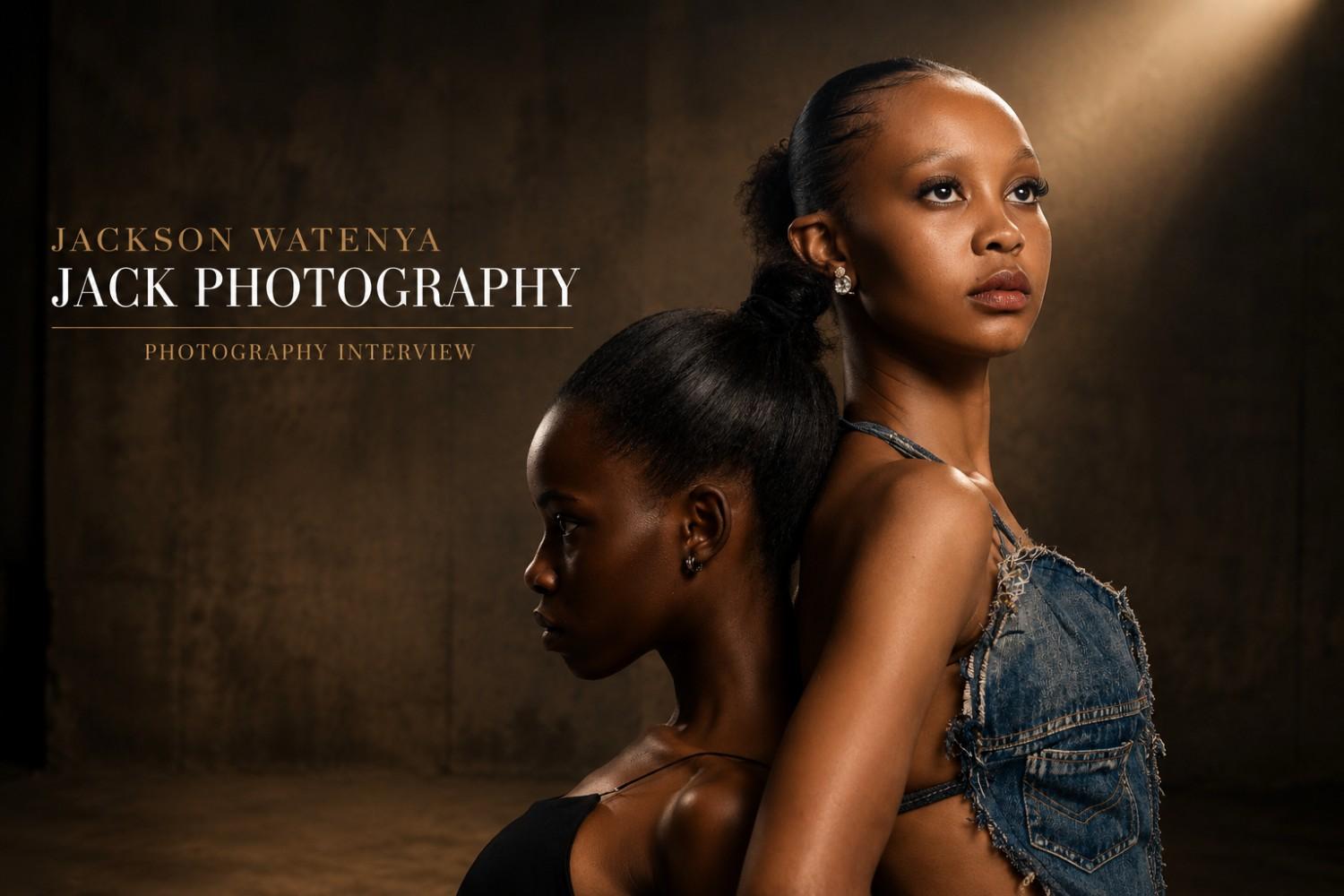
One project that particularly represents my approach is a beauty portrait featuring two models with different skin tones. The concept was visually simple, but technically it required careful consideration of lighting and exposure to create balance between the subjects.

For me, the image represents the intersection of technical precision and simplicity. It demonstrates how a straightforward concept can become powerful when the lighting, composition and human connection are carefully considered.

12. How do you balance your creative vision with a client’s expectations when they have a different idea of the final look?

Communication is key. I often use reference images and moodboards to understand the feeling behind a client’s ideas rather than focusing only on individual images they may have saved.

Once the intended mood and direction are clear, it becomes easier to find a creative balance between the client’s expectations and the photographic approach.


Fashion, Portraits & Weddings

13. What do you enjoy most about photographing fashion and working with models, designers, stylists and other fashion creatives?

The collaborative nature of fashion photography is what I enjoy most. Every person involved contributes something different to the visual language of the project.

There is something particularly rewarding about watching those individual contributions come together and evolve into a complete image.

14. What makes a powerful fashion photograph, in your opinion, beyond simply showcasing clothing?

A powerful fashion photograph should communicate a story or atmosphere beyond the garment itself. Clothing is an important part of the image, but it becomes more compelling when it exists within a wider visual narrative.

The strongest fashion images allow styling, subject, environment, lighting and emotion to work together.

15. Portrait photography requires capturing personality and emotion. How do you create images that reveal the person behind the portrait?

I pay attention to the moments that happen beyond the formal pose. A natural expression, a genuine laugh or an unguarded glance can often reveal more than a perfectly directed pose.

Sometimes the most important part of a portrait session is simply creating enough space for conversation and connection so the subject can move beyond the feeling of performing for the camera.

16. Weddings are filled with important emotions and once-in-a-lifetime moments. How do you balance documentary storytelling with creative direction during a wedding?

Wedding photography is an area I am continuing to develop. My current approach is to gain practical experience alongside established wedding photographers, learning how to balance candid storytelling with the directed portraits and important moments that couples want preserved.

That experience is helping me understand the rhythm and responsibility that comes with documenting such significant occasions.

17. Is there a particular fashion shoot, portrait session or wedding that challenged you creatively or taught you an important lesson?

A duo editorial featuring two models with different skin tones was particularly valuable creatively. It challenged me to reconsider my lighting approach and find a way to create balance while preserving detail and dimension across both subjects.

It reinforced the importance of adapting technique to the people and circumstances within the frame rather than relying on a single formula.

18. How do you think photography contributes to the growth and visibility of Nairobi and Kenya’s fashion and creative industry?

Photography has the ability to take a creative idea beyond the physical space where it was created. A powerful image can introduce a designer, model, event or creative movement to audiences who were never present.

In that sense, photography plays an important role in documenting, promoting and giving visibility to Kenya’s creative culture.


Business, Growth & The Future

19. What challenges have you experienced building and running a photography brand in Nairobi, and how have you overcome them?

The journey has taught me to work creatively with what is available. In the early stages, I worked with simple environments and limited resources rather than waiting for ideal conditions.

Those limitations encouraged me to become more resourceful and ultimately influenced the way I approach locations and visual concepts. As opportunities developed, I gradually expanded my access to equipment and professional spaces while also putting stronger business structures in place, including contracts, invoicing and a more formal portfolio.

20. How important are social media and digital platforms such as Instagram in building a photography brand and attracting clients today?

They are extremely important. Instagram, in particular, has played a significant role in connecting me with models, creatives and opportunities within the industry.

It has become a space where the work can speak for itself and where potential collaborators and clients can discover the photographer behind the images.

21. Where do you see Jack Photography in the next five years, and what kind of creative projects or clients would you like to attract?

I would like Jack Photography to become an established name within Nairobi’s editorial and fashion photography scene, recognised for a distinctive and consistent visual identity.

I hope to work increasingly with designers, brands and fashion events, while expanding into more commercial and catalogue-oriented photography. I also look forward to building stronger relationships within the events industry and, with the right experience, eventually taking on full wedding coverage.

22. How can photographers and other creative professionals collaborate more effectively to create stronger visual stories and opportunities within Kenya’s creative industry?

The industry becomes stronger when creatives create opportunities for one another. Photographers, models, designers, makeup artists and event organisers can build a more connected ecosystem by sharing networks, introducing one another to opportunities and approaching collaborations with a collective mindset.

Some of my strongest work has emerged when everyone involved is invested in the same creative vision rather than focusing only on their individual contribution.


BONUS QUESTIONS

Who would you love to collaborate with in Kenya or internationally photographers, designers, models, brands, artists or creative directors and what would you hope to create together?

I would particularly love to collaborate with established Kenyan fashion designers on a fully developed editorial campaign projects where the photography, fashion and creative direction can come together as one cohesive visual story.

If you could photograph one person, fashion collection, wedding, campaign or cultural moment anywhere in the world, what would you choose and why?

I would love to photograph a major East African Fashion Week runway show, capturing the complete experience rather than only what happens on the runway from the anticipation backstage to the creative energy surrounding the final reveal.

What is one photography or creative-industry misconception you would like to change?

One misconception I would like to challenge is the belief that serious photography requires an expensive studio or the most advanced equipment.

Creativity, vision and the ability to work intentionally with available resources can be just as important as the equipment itself.

As we conclude, what is your parting message or advice to aspiring photographers and young creatives who want to turn their passion into a profession?

Start before you feel ready.


Jackson Watenya — Jack Photography

Based in: Nairobi, Kenya
Specialisations: Fashion Photography | Portrait Photography | Wedding Photography
Instagram: @jack__photography1
Portfolio: Jack Photography / Pixieset

Selected Creative Credits:
@cynthiajuma_ · @fridah_gatheru · @hymynameis_lela

Editorial Closing

For Jackson Watenya, the photograph is never simply the final frame. It is the culmination of an idea, a conversation, a creative decision and a willingness to see possibility in the ordinary. Through Jack Photography, he is building a visual practice shaped by intention, collaboration and an evolving understanding of contemporary fashion and portraiture.

From Nairobi, his ambition is clear: to create imagery that does more than capture attention to tell stories, elevate creative talent and leave a lasting visual impression.

Content Courtesy of Jackson Watenya and NFH Digital Team 
Jackson Watenya: Crafting Editorial Narratives Through the Lens of Jack Photography

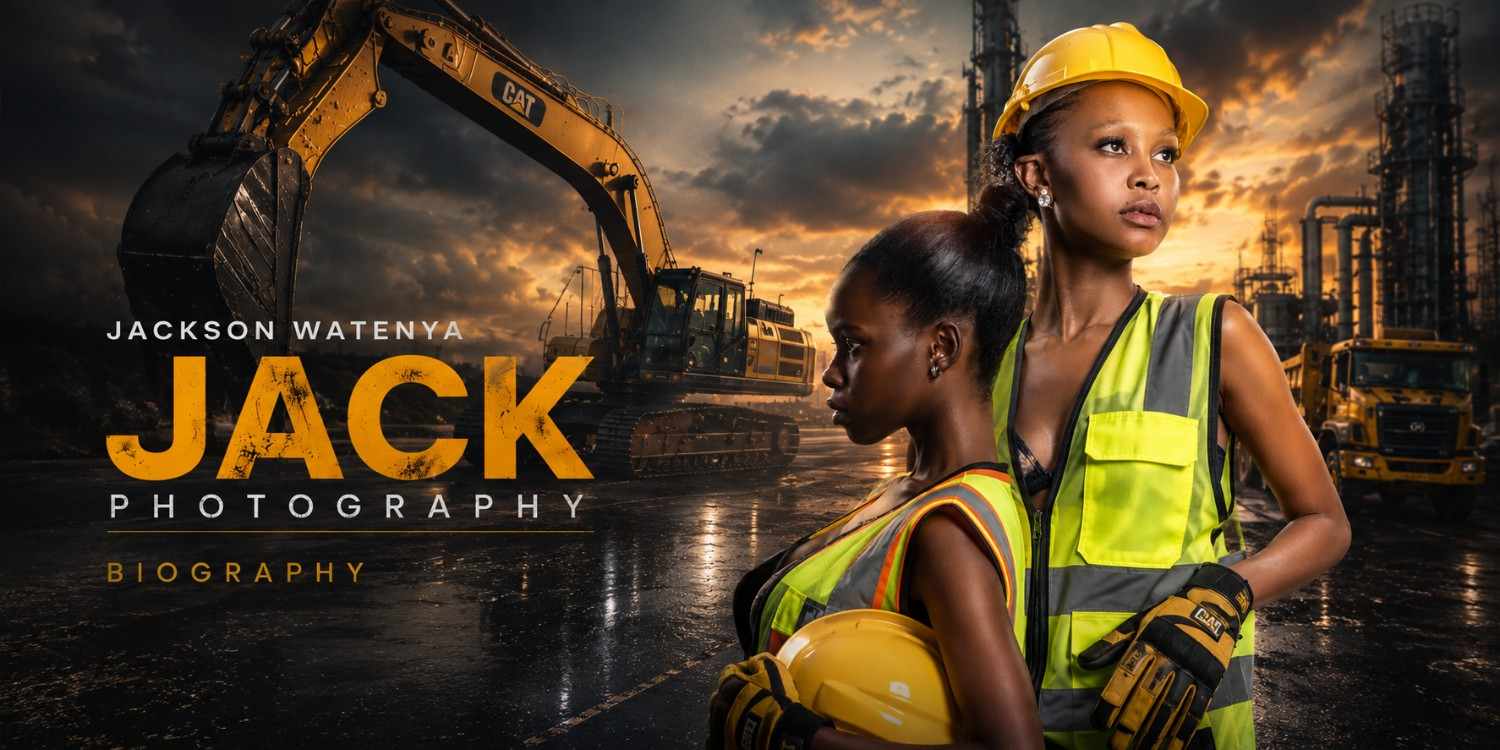
Jackson Watenya, the Nairobi-based creative photographer behind Jack Photography, is steadily establishing a distinctive visual language within Kenya’s evolving fashion, portrait and wedding photography landscape. His work is defined by a deliberate approach to image-making one that places equal emphasis on concept, atmosphere, composition, lighting and post-production to create photographs that feel considered, cinematic and editorial.

Working across fashion, portraiture and wedding photography, Watenya approaches every project as an opportunity to construct a visual story rather than simply document a moment. His creative process begins long before the camera is raised. From developing concepts and moodboards to designing the lighting environment, directing subjects and refining the final image through professional retouching, every stage is intentionally considered. The result is photography that communicates a clear sense of identity, mood and visual purpose.

A Deliberate Approach to Visual Storytelling

At the heart of Jack Photography is Watenya’s belief that compelling photography is created through intention and collaboration. His images demonstrate an understanding of how styling, movement, light, location and human expression can work together to produce a cohesive visual narrative.

Rather than relying solely on naturally occurring moments, Watenya takes an active role in shaping the frame. He works closely with models, designers and other creatives to translate an initial idea into a finished visual statement. This directed approach allows him to explore different moods and aesthetics while maintaining a strong sense of consistency throughout his work.

His fashion photography, in particular, reflects an appreciation for the relationship between the subject, clothing and environment. Through considered composition and lighting, he creates imagery that allows fashion to become part of a larger story where garments, gestures, textures and surroundings contribute equally to the narrative.

Finding Editorial Potential in Ordinary Spaces

One of the defining characteristics of Watenya’s photography is his ability to transform seemingly ordinary environments into compelling visual settings. Rather than depending exclusively on elaborate locations or studio productions, he looks for the architectural details, textures, light and atmosphere that can give a location a distinctive character.

This ability to reinterpret everyday spaces gives Jack Photography an editorial sensibility while retaining a strong connection to Nairobi’s visual landscape. A familiar environment can become something unexpected when approached through the right perspective, lighting design and composition.

For Watenya, the location is therefore more than a backdrop. It becomes an active element of the photograph helping establish mood, context and visual identity.

Building a Distinctive Creative Identity

Operating under the name Jack Photography, Watenya is developing a portfolio that bridges fashion, portraiture and wedding imagery while maintaining a consistent commitment to polished visual storytelling. His work demonstrates an interest in creating photographs that remain visually engaging beyond the immediate moment, with attention given to the finer details that contribute to a finished editorial image.

His collaborations with Nairobi-based models and designers have further connected his photography to the city’s growing creative community. Among the creatives featured in his work are Cynthia Juma, Fridah Gatheru and Lela, whose collaborations reflect Watenya’s engagement with emerging talent and fashion-oriented visual production.

As Nairobi continues to strengthen its position as one of Africa’s increasingly influential creative centres, photographers such as Watenya are contributing to the visual language through which the city’s fashion and creative culture is represented.

The Vision Behind Jack Photography

For Jackson Watenya, photography is ultimately about more than producing an aesthetically pleasing image. It is about creating a complete visual experience one where concept, subject, styling, environment, lighting and post-production come together with purpose.

His evolving body of work reflects a photographer interested in both the technical and artistic dimensions of the craft. Whether photographing a fashion editorial, an individual portrait or an important wedding celebration, he approaches the camera as a tool for translating ideas, personalities and moments into lasting visual narratives.

From Nairobi, Watenya continues to refine the creative identity of Jack Photography, exploring new collaborations, visual concepts and ways of presenting African talent through contemporary photography.

Jackson Watenya — Jack Photography
Nairobi, Kenya
Specialising in: Fashion Photography | Portrait Photography | Wedding Photography

Instagram: @jack__photography1
Portfolio: Jack Photography — MyPixieset

Selected Credits

Cynthia Juma — @cynthiajuma_
Fridah Gatheru — @fridah_gatheru
Lela — @hymynameis_lela

Content Courtesy of Jackson Watenya & NFH Digital Team.

10 Ways to Respect Your Photographer

Photographers invest considerable time, effort, and creativity into their work. To foster a respectful and productive relationship, here are ten ways to show your appreciation and consideration for their craft:

  1. Don’t Ask for RAW Photos
    Requesting RAW files is often frowned upon by photographers. These files are unprocessed, large in size, and not intended for client use. They also require significant effort to transfer and process. If a photographer wants to share RAW files, they will include it in your contract. Otherwise, respect their decision to provide only the finished, edited images.
  2. Avoid Adding Filters or Re-editing Without Consent
    Photographers put extensive effort into editing their images to achieve a specific aesthetic. Applying filters or making additional edits not only disrespects their work but also misrepresents their style. Always seek permission before altering any photos and avoid tagging them in images that have been edited without their approval.
  3. Choose a Photographer Whose Style You Love
    If you don’t appreciate a photographer’s style, it’s best not to hire them. Look for someone whose work resonates with your vision. Trusting your photographer’s artistic direction is crucial for achieving the desired results.
  4. Be Patient with Output Time
    Quality photo editing takes time. Photographers meticulously adjust details, set moods, and ensure every image meets their standards. Rushing this process can compromise the quality of the final product. Understand that good work requires patience.
  5. Don’t Expect Free Photos
    Photography is a profession, not a hobby. Just like any other job, photographers deserve fair compensation for their time and skills. Avoid requesting free services or expecting them to bring their camera to personal events. Respect their need to relax and enjoy time with loved ones without work obligations.
  6. Credit the Photographer
    Always give proper credit when sharing photos online or in print. This not only acknowledges their hard work but also helps promote their business. Tagging them and providing a link to their portfolio or social media is a courteous gesture.
  7. Respect Their Creative Process
    Photographers often have a unique workflow and creative process. Allow them the space and time to shoot and edit in their own way. Avoid micromanaging or offering unsolicited advice unless asked.
  8. Communicate Clearly and Respectfully
    Open and respectful communication is key to a successful collaboration. Clearly outline your expectations and be receptive to their professional input. Address any concerns politely and constructively.
  9. Honor Their Time
    Punctuality and respect for schedules are vital. Arriving late or not being prepared can disrupt the shoot and affect the final outcome. Value the photographer’s time as you would your own.
  10. Provide Constructive Feedback
    If you have feedback, share it constructively and privately. Public criticism can harm their reputation and is often unnecessary. Express your thoughts in a way that is helpful and respectful, aiming to improve future collaborations.

By following these guidelines, you can build a respectful and mutually beneficial relationship with your photographer, ensuring a smoother process and more satisfactory results for both parties.

Content courtesy of NFH Digital Team

Capturing Elegance: Inside the Lens of Bryan Mutiso, Kenya’s Rising Star in the Fashion Industry

Bryan Mutiso is a Kenyan artist who has established himself as a multifaceted creative force, specializing in photography, filmmaking, and graphic design. Under the moniker Tisoh Captures, Bryan has dedicated himself to crafting unforgettable visual experiences that resonate deeply with his audience. With a career spanning five years, Bryan’s passion and dedication shine through in his work, which consistently pushes creative boundaries and inspires others through the art of visual storytelling.

Through his brand, Tisoh Captures, Bryan aims to evoke emotion and captivate viewers with his unique perspective and a keen eye for detail. Whether through captivating photographs, immersive films, or compelling graphic designs, Bryan’s work reflects his commitment to excellence and his ability to convey stories and messages in a visually stunning manner.

You can find Bryan’s work showcased on various social media platforms, including TikTok, Instagram, YouTube, and Behance, all under the handle @tisohcaptures. Through these channels, Bryan invites his audience to join him on his creative journey, offering glimpses into his process, sharing behind-the-scenes moments, and showcasing his latest projects.

As Bryan Mutiso and his brand, Tisoh Captures, continue to evolve and grow, they remain dedicated to pushing the boundaries of creativity and inspiring others to explore the power of visual expression. Join Bryan as he embarks on new adventures and continues to make his mark on the world of art and design.

Oscar Alochi: As a fashion photographer in Kenya, what challenges have you encountered
when working with models, and how do you navigate them?

Brian Mutiso:
1. There is limited availability of professional models. I network within the local modeling community
and collaborate with models.
2. Cultural considerations: I respect and understand cultural backgrounds, prioritize open
communication, and build trust with models to ensure comfort during shoots.
3. Logistical challenges: I plan meticulously, communicate clearly with the team, and have
backup plans in place to address location and scheduling issues.
By addressing these challenges with creativity, adaptability, and sensitivity, I can create
compelling fashion imagery that celebrates Kenya’s diversity and beauty.

OA: Can you share any experiences where you’ve had difficulty finding models to
collaborate with your fashion shoots, and how did you overcome this challenge?

BM: During a fashion shoot in Kenya, finding professional models posed a challenge due to the
limited availability of agencies and local talent. To address this, I networked within the
community, leveraging connections, and scouting for potential models.

This proactive approach helped me discover hidden talent within the area, allowing us to find diverse models who
brought authenticity to the shoot, showcasing the beauty of the local surroundings.

OA: How do you ensure that your photography captures the essence and beauty of
diverse Kenyan models?

BM: To ensure my photography captures the essence and beauty of diverse Kenyan models, I celebrate their uniqueness, prioritize building trust and comfort, collaborate closely with them, maintain cultural sensitivity, adapt styling and composition techniques, and strive to empower through representation.

OA: Can you discuss the importance of communication and collaboration between fashion photographers and models in Kenya?

BM: Communication and collaboration between fashion photographers and models in Kenya are crucial for ensuring a successful shoot. It helps align expectations, fosters creativity, and creates a comfortable working environment, leading to more authentic and impactful images.

OA: Have you faced any obstacles related to diversity and representation in the modeling industry, and how have you addressed these issues in your photography?

BM: Yes, I’ve faced challenges related to diversity and representation in the modeling industry. To address these issues in my photography, I actively seek out diverse models, celebrate their uniqueness, and challenge traditional beauty standards through inclusive and empowering imagery.

OA: Can you share any insights into the process of building trust and rapport with models to capture authentic and compelling images?

BM: Building trust and rapport with models is key to capturing authentic and compelling images. I do this by actively listening to their input, respecting their boundaries, and creating a supportive atmosphere where they feel valued and respected.

OA: How do you approach capturing the unique personality and style of each model you work with within your photography?

BM: I capture the unique personality and style of each model by getting to know them personally, understanding their preferences and characteristics, and collaborating with them to bring out their individuality in the images.

OA: Can you discuss any strategies you employ to create a comfortable and empowering atmosphere for models during fashion shoots?

BM: To create a comfortable and empowering atmosphere for models during fashion shoots, I prioritize open communication, provide a safe space for expression, and ensure that their needs and concerns are heard and respected throughout the process.

OA: Have you encountered any challenges in challenging traditional beauty standards and promoting inclusivity through your fashion photography?

BM: Yes, I’ve faced challenges in challenging traditional beauty standards and promoting inclusivity through my fashion photography. To address this, I actively incorporate diverse models and representations of beauty in my work, aiming to redefine beauty standards and promote inclusivity.

OA: Can you share any stories of collaboration with models that have been particularly memorable or impactful for your work?

BM: One memorable collaboration was with a model who shared her personal story and journey with me. By incorporating her experiences into the shoot, we created powerful images that resonated with audiences and highlighted the importance of diversity and representation in the industry.

OA: How do you ensure that your photography celebrates the diversity of Kenyan beauty and culture?

BM: I celebrate the diversity of Kenyan beauty and culture by actively seeking out models from different backgrounds, showcasing traditional attire and customs, and capturing the vibrant essence of Kenyan culture in my photography.


OA: Can you discuss the role of fashion photographers in advocating for better representation and treatment of models in Kenya?

BM: Fashion photographers play a crucial role in advocating for better representation and treatment of models in Kenya by promoting diversity, inclusivity, and professionalism in their work, and by supporting initiatives that prioritize the well-being and rights of models.

OA: What measures do you take to ensure that models feel valued and respected while working with you on fashion shoots?

BM: To ensure models feel valued and respected, I maintain open communication, provide a supportive environment, and actively listen to their feedback and concerns. I also prioritize their well-being and ensure they have agency in the creative process.

OA: How do you handle situations where models express concerns or discomfort during a shoot?

BM: When models express concerns or discomfort during a shoot, I address them with empathy and respect. I prioritize their comfort and well-being and work collaboratively to find solutions that ensure a positive and productive shoot.

OA: Can you share any insights into the behind-the-scenes dynamics between fashion photographers and models during photo shoots?

BM: Behind-the-scenes dynamics between fashion photographers and models involve teamwork, creativity, and mutual respect. It’s a collaborative process where both parties contribute their expertise to bring the creative vision to life.

OA: What initiatives or changes would you like to see within the Kenyan fashion industry to better support and uplift models?

BM: I would like to see more initiatives within the Kenyan fashion industry that prioritize the well-being, diversity, and professional development of models. This includes better representation, fair treatment, and opportunities for growth and advancement.

OA: How do you approach photographing models of different ages, backgrounds, and body types with sensitivity and inclusivity?

BM: I approach photographing models of different ages, backgrounds, and body types with sensitivity and inclusivity by celebrating their diversity, respecting their individuality, and highlighting their unique beauty in my photography.

OA: Can you discuss the importance of collaboration and mutual respect between fashion photographers and models?

BM: Collaboration and mutual respect between fashion photographers and models are essential for creating successful and meaningful imagery. It fosters creativity, builds trust, and ensures a positive and productive working relationship.

OA: What advice would you give to aspiring fashion photographers in Kenya about working effectively and respectfully with models?

BM: My advice to aspiring fashion photographers in Kenya is to prioritize professionalism, respect for models, and inclusivity in their work. Collaborate closely with models, embrace diversity, and strive to create imagery that empowers and inspires.

OA: How do you ensure that models have input and agency in the creative process when collaborating on fashion shoots?

BM: I ensure models have input and agency in the creative process by actively involving them in discussions, respecting their ideas and preferences, and collaborating closely to co-create images that reflect their identity and vision.

OA: Can you share any experiences where you’ve collaborated with models to incorporate their ideas or perspectives into your photography?

BM: I often collaborate with models to incorporate their ideas or perspectives into my photography. By listening to their stories and experiences, we create images that are authentic, impactful, and meaningful to both of us.

OA: How do you address challenges related to lighting, location, or other technical aspects of fashion photography when working with models?

BM: I address technical challenges related to lighting, location, or other aspects of fashion photography by being prepared, adaptable, and resourceful. I work closely with my team to find creative solutions that ensure a successful shoot.

OA: What do you hope to achieve in terms of advancing the representation and treatment of models within the Kenyan fashion industry through your photography?

BM: Through my photography, I hope to advance the representation and treatment of models within the Kenyan fashion industry by promoting diversity, challenging stereotypes, and advocating for fair and ethical practices.

OA: How can clients contact you, You can share with the audience your contact details and social media handles.

BM: Clients can contact me through the following channels:

Email: tisohcaptures@gmail.com

WhatsApp: +254105833093 / +254702677662

Social Media Handles:
– TikTok: @tisohcaptures
– Instagram: @tisohcaptures
– Behance: @tisohcaptures
– YouTube: @tisohcaptures

Feel free to reach out to me via any of these platforms for inquiries, collaborations, or bookings. I look forward to connecting with you!

OA: Who inspired you and who do you admire, to work within the fashion industry in Kenya and internationally?

BM: I’m not sure really at the moment but I admire photographers who use their platform to advocate for social change and challenge norms within the industry.

Content courtesy of Brian Mutiso, Tisoh Captures & NFH Digital Team 

Photographer Meley Sie Celebrates African Culture and Diversity Through Her Lens by Capturing the Essence and Identity

Meley Laetitia Sie is a well-known photographer who has made a name for herself in the fields of fashion and fine art photography.
Meley, a native of Cote D’Ivoire in West Africa, has found her own creative identity and purpose via her lens, revealing the rich tapestry of African ancestry and embracing diversity in her work.
In the revolutionary year of 2020, Meley set off on a voyage to her ancestral home of Cote D’Ivoire, where she reunited with her African history and discovered a passion for creating photographs that honor black brilliance, African culture, and beauty.

This crucial turning point in her life inspired her to build an inspiring network of collaborators, models, like-minded creatives, and brands on Instagram, who all had the same goal of advancing positivity and representation.
Meley began her artistic adventure in her own home, but she has since expanded her wings throughout the American continent, settling in the culturally diverse city of Los Angeles, California.
Her core conviction that her camera has the potential to inspire women of all hues and races is what drives the expansion of her portfolio to include more inclusive models and studio photography.

Meley Sie’s distinctive style of photography goes beyond simply capturing beautiful images to foster a sense of inclusion, empowerment, and belonging. Her camera catches the various hues of beauty found throughout the world, celebrating a diverse spectrum of cultures and races.
Meley uses natural settings, carefully chosen hues, warm tones, and neutral tones to create photos that tell stories that her audience can relate to on a deep level.

Every image, according to Meley, “holds the potential to convey a potent message.” “I want to convey how diverse, powerful, and beautiful our global community is through my work. My medium for promoting inclusivity and change is photography, which is more than just a love of mine.

Meley’s quest for education has also influenced her creative process.
She received her Bachelor of Science in Advertising from the Art Institute of California in San Diego, and then she went on to the New York Film Academy in Los Angeles to receive her Master of Fine Art in Photography.
She has been able to incorporate strategic thought into her visual storytelling thanks to her academic education, which has also improved her artistic vision.

Meley is a popular Instagram aesthetic content developer in addition to her engaging photos.
She promotes her work on her platform and provides insightful advice on skincare, makeup, hair, and photography in addition to sharing her own creative work.
Her interaction with her fans shows how dedicated she is to building a community of people who share the same beliefs in addition to producing art.

The journey of Meley Sie is one of empowerment, exploration, and celebration.
She reveals the layers of identity, beauty, and culture that make up our world with each click of her camera.

Her work serves as an example of the transforming power of art, motivating others to embrace their culture, improve their neighborhoods, and come together via the common language of visual storytelling.

Media Contact
Company Name: Meley Sie
Contact Person: Meley Laetitia Sie
Email: Send Email
Country: United States
Website: www.meleysie.com

Content courtesy of Digital Journal & NFH

Trevor Stuurman South Africa Street Style photography

Kimberley born, Trevor stuurman, is an award winning contemporary multimedia visual artist, afda graduate with a ba (hons) motion picture & live performance who sees the world through his creative lens and finds beauty in that which reminds him of home a place that is imbued with colour, love and belonging that reflects africa.

Ever since he burst onto the creative scene scooping the elle style reporter title in 2012, trevor has easily cemented himself as a creative force to be reckoned with.

A seasoned explorer, he cites travel as his core inspiration. “the more I leave home, the more I realise the power and currency that home has. And I think that in turn makes me a better storyteller because I am able to find pieces of home wherever I go and then create tangible products”.
This essence of belonging inspired him to host his first solo exhibition entitled “home”, a love letter to the himba women of nambia that enjoyed a successful run at the hazard gallery in johannesburg. Subsequently, trevor has exhibited in a group exhibition at digitalia; the art and economy of ideas in san francisco at the museum of the african diaspora.

Trevor has curated his own installations; “teleporting into afrika” and “this is home” for the absolut one source live creative festivals and “this is home” at the motsepe foundation’s mandela 100 summit.

Trevor has cemented himself as a co-pilot with brands such as mini as brand ambassador, standard bank, simon and mary’s fez hats line, eponymous fashion brand rich mnisi, vlisco and laurence airline. He has collaborated with artists such as black coffee, ciara, nelson makamo, african rhythm, dear ribane and the carters – beyoncé and jay-z.

As marie claire magazine’s image maker 2018 recipient and gq style declared “king of creativity”, trevor has lived up to these titles having been commissioned in the same year by disney to interpret marvel’s black panther with manthe ribane as his muse.

His work with global humanitarian foundations includes the united nations, gates foundation and the auma obama foundation to document former american president barack obama.

Described as “a cultural force” by cnn’s african voices feature, trevor continues to hone in on his creative eye and centres diverse beauty and fashion. He has captured the likes of teyana taylor, naomi campbell shanelle nyasiase, gigi & bella hadid, kendall jenner and imaan hammam.

As a british vogue contributor, trevor’s work at arise and afro punk johannesburg has made him a sought after photographer able to capture inclusive representations of beauty, culture and fashion expression. It is no wonder he believes that “being african is his superpower.”

Content courtey of Trevor Stuurman & Nairobi Fashion Hub

Brian Siambi

Brian Siambi is an editorial, commercial and travel photographer, based wherever my camera takes him.Born and raised in Nairobi Kenya Siambi love for the arts started at a young age through illustrations learning from his uncle.

Lifetimes later he became a graphic designer while working for a Kenyan top women’s magazine True Love Magazine East Africa, His interest in fashion photography started here while working with his mentor/friend Emmanuel Jambo. It was during this time Brian started shooting with his phone and grew from there.

Brian work focuses on capturing fashion and travel in its element. He love natural light and shadows and how it forms interesting light against his subjects.
Always experimenting with new techniques, Simabi love challenging himself to always push the limits of creativity. He is  currently working on a series called The Dark Matter Project that is a collaboration with different African models, designers showcasing their unique fashion and documenting this through creative forms fo editorial photography.

The Dark Matter Project

The Series is a personal three year project of my exploration of our rich beautiful dark skin through fashion. It is my learning and unlearning of years of the media’s definition of beauty to us and how it shaped what we see as beauty and not. What started as a fashion project has slowly shifted to concepts having a political tone on the challenges we face as a continent.

“Sons of Stolen Lands was such a project. It was a story telling how colonisers came and enriched themselves with our resources by shifting our mindset and telling us their ways were better, their god was better, their dressing, way of life were better, so we ditched our traditions for “Modern times” It’s a journey to appreciate my culture and it’s richness.

A collaboration with my good friend and talented stylist Bryan Emry where we work with different African fashion brands, stylists and models to create an African fashion narrative not just to show the west but also to get us Africans to start appreciating our own. It is a journey that I continually challenge my art to create unique work.

Content courtesy of Brian Siambi & Nairobi fashion hub

Flo Ngala, Photographer Behind Some of Cardi B’s Most Iconic Moments

Photographing one of the world’s most sought after celebrities may seem a daunting task, but for Flo Ngala it’s all part of the day job. For two years, the photographer captured parts of the life of musician Cardi B, from video shoots to intimate moments with her family to sold out arenas. Here writer Alix-Rose Cowie speaks to Flo to find out what it takes to snap shots that are seen by millions, and document moments that will go down in music history.

Flo Ngala We’re both young women chasing our dreams and doing our work

When everyone on a Cardi B music video set is being told “strictly no phones, no photos,” Flo Ngala is quietly snapping away, swooping in between takes to get the shot. “There’s not really anyone telling me what to do,” she says. Since 2017 Flo has gained exclusive access shooting behind the scenes for the hip hop superstar on music video sets, at music festivals, awards shows, talk show appearances and two Met Galas. “It’s not like an outlined role,” she says. “It’s more like a kid who has a good eye and gets a chance to work with a big artist, and I’m just going to go in and do my thing.”

Flo was first given the opportunity to shoot Cardi B by Atlantic Records in October 2017. Her single Bodak Yellow had been a hit all summer and she was performing it at the BET Hip Hop awards in Miami. The audience saw a kaleidoscopic fur-laden Cardi B in hot pink high-waisted velvet trousers and a bra made of jewels stake her claim on the stage before going on to win multiple awards. Backstage, Flo captured a wholly more private moment as Cardi B celebrated her own firsts with her close-knit team and her now husband Offset in her dressing room. “I was just happy to be there, like a fly on the wall, just observing,” Flo says. “It’s a little intimidating when you’re around a big star. It was my first time being around someone who was as famous as her. I think she’s so used to having so many people around her that for a while she even recognized my face.”

Shooting the same subject over time naturally fosters a familiarity between a photographer and her subject and over the two years that Flo has been shooting Cardi B, she’s captured her in high spirits: cracking jokes with her team and turning up the volume to entertain an audience of thousands, but she’s also captured her tired, hungry, and pregnant. “I think she definitely knows how to bring it out and be this funny, outgoing person when she needs to be, but in general she also has a pretty low key side as well,” Flo says.

One thing she’s learnt over time is to gauge what images of herself Cardi B will like and which she won’t. Early on when Flo would show selects to Cardi’s hair stylist or make-up artist they’d immediately pick out the ones she wouldn’t like. “They were like: this doesn’t look like her, she’s not going to like the picture,” she says. Any picture she posts to social media has the potential to be picked up by numerous fan pages, re-posted and re-tweeted until it’s seen by millions of people. The intractable nature of an online image means that what she decides to post comes with a certain responsibility. Although there’s no formal approval process for the images Flo shares online, she’s sensitive to Cardi B’s insecurities.

“Being a woman informs the way I photograph a woman. Nobody wants an unflattering image of them out there,” Flo says. “There might be what I think are incredible photographs but if she wouldn’t like how she looks in them, I try to respect that and avoid putting it out there.” The way tabloid press treats celebrity pictures has led us to believe that celebrities waiver this right in exchange for fame. But this only makes their image more fiercely controlled. It’s through Flo’s respect for her subject as a person that she’s gained Cardi B’s trust and the trust of her label and, in turn, she’s invited behind closed doors to document what others don’t get to see.

Flo doesn’t take this access for granted. Her gift is capturing human moments from within the pop machine: the late hours on a music video shoot when Cardi B can’t keep her eyes open as her make-up artist re-applies her lip liner in bed; or satisfying a pregnancy craving for watermelon between takes while dressed in a voluminous wedding gown designed to cover her growing belly. These photos are the ones Flo has come to appreciate the most.

Showing the public persona and the private persona of someone is pretty cool.

“When things are set up — it’s not a bad thing — but you are seeing what the director, the photographer, the agency, whomever wants you to see whereas when you’re taking pictures as they’re happening you can catch in-between moments and the candid, the off guard,” she says. “Especially with celebrities, the images are so well-curated, taken care of before they’re put out into the public. I think a big reason why Cardi B rose to fame is because she’s really good at being real and just being honest, being transparent.”

There are two photographs that Flo shot at the Broccoli City Festival in Washington, D.C. in 2018 that were taken within an hour of each other. In the first, a blue-haired Cardi B ascends the stairs to the stage, mic in hand, for her last performance before taking a break to give birth to her daughter Kulture (whose first birthday party Flo was asked to shoot a year later). She’s surrounded by security, festival crew, cameras and a crowd of fans with phones raised to nab a pic. In the second image she’s laying feet up on a couch, scrolling through her phone, alone, surrounded by take-out boxes.

When viewed as a pair, the before and after shots provide a rare glimpse at the duality of celebrity. “Showing the public persona and the private persona of someone is pretty cool,” Flo says. “It’s a duality we all have.” It’s this humanness that Flo sets out to capture.

The most viewed image of Flo’s from Broccoli City Festival was a different one though: an image of Sasha Obama hanging out backstage with Cardi B and Offset. The image went viral instantly. “It was literally TMZ hitting me up and Page Six. It was on the Daily Mail, it was crazy,” Flo says. While she appreciates the artistic opportunities being on music video sets or backstage allows her, Flo can’t ignore the platform it’s given her too.

“I was taking pictures for a couple of years before I got the opportunity to work with Cardi,” she says. “I definitely credit working with people like Cardi and Gucci Mane for why my images really started to be seen. In America we glorify celebrities and put them on this pedestal so I understand as an artist, but also as a consumer, that this is something people want to see. I think being able to use my eye and what I love about the world and capture a Rihanna or a Beyonce or, you know shoot Leonardo Di Caprio for Vanity Fair — and I’m just kind of throwing stuff out here — but whatever it is I think that’s definitely going to be a running theme in my career for sure. I appreciate being able to meet these people that a lot of people know or respect for their craft or their money or whatever and be able to figure out how to approach them to create a powerful image.”

 I’m not trying to be her best friend, I’m trying to give her the best images.

And to get the shot Flo has had to learn to work with what she’s got: sometimes this is a few seconds squished into a narrow hallway backstage while Cardi B does a quick outfit change in a closet, and other times this is the luxury of having a professional lighting set up to take advantage of on a music video set. “It teaches me to work with different scenarios and just try to make the best of a situation,” she says. Moving between different lighting set-ups, Flo keeps a consistent look to her images by almost always shooting on the lowest aperture possible. It has the desired effect of making you feel like you’re in the room with her. “I think that’s part of why people look at my photos and feel this sort of intimacy or feel this proximity,” she says.

Flo usually relies on chatting to her subjects to make them feel comfortable in front of the camera but with Cardi B it’s different. “I know I’m there for a job, she knows she’s there for a job, so I don’t really have to cushion the situation to make it more comfortable,” she says. Instead she gives small, quick directions where she can.

“Cardi’s already on a video set and she just spent four hours in a chair getting her make-up and hair done and now she has to perform this one scene five times, so I try and minimize the talking where I can,” she says. “Once I get the shot, I keep it moving, it’s important to be alert when shooting BTS. I’m not trying to be her best friend, I’m trying to give her the best images. When there has been down time in her trailer it is fun to chat and joke with her team but I’ve actually never even asked her for a picture!”

By keeping her head down and her camera up, Flo has inadvertently created a vast and colorful archive of one of the world’s iconic entertainers. It’s a collection of images that she’s only recently realized will mean a lot to look back over both personally as a record of her early career but also for the world remembering a historic time for women in hip hop. “Hopefully one day these pictures will mean something more than me, more than throwing them up on my social media or my website or her Instagram, you know, so that’s exciting,” she says. But for now, she says, “We’re both just two young women who are chasing our dreams and doing our work.”

This article originally appeared on Wepresent 

Content courtesy of Wepresent & Nairobi fashion hub

RoyalReel Photography

At the very helm of creative photography and videography stands tall RoyalReel Photography family. Based in Nairobi, Kenya, our team is duly recognized for taking the best Wedding, Events, Beauty, TV Commercials and Fashion photos and videos.

With a mantra that reads of creative, excellent and efficient service, we accord our clientele with quality photos and videos, which capture those memorable moments that become professionally engraved in imagery history to be shared with generations to come.

Having worked with a great number of prominent persons, Royal Reel has perfected the art of capturing flawless pictures and videos, all at an affordable rate! Trust, is also instrumental in the sustenance of a good business rapport with all our clients, thus we strive to deliver the finished product to our customers promptly.

We are self-driven. Ours is not only about taking good photos but also creating a story through mainstream photography. Make RoyalReel Photography your trusted home of all photography needs and let us see you through the lenses as you create those memorable moments!

We are located at Consummate Court along Ole Dume Road, where we have a state of art, spacious and fantastic studio with the perfect environment to accommodate all your photography, videography and event needs.  Boasting of a talented, dedicated and experienced team, we can fine tune any image to give you a flawless professional service second to none.

We utilize the very best photographic resources to give you eye-catching, crisp and candid results to bring your photo shoot to life. Come along with your entire family and friends to create treasured memories you will never forget with total privacy and comfort.

Content courtesy of RoyalReel Photography & Nairobi Fashion Hub

Antony Trivet Photography

Antony Trivet is a Kenyan Wedding Fashion Portraiture professional photographer, editor and visual media instructor with a strong background in executive portraiture and commercial illustrative photography.


Antony Trivet Photography Providing our clients with a high level of quality, creativity & service while building a long lasting relationship built on trust, respect & professionalism. Let us help you design your photography session to bring out your individual personality. You can feel secure knowing your special lifetime memory is in the hands of someone who loves what he does & wants to provide you with a long-lasting remembrance of all of the precious memories that your life has to offer.

His approach to photography is exceptionally artistic and photo journalistic banking on a brilliant end-result script. He was The Winner of Sony World Photography Awards 2018 Kenya National Award The winner of the Canon Selphy Street PhotographyCompetition 2016, a top finalist in the Nikon Kenya Photo Summit, and recognised as one of the Top 40 Best Kenyan Photographers by CRBC. A mentor at Slum TV and Mwelu Foundation,photography Tutor at Africa Film And Television Talent Training Institute and Africa Digital Media Institute

Content courtesy of Antony Trivet Photography & Nairobi Fashion hub 


Ad