Friday 13th of November 2026

Nairobi, Kenya

Where to Find Fashion Stylists, Makeup Artists and Creative Teams for Professional Photoshoots: The Ultimate Guide to Building the Perfect Fashion Production Team

A successful fashion photoshoot is rarely the work of a photographer alone. Behind compelling editorial images, polished beauty campaigns and memorable fashion stories is a coordinated creative team: stylists who shape the visual narrative, makeup artists who understand light and skin, hair professionals who complete the look, models who bring garments to life, and creative directors who ensure every element works together.

For designers, brands, models, photographers and production teams, finding the right people is one of the most important steps in producing professional imagery. This guide explores where to find those professionals, how to select and work with them, how to plan a successful shoot, and how Nairobi Fashion Hub can help creative professionals discover one another and pursue opportunities within the fashion industry.

Behind every remarkable fashion photograph is a team of creative professionals working together to transform an idea into an unforgettable visual story. From fashion stylists and makeup artists to hairstylists, models, photographers and creative directors, discovering the right talent can determine the quality and impact of a photoshoot. Whether you are a fashion designer launching a collection, a brand developing a campaign, a photographer creating an editorial or a model building a portfolio, this guide explores where to find the right creative professionals, how to assemble a production team and how to build meaningful industry connections through Nairobi Fashion Hub.

Introduction: The Creative People Behind Exceptional Fashion Photography

A powerful fashion photograph can communicate an entire world without saying a word. It can introduce a designer’s creative identity, establish a fashion brand’s visual language, capture a model’s personality or present a beauty trend in a way that resonates with audiences across the world.

Yet the photographs that define fashion campaigns, magazine editorials, designer lookbooks and commercial productions are rarely created by a single person.

They are the result of collaboration.

A fashion stylist interprets the creative concept through clothing, accessories and visual composition. A makeup artist develops the beauty direction. A hairstylist creates a look that complements the model and the styling. A photographer translates the vision through lighting, composition and image-making. A model brings the garments to life, while a creative director coordinates the overall aesthetic.

Depending on the production, the team may also include a fashion designer, art director, set designer, lighting assistant, videographer, producer, digital retoucher and production coordinator.

Finding the right professionals is therefore one of the most important decisions in planning a successful photoshoot.

For emerging designers, independent photographers, fashion brands, models and creative entrepreneurs, the challenge is not always a lack of talent. It is knowing where to find suitable professionals, how to evaluate their work, how to communicate a creative vision and how to build relationships that can lead to future projects.

In Kenya and across Africa, the growing creative economy offers opportunities for collaboration between established professionals and emerging talent. Digital platforms are also changing how these relationships begin, making it easier for clients and creative professionals to discover one another.

Nairobi Fashion Hub is part of this evolving landscape, providing a digital environment where fashion professionals can showcase their services, build discoverable profiles, explore creative opportunities and connect with clients and collaborators.

This guide examines the people behind professional fashion photoshoots, where to find them, what to look for when hiring and how to build a creative network that supports long-term growth.

1. Understanding the Creative Team Behind a Professional Fashion Photoshoot

Before searching for professionals, it is important to understand the different roles involved in fashion production.

A well-organised photoshoot begins with a clear understanding of the creative concept and the skills required to execute it.

Not every photoshoot needs a large production team. A simple model portfolio session may require a photographer, model, makeup artist and stylist. A luxury fashion campaign may need an entire production department.

The right team depends on the creative objective, budget, location, schedule and intended use of the photographs.

A. Fashion stylists: Creating the visual identity of the shoot

A fashion stylist is responsible for selecting, coordinating and presenting clothing, accessories and other visual elements to create a particular look.

Their work goes beyond choosing attractive outfits. A skilled stylist understands how garments, colours, textures, proportions and accessories work together within a visual concept.

Their responsibilities may include:

  • Interpreting the creative brief.
  • Researching fashion references and visual inspiration.
  • Selecting garments and accessories.
  • Coordinating designers and clothing suppliers.
  • Preparing outfits for models.
  • Managing fittings and wardrobe adjustments.
  • Creating looks that suit the model, location and concept.
  • Maintaining the intended aesthetic throughout the shoot.
  • Organising wardrobe changes and garment returns.

Fashion stylists work across several areas of the industry.

Editorial styling: Creating distinctive looks for fashion magazines, editorial stories and creative photography.

Commercial styling: Developing outfits that communicate a brand’s products and appeal to its target customers.

Personal styling: Helping individuals develop wardrobes and personal fashion identities.

Celebrity and public-figure styling: Creating looks for public appearances, entertainment productions and high-profile campaigns.

Runway styling: Coordinating the presentation of garments and accessories for fashion shows.

E-commerce styling: Ensuring that products are presented consistently and attractively for online retail.

For a designer launching a new collection, a stylist can help translate the designer’s creative ideas into a cohesive campaign.

For a photographer, a stylist can introduce visual depth and ensure that clothing complements the lighting, location and composition.

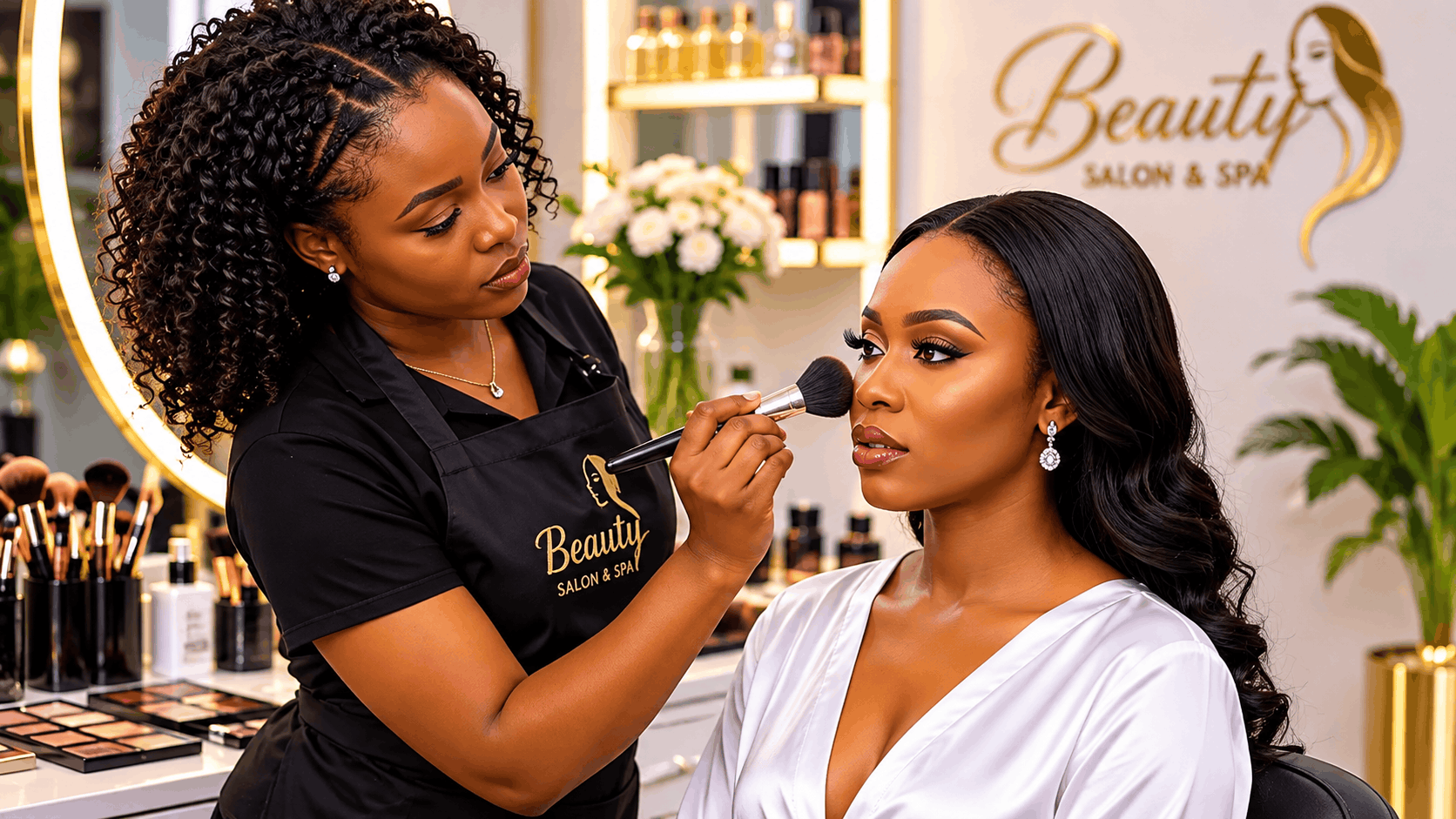
B. Makeup artists: Defining the beauty direction

Makeup plays a significant role in fashion photography. It can be subtle and natural, dramatic and artistic, glamorous and sophisticated or experimental and avant-garde.

A professional makeup artist understands how makeup behaves under different lighting conditions, how products interact with different skin types and how beauty choices contribute to the overall creative direction.

Their responsibilities may include:

  • Interpreting the makeup brief.
  • Developing suitable beauty references.
  • Preparing the model’s skin for makeup application.
  • Selecting appropriate products and shades.
  • Creating the agreed makeup look.
  • Adjusting makeup for studio or outdoor lighting.
  • Maintaining the look throughout the production.
  • Managing touch-ups between photographs.
  • Maintaining professional hygiene and sanitation standards.

Fashion makeup is not identical to everyday beauty makeup.

A look that appears dramatic in person may photograph differently under studio lighting. Similarly, outdoor sunlight, flash photography and high-definition video can reveal details that require careful application.

A professional makeup artist should understand the intended visual result and work closely with the photographer, stylist and creative director.

C. Hairstylists: Completing the fashion image

Hair is an important part of the overall visual identity of a photoshoot.

The right hairstyle can complement an outfit, highlight a model’s features and reinforce the mood of a campaign.

Hairstylists may work with:

  • Natural hair.
  • Braids and protective styles.
  • Wigs and extensions.
  • Editorial hairstyles.
  • Runway hair.
  • Commercial beauty looks.
  • Bridal and occasion hairstyles.
  • Avant-garde and experimental designs.

A hairstylist should understand the model’s hair requirements, the creative concept and the practical demands of the shoot.

For example, a campaign featuring natural African hair may require a hairstylist experienced in textured hair, protective styling and natural-hair preparation.

A luxury editorial may call for sculptural hair design, polished finishes or experimental styling.

Designers and production teams should communicate the intended look before the shoot so that the hairstylist can prepare the appropriate products, tools and equipment.

D. Fashion photographers: Translating the concept into images

The photographer is responsible for capturing the visual story.

A professional fashion photographer should understand composition, lighting, model direction, garment presentation, colour, visual storytelling and image production.

Different photographers specialise in different areas:

  • Fashion editorials.
  • Designer lookbooks.
  • E-commerce product photography.
  • Beauty photography.
  • Model portfolios.
  • Advertising campaigns.
  • Runway and event photography.
  • Lifestyle and commercial fashion photography.

The best photographer for a project is not necessarily the one with the largest social media following.

Look for someone whose portfolio demonstrates the visual style, technical ability and production experience required for the assignment.

E. Creative directors: Giving the production a unified vision

A creative director oversees the overall creative direction of a production.

They help ensure that the photography, wardrobe, beauty, hair, location, lighting, model direction and visual references communicate one coherent idea.

Their responsibilities may include:

  • Developing the concept.
  • Establishing the visual direction.
  • Creating or refining moodboards.
  • Selecting creative collaborators.
  • Approving styling and beauty references.
  • Coordinating the production team.
  • Maintaining consistency across the final images.

For larger campaigns, the creative director may work alongside an art director, photographer, brand representative and producer.

F. Models: Bringing the creative concept to life

Models are central to fashion photography because they present the garments, communicate the mood and give the audience a human connection to the visual story.

Depending on the project, a production may require:

  • Editorial models.
  • Commercial models.
  • Runway models.
  • Beauty models.
  • Hair models.
  • Lifestyle models.
  • Plus-size models.
  • Fitness models.
  • Hand or body-part models.

Selection should be based on the requirements of the campaign, including the brand’s audience, garment presentation, creative direction and intended use of the photographs.

Models should receive clear information about the concept, wardrobe, compensation, working conditions, image usage and expected schedule.

G. Other professionals who may be part of the team

Depending on the production, the creative team may also include:

ProfessionalMain responsibility
Fashion designerSupplies or develops garments and accessories
VideographerCaptures behind-the-scenes footage and fashion films
Lighting assistantSupports lighting setup and equipment
Set designerDevelops the physical environment and background
Art directorOversees visual composition and production elements
Photo retoucherRefines selected images during post-production
ProducerCoordinates budgets, schedules, logistics and resources
Production assistantSupports day-to-day shoot operations
Digital content creatorDevelops social media and promotional material

The objective is not to hire everyone. It is to identify the professionals whose skills are essential to achieving the desired result.

2. Where to Find Professional Fashion Stylists

Finding a good fashion stylist requires more than searching for someone who enjoys fashion.

You need a professional who understands the assignment, can interpret the creative direction and can deliver a cohesive visual result within the available budget and schedule.

There are several effective places to begin your search.

A. Fashion professional directories

Professional directories allow clients to discover people according to their specialisation and services.

Instead of relying entirely on social media searches or personal recommendations, clients can explore profiles and assess the work of different professionals.

Nairobi Fashion Hub provides a fashion and beauty services directory that includes styling and other creative categories.

Users can explore professional listings, review service information and identify potential collaborators.

Explore the directory:

https://app.nairobifashionhub.co.ke/services

B. Fashion schools and creative institutions

Fashion schools, design institutions and creative training programmes can be useful places to discover emerging stylists.

Students and recent graduates may be interested in gaining practical production experience, developing portfolios and collaborating with photographers and designers.

When working with emerging professionals, establish clear expectations about responsibilities, compensation, supervision and image usage.

C. Fashion photographers and production studios

Photographers often collaborate with stylists across different productions.

A photographer may be able to recommend stylists whose visual approach complements the intended campaign.

Creative studios and production agencies may also have established networks of stylists, makeup artists, models and other specialists.

D. Fashion shows and industry events

Runway shows, fashion exhibitions, collection launches and creative networking events provide opportunities to meet stylists and observe their work.

Pay attention to the overall presentation of the collections, coordination of accessories, garment preparation and consistency of the runway looks.

Where possible, approach professionals after the event, introduce yourself and discuss potential collaboration.

E. Social media and professional portfolios

Instagram, Pinterest, LinkedIn and personal portfolio websites can help identify stylists whose work matches your concept.

Look for completed productions rather than relying only on inspirational images or reposted fashion content.

A stylist’s portfolio should demonstrate their actual contribution to the work.

When evaluating a portfolio, consider:

  • Range of styling projects.
  • Understanding of different garment categories.
  • Ability to coordinate colours and accessories.
  • Experience working with models.
  • Consistency across different productions.
  • Understanding of editorial and commercial requirements.
  • Evidence of collaboration with photographers and designers.

3. Where to Find Professional Makeup Artists

The right makeup artist can elevate an entire production.

Whether you are organising a natural beauty editorial, a luxury fashion campaign, a bridal photoshoot or a bold creative concept, the makeup artist should have the technical skills and artistic understanding to deliver the intended result.

A. Makeup and beauty professional directories

Directories dedicated to fashion and beauty services can help clients discover professionals according to their specialisation.

Nairobi Fashion Hub includes makeup artistry among its professional service categories.

This gives brands, photographers, models and production teams another route to explore makeup professionals and their listed services.

Explore makeup and beauty professionals:

https://app.nairobifashionhub.co.ke/services

B. Beauty schools and makeup academies

Professional makeup schools and beauty training institutions can be useful sources of emerging talent.

Graduates may have technical training and an interest in developing their fashion and editorial portfolios.

When hiring someone at an early career stage, review practical work, discuss experience and establish whether the artist can meet the requirements of the production.

C. Salons and established beauty professionals

Beauty salons and independent makeup studios often have professionals who work across weddings, events, fashion productions and commercial campaigns.

However, not every event makeup artist specialises in fashion photography.

Ask to see examples of work created specifically for photographic or video production.

D. Recommendations from photographers and models

Photographers, models and stylists often know makeup artists with whom they have worked successfully.

Professional recommendations can help narrow the search, particularly when the project requires a specific beauty aesthetic.

Still, review the artist’s own portfolio and confirm availability, fees and working arrangements.

E. Beauty exhibitions and creative events

Beauty events, makeup demonstrations, fashion exhibitions and professional workshops provide opportunities to meet artists and observe their techniques.

These environments can be particularly useful for discovering emerging makeup talent and learning about new products and beauty trends.

4. Where to Find Complete Creative Teams for Fashion Photoshoots

Some productions require a team of several professionals who can work together towards one visual objective.

Rather than hiring every individual separately, clients may consider assembling a team through a creative agency, production company, photography studio or professional network.

Creative agencies

Creative agencies may offer services such as art direction, photography, styling, makeup, campaign development and production coordination.

They can be suitable for brands that need a coordinated team and have a budget for a more comprehensive production.

Photography and production studios

Studios may have relationships with photographers, assistants, lighting specialists, makeup artists and stylists.

Some offer complete production services, while others provide the location and equipment only. Confirm exactly what is included.

Freelance creative networks

Freelance networks are useful for finding specialists who work independently.

They can offer flexibility and allow clients to assemble a team based on the project’s specific needs.

The challenge is ensuring that everyone understands the creative brief and can work together professionally.

Fashion-focused digital platforms

Fashion-focused platforms can help bring different creative specialities into one discovery environment.

Nairobi Fashion Hub is designed to connect fashion professionals, clients, brands and event organisers.

Its directory includes categories such as styling, makeup artistry, modelling, photography and fashion design, making it relevant to clients planning fashion productions.

Explore:

https://app.nairobifashionhub.co.ke/

5. How to Choose the Right Creative Professionals

Finding a professional is only the beginning. Choosing the right person requires careful evaluation.

A beautiful portfolio does not automatically guarantee that someone is suitable for every production.

The selection process should consider the creative brief, professional experience, communication, reliability and working arrangements.

A. Review the portfolio carefully

Ask to see work that is relevant to your project.

For a fashion stylist, examine complete looks and how garments, accessories and colours are coordinated.

For a makeup artist, look for work across different skin tones, lighting conditions and beauty styles.

For a photographer, assess image quality, lighting, composition and the ability to communicate a consistent visual story.

For a hairstylist, look at the quality of the finished styles and whether they align with your concept.

B. Assess technical experience

Ask about previous productions and the professional’s role in them.

For example:

  • Have they worked on fashion editorials?
  • Have they styled runway or campaign productions?
  • Can they work with different skin tones and textures?
  • Do they understand studio and outdoor lighting?
  • Have they worked with the garment category involved?
  • Can they meet the production schedule?

C. Evaluate professionalism

Professionalism is demonstrated through communication, punctuality, preparation, organisation and respect for other team members.

A creative professional should be able to discuss their services, fees, availability, requirements and responsibilities clearly.

D. Confirm availability and equipment

Make sure the professional has the time, resources and equipment required for the assignment.

A makeup artist should understand the products and tools needed. A stylist should know what garments, accessories and preparation materials are required.

A photographer should confirm the camera, lighting and backup arrangements appropriate for the shoot.

E. Discuss the budget openly

Clarify the fee, expenses, payment schedule and any additional charges before confirming the booking.

A professional quotation should identify what the client is paying for and what is excluded.

Avoid assuming that every creative professional will provide equipment, assistants, transport or post-production services within the same fee.

6. How to Plan a Professional Fashion Photoshoot

A successful photoshoot begins long before the camera is switched on.

Good planning reduces confusion, prevents avoidable costs and gives the creative team the information needed to deliver quality work.

Step 1: Define the purpose of the photoshoot

Start by establishing what the production is intended to achieve.

Possible objectives include:

  • Launching a new fashion collection.
  • Building a designer’s lookbook.
  • Creating a model portfolio.
  • Producing an editorial fashion story.
  • Promoting a beauty brand.
  • Creating ecommerce product photographs.
  • Developing an advertising campaign.
  • Producing content for a fashion event.
  • Building a professional portfolio for a creative team.

The purpose will influence the concept, location, budget, team and final deliverables.

Step 2: Develop the creative concept

A clear concept gives the production a visual direction.

It should explain the mood, theme, styling, beauty approach, colours, setting and intended audience.

For example, a contemporary African fashion editorial could explore modern urban identity through structured tailoring, expressive accessories, natural textures and architectural locations.

A beauty campaign may focus on luminous skin, close-up portraits, detailed makeup application and controlled lighting.

A designer lookbook may prioritise garment construction, accurate colour representation and consistent model poses.

Step 3: Create a moodboard

A moodboard is a visual reference document that helps the creative team understand the intended direction.

It may include:

  • Fashion references.
  • Colour palettes.
  • Makeup inspiration.
  • Hairstyle references.
  • Model poses.
  • Lighting examples.
  • Location inspiration.
  • Accessories and footwear.
  • Photography styles.
  • Set and background references.

The moodboard should guide the production without encouraging the team to copy another creator’s original work.

Step 4: Assemble the creative team

Select professionals whose portfolios and experience match the concept.

For a standard fashion editorial, the team might include:

  • Creative director.
  • Fashion photographer.
  • Fashion stylist.
  • Makeup artist.
  • Hairstylist.
  • One or more models.
  • Photography or production assistant.

For a larger commercial production, additional professionals may be needed.

Step 5: Select the location

The location should complement the garments and creative concept.

Potential settings include:

  • Professional photography studios.
  • Hotels and architectural interiors.
  • Urban streets and contemporary buildings.
  • Gardens and outdoor landscapes.
  • Beaches and coastal locations.
  • Art galleries and creative spaces.
  • Industrial environments.
  • Private properties with permission.

Consider lighting, accessibility, privacy, weather, power supply, security, transport and any location fees.

Obtain permission where required, especially for commercial photography in private or controlled public spaces.

Step 6: Prepare the wardrobe and beauty plan

The stylist should coordinate garments, accessories, footwear and outfit changes.

The makeup artist and hairstylist should receive references and information about the models, wardrobe and production conditions.

Where possible, organise fittings and beauty tests before the main shoot.

Step 7: Prepare a call sheet

A call sheet communicates essential production information.

It should include:

  • Project name.
  • Shoot date.
  • Location and directions.
  • Arrival and start times.
  • Contact information for the production team.
  • Names and roles of participants.
  • Outfit and beauty requirements.
  • Schedule and scene order.
  • Equipment and special requirements.
  • Emergency and contingency information.

Every team member should receive the final version before production.

Step 8: Coordinate the production on the day

The photographer, stylist, makeup artist, hairstylist and creative director should communicate throughout the shoot.

The team should monitor:

  • Garment presentation.
  • Makeup and hair consistency.
  • Lighting.
  • Model comfort.
  • Outfit changes.
  • Background and set details.
  • Image references.
  • Time management.

The creative director or designated production lead should help maintain consistency with the original concept.

Step 9: Complete post-production

After the shoot, the photographer selects and edits the agreed images.

Post-production may include:

  • Colour correction.
  • Exposure adjustments.
  • Retouching.
  • Skin refinement.
  • Background cleanup.
  • Cropping and resizing.
  • File preparation for print and digital use.

Retouching should preserve the intended representation of the garments, products and models.

For ecommerce and product photography, images should remain accurate and should not misrepresent colour, fabric or construction.

Step 10: Deliver and distribute the final content

Before production, agree on the number of final images, delivery format, resolution, deadlines and permitted usage.

A campaign may require different formats for:

  • Websites.
  • Social media.
  • Digital advertising.
  • Print publications.
  • Lookbooks.
  • Press releases.
  • Ecommerce listings.
  • Event promotion.

A clear delivery agreement prevents misunderstandings after the shoot.

7. Understanding Fashion Photoshoot Budgets

The cost of a professional photoshoot depends on its scale, location, team size, equipment, production requirements and intended use.

There is no single price that applies to every fashion production.

A simple portfolio shoot may involve a small team and a straightforward location. A commercial campaign may require a creative director, several models, multiple stylists, professional lighting, studio rental, transport, catering, assistants and extensive post-production.

Common budget categories

Budget itemWhat it covers
PhotographerPhotography services and agreed deliverables
Fashion stylistStyling preparation and on-set work
Makeup artistMakeup preparation, application and touch-ups
HairstylistHair preparation and styling
ModelsModelling fees and agreed usage
Creative directorConcept development and creative supervision
Studio or locationVenue rental and location charges
WardrobeGarments, accessories, fittings and returns
EquipmentLighting, cameras, stands and other production resources
TransportMovement of people and production materials
CateringMeals and refreshments for the team
Post-productionEditing, retouching and image preparation
ContingencyUnexpected expenses and production changes

Paid productions and collaborative test shoots

Not every photoshoot operates under the same commercial arrangement.

Some productions are paid commissions. Others are collaborative portfolio projects in which professionals contribute agreed services to develop new work.

In a collaborative shoot, clarify:

  • Who is contributing time and resources.
  • Whether transport and other expenses are covered.
  • Which images each participant will receive.
  • Whether participants may publish the images.
  • How credits will be provided.
  • Whether the images may be used commercially.
  • Whether any exclusivity applies.

Do not assume that a portfolio collaboration gives every participant unlimited rights to use the resulting photographs.

Put the agreement in writing.

8. Professional Ethics, Contracts and Image Rights

Fashion photography involves several creative contributors, and their rights and responsibilities should be respected.

A production can generate disputes when ownership, payment, credits and image usage are not discussed beforehand.

Establish written agreements

The production agreement should clarify:

  • The services being provided.
  • The agreed fee and payment schedule.
  • Working hours and overtime.
  • Travel and other expenses.
  • Deliverables and deadlines.
  • Cancellation and rescheduling terms.
  • Image ownership and licensing.
  • Commercial usage and publication permissions.
  • Credits and attribution.
  • Confidentiality, where applicable.

Obtain appropriate model releases

Models should understand how their photographs may be used.

A model release or appropriate written permission should specify the intended use, such as editorial publication, portfolio display, advertising, ecommerce or social media promotion.

Special care should be taken with minors. Appropriate guardian consent and safeguarding arrangements are essential.

Respect creative ownership

Photographers, stylists, makeup artists, designers and other contributors may have rights in their original work.

Do not assume that paying for a photoshoot automatically transfers every copyright or grants unlimited usage rights.

Agree on licensing and ownership with each relevant contributor.

Maintain a professional working environment

Every participant should be treated with respect.

Production teams should communicate wardrobe expectations, changing arrangements, privacy, breaks, working hours and any physical requirements in advance.

Models and creative professionals should be able to raise concerns about inappropriate requests or unsafe working conditions.

9. Building a Strong Creative Network in the Fashion Industry

One of the most valuable assets a fashion professional can develop is a reliable network of collaborators.

The right relationships can lead to new projects, professional referrals, portfolio development, brand campaigns, fashion events and commercial opportunities.

Networking should not be viewed as simply exchanging contact details. It is the process of developing relationships based on trust, shared interests, professional standards and mutual value.

A. Connect with photographers

Photographers often collaborate with different models, designers, stylists and makeup artists.

Building relationships with photographers can create opportunities to participate in editorial shoots, campaign productions and portfolio projects.

B. Build relationships with fashion designers

Stylists and makeup artists can benefit from developing relationships with designers who need creative support for lookbooks, runway presentations and collection campaigns.

Designers, in turn, gain access to professionals who can present their garments effectively.

C. Connect with models and modelling agencies

Models are important collaborators for fashion and beauty professionals.

Working with different models can help stylists and makeup artists develop versatile portfolios and gain experience across editorial, commercial and beauty productions.

D. Participate in fashion events

Runway shows, fashion exhibitions, workshops, beauty events and creative gatherings provide opportunities to meet professionals outside existing networks.

Attend with a clear purpose, introduce yourself professionally and follow up with people whose work aligns with your interests.

E. Develop long-term working relationships

Reliable professionals are valuable to one another.

Delivering work on time, communicating clearly, respecting agreements and acknowledging collaborators helps establish a reputation that can lead to repeat projects and referrals.

10. Nairobi Fashion Hub: Discover Fashion Stylists, Makeup Artists and Creative Teams in One Digital Environment

Finding the right creative professional can be challenging, particularly for emerging designers, independent photographers, brands and production teams that do not already have established industry networks.

Nairobi Fashion Hub provides a fashion-focused digital platform where professionals can present their services, showcase their portfolios and become discoverable to clients and other industry participants.

The platform brings together categories including fashion styling, makeup artistry, modelling, photography, fashion design, beauty and other creative services.

This creates an additional way for people planning professional photoshoots to discover talent and explore potential working relationships.

A. Find fashion stylists for editorials, campaigns and brand productions

A fashion stylist can influence the entire appearance of a photoshoot.

Whether you need someone to coordinate a designer lookbook, style a commercial campaign or develop an editorial fashion story, the Nairobi Fashion Hub services directory provides a place to explore styling-related professional listings.

Clients can review available service information and assess whether a professional’s experience and offering suit their requirements.

For designers, brands and photographers, this creates another route to discover styling talent.

Explore fashion professionals:

https://app.nairobifashionhub.co.ke/services

B. Discover makeup artists and beauty professionals

Beauty is a major part of fashion production.

A professional makeup artist can help create the intended appearance for editorial portraits, beauty campaigns, fashion shows and commercial photography.

Nairobi Fashion Hub includes makeup artistry and beauty-related services among its professional categories.

Users can explore relevant listings, review service descriptions and identify professionals for potential bookings.

This is particularly useful for:

  • Fashion designers preparing collection campaigns.
  • Models developing professional portfolios.
  • Photographers producing beauty editorials.
  • Brands launching beauty products.
  • Event organisers preparing runway productions.
  • Creative agencies developing campaign concepts.

Explore the directory:

https://app.nairobifashionhub.co.ke/services

C. Find models and photographers for complete productions

A professional photoshoot requires the right combination of people and skills.

Nairobi Fashion Hub also includes modelling and fashion photography services, making it possible to explore different parts of a production through the same professional discovery environment.

For example, a designer planning a collection campaign can explore photographers, models, stylists and makeup artists whose services may be relevant to the project.

A photographer building an editorial team can explore models and other creative professionals.

The platform gives clients another place to discover potential collaborators, review their offerings and submit booking requests.

D. Build a professional profile and showcase your creative portfolio

Nairobi Fashion Hub is not only a place for clients to discover professionals. It also provides an opportunity for creative people to present their own work.

Stylists, makeup artists, photographers, models, designers and other service providers can create professional profiles, list services and showcase portfolio work.

A strong profile should include:

  • A clear professional description.
  • Areas of specialisation.
  • High-quality examples of completed work.
  • Services offered.
  • Relevant experience.
  • Professional contact and service information.
  • Accurate pricing or enquiry information where appropriate.

For a makeup artist, this could include editorial beauty, bridal, commercial and creative makeup work.

For a stylist, the portfolio could showcase fashion editorials, campaign looks, runway styling and personal styling projects.

For a photographer, it could include fashion portraits, lookbooks, beauty campaigns and product photography.

The objective is to make your professional skills easier to discover and assess.

Join as a service provider:

https://app.nairobifashionhub.co.ke/join/provider

E. Explore creative gigs and project-based opportunities

Not every creative collaboration begins with a permanent working relationship.

Many fashion productions are developed around specific assignments, campaigns, events and client briefs.

Nairobi Fashion Hub supports creative gigs through which clients can publish project briefs and budgets while professionals submit offers for consideration.

This creates an additional opportunity for stylists, makeup artists, photographers, models and other creatives to discover project-based work.

For example, a production team preparing a fashion editorial may publish a brief requiring a stylist, makeup artist and photographer.

A brand launching a new collection may need models and creative production support.

A designer preparing a runway presentation may need styling and beauty professionals.

When responding to a project, professionals should clearly explain their relevant experience, proposed services, fees, availability and expected deliverables.

Explore the platform:

https://app.nairobifashionhub.co.ke/

F. Connect with clients, brands and production teams

For independent creatives, finding clients is an important part of building a sustainable business.

Nairobi Fashion Hub provides a client journey for people and organisations seeking fashion and creative services.

Clients can explore professionals, review service information and submit booking requests.

Potential users include:

  • Fashion designers and labels.
  • Advertising and marketing agencies.
  • Ecommerce businesses.
  • Fashion photographers.
  • Event organisers.
  • Production companies.
  • Beauty brands.
  • Individuals seeking professional creative services.

This gives service providers another digital channel through which potential clients can discover their work.

Register as a client:

https://app.nairobifashionhub.co.ke/join/client

G. Discover fashion events, workshops and networking gatherings

Professional relationships often develop through shared experiences.

Fashion shows, workshops, exhibitions, industry talks and networking events bring together people with different skills and professional interests.

Nairobi Fashion Hub includes an events section where users can discover listed fashion and creative events.

For a stylist, attending a fashion event may lead to meeting designers looking for campaign support.

For a makeup artist, an event may provide opportunities to connect with beauty brands, models and photographers.

For a photographer, it may offer a chance to meet designers, creative directors and event organisers.

For emerging professionals, these experiences can provide valuable exposure to the wider fashion community.

Explore events:

https://app.nairobifashionhub.co.ke/events

H. Host your own creative event or photoshoot networking experience

Professionals who want to bring the creative community together can consider organising a fashion event, portfolio showcase, workshop or networking gathering.

Nairobi Fashion Hub provides an event-hosting journey through which organisers can publish events, sell tickets and manage guests, including check-in.

A creative professional could organise:

  • A fashion photography workshop.
  • A makeup masterclass.
  • A model and photographer networking session.
  • A designer collection showcase.
  • A creative portfolio exhibition.
  • A fashion industry networking event.
  • A collaborative editorial production workshop.

Successful events still require proper planning, budgeting, promotion and production. The platform provides digital event tools that can support the organiser’s work.

Register as an event host:

https://app.nairobifashionhub.co.ke/join/host

I. Build connections across Kenya and the wider African fashion industry

The creative professionals needed for a photoshoot may come from different locations and specialisations.

A photographer may collaborate with a stylist based in another city. A designer may need a makeup artist for a campaign. An event organiser may be looking for models and creative professionals for a production.

Nairobi Fashion Hub’s professional discovery environment offers an additional way to explore these connections.

For emerging talent, it can provide a starting point for building a more visible professional presence.

For established creatives, it can provide another channel through which clients and collaborators may discover their services.

The platform should complement, rather than replace, direct professional relationships, referrals, agencies and established production networks.

11. How to Create a Strong Nairobi Fashion Hub Profile as a Creative Professional

Simply registering on a professional platform is not enough. The quality of your profile can influence whether prospective clients understand your services and consider you for a project.

For fashion stylists

Showcase different styling approaches, including editorial, commercial, runway and personal styling where relevant.

Include photographs of complete looks and explain the type of projects you undertake.

For makeup artists

Present clear images showing the quality and range of your work.

Where possible, include different makeup styles, skin tones, lighting conditions and beauty concepts.

For hairstylists

Showcase finished hairstyles, creative work and examples of relevant specialisations.

For photographers

Use your strongest images to demonstrate technical skill, visual consistency and the types of productions you specialise in.

For models

Include professional photographs that demonstrate your versatility, natural appearance and suitability for different modelling assignments.

For creative directors

Present examples of productions you have developed or directed, clearly identifying your contribution.

For all creative professionals

Keep your profile accurate, professional and updated.

Include service descriptions that explain what clients can expect, and respond to enquiries in a timely and professional manner.

12. Safety and Professional Standards When Working With Creative Teams

Fashion photoshoots should be creative, collaborative and professionally managed.

Every participant deserves a safe and respectful working environment.

Before accepting or organising a production, consider the following:

  • Verify the identity and professional background of collaborators.
  • Agree on the location and working schedule in advance.
  • Confirm compensation and expenses in writing.
  • Establish clear wardrobe and makeup expectations.
  • Discuss privacy and changing arrangements.
  • Clarify image ownership and permitted usage.
  • Avoid inappropriate or undisclosed requests.
  • Make sure participants understand the creative brief.
  • Arrange suitable transport and production support where necessary.
  • Obtain appropriate permissions for locations and photography.
  • Ensure proper consent and safeguarding arrangements for minors.

A professional production should never depend on pressure, intimidation or unclear agreements.

Good creative work is built on mutual respect.

13. The Future of Fashion Photography and Creative Collaboration

Fashion photography is evolving alongside changes in digital media, ecommerce, social platforms and visual technology.

Brands increasingly need more than a collection of beautiful photographs. They need visual content that can work across multiple platforms and communicate a consistent identity.

This is creating opportunities for professionals with complementary skills.

A fashion stylist may contribute to a campaign’s creative direction. A makeup artist may develop beauty concepts for both still photography and video. A photographer may produce editorial images alongside short-form content. A videographer may create behind-the-scenes films that give audiences a closer look at the production process.

Artificial intelligence and digital production tools are also influencing creative workflows, from visual research and concept development to editing and content planning.

However, technology does not replace the value of skilled human professionals. Garment knowledge, makeup technique, hairstyling, model direction, lighting, creative judgement and collaboration remain central to successful fashion production.

The future will favour creative professionals who combine technical skill, originality, reliability and the ability to work effectively with others.

14. A Practical Checklist for Planning Your Next Fashion Photoshoot

Before confirming your production, use this checklist to make sure the essentials are in place.

Creative direction

  • Define the purpose of the shoot.

  • Develop the concept and moodboard.

  • Confirm the intended audience.

  • Decide how the final photographs will be used.

Creative team

  • Select the photographer.

  • Confirm the fashion stylist.

  • Book the makeup artist.

  • Arrange the hairstylist.

  • Select suitable models.

  • Assign a creative director or production lead where needed.

Production planning

  • Confirm the location and permissions.

  • Prepare the wardrobe and accessories.

  • Agree on makeup and hair references.

  • Confirm equipment and lighting.

  • Prepare the call sheet.

  • Confirm transport, meals and other logistics.

Professional agreements

  • Confirm fees and payment terms.

  • Agree on deliverables and deadlines.

  • Clarify image ownership and usage rights.

  • Obtain necessary model releases and permissions.

  • Confirm cancellation and rescheduling terms.

After the shoot

  • Select and approve final images.

  • Complete post-production.

  • Deliver agreed files.

  • Credit collaborators appropriately.

  • Share approved content.

  • Maintain relationships with the creative team.

Conclusion: Great Fashion Images Begin With Great Creative Connections

Behind every memorable fashion photograph is a group of professionals whose individual skills contribute to a larger creative vision.

The fashion stylist gives the clothing its visual direction. The makeup artist defines the beauty aesthetic. The hairstylist completes the look. The model brings the garments to life. The photographer captures the moment, while the creative director ensures that the production communicates a unified story.

Finding the right people requires research, clear communication, professional judgement and a willingness to build relationships.

For designers, photographers, models, brands and independent creatives, the ability to discover and collaborate with the right professionals can create new possibilities for portfolio development, commercial campaigns, fashion editorials and creative projects.

Digital platforms are making these connections increasingly accessible. Nairobi Fashion Hub offers a dedicated environment where clients can explore fashion and beauty professionals, review services, discover portfolios, submit booking requests and explore creative gigs and events.

For creative professionals, it provides another opportunity to showcase their work, strengthen their professional presence and connect with people across the fashion community.

Whether you are preparing your first editorial shoot, launching a fashion label, developing a model portfolio or producing a commercial campaign, remember that exceptional images are not created by equipment alone.

They are created by people who understand the vision, respect their craft and work together to bring an idea to life.

Find your creative team. Build meaningful connections. Create images that tell a story.

Discover and connect through Nairobi Fashion Hub

NAIROBI FASHION HUB — HOME OF AFRICAN FASHION.

Pushing the agenda for Made in Africa to the world.

The Complete Guide to Fashion Photography: Finding Photographers, Planning Shoots and Building a Portfolio

The Complete Guide to Fashion Photography: Photographers, Shoots & Portfolios

From the creative vision behind an editorial photograph to the production of international fashion campaigns, discover how to find professional fashion photographers, plan exceptional photoshoots, develop a compelling portfolio and build valuable connections across the global fashion industry.

Fashion photography is one of the most influential forms of visual storytelling. It shapes how designers present their collections, how brands communicate their identities, how models build their careers and how audiences experience fashion.

A single photograph can introduce an emerging designer to a new audience, transform a garment into a coveted statement piece, capture the atmosphere of an entire fashion collection or communicate a cultural identity that resonates across continents.

From the editorial pages of international fashion magazines to luxury advertising campaigns, runway photography, independent designer lookbooks and digital fashion platforms, photography remains central to the business and creative language of fashion.

But exceptional fashion photography rarely happens by accident. Behind a successful image is a combination of creative direction, technical expertise, styling, lighting, location, model selection, production planning and collaboration.

For designers, models, fashion brands, photographers, stylists, makeup artists and creative entrepreneurs, understanding this process is essential. Knowing where to find the right photographer, how to prepare for a shoot and how to build a professional portfolio can make a significant difference to visibility, credibility and commercial opportunities.

Across Africa, where a new generation of designers and creative professionals is contributing to the global fashion conversation, professional fashion photography also plays an important role in documenting creativity, promoting local brands and bringing African fashion stories to international audiences.

This comprehensive guide explores the world of fashion photography, from finding photographers and developing concepts to organising productions, understanding image rights, building portfolios and establishing professional relationships. It also examines how Nairobi Fashion Hub provides opportunities for discovering creative talent and connecting fashion professionals with clients and collaborators.


1. Understanding Fashion Photography and Its Importance in the Fashion Industry

Fashion photography is the art and practice of photographing clothing, accessories, models and fashion-related concepts to communicate a visual story.

Although it is closely associated with beautiful images, its purpose extends beyond aesthetics. Fashion photography can inform purchasing decisions, establish brand identity, document cultural movements, communicate artistic ideas and support commercial businesses.

A photographer must understand not only how to operate a camera but also how to interpret clothing, light, movement, composition, colour and emotion.

Different assignments demand different creative approaches. A luxury campaign may require dramatic lighting and carefully constructed compositions, while an ecommerce shoot may prioritise accurate garment representation and consistency.

The major areas of fashion photography include the following.

Editorial fashion photography

Editorial fashion photography is concerned with storytelling, artistic expression and visual interpretation.

These photographs often appear in fashion magazines, digital publications and independent editorial projects. They may feature elaborate styling, conceptual locations, dramatic lighting and distinctive creative direction.

An editorial shoot might explore African heritage, contemporary streetwear, sustainable fashion, futuristic design, cultural identity or the relationship between fashion and architecture.

Unlike straightforward product photography, editorial work often creates a visual narrative around the garments.

Commercial fashion photography

Commercial fashion photography is produced to promote brands, products and services.

It may be commissioned by clothing labels, luxury houses, retailers, advertising agencies, beauty companies and fashion businesses.

The objective is to create imagery that communicates the brand’s identity while supporting a commercial purpose.

Commercial projects may include:

  • Advertising campaigns.
  • Seasonal fashion collections.
  • Brand launches.
  • Fashion lookbooks.
  • Promotional photography.
  • Magazine advertisements.
  • Social media campaigns.
  • Lifestyle and fashion branding.

Runway and fashion show photography

Runway photography documents designers presenting their collections during fashion shows and industry events.

It requires timing, technical preparation and an understanding of runway movement. Photographers must anticipate how models move, how garments fall and when a particular look is most effectively presented.

Runway photographers also capture important moments surrounding an event, including backstage preparation, designer interactions, audience reactions and details of the collection.

E-commerce and catalogue photography

The growth of online retail has increased demand for clear, consistent fashion product images.

E-commerce photography helps customers understand how clothing and accessories look before purchasing them.

Depending on the brand, a production may require:

  • Front and back garment photographs.
  • Full-length model images.
  • Side views and close-up details.
  • Fabric and texture photographs.
  • Accessory product images.
  • Consistent images across an entire collection.

Accuracy is essential. Colours, proportions, details and garment features should be represented as faithfully as possible.

Beauty and fashion photography

Beauty photography focuses on makeup, skincare, hair, facial expression and accessories.

It is widely used by cosmetics companies, beauty brands, salons, hair professionals and fashion publications.

These productions often require specialist lighting, careful attention to detail and close collaboration between photographers, makeup artists, hair stylists and models.

Street-style and documentary fashion photography

Street-style photography captures how people interpret fashion in everyday environments.

It may document fashion weeks, urban style, cultural events, creative communities and emerging trends.

Documentary fashion photography can also provide a valuable record of how clothing, identity and social culture intersect within different communities.

Fashion film and behind-the-scenes photography

Modern fashion campaigns increasingly combine still photography with moving images.

Fashion photographers may collaborate with videographers and content producers to create campaign films, short-form social content, interviews, backstage features and behind-the-scenes material.

This approach allows brands to develop a broader visual identity across websites, advertising, digital publications and social platforms.


2. Where to Find Professional Fashion Photographers

Finding the right photographer begins with understanding the type of images a project requires.

A photographer specialising in editorial portraiture may have a different approach from someone focused on ecommerce product photography or runway coverage.

The best photographer is not necessarily the one with the largest following or the most expensive equipment. It is the professional whose experience, visual style and working approach align with the project.

A. Professional photography portfolios

A photographer’s portfolio is one of the strongest indicators of their creative approach.

Review completed assignments and look for consistency, technical quality, storytelling ability and versatility.

A professional portfolio should help you understand:

  • The photographer’s visual style.
  • Their experience with fashion projects.
  • Their ability to work with models.
  • Their understanding of lighting and composition.
  • Their approach to colour and editing.
  • The types of clients and productions they have worked with.

Do not evaluate a photographer on one outstanding image alone. Examine a collection of work to understand their consistency.

B. Fashion photography directories and creative platforms

Online professional directories make it easier to discover photographers beyond personal recommendations.

A well-organised directory can help clients explore professionals by service category, location, portfolio and other relevant information.

For fashion businesses in Kenya, Nairobi Fashion Hub offers a dedicated professional services directory that includes fashion photography.

Clients can explore photography services, review professional profiles and portfolios, and identify potential photographers for their projects.

The directory also includes other creative professionals, making it useful when a shoot requires a complete production team.

Explore the directory:

https://app.nairobifashionhub.co.ke/services

C. Modelling agencies and fashion agencies

Modelling agencies and creative agencies often work with photographers on campaigns, portfolios, fashion editorials and runway productions.

They may be able to recommend photographers with relevant experience or introduce clients to professionals who understand the requirements of a particular project.

This can be particularly useful for fashion brands planning larger productions.

D. Fashion weeks and industry events

Fashion weeks, exhibitions, designer showcases and photography events provide opportunities to meet photographers and observe their work.

International fashion centres such as Paris, Milan, London and New York have established fashion photography communities.

Across Africa, cities including Nairobi, Lagos, Accra, Johannesburg, Cape Town and Dakar also offer opportunities to connect with fashion photographers and creative production teams.

Fashion events can be useful for:

  • Meeting photographers in person.
  • Viewing their work.
  • Discovering emerging talent.
  • Establishing creative partnerships.
  • Finding photographers with experience in runway and backstage productions.
  • Connecting with designers, stylists and models.

E. Social media and photography communities

Instagram, Pinterest, Behance and other visual platforms provide opportunities to discover photographers and explore their work.

Search using relevant terms such as:

  • Fashion photographer in Nairobi.
  • African fashion photography.
  • Editorial fashion photographer.
  • Fashion campaign photographer.
  • Runway photographer.
  • Commercial fashion photography.
  • Fashion lookbook photographer.

Social media is useful for discovery, but clients should verify professional details, previous assignments and booking arrangements before engaging a photographer.

A strong online following does not necessarily indicate technical expertise or professional reliability.

F. Photography schools and creative institutions

Photography schools, art institutions and creative training programmes can be useful sources of emerging talent.

Students and recent graduates may be developing portfolios and looking for opportunities to work with designers, models, fashion brands and stylists.

Collaborations with emerging photographers can provide opportunities for experimentation and portfolio development.

However, clients should assess technical ability, reliability and experience according to the demands of the project.

G. Recommendations from other fashion professionals

Personal recommendations remain valuable in the creative industry.

Designers may know photographers who understand garment construction and presentation. Models may recommend photographers with strong communication skills, while makeup artists and stylists may have worked with professionals whose creative approach complements fashion productions.

Referrals can provide useful insights into how a photographer works, communicates and manages assignments.

Always review the photographer’s portfolio independently before making a final decision.


3. How to Choose the Right Fashion Photographer

Once you have identified potential photographers, the next step is to evaluate their suitability for your project.

A professional selection process should consider more than camera equipment or social media popularity.

Review the photographer’s visual identity

Every photographer has a distinctive way of interpreting images.

Some specialise in natural light and documentary-style imagery. Others prefer dramatic studio lighting, cinematic colour grading, experimental compositions or minimalist product photography.

Study their portfolio and ask whether their visual language supports your brand or creative concept.

Assess relevant experience

A photographer may be highly skilled but have limited experience in the type of assignment you are planning.

For example:

  • A runway production requires fast shooting and accurate timing.
  • An editorial production requires storytelling and creative interpretation.
  • An ecommerce shoot requires consistency and product accuracy.
  • A beauty campaign requires detailed lighting and close-up work.
  • A luxury campaign may require a more elaborate production approach.

Prioritise relevant experience over general claims of expertise.

Examine image quality and editing

Look at sharpness, exposure, composition, skin tones, colour consistency and image finishing.

Professional editing should enhance an image without unnecessarily changing the appearance of the subject or distorting the clothing.

For fashion brands, colour accuracy is particularly important because customers need to understand the actual appearance of garments and accessories.

Evaluate communication and professionalism

A photographer should be able to understand a brief, discuss creative ideas, explain the production process and communicate realistic delivery timelines.

Ask about their workflow, equipment, team requirements, backup arrangements and post-production process.

Discuss budget and deliverables

Before confirming a booking, agree on:

  • The photographer’s fee.
  • The number of shooting hours.
  • The number of final edited images.
  • Whether assistants or additional crew are required.
  • Studio or location costs.
  • Editing and retouching arrangements.
  • Delivery format and timeline.
  • Image usage and licensing terms.
  • Additional expenses.

A written quotation helps both parties understand what is included.


4. Planning a Fashion Photoshoot: From Concept to Creative Direction

A successful fashion shoot begins long before the photographer takes the first picture.

The planning process determines whether the production communicates a clear story, stays within budget and delivers images that serve the intended purpose.

Step 1: Define the purpose of the shoot

Start by identifying exactly why the photographs are being produced.

Is the project intended to launch a fashion collection, create a model portfolio, promote a designer, produce a magazine editorial, photograph ecommerce products or support a brand campaign?

The purpose determines the creative direction, production requirements, budget and final deliverables.

For example, a designer launching a new collection may require campaign photographs, detailed garment images and social media content.

A model developing a portfolio may need a smaller selection of carefully planned editorial, beauty and commercial photographs.

Step 2: Develop the creative concept

A strong concept gives the production a visual identity.

Consider the story you want to communicate, the intended audience and the relationship between the clothing, model, location and photography style.

Possible concepts include:

  • Contemporary African luxury.
  • Urban streetwear culture.
  • Sustainable fashion and nature.
  • Modern African heritage.
  • Minimalist studio fashion.
  • Coastal fashion editorial.
  • Avant-garde fashion.
  • Cultural craftsmanship and contemporary design.
  • Futuristic fashion and technology.

The concept should be clear enough for every member of the production team to understand.

Step 3: Create a moodboard

A moodboard is a visual reference that communicates the intended atmosphere of a shoot.

It may include reference photographs, colour palettes, garment inspiration, lighting examples, hairstyles, makeup ideas, location references and poses.

A moodboard helps align the photographer, designer, model, stylist and makeup artist before production begins.

It should guide the creative team rather than encourage the exact copying of another photographer’s work.

Step 4: Prepare a shot list

A shot list identifies the photographs the production needs.

For a fashion collection, it might include:

  1. Hero campaign photograph.
  2. Full-length model photographs.
  3. Three-quarter fashion portraits.
  4. Detail shots of garments.
  5. Accessory photographs.
  6. Movement and lifestyle images.
  7. Behind-the-scenes photographs.
  8. Social media content.
  9. Individual product photographs.

A shot list helps prevent important images from being missed during the production.

Step 5: Select the models

Choose models according to the creative direction, target audience and requirements of the assignment.

Review portfolios, confirm availability and arrange castings or fittings where necessary.

For a diverse campaign, consider the range of people the brand wants to represent and ensure casting is handled respectfully and professionally.

Step 6: Assemble the creative team

Depending on the production, the team may include:

  • Fashion photographer.
  • Creative director.
  • Fashion designer.
  • Professional models.
  • Fashion stylist.
  • Makeup artist.
  • Hair stylist.
  • Art director.
  • Lighting assistant.
  • Photography assistant.
  • Videographer.
  • Production coordinator.

Not every shoot requires a large team. Smaller productions can achieve excellent results when responsibilities are clearly defined.

Step 7: Choose the location

The location should support the concept and provide suitable conditions for photography.

Possible settings include:

  • Professional photography studios.
  • Fashion boutiques and showrooms.
  • Hotels and architectural spaces.
  • Urban streets and city locations.
  • Beaches and coastal environments.
  • Natural landscapes.
  • Cultural and heritage locations.
  • Fashion events and exhibitions.

When using public or private locations, confirm relevant permissions, access conditions and any applicable fees.

For outdoor productions, consider weather, lighting, crowd movement, security and transport.

Step 8: Organise wardrobe, styling and accessories

Clothing is central to fashion photography.

Prepare the garments before the shoot and confirm that they are clean, correctly fitted and ready for presentation.

The stylist should coordinate clothing, accessories, footwear and other visual elements according to the creative direction.

For designer collections, protect the garments and keep an organised record of the looks photographed.

Step 9: Coordinate hair and makeup

Hair and makeup should complement the concept and remain consistent with the intended visual identity.

A beauty campaign may require detailed makeup preparation, while a natural fashion editorial may call for a more understated appearance.

The makeup artist and hair stylist should understand the lighting, camera requirements and planned wardrobe changes.

Step 10: Prepare the production schedule

A professional shoot should have a clear schedule.

A call sheet can include:

  • Shoot date.
  • Location and directions.
  • Arrival and call times.
  • Contact details for the production team.
  • Wardrobe and makeup schedule.
  • Shooting sequence.
  • Breaks and meal arrangements.
  • Expected finishing time.
  • Emergency contacts where appropriate.

Good scheduling reduces unnecessary delays and helps everyone understand their responsibilities.


5. Essential Equipment and Technical Skills in Fashion Photography

Professional fashion photography requires technical knowledge, creative judgement and an understanding of how equipment affects the final image.

The equipment needed depends on the production, but several tools are commonly used.

Cameras and lenses

Professional digital cameras allow photographers to control exposure, focus, colour and image quality.

Different lenses produce different visual effects.

Portrait lenses can help create flattering compositions, while wider lenses may be useful for environmental fashion photography and full-body compositions.

The photographer should select equipment according to the assignment rather than assuming that the most expensive camera will produce the best creative result.

Lighting equipment

Lighting is one of the most important elements of fashion photography.

Photographers may use:

  • Natural daylight.
  • Studio flash.
  • Continuous lighting.
  • Softboxes.
  • Reflectors.
  • Diffusers.
  • Beauty dishes.
  • Portable lighting systems.

The lighting approach affects skin tones, fabric texture, shadows, atmosphere and overall visual impact.

Backgrounds and production accessories

Studio productions may use seamless paper, fabric backgrounds, textured surfaces and other set elements.

Outdoor shoots may use natural surroundings, architectural features and carefully selected props.

The background should complement the subject rather than compete with the clothing.

Editing and post-production

Post-production includes selecting images, colour correction, retouching, exposure adjustments and preparing files for publication or commercial use.

Editing should support the intended creative direction while preserving the integrity of the subject and the garments.

Professional workflows should also include secure image backups and organised file delivery.


6. Fashion Photography Styles Every Creative Professional Should Understand

Understanding different photography styles helps clients communicate their expectations and helps photographers identify the type of work they want to pursue.

High-fashion photography

High-fashion photography is often associated with luxury fashion, conceptual styling, dramatic presentation and distinctive visual direction.

It may involve elaborate garments, unusual poses, expressive lighting and carefully constructed compositions.

Minimalist fashion photography

Minimalist photography places emphasis on the subject, clothing and composition.

It often uses simple backgrounds, controlled lighting and limited distractions.

This approach can be effective for designer lookbooks and contemporary fashion campaigns.

Lifestyle fashion photography

Lifestyle fashion photography places clothing within everyday or aspirational environments.

It may feature models in homes, hotels, urban spaces, outdoor settings or travel locations.

The objective is to communicate how a fashion product fits into a particular lifestyle.

Cinematic fashion photography

Cinematic photography uses visual techniques associated with film, including dramatic lighting, atmosphere, colour grading and narrative composition.

It can be particularly effective for fashion campaigns seeking a strong emotional identity.

Conceptual and avant-garde photography

Conceptual fashion photography explores creative ideas beyond conventional garment presentation.

It may involve unusual styling, experimental sets, unconventional poses and artistic visual effects.

This approach gives photographers and designers opportunities to explore fashion as an art form.

African fashion and cultural storytelling

African fashion photography can explore heritage, contemporary identity, craftsmanship, textiles, architecture, music and everyday culture.

It can present African fashion as a diverse and evolving creative movement rather than reducing the continent to a single visual identity.

Photographers should approach cultural references with research, respect and collaboration with the communities and professionals represented.


7. How Much Does a Fashion Photoshoot Cost?

Fashion photography budgets vary according to location, experience, production scale and the intended use of the images.

A small portfolio shoot may require a photographer, model and makeup artist, while an international advertising campaign may involve a larger production team, studio hire, travel, styling, equipment rental and licensing fees.

There is no single fee that applies to every photographer or assignment.

Main factors that influence cost

Photographer’s experience: Established photographers with specialist experience and recognised commercial portfolios may charge different rates from emerging professionals.

Production size: A larger team, more models, multiple locations and several wardrobe changes increase production requirements.

Shooting duration: Half-day, full-day and multi-day productions have different costs.

Location: Studio rental, location permits, travel and accommodation can affect the budget.

Styling and beauty: Wardrobe, accessories, makeup and hair services should be included in the production estimate.

Post-production: Editing, retouching, image selection and additional deliverables may be charged separately.

Usage rights: Commercial advertising, international campaigns and extended image licensing may require additional fees.

A practical fashion photography budget

Budget itemWhat it covers
PhotographerPhotography services and agreed shooting time
ModelsTalent fees and agreed usage
Studio or locationVenue, permits and access
StylingWardrobe, accessories and preparation
Makeup and hairProfessional beauty services
Production crewAssistants, lighting and coordination
EquipmentRental of additional cameras, lenses or lighting
TransportTravel and logistics
Post-productionEditing, retouching and file preparation
Image licensingAgreed commercial use of photographs
ContingencyUnexpected production expenses

A clear budget should be prepared before confirming the production team.

For smaller designers and independent creatives, collaborating with emerging professionals can be an effective way to develop portfolios and experiment with concepts, provided expectations, responsibilities and image rights are agreed in advance.


8. Understanding Copyright, Image Ownership and Model Releases

Photography involves creative work and legal rights. Understanding these responsibilities is important for photographers, models, designers, brands and publishers.

Copyright ownership

The photographer is generally the copyright owner of photographs they create, subject to applicable law and any contractual arrangements.

Paying for a photoshoot does not automatically mean that a client owns all copyright or can use the images without restrictions.

The parties should agree on whether the client is receiving a licence to use the images or an assignment of copyright.

Image licensing

A photography licence should clarify how the images may be used.

Consider:

  • Website publication.
  • Social media.
  • Print advertising.
  • Ecommerce listings.
  • Editorial publications.
  • Outdoor advertising.
  • Television and digital campaigns.
  • Geographic coverage.
  • Duration of use.
  • Exclusivity.
  • Whether paid advertising is included.

A licence for a small social media campaign should not automatically be treated as unlimited permission for international advertising.

Model releases and consent

Models should understand how their photographs will be used.

Where required, a written model release should clarify the permitted use of images, the relevant commercial arrangements and any restrictions.

For sensitive concepts, intimate styling or revealing garments, the production team should discuss expectations clearly and obtain informed consent.

Respecting designers and creative collaborators

Fashion photographs may contain copyrighted garments, artwork, logos, sets, locations and other creative elements.

The production should establish whether the required permissions have been obtained, particularly for commercial campaigns.

Photographers and clients should also agree on credits and portfolio usage where appropriate.

Protecting digital files

Original photographs and final edited images should be stored securely.

Photographers should maintain reliable backups, while clients should keep records of licences and delivery agreements.

For commercial productions involving multiple countries or complex licensing arrangements, seek appropriate legal advice.


9. Building a Professional Fashion Photography Portfolio

A strong portfolio is one of the most valuable assets a fashion photographer can develop.

It demonstrates creative ability, technical consistency, professional direction and the kinds of assignments a photographer wants to attract.

A portfolio should not simply be a collection of every photograph taken. It should be a carefully selected presentation of the photographer’s strongest and most relevant work.

Start with your strongest images

Quality matters more than quantity.

Select photographs that demonstrate technical skill, creativity, storytelling and an understanding of fashion.

Remove repetitive images and photographs that do not represent your current level of work.

Demonstrate versatility

A professional fashion portfolio may include:

  • Editorial fashion photography.
  • Commercial campaigns.
  • Model portraits.
  • Full-length fashion images.
  • Beauty photography.
  • Designer lookbooks.
  • Runway photography.
  • Lifestyle fashion images.
  • Creative concepts and experimental projects.

The selection should reflect the photographer’s intended market and specialisation.

Develop a recognisable visual identity

A distinctive visual style helps photographers become memorable.

This may involve a consistent approach to lighting, colour, composition, storytelling or post-production.

A recognisable style does not mean producing identical photographs. It means developing a coherent creative perspective.

Include complete projects

Whenever possible, present a sequence of images from a completed production rather than isolated photographs.

This demonstrates an ability to work across a concept and deliver a coherent visual story.

Collaborate with other creatives

Working with designers, models, stylists and makeup artists can help photographers develop original projects.

Creative collaborations can also introduce photographers to new professional networks and different areas of fashion production.

Maintain an updated portfolio

Remove outdated images, add stronger recent work and ensure that contact information is accurate.

A portfolio should evolve as the photographer gains experience and develops new creative interests.

Build an online presence

Photographers should consider having a professional website or portfolio page, alongside relevant social media channels and professional directory profiles.

An effective online presence should communicate:

  • Professional identity.
  • Photography specialisation.
  • Location and service coverage.
  • Selected portfolio work.
  • Client or project experience.
  • Booking and enquiry information.

The objective is to make it easy for potential clients to understand the photographer’s work and initiate a professional conversation.


10. How Models, Designers and Brands Can Build Better Photography Portfolios

Although photographers are responsible for capturing images, the benefits of a strong portfolio extend across the entire fashion industry.

For fashion models

A model’s portfolio should demonstrate versatility, presentation and the ability to interpret different creative directions.

Useful portfolio categories include editorial portraits, commercial photographs, full-length images, beauty photographs and relevant runway work.

Models should use recent images that accurately represent their appearance.

For fashion designers

Designers can use photography to document collections, demonstrate craftsmanship and communicate their design identity.

A strong designer portfolio may include:

  • Full collection photographs.
  • Detailed garment images.
  • Editorial campaign photographs.
  • Lookbook presentations.
  • Behind-the-scenes production images.
  • Photographs from fashion shows.
  • Details of fabrics and construction.

For fashion brands

Brands should develop consistent imagery that reflects their identity and communicates their products effectively.

A brand photography portfolio may include campaign photographs, ecommerce images, lifestyle content, product details, promotional imagery and seasonal collections.

For stylists and makeup artists

Stylists and makeup artists should showcase completed productions that demonstrate their creative contributions.

Where possible, portfolios should identify the photographer, designer, model and other collaborators involved, with appropriate permission and credits.


11. Networking in Fashion Photography: Building Relationships That Create Opportunities

Fashion photography is a collaborative business.

A photographer’s career can be shaped by relationships with designers, models, brands, stylists, makeup artists, creative directors, editors, agencies and event organisers.

Networking is not simply exchanging contact details. It is about developing professional relationships based on trust, communication, shared interests and the quality of work delivered.

Connect with fashion designers

Designers need photographers to document collections, produce lookbooks, create campaigns and promote their brands.

Photographers can approach designers with relevant portfolio examples and creative ideas.

A well-developed relationship may lead to future collection launches, editorial productions and commercial assignments.

Build relationships with models

Models are central to fashion photography.

Photographers can collaborate with models to develop portfolios, test creative concepts and produce editorial projects.

Professional communication, respect and clear agreements help establish successful working relationships.

Work with stylists and makeup artists

Fashion styling, hair and makeup can significantly influence the final photograph.

Developing relationships with specialists can help photographers assemble creative teams for more ambitious productions.

Connect with fashion editors and publications

Fashion publications require photography for editorial features, interviews, designer profiles and fashion stories.

Photographers can research publication requirements, develop relevant editorial concepts and present professional submissions.

There is no guarantee of publication, but consistent quality and a distinctive visual approach can help build professional credibility.

Attend fashion events and exhibitions

Fashion weeks, exhibitions, workshops and creative networking events create opportunities to meet industry professionals.

Photographers can use these events to document collections, meet potential clients, connect with designers and develop professional relationships.

Participate in creative collaborations

Collaborative shoots can help emerging photographers develop portfolios and establish connections with other creatives.

However, collaborations should be professionally managed.

Agree on responsibilities, schedules, expenses, deliverables, credits and image usage before the shoot.

Develop a strong professional reputation

The fashion industry depends heavily on trust.

Deliver work on time, communicate clearly, respect agreements, credit collaborators appropriately and maintain professional conduct.

A positive working relationship can be just as valuable as an impressive photograph.


12. How Nairobi Fashion Hub Creates Opportunities for Fashion Photographers and Creative Professionals

Finding clients, building a portfolio and developing industry relationships can be challenging, particularly for independent photographers and emerging creative professionals.

Many talented photographers rely on social media, personal referrals and informal networks to find work. While these channels can be useful, they do not always provide a central place to present services, showcase a portfolio and connect with clients seeking professional assistance.

Nairobi Fashion Hub offers another avenue for professional discovery and networking within Kenya’s fashion and creative community.

The platform brings together photographers, models, designers, stylists, makeup artists, beauty professionals, influencers, fashion brands, clients and event organisers.

Its professional services directory allows clients to explore creative services and review profiles and portfolios, while service providers can establish profiles and make their work discoverable.

For photographers, this creates an opportunity to present their specialisation, showcase selected work and connect with potential clients.

For fashion brands and other businesses, it provides a place to discover photographers and other professionals who may be needed for a production.

A. Discover and hire fashion photographers

The Nairobi Fashion Hub services directory includes fashion photography among its professional categories.

Clients can explore photography services and review available professional listings.

This can be useful for:

  • Fashion editorial productions.
  • Model portfolio development.
  • Designer lookbooks.
  • Commercial campaigns.
  • Ecommerce photography.
  • Beauty and lifestyle shoots.
  • Fashion event coverage.
  • Promotional content.
  • Brand photography.

Explore fashion photography and other creative services:

https://app.nairobifashionhub.co.ke/services

B. Create a professional photographer profile

Photographers can register as service providers and establish a professional presence on Nairobi Fashion Hub.

A well-prepared profile should clearly communicate:

  • Professional name or business name.
  • Photography specialisation.
  • Location and service coverage.
  • Portfolio photographs.
  • Description of services.
  • Relevant professional experience.
  • Accurate pricing or quotation information.
  • Booking and availability details.

Photographers should select their strongest work and ensure that they have permission to display the images in their portfolios.

A clear profile helps potential clients understand the photographer’s capabilities before making an enquiry.

Register as a service provider:

https://app.nairobifashionhub.co.ke/join/provider

C. Connect with models, designers and stylists

A photographer’s work often depends on collaboration with other creative professionals.

Through Nairobi Fashion Hub, users can explore other professional categories and discover potential collaborators.

For example, a photographer developing an African fashion editorial may need:

  • A fashion designer to provide garments.
  • Models to present the collection.
  • A stylist to coordinate the looks.
  • A makeup artist to develop the beauty direction.
  • A hair professional to complete the presentation.

The platform’s broader professional directory makes it possible to explore these complementary creative services within the same environment.

This is particularly relevant to independent photographers and production teams seeking to organise creative projects.

D. Explore creative gigs and project opportunities

Fashion photography assignments often begin with a client describing a specific need.

A designer may require a photographer for a new collection. A brand may need campaign images, while an event organiser may be looking for professional coverage of a fashion show.

Nairobi Fashion Hub’s creative gig functionality allows clients to publish project briefs with budgets, while professionals can submit offers for consideration.

This provides another route through which photographers can discover project opportunities and present proposals to prospective clients.

A strong response should demonstrate an understanding of the brief, relevant portfolio experience, proposed deliverables, timelines and pricing.

Clients should provide clear project information, including the location, dates, expected outputs, budget and intended use of the images.

Explore the platform:

https://app.nairobifashionhub.co.ke/

E. Discover fashion events and professional networking opportunities

Fashion events are important meeting points for photographers, designers, models, brands and other industry participants.

Nairobi Fashion Hub has an events section where users can discover fashion-related activities, workshops, shows and other gatherings.

These events can provide opportunities to meet potential collaborators, observe emerging trends, connect with clients and remain engaged with the wider creative community.

Photographers can also explore opportunities to document events and develop relationships with organisers and participating brands.

Discover events:

https://app.nairobifashionhub.co.ke/events

F. Host photography exhibitions, workshops and creative events

Professional photographers and creative organisations can also explore opportunities to organise events.

These may include:

  • Fashion photography exhibitions.
  • Portfolio development workshops.
  • Photography masterclasses.
  • Fashion editorial showcases.
  • Creative networking sessions.
  • Model and photographer meet-ups.
  • Fashion industry discussions.

Nairobi Fashion Hub provides an onboarding route for event hosts and supports event publishing, ticket sales and guest management.

Register as an event host:

https://app.nairobifashionhub.co.ke/join/host

G. For brands and clients: Find the right creative team

Fashion brands, retailers, designers, businesses and individuals can register as clients and explore professionals through the platform.

A brand preparing a new collection, for instance, may need a photographer, models, makeup artists and stylists.

Rather than approaching every production requirement separately, clients can use the directory to explore different creative service categories and submit booking requests to suitable professionals.

Register as a client:

https://app.nairobifashionhub.co.ke/join/client

H. Access Nairobi Fashion Hub on mobile

Nairobi Fashion Hub is also available through dedicated Android and iOS applications.

Android application:

https://play.google.com/store/apps/details?id=co.ke.tinker.nairobi_fashion_hub

iOS application:

https://apps.apple.com/uy/app/nairobi-fashion-hub/id6817497424

The mobile experience provides another way to access professional discovery, portfolios, creative opportunities and fashion events.


13. Building an African Fashion Photography Identity for the Global Market

Africa offers a rich visual landscape for fashion photography.

Its contemporary designers, traditional craftsmanship, urban environments, natural landscapes, textiles, architecture and cultural influences provide an extraordinary range of creative possibilities.

However, African fashion photography should not be reduced to a single aesthetic.

The continent contains different countries, communities, histories, design traditions and contemporary fashion movements. Each offers its own visual identity and creative opportunities.

Celebrate African designers and craftsmanship

Photographers can collaborate with designers to document the details that make their work distinctive.

This may include textile selection, fabric construction, embroidery, beadwork, tailoring, print design and other elements of craftsmanship.

Well-executed images can help audiences understand the creativity and work behind a collection.

Explore contemporary African identity

African fashion photography can combine modern styling with cultural references in ways that feel relevant to contemporary audiences.

The objective should be to tell authentic stories rather than rely on stereotypes.

Showcase emerging talent

Photographers can contribute to the visibility of emerging designers, models, stylists and other creative professionals by documenting their work professionally.

Editorial projects, designer lookbooks and fashion exhibitions can help introduce new talent to audiences and potential collaborators.

Build relationships beyond national borders

African photographers can work with designers, models and brands from other countries to develop cross-border creative projects.

Digital platforms and professional networks can make it easier to discover collaborators and initiate conversations beyond local markets.

Position African fashion for international audiences

Professional photography helps brands present collections in ways that meet the expectations of international retailers, publications, buyers and consumers.

This requires strong visual storytelling, accurate product presentation, thoughtful styling and professional production standards.

For Africa’s fashion industry, the opportunity is not simply to imitate international fashion photography but to develop distinctive creative voices that contribute to the global visual conversation.


14. Common Fashion Photography Mistakes and How to Avoid Them

Even a talented creative team can encounter problems when production is poorly planned.

Understanding common mistakes can help photographers and clients achieve better results.

Starting without a clear concept: A shoot without a defined creative direction may produce disconnected images. Develop the concept and moodboard before production.

Choosing a photographer based only on price: A low fee does not automatically represent good value. Assess portfolio quality, experience, deliverables and professionalism.

Ignoring the shot list: Important images may be missed when the production has no clear plan. Prepare a shot list and schedule.

Poor communication: Unclear expectations can lead to disagreements about styling, working hours, image delivery and usage rights. Confirm arrangements in writing.

Over-editing photographs: Excessive retouching can distort garments, skin tones and the subject’s natural appearance. Maintain an editing approach appropriate to the brief.

Ignoring image rights: Paying for photography does not automatically provide unlimited usage rights. Agree on licensing before publication.

Neglecting portfolio updates: Outdated work may not reflect a photographer’s current ability. Review and refresh portfolios regularly.

Failing to credit collaborators: Fashion photography is collaborative. Recognise the contributions of photographers, designers, models, stylists and beauty professionals according to the agreed credit arrangements.

Treating networking as a one-time activity: Professional relationships develop over time. Maintain communication, support other creatives and follow up professionally.


15. The Future of Fashion Photography: Technology, Digital Platforms and Creative Collaboration

Fashion photography continues to evolve alongside developments in digital technology, social media, artificial intelligence and online retail.

Photographers are increasingly expected to create images that work across several formats, including websites, print publications, ecommerce platforms, social media and digital campaigns.

Artificial intelligence is also influencing image production, editing, retouching and creative planning.

These technologies can introduce new efficiencies and creative possibilities, but they also raise important questions about authenticity, consent, copyright, image ownership and the representation of models and products.

For fashion businesses, maintaining transparency about how images are created and used will remain important.

The demand for strong creative direction, professional photography, accurate product imagery and compelling visual storytelling is likely to remain significant.

Digital platforms are also changing how photographers find clients and build professional relationships.

Instead of relying exclusively on personal networks, photographers can develop discoverable profiles, showcase portfolios and explore professional opportunities through online creative communities.

For emerging African photographers, these developments offer an opportunity to build visibility, connect with international collaborators and contribute to the future of fashion imagery.


16. A Practical Checklist for Organising a Successful Fashion Photoshoot

Whether you are producing a small designer lookbook or a major advertising campaign, the following checklist can help organise the process.

Before the shoot

  • Define the purpose of the production.
  • Develop a creative concept.
  • Prepare a moodboard.
  • Create a shot list.
  • Establish the budget.
  • Select the photographer.
  • Confirm models and creative professionals.
  • Choose the location.
  • Arrange wardrobe and accessories.
  • Discuss makeup and hair.
  • Confirm permissions and logistics.
  • Agree on contracts and image usage rights.

During the shoot

  • Follow the production schedule.
  • Review images regularly.
  • Maintain communication across the team.
  • Check lighting and exposure.
  • Confirm that required shots are captured.
  • Protect garments and equipment.
  • Maintain a professional and respectful working environment.
  • Back up important files where possible.

After the shoot

  • Select the strongest photographs.
  • Complete agreed editing and retouching.
  • Confirm that deliverables meet the brief.
  • Review image permissions.
  • Credit collaborators where agreed.
  • Deliver files in the required formats.
  • Organise and back up the final images.
  • Update relevant professional portfolios.
  • Maintain relationships with the creative team.

A successful photoshoot should deliver more than attractive photographs. It should create useful visual assets, strengthen professional relationships and provide a foundation for future creative work.


Conclusion: Great Fashion Photography Begins with Great Creative Connections

Fashion photography is one of the most powerful tools for communicating fashion, building brands and documenting creative identity.

Behind every successful image is a network of professionals whose skills contribute to the final result. Photographers interpret the creative vision, models bring garments to life, designers provide the collections, stylists shape the presentation and makeup artists and hair professionals complete the visual story.

Finding the right people, planning productions carefully and developing a strong portfolio are essential steps for anyone seeking to grow within the fashion industry.

Across Africa, professional photography also has an important role to play in strengthening the visibility of local designers, documenting craftsmanship and introducing emerging talent to wider audiences.

For photographers, the opportunity lies in developing distinctive creative identities, producing consistent professional work and building meaningful relationships with brands and collaborators.

For designers and fashion businesses, investing in professional imagery can strengthen brand presentation, support marketing and help communicate the value of their collections.

Nairobi Fashion Hub provides an additional avenue for these connections by bringing photographers, models, designers, stylists, makeup artists, clients, brands and event organisers together through a digital professional discovery and networking platform.

Whether you are a photographer looking for new clients, a designer preparing a collection, a model developing a portfolio or a brand planning its next campaign, the right creative relationships can help turn an idea into a professional production.

Discover talent. Showcase creativity. Build connections. Tell Africa’s fashion story to the world.

Become part of Nairobi Fashion Hub

For photographers and creative professionals

Create a professional profile, showcase your portfolio and list your services.

https://app.nairobifashionhub.co.ke/join/provider

For fashion brands and clients

Discover photographers, models, designers, stylists and other creative professionals.

https://app.nairobifashionhub.co.ke/join/client

For event organisers

Publish photography exhibitions, workshops, fashion shows and networking events.

https://app.nairobifashionhub.co.ke/join/host

Explore professional services

https://app.nairobifashionhub.co.ke/services

Discover fashion events

https://app.nairobifashionhub.co.ke/events

Visit Nairobi Fashion Hub

https://app.nairobifashionhub.co.ke/

Download the mobile application

Google Play | Apple App Store


About Nairobi Fashion Hub

Nairobi Fashion Hub is a Kenya-based fashion and creative-industry platform operated by Tinker Digital Limited. It connects photographers, models, designers, stylists, makeup artists, beauty professionals, influencers, fashion brands, clients and event organisers through digital tools for professional discovery, portfolios, service bookings, creative gigs and fashion events.

With a vision to strengthen connections within Kenya’s fashion community and support the wider African fashion industry, Nairobi Fashion Hub aims to make creative talent more discoverable and encourage collaboration across the fashion ecosystem.

NAIROBI FASHION HUB — HOME OF AFRICAN FASHION.

Pushing the agenda for Made in Africa to the world.

Website: /
Email: info@nairobifashionhub.co.ke

Jackson Watenya: Crafting Editorial Narratives Through the Lens of Jack Photography

Jackson Watenya, the Nairobi-based creative photographer behind Jack Photography, is steadily establishing a distinctive visual language within Kenya’s evolving fashion, portrait and wedding photography landscape. His work is defined by a deliberate approach to image-making one that places equal emphasis on concept, atmosphere, composition, lighting and post-production to create photographs that feel considered, cinematic and editorial.

Working across fashion, portraiture and wedding photography, Watenya approaches every project as an opportunity to construct a visual story rather than simply document a moment. His creative process begins long before the camera is raised. From developing concepts and moodboards to designing the lighting environment, directing subjects and refining the final image through professional retouching, every stage is intentionally considered. The result is photography that communicates a clear sense of identity, mood and visual purpose.

A Deliberate Approach to Visual Storytelling

At the heart of Jack Photography is Watenya’s belief that compelling photography is created through intention and collaboration. His images demonstrate an understanding of how styling, movement, light, location and human expression can work together to produce a cohesive visual narrative.

Rather than relying solely on naturally occurring moments, Watenya takes an active role in shaping the frame. He works closely with models, designers and other creatives to translate an initial idea into a finished visual statement. This directed approach allows him to explore different moods and aesthetics while maintaining a strong sense of consistency throughout his work.

His fashion photography, in particular, reflects an appreciation for the relationship between the subject, clothing and environment. Through considered composition and lighting, he creates imagery that allows fashion to become part of a larger story where garments, gestures, textures and surroundings contribute equally to the narrative.

Finding Editorial Potential in Ordinary Spaces

One of the defining characteristics of Watenya’s photography is his ability to transform seemingly ordinary environments into compelling visual settings. Rather than depending exclusively on elaborate locations or studio productions, he looks for the architectural details, textures, light and atmosphere that can give a location a distinctive character.

This ability to reinterpret everyday spaces gives Jack Photography an editorial sensibility while retaining a strong connection to Nairobi’s visual landscape. A familiar environment can become something unexpected when approached through the right perspective, lighting design and composition.

For Watenya, the location is therefore more than a backdrop. It becomes an active element of the photograph helping establish mood, context and visual identity.

Building a Distinctive Creative Identity

Operating under the name Jack Photography, Watenya is developing a portfolio that bridges fashion, portraiture and wedding imagery while maintaining a consistent commitment to polished visual storytelling. His work demonstrates an interest in creating photographs that remain visually engaging beyond the immediate moment, with attention given to the finer details that contribute to a finished editorial image.

His collaborations with Nairobi-based models and designers have further connected his photography to the city’s growing creative community. Among the creatives featured in his work are Cynthia Juma, Fridah Gatheru and Lela, whose collaborations reflect Watenya’s engagement with emerging talent and fashion-oriented visual production.

As Nairobi continues to strengthen its position as one of Africa’s increasingly influential creative centres, photographers such as Watenya are contributing to the visual language through which the city’s fashion and creative culture is represented.

The Vision Behind Jack Photography

For Jackson Watenya, photography is ultimately about more than producing an aesthetically pleasing image. It is about creating a complete visual experience one where concept, subject, styling, environment, lighting and post-production come together with purpose.

His evolving body of work reflects a photographer interested in both the technical and artistic dimensions of the craft. Whether photographing a fashion editorial, an individual portrait or an important wedding celebration, he approaches the camera as a tool for translating ideas, personalities and moments into lasting visual narratives.

From Nairobi, Watenya continues to refine the creative identity of Jack Photography, exploring new collaborations, visual concepts and ways of presenting African talent through contemporary photography.

Jackson Watenya — Jack Photography
Nairobi, Kenya
Specialising in: Fashion Photography | Portrait Photography | Wedding Photography

Instagram: @jack__photography1
Portfolio: Jack Photography — MyPixieset

Selected Credits

Cynthia Juma — @cynthiajuma_
Fridah Gatheru — @fridah_gatheru
Lela — @hymynameis_lela

Content Courtesy of Jackson Watenya & NFH Digital Team.

Flo Ngala, Photographer Behind Some of Cardi B’s Most Iconic Moments

Photographing one of the world’s most sought after celebrities may seem a daunting task, but for Flo Ngala it’s all part of the day job. For two years, the photographer captured parts of the life of musician Cardi B, from video shoots to intimate moments with her family to sold out arenas. Here writer Alix-Rose Cowie speaks to Flo to find out what it takes to snap shots that are seen by millions, and document moments that will go down in music history.

Flo Ngala We’re both young women chasing our dreams and doing our work

When everyone on a Cardi B music video set is being told “strictly no phones, no photos,” Flo Ngala is quietly snapping away, swooping in between takes to get the shot. “There’s not really anyone telling me what to do,” she says. Since 2017 Flo has gained exclusive access shooting behind the scenes for the hip hop superstar on music video sets, at music festivals, awards shows, talk show appearances and two Met Galas. “It’s not like an outlined role,” she says. “It’s more like a kid who has a good eye and gets a chance to work with a big artist, and I’m just going to go in and do my thing.”

Flo was first given the opportunity to shoot Cardi B by Atlantic Records in October 2017. Her single Bodak Yellow had been a hit all summer and she was performing it at the BET Hip Hop awards in Miami. The audience saw a kaleidoscopic fur-laden Cardi B in hot pink high-waisted velvet trousers and a bra made of jewels stake her claim on the stage before going on to win multiple awards. Backstage, Flo captured a wholly more private moment as Cardi B celebrated her own firsts with her close-knit team and her now husband Offset in her dressing room. “I was just happy to be there, like a fly on the wall, just observing,” Flo says. “It’s a little intimidating when you’re around a big star. It was my first time being around someone who was as famous as her. I think she’s so used to having so many people around her that for a while she even recognized my face.”

Shooting the same subject over time naturally fosters a familiarity between a photographer and her subject and over the two years that Flo has been shooting Cardi B, she’s captured her in high spirits: cracking jokes with her team and turning up the volume to entertain an audience of thousands, but she’s also captured her tired, hungry, and pregnant. “I think she definitely knows how to bring it out and be this funny, outgoing person when she needs to be, but in general she also has a pretty low key side as well,” Flo says.

One thing she’s learnt over time is to gauge what images of herself Cardi B will like and which she won’t. Early on when Flo would show selects to Cardi’s hair stylist or make-up artist they’d immediately pick out the ones she wouldn’t like. “They were like: this doesn’t look like her, she’s not going to like the picture,” she says. Any picture she posts to social media has the potential to be picked up by numerous fan pages, re-posted and re-tweeted until it’s seen by millions of people. The intractable nature of an online image means that what she decides to post comes with a certain responsibility. Although there’s no formal approval process for the images Flo shares online, she’s sensitive to Cardi B’s insecurities.

“Being a woman informs the way I photograph a woman. Nobody wants an unflattering image of them out there,” Flo says. “There might be what I think are incredible photographs but if she wouldn’t like how she looks in them, I try to respect that and avoid putting it out there.” The way tabloid press treats celebrity pictures has led us to believe that celebrities waiver this right in exchange for fame. But this only makes their image more fiercely controlled. It’s through Flo’s respect for her subject as a person that she’s gained Cardi B’s trust and the trust of her label and, in turn, she’s invited behind closed doors to document what others don’t get to see.

Flo doesn’t take this access for granted. Her gift is capturing human moments from within the pop machine: the late hours on a music video shoot when Cardi B can’t keep her eyes open as her make-up artist re-applies her lip liner in bed; or satisfying a pregnancy craving for watermelon between takes while dressed in a voluminous wedding gown designed to cover her growing belly. These photos are the ones Flo has come to appreciate the most.

Showing the public persona and the private persona of someone is pretty cool.

“When things are set up — it’s not a bad thing — but you are seeing what the director, the photographer, the agency, whomever wants you to see whereas when you’re taking pictures as they’re happening you can catch in-between moments and the candid, the off guard,” she says. “Especially with celebrities, the images are so well-curated, taken care of before they’re put out into the public. I think a big reason why Cardi B rose to fame is because she’s really good at being real and just being honest, being transparent.”

There are two photographs that Flo shot at the Broccoli City Festival in Washington, D.C. in 2018 that were taken within an hour of each other. In the first, a blue-haired Cardi B ascends the stairs to the stage, mic in hand, for her last performance before taking a break to give birth to her daughter Kulture (whose first birthday party Flo was asked to shoot a year later). She’s surrounded by security, festival crew, cameras and a crowd of fans with phones raised to nab a pic. In the second image she’s laying feet up on a couch, scrolling through her phone, alone, surrounded by take-out boxes.

When viewed as a pair, the before and after shots provide a rare glimpse at the duality of celebrity. “Showing the public persona and the private persona of someone is pretty cool,” Flo says. “It’s a duality we all have.” It’s this humanness that Flo sets out to capture.

The most viewed image of Flo’s from Broccoli City Festival was a different one though: an image of Sasha Obama hanging out backstage with Cardi B and Offset. The image went viral instantly. “It was literally TMZ hitting me up and Page Six. It was on the Daily Mail, it was crazy,” Flo says. While she appreciates the artistic opportunities being on music video sets or backstage allows her, Flo can’t ignore the platform it’s given her too.

“I was taking pictures for a couple of years before I got the opportunity to work with Cardi,” she says. “I definitely credit working with people like Cardi and Gucci Mane for why my images really started to be seen. In America we glorify celebrities and put them on this pedestal so I understand as an artist, but also as a consumer, that this is something people want to see. I think being able to use my eye and what I love about the world and capture a Rihanna or a Beyonce or, you know shoot Leonardo Di Caprio for Vanity Fair — and I’m just kind of throwing stuff out here — but whatever it is I think that’s definitely going to be a running theme in my career for sure. I appreciate being able to meet these people that a lot of people know or respect for their craft or their money or whatever and be able to figure out how to approach them to create a powerful image.”

 I’m not trying to be her best friend, I’m trying to give her the best images.

And to get the shot Flo has had to learn to work with what she’s got: sometimes this is a few seconds squished into a narrow hallway backstage while Cardi B does a quick outfit change in a closet, and other times this is the luxury of having a professional lighting set up to take advantage of on a music video set. “It teaches me to work with different scenarios and just try to make the best of a situation,” she says. Moving between different lighting set-ups, Flo keeps a consistent look to her images by almost always shooting on the lowest aperture possible. It has the desired effect of making you feel like you’re in the room with her. “I think that’s part of why people look at my photos and feel this sort of intimacy or feel this proximity,” she says.

Flo usually relies on chatting to her subjects to make them feel comfortable in front of the camera but with Cardi B it’s different. “I know I’m there for a job, she knows she’s there for a job, so I don’t really have to cushion the situation to make it more comfortable,” she says. Instead she gives small, quick directions where she can.

“Cardi’s already on a video set and she just spent four hours in a chair getting her make-up and hair done and now she has to perform this one scene five times, so I try and minimize the talking where I can,” she says. “Once I get the shot, I keep it moving, it’s important to be alert when shooting BTS. I’m not trying to be her best friend, I’m trying to give her the best images. When there has been down time in her trailer it is fun to chat and joke with her team but I’ve actually never even asked her for a picture!”

By keeping her head down and her camera up, Flo has inadvertently created a vast and colorful archive of one of the world’s iconic entertainers. It’s a collection of images that she’s only recently realized will mean a lot to look back over both personally as a record of her early career but also for the world remembering a historic time for women in hip hop. “Hopefully one day these pictures will mean something more than me, more than throwing them up on my social media or my website or her Instagram, you know, so that’s exciting,” she says. But for now, she says, “We’re both just two young women who are chasing our dreams and doing our work.”

This article originally appeared on Wepresent 

Content courtesy of Wepresent & Nairobi fashion hub

Moet Hennessy Takes Top East African acts on an Exclusive VIP Experience to France

Vanessa Mdee , Lucia Musau , Daniel Lubwama Kigozi”Navio” , Shaffie Weru , Alexandre Helaine

Moët Hennessy which is part of The No.1 luxury company LVMH – Louis Vuitton Moët Hennessy, invited top acts from East Africa to France in an experience dubbed #MoetHennessyVIPTrip.

The experience involved a visit to the hearts of Hennessy in Cognac and Moët & Chandon in Epernay, Champagne region of France. This VIP experience aimed at giving insights and an immersion to the Moët Hennessy world of luxury

The invites got to visit both the Hennessy’s Chateau Bagnolet and Moët & Chandon’s Chateau Trianon. Different Kings and Queens have dined in these Chateaux which are strictly by invite only

Those invited included: Award winning Fashion & Lifestyle Blogger Lucia Musau and Radio host Shaffie Weru from Kenya, Musician Vanessa Mdee from Tanzania and Navio from Uganda. Accompanied by Alexandre Helaine, Moët Hennessy Market Manager Eastern Africa

Mr. Alexandre Helaine mentioned that, “East Africa is a fast growing market and people are looking for quality goods. The trip is a great way to showcase the luxury histories and traditions of our houses Hennessy Cognac and Moet & Chandon Champagne to big stars from Africa. It’s all about blending history, traditions, know how, quality and art”

The No.1 luxury company LVMH – Louis Vuitton Moët Hennessy, invited top acts from East Africa to France in an experience dubbed #MoetHennessyVIPTrip.

See more  Images from the Moët Hennessy Experince on the next page 

Top 10 Kenyan Fashion Bloggers

The aim of this list is to feature all the notable and upcoming Kenyan fashion bloggers. We feel this is a great way to recognize and appreciate their efforts while giving them a boost to their readership. Fashion blogging in Kenya is becoming a major gig and a hobby for many who use it to showcase and cover their personal styles and share ideas. Even though the ladies have dominated this sphere, the menfolk have also shown their capability and strength in running a fashion blog too.

This is a random list (and not a marketing copy), but it is also worth to know the top female fashion bloggers in Kenya and top men fashion bloggers in Kenya.

Top 10 Female Bloggers in Kenya

1. Sharon Mundia

Sharon is one of the popular female fashion bloggers in Kenya. Her efforts have earned her the rights to rank among the top. She runs the “This is Ess” fashion blog and believes that fashion is all about expressing your personal character and imaginations in the best possible way.

She started blogging in 2012 and hopes to inspire women across Africa. Some of the categories she covers include travel, wedding, lifestyle, and beauty. She also writes for Lifestyle Magazine run by Capital FM.

2. Nancie Mwai

Her love for fashion started while she was still a young girl and she grew to pursue her dreams. She started out as a stylist for the Nation Newspaper, and she later launched “The Fashion Notebook,” an online fashion blog, in 2010. Nancie has enjoyed a glare of publicity due to her blog.

https://www.instagram.com/p/CD_RxPljuaj/?utm_source=ig_embed

She is a two times winner of the BAKE Best Fashion Blogger competition. Currently, she runs a blog under her name, Nancie Mwai, and she covers Travel, Health & Fitness, Lifestyle, and Beauty.

3. Joy Kendi

Kendi is known for her acting roles in Changing Times and Prem, Joy Kendi started out as an actress with no prior experience. She launched her blog, Our Style Kenya (now Just Joy Kendi), during her acting course as a side gig. It took off later and has become one of Kenya’s most visited blogs.

Joy Kendi is one of the most popular Kenyan bloggers. Her style is chic and meant for the modern woman.

4. Lucia Musau

Lucia Musau is a creative thinker, an entrepreneur and fashion blogger that has caused ripples online based on her blog. The blog, luciamusau.com, offers practical and stylish tips for the modern stylista. She incorporates all parts of style, from hair to beauty, to bring out the full experience of a fashion statement.

5. Silvia Njoki

Silvia Njoki’s blog, silvianjoki.com has reinvented the whole fashion sphere. This is mainly because of the vast content and tips that she offers fashion enthusiasts. She studied fashion at London’s renowned University of The Arts.She brings together creative styles with a chic modern touch in all aspects of fashion and beauty.

6. Wabosha Maxine

Wabosha Maxine is a  Kenyan beauty influencer based in Nairobi, She is a professional make-up artist, and a vlogger. Wabosha Maxine is well  known for her talent and desire to grow in the make-up industry in Africa at a tender age as well as her skill in the art.

Maxine Wabosha’s devotion to her career has seen her working with top artists and gigs with huge brands. She landed her first big job courtesy of House of Elzuri.

This is a body wellness and beauty company which specializes in makeup and body art. Maxine Wabosha worked for them as a backstage designer for a model and still works there with the team in assisting young beauticians and beauty bloggers in developing their brand and expounding their client base.

7. Natalie Tewa

This beauty is a blogger and vlogger who shares gorgeous pictures, fashion inspiration and candid beauty reviews on her various platforms.

Natalie  Wanjiru is a Kenyan Youtuber, Influencer and Content Creator,  Tewa is a Nickname from her brother since she was young.Natalie grew up in a family with two elder stepsisters and a young brother.

8. Winny Odande

Winny drives forward one of Kenya’s most robust and encompassing fashion blogs. Her style primarily focuses on an ethnic touch on a modern appeal to style. She is a top Kenyan stylist, fashion blogger, and creative personality. Winny’s blog, fitndiscover.com, paints a broad stroke of fashion haven of ideas that encourages creativity.

9. Lisa Gaitho

Lisa Gaitho is the daughter of Macharia Gaitho. Macharia is a former editor at Nation Media Group. Most Kenyans love Macharia for his non-political stand and how he remains unbiased even in hot political situations.

Together with her sister, they founded Siri studio which is famous for their trendy female outfits. Lisa studied in Kenyan schools before going to South Africa for her university studies.

Lisa runs a blog, lisagaitho.com. Here she writes about her experiences traveling the world. She also doesn’t fail to praise her older but incredibly rich boyfriend who funds her trips, much to the chagrin of women. Her blogs usually attract a backlash from her readers, most accusing her of looking down upon her Kenyan fellows and relying on a man to make her dreams happen

10. Sheila Ndinda

Popularly known as the Kenyan Naturalists, Sheila is passionate about educating women on how to achieve healthy hair. She has garnered massive popularity there for her natural hair care tutorials and tips alongside her own lifestyle vlogging entries

Her online platforms are a place where she expresses her love for Natural hair and shares her joys and experiences with different products.

11. Fashionable Step mum

Mrs Catherine Kariuki became popular after her interview that focused on the challenges younger women who get married as second wives to older men go through.

She has been running a vlog and blog highlighting the challenges of blended family and in both she openly discusses how her family and friends shunned her for marrying a man twice her age, Mrs Catherine is a step mother to 6 adult children who stay with her and often visit their biological mother.

https://www.instagram.com/p/CBlc1yOg6zE/?utm_source=ig_embed

On her blog she also showcases her style evolution over the years, Mrs Catherine Kariuki share with you how her love for fashion has helped her get through her greatest adventure yet thriving in a blended family and finding a peaceful and glorious stepmother’s happily ever after, and in case you’re wondering, She is a step mum of 6 children, and a kick-ass wife of the man who makes it all worth it.

It would be important to note that this is her story, not the story of her step children or their mothers. That is theirs to tell if and when they choose to do so.

The two mothers often meet during milestone events such as graduation and birthdays.

12. Maureen Bandari

Maureen holds a beautiful aura of a fun and creative-themed blog designed for beauty bits and fashion pieces. Her blog, thefunshionmistress.com has a bold and auspicious online presence. This is naturally due to her incorporation of beauty and style and fashion tips in the clearest and boldest expressions. That pretty much sums up her awesome sense of style.

https://www.instagram.com/p/CDmPw54AX9-/?utm_source=ig_embed

13. The Dapper Brother

Muriuki Kagiri was born and raised in Nairobi, Kenya. he is extremely passionate about all things fashion, men’s fashion specifically, and he created his blog in order to share his personal style, knowledge, and opinions with his mass audience.

He began blogging in mid-2015  as a hobby. At the time, the local fashion blogging scene was saturated with blogs directed to ladies, and he wanted to fill that gap and provide a resource where guys like him could come and get inspiration from. Six months down the line, Kagiri won the ” MIMI Fashion Blogger Contest ” , out of  a whooping 200+ submissions, 98% of which were female blogs. he believe this was God showing him that people actually acknowledge what he does.

Having seen the potential in his blog, Muriuki decided to grow his brand and actually make a difference in how people perceive Menswear in Kenya.

14. Winnie The Fashionista

Her stylish sense has made her become a creative and fashion-forward guru Kenya. She is also among the top Kenyan fashion bloggers. Winnie’s blog, winniethefashionista.com , gives timely and fashion-forward tips that create different dimensions of fashion entities. Her diary, termed as a diary of style, is a go-to place for all matters chic and stylish. This clearly shows why the lady rules.

https://www.instagram.com/p/B2vtZZXAkaK/?utm_source=ig_embed

15. Mumbi Shokey

Mumbi Shokey has one of the most active online presence in the Kenyan fashion blogger scene. With a Youtube channel to complement the awesome work of art that is her blog, she is one to watch, pun-intended. Her style is a beautiful, classy mixture of fusing different styles to bring out completeness.

https://www.instagram.com/p/CCQudufBaqm/?utm_source=ig_embed

Mumbi’s blog, mumbishokey.com, paints a vivid picture of class and style to accentuate a modern woman’s look.

16. Wairimu Nyandia

Wairimu has steadily risen to becoming one of Kenya’s most renowned Kenyan fashion bloggers and hair enthusiasts. She directs one of the most compelling blogs in the fashion scene. She gives different tips on handling hair matters for the ladies and the fashion equivalents to complete the look. Her blog, wairimunyandia.com, has varying styles and trends for the fashionista and modern woman to bring out their best.

Content courtesy of Nairobi fashion hub 

Ad