Saturday 18th of April 2026

Nairobi, Kenya

The 48 Hour Film Project

Filmmakers from all over the Nairobi, KE area will compete to see who can make the best short film in only 48 hours. The winning film will go up against films from around the world at Filmapalooza 2019 for a chance at the grand prize and an opportunity to screen at the Cannes Film Festival 2019 Short Film Corner competition is held worldwide to come up with most creative film within 48 hour,do you think you have capacity to come up with a film plot and produce,direct and shoot movie in 2 days then join the challenge.

The 48 Hour Film Project is a contest in which teams of filmmakers are assigned a genre, a character, a prop, and a line of dialogue, and have 48 hours to create a short film containing those elements. Shortly after the 48 hours of filmmaking, the films from each city are then screened at a theater in that city.The Project was inspired by The 24 Hour Plays.

It has existed since 2001.It was created by Mark Ruppert and is produced by Ruppert and Liz Langston. In 2009, nearly 40,000 filmmakers made around 3000 films in 76 cities worldwide.

[taq_review]

Related Competitions In 2003, the creators of the 48 Hour Film Project created the National Film Challenge, which is an annual three-day film competition with roughly the same structure as the 48 Hour Film Project, except that the films are mailed in when completed and then screened on-line, rather than being shown in movie theater in the local city.

In 2008, this competition was opened to filmmakers from around the world and although the name was not officially changed, the runner-up hailed from Utrecht, Netherlands.The founders and organizers say that the NFC offers a time-based film-making competition to participants around the world, including those who are not close to a 48 Hour Film Project participating city.

The organizers of the Auckland competition split off from the 48 Hour Film Project after the 2003 competition and formed 48HOURS, which is now a wholly separate organization that runs a similar competition in New Zealand. In Finland 48 Hour Film Project was arranged once in 2008, but new competition started at 2010 with name Uneton48 (Sleepless48).

In 2006, the producers of the National Film Challenge began the International Documentary Challenge (also known as the Doc Challenge) in which participating filmmakers produce a documentary in five days. In 2011, 48 Go Green split off from 48 Hour Film Project to become a separate, independent organization. 48 Go Green had a similar style of competition.

The primary differences were an ecological theme, and an entirely online competition to allow worldwide participation. 48 Go Green and 48 Hour Film Project parted ways foll

Content Courtesy Of Nairobi Fashion Hub & The 48 Hour Film Project Kenya

Ugandan Model Aketch Joy Winnie Singed By Fusion Model Management

The South African Model based agency has recently singing East Africa Models,Fusion Model has several Ugandan Models

Aketch Joy Winnie she the newest from east africa She is on away to South Africa to jump start her international modeling career as a fashion model after signing with Fusion Model Management Cape Town. Joram Muzira is the proprietor of Joram Model Management took to social media to share the news.

   Aketch Joy Winnie

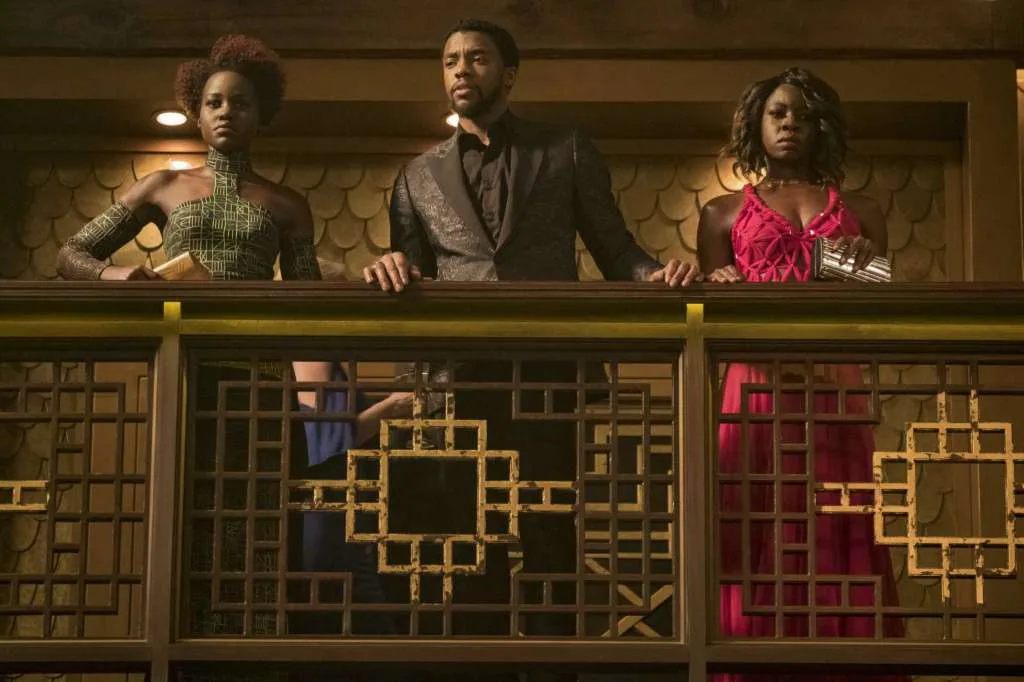
Black Panther Film Costume Inspired By Maasai, Tuareg & Ndebele Dress

Whats Fashion is a language which tells a story about the person who wears it. “Clothes create a wordless means of communication that we all understand,”

Black Panther film has showcased some of African best dress form different community in Africa, we have the best heritage in the world that we should be proud of meet the designer behind the best fashion costume in the world Ruth Carter

African Inspired Costume By Maasai, Tuareg & Ndebele Dress

About Ruth Carter

Ruth Carter has created costumes for some epic films, Amistad, Malcolm X and Selma among them, but nothing prepared her for the size and scope of Black Panther. For the super-stylish superhero film opening Feb. 12, she imagined a new African diaspora with 700 costumes fusing futurism, indigenous dress and high fashion, using research that spanned from the Rose Bowl Flea Market to textile dealers in Accra, Ghana.

The Ryan Coogler-directed film brings to the big screen Marvel Comics’ first black superhero, reinventing the circa 1966 character for today. Black Panther is depicted as T’Challa (Chadwick Boseman), who rules over the fantastical African country of Wakanda, rich with vibranium, a mythic metal that is woven into the superhero’s sleek black, repeating triangle-pattern suit (designed by Marvel’s Ryan Meinerding), and has allowed the population to make technological advances nearly a century ahead of the rest of the world. The fight for vibranium is at the heart of the story, with T’Challa defending the kingdom against Michael B. Jordan’s Erik Killmonger.

[taq_review]

Carter worked with five illustrators, 14 designers, mold makers, fabric dyers, jewelry makers and more. “It was an army,” the costume designer says. On her mood boards were images of African dress from the Maasai, Tuareg, Turkana, Xhosa, Zulu, Suri and Dinka peoples (including a men’s glass bead, animal skin and cowry shell corset from the Metropolitan Museum of Art), as well as piercings and body art, and more abstract examples of drapery and beading. She also examined fashion by avant-garde pleating master Issey Miyake, African-style vintage pieces by Yves Saint Laurent and Donna Karan.

Read more  no next  page

Black Panther Official Trailer

After the death of his father, T’Challa returns home to the African nation of Wakanda to take his rightful place as king. When a powerful enemy suddenly reappears, T’Challa’s mettle as king — and as Black Panther — gets tested when he’s drawn into a conflict that puts the fate of Wakanda and the entire world at risk. Faced with treachery and danger, the young king must rally his allies and release the full power of Black Panther to defeat his foes and secure the safety of his people.

Release date: February 16, 2018 (USA)
Director: Ryan Coogler
Production company: Marvel Studios
Producers: Kevin Feige, David J. Grant
Screenplay: Ryan Coogler, Jack Kirby, Joe Robert Cole

Black Panther Official Poster Done By Marvel Studio

[taq_review]

Official Synopsis: “After the events of Marvel’s Captain America: Civil War, King T’Challa returns home to the reclusive, technologically advanced African nation of Wakanda to serve as his country’s new leader. However, T’Challa soon finds that he is challenged for the throne from factions within his own country. When two foes conspire to destroy Wakanda, the hero known as Black Panther must team up with C.I.A. agent Everett K. Ross and members of the Dora Milaje, Wakanadan special forces, to prevent Wakanda from being dragged into a world war.” The new teaser trailer for Ryan Coogler’s Black Panther aired on ESPN on 8th, introducing Andy Serkis as the film’s primary antagonist. As Ulysses Klaue, an arms dealer working in South Africa, he has a personal and vague vendetta against Wakandan king T’Challa and the rest of the nation of Wakanda.

Read more  no next  page

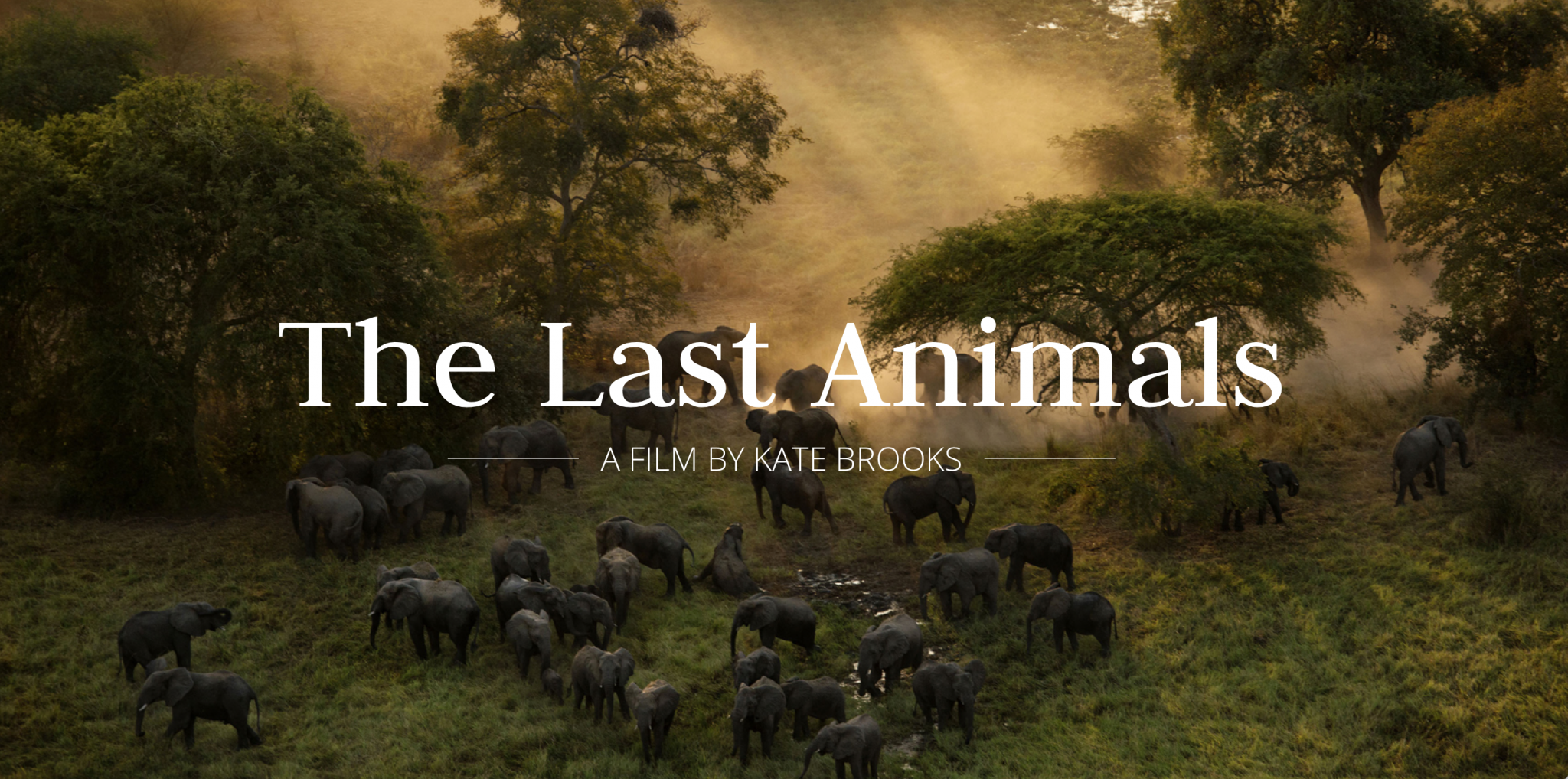
The Last Animals Film

The Last Animals is a story about an extraordinary group of people who go to incredible lengths to save the planet’s last animals. The documentary follows the conservationists, scientists and activists battling poachers and transnational trafficking syndicates to protect elephants and rhinos from extinction. From Africa’s frontlines to behind the scenes of Asian markets to the United States, the film takes an intense look at the global response to this slaughter and the desperate measures to genetically rescue the Northern White rhinos who are on the edge of extinction.
The film is directed by photojournalist Kate Brooks.

Kate Brooks is an American photojournalist who has chronicled conflict and human rights issues for nearly two decades. In 2013 she was awarded a Knight Wallace Fellowship at University of Michigan where she researched the poaching crisis before directing The Last Animals.


About the Film
Conflict photographer Kate Brooks turns her lens from the war zones she is used to covering to a new kind of genocide- the killing of African Elephants and Rhinos- in this sweeping and sobering expose of an underreported crisis. As the single-digit population of Northern White Rhinoceros ticks closer to zero, Brooks outlines the myriad factors contributing to the current epidemic of highly effective poaching and trafficking syndicates, drawing startling connections between the illegal wildlife trade and international terrorism and border security. But all is not yet lost- at the same time, Brooks documents the heroic efforts of conservationists, park rangers, and scientists to protect these animals on the verge of extinction in the face of seemingly insurmountable odds. The result is a potent plea for worldwide attention and action to combat the permanent loss of these majestic creatures.
~Deborah Rudolph~

[taq_review]

Content Courtesy Of The Last Animals and Atlas Film

 Togeterness Supreme Film

Based on actual events, Togetherness Supreme is the story of Kamau, an artist, searching for change in the midst of tribal tension in the slums. Kamau stands up against his father and his tribe to join the other side with his friend Otieno. Kamau and Otieno fight for political change for those living in dire poverty, but they are caught up in the middle of the ethnic conflict that tears apart their country and, furthermore, they are rivals for the love of Alice, a preacher’s daughter. After a contested presidential election (Kenyan presidential election of December 2007), the slums erupt in violence and Kamau’s world collapses around him.

This film paints a true reflaction of tribalism in kenya after violence followed the Kenyan August elections in 2007. One of the flashpoints was the massive shantytown of Kibera. This film tells the story of the post-election violence through the eyes of those who witnessed it

Togeterness Supreme has won several International Awards.

  • African Movie Academy Awards 2010: 2 awards
  • Best International Feature Film – Santa Barbara International Film Festival 2011
  • Global Landscape Award – Cinequest Film Festival 2011

Directed by  Nathan Collett
Initial release  5 October 2010
Music director  Eric Musyoka
Cinematography  Andrew ‘Dru’ Mungai
Director  Nathan Collett
Copy Right Alchetron
Content Courtesy Of Digital Team 

Watu Wote All Of Us Film 

Watu Wote / All of us. For almost a decade Kenya has been targeted by terrorist attacks from Al-Qaeda and the Al-Shabaab. An atmosphere of anxiety and mistrust between Muslims and Christians is growing. Until in December 2015, muslim bus passengers showed that solidarity can prevail.

The 2015 Mandera bus attack that was immortalized in a film Watu Wote: All of us the film  won an Oscar Award for Short film .
[taq_review]

Watu Wote was produced in 2016 as the graduation film for the Hamburg Media School master class program,This film won Oscar Award for Student category

Katja Benrath from the media school who won the narrative category for the short film stated that it was a tribute to the 28 people killed by Al-Shabab militants who attacked the bus.
“The filmmaker says the movie is a tribute to the 28 people killed by jihadist group Al-Shabaab who attacked a Nairobi-bound bus in Mandera near the Kenya-Somali border in 2014,” said Benrath.

The movie tells the story of that fateful day when suspected Al-Shabab militants waylaid and attacked a Nairobi-bound bus.
The militants demanded that the Muslim passengers on the bus separate themselves and identify Christians amongst them.

Content Courtesy Of Digital Team

Stunning New Images Celebrate Kenyan Female Icon who Stood up to Colonialists, Mekatilili wa Menza

CNN How do we immortalize people who have impacted the world and made it better in a significant way?

Two photographers, Rich Allela and Kureng Dapel, show us how in a series of images in a project titled “African Queens.”

They recreated the life of a female Kenyan icon Mnyazi wa Menza, who was popularly known among her people as Mekatilili wa Menza.

Mekatilili is celebrated in Kenya for challenging oppressive colonial policies in the early 1900s.

She was fearless and was even said to have slapped one of the British colonial masters in a heated argument in August 1913, according to The Star, a local newspaper in Kenya.

Commenting on the project, Allela said it “represents the strength of womanhood, and inspires the African woman to rise above the inequality and discrimination faced every day.”

Story highlights
Photographers Rich Allela and Kureng Dapel celebrate female African icons in a bold photography project themed “African Queens”
In this collection, they re-imagine fearless Kenyan woman Mnyazi wa Menza (Mekatilili) who challenged colonialism in Kenya
Here are some of our favorite images from the collection.

Mnyazi wa Menza a.k.a Mekatilili was a strong woman known for her fierceness and resistance of colonial rule in Kenya. This photography project represents her life in the Giriama region of Kenya where she lived from the1840s to 1924, according to local sources.

In this reimagination, a fearless Mekatilili is pictured readying for battle, defying the age-long patriarchal norms in Kenyan (and generally, African) societies. Women were not known to be headstrong during that time, but Mekatilili could not be silent about the colonial oppression in her community. While celebrating her achievements, Kenyan newspaper, Daily Nation, described her as the “mad woman who rattled the British.”

Infuriated by the exploitative practices of forced labour and over-taxation by colonial masters in the Giriama community, Mekatilili challenged colonial rule. It is documented that she once slapped a colonial master during a heated exchange over demands made by him from her community. She stood strongly for traditional religious practices and preservation of native customs and traditions, says Kenya’s The Standard.

Read more  no next  page

Soul Boy Film

Soul Boy is a 2010 Kenyan drama film, written by Billy Kahora and directed by Hawa Essuman. It developed under the mentorship of German director and producer Tom Tykwer in Kibera, one of the largest slums in the African continent, in the middle of Nairobi, Kenya. The film has received five nominations at the 2011 African Movie Academy Awards.

[taq_review]

The film originated in a workshop for young film enthusiasts from Nairobi, guided by German director Tom Tykwer.

Nairobi, Kenya. 14-year-old Abila lives with his parents in Kibera, one of the largest slums in East Africa. One morning the teenager discovers his father ill and delirious. Someone has stolen his soul, mumbles the father. Abila is shocked and confused but wants to help his father and goes in search of the right remedy. Supported by his girlfriend Shiku, he embarks on an adventurous journey that leads him right to the heart of the microcosm that is his hometown.

Content Courtesy Of  Nairobi Fashion Hub Online Digital Team

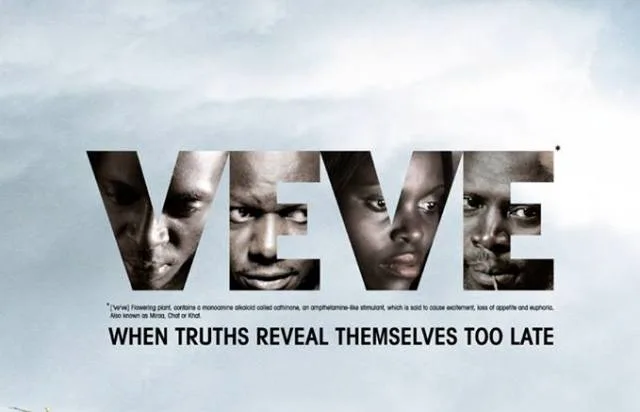
Veve Film

Amos, an unscrupulous local Member of Parliament, wants to become Maua’s Governor in the upcoming elections whilst expanding his business interests. He is a key supplier to the exporter of veve, Wadu, a shrewd businessman, who commands a sizeable share of the business.

Following a conversation with his backdoor accountant, Amos sees an opportunity to upgrade his working relationship with Wadu and acquire a bigger stake in the business. He shares his plan with his right-hand man Sammy, who has been instrumental in building Amos’ influence, doing the dirty work for him. But Sammy’s penchant for such assignments is waning. Still mourning his wife’s death despite the passage of a few years, Sammy is struggling to connect as a father with his rebellious, glue-sniffling son Kago.

Amos’ bold plan hits a snag when Wadu brushes off his proposal, driving Amos into taking things by force. He puts in motion a chain of events to drive Wadu out of business. Meanwhile, veve farmers in Maua who get peanuts for their crop want to better their lot by forming a union, led by the elder man Mzee.

Amos’ ambition has gradually led to a flagging marriage with his wife Esther, though he does not seem to notice this. Esther enjoys the comfort of the wealth he has but misses out on the affections of a loving man. When she discovers he is sleeping with other women, she does not take it lightly anymore.

Kenzo, an ex-convict, is a bitter man seeking revenge by hunting down the man who killed his father: Amos. He attempts to assassinate Amos at a campaign rally and fails. Undeterred, he seeks the help of fellow ex-convict Julius, and they hatch a multi-pronged plan to attack the business interests of both Wadu and Amos simultaneously, triggering a fatal clash between the two and ultimately destroying Amos.

In a twist of events, Esther’s and Kenzo’s paths cross and she ends up finding solace in his arms, totally oblivious that she is falling for her husband’s grim reaper. Elsewhere, Wadu suspects that his troubles have something to do with a competitor.

Sammy burns down Mzee’s farm as a lesson to the unionists. As Mzee’s grandson Morris wonders what to do next, his impulsive friend and wannabe documentary filmmaker Clint tries to confront Amos, which only makes matters worse.

Inevitably, things boil over. Kenzo and Julius raid both Amos’ and Wadu’s business interests, and Julius pays with his life. Amos hunts down Kenzo as Sammy is torn between obeying his orders and finding his son who has run away from home. Esther struggles between being faithful to the man she married and saving the man she just met. Wadu’s patience runs out after he finds out the source of his troubles, and he hires an assassin to finish off Amos.

[taq_review]

Background

Following the success of the feature film Soul Boy, One Fine Day Films and Kenyan-based production company Ginger Ink partnered with DW Akademie to design a two-module training initiative: One Fine Day Films Workshops.

The first module, a classroom-like “mini-film school”, deepens and expands the skill set and cinematic language of already practicing African filmmakers. It widens cinematic perspectives, exposure, and vocabulary. From 18–29 June 2012, the third ONE FINE DAY FILM Workshops were held in Nairobi, Kenya.

56 participants from eleven African countries were invited to enhance their skills in the fields of directing, production, scriptwriting, editing, sound, production design, and cinematography under the mentorship of experienced film professionals.

Out of those participants, a creative team from all departments was formed to shoot VEVE nine months later: Simon Mukali from Kenya was selected to direct the movie, mentored by Sven Taddicken. Egyptian participant Mayye Zayed and Kenya’s Shiv Mandavia as the cinematographers and many more in various departments – Veve was born. Written by Kenyan Scriptwriter Natasha Likimani, it is a high-octane multi-character story that gives a glimpse of the contemporary realities within the Khat trade in Kenya.

Content Courtesy Of Digital Team

Ad