Sunday 23rd of August 2026

Nairobi, Kenya

The Runway That Remembered: How Nairobi’s Global Fusion Fashion Show Reimagined Fashion as Cultural Memory

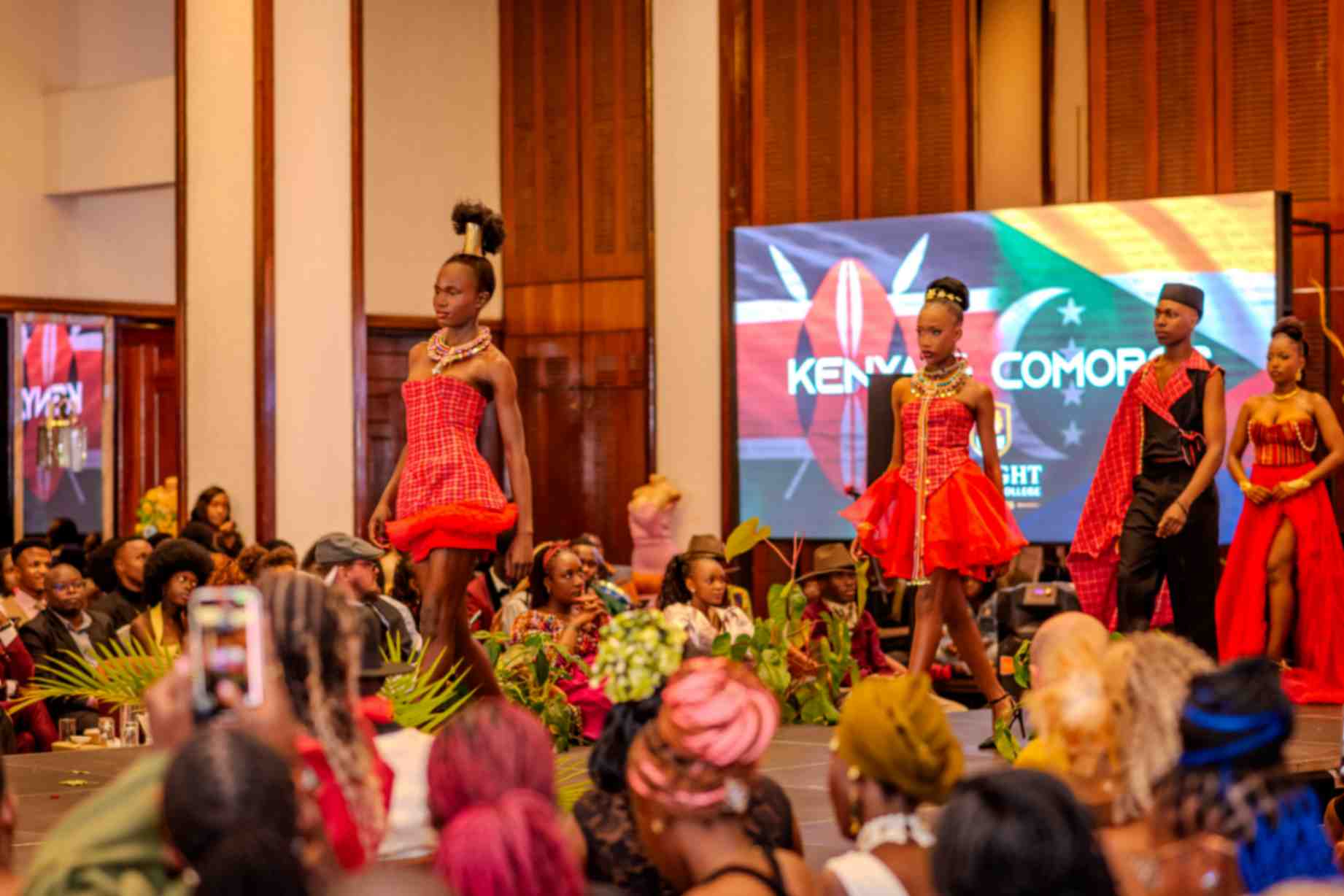
On a luminous August evening in Nairobi, the runway became a passport to the world. At the Global Fusion Fashion Show 2026, emerging East African designers transformed fashion into a powerful act of cultural storytelling, weaving together history, heritage, and contemporary design with remarkable sophistication. Hosted by Delight Fashion School at the elegant Iconic Plaza Hotel, the event proved that fashion can transcend borders while preserving the identities that make every culture unique. From a commanding Benin-inspired tribute to the legendary Dahomey Women Warriors to refined interpretations of Indian and Vietnamese heritage, the evening marked a defining moment for Africa’s next generation of fashion voices.

By African Fashion Magazine NFH

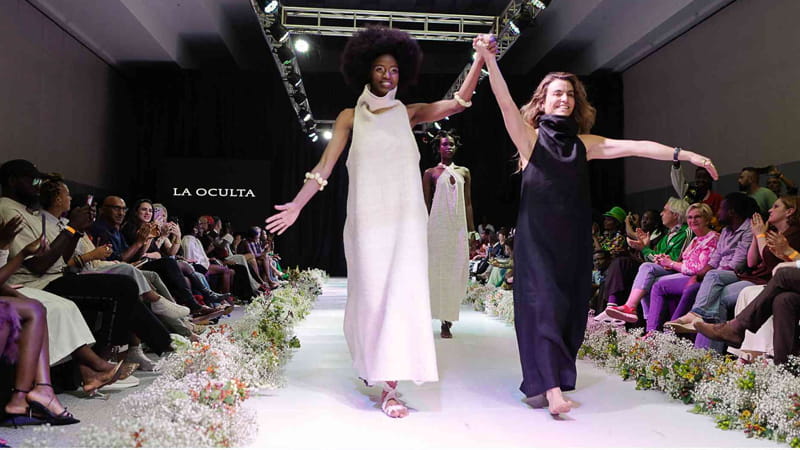
NAIROBI, KENYA — On an evening washed in amber light and anticipation, the ballroom of Iconic Plaza Hotel ceased to be a hotel ballroom. It became a cartography of cultures. Silk whispered beside hand-finished cotton; sculptural tailoring met ancestral symbolism; drums, strings, and footsteps converged in a choreography that felt less like a fashion show and more like a collective act of remembrance.


This was the Global Fusion Fashion Show 2026, the third annual edition hosted by Delight Fashion School, and it arrived in Nairobi not merely as another runway event, but as a persuasive argument for what fashion can become when it is rooted in history rather than novelty.


For one extraordinary night, nine emerging designer groups transformed the runway into a living archive of world cultures. Their collections were not presented as costumes or borrowed aesthetics; they were offered as researched, interpreted, and emotionally charged narratives. In an industry often criticised for consuming culture faster than it understands it, the show proposed a different model: fashion as dialogue, fashion as scholarship, fashion as respect.


The result was one of the most compelling emerging-fashion showcases in East Africa this year.


A City Becoming a Fashion Capital

Nairobi has long been a city of movement of commerce, migration, music, technology, and ideas. Increasingly, it is also becoming a city of fashion. The Global Fusion Fashion Show arrived at a moment when African creative industries are demanding not just visibility but authorship in global fashion conversations.


What distinguished the evening was its refusal to imitate the established fashion capitals. Instead, it leaned into Nairobi’s greatest strength: its ability to convene multiple cultural worlds at once. Students, industry professionals, editors, stylists, photographers, entrepreneurs, and families filled the venue, creating an audience that reflected the democratic energy of contemporary African fashion.


The atmosphere was electric, but it was also attentive. People were watching not only for beauty, but for meaning.


The Collection That Stopped the Room

The evening’s highest honour went to a Benin-inspired collection dedicated to the Dahomey Women Warriors, the legendary all-female military regiment of the Kingdom of Dahomey in present-day Benin. Popular culture has only recently begun to acknowledge these women; history, however, has long recorded their discipline, strategic brilliance, and extraordinary courage.

The winning designers understood that such a subject could not be approached superficially.


Their garments carried architectural precision: structured shoulders suggesting armour without literal replication, layered textiles evoking protection and movement, and a restrained palette punctuated by commanding accents. Yet the true power of the collection emerged in performance. The models advanced with ceremonial authority, their pacing measured, their formations deliberate. What unfolded was not simply a runway walk; it was a visual meditation on female power, memory, and resistance.


The audience responded first with silence the rarest form of runway attention before erupting into sustained applause.


One judge later described the presentation as “fashion with historical conscience,” an assessment that captured why it prevailed. The collection succeeded not only because it was beautifully made, but because it treated its source material with gravity and imagination.


In that moment, the runway became a site of historical recovery.

India in Contemporary Light

The second-place collection, inspired by India, offered a strikingly different emotional register. Where the Benin presentation was ceremonial and forceful, the Indian collection was luminous.

Saffron, emerald, ruby, and ivory appeared in fluid conversation across contemporary silhouettes that hinted at sari drapes, classical ornamentation, and architectural tailoring without reproducing them literally. The designers demonstrated an impressive understanding of proportion and movement, allowing garments to glide rather than merely occupy space.

What impressed the judging panel most was the collection’s balance: it honoured Indian aesthetic traditions while speaking fluently to a modern global wardrobe. It felt neither nostalgic nor trend-driven; it felt current.


Vietnam and the Elegance of Restraint

The Vietnam-inspired collection, awarded third place, was perhaps the evening’s quietest triumph. Drawing inspiration from the graceful lines of the Áo Dài, the designers explored elongation, balance, and softness with remarkable discipline.


In a fashion climate often dominated by spectacle, the collection argued for the sophistication of restraint. Fabrics moved with almost liquid ease, silhouettes remained refined, and detailing was handled with extraordinary care. The presentation demonstrated that subtlety, when executed with confidence, can command as much attention as extravagance.

It was a lesson many established designers would do well to remember.


Beyond Competition: The Real Story

To focus solely on the winners would be to miss the larger achievement of the evening.


The Global Fusion Fashion Show functioned as an educational and professional incubator. Emerging designers were required to research cultural histories, study textile traditions, and consider the ethics of interpretation before translating those insights into contemporary design. In doing so, the event challenged a generation of young creatives to move beyond aesthetic sampling toward informed cultural engagement.

This is significant.

Across the global fashion industry, debates about cultural appropriation, representation, and authorship have intensified. Delight Fashion School’s approach suggests a productive path forward: curiosity paired with accountability. The show demonstrated that cross-cultural inspiration need not erase origins; it can illuminate them.


Fashion as a Collective Art Form

The evening’s success also depended on an ecosystem of collaborators. Iconic Plaza Hotel provided a setting of understated elegance.

Vuvu Africa managed guest experience and logistics with precision. The ADEA Team orchestrated backstage operations, where the real-time pressures of dressing, styling, and sequencing require military efficiency.

Beauty services by Allso Make Up enhanced each collection’s visual language without overwhelming it, while media partners including Poha Media, NC The Best Media, Nairobi Fashion Hub and Delight Studios Media ensured that the event’s cultural message travelled beyond the venue.


Such partnerships are often relegated to footnotes, yet they are the invisible architecture of every successful fashion production.

The Judges and the Question of Merit

Fashion competitions frequently struggle with credibility. Here, the presence of judges Kavulani, D.K, and Eva Wambutu all respected figures within the regional fashion landscape lent the process unusual authority.


Collections were assessed across multiple criteria: creativity, craftsmanship, originality, cultural interpretation, innovation, and runway presentation. The emphasis on both technical execution and intellectual engagement reinforced the show’s central thesis: fashion excellence is multidimensional.

A beautiful garment is not enough. It must also know what it is saying.

Why This Matters Beyond Nairobi

The significance of the Global Fusion Fashion Show extends beyond a single event or institution. It speaks to a broader transformation underway across African fashion.


For decades, African designers were too often positioned as sources of inspiration rather than as creators of globally relevant fashion discourse. Events like this challenge that hierarchy. They present East African designers not as participants on the margins, but as authors shaping contemporary fashion’s future.


The show also highlights an economic truth. Creative industries thrive when emerging talent receives visibility, mentorship, and professional exposure. By creating a platform where students can present ambitious work before industry stakeholders, Delight Fashion School is investing not only in individual careers but in the region’s creative economy.


A New Fashion Vocabulary

As the final models exited and the lights softened, what lingered was not a single look but a feeling: that something important had occurred.

The Global Fusion Fashion Show 2026 proposed a new vocabulary for fashion in East Africa one that values research alongside creativity, cultural literacy alongside craftsmanship, and storytelling alongside spectacle. It suggested that the future of fashion may belong not to those who chase the fastest trend, but to those who can translate memory into form.


In an age of accelerated consumption, that is a radical proposition.


The evening closed with congratulations, photographs, and celebration. Yet its most enduring image may be the procession of the Dahomey-inspired collection moving through the runway with unwavering dignity, reminding everyone in the room that fashion can do more than decorate the present.

It can remember.

And when fashion remembers, it becomes art.

← Back

Thank you for your response. ✨

Content Courtesy of Delight Fashion School & NFH Digital Team 

Delight Fashion School Shines at 3rd Global Fusion Fashion Show as Benin-Inspired Collection Takes Top Honour

Nairobi came alive with colour, culture, and creativity as Delight Fashion School hosted its 3rd Annual Global Fusion Fashion Show 2026 at the elegant Iconic Plaza Hotel. The highly anticipated event brought together emerging designers, industry leaders, models, students, and fashion enthusiasts for an unforgettable celebration of global heritage and contemporary design. More than a fashion show, the evening highlighted the power of fashion as a universal language that preserves cultural identity, tells meaningful stories, and inspires the next generation of East African fashion talent. The showcase reached its climax when a striking Benin-inspired collection honouring the legendary Dahomey Women Warriors was crowned the overall winner, reaffirming the growing influence of culturally driven African fashion on the global stage.

Nairobi, Kenya – August 3, 2026

Delight Fashion School marked a major milestone in fashion education and cultural celebration during its 3rd Annual Global Fusion Fashion Show, held on Saturday, August 1, 2026, at the prestigious Iconic Plaza Hotel in Nairobi. The highly anticipated event brought together emerging designers, fashion industry professionals, models, students, media personalities, and fashion lovers for an inspiring evening dedicated to creativity, heritage, and innovation.

The show highlighted the transformative power of fashion as a universal language capable of preserving cultural identity while connecting people across borders. Through striking runway presentations and compelling storytelling, the event demonstrated that fashion is far more than clothing it is a celebration of history, identity, and artistic expression.

International Design Competition Showcases Emerging Talent

A key feature of the evening was a competitive showcase involving nine designer groups, each presenting collections inspired by different countries and cultural traditions from around the world. The young designers impressed audiences with imaginative interpretations that blended traditional influences with contemporary fashion aesthetics.


The collections were evaluated by a respected panel of judges Kavulani, D.K, and Eva Wambutu who assessed the entries based on creativity, craftsmanship, originality, innovation, cultural interpretation, and runway execution. The competition revealed the impressive depth of emerging fashion talent in Kenya and reinforced East Africa’s growing reputation as a centre for culturally inspired fashion design.

Benin-Inspired Collection Crowned Overall Winner


The evening’s highest honour was awarded to a remarkable collection inspired by Benin, which paid tribute to the legendary Dahomey Women Warriors, the celebrated female military force of West Africa known for their bravery, discipline, and resilience.

The winning designers captivated both the judges and the audience with meticulously crafted garments that reflected strong cultural authenticity and exceptional attention to detail. Their presentation stood out not only for its technical excellence but also for its powerful narrative. Through choreography, styling, and visual storytelling, the collection brought the history and spirit of the Dahomey warriors vividly to life.

Judges praised the collection for going beyond fashion and serving as a meaningful artistic tribute to an important chapter of African history, demonstrating how contemporary design can preserve and celebrate cultural heritage.

India and Vietnam Collections Also Receive Top Recognition

Second place went to the India-inspired collection, which impressed the panel with its rich colour palette, elegant silhouettes, and sophisticated interpretation of Indian cultural aesthetics. The designers successfully merged traditional Indian elements with modern fashion sensibilities, producing garments that felt both authentic and contemporary.


Third place was awarded to the Vietnam-inspired collection, recognised for its refined craftsmanship, graceful runway presentation, and respectful engagement with Vietnamese textile traditions and design principles.


The winning teams received cash prizes of KES 20,000, KES 17,000, and KES 15,000 respectively, along with gift hampers provided by event partners.

Celebrating Cultural Fusion Through Fashion

Presented under the theme “Celebrating Cultural Fusion,” the event emphasized fashion’s unique ability to connect cultures while honouring the distinct traditions that shape them. Rather than blending cultures into uniformity, the show demonstrated that the most compelling fashion emerges when designers engage deeply with historical narratives, craftsmanship, and cultural meaning.

For emerging designers, the Global Fusion Fashion Show provided invaluable exposure to professional runway standards, industry networking opportunities, and a platform to build confidence and visibility within the fashion sector.

A Vibrant Audience and Immersive Runway Experience

The event attracted a diverse audience that included fashion students, designers, industry stakeholders, corporate partners, families, media representatives, and invited guests. The atmosphere throughout the evening was energetic and celebratory, reflecting strong appreciation for the designers’ creativity and the cultural significance of their work.


Guests enjoyed runway presentations that incorporated choreography, music, and artistic performance elements, creating an immersive experience that elevated the event beyond a conventional fashion show.

Strong Partnerships Behind the Event’s Success

Delight Fashion School acknowledged the contribution of several strategic partners whose support was instrumental to the success of the event.

Iconic Plaza Hotel provided the elegant venue.

Vuvu Africa handled ushering and guest management services.

The ADEA Team from Rombo coordinated backstage dressing and runway logistics.

Media coverage was provided by University Vibes, Poha Media, NC The Best Media, Delight Studios Media, Nairobi Fashion Hub and other independent media houses.

Allso Make Up delivered professional beauty services for the models.

Ivy the Bridal Books & Gifts sponsored gifts and awards.

Freebis offered additional event support.

Their combined efforts helped create a polished and professional production that matched the high standards of the participating designers.

Judges Commended for Fair and Professional Evaluation

The judging panel was praised for its professionalism and commitment to nurturing emerging talent. With extensive industry experience,  Kavulani, D.K, and Eva Wambutu ensured that the competition results reflected genuine excellence in design, craftsmanship, and cultural engagement.


In addition to the main competition awards, several special recognitions were presented for leadership, modelling excellence, and audience participation, acknowledging the many individuals who contributed to the success of the event.

Organisers Reaffirm Commitment to Fashion Education


Following the successful conclusion of the show, Delight Fashion School reaffirmed its dedication to developing the next generation of fashion professionals through practical industry exposure and culturally grounded design education.

Organisers noted that the event demonstrated fashion’s power to preserve culture, inspire creativity, and unite communities, while also showcasing the potential of East African designers on the global stage.

Looking Ahead to 2027

Building on the success of the 2026 edition, Delight Fashion School announced plans to expand the Global Fusion Fashion Show into one of East Africa’s premier platforms for emerging designers, cultural exchange, and fashion innovation. Future editions are expected to feature enhanced production, broader competition categories, and increased opportunities for international participation and recognition.

About Delight Fashion School

Delight Fashion School is a leading fashion training institution committed to developing skilled, innovative, and industry-ready fashion professionals through practical education, creative mentorship, and meaningful engagement with the fashion industry. Through initiatives such as the Global Fusion Fashion Show, the school provides students with real-world experience that helps them develop their creative voice, professional networks, and career opportunities within the fashion sector.


Media Contact

Delight Fashion School

Website: http://www.delight.ac.ke

Email: info@delight.ac.ke

Telephone: 0722 533 771

Content Courtesy of Delight Fashion School & NFH Digital Team

Colombo to Host South Asian Debut of BRICS Fashion Summit

BRICS+ Fashion Summit logo. Colombo, Sri Lanka, is set to host the first South Asian edition of the BRICS Fashion Summit during Colombo Fashion Week (CFW) from April 1–4, 2026. Organised by the newly established BRICS International Fashion Federation in partnership with CFW, the summit underscores Sri Lanka’s strategic role as a bridge between South and Southeast Asia and the wider Indian Ocean region. The Federation – launched at the 2024 BRICS+ Summit in Moscow – aims to connect the fashion industries of fast-growing economies and promote collaboration among designers, policymakers, and entrepreneurs. This initiative aligns with Sri Lanka’s emergence as a regional fashion hub and highlights Colombo’s growing global profile in the industry.

Summit Panel and Discussions

A high-profile panel of international fashion leaders will headline the summit’s opening session on April 3 at 11:00 a.m. at the City of Dreams Sri Lanka complex. Moderated by Shamindra Kulamannage (Editor of Echelon and Economy Next), the discussion will feature influential figures from across BRICS countries:

  • Alexander Shumsky: President of the Russian Fashion Council.
  • Rajesh Pratap Singh: Acclaimed Indian designer known for blending craft and contemporary design.
  • Kuan Kevin Feng: Senior figure at Beijing Fashion Week representing China’s fashion sector.
  • Hasitha Premaratne: Managing Director of Brandix Group, one of South Asia’s leading apparel conglomerates.
  • Rizwan Beyg: Renowned Pakistani designer and craft revivalist.

Together, the panel will examine whether the BRICS bloc offers tangible opportunities for designers and apparel supply chains in emerging markets, and how member nations can leverage their rich cultural heritage as a driver of global fashion relevance. Discussions are also expected to address South Asia’s role within the broader BRICS creative and commercial synergy. Organizers describe the summit as a “defining moment” that positions Colombo and the wider region at the center of an increasingly significant global fashion dialogue.

Colombo Fashion Week 2026 Highlights

The BRICS Summit will run alongside CFW Summer ’26 (presented by Mastercard), which is scheduled from April 1–4 at the City of Dreams Colombo complex. The programme includes the continuation of the BRICS designer exchange initiative and will mark historic first appearances by South African and Chinese designers on the Sri Lankan runway. In total, more than 30 designers will showcase collections during the event a lineup that organizers say makes this one of CFW’s most internationally diverse editions to date. Confirmed participants include Rajesh Pratap Singh and Payal Pratap (India), Asad Sattar (Bangladesh), Wang Ting and Ji Cheng (China), Andile Cele (South Africa), and Sania Maskatiya (Pakistan), alongside leading Sri Lankan labels.

CFW itself is a long-established event: now in its 23rd year, it is one of only four fashion weeks in South Asia to have run for more than two decades. This longevity underlines Colombo’s growing stature in regional fashion. By combining a regional showcase with the international BRICS summit, CFW organisers aim to highlight Sri Lanka’s role as a creative and commercial gateway between South Asia and other emerging markets.

Nurturing Emerging Talent

In addition to established names, CFW Summer ’26 will spotlight rising talent through its Emerging Designers initiative. Eleven up-and-coming designers have been selected to present collections under a structured mentorship programme. Among these emerging designers are Arsath Furkhan, Thisaru Fernando, Shavindi Wijesooriya, Prabadhi Bandara, and Nilupa Weerakoon, all of whom will benefit from guidance by CFW and industry veterans. The initiative is designed to give young entrepreneurs a platform to enter the industry and connect with international markets through the BRICS network.

A Platform for Global Fashion Dialogue

Overall, the BRICS Fashion Summit’s South Asian debut highlights Colombo’s evolution as an important node in the fashion world. Organizers emphasize that by bringing together stakeholders from BRICS and South Asian nations, the summit will help shape “fashion’s next frontier”. With its rich cultural heritage, growing design talent, and emerging-market potential, South Asia and Sri Lanka in particular are being positioned at the heart of a new global conversation about creativity, commerce and collaboration in fashion.

Sources: Official announcements by Colombo Fashion Week and the BRICS Fashion Summit


Content Courtesy of Colombo & NFH Digital Team

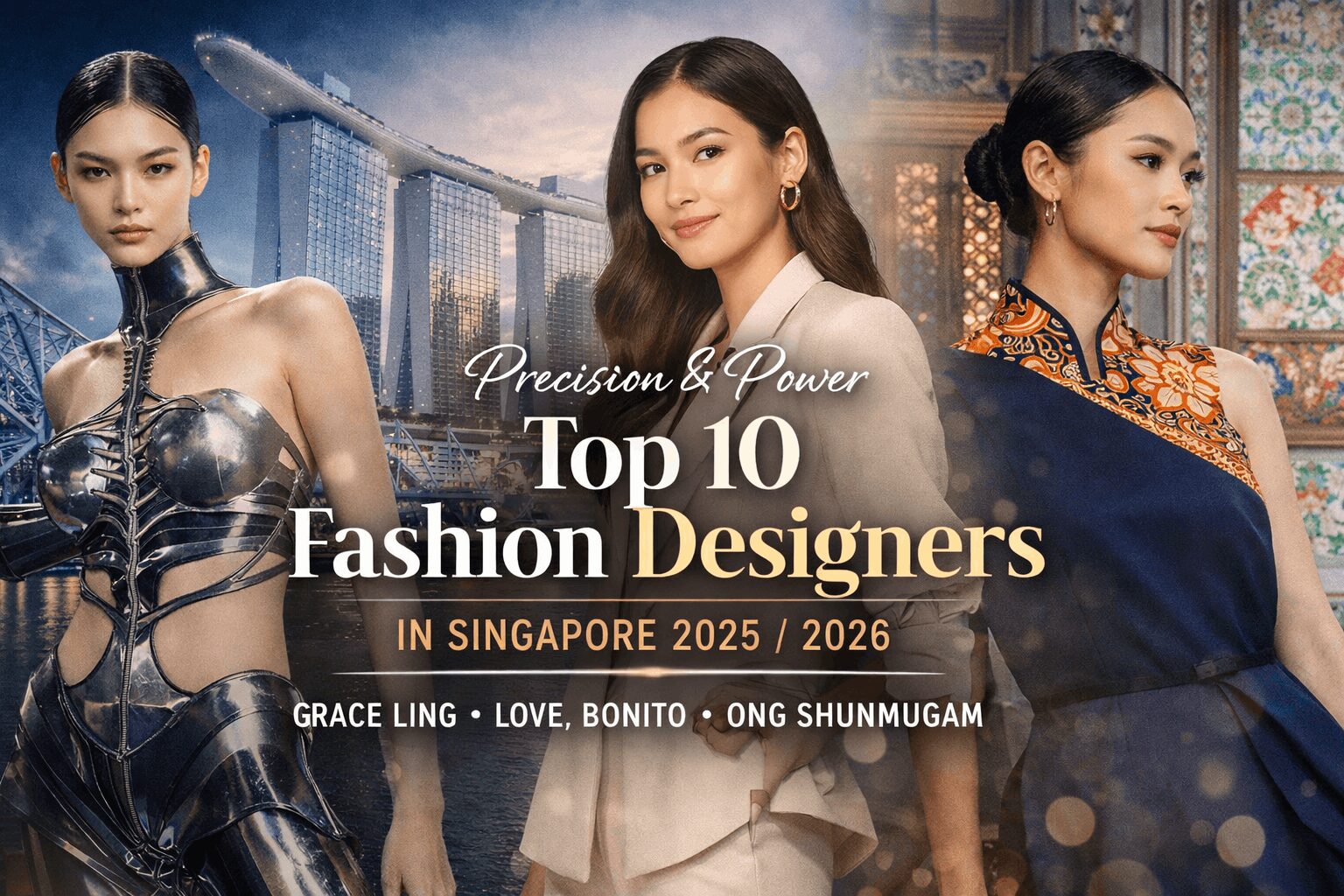
Precision & Power: The 10 Designers Defining Singapore’s Fashion Authority in 2025/2026

Singapore’s fashion industry has entered a new era, one defined not by spectacle alone, but by precision, research, technology, and commercial intelligence. In 2025/2026, the city-state’s most influential designers are not simply creating clothes; they are engineering narratives, redefining Asian silhouettes, and exporting a distinctly Singaporean design philosophy to the world.

From algorithm-assisted couture to culturally rigorous reinterpretations of heritage dress, here are ten designers and brands shaping Singapore’s global fashion identity in detail.


1. Grace Ling — GRACE LING

Design Philosophy
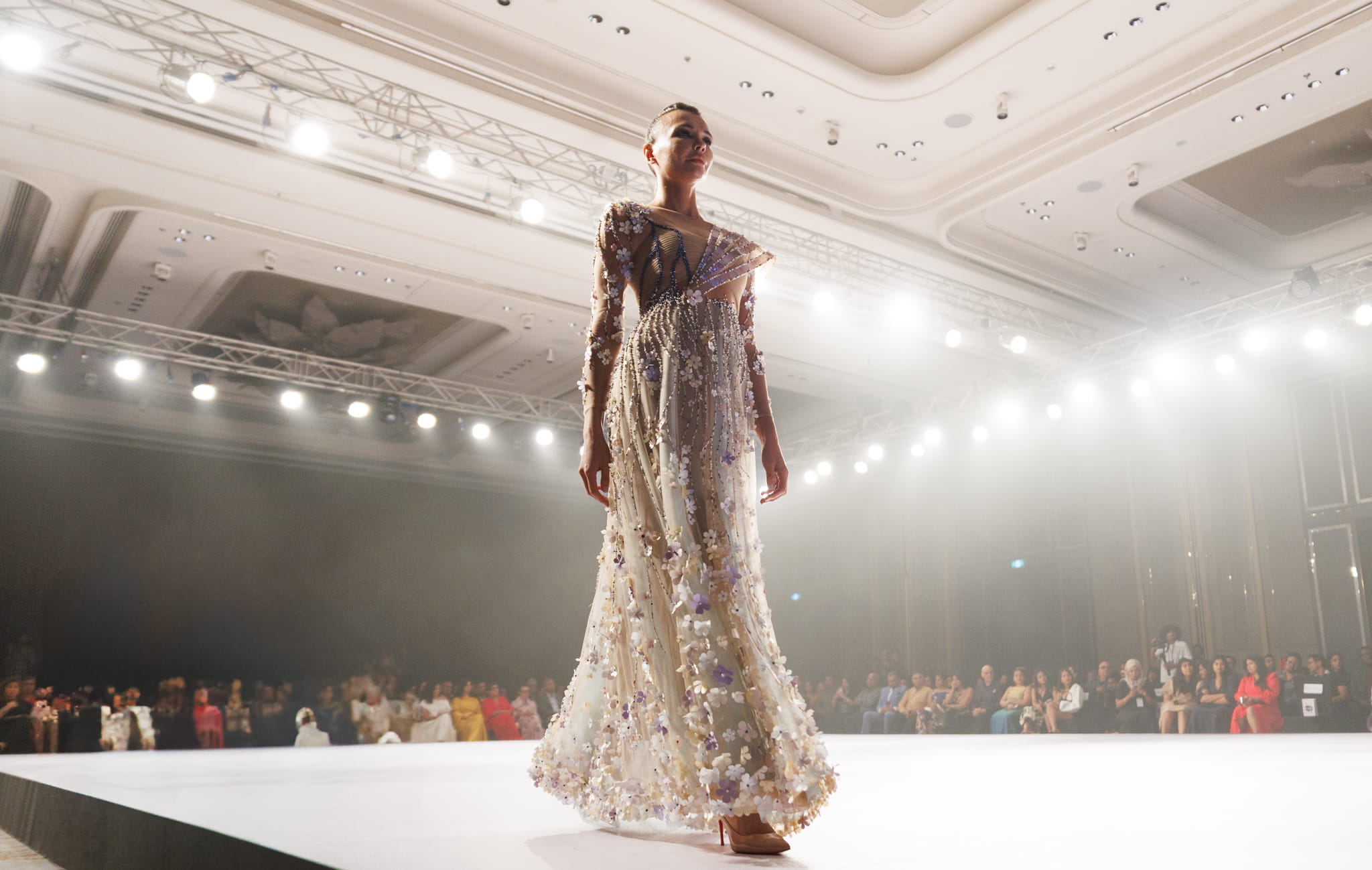
Grace Ling represents Singapore’s most visible haute couture export. Her work fuses computational design, 3D printing, and sculptural construction to create garments that feel architectural yet fluid.

2025/2026 Collection Highlights
Her latest collections explore metallic skeletal structures layered over second-skin fabrics. Sculpted bodices appear digitally grown, while fluid silk skirts contrast with rigid resin frameworks. Ling’s experimentation with 3D-printed corsetry has evolved into modular components that can be detached and reassembled couture with structural intelligence.

Retail & Studio Presence
With a flagship at Hudson Yards in New York and private atelier appointments for Asian clients, Ling maintains a transcontinental footprint while keeping Singapore as a cultural anchor.

What Sets Her Apart
Few Southeast Asian designers are as technically fluent in digital fabrication. Ling doesn’t merely reference futurism she builds it.

Current Projects
She is reportedly expanding into collectible art objects and limited-edition couture capsules aimed at Middle Eastern luxury clientele, alongside sustainability research in bio-based materials.


2. Love, Bonito

Design Philosophy
Love, Bonito has redefined Asian womenswear by prioritising fit intelligence and commercial scalability without sacrificing polish.

2025/2026 Collection Highlights
The brand’s recent lines emphasize structured yet breathable workwear, wrinkle-resistant suiting, and versatile day-to-night dresses. Capsule drops experiment with textured fabrics and muted monochromes, tailored specifically to Southeast Asian body proportions.

Store Locations
Flagships at ION Orchard and Jewel Changi Airport, alongside over 20 stores across Asia.

What Sets Them Apart
Data-driven tailoring. Love, Bonito uses customer feedback loops to refine fit across multiple body types a rare fusion of technology and retail empathy.

Current Projects
Expansion into lifestyle categories, including footwear and wellness apparel, with sustainability pledges focusing on responsible fabric sourcing.


3. Charles & Keith

Design Philosophy
Accessories as accessible luxury.

2025/2026 Collection Highlights
This season’s collections feature sculptural heels with geometric arches, metallic-finish handbags, and minimalist structured totes. Designer collaborations add limited-edition appeal.

Store Locations
Prime Orchard Road boutiques and more than 600 stores worldwide.

What Sets Them Apart
Rapid global trend interpretation backed by efficient supply chains enabling runway-inspired pieces at competitive prices.

Current Projects
Digital retail innovations include immersive online showrooms and expanded eco-material sourcing initiatives.


4. Priscilla Shunmugam — ONG SHUNMUGAM

Design Philosophy
Intellectual fashion rooted in Southeast Asian heritage.

2025/2026 Collection Highlights
Modern cheongsams reimagined as office wear. Kebaya-inspired dresses rendered in contemporary silhouettes. Rich Peranakan motifs appear in minimalist cuts, balancing history with restraint.

Store Location
Flagship boutique in Singapore’s Orchard area, alongside global e-commerce.

What Sets Her Apart
Academic-level research underpins each collection. Cultural storytelling is embedded in every seam.

Current Projects
Textile collaborations with regional artisans and exploration of museum-grade exhibitions celebrating Southeast Asian dress traditions.


5. Max Tan — max.tan

Design Philosophy
Androgynous minimalism with structural integrity.

2025/2026 Collection Highlights
Sharp monochrome tailoring, elongated outerwear, asymmetrical layering, and sculptural drapes dominate his latest presentations.

Retail Presence
Select boutiques and curated fashion platforms in Singapore and Japan.

What Sets Him Apart
Tan challenges conventional proportions while maintaining commercial wearability.

Current Projects
Expansion into gender-neutral collections and deeper European market penetration.


6. Revivre Studio

Design Philosophy
Sustainability through functional design.

2025/2026 Collection Highlights
Convertible garments blazers that transform into bags, reversible jackets, and modular outfits designed for longevity.

Store Presence
Featured at Design Orchard and sustainability-driven showcases.

What Sets Them Apart
Utility-driven eco-fashion with real-world functionality.

Current Projects
Scaling production sustainably while maintaining artisanal craftsmanship.


7. Putri Adif — EKA

Design Philosophy
Heritage meets technology.

2025/2026 Collection Highlights
Batik-inspired patterns combined with 3D-printed lace overlays and structured bodices inspired by traditional kebayas.

Retail Presence
Curated retail platforms and regional fashion weeks.

What Sets Her Apart
A hybrid craftsmanship model blending computational design and Southeast Asian tradition.

Current Projects
Development of bespoke bridal couture integrating advanced fabrication techniques.


8. KHAAR

Design Philosophy
Minimalism refined for tropical climates.

2025/2026 Collection Highlights
Breathable tailoring, neutral palettes, and understated luxury essentials.

Store Location
Available at Design Orchard and select independent boutiques.

What Sets Them Apart
Precision tailoring suited to Singapore’s climate and urban lifestyle.

Current Projects
Collaborative capsules with emerging creatives.


9. TATSU MAKER WORKS

Design Philosophy
Streetwear anchored in local storytelling.

2025/2026 Collection Highlights
Graphic-heavy drops referencing regional culture, layered with contemporary silhouettes.

Store Presence
Pop-ups and Design Orchard.

What Sets Them Apart
Authentic grassroots narrative fused with modern street aesthetics.

Current Projects
Regional expansion into collaborative Asian streetwear markets.


10. Thomas Wee

Design Philosophy
Timeless sophistication and foundational mentorship.

2025/2026 Relevance
Archive revivals and curated retrospectives celebrating Singapore’s fashion evolution.

What Sets Him Apart
He laid the groundwork for Singapore’s contemporary fashion ecosystem.

Current Projects
Educational initiatives and heritage exhibitions supporting emerging designers.


A Nation Designing Its Future

In 2025/2026, Singapore’s fashion narrative is not loud; it is deliberate. The designers leading the charge combine cultural literacy, technological fluency, and commercial pragmatism. Whether through Grace Ling’s sculptural futurism, Love, Bonito’s data-driven democratization, or Ong Shunmugam’s heritage scholarship, the message is clear:

Singapore is no longer fashion’s emerging voice.

It is a calibrated force precise, intelligent, and globally resonant.

Content courtesy of NFH Digital Team 

How China’s Top 10 Designers are Redefining Luxury and Sustainability.

In 2026, the Chinese fashion industry has evolved from the “world’s factory” into a global epicenter of creative avant-garde and sustainable innovation. The rise of Guochao (national wave) has matured into a sophisticated fusion of traditional heritage and hyper-modern technology, with designers increasingly commanding the schedules of Paris, London, and Milan.

The State of the Industry: China’s “New Era”

The Chinese fashion market is currently defined by “Cultural Confidence.” Gen Z and Millennial consumers are prioritizing brands that reflect their identity, leading to a projected market value of over $75 billion for premium leather and luxury goods by the end of 2026. Sustainability is no longer a niche; it is a mandate. With over 1,300 textile industrial parks transitioning to net-zero operations, China is leading the global charge in decarbonizing the fashion supply chain.

The Visionaries: Top 10 Chinese Fashion Designers

1. Uma Wang (Label: UMA WANG)

  • Contribution: Known as the “Queen of Knits,” Wang is a master of fabric manipulation. She was the first Chinese designer to be a mainstay on the official Paris Fashion Week schedule.

  • Sustainability: Focuses on “Slow Fashion” by using ancient Chinese textile techniques and natural fibers like mohair, silk, and linen that age gracefully.

  • Shows: Paris Fashion Week (PFW), Milan Fashion Week, and Shanghai Fashion Week (SHFW).

2. Ye Ma (Label: ICICLE)

  • Contribution: Often called the “Chinese Max Mara,” Icicle redefined “Natural Way” fashion, focusing on high-end, minimalist professional wear for the modern woman.

  • Sustainability: The label is a pioneer in eco-friendly manufacturing, using undyed wool, organic cotton, and botanical dyes. They operate a flagship “green” store in Paris.

  • Shows: Paris Fashion Week and various sustainable summits globally.

3. Feng Chen Wang (Label: Feng Chen Wang)

  • Contribution: A leader in deconstructed menswear. Her “future-modern” aesthetic explores the intersection of her Fujian heritage and London street style.

  • Sustainability: Promotes a “buy less, wear more” ethos through multi-functional garments that can be disassembled and styled in multiple ways.

  • Shows: London Fashion Week (LFW), New York Fashion Week (NYFW), and SHFW.

4. Susan Fang (Label: SUSAN FANG)

  • Contribution: Invented the “Air-weave” technique, which allows fabric to stretch and move three-dimensionally. Her work is often described as “ethereal” and “mathematically beautiful.”

  • Sustainability: Her Air-weave method minimizes fabric waste, as the grid-like structures are designed to utilize every inch of material.

  • Shows: LFW, PFW, and was an LVMH Prize semi-finalist.

5. Liushu Lei & Yutong Jiang (Label: SHUSHU/TONG)

  • Contribution: They have captured the global “Coquette” and “Girlcore” trends, blending 1950s hyper-femininity with a rebellious, subversive edge.

  • Sustainability: They implement small-batch production and recently collaborated with ASICS using recycled materials to appeal to the eco-conscious Gen Z.

  • Shows: SHFW (often the closing act), London, and Milan.

6. Rui Zhou (Label: RUI)

  • Contribution: Famous for “second-skin” knitwear that celebrates the duality of fragility and strength. Her pieces have been worn by global stars like Dua Lipa and BLACKPINK’s Jisoo.

  • Sustainability: Uses zero-waste knitting technology and creates modular pieces that require minimal raw material.

  • Shows: PFW and NYFW; winner of the LVMH Karl Lagerfeld Prize.

7. Xiong Ying (Label: HEAVEN GAIA)

  • Contribution: The face of modern “Haute Couture” in China. She integrates Tang Dynasty embroidery and Hanfu silhouettes into red-carpet-ready gowns.

  • Sustainability: Preserves disappearing Chinese craft traditions by employing rural artisans, ensuring the survival of heritage embroidery techniques.

  • Shows: A regular highlight at Paris Fashion Week (Palais de Tokyo) and China Fashion Week.

8. Xander Zhou (Label: XANDER ZHOU)

  • Contribution: A pioneer of sci-fi-infused menswear. He explores the relationship between humans and technology, often featuring “cyborg” aesthetics.

  • Sustainability: Incorporates tech-fabrics that are durable and climate-adaptive, reducing the need for seasonal replacement.

  • Shows: He was the first Chinese designer to show at London Fashion Week Men’s.

9. Caroline Hu (Label: REVERIE BY CAROLINE HU)

  • Contribution: Known for romantic, impressionist-style layering. Her 2026 collection “Daydream” utilized advanced textile bonding to create 3D floral textures.

  • Sustainability: Committed to reducing chemical waste in fabric production and utilizing upcycled lace and organza.

  • Shows: Paris Fashion Week and New York Fashion Week.

10. Samuel Yang & Erik Litzén (Label: SAMUEL GUÌ YANG)

  • Contribution: This duo merges Chinese “Qipao” tailoring with Western construction. Their “Bat Jacket” is a 2026 icon of cross-cultural design.

  • Sustainability: They prioritize traceable supply chains and “Seasonless” collections to combat the fast-fashion cycle.

  • Shows: LFW and Shanghai.

The Faces of the Frontline: Top Models

The global fashion landscape in 2026 is dominated by faces that bridge East and West.

  • Liu Wen: The eternal “First Supermodel of China,” now a veteran who advocates for sustainable luxury.

  • Hu Bing: The legendary face of Chinese menswear, serving as the International Ambassador for the British Fashion Council.

  • He Cong: Currently the most “in-demand” Chinese model on European runways, known for her versatile, porcelain-like features.

  • Mao Xiaoxing: A rising star representing the new generation of diverse, edgy Chinese beauty.

Title: Silk & Silicon: The Visionaries and Muses Defining China’s 2026 Fashion Renaissance

Why “Silk & Silicon” Works Best:
In 2026, the Chinese fashion industry is no longer just about fabric (Silk); it’s about the integration of digital innovation, smart textiles, and sustainable tech (Silicon). This title perfectly bridges the gap between the historical contributions of these designers and their future-forward impact.

The Carbon-Conscious Catwalk: How Nairobi Fashion Week Season 8 is Redefining Global Luxury

The Carbon-Conscious Catwalk: How Nairobi Fashion Week Season 8 is Redefining Global Luxury

NAIROBI, Kenya — From January 28 to 31, 2026, the Sarit Expo Centre in Nairobi will transcend its role as a premier exhibition space to become a crucible for the future of the global garment industry. Nairobi Fashion Week (NFW) Season 8 arrives at a critical juncture for the fashion world, trading traditional runway spectacle for a rigorous, urgent mandate: “Decarbonize.”

As the global fashion industry faces intensifying pressure to reduce its massive environmental footprint—currently projected to account for 25% of the global carbon budget by 2050—Nairobi is not merely participating in the conversation. It is leading it. Under the stewardship of Creative Director Brian Kihindas, NFW is positioning Kenya’s capital as the “Unquestioned Sustainable Fashion Capital” of the continent.

A Blueprint for Responsible Glamour

Season 8 is designed to dismantle the myth that sustainability requires the sacrifice of style. The theme, Decarbonize, serves as an operational directive, challenging designers to interrogate every link in their supply chain—from raw material extraction to the final stitch.

Season 8 is a continuation of the intent we established last year,” says Brian Kihindas, Creative Director of Nairobi Fashion Week. “Decarbonize is our call to action. It asks designers and audiences alike to rethink how fashion is consumed. We are celebrating creativity that ho1nors both the person and the planet, merging luxury with a clean conscience.”

https://www.instagram.com/p/DTvnHvYjHMc/?utm_source=ig_web_copy_link&igsh=MzRlODBiNWFlZA==

The four-day event will feature a sophisticated mix of high-octane runway shows, curated retail marketplaces, and industry-led panel discussions. These “Circular Conversations” will address the logistical realities of zero-waste production, ethical labor, and the “Green Premium” in African luxury.

The Designers: A Cross-Continental Dialogue

NFW Season 8 serves as a porous border for creative exchange, uniting a diverse cohort of Kenyan and international designers whose brand DNAs are rooted in intentionality.

The Local Vanguard (Kenya)

  • Maisha by Nisria: A pioneer in upcycled textiles, transforming discarded fabrics into avant-garde statements.

  • Studio Lola: Celebrated for minimalist tailoring and contemporary silhouettes that champion the “slow fashion” movement.

  • VAST: Combining architectural, sculptural cuts with West African handwoven textiles.

  • A Touch of Kenya & Kitu Kidzo: Both labels serve as cultural archivists, weaving ancestral storytelling into modern, wearable art.

  • Molivian: A bridge between high-fashion artisanal detail and ready-to-wear functionality.

The International Collective

  • Naaniya (France): Merging Malian heritage textiles with European minimalist design.

  • Yevaàna (Sri Lanka/Kenya): Focused on texture-driven elegance and eco-conscious fabrics.

  • Wanni Fuga (Nigeria): Fusing bold, refined prints with cultural identity and feminine poise.

  • Bizarre Savage Couture (Germany): Exploring the intersection of avant-garde couture and environmental responsibility.

  • Aci Nod (USA): Championing conceptual, expressive fashion that pushes the boundaries of materiality.

Beyond the Runway: A City Setting Its Own Pace

Unlike the frantic cycles of Paris or Milan, Nairobi Fashion Week is consciously setting a different tempo—one defined by durability over disposability. By prioritizing craft over noise, the event has attracted global partners like Pernod Ricard’s Martell, further signaling the commercial viability of sustainable luxury.

The showcase arrives as Nairobi hosts the UN Environment Programme (UNEP) headquarters, creating a unique synergy between policy and pop culture. As African fashion enters a new era of global influence, Season 8 stands as a testament that the most fashionable thing a brand can wear in 2026 is responsibility.

At a Glance: NFW Season 8

  • Dates: January 28 – 31, 2026

  • Venue: Sarit Expo Centre, Nairobi, Kenya

  • Theme: Decarbonize

  • Focus: Sustainable luxury, circularity, and Pan-African trade.

Content courtesy of Nairobi Fashion Week & NFH Digital Team
Stitching the Sun: Nairobi’s Radical Rebirth as the Global Capital of Conscious Couture

Stitching the Sun: Nairobi’s Radical Rebirth as the Global Capital of Conscious Couture

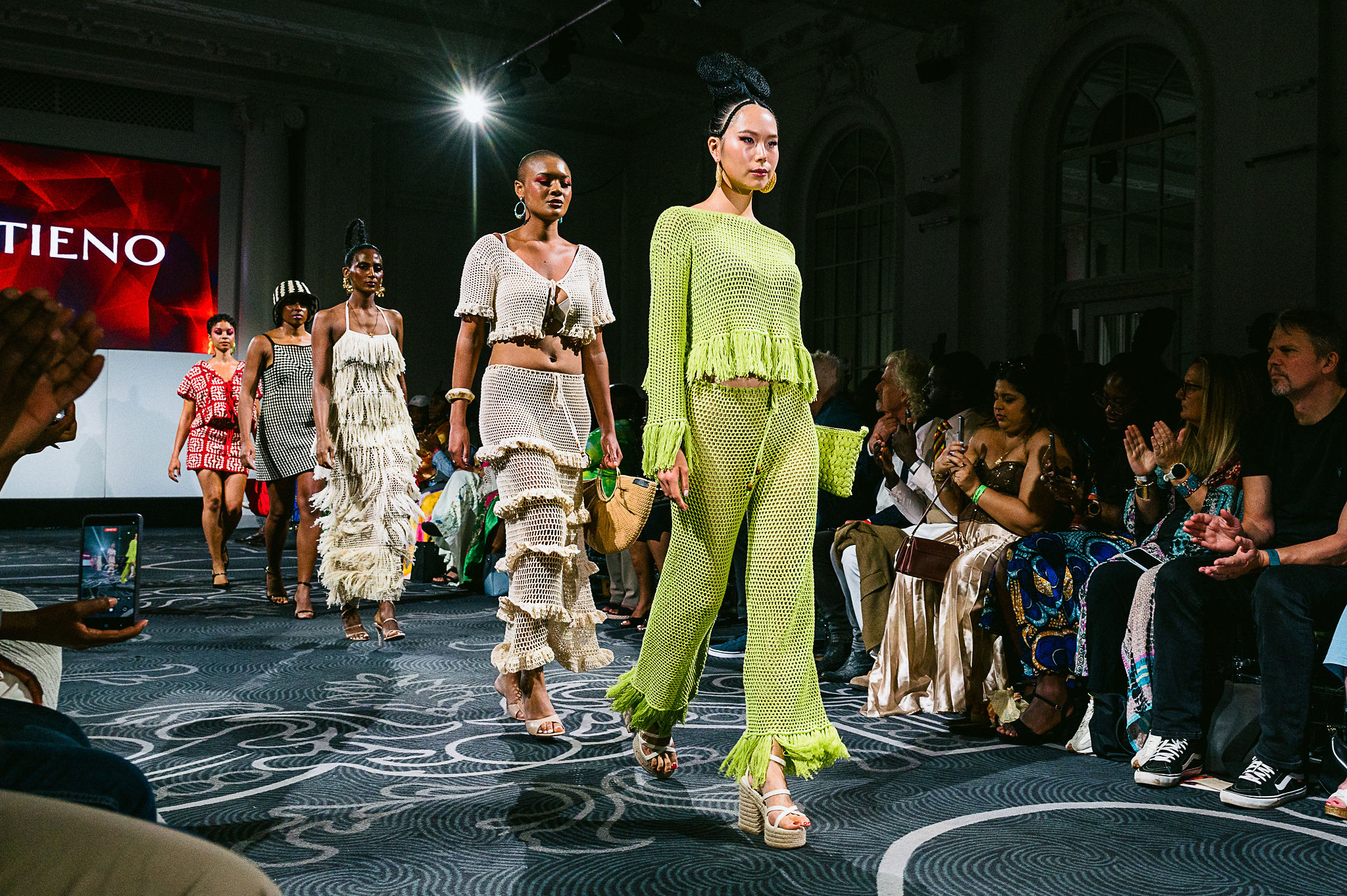
NAIROBI, KENYA — As the equatorial sun scales the glass spires of the “Green City in the Sun,” a transformation is taking place. This is no longer just a regional hub; it is the heartbeat of a global movement. From January 28–31, 2026, the world’s eyes turn to Nairobi Fashion Week (NFW), an event that promises to redefine luxury through the lens of heritage, sustainability, and soul.

In a world weary of fast-fashion cycles, Nairobi offers an antidote: Stitching the Sun. This year’s theme is a dialogue between the city’s lush, leafy sanctuaries—like the whispering Karura Forest—and the sharp, innovative minds within its ateliers.

The New Vanguard: Where Heritage Meets High-Fashion

NFW 2026 isn’t just a series of runways; it is a curated ecosystem of narratives. The lineup features a sophisticated blend of Kenyan stalwarts and international visionaries who treat fabric as a vessel for culture.

The Global Collective

  • Wanni Fuga (Nigeria): Bringing Lagosian luxury to the Nairobi stage, expect refined minimalism and silhouettes that redefine purposeful femininity.

  • Naaniya (France): A bridge between worlds, Naaniya utilizes ancestral Malian techniques to create contemporary pieces that have already caught the eye of the Parisian elite.

  • Yevaàne (Sri Lanka/Kenya): A cross-cultural powerhouse weaving sustainable designs that reflect a nomadic, thoughtful aesthetic.

The Homegrown Innovators

Kenya’s own designers continue to push the boundaries of “regenerative luxury.”

  • Studio Lola: The women-led atelier remains the gold standard for “slow fashion,” producing handmade, fair-trade garments that are as soulful as they are chic.

  • Maisha by Nisria: A masterclass in up-cycling, turning discarded textiles into socially conscious garments that demand a place in any modern wardrobe.

  • The MOYO Store & VAST: Both labels celebrate the raw beauty of African prints and organic linens, proving that ethical production is the ultimate status symbol.

A City of Visionaries

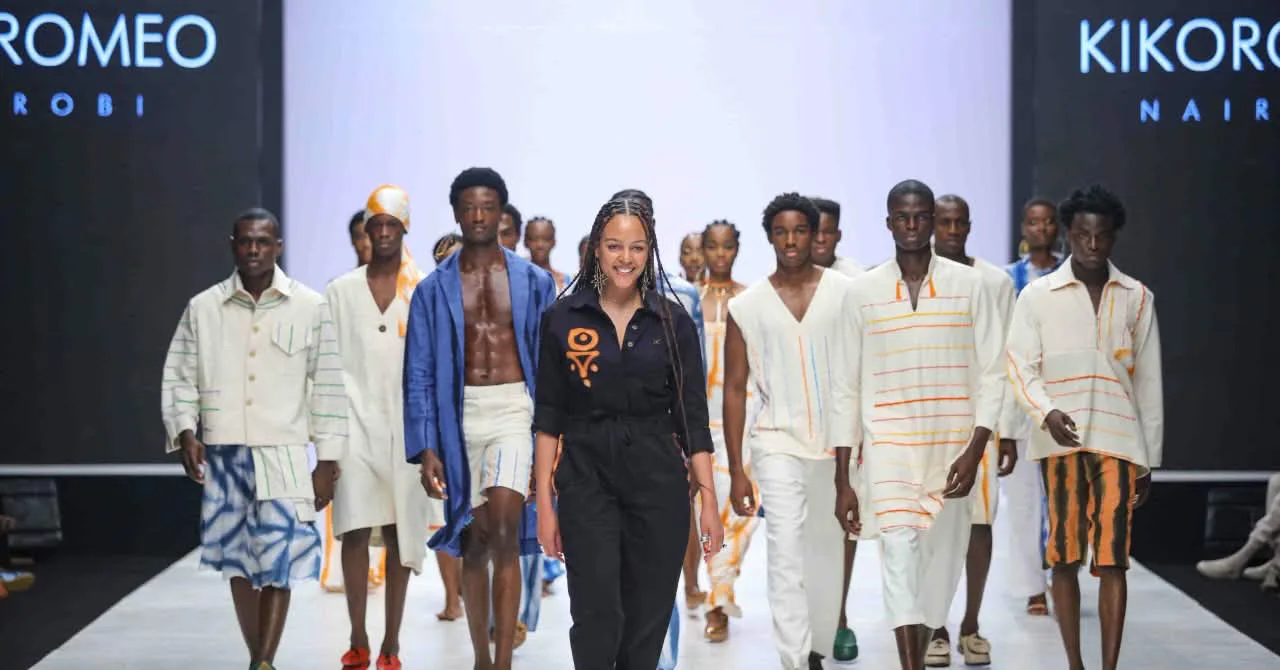
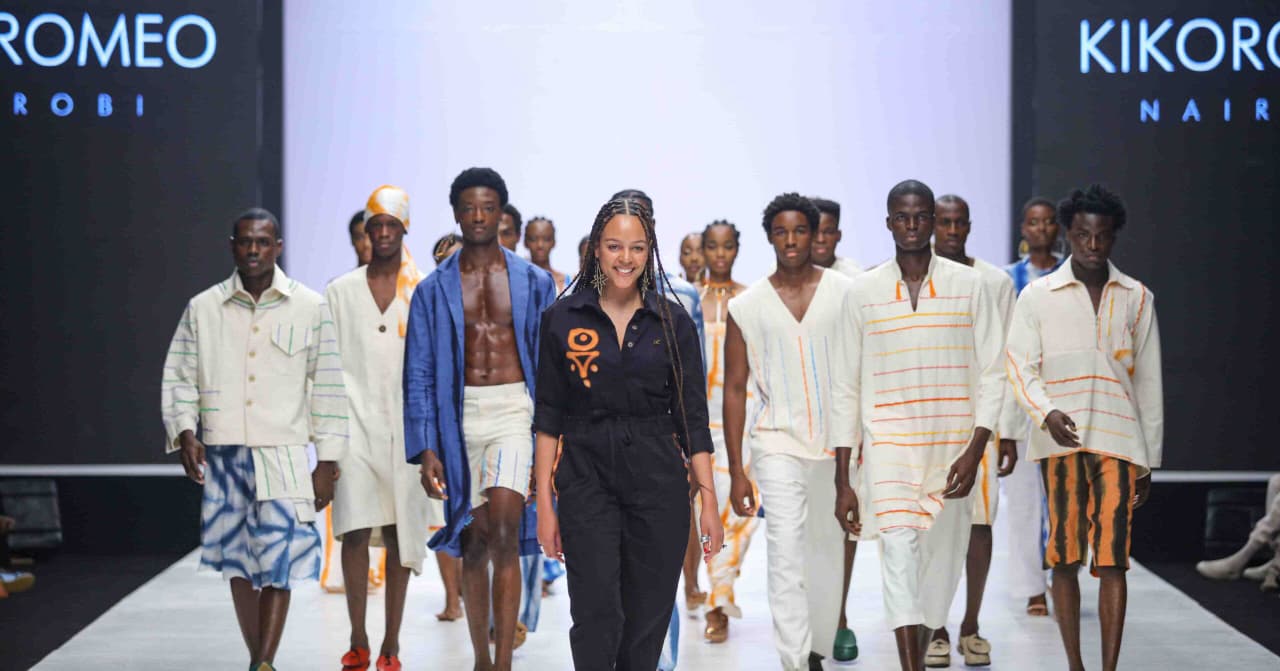
The “Nairobi Sound” in fashion has been tuned by a community of icons. The presence of pioneers like Deepa Dosaja, Anna Trzebinski, and Kiko Romeo has laid the foundation for a city that now leads the continent in sustainable luxury.

This year’s event also celebrates the architects of the African fashion image: stylists and creative directors like Sunny Dolat, Diana Opoti, and Brian Babu. Their artistry has ensured that the “Nairobi look”—a blend of bold prints, architectural silhouettes, and ethical craftsmanship—is recognized from the streets of Kilimani to the pages of international glossies.

“Sustainability is not a tagline here; it is a living ethos. It’s a rhythm that runs through our studios and our streets.” — NFW Communication Team

Beyond the Runway: A Cultural Rendezvous

Nairobi Fashion Week 2026 extends far beyond the “catwalk.” The four-day event is designed as a multi-sensory experience:

  1. The Dialogue Panels: Discussions on the future of regenerative textiles and the circular economy.

  2. Curated Retail Spaces: A “see-now, buy-now” opportunity for patrons to invest in pieces that carry the “Made in Kenya” seal of excellence.

  3. The Environment: Set against backdrops that mirror the city’s duality—from the urban pulse of Uhuru Park to the serene greenery of its private gardens.

Event Details

  • Date: 28–31 January 2026

  • Location: Nairobi, Kenya

  • Digital Hub: nairobifashionweek.org

  • Socials: @Nairobi.fashion.week (Instagram) | The Nairobi Fashion WEEK (Facebook)

Nairobi Fashion Week is more than a date on the calendar; it is a testament to a city whose heartbeat is boldly, beautifully African. Every seam is a story, and every design is an invitation to join the conversation.

Content courtesy of Nairobi Fashion Week & NFH Digital Team
The Green Thread: Nairobi’s Bold Bid to Become Africa’s Sustainable Fashion Capital

The Green Thread: Nairobi’s Bold Bid to Become Africa’s Sustainable Fashion Capital

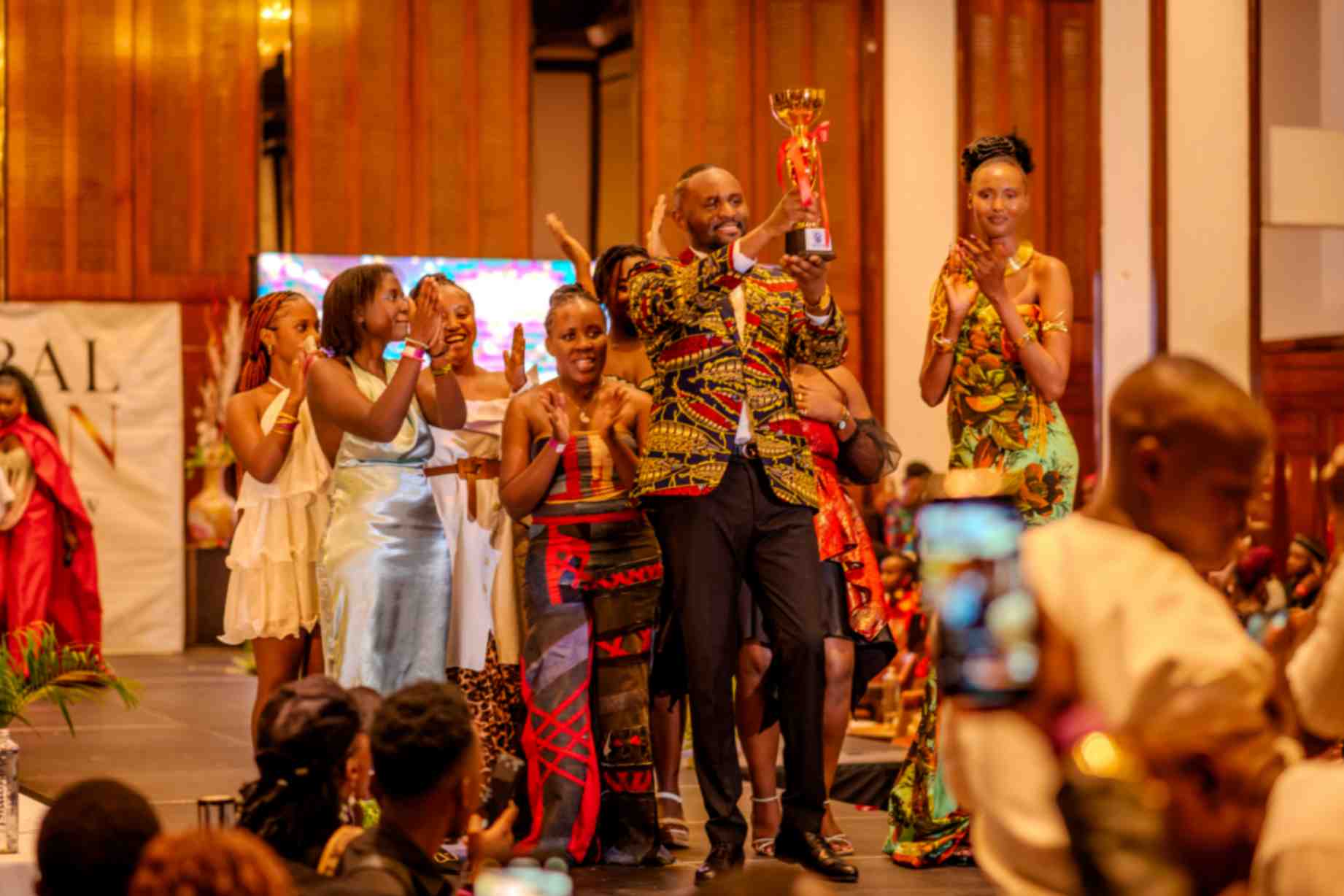
NAIROBI, Kenya — As the global fashion industry grapples with its environmental footprint, a new vanguard of style is rising from the heart of East Africa. From January 28–31, 2026, the eighth edition of Nairobi Fashion Week (NFW) will transform the Kenyan capital into a high-octane laboratory for climate-conscious design.

Under the urgent banner of “DECARBONIZE,” this year’s event is more than a showcase of aesthetics; it is a manifesto for the future of global luxury. Nairobi is no longer just participating in the fashion conversation—it is leading it.

A Continental Shift: From Fast Fashion to Circularity

For decades, the global North has looked to Africa as a source of raw materials or a destination for textile waste. Nairobi Fashion Week 2026 is flipping that narrative. By centering circular design and upcycling, Kenyan designers are proving that heritage craftsmanship can provide the blueprint for a low-carbon economy.

The 2026 season highlights a sophisticated blend of:

  • Ethical Production: Small-batch “slow fashion” that prioritizes living wages and community-driven craftsmanship.

  • Climate-Smart Materials: Innovation in organic fibers and regenerative textiles that reduce the industry’s water and carbon footprints.

  • The Upcycling Revolution: Transforming existing materials into high-fashion silhouettes, a movement that has become a hallmark of the Nairobi creative collective.

The “Decarbonize” Movement

The theme of this year’s showcase, DECARBONIZE, reflects a deepening commitment to the United Nations’ climate goals. As Kenya’s creative economy gains unprecedented global visibility, NFW serves as a critical platform for designers who are reconciling bold African creativity with environmental responsibility.

“Nairobi is positioning itself as the pulse of the green movement,” says one industry insider. “We are seeing a fusion of cultural authenticity and radical innovation that challenges the very definition of how clothing is made and consumed.”

Why the World is Watching

Nairobi’s ascent comes at a pivotal moment. With international buyers and editors increasingly looking for “guilt-free luxury,” Kenya’s unique positioning—blending traditional artisanal techniques with modern, eco-conscious technology—makes it a formidable player on the world stage.

Now in its eighth season, Nairobi Fashion Week has evolved from a local runway into a continental powerhouse. It is a space where the “Nairobi look”—vibrant, conscious, and unapologetically African—is being codified for a global audience.

Event Details

  • Dates: January 28 – 31, 2026

  • Location: Nairobi, Kenya

  • Theme: DECARBONIZE

Nairobi Fashion Week 2026 invites the world to witness a cleaner, more conscious, and future-ready fashion landscape. In the streets of Nairobi, the future isn’t just being designed; it’s being sewn with a green thread.

Content courtesy of Nairobi Fashion Week & NFH Digital Team

The Great Green Transition: Inside Nairobi Fashion Week’s Radical “Decarbonize” Manifesto

The Great Green Transition: Inside Nairobi Fashion Week’s Radical “Decarbonize” Manifesto

NAIROBI, Kenya — In the global fashion hierarchy, the “Big Four” have long dictated the rhythm of style. But as the industry grapples with an existential environmental crisis, a new northern star is rising from East Africa. From January 28–31, 2026, Nairobi Fashion Week (NFW) Season VIII will transform Kenya’s capital into a high-stakes laboratory for the future of “Conscious Couture.”

This season, the glitter of the runway is anchored by a stern, singular directive: DECARBONIZE. It is a theme that elevates NFW from a mere trade show to a continental manifesto, challenging the very chemistry of African luxury.

A Circular Revolution in the Heart of Nairobi

For Creative Director Brian Kihindas, the “Decarbonize” mandate is an urgent response to an industry at a crossroads. Under his leadership, NFW has evolved into a sophisticated ecosystem where heritage textiles meet radical circularity.

“Decarbonize is our way of asking designers and audiences to consider the environmental impact of fashion,” Kihindas explains. “It’s about celebrating creativity while being mindful of the planet—rethinking production, embracing circularity, and designing garments that honor both people and the environment.”

The four-day event is meticulously structured to bridge the gap between high-concept art and commercial viability. Attendees will navigate a multi-sensory journey:

  • The Marketplace: A direct-to-consumer hub where the public can engage with the hands that sew their clothes.

  • The Dialogue: High-level panel discussions featuring industry titans, climate scientists, and policymakers.

  • The Spectacle: Runway shows that blend traditional African storytelling with futuristic, low-impact fabrication.

The Alumni: Architects of a New Narrative

The strength of NFW lies in its enduring “Alumni Effect.” Icons such as Eva Wambutu, known for her eco-conscious, silhouette-driven empowerment pieces, and Lucy Rao of Rialto Fashions, have used this platform to prove that sustainability is not a trend, but a foundational pillar of African luxury.

The inclusion of accessory powerhouses like Kipato Unbranded—which transforms recycled materials into socially conscious jewelry—and Egypt’s Reem Jano, whose sculptural pieces blur the line between art and adornment, reinforces the Week’s commitment to holistic design.

Season VIII: A Cross-Continental Tapestry

The 2026 lineup represents a sophisticated global exchange, featuring designers who treat “slow fashion” as a form of poetry:

  • Wanni Fuga (Lagos, Nigeria): Bringing a sustainable collection that marries minimalist elegance with the refined confidence of the modern African woman.

  • Naaniya (France/Mali): A bridge between diasporic memory and ancestral resonance, utilizing heritage textiles for a contemporary audience.

  • VAST (by Sarah): A masterclass in materiality, fusing West African handwoven textiles with natural hides and upcycled materials.

  • Studio Lola: Elevating knitwear to “wearable poetry” through sumptuous, hand-worked wool and timeless silhouettes.

  • Yevāana Handmade: A unique synthesis of Sri Lankan and Kenyan craft traditions, focusing on hand-smocked and ethically created artisanal textiles.

The Verdict: Fashion as Soft Power

As the global North looks toward Africa for the next wave of creative inspiration, Nairobi Fashion Week is ensuring that this influence is rooted in responsibility. By prioritizing decarbonization, NFW is not just making clothes; it is engineering a movement.

As the lights dim on the final runway on January 31, the true measure of success will not just be the silhouettes seen, but the carbon footprint saved—setting a new, gold standard for fashion weeks from Lagos to London.

Content courtesy of Nairobi Fashion Week & NFH Digital Team

The East African Renaissance: Claudia Naisabwa Set to Storm Cape Town’s Inaugural WAV Festival

The East African Renaissance: Claudia Naisabwa Set to Storm Cape Town’s Inaugural WAV Festival

CAPE TOWN, South Africa—As the sun sets over the Atlantic seaboard on January 2, 2026, the historic Green Point Track will transform into the epicenter of a new cultural movement. The WAV Festival, an ambitious inaugural celebration of R&B and soul through a distinctly African lens, is not merely a concert; it is a manifesto of the continent’s rising soft power.

At the heart of this historic debut is a woman who has become the face of East Africa’s media boom: Claudia Naisabwa.

The 23-year-old Kenyan powerhouse has been tapped to co-host the festival alongside South African personality Olly Zondi. For industry insiders, the pairing is a masterstroke of Pan-African synergy, bridging the gap between Nairobi and Cape Town while signaling a shift in how African entertainment is packaged for a global audience.

The “Claudia Naisabwa Factor”: A New Era of Influence

In the high-stakes world of international entertainment, Naisabwa represents the elusive “Triple Threat” of the Gen Z era. A proud native of the Samburu people, her ascent from a local TV and radio presenter on NTV Kenya to an international emcee is a testament to what critics call the “Claudia Naisabwa Factor.”

It is a unique blend of “girl-next-door” relatability and high-fashion sophistication. Her influence transcends traditional broadcasting; she is as comfortable officiating national events for President William Ruto as she is driving viral trends on TikTok and Instagram. This versatility has made her a crucial bridge for luxury brands and music labels looking to tap into the “poptimism” of Africa’s fashionable youth.

“WAV Festival represents the future of African and diasporic R&B—soulful, forward-thinking, and deeply connected,” say the organizers at The Malachite Group and Africa Creative Agency. “Claudia brings an authentic East African perspective that perfectly embodies the global wave we are creating. She represents the rise of young African women owning the narrative.”

https://www.instagram.com/reel/DTYFH_0DaHU/?utm_source=ig_web_copy_link&igsh=MzRlODBiNWFlZA==

A Convergence of Sound and Style

The festival’s lineup reads like a “who’s who” of contemporary soul and alternative sounds. Headlined by Mariah The Scientist, the roster includes:

  • Global Heavyweights: Wale and Sasha Keable.

  • The African Vanguard: Kelvin Momo, Shekhinah, Manana, and Langa Mavuso.

  • Emerging Pioneers: Nanette, Kujenga, and Lia Butler.

For Naisabwa, this South African debut is a pivotal chapter in her self-styled “Africa TakeOver” Tour. Having already graced stages in Uganda and Tanzania—and with a highly anticipated hosting slot at the upcoming AFRIMA Awards in Nigeria—she is rapidly becoming Kenya’s premier entertainment export.

Beyond the Spotlight: Purpose-Driven Power

While her fashion choices and high-energy stage presence dominate the headlines, Naisabwa’s true impact lies in her social architecture. Through her CN Initiative, launched in 2024, she has mentored over 500 young women on mental health, body positivity, and creative entrepreneurship.

As the youngest nominee under 25 in the Forty Under 40 Africa awards, she uses her platform to champion girl-child education and anti-teenage pregnancy awareness, proving that the modern “Media Darling” must be as committed to social change as she is to the camera.

A Global Stage

Supported by global titans like Spotify, Don Julio, and Johnnie Walker, the WAV Festival is poised to redefine the “Festival Season” in the Southern Hemisphere. As fashionistas and music enthusiasts descend upon Cape Town this January, all eyes will be on the stage—not just for the melodies, but for the young woman from Nairobi who is proving that the future of African media is female, fierce, and undeniably global.

Content courtesy of BM Publications  & NFH Digital Team

The Vanguard of African Design: Inside Delight Technical College’s 2025 Graduation and Grand Fashion Runway

Delight Technical College is proud to announce the successful graduation of the Class of 2025, held on December 19th at the Kenya National Theatre. Under the theme of resilience and innovation, the ceremony marked eight years of technical education excellence, awarding diplomas and certificates across the Schools of Fashion and Design, and Media and Artificial Intelligence. Principal Mr. Saitoti Meitamei commended the graduates for their discipline and urged them to go forth and shape the future of their communities.

By Oscar Alochi

NAIROBI, Kenya — December 19, 2025

On a balmy Friday evening at the historic Kenya National Theatre, the air was thick with the scent of fresh fabric and the electric hum of anticipation. This was not merely graduation; it was the “Grand Fashion Runway,” a high-stakes debut for the next generation of African creative pioneers from Delight Technical College.

As the global fashion industry increasingly looks to Nairobi as a hub for sustainable innovation and cultural storytelling, the Class of 2025 stood ready to answer the call.

A Vision of Resilience and Excellence

The ceremony opened with a poignant address from the Principal’s desk. Mr. Saitoti Meitamei, Principal of Delight Technical College, stood before a sea of caps and gowns to declare the milestone a victory of “resilience, creativity, and innovation”.

“The world you are stepping into is dynamic and ever-evolving,” Meitamei told the graduates. “It calls for thinkers, dreamers, and doers who can craft solutions with imagination and courage. You are those pioneers”. He urged the ambassadors of the institution to carry forth the core values of discipline, integrity, and excellence into a world hungry for new narratives.

The Runway: Where Heritage Meets the Future

The afternoon transitioned from formal conferment to a spectacular three-part fashion showcase that would not have been out of place on the screens of Vogue or the streets of Milan.

  • Runway 1 & 2: Displayed the technical mastery of the School of Fashion and Design. Looks ranged from intricate tailoring to bold, avant-garde silhouettes that blurred the lines between traditional African heritage and contemporary street style.

  • Media & AI Recognition: In a nod to the shifting global landscape, a dedicated segment honored the fusion of Media and Artificial Intelligence. This integration highlights the college’s commitment to equipping students with tech-forward skills—from digital journalism to AI-driven design—ensuring they remain competitive in a digitized modern world.

Among those lauded were top-tier graduates like Neris Kweh Nfor, Ashley Njeri, and Miriam Muthoni Munene, all of whom secured Distinctions in the Diploma of Tailoring, Fashion & Design.

The Alumni Legacy: From Classroom to CEO

The event served as a bridge between current success and future potential, spotlighting alumni who have already conquered the international stage.

Notable figures included Diana Kilonzi, founder of Stitched by Dee, known for her bold, custom-made designs, and Sammy (Finest) Olwangu, the designer who has dressed Africa’s biggest celebrities, including Nyashinski and Otile Brown. Their stories of transformation—from students to industry leaders—provided a tangible roadmap for the 2025 cohort.

Nairobi’s Creative Renaissance

As an institution approved by the Ministry of Education (TVETA-accredited), Delight Technical College has spent eight years refining a model of “Technical Education Excellence”. By offering modularized courses and flexible study options, the college champions an inclusive approach to higher education that aligns with Africa’s global industry needs.

As the guests departed the Kenya National Theatre at dusk, the message was clear: the Class of 2025 is not just graduating into the industry; they are here to shape the future.

Delight Technical College is currently accepting applications for the 2026 Academic Year, with intakes in progress for Diploma, Certificate, and Artisan courses in Fashion, Media, and AI.

Content courtesy of Delight Technical College & NFH Digital Team 

Africa on the Runway: How Fashion and Modelling Are Rewriting the Continent’s Story


Africa on the Runway: How Fashion and Modeling Are Rewriting the Continent’s Story.

Africa’s fashion and modeling industries are no longer whispers in the wings of the global style conversation. They are a chorus loud, inventive, and insistently original, pulling the continent’s textiles, stories, and faces onto international runways, into glossy editorials, and onto e-commerce storefronts. That rise is not accidental: it’s a product of grassroots creativity, entrepreneurial grit, strategic partnerships, and a growing recognition from international buyers and media that African fashion is not a niche but a market and cultural force. Yet the lift-off comes with persistent friction, structural, financial, and logistical, that the industry is learning to overcome in real time.

The landscape: creative abundance, structural scarcity.

From Lagos to Johannesburg and Nairobi to Dakar, designers are mining local crafts, indigenous textiles, and contemporary sensibilities to produce work that reads modern and memorably African. The continent’s apparel and footwear sector is sizeable and growing: recent industry analyses describe a multi-billion-dollar market driven by a young, urbanizing population hungry for styles that speak to identity and aspiration. At the same time, major gaps remain limited capital flowing into creative businesses, weak local supply chains, high costs of quality raw materials, and underdeveloped intellectual-property protections that make scaling risky for designers. These are not cosmetic issues; they shape whether a designer can move from a market stall to sustainable factory runs and from seasonal shows to year-round international distribution. (Euromonitor)

Models, agencies, and representation: progress and persistent gatekeepers.

The modelling side has made visible strides. A new generation of African faces, not merely tokenized but celebrated for their variety and cultural specificity, has appeared on major magazine covers and in advertising campaigns. Publications and runways have started to reflect a broader beauty code, from British Vogue’s landmark Africa-focused features to boutique agencies exporting talent overseas. Yet pipelines are uneven. There are still too few professional agencies with scouting, training, and welfare systems that match international standards, and many aspiring models lack access to education on contracts, health, and financial planning. Where models and agencies collaborate with reputable fashion weeks and hubs, the speed and quality of career development rise. (British Vogue)

The twin engines: local markets and foreign support.

Growth is being fuelled by two complementary currents. First, robust local demand: middle-class growth, the rise of luxury boutiques across African capitals, and digital platforms are expanding domestic consumption. Second, strategic foreign interest from global retailers in cultural institutions that open distribution channels and funding pipelines. International prizes, retail partnerships, and editorial coverage have helped put designers on global maps and provided practical capital and mentorship. Still, dependence on foreign grants or one-off placements is risky; sustainable scale requires stronger domestic investment, better trade policy, and predictable financing instruments for creative SMEs. (Vogue)

Private sector, individuals, and corporate sponsorship: the new patrons of style.

Where governments have been slow to act, individual entrepreneurs and corporations are stepping in. High-net-worth patrons, local retailers, hair and beauty brands, and multinational sponsors are underwriting runway shows, pop-ups, and incubators. These contributions are catalytic: they offer marketing reach, seed capital, and platform visibility. Corporate sponsorships, when thoughtfully structured, can professionalize events and link designers to logistics, export know-how, and retail distribution. But sponsorships must be strategic and long-term: short promotional spends boost visibility but don’t replace investments in production capacity, digital infrastructure, and skills development.

Nairobi Fashion Hub: a case study in market-making

In Nairobi, one organisation exemplifies how a local initiative can alter industry dynamics. Nairobi Fashion Hub (NFH) began as a digital platform and has since developed into a multifaceted ecosystem builder: promoting designers, staging showcases, profiling models and fashion professionals, and creating networking opportunities across East Africa. By amplifying local talent and connecting creators to commercial and editorial channels, NFH helps convert creative capital into economic capital. Its programming, from runway events to training and editorial features, addresses a key industry bottleneck: visibility. For many Kenyan designers and models, platforms like NFH are the bridge between local recognition and regional or global opportunity. (NFH – African Fashion)

What’s changing the rules of the game

Several converging trends are reshaping possibilities:

  • Digitization: E-commerce, social media, and digital lookbooks let designers sell globally without traditional wholesale deals. The pandemic accelerated virtual showcases and direct-to-consumer models. (Vogue)
  • Sustainability and craft revival: A pivot toward regenerative materials, circular fashion, and elevated craft narratives gives African brands a competitive edge in conscious luxury markets.
  • Pan-African collaboration: Fashion weeks and platforms are increasingly pan-African, pooling designers and buyers across borders to build scale. Lagos Fashion Week, for example, has emerged as a major node linking local talent to sponsors and international buyers, a model that other hubs emulate. (Vogue)

The obstacles that won’t vanish overnight

For all the momentum, friction points remain stubborn:

  • Financing: Creative businesses are often high-risk to conventional lenders; alternatives like creative funds, impact investors, and blended finance are still nascent across the continent. (UNESCO)
  • Manufacturing and sourcing: Without integrated supply chains (from spinning yarns to dye houses to finishing facilities), designers face long lead times and quality variability that deters large buyers.
  • Skills and standards: Technical training in pattern cutting, grading, manufacturing management, and modelling professionalism is unevenly distributed. Bridging that gap requires structured vocational programs and private-public partnerships.
  • Market access costs: Trade tariffs, logistics, and export paperwork add layers of cost that make international expansion expensive and slow.

Practical wins: what accelerates success

A set of practical interventions has proven effective in markets that have moved faster:

  1. Incubation + Market Access: Hubs that combine business training with buyer introductions (like NFH’s programming) shorten the runway to commercial deals. (NFH – African Fashion)
  2. Sponsorships with capacity building: Corporate funding tied to supply-chain investments, training, and production support builds durable capacity instead of one-off events.
  3. Regional trade facilitation: Lowering intra-African trade frictions helps brands scale across borders before taking on far-flung export markets.
  4. Investment vehicles for creatives: Dedicated fashion funds, blended finance, and grant-to-equity structures reduce early-stage risk and help brands professionalize.

The human story that matters

At the heart of every statistic are designers, models, tailors, textile workers, and entrepreneurs turning ideas into livelihoods. For them, fashion is not mere glamour; it is jobs, cultural preservation, and new career pathways. Initiatives that respect that human dimension, offering fair pay, worker protections, and sustainable growth, will create an industry that is both stylish and just.

Looking forward: from creative bursts to a durable industry.

Africa has the ingredients for a globally resonant fashion ecosystem: raw creativity, rich textile heritages, a hungry consumer base, and an increasingly connected diaspora market. To turn that potential into long-term impact requires patient capital, smarter public policy, and more hubs that combine visibility with commercial scaffolding. Organisations like Nairobi Fashion Hub are doing the hard, unglamorous work of shaping markets: cataloguing talent, staging consistent platforms, and building the networks that turn runway applause into export contracts.

If stakeholders, designers, models, funders, governments, and media double down on infrastructure and skills while protecting creative agency, Africa will not just contribute to global fashion: it will help redefine the industry’s aesthetics, ethics, and economy. The continent’s next decade in fashion is not a matter of if but how fast and how sustainably it chooses to run.


Sources & further reading: UNESCO’s report on the African fashion sector (trends and challenges); market analysis on apparel in sub-Saharan Africa; Vogue coverage of African fashion and Lagos Fashion Week; Nairobi Fashion Hub’s platform and programming. (UNESCO)

Content courtesy of NFH Digital Team

Ad