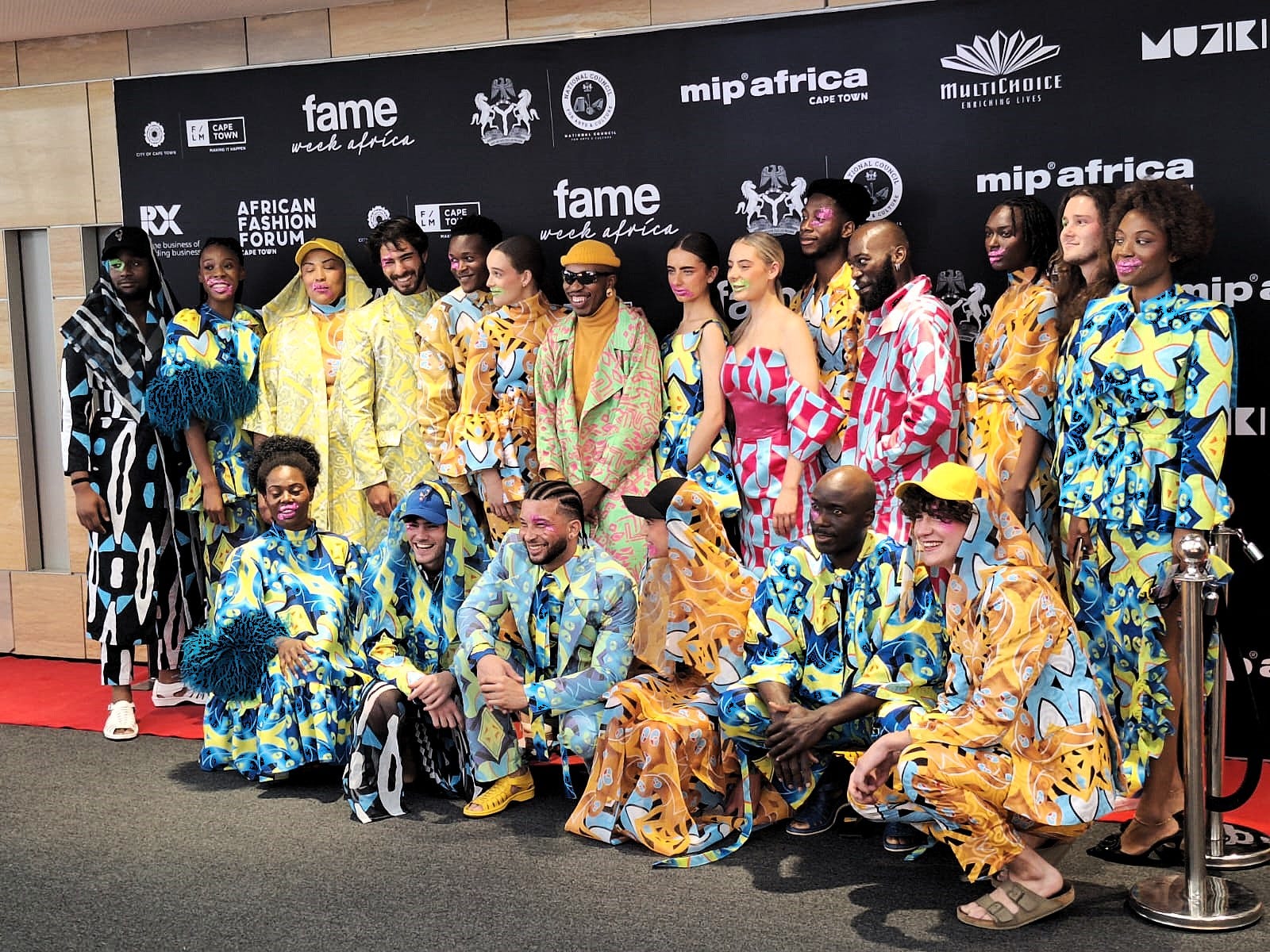
African Fashion Events: The Ultimate Guide to Fashion Weeks, Shows, Exhibitions and Networking
From the runways of Lagos and Johannesburg to the creative showcases of Nairobi, Dakar, Accra and Dar es Salaam, discover the fashion events shaping Africa’s creative industry — and the opportunities they offer designers, models, photographers, brands, buyers, media and fashion entrepreneurs.
Africa’s fashion industry is experiencing an exciting period of creative expression, commercial ambition and international engagement. Across the continent, designers are reinterpreting traditional craftsmanship, developing contemporary fashion identities and building brands that speak to both African and global audiences.
At the centre of this evolution are fashion events: the runways, exhibitions, trade fairs, designer showcases, pop-up markets, workshops and networking gatherings that bring the industry together.
From established international fashion weeks to independent designer presentations and specialist textile exhibitions, these events provide more than an opportunity to see new collections. They create environments in which creative professionals meet potential clients, fashion brands connect with buyers, models encounter casting opportunities, photographers develop relationships with designers, and entrepreneurs explore business partnerships.
For emerging designers, a fashion show can be an introduction to the industry. For established labels, an exhibition can open conversations with retailers and international buyers. For models, photographers, stylists and makeup artists, events can provide opportunities to meet collaborators and demonstrate their professional abilities.
Across Africa, fashion events are also becoming important platforms for conversations about manufacturing, sustainability, cultural identity, entrepreneurship, technology and the future of the creative economy.
But with events taking place in different countries, cities and creative communities, knowing where to go, what to expect and how to make meaningful connections is essential.
This comprehensive guide explores the African fashion events landscape, highlights important fashion weeks and exhibitions, explains how to participate professionally and examines how Nairobi Fashion Hub is creating additional opportunities for discovery, networking and collaboration within Kenya’s fashion community and beyond.
1. Why African Fashion Events Matter
Fashion events are among the most visible expressions of an industry’s creative and commercial activity.
They bring together the people and businesses responsible for designing, producing, presenting, marketing and distributing fashion. They also provide a platform through which the public can engage with emerging trends, new designers and changing ideas about style.
For Africa, these gatherings have an additional significance: they help communicate the continent’s cultural diversity, creative capabilities and growing fashion entrepreneurship to international audiences.
A platform for showcasing African creativity
Africa has a rich history of textile production, craftsmanship, clothing traditions and artistic expression. Contemporary designers draw inspiration from these influences while experimenting with new silhouettes, materials, production techniques and design philosophies.
Fashion weeks and exhibitions allow designers to present this work in a professional setting.
Collections may incorporate traditional textiles, contemporary tailoring, handmade accessories, sustainable materials, modern streetwear and experimental couture.
Through runway presentations, exhibitions and fashion films, audiences can encounter different interpretations of African identity and contemporary style.
Connecting creativity with business
A successful fashion industry requires more than talented designers. It also needs manufacturers, fabric suppliers, retailers, distributors, investors, marketers, photographers, models and other specialists.
Fashion events create opportunities for these participants to meet.
A designer presenting a collection may encounter a potential retail partner. A textile manufacturer may meet a clothing brand seeking production capacity. An independent model may connect with a photographer or casting professional.
These relationships can develop into commercial projects, professional partnerships and longer-term collaborations.
Supporting emerging talent
Many fashion events include showcases dedicated to new designers, independent labels, young models and creative entrepreneurs.
Such opportunities can help emerging professionals introduce their work to audiences beyond their existing networks.
However, participation does not automatically guarantee employment, sales or international representation. The value often comes from preparation, the quality of the work presented and the professional relationships developed during and after the event.
Promoting African fashion internationally
International buyers, fashion journalists, stylists, photographers and industry representatives increasingly engage with African fashion through events and creative networks.
These interactions can help designers communicate their brand identities, present collections and explore new markets.
Fashion events therefore contribute to a broader ambition: making African creativity more visible while supporting the businesses and professionals behind it.
2. Understanding the Different Types of African Fashion Events
Not every fashion event serves the same purpose. Understanding the differences helps attendees identify the gatherings most relevant to their professional goals.
A. Fashion weeks
Fashion weeks are organised programmes of designer presentations, runway shows, exhibitions, industry discussions and related activities.
They usually bring together designers, models, casting directors, photographers, stylists, fashion editors, buyers, sponsors and fashion enthusiasts.
Fashion weeks may feature:
- Established designer collections.
- Emerging designer showcases.
- Ready-to-wear presentations.
- Luxury and couture collections.
- Menswear and womenswear.
- Sustainable fashion initiatives.
- Accessories and jewellery.
- Industry panels and workshops.
- Buyer and media engagement.
For designers, a fashion week can provide a platform to present a collection and strengthen brand recognition.
For models, it can offer opportunities to participate in castings and runway presentations. For photographers and media professionals, it can create access to designers, collections and industry stories.
B. Runway shows and designer presentations
A runway show is a live presentation of clothing and accessories, usually worn by models walking along a designated catwalk or presentation space.
Designer presentations can also take place in galleries, studios, hotels, cultural venues and other unconventional locations.
Runway shows are particularly valuable for demonstrating how garments move, how collections work together and how a designer’s creative direction translates into a complete visual experience.
They require coordination between designers, models, casting directors, choreographers, stylists, makeup artists, hair professionals, lighting technicians, photographers and production teams.
C. Fashion exhibitions and trade fairs
Fashion exhibitions and trade fairs place greater emphasis on products, materials, manufacturing, commercial relationships and industry knowledge.
They may include:
- Clothing and accessories exhibitions.
- Textile and fabric showcases.
- Leather and footwear exhibitions.
- Manufacturing and sourcing fairs.
- Sustainable fashion exhibitions.
- Jewellery and craft exhibitions.
- Fashion technology demonstrations.
- Retail and wholesale showcases.
Unlike a runway show, a trade exhibition may allow buyers and visitors to examine products, discuss specifications, compare suppliers and negotiate business arrangements.
These events are particularly relevant to manufacturers, fashion entrepreneurs, retailers, sourcing professionals and designers seeking production partners.
D. Pop-up markets and fashion bazaars
Pop-up markets provide temporary spaces where independent designers, fashion brands, artisans and accessory makers can display and sell their products.
They may take place in shopping centres, hotels, creative hubs, outdoor venues, cultural spaces and lifestyle events.
For emerging brands, pop-ups can provide an opportunity to introduce products directly to customers, receive feedback and test demand.
They can also encourage collaboration between fashion labels, beauty businesses, food entrepreneurs and lifestyle brands.
E. Fashion conferences, workshops and masterclasses
Fashion conferences and educational gatherings focus on professional development, industry knowledge and the business of fashion.
Topics may include:
- Fashion entrepreneurship.
- Brand development and marketing.
- Garment manufacturing.
- Textile innovation.
- Sustainability and responsible production.
- Fashion photography.
- Modelling and talent management.
- Ecommerce and digital marketing.
- Fashion law and intellectual property.
- International market development.
These gatherings are particularly useful for students, emerging designers, creative entrepreneurs and established professionals seeking to strengthen their businesses.
F. Fashion networking events
Networking events are designed to bring people together for professional conversations and relationship building.
They may be organised independently or as part of a fashion week, exhibition or designer showcase.
Attendees may include designers, models, photographers, stylists, buyers, journalists, influencers, business owners, event organisers and investors.
The objective is to create opportunities for people to exchange ideas, identify common interests and explore potential collaborations.
A meaningful professional relationship may begin with a brief introduction at a fashion event and develop into a photoshoot, campaign, retail partnership or creative project.
3. Major African Fashion Weeks and Events to Know
Africa does not have one single fashion capital. Its fashion ecosystem is distributed across different countries, each with its own creative communities, design traditions, business opportunities and event platforms.
The following events and platforms are useful starting points for anyone interested in exploring the continent’s fashion landscape. Event formats, organisers and schedules can change, so attendees should confirm current information through official event channels before making travel or booking arrangements.
Lagos Fashion Week — Nigeria
Lagos Fashion Week is one of the continent’s prominent platforms for African fashion, design, business and creative industry engagement.
Based in Lagos, Nigeria, the event brings together designers, manufacturers, retailers, buyers, media, investors and other fashion stakeholders.
Its programme has developed beyond runway presentations to include initiatives focused on designer development, sustainability, industry education and commercial opportunities.
For emerging and established designers, Lagos Fashion Week provides an important environment for presenting collections and engaging with the wider fashion ecosystem.
Its international connections also make it relevant to buyers, fashion journalists, stylists and creative professionals interested in Nigerian and pan-African fashion.
Official website: https://lagosfashionweek.ng/
South Africa Fashion Week — South Africa
South Africa has an established fashion industry supported by designers, fashion businesses, manufacturers, creative professionals and educational institutions.
South Africa Fashion Week is an important platform for presenting local design talent and engaging with the country’s fashion market.
Johannesburg and other South African creative centres also host fashion showcases, designer presentations and industry gatherings that connect fashion with retail, media and business.
For designers seeking to understand the Southern African fashion market, these events provide valuable opportunities to explore contemporary design and meet industry participants.
Africa Fashion Week — South Africa and other markets
Africa Fashion Week platforms have helped provide visibility for African designers and emerging fashion businesses.
In South Africa, Africa Fashion Week offers a space for designer showcases and wider engagement with the fashion enterprise ecosystem.
Its associated initiatives have included support for emerging designers and accessories businesses through development, mentorship and market access opportunities.
For independent brands, such programmes can be particularly relevant because they connect creative development with the commercial requirements of running a fashion business.
Official website: https://www.africafashionweek.co.za/
Dakar Fashion Week — Senegal
Dakar has a distinctive position within West African fashion, with a creative scene influenced by contemporary design, cultural heritage, craftsmanship and international exchange.
Dakar Fashion Week, founded by designer Adama Paris, has contributed to the visibility of Senegalese and wider African fashion.
The event provides a platform for designers to present collections and engage with creative professionals, fashion media and audiences.
Its international outlook makes it relevant to people interested in the relationship between African design, cultural identity and global fashion.
Swahili Fashion Week — Tanzania
Swahili Fashion Week is an important East African fashion platform based in Dar es Salaam.
It provides a stage for designers from Tanzania and other African countries to showcase their work and engage with the wider fashion community.
Its programme has included runway presentations and fashion industry recognition through the Swahili Fashion Awards.
For East African designers, models, photographers and fashion entrepreneurs, the event offers an opportunity to connect with professionals across the region.
Accra Fashion Week — Ghana
Accra has developed a vibrant fashion community supported by independent designers, fashion entrepreneurs, models, photographers and creative businesses.
Accra Fashion Week provides a platform for presenting Ghanaian and international design talent.
The event is relevant to designers, stylists, fashion media, models and brands seeking to explore West African fashion and connect with creative professionals in Ghana.
Mozambique Fashion Week — Mozambique
Maputo’s fashion scene offers a combination of contemporary design, cultural expression and creative experimentation.
Mozambique Fashion Week has provided a platform for local and international designers, with presentations that extend beyond conventional runway venues.
The event is relevant to those interested in exploring the fashion industry in Southern Africa and discovering emerging creative talent.
MTC Windhoek Fashion Week — Namibia
Windhoek Fashion Week is part of Namibia’s efforts to develop its fashion industry and create greater opportunities for local designers and creative professionals.
The event has a focus on supporting Namibian talent, encouraging professional development and connecting local fashion with wider African and international networks.
It is an example of how fashion events can contribute to the development of creative industries beyond the continent’s largest commercial centres.
Nairobi’s fashion events and creative showcases — Kenya
Nairobi is an important centre for Kenya’s fashion, design, photography, modelling and creative entrepreneurship communities.
The city’s fashion calendar includes designer showcases, fashion shows, exhibitions, creative workshops, pop-up markets and industry networking gatherings.
Kenya’s fashion ecosystem brings together independent designers, established brands, models, photographers, stylists, makeup artists, fashion educators and event organisers.
For professionals seeking to participate in East African fashion, Nairobi provides a valuable starting point for building relationships and discovering creative talent.
Nairobi Fashion Hub’s events directory provides an additional digital route for discovering fashion-related events and other gatherings.
Explore: https://app.nairobifashionhub.co.ke/events
4. African Fashion Exhibitions and Trade Events: Where Creativity Meets Commerce
Runway shows attract attention, but exhibitions and trade fairs are equally important to the development of the fashion industry.
They provide opportunities for the businesses behind fashion to meet, exchange information and explore commercial relationships.
Africa Sourcing and Fashion Week — Nairobi
Nairobi is also a location for textile, apparel, leather and fashion sourcing activities.
Africa Sourcing and Fashion Week brings together participants across areas such as textiles, clothing, leather, accessories and footwear.
These events are particularly relevant to manufacturers, suppliers, sourcing professionals, fashion brands and businesses interested in the production side of the industry.
The Nairobi Fashion Hub events directory has listed the sixth edition of ASFW Nairobi for May 2027 at Sarit Expo Centre. Visitors should consult the organiser for the latest programme, participation requirements and event arrangements.
Textile and manufacturing exhibitions
Textile exhibitions connect fabric producers, designers, manufacturers, retailers and sourcing professionals.
They allow participants to explore:
- Natural and synthetic fabrics.
- Traditional African textiles.
- Innovative materials.
- Sustainable production.
- Textile printing and finishing.
- Garment manufacturing technologies.
- Supply-chain services.
For designers, such exhibitions can help identify materials and production partners. For manufacturers, they provide opportunities to present capabilities and engage with prospective customers.
Accessories and jewellery exhibitions
Accessories are an important part of the African fashion economy.
Jewellery, handbags, footwear, belts, headwear and other accessories contribute to the identity of fashion collections and offer opportunities for independent businesses.
Exhibitions dedicated to accessories can help creators connect with buyers, retailers, designers and potential collaborators.
Sustainable fashion and circular design events
Sustainability has become an important subject in fashion conversations around the world.
African designers and entrepreneurs are exploring different approaches to responsible production, including upcycling, textile reuse, local sourcing, traditional craftsmanship and longer-lasting garment design.
Sustainable fashion events provide spaces for discussing material innovation, waste reduction, responsible manufacturing and business models that consider environmental and social impact.
They also help connect designers with researchers, suppliers, manufacturers and organisations working on related challenges.
5. What Happens at a Fashion Week? A Guide for First-Time Attendees
For someone attending a fashion week for the first time, the experience can seem overwhelming.
Fashion weeks often include multiple events, different venues, changing schedules and a variety of professional and social activities.
Understanding the typical structure can help attendees prepare.
Designer runway presentations
These are among the most visible activities at fashion weeks.
Designers present collections through a sequence of looks worn by models. The presentation may be accompanied by music, lighting, choreography and a carefully designed stage environment.
Press and media activities
Fashion journalists, photographers, videographers, editors and content creators document the collections and interview designers or other participants.
Media coverage helps communicate the event to audiences who may not attend in person.
Buyer and industry meetings
Some fashion events include opportunities for buyers, retailers, sourcing professionals and designers to meet.
These conversations can cover product ranges, pricing, production capacity, distribution, retail placement and future business opportunities.
Exhibitions and showrooms
Showrooms allow visitors to view garments and accessories more closely than is possible during a runway presentation.
They may provide opportunities to discuss design details, materials, sizing, production and ordering arrangements.
Workshops and panel discussions
Educational sessions bring together industry professionals to discuss challenges and opportunities.
Subjects may include brand building, manufacturing, sustainability, fashion marketing, creative entrepreneurship and international expansion.
Networking receptions and after-show gatherings
Informal gatherings can be valuable opportunities to meet people in a less structured environment.
They may take place after runway presentations, during exhibitions or as separate industry events.
For many attendees, these conversations become an important part of the fashion week experience.
6. How Designers Can Prepare for African Fashion Weeks and Shows
Participating in a fashion event requires preparation well before the first model walks onto the runway.
For designers, the quality of the collection matters, but so do organisation, presentation, communication and commercial readiness.
Develop a clear collection concept
A collection should communicate a recognisable creative direction.
Designers should consider the inspiration, intended customer, materials, colour palette, construction, styling and relationship between individual pieces.
A strong concept helps create a coherent presentation and gives media and buyers a clearer understanding of the brand.
Prepare a professional portfolio
A designer portfolio should communicate the quality and identity of the work.
It may include:
- Professional collection photographs.
- Previous runway presentations.
- Lookbooks.
- Details of fabrics and craftsmanship.
- Brand history and design philosophy.
- Relevant press coverage.
- Contact and business information.
Plan production and garment readiness
Every garment intended for presentation should be completed, checked and prepared before the event.
Designers should allow sufficient time for fittings, alterations, styling, transport and last-minute adjustments.
Select the right creative team
A fashion show requires collaboration.
Depending on the production, designers may need:
- Models.
- A casting director.
- Fashion stylists.
- Makeup artists.
- Hair professionals.
- Photographers.
- Videographers.
- Choreographers.
- Production coordinators.
The team should understand the collection and work towards a consistent presentation.
Prepare for business conversations
Designers attending fashion weeks should be ready to explain their brands and answer questions about pricing, production, availability, materials and distribution.
A fashion event can create commercial conversations, but the designer must be prepared to follow them up professionally.
7. Opportunities for Models at African Fashion Events
Fashion weeks and designer shows provide important opportunities for models to participate in professional productions.
Models may be engaged for runway presentations, promotional campaigns, editorial photography, designer lookbooks and event content.
However, successful participation requires preparation and professional conduct.
Build a relevant portfolio
A model’s portfolio should include clear, recent photographs that represent their current appearance and capabilities.
Depending on the assignment, it may include portrait images, full-length photographs, runway work, editorial images and commercial projects.
Prepare for castings
Casting directors may assess walking ability, posture, presentation, confidence and suitability for a particular collection.
Models should understand the casting brief and arrive prepared.
Network with designers and photographers
Fashion events bring models into contact with professionals who may be involved in future productions.
Introducing yourself professionally, sharing a portfolio and maintaining respectful communication can help establish relationships.
Understand booking arrangements
Before accepting an assignment, clarify the working hours, compensation, travel requirements, clothing arrangements, image-use permissions and other contractual terms.
Models should be cautious of vague promises and opportunities that require unclear or excessive upfront payments.
8. Opportunities for Photographers, Stylists and Makeup Artists
Fashion events are collaborative environments, and their success depends on the work of professionals beyond the designer and model.
Fashion photographers and videographers
Photographers document runway presentations, create backstage images, produce designer lookbooks and develop editorial content.
Fashion events can help photographers meet designers, models, agencies, magazines and creative directors.
A strong event portfolio should demonstrate technical ability, visual storytelling, consistency and an understanding of fashion presentation.
Fashion stylists
Stylists interpret collections and help develop the overall visual direction of a production.
They may work with designers, models, photographers, fashion editors and commercial brands.
Fashion events allow stylists to discover new collections, meet designers and identify opportunities for editorial or commercial collaboration.
Makeup artists and hair professionals
Makeup and hair contribute significantly to the visual identity of a fashion show or campaign.
Beauty professionals may work backstage, prepare models, develop creative looks and support editorial productions.
Events provide opportunities to demonstrate technical skills and build relationships with designers, models, photographers and production teams.
Fashion bloggers, influencers and media professionals
Fashion media and content creators help communicate collections, designers and events to wider audiences.
They may produce interviews, reviews, photographs, videos, social media coverage and behind-the-scenes content.
Professional media coverage can contribute to the visibility of designers and fashion events, although coverage should never be assumed or guaranteed simply because someone attends.
9. How to Network Successfully at African Fashion Events
Networking is one of the most valuable reasons to attend a fashion event.
However, effective networking is not simply collecting business cards or following people on social media. It is about developing genuine professional relationships based on shared interests, mutual respect and clear opportunities for collaboration.
Set clear networking objectives
Before attending, identify what you hope to achieve.
You may want to:
- Meet potential clients.
- Discover new designers.
- Connect with fashion photographers.
- Find models for upcoming campaigns.
- Identify manufacturing partners.
- Meet fashion buyers.
- Explore media opportunities.
- Find collaborators for a creative project.
Having a clear objective makes it easier to prioritise relevant activities.
Research the event and its participants
Review the event programme, participating designers, speakers, exhibitors and organisers.
Identify the people and businesses whose work is relevant to your professional goals.
This preparation can make introductions more focused and productive.
Prepare a professional introduction
Be ready to explain who you are, what you do and the type of work or collaboration you are interested in.
Keep your introduction concise and relevant to the person you are speaking with.
Carry a portfolio or digital profile
Designers, photographers, models, stylists and other creative professionals should have a convenient way to share their work.
A digital portfolio or professional profile makes it easier for potential collaborators to review your experience after meeting you.
Ask meaningful questions
Good networking involves listening as much as speaking.
Ask about someone’s work, current projects, creative interests or experience in the industry.
Genuine curiosity is more effective than approaching every conversation as an immediate sales opportunity.
Follow up after the event
A connection becomes more valuable when it develops into a professional relationship.
Send a short message referencing the conversation, express appreciation for the introduction and, where appropriate, suggest a practical next step.
Avoid sending generic promotional messages to everyone you meet.
Build relationships throughout the year
Do not limit networking to major fashion weeks.
Workshops, exhibitions, creative meetups, photography sessions and online professional communities can also provide opportunities to build relationships.
Consistency matters more than attending every major event.
10. How to Get the Most Out of a Fashion Exhibition or Trade Fair
For fashion entrepreneurs and businesses, exhibitions can be especially valuable when approached with clear commercial objectives.
Prepare your business materials
Exhibitors should have professional product photographs, company information, product descriptions, pricing information and relevant contact details.
Designers and manufacturers should be prepared to explain their production capabilities, order requirements and business arrangements.
Identify potential partners
Before attending, research the exhibitors and participating organisations.
Identify suppliers, retailers, manufacturers, designers or service providers whose work could complement your business.
Ask practical business questions
Useful conversations may cover:
- Minimum order quantities.
- Production lead times.
- Material specifications.
- Quality standards.
- Pricing and payment arrangements.
- Distribution options.
- Shipping and logistics.
- Customisation capabilities.
Record contacts and follow up
Keep a record of the businesses and people you meet, the subject of the conversation and any agreed next steps.
Follow up while the conversation is still fresh.
A trade exhibition should be approached as a business development opportunity, not simply a place to collect promotional materials.
11. How Fashion Events Support African Fashion Entrepreneurship
The commercial value of fashion events extends beyond the immediate programme.
They can contribute to the development of businesses and professional networks across the wider fashion value chain.
Supporting independent designers
Independent designers can use showcases and exhibitions to introduce collections, develop brand recognition and meet potential customers or business partners.
Encouraging local manufacturing
Textile and sourcing events can bring designers into contact with manufacturers, fabric suppliers and production specialists.
These connections can support the development of local supply chains and manufacturing relationships.
Creating work for creative professionals
Fashion shows and campaigns require models, photographers, stylists, makeup artists, hair professionals, production teams and other specialists.
This creates demand for a range of creative services.
Supporting fashion education
Workshops, talks and masterclasses provide opportunities to share knowledge and develop professional skills.
They can also strengthen relationships between educational institutions and the fashion industry.
Encouraging investment and international collaboration
Fashion events can introduce African businesses to potential investors, buyers, distributors, media organisations and international creative partners.
Such relationships require commercial preparation and follow-through, but they can create pathways for growth.
12. The Role of Digital Platforms in Connecting African Fashion Events
The growth of digital platforms is changing how fashion professionals discover events, promote their work and build relationships.
Traditionally, information about fashion shows, exhibitions and creative gatherings has often been distributed through social media, personal networks, event websites and industry publications.
Although these channels remain important, digital platforms dedicated to fashion can make discovery more organised by bringing professional profiles, event information and creative services into a connected environment.
For designers, digital visibility can help audiences discover their work beyond the physical event.
For models and photographers, professional profiles can provide a place to showcase portfolios.
For clients, directories can make it easier to identify creative professionals.
For organisers, event platforms can help present events to audiences and manage aspects of attendance.
This is particularly relevant to African fashion, where professionals may be based in different cities and countries but share opportunities for collaboration.
Nairobi Fashion Hub is part of this evolving digital landscape.
13. How Nairobi Fashion Hub Creates Opportunities for Fashion Networking and Event Discovery
Nairobi Fashion Hub is a Kenya-based fashion and creative platform that brings together models, designers, photographers, stylists, bloggers, makeup artists, beauty professionals, fashion brands, clients and event organisers.
Its digital platform is designed to support professional discovery, creative services, booking requests, project opportunities and fashion event experiences.
For people participating in African fashion events, the platform provides additional ways to discover professionals, present their work and connect with others in the industry.
Discover fashion events and creative gatherings
The Nairobi Fashion Hub events directory provides a place to explore listed fashion events and other relevant gatherings.
Users can discover event information, review available details and explore opportunities to attend.
Events may include fashion shows, exhibitions, workshops, networking gatherings and other creative activities.
The directory also retains ended events for visitors to explore, providing a way to look back at previous activities and the creative community’s event history.
Explore events:
https://app.nairobifashionhub.co.ke/events
Promote your fashion show, exhibition or networking event
For designers, fashion brands, agencies, creative organisations and event producers, organising an event is only one part of the process. Making the event discoverable and managing attendance are also important.
Nairobi Fashion Hub provides an event-host registration route for organisers who want to publish events through the platform.
Event hosts can use the available tools to publish events, sell tickets, manage guests and support attendee check-in.
This can be useful for:
- Fashion shows and runway presentations.
- Designer collection launches.
- Fashion exhibitions.
- Pop-up markets.
- Workshops and masterclasses.
- Industry networking events.
- Fashion and beauty showcases.
- Creative business gatherings.
Register as an event host:
https://app.nairobifashionhub.co.ke/join/host
Find models, designers, photographers and stylists
Fashion events often lead to creative projects that require more than one professional.
A designer planning a collection presentation may need models, photographers, makeup artists and stylists. A photographer preparing an editorial shoot may need a model, designer and beauty team.
Nairobi Fashion Hub’s professional services directory allows clients to explore different creative categories and identify professionals whose services may suit their projects.
The directory includes categories such as fashion models, fashion designers, fashion photography, influencers, hair and beauty professionals, and modelling agencies.
Explore the directory:
https://app.nairobifashionhub.co.ke/services
Create a professional profile and showcase your work
For models, photographers, designers, stylists and other creative professionals, being discoverable is an important part of building a career.
Nairobi Fashion Hub gives service providers an opportunity to create professional profiles, list services and showcase portfolio work.
A strong profile should communicate:
- Your professional identity.
- Your specialisation.
- Your location.
- Your experience.
- The services you offer.
- Relevant portfolio photographs.
- Accurate contact and booking information.
For someone attending a fashion event, a professional profile can provide a useful reference to share with people they meet.
Register as a service provider:
https://app.nairobifashionhub.co.ke/join/provider
For fashion brands and clients: Discover creative talent
Brands, businesses, photographers, designers, event organisers and individuals may need creative professionals for different projects.
Nairobi Fashion Hub provides a client registration route through which users can access the platform’s professional discovery and booking experience.
Clients can explore listings, review profiles and submit booking requests.
This can be useful when preparing a fashion campaign, editorial shoot, runway production, brand launch or other creative project.
Register as a client:
https://app.nairobifashionhub.co.ke/join/client
Explore creative gigs and project opportunities
Not every fashion opportunity begins with a major fashion week.
Many projects begin with a brief: a brand needs models for a campaign, a designer needs a photographer for a lookbook, or an organiser needs creative professionals for an event.
Nairobi Fashion Hub’s creative gig functionality allows clients to publish project briefs with budgets, while professionals can submit offers for consideration.
For clients, clear project information helps attract relevant proposals. For professionals, it creates another channel through which they can discover projects and assess whether an opportunity matches their skills and availability.
Connect with the wider fashion community
Fashion is a collaborative industry.
A designer may need a photographer. A model may need a stylist. A brand may need an influencer. An event organiser may need models, makeup artists and production professionals.
By bringing different creative categories together, Nairobi Fashion Hub supports the discovery of professionals who may become collaborators on future projects.
The platform is intended to complement real-world fashion events by providing an additional digital space in which professional relationships can begin and continue.
Access Nairobi Fashion Hub on mobile
Nairobi Fashion Hub is available through its web application and dedicated mobile applications.
Website and web application:
https://app.nairobifashionhub.co.ke/
Android application:
https://play.google.com/store/apps/details?id=co.ke.tinker.nairobi_fashion_hub
iOS application:
https://apps.apple.com/uy/app/nairobi-fashion-hub/id6817497424
14. How to Organise a Successful African Fashion Event
Organising a fashion event requires creative direction, planning, production management, marketing and professional coordination.
Whether you are preparing a small designer showcase or a large fashion exhibition, a clear plan helps bring the different elements together.
Establish the event’s purpose
Begin by defining what the event is intended to achieve.
Is it a runway show, designer exhibition, fashion networking gathering, trade fair, product launch or educational workshop?
The event’s purpose should guide the programme, audience, venue and promotional strategy.
Identify the target audience
Determine who should attend.
Your audience may include designers, models, photographers, buyers, fashion students, retailers, sponsors, media representatives, creative entrepreneurs or members of the public.
Understanding the audience helps shape the event experience and marketing strategy.
Develop a realistic budget
Prepare a budget that considers:
- Venue hire.
- Stage and runway production.
- Lighting and sound.
- Models and casting.
- Photography and videography.
- Hair and makeup.
- Styling and wardrobe.
- Marketing and publicity.
- Event staff and security.
- Guest management.
- Transport and logistics.
- Contingency expenses.
The budget should reflect the scale and objectives of the event.
Select an appropriate venue
The venue should support the event’s format and expected attendance.
Consider accessibility, capacity, lighting, backstage facilities, changing areas, power supply, parking, transport and safety arrangements.
Assemble a professional team
A fashion event requires coordination between creative and operational professionals.
Depending on the format, the team may include designers, models, stylists, photographers, videographers, makeup artists, technical staff, event coordinators and marketing professionals.
Develop an event marketing strategy
Promote the event through appropriate digital channels, media relationships, professional networks and partner organisations.
Provide clear information about the event’s purpose, date, location, programme, participants and ticket arrangements.
Manage registration and attendance
Make it easy for guests to understand how to attend and what to expect.
Use clear registration or ticketing arrangements and establish a process for managing guests on the event day.
Continue engagement after the event
Share approved event photographs, videos and highlights.
Thank participants, partners, sponsors and attendees. Follow up with people who expressed interest in collaboration.
The relationships developed after an event can be as important as the event itself.
15. The Future of African Fashion Events
The future of African fashion events will be shaped by the relationship between creativity, business, technology and international collaboration.
Several developments are likely to influence how these events evolve.
Greater integration between physical and digital experiences
Digital platforms can help audiences discover events, explore designers and connect with professionals before and after physical gatherings.
Online portfolios, digital showrooms, livestreams and event platforms can extend the reach of fashion presentations beyond their venues.
Stronger focus on business development
Fashion events are increasingly expected to deliver value beyond visibility.
Buyers, manufacturers, designers and entrepreneurs need opportunities to discuss production, retail, distribution and market access.
The integration of commercial programmes, trade exhibitions and professional networking can help strengthen this aspect of the industry.
More attention to sustainability
Responsible production, textile waste, local sourcing and circular design are important subjects for the future of fashion.
Events can help bring together designers, manufacturers, researchers and businesses to explore practical approaches.
More opportunities for emerging African designers
Emerging talent needs access to mentorship, production resources, professional networks and market opportunities.
Fashion events can provide important spaces for introducing new designers and encouraging relationships with established industry participants.
Wider international collaboration
African fashion has the potential to build stronger relationships with international retailers, creative agencies, media organisations, manufacturers and educational institutions.
Events that encourage meaningful cross-border engagement can contribute to this ambition.
Greater recognition of the wider creative workforce
The fashion industry is supported by many professionals whose contributions are not always visible on the runway.
Photographers, makeup artists, stylists, models, production teams, digital creators, manufacturers and event organisers all play important roles.
The future of African fashion events should recognise and create opportunities for the wider creative ecosystem.
16. A Practical Checklist for Attending an African Fashion Event
Whether you are attending a fashion week, exhibition, runway show or networking event, preparation can help you make the most of the experience.
Before the event
- Research the organiser and event programme.
- Confirm the date, venue and attendance requirements.
- Identify designers, exhibitors and professionals you would like to meet.
- Prepare a professional introduction.
- Update your portfolio or business profile.
- Carry business cards or prepare a digital contact link.
- Plan transport and accommodation if travelling.
- Review ticketing and registration arrangements.
During the event
- Arrive on time.
- Respect event access and photography rules.
- Engage professionally with participants.
- Ask relevant questions.
- Exchange contact information appropriately.
- Visit exhibitions and networking areas.
- Take notes about useful contacts and conversations.
- Respect the work and creative rights of designers and exhibitors.
After the event
- Follow up with relevant contacts.
- Share approved photographs and event coverage.
- Thank people who introduced or assisted you.
- Explore potential collaborations.
- Review what you learned.
- Keep building the relationships beyond the event.
Conclusion: African Fashion Events Are Building More Than Runways
African fashion events are helping shape the continent’s creative and commercial future.
From fashion weeks and runway presentations to textile exhibitions, trade fairs, pop-up markets and professional networking gatherings, these platforms bring together the people and businesses responsible for moving the industry forward.
They provide designers with opportunities to present collections, models with opportunities to participate in productions, photographers with opportunities to develop creative relationships, and fashion businesses with opportunities to explore customers, suppliers and commercial partners.
Across Nairobi, Lagos, Accra, Dakar, Johannesburg, Cape Town, Dar es Salaam, Windhoek and other creative centres, the fashion events landscape reflects the diversity and ambition of African fashion.
But the real value of these gatherings extends beyond the event itself. It lies in the professional relationships, business conversations, creative collaborations and opportunities that continue long after the final runway presentation.
Digital platforms are adding another dimension to this ecosystem by making it easier to discover events, explore creative services and maintain professional connections.
Nairobi Fashion Hub is contributing to this development by connecting models, designers, photographers, stylists, makeup artists, fashion brands, clients and event organisers through a shared digital platform for professional discovery, creative opportunities and fashion events.
Whether you are a designer preparing for your next showcase, a model looking for runway opportunities, a photographer building your creative network, a brand exploring exhibitions or an organiser planning a fashion event, the next important connection could begin with a single introduction.
Discover the events. Meet the talent. Build the relationships. Grow African fashion.
Become part of Nairobi Fashion Hub
For fashion professionals: Create a profile, showcase your portfolio and list your services.
https://app.nairobifashionhub.co.ke/join/provider
For brands and clients: Discover creative professionals and submit booking requests.
https://app.nairobifashionhub.co.ke/join/client
For event organisers: Publish events, sell tickets and manage guests.
https://app.nairobifashionhub.co.ke/join/host
Explore fashion events:
https://app.nairobifashionhub.co.ke/events
Discover fashion professionals:
https://app.nairobifashionhub.co.ke/services
Visit Nairobi Fashion Hub:
/
Download the mobile app:
Google Play | Apple App Store
About Nairobi Fashion Hub
Nairobi Fashion Hub is a Kenya-based fashion and creative-industry platform operated by Tinker Digital Limited. It connects models, fashion designers, photographers, stylists, bloggers, makeup artists, beauty professionals, fashion brands, clients and event organisers through digital tools for professional discovery, service bookings, creative gigs, portfolios and fashion events.
With a commitment to strengthening Kenya’s fashion community and supporting the wider African fashion industry, Nairobi Fashion Hub aims to make creative talent more discoverable, encourage professional collaboration and contribute to the international visibility of African fashion.
NAIROBI FASHION HUB — HOME OF AFRICAN FASHION.
Pushing the agenda for Made in Africa to the world.
Website: /
Email: info@nairobifashi


