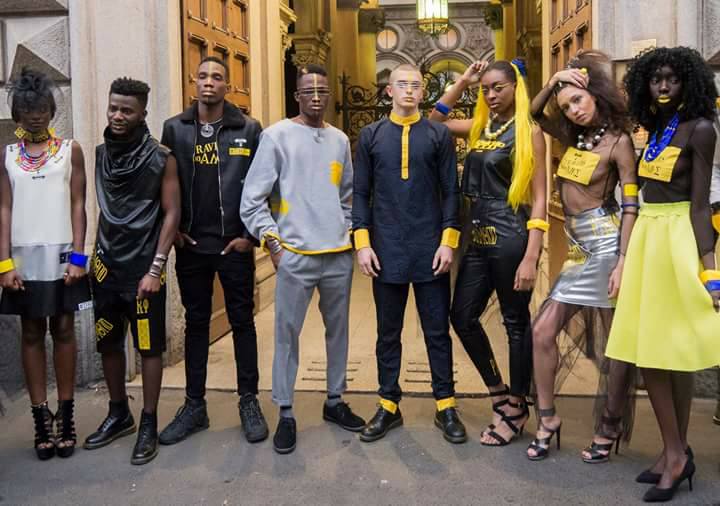
African Fashion Marking its fifth anniversary, Afro Fashion Week Milan is expanding its reach — a sign of the multicultural bent the city has embraced.
Organized by Afro Fashion, an Italy-based nonprofit organization that has been actively promoting the African continent’s designers and creative talents over the past five years, the showcase will encompass a range of fashion shows, entirely digital or livestreamed, talks and even a couple of high-scale partnerships with Camera Nazionale della Moda Italiana and White Milano.
From Sept. 24 to 27 a range of digital shows, panel discussions and exhibitions will shine a light on African fashion talents.
“It’s been a complicated year because of the COVID-19 pandemic and also in the wake of the Black Lives Matter [movement] which has resonated and drawn attention not only in the U.S., but internationally,” said Michelle Francine Ngonmo, president of Afro Fashion during a virtual press conference Tuesday.
Running Sept. 24 to 27, at the same time as Milan Fashion Week, Afro Fashion Week Milan will host on the association’s online platform a range of fashion showcases from Emeka Suits, a Kenyan green label founded by Sydney Nwakanma, Frida-Kiza, helmed by Burundi-born, Italy-based Fabiola Manirakiza, swimwear label Other Couture, launched by Mozambique-born Helena de Jesus; Otinguema, run by Gabonese designer Jessica Nguema-Metoule, and the collective display of works from students at Cameroon’s LABA Douala, or Libre Académie des Beaux-arts.
The virtual shows will be flanked by panel discussions and talks spanning different topics, such as D&I in fashion, hosted by Stella Jean and Edward Buchanan; Fashion for Empowerment, analyzing how fashion can serve as a lever for economic and social development for the African continent, as well as a spotlight on leading fashion schools where African students are stretching their muscles.
In addition, the Afro Fashion organization has helped Stella Jean and Edward Buchanan, as well as the Black Lives Matter in Italian Fashion Collective, select the “The Fab Five Bridge Builders,” such as the five designers that will present the “We Are Made in Italy” project as part of Italy’s Camera della Moda official Milan Fashion Week calendar.
As reported, the digital event spotlighting the five Black-owned Made in Italy businesses will take place on Sept. 27.
Centered on the “Exquisite Beauty” theme, which Ngonmo describes as a celebration of beauty in all its forms, Afro Fashion Week Milan has also forged ties with White Milano, which will host a special exhibition dedicated to Afro-Italian fashion throughout the four-day event.
Returning home to Dar Es Salaam with a global fashion pedigree two degrees from the Parsons School of Design and stints at Vogue in New York and Vogue India in Mumbai Nisha Kanabar took stock of how disjointed access to high-end African fashion was.
“Coming from the media industry, not having this clear, cohesive point of education about the industry and access to the market was jarring,” she says. This led her to create Industrie Africa in 2018, a platform highlighting some of the continent’s premiere luxury fashion brands. While it was a well-designed resource for fashion enthusiasts to learn about designers they might have otherwise spent hours scouring Instagram for, one key component was missing: shopping.
A glossy revamp this summer means users can now browse and buy everything from AAKS totes from Ghana and Kikoromeo jumpsuits from Kenya to Pichulik earrings from South Africa, all in one digital showroom. The new site also features an editorial component, Imprint, for which Kanabar teamed up with Natasha Nyanin, a New York-based writer and creative consultant. We spoke with the duo to learn more about their vision for bringing a wide-reaching African fashion experience to curious shoppers around the globe.
Nisha, what inspired you to start Industrie Africa?
Nisha Kanabar: I wanted to address misconceptions and shatter the stereotypical exoticized impressions of what African design really is. We’re building this 360-degree hub of contemporary African fashion: a place of commerce, a place of content, and a place of community. We’re able to weave context through the shopping process.
Natasha, what drew you to what Nisha was creating?
Natasha Nyanin : I am a global citizen, I am a traveler, and I’m someone who lives a borderless existence but I’m also from Ghana, and I’m passionate about sharing African stories. The paramount thing was to capture a diverse set of voices from as many corners of the continent as possible, and bringing a local perspective and understanding of fashion within a global context.
When people think about Africa they’re thinking about Black people, but there are all sorts of people who make up Africa. It’s important to me and to Nisha she’s of Indian heritage to expand the understanding of Africa through the lens of fashion.
What do you look for in the brands you work with?
Nisha Kanabar : There are a lot of interesting ways designers take storied techniques and bring them into 2020 through modern interpretations. Aso-Oke is a Nigerian fabric used by Shekudo based in Lagos; they mix them with leather to create contemporary and very wearable footwear. There’s a label called Nkwo in Nigeria that is inherently sustainable:
They create their own fabric called Dakala cloth through offshoots of fabric scraps, using this Japanese stripping technique. It’s super interesting how they’ve taken something that’s effectively scraps and transformed it to something innovative.
Awa Meité, based in Bamako, is quite a new kid on the block, and she’s gaining acclaim for her work with local artisans in Mali. She works with materials like Bogolan, or mudcloth, to create pieces that are quite exceptional. Ivorian designer Loza Maleombho was recently featured in Black Is King. Her signature is hand-hammered embellishments in the shape of West African masks some of Beyoncé’s pieces are held together with these beautiful buckles, with this urban glamour.
Natasha, what are some of your favorite designers on the site?
Natasha Nyanin :Emmy Kasbit is a Nigerian designer who works with an Igbo textile called akwete. It’s nice to see that fun juxtaposition of bright colors and the woven textures of the fabric breathing new life into menswear. Sidai Designs works very closely with the Maasai community in Tanzania to use Maasai beading to make contemporary jewelry. Ami Doshi Shah is based in Nairobi, and her Torque necklace and Form earrings are both quite interesting sculptural studies. Diarrablu out of Dakar does really lovely resortwear, flowy dresses, bathing suits very ethereal, diaphanous, easy dresses.
Americans might not be able to get to them for a while, but what are some of your favorite destinations on the continent for shopping?
Nisha Kanabar :Nairobi is one of my favorite cities: It’s a little bit glam, a little bit urban, a little bit edgy, and full of character and there are a ton of interesting subcultures and artistic pockets that give it so much life. Nairobi has a diverse culinary scene, and Talisman in Karen is quite popular, very refined. I also like to check out designer ateliers like Designing Africa Collective.
Cape Town is an obvious choice but I find it super design forward. Merchants on Long, owned by Hanneli Rupert, is the original mothership of African luxury retail. And I love indulging in a mini excursion to wine country—Leeu Estates in Franschhoek is at the intersection of modernity and country charm. The art is amazing.
I think of Lagos as this glittering population against a backdrop of concrete jungle, it’s overflowing with high-energy glamour and grit. Alara, designed by David Adjaye, and Temple Muse are two luxury retail concept stores, and the visual splendor is inspiring. You’ll see Kenneth Ize beside Amina Muaddi—the merchandising is beautiful and merges western luxury with African brands.
Dar Es Salaam is not much of a shopping city, but the Green Room is a great concept store that collaborates with local designers and makers on homeware and beauty products.
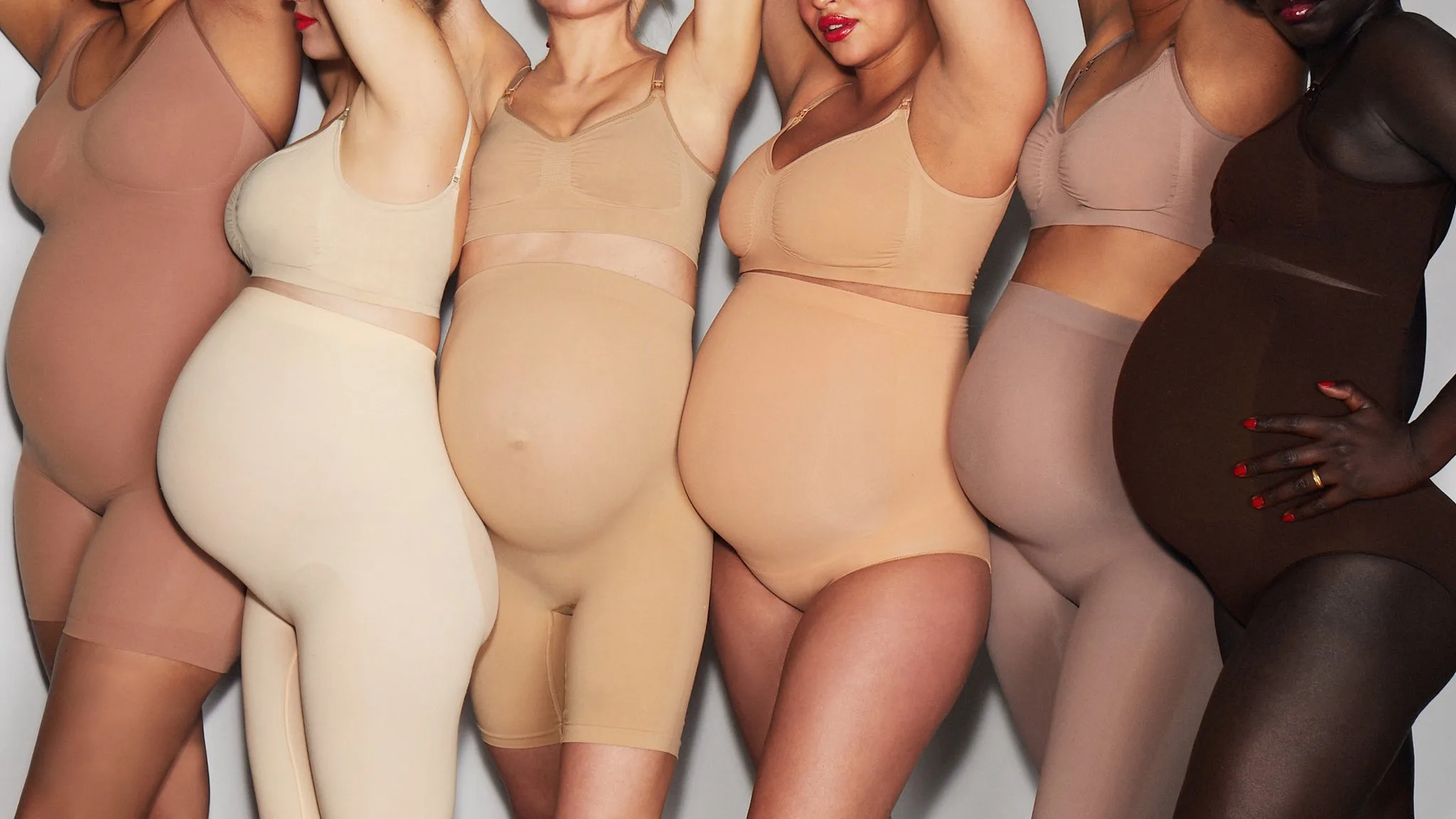
Reality TV star Kim Kardashian West hits back at trolls over her maternity wear range.
After announcing that she’ll be soon releasing Skims Maternity Solution range, the businesswoman received criticism that pregnant women want to be comfortable, not shape their bodies.
“Excuse my ignorance but who’s trynna shape their pregnant bodies? Y’all don’t like being comfy and free and loose when pregnant? It’s pretty much the only time you can be as shapeless and free and comfy as you want!” said @brownythefirst.
Kardashian West was quick to defend her brand in a series of tweets. She said: “To anyone who has an issue with maternity solution wear, and if you haven’t been pregnant before you may not know the struggle of what it’s like carrying all of this weight the way I did along with millions of strong women, @skims maternity line is not to slim but to support.
“The belly part doesn’t slim your belly, it’s sheer and a thinner layered material compared to the rest of the garment. It provides support to help with the uncomfortable weight being carried in your stomach which affects your lower back, and the compression on the leggings helps with pain relief caused by swelling. It is also worn after you have given birth and provides the comfort and support that most women need after delivery especially if you are recovering from a Caesarean.”
To anyone who has an issue with maternity solutionwear, and if you haven’t been pregnant before you may not know the struggle of what it’s like carrying all of this weight the way I did along with millions of strong women, @skims maternity line is not to slim but to support.
Kardashian West said she added the maternity range to her Skims collection “in response to the tens of thousands of pregnant women who wrote us requesting it and because it was something I needed when I was pregnant myself”.
“Based on the … positive feedback we have received so far from pregnant women around the world, I am incredibly proud to provide a solution that will provide comfort and support during the times that we all need it most, during pregnancy and after.”
The new Skims Maternity Solution range will be launched on Wednesday, September 16.
Only a few weeks after Cardi B released her bold and empowering new hit song “WAP” with Megan Thee Stallion, the rap sensation has managed to top herself once again.
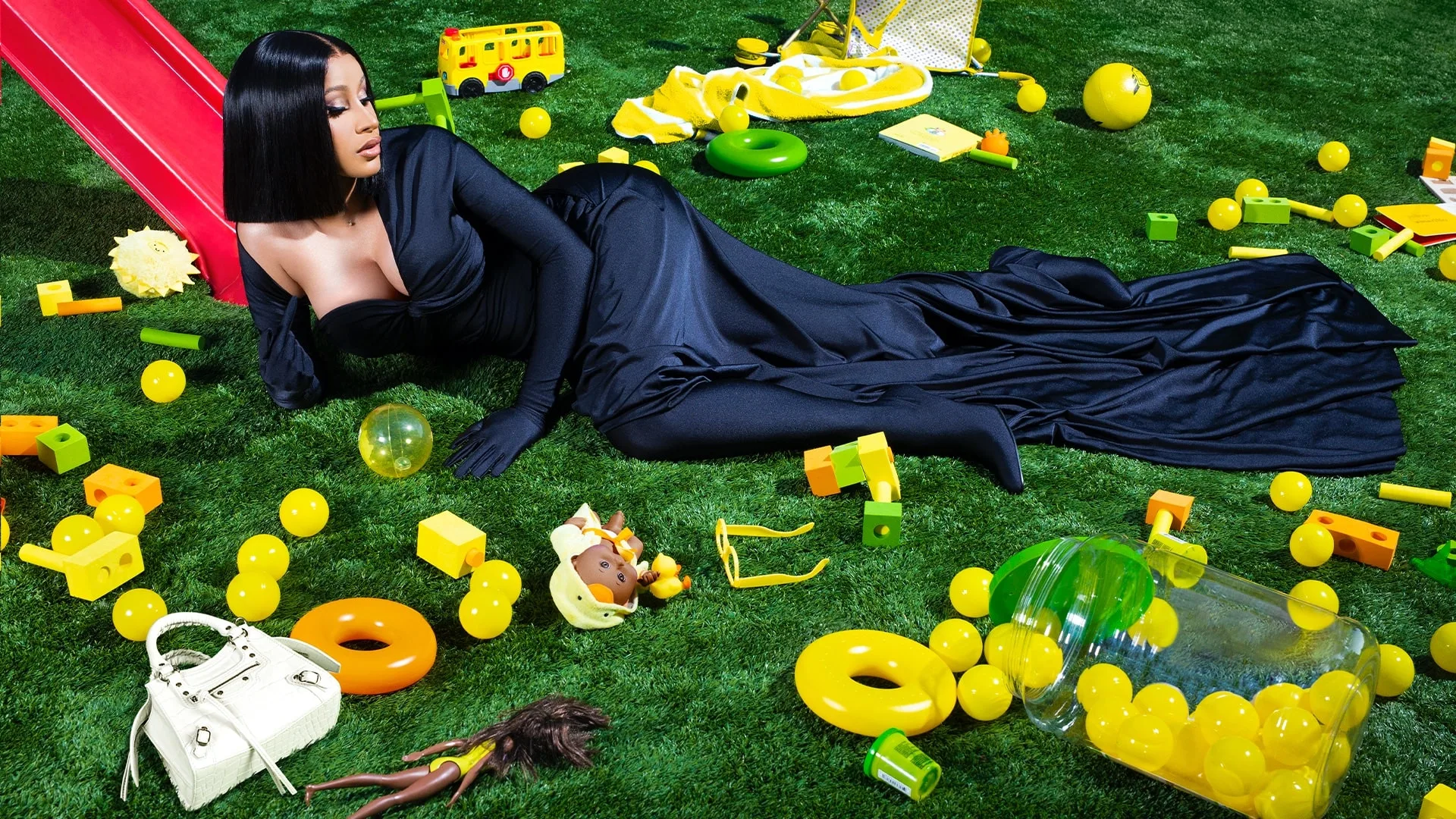
Today, Cardi took to her Twitter account to share the news that she is now the face of Balenciaga’s latest ad campaign for the winter 2020 season. Shot and styled by Cardi B’s team in her home in L.A., the imagery features the rapper wearing a black catsuit-dress hybrid from creative director Demna Gvasalia’s fall 2020 collection.
Cardi is lying on what appears to be an astro-turf surface, surrounded by a slide and kids toys, as well as Balenciaga’s Neo Classic bag in white.
On Instagram, the rapper also shared an image of a giant billboard featuring the new campaign, which is being displayed on the side of the Louvre museum in Paris. In her caption, she wrote that she remembers how it felt to see herself on a billboard in Times Square for the first time but, in her words, “PARIS! Wish I was there to see it in person.”
This is Cardi’s first campaign for a luxury fashion house, though she’s definitely no stranger to the Parisian style scene. In the last few years, Cardi has become a front row fixture at shows including Chanel, Tom Ford, and Thom Browne. Her street style swagger during fashion month has also gone viral: Remember when she wore a floral printed Richard Quinn ensemble that literally covered her from head to toe?
She and her stylist Kollin Carter have been wildly successful in carving out a much-needed space for Cardi within the fashion industry, and they’ve cultivated a personal style that is all her own while being inspiring to all. To say that she is deserving of this new Balenciaga campaign is an understatement.
Cardi is the risk-taking, unapologetic sartorial muse we all need right now, whether she’s showing us the power of the WAP or making her mark on European fashion, from the side of one of the most famous buildings in the world.
Anita Natacha Akide (Born December 23, 1995), known professionally as “Tacha” is a reality TV star, makeup artist, vlogger and a serial entrepreneur. Born and raised in the Niger Delta region of Nigeria, Rivers State to be precise, Tacha grew up in Port Harcourt City to which earned her the tag; Port Harcourt First Daughter. In early 2016, Tacha became an Instagram sensation after several of her videos became viral on Instagram.
From 2018, she started her own beauty vlog on youtube which she delved into makeup tutorials as well as some social contents about trending topics. She went on to venture into a business as a serial entrepreneur to launch the “Everything Tacha” online fashion, beauty and electronics store.
Akide rose from being an instagram sensation to a reality star after being announced as one of the housemates in the 2019 edition of Africa’s biggest reality show, Big Brother Naija Season 4. Being the only only familiar face on the show due to her instagram presence.
Tacha remained the most talked about housemate during the period of the show and after the show, which made her “The Media It Girl.” Midway into the show, Tacha who was known for her unhinged and unapologetically bold personality, amassed a legion of ruthless loyal fans who are known as “Tacha Titans.” It became obvious during and after the show that her fans who are currently the largest fanbase in Africa, mirror her traits. Upon her exit from the show, Akide immediately signed a management deal with Billz Vizion founded by Teebillz.
In mid october 2019, the 24-year-old star became a brand ambassador to the biggest sunglasses distributor in Nigeria, House of Lunettes. House of Lunettes reportedly sold over 1500 glasses in two hours after announcing Tacha as their brand ambassador.
She went on to sign another endorsement deal with Get Fit Technology, Nigeria’s most wanted wearable fitness solutions.
In November 2019, Tacha bagged a major influencing deal with one of the world’s most renowned Alcoholic beverage, Ciroc Vodka. She represents the brand in Nigeria, Africa for their Ciroc Circle Tour across Tier 1 Cities in Nigeria. In addition to these, Tacha signed a major endorsement deal with Royal Hair, the biggest hair brand in Nigeria. She also signed as a brand ambassador to Hype and Steam, a U.K high-street Online fashion store.
Tacha’s influencing power has made her the most sought after brand in Africa as the announcement of her deals with these brands were featured in top Newspapers, radio stations and blogs all over Africa
On December 23, 2019 Tacha celebrated her 24th Birthday with so much buzz on the internet as she became the first Big Brother Naija season 4 housemate to receive a gift of Mercedes Benz from her fans. Towards the end of December 2019, Tacha announced her departure from Bilz Vision management which was a mutual agreement between both parties.
Tacha who is a force to reckon with has become one of Africa’s most inspiring personality of 2019 as she recently made it to Chude Jideonwo’s list of the 150 most interesting people in the culture (2019).
Tacha who is now an household name has constantly remained on everyone’s lips with a very engaging social media presence with average views of 1,300,000+ on her instagram videos on her official account, @symply_tacha. She has an average of 45% of her following as her engaging audience with the females at 55% and males at 45%. The demographics of her audience has 18 – 40 years owning a larger share of 70% all over Africa. On twitter she has a mass follower of 500k, it is no news that the reality TV star trended worldwide and has been trending daily on Nigeria trends since September till date, and not forgetting her Youtube channel with 58k Subscribers.
She has become the only brand to trend consecutively for more than 50 days at a stretch on the platform. This is believed to have caught the attention of the co-founder and CEO of Twitter, Jack Dorsey due to analytics from the Twitter headquarters, prompting Dorsey to follow her account (Symply_Tacha) and verifying her twitter account. On Jack’s birthday, Tacha broke the Internet after sharing a FaceTime video with Jack Dorsey. The attention she has from Africans is overly impressive.
Everything Tacha by Natacha Akide is a beauty, fashion and electronics brand. The brand was launched in 2018 with Tacha’s famous ‘PINK LIP KIT’ alongside POWER TACHA, SMILE TACHA, EYELASHES and GLOW TACHA.
Tacha was inspired to create her own brand after years of studying and understanding what works best for everyone. She saw the need to venture into business to make these products affordable and reliable for everyone. From the best-seller PINK LIP KIT which changed the game for lip balms, Tacha’s aim is to create products that inspire young people in the world.
Tacha has since gone on to re-brand all the products to even more luxurious packages, while ensuring that her line of products caters for everyone irrespective of status and gender.
Working on the designs in the Fenty studio Photo: Courtesy of Fenty
“Jahleel, you have to admit that you slid in my DMs,” begins Amina Muaddi over the phone with Jahleel Weaver, the creative director of Fenty. The pair have jumped on a conference call to discuss Muaddi’s footwear collaboration with Fenty.
Amina Muaddi with Rihanna Photo: Courtesy of Fenty
Rihanna with Jahleel Weaver Photo: Courtesy of Fenty
The collab has produced some of this summer’s cattiest, most insouciant heels, but most important to note is that these vampish shoes started from a place of friendship.
“This is true. This part of the story is actually true,” Weaver laughs, noting that the pair have mutual friends but didn’t connect until Muaddi launched her eponymous shoe collection in the summer of 2018. “I had purchased some of her shoes for Rihanna for projects we were doing, and I reached out saying I was such a fan. We later scheduled a meet-up and a cocktail from there it’s been history.”
History, in this case, is an on-going partnership between Muaddi and Fenty that debuts today. To those of us outside the Rihanna friend group looking in, Muaddi and her work feel like a perfect fit for the label: powerful, a little sexy but with a clever wink, not too self-serious just like Rihanna herself. “Aside from her immaculate taste, something that I thought was really important between the connection of Amina and Rihanna.
They are both modern women designing for modern women. I think that connection is really, really important. Obviously, Amina thinks about that with her designs in her line and Rihanna thinks about that in everything that she does. There’s something invaluable about women doing it for themselves. That is very important.”
When Weaver moved to Paris to head up Fenty, he started to share his ideas with Muaddi as friends first but, really, it was only a matter of time before the designer got into the mix. “We started talking about the brand and I was very excited to see Rihanna’s launch.
She’s obviously someone I admire and whose work I love and whose style I also admire. It’s iconic. I was excited just as a person what the brand was going to look like,” Muaddi says. “Jahleel would share with me his enthusiasm for us potentially doing something together in the future, so when he told me he was thinking about me collaborating with them on the shoes I immediately said yes.”
Working on the designs in the Fenty studio Photo: Courtesy of Fenty
Muaddi workshopped her debut collection alongside Rihanna, bringing a different perspective than that of her own label. For Fenty, the shoes are grounded with an architectural metal heel at 10cm, high enough to add a little lift without sacrificing comfort. “It was very exciting to find that Fenty identity. I wanted to start from scratch,” the designer says. “I wanted the shoes to emphasize Fenty’s aesthetic and have Rihanna’s feminine yet edgy vision and style, but do it through my own lens.”
The resulting four styles are a mule, a lace up sandal with crystal, a sandal with PVC straps, and a cage pump that ties all the way up the leg. “It was fun showing Jahleel ideas, and he would give me references and photos he liked,” Muaddi begins. “Jah and I have such a similar aesthetic. We match outfits without even planning it. We show up dressed the same way all the time.”
Muaddi’s sketch of a crystal-studded lace-up sandal Photo: Courtesy of Fenty
The Fenty Braid sandal Photo: Courtesy of Fenty
Muaddi’s sketch of black, mesh mules Photo: Courtesy of Fenty
The Fenty Meshy mule Photo: Courtesy of Fenty
Muaddi’s sketch of the “Cage” sandal Photo: Courtesy of Fenty
The Fenty Cage sandal Photo: Courtesy of Fenty
“It’s actually really weird,” Weaver cuts in.
“He told me which he liked the most and was super happy with the proposal,” she continues. “Later on we had a meeting with Rihanna in London and that’s when we showed her and the other people in the meeting the colored sketches. She chose the ones that she liked the most,” and here they are, available for sale on Fenty’s e-commerce site on July 15th.
Which ones do Muaddi and Weaver expect will sell out first? “You never know when you get the right one,” Muaddi demurs. “In a way, it is similar to the process of making music: You don’t know if something is a hit or not until you listen to it or see it.”
Kenya has halted imports of secondhand clothes to prevent the spread of the coronavirus. The move limits fashion selection, but opens doors for the country’s designers and manufacturers.
Catherine Muringo with some of the bales of mitumba, or secondhand clothes, that she buys and sells. She said the import ban threatens her business.Credit…Khadija Farah for The New York Times
Catherine Muringo’s wardrobe consists of secondhand outfits shipped from all over the world: colorful blouses and jeans from Canada, floral dresses from the United States, trench coats from Australia and leather handbags from the United Kingdom. For years, Ms. Muringo bought the used clothes and accessories at cheap prices in open-air markets in Nairobi and used them to fashion her own idiosyncratic style.
Seven years ago, she also started a business buying and selling such items, distributing castoff fur coats, hoodies and shoes to customers in Kenya and in foreign markets like Botswana, Uganda and Tanzania. But in late March, the Kenyan government banned the importation of used garments in what it said was a precautionary measure to curb the spread of the coronavirus. Even though used clothes are fumigated before being shipped, Kenyan authorities said they were taking precautions because of the spike in infections in countries like the United States.
Now, businesses like hers are threatened, as well as the sartorial choices of millions of Kenyans who depend on low-cost imports to stay stylish. “Kenyans love to go to the secondhand markets and spend hours looking and searching,” Ms. Muringo said. “Kenyans love the diversity of secondhand.”
Officials also said the banning of imported clothing known as mitumba, the Swahili word for “bundles” could have an unexpected benefit. It could help Kenya revive its own textile industry, which was wiped out in the late 1980s as the country started opening its markets to foreign competition.
“I think corona has shown not just for Kenya but for many countries to look inward a lot and try and fill some of the market gaps,” said Phyllis Wakiaga, the chief executive of the Kenya Association of Manufacturers. “The reality is that there’s a big opportunity for us to produce local clothes for the citizens.”
Shops in Toi Market, one of Nairobi’s most popular stops for secondhand goods, have been hurt by the coronavirus and the import ban.Credit…Khadija Farah for The New York Times
For years, Kenya, along with other countries in East Africa, had tried to phase out used clothing to boost local manufacturing. But the countries faced the threat of being removed from the Africa Growth and Opportunity Act, which promotes trade by providing reduced or duty-free access to the American market. Many countries backed off from instituting a ban on imported clothing, with the exception of Rwanda.
The coronavirus gave Kenya a chance to promote its own clothing manufacturing, but thwarted a lively trade. In Nairobi, the combination of the import ban, plus lockdown measures and an overnight curfew introduced to stamp out the virus, have drastically lessened the hive of activity at the popular Gikomba and Toi thrift markets, mazes of narrow pathways packed with bellowing vendors and piles of clothes, shoes and household goods.
As the largest importer of used clothing in East Africa, Kenya, with its new ban, is expected to upend not just supply chains but also lead to a hemorrhage in jobs connected to the trade and the loss of millions of dollars from government coffers as tax revenue and import duties fall.
But where some see problems, others see opportunity. Wagura Kamwana, the proprietor of a fabric shop, the Textile Loft, is seeking to capitalize on this moment. Ms. Kamwana, 40, grew up wearing hand-stitched clothes from her mother, and later on, sought trendy outfits at secondhand markets. Kenyans like used clothes, she said, both for their affordability and because of the their high-quality fabrics.
In 2016, she opened her store, offering premium quality fabrics, sourced from Europe, to Kenyans who wanted to create high-end fashion locally.
In 2018, she started also offering production services to designers looking to develop smaller lines who were being turned away by factories only interested in bulk orders.
Wagura Kamwana, founder of the Textile Loft, looks over a finished garment.Credit…Khadija Farah for The New York Times
Ms. Kamwana has already worked with prominent local designers like Katungulu Mwendwa. The pandemic has also offered the chance to start her own clothing line. Her new label is set to produce everyday clothing for women including dresses, scarves and trousers ranging from $25 to $150.
Ms. Kamwana said designers and manufacturers should collaborate and take baby steps to push the industry toward maturity. “This whole value chain will take quite a few years to be feasible or to be seen,” she said, adding, “what we can do immediately is perfect our art of making.”
Rolls of fabric at the Textile Loft.Credit…Khadija Farah for The New York Times
Other Kenyan companies are also responding to the challenges posed by the pandemic by focusing locally.
Frederick Bittiner Wear, which does fabric selection, design and tailoring for retailers in East Africa, Europe and the United States, has seen a reduction in orders because of the pandemic, so it has turned to producing leggings, T-shirts and vests for the local market, said Dominic Agesa, the managing director.
After approaching distributors with samples, Mr. Agesa said he got 50 orders in a week. For too long, “Kenya has been reluctant” to incentivize local manufacturers, he said, but the import ban was one step toward making conditions more favorable for a local scene to eventually flourish.
“Are we able to satisfy the Kenyan market and beyond? Mr. Agesa said. “Gradually, the answer is yes.”
Suave Kenya is a brand that transforms secondhand clothes ranging from silk shirts to leather jackets into stylish and colorful tote bags, backpacks and wallets. With the import ban, its founder, Mohamed Awale, is looking into sourcing from local tanneries and textile factories.
“If the pandemic persists, we will have to adapt while still producing the type of bright bags that make us unique,” said Mr. Awale, 32. “When we source locally, we create jobs and make our industries grow.”
The Suave Kenya workshop, where backpacks, bags and accessories are produced from up-cycled materials and locally sourced fabrics.Credit…Khadija Farah for The New York Times
Nowhere is the shift to adapt to the changes brought on by the pandemic more visible than in the special export zones on Nairobi’s outskirts. Established in 1990, these zones offer companies less regulations plus tax incentives to promote export-oriented businesses.
But with borders closed and exports plunging, some of the clothing factories have begun servicing the Kenyan market, with the country temporarily allowing manufacturers to exceed the usual limit of supplying no more than 20 percent of their annual production to local markets.
Shona EPZ has 500 employees and makes reflective work clothes for companies like 3M and apparel for department stores like T.J. Maxx. But since the pandemic began, the firm has pivoted toward making personal protective equipment for Kenya, producing tens of thousands of masks and surgical gowns per day, said its director, Isaac Maluki.
Mr. Maluki said he has also partnered with secondhand importers and small-scale manufacturers, that, with the ban on used clothing, are increasingly considering collaborating with larger companies like his to make clothes for local consumption.
“We want to really encourage them to see the kind of quality that comes out of here that can be shared into the local market,” he said. “The local market is huge.”
Workers at Shona EPZ have shifted from manufacturing apparel for export to producing personal protective equipment for Kenya.Credit…Khadija Farah for The New York Times
But before a robust clothing sector takes hold, experts say local manufacturers will have to overcome a host of challenges, including inadequate access to finance, the high cost of electricity, and the lack of raw materials, including cotton.
The fact that powerful lobby groups for the secondhand clothing industry in the United States have already criticized Kenya’s move doesn’t bode well either, said Emily Anne Wolff, a researcher at Leiden University in the Netherlands who has studied plans to phase out used clothing in East Africa.
Kenya is aiming to be the first country in sub-Saharan Africa to negotiate a free-trade agreement with the United States, which could undermine Kenya’s will to retain the clothing ban.
Used clothes traders have appealed to the government in recent days to lift the ban, saying there is no public health risk associated with the trade. But officials have so far ruled that option out.
For now, Kenyan designers and manufacturers say the ban gives them a window of opportunity to start shaping the future of fashion in Kenya.
“Now is a good time to make choices and changes,” said Ms. Kamwana, the owner of Textile Loft. “You will be surprised by what comes out of this country.”
Credit Story By Abdi Latif Dahir Photo By Khadija Farah
Some of the designs have padlocks to symbolise lockdown measures
A Ghanaian fabric company has launched a new line of designs inspired by the Covid-19 pandemic. “[We] put a positive twist on a negative phenomenon” Stephen Badu, from Ghana Textiles Printing (GTP), told BBC Focus on Africa radio.
The new fabrics have symbols like padlocks, keys and planes to reflect some of the measures implemented to curb the spread of coronavirus, African prints are popular in Ghana and many workers wear them on Fridays.
Two of Ghana’s main metropolitan areas were in lockdown in April – and nationwide there was a ban on public gatherings and the closure of borders. Restrictions have since been eased though strict social-distancing measures are in place, especially in churches and it is a criminal offence not to wear a face mask in public.
The West African nation has reported more than 20,000 cases of Covid-19, with at least 129 people dying from the virus. “We are a business that tells stories and we tells our stories through our designs,” Mr Badu, GTP’s marketing director, said.
The capital, Accra, and the city of Kumasi were put into lockdown for three weeks
“We believe that it is going to leave a mark in the history of the world, and it’s important that generations that come after us get to know that once upon a time, such a phenomenon occurred.”
Some of the new GTP designs have glasses on them similar to the signature ones worn by Ghana’s President Nana Akufo-Addo, who has been giving regular updates on the virus.
The round spectacles look like those worn by the president
“He has iconic spectacles that he wears and when you watch him on television that is what stands out,” Mr Badu said. “Another design shows a symbol of a plane, it indicates that during the lockdown one of the measures that Ghana took was to close the borders, so no flights,” he added.
Flights were stopped during the lockdown
In 2004, the government started a campaign to get people to wear national dress on Fridays to support the local textile industry, yet a lot of the fabric worn is not made by African firms.
The designs were created by Ghanaians
Ghana Textiles Printing, despite its name, is owned by Dutch company Vlisco, But Mr Badu said the new designs were all about Ghanaians telling their own history.
“The designs which we print now are all originated by Ghanaians and printed by Ghanaians, so behind every design we produce it’s our value systems, our sense of art, and how we communicate,” he said.
Model castings, backstage rush, lights, cameras, runway, the US$31 billion African fashion industry (PDF) is always agog almost all year round with vibrant fashion events, big and small.
This year has been unprecedented for physical activities across the globe. A viral pandemic has kept much of the world indoors for at least a month. And even as countries reopen, how physical, social and sporting events happen moving forward will remain a deftly choreographed attempt to keep people safely distanced from each other especially with all the unpredictability around how the pandemic evolves.
Across Africa, many major fashion shows are often slated for the last quarter of the year. In Lagos, the prestigious Lagos Fashion and Design week is usually an October affair while GTBank’s Fashion Weekend takes place sometime between October and November. In Tanzania, the Swahili Fashion Week, famed as one of the most influential fashion events in East and Central Africa, holds between November and December of every year.
Two years ago, the South Africa Fashion Week (women and men’s edition) took place between October 23rd and 27th while the Joburg Fashion Week ran from October 4 to 6 also in the same year.
Last year, both fashion events were moved to the fourth month of the year. This year, that would have coincided with the peak lockdown period where more than a billion people around the world were in isolation.
As we move past the middle of the year, the number of new COVID-19 cases continues to oscillate with some countries recording fall in numbers and others, continued peaks.
As with the uptake of digital tools and technology-enabled processes to continue working amidst the pandemic even in industries like Nollywood, the fashion industry in Lagos and across the continent are slowly adopting digital tools to keep events going in some shape or form.
Why are fashion events important?
Haute couture, avant-garde outfits that leave you wondering what outrageous costume parties one would have to be invited to to wear them might be commonplace in global fashion cities like Milan and New York.
But on African runways, designers usually often stick to functional pieces that fit into one of the many events that take place in cities like Lagos or Johannesburg.
But fashion events are rarely just elaborately organised events to showcase outfits that may or may not be replicable outside of a fashion magazine or film. At these events are buyers looking to stock up their high-end clothing stores; stylists looking for what new head-turning outfits to don their clients in; fashion media looking to publish whole collections on their platform even before the models make it backstage as well as low-end, mass-market manufacturers looking to lift eye-catching looks and/or details that will subsequently be reproduced verbatim or in parts.
Since 2010, the textile, apparel and footwear industry in Nigeria has averaged a growth of 17% of the country’s GDP according to the National Bureau of Statistics (NBS). In developing countries, the textile and clothing industry is the second largest behind agriculture employing a large percentage of women in its workforce. Since Swedish clothing retailer H&M set up office in Addis Ababa in 2013, it has added about 60,000 jobs to the economy. A similar effect on employment, about 80,000 jobs added to the economy, has been seen in Mauritius since it raised apparel exports to the EU and US.
These events also create a whole economic pipeline for artisans, stylists, models, makeup and hair stylists who drive all the moving parts that make them possible. Cancelled events globally and across the continent put the livelihoods of these individuals in a precarious place.
Tobi Oloko, a model signed with six international modelling agencies including three in Milan, Paris and South Africa, and who often travels around the globe for fashion shows, has been at home for the past three months due to the pandemic. With no events to walk at, there has been no income for her in this period.
“My last work trip before the pandemic broke out was Paris and I was forced to come back home amidst the situation,” Oloko tells TechCabal.
“I’ll say the pandemic affected my whole job completely as a model, especially because it includes traveling around to these specific countries but that’s on hold now and there are no hopes of fashion weeks, campaigns, beauty, magazine editorial jobs and all that happening this year anymore,” she said.
“Payments are on hold as well.”
Runways have gone digital in the meantime
Last month, for her Pink Label Congo capsule collection, Congolese designer Anifa Mvuemba sent mesmerising 3D models down a virtual runway to an audience of millions first on the Instagram Live channel where the event was being streamed, and subsequently, through an outpouring of awe from across the globe. Many have called it the future of fashion.
Although already previously working with 3D modeling for mockups of her design, the pandemic and isolation period provided ample opportunity to extend the technology to creating and showcasing a capsule collection.
Like Mvuemba, designers across the continent have taken to social media and video streaming to continue to unveil new collections mostly via lookbooks and virtual runway shows from Ghana to South Africa, and Nigeria. No one has quite put on a show like Mvuemba for very important reasons.
Producing a 3D virtual runway show is a multi-stage process of modelling, simulating, frustrating rendering speeds and at least a month’s worth of painstaking and detailed design process.
As a 3D modeller explains to me, the process will begin with creating models using softwares like Maya or ZBrush. Once the 3D models are created using human fashion models, they are stripped and then rigged, giving the model a skeletal framework to enable movement. Once done, the 3D model is animated and transferred to a new software like Marvelous Designer.
On Marvelous Designer, the modeller designs and simulates movement in the styles so that it flows naturally with the movements of the 3D model. The design is exported once more to another software like 3ds Max or Blender where a runway, lighting and other aesthetic elements are added.
Then the project is rendered into a video (like the Pink Label Congo show) or an image.
For the AFI (African Fashion International) Fashion Week in Cape Town which managed to take place in March just two weeks prior to a nationwide lockdown, models walked down the runway of empty halls while the event was live streamed to audiences.
At the Lagos Fashion Week, a series of live streamed and virtual conferences have been ongoing since April. Through Woven Threads and its #StayHome Live series, the event has continued to engage its audience with small virtual events in conversation with industry experts and stakeholders from across the continent. Its Autumn/Winter shows have taken on an entirely digital format.
Purchasing activities, although having declined in the period, have always gone on digitally and the period has intensified the need for designers and retailers to optimise online stores to continue to make sales.
Here also, is where the use case for AR/VR fitting rooms triumphs for designers and retailers who offer these capabilities to their clients.
“African fashion is rising right now. African designers need to develop their unique business model and have to be innovative. To do so, digital is key,” says Sarah Diouf, founder of Tongoro, a 100% made-in-Africa clothing brand Beyonce was clad in for one of the videos in her Spirit album.
“It’s a tool that we can truly leverage to our advantage,” she said at the Fashionomics Webinar Series early this month.
What will events look like in the coming months?
Some fashion events usually occurring in the middle of the year have been shifted towards year ending. The Accra Fashion Week 2020 has been moved from March to October as has the Arise Fashion Week. The Swahili Fashion Week is still slated to hold in December when it usually does, in Dar Es Salaam, Tanzania.
Whether these events will happen physically or virtually remains yet to be disclosed. The sense however, is that towards the end of the year, life must have returned somewhat to a ‘new normal’ and social events will be back in full swing. However, with the discovery of efficacious and safe vaccines or therapeutics for COVID-19 set at a 2021 timeframe and the continued spike in cases in countries like Nigeria, things remain uncertain.
Oloko says she hasn’t gotten wind of any specific fashion shows slated to take place this year yet but agencies have kept up with video call shoots and a variety of online engagements with their models. A friend working in Europe tells her things are picking up slowly and she hopes that the same is applicable soon back home.
The South African government has instituted a phased lockdown lifting process. As at the start of the month, on the third level of the lift, all manufacturing, mining, construction, financial services, professional and business services, information technology, communications, government services, and media services fully reopened. South Africa remains the worst hit by the virus on the continent with 118, 375 cases recorded so far and over 2,000 deaths.
Tanzania’s government has had a peculiar approach to the virus. Since April, the government has ceased publishing data on the cases in the country and has continued to encourage religious gatherings with the president saying earlier this month at a church service that “the corona disease has been eliminated, thanks to God.”
As at its last publishing in April, there were 509 cases and 21 deaths in the country.
Having put in lockdown measures in Accra and Kumasi, two of its largest cities, Ghana was the first African country to lift its lockdowns saying that the government and healthcare institution had taken the period to better equip itself to handle the virus.
Globally, a long list of events have been slated to continue virtually well into September.
The pandemic will have more far reaching effects on other aspects of the global industry beyond events and it may be too early to see the full impact on the continent’s industry. Supply chains, sales as consumer spending declines, fast fashion, sustainability and the resale industry, the usefulness of elaborate fashion events themselves, these are all conversations currently being had in various corners of the industry.
According to a McKinsey report on the North American fashion industry, part of recovery steps will entail a lot of digital optimisation particularly to promote and engage with buyers as their purchasing behaviours evolve.
Digital may also have effects on how designers choose to showcase new collections moving forward and could become paths for autonomous and democratic shifts away from fashion shows which some say can be an elitist and unfairly selective affair.
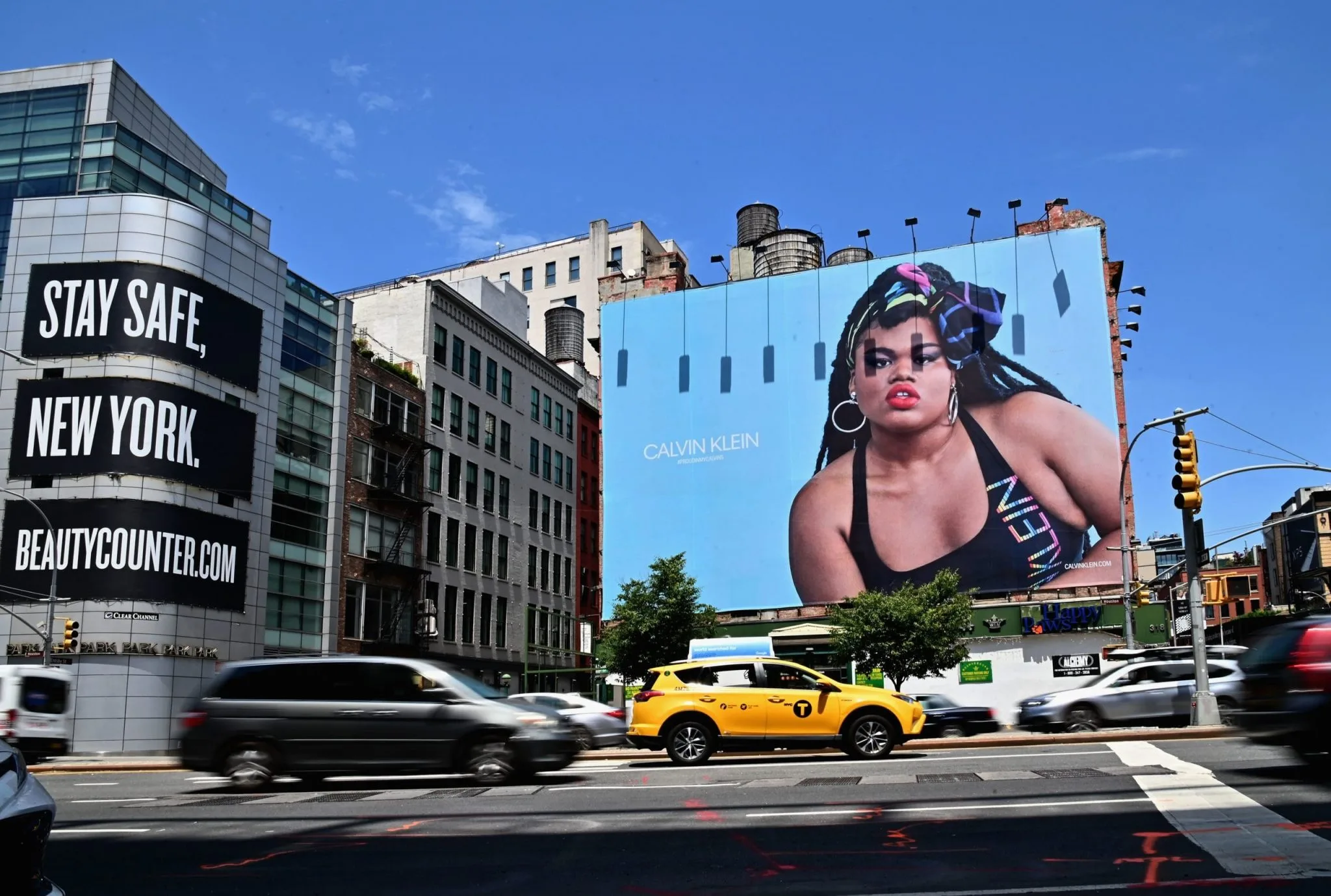
US fashion brand Calvin Klein has introduced a new campaign that features a plus-size, African-American transgender model. This and French cosmetics brand L’oreal Paris’ decision to alter its slogan have both sparked controversy on Chinese social media as many netizens said they felt the move was merely an attempt by the companies to be “politically correct.”
Jari Jones, the first plus-size transgender model to grace a giant billboard in New York in the history of Calvin Klein, has been encircled by public discussion not only in her own country but on Chinese social media. Her multiple identities such as being an African-American and a member of the LGBTQ+ community have become the center of controversy.
Some Chinese netizens said they believe the reason why Calvin Klein chose Jones was to pursue political correctness and pander to trending rights movement such as the Black Lives Matter campaign.
“The model is an African-American and a member of the LGBTQ community. Choosing her was the highest point of political correctness. I think this action will not help and is just a surface effort,” netizen “Minglasipangqi” commented on China’s Twitter-like Sina Weibo.
Some netizens also questioned why the fashion house didn’t go with a tradition tall and thin model.
“I understand that women have different sizes, but this model is too heavy and is not very healthy, I think. She doesn’t make me want to buy these clothes,” another netizen wrote.
Not all voices have been in opposition to the move. Some netizens said they feel that regardless of the results of the campaign, it is good that the company is taking action to support multicultural values.
“June is Pride month for the LGBTQ+ community and Jones’ identity as a member of the community can present the beauty of diversity to more people by being on the giant billboard at the center of New York,” Peng Yanzi, founder of the LGBT Rights Advocacy of China, told the Global Times on Monday.
Jones’ impact is not only limited to her gender identity, Peng said, adding that her body type can challenge some traditional impressions that might be out of date for women and models, Peng said.
Amid campaigns to protect the legal rights of African-Americans and transgender people in the US, breaking the mold when it comes to choosing models and promoting fashion icons is necessary and helpful, Peng said.
A Calvin Klein fan living in Beijing told the Global Times that she loves the brand even more because of the move.
“I like CK better after reading the news because it is a brand that recognizes the demands of their customers.”
While Calvin Klein has received some voices of support, French cosmetics brand L’oreal Paris has faced almost complete opposition on Chinese social media for changing its slogans and removing words like “whitening” from its products.
“It is too excessive. L’oreal should dye all its skin care products to black, or else white cream is also racist,” Sina Weibo user “Xiaoniaozhendechaojikeai” commented. The hashtag “L’oreal will stop using skin whitening” had received more than 110 million views on Sina Weibo as of Monday afternoon.
“Maybe next time white paper will also be banned.”
After African-American George Floyd was killed by a white police officer in the US in late May, many protests and campaigns against racial discrimination have broken out in the US and other regions around the world. Some companies have faced criticism for promoting skin whitening products from people who feel that these products promote the idea that lighter skin is better, according to a report from the Xinhua News Agency.
The e-commerce company will celebrate its anniversary supporting consumers and SMEs in the unique context of COVID-19
-Africa’s leading e-Commerce platform, Jumia, will mark its 8th Anniversary by celebrating consumers and communities through a consumer and seller centric campaign in the exceptional context of the COVID-19 pandemic. The company’s anniversary, themed ‘Stronger Together’, is one of its major annual commercial events and is taking place from June 22nd until July 5th, 2020 across the countries where Jumia operates in Africa.
The Company will continue to support its consumers through the various measures and initiatives that were started during the COVID-19 crisis, especially by providing a wide range of relevant products at the best prices and establishing new partnerships with both international and local brands.
“This event comes in the continuity of the multiple actions undertaken as part of the fight against COVID-19, to help our consumers safely access goods and services, at the best possible prices. This event will also help support our local sellers and logistics partners who operate on the Jumia platform during these challenging times.” said the Jumia co-CEOs, Sacha Poignonnec & Jeremy Hodara.
This year, the Jumia Anniversary event brings together a diverse list of brands across categories including Groceries (Unilever, Nestle, Coca-Cola, Carrefour), Sanitary & Hygiene (Reckitt Benckiser, P&G, Henkel, GSK), Beauty (l’Oreal, Maybelline, Garnier, Nivea), Phones (Samsung, Xiaomi, Nokia, Huawei), Electronics (Intel, HP, Philips, Sony) and many more.
About Jumia
Jumia is a leading e-commerce platform in Africa and was established in 2012 in Lagos, Nigeria. It is built around a marketplace, Jumia Logistics, and JumiaPay. The marketplace helps millions of consumers and thousands of sellers to connect and transact. Jumia Logistics enables the delivery of millions of packages through our network of local partners.
JumiaPay facilitates the payment of online transactions within the Jumia ecosystem. With over 1 billion people and 500 million internet users in Africa, Jumia believes that e-commerce is making people’s lives easier by helping them shop and pay for millions of products at the best prices wherever they live. E-commerce is also creating new opportunities for SMEs to grow and job opportunities for a new generation to thrive.
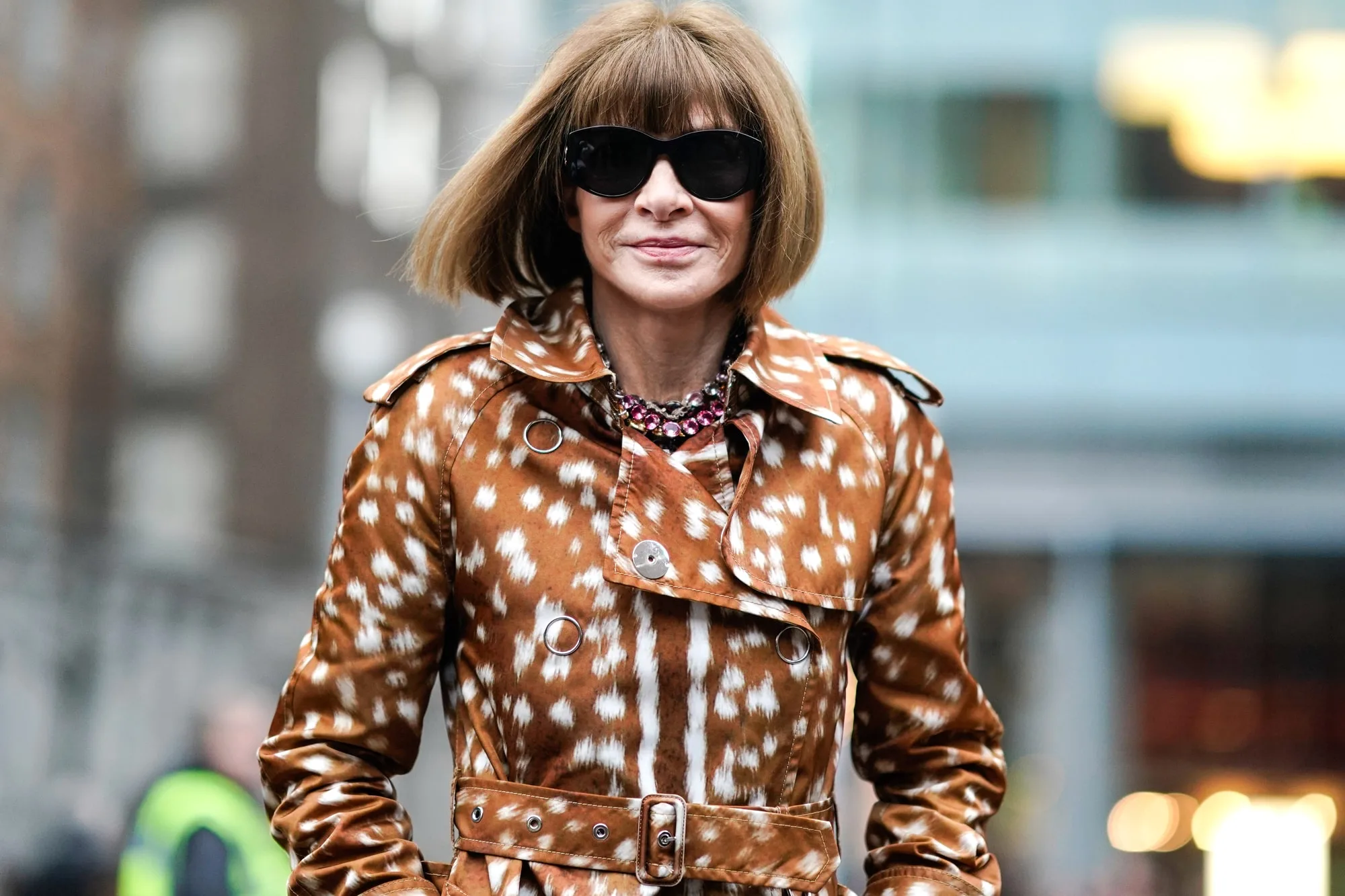
Anna Wintour has said she takes “full responsibility” for racial inequality at Vogue, after admitting the magazine has not done enough to “elevate” black staff and designers.
The Vogue editor-in-chief acknowledged the company’s “hurtful and intolerant” past creative decisions in an internal staff memo written amid worldwide protests following the death of George Floyd.
In the note, seen by the New York Post, Wintour began by addressing the feelings of sadness, hurt and anger that many employees are experiencing, before writing: “I want to say this especially to the black members of our team – I can only imagine what these days have been like.
“But I also know that the hurt, and violence, and injustice we’re seeing and talking about have been around for a long time. Recognising it and doing something about it is overdue.
“I want to say plainly that I know Vogue has not found enough ways to elevate and give space to black editors, writers, photographers, designers and other creators,” Wintour continued in the email, sent 4 June. “We have made mistakes too, publishing images or stories that have been hurtful or intolerant. I take full responsibility for those mistakes.”
The artistic director of Condé Nast also acknowledged that it “can’t be easy to be a black employee at Vogue” and that there are “too few” people of colour working for the fashion magazine, before promising to “do better”.
“I know that it is not enough to say we will do better, but we will – and please know that I value your voices and responses as we move forward. I am listening and would like to hear your feedback and your advice if you would like to share either,” Wintour wrote, before encouraging staff to reach out to her directly.
“I am proud of the content we have published on our site over these past few days but I also know that there is much more work to do. Please don’t hesitate to be in touch with me directly. I am arranging ways we can discuss these issues together candidly, but in the meantime, I welcome your thoughts or reactions,” Wintour concluded.
The 70-year-old’s letter came amid accusations of racial inequality at other Condé Nast brands, including Bon Appétit.
On Monday, the food magazine’s editor-in-chief Adam Rapoport stepped down after a photo showing him in brown face resurfaced, sparking widespread criticism.
The racially insensitive image also prompted Bon Appétit employees of colour to come forward about their experiences with racial discrimination at the magazine.
Following Rapoport’s resignation, Condé Nast released a brief statement in which it said it is “dedicated to creating a diverse, inclusive and equitable workplace” and has a “zero-tolerance policy towards discrimination and harassment in any forms.”
Wintour’s email to magazine staff also comes after Vogue’s former editor at large André Leon Talley accused the fashion editor of not being “capable of simple human kindness” in his new memoir, The Chiffon Trenches.
“She is immune to anyone other than the powerful and famous people who populate the pages of Vogue,” Talley wrote of his former friend and colleague. “She has mercilessly made her best friends people who are the highest in their chosen fields.”