Friday 13th of November 2026

Nairobi, Kenya

How to Become a Fashion Model: Opportunities, Agencies, Portfolios and Industry Connections

An essential guide to building a modelling career, discovering professional opportunities, developing a standout portfolio, working with agencies and connecting with the people shaping the global fashion industry.

The fashion industry has always relied on individuals who can bring creative ideas to life. Behind every runway presentation, advertising campaign, magazine editorial and fashion collection is a network of professionals whose work transforms clothing into visual stories. Among the most recognisable are fashion models.

Today, modelling extends far beyond the traditional runway. Models work across editorial photography, commercial advertising, beauty campaigns, ecommerce, television, lifestyle marketing, fashion films, social media and international brand productions. The industry also offers opportunities for people with different appearances, body types, ages, backgrounds and personal styles.

For aspiring models, this creates a wider range of potential career paths. However, entering the profession requires more than an interest in fashion or a collection of attractive photographs. It takes preparation, confidence, discipline, professional communication, an understanding of the industry and the ability to build relationships with the right people.

From discovering reputable modelling agencies and creating a professional portfolio to attending castings, understanding contracts and connecting with designers, photographers and brands, every stage contributes to developing a sustainable modelling career.

In Africa, the opportunities are particularly interesting. Fashion industries in Kenya, Nigeria, Ghana, South Africa, Senegal, Tanzania and other countries are creating platforms for designers, models, photographers and creative entrepreneurs to present their work and connect with wider audiences.

Digital platforms are also changing how talent is discovered. Aspiring models no longer have to depend entirely on personal introductions or physical agency visits. Professional directories and online portfolios provide additional ways to make their work visible.

This guide explores how to become a fashion model, identify suitable opportunities, work with modelling agencies, build a professional portfolio and develop valuable industry connections. It also examines how Nairobi Fashion Hub provides a digital environment through which models can showcase their services, connect with clients and participate in Kenya’s wider fashion community.


1. Understanding the Modelling Industry

Before beginning a modelling career, it is important to understand that modelling is not one profession with a single set of requirements.

The industry includes several specialisations, each with different expectations, working environments and opportunities.

A model who is suited to editorial photography may have a different professional profile from someone who specialises in commercial advertising or runway presentations.

Understanding these distinctions helps aspiring models identify their strengths and pursue opportunities that match their abilities.

Runway and fashion show modelling

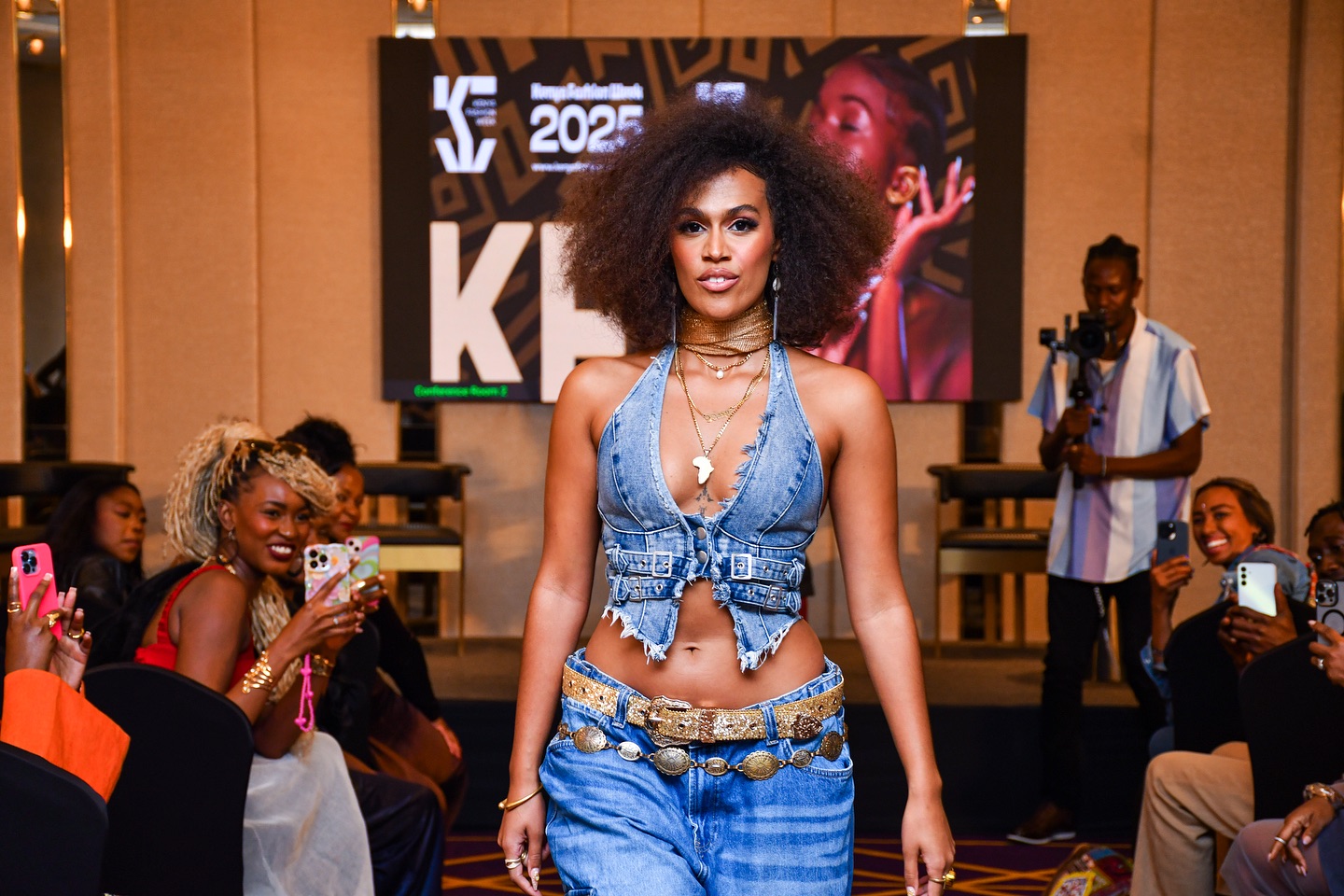
Runway models present designers’ collections during fashion shows, fashion weeks, designer showcases and industry events.

Their work involves presenting garments through movement, posture, expression and stage presence.

A professional runway model should understand:

  • Walking techniques and posture.
  • Maintaining a confident and consistent pace.
  • Presenting garments effectively.
  • Following choreography and stage direction.
  • Working with different designers and styling concepts.
  • Managing fittings, backstage preparation and show schedules.

Runway modelling can provide opportunities to work with fashion designers, casting directors, stylists, fashion photographers and event organisers.

Editorial and high-fashion modelling

Editorial models participate in fashion photography productions designed to communicate a visual concept or creative story.

These productions may appear in fashion magazines, digital publications, designer campaigns and creative portfolios.

Editorial modelling requires versatility, expressive ability and the confidence to interpret different creative directions.

Models may be asked to work with unusual poses, dramatic lighting, distinctive styling, artistic makeup and unconventional locations.

For individuals interested in fashion storytelling and visual creativity, editorial modelling can be an exciting professional direction.

Commercial and advertising modelling

Commercial models represent products, services and brands through advertising and promotional campaigns.

Their work may appear in:

  • Television commercials.
  • Digital advertising.
  • Billboards.
  • Corporate campaigns.
  • Lifestyle photography.
  • Social media promotions.
  • Print advertisements.
  • Brand catalogues.

Commercial modelling is often focused on connecting with a specific consumer audience.

Brands may look for relatable, expressive and versatile individuals who can communicate a product’s identity.

E-commerce and catalogue modelling

The growth of online shopping has created demand for models who can present fashion products clearly and consistently.

E-commerce models work with clothing brands, online retailers, fashion businesses and product photographers.

Their responsibilities may include presenting garments from different angles, demonstrating fit, modelling seasonal collections and participating in short product videos.

Consistency, punctuality and the ability to follow detailed direction are important in this area.

Beauty and hair modelling

Beauty models participate in productions focused on skincare, cosmetics, makeup, hairstyles and beauty products.

Their assignments may include:

  • Makeup campaigns.
  • Skincare advertising.
  • Hair product promotions.
  • Salon photography.
  • Beauty editorials.
  • Cosmetic product demonstrations.

Depending on the assignment, clients may look for particular hair characteristics, facial presentation and comfort with close-up photography.

Fitness and sportswear modelling

Fitness models represent sportswear, activewear, athletic products and lifestyle brands.

They may work in gym campaigns, sports advertisements, fitness photography and promotional productions.

Some assignments require experience in movement, dance, sports or fitness demonstrations.

Plus-size, petite and inclusive modelling

The fashion industry serves consumers with different body types, ages, identities and personal styles.

Brands increasingly have opportunities to represent a broader range of customers through inclusive casting.

Plus-size, petite, mature and adaptive fashion modelling are examples of specialised areas in which talent can pursue professional assignments.

The most important consideration is to identify the market and assignments that align with a model’s individual strengths rather than assuming that one standard of appearance defines the profession.

Promotional and lifestyle modelling

Promotional models represent businesses at exhibitions, product launches, corporate functions, trade fairs and marketing activations.

They may assist with brand demonstrations, product presentations and visitor engagement.

Lifestyle models, meanwhile, appear in visual productions depicting everyday experiences, travel, hospitality, family life, wellness and other commercial subjects.

These areas can provide additional pathways into the wider modelling and advertising industry.


2. Do You Have What It Takes to Become a Fashion Model?

One of the biggest misconceptions about modelling is that there is a single physical appearance required to enter the profession.

In reality, different modelling markets and assignments look for different qualities.

Some high-fashion runway opportunities may have specific measurements or height requirements. Commercial, beauty, lifestyle, fitness and promotional assignments can have different criteria.

Aspiring models should focus on understanding their strengths and identifying the opportunities that suit them.

Confidence and self-presentation

Confidence is important because models regularly work in front of photographers, creative directors, clients and audiences.

It does not mean being naturally outgoing or extroverted. It means being comfortable presenting yourself, communicating professionally and responding to direction.

Professional discipline

Modelling involves schedules, preparation, fittings, rehearsals and production deadlines.

A professional model should be punctual, organised, respectful and reliable.

Clients and creative teams need people who understand the importance of preparation and can work collaboratively.

Ability to take direction

Photography and runway productions involve creative direction.

Models may need to adjust their poses, expressions, movement and presentation according to the photographer’s or director’s instructions.

Being receptive to constructive feedback is an important professional skill.

Adaptability

A model may work with different designers, photographers, stylists and creative teams.

Each assignment can require a different presentation style.

Adaptability allows models to move between fashion, beauty, commercial and editorial environments.

Understanding personal identity

A model should understand the qualities that distinguish their professional image.

This may include their appearance, movement, personality, cultural background, fashion interests or specialist skills.

Developing a clear identity can help clients understand the type of work for which a model may be suitable.


3. How to Start a Modelling Career: A Step-by-Step Guide

Entering the modelling industry can feel intimidating, particularly for individuals without professional experience.

The most effective approach is to start with the fundamentals and build experience gradually.

Step 1: Identify your modelling category

Begin by identifying the areas of modelling that interest you.

Do you enjoy runway presentations? Are you interested in fashion photography? Would you prefer commercial advertising, beauty campaigns, ecommerce or lifestyle productions?

You do not have to limit yourself permanently to one category, but having an initial direction helps you prepare a relevant portfolio and approach suitable agencies and clients.

Step 2: Study the fashion industry

Research how modelling works in your preferred market.

Explore fashion magazines, designer campaigns, modelling agencies, fashion weeks, casting announcements and professional portfolios.

Observe how models present themselves, how different assignments are produced and what clients expect.

Understanding the industry makes it easier to recognise legitimate opportunities and prepare for professional assignments.

Step 3: Practise posing and movement

Modelling is a skill that develops through practice.

You can begin by practising in front of a mirror or recording short videos to understand your posture, facial expressions, movement and camera presence.

For runway modelling, practise walking in different types of appropriate footwear and learn how to maintain a consistent pace.

For photography, experiment with natural poses, facial expressions and different angles.

The objective is not to copy another model’s identity but to develop confidence and control over your own presentation.

Step 4: Take simple professional photographs

You do not need an expensive fashion production to begin introducing yourself to agencies.

Start with clear, natural photographs that accurately represent your current appearance.

A basic set can include:

  • A front-facing portrait.
  • A profile photograph.
  • A full-length photograph.
  • A natural photograph showing your everyday appearance.
  • Additional photographs relevant to your intended modelling category.

Use natural lighting where possible and avoid excessive editing, filters or effects that change your appearance.

Some agencies have their own submission requirements, so follow the instructions provided by each organisation.

Step 5: Build a professional portfolio

As you gain experience, develop a portfolio that demonstrates your versatility and the quality of your work.

Include relevant images from fashion shoots, runway presentations, commercial assignments, beauty productions and other projects.

Choose photographs carefully. A smaller selection of strong, varied images is generally more effective than a large collection of repetitive photographs.

Step 6: Research modelling agencies

Identify agencies that represent the type of modelling you want to pursue.

Review their websites, represented talent, clients, professional history and submission procedures.

Approach agencies through their official communication channels and follow their application instructions.

Step 7: Attend legitimate castings and auditions

Casting opportunities allow models to be considered for specific assignments.

Read each brief carefully and prepare according to the requirements.

Some castings involve photographs, measurements, walking assessments, camera tests, interviews or portfolio reviews.

Step 8: Develop professional relationships

Modelling is a collaborative industry.

Connect with photographers, designers, stylists, makeup artists, event organisers and other professionals whose work aligns with your interests.

Participating in suitable creative projects and attending fashion events can help you develop experience and expand your professional network.

Step 9: Learn the business side of modelling

Before accepting assignments, understand how bookings, compensation, image rights, agency commissions and contracts work.

Professional preparation includes knowing how to protect your time, work and personal information.


4. How to Find and Approach Modelling Agencies

Modelling agencies play an important role in connecting models with clients and professional assignments.

They may scout talent, develop portfolios, coordinate castings, negotiate bookings and manage relationships with brands, designers and production companies.

For aspiring models, working with a reputable agency can provide professional guidance and access to opportunities that may be difficult to discover independently.

However, not every modelling opportunity requires agency representation. Independent models can also pursue appropriate assignments through professional networks, direct client relationships and digital talent platforms.

What should you look for in a modelling agency?

Before applying, research the organisation carefully.

Consider the following:

Professional reputation: Look for evidence of genuine modelling work, credible clients and established industry relationships.

Represented models: Review the agency’s current talent and the types of assignments its models undertake.

Specialisation: Some agencies focus on high-fashion and runway work, while others concentrate on commercial, promotional, beauty or lifestyle modelling.

Communication: A professional agency should explain its representation process, expectations and contractual arrangements clearly.

Transparency: The organisation should provide understandable information about commissions, fees, responsibilities and working arrangements.

How to approach an agency

A professional application should be concise and organised.

Depending on the agency’s requirements, include:

  • Your professional name.
  • Age, where relevant to the casting.
  • Location.
  • Contact information.
  • Modelling interests.
  • Relevant experience.
  • Clear recent photographs.
  • A portfolio link, if available.

Avoid sending unnecessarily large collections of photographs or repeatedly contacting agency staff.

Allow time for a response and continue developing your skills while waiting.

Examples of modelling agencies and talent organisations

Models researching opportunities in Kenya and international markets can begin by exploring organisations such as:

  • Thera Modeling Agency: A Nairobi-based agency working across fashion, runway, commercial, beauty, promotional and performance opportunities. Website: https://tma.co.ke/
  • Kenya Models Connect: A professional network for models and other creative professionals, with information about membership, development and industry connections. Website: https://www.kenyamodelsconnect.org/
  • International modelling agencies: Research established agencies in the cities where you intend to work, checking their official websites, talent representation and application procedures.

These are starting points for independent research, not endorsements or guarantees of representation. Always confirm current agency details and terms directly.


5. Building a Professional Fashion Modelling Portfolio

A portfolio is one of the most important tools in a model’s career.

It allows potential clients, agencies, photographers and casting professionals to evaluate a model’s appearance, versatility, experience and suitability for different assignments.

A strong portfolio communicates more than attractiveness. It demonstrates the model’s ability to work with a camera, interpret creative direction and present different fashion concepts.

What should a modelling portfolio contain?

1. Headshots

Clear portraits help clients understand your facial presentation.

Include photographs with natural expressions and minimal editing.

2. Full-length photographs

These allow clients to assess overall presentation, posture and proportions.

3. Editorial photographs

Editorial images can demonstrate creativity, expression, posing ability and understanding of fashion concepts.

4. Commercial photographs

Include examples that show how you present products, clothing and lifestyle concepts in a relatable way.

5. Runway photographs

If you have participated in fashion shows, include selected images that demonstrate your movement and stage presence.

6. Beauty and close-up photographs

These may be particularly relevant for beauty, hair, cosmetics and skincare assignments.

7. Specialist modelling work

If you focus on fitness, hair, promotional, mature, petite, plus-size or other specialised areas, include relevant examples.

Quality matters more than quantity

A portfolio should be edited carefully.

Avoid including every photograph from every production. Select images that communicate different strengths without unnecessary repetition.

Ensure the photographs are recent enough to represent your current appearance.

Work with professional photographers

A fashion photographer can help create images that demonstrate your abilities and support your professional presentation.

When arranging a shoot, discuss the concept, styling, location, deliverables, fees and image-use permissions.

You should also confirm that the photographer has the appropriate rights to share the images and that your portfolio use is agreed.

Create a digital portfolio

A digital portfolio makes it easier to share your work with agencies, clients and creative collaborators.

It may be hosted on a personal website, professional directory or other suitable platform.

Include your contact information, modelling specialisation, location and selected photographs.

Keep the information current and ensure that the images represent your professional identity accurately.


6. Understanding Model Comp Cards and Professional Profiles

A model comp card, sometimes called a composite card, is a compact presentation of a model’s professional information.

It is commonly used by agencies and models when introducing talent to prospective clients.

A typical comp card may include:

  • A strong main photograph.
  • Several additional portfolio images.
  • Professional name.
  • Height.
  • Relevant measurements, where required.
  • Clothing or shoe sizes, where relevant.
  • Hair and eye colour, where appropriate.
  • Agency or professional contact information.

The exact information required varies by market and assignment.

A professional online profile serves a similar discovery purpose, but can include additional information about services, experience, location, portfolio work and booking enquiries.

Models should ensure that their profiles are accurate and that personal information is shared responsibly.


7. Where to Find Modelling Opportunities

One of the biggest challenges for aspiring models is discovering legitimate opportunities.

Modelling work can come from agencies, designers, photographers, fashion brands, advertising companies, event organisers, production houses and professional talent platforms.

The best strategy is to explore several relevant channels rather than depend on a single source.

Fashion weeks and runway shows

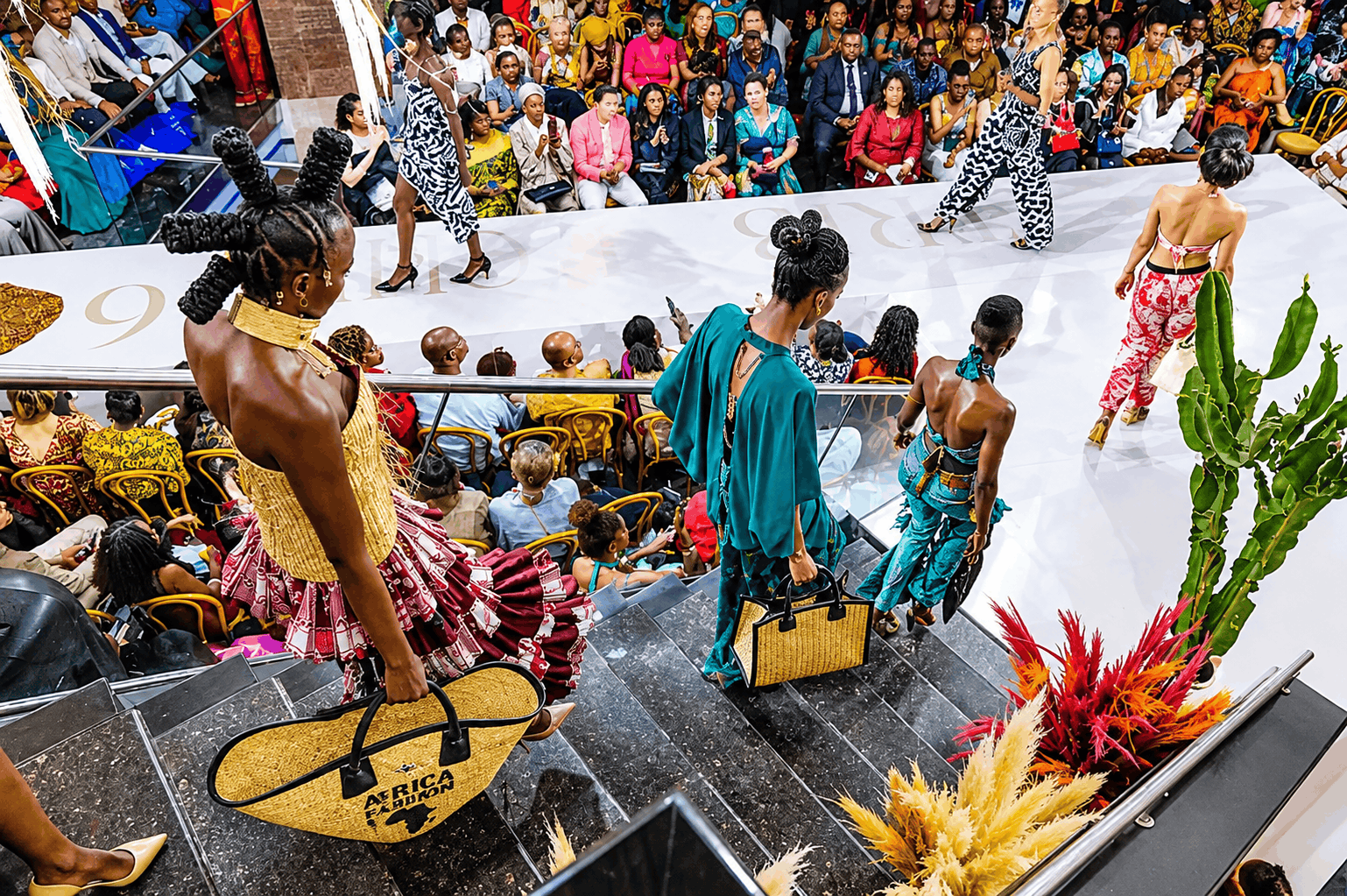
Fashion weeks and designer presentations provide opportunities for models to participate in collections and meet industry professionals.

Across Africa, events in Nairobi, Lagos, Accra, Johannesburg, Cape Town, Dakar and Dar es Salaam contribute to the visibility of local and regional fashion talent.

Models should follow official event announcements, agency casting information and designer communication channels.

Fashion designer campaigns

Independent designers and established labels need models to present their collections.

Assignments may involve lookbooks, campaign photography, collection launches, fashion films and promotional content.

Developing relationships with designers can help models understand how fashion brands work and how professional campaigns are produced.

Commercial advertising

Advertising agencies and brands hire models for different campaigns.

These may include clothing, beauty, hospitality, banking, telecommunications, food, lifestyle and consumer products.

Commercial modelling can provide opportunities for models who are comfortable presenting products and connecting with a particular audience.

Photography and editorial productions

Photographers, creative directors and fashion publications work with models to develop visual stories.

Editorial productions can help models build experience, strengthen their portfolios and meet other creative professionals.

E-commerce and fashion retail

Online retailers need consistent visual content to present products to customers.

Models may work on clothing catalogues, product photography, promotional videos and seasonal collections.

Social media and digital campaigns

Brands increasingly use digital content to communicate with their audiences.

Models may be engaged for social media campaigns, product demonstrations, brand storytelling and fashion-related video content.

However, influencers and models are not necessarily the same professional category. Some individuals work in both areas, but clients may assess modelling ability and audience engagement differently.

Professional directories and online talent platforms

Online directories give models another channel through which their services can be discovered.

They can also help clients find relevant talent without relying entirely on personal referrals.

Nairobi Fashion Hub provides a professional services directory that includes modelling, fashion photography, design, styling, beauty and other creative categories.

Explore: https://app.nairobifashionhub.co.ke/services


8. Modelling Opportunities in Kenya and Across Africa

Africa’s fashion industry is diverse, and modelling opportunities vary across countries and creative markets.

For aspiring models, understanding the regional landscape can help identify relevant events, agencies, brands and professional networks.

Kenya: A growing creative environment

Kenya has a developing fashion ecosystem supported by designers, photographers, modelling professionals, fashion entrepreneurs, event organisers and creative businesses.

Nairobi is an important meeting point for fashion productions, commercial campaigns, designer showcases and creative networking.

Potential modelling pathways include:

  • Runway shows and designer presentations.
  • Fashion editorial photography.
  • Beauty and hair campaigns.
  • Commercial advertising.
  • Ecommerce modelling.
  • Promotional events.
  • Lifestyle photography.
  • Fashion films and digital content.

Models can also explore opportunities in other Kenyan cities and counties, depending on the assignment and client requirements.

Nigeria: Fashion, entertainment and commercial production

Nigeria’s fashion and entertainment industries create opportunities across runway, editorial, beauty, commercial and lifestyle modelling.

Lagos is particularly important as a centre for fashion brands, photographers, advertising and creative entrepreneurship.

Ghana: Designer showcases and creative collaboration

Accra’s fashion community includes designers, models, photographers, stylists and fashion entrepreneurs.

Fashion shows, creative events and independent productions provide opportunities for professional engagement.

South Africa: Fashion and commercial markets

Johannesburg and Cape Town offer established creative and commercial production environments.

Models may work across fashion campaigns, runway presentations, beauty advertising, lifestyle productions and editorial photography.

Senegal: Cultural identity and contemporary fashion

Dakar has an important role in West African fashion, with designers and creative professionals working across contemporary fashion, cultural expression and international collaboration.

Tanzania and East Africa

Dar es Salaam and other East African creative centres contribute to the region’s fashion landscape.

Regional fashion events and independent designer productions can create opportunities for models to participate in shows, campaigns and creative collaborations.

International fashion markets

For models seeking international opportunities, cities such as Paris, Milan, London, New York and Los Angeles offer different professional markets.

However, working internationally requires careful preparation.

Models should research agencies, understand visa and work-permission requirements, confirm compensation and travel arrangements, and avoid accepting assignments without clear contracts.

International work should be approached as a professional business arrangement rather than an informal promise of exposure.


9. How to Prepare for a Modelling Casting or Audition

A casting is an opportunity for a client, agency or casting director to assess whether a model is suitable for a particular assignment.

It may take place in person or online.

The requirements vary according to the project.

Read the casting brief

Understand the type of model required, the project, location, dates, experience requirements and any specific instructions.

Prepare your photographs and portfolio

Bring or share the photographs requested by the organiser.

Make sure your portfolio is current and relevant to the assignment.

Dress appropriately

Follow the casting instructions.

If no specific dress code is provided, choose simple, clean clothing that allows your natural presentation to be assessed.

Arrive on time

Punctuality demonstrates professionalism and respect for the casting team.

Be prepared to walk or pose

Runway castings may involve walking assessments, while photography castings may require posing or expression exercises.

Communicate professionally

Listen carefully, ask relevant questions and respond respectfully.

You should also feel comfortable asking for clarification about the assignment, compensation, image usage and working arrangements.

Follow up appropriately

If you are invited to provide additional information, respond within the stated timeframe.

If you are not selected, remain professional. Casting decisions are often specific to the requirements of a particular project and do not necessarily reflect your overall potential.


10. How Much Can Fashion Models Earn?

Modelling income varies significantly.

There is no universal salary or guaranteed earning level for models. Fees depend on the assignment, market, experience, client, usage rights and working arrangements.

Some models work regularly through agencies or established client relationships, while others take occasional assignments alongside other careers or studies.

Common factors influencing model fees include:

Type of modelling: Runway, editorial, commercial, beauty, ecommerce and promotional assignments may have different fee structures.

Experience: Models with relevant experience and established professional profiles may negotiate different rates from beginners.

Working hours: The duration of the assignment, fittings, rehearsals and overtime can affect compensation.

Image usage: Commercial advertising, extended licensing and international usage may involve different fees from limited editorial use.

Exclusivity: A brand may request restrictions on working with competing businesses. Such arrangements should be clearly negotiated.

Travel and expenses: International and regional assignments may require additional payments for transport, accommodation and other approved expenses.

Understand your booking fee

Before accepting work, clarify:

  • The total compensation.
  • Payment timing.
  • Working hours.
  • Overtime arrangements.
  • Travel and accommodation.
  • Hair, makeup and wardrobe responsibilities.
  • Image and video usage.
  • Cancellation terms.

Never assume that exposure or a promise of future work is an adequate substitute for compensation that has been agreed.


11. Modelling Contracts, Image Rights and Professional Responsibilities

Modelling is a professional service, and assignments should be supported by clear agreements.

A contract helps establish the responsibilities of the model and client and reduces misunderstandings.

Confirm the assignment

The agreement should explain the purpose of the project, date, location, expected working hours, deliverables and responsibilities.

Agree on compensation

Specify the agreed fee, payment method, payment schedule, approved expenses and any additional charges.

Understand image and video rights

This is particularly important for advertising and commercial campaigns.

Clarify:

  • Where images may be used.
  • Whether paid advertising is included.
  • Which territories are covered.
  • How long the material may be used.
  • Whether additional usage requires new permission.
  • Whether exclusivity applies.
  • Whether the model may use the images in their portfolio.

Understand cancellation terms

Agree on what happens if the client cancels, postpones or changes the assignment.

Respect privacy and consent

Models should know what clothing, styling, poses and activities are expected.

Any sensitive or revealing work requires clear discussion and informed consent. Models should never be pressured into activities outside the agreed brief.

Keep copies of agreements

Maintain copies of contracts, invoices, booking confirmations and relevant communication.

For international work or complicated commercial agreements, seek qualified legal advice where appropriate.


12. How to Avoid Modelling Scams and Unprofessional Opportunities

Aspiring models can be vulnerable to people who exploit their interest in fashion and the possibility of professional success.

A genuine modelling career requires effort and persistence, but no one should have to compromise personal safety or pay questionable fees to access an opportunity.

The US Federal Trade Commission identifies warning signs such as guaranteed jobs, pressure to sign immediately, compulsory expensive photographs and requests for money to secure representation. Its guidance is useful for models evaluating offers internationally.

Be cautious of guaranteed jobs

No agency or casting professional can guarantee a successful modelling career or continuous assignments.

Be suspicious of anyone promising immediate fame, international contracts or unusually high earnings without a credible process.

Research the organisation

Check the agency’s official website, business identity, client history and professional references.

Look for independent evidence of genuine work.

Be careful with upfront payments

Understand the difference between legitimate, clearly explained expenses and payments demanded as a condition of representation or employment.

A request to pay to secure a job, guarantee a casting or obtain representation is a serious warning sign.

Do not rush into contracts

Take time to review agreements.

Ask questions about commissions, representation, exclusivity, image rights and termination arrangements.

Do not sign documents you do not understand.

Protect your personal safety

For an unfamiliar casting or shoot:

  • Verify the organiser and location.
  • Tell someone you trust where you are going.
  • Avoid isolated or undisclosed meeting locations.
  • Do not attend suspicious private auditions alone.
  • Confirm who will be present.
  • Keep control of your identification and personal belongings.
  • Never send intimate images in response to unsolicited casting messages.

Models under 18 should involve a parent or legal guardian and follow applicable child-protection requirements.

Remember: A professional opportunity should be transparent, respectful and clearly communicated.


13. Why Networking Is Essential for a Successful Modelling Career

Modelling is a collaborative industry.

Models work with designers, photographers, makeup artists, stylists, casting directors, agencies, event organisers, advertising companies and fashion brands.

Professional relationships can introduce models to new projects, provide industry knowledge and help them develop their reputations.

Connect with fashion photographers

Photographers help models build portfolios and develop experience in different visual styles.

Working with professionals whose creative direction aligns with your goals can strengthen your presentation.

Build relationships with designers

Designers need models for runway presentations, collection photography, lookbooks and promotional campaigns.

Connecting with designers can help models understand fashion production and identify potential collaborations.

Meet makeup artists and hair stylists

Beauty professionals contribute to the final appearance of fashion productions.

Developing relationships with experienced makeup artists and hair stylists can introduce models to creative teams and portfolio opportunities.

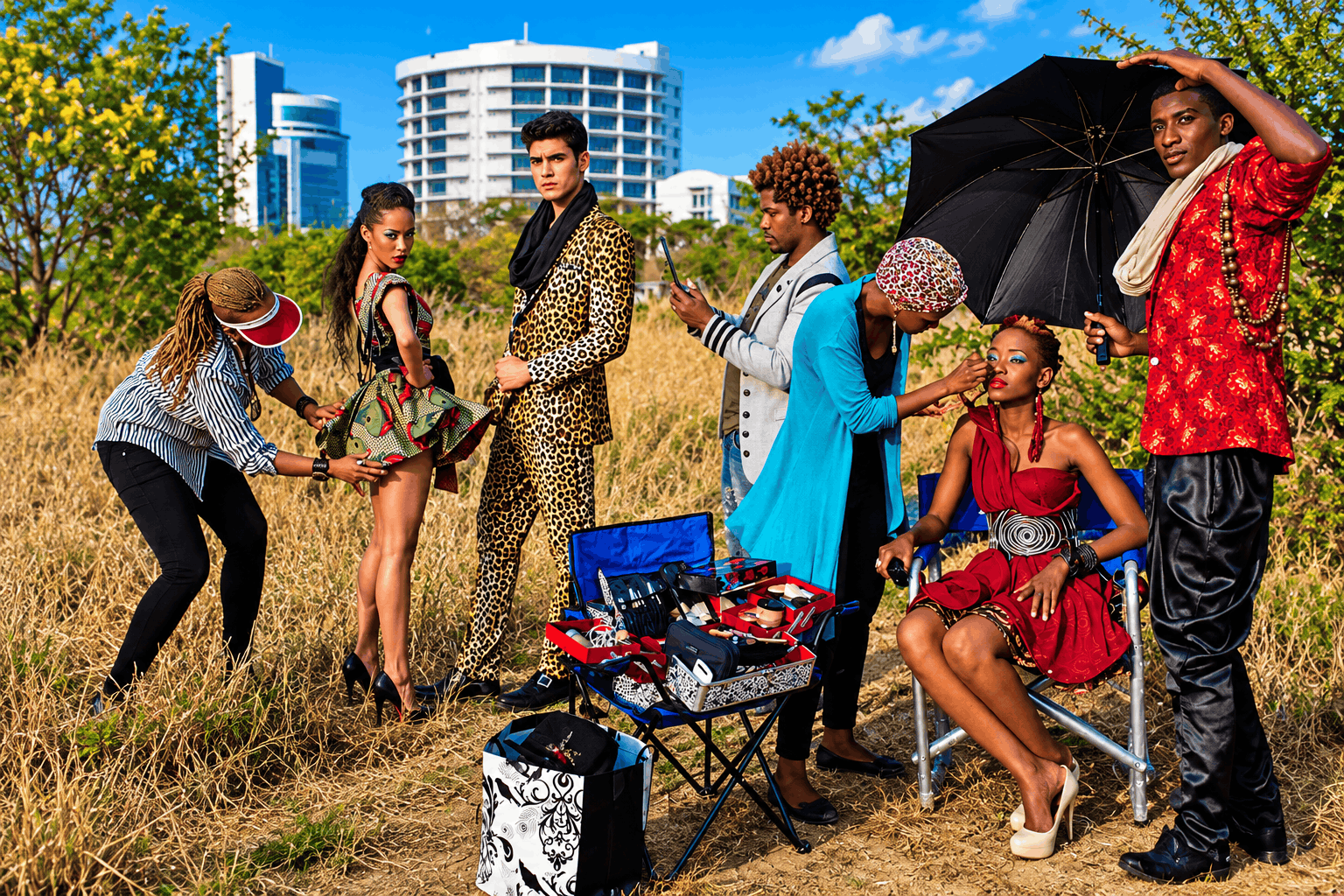
Connect with fashion stylists

Stylists help create the visual identity of campaigns and editorial productions.

Models who understand styling and garment presentation can work more effectively with creative teams.

Attend fashion weeks and industry events

Fashion shows, workshops, exhibitions, masterclasses and networking gatherings bring different industry participants together.

These environments provide opportunities to meet professionals, discover new designers and learn how the fashion industry operates.

Develop relationships with brands and event organisers

Brands and event organisers may require models for launches, promotional campaigns, runway presentations and commercial productions.

Professional communication and reliable work can help establish relationships that may lead to future assignments.

Maintain your digital presence

A professional digital profile makes it easier for potential clients and collaborators to discover your work.

Keep photographs current, provide accurate information and communicate professionally online.

Networking should be approached as a long-term investment in professional relationships, not simply a way to obtain immediate bookings.


14. How Nairobi Fashion Hub Helps Models Showcase Their Talent and Connect with Opportunities

For many aspiring models, being discovered is one of the biggest challenges.

Talent may exist, but clients and creative professionals cannot consider a model for a project if they cannot easily find their profile, understand their services or view their portfolio.

Nairobi Fashion Hub provides a digital environment designed to make fashion professionals more discoverable and connect them with clients and other creative businesses.

The platform brings together models, designers, photographers, stylists, bloggers, makeup artists, beauty professionals, fashion brands, clients and event organisers.

For models, it provides another channel through which to establish a professional presence, showcase work and explore potential connections.

A. Create a professional model profile

Nairobi Fashion Hub allows service providers to create professional profiles and list their services.

Models can use their profiles to communicate their professional identity, modelling specialisation and portfolio.

A strong profile should include:

  • Professional name.
  • Clear profile photograph.
  • Recent portfolio images.
  • Modelling categories.
  • Relevant experience.
  • Location.
  • Service description.
  • Accurate booking information.

The goal is to make it easier for clients to understand what you offer and assess whether your work suits their requirements.

Create a professional profile:

https://app.nairobifashionhub.co.ke/join/provider

B. Showcase your modelling services

The platform’s services directory includes a modelling category, alongside fashion design, styling, fashion photography, makeup artistry and other creative services.

Models can list relevant services and present their professional work to potential clients.

The directory provides an additional discovery channel for people seeking models for editorial shoots, runway shows, campaigns and other fashion productions.

Explore modelling and creative services:

https://app.nairobifashionhub.co.ke/services

C. Connect with photographers and build your portfolio

A strong portfolio is an important part of a modelling career.

Nairobi Fashion Hub brings models and fashion photographers into the same professional discovery environment.

Models can explore photography services and identify potential professionals for suitable portfolio projects.

For photographers, the platform also provides a way to present their services and connect with models, designers and clients.

This creates opportunities for creative collaboration across different areas of fashion photography.

D. Connect with fashion designers and brands

Designers and brands need models to present collections, produce lookbooks, create advertising content and promote new products.

Through Nairobi Fashion Hub, models can become discoverable alongside designers and other fashion professionals.

Clients can explore service profiles and submit booking requests where appropriate.

This provides another route for building professional relationships beyond traditional agency introductions.

E. Explore creative gigs and project opportunities

Not every modelling assignment begins with a fashion week or major advertising campaign.

A creative project may begin with a client looking for models for a photoshoot, a designer preparing a collection or a photographer developing an editorial concept.

Nairobi Fashion Hub provides creative gig functionality that allows clients to publish project briefs with budgets and professionals to submit offers for consideration.

Models can explore relevant opportunities and assess whether the project matches their skills, availability and professional interests.

Before accepting any gig, clarify the client, location, compensation, working arrangements and image-use requirements.

F. Discover fashion events and industry gatherings

Fashion events are valuable environments for networking, learning and discovering new creative opportunities.

Nairobi Fashion Hub provides an events directory where users can explore listed events, including runway shows, workshops and other gatherings.

For models, relevant events can provide opportunities to meet designers, photographers, event organisers and other industry participants.

Explore events:

https://app.nairobifashionhub.co.ke/events

G. Participate in the wider fashion community

A modelling career rarely develops in isolation.

Models need relationships with photographers, designers, stylists, makeup artists, beauty professionals, brands and event organisers.

Nairobi Fashion Hub brings these different professional categories together, making it easier to discover potential collaborators within one digital environment.

For someone beginning a career, this wider creative network can be just as important as individual modelling assignments.

H. For brands and clients: Discover and book models

Nairobi Fashion Hub also serves clients looking for fashion and creative professionals.

Brands, designers, photographers, businesses and event organisers can register, explore professional listings and submit booking requests.

This provides another channel through which models can become visible to potential clients.

Register as a client:

https://app.nairobifashionhub.co.ke/join/client

I. For event organisers: Create opportunities for models

Fashion shows, designer showcases and networking events require models and other creative professionals.

Nairobi Fashion Hub provides an onboarding route for event organisers and supports event publishing, ticket sales and guest management.

Designers, modelling organisations and event producers can use the platform to give their events a digital presence and connect with the fashion community.

Register as an event host:

https://app.nairobifashionhub.co.ke/join/host

J. Access the platform through mobile applications

Nairobi Fashion Hub is accessible through its web application and dedicated mobile applications.

Web application:
https://app.nairobifashionhub.co.ke/

Android:
https://play.google.com/store/apps/details?id=co.ke.tinker.nairobi_fashion_hub

iOS:
https://apps.apple.com/uy/app/nairobi-fashion-hub/id6817497424

For models, this provides another way to maintain a professional presence and explore the platform’s discovery, services, gigs and events features.


15. Building Your Personal Brand as a Fashion Model

In today’s fashion industry, a model’s professional identity extends beyond the photographs in a portfolio.

Personal branding is about communicating who you are, the type of work you do and the qualities that make your professional profile distinctive.

A clear personal brand can help clients understand your strengths and remember your work.

Develop a consistent visual identity

Your portfolio, professional profile and online presence should communicate a coherent image.

This does not mean using identical photographs everywhere. It means presenting yourself in a way that reflects your modelling specialisation and professional direction.

Choose social media content carefully

Social media can be useful for sharing portfolio images, behind-the-scenes content, professional collaborations and fashion projects.

However, a model’s online presence should be intentional.

Consider whether the content supports the professional identity you want to communicate.

Share your work responsibly

Credit photographers, designers, stylists and other collaborators where agreed.

Do not publish campaign images before the client or photographer has authorised their release.

Respect confidentiality and image-use arrangements.

Communicate professionally

Respond to enquiries clearly and politely.

Keep your portfolio links current and provide accurate information about your location and availability.

Professional communication can influence whether a client chooses to work with you again.

Continue developing your skills

The fashion industry evolves, and professional development should be ongoing.

Explore runway training, photography workshops, posing, movement, communication, styling and business knowledge.

A model who understands the wider production process can often collaborate more effectively with creative teams.


16. The Future of Fashion Modelling: Technology, Inclusion and Global Opportunities

The modelling industry continues to change alongside developments in technology, fashion marketing and consumer behaviour.

Digital portfolios, remote casting, social media campaigns and online professional directories are expanding how models present their work and connect with clients.

Artificial intelligence is also influencing fashion production through image editing, creative planning and virtual presentation.

However, professional models remain central to the industry’s human expression, movement, individuality and visual storytelling.

Digital discovery

Professional directories and online platforms can help clients find models beyond their immediate personal networks.

This is particularly valuable for emerging markets, where creative professionals may be geographically separated but share similar project interests.

Greater diversity and representation

Fashion audiences are diverse, and brands have opportunities to reflect a wider range of people and experiences.

Models from different backgrounds, ages, body types and communities contribute to a richer visual language.

New commercial opportunities

Ecommerce, digital advertising, lifestyle content and beauty campaigns continue to create different types of modelling work.

Models who understand multiple formats may be able to explore a broader range of assignments.

International collaboration

Digital communication makes it easier for models, photographers, designers and brands to begin conversations across borders.

However, international work still requires careful attention to travel, visas, employment rules, contracts and compensation.

The growing importance of professional networks

As discovery becomes more digital, trusted professional relationships remain essential.

The ability to communicate, collaborate and deliver quality work will continue to distinguish models who build lasting careers.


17. A Practical Checklist for Aspiring Fashion Models

Use this checklist as a starting point when preparing to enter the modelling industry.

Getting started

  • Identify the modelling categories that interest you.
  • Research the industry and relevant markets.
  • Practise posing, movement and runway presentation.
  • Take clear, natural photographs.
  • Develop a professional portfolio.
  • Create a digital professional profile.

Finding opportunities

  • Research reputable modelling agencies.
  • Follow official casting announcements.
  • Explore fashion weeks and designer showcases.
  • Connect with photographers and designers.
  • Discover commercial and editorial projects.
  • Join suitable professional directories.
  • Attend relevant fashion events.

Preparing for assignments

  • Read the project brief carefully.
  • Confirm the client and production details.
  • Agree on compensation.
  • Clarify working hours and responsibilities.
  • Understand image and video usage rights.
  • Confirm travel and accommodation arrangements.
  • Keep written booking records.
  • Prioritise personal safety.

Building a career

  • Maintain an updated portfolio.
  • Develop professional relationships.
  • Communicate reliably.
  • Seek constructive feedback.
  • Continue learning and practising.
  • Build a recognisable professional identity.
  • Follow up with relevant contacts.
  • Evaluate opportunities carefully.

Conclusion: Your Modelling Career Begins with Preparation, Visibility and Connections

Becoming a fashion model is a journey that combines creativity, professionalism, personal development and opportunity.

The industry offers different pathways, from runway and editorial modelling to commercial advertising, beauty, ecommerce, fitness and lifestyle productions.

There is no single route to success. Some models begin through professional agencies, while others develop their careers through independent projects, designer collaborations, fashion events and digital professional platforms.

What matters is building a strong foundation: understanding your strengths, preparing a relevant portfolio, researching opportunities, developing professional skills and establishing relationships with the people who make fashion productions possible.

Across Africa, the growth of fashion brands, creative businesses, designer showcases and digital platforms is creating additional ways for models to participate in the industry.

For aspiring and established models in Kenya, Nairobi Fashion Hub provides another opportunity to showcase professional services, make portfolios discoverable, explore creative gigs and connect with designers, photographers, brands, clients and event organisers.

Whether you dream of walking an international runway, appearing in a fashion editorial, representing a commercial brand or building a career in African fashion, your next step should be guided by preparation, professionalism and a willingness to develop meaningful relationships.

Your talent deserves to be seen. Your work deserves to be discovered. Your connections can help shape your future.

Start building your presence with Nairobi Fashion Hub

For aspiring and professional models:
Create a professional profile and showcase your services.
https://app.nairobifashionhub.co.ke/join/provider

For fashion brands and clients:
Discover models and connect with creative professionals.
https://app.nairobifashionhub.co.ke/join/client

Explore modelling and creative services:
https://app.nairobifashionhub.co.ke/services

Discover fashion events:
https://app.nairobifashionhub.co.ke/events

For event organisers:
Publish events, sell tickets and manage guests.
https://app.nairobifashionhub.co.ke/join/host

Visit Nairobi Fashion Hub:
/

Download the mobile application:
Google Play | Apple App Store


About Nairobi Fashion Hub

Nairobi Fashion Hub is a Kenya-based fashion and creative-industry platform operated by Tinker Digital Limited. It connects models, fashion designers, photographers, stylists, bloggers, makeup artists, beauty professionals, fashion brands, clients and event organisers through digital tools for professional discovery, service listings, portfolios, booking requests, creative gigs and fashion events.

With a commitment to strengthening Kenya’s fashion community and supporting the wider African fashion industry, Nairobi Fashion Hub aims to make creative talent more discoverable, encourage professional collaboration and contribute to the international visibility of African fashion.

NAIROBI FASHION HUB — HOME OF AFRICAN FASHION.

Pushing the agenda for Made in Africa to the world.

Website: /
Email: info@nairobifashionhub.co.ke
Telephone: +254 734 003 400
The African Fashion Industry: Key Players, Opportunities, Trends and Global Influence

The African Fashion Industry: Key Players, Opportunities, Trends and Global Influence

From the ateliers of Lagos and Accra to the fashion studios of Nairobi, Johannesburg and Dakar, African fashion is building an increasingly influential presence on the international stage. Driven by a new generation of designers, models, photographers, entrepreneurs and cultural innovators, the industry is redefining how African creativity is produced, presented and experienced around the world.

By Nairobi Fashion Hub Editorial Desk | African Fashion, Business & Culture

Africa’s fashion industry is entering a new era

African fashion is much more than a story of beautiful garments and emerging designers. It is an expansive creative economy connected to culture, identity, craftsmanship, manufacturing, technology, entrepreneurship and international trade.

Across the continent, fashion professionals are developing businesses, building distinctive brands, creating employment and introducing new interpretations of African aesthetics to global audiences. From traditional textile techniques reimagined for contemporary luxury to streetwear labels influenced by urban culture, African fashion is increasingly participating in conversations about the future of international style.

Yet the industry’s greatest potential may lie beyond the runway. It is found in the networks of people who make fashion possible: designers, textile producers, tailors, models, photographers, stylists, makeup artists, manufacturers, retailers, buyers, event organisers, journalists and digital entrepreneurs.

Understanding these connections is essential to understanding where African fashion is heading—and the opportunities available to those who want to participate in its growth.

UNESCO’s landmark 2023 report, The African Fashion Sector: Trends, Challenges and Opportunities for Growth, offers an important overview of this expanding creative economy. It identifies the contribution of fashion to employment, entrepreneurship, cultural expression and economic development, while highlighting the opportunities created by digital technologies, growing consumer markets and stronger regional connections.

The report also identifies challenges that continue to restrict the sector, including limited investment, inadequate infrastructure, gaps in professional training, intellectual property concerns and difficulties accessing affordable materials and international markets.

The message is clear: Africa has considerable creative potential, but realising that potential requires stronger business infrastructure, investment, collaboration and access to opportunities.

1. Understanding the African fashion industry

The African fashion industry is a diverse ecosystem that includes the entire journey of fashion, from raw materials and textile development to garment production, branding, retail, media and international distribution.

Its participants operate at different levels.

Some are independent designers creating bespoke garments for individual clients. Others operate ready-to-wear labels, manufacture clothing at scale, supply textiles, produce accessories, manage fashion retail businesses or provide creative services to commercial brands.

The industry can broadly be understood through several interconnected sectors.

Fashion design and garment production

Fashion designers are among the most visible contributors to the industry. They transform ideas, cultural references, materials and consumer needs into clothing and accessories.

Their businesses range from independent couture studios and bespoke tailoring houses to contemporary ready-to-wear labels and larger manufacturing operations.

African designers frequently draw inspiration from local textile traditions, craftsmanship, architecture, music, contemporary art and everyday life.

However, modern African fashion is not limited to traditional garments or heritage-inspired designs. It encompasses minimalism, luxury, streetwear, experimental fashion, contemporary tailoring, sportswear, bridal fashion and many other international design categories.

The growing diversity of African design is helping challenge narrow perceptions of what African fashion should look like.

Textiles, fabrics and craftsmanship

Textiles are fundamental to African fashion.

Across the continent, different communities have developed distinctive weaving, dyeing, embroidery, printing and fabric-making traditions.

Among the widely recognised textile traditions are:

  • Kente: Associated particularly with Ghana, recognised for its intricate woven patterns and cultural significance.
  • Aso-oke: A traditional handwoven Yoruba textile from Nigeria, frequently used in ceremonial and contemporary fashion.
  • Bogolan: A Malian mud-cloth tradition recognised for its distinctive patterns and natural dyeing techniques.
  • Kuba textiles: Associated with the Democratic Republic of the Congo and known for their complex geometric designs and craftsmanship.
  • Kanga: An East African printed textile traditionally worn in different ways, often featuring decorative borders and messages.
  • Shweshwe: A printed cotton fabric strongly associated with South African dress and design traditions.
  • Bazin: A richly finished fabric widely used in West African formal and ceremonial clothing.

These traditions continue to inspire designers, textile artists and contemporary fashion businesses.

Their importance extends beyond aesthetics. Textile production and craftsmanship support specialised skills, local enterprise and cultural knowledge that can be passed between generations.

Fashion retail and ecommerce

Fashion retail connects designers and manufacturers with consumers.

Across Africa, businesses operate through boutiques, independent retail stores, shopping centres, markets, online stores and social commerce channels.

Digital retail is creating additional opportunities for fashion brands to present collections, reach customers and build relationships beyond their immediate locations.

For independent designers, ecommerce can provide an alternative to relying exclusively on physical retail.

However, successful online fashion businesses need more than attractive product photographs. They require reliable product information, pricing, inventory management, payment systems, customer service, delivery arrangements and effective digital marketing.

Fashion media, photography and creative production

Fashion photography, journalism, videography, styling, modelling and content creation are essential parts of the industry’s commercial and cultural ecosystem.

These professionals help communicate the identity of a fashion brand, introduce new collections, document industry events and create visual stories that connect fashion with audiences.

Their work also contributes to the international visibility of African designers.

A fashion collection may be creatively outstanding, but without effective photography, styling, storytelling and distribution, its ability to reach potential buyers and audiences can be limited.

This makes creative professionals valuable participants in the wider fashion economy.


2. The key players shaping African fashion

The African fashion industry is powered by different professionals and organisations whose contributions often overlap.

Understanding these roles helps explain where opportunities exist and why collaboration is so important.

Fashion designers and fashion brands

Designers establish the creative identity of the industry.

They research, develop concepts, select materials, create patterns, oversee garment construction and present collections to consumers, buyers and the media.

Their businesses may specialise in luxury fashion, contemporary African design, streetwear, bridal fashion, bespoke tailoring, ready-to-wear clothing or accessories.

Fashion brands also require professionals in marketing, communications, ecommerce, retail, production and customer relations.

For emerging designers, developing a recognisable identity, producing consistently and establishing a reliable customer base are important steps towards building a sustainable business.

Models and modelling agencies

Models help bring fashion concepts to life.

They present garments through runway shows, fashion editorials, commercial campaigns, ecommerce photography, beauty productions and promotional events.

The industry includes runway models, editorial models, commercial models, beauty models, fitness models and specialist talent for different creative productions.

Modelling agencies contribute through talent development, casting, representation and professional coordination.

For emerging models, opportunities can begin with portfolio development, reputable castings, creative collaborations and participation in fashion events.

Fashion photographers and videographers

Photographers and videographers document and communicate fashion through visual storytelling.

Their services support designer campaigns, fashion magazines, ecommerce catalogues, brand advertisements, runway shows, model portfolios and social media content.

Fashion photography itself includes several specialisations:

  • Editorial fashion photography.
  • Commercial and advertising photography.
  • Runway and event photography.
  • Beauty and portrait photography.
  • Ecommerce and product photography.
  • Campaign and lookbook production.

Videographers increasingly contribute through fashion films, campaign videos, backstage documentaries, interviews, runway coverage and short-form digital content.

Fashion stylists and creative directors

Stylists interpret fashion concepts and develop complete visual presentations.

They select garments, accessories, footwear and other elements to create looks that communicate a particular identity or creative direction.

Creative directors often coordinate the broader visual vision of a campaign, production, brand or collection.

Their work can involve collaboration with designers, photographers, models, makeup artists, set designers and production teams.

Makeup artists, hairstylists and beauty professionals

The beauty industry is closely connected to fashion.

Makeup artists, hairstylists, beauticians and beauty specialists contribute to runway presentations, editorial shoots, advertising campaigns, celebrity styling and commercial productions.

For emerging beauty professionals, fashion events and photography collaborations can provide opportunities to demonstrate their skills and develop industry relationships.

Textile manufacturers, tailors and artisans

The professionals behind garment construction and material production are essential to the industry’s long-term development.

Textile manufacturers, weavers, pattern makers, tailors, seamstresses, embroidery specialists, leatherworkers and accessory makers provide the skills and services required to turn design concepts into finished products.

Strengthening these parts of the value chain is particularly important if African fashion businesses are to increase local production and compete more effectively in international markets.

Fashion entrepreneurs, retailers and buyers

Fashion entrepreneurs develop and manage the commercial side of the industry.

They may establish fashion labels, operate boutiques, manage ecommerce businesses, distribute clothing, source products or develop manufacturing partnerships.

Buyers and retailers play an important role in connecting designers with customers and identifying products that meet market demand.

Their decisions influence which brands reach retail spaces, how collections are distributed and which products receive commercial attention.

Fashion journalists, influencers and digital creators

Fashion media helps determine how designers, trends, brands and events are presented to audiences.

Journalists, editors, bloggers, influencers, content creators and fashion commentators contribute through reporting, reviews, interviews, photography, video and social media storytelling.

Digital creators have also introduced new ways for brands to reach communities, collaborate with audiences and communicate their identities.

Professional credibility, editorial quality and audience relevance remain important considerations for successful partnerships.

Fashion event organisers and industry institutions

Fashion weeks, exhibitions, trade shows, competitions, workshops and professional associations provide important platforms for the industry.

They bring together designers, buyers, media, models, sponsors, investors, creative professionals and consumers.

Beyond their immediate entertainment and promotional value, these gatherings can facilitate business conversations, professional learning and new partnerships.


3. Africa’s influential fashion capitals

African fashion does not have one centre. It is shaped by multiple cities with distinctive design communities, commercial environments and creative cultures.

Lagos, Nigeria: A powerful centre of contemporary fashion

Lagos has become one of the continent’s most visible fashion and creative centres.

Its fashion landscape includes contemporary designers, luxury labels, streetwear businesses, modelling agencies, photographers, stylists, fashion media and an active event culture.

Lagos Fashion Week has helped provide a platform for designers, industry discussions and professional connections.

The city’s creative environment also reflects the influence of music, film, entertainment and popular culture on fashion.

For businesses, Lagos offers an important market for exploring collaborations, fashion retail and brand development.

Accra, Ghana: Craftsmanship and contemporary design

Accra’s fashion identity is strongly connected to Ghana’s textile traditions, tailoring culture and contemporary design entrepreneurship.

Designers reinterpret traditional materials and techniques through modern silhouettes, formalwear, streetwear and luxury fashion.

The city’s creative environment also includes textile producers, accessory designers, fashion schools, photographers and independent fashion businesses.

Its international appeal continues to grow through designers and creative professionals presenting Ghanaian fashion perspectives to wider audiences.

Nairobi, Kenya: East Africa’s creative fashion connection

Nairobi is an important centre for East African fashion and creative entrepreneurship.

The city brings together designers, models, photographers, stylists, fashion brands, event organisers and other professionals working across fashion, beauty and the creative industries.

Kenyan fashion draws on a wide range of influences, including traditional craftsmanship, contemporary African aesthetics, urban culture, sustainable design and international trends.

The Nairobi fashion ecosystem also benefits from connections with regional creative markets and the city’s broader business and technology environment.

Fashion events, creative showcases, designer presentations and professional networking gatherings provide opportunities for people to connect and collaborate.

The growing importance of digital discovery is particularly relevant to Nairobi’s fashion community. Platforms such as Nairobi Fashion Hub are creating additional ways for professionals, clients and event organisers to find one another.

Johannesburg and Cape Town, South Africa: Established creative and commercial markets

South Africa has a diverse fashion ecosystem with designers, retailers, manufacturers, photographers, fashion publications and established creative institutions.

Johannesburg is an important centre for fashion business, retail, contemporary design and creative production.

Cape Town is known for its design, editorial photography, lifestyle and fashion-related creative industries.

South African fashion also draws on diverse cultural influences and a strong relationship with visual arts, music and contemporary urban culture.

Dakar, Senegal: Heritage, couture and cultural expression

Dakar has an important place in West African fashion.

Its creative landscape includes tailoring, couture, textile craftsmanship and designers who reinterpret Senegalese and broader African cultural influences.

The city’s fashion environment demonstrates how cultural heritage can become a source of contemporary creative and commercial expression.

Casablanca, Morocco: Design, manufacturing and international trade

Casablanca is an important fashion and textile centre in North Africa.

Its industrial and commercial environment connects fashion design, garment production, retail and international supply chains.

Morocco’s position between African, European and Mediterranean markets also makes it relevant to conversations about international fashion trade and manufacturing.

Other emerging fashion destinations

Beyond these major centres, fashion communities across Kigali, Abidjan, Addis Ababa, Kampala, Dar es Salaam, Maputo, Lusaka, Tunis and other cities are contributing to the continent’s wider creative landscape.

Each market offers different opportunities for designers, creative professionals, manufacturers and entrepreneurs.

The future of African fashion will depend partly on strengthening connections between these markets rather than treating them as isolated creative communities.


4. The major trends transforming African fashion

The industry’s development is being shaped by changing consumer behaviour, technology, cultural expression, sustainability and international demand.

Several trends are particularly important.

The global rise of contemporary African design

African designers are increasingly presenting collections that combine cultural references with contemporary fashion language.

Rather than relying on a single interpretation of African style, they are exploring different materials, silhouettes, techniques and visual identities.

This diversity is important because international fashion audiences are increasingly exposed to a wider range of design perspectives.

For African brands, the opportunity is to develop recognisable identities while remaining commercially relevant and creatively independent.

Heritage craftsmanship and modern innovation

Traditional textiles and craftsmanship continue to influence contemporary fashion.

Designers are combining handwoven fabrics, embroidery, natural dyeing, beadwork, leatherwork and other specialist techniques with modern construction and international design influences.

This creates opportunities for artisans and craftspeople to participate in higher-value fashion production.

It also provides designers with distinctive materials and stories that can differentiate their brands.

However, heritage-inspired design should be developed responsibly, with appropriate recognition of cultural origins, knowledge holders and intellectual property.

Sustainable and responsible fashion

Sustainability is becoming an important part of global fashion conversations.

African fashion businesses have opportunities to develop approaches that prioritise local sourcing, responsible production, garment durability, repair, reuse and reduced waste.

Independent designers and small businesses may be able to experiment with made-to-order production, upcycling, deadstock fabrics and limited collections.

These approaches can reduce unnecessary inventory and create distinctive products.

However, sustainability claims should be supported by evidence. Businesses should be transparent about sourcing, working conditions, materials and production practices.

Digital fashion businesses and ecommerce

Digital technology is changing how fashion brands reach customers and manage their businesses.

Online stores, mobile applications, social commerce, digital payments and professional directories are creating new ways to discover fashion products and services.

For independent designers, digital platforms can help extend visibility beyond physical retail locations.

For creative professionals, online portfolios and service listings can make their work easier to discover.

For event organisers, digital ticketing and online promotion can help manage audience engagement.

The next phase of fashion technology in Africa will depend on how effectively these tools address practical business needs.

Streetwear and youth-driven fashion culture

Streetwear has become an important influence on contemporary African fashion.

Its development is connected to music, sport, urban communities, youth culture, art and digital media.

Independent labels are experimenting with graphic design, contemporary silhouettes, cultural references and limited-edition releases.

The opportunity for African streetwear brands is to build strong identities, produce quality products and create meaningful connections with their target communities.

Inclusive representation and diverse identities

The fashion industry is increasingly recognising the importance of representing different body types, ages, identities and communities.

African fashion has an opportunity to contribute to this wider movement by presenting more varied perspectives in modelling, advertising, editorial production and brand communication.

Inclusive representation should extend beyond campaign imagery to professional opportunities, workplace practices and business decision-making.

Fashion, music, film and entertainment

The relationship between fashion and entertainment continues to create opportunities for African creatives.

Musicians, actors, dancers, filmmakers and public personalities influence how fashion is presented and consumed.

Designers can collaborate with performers on stage costumes, music videos and public appearances. Stylists can work across entertainment productions, while photographers and videographers can develop campaigns that connect fashion with music and film.

These collaborations can introduce brands to audiences beyond traditional fashion channels.

Artificial intelligence and emerging creative technology

Artificial intelligence and digital production tools are beginning to influence fashion research, visualisation, marketing, customer service and content creation.

Fashion businesses can use emerging technology to explore creative concepts, organise information, develop marketing materials and improve selected business processes.

However, technology should complement professional skills rather than replace the value of designers, photographers, models, stylists and artisans.

Authenticity, creative ownership, transparency and responsible use of digital tools will remain important.


5. The economic opportunities in African fashion

The fashion industry creates opportunities that extend beyond designing and selling clothing.

It supports a broad chain of businesses and professional services, many of which can be developed by independent entrepreneurs and small enterprises.

Fashion entrepreneurship and brand development

Starting a fashion business can involve launching a clothing label, developing accessories, offering bespoke tailoring, producing uniforms or operating a specialist fashion retail business.

Entrepreneurs can identify opportunities by studying consumer demand, understanding local markets and developing products that solve specific customer needs.

A successful brand requires more than a creative concept. It needs a clear business model, production strategy, pricing structure, distribution plan and marketing approach.

Textile production and local manufacturing

Africa has opportunities to strengthen its textile and garment production capabilities.

Local manufacturing can support employment, create demand for raw materials and increase the value retained within African economies.

However, building competitive production systems requires investment in machinery, technical training, energy, logistics, quality control and access to affordable finance.

Modelling and creative services

Models, photographers, stylists, makeup artists, hairstylists and videographers can develop independent professional businesses.

Their services support fashion campaigns, retail catalogues, designer collections, events, advertising and entertainment productions.

A professional portfolio, clear pricing and reliable service delivery can help creatives establish a sustainable client base.

Fashion education and skills development

The industry needs professionals with technical and business knowledge.

Training opportunities exist in fashion design, garment construction, pattern making, textile development, photography, styling, fashion marketing, merchandising, retail management and entrepreneurship.

Education institutions, established designers, professional associations and industry organisations all have a role in strengthening these skills.

Fashion events and creative tourism

Fashion weeks, exhibitions, trade shows, designer showcases and cultural festivals can create economic activity beyond the fashion industry itself.

Events generate demand for venues, accommodation, transport, catering, event production, photography, media coverage and other services.

They can also introduce visitors to local designers, craft traditions and creative businesses.

International trade and distribution

African fashion brands can explore international opportunities through wholesale partnerships, ecommerce, exhibitions, trade missions and collaborations with retailers.

However, international expansion requires careful planning.

Brands must understand product standards, pricing, customs procedures, shipping costs, intellectual property protection, consumer preferences and distribution arrangements.

The strongest international strategies are built on consistent quality, reliable production and a clear brand identity.


6. What is holding African fashion back?

Despite its potential, the industry continues to face structural challenges.

Understanding these issues is important for anyone seeking to develop a fashion business or contribute to the sector’s long-term growth.

Limited access to investment

Many African fashion businesses operate as micro, small and medium-sized enterprises.

They may have strong creative products but limited access to finance for equipment, materials, production, marketing and expansion.

This can restrict their ability to fulfil large orders or compete with better-capitalised international businesses.

Improving access to suitable financing, business development support and investment partnerships is therefore important.

Production and supply-chain constraints

Access to quality fabrics, trims, machinery and reliable manufacturing services can be difficult or expensive in some markets.

Production delays, transport costs and inconsistent supply can affect pricing and delivery schedules.

Strengthening local textile production and regional supply chains could help reduce some of these challenges.

Intellectual property and design protection

Original designs, textile patterns, brand identities and creative works represent valuable business assets.

However, designers and artisans may lack sufficient awareness, resources or practical access to intellectual property protection.

Education about trademarks, copyright, design rights, licensing and contractual agreements is important.

Creative professionals should also establish clear agreements concerning the use of photographs, videos, designs and other production materials.

Limited international market access

International visibility does not automatically translate into international sales.

Fashion businesses must navigate distribution, international logistics, consumer expectations, product standards, customs requirements and payment systems.

Access to international buyers, retail networks and trade opportunities remains an important area for development.

Skills and professional development gaps

Fashion requires a combination of creative, technical and commercial skills.

A designer may understand garment construction but need additional knowledge in finance, ecommerce or marketing. A creative professional may have strong technical ability but limited experience in business development.

More accessible training, mentorship and professional networks can help address these gaps.

Fragmented professional networks

One of the industry’s less visible challenges is the difficulty of connecting the different people and businesses involved in fashion.

A designer may struggle to find a reliable photographer. A model may not know where to discover legitimate castings. A brand may spend considerable time identifying a stylist or production team.

An event organiser may need to coordinate several independent professionals across different disciplines.

These challenges demonstrate why professional directories, digital discovery tools and industry networking platforms are increasingly relevant.


7. Networking: The foundation of a stronger African fashion industry

Fashion is fundamentally collaborative.

A successful runway show may involve designers, models, stylists, makeup artists, hairstylists, photographers, lighting technicians, event producers, sponsors and media professionals.

A fashion campaign may require a brand manager, creative director, photographer, videographer, model, stylist and production coordinator.

The quality of the final result often depends on how effectively these participants work together.

Networking therefore should not be viewed as an activity reserved for established industry figures. It is an essential part of professional development for emerging creatives, independent businesses and established brands.

Where to build fashion-industry connections

Fashion weeks and runway shows

These events bring together designers, models, buyers, journalists, photographers, stylists and sponsors.

They provide opportunities to observe industry developments, discover new talent and initiate professional relationships.

Fashion exhibitions and trade fairs

Exhibitions connect designers and manufacturers with buyers, suppliers, retailers and entrepreneurs.

They can be especially valuable for people interested in production, distribution and commercial partnerships.

Creative workshops and masterclasses

Training events provide opportunities to learn from experienced professionals while developing relationships with people working in related disciplines.

Photography studios and creative productions

Collaborative shoots can connect models, designers, photographers, stylists, makeup artists and creative directors.

They can also help emerging professionals build portfolios and demonstrate their abilities.

Professional associations and creative communities

Industry organisations, educational institutions and professional communities can provide mentorship, training, advocacy and networking opportunities.

Digital fashion platforms

Online directories, professional profiles and specialised industry platforms provide additional ways to discover talent, present services and identify potential collaborators.


8. Nairobi Fashion Hub: Connecting fashion professionals, clients and event organisers

As African fashion becomes more interconnected, digital platforms are creating new ways for people within the industry to discover one another.

Nairobi Fashion Hub is a Kenya-based fashion and creative platform designed to bring together fashion professionals, clients, brands and event organisers through a shared digital experience.

Its web application and mobile applications provide tools for professional discovery, service listings, portfolios, booking requests, creative gigs, fashion-event discovery and event hosting.

The platform recognises that fashion is not built by designers alone. It depends on an entire network of professionals whose skills and services contribute to the success of creative projects.

For a fashion brand preparing a campaign, this may mean finding a photographer, model, stylist and makeup artist. For an emerging designer, it may mean presenting a portfolio and discovering potential clients. For an event organiser, it may mean publishing an event and managing ticket sales and attendance.

Nairobi Fashion Hub provides a digital starting point for these connections.

Discover fashion professionals through one directory

The platform’s services directory allows users to explore fashion and beauty professionals across Kenya.

Available categories include fashion design, modelling, styling, photography, fashion blogging and makeup artistry, among other creative services.

Users can explore professional profiles, review service information and identify people whose work may suit their requirements.

For example:

  • A designer can look for models to present a new collection.
  • A photographer can showcase services and attract potential clients.
  • A fashion brand can explore photography, styling and makeup services for a campaign.
  • A client can discover a designer for a custom garment.
  • An event organiser can search for professionals to support a fashion production.

Explore the services directory:

https://app.nairobifashionhub.co.ke/services

Create a professional profile and showcase your work

Professional visibility is important in a competitive fashion industry.

A model needs a portfolio that demonstrates their presentation skills. A photographer needs images that communicate their creative style. A designer needs to present collections and craftsmanship, while a stylist needs to show the quality of their visual work.

Nairobi Fashion Hub provides professionals with an opportunity to create discoverable profiles, list their services and showcase portfolio work.

This gives potential clients an additional place to review their services and consider whether they are suitable for a project.

For emerging professionals, it can be an additional channel for establishing a digital presence. For established creatives, it offers another route through which potential clients can discover their work.

Join Nairobi Fashion Hub as a service provider:

https://app.nairobifashionhub.co.ke/join/provider

Discover clients and explore booking opportunities

Finding clients is one of the ongoing challenges facing independent fashion professionals.

Social media can help people become visible, but turning that visibility into professional assignments requires clear service information, communication and an organised way to handle enquiries.

Nairobi Fashion Hub allows clients to discover professionals, review their services and submit booking requests.

This creates an additional channel for people and businesses seeking creative services.

A fashion label, for instance, can explore photography or styling services before making a booking request. A client looking for a designer can browse relevant professional listings and consider available options.

The final scope of work, pricing, schedule, deliverables and working arrangements should be agreed between the parties.

Register as a client:

https://app.nairobifashionhub.co.ke/join/client

Creative gigs: Turning ideas into project opportunities

Some fashion projects begin with a specific brief rather than an established professional relationship.

A clothing brand may need a photographer for a campaign. An event organiser may require a stylist. A designer may be looking for creative support for a new collection.

Nairobi Fashion Hub includes a creative gig feature through which clients can publish a project brief and budget, allowing interested professionals to submit offers.

This creates a structured starting point for discussing project requirements.

For clients, a useful brief should explain the assignment, expected deliverables, location, schedule, budget and creative direction.

For professionals, a strong offer should communicate relevant experience, availability, proposed fees and how the work will be delivered.

The feature provides another way for creatives and potential clients to identify opportunities for collaboration.

Fashion events: Discover the people and experiences shaping the industry

Fashion events are important spaces for networking, learning and professional visibility.

Runway shows, designer launches, exhibitions, workshops, fashion talks and industry gatherings bring together people with different skills and interests.

Nairobi Fashion Hub provides an event discovery and ticketing experience through which users can explore listed events and access available tickets.

For fashion professionals, attending industry events can help develop relationships, discover new designers, learn about market developments and identify potential collaborators.

For fashion enthusiasts, events provide opportunities to experience the creativity and diversity of the industry.

Explore fashion events:

https://app.nairobifashionhub.co.ke/events

Event hosting: Promote and manage fashion experiences

Fashion event organisers need effective ways to communicate event information, reach audiences and manage attendance.

Nairobi Fashion Hub provides an event-hosting experience that allows organisers to publish events, sell tickets and manage guests, including attendee check-in.

The platform can support organisers working

Content Courtesy of NFH Digital Team

How to Find Fashion Professionals in Africa: Models, Photographers, Designers and Stylists

How to Find Fashion Professionals in Africa: Models, Photographers, Designers and Stylists

From emerging runway talent in Nairobi to fashion photographers in Lagos, designers in Accra and stylists in Johannesburg, Africa’s fashion industry is powered by an extraordinary network of creative professionals. Discover where to find the right talent, how to build meaningful industry relationships and how digital platforms such as Nairobi Fashion Hub are creating new ways to connect.

By Nairobi Fashion Hub Editorial Desk | Fashion, Business & Technology

Africa’s fashion industry is built on creative collaboration

African fashion is experiencing an important period of creative evolution. Across the continent, designers, models, photographers, stylists, makeup artists, fashion entrepreneurs and creative producers are developing distinctive identities and contributing to an increasingly visible fashion landscape.

From contemporary interpretations of traditional craftsmanship to experimental streetwear, luxury fashion, sustainable design and commercial fashion campaigns, African creatives are presenting new perspectives on style, identity and culture.

The continent’s fashion industry is not defined by a single aesthetic. It is a diverse creative environment shaped by different countries, communities, histories, materials and design traditions.

The work of an individual designer, for example, rarely exists in isolation. Behind a successful collection may be a team of pattern makers, photographers, models, stylists, makeup artists, fashion writers, production managers and event organisers. Each contributes a different skill to the final presentation.

This collaborative structure makes professional connections essential.

Whether a fashion brand is preparing a new campaign, a designer is launching a collection, a photographer is expanding a portfolio or a model is seeking professional opportunities, finding the right people can influence the quality and success of a project.

Yet discovering talent is not always straightforward. Professional contacts may be spread across social media accounts, agencies, personal recommendations, fashion events and independent portfolios.

The opportunity is to make these connections easier to discover, assess and develop.

Where to find fashion professionals in Africa

Finding the right creative professional begins with understanding the type of work required. A runway production has different needs from an ecommerce photoshoot, while a fashion editorial requires a different creative approach from a commercial advertising campaign.

The following are some of the most useful places and methods for discovering fashion talent across Africa.

1. Fashion models: Finding the right face for a creative vision

Models are among the most visible participants in the fashion industry, but their work extends far beyond walking on a runway.

Professional models contribute to fashion editorials, advertising campaigns, designer lookbooks, beauty productions, ecommerce photography, television commercials, promotional events and brand storytelling.

The modelling industry includes several specialisations:

  • Runway models: Present clothing and accessories during fashion shows, designer presentations and fashion weeks.
  • Editorial models: Work with photographers, magazines, designers and creative directors to communicate a visual concept through fashion photography.
  • Commercial models: Appear in advertising campaigns, product promotions, lifestyle photography and brand communications.
  • Ecommerce models: Showcase garments and accessories for online retail catalogues and fashion businesses.
  • Beauty models: Feature in cosmetics, skincare, haircare and beauty campaigns.
  • Fitness and lifestyle models: Represent brands operating in fitness, wellness, sportswear and lifestyle markets.
  • Plus-size and inclusive models: Contribute to fashion campaigns that represent a broader range of body types and audiences.

Where can you find fashion models in Africa?

Fashion professionals can discover models through reputable modelling agencies, casting opportunities, fashion weeks, designer presentations, professional portfolios, photography networks and fashion-focused digital directories.

Social media can also help identify emerging talent, but a strong online following should not be confused with professional experience or suitability for a particular assignment.

When selecting a model, clients should consider:

  • Portfolio quality and previous work.
  • Experience relevant to the assignment.
  • Runway, posing or presentation skills where required.
  • Reliability and professional communication.
  • Availability, location and agreed fees.
  • Usage rights for photographs and campaign material.
  • Clear expectations concerning working conditions and deliverables.

For emerging models, building a professional portfolio, attending reputable industry events and establishing relationships with photographers, designers and agencies can help create a foundation for a sustainable career.

2. Fashion photographers: Finding the professionals who tell fashion stories

Fashion photography is one of the most influential creative disciplines in the industry. A photograph can introduce a designer to a new audience, establish a brand identity, communicate the personality of a collection or preserve the atmosphere of a major runway event.

Africa has a growing community of photographers working across editorial, commercial, documentary, portrait, product and fashion-event photography.

The right photographer depends on the intended outcome.

Editorial fashion photographers

Editorial photographers create images that communicate a visual narrative. Their work may appear in fashion publications, creative campaigns, designer portfolios and conceptual photo stories.

Commercial fashion photographers

Commercial photographers work with fashion labels, retailers, advertising agencies and businesses to produce images for marketing and brand communication.

Runway and event photographers

These professionals document fashion shows, designer presentations, exhibitions, backstage preparations and other industry events. Their work requires timing, technical skill and an understanding of live-event environments.

Ecommerce and product photographers

Online fashion businesses need clear, consistent and commercially useful product imagery. These photographers help present clothing, accessories, footwear and other products accurately.

Beauty and portrait photographers

Beauty photography focuses on makeup, hair, skincare, accessories and close-up portraiture. It is particularly important for beauty campaigns and professional model portfolios.

How to select a fashion photographer

A photographer’s portfolio should be the starting point, not the only consideration.

Review whether their previous work matches the intended style, whether they understand lighting and composition, and whether they have experience with the type of production being planned.

Before confirming an assignment, discuss:

  • Creative direction and moodboard.
  • Location, studio requirements and production schedule.
  • Number of final edited images.
  • Delivery timelines and image formats.
  • Photography and retouching fees.
  • Copyright, licensing and image usage.
  • Permission for portfolio and promotional use.

A written agreement helps protect both the photographer and the client, particularly when images will be used for advertising, publication or commercial campaigns.

3. Fashion designers: Discovering the people shaping African style

Fashion designers are central to the development of the African fashion industry. They interpret ideas, materials, culture and consumer needs into clothing, accessories and complete fashion collections.

Across the continent, designers work in diverse segments, including:

  • Luxury and couture fashion.
  • Ready-to-wear collections.
  • Contemporary African fashion.
  • Streetwear and urban fashion.
  • Sustainable and ethical fashion.
  • Bridal and occasion wear.
  • Bespoke tailoring.
  • Accessories, jewellery and footwear.
  • Textile development and fashion craftsmanship.

African designers increasingly draw on local creative traditions while experimenting with modern silhouettes, production techniques, technology and international design influences.

For brands, retailers, stylists, event organisers and customers, discovering the right designer involves more than identifying attractive clothing.

What to consider when selecting a designer

Review the designer’s portfolio, construction quality, finishing, materials, sizing approach, production capacity and experience with the type of garment required.

For a fashion campaign, the designer’s visual identity and creative direction may be especially important. For a retail partnership, production consistency, pricing, delivery capacity and product quality become equally relevant.

For emerging designers, networking can open conversations with photographers, models, stylists, fashion writers, buyers, retailers, manufacturers and event organisers.

A designer who builds strong professional relationships is better positioned to move beyond creating individual pieces and develop a recognisable fashion business.

4. Fashion stylists: Bringing creative concepts to life

Fashion styling is a vital part of professional image-making. Stylists interpret a creative brief and translate it into a coherent visual presentation through clothing, accessories, colour, texture, proportion and personal expression.

Their work is important in editorial photography, runway shows, advertising campaigns, celebrity styling, music videos, commercial productions and brand launches.

There are several areas of specialisation:

  • Editorial stylists: Create visual concepts for fashion stories and publications.
  • Commercial stylists: Develop looks for advertising campaigns and brand productions.
  • Personal stylists: Help individuals build wardrobes and define their personal image.
  • Celebrity stylists: Work with public figures, performers and personalities.
  • Runway stylists: Coordinate the presentation of garments and looks for fashion shows.
  • Ecommerce stylists: Prepare clothing and accessories for product photography and online retail.

A strong stylist understands more than current trends. They need an eye for detail, an understanding of garment construction, knowledge of designers and brands, organisational ability and the capacity to collaborate with different creative departments.

How to find the right stylist

Review previous styling projects, identify the stylist’s areas of expertise and assess whether their visual approach suits the assignment.

For a fashion editorial, look for storytelling and originality. For a commercial campaign, consider brand consistency and audience relevance. For a runway production, assess experience with fittings, garment coordination and show preparation.

A clear creative brief and agreed production schedule help ensure that everyone understands the intended result.

5. The wider creative team: Makeup artists, hair professionals and production specialists

A successful fashion project frequently requires additional specialists.

Makeup artists, hairstylists, beauticians, creative directors, fashion assistants, videographers, content creators, casting professionals, set designers and production coordinators all contribute to the final output.

For example, a designer launching a new collection may need:

  1. A creative director to establish the visual concept.
  2. A stylist to coordinate outfits and accessories.
  3. Models to present the collection.
  4. A makeup artist and hairstylist to complete the looks.
  5. A photographer to capture the campaign.
  6. A videographer to produce promotional content.
  7. A production coordinator to manage schedules and logistics.

Finding the right combination of professionals is an important part of transforming a creative idea into a professional production.


The best places to build fashion-industry connections

Discovering a professional is only the beginning. Long-term relationships are developed through communication, collaboration, shared interests and professional consistency.

For people entering the fashion industry, networking should be treated as an ongoing investment rather than an activity reserved for major fashion events.

Fashion weeks and runway shows

Fashion weeks provide opportunities to meet designers, models, photographers, stylists, fashion journalists, buyers, sponsors, production teams and event organisers.

They also provide an opportunity to observe how the industry operates behind the scenes.

Attending a show can lead to conversations about future collaborations, portfolio development, brand partnerships and creative projects.

For professionals attending fashion events, preparation matters. Research participating designers, understand the event’s audience, prepare a professional introduction and identify the people whose work aligns with your interests.

Fashion exhibitions and trade events

Fashion exhibitions and trade events bring together designers, manufacturers, textile suppliers, retailers, buyers and entrepreneurs.

These events can be especially valuable for professionals interested in the commercial side of fashion.

A designer may meet a potential stockist, a fashion entrepreneur may discover a manufacturing partner, and a photographer may establish a relationship with a brand looking for campaign content.

Photography studios and creative production spaces

Photography studios, creative agencies and production spaces often become meeting points for models, photographers, stylists, makeup artists and designers.

Collaborative test shoots and portfolio projects can help emerging professionals gain experience, develop working relationships and demonstrate their capabilities.

However, every collaboration should have clearly agreed expectations. Professionals should discuss compensation, expenses, image ownership, publication rights and how the final work may be used.

Professional associations, training institutions and creative communities

Fashion schools, design institutions, professional associations, workshops and mentorship programmes can provide valuable opportunities to develop skills and meet people working in related fields.

For emerging creatives, these environments can provide access to industry knowledge, feedback, professional guidance and collaborative networks.

Digital platforms and professional directories

Digital discovery has become an important part of how creative professionals present their work and identify potential clients.

Professional websites, portfolio platforms, social media and specialised directories allow people to discover talent beyond their immediate geographical networks.

For professionals, a well-organised digital presence can make it easier for potential clients to understand their services, review their work and assess whether they are suitable for a project.

For clients, directories can reduce the time spent searching across disconnected sources.

This is where fashion-focused platforms such as Nairobi Fashion Hub become relevant.


Nairobi Fashion Hub: A digital space for discovering and connecting fashion professionals

Finding the right professional should not depend entirely on who you already know.

Nairobi Fashion Hub is a Kenya-based fashion and creative platform designed to bring fashion professionals, clients, brands and event organisers into a shared digital environment.

Through its web application and mobile experience, the platform supports professional discovery, service listings, portfolios, booking requests, creative gigs and fashion events.

Its focus is on making it easier for people within the fashion and creative community to find one another and explore opportunities to work together.

Explore Nairobi Fashion Hub:
https://app.nairobifashionhub.co.ke/

1. Discover models, photographers, designers and stylists

The Nairobi Fashion Hub services directory allows users to explore fashion and beauty professionals through service categories.

These include fashion design, modelling, styling, photography, makeup artistry and other creative services.

Users can search for professionals, review available service listings and explore relevant profiles.

For example:

  • A fashion designer preparing a new collection can look for models and photographers.
  • A photographer building an editorial portfolio can explore potential creative collaborators.
  • A fashion brand preparing a campaign can search for stylists and makeup artists.
  • An ecommerce business can explore photography services for product presentation.
  • An event organiser can discover creative professionals whose services may support a runway production.

The directory provides a starting point for discovering professionals and assessing the services they offer.

Explore the services directory:
https://app.nairobifashionhub.co.ke/services

2. Create a professional profile and showcase your portfolio

Visibility is important in a competitive creative industry.

A model needs a portfolio that demonstrates versatility. A photographer needs images that communicate their visual style. A designer needs to present collections and craftsmanship, while a stylist needs to demonstrate their ability to create compelling looks.

Nairobi Fashion Hub provides professionals with an opportunity to create discoverable profiles, present their services and showcase portfolio work.

This gives prospective clients a place to review a professional’s offering before considering a booking.

For emerging creatives, a carefully prepared profile can help establish a more professional online presence.

For established professionals, it offers another digital channel through which potential clients can discover their work.

Join as a service provider:
https://app.nairobifashionhub.co.ke/join/provider

3. Find clients and explore booking opportunities

For creative professionals, finding clients is one of the ongoing challenges of building a sustainable business.

Social media can help generate awareness, but turning visibility into a professional assignment requires clear communication about services, availability, pricing and expectations.

Nairobi Fashion Hub allows clients to discover professionals, review service information and submit booking requests.

This creates an additional route for clients and creative businesses to identify talent for specific assignments.

A brand looking for a photographer, for instance, can explore relevant services and assess whether a professional’s portfolio matches its campaign requirements.

A model can use a professional profile to present their work to people searching for modelling services.

The platform facilitates discovery and booking requests; the final scope, fees, schedule and working arrangements should be agreed directly between the relevant parties.

Join as a client:
https://app.nairobifashionhub.co.ke/join/client

4. Creative gigs: Turning project briefs into opportunities

Not every creative assignment begins with a long-term contract or an established professional relationship.

Some projects start with a specific requirement: a brand needs a photographer for a campaign, an organiser needs a stylist for a runway production, or a business requires creative support for a product launch.

Nairobi Fashion Hub includes a creative gig feature through which clients can post a brief and budget, allowing interested professionals to submit offers.

This creates a structured starting point for discussing project requirements.

For professionals, it provides another opportunity to explore assignments that match their skills.

For clients, it offers a way to communicate what they need and consider offers from interested creatives.

To make the most of this feature, clients should prepare clear briefs that explain the assignment, expected deliverables, location, schedule, budget and relevant creative direction.

Professionals responding to a gig should explain their experience, approach, availability and proposed fees.

A well-prepared project brief can make the selection process more productive for everyone involved.

5. Fashion events: Discover, attend and participate in the industry

Fashion events are among the most important environments for building professional relationships.

Runway shows, designer launches, exhibitions, workshops, fashion talks and networking gatherings bring together people with different skills and interests.

Nairobi Fashion Hub provides an event discovery and ticketing experience through which users can explore fashion events and access available tickets.

This is particularly relevant for professionals who want to remain connected to industry activity, discover emerging designers and participate in creative gatherings.

Attending an event can create opportunities to meet potential collaborators, learn about new developments and develop relationships with people working in different areas of fashion.

Explore fashion events:
https://app.nairobifashionhub.co.ke/events

6. Event hosting: Give fashion experiences a digital platform

For fashion event organisers, promoting an event and managing attendance are important parts of production.

Nairobi Fashion Hub also provides an event-hosting experience for organisers who want to publish events, sell tickets and manage guests, including attendee check-in.

The functionality can support different types of fashion and creative gatherings, including:

  • Fashion shows and runway presentations.
  • Designer collection launches.
  • Fashion exhibitions.
  • Pop-up markets.
  • Workshops and masterclasses.
  • Industry networking events.
  • Creative showcases and brand activations.

For organisers, a dedicated event listing provides another place to present event information and direct interested audiences towards ticketing.

The platform offers a digital event-management route, while organisers remain responsible for event planning, production, promotion and delivery.

Register as an event host:
https://app.nairobifashionhub.co.ke/join/host


How to build meaningful relationships in the African fashion industry

A professional directory can help people find one another, but meaningful networking requires effort beyond creating an account or exchanging contact details.

The strongest relationships are usually built through trust, consistency and mutual professional value.

Here are practical ways to approach networking.

1. Make your professional identity clear

Before approaching potential collaborators, establish what you do and what you want to achieve.

A photographer should be able to explain their specialisation. A model should have an organised portfolio. A designer should communicate their aesthetic and product offering. A stylist should be able to explain the type of productions they work on.

A clear professional identity makes it easier for others to understand how they might work with you.

2. Build a portfolio that reflects your best work

A portfolio is often the first serious assessment a prospective client or collaborator makes.

It should be carefully selected rather than simply filled with every project you have completed.

Models should include appropriate images that demonstrate their range. Photographers should present work that reflects their technical ability and creative style. Designers should show finished garments and construction details. Stylists should demonstrate complete looks and the thinking behind their visual choices.

Quality, relevance and consistency are more valuable than volume alone.

3. Approach collaborations with a clear purpose

Instead of sending a general message asking someone to collaborate, explain why their work interests you and what you would like to create together.

For example, a photographer approaching a designer could propose a lookbook shoot. A model could introduce themselves to a photographer whose editorial style aligns with their portfolio. A stylist could approach a fashion brand with a visual concept for a campaign.

Specific proposals make it easier to evaluate whether a collaboration is suitable.

4. Attend events with an intention to connect

Networking events and fashion shows can be valuable, but attendance alone does not guarantee meaningful relationships.

Identify the people and organisations you would like to meet. Prepare a concise introduction and be ready to explain your work.

After an event, follow up professionally with people you had meaningful conversations with. Reference the discussion and, where appropriate, suggest a practical next step.

5. Respect the business side of creative work

Fashion is an artistic industry, but professional relationships also involve commercial agreements.

Before beginning a project, establish:

  • The exact scope of work.
  • Responsibilities of each participant.
  • Payment and expenses.
  • Production schedules and deadlines.
  • Image and intellectual property rights.
  • Cancellation and rescheduling terms.
  • Credit and portfolio permissions.

Creative collaboration should not depend on unclear expectations. Respecting professional boundaries helps build relationships that can continue beyond a single project.

6. Maintain relationships after the project ends

A successful collaboration can become the foundation for future work.

Share approved project outcomes, acknowledge contributors, provide feedback and remain in contact with people whose work you respect.

Professional networking is not simply about finding someone when you need a service. It is about becoming part of a community in which people recognise one another’s skills and professional standards.


Opportunities for different fashion professionals

The growth of Africa’s fashion ecosystem creates opportunities across several creative and commercial disciplines. These opportunities vary by market, experience, demand and available resources, but the following examples illustrate how professionals can position themselves.

For emerging and established models

Models can develop opportunities through runway presentations, editorial productions, commercial campaigns, beauty projects and brand collaborations.

Building a professional portfolio, maintaining reliable communication and understanding image-use agreements are important parts of career development.

A discoverable professional profile can provide an additional place to present work and make services easier for potential clients to find.

For fashion photographers

Photographers can develop relationships with designers, agencies, models, retailers, fashion publications, event organisers and advertising businesses.

Their services may extend into lookbooks, ecommerce photography, fashion campaigns, portraits, backstage coverage and event documentation.

A strong portfolio and clearly defined service offerings can help communicate their specialisation to prospective clients.

For fashion designers

Designers can connect with models, stylists, photographers, retailers, fashion media, manufacturers and event organisers.

They can also use fashion events and professional collaborations to present new collections, communicate their brand identity and introduce their work to new audiences.

Building a sustainable fashion business requires attention to product quality, production capacity, pricing, distribution and customer relationships in addition to creative talent.

For fashion stylists

Stylists can work with designers, models, photographers, advertising agencies, production teams, media organisations and brands.

Editorial projects, commercial campaigns, personal styling and runway presentations offer different routes for developing a professional practice.

A strong portfolio should show the stylist’s ability to interpret a brief, coordinate garments and accessories, and create a coherent visual identity.

For makeup artists and beauty professionals

Makeup artists, hairstylists and beauty specialists can collaborate with photographers, models, fashion designers, salons, beauty brands and event organisers.

Their work is essential to editorial shoots, runway shows, advertising campaigns and professional portraiture.

Presenting a portfolio that demonstrates different techniques and styles can help clients understand the services available.

For fashion event organisers

Event organisers can build relationships with designers, models, photographers, production companies, sponsors, media professionals and creative suppliers.

Fashion events also create opportunities for businesses to introduce products, engage audiences and build professional networks.

A well-planned event should have a clear audience, a strong identity, an appropriate production budget and a communications strategy.


Building a professional fashion network beyond borders

African fashion is not a single market. Each country has its own creative communities, commercial conditions, institutions, consumer preferences and opportunities.

A designer in Ghana may be interested in collaborating with a photographer in Kenya. A model based in Nigeria may want to develop an international editorial portfolio. A stylist in South Africa may be exploring opportunities with brands in other African markets.

Digital tools can make it easier to identify potential collaborators beyond immediate geographical networks, but cross-border work requires careful planning.

Professionals should consider:

  • Travel and accommodation requirements.
  • Work permits and local regulations where applicable.
  • Production budgets and payment arrangements.
  • Delivery schedules and time zones.
  • International image licensing and usage.
  • Shipping, sourcing and production logistics.
  • Cultural context and local market knowledge.

A professional relationship should begin with a clear understanding of what each participant can contribute and what the project requires.

For platforms seeking to connect African fashion talent with wider audiences, building reliable professional discovery tools is an important part of that process.

Nairobi Fashion Hub’s current professional directory is focused on services across Kenya. Its broader ambition is to contribute to the visibility and development of African fashion through digital discovery, creative connections and industry participation.


Professional safety: What to check before hiring or collaborating

As more creative work moves through digital channels, professionals and clients should take care to verify the people and businesses they engage.

A polished profile or attractive portfolio does not, by itself, guarantee professional reliability.

Before confirming a booking or collaboration:

  1. Review the person’s previous work and relevant experience.
  2. Ask for references or examples of completed assignments where appropriate.
  3. Confirm the identity and contact details of the person or business.
  4. Agree on fees, deposits, expenses and payment deadlines in writing.
  5. Clarify ownership, licensing and permitted use of creative material.
  6. Confirm the location, schedule, production arrangements and responsibilities.
  7. Avoid sending money or sensitive information without appropriate verification.
  8. For model castings and photoshoots, establish safe working conditions and clear boundaries.

Models and emerging creatives should be particularly cautious about requests involving inappropriate photography, unclear fees, pressure to pay for guaranteed opportunities or promises of guaranteed employment.

Professional platforms can support discovery, but users should still carry out their own checks and agree on the terms of every engagement.


The future of African fashion: Visibility, technology and collaboration

The future of African fashion will depend on many factors, including creative education, investment, manufacturing capacity, access to markets, intellectual property protection, sustainable production and stronger professional networks.

Technology can contribute by improving how creative professionals present their work, discover clients, identify collaborators and access industry information.

The opportunity is not to replace the relationships that make fashion possible. It is to make those relationships easier to establish and develop.

A designer should be able to present a collection to prospective collaborators. A photographer should have a place to showcase professional services. A model should be able to present a portfolio. A stylist should be discoverable by a brand preparing a campaign. An event organiser should have tools to communicate with audiences and manage attendance.

These are practical needs shared by different parts of the industry.

Nairobi Fashion Hub is building its digital experience around this interconnected model, bringing professional discovery, service bookings, creative gigs, fashion events and ticketing closer together.

The platform provides another route for fashion professionals, clients and organisers to find one another and explore opportunities for collaboration.

It is an approach that recognises an important truth: the strength of a fashion industry is not measured only by the designers it celebrates, but also by the wider creative ecosystem that enables those designers and their collaborators to

Content Courtesy of NFH Digital Team

How to Become a Fashion Model in Kenya: Career Opportunities, Industry Insights and How Nairobi Fashion Hub Can Help You Get Discovered

How to Become a Fashion Model in Kenya: Building a Career, Finding Opportunities and Entering the Fashion Industry Through Nairobi Fashion Hub

Kenya’s fashion industry is creating space for a new generation of models whose influence extends beyond the runway. From fashion editorials and commercial campaigns to beauty advertising, digital content, television, e-commerce and international fashion shows, modelling offers diverse opportunities for people with different looks, backgrounds, ages and professional ambitions.

Nairobi, in particular, has become an important meeting point for designers, photographers, fashion entrepreneurs, creative agencies and event organisers. Across the country, fashion productions, brand campaigns, cultural events and digital platforms are creating demand for talent that can communicate ideas, represent brands and bring creative concepts to life.

Yet becoming a successful fashion model involves much more than having an attractive appearance. It requires professionalism, confidence, preparation, an understanding of the industry, a strong portfolio, reliable connections and the ability to identify legitimate opportunities.

For aspiring models, one of the most important questions is not simply how to get noticed, but how to turn an interest in modelling into a sustainable professional career.

Nairobi Fashion Hub is one digital platform aspiring and established models in Kenya can explore to build professional visibility, showcase portfolios and connect with clients and other fashion-industry participants.

This guide explains how to get started, the different modelling opportunities available in Kenya, how to prepare for professional assignments, and how Nairobi Fashion Hub can support your journey.


1. The many paths into modelling

One of the biggest misconceptions about modelling is that there is only one route into the profession. In reality, the industry is made up of several specialisms, each requiring different skills, presentation styles and professional strengths.

Kenyan models can explore opportunities in fashion, advertising, beauty, entertainment, retail and digital media. Understanding these categories early can help an aspiring model identify where to focus their preparation.

Runway and fashion show modelling

Runway modelling is among the most recognisable areas of the fashion industry. Models present clothing and accessories during fashion shows, designer showcases, fashion weeks, exhibitions and other live productions.

The work involves much more than walking in a straight line. Models must understand garment presentation, posture, timing, choreography, movement, stage awareness and how to respond to a designer’s creative direction.

A professional runway model should develop:

  • A confident and controlled runway walk.
  • Good posture and body awareness.
  • The ability to follow choreography and stage instructions.
  • Confidence when presenting different clothing styles.
  • Professional conduct during fittings and rehearsals.
  • The ability to work collaboratively with designers, stylists and production teams.

Kenya’s fashion calendar provides opportunities to gain experience through fashion shows, designer presentations and creative productions. Emerging models should follow reputable event organisers, designers and modelling networks to learn about casting announcements and auditions.

Commercial and advertising modelling

Commercial modelling is one of the broadest areas of the profession. It involves representing brands, products and services through photographs, videos, television advertisements, digital campaigns and promotional material.

Commercial models may work with fashion retailers, beauty brands, telecommunications companies, financial institutions, hospitality businesses, food brands and lifestyle companies.

Unlike traditional high-fashion modelling, commercial modelling often prioritises relatability, expression and the ability to connect with a particular audience.

Brands need people who can communicate a message naturally. This creates opportunities for different ages, body types, appearances and backgrounds.

Editorial and high-fashion modelling

Editorial modelling focuses on visual storytelling. It is commonly associated with fashion magazines, designer campaigns, creative photography and artistic productions.

Editorial models work with photographers, fashion editors, creative directors, stylists and makeup artists to communicate a concept through images.

This category requires more than posing. Models need to understand facial expression, body movement, angles, mood and the relationship between clothing and photography.

An editorial portfolio can demonstrate versatility through different creative concepts, lighting styles, fashion looks and expressions.

Beauty and hair modelling

Beauty modelling focuses on the face, skin, hair, makeup and related products.

Models may participate in:

  • Skincare campaigns.
  • Makeup advertisements.
  • Haircare promotions.
  • Wig and braiding campaigns.
  • Beauty editorial photography.
  • Salon marketing.
  • Cosmetic product demonstrations.

This category is particularly relevant in Kenya, where salons, beauty businesses, makeup artists, hair brands and cosmetic retailers regularly need visual content for their marketing activities.

Beauty models should be comfortable with close-up photography, detailed posing and working with makeup artists and beauty professionals.

E-commerce and catalogue modelling

Fashion retailers and online stores need models to present clothing and accessories clearly.

E-commerce modelling involves wearing products for catalogue photographs, product pages, online advertisements and social media campaigns.

The objective is to help customers understand how clothing looks when worn.

Models working in this area should be able to follow posing instructions, maintain consistency across multiple outfits and work efficiently during product shoots.

Lifestyle and fitness modelling

Lifestyle modelling represents everyday experiences and activities. Campaigns may involve family life, travel, fitness, wellness, hospitality, education, technology and other consumer products.

Fitness modelling focuses on sportswear, exercise, athletic products and active lifestyles.

These areas are suitable for individuals who can communicate a particular lifestyle naturally and convincingly.

Promotional and event modelling

Promotional models represent brands during product launches, exhibitions, activations, conferences, shopping-centre campaigns and other events.

Responsibilities may include welcoming guests, presenting products, interacting with consumers and supporting brand visibility.

Strong communication skills, confidence, punctuality and a professional attitude are especially important in this category.

Plus-size, petite and alternative modelling

The fashion industry is increasingly recognising that effective representation involves more than one physical appearance or body type.

Plus-size, petite, mature, alternative and other specialist models can find opportunities in commercial campaigns, editorial productions, beauty, lifestyle and fashion projects.

Aspiring models should not assume that they must fit one conventional physical standard before exploring the profession. The most important starting point is identifying the category that suits their strengths and developing the skills required for it.

2. Do you need to be tall or have a particular body type?

Not necessarily.

Height and body measurements can matter for certain runway and high-fashion assignments, particularly where designers have specific sample-size or casting requirements. However, modelling is not limited to those categories.

Commercial campaigns, beauty productions, lifestyle advertising, promotional events and e-commerce projects may require very different types of talent.

Some clients look for a particular appearance, age range, personality, cultural background or ability to represent their target customers.

A model’s suitability should therefore be assessed against the actual brief rather than a universal standard.

Aspiring models should avoid unhealthy weight-loss practices, extreme dieting or unnecessary cosmetic procedures in an attempt to fit perceived industry expectations. Professional development should prioritise health, confidence and sustainable career preparation.

3. How to become a fashion model in Kenya: A practical step-by-step guide

Entering modelling can feel overwhelming when you are starting without industry contacts or professional experience. The good news is that you can begin with basic preparation and build your career progressively.

Step 1: Understand your modelling interests

Before investing in a portfolio or approaching agencies, identify the kind of modelling you would like to pursue.

Ask yourself:

  • Am I interested in runway modelling?
  • Do I enjoy photography and creative expression?
  • Would I be comfortable appearing in advertisements?
  • Am I interested in beauty, hair or skincare campaigns?
  • Would I enjoy promotional events and brand activations?
  • Do I want to work in fashion editorials or e-commerce?

You do not have to choose only one category. Many working models develop experience across several areas.

However, having a clear starting direction makes it easier to prepare the right portfolio and approach suitable clients.

Step 2: Take simple, professional-looking photographs

Your photographs are often the first introduction to your modelling potential.

You do not need an expensive photoshoot to begin. Many reputable casting processes accept simple, recent photographs that show your natural appearance.

Start with:

Headshot: A clear photograph of your face, preferably taken in natural light.

Full-length photograph: A standing image showing your overall appearance and proportions.

Profile photograph: A side-view image that gives a different perspective of your features.

Natural photograph: A simple image without heavy filters, excessive editing or distracting effects.

Creative photograph: Once you have experience, add professionally produced images demonstrating your ability to work with fashion, styling, lighting and different concepts.

Use recent photographs. Your portfolio should accurately represent how you look today.

Avoid excessive retouching, artificial body reshaping and filters that make it difficult for clients to assess your appearance.

Step 3: Build a professional modelling portfolio

A portfolio is one of the most important tools in a model’s career.

It is a visual record of your work, versatility and potential. A strong portfolio helps clients, photographers, agencies and designers understand what you can offer.

For a beginner, an initial portfolio may include:

  1. A clear headshot.
  2. A full-length photograph.
  3. A simple fashion look.
  4. A commercial or lifestyle look.
  5. A beauty or close-up photograph.
  6. An editorial-style photograph, if available.

As your experience grows, update the portfolio with work from legitimate fashion shows, campaigns, professional photoshoots and other assignments.

Do not focus exclusively on the number of photographs. A smaller collection of strong, varied and authentic images is more useful than dozens of repetitive pictures.

Step 4: Learn the fundamentals of modelling

Talent can attract attention, but professional skills help sustain a career.

Consider developing the following abilities:

Runway walking: Learn posture, foot placement, turns, pacing and how to present different garments.

Posing: Practise different poses for full-length, half-body and close-up photography.

Facial expression: Understand how to communicate different moods through your eyes and facial expressions.

Camera awareness: Learn how lighting, angles and movement affect photographs and video.

Fashion knowledge: Follow designers, collections, fashion publications and industry developments.

Communication: Learn how to receive instructions, ask relevant questions and work respectfully with creative teams.

Professional discipline: Be punctual, prepared, respectful and reliable.

You can practise at home using a mirror or camera, but professional workshops and supervised photoshoots can help accelerate your development.

Step 5: Attend legitimate castings and auditions

Castings are an important entry point into modelling.

Designers, agencies, photographers, production companies and brands may organise auditions to identify suitable talent for upcoming projects.

A casting may involve:

  • Registration and basic personal details.
  • Reviewing your portfolio or photographs.
  • A short introduction.
  • A runway walk.
  • Posing or movement exercises.
  • Measurements where relevant to the assignment.
  • A discussion about availability and experience.

Read the casting brief carefully and prepare accordingly.

A casting invitation is not a guarantee of selection or paid work. Treat every audition as an opportunity to gain experience and understand the expectations of the industry.

Step 6: Create a professional digital presence

In today’s fashion industry, your online presence can influence how potential clients discover you.

Social media can help you showcase photographs, behind-the-scenes work, fashion collaborations and professional achievements.

However, social media alone may not provide the organised presentation that clients need when evaluating talent.

A dedicated professional profile can help bring together your:

  • Modelling category.
  • Professional photographs.
  • Portfolio.
  • Experience.
  • Services.
  • Location and availability.
  • Booking information.

This is where platforms such as Nairobi Fashion Hub become relevant.

Step 7: Network with fashion professionals

Modelling is a collaborative profession.

Models work with designers, photographers, makeup artists, hair stylists, fashion stylists, casting directors, production teams, agencies and event organisers.

Building respectful professional relationships can introduce you to new creative projects and help you understand how the industry operates.

Attend legitimate fashion events, participate in suitable creative collaborations and connect with professionals whose work aligns with your career direction.

Networking should be based on professional value, not pressure to accept every invitation or assignment.

Step 8: Learn how to handle bookings and contracts

As opportunities begin to develop, understand the business side of modelling.

Before accepting an assignment, establish:

  • The name and contact details of the client.
  • The purpose of the assignment.
  • The date, location and expected working hours.
  • The agreed compensation.
  • Travel and other expense arrangements.
  • Wardrobe, hair and makeup responsibilities.
  • Image and video usage rights.
  • Whether the client requires exclusivity.
  • Cancellation and payment arrangements.

Image usage is especially important. A photograph taken for one social media campaign may later be proposed for a billboard, television advertisement or long-term commercial campaign.

These uses may require different permissions and compensation arrangements.

Where possible, have the agreed terms documented in writing before the assignment begins.

4. What modelling opportunities are available in Kenya?

Kenya offers several potential pathways for aspiring and established models.

Opportunities vary according to industry demand, professional experience, location, casting requirements and the strength of a model’s portfolio.

Fashion weeks and runway productions

Fashion weeks and designer showcases offer opportunities to present collections to audiences, buyers, media and fashion professionals.

Models may be selected for runway presentations, lookbooks, backstage productions and designer campaigns.

Kenya’s fashion calendar includes a range of independent and organised events. Following event announcements and casting opportunities is an important way to identify potential assignments.

Fashion designer campaigns

Kenyan designers need visual content to introduce collections, promote new products and strengthen their brands.

Models can participate in:

  • Collection launches.
  • Editorial photoshoots.
  • Designer lookbooks.
  • Fashion campaigns.
  • Social media promotions.
  • E-commerce photography.

Working with emerging designers can also help models build experience and establish professional creative relationships.

Advertising and commercial campaigns

Brands across different sectors use models in promotional material.

Potential assignments include:

  • Television commercials.
  • Digital advertising.
  • Billboards.
  • Product campaigns.
  • Retail catalogues.
  • Corporate promotional content.
  • Lifestyle photography.

Commercial modelling can be particularly varied because each campaign has a different target audience and creative direction.

Beauty, cosmetics and hair campaigns

Beauty businesses need models for product demonstrations, promotional photography, salon marketing, hair campaigns and editorial productions.

Models interested in beauty work should develop a portfolio that includes clean close-ups and photographs showing their versatility.

Music videos, film and entertainment

Modelling skills can also create opportunities in entertainment productions.

Some music videos, films, television productions and promotional videos require individuals who can present fashion looks, perform confidently on camera or participate in creative scenes.

These assignments may overlap with acting, performance and commercial talent work.

Influencer and content-creation collaborations

Models with strong digital communication skills may also work with fashion brands as content creators or influencers.

This can involve presenting products, creating fashion videos, participating in brand campaigns and producing social media content.

A model does not necessarily need millions of followers to be valuable to a brand. Audience relevance, content quality, authenticity and professional conduct also matter.

International modelling opportunities

Kenyan models can explore opportunities beyond the local market through reputable international agencies, casting networks, designer collaborations and professional referrals.

International opportunities may involve editorial productions, commercial campaigns, fashion weeks and representation by overseas agencies.

However, international modelling requires careful preparation.

Models should research agencies, verify contracts, understand travel and visa requirements, establish who is paying for expenses and avoid accepting overseas assignments without reliable documentation.

An international opportunity should never be considered legitimate simply because it promises travel or exposure.

5. How Nairobi Fashion Hub can help aspiring models in Kenya

A professional modelling career depends on visibility, presentation, connections and access to relevant opportunities.

Nairobi Fashion Hub is designed to bring models and other fashion professionals together with clients, brands and event organisers through one digital platform.

Its model-related services provide an opportunity for aspiring and established talent to establish a professional presence and become discoverable by people looking for creative services.

A. Create a professional model profile

One of the first steps is creating a profile on Nairobi Fashion Hub.

A well-prepared profile can help communicate who you are, what type of modelling you offer and how potential clients can engage your services.

Your profile should include accurate information, a clear professional description and photographs that represent your current appearance.

Create your model profile:
https://app.nairobifashionhub.co.ke/join/provider

B. Showcase your modelling portfolio

A portfolio allows clients to evaluate your presentation, versatility and experience.

Through Nairobi Fashion Hub’s professional profile and portfolio features, models can present their work in a more organised digital environment.

This can be useful when clients are looking for talent for fashion shows, editorials, photoshoots, campaigns and other creative productions.

A strong portfolio should be regularly updated as you gain experience.

C. Get discovered by clients and brands

Nairobi Fashion Hub brings together clients and fashion professionals.

The platform’s directory allows users to explore service providers, including models, and review available profiles and portfolios.

This gives models an additional channel through which prospective clients can discover their work.

The platform currently includes model service listings covering areas such as runway modelling, hair modelling and commercial, high-fashion and runway modelling.

D. Receive booking requests

Models can present their services and give prospective clients a way to request bookings.

Potential assignments may include:

  • Runway shows.
  • Fashion photography.
  • Beauty and hair campaigns.
  • Brand advertisements.
  • Editorial productions.
  • Promotional projects.
  • Creative photoshoots.

The actual assignment, payment and working arrangements must be agreed between the model and the client.

Being listed on a platform does not guarantee a booking. Your profile quality, suitability for the brief, availability and professional communication remain important.

E. Explore creative gigs

Nairobi Fashion Hub also supports creative gig opportunities.

Clients can post project briefs and budgets, while interested professionals can submit offers for consideration.

For models, this creates another way to discover projects and express interest in assignments that match their experience.

It also gives clients a structured way to communicate what they need before selecting suitable talent.

F. Connect with photographers, designers and stylists

A modelling portfolio is rarely built in isolation.

Models need photographers to produce strong images, designers to provide creative looks, makeup artists to develop beauty concepts and stylists to coordinate outfits.

Nairobi Fashion Hub brings these different professionals into one environment.

This can make it easier to discover collaborators and explore creative projects that strengthen your portfolio.

Any collaboration should have clearly agreed expectations, responsibilities, image ownership and usage permissions.

G. Discover fashion events and industry activities

Fashion shows, workshops and networking events provide opportunities to learn, meet professionals and understand the industry.

Nairobi Fashion Hub supports fashion event discovery and ticketing, giving users a way to explore relevant activities.

Models can use this feature to follow fashion events, attend industry gatherings and remain connected to the creative community.

Explore fashion professionals and services:
https://app.nairobifashionhub.co.ke/services

Explore fashion events:
https://app.nairobifashionhub.co.ke/events

6. How to register as a model on Nairobi Fashion Hub

Getting started is straightforward.

Step 1: Visit the platform

Open https://app.nairobifashionhub.co.ke/ or download the Nairobi Fashion Hub mobile application.

Step 2: Select service provider registration

Choose the option for professionals who want to showcase their services and be discovered by clients.

Step 3: Select your professional category

Choose the modelling category that best represents your services.

Step 4: Complete your profile information

Provide the requested details accurately. Use a professional description that communicates your modelling interests and experience.

Step 5: Add your portfolio

Upload clear, relevant photographs that demonstrate your potential and modelling specialisation.

Step 6: Publish and maintain your profile

Review your information, keep your portfolio updated and respond professionally to relevant enquiries and booking requests.

Registration screens and available options may change as the application develops. Follow the current instructions provided during onboarding.

Join Nairobi Fashion Hub:

7. How much can a fashion model earn in Kenya?

Modelling income varies considerably. There is no universal salary or guaranteed payment for all models.

Compensation depends on the type of assignment, client, model’s experience, duration, image usage, exclusivity requirements and the overall production budget.

For example, a short photoshoot, runway appearance, full-day campaign and national advertising assignment should not necessarily command the same fee.

A model should consider more than the number of hours spent in front of a camera.

Important pricing factors include:

  • Preparation and fitting time.
  • Working hours and overtime.
  • Travel and accommodation.
  • Hair, makeup and wardrobe requirements.
  • Image and video usage.
  • Advertising territory.
  • Duration of usage.
  • Exclusivity arrangements.
  • Whether the assignment involves additional appearances or deliverables.

New models should research prevailing rates, understand their expenses and avoid accepting unclear arrangements.

Where payment is offered, establish the agreed amount and payment date in writing.

A useful professional habit is to keep records of bookings, invoices, payments, expenses and client agreements. This helps models understand whether their work is financially sustainable.

8. Professionalism: What clients expect from fashion models

Talent may get you considered for an assignment, but professionalism influences whether clients want to work with you again.

The following habits can make a significant difference.

Punctuality: Arrive at the agreed location on time and communicate early if an unavoidable delay occurs.

Preparation: Understand the brief, bring the required items and arrive ready to work.

Communication: Respond to messages professionally and ask questions when instructions are unclear.

Adaptability: Be prepared to work with different designers, photographers, creative directors and production teams.

Respect: Treat other professionals with courtesy, regardless of their experience or position.

Reliability: Honour confirmed bookings and communicate promptly if your availability changes.

Continuous development: Keep practising runway techniques, posing, camera awareness and presentation.

Financial discipline: Understand your rates, track expenses and keep written records of professional engagements.

The strongest modelling careers are built through a combination of talent, consistency, trust and professional relationships.

9. Modelling safety: How to protect yourself from scams and exploitation

The modelling industry offers genuine opportunities, but aspiring models must also be aware of scams, misleading promises and inappropriate professional conduct.

A legitimate opportunity should have a clear purpose, identifiable organisers, transparent expectations and appropriate working arrangements.

Before accepting an invitation, consider the following safeguards.

Verify the client or agency

Research the organisation, review its public presence and confirm that the person contacting you is genuinely associated with it.

Ask for the client’s official contact details and information about the project.

Be cautious about guaranteed success

No legitimate professional can guarantee that you will become an international model, appear in a major magazine or secure a specific campaign simply by paying a registration fee.

Treat promises of guaranteed fame, employment or international contracts with caution.

Understand all fees

Some professional development programmes and agencies charge for legitimate services. However, every fee should be explained clearly.

Ask what the payment covers, whether it is optional and what services you will receive.

Do not pay large amounts under pressure or because someone claims an opportunity will disappear immediately.

Protect your personal information

Share only information necessary for the professional engagement.

Be cautious about requests for sensitive personal documents, banking information or private photographs.

Be careful with private auditions and photoshoots

Confirm the location, client, production team and purpose of the assignment before attending.

For an unfamiliar first engagement, consider bringing a trusted person where permitted or informing someone you trust about your location and schedule.

Never accept pressure to participate in nudity, sexualised photography or activities outside the agreed brief.

Understand image rights

Before a shoot, clarify how your photographs and videos may be used.

Ask about advertising usage, social media, print, billboards, duration, location and exclusivity.

A professional agreement should make these expectations clear.

Additional safeguards for young models

Young people interested in modelling require additional protection.

Parents or legal guardians should be involved in registration, auditions, contracts, travel and professional engagements. Do not allow minors to attend unfamiliar professional meetings or photoshoots without appropriate adult supervision.

Nairobi Fashion Hub’s published terms state that users must be at least 18 or have guardian consent. Always review the current platform terms before registering.

10. Building a modelling career beyond Nairobi

Although Nairobi is an important centre for Kenya’s fashion industry, modelling opportunities should not be viewed as limited to the capital.

Fashion professionals and creative businesses operate across the country.

Models from Mombasa, Kisumu, Nakuru, Eldoret, Nyeri, Machakos and other counties can build professional portfolios and pursue suitable opportunities in their regions.

Digital profiles can help reduce the geographical barriers that traditionally make it difficult for emerging talent to connect with clients outside their immediate communities.

A model based outside Nairobi can use digital tools to present their work, communicate with clients and explore assignments that may require travel.

For this to work effectively, models should keep their location, availability and travel expectations accurate.

11. The future of modelling in Kenya and Africa

The future of modelling is increasingly connected to technology, digital media and the expansion of the creative economy.

Traditional runway and editorial work remain important, but models now participate in a wider range of productions, including e-commerce, social media campaigns, livestreams, digital advertisements, music videos and brand collaborations.

This evolution creates opportunities for people who can combine modelling ability with communication, digital presentation and professional adaptability.

It also highlights the importance of platforms that make talent easier to discover.

For Kenya, the opportunity lies in building stronger connections between models, designers, photographers, brands, agencies and event organisers.

A more connected fashion ecosystem can help emerging professionals access information, showcase their abilities and participate in a wider range of creative projects.

Nairobi Fashion Hub is positioning itself within this evolving landscape by providing digital tools for professional discovery, portfolios, bookings, creative gigs and fashion events.

Its long-term value will depend on the strength of its community, the quality of its services and the opportunities users are able to develop through the platform.

12. Final thoughts: Your modelling journey can start today

Becoming a fashion model in Kenya does not require you to have an established agency, an expensive portfolio or connections with famous designers before you begin.

It starts with understanding your interests, developing your skills, preparing professional photographs and making yourself visible to the right people.

Whether your ambition is to walk international runways, appear in fashion editorials, represent beauty brands, participate in commercial campaigns or build a career in digital content, the most important step is to approach modelling as a profession.

Learn the industry. Build your portfolio. Attend legitimate castings. Network with creative professionals. Understand your rights. Be consistent and take your professional development seriously.

And importantly, give your talent a place where potential clients can discover it.

Nairobi Fashion Hub offers aspiring and established models an opportunity to create a professional profile, showcase their portfolios, connect with fashion professionals, explore creative gigs and discover fashion events.

Your journey into modelling could begin with a single photograph, your first casting or your first professional profile.

Your talent deserves to be discovered.

Start Your Modelling Journey with Nairobi Fashion Hub

Create your professional profile and become part of a growing community connecting Kenya’s fashion professionals, clients, brands and event organisers.

Register as a model and service provider:
https://app.nairobifashionhub.co.ke/join/provider

Explore modelling services:
https://app.nairobifashionhub.co.ke/services

Explore fashion events:
https://app.nairobifashionhub.co.ke/events

Download the Nairobi Fashion Hub app:

NAIROBI FASHION HUB — HOME OF AFRICAN FASHION.

PUSHING THE AGENDA FOR MADE IN AFRICA TO THE WORLD.


About Nairobi Fashion Hub

Nairobi Fashion Hub is a fashion and creative-industry platform operated by Tinker Digital Limited. It connects models, designers, photographers, stylists, makeup artists, fashion brands, clients and event organisers through digital tools for professional discovery, portfolios, bookings, creative gigs and fashion events.

The platform’s mission is to strengthen connections within the African fashion industry, improve visibility for creative professionals and support the growth of the Made in Africa movement.

Website: /
Email: info@nairobifashionhub.co.ke
Telephone: +254 734 003 400
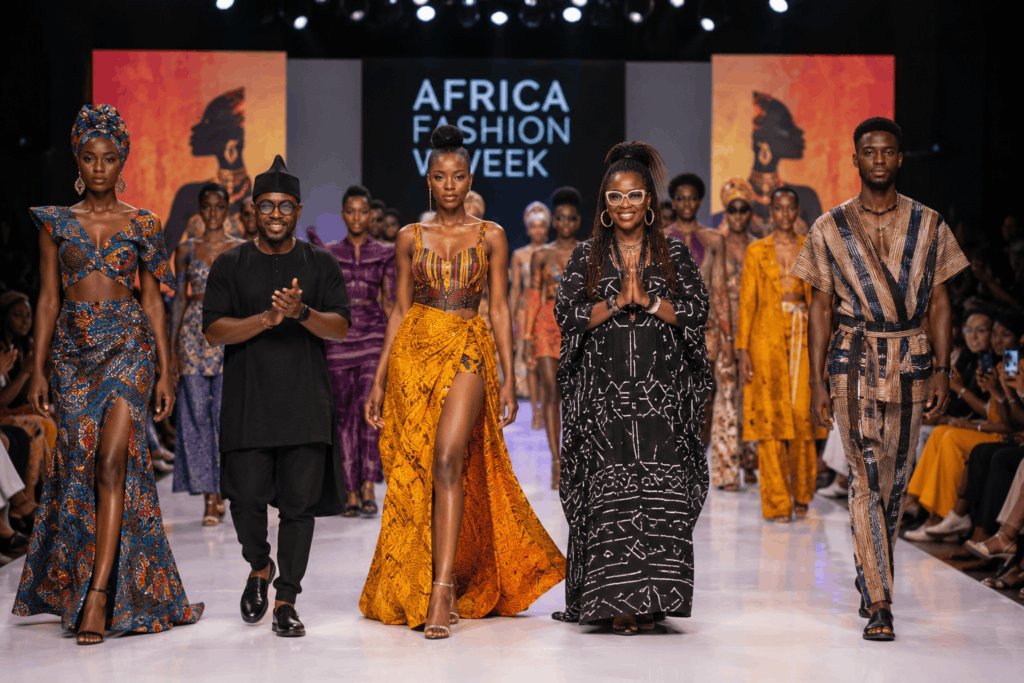
The Nairobi Fashion Hub (NFH) App: Transforming Fashion in Kenya and Beyond

The NFH App: A Catalyst for Kenyan Fashion, The Nairobi Fashion Hub App is a revolutionary platform that empowers Kenyan designers and artisans to showcase their unique creations to a global audience. This innovative solution bridges the gap between talented individuals and a market hungry for authentic African fashion.

By providing a centralized digital marketplace, the app fosters economic growth, job creation, and cultural exchange.

The fashion and beauty industry in Africa is undergoing a digital transformation, and leading this change is the Nairobi Fashion Hub (NFH) App. Positioned as a game-changer for Kenyan designers and creatives across the continent, the NFH App not only connects talent to global markets but also sets a new standard for fashion innovation and cultural preservation. With its unique features and focus on empowering creatives, the app is poised to rival existing fashion and beauty platforms while offering a uniquely African perspective.

Revolutionizing the Fashion Industry
The NFH App serves as a digital hub for Kenyan and African designers, bringing together artisans, buyers, and fashion enthusiasts. Unlike traditional e-commerce platforms, the NFH App is deeply rooted in the celebration of African culture and heritage, presenting a blend of  authentic, contemporary, and traditional designs  to the world.

Key Impacts:
1. Empowering Local Designers:
Emerging and established designers alike benefit from a platform that showcases their work globally, fostering brand identity and market visibility.
2. Economic Growth:
By driving sales and elevating local talent, the app contributes to the growth of the fashion industry and creates sustainable economic opportunities.
3. Cultural Preservation:
By highlighting traditional techniques and aesthetics, the app ensures that Africa’s rich fashion heritage is celebrated and passed on to future generations.

Innovation at Its Core
What sets the NFH App apart is its cutting-edge technology and user-centric features, designed to revolutionize the fashion experience.

Standout Features:
1. Virtual Showrooms: Designers can showcase collections in 360-degree views, offering buyers an immersive shopping experience.
2. AI-Driven Personalization: With AI-powered recommendations, users can discover styles tailored to their tastes.
3. Interactive Community: The app fosters a collaborative space where designers and buyers engage through live Q&A sessions, virtual fittings, and behind-the-scenes content.
4. Accessibility for Rural Artisans: By connecting artisans from remote areas to urban and global markets, the app bridges geographical divides.

Comparing NFH with Other Fashion & Beauty Apps
While apps like Shein, Asos, and Beautylish dominate the global scene, they primarily focus on Western trends, often neglecting the richness of African design. The NFH App fills this gap by offering a platform that prioritizes African culture, style, and craftsmanship.

Unique Advantages Over Competitors:
1. Cultural Relevance: Unlike global giants, the NFH App emphasizes African traditions and aesthetics, creating a sense of pride and belonging for users.
2. Designer Empowerment: Unlike mainstream apps that overshadow local creators, NFH ensures African designers remain the centerpiece of the platform.
3. Economic Impact: While global apps profit from sales, NFH directly contributes to job creation and economic growth within the region.

Apps like Fashion Nova and Stitch Fix have gained traction for their personalization features, but NFH’s AI-driven personalization combined with cultural storytelling elevates it as a truly distinctive platform.

Redefining the Future of African Fashion
The Nairobi Fashion Hub App is more than a digital marketplace it’s a catalyst for creativity and economic transformation.

By blending technology, culture, and fashion, the app is bridging gaps, breaking barriers, and inspiring a new generation of African designers to dream bigger.

Why the NFH App Stands Out:
1. It champions local talent, ensuring Kenyan and African designers gain recognition on a global scale.
2. It celebrates authentic African fashion, offering a platform where tradition meets modernity.
3. It empowers the entire fashion ecosystem, from rural artisans to urban designers and fashion consumers.
As Kenya and Africa take center stage in the global fashion scene, the Nairobi Fashion Hub App leads the charge with innovation, inclusivity, and cultural pride. By providing a platform tailored to the needs of African creatives, the NFH App isn’t just shaping the future of fashion—it’s rewriting the narrative for African creativity on the global stage. Whether you’re a designer, artisan, or fashion enthusiast, the NFH App invites you to be part of this transformative journey.

Content courtesy of NFH Digital Team

The Face of Africa 2024 International Pageant: A Triumph of Diversity, Elegance, and Empowerment

Celebrating Africa’s Beauty and Resilience

Nairobi, the vibrant heart of East Africa, recently played host to an extraordinary event that captured the essence of African beauty, resilience, and empowerment. On April 20th, 2024, Delight Technical College became the epicenter of glamour and grace as The Face of Africa 2024 International Pageant unfolded in all its glory. This prestigious occasion brought together contestants from across the continent, each representing the epitome of beauty, grace, and empowerment.

More than just a showcase of aesthetics, The Face of Africa 2024 International Pageant served as a celebration of diversity and resilience. Contestants hailing from various backgrounds and cultures united on one stage, weaving together the rich tapestry of Africa’s heritage. From the bustling streets of Lagos to the serene landscapes of the Serengeti, each contestant brought a unique story and a distinct charm to the competition.

The night was a symphony of elegance and talent, as contestants dazzled the audience with their poise and charisma. Against a backdrop of glitz and glamour, the judges faced the formidable task of selecting the winners who would embody the essence of African beauty and grace for the year to come.

The Crowning Moments

After much anticipation and deliberation, the winners were finally announced:

– Face of Africa 2024: Lucy Mueni
–  First Runner-Up: Veronicah Mutheu
–  Second Runner-Up: Sheryne Nkirote

Additionally, special awards were presented to recognize exceptional talent and character:

–  Face of Africa 2024, Face Plus Size: Ramona Njeri Munene
–  Congeniality Award: Vilmer Komora
–  Style Icon Award: Grace Laura

These remarkable individuals not only epitomized beauty but also showcased the depth of talent and character present within Africa’s diverse tapestry.


Empowering Dreams, Embracing Individuality

The evening was not just about crowning beauty queens; it was about empowering women to embrace their inner strength and shine brightly in a world that often seeks to dim their light. Through their grace and confidence, the contestants inspired audiences to embrace their own uniqueness and strive for their dreams, regardless of the obstacles they may face.

As the curtains drew to a close on this unforgettable night, The Face of Africa 2024 International Pageant left an indelible mark on the hearts of all who attended. It served as a reminder of the power of unity and the celebration of individuality. In a world often divided by differences, this event showcased the beauty that emerges when diversity is celebrated and embraced.

In the heart of Nairobi, Africa’s beauty shone brighter than ever before, leaving a legacy of empowerment and inspiration that will resonate far beyond the glitz and glamour of the stage. The Face of Africa 2024 International Pageant not only celebrated Africa’s beauty but also ignited a spark of hope and possibility for generations to come.


Content courtesy of Delight Fashion School, The Face Of Africa & NFH Digital Team

Types Of Female Models

When most people think of female models they automatically think of supermodels Naomi Campbell, Gisele Bundchen, Kate Moss, Heidi Klum, or Tyra Banks. However, there are many other types of models whose names you wouldn’t know but who are making a terrific income. They’re working behind the scenes as fit or showroom models and as commercial models working with manufacturers, suppliers, pharmaceutical companies, airlines, automobile manufacturers, fitness companies, and much more.

Even if you can’t be the next supermodel you’ll probably fit into one of these categories of female models.

1. Fashion (Editorial) Model

Fashion models, or what the industry refers to as “editorial models” are the high fashion models that you see in fashion magazines such as Vogue, Harper’s Bazaar, and Elle, and who work for top fashion designers Giorgio Armani, Prada, Marc Jacobs, Gucci, Valentino, and others.

Female editorial models are generally 5′ 9″ to 6′ 0″ tall and are very slim. A female editorial models’ measurements are usually – bust 33″, waist 23″, hips 33″.

Modeling agencies will always look at the “complete package” that the model presents when determining whether or not they can be editorial models, so don’t be discouraged if you don’t meet these stats exactly.

2. Runway/Catwalk Model

Female runway/catwalk models are a minimum of 5′ 9″ but 5′ 10″ – 5′ 11″ is even better. Runway models must have precise measurements so they are able to fit the clothes that designers are going to be showing to their clients. Their measurements are usually no greater than 34″ – 23″ – 34″.

Designers hire models to fit the clothes they have made for their collections, they don’t make the clothes to fit the model – well, not unless you’re a supermodel like Naomi Campbell or Coco Rocha.

3. Commercial Model

Commercial models can be any age, any size and any height. Hooray! Commercial models can do everything that isn’t normally associated with high-fashion, such as product ads (housewares, food products, travel industry, tech devices, and the list goes on).

Content Courtesy Of Nairobi Fashion Hub & The Balance

Ad