Sunday 19th of April 2026

Nairobi, Kenya

The Runway’s Beautiful Looks From Lagos to South Africa

Fashion weeks are taking center stage and gaining significant recognition throughout Africa. There is no way to gauge the extent of fashion’s influence on the continent—from South Africa’s South African Fashion Week and Cape Town Fashion Week to Nigeria’s Heineken Lagos Fashion Week, Senegal’s Dakar Fashion Week, Ghana’s Accra Fashion Week, and a plethora of additional events. In research recently issued in association with Lagos Fashion Week, UNESCO estimated that the industry’s yearly export value is close to $15 billion.
Heineken Lagos Fashion Week is one of the most anticipated fashion events in Africa and is a branch of Style House Files.

Heineken Lagos Fashion was established in 2011 by lawyer-turned-entrepreneur Omoyemi Akerele, and since then, it has solidified its place in Africa’s fashion and beauty landscape. This year, enthusiasts for African beauty and fashion gathered in the well-known Federal Palace Hotel, which is located in the center of Victoria Island, one of the nation’s most suburban areas. Officially, the Heineken Lagos Fashion Week 2023 runway went from October 26 to October 29. Lush Hair, Spotify, MTN, and a few more sponsors supported the event.

The atmosphere was the same at SAFW, the South African Fashion Week. Starting on October 19 and running through October 21, the event featured a cocktail party hosted by Cruz Vodka, a high-end beverage manufacturer.

Lucilla Booyzen founded the event, which this year was unforgettable and marked a turning point for African fashion. They have accomplished this, among other things, by supporting and providing funds to up-and-coming and established African designers, as well as by mentoring and generally offering them more worldwide possibilities to reach a mainstream market. This year was no exception.

In Lagos, the Federal Palace Hotel’s Balmoral Palace served as the conference site; in South Africa, the stunning Mall of Africa served as the venue. Arriving with their most innovative fashion ideas, attendees vied with one another in everything from cosmetics to attire.

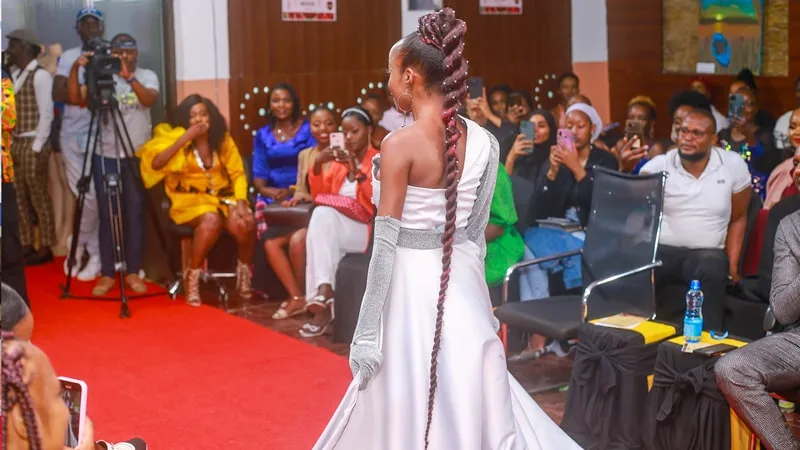
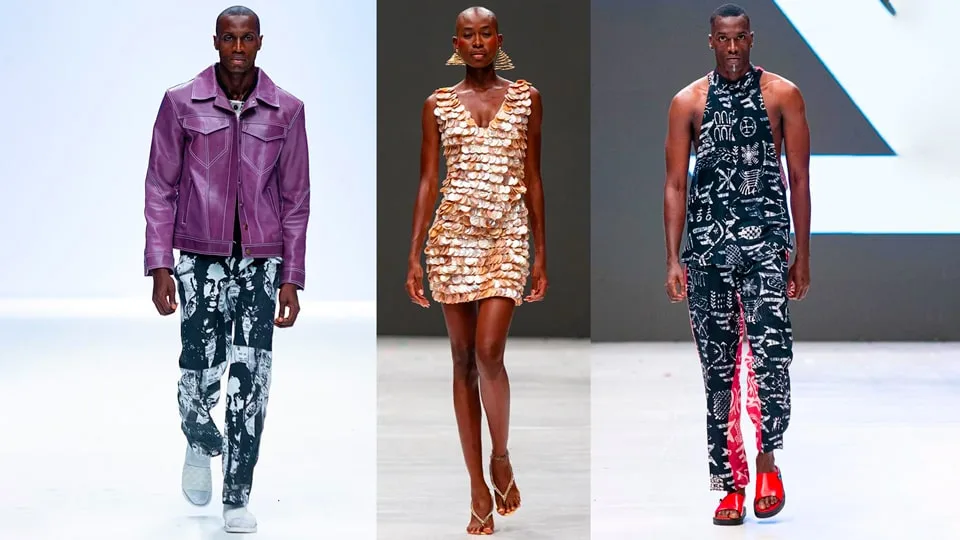
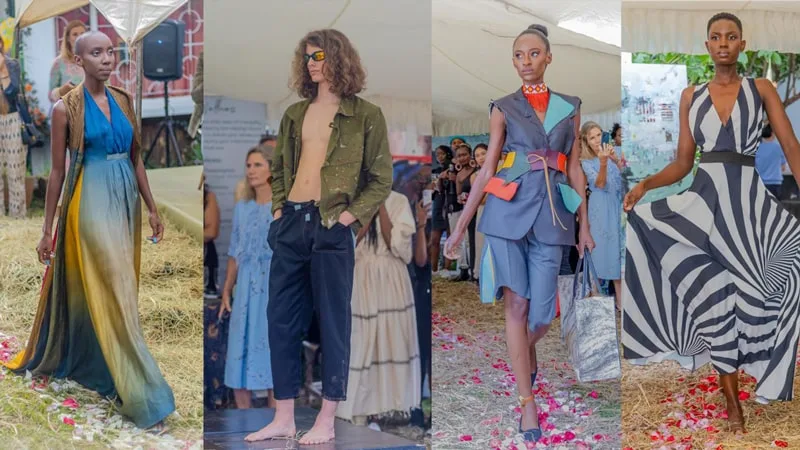
A significant feature that caught my attention was the beautiful looks on the runways, in addition to the clothes on display and the designers exhibiting their extraordinary skills. Every designer asked the models to walk the runway wearing ensembles that best reflected the narratives they wished to portray. BeautyMatter showcases some of these amazing outfits.

Hair
Hairstyling is a big deal for every fashion week, and the runway presentations from Lagos Fashion Week and South Africa did not disappoint. Afros, weaves, braids, and ponytails were among the captivating looks that the attendees were left with. Carlton Hair was the official hair sponsor for SAFW, and Lush Hair was the official sponsor in Lagos. “Carlton Hair is committed to quality, professionalism, and sustainability.
We are thrilled to be working with SAFW because we believe they share these values,” the firm said.
Our goal is to provide stylists and clients with the chance to learn about the newest hair and fashion trends. Lush Hair Nigeria has inked a new two-year deal to serve as Lagos Fashion Week’s official sponsor, as BeautyMatter just discovered.

Nigerian brands with sleek ponytails on the runway included Pepper Row (by Omafume Niemogha), Cute-Saint (by Muftau Femi Ajose), and Elexiay (by Elyon Adede); Ivorian brands, Kenyan brands, and Malian brands, Mariah Bocoum Couture, all styled their models with different braids.

Additionally, there were occasions where it was either “go bald or go home,” with models Oyama Gonintebe from South Africa or GËTO (by Samantha Adebayo) from Nigeria showcasing their best moments.
Natural hair was the most popular hairstyle, just like braids, ponytails, and weaves, especially on female models. SAFW featured a lot of these hairstyles, particularly from companies like Munkus (by Thando Ntuli), Thulattu South Africa, VNTU Official, and Elwen Designs.

Face Beats
Makeup may effectively convey the designer’s vision for the collections, regardless of how obvious or subtle it is. During fashion week, the finishing touches are what take fashion to the next level of artistry and support the idea that they are the link between art and design.
This was the situation for companies like Kadiju, Rendoll, and Jewel Jemila during Lagos Fashion Week. These manufacturers complemented their models with precisely contoured crimson blush in the manner of the 1980s and dewy highlighters.
Additionally, there were a lot of neutral hues from companies like Desirée Iyama and Studio Imo from Nigeria, Helon Melon from South Africa, and Mantsho from Palesa Mokubung. Despite being simple, every color stroke supported the designer’s idea and presented a different tale.

Conversely, some performances in Lagos and South Africa featured incredibly striking costumes.
We saw the avant-garde lip transformation looks from brands like Oriré, Viviers Studio, and Abigail Ajobi, which were either very black-colored or glittery, almost three-dimensional, as well as the dramatic allure of the smoky eyes from brands like Kadiju (by Oyindamola Aleshinloye), Rendoll (by Reni Abina), Oshobor, and Love From Julez.

Accessories
The secret beauty components that added individuality and flair to every event this year from Lagos and South Africa were accessories like headwraps and earrings. Whether they were bold hoops, delicate studs, or statement chandeliers, earrings gave the looks at KikoRomeo, Gëto, Desirée Iyama, Elexiay, Cynthia Abila, and Pepper Row even more pop.
Models wore stunning earrings on the runway, including ones fashioned like roses, petals, animal patterns, big circles, or even just studs.

Conversely, headwraps added historical and cultural details, making every runway presentation a story. In African culture, they might represent power and custom, or they can just be a fashionable accessory. Leading the way on this one were South Africa’s Sun Goddess Afro Lux, Black Coffee, and streetwear brand Leon Von Solms.
The majority of the headwraps had prints on them, such as stripes in black and white.

Last but not least, sunglasses, the pinnacle of stylish and useful fashion accessories, were essential in enhancing the glitz of beauty looks during fashion. Cute-Saint, a fashion company, has been infusing this into every runway collection for years, and this year’s show did not let them down.

The chic beauty looks on this year’s runway was complemented by an aura of mystery and seduction generated by oversized frames, sleek aviators, and retro cat-eyed shapes in hues of black and white.

Content courtesy of Beauty Matter & NFH


Africa Has the Potential to Influence Global Fashion in the Future.

Despite a number of obstacles, the continent offers a number of distinctive qualities that might help it succeed.
Editor’s Note: As African designers become more well-known for their distinct aesthetic and creative application of regional materials, fashion weeks and trade exhibitions serve as venues. China Daily examines the prospects and difficulties confronting the rapidly expanding sector.
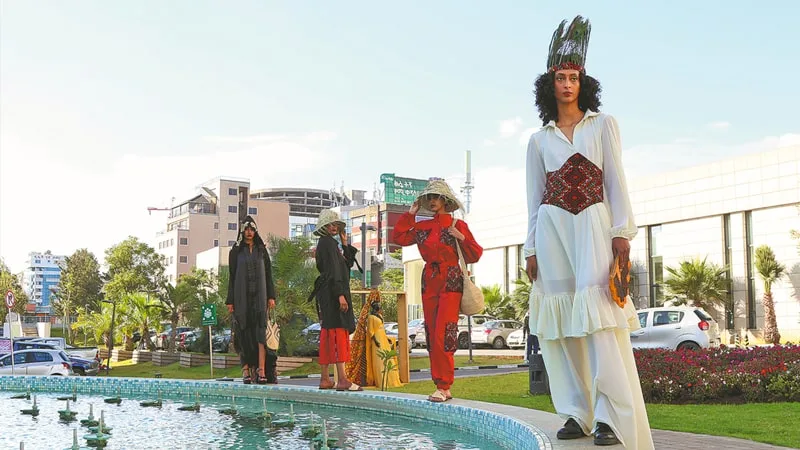
Award-winning Kenyan designer Aulga Nato was thrilled to present her works during this month’s Africa Sourcing and Fashion Week in Ethiopia.

Models wearing creations by Nato and her other designers walked an outdoor catwalk at the Skylight Hotel during the four-day fashion spectacle in the Ethiopian capital, Addis Ababa. 5,150 people attended the event, which is regarded as one of the best fashion exhibitions on the continent, according to the organizers.

“African fashion is just now becoming more well-recognized. I have witnessed African aesthetics that are radically unlike global examples,” stated NATO. “Africa is bringing new and innovative ideas, while the rest of the world is merely copying designs. Additionally, I think that we are in right now.”

Nato is well aware of this, having won the African Icon Hope Awards’ African Emerging Designer of the Year title the previous year. Africa, in her opinion, will serve as the center of the world’s fashion in the future.

The fashion industry in Africa is poised to take the lead in the world fashion scene, according to a UNESCO research published in October titled “The Fashion Sector in Africa: Trends, Challenges, and Opportunities for Growth.”

“The African fashion industry is being driven by a number of causes, including the continent’s youthful, inventive, and expanding population, a burgeoning middle class, fast urbanization, and more government assistance. The study said, “The potential is enormous, not just for the economy but also for the inclusion of young people, the empowerment of women, and the global resonance of African culture.”

The majority of fashion businesses in Africa are micro, small, or medium-sized enterprises that cater to the hyperlocal market by offering ready-to-wear and made-to-order clothing. However, the report also noted an increasing number of high-end brands that are centered in important markets like Senegal, Cote d’Ivoire, Ghana, Kenya, Nigeria, Rwanda, and South Africa. These cater to a select clientele of wealthy local and foreign consumers by offering luxury goods.

One such company is owned by Grace Mbugua, who concurs that the African fashion market has the potential for expansion.
Mbugua, who was present during the Addis Ababa fashion week, stated that occasions like this will significantly contribute to drawing attention to African design globally.
“Business growth is one of the advantages of these fashion fairs; this is achieved through partnerships, exposure, and learning about current trends and global demand.
Mbugua, who owns J-Lo Collections, a company that produces leather, textiles, and home décor items, stated that Ethiopia is one of the world’s top producers of leather goods.
“I have had the chance to see some of the leather they have,” she added. “They have beautiful and refined leather, and I am looking forward to getting to Kenya.”

Ducks in a row
Even though she was impressed by Ethiopia’s leather business, other attendees of Fashion Week said that in order for Ethiopia and Africa as a whole to fully profit from the fashion industry, they must first get their houses in order.
The quality of leather goods such as shoes, purses, and gloves has improved over the past ten years across Africa, according to Mishamo Wakaso, CEO of Ethiopia’s Ministry of Trade and Industry’s Leather Research and Development Center. With exports worth over $140 million, Ethiopia ranks as Africa’s fifth-largest exporter of leather and leather goods.
But supply, according to Wakaso, is the biggest issue confronting the leather sector in Africa.

Animal skins are sourced from Africa’s vast cattle population, but there are issues with access to the chemicals, equipment, and supplies needed to process the skins.
“Europe, China, and India import the majority of the chemicals used in leather manufacturing that are utilized in Africa. Due to this, there is a severe shortage on the continent and high demand, according to Wakaso.
According to Wakaso, African governments must make investments in the sector to raise the caliber of goods if they want to see Africa take its rightful place in the world of fashion.
He thinks African fashion has the potential to expand rapidly despite its early setbacks, particularly if the continent’s 1 billion people were to seek inside for a market.

“We as Africans must integrate and foster market integration in order to lessen these difficulties. Because of our trade restrictions, we are selling to Europe and India but are not taking advantage of the enormous market in Africa,” he stated.
“The African Continental Free Trade Agreement needs to be fixed in order to draw in investors. For instance, a business that manufactures chemicals may locate its plant in Ethiopia and engage in business with Tanzania, Kenya, Sudan, and other African nations.”

According to Wakaso, 37 of Africa’s 54 countries grow cotton, making the continent a key supplier of raw materials for the fashion industry. The average annual value of textile exports from the continent is $15.5 billion.

According to Mbugua, African governments need to play a more significant role in facilitating local commerce in the leather and textile sectors by integrating markets and building the required infrastructure.

“African governments have the ability to facilitate cross-border travel by making it easier for individuals to move between their countries. Even if travel and visa restrictions between nations continue to be problems, I hope that things will improve. Rwanda has eliminated the need for Africans to have a visa, and Kenya has committed to doing the same by December. These developments thrill me,” Mbugua stated.

According to Mbugua, occasions such as Ethiopian Fashion Week provide African business participants with a chance to establish networks and cooperate on a continental scale.
With these gatherings, we hope to develop as individuals and to create Africa and East Africa together, since there are a lot of amazing opportunities right now. Our goal is to help our members build themselves in order to access markets and ensure that we are competitive in unity; therefore, we would love to create African Fashion Week chapters throughout Africa and then grow our companies,” she stated.
The fact that Africa’s textile imports, including apparel and footwear, are valued at $23.1 billion annually, nearly double the value of exports, indicates that African fashion entrepreneurs do not have access to the continent’s market.

“Trade exhibitions, industry gatherings, and joint ventures are being organized by African nations more and more.
One such instance is Africa Sourcing and Fashion Week, according to the article.
According to NATO, occasions like Africa Sourcing and Fashion Week provide a platform for the global community to engage with the finest of African culture.
“Authenticity and individuality are what set African fashion apart. You can see that most fashion firms throughout the world have done so much that their current offerings lack originality. Africa, on the other hand, produces a lot of fabric, grows a lot of cotton, and is wealthy in every manner.

That’s how we dress. “I believe we are the next big thing if the world will focus on us,” stated Nato, who owns the upscale brand Nato Design House.

Market-oriented
She counseled industry participants to put their all into their work and strive to become masters, notwithstanding the difficulties encountered by young designers on the continent.
“As an upcoming designer, you should strive to learn and understand your clients,” Nato said. “Listen to your clients, listen to what the market wants as opposed to what you want.”

The majority of those involved in the African fashion business also think that the continent can set the standard for sustainable practices and fashion worldwide. Because Africa is not a wasteful continent, NATO thinks that little actions like gathering rubbish and repurposing or redesigning it might help cut down on waste.

“Personally, I get to check back on some of my designs that did not move and redesign them before putting them back on the market,” Nato said.
“Some of my clients purchase dresses from me for certain events, and after they wear them, they are unable to reuse them. When this occurs, I am able to persuade my clients to return the dresses, and I then resell the gowns to buyers who can afford to purchase and wear them once again.”

Mbugua thinks that by enacting laws to create secure tannery systems for the leather sector, African nations are setting the standard for sustainability.

“We employ vegetable tannins to preserve, reinforce, and color our hide in Kenya, for example. This practice is known as vegetable tanning. Chemicals are harmful to the environment and have an impact on water systems, which is why this is.
According to her, we also want our suppliers to have the same degree of environmental consciousness.
Exhibiting at the Ethiopian Fashion Week and Fair is Ghanaian Solomon Dodoo, who claims that a tour of the booths highlights how colorful and dynamic African fabrics are, as well as how they embrace the richness of African culture.

“Going through the items on display at this fashion event, you notice that every single fabric is unique, and there are no two fabrics that look alike,” said Dodoo.
“Africa is providing the world with exquisite textiles, and I hope that people would take advantage of this and believe that Africa truly has a wonderful culture when it comes to textiles.
We are the designers of tomorrow.”

Content courtesy of China Daily & NFH

African Fashion Designer Awards 2023, Honoring “the Fashionpreneur” and Their Creatives

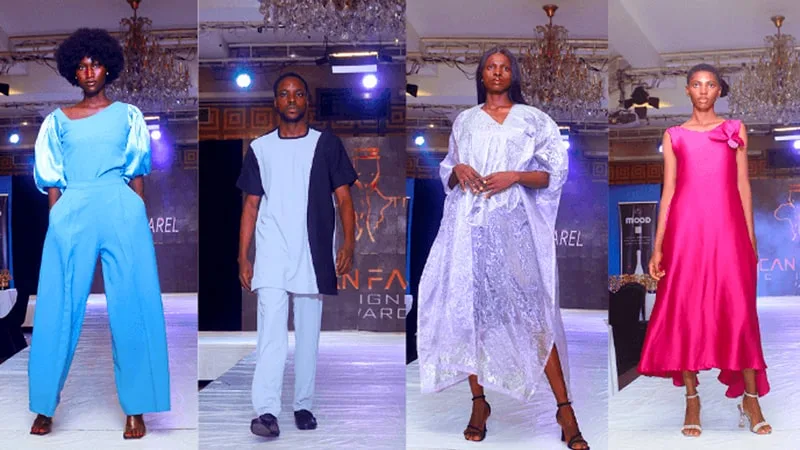
Young, gifted indigenous fashion entrepreneurs from Nigeria illuminated the stage with their creations, showcasing African and Nigerian culture and legacy via their artistic expression.
Attendees of the 2023 African Fashion Designer Awards were captivated by the elegant, sophisticated, and traditional outfits seen at the runway show at the Oriental Hotel Lagos.
The majority of fashion designers who displayed their creations have always aspired to run a profitable fashion company, and one way they are working toward this goal is by participating in the African Fashion Designer Awards.
The majority of fashion entrepreneurs find running a fashion firm to be extremely difficult because of the industry’s changing nature.

Nonetheless, a prosperous and fulfilling fashion business may be achieved with persistence and diligent labor.

Clothing firms have profit margins of about 42%, according to data.
A fashion firm may be very profitable because of its large profit margins and strong demand for clothing.
But this also implies that there are a lot of competitors already in the market, so the level of rivalry would be fierce. Furthermore, the fashion sector is always changing to meet the demands of its customers.
This increases the field’s commercial risk. But if everything goes well, running a profitable clothing company may truly change people’s lives.

During the 2023 African Fashion Designer Awards, these were a few of the topics that were covered.
The majority of the fashion entrepreneurs on display demonstrated via their designs a keen sense of style, expertise in creating clothing, and a good sense of what the upcoming trends in fashion will be.
Olasunkanmi Dasilva, the CEO, and Founder of the African Fashion Designer Awards 2023, spoke at the event and stated that it was the sixth edition and that they had been working really hard to maintain the event’s regularity.
“Fashion Preneur” is this year’s topic. This is intended for youthful fashion designers. In terms of legacy and culture, we want to explore how we can all work together to accept one another.

This is also aimed at inspiring youth from the ghetto. Designers get a platform to present their work to the public at this event. While some of them are first-time users, others are in-house designers from earlier iterations.
Twelve designers will be exhibiting during the function. There can be a maximum of 15 items. Even yet, there are those who can perform eight pieces, ten, and even six. Every year has a theme, and each theme is significantly distinct from the others. In order to unify designers and enable them to exchange creative ideas with one another, we therefore come up with something new every year, according to Dasilva.

He clarified that the recipients of prizes are chosen based on their contributions to the advancement of African and Nigerian culture, as well as their influence on young people and their enterprises.

“I considered ways to encourage and uplift these creators. They won’t be able to leave their surroundings if there aren’t any platforms to keep them inspired. Although some just consider these individuals to be tailors, they have made significant contributions to the fashion business.
He said, “I love anything creative and innovative, but I am not a designer.”

The award titles and their winners include
1. African Fashion Brand of the Year: House of viola pelle
2. African Fashion Brand of the Year: Male – Mumini fashion;
3. African Fashion celebrity of the Year Male: Emmanuel umoh jr
4. African Fashion Designer of the Year female – Mimaxclusive
5. African Fashion Designer of the Year Male -1981 clothing
6. African Fashion Model of the Year female – Merry Zakaria
7. African Fashion Model of the Year male – Alimani sall kamara
8. African on-air personality of the Year – Natacha akide ( Symply Tacha)
9. African fashion stylist of the year female – House of viola Pelle
10. African iconic Fashion fitness of the year – Emmanuel umoh jr
11. African Fashion Urban of the Year – Stephnora Fashion
12. Next-rated actor of the Year -Khazim Danmola
13. Emerging Designer of the Year female – AR couture
14. Emerging Designer of the Year male KK wears.

Content courtesy of Business Daily Nigeria & NFH


Award-winning Costume Designer Paul G. Tazewell To Be Honored At FashionAFRICANA’s Inaugural Gala

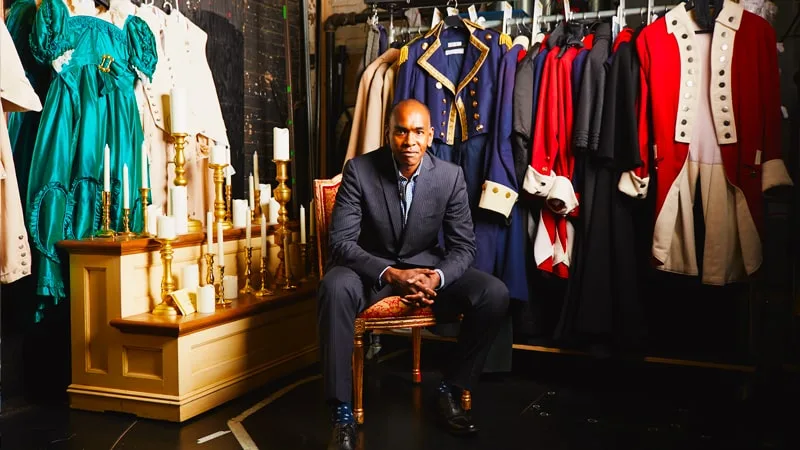
Paul G. Tazewell believes that a costume is more than just a piece of apparel.
The character exists inside the fabric. For almost 30 years, Tazewell has been creating costumes for Broadway, regional theater, movies and television shows, dance, and opera performances. “I love the process, and I love collaborating with people,” the designer stated. “I hope I have represented the story (of the show) and each of the characters as truthfully as I could.”
Tazewell is being honored this evening at the Pittsburgh Public Theater in Downtown Pittsburgh at the “Experience Africanism,” FashionAFRICANA’s inaugural gala honoring black and African designers, artists, and more.
Demeatria Boccella, the producer and curator of style, culture, and design behind Demeatria Boccella Productions, launched FashionAFRICANA in 2001.

Through fashion and art, it is a multimedia event series and educational platform that delves into black beauty, culture, and history.
Producing the event, Boccella remarked, “Our inaugural gala is an opportunity to celebrate the diversity of the African Diaspora and the many contributions of black creatives to arts and culture globally.” “We are overjoyed to have a host committee comprised of such amazing individuals who are dedicated to elevating and commemorating black creativity.”
Kiya Tomlin, a fashion designer from Pittsburgh, is the honorary chair. The evening will celebrate and highlight the diversity, depth, and vitality of black culture. Live music, a carefully chosen beauty experience, and clothing with African influences will all be present.

Dinner for VIPs starts at 6:30 p.m. At 8 p.m. is the main event.
A dance party and performances of modern dance and music are planned.
The debut of Cameroonian fashion designer Imane Ayissi in the United States will take place in Paris. Time Magazine’s “America Must Change” edition included artwork by artist Charly Palmer on its cover.
Palmer will get recognition during the occasion in addition to Tazewell.
He declared, “I want to be known as someone who has changed things.” “I am appreciative of this honor.”
The work Tazewell did on Lin-Manuel Miranda’s first Broadway production of “Hamilton” is what made him most famous. Tazewell and the musical shared the blockbuster Tony Award.
2016 saw him win an Emmy for his work on NBC’s “The Wiz! Live.”

Tazewell is a New York City resident with Pittsburgh ties. The August Wilson Center in Downtown Los Angeles hosted a presentation of the costumes he created for the NBC television series “The Wiz Live” in 2016. He worked on that show alongside Boccella.

At the time, Tazewell declared, “My costume designs for ‘The Wiz Live’ is work that I will forever be proud of.” “I am ecstatic that people will have the unique chance to view my work in person at this exhibit, where they can get a close-up look at the exquisite craftsmanship and detail of these stunning costumes.”

Tazewell stated that since creating costumes requires a great deal of labor, having them on display in this way offers visitors an insight that they would not otherwise obtain, whether viewing a play on stage, on television, or in a movie theater.

Tazewell has always had a deep love for movies and theater. While a junior at Akron, Ohio’s Buchtel High School, he created the costumes for his first complete musical, “The Wiz.”
Arnold Thomas, the director of the summer musical and a teacher in the high school’s performing arts department, asked Tazewell to create the costumes for “The Wiz” and other productions for both the summer musical theater and the high school.

“I am really grateful that Arnold Thomas trusted me to dress the cast,” Tazewell remarked. “The goal is to make the outfit come to life. That was undoubtedly a life-changing event and a major learning process. My family values education, and we are educators ourselves.

The Metropolitan Opera, the Bolshoi Ballet, the English National Opera, the Public Theater, the National Theater, the Kennedy Center, the Guthrie Theater, the Arena Stage, the Houston Grand Opera, and the San Francisco Opera are just a few of the organizations with which Tazewell has collaborated.
He declared, “It is not just about performance.” “Every path is crucial to your development.”

He takes advantage of every chance to collaborate with aspiring costume designers. Because he mentioned that there weren’t many African Americans working in costume design at one point in time.
He enjoys making historical and period costumes in particular, although he doesn’t have a favorite outfit. He claimed that the process of creating a costume involves combining the ideas of the costume designer, director, writer, actors, actresses, and all other participants in the performance, which makes it an exciting process overall.

He graduated from the North Carolina School of the Arts with a bachelor’s degree in fine arts and a master’s degree in fine arts from New York University. He has taught as a guest lecturer at the North Carolina School of the Arts and New York University.

He was a faculty member at Carnegie Mellon University in Oakland from 2003 to 2006.
It’s amazing to be back in Pittsburgh for this occasion, he remarked.

Tazewell said, “Africanism is expressed in an amazing way.” “It’s explosive, and I want to share it with a wider community and embrace its diversity more.”

Content courtesy of Trib Live & NFH

“JUST Fashion” Day at Eco Fashion Week Kenya You’re Invited to Embrace Sustainable Fashion at “JUST Fashion” Day

Invitation to “JUST Fashion” Day at Eco Fashion Week Kenya

Date: November 23, 2023 Time: 2:30 PM–7:00 PM Venue: The Artisanal Gallery, Gigiri Lane

JUST Fashion is an initiative and platform for sustainable fashion, dedicated to promoting eco-conscious practices and a just, green, and sustainable transition in the fashion industry. We are thrilled to extend an invitation to “JUST Fashion” Day, a captivating event that forms part of Eco Fashion Week Kenya, taking place from November 20th to 26th, 2023. Elements of the Just and Green Transition of the local fashion industry will be showcased through the eyes of The Artisanal Gallery, AfroWema, and Seeds and Stories.

“JUST Fashion” Day promises to be a remarkable celebration of eco-conscious practices within the fashion community. This event is a unique blend of art, fashion, and sustainability, and it places a strong emphasis on supporting just, green, and sustainable efforts in the fashion industry. Here’s a glimpse of what you can expect:

  • Artisanal Elegance: Immerse yourself in the creative world of artisans as The Artisanal Gallery showcases their extraordinary craftsmanship. Witness the magic of sustainable, handcrafted, and local fashion.
  • AfroWema’s Eco-Resonance: AfroWema will present a stunning Collection together with Seeds & Stories, a collection that exemplifies the commitment to eco-resonance, fusing African heritage and contemporary style.

In addition to these fashion showcases, “JUST Fashion” Day will also feature a panel discussion on The Just and Green Transition of Kenya’s Fashion Industry. This panel will bring together experts from the fashion industry, academia, and civil society to discuss the challenges and opportunities for a more sustainable and equitable fashion future in Kenya.

We invite you to join us for this special event and celebrate the beauty and potential of sustainable fashion. Let’s work together to create a more just, green, and sustainable future for the fashion industry.

  • Seeds & Stories Unveiled: Seeds & Stories Uganda will unveil a one-of-a-kind,
    handbags and shoes collection, exclusively for this momentous event, a
    testament to the power of storytelling through fashion. Explore how fashion
    can narrate inspiring tales of change.
  • Inspirational Conversations: Engage in thoughtful discussion with industry
    experts and change-makers as they delve into the critical pillars of a just and
    green transition within the fashion industry.
  • “JUST fashion passion” Talk Show/podcast, where the fashion industry
    visionaries will join JUST Fashion and 25SW4P for insightful conversations on
    shaping a just and green transition in the fashion world.
  • Delight Tailoring & Fashion School’s talented fashion design students are
    taking part in a competition, and the winning recycled and redesigned piece
    will have the honor of gracing the runway during this eco-conscious
    extravaganza. The remaining pieces will be showcased during the final Eco
    Fashion Week’s closing event in Malindi

Join us in taking a step towards a more sustainable fashion industry as we redefine beauty, creativity, and conscientiousness. Dress to impress in your eco-friendly attire, and let’s make a fashion statement that resonates beyond the runway.
To request an invitation or for more information, please contact info@justfashiontransition.com for event updates and insights.
Let’s come together to celebrate the intersection of fashion, art, and sustainability at “JUST Fashion” Day. Together, we can create a brighter, greener future for the fashion industry.

To RSVP, please visit: [LINK]

We look forward to seeing you there!

Content courtesy of  JUST Fashion & NFH

Elpis Megalio Unveils “My Nigerian Symphony” Collection at African Fashion Week London

“My Nigerian Symphony” Collection Unveiled at African Fashion Week London by Elpis Megalio
With its latest collection, “My Nigerian Symphony,” Lagos-based Elpis Megalio, a fashion company, wowed the world at African Fashion Week London. With the exhibit on October 28, 2023, the brand accomplished a significant milestone as it made its debut on a global platform.
The album “My Nigerian Symphony” demonstrates Elpis Megalio’s commitment to preserving and promoting Nigerian handicrafts.
The collection, which is made entirely in Nigeria, expertly blends traditional materials and production methods to showcase the nation’s rich cultural heritage.
Expertly tied and dyed, the collection features a well-balanced blend of high-quality Aso Oke and cotton produced locally.

https://www.instagram.com/p/CsoWhpqo980/?utm_source=ig_web_copy_link&igshid=ODhhZWM5NmIwOQ==

By using cutting-edge technology and showcasing 3D-printed pieces throughout the collection, Elpis Megalio defies convention.
One of the standout pieces is a beautifully crafted corset that was printed using 3D technology, adding a modern twist to the traditional design.
The designer’s profound appreciation of classical music and its ability to convey emotion without using words served as the inspiration for “My Nigerian Symphony.”
The collection is a visual representation of the designer’s life story and close relationship with Nigeria, drawing inspiration from the expressiveness and flow of symphonies.
“I wanted a collection with a symphony of colors that allowed the audience to see my love for my country, Nigeria, and the opportunities and lessons it has given me,” stated Olufunke Afolabi, the creative designer behind Elpis Megalio.

https://www.instagram.com/p/CHC5litpiAM/?utm_source=ig_web_copy_link&igshid=ODhhZWM5NmIwOQ==

About Elpis Megalio
Elpis Megalio is a fashion brand that was founded in March 2015 by Olufunke Afolabi and represents ingenuity and resilience. Olufunke has a background in marketing and law, but her love of fashion design has inspired her to create one-of-a-kind, wearable art.
Elpis Megalio finds inspiration in both art and travel, bringing global elegance to each piece. The brand has prospered in spite of the difficulties faced by the Nigerian fashion industry, transforming setbacks into victories.
The brand is very proud of the partnerships it has with prominent local and international figures in business, as well as celebrities, who have adorned its products.

Content courtesy of Moji Delano, Elpis Megalio & NFH

How Africa Fashion Week London Designers Illuminated The Catwalk Show

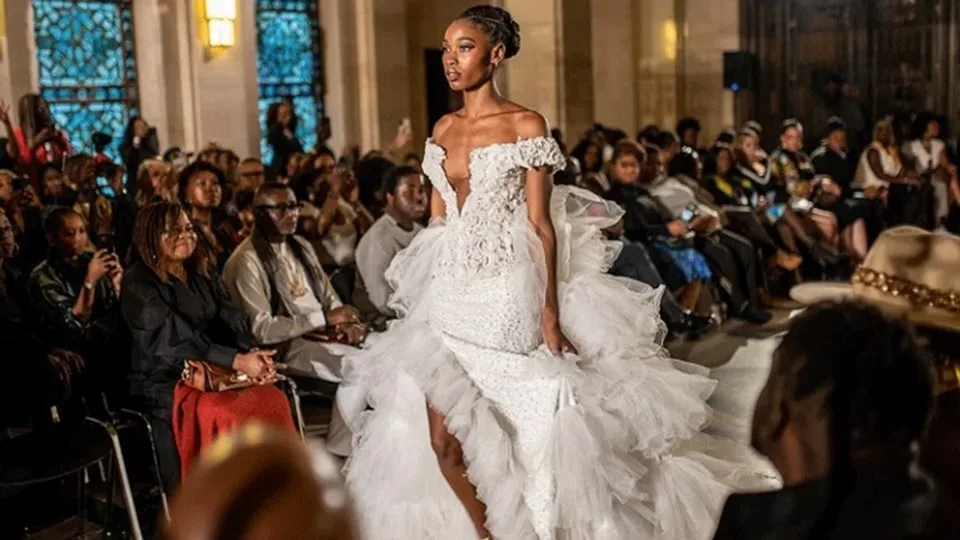
The hugely anticipated Africa Fashion Week London 2023 catwalk show stunned the fashion world with a stunning fusion of style, innovation, and culture.
A stunning array of African designers stole the show at this weekend’s event held at the Institute of Directors in Piccadilly, London, which proved to be a showcase of the continent’s rich tapestry of design.

The catwalk came to life with brilliant creativity that transported the audience through Africa’s diverse fashion landscape, celebrating the incredible talent and vision that are redefining the global fashion industry. From the vibrant colors and patterns inspired by traditional African heritage to cutting-edge contemporary trends, the catwalk was a visual feast for the eyes.

1. David Wej
David Wej is an award-winning global premium lifestyle brand that was founded in Lagos, Nigeria, in 2008 by Adedayo David Eweje. It is well-known for its unique, traditionally-inspired bespoke jacquard suits, classic shirts, and accessories.
David demonstrated the designer’s impeccable sense of style with his menswear by incorporating sophisticated stripes and coordinating accessories.

2. Adire Oodua
Established in 2021 by Queen Ronke Ademiluyi-Oguswusi, the founder of Africa Fashion Week London & Nigeria, and chaired by His Majesty, the Ooni of Ife, the Adire Oodua Textile Hub is a testament to her extraordinary vision, drive, and determination.
Fundamentally, the textile hub serves as a symbol of respect and recognition on a global scale for the preservation and advancement of South West Nigeria’s indigenous fabric.

3. Mary Martin London
Famous for creating custom designs that celebrities all over the world wear on red carpets, Mary Martin London is a highly acclaimed fashion artist. London, Accra, Brazil, Ghana, South Africa, and Scotland have all experienced sold-out catwalk shows featuring her colorful and innovative creations.

4. Simeogieme
Unique, distinctive, and high-quality clothing is what Simeogieme, a stylishly varied luxury clothing brand, prides itself on. Sensuality, sophistication, and simplicity define our ethos. Osime Saibu, the creative director, has a passion for designing clothes and accessories and is an avid fashion enthusiast. In 2010, she introduced the apparel line.
During the show, this particular collection was particularly noteworthy. Simeogieme, who had her exhibition stand downstairs, was really one to visit if you wanted to buy straight off the catwalk. She was deceptively simple but with extraordinary grace, architectural detail, tightly pleated fabrics, and unique patterns.

5. Pa Musa
Designer and interior decorator Pa Musa, originally from Sierra Leone, is an expert in soft textured fabric and the gara-tie-die technique. He is well-known in the Sierra Leonean fashion industry for his outrageous designs and quirky demeanor, which have elevated him to the status of one of the country’s most innovative designers.
We saw an extravagant use of fabric in the men’s and women’s wear collections, which flowed and ebbed with the AFWL models.

6. Abaake By Equip
Nigeria serves as the inspiration for the ethical and environmentally friendly brand Abaake by eQuip. Located in the United Kingdom, they integrate elements of Yoruba identity, traditional clothing, and textiles into contemporary designs and products.
Customers who value African culture and want to surround themselves with skincare, home décor, accessories, and apparel with African influences are drawn to this brand.

7. Amarelis
Amarelis is a clothing and lifestyle brand that not only encompasses the simplicity of its designer, Lara Cole but also uses virtuoso fabrics, creating introspective collections consisting of cutting-edge designs and on-trend styles.
All designs are fluid, timeless, and classic, matching their slogan, “Sustaining the effervescent spirit of Africa!”
Their collections embody a fusion of modern, multifunctional trends and African heritage. Timeless elegance appeals to a wide range of fashion-forward women looking for looks that complement their existing wardrobes.

8. Apparel By MO
Apparel By Mo, a Nigerian brand based in Lagos, combines Western contemporary design with Yoruba cultural heritage. The brand specializes in custom and ready-to-wear women’s fashion as well as fashion education.

9. ARIÁBA
Lagos, Nigeria, is home to the lifestyle brand ARIÁBA.
The design house crafts a complete line of handcrafted goods, encompassing jewelry, accessories, home and body scents, and exquisite and distinctive apparel.
They also provide personalized and gifting options.

10. Bantu Gold
Botswana-based fashion brand Bantu Gold skillfully combines traditional culture with modern design. Devoted to regional artistry, we design clothing that genuinely embodies both the contemporary inventiveness and the customs of our country. Prestigious exhibitions at occasions such as Mr. Price’s renowned incubation program—an honor bestowed by one of Africa’s biggest retailers—are part of our journey.
We are well-positioned to advance our craft, support the expansion of the fashion industry, and carry on telling the world about Botswana’s distinctive story thanks to this program. Beyond clothes, we support up-and-coming designers, promote cross-cultural interactions, and honor Africa’s diversity.
Come along on a journey where fashion and culture collide, and discover the lively spirit of Botswana in each piece.

11. Bittany
Founded by Fikayomi Agbola, the African fashion brand Bittany is the result of Agbola’s visionary entrepreneurial spirit, her undying will to turn hardship into opportunity, and her love of fashion.
Initially born out of dissatisfaction with tailors, bittany has evolved from a simple pastime into a magnificent celebration of African culture and heritage with exquisitely designed pieces that are accessible to all! Making African fashion available to everyone around the world and making people smile are our two main objectives.
The ARÁBÁMBI Collection was created because Bittany upholds family values.

With the slogan “Be unapologetically unique,” Bittany encourages people to embrace their individuality while upholding the fundamental principles of honesty, innovation, and collaboration in all facets of their business dealings.
This brand promotes slow fashion and sustainability by using upcycling techniques and providing alteration and repair services to prolong the life of clothing. It is more than just a fashion brand.
However, Bittany’s influence extends beyond style.
Through its sister company, KÁYÒMI, which sells sustainable fashion, Fikayomi is committed to supporting the gig economy in the UK and creating jobs for African artisans. Bittany is passionate about fashion, sustainability, and having a positive impact. She wants to change the world, one stitch at a time.

As the African Fashion Week London draws near, Bittany continues to be a shining example of inventiveness, cultural diversity, and a dedication to improving the world.

12. Bantu Gold
Botswana-based fashion brand Bantu Gold skillfully combines traditional culture with modern design. Devoted to regional artistry, we design clothing that genuinely embodies both the contemporary inventiveness and the customs of our country.
Prestigious exhibitions at occasions such as Mr. Price’s renowned incubation program an honor bestowed by one of Africa’s biggest retailers, are part of our journey.
We are well-positioned to advance our craft, support the expansion of the fashion industry, and carry on telling the world about Botswana’s distinctive story thanks to this program.
Beyond clothes, we support up-and-coming designers, promote cross-cultural interactions, and honor Africa’s diversity. Come along on a journey where fashion and culture collide, and discover the lively spirit of Botswana in each piece.

13. Decor & Style
Decor & Style is a clothing and accessories brand from Portugal. Trading since 2016 with the aim of showing two aspects: fashion and decoration, in a simplified way.

This brand is the creation of Paula Ceita, a designer from Sao Tome and Principe. She made her debut in the world of fashion in the year 2000. Since then, she has spread her creations all over the world. She works with a fusion of African and European fabrics for both men and women, as well as home furnishings.

Decor & Style has already held several fashion shows in Portugal, Sao Tome, and the United Kingdom.

14. Elpis Megalio
The pinnacle of ready-to-wear and custom clothing, Elpis Megalio is designed for the contemporary woman who values expression and uniqueness. Motivated by the combination of artistic expression and wanderlust, Olufunke Afolabi, our creative director with vision, bravely delves into the vivid realm of color, pushing the boundaries of design with unmatched artistry.
At Elpis Megalio, we support women in embracing their individuality and exuding confidence. With outfits made just for her, our carefully chosen pieces are created with the sincere intention of making every woman feel absolutely beautiful.
Join us at Fashion Week as we present our exquisite collection, which is a celebration of travel, the arts, and what it means to be truly exceptional. Embrace your true self, stand out, and let Elpis Megalio bring out your inner beauty.

15. Enadia Igbin Clothing
As a African modern woman’s go-to brand for everyday and special occasion wear, Enadia Igbin Clothing specializes in utilizing African-inspired textiles (such as Ankara prints).
In order to honor contemporary curvaceous women, we offer both bespoke and standard UK sizing options.
Our products are lovingly made in Nigeria, where we have our headquarters.

16. Hertunba
Handcrafted, long-lasting clothing is the specialty of sustainable womenswear brand Hertunba.
Their goal is to empower local women artisans, educate and train adult learners, and expand the Hertunba brand while sourcing all of their products locally.
Many hours of labor are put into making sure that Hertunba produces as little waste as possible. What little waste is generated from extra fabric is repurposed into coats in a variety of colors and patterns.

17. La Casa de Solana
Designer and CEO of “House of Solana,” Sasha Solana Walton
An American fashion designer based in Milwaukee, Wisconsin, the brand specializes in plus-size apparel, producing a range of items from high-end to ready-to-wear.
The company even found time to launch Solana Beautè, a beauty line that was highlighted in British Vogue.
The brand has created an Oscar dress and shown it in London, Paris, and Milan.

18. Ire Clothings
Ire Clothings, located in Lagos Ikeja, is a unique fashion hub that blends modern styles with traditional Ankara and Adire fabrics, creating a vibrant Afrocentric aesthetic.

19. Ik-Pen
Nigeria’s Abuja is home to the upscale women’s fashion label Ik-Pen. Ikpen Yvonne Akwitti established the company in 2006 with an eye toward excellence and fine craftsmanship.
The brand features modern designs that draw inspiration from Africa. It is renowned for providing prêt-à-porter and bespoke services.
Her prêt-à-porter collection features intriguing silhouettes and ethnic details, offering classic pieces for its affluent clientele that include resort, glamorous, everyday, and traditional bridal wear.
“For the fashionable and sophisticated woman.”

20. Jurio Luti
Fashion brand JURIO LUTI was founded in Lagos, Nigeria, and is passionate about creating visually striking pieces that tell stories with added value by connecting dots and lines.
The company firmly believes in inspiring the next generation of fashion designers to pursue their goals and reach their full potential by using their intellectual property to advance the sector through environmentally friendly methods.

21. Kini Gray
Affordably priced fashion label Kini Gray designs timeless, cozy clothing for chic, well-dressed ladies.

22. Lisztomania
The term “LISZTOMANIA” refers to the obsession with music listening. When I’m making my collections, I draw inspiration from music.
Lisztomania is primarily a youthful, feminine style line that tends to produce daring yet modestly exposed clothing without going overboard.
In an effort to be more inclusive and offer stylish clothes for men, Lisztomania is also starting to include a male collection.

23. The Mumini Fashion Empire
Within the fashion industry of Sierra Leone, Mumini Fashion Since 1961 is a well-known brand. We’ve been successful in creating a brand that revitalizes the African fashion industry by utilizing indigenous textiles.
Our goal is to create world-famous textile artisans from economically disadvantaged areas.

24. Ngüo
Ngüo, a Swahili word for dress, ensures comfort and a unique aesthetic with each design. Each unique creation is made with the intent of deep knowledge; their customers want to be a piece of art, to be able to dress stylishly in a non-conventional way.

Ngüo challenges the norm that stylish and attractive should only be defined by figure-hugging garments. Ngüo strives for inclusivity and gender diversity and recognizes that fashion can be used as a medium for activism.

The brand started in Ngüo in August 2019 and has been well received, with an overwhelming response in its country of origin, Botswana, and now internationally.

Tumie Mohoasa, the lead style curator, sources the best linen and concentrates on neckline, pocket, and sleeve details to create breath-taking ready-to-wear works of fabric art.

Ngüo is currently a supplier to Africa Fashion International and stocks at House of Nala in Sandton, Johannesburg.

25. OJ Clothings
We are creative, artistic, innovative, original, and inventive.
We are based in Lekki, Lagos state

26. Psalmy Exclusive
Psalmy Exclusive is an African label with a distinctive design established to intrigue clients with fashion pieces.
The brand has world dominance on its mind, with the aim of becoming a worldwide brand with impeccable styling and an exclusive clientele.
Based in Surulere, Lagos, Nigeria, while expanding to the United Kingdom and worldwide.

27. Patrick Slim
Menswear designer Patrick Slim, who draws inspiration from Africa, is redefining a completely contemporary approach to fashion in Lagos, Nigeria, and around the globe.

28. Piillz N Poizn
Piillz and Poizn is a cutting-edge women’s fashion brand that offers unique, high-style garments that are designed to make a bold statement. With its fearless approach to fashion, Piillz and Poizn has quickly gained a reputation as one of the most daring and innovative fashion labels on the market.
Founded in 2018 by Ifeoma Kate Umenyiora to share her passion for pushing the boundaries of fashion, Piillz and Poizn combine edgy, avant-garde designs with luxurious fabrics and impeccable attention to detail. At the heart of Piilz and Poizn’s aesthetic is the idea that fashion should be fun, daring, and playful. The designers behind the brand are not afraid to experiment with bold colors, unusual textures, and unexpected silhouettes. This fearless approach to fashion has resulted in a collection of garments that are both eye-catching and unforgettable.
One of the hallmarks of Piillz and Poizn’s design philosophy is a focus on shape and structure. Piilz and Poizn’s garments are carefully constructed to flatter the form, with intricate draping, strategic cutouts, and sculptural silhouettes that emphasize the natural curves of the body. This attention to detail gives Piillz and Poizn’s clothing line a distinctive, high-end feel that is unmatched by other fashion brands.

29. Prelim
Zimbabwean-born designer Preline Martha is the designer behind the Prelim Label. A Prelim Design is always colorfully driven with eye-catching print. Her designs are inspired by the great South African Ndebele artist, Esther Mahlangu, including the cultures and traditions taught by her Zimbabwean grandmother, coupled with her experiences living in the inner city of London mixed in with the current Afrobeat scene.

30. RubyDawn International
Established in 2021, the USA brand RubyDawn International is an authentically Afrocentric and socially sustainable high fashion design brand that reflects the cultural background of its founder, Dawn Surgest.
By melding boldly hued African-produced fabrics with the casual ease of classic American style, RubyDawn International creates uniquely Afro-Proud, couture-quality designs for both business environments and special occasion events.

31. Tulles and Wools
Tulles and Wools is an exquisite, affordable luxury bespoke brand based in England, dedicated to crafting timeless, sustainable, and unique pieces that epitomize elegance and sophistication. The brand specializes in Afrocentric designs, timeless fairytale dresses for moms and kids, crochet outfits, accessories, and customized shirts.
Their passion for sustainable fashion drives them to create ethically made garments using eco-friendly materials and innovative production methods. With a focus on quality and individuality, they empower our customers to embrace their personal style while making a positive impact on the planet.

Content courtesy Business Day, African Fashion Week London & NFH

The Demand For African Fashion Is Being Led By Fashion Technology Startups In Africa

One of the most colorful and dynamic industries in Africa is fashion, which displays the diverse expressions and styles of the populace. According to a recent UNESCO report, the industry is expanding quickly, employing over 1.7 million people and having a market value of over $31 billion.
The continent boasts a wealth of diverse design talent, but the industry still faces many obstacles, including a lack of skills, infrastructure, funding, and distribution channels. Africa’s share of the $2.5 trillion global fashion industry’s revenue in 2019 was less than 1%, according to a McKinsey & Company report.

Nonetheless, a growing number of African fashion entrepreneurs are utilizing innovation and technology to develop solutions that improve their industry’s operations and satisfy consumer demands. These are a few of the fashion tech companies that are revolutionizing the industry and driving demand for African fashion.

1. La Reina
La Reina is a fashion platform that allows women to rent a variety of designer dresses for special events. Initially established as a platform for women to rent each other their evening and bridal gowns, La Reina was founded in 2016 by Ghada El-Tanawy and Amr Diab. Presently, the company provides a vast assortment of apparel, footwear, and accessories from more than 100 Egyptian and foreign brands.
Renters pay users who lend their dresses to La Reina money.
Over EGP 3.5 million, or roughly $200,000, has been made available to dress owners through the platform thus far.

“The Box,” their newest offering, is a fashion subscription service that lets customers sign up to receive a box containing a new outfit every week. The user only needs to select a membership plan and create an account.

The subscriber gets a box containing two to three pieces from La Reina’s collection every month.
Renters have two options: either peruse the collection and choose what they want to rent, or let La Reina’s stylists assemble a box just for them.
The items (which La Reina dry cleans and sanitizes before shipping, so they’re ready to wear) have five days from the time they receive their box to be worn.

The subscriber only needs to let La Reina know when they’re ready for something new, and they’ll send their subsequent shipment.

Targeting the expanding Egyptian e-commerce market, which is projected to grow to $10 billion by 2025, is La Reina’s goal. The $8 billion Egyptian fashion market is another area the company is focusing on. The business completed a $1 million funding round in 2018 that was led by American 500 Startups and local venture capital firm Algebra Ventures. Additionally, La Reina is the most recent regional firm to receive support from the international venture capital firm 500 Startups, which has a lengthy track record of making investments in the Middle East and North Africa.

2. ANKA
African fashion designers and artisans can reach out to global consumers through Anka, an online marketplace.
Anka is an Ivorian fashion and craft company founded in 2016 by entrepreneurs Moulaye Taboure, Kadry Diallo, and Luc B.
Perussault. Its mission is to promote African fashion and craft diversity and creativity while assisting African artisans in expanding their enterprises and reaching a worldwide market.
Over 7,000 sellers from throughout Africa and the diaspora contribute hand-picked items of apparel, accessories, jewelry, art, and home décor to Anka.
Customers can support the African creative economy by shopping for goods that express their identity and sense of style.

Anka also offers services and tools to assist sellers in running their online stores, including marketing, shipping, payment processing, and inventory management. Partech and Orange Ventures have contributed $11 million in Series A funding to Anka.

3. Oyoyo
Through its ability to connect designers, tailors, and (Aso Ofi) weavers with a nationwide customer base, Oyoyo is a fashion tech app that has the potential to completely transform the Nigerian fashion industry.
Craftspeople can showcase their expertise, abilities, and distinctive designs by creating online profiles through the app. Additionally, it has an easy-to-use “measurement management” function that lets fashion designers take, store, and format an individual’s measurements as needed.
Oyoyo was created in response to the problems that Nigerian traditional fashion artisans face, including their reliance on word-of-mouth and repeat business, their inability to reach a larger audience, and their lack of an online presence.

Additionally, the app has a number of features that can aid in business growth. For instance, Oyoyo automates processes like order management and customer communication to help artisans increase their productivity and efficiency.
They will have more time to concentrate on developing and designing new products as a result.
As of yet, Oyoyo has not secured any outside funding. Still, the business has been partially funded by angel investors in addition to being bootstrapped by its founders.

4. Klasha
Klasha is an online store that offers young African customers fast fashion from international brands. Klasha, a British-Nigerian businesswoman, was established in 2017 with the goal of facilitating easy, cost-effective, and convenient online shopping for African millennials.
Klasha has a large selection of stylish women’s apparel, accessories, and shoes that range in price from $10 to $100. Consumers in Nigeria, Ghana, Kenya, and South Africa can take advantage of quick and free delivery within 1 to 5 days, and they can pay using both local and international payment methods. Klasha optimizes its inventory, pricing, and marketing strategies by utilizing artificial intelligence and data analytics.
Seed funding totaling $1 million has been secured by Klasha from Techstars, Ginco Investments, and additional angel investors.

5. Kisua
An online marketplace for up-and-coming designers and modern African fashion is provided by the South African startup Kisua.
Through partnerships with designers from throughout the continent, it seeks to raise awareness of African fashion on a global scale. Exclusive capsule collections inspired by the sights, sounds, and flavors of Africa are produced, fusing traditional materials and techniques with a modern design aesthetic. With distribution hubs in Europe, America, and Africa, Kisua offers global delivery services.

Kisua was founded with the intention of addressing issues that African fashion faces, including distribution, infrastructure, funding, and skills gaps. Sam Mensah Jr. is a Ghanaian economist and former director of an international investment fund.

Through the Kisua Designer Fund, Kisua provides financial support for African designers’ collaborations and a percentage of sales from their collections as another way of doing business. Global celebrities, including Beyonce, have expressed interest in the startup.
The International Finance Corporation, the World Bank’s private sector arm, and the Abraaj Group, a private equity firm that makes investments in emerging markets, are two of the organizations that have contributed more than $1 million to Kisua’s fundraising efforts. In addition, the Rockefeller Foundation, the Tony Elumelu Foundation, and the African Development Bank have all given Kisua support.

Content courtesy of Venture Africa & NFH

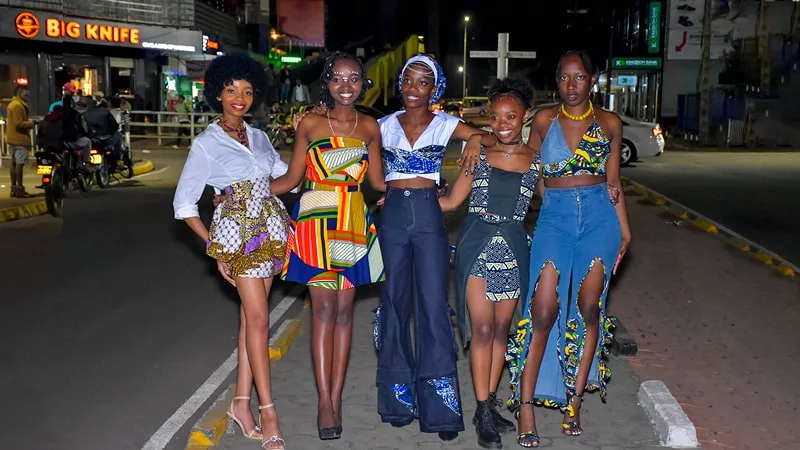
Nairobi Street Fashion Season 2: The Royal Invite

Nairobi, a city known for its vibrant culture and dynamic street fashion, is gearing up for an extraordinary event: Nairobi Street Fashion SN 2. This unique platform has gained recognition for successfully merging the worlds of art and fashion, culture and contour, and is set to take things up a notch with its second installment. Scheduled for Sunday, November 12, from 3 to 7 p.m. EAT, the event will be hosted at the Delight Tailoring Fashion & Design School, located in Nairobi Central, Nairobi County.

Nairobi Street Fashion Season 2 promises to be an unforgettable experience, bringing together a diverse group of fashion enthusiasts, designers, and artists. The theme of this edition is “The Royal Invite,” and it’s a celebration of the city’s creative spirit and the fusion of different styles and influences that shape Nairobi’s unique street fashion scene.

The Venue: Delight Tailoring Fashion & Design School

Delight Tailoring Fashion & Design School, the chosen venue for Nairobi Street Fashion SN 2, is an ideal setting for the event. Located in the heart of Nairobi Central, this school has been a hub of creativity and innovation in the world of fashion. The school is renowned for nurturing young talent, making it the perfect host for an event that aims to celebrate the city’s vibrant street fashion culture.

The Royal Invite: A Theme of Elegance and Creativity

“The Royal Invite” theme for Nairobi Street Fashion SN 2 is all about embracing the elegance and creativity that the streets of Nairobi exude. Attendees are encouraged to explore their inner royalty and showcase their unique interpretation of this theme through their fashion choices.

Whether it’s blending traditional African fabrics with modern designs, infusing a royal touch into everyday streetwear, or even experimenting with avant-garde outfits, the theme encourages participants to push the boundaries of fashion. In doing so, it celebrates the rich tapestry of styles that define Nairobi’s streets.

A Platform for Amateurs and Masters

One of the most remarkable aspects of Nairobi Street Fashion SN 2 is its inclusive nature. The event provides a platform for both amateur and experienced designers and artists to come together, share their creativity, and learn from one another. This fusion of perspectives leads to the birth of fresh ideas and the expansion of horizons.

Fashion enthusiasts, whether they’re young designers looking to make a mark in the industry or individuals who simply love expressing themselves through clothing, will find a welcoming space at this event. It’s an opportunity to learn, network, and, most importantly, to be inspired.

Wisdom in the Streets

The tagline of Nairobi Street Fashion SN 2, “Wisdom is in the streets,” highlights the fact that the streets of Nairobi are not only a place for fashion but also a source of inspiration, knowledge, and cultural exchange. Street fashion is an expression of individuality and collective identity, embodying the wisdom of the city’s people and their diverse backgrounds.

This event is a celebration of the melting pot that is in Nairobi, where traditional, modern, and global influences merge to create something entirely unique. It encourages attendees to seek out this wisdom in the streets and incorporate it into their own fashion choices.

Nairobi Street Fashion SN 2: The Royal Invite is a must-attend event for anyone interested in fashion, culture, and art. With a vibrant theme, an inclusive platform, and a rich cultural backdrop, this event promises to be a melting pot of creativity and inspiration.

As the streets of Nairobi continue to evolve and redefine fashion, this event serves as a testament to the city’s unique spirit and the limitless possibilities of self-expression through clothing. The streets of Nairobi have always been a place of wisdom, and on Sunday, November 12, that wisdom will come to life through the medium of fashion, making it an event not to be missed.

Content courtesy of Delight Tailoring Fashion & Design School, NFH

Design Essentials, A Premium Haircare Company, Introduces A New Product In Kenya.

Kenya, Nairobi: October 28, 2023 In an effort to keep growing throughout Africa, haircare specialty brand Design Essentials®, which treats curly and overly coiled hair, has introduced a new line of hair products into Kenya. The African Chebe Hair Growth Collection was created using native African knowledge and natural African ingredients to satisfy the unique needs of African hair types. It will be sold in Kenya by Belle Afrique Kenya, their six-year distribution partner.
Design Essentials’ International Marketing Manager for Europe, the Middle East, and Africa, Sharon Thompson, made the following remarks during a media launch event in Nairobi:

“We are excited to be in Kenya and present our consumers with the Design Essentials® Chebe line.
They have quickly embraced and valued the functionality of our offerings.
We hope that our business partners will embrace the range to support the expansion of the local hair, beauty, and cosmetics industries and that this new system will fulfill their needs in terms of strengthening hair.

McBride Research Laboratories, an Afro-American-owned company with over thirty years of experience creating hair care products that work for all hair types, is the company that makes Design Essentials.

Natural components from Chad are used to make African Chebe. The Basara Women of Chad have been gathering and combining plantain seeds, cloves, lavender, cherry seeds, crotons, stone fragrance, and resin tree sap for ages, then grinding it into a thin brown powder.
After mixing the powder with either water or oil, a paste resembling a mask is applied to the hair shaft, braided, and kept in until the following wash day, when the procedure is repeated.
Their strong, thick waist-length hair is now admired worldwide as a result of this.

The Basara Women have generously shared their ancient customs with us, and we are honored to use this knowledge, along with our research, development, and manufacturing skills, to create a product that addresses the long-standing issue of African hair growth, retention, and strength. African Chebe is made especially to strengthen, hydrate, and nourish hair.
African Chebe is a product made especially to strengthen, nourish, and revitalize hair. We have promised to donate a portion of the proceeds from the sale of the African Chebe Collection back to the communities in Chad in exchange for their sharing of their indigenous knowledge with us and enabling us to purchase the natural ingredients from them there, Ms. Thompson continued.

The Next Supermodel in Africa

This year’s Africa’s Next Supermodel Finals, a prestigious continental modeling competition and reality TV show, will take place on October 28, 2023, at the Radisson Blu, Uperhill. African Chebe is the Hair Brand Partner for this event and is supporting the Design Essentials Social Responsibility initiative in Africa. African Chebe’s entry into the Kenyan market coincides with this event.
Design Essentials’ core value is giving back, so it makes perfect sense for them to partner with Africa’s Next Super Model as their hair brand.
According to Ms. Thompson, “Design Essentials strongly aligns with Joan Okorodudu’s vision and mission of creating a successful modeling career path for her contestants, some of whom are from refugee camps.”

Braid & Twist-Out Styling Crème, Anti-Breakage Moisturizing Leave-In Conditioner, Chébé Herbal Pre-Wash Intense Repair Masque, and Strengthening & Moisturizing Styling Mousse are all part of the collection that was just introduced today.

Follow and get in touch with Distributor Belle Afrique Kenya on Instagram at @belleafriquekenya for additional details regarding the range’s availability. 0723 949880 (phone)
Follow Design Essentials on Instagram at @design_essentials_kenya to stay up to date on product updates, promotions, hairstyle advice, and tutorials.

Content courtesy of Design Essentials and NFH

Africa Is Emerging As A New Source Of Inspiration For Global Fashion, According To Lexy Mojo-eyes.

Lexy Mojo-Eyes, an African fashion ambassador, is the president and chief executive officer of Legendary Gold, the organization that promoted Nigerian designers internationally prior to the year 2000.
He discussed his experience as a Nigerian game changer in the fashion industry in an interview with Sunday Sun.
Why are you keeping quiet about what you started in the Nigerian fashion scene since you are regarded as the dean of fashion shows in that country?

Yes, I played a significant role in developing Nigerian fashion. I gave the entire Nigerian fashion sector a new direction by encouraging them to use locally produced fabrics, accessories, and patterns in their manufacturing process.
I also encouraged Nigerians to start dressing locally, which has altered the country’s textile, apparel, and fashion industries to this day.

Since 2000, we have been bringing Nigerian designers to the catwalks of Paris, Milan, London, New York, Tokyo, Sydney, etc. after reorienting the local industry.
My focus shifted to extending my mission beyond simply Nigeria to the entirety of Africa after being appointed as the lone African to the Board of Governors of the World Fashion Organization in 2008.
I was also transferred by my assignment to several WFO offices worldwide.
Is this a sign that Legendary Gold has abandoned its first passion, fashion, in favor of other ventures?

In no way.
It is a way of life for Legendary Gold Limited.
Since 2010, we have expanded our business outside of Nigeria to include all of Africa.
This was particularly true when, in 2013, we inaugurated the Africa Fashion Reception (AFR) in Paris.

Our objective with AFR is to extend our services throughout Africa. We wanted to spread the success story of the fashion, textile, and apparel sector in Nigeria and the entirety of its value chain throughout all of Africa. And the African Union and UNESCO are working with us to put this into action.

What is the real purpose of the Africa Fashion Reception?
Africa Fashion Reception’s main objective is to increase the power of fashion as a tool for combating poverty in Africa by generating wealth through the empowerment of women and youths in the various fashion professions through training, capacity-building programs, workshops, and the establishment of micro, small/medium scale businesses, supporting the African Union Agenda 2063 and the Sustainable Development Goals of the United Nations. Two AFR events are planned per year. They are the African and world versions, which the African Union and UNESCO, respectively, in Paris, are hosting in Addis Abeba.

An all-African endeavor is the Africa Fashion Reception (AFR).
Every year, under the proud theme “Africa is the New Inspiration of Global Fashion,” the AFR brings together top dignitaries from all over Africa, including ministers, ambassadors, media, textile and apparel manufacturers, retailers, wholesalers, buyers, fashion designers, models, and other industry professionals. So, instead of switching to other businesses during the past 15 years, we have simply increased our activities while reducing them in Nigeria.

What significance will your new initiative, “Africa Celebrates,” have for Africa, please?
Our newest pan-African event is called Africa Celebrates. It was launched in 2021 with participation from 18 African nations.
While more nations are participating this year than there were last, 32 African nations did so last year.
Africa celebrates its business, technology, culture, and heritage.
“Achieving African Integration through Art, Culture, Heritage & Business Leveraging on AFCFTA Implementation” is the subject of Africa Celebrates 2023. At the headquarters of the African Union in Addis Abeba, Africa Celebrates will take place in October of this year.

What has sustained you during your years as Lexy?
As long as God allows me life, I will be zealous and enthusiastic about positively empowering and inspiring the next generation of African adolescents with the ideas of pan-Africanism.

Content courtesy Sun News Online & NFH

Kibera Fashion Week: Kenya’s Largest Urban Slum Experiences Fashion Week

Kibera Fashion Week: The Hits Kenya’s Largest Urban Slum, Overlooking the rusted tin roofs of Kibera, the largest urban slum in the Kenyan capital, towering models march down a three-meter (10-foot) high runway.
In the center of the vast area, Kibera Fashion Week is taking place for the second time, and the venue is filled.
On Saturday, hundreds of people from Kibera and other parts of the city watched the varied collections float by for six hours, punctuated by pop music performances.
The designer Avido, who debuted the first show last year, claims that Kibera is “full of style.”
The 27-year-old, whose real name is David Ochieng, claims that many don’t see it because they associate Kibera with post-election violence, prostitution, and drug usage.

“We want to demonstrate that this place has style and innovation. Opportunities are what we lack here. Avido was raised in Kibera, a city of around 250,000 people, where he currently works.
Global artists like Bruno Mars and Beyonce have been drawn to his designs.

The event has brought together 11 ideas from 376 candidates with a wide variety of styles employing cotton, jute, wool, pearls, and even metal. It boasts a range of relationships with the Goethe Institute, the European Union, Nairobi Design, and the Masai Mbili group.
A “Mad Max” post-apocalyptic aesthetic was chosen by designer Pius Ochieng, who is not related to Avido.

The 26-year-old gathered scrap metal from streets and dumps, including computer motherboards, spark plugs, LED lighting, chains, and springs.
He created a 15 square meter piece illuminated with rose, green, and blue neons at home and set it in one of Kibera’s back alleys after sewing them onto clothing.
Helen Wanjiru, who was raised in Nairobi’s less-than-affluent Kawangware neighborhood, has huge pockets running the length of her garments, including the legs.

The 26-year-old, who switched from computer processing to fashion, added, “The pockets are big, but they are empty.”
“It is an analogy — a lot of youths in Kenya, they have education, they have ideas but they don’t get jobs because there is no opportunity.”

Unlike frequently staid Western events, Fashion Week is totally different. The predominantly young audience applauds the models loudly and saves a quiet welcome for the designers as they enter the runway.

The event gives local fashionistas an opportunity to showcase their talents, frequently by dressing extravagantly.
The haute-couture fashion world, however, is still far away in a nation where people are accustomed to wearing second-hand items and where pricey imports dominate the market.

Avido desires a change in it.
“Many people here have only seen fashion shows on TV,” he added. “We want to demonstrate to the public what fashion is.
“Parents and other people used to believe that art was not involved in fashion and design.

They used to believe that if you worked in the fashion and design industry, you were similar to a tailor, and if you worked in modeling, they might have thought you were a prostitute.

Violet Omulo, the project manager, claimed that she went to the exhibition “to chill, have fun, and discover upcoming designers.”African fashion is distinct and on the rise.
We must advertise it through such events to let people know that we are capable of being creative and that it is not just about Paris or Milan.

“Kenya, also in Africa in general, has talented designers,” she stated.
The above-mentioned content was not produced by the Barron’s news division. The AFP produced this article. Visit for additional details.

Content courtesy of Barrons, Kiber Fashion Week & NFH

Ad