Friday 23rd of October 2026

Nairobi, Kenya

Nairobi’s Fashion Elite Dazzle at the Glamorous Fashion High Tea 2023

Fashion High Tea 2023: A Dazzling Celebration of Style, Charity, and Glamour, Nairobi’s fashion scene reached its pinnacle on Saturday, February 25th, as the highly anticipated Fashion High Tea 2023 unfolded at the serene and stylish Zen Garden. Despite the sweltering heat of February, the event lived up to its reputation as the city’s most glamorous, extravagant, and fashionable affair. A crowd composed of Nairobi’s most influential figures from fashion, media, politics, and entertainment gathered to sip on carefully curated drinks from gin and bubbles to whiskey and beer while savoring an assortment of gourmet snacks and sweet treats. But it wasn’t just the beverages and bites that made the event unforgettable; the fashion was, without question, the star of the show.

Fashion High Tea 2023: A Dazzling Celebration of Style, Charity, and GlamourNairobi's highly anticipated Fashion High Tea returned in dazzling style on Saturday, February 25th, transforming the Zen Garden into a haven of glamour, extravagance, and impeccable style.#nairobifashionhub #fashion

— Nairobi Fashion Hub (@nairobifashionhub.bsky.social) 2025-02-19T12:05:20.643Z

The attendees, a dynamic mix of women and men, effortlessly showcased their style prowess. From bold, statement-making pieces to sophisticated, understated elegance, the guests understood the assignment each outfit a testament to the level of sophistication that has come to define Fashion High Tea year after year. The event provided the perfect platform for fashion lovers and industry professionals to mingle, forge new connections, and celebrate all things chic.

Created by the powerhouse duo, sisters Shivani and Payal Radia, the event has become a tradition that marks the start of Nairobi’s fashion calendar. As the co-founders of Zen Garden, the venue that hosted the event, and the masterminds behind Fashion High Tea, the Radia sisters have made it their mission to blend high fashion with a noble cause. This year’s gathering was no different, as the event stood as a fusion of luxury, philanthropy, and style.

More than just a fashion spectacle, the event seamlessly blends style with philanthropy, raising funds for worthy causes. This year, Fashion High Tea proudly supported the Kenya Women & Children’s Wellness Centre (KWCWC), an organization dedicated to supporting survivors of gender-based violence.

— Nairobi Fashion Hub (@nairobifashionhub.bsky.social) 2025-02-19T12:13:10.610Z

A notable aspect of Fashion High Tea 2023 is its dedication to giving back. This year, proceeds from the event went to the Kenya Women & Children’s Wellness Centre (KWCWC), a pivotal organization committed to aiding survivors of gender-based violence. The KWCWC is currently working towards the construction of a Gender Violence Recovery Centre (GVRC) on a 10-acre plot of land near the Northern Bypass, behind USIU. In the interim, the center is actively engaging in sensitization programs and educational initiatives designed to raise awareness and build capacity within the Kasarani region. The efforts of KWCWC are vital, as they aim to provide support and healing for those affected by violence, while also fostering a deeper understanding of gender equality and justice in Kenya.

The event was a resounding success, not only as a style celebration but also as a powerful reminder of the role fashion plays in supporting meaningful social change. From start to finish, Fashion High Tea 2023 was a reminder that fashion is not only about what we wear, but about the causes we support and the communities we uplift.

The 2023 Fashion High Tea proved to be a resounding success, a testament to the Radia sisters' vision and the vibrant fashion scene in Nairobi.

— Nairobi Fashion Hub (@nairobifashionhub.bsky.social) 2025-02-19T12:15:01.755Z

Content courtesy of NFH Digital Team
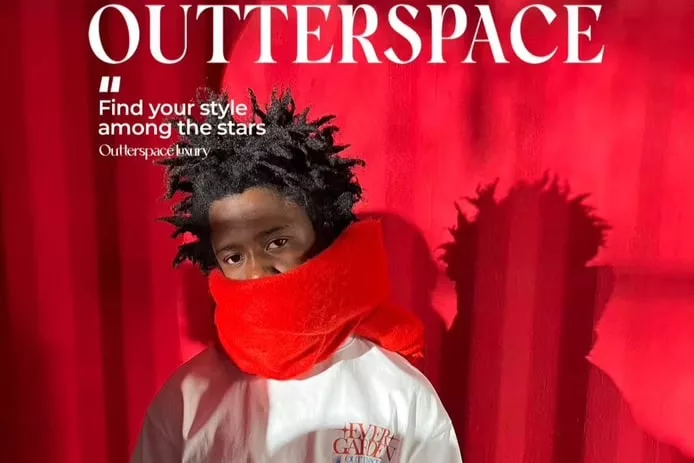
How Outterspace is Changing the Definition of Luxury for Black Owned Apparel Companies

Africa has a diverse population in terms of languages, histories, and styles.
Several African-owned fashion firms are adding their distinctiveness to the current metropolitan fashion landscapes, making African fashion in particular a spectacle in the global fashion industry. Outterspace Integrated Luxury is a representative of these brands.

Outterspace Integrated Luxury is positioned to become a worldwide voice that raises awareness of Africa’s growing luxury fashion industry while staying true to its passionate and unusual creative heritage. In the three years since the brand’s launch, some of our favorite celebrities and powerful people have grown to appreciate its originality and youthfulness, making magnificent collectibles from the brand a staple in their wardrobes.

Integration of outer space Indulgence, comfort, prestige, sophistication, and street cred all fall under the category of luxury.

Excellence controls its original thought.
Since fans of high-end premium style and comfort exist all over the world, the brand strives tirelessly and creatively to cater to these customers by producing luxury streetwear.
Presently, the brand’s strongholds are in Nigeria and the United Kingdom, and it is progressively expanding its branches throughout the rest of Africa, Europe, America, and Asia.
Unlike the vast majority of African-owned clothing companies, which are frequently considered quota purchases (purchases meant to show love and support for Blacks)

With a voice that screams class, @Outterspace Luxury is changing the game by putting its distinctive design and aesthetic aspirations to life on people’s bodies all around the world. By doing this, they are not only changing how Africans view luxury but also opening the road for future African-owned fashion firms to compete with other international brands in the fashion industry.

For people who aren’t scared to stand out and utilize their clothing as a form of self-expression, their stunning designs are statement items.

Through their fantastic creations, the brand’s designers hope to bring cosmogenic joy and unwavering quality into their customers’ wardrobes.

A glance through their inventory reveals pieces that ooze style and work for a variety of occasions, such as Sunday brunch, romantic nights, picnics, etc.
Outterspace Integrated Luxury (@Outterspace Luxury) touts itself as a fashion find in the modern urban scene, deserving of all attention and capable of competing with the top names in international fashion.
They remain a high-end, daring, yet adaptable addition to any wardrobe, appealing to fans of comfort and sophistication as well.

Content courtesy of Fashion United & NFH


African Fashion Designer Asya Khamsin, Who Lost Her Luggage At An Airport In 2018, Claims She Recognizes Her Clothes On Former Nuclear Waste Expert Biden.

Just this week, a Tanzanian fashion designer who misplaced her luggage at an airport in 2018 claimed on social media that Joe Biden’s former “nuclear waste guru” Sam Brinton had been photographed wearing one of her distinctive looks.

In December, Brinton was fired from the Department of Energy after being accused of taking women’s bags in two different states. In July 2022, Brinton is accused of stealing a $320 piece of luggage from Harry Reid International Airport, and in September 2022, she is accused of stealing a $2,325 Vera Bradley roller bag from the Minneapolis Airport’s luggage carousel.

In February 2022, Joe Biden appointed the open and unashamed pup fetishist to the position of deputy assistant secretary for spent fuel and waste disposition in the Energy Department’s Office of Nuclear Energy.
Despite the DOE’s repeated refusal to comment to the media on Brinton’s work situation following his run-ins with the law, it was reported that he was put on leave over the summer. On December 12, the Department formally announced Brinton’s termination.

Houston-based Asya Idarous Khamsin said she misplaced her luggage at the Washington D.C. airport in 2018. She later identified her clothing in pictures of the infamous “kink activist” online after reading about the Brinton case on Fox News.

On Twitter, Khamsin stated, “Surprisingly I found his images wearing my custom-created garments that were in the lost suitcase.” She posted an Instagram photo of herself wearing a garment that was missing from the bag along with a picture of Brinton who was ostensibly wearing the same dress.
Khamsin sent images of another of her creations that she had seen on Brinton.

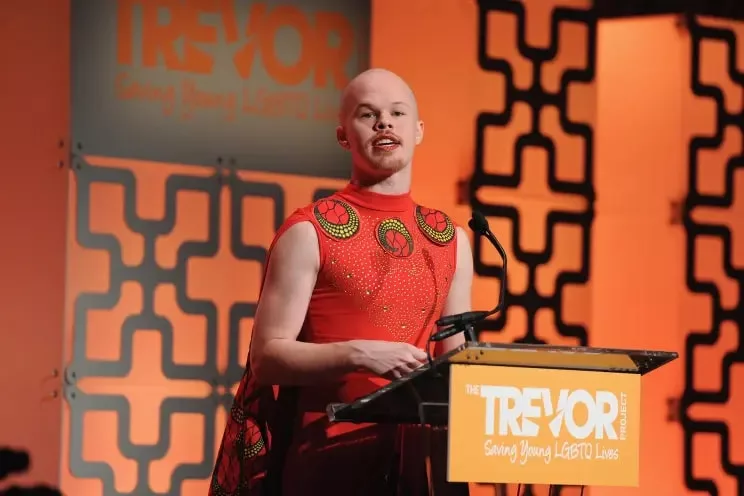
On June 11, 2018, Brinton wore the vivid orange outfit at the Trevor Project’s annual TrevorLIVE LGBTQ Gala in New York City.
At The Beverly Hilton Hotel on December 02, 2018, in Beverly Hills, California, he was dressed just in the voluminous shawl.

On February 22, 2019, Brinton donned the red dress at the UN building in New York City. The Trevor Project’s Director of advocacy and government affairs, Brinton, participated in a panel discussion at the 2019 Global Engagement Conference for the Sustainable Development Goals (SDGs).

Khamsin shared images of Briton supposedly wearing her orange dress in a much-overlooked Facebook post from December 26 when she originally made the discovery over the holiday season.

She commented, “Recently on Fox News, I discovered about Sam Brinton’s luggage problem and I saw the images he wore my custom-made designs that were in the missing suitcase in 2018.”

The designer posted images of Brinton and her model wearing “the same dress made and customized by myself.”
Khamsin made no mention of whether or not she wanted to file a complaint.

Sam Brinton arrives at The Trevor Project’s 2018 TrevorLIVE LA Gala on December 2 at The Beverly Hilton Hotel in Beverly Hills, California (photo credit: The Trevor Project/Getty Images).
(Picture by WireImage user Amanda Edwards)

Content courtesy of Asya Khamsin, American Greatness & NFH


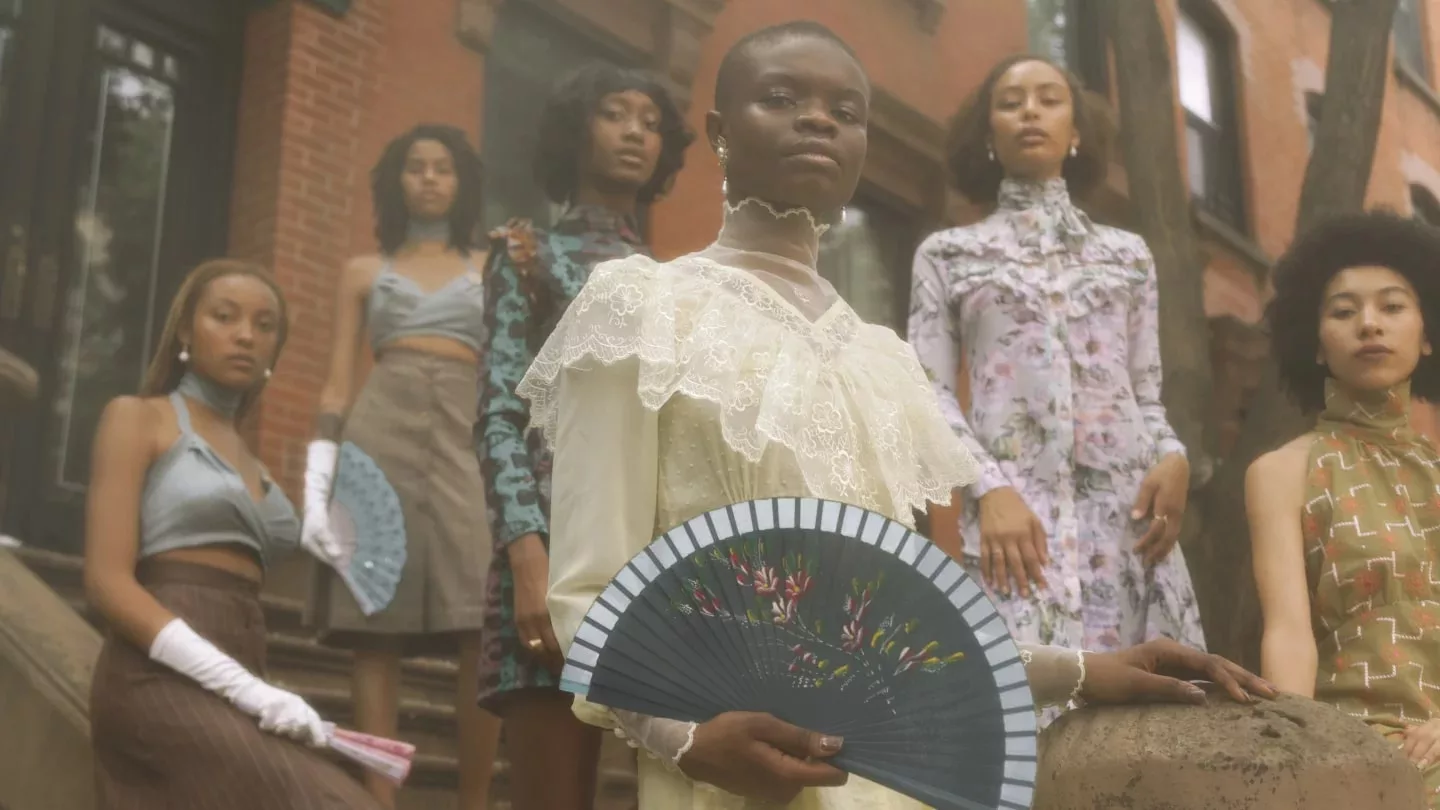
House of Aama Draws on the Fusion of West Indian and African Cultures

The mother-daughter team pays tribute by including a tale about the Anansi spider and its cultural influence in their artworks.
Rebecca Henry and Akua Shabaka, a mother-daughter team, debuted a collection for fall/winter 2023 that draws inspiration from the fusion of their respective West Indian and African cultures.
The atmosphere was created to honor family and an old folktale about a spider that traveled far and endured hardships and, occasionally, his own folly. Just adjacent to the curtain opening, where the models emerged, an altar was placed in the front.
It was a dedication to Akua’s father and Rebecca’s family members, and pictures of them were set out on a table with fruit, coffee, and decorations made of vibrant cloth as though to wish their ancestors well.

Whimsical Afro-Caribbean mixes played in the background as the show got started. First impressions: a model wearing a maxi dress with netting accents.
A luscious, ruffled green dress and a few masculine ensembles including long denim shorts and matching tops stood out. On the shoulders and back pockets of one of them was a bedazzled spider web.
The spider design was also present on mesh dresses in red and black color schemes. The menswear pieces, in my opinion, stole the show this season and may perhaps displace La Siréne, House Of Aama’s flagship item.

A beautiful mix was struck between the sophisticated and playful items; some models wore cropped tops, short skirts with curved button detailing, and mesh dresses, while others wore trench coats, satin suits, and dresses that had an “out for tea” vibe to them.
Ultimately, the show’s fusion of many aesthetics will guarantee its financial success.

Content courtesy of Essence & NFH


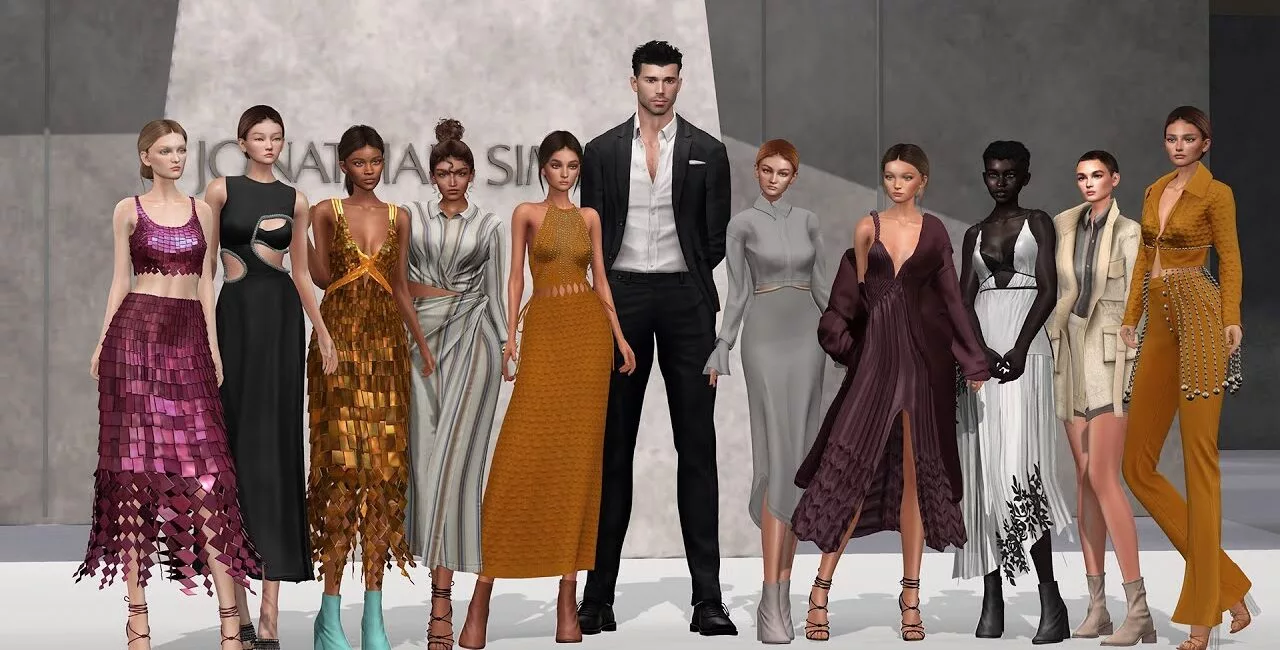
The Company Behind House Of Blueberry Is Bringing Diversity To The Realm Of Online Fashion.

While inclusion is unquestionably vital in the real world, it has only recently started to get attention among individuals in the industry because the virtual world is still in its early stages of growth.
Only a few companies have genuinely implemented inclusion into the core of their business practices, so the value is still filtering through everything from company leadership to product offerings.

House of Blueberry, a brand of online clothing, is one of them. Gizem “Mishi” McDuff started the business in 2012, however, the landscape at the time was very different from what it is today, with regard to digital fashion.
Because she wanted more digital apparel alternatives for the open-world platform Second Life, Mishi originally entered the industry.

https://www.instagram.com/tv/CZ2Bl1zMd-U/?utm_source=ig_web_copy_link

where her dissatisfaction with the restricted selection for her avatar was evident. In reaction, she began creating her own clothing, largely using Photoshop, and over time, she developed the brand into what it is now.
But this was not the start of Mishi’s tech career. She oversaw a variety of start-up businesses before joining House of Blueberry, including the marketing and gaming data company Peanut Labs. She also briefly served as Sony’s head of publishing.
She eventually came across virtual concerts and otherworldly avatars, a realm that piqued her interest and inspired her to play a bigger role in this sector.

In an interview with FashionUnited, Mishi remarked, “Before I knew it, House of Blueberry was earning one million dollars in revenue each year from other people buying my creations.
I essentially came onto an underserved market of metaverse users that want stunning, current pieces crafted with the same care as IRL (in real life) fashion.

New funding and multi-platform accessibility
The brand moved from its Second Life home to introduce digital wearables into The Sims and Roblox, an open-world platform where it has already amassed a community of over 13,000 in just a few months, as the industry started to rapidly evolve.
This was the beginning of the true scaling of House of Blueberry, which saw the company grow out of its Second Life home.
The business also disclosed earlier this month that it had obtained a six million dollar finance to support its initiatives.
Direct-to-avatar products, which may be purchased through in-game markets and catalogs on various virtual platforms, are what makes them appealing to customers.

https://www.instagram.com/p/Bp5-trUAVP0/?utm_source=ig_web_copy_link

In terms of representation, Mishi has also overcome obstacles. She belonged to a minority group because she founded a company in the tech sector as a woman.
However, her business acumen has only been influenced by her experience, as evidenced by the company’s 20 employees, 90% of whom are women, and the products it produces.
While not entirely on purpose, Mishi continued, she enjoys looking for strong women to collaborate with in order to increase the representation of women in metaverse-related businesses, where just 9% of founders and CEOs are female.

Female representation in tech and gaming
This has also influenced the way House of Blueberry approaches its product selection. Mishi said the following about the subject: “Given that women and girls make up roughly half of all gamers, I think it’s imperative to expand representation in the gaming business, particularly when it comes to female entrepreneurs and leaders.

If women aren’t involved in the development of games, how can we expect them to reflect the interests and desires of female gamers?
One of my key objectives, when I founded House of Blueberry, was to make a brand in the digital industry that was developed by and for women.
The merchandise produced by House of Blueberry reflects this sentiment, as do the partners it chooses to work with.

“I believe that people are embracing or finding beauty in what they might often consider to be a fault and receiving that support from their group.
It is assisting with such insecurities. It is undoing the damage. Customers want to be free to embrace their actual selves and be distinctive, not a flawless appearance, in my opinion.

Self-expression matters
Building a feeling of community is one of House of Blueberry’s distinguishing ideals, as seen by its most recent partnerships with modern streetwear brand Boy Meets Girl and Roblox influencer Leah Ashe, for which the company unveiled a digital clothing line and held a virtual event.
It is noteworthy that traditional fame does not resonate with the digital fashion community as much as those who are already fully involved in this industry, many of whom are gamers.
They prefer to watch entertainment from these kinds of influencers, which encourages more devoted participation.

As a result, Mishi said, “we were able to connect to the Leah Ash community, a group of people that follow her exploits in virtual spaces. People aren’t purchasing into a specific brand or product; they’re buying into a community.” It’s even more personal.
The ties and allegiance to that influencer are stronger.
Customers now view artists as influencers in their own right.

Mishi aims to continue implementing these concepts into House of Blueberry’s virtual world presence in the future by embracing its four core values: creator-led, community-obsessed, data-informed, and partnership-ready.

“Gaming communities and the amazing creators who occupy them are at the heart of what we do,” she said.
“House of Blueberry wants to be present on all digital platforms where self-expression is valued. We intend to strive toward this aim this year while upholding our key principles.

Content courtesy of Fashion United & NFH 


​​African Fashion Foundation: The African Fashion Futures Incubator Welcomes 14 New African Fashion Designers.

14 fashion designers who have been chosen for the African Fashion Futures Incubator’s first cohort and who will be enrolled in the program to receive training and grant money are introduced.

The incubator’s goal is to provide upcoming fashion designers and companies with the knowledge and funding they need to build a company with an ethical foundation for people, place, and profit.

The African Fashion Futures Incubator gives the 14 participating fashion designers a place to test out ideas and business models as well as access to mentors and resources. The incubator will also cover business models, market positioning, comparative advantage, sustainability & impact, and other related subjects.

The incubator seeks to foster cross-cultural learning and peer mentoring among its participants, as well as to future-proof them and provide the groundwork for strong operational and commercial foundations that will support expansion. While enhancing the business skills of fashion designers, the program also aims to create financially sound businesses.

The Impact Fund For African Creatives established the African Fashion Foundation in Ghana as a partner in the African Fashion Futures Incubator, with Seedstars serving as the program’s implementing partner.

“Since it was founded, the African Fashion Foundation platform has fostered employment and educational possibilities in collaboration with well-established actors to assist the growth of the African creative sector. This collaborative program’s goal is to support budding designers by giving them access to resources like workspace, start-up money, training, mentorship, and investment opportunities. Onyinye Fafi Obi, the African Fashion Foundation’s project director, shared.

African Fashion Foundation (AFF) is a non-profit organization that helps Africans and members of the diaspora who work in the creative industries flourish in the global fashion industry.

https://youtu.be/UgBcaMk3C48

AFF has been chosen as the aggregator and incubator for fashion designers and brands for the Impact Fund For African Creatives, drawing on their vast experience in offering professional and educational developmental opportunities (IFFAC).

IFFAC will make investments in privately owned small and medium-sized firms in Africa that target the creative, fashion, and lifestyle sectors. The Fund strives to solve fledgling brands’ lack of funding and management expertise.

Following are the names of the 14 fashion designers taking part in the African Fashion Futures Incubator:

1. Omafume Niemogha of Pepper Row (Nigeria)
2. Travis Obeng-Casper of AJABENG (Ghana)
3. Cynthia Otiyo-Abila of Cynthia Abila Studios (Nigeria)
4. Jason Jermaine Asiedu of Jermaine Bleu (Ghana)
5. Orire Aleshinloye of Oríré (Nigeria)
6. Kusi Kubi of PALM WINE IceCREAM (Ghana)
7. Ebuka Omaliko of Maliko (Nigeria)
8. Kelvin Vincent of Anku Studio (Ghana)
9. Abiola Adeniran-Olusola of Abiola Olusola (Nigeria)
10. Jafaru Larry (Ghana
11. Victor Anate of VICNATE (Nigeria)
12. Nadia Eman Ibrahim of TABOu (Ghana)
13. Aline Mukamusoni of AMIKE (Rwanda)
14. George Tetteh of Atto Tetteh (Ghana)

“We’re thrilled to aid designers in their work by fusing commercial knowledge with their creativity.
The network that supports and empowers creatives in all facets of their job, according to Seedstars, is what fuels creativity across all industries. Tom-Chris Emewulu, Program Manager of Seedstars, stated, “In this scenario, from fabric to the runway, we’d like to ensure designers in the incubator are equipped to scale.

Roberta Annan, the founder of IFFAC, said: “IFFAC is eager to begin this cooperation with AFF and Seedstars, with the intention of establishing and capturing value in these brands at their initial growth stages.

In order to develop their businesses and improve their value chains, participants will engage in an exponential and revolutionary program over a 5-month incubation period.
Through a tried-and-true technique, the fashion designers will also receive practical assistance from industry professionals within a global network, grant financing of up to $5,000 apiece, and further fundraising assistance.

Content courtesy Tech Economy of & NFH 


An Iconic French Lingerie Brand Etam Opened Its First Store In Nairobi At Village Market, One Of A Kind Within East Africa With Plans For Many More

The most famous lingerie company in France, Etam, launched its first Kenyan location at Nairobi’s Village Market last month in an effort to fill a void in the lingerie market there. Etam provides upscale nightwear, swimwear, lingerie, and accessories with a focus on Kenya’s expanding middle class.
Etam, which was established in 1916, is currently active in more than 45 nations. The company, which has opened its first site in East Africa, intends to grow even further in the upcoming years in order to keep up with the rising demand for lingerie of superior quality and reasonable prices.

Etam is well-known throughout the world for its “perfect fit,” which combines sexiness, comfort, and sustainability.

Despite being the only lingerie brand to walk the catwalk during Paris Fashion Week, Etam is also renowned for its high-quality products.

Committed To Fashion That Is Responsible For The Planet
Etam makes it a point to use materials from fibers with the least negative environmental impact when making its collections. By 2025, the company hopes to have 80% of its items meet environmental standards, up from 53% in 2022.

Due To The Women
Etam cares deeply about women. The company has teamed up with Solidarité Femme and Toutes L’Ecole, campaigns that aim to eradicate gender-based violence and advance educational opportunities for underprivileged young girls globally.

French Liberté, the country’s top-selling lingerie brand, is aiming to become the most popular French lingerie brand worldwide, according to Etam, which is also the country’s No. 1 lingerie brand.
Your daily style and frame of mind are determined by what you choose to wear underneath your clothes. It endows you with the strength and self-assurance to handle anything the world can throw at you. We are constantly innovating because of this belief and the brand’s expertise.

Lingerie that empowers means ladies who are empowered.
Committed
Because the term “French Liberté” encompasses a wide range of ideas, including “feminine,” “feminist,” “carefree,” and “committed activist,” Etam is proud to support and work alongside women by collaborating with groups like Gynécologie Sans Frontières, One Drop, UN Women France, La Maison des Femmes, and Solidarité Femmes.

Fantastic collaborations promoting a shared vision and desire to improve a lot of women on earth.

Content courtesy of Liberty Group (Etam) & NFH


African Designers Are Breaking New Ground And Targeting The Luxury Brand Market

Despite its modest Mozambican beginnings, Taibo Bacar’s fashion house is already competing on worldwide catwalks and in upscale shops.
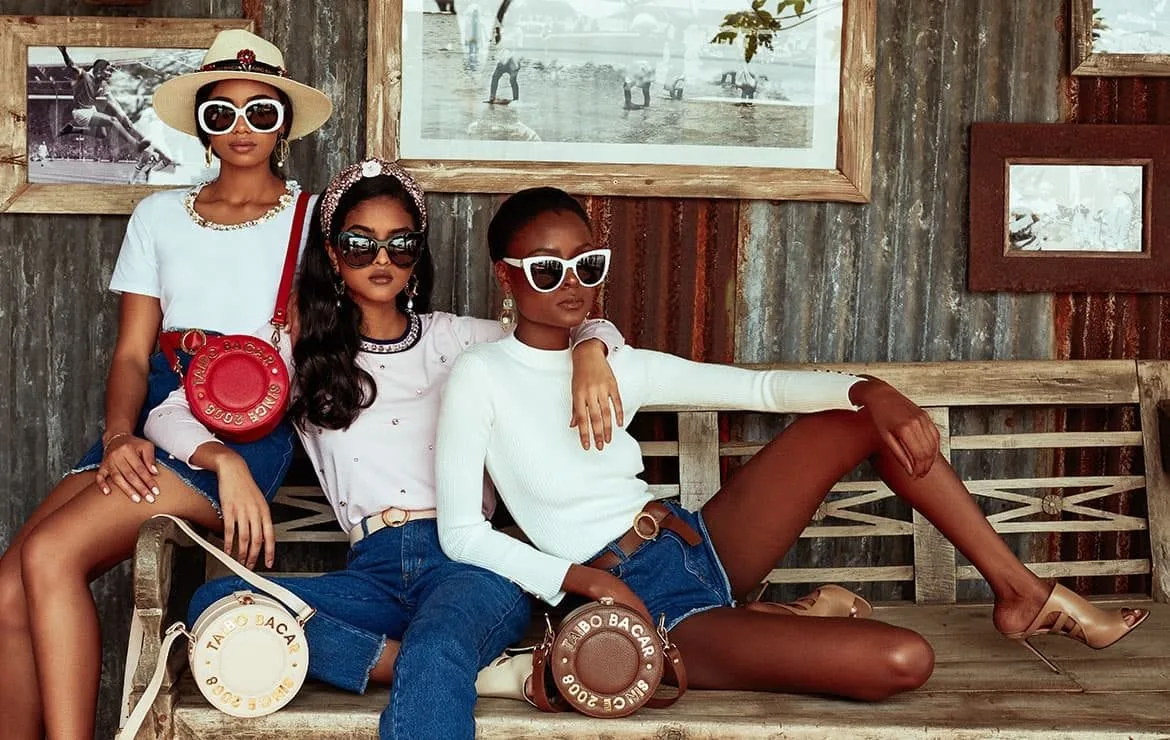
One of Africa’s top fashion firms, Taibo Bacar is recognized for its innovative blending of high and fast fashion items. The brand’s signature pieces, which tell personal tales with a splash of color, exquisite cutting, and detailing, have received multiple honors and elevated it to the worldwide scene.
A pioneer in the field, the innovative fashion label was the first African brand to present at Milan Fashion Week in 2010.

In The Beginning
Before Taibo Bacar the fashion house, there was Taibo Bacar the creator, whose mother, a seamstress, served as his initial source of inspiration. When the designer ran into the model Tatiana Ismael at a fashion event in 2006, his path to the fashion hall of fame was sealed. That unexpected encounter developed into a successful company, the Taibo Bacar label, three years later.

Tatiana Ismael is a business expert with extensive knowledge of the commercial side of the fashion industry, making her the perfect business partner for designer Taibo Bacar. Ismael manages the business end of things, and Bacar, the designer, adds his creative flair. As a company, Taibo Bacar seeks to establish a close relationship with customers

“We are very deliberate in our designs, starting with the conceptualization of our concepts or themes and continuing through the production process. We wish to develop a personal relationship with each of our customers. Ismael: “That’s how fervent and sentimental we are about our profession.

This philosophy is driving the Taibo Bacar label to embark on yet another ground-breaking business initiative as it unites to go beyond beautiful fashion and glossy publications and forays into the niche luxury brands market to support its fashion business.

In response to the company’s intended entry into the high-end luxury sector, Bacar says, “It’s about diversity. We have a lot of initiatives set up for the future that have been inspired by what we have been doing for the last 12 years, even though not all of them are related to fashion.”

The Intellectual Property Challenge
However, not everything has been perfect, particularly in a nation that is new to the fashion industry and where there is a lack of public understanding of the significance of respecting the creations and innovations of others.

In general, protecting intellectual property (IP) in Africa is exceedingly challenging.
Ismael claims that it is harder for creative sectors like fashion and even more so for us in Mozambique because the business of fashion is not well-defined.

Ismael points out that in order to ensure that intellectual property is treated seriously as a commercial asset, more needs to be done to educate the public about it in Mozambique and throughout most of Africa.
Aspiring young African designers should focus on developing their brands and companies rather than getting distracted by popularity and celebrity status, says Taibo Bacar.

Even if the Taibo Bacar name and the logos and visuals that go along with it are registered as trademarks, it might be challenging to uphold these rights in court.
Ismael believes that this is a price that the firm must carry as the sector develops, pointing out that while registering trademark rights is a crucial step in fostering future corporate growth, it is insufficient to stop acts of infringement.
Even when they have patents, copyrights, or trademarks, she adds, “businesses and individuals must constantly deal with the difficulty of people using their brands and making money off of their work.”

Since its T-shirts and insignia have been copied and duplicated by counterfeiters, Taibo Bacar is all too familiar with this threat.

The difficulty is frequently made worse by the burdensome and complicated legal system, which deters many authors from pursuing legal action to obtain redress.
When someone is not even aware that what they are doing is prohibited in the first place, how is it even feasible for them to comprehend the significance of respecting IP rights? Asks Bacar.
Campaigns to raise IP awareness must also target the general public, who use our goods and services and engage with our brands, in addition to innovators and creatives.

It’s a challenging situation for a forward-thinking fashion company to be in, and it’s made worse by out-of-date IP rules that, when they were established, did not take the issues of the digital age or a fashion company like Taibo Bacar into consideration.
Industry stakeholders are confused by the ambiguity surrounding how to address new IP challenges and where to turn for assistance in managing them.

However, outside of Mozambique, in developed nations like South Africa, where the Taibo Bacar brand is well-known, the situation is significantly better.
We are aware that as a global brand, we must protect our intellectual property in numerous nations. Thank goodness, South Africa’s intellectual property rules are more stringent and its attorneys are more knowledgeable on the subject, the designer said.

IP protection has become crucial for the business as the Taibo Bacar brand expands globally and enters the international market.
The business made the decision to create a division to manage all IP issues in order to free up Bacar and Ismael to concentrate on the day-to-day tasks of designing, manufacturing, and marketing their products.
Currently, photographs, brand names, and logos are all included in Taibo Bacar’s trademark portfolio.
In Mozambique, the business has established trademark protection for 10 of its logos, which illustrates how the brand has changed over time. Additionally, the business owns four South African registered logos.

It is also thinking of patenting some of its methods and goods, but doing so would be expensive and there is no way of knowing if the anticipated patents would stand up to court challenges.
“Patents cost a lot of money.
The attorneys we’ve spoken with have cautioned us because we need to be prepared to defend our inventions and products in the event that someone else develops a variation of them, says Ismael.

Despite the difficulties, the designer is still committed to preserving the works and designs that are particular to the Taibo Bacar brand.
These include the entirety of their leather goods selection, which primarily consists of purses and belts.

Collaborating With Creatives
By its very nature, fashion is a collaborative industry that frequently brings together jewelers, photographers, videographers, models, filmmakers, and even software engineers. Taibo Bacar is aware of the difficulties that can arise when artists must share or exchange their intellectual property in order to collaborate. Therefore, it is crucial for creatives to be knowledgeable about IP.

“Collaborations frequently present us with difficulties. Therefore, before doing deals, we are very careful to sign contracts or non-disclosure agreements, says Bacar.

Such action, he observes, is crucial in photography since the premature release of images can endanger marketing efforts, particularly in light of the fact that even models now take shots of their photo shoots with their phones.

“The photographs cannot be released on any platform prior to the event while we are running a campaign.
Since photography is such an important part of our business, we must be in complete control of the process at all times, from shooting to editing to designing.
To govern our commissions and the photographers’ intellectual property rights, we have very tight contracts, according to Bacar.
By making sure that their work is properly attributed when utilized by third parties, including publications, he continues, they are dedicated to preserving the intellectual property rights of photographers.
Managing the models and the photographs they take is less difficult because they frequently sign extremely detailed contracts with international modeling agencies.

Advantages Of Globalization
Taibo, a proponent of globalization, challenges African designers to look outside their own continent and quit being unduly protective of its traditional history.

“We must accept globalization and acknowledge that, while protecting our own heritage, we cannot expect to gain anything from other cultures. We open ourselves to opportunities outside of our boundaries by sharing our traditional knowledge and resources with the world and showing the amazing work we can produce in Africa, according to Bacar.

His claim is supported by experience, His innovative use of the traditional and vibrant Mozambican capulana fabric earned him the Emerging Designer of the Year Award at Africa Fashion Week in Johannesburg in 2012. As a result, he was given the once-in-a-lifetime opportunity to network with over 100 prominent designers in Rome, Italy.
We open ourselves up to opportunities outside of our boundaries by sharing our traditional knowledge and resources with the world and showing the wonderful art that Africa is capable of doing.

Bacar is optimistic that Africa won’t always be at the bottom of the fashion business food chain and that the market will develop into a vibrant, cutthroat sector producing fabrics.
Currently, the business operates stores in Mozambique and South Africa and sells its designs on a global scale online.

Through a franchising endeavor in South Africa, expansion plans were launched in 2019, but they had to be shelved owing to COVID-19. To serve the South African market, a number of stores continue to carry their designs.

Parting Shot
The designer gives advice to aspiring young African designers to focus on growing their brands and businesses rather than getting distracted by popularity or superstar status.

The issue is that the majority of these young creatives aspire to be designers but don’t realize that their priority should be developing a brand. Therefore, rather than working independently, their activity needs to be structured inside the framework of a firm that functions profitably.

That counsel is based on the expertise and experience gained during Taibo Bacar’s personal entrepreneurial path. And it’s how the designer has distinguished herself and made a statement.

Content courtesy of WIPO, Taibo Bacar & NFH


Full List Of Winners At ASFAs 2022: Who Won What At The 2022 Abryanz Style And Fashion Awards

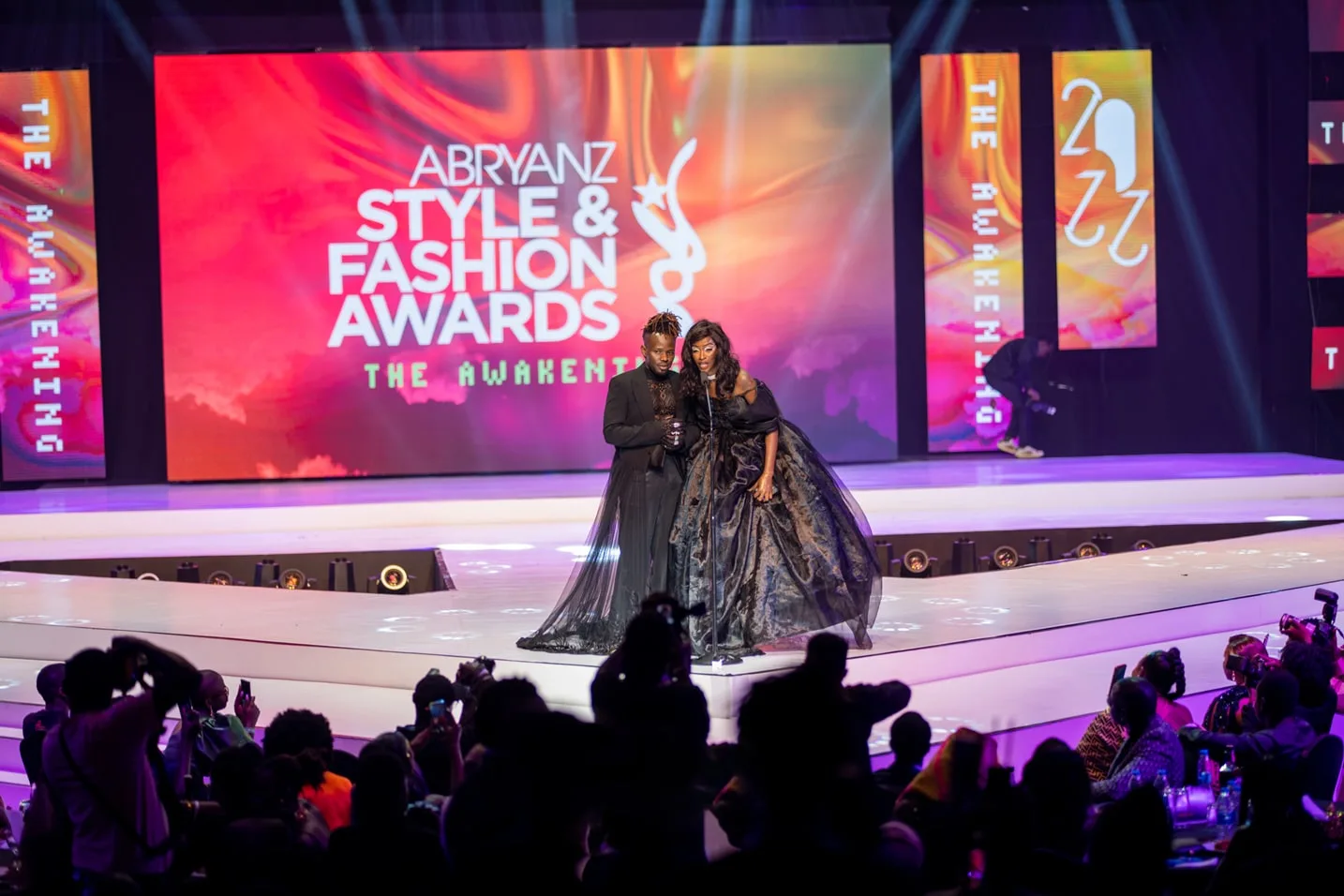
The annual Abryanz Style and Fashion Awards 2022 presentation, with the theme “The Awakening,” took place on December 16, 2022, at the Kampala Serena Hotel.

An extraordinary selection of skilled nominees and a star-studded guest list kicked off the eagerly awaited evening with a red-carpet extravaganza of glitz and flair.

The Covid epidemic has had a significant impact on the fashion industry, and the gathering of fashion-forward celebrities and a larger fashion community of the general public recognized and honored the remarkable individuals who have made this contribution.
This year’s categories included representation from a wide range of the fashion community, and many Ugandan and foreign celebrities stepped out to celebrate fashion.

The “Most Stylish Music Video” category honored the stylish efforts of singers in producing visually arresting music videos, while categories like “Emerging Fashion Brands” highlighted the new yet excellent fashion brands that built a reputation for themselves in the industry.

The public voted on 18 categories for the ASFA this year, which featured 8 categories for the honorary award and highlighted individuals, businesses, influencers, and designers who are having an impact on the industry.

Below Is The Full List Of Nominees And Winners At ASFAs 2022

Honorary Awards
1. Fashion Influencer Award – Angella Summer Namubiru
2. Business Maverick Of The Year – Motiv
3. Best Fashion Contributor Diaspora – Mko World
4. Trailblazer Award – Aamito Lagum
5. Lifetime Achievement Award – Eric Raisina
6. Icon Award – Trevor Stuurman
7. ASFA Visionary Award – Kasule Raphael
8. Award For Postive Charge – Mitchel Omamteker

Other Categories
Designer Of The Year (Africa)

1. Thebe Magugu
2. Moses Turahirwa – Winner
3. Rich Mnisi
4. Kenneth Ize
5. Larry Jay
6. Taibo Bacar

Designer Of The Year (Uganda)

1. Sheba Kasami
2. Kaijuka Abbas
3. Monica Kansiime
4. Dyna Vence -winner
5. Sham Tyra
6. Anita Beryl
7. Ras Kasozi

African Fashion Brand Of The Year (Africa)

1. African Boy – Winner
2. Ahluwalia World
3. Daily Paper
4. Tiffany Amber
5. Moshions
6. Rich Mnisi

Model Of The Year (Africa)

1. Anok Yai
2. Adit Priscilla
3. Achan Biong
4. Anyiel Piok Majok
5. Alaato Jazyper – Winner

Emerging Designer Of The Year Menswear (Africa)

1. Rogue-ng
2. Colrsbaby
3. Trax Apparel
4. Ajabeng
5. Kente Gentlemen
6. Teddy Ondo Ella – Winner

Emerging Designer Of The Year Womenswear (Africa)

1. Ladunni Lambo
2. Hertunba
3. Fruche Official
4. Wyne Kirabo – Winner

5. Fumi The Label

Beauty Brand Of The Year (Uganda)

1. Tk Berries Skincare
2. Minama World
3. Mb Cosmetics Amsterdam
4. Bt Beauty Uganda – Winner
5. Qwezi Beauty
6. Fabiola Beauty

Beauty Brand Of The Year (Africa)

1. Huddah Cosmetics – Winner
2. Zikel Cosmetics
3. Beauty By Ad
4. Epara
5. Colorbox Cosmetics
6. Juvia’s Place

Emerging Fashion Brand (Uganda)

1. Seamline Atelier
2. Miss Shee
3. Loumbier
4. Tru Ikon – Winner
5. The Creative Hub Ug
6. Mul C

Makeup Artist Of The Year (Uganda)

1. Peter Russell
2. Imani Makeup – Winner
3. Nahya Glam
4. Saida Beauty
5. Shillat Makeup
6. Glam By Keith

Makeup Artist Of The Year (Africa)

1. Tammi Mbambo
2. Moshoodat
3. Manal Makeup
4. Beezglam Makeup Studio
5. Reham Khalifa
6. Makeup By Zulky – Winner

Hair Artist Of The Year (Uganda)

1. Mbajja Sean
2. Mirrors Salon
3. Hair By Zziwa
4. Afros & Mo -winner
5. Jeff Jingo
6. Lana Barber 256
7. Sammy Barber Ug

Hair Artist Of The Year (Africa)

1. Laetitia Ky
2. Corrine Muthoni
3. Nikiwe Dlova
4. Kehinde Are
5. Joke Lawal
6. Ricky Kish – Winner

Fashion Stylist Of The Year (Uganda)

1. Mavo Kampala
2. Kwagala Kevira
3. Top Stylist
4. Gangstar Magic
5. Allan Senior
6. Cham Ronnie – Winner

Fashion Stylist Of The Year (Africa)

1. Luxury Recycle – Winner
2. Tiannahs Place
3. Yartel
4. T. Dosumu
5. Chuck Mbevo

Image Maker Of The Year (Uganda)

1. Kiba Shots
2. Walter Photography
3. Sasha Vybz – Winner
4. Dc Photography
5. Martin Kharumwa
6. Drimax Photography

Image Maker Of The Year (Africa)

1. Trevor Stuurman – Winner
2. Kwame Koda
3. Chuchu Ojekwe
4. Bless Dollar
5. Prince Gyasi
6. Daniel Obasi

Fashionable Music Video Award (Uganda)

1. Personal – Zulitums
2. Mbaga – Nsimbi -winner
3. Thank God – Vinka
4. Forever – Chameleone
5. My Year – Azawi
6. Wandiisa Ki – Rema Namakula

Fashionable Music Video Award (Africa)

1. Tales By Midnight – Tiwa Savage
2. Selema – Musa Keys & Loui
3. Rush – Ayra Star
4. Bandana – Fireboy & Asake – Winner

Most Stylish Male Artist Of The Year (Uganda)

1. Fik Fameica
2. Grenade Official -winner
3. Rickman Manrick
4. Zulitums
5. Gnl Zamba
6. B2c

Most Stylish Male Artist Of The Year (Africa)

1. Diamond Platnumz
2. Adekunle Gold
3. Rema
4. Fireboy – Winner
5. Kidi Music

Most Stylish Female Artist Of The Year (Uganda)

1. Spice Diana
2. Kataleya & Kandle
3. Pia Pounds – Winner
4. Azawi
5. Lydia Jazmine
6. Vinka
7. Winnie Nwagi
8. Sheebah Karungi

Most Stylish Female Artist Of The Year (Africa)

1. Ayra Starr – Winner
2. Uncle Waffles
3. Zuchu
4. Sho Madjozi
5. Nomuzi Mabena
6. Tiwa Savage

Male Fashionista Of The Year (Uganda)

1. Trend Masta
2. Dice Rich
3. Q Senior -winner
4. Mugagga Alex
5. Adnan Turan
6. Baraka Ting
7. Spy Gadget 256

Male Fashionista Of The Year (Africa)

1. Eni Oluwa – Winner
2. Dr. Akin Faminu
3. Tijesunimi Olupekan
4. Ooreofe Oluwadara
5. Denola Grey
6. Efe Tommy

Female Fashionista Of The Year (Uganda)

1. Sharne Natukunda – Winner
2. Fifi Parker
3. Aron Hilson
4. Katrina Nilzero
5. Mbabazi Kim

Female Fashionista Of The Year (Africa)

1. Hali Oduor
2. Nancie Mwai
3. Priscilla Anyabu
4. Denise Dainty – Winner
5. Diana Eneje
6. Chevonne Spirine

Most Stylish Male Personality (Africa)

1. Kat Sinivasan
2. Ebuka – Winner
3. Eni Oluwa
4. Sir Uti
5. Maps Maponyane
6. Denola Grey

Most Stylish Female Personality (Uganda)

1. Etania
2. Malaika Nnyanzi Tenshi
3. Sandra Twinoburyo – Winner
4. Evelyn Kironde
5. Bettinah Tianah
6. Sharon O
7. Natasha Sinayobye

Most Stylish Female Personality (Africa)

1. Anele Mdoda
2. Hassan Sarah
3. Nana Akua Addo
4. Official Doyin – Winner
5. Toke Makinwa
6. Allysyn Audu

Fashion Journalism Excellence Award (Africa)

1. Guap Magazine
2. Bella Naija Style – Winner
3. Fashion Bomb Daily
4. The Native

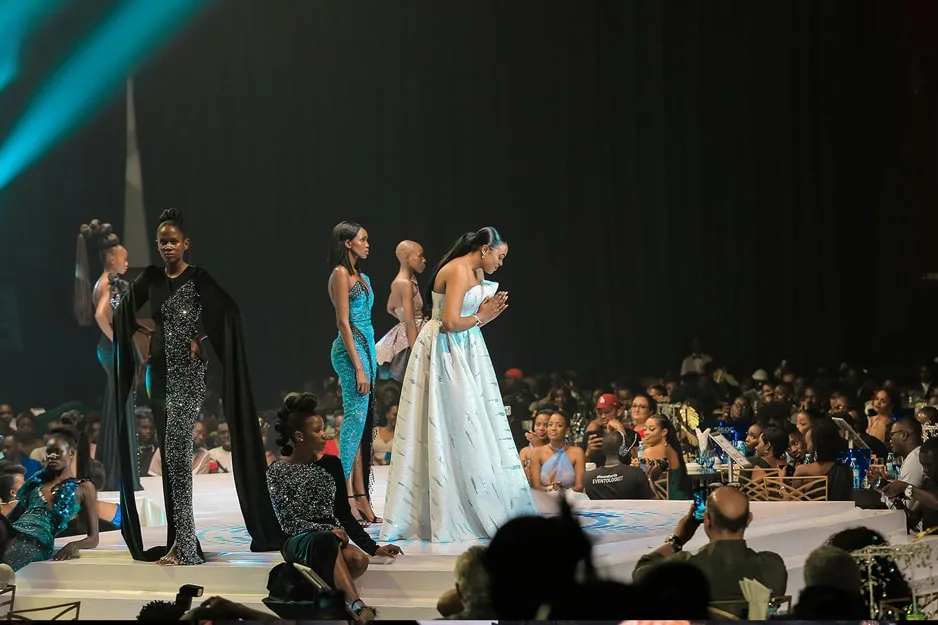
The Abryanz Style and Fashion Awards are an African fashion award show that honors and recognizes members of the fashion industry, such as fashion designers, stylists, hair and makeup artists, media figures, and influencers on the African Continent and beyond our borders. Since the 2013 opening ceremony, this event has been conducted yearly in Uganda. The ASFAs is an evening of glitz and glamour with the biggest red carpet in Africa, in a genuine celebration of fashion and style, with A-List guests from the entire continent.

The evolution of ASFA categories The exception to this rule is the Lifetime/Style Fashion Icon Achievement Award, which presents two trophies for both Ugandan and continental winners. The nominees are chosen by public voting, with the public taking 30% of the vote and the judges from the awards academy taking the remaining 70%.

Content courtesy of Abryanz Style And Fashion Awards & NFH

Chanel Goes to Africa: Bringing its first runway show to the continent of Africa

It might have gone horribly wrong. One of the most opulent European luxury companies, Chanel, could have been accused of colonialism if it had parachuted into Africa with a flashy one-off fashion display while having no stores or significant operations there.

Particularly considering Chanel has no particular personal history with the region (“I cannot say Madame Chanel dreamed to come to Dakar,” said Bruno Pavlovsky, Chanel’s president of fashion), the fact that it was the first such show ever in sub-Saharan Africa, as well as Dakar, Senegal, a country that was once part of the French empire and now has its own thriving fashion culture and heritage, and the fact that the city is where the show took place.

Particularly after the fashion industry’s admission of its mistakes with regard to diversity, inclusivity, and cultural appropriation, as well as its own numerous errors in this area.

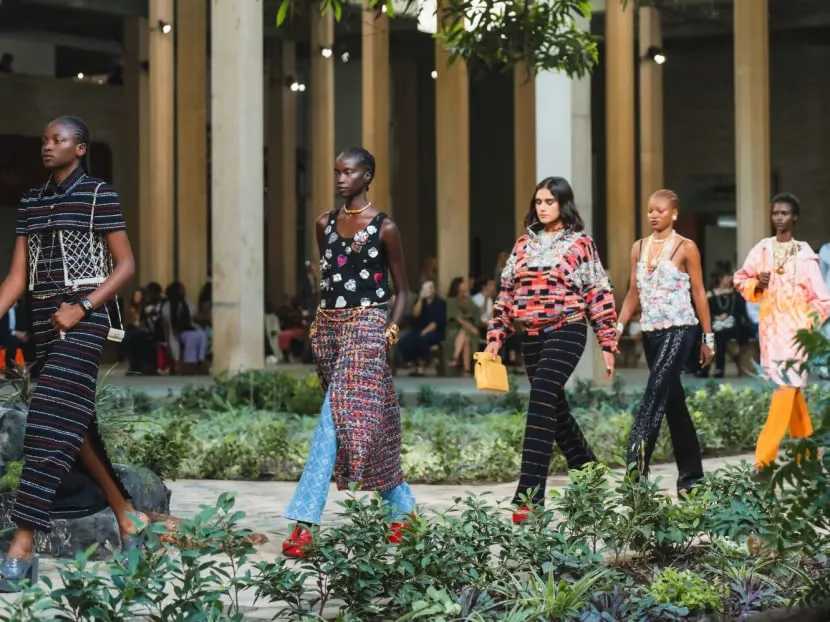
It’s a credit to the efforts the house made to reframe the event that the Chanel Métiers d’Art presentation, held at the Palais de Justice in Dakar earlier this week, went off with only a slight amount of backlash on Twitter.
It was planned as a three-day festival to follow Dakar fashion week in order to highlight the nation’s abilities in art, dance, music, and literature rather than just a fashion parade to entice new customers to spend a lot of money. In other words, it’s more of an equality celebration than it is an exotic shortcut for fresh creativity.

This was significant, if unfinished, step forward. However, by highlighting a number of show collaborators, such as Senegalese rapper Nix, singer Obree Daman, and the nearby Ecole des Sables dance school, and placing the connections between them and Chanel somewhere on the abstract plane of the mind, it also gave the appearance that the clothes themselves were the least important thing.

The garments remain. In contrast to anything as overt as a traditional Senegalese pattern, material, or artisanal skill, they were allegedly inspired by “the pop-soul-funk-disco-punk decade” of the 1970s (the intricate craftsmanship of the collection).

which was created to display the work of various specialized ateliers Chanel acquired to preserve their know-how and was all made in France). Which, it turns out, meant largely… pants. Knit, bouclé, flared, and denim are frequently worn with intricately detailed jackets, tunics, or blouson tops.

Designer Virginie Viard can create a beautiful traditional Chanel dress, and she did so here with some lacy crochet designs, garden party cocktail frocks, and sequined siren evening numbers, but they were hampered by offerings that seemed more appropriate for a tribe of dabbling hippie bourgeoisie.

The variety of hues and the layering of the garments—a beaded vest over a bouclé jacket, a tidy wrap skirt over some slender knit flares, and a long, floaty tunic over faded jeans, caught by a gold belt—were the only creative connections between the setting and the goods. 19 of the 62 models in the show were African, with 12 of those being Senegalese. According to Mr. Pavlovsky, the makeup and hair crews were split about evenly between locals and foreigners.
850 people were brought to Dakar, mostly for the garments, with roughly 500 of them coming from various parts of Africa.

The purpose of inviting famous people like Pharrell Williams, Whitney Peak, and Nile Rogers was to enhance the city’s standing as a center of culture and to portray Chanel as a type of creative, well — What? King-maker or equalizer of world power?

There is discomfort because it’s difficult to tell where to draw the line between the two postures (maybe it depends on where you are seated).

President Macky Sall and the minister of culture both agreed to support Chanel’s participation in the event. Chanel plans to continue working with local talent and will visit Dakar for a 19M program in January.

The official name of the speciality ateliers’ headquarters is 19M, and it will highlight pieces made in collaboration with regional embroiderers and artisans. That will then serve as the foundation for a later exhibit that the company will present in Paris. And according to Mr. Pavlovsky, their experience in Dakar could serve as a template for future cultural exchange and collection activities.

He stated, “If you’re locked on the street Cambon in Paris, it’s hard to be creative.”

Would Chanel ever invest in a specialized Senegalese weaving workshop in the same way that they have in European ones like Lesage and Maison Michel, in order to preserve their know-how?

There are no such plans, according to Mr. Pavlovsky, but he admitted that he could picture a day in the future when it might be feasible.

The brand is currently being given the benefit of the doubt, according to Oumy Diaw, a curator who attended the exhibition, despite certain setbacks like organizing the exhibition on the same day as the anniversary of the foundation of Dakar’s Museum of Black Civilizations. Ms. Diaw expressed hope that “This Chanel passage will not be a one-hit wonder or an opportunistic endeavor to feed the Western fashion houses with Africa’s vast aesthetic capital,” but rather the start of a much-needed process to recognize exactly how vibrant that aesthetic capital is.

Since Chanel presentations are held in Paris, the audience typically shows up appropriately dressed in their most glitzy bouclé, camellias, and ropes of pearls. In contrast, the audience in Dakar made eye-catching fashion statements of their own.

Content courtesy of New York Times & NFH

The Biggest Fashion Red Carpet Event In Africa: The Abryanz Style and Fashion Awards 2022

The Abryanz Style and Fashion Awards have been a benchmark for the African fashion community for more than six years running. The awards are renowned for their capacity to identify, motivate, and establish trends in honor of a global fashion agenda.

The ASFAs was launched in 2013 with the goal of recognizing and honoring fashion and its close-knit communities. 2020 and 2021 were exempt because of the global pandemic.

The Abryanz Style & Fashion Awards is an African fashion award ceremony that honors and recognizes members of the fashion industry, such as fashion designers, stylists, hair and makeup artists, media figures, and influencers both within and beyond our borders.

Since the first ceremony in 2013, this event has been hosted yearly in Uganda.
The ASFAs is a glamorous evening featuring the biggest red carpet in Africa, a genuine celebration of fashion, and A-List attendees from all across the continent.
Every category, with the exception of the Lifetime/Style Fashion Icon Achievement Award, offers two trophies to both Ugandan and continental winners.
The public votes for the nominations, with the public taking 30% of the vote and the judges from the awards academy taking the remaining 70%. The public has cast their votes online through social media and the official awards website.

  1. Lifetime/Style
  2. Fashion Icon
  3. Achievement Award
  4. Designer of the year
  5. Male Model of the year
  6. Female Model of the year
  7. Male Most Stylish/Dressed Celebrity
  8. Female Most Stylish/Dressed Celebrity
  9. Most Stylish Male Artiste
  10. Most Stylish Female Artiste
  11. Most Male Dressed Media Personality
  12. Best Female-Dressed Media Personality
  13. Male Fashionista of the year
  14. Female Fashionista of the year
  15. Hair Stylist of the year
  16. Makeup Artist of the year
  17. Fashion
  18. Photographer of the year
  19. Stylist of the year
  20. Fashionable Music video of the year
  21. Fashion Blogger of the year

2015: The annual Abryanz Style and Fashion Awards is born
Ugandans descend upon the MTN Arena in Lugogo to attend the first fashion award event in Kampala. It’s attended by a number of fashion aficionados including internationally prominent and renowned designer Oswald Boateng.

2016: The ASFAs ‘Dress for Success campaign’ initiative endorses “Fashion can stimulate and impact success”
The ASFAs ‘Dress for Success campaign’ initiative endorses the suggestion that “Fashion can stimulate and impact success”. The campaign is followed by testimonials of acclaimed personalities such as Radio and Weasel, Golola Moses, and Zari amongst others.

2017: Her Royal Highness Princess of Toro Kingdom is honored with the Lifetime Style and Fashion Icon Achievement Award
Her Royal Highness Princess Elizabeth Bagaya Nyabongo of Toro Kingdom is honored with the Lifetime Style and Fashion Icon Achievement Award for having made history as the first black model and African to feature on the cover of the Harper bazaar magazine.

2017: Abryanz Style and Fashion Awards spread their wings to the rest of Africa
After a successful three-year run, the Abryanz Style and fashion Awards spread their wings to the rest of Africa as they go continental. It’s a show of pure tenacity and solid growth as the award show goes bigger and better.

2017: Her Royal Highness the Queen of Buganda and the Executive Director of Kampala grace the ASFA’s
Her Royal Highness the Queen of Buganda, Nabagereka Sylvia Naginda, and the Executive Director of Kampala Jennifer Musisi make a grand entrance onto the ASFA 2017 red carpet. These two powerful women and leaders are among the high-profile guests that garnish the famous ASFA’s red carpet.

The Fashionpreneur Summit
An annual interactive business workshop conference called the Fashionpreneur Summit equips young fashion entrepreneurs with the knowledge, abilities, and contacts they need to grow their firms. The summit’s main topic is how fashion and associated businesses are influencing young people’s and the economy’s future.

The workshop, which is part of the Abryanz Style and Fashion Awards, brings together experts from the industry in an interactive setting to talk about and give participants practical knowledge on how to monetize their projects and business ideas, find funding, market their brands, manage finances, and more.

Because the fashion industry is constantly evolving, each year’s panelists are different based on the worldwide challenges influencing the sector.

Why collaborate with Abryanz Style and Fashion Awards
In Africa, youth (those under 26 years old) make up 60% of the population, and in Uganda, 77% of the population is under 30. These people are also the Fashionpreneur Summit’s target market.
It is crucial that we prepare the younger generation for the future by taking a look ahead.
Given that the fashion industry is expected to develop by 15-20% over the next few years and that it is the second largest sector for employment after agriculture, our objectives are;

Content Courtesy of Abryanz Style and Fashion Awards & NFH


The Parthenon Hall In Dar Es Salaam, Tanzania, Hosted Swahili Fashion Week 2022, Showcasing Brilliant African Designers.

Over 50 fashion designers, largely from Swahili-speaking nations and beyond, descended on Tanzania’s port city of Dar es Salaam for the opening night of Swahili Fashion Week, the continent’s yearly fashion event.

The international fashion industry, as well as its clients, saw the fashion and accessory designers’ skills and originality on display.
“Models like me have a great opportunity thanks to Swahili Fashion Week.
Thank you for honoring me with an award tonight “As the 15th edition of the Swahili Fashion Week and Awards 2022 got underway over three days, Rio spoke after receiving a prestigious award.

The public voted for the winners of 29 fashion categories, and an auditing firm verified the results. Rio was one of the winners. “This is only the beginning of a long road leading to the fashion industry for me. I’m excited to take part in all fashion shows both domestically and overseas and win more accolades.”

The Swahili Fashion Week is a fantastic chance, especially for emerging designers to be able to present their work, according to Mboko Uswege, a young fashion designer who was taking part in the event for the first time.

The originator of the Swahili Fashion Week, Mustafa Hassanali, stated that the goal of the event is to inspire talented designers to use it as a launching pad into the fashion industry.

“Celebrating 15 years of Swahili Fashion Week,” according to Hassanali, has been the leading creative forum for designers from Swahili-speaking nations and beyond who present their collections to a global audience.

Kedmon Mapana, the executive secretary of the government-run National Arts Council, pleaded with people to support the fashion sector. “The local talent needs to be developed to become internationally renowned brand names.”

In 2008, renowned Pan-African designer Mustafa Hassanali of Tanzania founded and developed the platform known as Swahili Fashion Week.

The Swahili Fashion Week logo is a graphic representation of the African continent in reverse, called the kipepeo (the Swahili name for a vibrant, colorful butterfly)
The crisp models lend a glossy air to the “Fashion is Business” and “Made in Africa” ideals. The representation of Africa is similar to the face of an African woman wearing her distinctive head wrap.

The wings represent the direction that is intended to bring the international market of the Eastern African fashion industry.
With an eye toward becoming the most sought-after and favored fashion venue in Africa for the global market, Swahili Fashion Week

Content courtesy of Swahili Fashion Week & NFH 

Ad