Wednesday 23rd of September 2026

Nairobi, Kenya

The Luxury Fashion Landscape in Ghana: A Growing Market for High-End Brands

Ghana’s fashion industry has undergone a remarkable transformation, with luxury fashion becoming an integral part of its evolving retail scene. As the country’s economy strengthens and the number of affluent consumers rises, the demand for high-end fashion brands—both international and homegrown—has grown significantly. Accra, the capital city, has emerged as the epicenter of luxury shopping, with exclusive boutiques and flagship stores catering to fashion-forward individuals. This article explores Ghana’s luxury fashion industry, highlighting key brands, shopping destinations, and industry trends.

The Growth of Luxury Fashion in Ghana

Luxury fashion in Ghana is driven by several factors, including increased disposable income, globalization, and the influence of social media. More Ghanaians are embracing premium fashion as a status symbol, leading to the expansion of high-end retail establishments. With an increasing number of celebrities, influencers, and business elites investing in designer clothing and accessories, luxury fashion is becoming more mainstream.

Top International Luxury Brands in Ghana

Several global luxury brands have entered the Ghanaian market through high-end retailers and boutiques. These brands cater to an elite clientele that values quality, craftsmanship, and exclusivity.

  1. Gucci – Available through select high-end boutiques in Accra, Gucci remains a favorite among luxury shoppers.
  2. Louis Vuitton – Although there is no official store in Ghana, Louis Vuitton products can be purchased via exclusive retailers and online platforms.
  3. Rolex – The iconic Swiss watch brand is available at luxury timepiece retailers in Accra.
  4. Dior – High-end fragrances and accessories from Dior are stocked at exclusive beauty retailers.
  5. Versace – The Italian luxury house’s clothing and accessories can be found in select fashion boutiques.

Homegrown Luxury Fashion Brands in Ghana

Ghana is home to several designers who have established themselves as major players in the luxury fashion industry. These brands celebrate African heritage while embracing modern aesthetics, making them globally competitive.

  1. Christie Brown – Founded by Aisha Ayensu, this brand is renowned for its sophisticated womenswear that blends African prints with contemporary designs.
  2. Duaba Serwa – Known for elegant, structured garments, Duaba Serwa is a favorite among Ghanaian elites.
  3. Totally Ethnik – A high-end fashion brand that fuses African fabrics with modern silhouettes.
  4. Atto Tetteh – Specializing in luxury menswear, Atto Tetteh is redefining African men’s fashion.
  5. Pistis Ghana – Famous for creating exquisite bridal and formal wear, Pistis Ghana is a sought-after luxury fashion brand.

Where to Buy Luxury Fashion in Ghana

Ghana’s luxury shopping experience is concentrated in Accra, with several high-end boutiques and concept stores offering premium fashion items.

  1. The Lotte (Accra) – A leading luxury fashion and lifestyle store featuring international and African designer brands.
  2. Vlisco Boutique (Accra Mall) – Specializing in premium African prints and textiles.
  3. Kua Designs (Accra) – A boutique offering luxury handmade accessories and fashion pieces.
  4. Woodin (Multiple Locations) – A high-end African fashion brand known for premium textiles and ready-to-wear clothing.
  5. Selina Beb (Accra) – A designer store offering elegant African-inspired luxury handbags and accessories.

Trends Shaping Ghana’s Luxury Fashion Industry

Several key trends are influencing the evolution of Ghana’s luxury fashion scene:

  • Sustainability and Ethical Fashion – More consumers are prioritizing eco-friendly and ethically sourced fashion items.
  • Influencer and Celebrity Endorsements – Social media influencers and celebrities are driving luxury fashion trends.
  • Customization and Bespoke Fashion – Demand for tailored and personalized fashion is growing.
  • E-commerce and Digital Expansion – Online shopping is making luxury fashion more accessible in Ghana.
  • Fusion of Traditional and Contemporary Styles – Ghanaian designers are incorporating traditional elements into modern high-end fashion.

Challenges Facing the Luxury Fashion Industry in Ghana

Despite its growth, Ghana’s luxury fashion industry faces several challenges:

  • Limited Presence of Global Brands – Unlike other African markets, Ghana has fewer flagship stores of international luxury brands.
  • High Import Costs and Taxes – Import duties make luxury fashion items more expensive for consumers.
  • Counterfeit Goods – The presence of fake designer products impacts the credibility of the luxury market.
  • Limited Local Manufacturing – Many luxury brands rely on imports due to a lack of advanced local production facilities.

The Future of Luxury Fashion in Ghana

The future of Ghana’s luxury fashion industry is promising, with a growing emphasis on digital retail, sustainable fashion, and international collaborations. As more high-end brands recognize Ghana’s potential, the country is set to become a leading luxury fashion hub in Africa.

With a perfect blend of international and indigenous luxury brands, Ghana’s fashion industry continues to evolve, offering unique, high-quality, and exclusive fashion experiences. For fashion enthusiasts and investors alike, Ghana is a market to watch.

Content courtesy of NFH Digital Team

The Luxury Fashion Landscape in Nigeria: A Flourishing Market for High-End Brands

Nigeria, known for its vibrant culture and entrepreneurial spirit, is emerging as a significant player in Africa’s luxury fashion scene. With a growing affluent class, increased fashion consciousness, and the influence of digital media, luxury brands—both international and homegrown—are thriving. Lagos, Abuja, and other major cities have become hotspots for high-end fashion, catering to the sophisticated tastes of Nigeria’s elite. This article explores Nigeria’s luxury fashion industry, highlighting key brands, shopping locations, and emerging trends.

The Growth of Luxury Fashion in Nigeria

The Nigerian luxury market has witnessed rapid expansion over the past decade. Factors such as economic growth, increased globalization, and digital connectivity have significantly influenced consumer spending patterns. Affluent Nigerians are now more inclined to invest in premium clothing, accessories, and bespoke fashion experiences. The demand for exclusivity, high-quality craftsmanship, and prestigious designer labels continues to rise, making Nigeria an attractive destination for luxury brands.

Top International Luxury Brands in Nigeria

Several global luxury brands have established their presence in Nigeria through flagship stores, exclusive retailers, and online platforms. Some of the most prominent international luxury brands available in Nigeria include:

  1. Gucci – Available at Polo Avenue in Lagos, Gucci remains a top choice for Nigeria’s elite fashion enthusiasts.
  2. Louis Vuitton – Though lacking a standalone store, Louis Vuitton products are accessible via high-end resellers and international shipping.
  3. Rolex – Available at authorized dealers such as Zakaa and Polo Luxury, Rolex remains the preferred watch brand for high-net-worth individuals.
  4. Versace – The brand’s fashion collections and accessories are stocked by select luxury boutiques in Lagos and Abuja.
  5. Dior – Premium fragrances and accessories from Dior can be found in upscale Nigerian department stores and beauty retailers.

Homegrown Luxury Fashion Brands in Nigeria

Nigeria is not only a consumer of international luxury brands but also a producer of world-class fashion labels that cater to a discerning clientele. The following Nigerian luxury brands have gained prominence both locally and internationally:

  1. Lisa Folawiyo – A pioneer in luxury African fashion, Lisa Folawiyo is known for her intricate embellishments and globally celebrated designs.
  2. Deola Sagoe – Specializing in haute couture, Deola Sagoe’s creations blend traditional African textiles with contemporary luxury aesthetics.
  3. Mai Atafo – A premium menswear and bridalwear brand offering bespoke tailoring and refined craftsmanship.
  4. Tiffany Amber – Renowned for its elegant, feminine designs, Tiffany Amber is a leading Nigerian luxury fashion house.
  5. Lanre Da Silva Ajayi (LDA) – A high-end fashion brand known for its rich fabrics, detailed craftsmanship, and sophisticated silhouettes.

Where to Buy Luxury Fashion in Nigeria

Nigeria’s luxury shopping scene is centered around high-end malls, exclusive boutiques, and online platforms. Some of the top locations for purchasing luxury fashion include:

  1. Polo Avenue (Lagos, Abuja) – A premier luxury fashion retailer offering brands like Gucci, Versace, and Salvatore Ferragamo.
  2. Alara (Lagos) – A concept store that curates luxury fashion, art, and design, featuring international and African designers.
  3. Temple Muse (Lagos) – An upscale boutique known for carrying high-end Nigerian and international fashion labels.
  4. Montigne Place (Lagos, Abuja, Port Harcourt) – A top destination for luxury beauty and fashion brands.
  5. Online Retailers – Platforms like Jumia Luxury and Luxe Port provide access to high-end fashion items with convenient delivery options.

Trends Driving Nigeria’s Luxury Fashion Industry

Several key trends are shaping Nigeria’s luxury fashion landscape:

  • Sustainable Luxury – Consumers are becoming more conscious of ethical and sustainable fashion choices, encouraging brands to adopt eco-friendly practices.
  • Bespoke and Customization – Nigerian luxury fashion is characterized by bespoke tailoring and personalized shopping experiences.
  • Influencer and Celebrity Culture – Social media influencers and celebrities play a major role in promoting luxury fashion brands.
  • E-commerce Growth – Online shopping platforms are making luxury fashion more accessible to a broader audience.
  • Blending Tradition with Modernity – Nigerian designers are infusing cultural heritage into contemporary luxury fashion, creating unique and globally appealing designs.

Challenges Facing the Luxury Fashion Industry in Nigeria

Despite its growth, the luxury fashion industry in Nigeria faces several challenges:

  • Counterfeit Goods – The influx of fake luxury products affects the reputation and sales of genuine brands.
  • High Import Duties and Taxes – Import restrictions make luxury items more expensive for local consumers.
  • Infrastructure and Supply Chain Issues – Limited local production facilities make it challenging for homegrown brands to scale effectively.
  • Economic Fluctuations – Currency volatility and inflation impact purchasing power and consumer spending habits.

The Future of Luxury Fashion in Nigeria

The future of Nigeria’s luxury fashion industry looks promising, with continuous expansion and innovation on the horizon. As more international brands enter the market and local designers gain global recognition, Nigeria is set to become a dominant player in Africa’s luxury fashion space. Sustainability, digital transformation, and creative storytelling will play a crucial role in shaping the industry’s trajectory.

With a blend of international and indigenous luxury brands, Nigeria’s fashion industry continues to thrive, offering exclusivity, elegance, and innovation to its growing base of luxury consumers. For fashion enthusiasts and investors alike, Nigeria is undoubtedly a market worth watching.

Content courtesy of NFH Digital Team

The Rise of Luxury Brands in Kenya: A Growing Market for High-End Fashion

Kenya’s fashion industry has evolved significantly over the past decade, with luxury brands increasingly making their mark in the country’s retail space. The rise of affluent consumers, a growing middle class, and increased global connectivity have fueled the demand for high-end fashion. From international designer labels to homegrown luxury brands, Kenya is emerging as a hub for luxury fashion in East Africa. This article explores the landscape of luxury fashion in Kenya, analyzing key players, market trends, and challenges facing the industry.

More than just a fashion spectacle, the event seamlessly blends style with philanthropy, raising funds for worthy causes. This year, Fashion High Tea proudly supported the Kenya Women & Children’s Wellness Centre (KWCWC), an organization dedicated to supporting survivors of gender-based violence.

Nairobi Fashion Hub (@nairobifashionhub.bsky.social) 2025-02-19T12:13:10.610Z

The Growth of Luxury Fashion in Kenya

Luxury fashion in Kenya has experienced rapid expansion, driven by factors such as urbanization, rising disposable income, and the influence of digital media. Cities like Nairobi have seen an increase in high-end shopping malls and exclusive boutiques catering to the elite class. Affluent Kenyans are now more willing to invest in designer wear, accessories, and premium services, mirroring global trends in luxury spending.

Moreover, the rise of online shopping has made it easier for consumers to access international luxury brands. E-commerce platforms, social media influencers, and digital marketing have further accelerated the penetration of luxury fashion, creating a thriving ecosystem for premium brands.

Top International Luxury Brands in Kenya

Several international luxury fashion brands have established a presence in Kenya, either through standalone stores or authorized retailers. Some of the most notable names include:

  1. Gucci – Available through select luxury boutiques, Gucci remains a favorite among Kenya’s fashion-forward elite.
  2. Louis Vuitton – Though not officially represented with a standalone store, Louis Vuitton products are available through high-end resellers.
  3. Burberry – Kenyan consumers with a taste for classic British elegance often seek out Burberry fashion through international shipping services and local luxury stores.
  4. Dior – The brand’s luxury accessories and fragrances are particularly popular among high-net-worth individuals in Kenya.
  5. Rolex – The luxury watch brand has a strong presence in Kenya, with authorized dealers catering to the demand for premium timepieces.

Kenya’s Homegrown Luxury Brands

While international brands dominate the luxury segment, several Kenyan designers and brands have carved a niche in high-end fashion. These homegrown brands blend African heritage with global luxury standards, attracting both local and international clientele. Some of the standout Kenyan luxury fashion brands include:

  1. KikoRomeo – Founded by Ann McCreath, KikoRomeo is a pioneer in Kenyan luxury fashion, known for its exquisite craftsmanship and contemporary African aesthetics.
  2. Adele Dejak – Specializing in high-end jewelry and accessories, Adele Dejak’s creations are inspired by African traditions and appeal to fashion enthusiasts worldwide.
  3. Zarielle – A premium footwear and accessories brand, Zarielle caters to women looking for sophistication and elegance in their style choices.
  4. Deepa Dosaja – A leader in sustainable luxury fashion, Deepa Dosaja focuses on eco-friendly designs with a refined touch.
  5. Ikwetta – A brand that blends traditional Kenyan craftsmanship with modern luxury, offering high-quality leather products such as handbags and shoes.

Trends Shaping Luxury Fashion in Kenya

The luxury fashion landscape in Kenya is influenced by several key trends:

  • Sustainability and Ethical Fashion: Consumers are increasingly seeking eco-friendly and ethically produced luxury fashion, prompting brands to adopt sustainable practices.
  • Customization and Personalization: Luxury shoppers in Kenya prefer unique, customized fashion pieces that reflect their personality and status.
  • Influencer and Celebrity Endorsements: Social media influencers and celebrities play a significant role in promoting luxury brands, influencing consumer choices.
  • E-commerce and Digital Expansion: Online shopping platforms and social media have made luxury fashion more accessible to Kenyans, expanding the market reach for premium brands.
  • Luxury Streetwear: The blending of high-end fashion with streetwear aesthetics is becoming increasingly popular, with brands adapting to modern, youthful tastes.

Challenges Facing Luxury Fashion in Kenya

Despite its growth, the luxury fashion industry in Kenya faces several challenges:

  • High Import Duties and Taxes: The cost of importing luxury goods is high, making them more expensive for local consumers.
  • Counterfeit Products: The influx of counterfeit luxury items in the market poses a threat to genuine luxury brands.
  • Limited Local Production Infrastructure: While Kenya has talented designers, the lack of advanced manufacturing facilities hampers large-scale luxury production.
  • Changing Consumer Preferences: With trends evolving rapidly, luxury brands must continuously innovate to keep up with shifting consumer demands.

The Future of Luxury Fashion in Kenya

The future of luxury fashion in Kenya is promising, with potential for further growth and expansion. The increasing purchasing power of Kenya’s affluent consumers, combined with technological advancements and digital marketing, will continue to drive demand for luxury fashion. Moreover, collaborations between local designers and international brands could position Kenya as a key player in the global luxury market.

As the market matures, the focus will likely shift towards more sustainable, ethically produced luxury fashion that aligns with global consumer expectations. With a mix of international brands and thriving local talent, Kenya’s luxury fashion industry is set to become a force to reckon with in Africa and beyond.

Key Locations of Luxury Fashion Stores in Kenya

Kenya’s luxury fashion scene is flourishing, with several key locations offering high-end brands and exclusive shopping experiences. Notable areas include:

  1. Nairobi:
    • Sarit Centre (Westlands): This popular shopping mall in Nairobi’s Westlands area houses several high-end boutiques, including international luxury brands like Gucci and Louis Vuitton.
    • Village Market (Gigiri): A high-end shopping destination in Nairobi’s diplomatic district, featuring luxury stores and exclusive fashion outlets.
    • Yaya Centre (Hurlingham): Known for its premium shopping options, Yaya Centre caters to affluent customers seeking luxury fashion and accessories.
    • The Hub (Karen): A modern shopping complex located in the upscale Karen neighborhood, home to several luxury retailers.
    • Westgate Shopping Mall (Westlands): A prominent mall in Nairobi’s Westlands area, home to luxury fashion brands and high-end boutiques catering to fashion-forward consumers.
  2. Mombasa:
    • Nyali Centre: Located in the affluent Nyali area, this shopping center offers a selection of luxury boutiques, including designer clothing and accessories.
  3. Nakuru:
    • Golden Life Mall: A well-known shopping center offering various retail options, including some high-end stores.
    • WestSide Mall: One of Nakuru’s key shopping destinations, featuring a variety of stores, including premium offerings.
    • Super Center: A shopping hub in Nakuru that offers a selection of stores catering to the middle and upper classes.
    • The Jennifer Riria Hub: A newer shopping center that provides an upscale shopping experience in Nakuru.

These key locations offer a mix of international luxury brands and homegrown designers, reflecting Kenya’s growing status as a hub for luxury fashion in East Africa.


Luxury fashion in Kenya is no longer just a niche market but a growing industry with immense potential. Whether through the expansion of international brands or the rise of local luxury designers, the Kenyan fashion scene is embracing the elegance, exclusivity, and innovation that define the world of high-end fashion. For those with a passion for style and sophistication, Kenya is undoubtedly a market to watch.

Content courtesy of NFH Digital Team

Nairobi Fashion Week 2025: Redefining Sustainable Style and Policy Advocacy in Kenya’s Textile Industry

Nairobi, Kenya — February 3, 2025 — The seventh season of Nairobi Fashion Week (NFW) 2025 concluded with resounding success, cementing its status as a pivotal event in Kenya’s fashion landscape. This year’s edition, themed “Regenerative Fashion Renaissance: Restoring Culture and Nature,” showcased the intersection of creativity, sustainability, and policy advocacy, with designers and industry leaders converging to champion eco-conscious fashion and systemic change in Kenya’s textile industry.

This year’s event spotlighted the incredible work of Kenyan and African designerswho showcased their innovative designs while promoting sustainable practices in fashion.Nairobi Fashion Week 2025 brought together established designers from Kenya, the Africancontinent & beyond, who are redefining..

Nairobi Fashion Hub (@nairobifashionhub.bsky.social) 2025-02-05T11:27:16.027Z

Sustainable Innovation Takes Center Stage

Nairobi Fashion Week 2025 celebrated the ingenuity of both established and emerging designers from Kenya, across Africa, and beyond. The event featured groundbreaking collections that embraced eco-friendly materials, upcycled fabrics, and innovative circular fashion techniques. Designers highlighted the potential of recycled textiles, plant-based fabrics, and organic dyes, proving that sustainability can coexist with luxury and high fashion.

Among the standout brands was LaOculta, a womenswear label with roots in both Kenya and Colombia, known for blending cultural heritage with contemporary design.

SOKOLATA, an eco-responsible ready-to-wear brand founded in 2022 by Senegalese designer Sikoti Mbaitjongue, showcased creations crafted from organic Senegalese cotton, raw cotton from Benin, and handwoven West African fabrics.

Apar Gadek, a jewelry and accessories brand, added a distinctive artistic flair, while Maisha By Nisria, a non-profit studio based in Nakuru, Kenya, impressed with its upcycled, handmade clothing that transforms discarded textiles into bold, contemporary fashion statements.

Returning to the runway was renowned Kenyan womenswear designer Eva Wambutu, whose sustainable collections continue to inspire. “Events like these create visibility and spark conversations about sustainability, pushing the industry toward more responsible practices,” said Wambutu. “They highlight the importance of sustainable fashion, connect designers with resources, and encourage innovation.”

The event featured innovative collections that embraced eco-friendly materials, upcycled fabrics, and cutting-edge techniques in circular fashion.The showcasing of these sustainable designs highlighted the growing movement in Africa toward fashion that is not only stylish but also mindful of its…

Nairobi Fashion Hub (@nairobifashionhub.bsky.social) 2025-02-05T11:37:38.506Z

Empowering Communities Through Fashion

A key highlight was Afro Wema, whose workshops in the heart of Kibera stand as a beacon of sustainable fashion. Founder Tatiana Teixeira emphasized, “Fashion weeks and industry exhibitions play a crucial role in aligning the industry with sustainability. They create spaces for showcasing eco-conscious innovations, fostering collaborations, and educating both consumers and stakeholders about responsible fashion.”

These brands underscored the transformative power of fashion not only as an art form but as a catalyst for social change, community empowerment, and environmental stewardship.

Policy, Circularity, and the Future of Kenya’s Textile Industry

Beyond the runway, Nairobi Fashion Week 2025 served as a dynamic platform for critical discussions on the future of Kenya’s textile industry. Panels and workshops explored textile circularity, recycling, and the profound impact of both national and global policies on sustainable development. Industry leaders emphasized the urgent need to transition from a linear production model to a circular economy that prioritizes reuse, upcycling, and recycling.

“Kenya’s textile industry holds immense potential to thrive on the global stage, but achieving this requires seamless integration of national policies with international expectations,” said Professor Josphat Idagwa, Associate Professor of Textile Engineering at Moi University. “From sustainability certifications to technological advancements and trade agreements, we need a cohesive strategy that empowers local producers while ensuring they can compete globally.”

Stakeholders called for greater collaboration between governments, industry leaders, and environmental organizations to create policies that support sustainable fashion. Discussions highlighted the importance of regulatory coherence, both domestically and internationally, to facilitate the growth of a circular textile economy in Kenya.

Fashion as a Tool for Advocacy and Change

A key takeaway from this year’s event was the recognition of fashion’s potential as a vehicle for policy advocacy and societal transformation. Designers used their platforms not only to showcase stunning creations but also to deliver powerful messages about environmental responsibility and sustainable production practices.

“This year’s event was a testament to the power of fashion to drive change,” said Brian Kihindas, Creative Director of Nairobi Fashion Week. “By bringing together designers, environmental advocates, and policymakers, we’ve created a space for meaningful discussions about how the fashion industry can be part of the solution to the global environmental crisis.”

The designers’ creativity shone through as they usedrecycled textiles, plant-based fabrics, and organic dyes, demonstrating that fashion can be both luxurious and eco-conscious. By celebrating sustainable innovation, the event offered a glimpse into the future of fashion, where the industry……..

Nairobi Fashion Hub (@nairobifashionhub.bsky.social) 2025-02-05T11:39:18.058Z

About Nairobi Fashion Week

Founded by Dynamic Race PR in 2013, Nairobi Fashion Week (NFW) aims to elevate East Africa’s fashion industry by connecting designers with local and international buyers. In 2023, NFW launched the JUST Fashion campaign, promoting sustainability through ethical sourcing and eco-friendly production.

Additionally, the Fashion Frontier Africa (FFA)  incubator program, developed in partnership with European e-tailer Cultrite, supports African designers through mentorship and business development opportunities. After completing its first cohort, FFA aims to reach 500 African designers, solidifying NFW’s role as a driving force for the future of sustainable fashion in Africa.

Content courtesy of Nairobi Fashion Week & NFH Digital Team


Bridging Borders: The Call for Global Policy Synergy to Advance Sustainable Fashion

Nairobi, Kenya – February 3, 2025 – The transformative role of national and global policies in shaping Kenya’s textile industry was the focal point at Nairobi Fashion Week 2025. Industry leaders, designers, and policymakers convened under the theme, “Regenerative Fashion Renaissance: Restoring Culture and Nature,” to discuss how harmonizing policies can drive sustainability, foster innovation, and secure Kenya’s place in the global fashion landscape.

The event highlighted the critical influence of trade agreements, environmental regulations, and domestic policies on Kenya’s textile value chain—from raw material sourcing to production and exports. As the global fashion industry pivots towards sustainability, technological advancement, and ethical practices, Kenya must align with these shifts to remain competitive.

At Nairobi Fashion Week 2025, industry leaders, designers, and policymakers gathered to discuss the transformative role of national and global policies in shaping Kenya’s textile industry.Under the theme "Regenerative Fashion Renaissance: Restoring Culture and Nature,"#nairobifashionhub #fashion

Nairobi Fashion Hub (@nairobifashionhub.bsky.social) 2025-02-05T08:39:04.349Z

Global Trends Reshaping Fashion

In recent years, the European Union (EU) has introduced groundbreaking regulations to enhance sustainability within the fashion industry. The EU’s Circular Economy Action Plan and the Sustainable Product Initiative set ambitious targets to reduce textile waste and promote recycling. These regulations mandate eco-friendly practices throughout the product lifecycle, from production to disposal, compelling global textile producers to adopt greener methods.

Kenya’s textile industry stands at a crossroads, with an urgent need to adapt to these evolving international standards. “Kenya’s textile industry holds immense potential to thrive on the global stage, but achieving this requires a seamless integration of national policies with international expectations. From sustainability certifications to technological advancements and trade agreements, we need a cohesive strategy that empowers local producers while ensuring they can compete globally,” emphasized Professor Josphat Idagwa, Associate Professor of Textile Engineering at Moi University.

Kenya’s Progress in Sustainable Fashion

Kenya has made notable strides in sustainability through proactive national policies and initiatives. The 2017 ban on single-use plastics positioned Kenya as a pioneer in Africa’s fight against pollution. Additionally, the National Environmental Policy of 2030 addresses the management of industrial chemicals, including those used in fashion production. The Green Economy Strategic Plan (2016-2030) promotes low-emission economic activities and energy efficiency, while the National Climate Change Action Plan (NCCAP) focuses on climate adaptation and sustainable development.

Sustainable fashion brands in Kenya are increasingly integrating renewable energy into their supply chains and production processes. The Sustainable Waste Management Act, with its extended producer responsibility clause, mandates that businesses develop recycling strategies for waste generated from their products. However, challenges persist, particularly regarding second-hand clothing (mitumba) and textile waste management.

“A solution would be to set up a producer responsibility organization to manage waste collectively. Additionally, taxing second-hand clothes at the point of entry could fund waste recovery efforts by informal waste pickers,” suggested Jeremy Kaburu, a Circular Economy and Research Specialist.

The event highlighted how trade agreements,environmental regulations,& local policies are influencing Kenya’s textile industry from raw material sourcing to production & exports.The global fashion industry is increasingly characterized by sustainability,technological innovation,& ethical practices.

Nairobi Fashion Hub (@nairobifashionhub.bsky.social) 2025-02-05T08:43:50.715Z

The Need for Global Policy Synergy

While Kenya’s achievements in sustainable fashion are commendable, experts argue that global policy alignment is essential for accelerating progress. Policies such as Kenya’s plastic ban and support for sustainable agriculture are foundational, but their impact can be amplified through cohesive international collaboration.

“National and global policies have a profound impact on the textile industry, both here in Kenya and globally. Locally, trade regulations, import tariffs, and support for sustainable practices shape our fashion sector’s growth. Globally, the EU’s sustainability regulations set new benchmarks that Kenyan designers must meet. Nairobi Fashion Week provides a platform for these critical discussions, emphasizing that our policies should foster business growth while prioritizing environmental stewardship and social responsibility,” stated Brian Kihindas, Creative Director of Nairobi Fashion Week.

These laws are pushing textile producers worldwide to adopt more eco-friendly practices.For Kenya’s textile industry to remain competitive and unlock its full potential, it must adapt to these evolving global trends while strengthening its domestic regulatory framework.

Nairobi Fashion Hub (@nairobifashionhub.bsky.social) 2025-02-05T08:48:48.531Z

About Nairobi Fashion Week

Founded by Dynamic Race PR in 2013, Nairobi Fashion Week (NFW) aims to elevate East Africa’s fashion industry by connecting emerging and established designers with local and international buyers. In 2023, NFW launched the JUST Fashion campaign, promoting sustainability through ethical sourcing and eco-friendly production. The Fashion Frontier Africa (FFA) incubator program, launched in partnership with European e-tailer Cultrite, supports African designers with mentorship and business development. After completing its first cohort, FFA aims to reach 500 African designers. Having successfully completed six seasons, NFW remains a driving force in shaping Africa’s fashion future.

Content courtesy of Nairobi Fashion Week & NFH Digital Team


AWARESO: The Traditional Ghanaian Bride – A Captivating Fusion of Culture and Elegance

Selina Beb and Quophi Akotuah Redefine the Traditional Bride with a Stunning Collection, Ghanaian beads have long been a cherished symbol of unity, love, and cultural heritage, particularly in traditional marriage ceremonies. Recognizing the importance of preserving this rich tradition while seamlessly integrating it into modern bridal fashion, Selina Beb, in collaboration with renowned designer **Quophi Akotuah (@quophiakotuahghana), proudly presents AWARESO – The Traditional Ghanaian Bride Campaign!

This breathtaking collection is a tribute to Ghana’s timeless bridal customs, showcasing the perfect blend of elegant kente gowns adorned with intricately crafted, historically significant beaded jewelry. The collection features a carefully curated selection of beads, including trade beads, Aggry beads, Krobo beads, and coral beads, all meticulously designed to create stunning ensembles that exude regality and cultural pride.

Celebrating Ghanaian Heritage with Timeless Bridal Elegance

Selina Bebaako-Mensah, CEO and Creative Director of Selina Beb Designs, shares the inspiration behind AWARESO:

“Our mission is to inspire future traditional brides to embrace their heritage with pride and be ‘Adorned in Tradition.’ With AWARESO, we showcase how our exquisite local beaded jewelry perfectly complements modern kente gowns. Future brides can look forward to looking regal, divine, and truly beautiful in our iconic pieces. Through love, dedication, and extensive research, we have crafted each piece in this campaign, and we are thrilled to share this celebration of Ghanaian tradition with you. Explore the collection and experience the beauty of our culture.”

A Star-Studded Campaign Featuring Iconic Ghanaian Brides

The AWARESO collection brings Ghana’s diverse bridal traditions to life through the elegance and grace of some of Ghana’s most celebrated personalities, each representing a different cultural bridal aesthetic:
Joselyn Dumas as the Ashanti Bride
Selly Galley as the Ewe Bride
Salma Mumin as the Northern Bride
Nikki Samonas as the Akan Bride
Caroline Sampson as the Ga Bride

The Creative Team Behind AWARESO

This remarkable campaign is brought to life by an exceptional team of industry experts:
Accessories: Selina Beb
Outfits: Quophi Akotuah
Kente Fabric: @goba_kente
Hair Styling: @the_hair_counsellor
Makeup: @makeupbyzulky
Décor: @lamore_bella_events
Photography: @primestudios_wbp

Explore the stunning visuals from this collection: AWARESO Campaign Photos

Model: Caroline Sampson

AWARESO: The Traditional Ghanaian Bride A Captivating Fusion of Culture & Elegance.Model: Caroline SampsonAccessories: Selina BebOutfits: Quophi AkotuahKente Fabric: @goba_kenteHair Styling: @the_hair_counsellorMakeup: @makeupbyzulkyDécor: @lamore_bella_eventsPhotography: @primestudios_wbp

Nairobi Fashion Hub (@nairobifashionhub.bsky.social) 2025-01-31T14:06:57.571Z

Model: Nikki Samonas

AWARESO: The Traditional Ghanaian Bride A Captivating Fusion of Culture & Elegance.Model: Nikki SamonasAccessories: Selina BebOutfits: Quophi AkotuahKente Fabric: @goba_kenteHair Styling: @the_hair_counsellorMakeup: @makeupbyzulkyDécor: @lamore_bella_eventsPhotography: @primestudios_wbp

Nairobi Fashion Hub (@nairobifashionhub.bsky.social) 2025-01-31T14:08:36.642Z

Model: Joselyn Dumas

AWARESO: The Traditional Ghanaian Bride A Captivating Fusion of Culture & Elegance.Model: Joselyn DumasAccessories: Selina BebOutfits: Quophi AkotuahKente Fabric: @goba_kenteHair Styling: @the_hair_counsellorMakeup: @makeupbyzulkyDécor: @lamore_bella_eventsPhotography: @primestudios_wbp

Nairobi Fashion Hub (@nairobifashionhub.bsky.social) 2025-01-31T14:10:27.450Z

Model: Salma Mumin

AWARESO: The Traditional Ghanaian Bride A Captivating Fusion of Culture & Elegance.Model: Salma MuminAccessories: Selina BebOutfits: Quophi AkotuahKente Fabric: @goba_kenteHair Styling: @the_hair_counsellorMakeup: @makeupbyzulkyDécor: @lamore_bella_eventsPhotography: @primestudios_wbp

Nairobi Fashion Hub (@nairobifashionhub.bsky.social) 2025-01-31T14:12:07.090Z

Model: Selly Galley

AWARESO: The Traditional Ghanaian Bride A Captivating Fusion of Culture & Elegance.Model: Selly GalleyAccessories: Selina BebOutfits: Quophi AkotuahKente Fabric: @goba_kenteHair Styling: @the_hair_counsellorMakeup: @makeupbyzulkyDécor: @lamore_bella_eventsPhotography: @primestudios_wbp

Nairobi Fashion Hub (@nairobifashionhub.bsky.social) 2025-01-31T14:13:33.131Z

About Selina Beb Designs

Selina Beb is a multiple award-winning fashion brand from Ghana, renowned for its premium accessories tailored for men, women, and children. Expanding its creative vision, the brand launched its Ready-to-Wear clothing line for women in 2019 at its flagship store in Osu, Accra.

The Selina Beb collection includes:
– Handcrafted handbags and clutches made from high-quality African wax prints, rare beads, and the finest raw materials.
– Stylish and comfortable footwear and slippers for all occasions.
– Authentic handmade jewelry and modern accessories, reflecting the essence of Ghanaian craftsmanship.

Each product is thoughtfully designed, ensuring that every piece embodies quality, uniqueness, and authenticity.

Selina Beb… ‘Real designs for real people.’

Visit & Contact Us
– Shop Location: No. 7 Osu Doku Lane, Osu, Accra
– Phone:+233 54 345 9000 | +233 20 886 8652
– Email: selinabebgh@gmail.com
– Social Media:@Selinabeb (Facebook, Instagram, Twitter)

Content courtesy of Nueva Comms & NFH Digital Team 

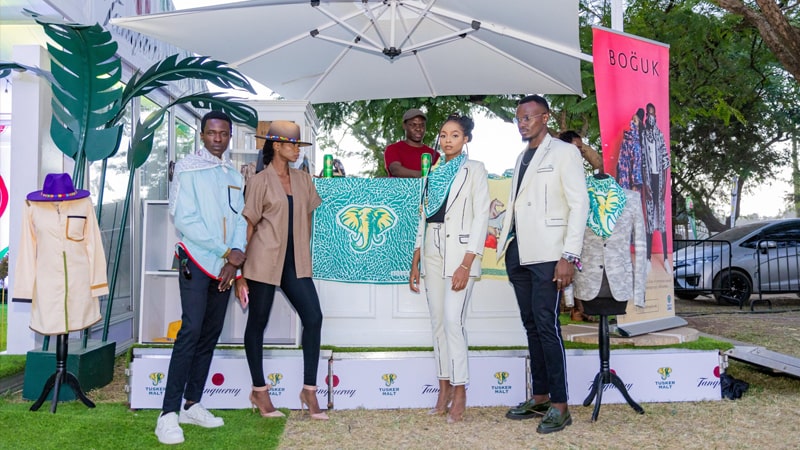
BOGUK Unveils Polo-Inspired Collection in Collaboration with Tusker Malt and Nairobi Polo

Kenyan luxury fashion brand BOGUK has kicked off the year with an impressive collaboration that seamlessly merges style, culture, and sport. Led by founder and lead designer Bevern Oguk, BOGUK unveiled its latest capsule collection at the prestigious Soldier’s Salute Polo Tournament, an event that brought together Nairobi’s fashion elite and polo enthusiasts. The collection, inspired by the elegance of polo and the refined essence of Tusker Malt Lager, showcases BOGUK’s signature craftsmanship and innovative approach to contemporary African fashion.

Kenyan designer Bevern Oguk, founder of the fashion label BOGUK, unveiled a Polo-inspired capsule collection during the Soldier’s Salute Polo Tournament weekendThis latest showcase marks a fusion of refined fashion & cultural storytelling,further cementing BOGUK’s influence in Kenya’s fashion scene

Nairobi Fashion Hub (@nairobifashionhub.bsky.social) 2025-03-18T10:50:59.661Z

A Fusion of Fashion and Polo Prestige

Polo events in Nairobi are known for their laid-back yet sophisticated atmosphere, where attendees make bold fashion statements while embracing the sport’s heritage. Understanding this unique blend of culture and class, BOGUK introduced an array of meticulously designed pieces that celebrate both the sport and Kenyan artistry. The collection features:

  • Kimonos – Flowing and structured designs that exude effortless luxury.
  • Pantsuits and Blazers – Tailored ensembles that balance power dressing with modern aesthetics.
  • Statement Scarves – Elegant accessories adding depth and dimension to every look.
  • The Iconic BOGUK Hat – A signature piece that captures the essence of individuality and timeless style.

Inspiration Behind the Collection

Bevern Oguk, known for his ability to weave cultural narratives into high fashion, shared that this latest collection was influenced by the refined traditions of polo while incorporating the bold identity of Tusker Malt Lager—Kenya Breweries Limited’s (KBL) premium beer brand.

“Tusker Malt Lager’s values of craftsmanship, sophistication, and authenticity align perfectly with my creative vision,” Oguk stated at the unveiling event. “This collaboration gave me a chance to celebrate Kenyan culture while connecting with the timeless prestige of polo.”

The collection was met with admiration, with its intricate details and contemporary silhouettes receiving praise from both fashion enthusiasts and polo aficionados alike. By merging classic sportswear influences with Kenyan-inspired elements, BOGUK successfully elevated the event’s fashion narrative, reinforcing its position as a trailblazer in Kenya’s luxury fashion space.

BOGUK’s designs, including tailored jackets, statement scarves, and intricate hats, captivated attendees with their blend of contemporary style and traditional Kenyan artistry.“Tusker Malt Lager’s values of craftsmanship, sophistication and authenticity align perfectly with my creative vision,”

Nairobi Fashion Hub (@nairobifashionhub.bsky.social) 2025-03-18T10:54:16.622Z

Beyond Fashion: A Celebration of Local Creativity

BOGUK’s partnership with Tusker Malt Lager is part of a broader initiative to spotlight Kenyan designers and promote the country’s growing influence on the global fashion and lifestyle industries. Through such collaborations, local creatives gain opportunities to showcase their talent on international platforms, further cementing Kenya’s reputation as a hub for innovative fashion.

Bevern Oguk took to social media to share behind-the-scenes glimpses of the collection’s creation, offering followers an inside look at the intricate process of designing and producing these masterful pieces. His transparency and dedication to craftsmanship continue to inspire emerging designers, solidifying BOGUK’s role as a leader in Africa’s contemporary fashion movement.

“This collaboration gave me a chance to celebrate Kenyan culture while connecting with the timeless prestige of polo.”The Soldier’s Salute Polo Tournament served as the perfect setting for BOGUK’s designs to shine, highlighting the synergy between fashion, culture, and sport.

Nairobi Fashion Hub (@nairobifashionhub.bsky.social) 2025-03-18T10:58:44.701Z

The Future of Kenyan Luxury Fashion

BOGUK’s polo-inspired collection is more than just a celebration of style—it’s a statement about the power of collaboration, cultural heritage, and the evolution of Kenyan fashion. As the brand continues to push creative boundaries, its influence within the local and international fashion scenes is set to grow even further. With a commitment to authenticity and artistic excellence, BOGUK remains at the forefront of defining modern African luxury.

Content courtesy of NFH Digital Team

2025: The Year of Great Boldness—A Celebration of Style and Identity with Imaatu

In a world where fashion serves as a mirror to individuality and daring self-expression, Imaatu boldly enters 2025 with a transformative collection that celebrates identity, creativity, and resilience. This latest release from the renowned designer speaks volumes about the power of fearless elegance, offering designs that transcend mere aesthetics to tell stories of empowerment and authenticity.

The Art of Fearless Elegance
Imaatu’s 2025 collection captures the essence of boldness with a perfect blend of innovation and sophistication. Each design is an artistic celebration of the human form, showcasing its versatility through vibrant silhouettes and captivating poses. From flowing fabrics that exude effortless grace to bold cuts that challenge traditional boundaries, the collection invites everyone to embrace their unique story with confidence.

This collection goes beyond being just a series of garments—it is a fashion statement and a call to action. Imaatu encourages individuals to explore their inner boldness and let it shine through their personal style. The gold accents, sleek textures, and dramatic layering symbolize resilience and creativity, echoing a universal message: Fashion is a language, and Imaatu is rewriting the dialogue in 2025.

This collection goes beyond being just a series of garments—it is a fashion statement and a call to action. Imaatu encourages individuals to explore their inner boldness and let it shine through their personal style. #nairobifashionhub #africanfashion #fashion #lifestye #design

Nairobi Fashion Hub (@nairobifashionhub.bsky.social) 2025-01-24T14:35:20.687Z

Redefining Sophistication
Gold accents and intricate draping redefine sophistication, combining contemporary design with subtle nods to cultural heritage. Imaatu blends modern trends with rich traditions, creating pieces that honor movement, elegance, and authenticity. Whether through sleek textures or daring cuts, each item in the collection speaks to a future of fashion grounded in self-expression and individuality.

Every detail has been meticulously crafted to inspire and empower. The designs encourage the wearer to find empowerment in both bold statements and everyday style. Imaatu’s collection serves as a testament to the courage required to challenge norms and redefine what it means to stand out in a crowded world.

The gold accents, sleek textures, and dramatic layering symbolize resilience and creativity, echoing a universal message: Fashion is a language, and Imaatu is rewriting the dialogue in 2025.

Nairobi Fashion Hub (@nairobifashionhub.bsky.social) 2025-01-24T14:36:58.279Z

A Year of Bold Fashion Statements
As Imaatu continues to challenge and inspire, 2025 is poised to be a pivotal year for bold fashion statements. Whether stepping into the spotlight or discovering empowerment in quiet moments, this collection offers something transformative for everyone. It stands as a reminder that the future of fashion lies in authenticity, innovation, and the courage to be unapologetically oneself.

Stay tuned as Imaatu leads the charge in making 2025 the year of great boldness.

Credits
Designer: @imaatufulani 
Photographer: @stefan_gergely 
Model: @godwinmerano 

Content courtesy of Mo AfricaPR & NFH

The Seventh Edition of Nairobi Fashion Week: A Dynamic Celebration of African Designers and Regenerative Fashion

Nairobi Fashion Week 2025 is set to make waves as it returns for its seventh edition, featuring Africa’s brightest stars in regenerative fashion. With the theme “Restoring Culture and Nature Through Regenerative Fashion,” the event will run from January 29th to February 1st, 2025, at the Sarit Center. It promises a groundbreaking showcase of innovative collections that blend bold creativity with a commitment to environmental and social impact.

This year’s theme underscores the urgent need for the fashion industry to go beyond sustainability. Regenerative fashion seeks to renew natural resources, restore ecosystems, and empower local communities through ethical production. By shining a spotlight on designers championing these principles, Nairobi Fashion Week 2025 aims to inspire a global movement toward a more sustainable and restorative future.

A Vision for Sustainability

“The theme aligns with our vision of positioning Africa as a global leader in sustainability,” said Brian Kihindas, Creative Director of Nairobi Fashion Week. “We aim to establish a platform for sustainable designers across Africa, rooted in the region’s cultural values. Our goal is to promote organic fabrics and sustainable fashion, reclaiming and celebrating our story.”

He further noted, “Throughout history, African communities have embraced sustainable fashion by crafting garments from locally sourced, natural materials and utilizing traditional techniques that prioritize longevity, cultural significance, and environmental harmony.”

Lisa Kibutu, Sponsor and Production Lead at NFW, echoed this sentiment: “This year’s Nairobi Fashion Week is a celebration of a new era in African fashion. We are looking for designers whose ethos focuses on restoration and healing from their sourcing of textiles to the disposal of waste and the end-of-life planning for their creations. These rising stars are proving that Africa can lead the world in regenerative fashion, with creativity and purpose driving every aspect of their work.”

The seventh edition will feature an exciting lineup of designers who exemplify responsible practices and celebrate African heritage. Highlights include:1. LaOculta2. SOKOLATA3. Maisha By Nusria4. Eva Wambutu5. Apar Gadek

Nairobi Fashion Hub (@nairobifashionhub.bsky.social) 2025-01-21T13:10:23.118Z


Spotlight on Designers

The seventh edition will feature an exciting lineup of designers who exemplify responsible practices and celebrate African heritage. Highlights include:

1. LaOculta: Founded in 2021 by Catalina and Sofia, this womenswear brand bridges Kenya and Colombia through slow fashion. Collaborating with artisans from both regions, LaOculta merges cross-cultural techniques with sustainable production.

2. SOKOLATA: A high-end eco-responsible brand created in 2022 by Senegalese designer Sikoti Mbaitjongue. SOKOLATA uses natural African-origin materials like organic Senegalese cotton and handwoven fabrics from Benin. The brand’s value chain remains entirely based in Africa, contributing to a new ethical African fashion narrative.

3. Maisha By Nusria: A Nakuru-based nonprofit fashion studio specializing in upcycling and creative reuse. The studio transforms discarded textiles into contemporary handmade pieces, emphasizing innovation and sustainability.

4. Eva Wambutu: This Kenyan womenswear designer returns to the runway after her impressive debut at Nairobi Fashion Week Season 6. Known for her silhouette-focused designs, Wambutu is quickly gaining recognition as a designer to watch.

5. Apar Gadek: Led by Shirley Anyango, this jewelry and accessories brand collaborates with Kibera artisans to create distinctive pieces from brass, recycled glass beads, and upcycled cow horn and bone. Each creation tells a unique story, reflecting Africa’s rich cultural heritage.

Nur M. Nasria, founder of Maisha By Nusria, emphasized the growing awareness around fashion’s impact: “People are becoming more concerned about their garments and their origins. Nairobi Fashion Week is not just about showcasing beautiful clothes—it’s about telling the story of our planet and its people.”

About Nairobi Fashion Week

Nairobi Fashion Week (NFW) was launched in 2013 by Dynamic Race PR to advance East Africa’s fashion industry. The event connects emerging and established designers with local and international buyers and stockists. In 2023, NFW introduced the  JUST Fashion campaign to promote sustainability through eco-friendly materials and ethical practices. The Fashion Frontier Africa (FFA) incubator program, developed in partnership with European e-tailor Cultrite, has supported African designers with mentorship and business development opportunities, aiming to reach 500 designers after its first successful cohort.

As Nairobi Fashion Week enters its seventh season, it continues to push the boundaries of creativity, sustainability, and innovation while cementing Africa’s position as a leader in the global fashion landscape.

Content courtesy of Nairobi Fashion Week & NFH Digital Team

Nairobi Fashion Week 2025: Leading a Regenerative Fashion Renaissance

Nairobi Fashion Week, Kenya’s premier fashion event, is set to return for its seventh edition under the groundbreaking theme, Regenerative Fashion Renaissance: Restoring Culture and Nature. Scheduled from January 29th to February 1st, 2025, at the Sarit Center, this year’s event aims to redefine the future of fashion with a focus on sustainability, cultural preservation, and environmental restoration.

This visionary theme represents a pivotal shift in the global conversation on sustainability. While traditional sustainability practices emphasize reducing harm, regenerative fashion seeks to restore and renew ecosystems, communities, and cultural heritage throughout the fashion supply chain. By embracing a circular fashion economy, the event will highlight how designers, brands, and consumers can actively contribute to a more responsible and restorative industry.

“The theme aligns with our vision of positioning Africa as a global leader in sustainability. We are working to establish a platform for sustainable designers across Africa, rooted in the region’s cultural values. Our goal is to promote organic fabrics and sustainable fashion, and we believe this platform will help us reclaim and celebrate our story,” said Brian Kihindas, Creative Director of Nairobi Fashion Week.

He added, “Throughout history, African communities have embraced sustainable fashion by crafting garments from locally sourced, natural materials and utilizing traditional techniques that prioritize longevity, cultural significance, and environmental harmony.”

“The theme aligns with our vision of positioning Africa as a global leader in sustainability.We are working to establish a platform for sustainable designers across Africa, rooted in theregion & cultural values. Our goal is to promote organic fabrics and sustainable fashion, and we believe in

Nairobi Fashion Hub (@nairobifashionhub.bsky.social) 2025-01-21T12:01:20.278Z

The Urgency for Regenerative Fashion

The global Textile and Apparel (T&A) industry, the third-largest manufacturing sector, generated $2.4 trillion in revenue in 2019 and employs over 300 million people worldwide. The sector’s growth has been exponential, with production doubling since 2000. Current consumption trends reveal that people now purchase 60% more clothes than they did 15 years ago. If this trajectory continues, clothing use could increase by over 60% between 2019 and 2029.

However, this rapid growth comes at a significant cost. The fashion industry is responsible for approximately 10% of global carbon emissions, surpassing the combined emissions of all international flights and maritime shipping. Additionally, the sector generates around 92 million tonnes of textile waste annually, equivalent to a rubbish truck full of clothes being discarded every second. In Kenya, the impact of second-hand clothes, or mitumba, exacerbates the crisis. An estimated 300 million items of damaged or unsellable synthetic clothing are imported annually, with much of it ending up in landfills or burned, intensifying plastic pollution.

Nairobi Fashion Week: A Platform for Change

With these challenges in mind, Nairobi Fashion Week 2025 will spotlight designers who are redefining industry norms through recycling and upcycling practices. The event will also feature discussions with industry leaders, environmental activists, and sustainability experts on the broader potential of a circular economy in fashion.

“Recycling in fashion isn’t just about turning old clothes into new garments. It’s about creating a system where fashion becomes a regenerative force, where nothing goes to waste and everything has a second life. Nairobi Fashion Week 2025 will showcase the exciting possibilities that circular fashion holds for the future, not just for Africa, but for the world,” said Lisa Kibutu, Sponsor and Production Lead at NFW.

About Nairobi Fashion Week

Dynamic Race PR established Nairobi Fashion Week (NFW) in 2013 to advance East Africa’s fashion industry. The event connects emerging and established designers with local and international buyers and stockists. In 2023, NFW launched the JUST Fashion campaign, advocating for responsible sourcing, eco-friendly materials, and ethical production practices. NFW also introduced the Fashion Frontier Africa (FFA) incubator program in partnership with European e-tailor Cultrite. This initiative supports African designers with mentorship and business development, with the goal of reaching 500 designers after successfully completing its first cohort.

Now in its seventh season, Nairobi Fashion Week continues to be a trailblazer, pushing the boundaries of creativity, sustainability, and innovation while cementing Africa’s position as a leader in the global fashion landscape.

Theme: “The Regenerative Fashion Renaissance” Restoring Culture and Nature
Nairobi Fashion Week’s seventh edition will be held from January 29th to February 1st in Nairobi,Kenya
Venue: Sarit Center

Content courtesy of Nairobi Fashion Week & NFH Digital Team


Transforming African Fashion: The Vision and Impact of Nairobi Fashion Hub

Background Story of Nairobi Fashion Hub, Nairobi Fashion Hub was founded with the goal of creating a platform to celebrate, nurture, and promote African fashion and design. Established in 2016, the hub started as a digital platform that sought to bridge the gap between African designers and the global fashion market. With Kenya’s capital, Nairobi, as its base, the organization leveraged the city’s vibrant cultural diversity and innovation-driven ethos to champion creativity in the fashion industry.

From its inception, Nairobi Fashion Hub aimed to support budding and established designers by providing a space where they could showcase their work, gain exposure, and connect with buyers, investors, and collaborators. The platform also emphasized storytelling, sharing the narratives behind African designs to highlight their cultural significance and craftsmanship. Over time, the hub expanded its offerings to include educational workshops, networking events, and community outreach programs, positioning itself as a catalyst for sustainable development in the African fashion industry.

Mission Statement

Nairobi Fashion Hub’s mission is to empower African designers, artisans, and creatives by providing access to global markets, fostering innovation, and promoting the unique identity of African fashion. The organization is committed to creating a thriving ecosystem that champions sustainability, inclusivity, and economic growth through the arts.

Vision Statement

Nairobi Fashion Hub envisions a future where African fashion takes its rightful place on the global stage, celebrated for its creativity, quality, and cultural depth. The hub aspires to be a leading force in transforming Africa’s creative industries into key drivers of economic empowerment and cultural pride.

Nairobi Fashion Hub is a fast-growing platform for fashion, models, stylists, bloggers, makeup artists, photographers, & fashion/accessory designers from East Africa & the African continent at large. This is where they showcase their talent, market their creativity, & network with both local & inte

Nairobi Fashion Hub (@nairobifashionhub.bsky.social) 2024-11-20T11:02:09.866Z

Short-Term Plan (1-5 Years)

1. Expansion of Digital Platforms:
– Enhance the Nairobi Fashion Hub website and mobile app to feature e-commerce capabilities, making it easier for designers to sell their creations directly to consumers worldwide.
– Incorporate virtual reality (VR) and augmented reality (AR) features to offer immersive fashion experiences, such as virtual runway shows and 3D product views.

2. Designer Support Programs:
– Launch mentorship and incubation programs for young designers, providing training in business management, digital marketing, and sustainable fashion practices.
– Partner with local universities and fashion schools to nurture talent and bridge the skills gap in the industry.

3. Sustainability Initiatives:
– Introduce workshops on ethical fashion and sustainable production methods to reduce the industry’s environmental footprint.
– Collaborate with textile manufacturers to promote the use of eco-friendly materials.

4. Community Outreach:
– Host fashion showcases and pop-up markets in underserved communities to create awareness and appreciation for local designs.
– Launch a scholarship program for underprivileged youths interested in pursuing careers in fashion.

5. Collaborations and Partnerships:
– Strengthen partnerships with African governments, private sector entities, and international fashion bodies to secure funding and support for local designers.

Long-Term Plan (6-10 Years)

1. Global Recognition:
– Establish Nairobi Fashion Week as a premier international event, attracting designers, buyers, and media from around the world.
– Open flagship stores in major cities across Africa, Europe, and the U.S. to showcase African fashion globally.

2. Economic Empowerment:
– Create thousands of jobs by developing a robust value chain encompassing design, production, marketing, and retail.
– Support the establishment of local manufacturing hubs to boost domestic production and reduce dependency on imports.

3. Technological Innovation:
– Invest in AI-driven design tools to help designers create unique, market-driven products.
– Develop blockchain systems to ensure transparency in supply chains and combat counterfeit products.

4. Cultural Preservation:
– Establish a digital archive of African textiles and designs to document and preserve the continent’s rich fashion heritage.
– Promote the use of indigenous fabrics and techniques in contemporary designs.

5. Sustainability Leadership:
– Position Nairobi Fashion Hub as a leader in sustainable fashion by achieving carbon neutrality and championing green initiatives across the industry.

Unleash Your Fashion Empire with the Nairobi Fashion Hub App!Are you a fashion visionary?A makeup maven? A modeling maestro? NFH App is your secret weapon to conquer the fashion world!Why Choose NFH?1. Global Reach: Connect with clients worldwide, from bustling cities to quiet corners.

Nairobi Fashion Hub (@nairobifashionhub.bsky.social) 2024-12-02T10:40:42.012Z

Impact on the African Community

1. Economic Growth:
– By providing designers with access to global markets, the hub has created new income opportunities, empowering artisans and small businesses.
– The platform’s focus on local manufacturing has spurred industrial growth and job creation.

2. Cultural Identity:
– Nairobi Fashion Hub’s storytelling efforts have helped reshape perceptions of African fashion, celebrating its diversity and authenticity on a global stage.
– By reviving traditional techniques and materials, the hub has contributed to preserving cultural heritage.

3. Youth Empowerment:
– Training programs and scholarships have equipped young creatives with the skills needed to succeed in the competitive fashion industry.
– The hub’s emphasis on mentorship has fostered a new generation of confident, innovative designers.

4. Environmental Sustainability:
– Through its focus on ethical practices and eco-friendly materials, the hub has set a precedent for sustainable production in Africa.
– Awareness campaigns have inspired both designers and consumers to adopt greener practices.

5. Social Transformation:
– By engaging marginalized communities, Nairobi Fashion Hub has used fashion as a tool for social inclusion and empowerment.
– The platform’s initiatives have strengthened community bonds and instilled a sense of pride in local creativity.

In the next decade, Nairobi Fashion Hub aims to solidify its role as a transformative force in African fashion, driving innovation, sustainability, and economic empowerment while celebrating the continent’s rich cultural heritage.

Content courtesy of NFH Digital Team 

The Lion King: Beyoncé, Jay-Z, and Blue Ivy Carter Shine at the Star-Studded Premiere of Mufasa

Royal Family of Music: Carters Shine at ‘Mufasa: The Lion King’ Premiere, In a dazzling display of family unity and star power, global superstars Beyoncé Knowles-Carter, Shawn “Jay-Z” Carter, and their daughter Blue Ivy Carter made a grand appearance at the world premiere of *Mufasa: The Lion King*. The event, which took place in Los Angeles, attracted an array of celebrities, filmmakers, and fans celebrating the highly anticipated prequel to Disney’s The Lion King. The presence of the Carter family added an extra layer of glamour and significance to the evening, reflecting their long-standing connection to the beloved franchise.

Beyoncé, known for her iconic style and commanding stage presence, turned heads in a breathtaking ensemble that epitomized elegance. The Grammy-winning artist donned a custom-designed gown that featured intricate beadwork and a flowing silhouette, perfectly aligned with the evening’s regal theme. Her husband, Jay-Z, complemented her look with a sharp tailored suit, exuding effortless sophistication. Meanwhile, 12-year-old Blue Ivy, who has increasingly become a fashion icon in her own right, charmed the crowd in a youthful yet chic outfit that celebrated her individuality while paying homage to the event’s African-inspired aesthetic.

Carter Family Shines Bright at "Mufasa: The Lion King" PremiereLos Angeles, CA (December 10, 2024) Music royalty and Hollywood A-listers Beyoncé, Jay-Z, and their talented daughter, Blue Ivy Carter, graced the red carpet at the world premiere of Disney's highly anticipated "Mufasa: The Lion King."

Nairobi Fashion Hub (@nairobifashionhub.bsky.social) 2024-12-11T08:18:50.301Z

A Legacy of Lion King Excellence

The Carter family’s connection to The Lion King franchise is both personal and professional. Beyoncé previously voiced Nala in Disney’s 2019 live-action remake of The Lion King, a role that showcased her acting prowess and further solidified her ties to the iconic story. She also curated and produced The Lion King: The Gift, a critically acclaimed companion album that blended African rhythms with contemporary music, celebrating the cultural heritage of the story. The album’s standout single, Spirit, earned Beyoncé multiple award nominations, reflecting the global impact of her artistry.

Jay-Z, a legendary figure in the music industry and a business mogul, has consistently supported his wife’s endeavors, sharing in the celebration of  The Lion King’s cultural resonance. Together, the couple has used their platform to highlight the significance of African artistry and storytelling, themes that are central to the Mufasa: The Lion King narrative.

The star-studded event celebrated the film's release, marking a significant milestone for the Carter family as Blue Ivy makes her feature film debut.Dazzling in elegant attire, the trio commanded attention as they posed for photographers and interacted with fans.

Nairobi Fashion Hub (@nairobifashionhub.bsky.social) 2024-12-11T08:20:19.037Z

Blue Ivy’s Growing Influence

As the eldest child of Beyoncé and Jay-Z, Blue Ivy continues to make her mark in the entertainment world. Already a Grammy Award winner for her contributions to Brown Skin Girl from  The Lion King: The Gift , she is steadily carving out her path as a young talent. Her appearance at the premiere underscored her growing influence in both the entertainment and fashion industries, capturing the attention of fans and media alike.

Celebrating African Storytelling in Hollywood

Mufasa: The Lion King, directed by Barry Jenkins, serves as a prequel to the original 1994 animated classic, delving into the origins of Mufasa, the noble lion who became the king of the Pride Lands. The film explores themes of legacy, resilience, and community, brought to life through breathtaking visuals and a compelling narrative. Disney’s commitment to celebrating African culture and storytelling is evident in its collaboration with a diverse cast and creative team, ensuring the authenticity and depth of the narrative.

The premiere was a grand celebration, featuring an elaborate red carpet adorned with African-inspired decor and performances that paid tribute to the rich cultural heritage underlying the film. The Carter family’s attendance underscored the global significance of the event, drawing attention from fans and media outlets around the world.

Beyoncé, reprising her iconic role as Nala, looked radiant in a "stunning, form-fitting gown adorned with intricate beadwork and a plunging neckline." Jay-Z, ever the supportive husband and father, complemented her in a "sleek tuxedo and a crisp white shirt.

Nairobi Fashion Hub (@nairobifashionhub.bsky.social) 2024-12-11T08:22:30.597Z

A Night to Remember

The Mufasa: The Lion King premiere not only marked the unveiling of a cinematic masterpiece but also served as a testament to the power of storytelling in bridging cultures and generations. Beyoncé, Jay-Z, and Blue Ivy Carter’s presence illuminated the event, reinforcing their legacy as icons who continue to inspire through their artistry and dedication to cultural celebration.

As fans eagerly anticipate the film’s release, the evening stands as a shining example of Hollywood’s ability to honor and amplify diverse voices, with the Carter family at the forefront of this meaningful celebration.

Content courtesy of NFH Digital Team 
Ad