Sunday 19th of April 2026

Nairobi, Kenya

Titilope Monebi: Revolutionizing Nigerian Fashion with Streetwear Designs

The Promise of Streetwear Fashion: Insights from Titilope Monebi

Amid the dynamic landscape of Nigeria’s fashion industry, LIK DA STITCH, a streetwear fashion brand founded by Monebi Titilope Faith, also known as Streetwear Tailor, is set to revolutionize the sector with its unique blend of comfort and style.

With five years of experience working alongside her mother, a celestial garment maker, Titilope Monebi ventured into streetwear fashion in 2020. Her passion for the craft and her desire to educate fashion designers on sustainable income opportunities within this niche inspired her journey.

Monebi’s perspective on streetwear is that it embodies the ability to dress comfortably for any occasion. LIK DA STITCH aims to support both established fashion designers seeking to expand their knowledge of streetwear and aspiring designers looking to enter the industry.

“The fashion industry has shown great promise in the streetwear fashion design niche,” Monebi observed. “Streetwear fashion design is a promising niche, and I aim to contribute to its growth and development.”

Through LIK DA STITCH, Monebi Titilope Faith is committed to providing high-quality streetwear that merges comfort and style. Her designs cater to individuals who wish to make bold statements with their fashion choices, reflecting a unique and modern aesthetic.

As LIK DA STITCH continues to grow, Monebi’s innovative approach and dedication to the streetwear niche are set to make significant impacts on Nigeria’s fashion industry, paving the way for new trends and opportunities.

Content courtesy of Van Guard & NFH 

Sustainable Fashion Takes Center Stage at Berlin Fashion Week (BFW)

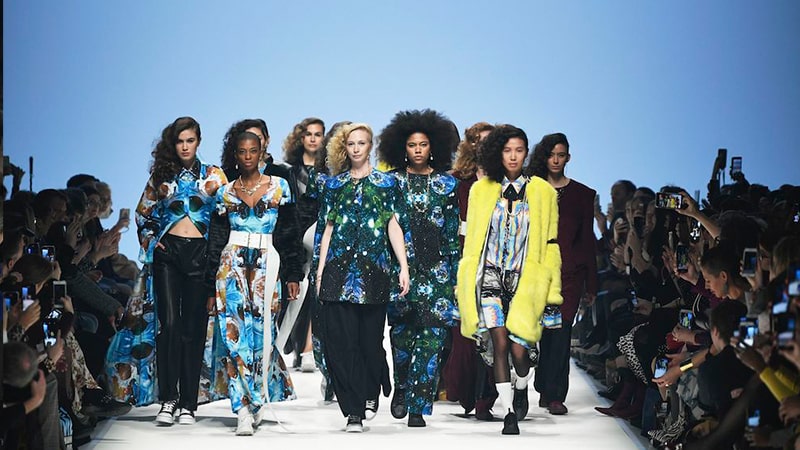
Berlin Fashion Week (BFW) witnessed a significant shift towards sustainability, with brands such as People, Avenir, Haderlump, and Rianna + Nina demonstrating that style and sustainability can coexist harmoniously. As the hectic schedule wound down, attendees were treated to an exceptional event in the Mitte district, hosted by People, a fashion brand with a unique mission.

People collaborates with young individuals aged 13 to 27 who are homeless, struggle with mental health issues, or face drug addiction. Together, they create handmade clothing, accessories, ceramics, and design objects. Co-founder Ayleen Meissner explained, “We started the project because of a longing to bring fashion back to people, to bring it into the middle of society and to have it more inclusive, more diverse, and less elite.”

Launched in 2015 by Meissner and Cornelia Zoller, People is committed to zero waste, upcycling, and promoting gender and size fluidity. Meissner emphasized the importance of connecting fashion with people facing challenges, blending fashion, psychology, and social work to empower young people through design. Their latest collection, “Edition 6: Less,” is a response to societal pressures and norms, featuring natural dyes and eco-friendly pigments. The collection, displayed at the Nella Beljan Gallery until July 23, includes hand-crocheted bags, raw silk trousers, and deconstructed suiting.

People participated in the Studio2Retail program, organized by Fashion Council Germany (FCG), which provides grants to designers to connect with consumers. Scott Lipinski, FCG’s chief executive, highlighted the initiative’s aim to integrate BFW into the community, emphasizing fashion’s role in shaping young people’s ideas and celebrating individuality.

Another highlight was Avenir’s public runway show near Potsdamer Platz, showcasing sustainable denim designs tailored for modern commuters. Founded by Sophie Claussen in 2020, Avenir champions a circular economy model, utilizing surplus fabrics sourced from the Spanish textile platform Recovo. This approach allows Avenir to scale collections despite the challenges of using deadstock fabrics.

Haderlump also focused on sustainability by using deadstock fabrics and producing made-to-order items locally in Berlin. Other notable events included an exhibition and panel discussion by Natascha von Hirschhausen and CSR.ART, the Black in Fashion pop-up event curated by Buki Akomolafe, and a show by slow fashion brand Rianna + Nina.

Carina Bischof, chairwoman and co-founder of Fashion Revolution Germany, noted the significant groundwork being laid through various talks and events. Avenir, for example, hosted a textile printing workshop for The Lissome magazine, which advocates for fashion rooted in reciprocity and craft.

Berlin’s supportive infrastructure, collaborative community, and favorable government policies make it a fertile ground for sustainable enterprises. BFW, revitalized under FCG since 2022, emphasizes community as its core message. Christiane Arp, FCG’s chairwoman, praised the local and international community spirit reflected throughout the event, underscoring the inclusive and progressive culture of Berlin.

From the opening party to the closing event, Berlin Fashion Week celebrated the synergy between sustainability and fashion, proving that ethical practices and stylish design are not mutually exclusive but rather complementary forces driving the future of fashion.

Content courtesy of Berlin Fashion Week & NFH 

The Rise of Achieng Agutu: Kenya’s Confidence Queen Shines in Harper’s Bazaar Vietnam

In a groundbreaking debut, Achieng Agutu, hailed as Kenya’s Confidence Queen has illuminated the pages of Harper’s Bazaar Vietnam with her unapologetic charisma and distinctive style. With a career rooted in redefining beauty standards and empowering women globally, Agutu’s presence marks a significant stride towards inclusivity and representation in the fashion industry.

Agutu’s journey to the international stage is a testament to her unwavering determination and visionary spirit. Growing up in Nairobi, she discovered her passion for fashion at a young age, using clothing as a medium to express individuality and challenge societal norms. Her unique blend of African heritage and contemporary elegance has garnered attention across the globe, earning her a dedicated following of admirers who resonate with her message of self-acceptance and cultural pride.

A Multifaceted Trailblazer
According to Harper’s Bazaar, Achieng Agutu has cemented her place in the public eye not just as a model but also as a dynamic TV show host and digital content creator. Through her vibrant social media presence, Agutu has made a name for herself by serving daily doses of motivation, affirmations, self-love, and fearlessness. Her platforms are a sanctuary for those seeking inspiration and a reminder of the power of authenticity.

The Upcoming Show: “INFLUENCED”
Agutu’s influence extends beyond fashion and social media; she is set to take on a new role as one of the lead hosts of “INFLUENCED,” a highly anticipated Gen Z version of “The View,” premiering on Amazon Prime on August 1st. This show promises to be a fresh and contemporary take on current events, pop culture, and social issues, with Agutu’s unique perspective adding depth and vibrancy to the discussions. Her involvement in “INFLUENCED” underscores her versatility and commitment to using her voice for positive change.

Redefining Beauty Standards
Her collaboration with Harper’s Bazaar Vietnam showcases Agutu’s ability to seamlessly merge traditional African aesthetics with high-fashion sensibilities, creating a visual narrative that celebrates diversity and authenticity. Through bold patterns, vibrant colors, and avant-garde designs, she captivates readers with a style that transcends borders and speaks to the universal language of confidence and self-expression.

Advocacy and Social Change
Beyond her sartorial prowess, Agutu is a vocal advocate for social change, using her platform to promote inclusivity and representation within the fashion industry. She champions diversity not only in the models chosen for editorial spreads but also in the narratives they embody, challenging stereotypes and fostering a more inclusive dialogue on beauty and identity. Her message is clear: true beauty lies in embracing one’s uniqueness and heritage.

A Beacon of Inspiration
As she continues to break barriers and defy expectations, Achieng Agutu stands as a beacon of hope and inspiration for aspiring fashion enthusiasts and influencers worldwide. Her journey from Nairobi to the pages of Harper’s Bazaar Vietnam is not just a milestone in her career but a cultural landmark, paving the way for future generations to embrace their heritage with pride and confidence on the global stage.

In a world that often imposes narrow definitions of beauty and success, Achieng Agutu’s rise to prominence serves as a powerful reminder that authenticity, resilience, and self-love are the true markers of greatness. Her story is a celebration of what it means to be unapologetically oneself and a call to all to find and use their unique voices in the tapestry of global culture.

Content courtesy of  Harper’s Bazaar Vietnam & NFH Digital Team

Cardi B Wows in an Explosion of Fabric and Sky-High Heels at Marc Jacobs Fashion Show

Cardi B is stealing the spotlight once again!

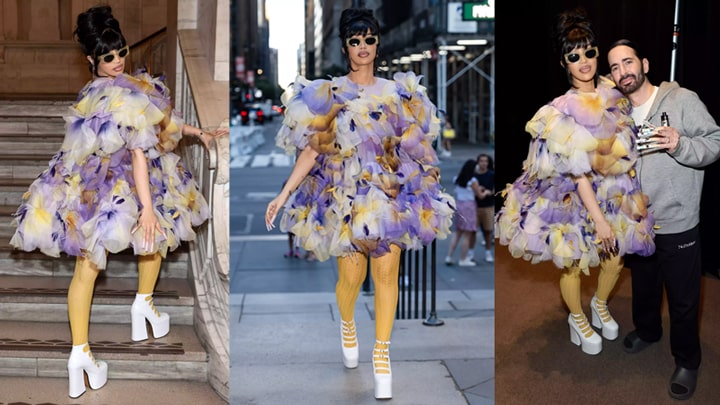
The rapper, 31, made a sensational appearance at the Marc Jacobs Fall 2024 fashion show in New York City on Monday, July 1. Cardi B turned heads as she arrived in a burst of color and statement platform heels, showcasing her distinctive style.

She donned a custom lilac, purple, and yellow feathered songbird dress from Marc Jacobs’ Spring 2020 Ready-to-Wear collection. Complementing her vibrant ensemble, she wore yellow knit tights and the designer’s iconic white Kiki boots. Adding to her quirky look, Cardi accessorized with yellow-framed sunglasses, styled her hair in a retro beehive, and sported a nude lip and long pink nails.

In a clip posted on X (formerly Twitter), Cardi was seen modeling her striking outfit, twirling around the halls of the New York Public Library, where the show was held. Another video posted by stylist Kollin Carter captured Cardi confidently strutting alongside the models at the show. “Yeah, one of the models, bitch!” Cardi exclaimed in the clip.

Cardi’s attendance at the fashion show followed her headlining performance at the BET Experience concert in Los Angeles on Friday, June 28. At the Crypto.com Arena, she wowed the audience in an oversized black jersey top adorned with rhinestones, black fingerless leather gloves, and Prada Monolith boots.

In recent days, Cardi has been rocking a series of statement looks. On June 24, she paid homage to Princess Diana while shopping in Los Angeles, matching the late royal’s 1997 athleisure look with a white “Harvard” sweatshirt, white biker shorts, and sneakers, and even replicating Diana’s signature hairstyle with a cropped cut.

On June 21, the “WAP” singer opted for a demure look at the Hollywood Impact Awards, wearing an oversized black blazer by The Row and a sheer floor-length David Koma skirt. She elevated her red carpet ensemble with sheer black gloves, strappy black heels, a diamond necklace, and several diamond-encrusted accessories.

Cardi B continues to captivate audiences with her bold and eclectic fashion choices, proving once again why she remains a fashion icon.

Content courtesy of People and NFH Digital Team

Mantsho x Nedbank’s Fashion Line Inspired by MiGoals Premium

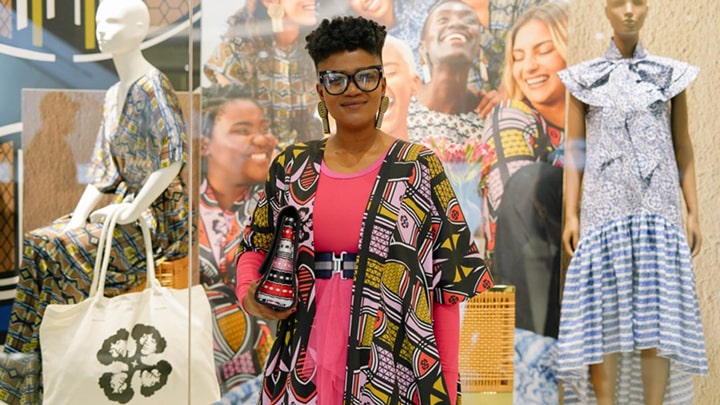
In partnership with renowned fashion designer and founder of Mantsho, Palesa Mokubung, Nedbank has launched South Africa’s first-ever fashion collection inspired by a bank account. Titled “Now More People Can Premium” by Mantsho x Nedbank’s MiGoals Premium, this collection is a unique embodiment of Nedbank’s MiGoals Premium Account, designed to give more people the chance to enjoy a premium lifestyle.

Mantsho x Nedbank Partnership

Nedbank’s collaboration with Mantsho underscores the brand’s investment in cultural and social capital, highlighting its commitment to empowerment and inspiration beyond financial services. This partnership celebrates African culture, aiming to bring the heritage and innovation of the continent to a broader audience through unique experiences.

Buli Ndlovu, Executive Head of Marketing for Retail and Business Banking at Nedbank, explained the concept: “The Mantsho partnership is incredibly exciting for us. Mantsho is a high-end, award-winning fashion brand, and many people were unable to access these iconic pieces. Inspired by our Nedbank MiGoals Premium Account, designed to allow more people to experience a premium lifestyle, we’ve created a fashion line that embodies this, bringing premium access to more people.”

Founded in 2004, Mantsho, a Sesotho name meaning “Black is Beautiful,” has become renowned for its bold, confident, and vibrant designs celebrating African womanhood. Palesa Mokubung’s journey in fashion began with a profound passion for design and a deep-rooted connection to her African heritage, leading her to become a pioneering South African fashion designer celebrated globally.

“This collection is designed to be more than just apparel; it’s about enhancing the lifestyle of Nedbank MiGoals Premium account holders. We aim to make luxury and high fashion accessible, helping customers express their personal style and aspirations confidently. The collection supports a lifestyle where elegance and ambition go hand in hand, enabling our clients to present their best selves to the world,” says Mokubung.

Mantsho x Nedbank’s MiGoals Premium Collection

The locally made “Now More People Can Premium” by Mantsho x Nedbank’s MiGoals Premium collection comprises nine items, including accessories, T-shirts, and kimono dresses, all created from locally sourced fabrics. Each item was curated for its dynamic and contemporary take on high fashion with a local flair, giving shoppers a chance to own a statement piece of cultural pride and sophistication.

The collection will be exclusively available on the Avo SuperShop, a hyper-personalized shopping platform featuring a wide range of South Africa’s favorite brands. With a massive 30% discount available to holders of a Nedbank MiGoals Premium Account, the idea of “Now More People Can Premium” has never been more attainable, making it easier than ever to own an iconic Mantsho piece.

“Making our brand affordable opens it up to a new audience. We are bringing a premium brand closer to a wider audience, which we love. We also love that Mantsho and Nedbank share many of the same values: we are both intent on doing something more meaningful in a creative space. It feels like a good and genuine synergy,” Ndlovu said.

“South African fashion continues to push creative boundaries, and this is a great embodiment of that. A fashion line inspired by the MiGoals Premium Account is unexpected and interesting, and we love the challenge of bringing this concept to life,” concludes Ndlovu.

Content courtesy of Biz Community & NFH Digital Team 

Bold and Colorful Designs Shine at Khayelitsha Fashion Week

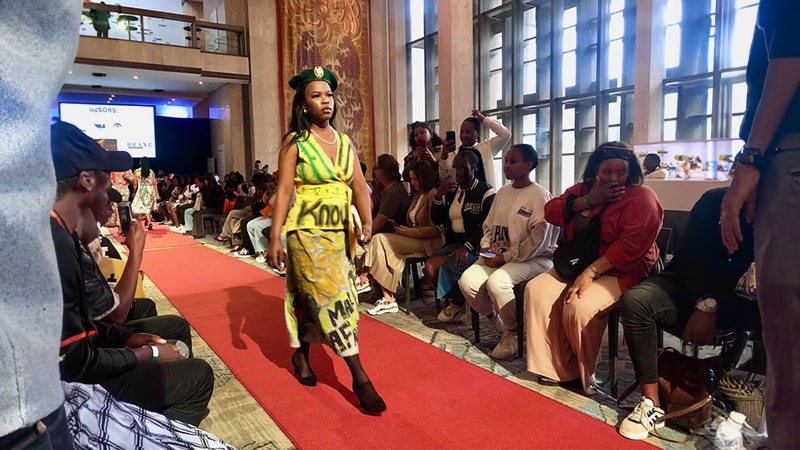
Designers from across the Cape Flats showcased their vibrant creations at the Artscape Theatre Centre during the red carpet event for Khayelitsha Fashion Week. The theme, “Grounded in Nature,” brought forth bold and colorful designs, reflecting the unique perspectives and cultural heritage of the participants. Now in its eighth year, Khayelitsha Fashion Week is part of the Mother City Fashion Experience, founded by Zibonele FM breakfast show host Bongani Matenjwa.

Models and aspiring designers, primarily from the Cape Flats, demonstrated their talents on the runway. Among the 11 designers featured were creatives from Delft, Philippi, Langa, Nyanga, Khayelitsha, Parklands, and Manenberg, with a total of 45 models participating.

Matenjwa explained that the selection process for models and designers begins with a public call on social media. “Our models are not paid. Those ultimately selected undergo two months of training every Saturday, as some have no prior runway experience. Designers also apply and are chosen through a similar process.”

The event, which takes about four months to organize, was sponsored by Artscape Theatre, City of Cape Town, Shezz Hair Salon, Okuhle Nails and Beauty, Brand Magazine, and Zibonele FM. Originally planned as a two-day affair, unforeseen circumstances condensed it to a single day.

In the lead-up to the fashion show, selected designers participate in business training workshops. One standout designer, Avumile Majola, 34, from the Eastern Cape and now based in Parklands, shared her journey. A former content producer at Cape Town TV with a diploma in public relations, Majola moved to Cape Town with dreams of making it in the fashion industry.

Majola’s brand, Weentokazi, focuses on nature and body positivity. She challenged traditional media portrayals of beauty, advocating for inclusivity with her designs. “The media has lied to us, telling us that models need to be thin and have long straight hair. We are changing that, showing that we, with our afros and curves, can also be models.”

Majola, who runs her fashion business from home, designs and creates all her garments from scratch. “I did a year and a half on a fashion course at a creative hub in Observatory. After that, YouTube has been my go-to for learning new techniques.”

The name Weentokazi was inspired by her grandfather’s affectionate term for ladies, which she redefined to mean, “Here I am, I have arrived!” Majola advertises her garments on social media and reinvests all profits back into her business. She aspires to own Weentokazi clothing stores in the future.

Other designers at the event included Dandie Candie, Philip Albert, Mzukwane, Mos, Jaye, Rissa, Mgxobane, Zee Manguni, Ligugu Craft, and Sethu Wethu, each contributing to the rich tapestry of talent and creativity that defines Khayelitsha Fashion Week.

Eko Fashion Connect 1.0: A Confluence of Creativity and Industry Insight

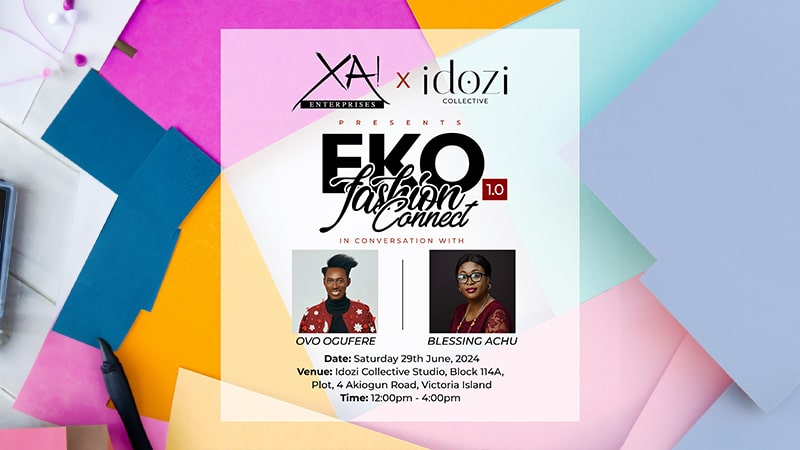
Xa! International, in collaboration with Idozi Collective, proudly presents Eko Fashion Connect 1.0 under the engaging theme “In Conversation With,” featuring renowned fashion industry leaders Ovo Ogufere and Blessing Achu. This exciting event is set to take place on Saturday, June 29th, at the Idozi Collective Studio located at Block 114A, Plot 4, Akiogun Road, Victoria Island.

Event Details

Date and Time:
Saturday, June 29th, from 12:00 PM to 4:00 PM

Location:
Idozi Collective Studio, Block 114A, Plot 4, Akiogun Road, Victoria Island

Registration:
The event is free for all fashion creatives, but prior registration is required to attend.

A Day of Inspiration and Learning

Eko Fashion Connect 1.0 is meticulously designed to be both fun and educational, targeting a diverse array of fashion creatives. Attendees will include designers, models, scouts, show producers, press, talent managers, fashion illustrators, makeup artists, hair stylists, photographers, stylists, and fashion enthusiasts. The event aims to provide a platform for these creatives to engage in meaningful conversations, share insights, and forge valuable connections.

Key Highlights:

1. Interactive Conversations: Engage with industry experts Ovo Ogufere and Blessing Achu as they share their extensive knowledge and experiences.
2. Q&A Sessions: Gain clarity on pressing industry questions directly from the leaders themselves.
3. Group Discussions: Participate in collaborative discussions to explore new ideas and trends in the fashion world.
4. Networking Sessions: Connect with peers and industry veterans to build lasting professional relationships.
5. Fun Photo Sessions: Capture the moments with fellow creatives and industry icons.
6. Surprises: Enjoy unexpected elements and giveaways throughout the event.

Vision and Purpose

Eko Fashion Connect 1.0 was conceived out of a strong desire to give back to society with a specific focus on the fashion industry. The event aims to discover and nurture new talents while providing an invaluable opportunity for rising stars to connect with key industry players. By fostering an environment of collaboration and innovation, the event hopes to contribute to the advancement of the fashion industry in Nigeria.

About the Speakers

Ovo Ogufere
Ovo Ogufere, the CEO of Xa! International, is a multifaceted professional with over two decades of experience in the fashion industry. His roles as a fashion consultant, show producer, talent manager, and entertainment lawyer have made him a pivotal figure in the industry. His insights and guidance have helped shape the careers of numerous fashion creatives.

Blessing Achu
Blessing Achu is the Founder and CEO of 360 Creative Hub. With over 10 years of experience in entrepreneurship and business development in Nigeria’s telecommunications sector, she has successfully transitioned her skills to the fashion industry. Her passion for fashion and her deep understanding of the industry’s needs led to the creation of 360 Creative Hub. She is also a Goodwill Ambassador for the Nigerian Student Fashion Design Week, a mentor to aspiring entrepreneurs, and an advocate for leadership among young women.


Eko Fashion Connect 1.0 promises to be an enriching experience for all participants, offering a unique blend of education, inspiration, and networking. This event is an unmissable opportunity for fashion creatives to gain insights from industry veterans, connect with like-minded professionals, and take their careers to the next level. Join us for a day dedicated to the celebration and advancement of fashion in Nigeria.

Register now and be part of this transformative event that is set to leave a lasting impact on the fashion community.

Fashion Brands Embracing Audacity in Style, Spirit, and Materials

Why blend in when you can stand out? This week, we spotlight three distinctive fashion brands that boldly redefine style through their unique approaches and innovative materials.

Archival Apparel: Classical Music Meets Edgy Fashion

Classical music and cool T-shirts are not typically synonymous. Archival Apparel, however, aims to change that with their vintage-inspired shirts for the discerning fashionista. “We launched with a classical music collection to bring some much-needed edge to the genre’s apparel options,” says Michael King, one of Archival Apparel’s resident design enthusiasts.

Their offerings include a tee for Wagner’s *Der Ring des Nibelungen* featuring Swiss-inspired interlocking geometry and a Prokofiev ‘Skull’ tee, which King notes, “captures our mission to create designs that are unexpected and unembarrassingly cool.” Other designs celebrate composers like Shostakovich, Béla Bartók, and Stravinsky, portraying them as the rock stars they truly are.

Archival Apparel started as a group of friends passionate about graphic design, music, and the arts. Disappointed by the existing t-shirt market, they decided to create their own, resulting in widespread popularity and plans to expand into jazz, soul, art, literature, and film collections.

Future Monsters: Rock ‘n’ Roll with a Halloween Twist

Blending alternative, horror, and rock ‘n’ roll, Future Monsters’ fashion line has earned the moniker “creepy couture.” Founder Zachary Dial explains, “Our aim is not only to compete but to excel, creating premium statement pieces that stand out in an industry of rampant disposability.”

Future Monsters focuses on small-batch manufacturing with high-quality fabrics, reflecting Dial’s admiration for rock icons and vintage punk fashion. Driven by a passion for horror movies and a gap in the market for affordable rock-inspired looks, Dial created a brand that marries rock, horror, and punk seamlessly.

Signature pieces like the Pugsley Raw Neck, the vintage-inspired Lurker Cap, and the silk chiffon Harlequin Button Up highlight the brand’s commitment to timeless, versatile fashion.

Alex Crane: The Breezy, Natural Alternative

Alex Crane’s eponymous brand revolves around the concept of feeling “breezy,” achieved through 100% plastic-free clothing made from natural materials like flax, coconut, organic cotton, and banana leaves. “Natural materials are more breathable, more luxurious, more dynamic,” Crane explains.

A former corporate apparel designer, Crane launched his brand in 2017 with a commitment to creating environmentally friendly clothing. His latest release, the Alta Suit, is made from 100% French linen with corozo buttons, offering an unstructured, unlined suit that feels fresh and natural from the first wear.

Crane’s journey from corporate disenchantment to entrepreneurial success underscores his dedication to producing high-quality, sustainable fashion.

These three brands—Archival Apparel, Future Monsters, and Alex Crane—demonstrate that fashion can be daring, expressive, and environmentally conscious. By embracing unique styles and sustainable materials, they offer refreshing alternatives for those looking to make a statement.

Innovative Threads: An Exclusive Interview with Munyengango Jean De Dieu, Founder of DK Heritage Ltd

Munyengango Jean De Dieu is a Rwandan artist and the innovative founder of DK Heritage Ltd, a fashion house renowned for its unique fusion of traditional African aesthetics and contemporary design. With a deep passion for cultural heritage and modern fashion, Munyengango has carved out a distinctive niche in the fashion industry, earning acclaim for his visionary approach and commitment to empowering African artisans and models.

Born and raised in Rwanda, Munyengango developed an early interest in art and design. His formative years were influenced by Rwanda’s rich cultural heritage, which played a significant role in shaping his artistic vision. From a young age, Munyengango was fascinated by the vibrant colors, intricate patterns, and symbolic meanings embedded in traditional African textiles and attire. This cultural appreciation would later become the cornerstone of his fashion philosophy.

Munyengango’s passion for fashion and design led him to establish DK Heritage Ltd. The brand was created with a mission to celebrate and preserve African cultural heritage while innovatively blending it with contemporary fashion trends. DK Heritage Ltd stands out for its dedication to showcasing the beauty and diversity of African textiles, designs, and craftsmanship.

Ann Mumbi: Brief introduction about yourself and your fashion house (Brand)
Munyengango Jean De Dieu: I am Munyengango Jean De Dieu, a Rwandan artist and the founder of DK Heritage Ltd, a fashion house that blends traditional African aesthetics with modern styles. Our brand is dedicated to celebrating African heritage through bold, innovative designs.

AM: As a fashion designer in Kenya, what are some of the specific challenges you’ve encountered when working with models, and how do you overcome them?
MJDD: One of the significant challenges I face is matching models with the right outfits. Sometimes it’s difficult to find the perfect fit, but we overcome this by holding fittings to ensure each model looks their best in our designs.

AM: Can you discuss the process of selecting models for your fashion shows or campaigns and the criteria you look for in potential collaborators?
MJDD: When selecting models, I consider the outfits and the concept of the event. For collaborations, I look for a shared vision and passion between myself and my partners. It’s crucial that we align on our goals and creative direction.


AM: How do you ensure that your designs are inclusive and suitable for a diverse range of body types and sizes?
MJDD: I create designs based on the measurements of our models to ensure inclusivity and suitability for various body types. This approach ensures that everyone looks and feels great in our clothing.

AM: Have you faced any difficulties in finding models who accurately represent the vision and aesthetic of your brand, and how have you addressed this challenge?
MJDD: I haven’t faced significant difficulties because I take the time to select models who can embody our brand’s vision. By working closely with them, we achieve the desired look and feel.

AM: Can you share any strategies you use to foster a positive and collaborative relationship with models during fittings and photoshoots?
MJDD: Open communication is key. I make an effort to converse with my models, motivate them, and discuss their future careers. This builds a positive atmosphere and strengthens our collaboration.

AM: What steps do you take to ensure that the models wearing your designs feel comfortable and confident on the runway or in front of the camera?
MJDD: Comfort and confidence start with the design process. I always consider the comfort of the models when creating outfits, ensuring they can move and perform with ease.

AM: How do you navigate the balance between artistic expression and practical considerations when designing garments for models to wear?
MJDD: Balancing artistic expression with practicality is essential. As an artist, it’s important to merge creativity with functionality, making it easier to produce wearable yet visually striking designs.

AM: Can you discuss the importance of communication and teamwork between fashion designers and models in bringing a collection to life?
MJDD: Effective communication and teamwork are crucial. Models bring our designs to life on the runway, so it’s essential that we share our experiences and work passionately together to achieve the best results.

AM: Have you encountered any issues related to diversity and representation within the modeling industry, and how do you address these concerns in your work?
MJDD: Sometimes models may feel competitive, but as a designer, I encourage teamwork and unity. By fostering a collaborative spirit, we can overcome these challenges and promote diversity.

AM: Can you share any experiences where you’ve had to adapt your designs or styling to accommodate the needs or preferences of models?
MJDD: There have been instances where a model might refuse to wear a chosen outfit. In such cases, we adapt by selecting different attire that suits them better, ensuring they are comfortable and confident.

AM: How do you incorporate feedback from models into your design process, and how does this collaboration influence the final outcome?
MJDD: Models often provide valuable feedback, which I incorporate into my designs. Their input helps refine the final product and ensures that it meets both aesthetic and functional requirements.

AM: Can you discuss the impact of social media on the relationship between fashion designers and models in Kenya?
MJDD: Social media has greatly facilitated connections and collaborations. It allows us to showcase our creativity and reach a wider audience, making it easier to network and promote our work.

AM: What initiatives or changes would you like to see within the Kenyan fashion industry to better support models and designers alike?
MJDD: I would like to see more government support in terms of lower taxes and more opportunities to export our products and services. This would significantly boost the industry.

AM: How do you ensure that the working conditions and treatment of models involved in your projects align with ethical standards and values?
MJDD: I prioritize the health and safety of my models, ensuring that our working environments are safe and comfortable for everyone involved.

AM: Can you share any stories of overcoming challenges or obstacles in your collaborations with models and the lessons you’ve learned from these experiences?
MJDD: There have been times when models arrived late. To solve this, I cover their transport costs, ensuring they arrive on time and we maintain a smooth workflow.

AM: What measures do you take to ensure diversity and inclusivity are reflected not only in your designs but also in the models you choose to represent your brand?
MJDD: I select models of various sizes, typically medium and small, to represent the diverse range of body types and ensure inclusivity in our brand.

AM: How do you address the issue of body image and self-esteem within the modeling industry through your work as a fashion designer?
MJDD: I ensure that the models’ appearances complement the outfits perfectly. Fitting sessions are crucial for addressing body image concerns and boosting self-esteem.

AM: Can you discuss the role of fashion designers in promoting positive body image and self-confidence among models and consumers alike?
MJDD: As a designer, creating outfits that attract and empower audiences can significantly boost the confidence of the wearer. It’s important to design clothing that makes people feel good about themselves.

AM: Have you implemented any specific policies or practices within your brand to support the mental and emotional well-being of models?
MJDD: I haven’t implemented specific policies yet, but I plan to focus on this in the future to ensure our models’ mental and emotional well-being.

AM: Can you share any insights into the process of creating garments that are both visually striking on the runway and practical for models to wear?
MJDD: The process begins with creative design, selecting the right materials and accessories, and taking precise measurements. After completing the outfit, we hold fittings to ensure practicality and visual appeal.

AM: How do you ensure that your designs empower models to express themselves authentically and confidently?
MJDD: My models often express delight in my unique designs, which empowers them to wear the outfits confidently and authentically, making them eager to work with me again.

AM: Can you discuss any instances where you’ve collaborated with models to challenge traditional beauty standards or perceptions of fashion?
MJDD: I create unique outfits for showcases that challenge traditional beauty standards and surprise the audience, promoting a broader acceptance of diverse fashion aesthetics.

AM: What do you hope to achieve through your collaborations with models, and how do you envision the future of fashion modeling in Kenya?
MJDD: I hope to elevate my brand and the modeling industry by fostering collaborations that help both designers and models grow. I envision a future where Kenyan fashion modeling thrives globally.

AM: How can clients contact you, and can you share your contact details and social media handles?
MJDD: Clients can reach me through my social media platforms. I am available on Instagram and Facebook, and they can also approach me directly for collaborations.

AM: Who inspired you, and who do you admire working within the fashion industry in Kenya and internationally?
MJDD:My father is my inspiration. I aspire to work with passionate designers both in Kenya and internationally, continually pushing the boundaries of fashion.


DK Heritage Ltd. is more than just a fashion brand; it is a movement that seeks to empower African artisans and models by providing them with a global platform. Munyengango’s vision is to create clothing that tells a story—each piece is meticulously designed to reflect the rich history and vibrant culture of Africa. His designs often feature bold colors, striking patterns, and modern interpretations of traditional African symbols and motifs.

Navigating the fashion industry in Kenya, where DK Heritage Ltd. is based, has not been without its challenges. Munyengango has faced obstacles such as matching models with the right outfits and ensuring inclusivity in his designs. However, his commitment to excellence and innovation has enabled him to overcome these hurdles. Under his leadership, DK Heritage Ltd. has grown to become one of East Africa’s leading fashion brands, with a strong presence in both the local and international markets.

A key aspect of Munyengango’s work is his focus on inclusivity and empowerment. He is dedicated to creating opportunities for models and artisans, ensuring they are fairly represented and appreciated. His approach involves close collaboration with models, taking into account their feedback, and ensuring they feel comfortable and confident in his designs. This has fostered a positive and supportive environment within the DK Heritage Ltd. team.

Munyengango is also committed to giving back to the community. He advocates for government support to reduce taxes and create more opportunities for local designers and models. Looking ahead, he aims to expand DK Heritage Ltd’s reach, further promoting African fashion on the global stage and continuing to innovate in design and production.

Inspired by his father and driven by a passion for fashion, Munyengango admires and seeks to collaborate with other passionate designers both within Kenya and internationally. His goal is to continue learning and growing, bringing fresh ideas and perspectives to the fashion industry.

Munyengango Jean De Dieu is a visionary leader in the fashion world, dedicated to blending traditional African heritage with modern fashion trends. Through DK Heritage Ltd, he has created a platform that not only showcases the beauty of African culture but also empowers models and artisans. His journey reflects a deep commitment to innovation, inclusivity, and cultural preservation, making him a prominent figure in the African fashion industry.

The interview highlights Munyengango Jean De Dieu’s thoughtful approach to fashion design and collaboration with models, providing insights into his brand and vision for the industry.

Content courtesy of DK Heritage Ltd & NFH Digital Team

President William Ruto Inaugurates First Vivo Fashion Store in Atlanta, Georgia

Atlanta, Georgia — In a landmark event highlighting African innovation and entrepreneurship, President William Ruto officially opened Vivo Fashion Group’s first U.S. store at Atlanta Station Mall on Tuesday, May 21, 2024. This historic occasion marked a significant milestone for the Kenyan retail fashion giant as it expanded its footprint beyond Africa for the first time.

President Ruto, in his speech, celebrated the achievements of Vivo Fashion Group and its co-founder, Wandia Gichuru. “This is not just a win for Vivo, but for Kenya and Africa as a whole. It showcases the global potential of African brands and the entrepreneurial spirit that drives our continent forward,” he remarked. “The powerful story of Vivo Fashion Group demonstrates the impact of visionary enterprise and spotlights the role of women in leadership, business, and entrepreneurship.”

Wandia Gichuru, the CEO of Vivo Fashion Group, co-founded the company 13 years ago. President Ruto praised the company for its remarkable journey and growth, stating that it is now one of East Africa’s largest fashion brands. “The bold colors, striking patterns, vibrant textures, and meticulous designs that surround us reflect the diversity and rich history of Kenya and the African continent. Your designs beautifully merge traditional and modern African styles and symbolism,” Ruto added.

Vivo Fashion Group designs and manufactures all its products in Kenya and operates 25 outlets throughout the region, employing more than 380 individuals. Ruto also highlighted Vivo’s successful participation in the Nairobi Securities Exchange Ibuka Program. “Through the program, Vivo should find it easier to access various equity or debt capital markets to finance business growth and further development,” he stated.

The grand opening in Atlanta was a vibrant affair, attended by a diverse audience of dignitaries, business leaders, and fashion enthusiasts. The store’s entrance was adorned with Kenyan flags and vibrant African patterns, creating an atmosphere that paid homage to Vivo’s roots while embracing its new international chapter.

Wandia Gichuru expressed her gratitude and excitement at the event. “To see our brand, which started in my living room in Nairobi, now opening a store in Atlanta, is truly a dream come true. This moment is a testament to the hard work, dedication, and passion of our entire team and the support of our loyal customers,” Gichuru said, her voice filled with emotion.

Guests at the opening were treated to a showcase of Vivo’s latest collection, which seamlessly blends African style with contemporary fashion trends. The new store features a wide array of clothing and accessories, emphasizing Vivo’s commitment to quality, comfort, and affordability.

President Ruto’s state visit to the United States, at the invitation of U.S. President Joe Biden, is the first by a Kenyan president in two decades and the first by an African leader in 16 years. The President’s visit began at the Atlanta University Center and will continue in Washington, DC, where he is scheduled to meet with President Biden to discuss trade and security partnerships, including Kenya’s pledge to lead a multinational mission to restore order in Haiti.

The opening of the Vivo store in Atlanta is not just a business expansion; it symbolizes the breaking of barriers and the forging of new paths for African enterprises on the global stage. As Vivo Fashion Group continues to grow, it remains rooted in its mission to empower African women through fashion and to bring the vibrancy of African culture to the world.

Photos by Nesh Maina, Office of the First Lady, Republic of Kenya & NFH Digital Team

Met Gala 2024: Everything They’re Wearing On The 2024 Met Gala Red Carpet And Who Wore The Best Dress At The Event.

One more Met Gala to add to the collection today. With the theme “Garden of Time” and the title “Sleeping Beauties: Reawakening Fashion,” celebrities, designers, and stylists alike occupied the Upper East Side for the 2024 Met Gala. The greatest red carpet trends (apart from lace, corsets, and leather) included birds, loads of florals, and tributes to John Galliano. Stylists combed into the archives to find looks inspired by gardens for their themes. The Loewe crew, which included Taylor Russell, Greta Lee, and Josh O’Connor, was astonished, while Tyla ruled the red carpet in Balmain. Zendaya debuted two looks. Loewe? It’s all explained here.

Who walked the red carpet at the 2024 Met Gala?
Chris Hemsworth, Jennifer Lopez, Bad Bunny, and Zendaya appeared first as hosts. And thank God, Zendaya gave us two Met Gala moments when we really needed one! When Tyla arrived wearing a “sand” outfit, she essentially walked the red carpet. Ayo Edeberi, Lauren Sanchez, Taylor Russell, Omar Apollo, Mike Faist, Gracie Abrams, Nicholas Galitzine, Rachel Sennott, and Angel Reese were among the many notable first-timers in attendance. Additionally, Shou Chew, the CEO of TikTok, and Jonathan Anderson of Loewe were honorary chairs. Surprisingly, though, none of the major TikTokers made their red carpet appearance.

Who did you think looked the best at the Met Gala?
We adored Gwendoline Christie in a bespoke Maison Margiela, Emma Chamberlain in a Jean Paul Gaultier, Zendaya in a John Galliano, Jennifer Lopez in a custom Schiaparelli Haute Couture, and Gigi Hadid in a Thom Browne. See our most creative, bizarre, and terrible looks here.

What was the theme again?
The Costume Institute at the Metropolitan Museum of Art chose a slightly less contentious option following last year’s tribute to Karl Lagerfeld. “Sleeping Beauties: Reawakening Fashion,” an exhibition organized by the Costume Institute, focuses on forgotten and delicate clothing. Current pieces by designers Phillip Lim and Stella McCartney are on display, along with archival designs from fashion icons like Elsa Schiaparelli, Yves Saint Laurent, Christian Dior, and Haut de Givenchy, to mention a few. Regarding the dress code (yes, they do differ), it focused on “The Garden of Time” and offered participants the option to play with the garden aspect or give a reference to the past with more vintage designs and artifacts.

Did Rihanna Show Up?
We lost out on Rihanna when she first announced she would be there, but a source later revealed to People that she is sick. Although disappointing, the event concluded on schedule.

The Met Gala 2024 unfolded on May 6, with attendees bedecked in enchanting ensembles, perfectly aligning with the event’s theme, “A Garden in Time,” inspired by the exhibit “Sleeping Beauties: Reawakening Fashion.” Leading the charge were luminaries such as Jennifer Lopez, Zendaya, Chris Hemsworth, and Bad Bunny, who graced the iconic steps of the Metropolitan Museum of Art in support of the museum’s Costume Institute. As guests traversed the red carpet, anticipation mounted over who would defy conventions and whose attire would etch itself into the annals of Met Gala history.

Amidst the allure and intrigue surrounding the event, we meticulously documented over 160 celebrities and their sartorial choices. From daring creations that push the boundaries of fashion to timeless classics exuding elegance, every ensemble promises a captivating visual feast. Would any appearances rival the most controversial outfits of all time, or would they ascend to the pantheon of the best-dressed? As the evening unfolded, the suspense was palpable, with speculation rife about surprise guests and the stalwarts of the Met Gala circuit, including luminaries like Blake Lively and Sarah Jessica Parker.

Our live blog chronicled each momentous arrival, capturing the essence of Fashion Prom in real-time. From the captivating red carpet debuts to the intricacies of each ensemble, no detail was overlooked. Following the main event, our curated list of best-dressed celebrities provided insights into the most captivating and trendsetting looks of the evening. And for those craving more, our coverage extended to the exclusive afterparty, unveiling a trove of unseen photos capturing the essence of post-Gala revelry.

Stay tuned as we unravel the captivating tapestry of fashion and spectacle from the Met Gala 2024, where every moment is an ode to creativity, extravagance, and the enduring allure of haute couture.

Content courtesy of The Cut & NFH Digital Team

The Evolution of Fashion in the Era of TikTok: A Transformative Influence on Style and Consumerism

As the potential for a TikTok ban looms, the platform takes center stage at fashion’s pinnacle event, the Met Gala. A pivotal scene from the iconic movie “The Devil Wears Prada” encapsulates the intricate machinery of the fashion world. Miranda Priestly, portrayed by Meryl Streep, presides over a pivotal decision on photo-shoot looks, illustrating how choices in elite fashion circles trickle down to shape consumer preferences. This enduring monologue not only elucidates the workings of the fashion industry but also underscores its profound societal influence.

The emergence of TikTok as a sponsor for this year’s Met Gala has sparked discussion, particularly in light of legislative actions potentially affecting the platform’s operations. Moreover, Vogue’s alignment with TikTok reflects a broader shift in fashion dynamics, where the platform has propelled fast fashion and unconventional trend cycles to the forefront, redefining the landscape of sartorial influence.

While Instagram revolutionized fashion by democratizing access to trends and fostering influencer culture, TikTok’s impact has been more disruptive, fundamentally altering the traditional hierarchy of fashion influence. No longer solely dictated by designers or marketing executives, fashion trends now emerge organically from the platform’s diverse user base, epitomized by the likes of trend forecasters like Mandy Lee.

The synergy between TikTok and the rise of ultrafast fashion, epitomized by brands like Shein and Zara, has reshaped consumer behavior, with online shopping becoming both an activity and a performance. Unlike traditional e-commerce platforms, TikTok’s algorithm-driven content facilitates the exploration of eclectic trends and aesthetics, transcending conventional fashion narratives.

TikTok’s influence extends beyond mere trend dissemination; it has become a cultural barometer, reflecting and shaping societal attitudes toward fashion. From cottagecore to indie sleaze, the platform has incubated and popularized diverse aesthetics, challenging the hegemony of established fashion norms. Moreover, TikTok creators have emerged as influential arbiters of taste, democratizing access to fashion knowledge and discourse.

Despite initial skepticism from traditional fashion houses, TikTok’s ascendancy has compelled brands to reassess their engagement strategies, with an emphasis shifting toward authenticity and relatability. Creators like Charles Gross and Izzi Allain have bridged the gap between luxury fashion and everyday consumers, demystifying haute couture and fostering a more inclusive dialogue around style.

Ultimately, TikTok has democratized fashion discourse, empowering individuals to participate in shaping trends and challenging established fashion paradigms. As the industry grapples with evolving consumer preferences, TikTok remains at the forefront of fashion’s transformative journey, heralding a new era of style, democracy, and creativity.

Content courtesy of NFH Digital Team

Ad