Saturday 16th of May 2026

Nairobi, Kenya

Tyla Laura Seethal Stuns in a Custom Versace at the 66th Annual Grammy Awards 2024

On Sunday, South African singer Tyla won the Best African Music Performance award at the 66th Grammy Awards.
Not only did the once-local star become a worldwide celebrity that evening, but she also topped the best-dressed list.
The 22-year-old “Water” singer looked stunning in a Versace one-shoulder gown with a soft green tone.

The flowing, floor-length gown brought to mind J-Lo’s well-known green Grammy Awards outfit from 2000.
With its lengthy train and bold geometric cutouts, the dress shone with Swarovski crystals, causing her to sparkle from head to toe.

The crystal-covered mesh sections of the dress covered parts of her arm, one leg, and a part of her torso, giving the look a sexy, yet glamorous feel.
She completed the look with a simple pair of white crystal Rene Caovilla strappy heels that wrapped around her ankles.

For jewelry, Tyla wore a pair of Maria Tash swirl-shaped earrings, as well as a belly ring by the same designer.
Her hair and make-up were on point as well.
She wore her curls in an updo, and for her makeup, she opted for a smokey eye with winged liner, which she paired with a glossy neutral lip.

Even though cut-outs and figure-hugging dresses aren’t a departure from what we’re used to seeing Tyla wearing, she certainly upped her game for the special occasion.

Tyla was nominated for the Best African Music Performance award alongside Burna Boy, Ayra Starr, Asake, Olamide, and Davido, featuring South African artist Musa Keys.

About Tyla
Tyla Laura Seethal, professionally known as Tyla, has carved a distinct niche for herself in the global music scene as a trailblazing South African singer and songwriter. Her unique blend of cultural influences, stemming from her Indian, Zulu, Mauritian, and Irish heritage, has imbued her music with a rich diversity that resonates with audiences worldwide. Born on January 30, 2002, in Johannesburg, South Africa, Tyla’s journey from a mining engineering student to a Grammy-winning artist is a testament to her unwavering dedication and passion for music.

Growing up as the middle child in a family of five, Tyla’s upbringing in Johannesburg’s vibrant cultural milieu played a crucial role in shaping her musical tastes and ambitions. Despite initially embarking on a path to become a mining engineer, Tyla’s true calling in music was undeniable. Her realization of this passion led her to pivot towards a career in music, a decision that would soon pay dividends.

Tyla’s musical breakthrough came amidst the global COVID-19 pandemic when she leveraged the power of social media to reach a wider audience. Her engaging dance routines and captivating song covers on TikTok quickly garnered a significant following, setting the stage for her breakthrough single, “Getting Late,” featuring Kooldrink, released in late 2019. The song’s success, particularly the viral reception of its music video, catapulted Tyla into the spotlight, affirming her potential as a rising star in the music industry.

In 2021, Tyla’s burgeoning career took a major leap forward when she signed with Epic Records, following the domestic success of “Getting Late.”. This partnership marked a new chapter in her career, providing her with the platform to reach audiences beyond the borders of South Africa.

Tyla’s international fame was solidified with the release of her 2023 single “Water”, a mesmerizing track that showcased her ability to blend traditional African rhythms with contemporary sounds. The single achieved remarkable success, entering the top ten in sixteen countries, including the United Kingdom and the United States. Notably, “Water” became the first song by a South African solo artist to enter the US Billboard Hot 100 in over five decades, a historic achievement that underscored Tyla’s impact on the global music scene.

The crowning moment of Tyla’s career came at the 66th Annual Grammy Awards in 2024, where she won the prestigious Grammy Award for Best African Music Performance for “Water”. This accolade not only celebrated her musical talent but also marked the recognition of African music on the global stage, aligning with Tyla’s passion for promoting her country’s culture and music.

In addition to her Grammy win, Tyla has been recognized with nominations for a BRIT Award, a Soul Train Music Award, a MOBO Award, and two South African Music Awards, highlighting her versatility and appeal across various music genres. With her self-titled debut album set for release on March 22, 2024, Tyla is poised to continue her ascent in the music industry, promising to bring more of her innovative and culturally rich music to the world stage.

Content courtesy of IOL & NFH Digital Team

What To Anticipate During Women’s Fashion Week A/W 2024

Looking forward, Women’s Fashion Week A/W 2024 promises a month of creative director debuts, huge runway shows, and lots of new names to check out with visits in New York, London, Milan, and Paris.
Suddenly, Women’s Fashion Week A/W 2024 appears on the horizon, promising a packed month-long schedule of catwalk shows, presentations, and events in New York, London, Milan, and Paris. Menswear Fashion Week and Haute Couture Week are also concluding for another season.
This season is sure to be exciting, as numerous companies will be making their much-awaited debuts as creative directors.

Irish fashion designer Seán McGirr will debut his first runway collection at Alexander McQueen (the British company will remain based in Paris following Sarah Burton’s last presentation in the city in September).

Chemena Kamali will also be returning to her career-starting home at Chloé. She most recently served as the womenswear design director at Saint Laurent. Matteo Tamburini will take over at Tod’s in Milan, while Walter Chiapponi, his predecessor, will take up residence at Blumarine.
Here is what to anticipate from Women’s Fashion Week A/W 2024, according to Wallpaper.

New York Fashion Week A/W 2024 (9 – 14 February 2024)
What to expect from New York Fashion Week A/W 2024 (9–14 February 2024) and Women’s Fashion Week A/W 2024
Peter Do will kick off fashion month with his highly anticipated Helmut Lang sophomore collection. The designer started working for the company last year, and in his September runway show, he referenced American stereotypes and the house founder’s simple design principles. In addition, a partnership with American poet and writer Ocean Vuong was shown, with her writing appearing on clothing and the catwalk. As Do becomes used to the job during his second season, expect these codes to change.

3.1 Phillip Lim, Collina Strada, Tommy Hilfiger, and Willy Chavarria, one of New York’s most promising talents and a member of last year’s Wallpaper* USA 300, are among the other participants on day one (expect a high-octane occurrence at the final). Ludovic de Saint Sernin will be returning from Paris this season, while the remainder of the week will include designs from New York Fashion Week mainstays Proenza Schouler, Eckhaus Latta, Area, Tory Burch, Coach, Michael Kors, and Gabriela Hearst.

Thom Browne, who returns to New York Fashion Week on February 14, will wrap up the week. This is a fitting decision given that the American designer is now the head of the CFDA, the organization that oversees the event.

London Fashion Week (16 – 20 February 2024)
The two most anticipated shows of London Fashion Week are still JW Anderson (18 February) and Burberry (19 February evening), with the latter including Daniel Lee’s third runway presentation for the brand. The legacy brand will make its presence in the city known with the announcement of a high-profile acquisition of London’s Harrods department store earlier this month.

In addition, Dunhill will be included in the calendar for the first time since 2020, marking the entrance of new creative director Simon Holloway with a small salon-style display (the event also falls on the house’s 130th anniversary, having been established in London in 1893).

Now in its 40th year, London Fashion Week is always brought to life by the city’s up-and-coming designers, who are back this season in full force. Anticipate a second runway show from Aaron Esh, which will take place on one of the upper floors of Tate Modern’s Blavatnik Building.
Aaron Esh made a strong debut last season. Other highlights include new collections from Robyn Lynch, Conner Ives, KNWLS, Tolu Coker, and Conner Ives, as well as the Central Saint Martins MA fashion show, which will showcase a new wave of young talent.

The week’s highlights come from the city’s more well-known, yet equally fascinating, names, such as Molly Goddard, Simone Rocha, Roksanda, Erdem, and Ahluwalia.

Milan Fashion Week (20 – 26 February 2024)
Expect fresh ideas for both Tod’s and Blumarine, even if there might not be the big-name debuts that characterized the previous season—namely, Sabato De Sarno at Gucci, who will present his second womenswear collection from the house this time around.

Former Bottega Veneta designer Matteo Tamburini will assume the helm at the former, while Walter Chiapponi, who succeeded Nicola Brognano last year, will showcase a fresh collection for the brand at the latter. As a result, anticipate a departure from the Y2K style that characterized Brognano’s administration.
Feben, a London-based designer who is considered one of Wallpaper’s designers to watch in 2024, will make her Milan Fashion Week debut with Dolce & Gabbana’s help.

Highlights elsewhere will undoubtedly include Ferragamo (following Maximilian Davis’s sleek collection from last season, which continued his evolution of the brand), Tom Ford (Peter Hawkings’ sophomore outing), Emporio Armani, Giorgio Armani, Max Mara, Dolce & Gabbana, and Bottega Veneta.
All eyes will be on OMA’s striking menswear set, which clashes the great outdoors with a corporate office.
Marni wraps out the week with a return to Milan following exhibitions in New York, Tokyo, and Paris.

Paris Fashion Week (26 February – 5 March 2024)
The month comes to an end with Paris Fashion Week, a nine-day event that features some of the most anticipated runway shows of the season.
Dior, Saint Laurent, Loewe, Balenciaga, Hermès, Miu Miu, and Chanel are just a few of the designers who are expected to deliver visually stunning runway shows that will undoubtedly dominate social media.
Seán McGirr, an Irish designer who succeeded Sarah Burton as Alexander McQueen’s creative director in September, will also showcase his latest vision for the brand.

On the evening of March 2, he will present his debut collection for the British House, making it undoubtedly one of the events of the week to speak about.

In the meantime, Louis Vuitton will take up the last place for the week on March 5 at 6.30 p.m.
Anticipate a high-profile event. Nicolas Ghesquière started working at the renowned French house 10 years ago, and over the last several weeks, he has been sharing highlights from that time on Instagram.
Will it be a greatest-hits event for him in A/W 2024?

Content courtesy of Wallpaper & NFH 

What Do You Know About African Fashion?

African fashion is a diverse and dynamic industry that reflects the rich cultural heritage, traditions, and contemporary influences across the continent. It encompasses a wide range of styles, textiles, and techniques, celebrating the unique identities of various African nations.

1. Traditional Clothing:

Africa is home to a myriad of ethnic groups, each with its traditional clothing styles. These garments often feature vibrant colors, intricate patterns, and unique designs that hold cultural and symbolic significance. Examples include the colorful Kente cloth of West Africa or the Maasai beadwork of East Africa.

2. Textiles and Fabrics:

African fashion is renowned for its use of bold and colorful fabrics. Traditional textiles like Ankara (wax-printed fabric), Kente, Dashiki, and Mudcloth are widely used. These fabrics are often handmade and showcase a variety of patterns, symbols, and motifs.

3. Modern African Fashion:

Contemporary African designers have gained international recognition for blending traditional elements with modern aesthetics. Many designers draw inspiration from their cultural heritage to create unique and innovative pieces. Fashion weeks in cities like Lagos, Accra, and Johannesburg have become significant platforms for showcasing African talent.

4. Accessories:

African fashion is also characterized by a wide array of accessories. Beadwork, brass jewelry, head wraps, and gele (headscarves) are commonly worn to complement outfits and add a touch of cultural identity.

5. Influence on Global Fashion:

African fashion has increasingly influenced global fashion trends. Designers, celebrities, and influencers from around the world incorporate African-inspired elements into their collections and personal style.

6. Sustainable and Ethical Fashion:

There is a growing movement within African fashion towards sustainability and ethical practices. Designers are incorporating eco-friendly materials, promoting fair trade, and focusing on ethical production processes.

7. Fashion Events:

Fashion events, such as Tribal Chic, Fashion High Tea, African Fashion Week, Lagos Fashion Week, and South Africa Fashion Week, provide a platform for African designers to showcase their work. These events attract attention from the global fashion industry and contribute to the growing recognition of African fashion.

8. Cultural Significance:

African fashion is deeply rooted in cultural identity. Clothing often reflects social status, age, and ceremonial events. Traditional ceremonies, such as weddings and festivals, play a crucial role in influencing fashion choices.

Overall, African fashion is a vibrant and evolving industry that continues to gain prominence on the global stage, contributing to the diversity and richness of the fashion world.

Content courtesy of NFH Digital Team

These Are the Top 10 Designers From The Hub of Africa Fashion Week in Addis Abeba

The Hub of Africa Fashion Week (HAFW) took place in the scenic city of Addis Ababa from January 9–14, 2024. Situated around 8,000 feet above sea level, the Ethiopian capital captivated tourists with its captivating ambiance, fusing the past and present at a singular confluence of cultures.
The bright atmosphere and crystalline light combine with the spirit of this late 19th-century city to create an experience that tourists won’t soon forget.
This year marks HAFW’s 14th anniversary. Founded by Mahlet Teklemariam and her brother Natanem Teklemariam, it has grown into an incredible platform that can showcase the rising creativity of African designers worldwide.

It’s evolved from a fashion runway to a cultural intersection where achievement, dedication, and skill come together.
Under the driven direction of the Teklemariam twins and with the help of notable people like Fashion Africa 254 creator Waridi Schrobsdorff, HAFW has evolved into an occasion that honors African innovation while also utilizing fashion to forge new relationships and business ventures.
The following ten designers are ones you should be aware of:

1. Mastewal Alemu
Mastewal Alemu, who has experience as a fashion design educator, brings with her a special amount of expertise. She studied traditional Ethiopian cotton during her academic career, which she used as the focal point of her diverse collection.
Her love of textiles is the driving force behind the company, which stands out for its local production, emphasis on sustainability, and adoption of a zero-waste design philosophy.
Alemu’s philosophy emphasizes ethical production and the prudent use of resources. Her use of a chiaroscuro palette, which was meant to mirror life’s events and subtleties and provide wisdom and experience that are obvious in every garment in her collection, further demonstrated her enduring interest in textiles.

2. Alexander Akande
The company combines jewelry and apparel designs inspired by every aspect of the African continent, including its music, art, and culture, as well as its jungles and woods.

3. Tibebu Collection
The whole core of the brand is embodied in the word Tibebu, which means knowledge in Amharic. Bezawit Tibebu had always wanted to be a designer, and her company is all about giving classic Ethiopian fabrics a couture and modern makeover.
The pastel color scheme provided Tibebu’s designs a distinctive and elegant touch, which was further accentuated by traditional hand-woven textiles.

4. Samra Leather
Samrawit Mersiehazen developed Samra Leather, which is known for its distinctive and decisive style and designs that embody Ethiopian workmanship in purses and accessories.

5. Natanem Couture
Natanem Wondwossen focuses on originality and skill in his exquisite creations. In order to preserve their legacy, Wondwossen concentrates on creative applications of fabrics, drawing inspiration from the exquisiteness of traditional Ethiopian textiles.

6. Dann 
Dannawit Alema’s Dann is a brand that embodies creativity and invention. It is notable for its ability to transcend the notion of streetwear and make upcycling a central part of its brand identity. The avant-garde line emphasized natural dyes, zero-waste methods, and youth empowerment.

7. Afthoro
The exquisite and extravagantly baroque traditional Ethiopian bridal gowns served as the inspiration for Afthoro designer Haimanot Geremew’s collection.
The clothing blends modern design with Ethiopia’s rich cultural legacy.

8. Metii Upcycled Collection
Metii Gaye used recycled cotton and denim to create her Metii Upcycled Collection.
Every item of clothing represents sustainability and shows a dedication to an environmentally responsible style that goes beyond accepted norms in the industry.

9. Afropian 
Cameroonian designer Hortense Mbea is the brains behind Afropian. Her collection began as an accessories line, but it has now expanded to include ready-to-wear that combines the vibrant flare of Cameroon with Ethiopian workmanship. Wear Africa with Pride, the brand’s tagline, sums up its dedication to fostering ethnic pride via stylish and significant clothing.

10. Zemenay
Among the vibrant array of labels gracing the runway, Betselot Zewge’s was particularly noticeable. The first plus-size company in Ethiopia created a stir with its vibrant simplicity that catered to all shapes and sizes of women.

The Hub of Africa Fashion Week is known for showcasing and promoting African fashion and design talent. It serves as a platform for emerging and established designers to present their collections, and it attracts fashion enthusiasts, industry professionals, and media from around the continent and beyond.

Since its founding in 2010, HAFW has been dedicated to showcasing the beauty, richness, and culture of Africa to a worldwide audience via the creative industries of fashion and other facets of the continent’s heritage.
HAFW has seen firsthand the expansion of the business, the rise of designers, and the realization that Africa is a legitimate source for labels, fabrics, leather, manufacturing, and more.
The idea behind Hub of Africa Fashion Week (HAFW) was to provide the global market with an occasion that would showcase the rising potential of African designers and companies.

The idea of the event’s organization is to provide a forum for designers and other industry players to promote their brands globally while also fostering connections across various sectors of Africa’s expanding apparel industry.

Content courtesy of Vogue Magazine & NFH


Tribal Chic 2024 Promises ‘African Royalty’ Splendor at Tribe Hotel in Nairobi, Kenya

As the vibrant city of Nairobi, Kenya, gears up for one of the most anticipated events of the year, fashion enthusiasts and cultural connoisseurs are eagerly awaiting the grand spectacle that Tribal Chic 2024 promises to be. Set to take place at the prestigious Tribe Hotel on February 3rd, 2024, this year’s theme, ‘African Royalty,’ is expected to elevate the event to new heights, celebrating the rich tapestry of African cultures and traditions.

The excitement surrounding Tribal Chic 2024 is palpable, with organizers leaving no stone unturned to ensure an unforgettable experience for attendees. The event has become a beacon of fashion, art, and cultural celebration, drawing inspiration from the diversity of Africa’s heritage. The choice of Tribe Hotel as the venue only adds to the allure, offering a sophisticated and culturally rich backdrop for this grand affair.

The official pre-article released on Issuu (accessible via this link) provides a sneak peek into what attendees can expect at Tribal Chic 2024. The visuals and information presented in the pre-article ignite the imagination, hinting at a mesmerizing blend of traditional and contemporary fashion that pays homage to the continent’s regal history.

One of the key highlights of Tribal Chic 2024 is the theme itself, ‘African Royalty.’ This carefully chosen motif is a testament to the organizers’ commitment to showcasing the splendor and majesty of Africa’s diverse monarchies, past and present. From the opulent fabrics to the intricate beadwork, each ensemble promises to be a living canvas, telling a unique story of African heritage and pride.

The Tribe Hotel, renowned for its fusion of luxury and cultural authenticity, serves as an ideal setting for Tribal Chic 2024. Nestled in the heart of Nairobi, the hotel’s architecture and design pay homage to various African cultures, creating a harmonious ambiance that perfectly complements the event’s theme. Attendees can expect a sensory journey through art, fashion, and culinary delights, all set against the backdrop of Tribe Hotel’s elegant spaces.

Nairobi Fashion Hub showcases glimpses of the participating designers and their interpretations of the ‘African Royalty’ theme. The creativity and craftsmanship displayed in the featured designs hint at a mesmerizing runway show that will undoubtedly leave a lasting impression on fashion enthusiasts and critics alike. The blend of traditional African elements with contemporary design aesthetics promises a visual feast that transcends boundaries.

Beyond the runway, Tribal Chic 2024 aims to foster a sense of community and pride. The event provides a platform for both established and emerging African designers to showcase their talents on an international stage. It serves as a reminder of the richness of Africa’s creative landscape and the global impact it continues to make in the world of fashion and art.

As the countdown to Tribal Chic 2024 begins, the anticipation and excitement in Nairobi and beyond are reaching fever pitch. This celebration of ‘African Royalty’ at Tribe Hotel is not merely an event; it is a cultural phenomenon that encapsulates the essence of Africa’s past, present, and future. Attendees are sure to witness a tapestry of creativity, elegance, and tradition, making Tribal Chic 2024 a highlight in the global fashion calendar and a celebration of African excellence.

Tickets are only available on ticketsasa.com and cost 10,000 Kshs in advance and 12,000 Kshs at the door. Get all of your tickets on this digital ticketing site; it promises to be a sophisticated, wonderful event full of surprises for everyone and loads of pop culture, color, music, and fashion.

Content courtesy of Tribal Chic & NFH

The 5 African Designers Showing At Paris Fashion Week Men’s

The men’s Paris Fashion Week has begun. Runway presentations take place back-to-back at various venues from January 16 to 21 to contribute to the collection’s narrative. Seldom do we see black designers at PFW Men’s, much less at other fashion weeks like Milan or London. Out of over 60 designers, only five black designers are included on this specific calendar this year.
We are aware of the large number of black designers who would have contributed significantly to the official calendar; thus, this is extremely disappointing.

For example, it would have been wonderful to have Ozwald Boateng, Martine Rose, and Bianca Saunders in the starting lineup this season.

Well-known companies like Wales Bonner and up-and-coming companies like Lagos Space Programme will showcase their newest collections in the coming days. Bonner’s structured suits and frequently Jamaican-inspired items have benefited greatly from her research-based design approach. According to WWD, Balmain, the brand led by Olivier Rousteing, will make a comeback to the Paris Fashion Week schedule with its final presentation on Saturday, the 20th.
The men’swear collection of the firm will be highlighted in the exhibition. From his beginnings at Robert Cavalli in 2003 to his position as creative director at Balmain, Rousteing’s trajectory has served as a source of inspiration for several young black designers.

1. Botter
The gender-neutral Caribbean brand, which was co-founded in 2017 by Rushemy Botter and Lisi Herrebrugh, was a nominee for the LVMH award in 2018 and received the Andam prize in 2022. The brand is well-known for its “Caribbean couture” design guidelines, which feature vivid hues and creative concepts like dressing pants like sweaters.

Herrebrugh attended the Amsterdam Fashion Institute, while Botter studied design at the Royal Academy of Fine Arts. Because of the viral success of their Spring/Summer 2023 runway show featuring models wearing floaty condom gloves, the duo’s display this season promises to be nothing short of extraordinary.

2. Wales Bonner
In only a few short years since Grace Wales Bonner founded the menswear brand in 2014, it has grown from a startup to established status. Numerous rappers, including Tyler, the Creator, and Kendrick Lamar, have expressed interest in her designs.
In addition, Bonner draws influence from her Jamaican background for items that have an island vibe.
The presentation by Wales Bonner is scheduled for January 17 at 6:30 p.m. local time.

3. Lagos Space Programme
Designer Adeju Thompson founded the Lagos Space Program in 2018. The non-binary luxury company has seen significant growth over the past several years. Thompson’s brand philosophy revolves around African design codes, blackness, and the harmony between beauty and masculinity.
Thompson, who was raised in the UK and was born in Lagos, began their career in 2013 as an apprentice at the Lagos-based Maki Oh label before starting their label.
Following that, Thompson was shortlisted for the LVMH Prize for Young Fashion Designers in 2021 and went on to win the International Woolmark Prize in 2023. Additionally, Thompson’s creations were included in the “Africa Fashion” exhibition at the Victoria and Albert Museum.

Lagos Space Programme will be presenting on January 19 between 11 a.m. and 2 p.m. local time.

4. Winnie New York
Idris Balogun created Winnie New York in 2018, intending to dismantle luxury. Balogun’s Nigerian background greatly influences his design techniques; each piece he creates incorporates a personal narrative. Before starting his own company, he worked as an apprentice for Tom Ford and Burberry. With that knowledge, Balogun has concentrated on making perfectly-made, high-quality items that last. At the next runway presentation, don’t expect transient gimmicks but rather superb suiting.
The presentation by Winnie New York is scheduled for January 21 at 11:30 a.m. local time.

5. Balmain
At the age of 24, Olivier Rousteing has held the position of creative director at Balmain since 2011—a remarkable accomplishment for many black designers. Even in and of itself, his career’s durability at such a young age is inspirational.
For over 13 years, he radically altered Balmain’s look from that of his predecessor to include a stronger couture component. Notable accomplishments include reviving a fashion brand and designing special ensembles for Beyoncé’s most successful tour.
Rousteing’s ability to adapt and shift perceptions as a black designer in the fashion world has not gone unnoticed. Balmain’s next collection marks the brand’s independent menswear debut and adds to Rousteing’s library of avant-garde concepts.


Content  courtesy of Essence Magazine & NFH 


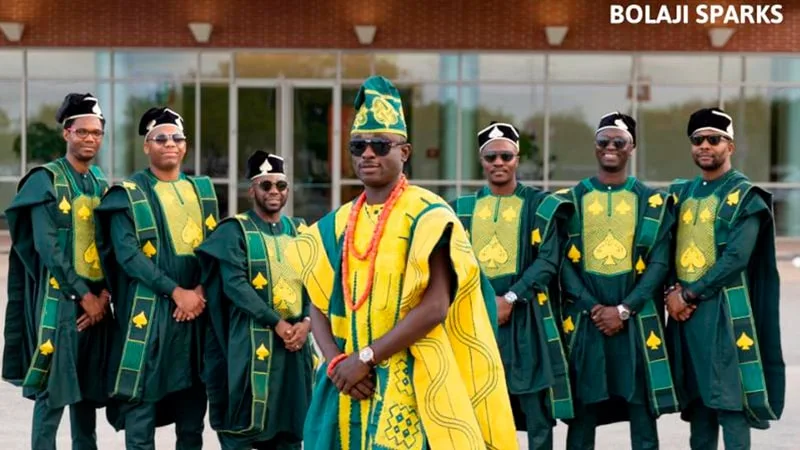
The Ceo Of Bolaji Sparks Muses On Redefining African Fashion With An International Influence.

Under the inspiring leadership of Olumoh Habeeb, Bolaji Sparks has become a boundary-pushing force in the vibrant world of African design.
Bolaji Sparks has gained recognition for combining traditional depth with modern flare through its extensive selection of clothes and accessories. Notable celebrities and worldwide figures are among the brand’s many admirers.

Bolaji Sparks is a globally renowned brand that was born out of Olumoh Habeeb’s initial idea to reinvent African fashion.
Bolaji Sparks has emerged as a representative of exceptional style thanks to his fervent dedication to upholding heritage while embracing current aesthetics.

The influence of the brand is felt globally and goes beyond regional recognition. Bolaji Sparks has dressed a remarkable number of celebrities, creating a lasting impression on their sense of style.
Bolaji Sparks has emerged as the go-to brand for anyone looking for elegance and cultural identity, thanks to the glitzy appearances of Tonto Dikeh, the dapper looks of Ali Nuhu, and the diverse fashion sense of Timi Dakolo.

The loyal clientele of Bolaji Sparks spans several nations, including the United States, the United Kingdom, Ghana, Cameroon, Japan, Canada, the Gambia, Texas, and more. His impact extends well beyond the boundaries of Nigeria.

The fact that Bolaji Sparks’ designs are so widely recognized throughout the world is evidence of their ability to speak to those who value the raw beauty of Africa.
Being inclusive and serving men, women, and children is what, in the CEO’s opinion, makes Bolaji Sparks unique. Our brand’s mission is for everyone to be able to accessorize themselves with clothing that embodies their rich African heritage.

“We provide an extensive assortment of carefully designed agbadas, modern suits, and casual apparel to accommodate every preference and event,” he continued.

Through creative design, Olumoh Habeeb hopes to preserve cultural history through Bolaji Sparks, a brand that specializes in more than just clothes. The kaftans, suits, and agbadas are more than just clothes; they’re visual stories that skillfully combine ancient customs with contemporary design standards.

African design will be not only accepted but praised globally, according to Olumoh Habeeb, as Bolaji Sparks confidently enters the global arena. An increasing need for genuine, culturally relevant fashion on a global scale is indicated by the brand’s international expansion.

Content courtesy of  Daily Times Nigeria & NFH 

These Are The Top Trendsetting Fashion Capitals In Africa

Oh, what a magnificent invitation! My wanderlust is already tingling with anticipation. To traverse the vibrant tapestry of African fashion, unearthing the hidden gems and established trendsetters, it’s like stepping into a kaleidoscope of creativity! I’m particularly intrigued by this “mélange” you mentioned—the intoxicating blend of tradition, innovation, and flamboyant flair. This promises to be a journey that will not only dazzle our eyes but also stir our souls.

So, where shall we begin our sartorial safari? Shall we dive into the bustling, trendsetting energy of Lagos, where contemporary designers like Orange Culture and IAMISIGO are redefining African luxury? Or perhaps we’ll wander the sun-drenched streets of Dakar, where vibrant wax prints and avant-garde creations by Selly Raby Kane dance in a captivating fusion. The possibilities are as endless as the Savannah skies!

But remember, dear friend, our voyage through African fashion extends beyond runway spectacles and glittering boutiques. It’s about delving into the beating heart of communities, where skilled artisans breathe life into generations-old techniques. It’s about exploring bustling marketplaces, where fabrics whisper tales of ancestors and beads sing with vibrant emotions.

As we embark on this adventure, let’s keep our minds open, our hearts receptive, and our senses attuned to the symphony of colors, textures, and stories woven into the very fabric of African fashion. I have a feeling this sartorial odyssey will leave us forever changed, our perceptions broadened, and our wardrobes yearning for a touch of African magic.

So, are you ready, fellow adventurer? Shall we raise a glass of hibiscus tea and toast to the vibrant soul of African fashion? The runway awaits!

1. Lagos, Nigeria: The Afro-Chic Epicenter
Fashion is a way of life in Lagos, not merely a statement. The vivid colors, eye-catching patterns, and unique designs that adorn the runways reflect the city’s pulsating energy.
This city is a sanctuary for well-known designers as well as up-and-coming talent and the home of the Lagos Fashion and Design Week.

You may find a rainbow of fabrics in Balogun’s bustling markets, each telling a story of artistry and skill.
Similarly, the avant-garde creations of Lisa Folawiyo and the exquisite grace of Deola Sagoe demonstrate how Lagos blends contemporary with tradition.

2. South Africa’s Johannesburg: Where African Soul and Urban Edge Collide
Johannesburg is a wonderful example of how to successfully blend African authenticity with modern flair. Furthermore, Johannesburg’s burgeoning fashion industry has made it a center for avant-garde designers who are influenced by the city’s rich cultural diversity.

Furthermore, South African Fashion Week hosts an amazing event that features the best regional designers and artists.
Designers that combine modern designs with tribal inspirations, such as Thebe Magugu and Laduma Ngxokolo, provide a distinct taste.

3. Nairobi, Kenya: Where Nature And Couture Converge
Nairobi skillfully combines the colors of nature with high fashion. In addition, Kenya’s fashion industry has a range of designs inspired by wildlife, eco-friendly fashion initiatives, and a commitment to showcasing African workmanship.
Discover textiles and beading in the Maasai marketplaces that have influenced artists such as Adele Dejak, Katungulu Mwendwa, and Kiko Romeo, among others.
Nairobi is also a custodian of timeless elegance and the environment because of the increased focus on sustainable fashion.

4. Dakar, Senegal: A Melting Pot of Afro-Futurism
Dakar, the seaside gem of Senegal, is a style paradise where futurism and tradition coexist. The story of the city’s fashion scene is always changing as designers embrace Afro-futurism and push the envelope of what is conceivable.
Designers like Sophie Zinga and Adama Ndiaye, who combine tradition with a forward-thinking style, are at the vanguard of this futuristic movement, as seen at Dakar Fashion Week.

5. Accra, Ghana: Where Heritage Takes Center Stage
Accra is a live example of how beautifully African history can be incorporated into modern design.
Accra, a city rich in culture and history, is evident in its fashion, which embodies both a strong tie to the past and an openness to contemporary inspirations.
Ghana Fashion & Design Week presents the wide range of talent in the nation, from the Afro-fusion designs of Christie Brown to the Afro-bohemian aesthetics of Duaba Serwa.

Content courtesy of Travel Noire & NFH

The Adehyie Collection: An Icon Of African Women’s Intelligence Is Unveiled By Sarah Nana

The latest Ankara designs by Creative Director Sarah NanaAba Adjei, a part of the new ADEHYIE COLLECTION, have been presented in an intriguing exhibition of innovation and cultural expertise. This collection, a colorful grouping of 15 original patterns that each provide a unique interpretation of the rich, traditional Ankara textiles, is a tribute to the intelligence of African women.
It is evidence of African women’s tenacity, heritage, and contribution to fashion.

https://www.instagram.com/p/CdsGGphs8_Y/?utm_source=ig_web_copy_link&igsh=MjJkMmIyYzQxYw==

A Triumph Amid Global Challenges
The African fashion industry has persevered in innovating despite the global pandemic and the resulting constraints that have affected firms across the continent.
Designers who have overcome adversity and used it as a springboard to produce works of art that speak to their audience include Sarah Nana.
A brilliant illustration of this tenacity is the ADEHYIE COLLECTION, which showcases Sarah Nana’s extraordinary inventiveness and her singular way of fusing traditional African patterns with contemporary components.

Floral Meets Lace in African Elegance
The patterns in the collection include a sophisticated fusion of African aesthetics with delicate lace and flower accents.
The result is an amazing selection of clothing alternatives for fans and anyone wishing to incorporate some Afrocentric elegance into their outfits. Every design is a conversation piece that gives women the freedom to express who they are while honoring their African cultural background.

An Invitation to Embrace African Fashion
The ADEHYIE COLLECTION by Sarah Nana is more than just a clothing brand.
It’s a call to action, an appeal for women everywhere to embrace African fashion and proudly display these unique looks.
The collection represents a lively fashion revolution that is poised to reshape global fashion standards and intends to introduce Ankara’s female fashion to a wider audience.

Content  courtesy of BNN Breaking, Sarah Nana & NFH

Fashion First Black Voices in Fashion

The fashion industry’s external look might give the impression that race and religion are unimportant, particularly in this enlightened period where everyone is encouraged to wear fashion. The fashion industry’s external look might give the impression that race and religion are unimportant, particularly in this enlightened period where everyone is encouraged to wear fashion.
But in the background, black people and people of color (POC) in 2023 are still fighting for acceptance and recognition in a field where their abilities and voices have not received the same attention as those of white people.

There is a widespread belief that POCs in positions of authority should uphold the discriminatory status quo rather than serve as a model for other POCs. Every fashion week season, when POC and black people frequently experience racial prejudice and find opportunities to vent their grievances, brings this imbalance to light.

Our goal at The Garnette is to raise awareness of the persistent problems ailing the fashion industry and act as a catalyst for change.
To offer a thorough perspective, we consulted black fashion industry experts. Fashion stylist Jacques Point du Jour discusses

“Having your knowledge and opinions discounted as being less valuable than those of a white person while sitting in a room is one of the biggest challenges I’ve encountered time and time again. Then, after having to consider other options that weren’t great in the first place, your original idea ends up being the one that gets chosen in the end.”
Many black people in the field may relate to this scenario, which serves as further evidence that they are not skilled enough or have the necessary abilities to be given serious consideration.

With years of expertise in the beauty and fashion industries, Maria Atubiga is a makeup artist and businesswoman. She expresses her viewpoint as a black woman, saying, “My experience as an HMUA has been mixed.” We are undoubtedly underrepresented in the fashion industry.

Because of negative experiences in the past with artists who were unfamiliar with their hair kinds and tones, she draws attention to occasions during fashion week when Black and Brown models carried their foundation in their purses. Maria calls on designers to promote inclusivity and highlights the need for greater black and brown representation in the fashion industry.

Black creatives have often expressed worries about being marginalized or disregarded in a field that has greatly benefited from black culture. Hip-hop culture’s strong effect on streetwear is partly responsible for the present fashion industry’s appeal. Street fashion pioneer Will Smith, a black guy from Philadelphia, was instrumental in taking streetwear from the pavement to the catwalk and beyond.

From the 1920s through the 1960s, Ann Lowe, an African-American fashion designer who paved the way, received recognition for her distinctive designs. Lowe’s fortitude in the face of racial discrimination enabled her to launch Ann Lowe Originals on Madison Avenue in 1968. Her long impact is highlighted by the Metropolitan Museum of Art, which is now honoring her extraordinary work.

Even though these are only a handful of the accomplishments black people have made in the fashion industry, these trailblazers sometimes don’t get the recognition or appreciation they so well deserve. “I’ve definitely had to fight for jobs and bylines against people who did not have my resume but came with a certain ‘look’ or the connections already,” says a fashion insider, sharing insight into their experiences.

Even though initiatives like Fashion for All, Black in Fashion, and 15 Percent seek to address issues of diversity, getting into these venues is still difficult.
For blacks and POCs in the fashion business, these efforts provide them with a voice and a community, although entry may be limited for newbies or those without social capital. Diversity in these settings may become more reachable with more comprehension and an honest discussion about how to bring about meaningful change.
The purpose of this piece is to contribute to the ongoing discussion on diversity and inclusion in the fashion industry by encouraging more candid and open communication.

Content courtesy of The Garnette Report & NFH

Let Me Introduce You To Charis Jones, The Fashion CEO Transforming Lives In Africa And Beyond

The first black female entrepreneur to construct two dorms for girls at an African education facility in Kenya is Charis Jones, the CEO and Creative Director of Sassy Jones.
Through her activities, prepubescent girls have grown into confident young ladies while living apart from the guys. A portion of each purchase made by the company is used to fund supplies that help combat the scourge of menstruation poverty and promote academic success in Kenya.
Sassy Jones created a collection to honor the brand’s charitable endeavors, drawing inspiration from priceless moments spent with children and tribes.
Sassy Jones is a fast-rising fashion and cosmetics firm that, in the previous four years, has grown its income by over 12,000% with no investments.

While caring for her five-month-old twin babies, Charis sold her Mercedes-Benz in 2015 to raise money for a trade show tour. Even though the tour was rewarding, she was physically and financially worn out. She swiftly came up with a pivot plan and constructed The Sparkle Party®, a pop-up store exhibit in her kitchen to style her items via livestream.
At this point, the brand started to have a worldwide influence on women’s lives by encouraging them to live bold lifestyles.

Currently, more than 30,000 spectators watch the Sparkle Party® every week to feel more powerful, not only because of their appearance but also because they may learn from Charis how to be confident, stop talking bad to themselves, and regain control of their destiny.

“Your inspiration has brought me through some dark times during COVID,” stated Rachel C., a client from Atlanta. “Whenever I wear my Sassy Jones pieces, I instantly feel like I can conquer the world.”

The Sassy Jones name is a ministry, and the merchandise is only a means of promotion. 90% of the employees at Charis Jones’ fashion brand are women, and 100% are minorities.
After three listings, the brand has risen to a coveted high position of #24 on the esteemed INC 5000 list.

In the upcoming years, Sassy Jones intends to keep putting independent growth first. When asked what her secret sauce is, Charis said, “I’ve always been more interested in a woman’s feelings in our paintings than her appearance. In contrast, this is typically not the case in the industry. In short, we provide confidence for sales.

Media contact:
Dina Bernard
Brand Manager
press@shopsassyjones.com

Content  courtesy of Charis Jones, PR News Wire & NFH


“Africa Can Be Transformed By Fashion”: The Trailblazing Designers Seeking Unimaginable Opportunities

Style and skill abound, but experts claim that until Africa invests in its textile sector, it will never reach its full potential.
The designers and tailors at a tiny Lagos fashion company are hard at work carving precise lines through the large rolls of cloth. Designer Oroma Cookey-Gam, co-founder of This is Us, says, “Cotton T-shirts were the first item we produced.”
The company uses locally grown cotton to create modern Nigerian designs, such as oversized shirts, jumpsuits, and kaftans.
Cookey-Gam travels to the Funtua textile mill, one of the few fully functional mills in the nation, in Katsina, the northern region, once a month to get the cotton.

The cloth is then hand-dyed into colors of indigo for up to eight hours in the Kofar Mata dye pit in Kano, the oldest pit in Nigeria, a three-hour trip away.
Cookey-Gam used to buy cotton from Turkey and Morocco, but she started a year-long quest in 2016 to find suppliers inside her nation.
Even though cotton is grown in two-thirds of African countries, with some of the continent’s biggest producers located in West Africa, more than 81% of it is exported from sub-Saharan Africa, leaving little for domestic use.
According to recent Unesco research, the region’s economic prospects were being negatively impacted by exports, which were limiting the expansion of the textile and apparel sectors.

Ernesto Ottone is the assistant director-general for culture at Unesco. “Africa is exporting something that could create a huge industry and an enormous number of jobs,” Ottone adds.
Like other African countries, Nigeria’s textile sector flourished in the 1960s and 1970s before collapsing when a flood of secondhand and foreign-made clothing entered the continent as a result of trade liberalization measures.
Nowadays, sourcing materials presents significant hurdles for companies such as This is Us.

According to Cookey-Gam, Nigerian ginsneries, which extract the seeds from cotton, deal with big orders and are hence less interested in selling to fashion companies. “The mill didn’t take us seriously when we initially visited there. She explains how she teamed up with other businesses to generate large purchases, saying, “They said they can’t work with fashion because the orders are not big enough.”

African-made products have become more and more popular throughout the world in recent years, thanks to the rise of Afrobeats and contemporary cultural representations of the continent like the Black Panther movies. Beyoncé, Naomi Campbell, and Chimamanda Ngozi Adichie are among the well-known black individuals who have supported the work of regional and diaspora designers.

Younger people have adopted modern twists in African architecture and materials in fashion. Burkina Faso-born designer Sébastien Bazemo has contributed to the resurgence of fashion for the vibrant Kôkô Dunda cloth. Additionally, there are currently over 30 fashion weeks held annually around the continent.

According to businesswoman Omoyemi Akerele, who oversees Lagos’s yearly fashion week, “it’s a season of ownership.” “In the past few years, creators and designers have doubled down to communicate and re-emphasize who they are in a way that’s true to themselves and the communities they represent. Before now, [the African fashion industry] pandered a bit to the Eurocentric gaze.”

“Made in Africa” campaigns have gained popularity recently, particularly among the continent’s expanding middle class. However, African designers claim that their creations are still too expensive for many Africans to purchase because of the high expenses associated with producing and importing basic materials, which has an impact on final prices.
The primary customer base for This is Us comprises African diaspora residents and Nigerian creatives, with items priced between 50,000 and 150,000 Nigerian naira (£50 and £150).
Famous Nigerien designer Alphadi (Sidahmed Seidnaly) is in favor of proposals for African nations to increase the production of non-cotton textiles and restrict textile imports.
Even though the fashion industry on the continent is becoming more well-known, he claims that policy and investment assistance are still lacking.

Citing well-known European designers, he claims that “investors, buyers, and policymakers, who can make African fashion take off, do not understand the difficulty of being an African designer.” “People wager on them, and in this industry, that can mean the difference between success and failure.”

The designer, who operates in the city of Niger, Niamey, as well as in the Ivory Coast and Morocco, claims that he has had to invest a significant amount of his cash to continue in business, even though he is one of the continent’s fashion pioneers.

African fashion investors claim that while funding individual designers is popular, fundamental problems like local manufacturing capacity that financiers and legislators need to address for the sector to thrive are not addressed. They assert that in the absence of such steps, investments would only result in transient success as opposed to long-lasting, expandable companies.
“We need to look at building the infrastructure and giving the capacity for designers to thrive—for them to access different textiles locally,” says Roberta Annan, creator of the Impact Fund for African Creatives (IFFAC), an organization that invests in creative enterprises across Africa.

To grow the industry, IFFAC provides grants and investments of up to £1.7 million to sustainable fashion enterprises. To boost domestic textile production, it recently purchased a government-owned mill in Ghana.
Such initiatives, according to designers, have the potential to be revolutionary.
According to Cookey-Gam, “African fashion is still very young, and we need [various] elements to make things at high quality.” “Fashion is a tool we can use to improve people’s lives and employs a lot of people.” It has the power to alter the continent.

Content Courtesy of The Guardian & NFH

Ad