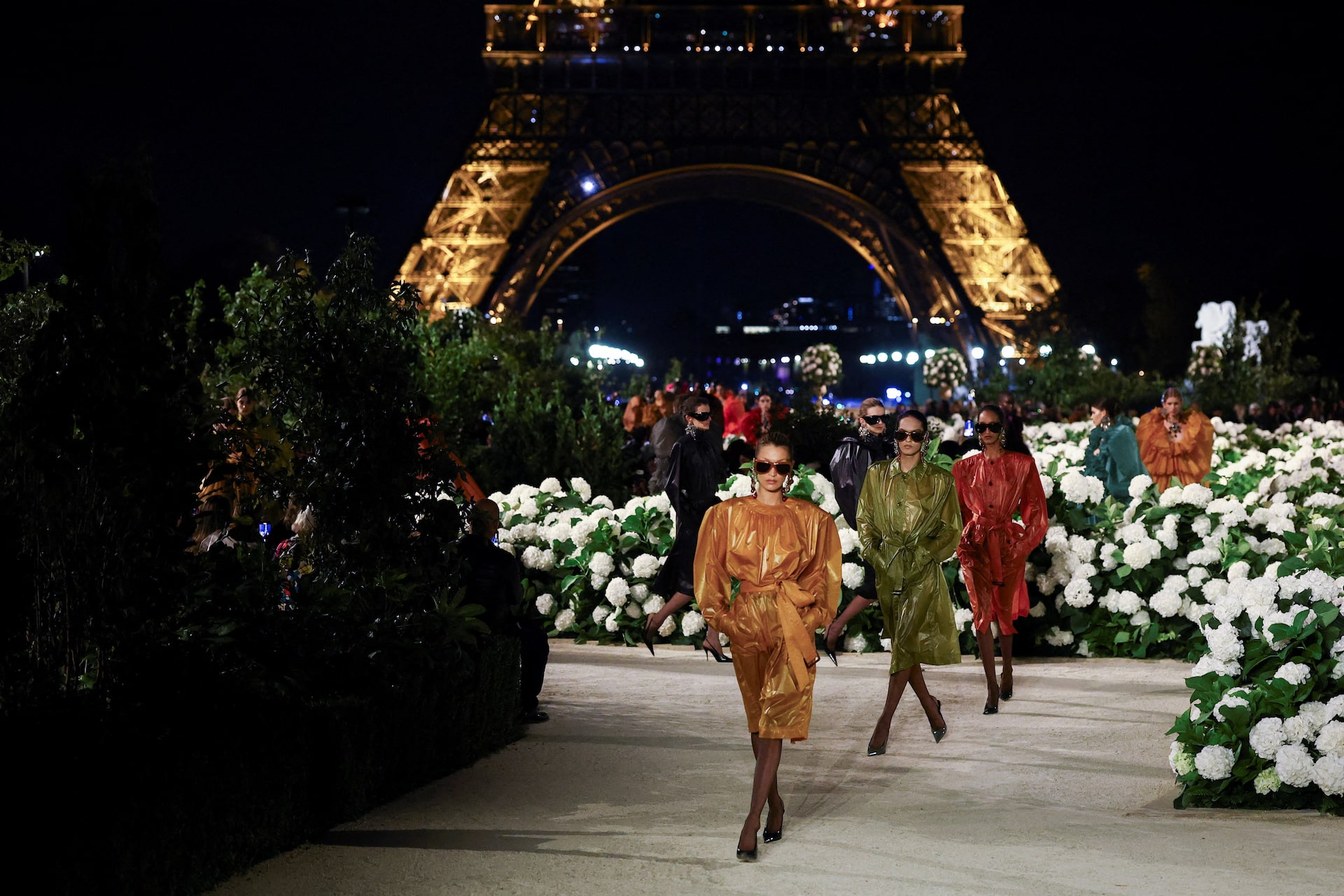
Thursday 22nd of October 2026

Nairobi, Kenya

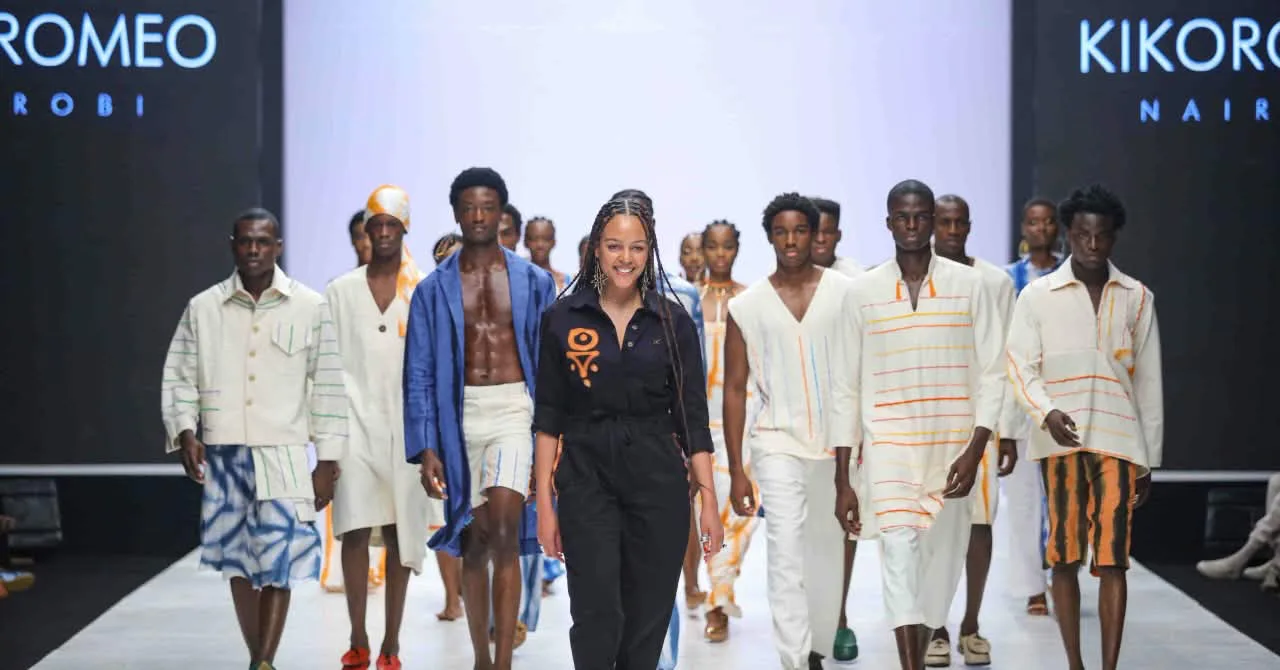
KikoRomeo Unveils Ewala Collection at Moscow Fashion Week 2026

KikoRomeo Takes Kenyan Fashion to Moscow Fashion Week with the ‘Ewala’ Collection

Kenyan heritage, contemporary tailoring and sustainable craftsmanship take centre stage as KikoRomeo presents its acclaimed Ewala collection in Moscow

MOSCOW, RUSSIA / NAIROBI, KENYA — October 2026

Kenyan fashion has taken another significant step onto the international stage as pioneering fashion house KikoRomeo presented its acclaimed Ewala collection at Moscow Fashion Week on October 1, 2026.

The collection was unveiled at the iconic Central Exhibition Hall Manege in Moscow, where KikoRomeo presented its distinctive interpretation of contemporary Kenyan fashion to an international audience of editors, buyers and fashion-industry leaders.

Facilitated by Nairobi Fashion Week, the presentation marked an important moment for Kenya’s creative economy, placing a longstanding Kenyan fashion house within an international fashion environment while showcasing the country’s craftsmanship, material innovation and evolving design identity.

KikoRomeo brings ‘Ewala’ to the Moscow runway

Under the creative direction of Ann and Iona McCreath, the Ewala collection explores the relationship between structure, drape and material intelligence.

The collection moves between sharply defined architectural tailoring and softer, fluid forms, creating a visual conversation between precision and movement.

At the heart of the collection is an emphasis on materials and craftsmanship.

KikoRomeo incorporated rainfed organic cottons, handloom textiles, hand-carved coconut-shell buttons and brass hardware, bringing together locally rooted material traditions with contemporary construction techniques.

The collection also places zero-waste garment construction and long-form craftsmanship at the centre of its design philosophy.

Rather than chasing rapidly changing fashion cycles, Ewala focuses on the longevity of design, craftsmanship and the stories embedded within the garments.

The result is a collection that presents Kenyan fashion not simply as a cultural reference, but as a contemporary design language capable of engaging an international audience.

A new chapter for Kenyan fashion

For KikoRomeo founder Ann McCreath, taking Ewala to Moscow was about more than presenting a collection outside Kenya.

It was an opportunity to use fashion as a vehicle for cultural exchange and to introduce international audiences to the creative thinking, craftsmanship and storytelling emerging from Nairobi.

“The Ewala collection is a direct reflection of Kenya’s evolving design identity,” said Ann McCreath, Founder of KikoRomeo. “Bringing this work to Moscow was about using fashion as a medium for true cultural exchange sharing the deep storytelling, artistic intent, and handcraft heritage coming out of Nairobi today.”

That philosophy is reflected throughout Ewala, where traditional material knowledge meets contemporary silhouettes and construction.

The collection demonstrates how Kenyan designers can draw from their cultural and material heritage while developing fashion that speaks to an international audience.

Nairobi to Moscow: creating new opportunities for Kenyan designers

The KikoRomeo presentation forms part of a broader international initiative being driven by Nairobi Fashion Week to connect Kenyan fashion with new markets and international industry networks.

The objective extends beyond putting Kenyan designers on overseas runways.

It includes creating opportunities to introduce Kenyan fashion to new consumers, highlight the country’s material innovation and strengthen Kenya’s position within the international fashion industry.

For a fashion industry such as Kenya’s, international exposure can create an important bridge between local creative talent and global audiences.

Designers, artisans, models, photographers, stylists and other creative professionals can benefit when Kenyan fashion is presented within established international fashion environments.

KikoRomeo’s Moscow presentation provides one example of how those connections can translate into greater visibility for Kenyan design.

Brian Kihindas: ‘Kenyan fashion operates at an international standard’

For Brian Kihindas, Creative Director of Nairobi Fashion Week, the KikoRomeo presentation represents evidence of the growing international relevance of Kenyan fashion.

“Kenyan fashion operates at an international standard,” said Kihindas. “KikoRomeo’s reception at the Manege proves that our fashion industry isn’t just participating in the global conversation it is actively shaping it.”

His remarks place the Moscow presentation within a larger ambition for Kenya’s fashion industry: moving from being an observer of international fashion conversations to becoming an active contributor to them.

The KikoRomeo showcase demonstrates how established Kenyan fashion houses can use international platforms to communicate their design philosophies, craftsmanship and creative identity directly to global audiences.

Craftsmanship at the heart of modern Kenyan design

One of the defining characteristics of Ewala is its emphasis on craftsmanship.

The collection’s use of handloom textiles and hand-carved coconut-shell buttons highlights the relationship between fashion and skilled manual production, while the incorporation of brass hardware introduces a more contemporary material dimension.

Rainfed organic cottons further connect the collection to a material-conscious approach to fashion.

Together, these elements create a collection where the materials themselves contribute to the narrative.

For KikoRomeo, craftsmanship is not treated as an afterthought. It is part of the design process and central to the identity of the collection.

The emphasis on zero-waste garment construction also reinforces the collection’s focus on responsible design and long-term value rather than disposable fashion.

Architecture meets fluidity

Visually, Ewala is defined by contrasts.

Architectural tailoring provides structure and definition, while fluid forms introduce movement and softness.

This balance creates a collection that reflects the duality at the heart of contemporary fashion: the discipline of construction alongside the freedom of movement and expression.

The approach also allows the garments to communicate without relying solely on overt cultural motifs.

Instead, Kenyan identity is expressed through material choices, craftsmanship, construction and design philosophy.

That makes the collection part of a wider conversation about how African designers are defining contemporary fashion on their own terms.

Kenyan fashion on the global stage

KikoRomeo’s appearance at Moscow Fashion Week comes at a significant time for the global fashion industry, as designers and fashion houses continue to explore questions around cultural identity, sustainability, craftsmanship and responsible production.

For African fashion, the international conversation is increasingly shifting towards the work of designers who are building globally relevant brands while remaining connected to local creative ecosystems.

KikoRomeo’s journey from Nairobi to Moscow illustrates that approach.

The house’s design language remains rooted in Kenya, while its presentation is designed to communicate across borders.

That ability to maintain cultural identity while engaging with international fashion audiences is increasingly important in a global industry where consumers are looking for authenticity, craftsmanship and meaningful stories behind the clothes they wear.

More than a runway show

The Ewala presentation was more than a showcase of garments.

It was an opportunity to present Kenyan design, craftsmanship and creative thinking to an international fashion audience.

It also reinforced the role of fashion as a cultural bridge.

For KikoRomeo, the Moscow runway became a space where Kenyan material heritage could meet international fashion perspectives.

For Nairobi Fashion Week, it represents part of an ongoing effort to create pathways between Kenyan designers and international markets.

And for Kenya’s broader creative economy, it provides another example of how fashion can contribute to the country’s international cultural presence.

From Nairobi to Moscow

KikoRomeo’s presentation of Ewala at Moscow Fashion Week 2026 places Kenyan fashion firmly within an international runway conversation.

With its combination of architectural tailoring, fluid silhouettes, organic materials, handloom textiles, handcrafted details and zero-waste construction, the collection presents a vision of Kenyan fashion that is rooted in heritage while looking firmly towards the future.

The message from Moscow is clear: Kenyan fashion is evolving, but it does not need to abandon its roots to become globally relevant.

From Nairobi’s creative scene to the runway at Manege, KikoRomeo has used Ewala to demonstrate how Kenyan craftsmanship, cultural storytelling and contemporary design can travel across borders and speak to the world.

And as Nairobi Fashion Week continues to build international connections for Kenyan designers, presentations such as this could become an increasingly important part of Kenya’s fashion story one defined not only by participation in global fashion, but by the ability to contribute its own ideas, materials, craftsmanship and creative voice.


Content Courtesy of KikoRomeo, Nairobi Fashion Week & NFH Digital Team 

Paris Fashion Week 2026: Givenchy, Louis Vuitton, Lacoste and the African Fashion Revolution of SS27

Paris Fashion Week 2026: A New Chapter for Global Fashion.

Paris once again became the centre of the international fashion calendar as Paris Fashion Week Spring/Summer 2027 unfolded from September 28 to October 6, 2026, bringing together some of the world’s most influential fashion houses, established creative directors, emerging designers and a new generation of models.

Organised by the Fédération de la Haute Couture et de la Mode (FHCM), the women’s ready-to-wear season featured a packed official calendar of shows and presentations, with major houses including Christian Dior, Saint Laurent, Chanel, Givenchy, Louis Vuitton, Lacoste, Miu Miu, Valentino, Balenciaga, Loewe, Celine, Hermès, Chloé, Tom Ford, Balmain, Mugler and Jean Paul Gaultier, alongside independent and emerging labels.

But Paris Fashion Week 2026 was about more than luxury houses.

It was also a season of creative transition, African representation, new designers, changing consumer behaviour, sustainability, lighter clothing, stronger cultural identity and fashion responding to a rapidly changing world.

The season’s official schedule contained 68 shows, alongside presentations, showrooms and fashion-related events. The season also marked important returns to the calendar and introduced new creative leadership at selected houses.

And for Africa, the significance was particularly profound.

For the first time, MaXhosa Africa, founded by South African designer Laduma Ngxokolo, presented a full runway show on the official Paris Fashion Week calendar — a major milestone for African fashion on one of the world’s most influential fashion platforms.


Day One — September 28: Africa Opens Paris Fashion Week

The opening day immediately established one of the strongest narratives of the season.

The official calendar began with names including Julie Kegels, Fidan Novruzova, Kimhekim, Weinsanto, Vautrait, MaXhosa Africa, Hodakova and Matières Fécales.

But the defining moment belonged to MaXhosa Africa.

MaXhosa Africa makes history

For Laduma Ngxokolo, the MaXhosa Africa show was not simply another runway presentation.

It represented 16 years of building an African fashion identity into an international luxury proposition.

The Spring/Summer 2027 collection, titled “Izihlwele Zivumile”, which the house describes as meaning “the ancestors have approved”, brought Xhosa heritage, South African craftsmanship and contemporary luxury to the official Paris runway.

The collection was presented at the South African ambassador’s residence in France, with locally sourced wool and production connected to the brand’s facilities in Johannesburg and East London.

The clothes drew from Xhosa geometric language and broader African cultural references, with garments featuring references to African countries and a contemporary interpretation of heritage.

The presentation also included an important Kenyan connection: Kenyan artist Cyrus Kabiru contributed eyewear created from waste materials, while South African musician Sjava provided the soundtrack.

This made MaXhosa one of the clearest symbols of the season’s growing conversation around African fashion, craftsmanship and cultural ownership.

It was also significant because MaXhosa had previously appeared in Paris through presentations; September 28 marked the transition to a full runway show on the official calendar.

Matières Fécales makes a statement

Later that evening, Matières Fécales, the Montreal/Paris creative project of Hannah Rose Dalton and Steven Raj Bhaskaran, presented one of the week’s most politically charged shows.

The designers presented 99 looks, with the number symbolising the 99%. The show featured an all-person-of-colour model cast, making representation itself part of the collection’s message.

It was an unusually direct statement for a fashion runway: fashion as clothing, performance, politics and social commentary at the same time.


September 29: Dior, Saint Laurent and the Return of the Major Houses

The second day moved Paris into blockbuster territory.

Christian Dior, Saint Laurent, Maison Margiela, Ganni, Mame Kurogouchi, Burç Akyol, Marie Adam-Leenaerdt and others occupied the calendar.

Dior was particularly important because Jonathan Anderson was presenting his third women’s ready-to-wear collection for the house, part of a wider season in which several newly appointed creative directors were beginning to establish their identities.

Saint Laurent, under Anthony Vaccarello, continued its highly recognisable language of glamour, sensuality and powerful silhouettes.

The day demonstrated one of the defining characteristics of Paris Fashion Week SS27: fashion houses were no longer simply introducing seasonal clothes; they were establishing new creative eras.


September 30: New Creative Voices Take the Stage

September 30 brought another major chapter with Tom Ford, Acne Studios, Stella McCartney, Dries Van Noten, MaitrePierre, Ruohan, Loulou de Saison, Balmain and Courrèges among the names on the calendar.

Drew Henry’s Courrèges debut

One of the season’s two officially identified major designer debuts came at Courrèges, where Drew Henry presented his first collection for the house.

According to the official schedule, Henry’s debut was one of only two major new creative-director debuts on the SS27 Paris calendar, the other being Kai Nesselrath at Carven.

That made Courrèges one of the collections watched particularly closely by buyers, editors and fashion insiders.

Stella McCartney and sustainability

Stella McCartney continued to place sustainability and animal welfare at the centre of her fashion proposition, reinforcing a broader SS27 conversation about responsible production and the environmental impact of fashion.

The industry’s sustainability agenda was also reflected structurally through FHCM’s partnership with PwC, whose STEP.event platform enables participating houses to assess the environmental and social impact of fashion events and explore lower-impact event design.


October 1: Chloé, Balenciaga and the New Generation of Luxury

The October 1 schedule included Isabel Marant, Schiaparelli, Gauchère, Uma Wang, Rick Owens, Icicle, Balenciaga, Carven, Alainpaul and Chloé.

Chloé: Romance meets practicality

At Chloé, creative director Chemena Kamali presented Spring/Summer 2027 at the Paris Observatory.

Her collection, titled “Obsession,” drew heavily from Chloé’s archives, combining romantic lace, lingerie references, broderie anglaise, ruffles and soft silhouettes with heavier outerwear and tailoring.

The contrast was important: delicate femininity was placed alongside practical, substantial garments.

Balenciaga under Pierpaolo Piccioli

Balenciaga continued its new chapter under Pierpaolo Piccioli, who was among the creative directors reshaping one of Paris’s most recognisable houses.

The season represented the third collection for several newly installed creative leaders, making SS27 something of a test of whether fashion’s recent creative-director upheaval could translate into long-term identities.


October 2: Givenchy, Loewe and the Power of Reinvention

October 2 was arguably one of the most important days of the entire week.

The official calendar brought together Givenchy, Yohji Yamamoto, Victoria Beckham, Casablanca, Marine Serre, Jitrois, Issey Miyake, Loewe, Undercover, Leonard Paris and others.

Givenchy Summer 2027: Sarah Burton’s Vision of the Modern Woman

For Sarah Burton, Spring/Summer 2027 was about clarity.

Her third season at Givenchy explored the question of how women dress when life itself is constantly moving.

Givenchy described the collection as an attempt to create balance and clarity, building a wardrobe around precision, simplicity and adaptability.

Burton approached the collection through highly engineered cutting.

The runway opened with a striking black leather dress, while the collection moved through sharply constructed tailoring, leather, asymmetry, sculptural dresses, jeans, peplum jackets, trench coats and garments designed to shift between different aspects of a woman’s life.

The collection also introduced new handbags designed by Marco De Vincenzo, including slouchy zippered shapes and crescent forms with mirror details.

The result was a Givenchy woman who appeared simultaneously powerful, practical, sensual and prepared.

Givenchy’s runway cast

The show featured 57 recorded models, according to FashionDB’s runway database, with Nyaduola Gabriel opening and Sarah Isaksen closing. The recorded cast included major names such as Liu Wen, Mona Tougaard, Agel Akol, Awar Odhiang, Rejoice Chuol, Achol Ayor, Soo Joo Park, Eva Herzigova and Fatou Mbaye.

The show also recorded three runway debuts, although the available database cautions that its cast information remains provisional rather than an official Givenchy-issued cast list.

The African and African-diaspora presence was particularly visible, with South Sudanese-Canadian models including Awar Odhiang, Agel Akol and Rejoice Chuol, alongside other models of African heritage.


Casablanca: African and Global Identity Collide

Another important October 2 presentation came from Casablanca, founded by Moroccan-French designer Charaf Tajer.

The Spring/Summer 2027 show featured 46 recorded models, with Sayonara Araujo opening and Lais Garcia closing.

The cast included models such as Saliou Gueye, Fama Diop, Opeyemi Ajibola, Bukki Musafiri and Moussa Sanogo, adding another layer of African representation to the Paris runway.

Brazilian singer Ludmilla also attended the Casablanca show wearing a look created specifically around the brand’s Spring/Summer 2027 collection.

Casablanca’s presence was significant because the label sits naturally between Parisian luxury, Moroccan heritage, travel culture and a distinctly contemporary global identity.


October 3: Celine, Hermès, Elie Saab and the Power of Craft

October 3 brought another heavyweight group:

Ann Demeulemeester, Hermès, Comme des Garçons, Elie Saab, Vivienne Westwood, Nehera, Noir Kei Ninomiya, Celine, Niccolò Pasqualetti, Junya Watanabe and Barbara Bui were among the official collections.

Celine under Michael Rider

At Celine, Michael Rider continued to define his vision for the house with a collection that drew on Parisian ease, 1970s references and a more relaxed interpretation of luxury.

Hermès: quiet luxury in motion

At Hermès, Nadège Vanhée continued to explore sensual minimalism and lightweight clothing an especially relevant direction during a season in which heat, climate and changing lifestyles influenced many designers.

Elie Saab

Lebanese designer Elie Saab once again brought his distinctive couture sensibility into the ready-to-wear environment, maintaining the Middle Eastern fashion house’s strong Paris presence.


October 4: Lacoste Turns Roland-Garros Into a Runway

Then came one of the most visually memorable shows of the season.

Lacoste Spring/Summer 2027: “No White Required”

Pelagia Kolotouros, Lacoste’s creative director, took the Spring/Summer 2027 collection to the Philippe-Chatrier central court at Roland-Garros.

Instead of treating the tennis court as a pristine white-and-green symbol, Kolotouros turned its clay into part of the collection’s visual language.

The runway itself traced an infinity loop across terre battue, while clay was used almost like a fashion material.

The collection revisited the history of tennis clothing and the rebellious legacy of René Lacoste and Suzanne Lenglen.

Lacoste’s traditional preppy codes were loosened.

Garment-dyed cottons, washed fabrics, relaxed tailoring, tropical wool, technical jerseys and breathable materials created a wardrobe built around movement rather than rigid uniformity.

Colours moved from clay and mineral earth tones to cobalt blue, acid yellow and silver.

Oversized piqué polos were layered with technical jerseys. Tracksuits, pleated skirts, loose tailoring, wide trousers and technical outerwear transformed tennis vocabulary into contemporary streetwear.

Even white garments appeared deliberately stained with clay turning imperfection into a symbol of movement and effort.

Lacoste models

FashionDB recorded 40 models in the Lacoste SS27 runway cast, with Josefa Santos opening and Bella Novello closing.

The cast included models such as Agel Akol, Aluel Keror, Aluel Makuach, Alyssa Traoré, Saliou Gueye, Farida Ebene, Noemi Kassa, Yahne Ba and Evelyn Effrim.

Notably, Agel Akol, a South Sudanese-Canadian model, was also part of Givenchy’s cast, demonstrating how models from African backgrounds were increasingly visible across major Paris houses.


Mossi Traoré: African Heritage in a Different Parisian Language

October 4 also brought Mossi, the label founded and creatively led by Mossi Traoré.

The Spring/Summer 2027 presentation drew inspiration from Père-Lachaise Cemetery, using tombs, stone, vegetation and the passage of time as creative references.

The resulting collection explored muted grey, green and natural tones, creating an atmosphere that was poetic rather than overtly commercial.

The presentation featured 16 models, with Ani Cuevas opening and Melisa Turkmen closing.

It also provided one of the clearest examples of emerging-model activity during the week.

FashionDB recorded Nyibol Dok Jok of South Sudan and Kadiata Ba of France among the models making their brand debuts at Mossi’s SS27 presentation.


October 5: Chanel, Sacai and Miu Miu

By October 5, the week was approaching its climax.

The schedule included Chanel, Agnès b., Florentina Leitner, Zimmermann, Time, Gabriela Hearst, Abra, Shiatzy Chen, Dice Kayek, Sacai and Ungaro, among others.

Chanel under Matthieu Blazy

Matthieu Blazy continued his Chanel chapter with a collection that engaged directly with the legacy of Gabrielle Chanel.

The show revisited ideas of freedom, femininity and movement, while translating the house’s historic codes into contemporary silhouettes.

The collection reportedly featured 83 looks, with different shoes completing each look another indication of how accessories, particularly footwear, became increasingly important during the SS27 season.

Miu Miu

Miu Miu continued its dialogue between youthful fashion, sportswear and femininity, with Gigi Hadid among the models seen on the runway during the season.


October 6: Louis Vuitton Brings Paris Fashion Week to a Futuristic Close

The final day belonged to Louis Vuitton.

The official schedule included Louis Vuitton, Pierre Cardin, Situationist, Boyarovskaya, CFCL, Christopher Esber and Litkovska.

Louis Vuitton Summer 2027: Fashion for a Warmer World

Creative director Nicolas Ghesquière closed the Paris ready-to-wear season with one of the most conceptually ambitious shows.

The collection responded to a world experiencing rising temperatures.

Instead of heavy, rigid fashion, Ghesquière explored lightweight fabrics, sheer materials, fluid jackets, strappy dresses, pastel shades and wide-slit trousers.

The objective was not simply to make summer clothes look lighter. It was to rethink how luxury clothing can function in a warmer future.

The runway itself became part of the argument.

The Louvre setting was transformed into a futuristic cityscape featuring 34 Damier-inspired flying-car structures, creating an imaginary urban environment in which the collection could exist.

Ghesquière described the concept in terms of the cities of the future asking how people will move through increasingly dense and changing urban environments.

Louis Vuitton’s model cast

FashionDB recorded 47 models, with Harriet Wellock opening and Noor Khan closing. Casting was handled by Ashley Brokaw.

The show also recorded five runway debuts, although, again, the database identifies its cast information as provisional rather than an official Louis Vuitton publication.

Among the major names appearing in Louis Vuitton’s wider SS27 runway activity was Noor Khan, who was one of the season’s strongest runway performers according to FashionDB’s Paris rankings.


African Fashion and Models Were Impossible to Ignore

Perhaps the most important story running beneath Paris Fashion Week 2026 was Africa’s increasing visibility.

The continent was not represented through a single aesthetic.

Instead, Africa appeared through South African knitwear, Moroccan heritage, Malian-French design, African models, African artists, African manufacturing and global African-diaspora creativity.

The designers and houses

The strongest African connections included:

  • MaXhosa Africa — Laduma Ngxokolo, South Africa
  • Casablanca — Charaf Tajer, Moroccan-French
  • Mossi — Mossi Traoré, Mali/French
  • Xuly Bët — Lamine Badian Kouyaté, Mali/France
  • Elie Saab — Lebanese designer and international fashion house with strong Paris presence

Xuly Bët is particularly important historically. Founded in Paris in the early 1990s by Malian-born Lamine Kouyaté, the house has long connected African identity, Parisian fashion and upcycling. The name itself means “Open your eyes wide” in Wolof.

African and African-diaspora models

Among the models documented across the major SS27 shows were:

Awar Odhiang, Agel Akol, Rejoice Chuol, Achol Ayor, Nyaduola Gabriel, Fatou Mbaye, Stella Winfred Nakiria, Aluel Keror, Aluel Makuach, Saliou Gueye, Farida Ebene, Evelyn Effrim, Noemi Kassa, Yahne Ba, Nyibol Dok Jok and Kadiata Ba, among others.

The representation is particularly significant because many of these models appeared across multiple houses rather than being confined to African designers.

FashionDB’s season-wide tracking recorded 1,208 models across 81 shows in its current database, while its rankings identified Athiec Geng, Noor Khan, Awar Odhiang and Mona Tougaard among the leading performers based on recorded appearances and its proprietary scoring system.


New Designers and Emerging Talent

Paris Fashion Week SS27 was also a season of transition.

The two most significant new creative-director debuts highlighted by the official schedule were:

Drew Henry — Courrèges

Henry’s September 30 debut represented the beginning of a new chapter for Courrèges.

Kai Nesselrath — Carven

Nesselrath presented his first collection for Carven on October 1.

These were the only two major new creative-director debuts specifically identified in the official pre-season schedule, although the calendar also contained numerous emerging designers and returning labels.

SPHERE: Paris’ emerging-designers platform

Behind the main runway schedule, the FHCM’s SPHERE Paris Fashion Week Showroom continued its role as an incubator for emerging talent.

The SS27 SPHERE session took place at the Palais de Tokyo from September 30 to October 6, supported by DEFI and L’Oréal Paris.

The participating brands included:

ACT N°1, Maison J. Simone, Matho, Meruert Tolegen, Riz Poli, Sevali, Vautrait, Victoria Valette and Weinsanto.

This is important because the future of Paris fashion will not be determined only by the traditional mega-houses. It will also be shaped by designers developing new business models, new cultural references and alternative approaches to production.


The Official Paris Fashion Week SS27 Line-Up

The official FHCM collection calendar included the following houses and labels across the September 28–October 6 season:

September 28:
Julie Kegels, Fidan Novruzova, Kimhekim, Weinsanto, Vautrait, MaXhosa Africa, Hodakova and Matières Fécales.

September 29:
Ester Manas, Alexandra Golovanoff, Ganni, Marie Adam-Leenaerdt, Mame Kurogouchi, Christian Dior, Burç Akyol, Maison Margiela, Saint Laurent and others.

September 30:
Tom Ford, Acne Studios, Stella McCartney, MaitrePierre, Dries Van Noten, Ruohan, Loulou de Saison, Balmain and Courrèges.

October 1:
Isabel Marant, Schiaparelli, Gauchère, Uma Wang, Rick Owens, Icicle, Balenciaga, Carven, Alainpaul and Chloé.

October 2:
Givenchy, Yohji Yamamoto, Victoria Beckham, Casablanca, Marine Serre, Jitrois, Issey Miyake, Loewe, Undercover, Leonard Paris and others.

October 3:
Ann Demeulemeester, Hermès, Comme des Garçons, Elie Saab, Vivienne Westwood, Nehera, Noir Kei Ninomiya, Celine, Niccolò Pasqualetti, Junya Watanabe and Barbara Bui.

October 4:
Mugler, Akris, Miu Miu, Lacoste, Margaret Howell, Mossi, Valentino and Jean Paul Gaultier.

October 5:
Chanel, Agnès b., Florentina Leitner, Zimmermann, Time, Gabriela Hearst, Abra, Shiatzy Chen, Dice Kayek, Sacai and Ungaro.

October 6:
Louis Vuitton, Pierre Cardin, Situationist, Boyarovskaya, CFCL, Christopher Esber and Litkovska.

The full official calendar also contained presentations and additional events beyond the headline runway shows.


Who Supported Paris Fashion Week 2026?

It is important to distinguish official partners from ordinary commercial sponsors of individual fashion houses.

According to the FHCM’s official partners page, the official partners supporting the Paris Fashion Week ecosystem included:

Official Partners

  • DEFI
  • L’Oréal Paris
  • Accor
  • Mercedes-Benz

DEFI supports the French fashion industry and emerging labels, including the SPHERE programme. L’Oréal Paris provides beauty expertise and supports both established and emerging fashion talent. Accor’s partnership centres on hospitality, creativity and innovation, while Mercedes-Benz has maintained a long-running relationship with fashion, design and creative talent.

Broadcasting and Media Partners

The official FHCM partnership network also included:

  • YouTube
  • Google
  • Tencent
  • The Asahi Shimbun
  • CNN Style
  • TikTok
  • Meta

These partnerships helped extend Paris Fashion Week beyond physical venues and into digital audiences around the world.

Professional Partners

The fashion ecosystem was additionally supported by:

  • Launchmetrics
  • Le New Black
  • Institut Français de la Mode
  • Zedonk
  • RSM
  • Stellae International
  • Bureau Future

Sustainability Partner

PwC served as FHCM’s sustainability partner, providing the STEP.event platform for assessing the environmental and social impact of fashion events.

Event Partners

The official event network also included:

  • Palais de Tokyo
  • Air France
  • Paris Musées

And FHCM listed additional support from:

  • Lime
  • Sixt Ride
  • Motocab
  • Café Caron
  • Stockman
  • Novelty
  • Novu

What Paris Fashion Week Spring/Summer 2027 Really Said About Fashion

When the final Louis Vuitton model walked away from the futuristic Louvre installation on October 6, the message of Paris Fashion Week SS27 was remarkably clear.

Fashion is changing.

The most successful collections were not necessarily those with the loudest logos or the most complicated garments. Instead, designers repeatedly explored movement, practicality, climate, femininity, cultural identity, craftsmanship and emotional relevance.

At Givenchy, Sarah Burton asked how women can dress for the many versions of themselves.

At Lacoste, Pelagia Kolotouros challenged the idea that tennis fashion must be pristine and white.

At Louis Vuitton, Nicolas Ghesquière imagined clothing for a warmer world.

At Chanel, Matthieu Blazy continued to reinterpret Gabrielle Chanel’s philosophy of freedom.

At Chloé, Chemena Kamali balanced romance with practicality.

At Maxhosa Africa, Laduma Ngxokolo demonstrated that African heritage can become the foundation of a contemporary global luxury house rather than simply a decorative reference.

And across the runways, a new generation of models continued to reshape what the international fashion image looks like.


The African Moment May Be One of Paris Fashion Week’s Biggest Stories

If there was one development from Paris Fashion Week 2026 that deserves attention beyond the clothes, it was the strengthening of African fashion’s place within the official global fashion system.

MaXhosa Africa’s move from Paris presentations to the official runway calendar was not an overnight success. It followed years of development, experimentation and persistence.

Ngxokolo’s achievement therefore carries a message for African designers across Nairobi, Johannesburg, Lagos, Accra, Dakar, Casablanca, Addis Ababa, Kampala and beyond:

African fashion does not have to wait for global fashion to discover it.

The opportunity is increasingly about building brands with strong creative identity, world-class production, compelling storytelling and the ability to operate on the same international platforms as established luxury houses.

Paris Fashion Week 2026 demonstrated that the African story is no longer limited to the audience.

Africa is increasingly becoming part of the runway itself.

And as the final lights went down in Paris, Spring/Summer 2027 left behind more than a collection of beautiful clothes. It left a picture of an industry trying to redefine itself  one where heritage and innovation, established houses and emerging designers, European luxury and African creativity can increasingly occupy the same global stage.

Paris may still be the fashion capital of the world. But the runway is becoming unmistakably more global.


Editorial fact-check note

The FHCM official calendar is used above to establish the dates, official houses and Paris Fashion Week structure. Individual runway model names and cast sizes are drawn from current runway-tracking records where available; these databases explicitly note that some casts remain provisional. Therefore, it would be misleading to describe any third-party model database as a definitive list of every model who walked every Paris show.

Content Courtesy of Paris Fashion  Week & NFH Digital Team 
How China’s Top 10 Designers are Redefining Luxury and Sustainability.

In 2026, the Chinese fashion industry has evolved from the “world’s factory” into a global epicenter of creative avant-garde and sustainable innovation. The rise of Guochao (national wave) has matured into a sophisticated fusion of traditional heritage and hyper-modern technology, with designers increasingly commanding the schedules of Paris, London, and Milan.

The State of the Industry: China’s “New Era”

The Chinese fashion market is currently defined by “Cultural Confidence.” Gen Z and Millennial consumers are prioritizing brands that reflect their identity, leading to a projected market value of over $75 billion for premium leather and luxury goods by the end of 2026. Sustainability is no longer a niche; it is a mandate. With over 1,300 textile industrial parks transitioning to net-zero operations, China is leading the global charge in decarbonizing the fashion supply chain.

The Visionaries: Top 10 Chinese Fashion Designers

1. Uma Wang (Label: UMA WANG)

  • Contribution: Known as the “Queen of Knits,” Wang is a master of fabric manipulation. She was the first Chinese designer to be a mainstay on the official Paris Fashion Week schedule.

  • Sustainability: Focuses on “Slow Fashion” by using ancient Chinese textile techniques and natural fibers like mohair, silk, and linen that age gracefully.

  • Shows: Paris Fashion Week (PFW), Milan Fashion Week, and Shanghai Fashion Week (SHFW).

2. Ye Ma (Label: ICICLE)

  • Contribution: Often called the “Chinese Max Mara,” Icicle redefined “Natural Way” fashion, focusing on high-end, minimalist professional wear for the modern woman.

  • Sustainability: The label is a pioneer in eco-friendly manufacturing, using undyed wool, organic cotton, and botanical dyes. They operate a flagship “green” store in Paris.

  • Shows: Paris Fashion Week and various sustainable summits globally.

3. Feng Chen Wang (Label: Feng Chen Wang)

  • Contribution: A leader in deconstructed menswear. Her “future-modern” aesthetic explores the intersection of her Fujian heritage and London street style.

  • Sustainability: Promotes a “buy less, wear more” ethos through multi-functional garments that can be disassembled and styled in multiple ways.

  • Shows: London Fashion Week (LFW), New York Fashion Week (NYFW), and SHFW.

4. Susan Fang (Label: SUSAN FANG)

  • Contribution: Invented the “Air-weave” technique, which allows fabric to stretch and move three-dimensionally. Her work is often described as “ethereal” and “mathematically beautiful.”

  • Sustainability: Her Air-weave method minimizes fabric waste, as the grid-like structures are designed to utilize every inch of material.

  • Shows: LFW, PFW, and was an LVMH Prize semi-finalist.

5. Liushu Lei & Yutong Jiang (Label: SHUSHU/TONG)

  • Contribution: They have captured the global “Coquette” and “Girlcore” trends, blending 1950s hyper-femininity with a rebellious, subversive edge.

  • Sustainability: They implement small-batch production and recently collaborated with ASICS using recycled materials to appeal to the eco-conscious Gen Z.

  • Shows: SHFW (often the closing act), London, and Milan.

6. Rui Zhou (Label: RUI)

  • Contribution: Famous for “second-skin” knitwear that celebrates the duality of fragility and strength. Her pieces have been worn by global stars like Dua Lipa and BLACKPINK’s Jisoo.

  • Sustainability: Uses zero-waste knitting technology and creates modular pieces that require minimal raw material.

  • Shows: PFW and NYFW; winner of the LVMH Karl Lagerfeld Prize.

7. Xiong Ying (Label: HEAVEN GAIA)

  • Contribution: The face of modern “Haute Couture” in China. She integrates Tang Dynasty embroidery and Hanfu silhouettes into red-carpet-ready gowns.

  • Sustainability: Preserves disappearing Chinese craft traditions by employing rural artisans, ensuring the survival of heritage embroidery techniques.

  • Shows: A regular highlight at Paris Fashion Week (Palais de Tokyo) and China Fashion Week.

8. Xander Zhou (Label: XANDER ZHOU)

  • Contribution: A pioneer of sci-fi-infused menswear. He explores the relationship between humans and technology, often featuring “cyborg” aesthetics.

  • Sustainability: Incorporates tech-fabrics that are durable and climate-adaptive, reducing the need for seasonal replacement.

  • Shows: He was the first Chinese designer to show at London Fashion Week Men’s.

9. Caroline Hu (Label: REVERIE BY CAROLINE HU)

  • Contribution: Known for romantic, impressionist-style layering. Her 2026 collection “Daydream” utilized advanced textile bonding to create 3D floral textures.

  • Sustainability: Committed to reducing chemical waste in fabric production and utilizing upcycled lace and organza.

  • Shows: Paris Fashion Week and New York Fashion Week.

10. Samuel Yang & Erik Litzén (Label: SAMUEL GUÌ YANG)

  • Contribution: This duo merges Chinese “Qipao” tailoring with Western construction. Their “Bat Jacket” is a 2026 icon of cross-cultural design.

  • Sustainability: They prioritize traceable supply chains and “Seasonless” collections to combat the fast-fashion cycle.

  • Shows: LFW and Shanghai.

The Faces of the Frontline: Top Models

The global fashion landscape in 2026 is dominated by faces that bridge East and West.

  • Liu Wen: The eternal “First Supermodel of China,” now a veteran who advocates for sustainable luxury.

  • Hu Bing: The legendary face of Chinese menswear, serving as the International Ambassador for the British Fashion Council.

  • He Cong: Currently the most “in-demand” Chinese model on European runways, known for her versatile, porcelain-like features.

  • Mao Xiaoxing: A rising star representing the new generation of diverse, edgy Chinese beauty.

Title: Silk & Silicon: The Visionaries and Muses Defining China’s 2026 Fashion Renaissance

Why “Silk & Silicon” Works Best:
In 2026, the Chinese fashion industry is no longer just about fabric (Silk); it’s about the integration of digital innovation, smart textiles, and sustainable tech (Silicon). This title perfectly bridges the gap between the historical contributions of these designers and their future-forward impact.

Tory Burch Gets Twisted for Fall 2025: A Classic Reimagined

The world of fashion is in a constant state of evolution, and few designers understand this better than Tory Burch. For Fall 2025, she masterfully redefines American sportswear with a collection that balances timeless elegance with contemporary edge. Unveiled inside the Marron Family Atrium at the Museum of Modern Art in New York City, Burch’s latest designs offer a fresh perspective on the classics turning tradition on its head while keeping practicality at the forefront.

Tory Burch Gets Twisted for Fall The designer showed a collection inside the Museum of Modern Art that was both classic and subversive Right now, designers love to talk about classics. #nairobifashionhub

— Nairobi Fashion Hub (@nairobifashionhub.bsky.social) 2025-02-12T13:31:20.882Z

A Bold Setting for a Bold Collection

The venue itself set the tone for the evening. With a multi-level seating arrangement and an enormous digital screen providing a bird’s-eye view of the runway, the show was designed to engage audiences from multiple perspectives. The soundtrack, featuring Charlotte Adigéry and Bolis Pupul’s “Haha,” added an eerie yet playful touch, reinforcing the theme of subversion that ran through the collection.

Reworking the Classics

While many designers talk about the importance of timeless fashion, Burch takes the concept a step further by actively reshaping what it means to be classic. Traditional silhouettes were tweaked, draped, and deconstructed in ways that felt both innovative and wearable. A frayed tweed tunic belted over a matching A-line skirt exuded effortless sophistication, while brushed-jersey track pants and deconstructed cardigans made a compelling case for relaxed luxury.

Outerwear took center stage with a brown padded coat, expertly wrapped at the waist and secured with a pin—an element inspired by former U.S. Secretary of State Madeleine Albright’s signature brooches. “You could always tell what she was thinking or doing by the pins she wore,” Burch explained backstage. This attention to detail exemplifies her ability to weave subtle symbolism into her designs, making each piece feel both personal and powerful.

A Playful Approach to Accessories

In addition to the garments, Burch’s accessories were a highlight of the collection. The standout piece? A reimagined 1950s-style strappy heel, featuring a curvaceous ankle strap that promises to be a must-have item for fall. Elongated tote bags, turned inside-out to reveal multiple pockets and compartments, brought an element of functional artistry to the runway.

One particularly charming surprise came in the form of a whimsical mouse print, seen on a lavender silk dress and subtly placed on the ankle of some tights. “I have a little mouse in my office named Weasel,” Burch revealed with a laugh. The unexpected motif added a lighthearted touch to an otherwise sophisticated lineup, reflecting the designer’s knack for blending humor with high fashion.

They opine on the values of timelessness and the virtuousness of American sportswear, but all of those things have no real meaning unless they’re evolved. Classics need to be reworked to fit our realities now.

— Nairobi Fashion Hub (@nairobifashionhub.bsky.social) 2025-02-12T13:32:11.443Z

The Future of American Sportswear

Burch’s ability to redefine American fashion while staying true to its roots is what sets her apart. “I love sportswear, and I’m amazed that it was created here. We should celebrate that,” she said. She emphasized the importance of creating pieces that not only stand the test of time but also hold sentimental value. “I think women are really redefining classics for themselves today, and they want things that will last. I wanted each piece to be coveted enough that you’ll keep it forever.”

Her personal favorites from the collection? The track pants and a shaggy navy jacket with exaggerated long sleeves—her self-proclaimed best coat yet. After more than two decades in the industry, Burch continues to push the boundaries of her designs, ensuring that her clothes not only meet the needs of modern women but also invite them to interpret and redefine fashion for themselves.

With this collection, Tory Burch reaffirms her place at the forefront of American fashion. By twisting tradition in just the right way, she proves that classics don’t need to be static—they need to evolve, just like the women who wear them.

Content courtesy of NFH Digital Team


Tory Burch Fall 2025: A Modern Take on American Sportswear

Tory Burch unveiled her Fall 2025 Ready-to-Wear collection at New York Fashion Week, showcasing a contemporary interpretation of classic American sportswear. The collection, presented at the Museum of Modern Art, emphasized a softer approach to power dressing, blending comfort and style with a touch of playful sophistication.

Burch drew inspiration from the concept of “twisted American sportswear,” infusing familiar silhouettes with unexpected details and unconventional pairings. The collection featured a neutral palette dominated by rich brown hues like chocolate and mocha, creating a sense of warmth and understated elegance.

Oversized silhouettes were a key element, with models showcasing layered looks that exuded both comfort and confidence. Quarter-zip-ups were paired with blocked track pants, sweater vests layered over oversized striped shirts, and jackets and button-ups adorned with puffed sleeves and cuffs.

The collection also showcased Burch’s playful approach to patterns and textures. Animal prints and textured fabrics added a touch of intrigue, while tailored wool coats were juxtaposed with wool and jersey skirts. A standout piece was a cardigan featuring a dark brown pattern with hints of white and caramel, creating a subtle yet striking animal print effect.

Burch’s attention to detail was evident throughout the collection, with intricate embellishments and thoughtful design elements elevating each piece. The collection struck a balance between sportswear and high fashion, offering versatile pieces that could be dressed up or down.

The Fall 2025 collection resonated with a star-studded audience, including Martha Stewart, Ciara, Amanda Seyfried, Jodie Turner-Smith, Alexandra Daddario, and Paige Lorenze.

The celebrities applauded Burch’s vision for the season, recognizing her ability to create empowering and stylish clothing for modern women.

Content courtesy of NFH Digital

The Rising Stars of New York Fashion Week Fall 2025: Meet the Designers Redefining American Fashion

Every season, New York Fashion Week delivers the brilliance of industry veterans Michael Kors, Tory Burch, and Thom Browne, among others. Their craftsmanship and consistency remain the bedrock of the event. Yet, beyond the household names, a new wave of designers is steadily reshaping the landscape of American fashion. The magic of NYFW often lies in its emerging talents those who push boundaries and redefine aesthetics, setting the stage for the industry’s future.

This season, beginning February 6, four promising labels will make their debut on the official CFDA calendar, marking a significant milestone in their journeys. Some, like Zoe Gustavia Anna Whalen, have already made waves among fashion insiders and celebrities, while others, such as LeBlancStudios, are fresh exports bringing a new cultural narrative to the global stage. From sculptural art-infused pieces to experimental knitwear and bold streetwear, these designers bring a compelling vision to Fall/Winter 2025. Before the frenzy of fashion week begins, get acquainted with the names poised to dominate conversations and social media feeds in the coming months.

Zoe Gustavia Anna Whalen: Where Art and Fashion Collide

Zoe Gustavia Anna Whalen resists conventional labels. “I joke that I’m a fashion designer whose medium is art,” she explains. Whalen, 30, has gained recognition as a designer with an artistic approach reminiscent of Susan Cianciolo and Eckhaus Latta, the latter of which she worked with before earning her MFA. She operates at the intersection of art and fashion, crafting ethereal yet thought-provoking pieces from deadstock materials.

Growing up in a literary household in suburban Boston, Whalen was an avid consumer of fashion magazines and a self-taught seamstress. However, upon arriving at the Fashion Institute of Technology at 18, she realized that her vision for fashion extended beyond traditional industry structures. Whalen critiques the mass-market approach to clothing, advocating for garments that hold deeper emotional and artistic value. “The current model of wholesale and retail devalues the individual labor and work that goes into each garment,” she says. Her brand is an effort to challenge that cycle, placing the creative process at the forefront.

A firm believer in sustainability, Whalen operates a small-scale, DIY atelier, partnering only with retailers that align with her ethos. As her reputation grows, she faces the challenge of balancing expansion with her values. “I’m still figuring out how I can fit into this space without compromising my ideals,” she admits.

Her debut runway show on February 10 will reflect her brand’s philosophy melding pre-industrial-era silhouettes with modern sustainability. This season, Whalen introduces heavier textiles and earthier hues, dyeing fabrics with tea and iron to achieve moody grays and rich browns. While she remains coy about the format of the presentation, she hints at an immersive experience involving 15 to 20 models. “I want to leave room for mystery,” she teases, ensuring her debut will be as unconventional as her approach to fashion itself.

LeBlancStudios: A New Vision for Latin American Fashion

Yamil Arbaje and Angelo Beato’s journey began long before LeBlancStudios made its way to the NYFW calendar. The duo, both from Santo Domingo, were connected in 2015 when Beato—then 19—invited a 14-year-old Arbaje to collaborate on a design contest. What started as a shared interest quickly turned into a creative partnership, leading them to explore factories, experiment with textiles, and eventually launch their label.

LeBlancStudios emerged from a desire to amplify Latin American youth culture on the global stage. With few Dominican designers achieving mainstream recognition—Oscar de la Renta being the most notable—the duo felt a responsibility to represent their heritage. Initially catering to a local audience, they later expanded internationally, with Arbaje relocating to New York while Beato remained in Santo Domingo. Their creative process, largely conducted via WhatsApp, reflects their deep trust and understanding. “We both know our strengths and respect each other,” says Arbaje.

For Fall/Winter 2025, LeBlancStudios presents “Other People’s Money,” an exploration of work, power, and identity in an evolving economy. The collection speculates on the future of workwear through bold prints, experimental dyeing techniques, and a conceptual approach to tailoring. “Most of our work is a thesis in that way,” Beato explains, emphasizing the intellectual underpinnings of their designs.

Their debut at NYFW marks a significant step not only for their brand but for Caribbean fashion representation on a global platform.

Gabe Gordon: Weaving Stories Through Fashion

For Gabe Gordon, fashion is more than an aesthetic pursuit it’s a form of storytelling. At 26, Gordon is making his NYFW debut with his eponymous label, blending handwoven and machine-knitted textiles with deeply personal narratives. “I always picture my collections as little worlds,” he says, explaining how each piece reflects an intricate storyline.

Gordon’s journey with knitting began as a coping mechanism following his father’s passing while he was studying at the Rhode Island School of Design. The therapeutic process evolved into a design signature, with hand-knitted textures forming the core of his brand. His work often juxtaposes fragility and resilience, capturing themes of grief, queerness, and American identity.

For Fall/Winter 2025, Gordon’s collection draws inspiration from the 1950s and 1980s, centered around an imagined dance team that kidnaps a wrestling squad and transforms them into fashion muses. The collection, blending sportswear and fetishism, features knitted wrestling singlets and a collaboration with designer Timothy Gibbons, known for his corseted sweatshirts. Gordon embraces the fantastical nature of his narratives, acknowledging that while they may be unconventional, they fuel his creative process. “I struggle with direct references sometimes,” he admits, preferring to let his imagination lead the way.

As he steps onto the NYFW stage, Gordon’s intricate storytelling and unique textile manipulations position him as a designer to watch, weaving his way into the industry’s future.

The Future of American Fashion Unfolds

New York Fashion Week has always been a platform for reinvention, and Fall/Winter 2025 is no exception. As these four debuting designers step into the spotlight, they bring with them a collective vision that challenges tradition, celebrates craftsmanship, and redefines what American fashion can be. From Whalen’s wearable art to LeBlancStudios’ Latin American narratives and Gordon’s deeply personal knits, the next generation of designers is here—and they’re ready to shape the future of fashion.

Content courtesy of  W Magazine & NFH Digital Team


Nairobi Fashion Week 2025: Redefining Sustainable Style and Policy Advocacy in Kenya’s Textile Industry

Nairobi, Kenya — February 3, 2025 — The seventh season of Nairobi Fashion Week (NFW) 2025 concluded with resounding success, cementing its status as a pivotal event in Kenya’s fashion landscape. This year’s edition, themed “Regenerative Fashion Renaissance: Restoring Culture and Nature,” showcased the intersection of creativity, sustainability, and policy advocacy, with designers and industry leaders converging to champion eco-conscious fashion and systemic change in Kenya’s textile industry.

This year’s event spotlighted the incredible work of Kenyan and African designerswho showcased their innovative designs while promoting sustainable practices in fashion.Nairobi Fashion Week 2025 brought together established designers from Kenya, the Africancontinent & beyond, who are redefining..

— Nairobi Fashion Hub (@nairobifashionhub.bsky.social) 2025-02-05T11:27:16.027Z

Sustainable Innovation Takes Center Stage

Nairobi Fashion Week 2025 celebrated the ingenuity of both established and emerging designers from Kenya, across Africa, and beyond. The event featured groundbreaking collections that embraced eco-friendly materials, upcycled fabrics, and innovative circular fashion techniques. Designers highlighted the potential of recycled textiles, plant-based fabrics, and organic dyes, proving that sustainability can coexist with luxury and high fashion.

Among the standout brands was LaOculta, a womenswear label with roots in both Kenya and Colombia, known for blending cultural heritage with contemporary design.

SOKOLATA, an eco-responsible ready-to-wear brand founded in 2022 by Senegalese designer Sikoti Mbaitjongue, showcased creations crafted from organic Senegalese cotton, raw cotton from Benin, and handwoven West African fabrics.

Apar Gadek, a jewelry and accessories brand, added a distinctive artistic flair, while Maisha By Nisria, a non-profit studio based in Nakuru, Kenya, impressed with its upcycled, handmade clothing that transforms discarded textiles into bold, contemporary fashion statements.

Returning to the runway was renowned Kenyan womenswear designer Eva Wambutu, whose sustainable collections continue to inspire. “Events like these create visibility and spark conversations about sustainability, pushing the industry toward more responsible practices,” said Wambutu. “They highlight the importance of sustainable fashion, connect designers with resources, and encourage innovation.”

The event featured innovative collections that embraced eco-friendly materials, upcycled fabrics, and cutting-edge techniques in circular fashion.The showcasing of these sustainable designs highlighted the growing movement in Africa toward fashion that is not only stylish but also mindful of its…

— Nairobi Fashion Hub (@nairobifashionhub.bsky.social) 2025-02-05T11:37:38.506Z

Empowering Communities Through Fashion

A key highlight was Afro Wema, whose workshops in the heart of Kibera stand as a beacon of sustainable fashion. Founder Tatiana Teixeira emphasized, “Fashion weeks and industry exhibitions play a crucial role in aligning the industry with sustainability. They create spaces for showcasing eco-conscious innovations, fostering collaborations, and educating both consumers and stakeholders about responsible fashion.”

These brands underscored the transformative power of fashion not only as an art form but as a catalyst for social change, community empowerment, and environmental stewardship.

Policy, Circularity, and the Future of Kenya’s Textile Industry

Beyond the runway, Nairobi Fashion Week 2025 served as a dynamic platform for critical discussions on the future of Kenya’s textile industry. Panels and workshops explored textile circularity, recycling, and the profound impact of both national and global policies on sustainable development. Industry leaders emphasized the urgent need to transition from a linear production model to a circular economy that prioritizes reuse, upcycling, and recycling.

“Kenya’s textile industry holds immense potential to thrive on the global stage, but achieving this requires seamless integration of national policies with international expectations,” said Professor Josphat Idagwa, Associate Professor of Textile Engineering at Moi University. “From sustainability certifications to technological advancements and trade agreements, we need a cohesive strategy that empowers local producers while ensuring they can compete globally.”

Stakeholders called for greater collaboration between governments, industry leaders, and environmental organizations to create policies that support sustainable fashion. Discussions highlighted the importance of regulatory coherence, both domestically and internationally, to facilitate the growth of a circular textile economy in Kenya.

Fashion as a Tool for Advocacy and Change

A key takeaway from this year’s event was the recognition of fashion’s potential as a vehicle for policy advocacy and societal transformation. Designers used their platforms not only to showcase stunning creations but also to deliver powerful messages about environmental responsibility and sustainable production practices.

“This year’s event was a testament to the power of fashion to drive change,” said Brian Kihindas, Creative Director of Nairobi Fashion Week. “By bringing together designers, environmental advocates, and policymakers, we’ve created a space for meaningful discussions about how the fashion industry can be part of the solution to the global environmental crisis.”

The designers’ creativity shone through as they usedrecycled textiles, plant-based fabrics, and organic dyes, demonstrating that fashion can be both luxurious and eco-conscious. By celebrating sustainable innovation, the event offered a glimpse into the future of fashion, where the industry……..

— Nairobi Fashion Hub (@nairobifashionhub.bsky.social) 2025-02-05T11:39:18.058Z

About Nairobi Fashion Week

Founded by Dynamic Race PR in 2013, Nairobi Fashion Week (NFW) aims to elevate East Africa’s fashion industry by connecting designers with local and international buyers. In 2023, NFW launched the JUST Fashion campaign, promoting sustainability through ethical sourcing and eco-friendly production.

Additionally, the Fashion Frontier Africa (FFA)  incubator program, developed in partnership with European e-tailer Cultrite, supports African designers through mentorship and business development opportunities. After completing its first cohort, FFA aims to reach 500 African designers, solidifying NFW’s role as a driving force for the future of sustainable fashion in Africa.

Content courtesy of Nairobi Fashion Week & NFH Digital Team


Milan Fashion Week’s Fall/winter 2024–2025 Collection Fights Discrimination And Shines A Light On Black Designers

In a world where fashion serves as a mirror to society’s evolving norms and values, Milan Fashion Week’s fall-winter 2024-25 collection has emerged as a beacon of progress and inclusivity. The prestigious event, long revered for its influence in setting global fashion trends, took a bold step forward this season by casting a spotlight on black designers, who have historically been underrepresented in the industry. This initiative is not just a nod to diversity but a comprehensive effort to combat discrimination, signaling a seismic shift in the fashion landscape.

A Platform for Underrepresented Talent

Milan Fashion Week has always been a stage for the world’s most renowned designers to showcase their artistry. However, this year’s focus on black designers marks a pivotal moment in the event’s history. By providing a platform for these talented individuals, the week not only celebrated the richness of their cultural heritage but also underscored the importance of diversity and representation in fashion. This move is a clear acknowledgment of the unique perspectives and creativity that black designers bring to the table, enriching the industry with their diverse narratives and aesthetics.

Combatting Discrimination Through Collaboration

The initiative to spotlight black designers was accompanied by a significant partnership between the Italian Fashion Council, a governmental anti-discrimination office, and a nonprofit organization dedicated to promoting African fashion. This collaboration is a testament to the power of unity in driving social change. By signing an agreement to trace, identify, and fight against discriminatory practices, these organizations have laid down a comprehensive strategy aimed at fostering an environment of equality and respect within the fashion industry.

A Step Towards Inclusivity

The fall-winter 2024-25 collection at Milan Fashion Week serves as a critical step towards inclusivity in fashion. It goes beyond mere representation; it is about acknowledging and addressing the systemic barriers that have hindered black designers and other marginalized groups from receiving the recognition they deserve. This initiative sends a powerful message that fashion is for everyone, irrespective of their race and that the industry is committed to breaking down the walls of discrimination.

The Impact on the Industry

The spotlight on black designers at Milan Fashion Week is expected to have a ripple effect across the global fashion industry. It challenges other fashion weeks and designers to reflect on their practices and consider how they can contribute to a more inclusive and equitable industry. Moreover, it encourages consumers to support and celebrate diversity, not just in fashion but in all aspects of life.

Looking Forward

While the initiative at Milan Fashion Week is a significant milestone, it is just the beginning of a long journey towards full inclusivity in fashion. The success of this initiative should serve as a catalyst for continued efforts to ensure that all designers, regardless of their background, have equal opportunities to showcase their work and influence global fashion trends. The fashion world is watching, and the message is clear: the time for change is now.

In conclusion, Milan Fashion Week’s fall-winter 2024-25 collection has not just set the stage for the latest fashion trends but has also paved the way for a more inclusive and equitable industry. By shining the spotlight on black designers and launching an initiative to combat discrimination, the event has underscored the essential role of diversity in driving creativity and innovation in fashion. This landmark moment is a powerful reminder that fashion, at its best, is an expression of all of humanity’s rich tapestry, and everyone deserves a place on the runway.

Content courtesy of NFH Digital Team 

What To Anticipate During Women’s Fashion Week A/W 2024

Looking forward, Women’s Fashion Week A/W 2024 promises a month of creative director debuts, huge runway shows, and lots of new names to check out with visits in New York, London, Milan, and Paris.
Suddenly, Women’s Fashion Week A/W 2024 appears on the horizon, promising a packed month-long schedule of catwalk shows, presentations, and events in New York, London, Milan, and Paris. Menswear Fashion Week and Haute Couture Week are also concluding for another season.
This season is sure to be exciting, as numerous companies will be making their much-awaited debuts as creative directors.

Irish fashion designer Seán McGirr will debut his first runway collection at Alexander McQueen (the British company will remain based in Paris following Sarah Burton’s last presentation in the city in September).

Chemena Kamali will also be returning to her career-starting home at Chloé. She most recently served as the womenswear design director at Saint Laurent. Matteo Tamburini will take over at Tod’s in Milan, while Walter Chiapponi, his predecessor, will take up residence at Blumarine.
Here is what to anticipate from Women’s Fashion Week A/W 2024, according to Wallpaper.

New York Fashion Week A/W 2024 (9 – 14 February 2024)
What to expect from New York Fashion Week A/W 2024 (9–14 February 2024) and Women’s Fashion Week A/W 2024
Peter Do will kick off fashion month with his highly anticipated Helmut Lang sophomore collection. The designer started working for the company last year, and in his September runway show, he referenced American stereotypes and the house founder’s simple design principles. In addition, a partnership with American poet and writer Ocean Vuong was shown, with her writing appearing on clothing and the catwalk. As Do becomes used to the job during his second season, expect these codes to change.

3.1 Phillip Lim, Collina Strada, Tommy Hilfiger, and Willy Chavarria, one of New York’s most promising talents and a member of last year’s Wallpaper* USA 300, are among the other participants on day one (expect a high-octane occurrence at the final). Ludovic de Saint Sernin will be returning from Paris this season, while the remainder of the week will include designs from New York Fashion Week mainstays Proenza Schouler, Eckhaus Latta, Area, Tory Burch, Coach, Michael Kors, and Gabriela Hearst.

Thom Browne, who returns to New York Fashion Week on February 14, will wrap up the week. This is a fitting decision given that the American designer is now the head of the CFDA, the organization that oversees the event.

London Fashion Week (16 – 20 February 2024)
The two most anticipated shows of London Fashion Week are still JW Anderson (18 February) and Burberry (19 February evening), with the latter including Daniel Lee’s third runway presentation for the brand. The legacy brand will make its presence in the city known with the announcement of a high-profile acquisition of London’s Harrods department store earlier this month.

In addition, Dunhill will be included in the calendar for the first time since 2020, marking the entrance of new creative director Simon Holloway with a small salon-style display (the event also falls on the house’s 130th anniversary, having been established in London in 1893).

Now in its 40th year, London Fashion Week is always brought to life by the city’s up-and-coming designers, who are back this season in full force. Anticipate a second runway show from Aaron Esh, which will take place on one of the upper floors of Tate Modern’s Blavatnik Building.
Aaron Esh made a strong debut last season. Other highlights include new collections from Robyn Lynch, Conner Ives, KNWLS, Tolu Coker, and Conner Ives, as well as the Central Saint Martins MA fashion show, which will showcase a new wave of young talent.

The week’s highlights come from the city’s more well-known, yet equally fascinating, names, such as Molly Goddard, Simone Rocha, Roksanda, Erdem, and Ahluwalia.

Milan Fashion Week (20 – 26 February 2024)
Expect fresh ideas for both Tod’s and Blumarine, even if there might not be the big-name debuts that characterized the previous season—namely, Sabato De Sarno at Gucci, who will present his second womenswear collection from the house this time around.

Former Bottega Veneta designer Matteo Tamburini will assume the helm at the former, while Walter Chiapponi, who succeeded Nicola Brognano last year, will showcase a fresh collection for the brand at the latter. As a result, anticipate a departure from the Y2K style that characterized Brognano’s administration.
Feben, a London-based designer who is considered one of Wallpaper’s designers to watch in 2024, will make her Milan Fashion Week debut with Dolce & Gabbana’s help.

Highlights elsewhere will undoubtedly include Ferragamo (following Maximilian Davis’s sleek collection from last season, which continued his evolution of the brand), Tom Ford (Peter Hawkings’ sophomore outing), Emporio Armani, Giorgio Armani, Max Mara, Dolce & Gabbana, and Bottega Veneta.
All eyes will be on OMA’s striking menswear set, which clashes the great outdoors with a corporate office.
Marni wraps out the week with a return to Milan following exhibitions in New York, Tokyo, and Paris.

Paris Fashion Week (26 February – 5 March 2024)
The month comes to an end with Paris Fashion Week, a nine-day event that features some of the most anticipated runway shows of the season.
Dior, Saint Laurent, Loewe, Balenciaga, Hermès, Miu Miu, and Chanel are just a few of the designers who are expected to deliver visually stunning runway shows that will undoubtedly dominate social media.
Seán McGirr, an Irish designer who succeeded Sarah Burton as Alexander McQueen’s creative director in September, will also showcase his latest vision for the brand.

On the evening of March 2, he will present his debut collection for the British House, making it undoubtedly one of the events of the week to speak about.

In the meantime, Louis Vuitton will take up the last place for the week on March 5 at 6.30 p.m.
Anticipate a high-profile event. Nicolas Ghesquière started working at the renowned French house 10 years ago, and over the last several weeks, he has been sharing highlights from that time on Instagram.
Will it be a greatest-hits event for him in A/W 2024?

Content courtesy of Wallpaper & NFH 

Demi Moore at Milan Fashion Week Dons Tight-fitting Two-piece Set With Star-studded Fendi Front Row

The actress sat with A-listers Kate Moss, Naomi Campbell, Christina Ricci, and Gwendoline Christie.
At Milan Fashion Week, Demi Moore dazzled in an all-Fendi ensemble.

The 60-year-old actress sat in the first row during the premium fashion house’s Spring Summer 2024 show wearing a matching ribbed coral outfit, a tight midi skirt, and a high-neck top.

Moore wore a floor-length, billowing blue-gray coat, black heels with gold accents, and a matching black handbag to complete the look, which was styled by Brad Goreski.
Moore wore her long, dark hair down in a chic middle part, and she accessorized with little, glowy makeup. She accessorized with wire-rimmed glasses, a gold cuff bracelet, and long, delicate drop earrings.

She also donned light green gloves while cheering and blowing kisses at the event on Wednesday, according to a video posted by Vogue on Instagram.
The actress from Charlie’s Angels: Full Throttle was seated in the front row of the Fendi show alongside a star-studded group.

Kate Moss, Naomi Campbell, Linda Evangelista, and Amber Valletta, in addition to Christina Ricci, Gwendoline Christie, Naomi Watts, Cara Delevingne, and Suki Waterhouse, were present with her.
In pictures obtained by Daily Mail, Moore can be seen grinning, posing for pictures, and chatting with Christie, 44, at the concert. Moore then posed for a picture behind the scenes with Valletta, Ricci, Christie, and Kim Jones, the artistic director of Fendi.

Moore spoke with PEOPLE about her relationship with fashion last year.
She added at the time, “I do like fashion, and I have relationships with designers who I respect and admire. “However, I still feel like a young child who gets to dress up, and who I am at heart is a dirty 12-year-old boy who really likes to just be comfortable and wear baggy clothes,” the speaker said.

The celebrity revealed that her go-to pandemic outfit was a pair of overalls.
Moore told PEOPLE that when she is in Idaho, she typically wears overalls all day, every day. “That’s as much me as sitting front row at Fashion Week in a chic designer outfit or a stunning red carpet gown.”

Tallulah, 29, Rumer, 35, and Scout, 32, are Moore’s “biggest teachers,” and she looks to them for fashion advice, she added.
She stated of her girls, “It is a mutual interchange of style inspiration. “I find people to be most inspiring when they are just being themselves.”

“I saw my youngest daughter out wearing this vintage Japanese silk robe, and I looked at it and said, ‘Is that from my storage?'” she added. And she responded, “Yes, I freed it.” Since they will ultimately receive everything, why not allow them to participate?

In the same interview, the G.I. Jane actor also said she wants to remove the “idea that women become less desirable as we get older” and claimed that accepting her age had been “liberating.”
When questioned about her 60th birthday plans, she responded, “Not being defined by a number and instead being defined by my experience.”

“When you reach 59, you start to consider the fact that you will soon turn 60. It feels really freeing,” Moore said. “When I think of my grandma at 60, she seemed to be somewhat content with her advanced age. However, I feel more present and alive than ever in so many ways.

Content courtesy of PEOPLE & NFH

African Fashion Show: The Focus Is Back On Fashion Presentations, The Upcoming Season Will Look Like This.

Two years ago, when everything came to a halt, it still seems like yesterday. We couldn’t even go out and get refreshments or go to activities since we were confined to our homes.

Although it was difficult, we had to do it for the sake of our own and others around us. We never anticipated this day would come so quickly, yet two years later, we are able to leave the house without a mask.

Due to spending so much time inside starting in March 2020, the majority of people were forced to pack away their fashionable attire in favor of something more comfortable.

It’s time to dust off those fashionable outfits and display your innovative sense of fashion now that events are open.

As a result, prepare ready for some of the country’s hottest fashion shows, which will take place between September and October.

Durban Fashion Fair 
The Inkosi Albert Luthuli International Convention Center will play host to the 10th annual Durban Fashion Fair from September 21–23 as part of eThekwini Metro. Along with the well-known designers, this year’s exhibition will feature student designers who are a part of its mentorship program showcasing their creations on the runway.

Before showcasing their collections to a larger audience of fashion buyers, the media, critics, and the general public at the fashion fair, the student designers are required to critique each other’s work as part of their weekly assignments under the guidance of Fezile Mdletshe, managing director and founder of the Fezile Fashion Skills Academy.

Mxolisi Kaunda, the mayor councilor of Ethekwini, is pleased with the program’s continued growth.

Our goal was to identify new talent and offer the required mentoring to promote self-employment by honing designers’ abilities so they might in turn produce jobs for others.

Free State Fashion Week
After an absence of two years, the Free State Fashion Week is returned. This year, the fashion spectacular will be held at the Naval Hill Planetarium in Bloemfontein thanks to a partnership with All Black Soiree, a high-end lifestyle event founded in 2021.

“As All Black Soiree, we are thrilled and honored that Candy Smith has given us the chance to collaborate with such an incredible company as Free State Fashion Week. one that breaks down historical entrance barriers in an effort to economically, creatively, and socially emancipate young people. According to Rapelang Khati, chief operating officer of All Black Soiree, “We look forward to a long-lasting cooperation that will give rise to various prospects.”

In order to prepare the public for the fashion show, which will take place from September 28 to October 1, the fashion week will organize a Women’s Day Breakfast on August 9.
According to Candy Smith, CEO of the Free Condition Fashion Week, “The Women’s Day Breakfast will focus on the most important aspect of being a woman and how each and every woman in our midst has weathered the past two difficult years and how they have encountered humanity in its vulnerable state.”

Award-winning TV and radio personality Lerato Kganyago, “Ask A Man” host on Metro FM, “Young Famous & African” star Naked DJ, and world-famous medium and life coach Taz Singh are just a few of the people that are anticipated to attend the event.
Additionally, designers will present collections based on the “Be Human” concept at the fashion show, which was motivated by surviving a global pandemic and moving on after it.

“This year, I want to inspire our fashion business owners to “Be Human,” take a deep breath, and pause for a moment. That is the exact goal of the theme for 2022. Everyone in the world has experienced a great deal in both their personal and professional lives.

We must stop for a moment to breathe, then begin again with renewed vigor. It’s time to recover from the pandemic’s losses and reclaim our rightful positions while still managing to “Be Human.” This year’s designs from various designers will undoubtedly reflect this, according to Smith.

South African Fashion Week

The start of October is typically when South African Fashion Week holds its fashion shows, however, this has not yet been confirmed. The entries for the Scouting Menswear Competition are being processed right now.

The SA Fashion Week Scouting Menswear Competition seeks for the nation’s top up-and-coming menswear designers to showcase them to the media, buyers, and people who helped them break into the retail industry. On July 20, 2022, the competition’s semi-finalists will be revealed.

Content courtesy of IOL & NFH

Naomi Campbell Celebrates Nigerian Fashion At A Runway Show In Dubai

DUBAI: British supermodel Naomi Campbell hit the runway in Dubai on Saturday as part of Arise Fashion Week, which celebrated the best of Nigerian fashion and music.

The event took place at Armani Hotel Dubai, against the backdrop of the glittering Burj Khalifa, Fashion labels such as Hudayya, Banke Kuku, and Odio Mimonet, showcased their latest collections, while singer Akon and rapper D’Banj performed for the crowd, Campbell modeled a series of vibrant looks, including a deep blue jumpsuit, patterned tunic, and floral printed suit.

Lagos is usually the home for Arise Fashion Week but there was a slight difference this year. As part of Nigeria’s Day at the ongoing Dubai Expo 2020, the show was transported to the tourist’s playground, alongside a bevy of Nigerian designers and their muses, who showcased their latest collections in front of the socially-distanced audience.

Set on Friday at the center of Dubai downtown in Armani Hotels, where the iconic Burj Khalifa is standing tall, the show started at 9 pm and ended at 11:30 pm. In the space of 2-hours and 30 minutes, guests were treated to a spectacular display of fashion created by some of Nigeria’s most celebrated designers, which includes Lisa Folawiyo, Ituen Basi, Keneth Ize, Huddaya, Odio Mimonet, Lanre Da Silva, Tzar Studios, Onalaja, Banke Kuku, Tj Who, and others.

Opening the one-night show was none other than Naomi Campbell who stomped the catwalk wearing a stunning design by Abuja-based label, Huddaya. As the original supermodel that she is, Naomi wowed the audience as she sashayed down the runway in a royal blue number.

The look comprised of a robe dress and pants which the British supermodel teamed with a pair of peep-toe heel sandals. Her long, straight hair also made a remarkable addition to the entire look as it continued to swing left and right.

She also walked for Banke Kuku wearing a beautiful lounge dress from the brand, as well as Keneth Ize’s patterned dress, There was also an exciting music performance by Wizkid who charged the audience to Afropop and Afrobeat music.

Speaking about the show, the Minister of Industry, Trade, and Investment, Otunba Niyi Adebayo, who represented the Nigerian president, said by hosting AFW in Dubai, the organizers were showcasing Nigerian fashion to the world.

“I’m very glad to be here to witness another landmark achievement for the country: the first ARISE Fashion Week in Dubai. A city described as the Jewel of the Middle East where the best of Nigeria’s fashion and entertainment have come out in full force to celebrate our great country on this day that marks Nigeria’s Day at the Dubai Expo 2020,” Adebayo said in a statement.

Content courtesy of NFH Digital Team 

Ad