Tuesday 26th of May 2026

Nairobi, Kenya

Africa’s Biggest Red Carpet (Asfas) To Return In 2021

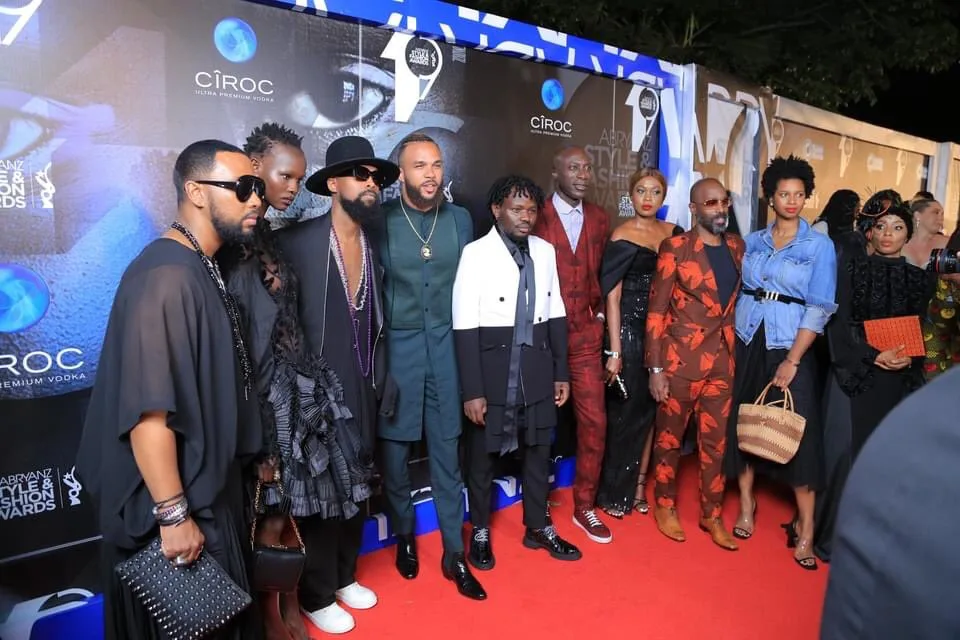
The Abryanz Style & Fashion Awards (ASFAs), Africa’s biggest red carpet fashion awards have announced that the awards will not take place this year. This is the first time since its inception in 2013 that the event is pushed forward.

The Abryanz Style and Fashion Awards also known as the ASFAs are continental fashion awards presented annually in Uganda to recognize excellence and outstanding achievement in the fashion industry in Uganda and Africa. More than 2,000 people grace the event annually.

https://www.instagram.com/p/CIgWqPon7bt/?utm_source=ig_embed

Brian Ahumuza founder of the ASFAs states: “The Abryanz Style & Fashion Awards were started on the idea of people coming together to socialize, network and interact with one another, in the name of celebrating something we all love and support; Fashion. Our team did have a sit down, and we did weigh our options, in as far as embracing the new normal goes.

But we have never envisioned the ASFAs being a virtually produced show, as this ruins the idea and concept on which the ASFAs started. People coming together, in one room, with all the oomph, flair and glam is what has made the ASFAs what they are today. So, after much consideration, putting into account the safety of our fans and guests, and also the need to give you a show that will be as remarkable and unforgettable like the last 8 years, we have made the tough decision to postpone the event to 2021.

This year and the year to come will be maximized in planning, together with our partners at Talent Africa, to ensure that we deliver a show that will be the best you have ever experienced. To our loyal fans and the supporters of the ASFAS, we do apologize for any inconveniences this may cause, but you can be sure to experience the ASFAs like never before, come 2021! Thank you for your unwavering support in the last 8 years, and get those outfits and the flair ready.

Aly Allibhai from Talent Africa Group states “with the current health guidelines and ban of public events due to the pandemic it would have been impossible for the ASFAs to give our guests the same A-list red carpet fashion experience through an online or virtual experience, so we have decided to come back next year with a bigger and bolder experience”.

The team from the ASFAs wishes you a safe and happy festive season ahead.

Content courtesy of ASFAs & Nairobi fashion hub 

Arise Fashion Week 2020 Unveils ‘30 under 30’ Designers Vying for $500,000

Africa’s premier fashion show, the ARISE Fashion Week, is set to deliver one of its most exciting line-ups to date, with the unveiling of the ‘30 under 30’ fashion designers who will be competing for $500,000 in prize money.

The list which includes designers from not only Nigeria but other parts of Africa and Europe, boasts fresh talent alongside some acclaimed international names in fashion.

Known for breaking records, ARISE Fashion Week has raised the ante even further by celebrating a new brand of designers – ‘30 under 30’ with a cash prize of $500,000 to be shared amongst the winners.

The weeklong virtual event is first of its kind on the African continent and is an avenue to unveil new stars in the global fashion industry.

According to co-producer Arise Fashion Week, Ruth Osime, “We look forward to this experience and feel truly honoured to play a role in turning the dreams these designers into reality.”

Following on from the successes of previous events, the Arise Fashion Week 2020 promises to be an exciting experience, with its prestigious location – the Lakowe Beach and Golf Resort, Lagos – just one of the markers to a one-of-a-kind event.

The weeklong event will be held from December 5-12, 2020, with live shows available to a global audience from the 9th to the 12th.

The virtual show will be broadcast to a worldwide audience on the new ARISE PLAY streaming service and other ARISE and THISDAY digital platforms which include an array of social media channels.

Among the list of the 30 selected designers drawn from across the world in alphabetical order are: Bibi, Bloke, Boyedoe, Clan, Colrs, Dna By Iconic Invanity, Elfreda Dali, Fruche And Geto.

Others include; Ilham.g_ng, Jawara Alleyne, Kenneth Ize, Kiko Romeo, Ladunni Lambo, Lagos Space Programme, Mazelle Studio, Moon By Me, Mmuso Maswell, Muyishime, Onalaja And Pepper Row.

Completing the line-up of precocious talents are Re Lagos, T.i. Nathan, Tjwho , Tzar Studios, Vicnate, Weiz Dhurm Franklyn, Wuman, And Ziva Lagos.

For more information and enquiries on the latest edition of Afirca’s biggest and most enthralling fashion show, log on to www.arisefashionweek.world and follow on Instagram: @arisefashionweek and @thisdaystyle

You can also contact Konye Nwabogor , Editor thisdaystyle.ng at konye.nwabogor@thisdaylive.com; Bolaji Animashuan, Line Producer, ARISE Fashion Week at bolaji@arisefashionweek.world and Sakina Renneye, Line Producer, ARISE PLAY at sakina@arisefashionweek.world

Content courtesy of ARISE Tv & Nairobi fashion hub

The changing face of Ugandan fashion Industry 

Ugandan top fashion designer Gloria Wavamunno is calling on her colleagues to tailor their businesses according to the local market.

Uganda’s fashion industry is characterised by struggling ventures, semi-professional small-scale production, and lack of infrastructure, institutions and government support.

And now the challenges have been exacerbated by the effects of the Covid-19 pandemic, Wavamunno, who is the CEO and founder of Kampala Fashion Week, also suggests recycling second-hand clothes and collaboration among the stakeholders in order to survive in the current health crisis.

“It is time for designers to think locally, and that their businesses do not have to be the same as international business models. In our creative industry, you have to see the clients because we are still more into tailoring than mass producing for shops,” the 35-year-old fashionista says.

“So how do you keep yourself and your customer safe? How do you reduce your production costs? I know people look at second-hand clothes negatively, but they can be a boundless source of materials if you look at it in a different way. It can be where you find your zippers, buttons or re-purpose clothing and fabrics.”

People want to be cost-efficient but the Covid-19 pandemic issues may push up costs,” she said. “When everything opens up people are going to double charge because they want to make their money back.

“Creatives also need to put their minds together. I am a founding board member of the Fashion Council Uganda and we are trying to connect designers together. Through the Kampala Fashion Week, I have reached out to many designers. Now it is about bringing designers together and helping each other.”

Wavamunno advises her counterparts to concentrate on the African market.

“I believe in the business module of functioning locally to expand globally. Expanding globally does not necessarily mean that you have to travel to Western countries. Globally is just as well the African continent. You can source your things to Kenya, Rwanda, Nigeria, South Africa or Congo, among others.”

Early influences

Born in England and raised alternately between London and Kampala, Wavamunno studied at the Kampala International School in Uganda.

Wavamunno says she was influenced into a life revolving around art by her mother, aunties and art teacher.

“My character when I was younger was more introverted, a bit of a loner. I was drawn to art through artistic expression, whether dance, painting, singing or things instrumental like playing piano. These are things that caught my attention.”

“And my mother was into tailoring with her sisters, which they still are, and now more into design. So, I learnt to tailor my own pieces. I was cutting, stitching here and pinning there. I was expressing art in so many forms,” she adds.

https://www.instagram.com/p/B-nClzRn8du/?utm_source=ig_embed

“My art teacher in boarding school, Mr Smalley, saw me sketching. My form of sketching was still life. I loved to do portraits, body forms that evolved into outfits.

Smalley noticed that I liked sketching a lot of clothes. And art to me was an expression of how you dressed. Being shy, I found my best way of self-expression through how I dressed.

“It was after my teacher pushed me that my eyes were opened to the world of fashion. In Uganda, the tailoring industry existed in the past and not really the fashion industry in a global setting. But today we have many fashion designers,” Wavamunno told The EastAfrican.

She holds a fashion, design and marketing degree from the American Intercontinental University in London, UK.

Wavamunno interned at Ghanaian British men’s designer Oswald Boateng. She has worked for various retail stores and magazines such as Flare, New African Women and Arise.

Growing brand

After studying and working in the UK, Wavamunno returned to Uganda in 2009 and launched her ready-to-wear brand GloRia WavaMunno.

Her brand draws inspiration from her Ugandan culture and heritage, experiences and environment.

https://www.instagram.com/p/B4iTULQnUUW/?utm_source=ig_embed

“I have showcased in Rwanda, Bujumbura in Burundi, Nairobi in Kenya, Lagos in Nigeria, Johannesburg in South Africa, and the UK. Each country has such a different structure, audience and energy. So, they were all amazing experiences because they further educated and inspired me to find my voice and direction,” Wavamunno says.

Her clothes are sold in the US, Kenya and Uganda. “At the beginning of my career, it was more of the global audience that was purchasing my pieces. Now I have more African clients, from ready-to-wear as well as tailoring.

“I am trying to create art pieces that mean something and have sentimental depth narratives that are long lasting, reusable, versatile in their usage, changeable and bold. I make people feel the best they can feel,” she adds.

She has designed for Nokia Face of Africa and her works have been collected by museums in America and Europe.

“I have also had my pieces in museums. I did a barkcloth jacket years ago for a museum in Texas, US. I am interested in the importance of barkcloth and how we can utilise it in clothing here in Uganda. I also have pieces showcasing in museums in Switzerland and Germany,” Wavamunno said.

“I find museums as places that let you to express to a western audience that is sometimes very naive or ignorant about African culture. They [in the West] only have their own version that they receive and display. It is good as an African being able to educate them in their own spaces. Sometimes they will educate themselves, but if you are there you have to say this is my fact, this is my truth, and this is my experience being of this background.”

When asked what inspires her fashion designs, Wavamunno said: “I am not really into the one-off pieces that you can wear multiple times. I like clothes that you can live in.

“I also got deeper into understanding my heritage, ancestors and background. I wanted to incorporate my culture as an African, as a Ugandan, and as a multi-tribal individual.

https://www.instagram.com/p/Bfeyi4ShEeu/?utm_source=ig_embed

My dad is a product of two tribes and my mum is of mixed-race heritage. I give the wearer their own identity, and they turn my pieces into their own story.”

Content courtesy of The East African & Nairobi fashion hub
The Twyg Sustainable Fashion Awards 2020 Finalists Announced

Twyg has announced the finalists of its Sustainable Fashion Awards for 2020. The annual awards celebrate South African designers leading sustainable, ethical, circular and regenerative practices in the fashion industry.

The designers recognised are intentionally improving fashion’s relationship with nature and people and reflect that fashion can be at the forefront of positive ethical, social and environmental change.
The winners of this year’s awards will be announced on 19 November 2020.

Judging process
The Twyg Sustainable Fashion Awards 2020 judging panel includes content creator Kelly Fung; Cyril Naicker, national co-ordinator of Fashion Revolution; Aaniyah Omardien, founder of The Beach Co-op; Desiree Smal, vice dean Faculty of Art, Design and Architecture at the University of Johannesburg; and Fezile Mdletshe-Mkhize, founder and director of Fezile Fashion Academy.

The judges selected three finalists in each of the Accessories, Trans-seasonal, Nicholas Coutts, Student, Retail and Influencer categories. A fourth finalist was included in the Innovative Design and Materials categories.

The Changemaker Award was not open for nominations. Instead, winners of the Accessory, Innovative Design and Materials, Nicholas Coutts, Trans-seasonal and Student categories will be judged against the criteria set for the Changemaker Award. This category is supported by Country Road which has sponsored R100,000 in prize money to the winner. Country Road’s head designer Maria Rinaldi-Cant will join the panel for the judging of this category.

Twyg consulted WWF South Africa on the criteria for the categories, and the rigorous two-day judging process was independently audited by attorney Elisabeth Makumbi.

2020 finalists
Innovative Design and Materials Award

• Anmari Honiball
• Lara Klawikowski
• Sealand Gear
• The Sewing Café

This award seeks to recognise a designer or brand who uses techniques that minimise textile waste through innovative pattern cutting, the use of pre- and post-consumer fabric waste, and / or reconstruction techniques. The award also seeks to recognise a commitment to using sustainable fabrics in a collection.

Trans-seasonal Fashion Award

• African Renaissance Designs
• Fields
• Tshepo Jeans

This award recognises a designer, brand or collection that promotes trans-seasonal and versatile style. It rewards quality garments whose design aspires to be timeless and which are made to last. This category also recognises brands that remain invested in garments after their sale, for example, through the provision of lifetime guarantees or repair services.

Accessory Award

• Ivy Grace
• Matsidiso
• The Wren Designs

This award recognises an accessory or accessory brand which implements ethical labour practices, limits toxic chemicals and uses sustainable materials to create a quality item and considers end-of-life. Ideally it should be made of compostable materials, but, if not, it should be made using recyclable or recycled materials.

Retail Award

• Chic Mamas Can Do
• Convoy
• Mungo

This award recognises a retailer or a retailing initiative that enhances sustainability, including pre-loved/gently worn, “swop shops”, garment rental, and similar activities. The award is also open to retailers who support local producers, and sustainable design and manufacturing.

Student Award

• KQ_Made
• Loskop
• Vanklan

This award goes to a student who has produced a garment or collection that addresses the challenges of sustainability in fashion in the most innovative, beautiful and practical way.

Nicholas Coutts Award

• Beagle & Basset
• The Seen Collective
• Viviers Studio

This award recognises a designer who uses artisanal craft techniques such as weaving, embroidering or botanical dyeing to make fashion that foregrounds, celebrates and values the skills of the person who makes the garment.

Influencer Award

• Nomfundo Liyanna Basini
• Yasmin Furmie
• Zolani Mahola

This award recognises a personality who has actively promoted sustainable fashion over the last 12 months and who has sparked relevant conversations. On social media and other platforms, the influencer has explained sustainable issues factually and has cautioned against unsustainable fashion habits. The influencer supports conscious brands while promoting the Rs (reduce, reuse, recycle).

Positive design practices and social impact
“The judges’ decisions emphasise exciting directions in fashion such as the made-to-order manufacturing model, trans-seasonal clothing, the upcycling of plastic and textile waste, and increasing the use of handcraft and natural dyes. The attention to collaboration and the healing of our environment is inspiring,” commented Twyg founder and director Jackie May.

In addition to the design practices, the judges appreciated social impact through upskilling and working in collectives.

“We would like to thank the designers and the members of the public for the nominations. And finally from my team and I, congratulations to all the finalists!” said May.

The winners will be announced at a small event (which will be livestreamed) co-hosted with the textile recycling company, Rewoven on Thursday, 19 November 2020 in Cape Town.

Content courtesy of TWYG, Biz Community & Nairobi fashion hub 

SA Fashion Week hosts first digital collections

Thursday’s opening night of South African Fashion Week (SA Fashion Week) Twenty Twenty Digital Collections, which was the first virtual showcase, was unique and organised.

Even the way the models strutted their stuff on the ramp, which was set up in the parking lot of Mall of Africa, you could see that they were at ease.

Gert-Johan Coetzee was the first to exhibit his latest work titled “Kraal Couture”, a collection inspired by the farms.

With blue and black being the dominant colours, the collection consists of beaded cowl skirts, smart pants with cow prints, a peplum tulle skirt, and ball gowns, some made of plastic.

Under the Diamond Fibre Collections, Mmuso Maxwell, Judith Atelier and Lukhanyo Mdingi brought nostalgia to the runway.

Maxwell presented their “Imbokodo” collection, a range that seeks to challenge the narrative of a woman’s place in society, especially in the African culture.

Some of our favourite pieces from the collection include the forest green side pleat jacket, the asymmetrical olive wrap jacket and matching pants, wool-side mustard pleat dress and the spiral knitted dress made of kid mohair.

Atelier introduced the brand to the luxurious world of mohair, which plays a big part in this collection.

Titled “ I am because we are”, the range includes appliqué skirts and dresses, with red and blue being the dominant colours and sometimes fused to create purple pieces.

In collaboration with Ginger Maggie, they also presented their SS21 jewellery collection using fine details such as macrame tassels, copper rings, polymer clay and copper rods that have been combined to create a unique new range.

Lukhanyo Mdingi presented a monochrome collection, rich in brown. His statement pieces include a sleeveless bike jacket made of felted kid mohair and pure merino wool blend gilet. Titled “Relic”, the collection is an extension from his previous works.

“The collection is an extension from what we’ve created in the past. The true provenance of what we do is that we’re always looking at the essentials and we’re always looking at our archives and that stems from really trying to execute what good design means to us because that’s what inspired us,” said Mdingi.

The Research Unit followed with their “Transformative” collection. As a brand that usually focuses on handbags, they collaborated with handweavers and the beaders from Kids Positive to push boundaries.

About the collection that had lots of coding, Erin-Lee Peterson, the founder of the brand, said: “We tried to push the boundaries as much as we could. Not just make it look African or beaded, or weaved, but we created shorts out of the handwoven scarf. We took our beadwork and created morse-code out of it. The smiley face on one of the tops was made through thinking about African masks, such as the one that has the six eyes”.

The range also included micro sling bags, travelling bags, as well as beach bags.

Paying homage to the Indian culture, Etka Kalan of Ekta played with colour and geometric shapes to create unique patterns.

On the inspiration behind the collection, she said: “My latest collection is called ‘Who am I’? It’s an exploration of identity and how we see ourselves. If you look at each person, their environments, their family life, their ethnicity, as well as the country where they live in, all plays a specific role in how they see themselves.

“I looked at my life and upbringing, taking being a South African Indian, loving being South African, but also deep-rooted into Indian culture. My collection looks at formlessness, as well as form. I took a sari, which is 5 metres of fabric, once wrapped into the wearer, takes shape and a form. Then taking this complete structured shirt and structured clothes such as a shirt and trousers, which is a complete western concept and fusing the two cultures to create a new collection and a new form.”

Closing the show was Helon Melon with a subtle, collection of white dresses. Titled “All Dressed Down and Everywhere To Go”, she had the lockdown in mind when creating the collection. To add some colour, she defined it with neon stitches and some art inspiration from Mary Sibande.

When asked why she called in “All Dressed Down and Everwhere To Go”, Melon said: “During the lockdown, we all dressed down. And the most exciting thing is that it is a dress downrange, but you can dress it up however you like. There are lots of whites, I’ve done everything in white cotton and added a few accent colours to the range. Lots of dresses, I’ve done a very chick cashmere suit, and I had to put it in because of what we’ve been through. It’s comfortable with South African influences in it, from the house that I saw in the Transkei over 20 years ago to our fabulous SA artists like your Mary Sibande.”

Content courtesy Independent Online, EWN & Nairobi fashion hub 

New Home for SA fashion Week at Mall of Africa

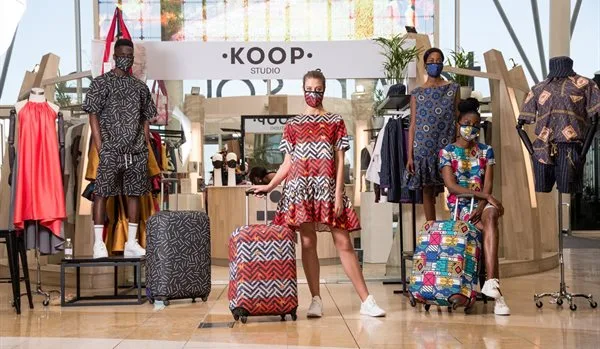
Mall of Africa is the new host of SA Fashion Week and has also welcomed the opening of Koop Studio, a new retail hub that showcases the work of local fashion designers.

Koop Studio is a collaborative venture between seasoned retailer Sandy Rogers and industry stalwart, Lucilla Booyzen, who has been spearheading the development of local design culture as director of South African Fashion Week for the past 23 years.

Located on the shopping centre’s upper level close to Town Square, the new retail space will carry at least 12 collections at any time, which will be interchanged regularly to ensure ongoing variety.

The brands available from Koop Studio include: Ezokheto by Mpumelelo Dhlamini; Dolz by Thabiso Molelekoa; Dope Motherhood by Nqobile Mhlongo; Bi Parel by Shaylene Morris; BLVNK by Neo Rangaka; There and Back by Nicola Valentine and Pilani Bubu; Yung Blood Apparel by Kabelo Legodi; Mekhukhu by Botshelo Molete; Lunar by Nicola Luther; BB Dolls by Beryl Dingemans and Bianca Tanchal; FANthesi by Mike Ubisse; Beryl Dingemans by Beryl Dingemans; Moraka Interiors by Lethabo Cleo Moraka; Watermelon Social Club by Sthembiso Mchunu, Siyabonga Ngcamu and Khayelihle Hadebe; Melomalism by Sinthemba Mthethwa; and Pret-a-Perfect and The Design Innovation by Sandy Rogers.

Broadening access to market
According to Rogers, this highly visible retail presence in the centre of a popular mall will allow the young entrepreneurs to fast-track their brands.

“One of the greatest impediments to the development of a local fashion culture has been the prohibitively high rental costs in major regional centres such as Mall of Africa. By necessity, young designers are typically in studios off the beaten track without access to target markets who could afford to support them,” she says.

The Mall of Africa retail hub is an extension of the Koop Studio in Victoria Yards in Johannesburg led by Rogers. The Victoria Yards studio facilitates the design and product development process from concept to customer for its clients, and is also available to young designers as a workspace for their own brands as well as to get involved with Koop Studio projects and clients.

A modern showroom, Wi-Fi, workspace, cutting tables, access to pattern makers and sampling facilities, as well as manufacturing capabilities with Koop Studio’s manufacturing arm, The Faktory, are all available to designers under one roof in Victoria Yards.

“Koop Studio and The Faktory, where we design and manufacture, are fortunate to operate from the new Victoria Yards semi-industrial development in Lorentzville. This is an incredibly beautiful environment to work in but does not have any real retail footprint. A presence in the Mall of Africa will undoubtedly be a game changer for all these startups and the development of local fashion,” says Rogers.

MaXhosa success
According to Michael Clampett, head of asset and property management-retail of Attacq Limited, the owners of Mall of Africa, the launch of Koop Studio follows on the heels of the enormous success that designer Laduma Ngxokolo has experienced with his MaXhosa knitwear since opening a small store on the mall’s lower level in 2018.

Within a year, the growing appetite for Ngxokolo’s signature Xhosa-inspired modern knits meant the brand had to relocate to a much larger flagship store on the upper level and Ngxokolo became one of the centre’s high profile brand ambassadors.

“Mall of Africa is firmly on track to become the continent’s premier destination for top local design. MaXhosa’s success confirmed our conviction that consumers are increasingly wanting to express a contemporary, yet uniquely African fashion identity. This, and the fact that we are acutely aware of the need to stimulate the local economy, and local job creation, lies at the heart of our strategy,” he explains.

SAFW kicks off in October
In line with tailoring its merchandise mix to support local brands, Mall of Africa has also recently become SAFW’s new host. The three-year partnership will kick-off in October with the staging of South Africa’s first hybrid designer collections showcase.

Twenty-six runway shows featuring collections shot at different locations in the mall will be streamed digitally over three days from 22 to 24 October.

This will be followed by the SAFW Trade Show from from 1 to 3 November in the mall’s Crystal Court with more than fifty designers of menswear, womenswear and accessories, and the SAFW Pop Up Shop where fashion lovers will be able to interact and buy directly from all the participating designers from 27 to 29 November, also in the Crystal Court.

Content courtesy of Biz Community & Nairobi fashion hub
Afro Fashion Week Milan Forges Ties with CNMI, White Milano

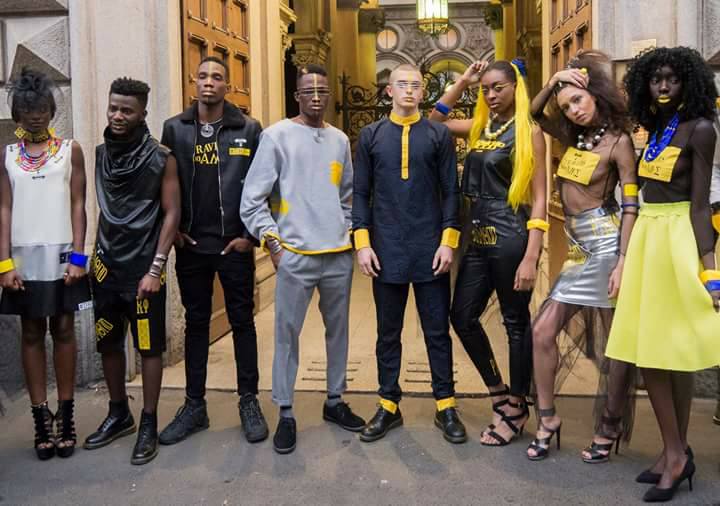
African Fashion Marking its fifth anniversary, Afro Fashion Week Milan is expanding its reach — a sign of the multicultural bent the city has embraced.

https://www.instagram.com/p/B89ZARqhkvt/?utm_source=ig_embed

Organized by Afro Fashion, an Italy-based nonprofit organization that has been actively promoting the African continent’s designers and creative talents over the past five years, the showcase will encompass a range of fashion shows, entirely digital or livestreamed, talks and even a couple of high-scale partnerships with Camera Nazionale della Moda Italiana and White Milano.

From Sept. 24 to 27 a range of digital shows, panel discussions and exhibitions will shine a light on African fashion talents.

“It’s been a complicated year because of the COVID-19 pandemic and also in the wake of the Black Lives Matter [movement] which has resonated and drawn attention not only in the U.S., but internationally,” said Michelle Francine Ngonmo, president of Afro Fashion during a virtual press conference Tuesday.

Running Sept. 24 to 27, at the same time as Milan Fashion Week, Afro Fashion Week Milan will host on the association’s online platform a range of fashion showcases from Emeka Suits, a Kenyan green label founded by Sydney Nwakanma, Frida-Kiza, helmed by Burundi-born, Italy-based Fabiola Manirakiza, swimwear label Other Couture, launched by Mozambique-born Helena de Jesus; Otinguema, run by Gabonese designer Jessica Nguema-Metoule, and the collective display of works from students at Cameroon’s LABA Douala, or Libre Académie des Beaux-arts.

https://www.instagram.com/p/BxcIiQvIUiq/?utm_source=ig_embed

The virtual shows will be flanked by panel discussions and talks spanning different topics, such as D&I in fashion, hosted by Stella Jean and Edward Buchanan; Fashion for Empowerment, analyzing how fashion can serve as a lever for economic and social development for the African continent, as well as a spotlight on leading fashion schools where African students are stretching their muscles.

In addition, the Afro Fashion organization has helped Stella Jean and Edward Buchanan, as well as the Black Lives Matter in Italian Fashion Collective, select the “The Fab Five Bridge Builders,” such as the five designers that will present the “We Are Made in Italy” project as part of Italy’s Camera della Moda official Milan Fashion Week calendar.

https://www.instagram.com/p/CDgX2FvgpaO/?utm_source=ig_embed

As reported, the digital event spotlighting the five Black-owned Made in Italy businesses will take place on Sept. 27.

Centered on the “Exquisite Beauty” theme, which Ngonmo describes as a celebration of beauty in all its forms, Afro Fashion Week Milan has also forged ties with White Milano, which will host a special exhibition dedicated to Afro-Italian fashion throughout the four-day event.

Content courtesy of WWD & Nairobi fashion hub 

South Africa Fashion Week is taking its shows to The Mall Of Africa

South African Fashion Week (SAFW) is back with Spring/Summer 21, and they are taking it to the Mall of Africa (MOA).

The organisation announced that owing to the Covid-19 pandemic, they’ll be moving from their home, Sandton City, to a much bigger space.

On a three-year partnership with the MOA, SA Fashion Week will stage its first hybrid designer collections showcase this year.

SAFW director Lucilla Booyzen said: “This hybrid combination of both a digital and live fashion experience allows us to navigate the complexities of trading and doing business effectively while simultaneously being mindful of the safety aspects associated with the pandemic.”

According to Booyzen, the 2020 SAFW Collections are trans-seasonal in line with international trends towards collections that incorporate both cool, and warm weather elements. They are also increasingly representing a move towards a “slow fashion” ethos of timeless design and sustainable production.

She added: “While the move towards cleaner fashion production in South Africa still faces many challenges, there is a real commitment from many designers to pursue this necessary transition to a new fashion order. The designer community is predominantly SMME’s, they all employ small contingents of artisans such as seamstresses and pattern makers. It has been a superhuman challenge for these businesses to stay afloat and retain jobs in the absence of any trade or cash flow. This opportunity to showcase their collections in preparation for summer is vital.”

SAFW SS21 starts on October 22 with Gert-Johan Coetzee’s show.

Content courtesy of SA fashion week & Nairobi fashion hub

Fashion High Tea 2019

On Saturday 16th February, Nairobi’s biggest fashion event, The Fashion High Tea 2019 went down at the lush Zen Garden Restaurant.

This was the 9th edition of the popular luxe event that’s known to host the upwardly mobile class of Nairobians encompassing media personalities, fashionpreneurs, fashion enthusiasts, models, celebrities and even dignitaries.

The event prides itself on being one of the few local events that combine fashion and charity, by collaborating with philanthropist, Caroline Mutoko to support a charitable cause every year. Proceeds this year will go towards THE NEST A centre established in 1997 for the rescue, rehabilitation and re-integration of children in conflict with the law and children of imprisoned mothers.

The event promises an afternoon of free-flowing drinks, food and biting, an impressive runway where models showcase designs by select local designers, pop up stores where you can shop for fashionable items, great music and ambiance. As expected, the organizers of the event did not disappoint as everything was up to par, not to mention, the weather was brilliant.

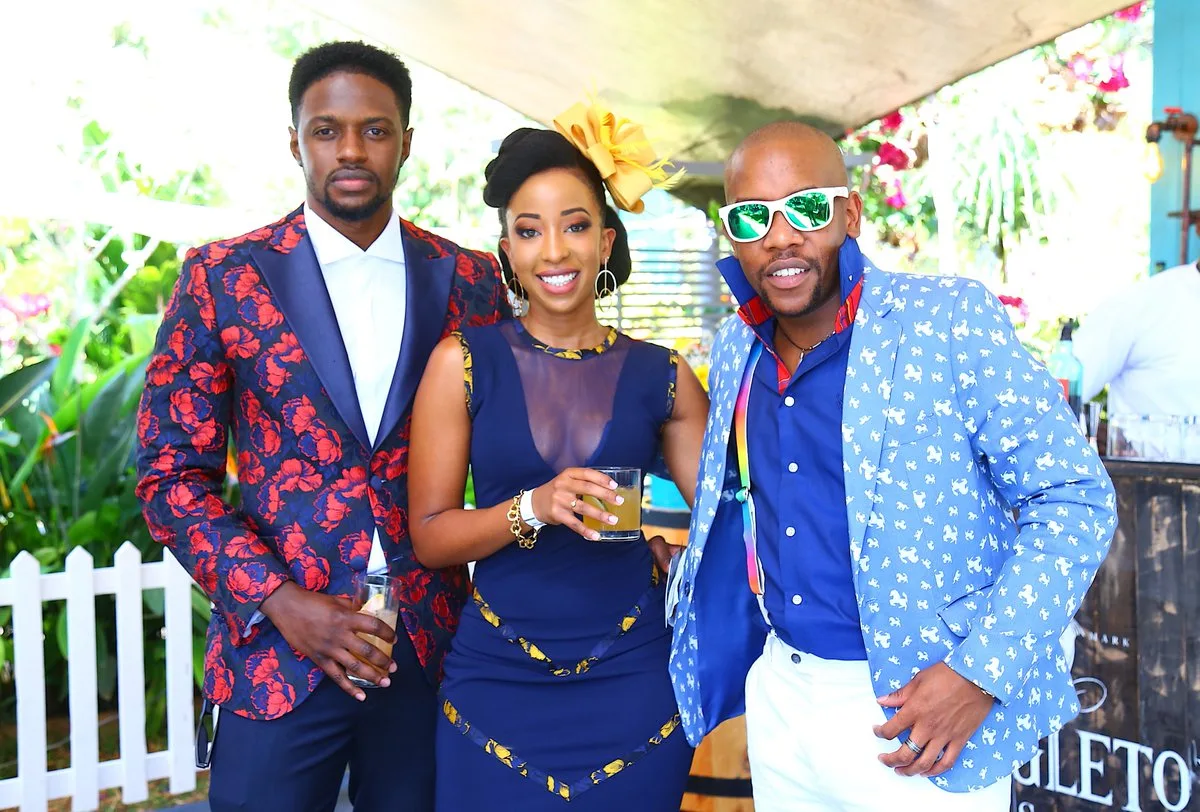
Attendees of the event brought their best fashion A game forward, interpreting the ‘high tea’ theme the best way they know how and some even adding an unexpected dimension to the somewhat complicated dress-code that many don’t seem to get right. Normally, the high tea theme is characterized by opulence.

Women are expected to wear respectable yet elegant clothing. No cut out figure hugging dresses, but more like flared hem dresses whose length is decent enough – tea length. The contemporary high tea theme is slowly changing and becoming accepting of pants, flashy colors and even outfits that are elegant, but don’t necessarily fall under the ‘high tea’ dress code. That being said, here’s what Nairobians wore to the event.

Content Courtesy of Pusle live Photo Credit 99thsense  

Kahindo Mateene Fashion Designer from Congo

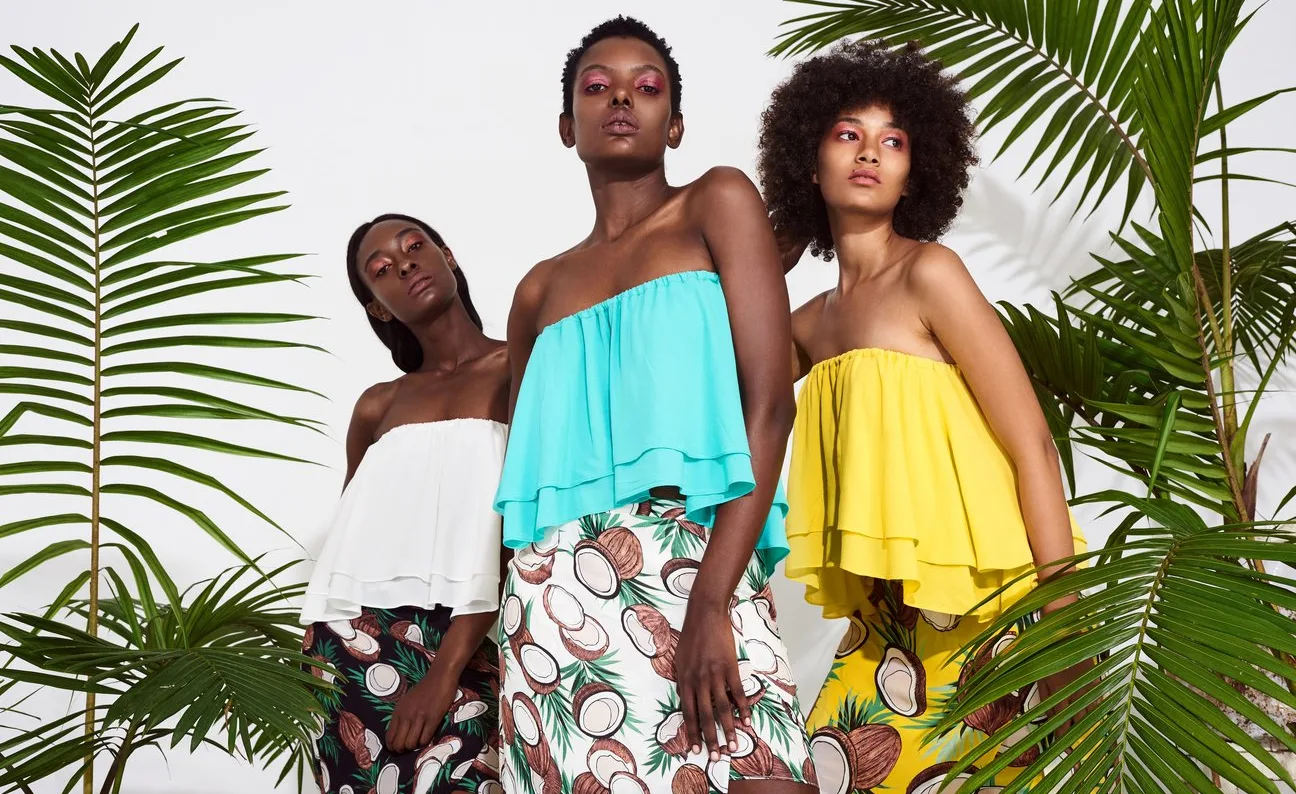
KAHINDO is a contemporary women’s wear brand creating vibrant statement pieces with a resort feel. The colorful pieces bought originally for a vacation will quickly turn into closet staples.

The brand was founded by Kahindo Mateene in 2009 and features feminine and sexy design alongside bold colors and unique prints inspired by the designer’s African heritage, globe-trotting adventures and surroundings in New York.

A graduate of the Illinois Institute of Art in Chicago, Mateene was selected to take part in Macy’s Chicago Fashion Incubator program and was also one of the contestants in season 12 of Project Runway.

Mateene is a passionate believer in the importance of empowering women and champions this cause through philanthropic endeavors in her native Congo and stateside.

KAHINDO is an independent women’s ready-to-wear design label based in New York city. Founded in 2009 under the name Modahnik, the brand was born of founder Kahindo Mateene’s desire to create a line that infuses the nostalgia and modernity of the two cultures of her upbringing, American and Congolese.

KAHINDO pairs mid-century Americana silhouettes with traditional Congolese textiles and fabrics creating garments that empower women in all of their femininity. KAHINDO believes that when you empower women, you empower a whole society, and champions this cause with a philanthropic partnership with MamAfrica, KAHINDO and MamAfrica repurpose the brand’s fabric scraps into handbags 100% made in the DRC by Congolese women.

Born in the Democratic Republic of Congo, Kahindo Mateene is an alum of the Illinois Institute of Art. Mateene draws inspiration from Congolese art and culture of her childhood as well as the culture of her adopted country of the United States and extensive travels throughout Europe, the Americas and Africa. Upon completion of Chicago’s Fashion Incubator at Macy’s Residence Program in 2011, Kahindo Mateene landed a spot as a contestant on Season 12 of Lifetime Network’s Emmy-Nominated Project Runway television show.

From her constant philanthropic endeavors to partnership with MamAfrica through KAHINDO, Mateene has always seen fashion as a vehicle for conveying cultural perspective and betterment of a society.

Her collection marks the rebirth of my brand, under its new name, KAHINDO. The essence is maintained – bold colors and prints, sexy and sophisticated, and the attention to detail remains a priority. You will see my Congolese heritage shine through, with more emphasis on texture.

The color palette was inspired by conceptual artist Lina Iris Victor, whose work, specifically her painting, “Syzygy”, creates synergy between blue, black, white and 24-carat gold. I now present, KAHINDO, statement pieces for the progressive woman.

Content Courtesy Of Kahindo & Nairobi Fashion Hub

Meet East African brand Cocolili and learn more about their scholarship fund for Girls 

Coocolili is a ready to wear East African retail brand offering high quality tailored clothing and accessories for women, men and children. The brand is based in Nairobi, Kenya and was officially launched in November 2016.

Cocolili is a brand that is African at heart but has been designed to fit perfectly on any high street boutique in the world. Cocolili seeks to narrate the African story through its bold, vibrant and colorful prints which are individually customized for the brand. The prints are based on African themes and motifs and are symbolic of our African heritage and add an element of ethnic pride.

Our design philosophy focuses on classic and timeless staples that transcend time and culture and that allow for maximum adaptability and flexibility.

We offer styles in a variety of prints and colors ranging from subtle delicate reflections to vivacious spirited pallets,Cocolili prides itself as a truly East African brand, with each item of clothing conceptualized, designed, and manufactured in the region.

As a female led business, Cocolili prides itself as a brand that promotes the progress of women in our society. We identify ways to make women more visible and campaign for more inclusivity at school, work and in society.

The scholarship fund will sponsor under privileged school girls in secondary school pursuing Science, Technology, Engineering and Mathematics (STEM) subjects. Ten percent of our annual net sales will go towards the fund. Our goal is to empower these young girls to succeed and hopefully become the next women leaders of Africa and the world.


Content Courtesy of Cocolili Africa & Nairobi Fashion Hub

African Dresses

Over the years, African fashion has grown in popularity with many fantastic designers, fashion bloggers and stylist in this area. The best thing is, you can really make it unique to your sense of style. There’s an outfit for every season and occasion whether you want to go casual, add colour to your work wardrobe or to a friends up coming wedding ,you can dress your outfit up or down to create the desired result you need.

The best things about African fashion is the array of bold statement colours and prints. You can either make your whole outfit bright, bold and beautiful or just choose a statement piece to incorporate into your look to add a new element of interest to that black blouse. Whether that is through a pair of shoes, stunning necklace or a flowing skirt, the end result is as fantastic as ever.

Perhaps the best thing about the variety of colours is that you can really match it to your personality and play around with the right tones that complement you and your skin tone the best. We say, have fun with it and experiment; you’ll soon learn what works for you.

You walk into a high street shop in any fashion store in Africa and most clothes have safe prints and patterns. African fashion is a lot more interesting with many different prints to choose from and all with a different meaning. The prints are used tell stories about Africa life , proverbs and traditional tales of most Africans.

We particularly love that you can clash your prints, which ensures your outfit truly is unique. It can be tricky to pull off, a top tip is to put together the style of pattern or colours used, so that the two prints you are planning on wearing together almost match, but not quite.

“Beauty of Africa “

With African fashion in your wardrobe, there are never ending options to dress up your outfit, whatever the occasion. For example if you fancy going out in your little black dress, breathe some new life into it by adding a focal point such as a sash, scarf or printed headband.

Just believe us, there is nothing difficult about African fashion. The trick is to subtly add it into your style as little or as much as your personality and fashion statement allows.

Not just a trend; African fashion is a life style and it here to stay as they as Africa is the future.

Content Courtesy of DMY and Nairobi Fashion Hub 

Ad