Mitchelle Adagala is an award-winning fitness content curator who has been into fitness for more than ten years. She is the CEO and founder of Thrive Fitness, a means to help you become the best possible version of yourself physically, mentally & spiritually, one exercise at a time.
Her platform uses a scientific approach to exercising. The certified fitness trainer announced the launch on her Twitter page “My baby is finally here! my very own activewear line! Thank you GOD THRIVE ACTIVEWEAR”
It is called Thrive Activewear and so far contains six fantastic options of fitness apparel. The two-piece outfits are geared towards women.
Dolesi, Musimbi, Imali, Vugutsa, Vuyanzi, and Kageha are the names of the pieces; fondly given Luhya girl names.
The two-piece workout fits are differently colored as well with blues, nudes, greens, and greys part of the shades. They each comprise leggings and a top in different designs.
With 10 years of training experience, Mitchelle has committed herself to a fitness lifestyle with which she has set out to be an example and testimony. Thrive activewear has been two years in the making. You can shop the pieces at www.thrivebymitchelle.com.
On her website www.thrivebymitchelle.com, she also offers virtual gyms and personalized training.
Certified Fitness Professional
Guiding you through this journey, every training program is customized and individualized to your fitness goals, applying the principles of Exercise Science and Nutrition Science; ensuring the safety of your health all throughout and guaranteed results.
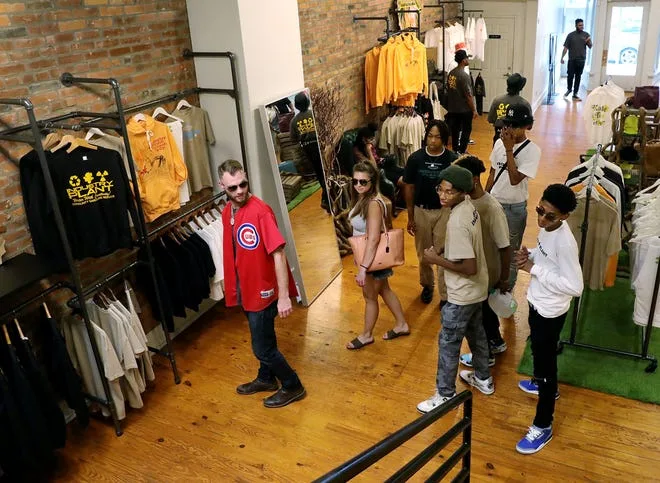
Standing in front of a full-length mirror, Christian Dowdy styled customer Ryan Newman, pulling the tan T-shirt out from under the black floral hoodie and letting the tee peak out a bit.
After the slight adjustment, Dowdy, 18, couldn’t help but smile.
Not only was the teen showing Newman how to look good in his new outfit, but Dowdy had helped design the tee and sweatshirt Newman was wearing as part of the Future of Fashion summer internship program.
“To see our creations on anyone’s back I can’t wait to see them on the streets and think, ‘Oh man, we did that,’” Dowdy said.
Dowdy, a recent graduate of Harvest Preparatory School, is one of 16 Black teens from central Ohio in the two-month, immersive internship that culminated this week in the release of the clothing collection, Industry Plant, at a storefront in the Short North.
The young designers and entrepreneurs will be at 640 N. High St., through Friday showing off their streetwear line inspired by the natural beauty that can be found in urban spaces. The designs, which feature hard construction looks with floral and vine-like touchpoints, will be given away to underprivileged youths who visit the pop-up store while others can offer a donation to take home a special piece.
The Future of Fashion program teaches young designers and entrepreneurs about the fashion industry
The Future of Fashion Program, which seeks to teach young African Americans about every facet of the fashion industry while also paying them for their work, was a collaboration of two local nonprofit groups, the Columbus Fashion Alliance and My Brother’s Keeper Village.
During the first few weeks of the internship the students, ages 14 to 19 and all male except for one young woman, met with various industry leaders – buyers, designers, merchandisers, marketers – to learn that working in fashion involves more than just making clothes. They took field trips to meet Black-owned brands including Starstrukt Apparel in Reynoldsburg and the Toledo-based Midwest Kids and Mud Made.
“The best part of this is that they see people who look like them,” said Ronny Oppong, the director of the program and a Brooklyn, New York-based fashion creator who grew up on the North Side of Columbus. “You can be an entrepreneur. You can be incorporate and be a VP or a buyer. They were able to interact with all these spaces and see what they look like.”
Oppong, a 29-year-old who studied fashion merchandising at Ohio State University, said he was thrilled to come back to his hometown to lead this internship and get young Black men interested in fashion – an industry where he hasn’t seen a lot of African American mentors.
Students meet with black designers and industry leaders
Meeting Black designers and industry leaders in central Ohio was one of the most beneficial aspects of the internship, said Greg Simpson, 16 and a rising senior at the Southwestern Career Academy in Grove City.
“To see people who look like me and have had some of the same struggles I had to get to that point – that was really inspiring,” Simpson said. “It was surreal to see other people make it and let me know I can do this.”
He said the program “lit a fire under him,” especially the fact that he was paid $300 a week for his efforts, to try to make a full-time career out of fashion.
Through the summer, the students learned plenty of practical skills, too.
Kenttwon Brown, 19, said he learned how to use graphic design software, screenprint garments, and effectively implement color in his creations.
He designed a logo that he’ll use for his own brand, modeled for promotional materials, and filled a whole notebook full of advice he heard over the two months. In fact, he said he learned more this summer than his entire freshman year studying graphic design at Central State University near Dayton.
“It was almost a dream come true,” said Brown, a 2020 graduate of Reynoldsburg High School. But the summer wasn’t without its challenges, he added.
Pop-up store impresses mentors and customers alike
The group learned tough lessons, such a curating the best designs from so many good ideas and leaving really cool styles on the cutting-room floor.
Then, they had what seemed like the impossible task of producing the garments for the pop-up shop, deciding how much of each piece to order and setting it all up in a store setting to appeal to customers – all within a few short weeks.
“We had to think about what are we going to make and what’s on the floor,” Brown said. “What’s our inventory? What’s the main showcase? All these items are so fire that it was hard to decide what to highlight.”
Indeed, what the students produced in their pop-up store a space that used to house Lululemon Athletica and was donated for the week impressed the students’ mentors and customers, alike.
“The setup is amazing,” Newman said. “It’s really, really pretty and everything looks like what you’d see in a successful storefront.”
Passersby wouldn’t have known the store was only a temporary post filled with designs from teenagers based on the sleek interior of the store filled with posters of models showing off the clothes, racks made from industrial pipes, and the sheer variety of goods offered, from beanies with the Industrial Plant logo to pants with green flowers printed on them to myriad T-shirt options.
Looking around Monday during the first hour the store was open, instructor Kathy Hayes, who headed up the visual merchandising team, stood in awe of the environment and how confidently her students navigated the space with their eager customers.
“It’s amazing,” said Hayes, a Northeast Side resident who has worked for companies including Express and Victoria’s Secret. “They basically built this from the ground up.”
Newman, of the West Side, knew one of the interns so he stopped by that first day to check out the finished product.
“The setup is amazing,” Newman said. “It’s really, really pretty and everything looks like what you’d see in a successful storefront.”
He also loved the designs. The teens, themselves, took time to revel in their successes. “I’m proud of myself and I’m proud of us,” Dowdy said, echoing the sentiments of several of his teammates.
He and others said that while it’s been amazing to see what they created with Industry Plant said he’s even more eager for what the future has in store for them, whether it’s launching brands, starting modeling careers, or deciding what to pursue in college.
“On the first day, I shook everyone’s hands and I didn’t know what to expect,” Dowdy said. “I watched everyone grow and come out of their comfort zones. The personalities came out … I can’t wait to see what we do with all this.”
To learn more about the collection and how to attend the pop-up store, visit www.industryplant.org.
Content courtesy of Dispatch & Nairobi fashion hub
African Export-Import Bank (Afreximbank) and Portugal’s National Association of Young Entrepreneurs (ANJE), have announced a three-year partnership to support and promote Africa’s fashion apparel and textile manufacturing industry in Portugal and across Europe. This partnership is part of Afreximbank’s Creative Africa Nexus (CANEX) program.
CANEX aims to facilitate investments in Africa’s creative and cultural economy through financing, capacity building, export and investment promotion, digital solutions, linkage, and partnership promotion, and policy advocacy, the two entities said in a joint press release.
Within the framework of this partnership, ANJE, through its fashion project called Portugal Fashion, will provide African designers with showcasing platforms, facilitate their access to international markets and strengthen their capacities through business mentoring and technical assistance in apparel production. In the long-term, Afreximbank and ANJE aim to attract more investment opportunities into the sector while developing the technical skills of African industry players, thereby improving Africa’s manufacturing and production capabilities.
The cultural and creative industries of Africa, with the right investments, can contribute to the structural transformation of the continent, thereby creating jobs and increasing exports and other development outcomes. The partnership between Afreximbank and ANJE aims to address the challenges faced by African designers, providing them with the opportunity to access international markets while building their capacity through brand incubation.
The program is designed to promote at least 40 African designers annually on Portugal Fashion’s runways. Designers will also benefit from networking opportunities with international industry experts, retailers, manufacturers, and other key stakeholders. The inaugural fashion showcase will take place in Porto, Portugal from October 13-16, 2021.
In addition to this event, Afreximbank and ANJE have structured a partnership to advise and support European and Portuguese companies seeking to invest in Africa, where ANJE will act as a one-stop-shop for investors looking into Africa and seeking advisory services and support from both Afreximbank and ANJE.
Prof Benedict Oramah, President of Afreximbank, said: “We believe that the vast creative talent pool on the continent is an opportunity to accelerate Africa’s economic transformation. Through CANEX the bank is providing tangible support for the development of an ecosystem to monetize the creative sector and increase its contribution to Africa’s economy under the African Continental Free Trade Area (AfCFTA).”
Manuel Mota, vice president of ANJE, said: “The creative industries in Africa have immense potential to become key drivers for economic growth and I believe this initiative will have a positive and sustainable impact. It is a privilege for ANJE to host and work together with Afreximbank on this important milestone.”
She is fast becoming the choicest of celebrities, and an emblem of African fashion in a world of numerous fashion and beauty stylists, with a dynamic market where only the strong can thrive and expand.
Also, the business of designing and styling is becoming even more prominent and ubiquitous. In this competitive and ever-growing industry is where she has taken advantage of her love for fashion, as she is creatively aggrandizing her brand and fashion entrepreneurship to top-echelon.
Multiple award-winning fashion designer and the CEO, creative head of Prudential Styling and Prudential Fashion Academy, a fashion empire located in Lagos, Prudent Gabriel, has been in the fashion designing and styling industry for a while now. Her journey has not been a smooth ride but she has remained relevantly consistent for the past three years.
According to the Lagos-based fashion Designer and styling expert who quit her job as a waitress to pursue fashion, “fashion and modeling is something I had always wanted to do most. I was working as a waitress and I making tired of the job because there was no satisfaction. I could not create time for myself and my passion, and at the end of the day, I just had to resign and moved on to my passion full-time.”
Starting out was a very daunting task, being a low-profile design with a small shop in the industrial city of Lagos, Prudent had gone through many challenges. It was difficult to convince clients of her dexterity because no one was willing to be a lab rat for a neophyte in the business.
The Nigerian fashion market was highly competitive and mostly embraced accomplished designers, so it was an arduous undertaking for novices to break in. Another challenge for her was creating unique designs that no one else has ever styled. “Also, working with difficult customers is also very pressurizing because you’re trying to prove your worth. I keep designing even when I don’t have people ordering for them, I make sure always have clothes up there, I post about them, ask my friends to share and that’s how I kept pushing till the brand got this big.” Prudent said.
Today, her list of clients at Prudential Styling is endless, but, she mentions Tim Godfrey and Xtreme Crew, Debbie Rise of Big Brother Naija Season 2, Naomi Mac of Nigerian Idol, and Queen B of Ultimate Love as some of her celebrity clients. With Prudential Fashion Academy, she has produced over 150 fashion designers and has received multiple awards for her service and excellence in the fashion industry.
Prudent’s role models in the industry are Matopeda, YomiCasual, Valdrin Sahiti, and Veekee James who make bespoke outfits. She advises other young designers who draw inspiration from her works to be ready to work very hard and give it they’re all. Keep positive people around themselves and make sure their circle consists of people that are helping them grow, people that encourage them every day.
With her passion and goal-driven momentum, Prudent Gabriel has grown from her small shop into a highly valuable fashion empire.
The fashion world has only been better since the presence of her brand, with more hopes for the future.
Content courtesy of Vanguard & Nairobi fashion hub
Denim jeans are the type of clothing that you never miss in a closet. Jeans are comfortable and easy to rock. With a fitting t-shirt and jacket on top, you can rock your jeans like a fashionista. But what happens when your jeans start getting baggy in select areas? You do not throw them away; you learn how to shrink jeans.
Can you permanently shrink jeans?
It is almost impossible. You can, however, shrink it to the size you want for a while. Permanent shrinkage of jeans will only damage them. How to shrink jeans with ease There are several methods of how to shrink stretch jeans. Most are DIY methods and can be done at home without help from a second party.
The main element in the shrinkage of jeans for most methods is water. Learn how to how to shrink Levi jeans using the following tips:
1. The Boiling Method
Turn your jeans inside out and put them inside a pan or pot of boiling water. Ensure that the entire jeans outfit is submerged. Let it stay there for about 30 minutes. Drain and squeeze out the excess water. This takes a while to ensure there is no excess water. Put the jeans in a dryer and set the dryer to high heat. Once dry, remove the jeans.
2. Have Leggings Underneath
Leggings are light and comfortable. Many wear them during cold months to keep away the cold. But did you know that they also come in handy when you want to constrict your jeans?
Wearing leggings underneath your jeans will provide sufficient snugness to your legs. The best thing about leggings is that they are light and so no one will notice what you have under your jeans.
3. Take a Bath with Your Jeans On
Get into a hot bathtub and ensure that your outfit is submerged for half an hour. Then, get out of the tub and stay with your jeans on for another 15 minutes. Your attire will mold properly, taking the shape of your figure. Then, carefully remove it and put it in a dryer.
4. Crank Up The Heat On The Dryer
This is another easy method of shrinking your jeans to the size you want. Cranking up the heat on the dryer will make the cotton fibers tighten and shrink on your jeans.
5. Sewing In a New Seam
The method requires patience and skill. You can look for a local sewer to do it for you if you are unsure how to go about it. Tear the old seam of the leg of your pants and make a new, tighter one. You can also sew a 6- to 7-inch piece of elastic into the inside back of your waistband if the area appears larger for you.
6. Use Fabric Softener
A fabric softener can be used to constrict jeans. First, mix 3/4 water and 1/4 fabric softener into a clean bottle and spray the areas on the jeans that require a little straightening. Finally, place the jeans into the dryer set until they are dry.
7. Wash and Dry in a Hot Dryer
How many washes does it take to shrink jeans? It takes up to 5% shrinkage with a single wash. This, however, depends on the amount of heat and steam. The more you want your jeans to shrink, the more you wash. Can jeans shrink in the dryer? Absolutely. This method is simple and will only take a few minutes. The temperature regulations help in constricting your outfit.
8. Ironing
Ironing is one of the easiest methods of constricting jeans and requires little effort. Quickly apply direct heat on the areas of the jeans that need straightening. You can also iron the entire jeans if you want to. Then, allow the jeans to cool down before you can wear them.
9. Don’t Forget Your Belt
Do you know how to shrink jeans at the waist? Use your belt. Other than helping one fit their pants and appear as accessories to the outfit people rock, belts also come in handy when you want to shrink your jeans. This method may not be as effective as the methods shared above, but the belt works wonders in making your jeans fit properly and not appear baggy.
10. Look For a Tailor
When all has failed, look for a tailor in your neighborhood and tell them how you want your jeans shrunk. Tailors and fashion designers do some neat work and will deliver your desired shape and size of jeans after taking your measurements. What is one great thing about denim? It can be worn year-round. With the above tips, it will be easy to learn how to shrink jeans. All it takes is persistence and commitment.
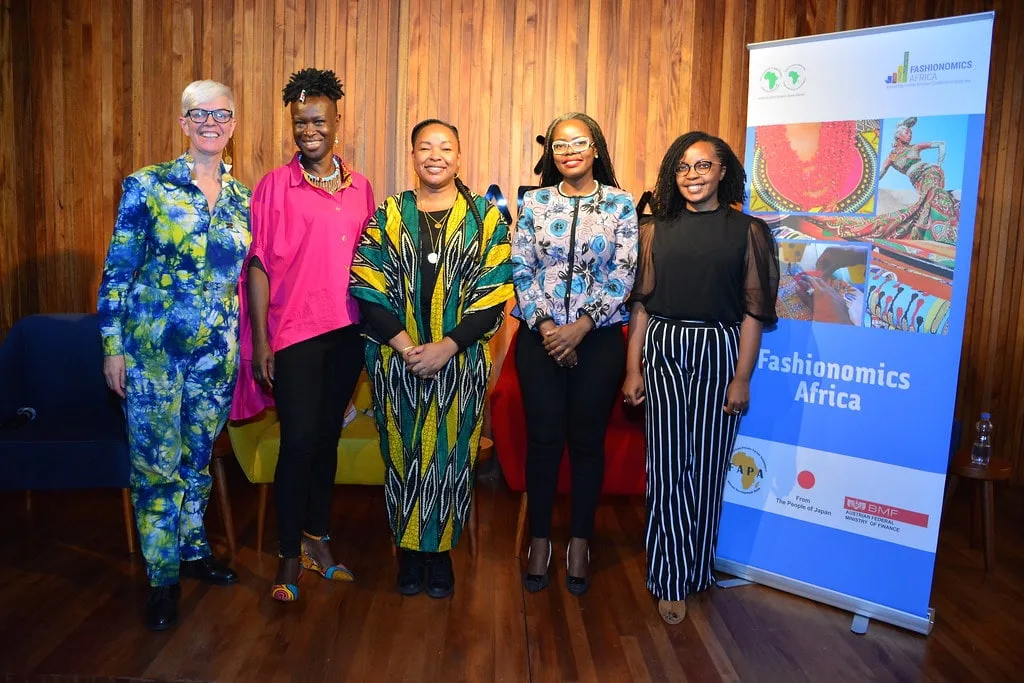
The African Development Bank’s Fashionomics Africa initiative and Google held a 2-hour virtual masterclass on using digital tools and social media for African fashion entrepreneurs.
The online session, on 2 July, aimed to equip African fashion entrepreneurs with tools to plan and execute a digital marketing strategy; how to use social media and e-mail effectively; and creating a digital presence using Google digital tools. Building a brand and engaging with customers and potential customers is one of the key challenges faced by African entrepreneurs, particularly the youth and women.
“We are very excited to collaborate with the African Development Bank to support fashion entrepreneurs in Africa, especially during the pandemic,” said Khadija Abdul Juma, a marketing specialist at Grow with Google, an initiative supporting African entrepreneurs and small businesses across Africa. Women Will Africa, an initiative that supports women to take advantage of the Internet, also participated.
Since the onset of the pandemic, e-commerce has grown considerably, with total global retail sales estimated to exceed $5.8 trillion this year
“To be competitive in our changing world, African creatives need to be well-armed with greater digital skills and tools. Technology and digital tools must be at the heart of their businesses if they want to amplify their voices and join the global fashion sphere,” said Bintou Sadio Diallo, cultural and creative industries expert at the African Development Bank.
Fashionomics Africa intends to attract foreign direct investment in the African textile, apparel, and accessories industry and support the growth of micro, small and medium-sized businesses – with an emphasis on women and youth. Through the Fashionomics Africa program, the African Development Bank works with public and private sector partners to develop local, regional, and international textile and fashion value chains, taking advantage of the opportunities arising from the African Continental Free Trade Area Agreement.
For more information about Fashionomics Africa and to sign up for the next masterclass, click here. To (re)watch the session, click here.
Fashion design student Lindeka Duma from the Pietermaritzburg School of Fashion won the Vodacom Durban July (VDJ) Young Designer Award, announced on 2 July.
Due to the pandemic, the annual VDJ event took place behind closed doors at Hollywood bets Grayville Racecourse in Durban.
Pietermaritzburg School Of Fashion Takes Top Two Spots
The Young Designer Award was presented by Durban Fashion Fair under the theme was Birds of a Feather. The judging panel included industry experts Leigh Schubert, Greg Wallis, Nonku Mthembu Lara Klawikowski, and Derrick Mhlongo.
On 22 June, the top ten finalists for the Young Designer Award were announced and the top three finalists a week later. The Pietermaritzburg School of Fashion secured three spots in the top 10 and two in the top three with Lindeka Duma coming in the first place and her classmate Vincent Orishidere as the first runner up. Zandile Mahlasela from Lindiwe Kuzwayo Academy of Fashion was the second runner-up.
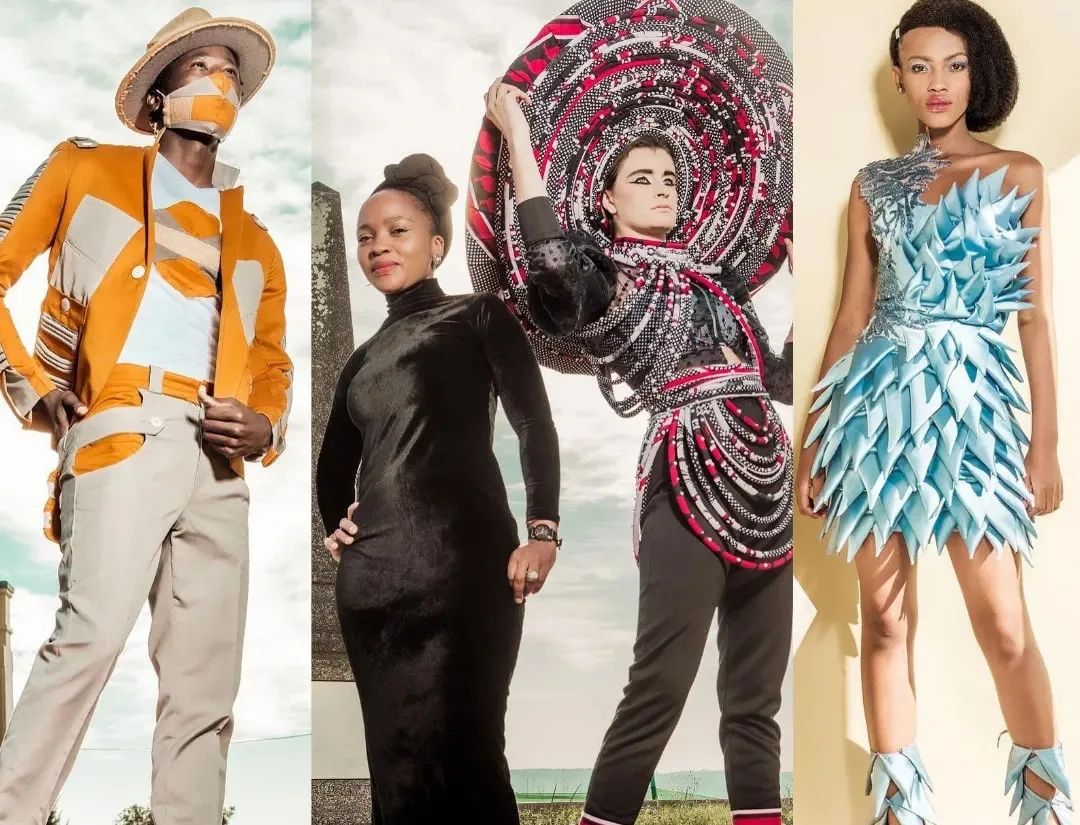
Lindeka Duma’s Winning Outfit
Lindeka Duma designed a black guinea fowl-inspired bodysuit made from Shweshwe fabric, with layers of handmade plaited rope that form a colorful bodice and a matching bold hat.
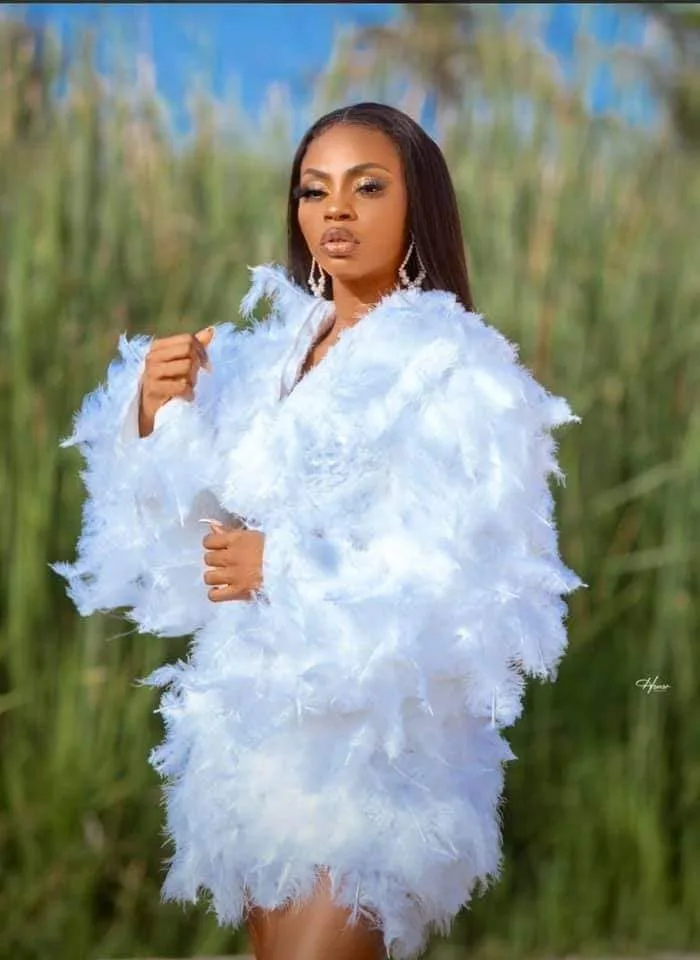
The first runner-up, Orishdere designed a vibrant burnt orange and beige streetwear outfit while the second runner-up, Mahlasela put together a blue ice dress with triangular feathers. See the three looks below.
“The standard was exceptionally high this year, and in having to decide on the top ten and top three, it was very difficult as there were so many great entries that showed good research and thought processes,” said Wallis according to IOL.
“But sadly couldn’t find a way into the next round,” he added
Duma has won R10 000 from the Gold Circle, a two night local hotel holiday from Bold Travel, a year of hair by Claire from Hair Inc, R5 000 gift voucher from Gateway Theatre of Shopping, a Samsung Galaxy S9, R3 000 Kryolan hamper and more.
“Congrats to my self for winning on Vdj2021 young designers, I am over the moon I still not believe that I am not dreaming!!!” wrote Duma on Instagram.
Black Star Revolution, a fashion brand owned by US-based Ghanaian businessman, McAaron Keli Ketor-Tay has been officially launched in Ghana with a call on African leaders to spearhead an agenda to accelerate the continent’s development through reversed brain-drain.
Speaking in an interview with Lord Kweku Sekyi, Mr. Ketor-Tay, said, Africa’s renaissance must be backed by a comprehensive agenda to harness its own human capital to its own advantage rather than exporting scholars abroad.
He said Africa’s unfortunately negligible position in the world economy does not reflect the enormous resources at its disposal which encompass both material and manpower, adding that, foreign nations are rather tapping into African ingenuity at the expense of the continent itself.
Sharing the vision behind BSR, Mr. Ketor-Tay said he was inspired by Ghana’s founder and first president, Kwame Nkrumah, who led Africa’s first successful independence movement in 1957 and actively advocated for continental unity.
He said, akin to Marcus Garvey’s ‘Back-To-Africa’ movement, the Black Star brand signifies unity and harmony among all people of African heritage.
“It will be accomplished through knowledge, enterprise, and direct social impact projects in all African communities globally.”
Mr. Ketor-Tay said plans are underway for his company to venture into the sportswear business, which he will utilise to showcase African talents as well as unique designs to the rest of the world.
Prior to its launch, the Black Star Revolution movement, comprising a team of volunteers, embarked on a number of special charity projects in rural communities in the Greater Accra Region, including refurbishment works at Zenu Polyclinic in the Kpone Katamanso District.
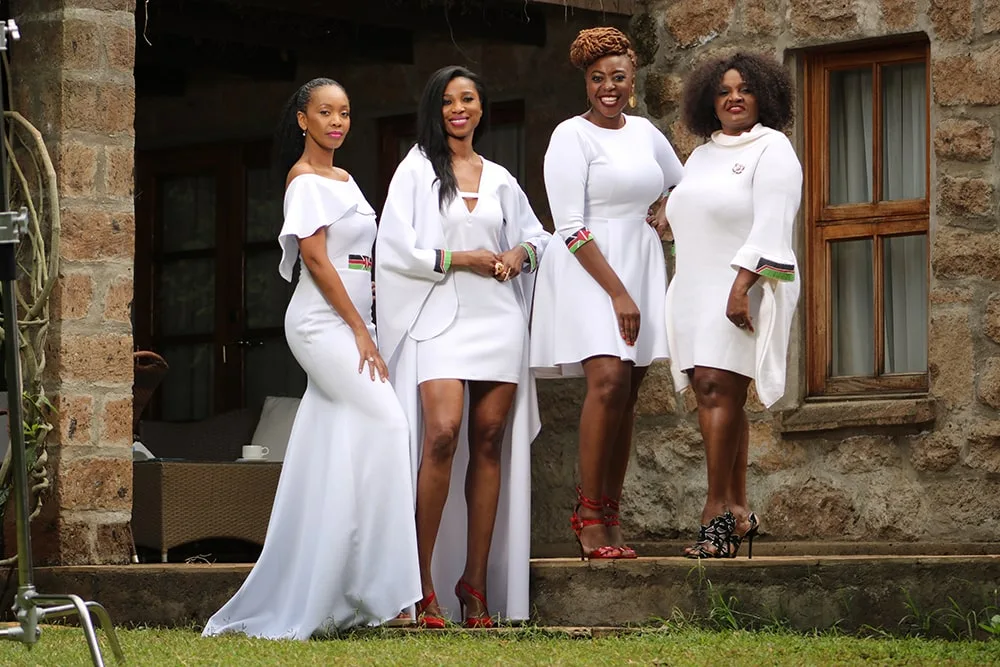
Four top models and fashion icons Debra Sanaipei, Bidanya Barasa, Connie Aluoch, and Carole Kinoti are preparing to showcase their self-designed outfits on June 1
The white dresses, embroidered with the Kenyan flag beads on the wrist, wraps, and waist, will be worn on Madaraka Day.
The designers, Carol Kinoti, Connie Aluoch, and models Bidanya Barasa and Debra Sanaipei described their style as unique and contemporary.
Their motivation is their love and compassion for being an African woman.
Speaking to Star Sasa, Carol, in Lad Flo-Cape, said the creativity of their dresses is highly inspired by the different physical aspects they have.
“I asked Connie what it takes for a Kenyan woman to wear best, then I remembered she is a typical example of an African woman and I decided to use her as my muse,” she said.
The dresses, described as Lad Occasional, Lad Red Carpet, Lad Skater, and Lad Flo-cape, symbolize peace, tranquillity, and patriotism.
Connie, in Lad Skater, attributed the success of her fashion career to a global approach and constant innovations. She is the brand ambassador, Lad Little Afro Dress, and a lecturer.
“I decided to be constantly innovative and I ventured into image consultancy, one-on-one image styling. I lecture fashion and give mentorship,” she said.
Bidanya, in Lad Occasional, and Debbie, in Lad Red Carpet, are legends in the modeling industry. They have now embarked on family business and real estate respectively.
Written By: Laura Shatuma Photo Credit: Victor Imboto And Wilfred Nyangaresi
As part of its celebration around ‘Africa Day’ on 25th May, Facebook (www.Facebook.com) announced the launch of its global campaign titled: ‘Made by Africa, Loved by the World’ – a series of short films unveiling the stories of eight phenomenal creatives and small business owners from across the continent who are breaking ground across the world.
Available to view on a dedicated ‘Made by Africa, Loved by the World’ microsite and the official Facebook Africa page from 21st May 2021, the films provide a glimpse into the global successes of African creatives and businesses hailing from Kenya, South Africa, Nigeria, Côte d’Ivoire, and Gabon.
This includes fashion designer Laduma Ngxokolo from South Africa, whose clothing brand ‘Maxhosa’ has been worn by global names such as Beyonce and Alicia Keys, and most recently had his designs featured in the film ‘Coming to America 2’. Also featured are Sauti Sol, a collective Afro-pop music group hailing from Kenya who have gained international recognition with nominations and shows in Europe and the US, and Mark Angel, a Nigerian comedian who has amassed over 15 million global followers on Facebook. The series is aimed at showcasing, hero’ing, and honouring the people that are impacting Africa, as well as the world, through their music, arts, and crafts.
Included in the ‘Made by Africa, Loved by the World’ campaign are:
Mai Atafo (Nigeria) Fashion designer and bespoke tailor
Nunu Ntshingila, Regional Director, Facebook Africa, said “At Facebook, we’re deeply invested in the creative industry in Africa, and nowhere is it more exciting to witness this vibrant creative scene than here on the continent. These people and businesses are changing the way Africa is seen, not just in Africa, but around the world, and are cementing our position as leaders in innovation and the creative industries.
We know that Africa is the future, and in honour of ‘Africa Day’ and the Africa Union’s 2021 celebration of African ‘Arts Culture And Heritage’, ‘Made by Africa, Loved by the World’ is our way of recognizing just some of these remarkable individuals who continue to inspire the world.”
As part of the ‘Made by Africa, Loved by the World’ campaign, Facebook will be creating dedicated ‘Africa Day’ Facebook profile frames available to Facebook users, and holding free virtual training for SMBs and Creators across Africa through its local training partners. Focused on providing other upcoming creatives and entrepreneurs with the digital know-how to take their ideas global, these will focus on creativity and Instagram including how to creatively engage with your audience through Instagram; Reels school, Interactivity in stories, and how to get creative with ads.
Media Contact: Idea Engineers PR agency for Facebook Africa facebook@ideaengineers.co.za
Chic, urban, sophisticated, vibrant, and inspired Eliza Christoph enters the fashion zeitgeist on a mission.
Founded by Kenyan-born and NYC-based Liz Njoroge, the newly launched brand is an homage to her homeland and an upscale nod to its betterment. Poised to empower women in Kenya by creating jobs for skilled artisans and supporting their training, the brand offers more than sustainable, ethical luxury. Eliza Christoph offers principled, handcrafted clothing and accessories that wholeheartedly embrace the vibrant prints that are the spirit of Kenya.
For clothing and accessories made outside of Africa, the brand donates a portion of the profits to communities where their artisans live and work.
Classic in design, the timeless approach to each garment’s composition is as youthful as it is elegant. The pieces mix unique, vibrant prints with timeless and versatile silhouettes to create luxury staples that add effortless sophistication to any closet. The first collection consists of shirt dresses, skirts and silk scarves.
The dresses come in Dutch-wax-printed fabrics and uniquely designed and printed Italian cotton poplin. The skirts are made from the same cotton poplin, and the scarves are 100% Italian silk.
The double-faced Dutch wax fabric is printed in rich colors with a labor-intensive technique that applies wax resin before submerging the fabric in dye. For the cotton poplin prints, the brand created its own unique print designs inspired by historic African prints and Africa’s natural beauty. The bold prints blend the founder’s love for her home country and passion for modern and contemporary art.
The Eliza Christoph silk scarves bring art and luxury together in a delectable silk scarf. Uniquely designed, the scarf prints are hand-painted and digitally designed to depict the magnificent Kenyan sights and experiences. The scarves are made and printed in Italy on 100% silk and finished with hand-rolled edges for a refined look.
Produced on a non-seasonal calendar in limited runs, the clothing is hand-inspected for perfection. In keeping with their mission, Eliza Christoph will continue to give financial support to the African communities that inspire their collections.
New York-based Eliza Christoph is a sustainable and ethical luxury brand with the mission of creating the world’s most exquisite clothing and accessories while improving women’s livelihoods in Kenya and other African countries. Founders Liz Njoroge, Creative Director, and Christopher Ramsey, Chief Executive Officer, launched Eliza Christoph after years of travel, research, and development in Africa.
Founder and Creative Director Liz is inspired by her upbringing in Nairobi, Kenya, where women wear vibrant prints and sophisticated clothing for everyday life and celebrations. Having spent her childhood in Nairobi, Kenya, and later in New York City, U.S., Liz’s designs blend traditional African print inspirations with New York City modernism. She mixes unique, vibrant prints with timeless and versatile silhouettes to create luxury staples that add effortless sophistication to any closet.
Eliza Christoph’s fabric prints and scarf designs blend African scenes and nature with modern and contemporary art to create one-of-a-kind masterpieces. Each design is hand-painted or digitally designed in collaboration with our textile design team. For our print designs, Eliza Christoph selects only the best quality, sustainable materials from around the world.
Eliza Christoph employs highly skilled African artisans, who are paid a fair wage and receive benefits, to handcraft their luxury clothing. For clothing and accessories produced in Italy, a portion of the profits go back to the communities where our Artisans live and work. We carefully choose our supply chain partners for their ethical and environmentally sustainable practices.
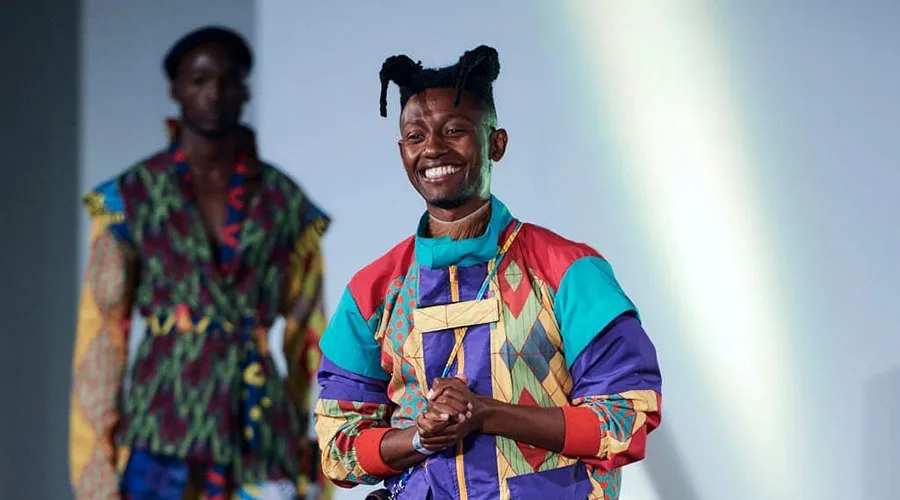
Multi-disciplinary, textile and fashion designer Amza Niyonzima is among four African creatives expected to participate at the forthcoming African Fashion International (AFI) and pan-African network of creatives slated for May 25 in South Africa.
Niyonzima, whose clothing brand ‘Masa Mara’, made it to the AFI line-up of runway collections and will represent East Africa alongside David Tlale representing the South, Said Mahrouf for the North and Ituen Basi from the West.
In commemoration of Africa Day, which recognizes the founding of the African Union, AFI will host an intimate fine-dining, fashion, and music experience for guests and creatives who are steering the African renaissance.
The pan-African experience will fuse fine-dining with fashion, and will incorporate music and dance elements led by renowned producers and artists such as Ayo Solanke a Saxophonist, Vuyani Dance Co and Ndlovu Youth Choir.
The experience is hosted in collaboration with Aurum restaurant and pan-African chef Coco Reinarhz.
“The African Union’s Agenda 2063 aspires for, amongst others, cultural identity and heritage that contributes to Africa’s transformation. The notion of a renaissance, which refers to the European period of transformation that was driven by philosophy, literature and art, calls on us to rediscover and elevate the arts in order to transform Africa into a hub of creativity and innovation,” said Dr.Precious Moloi-Motsepe, AFI’s founder and CEO.
Since its founding, AFI pioneered pan-African co-operation within the fashion industry.
In 2019, AFI launched a campaign, African Fashion Unites, to bring continental creatives together in response to xenophobic attacks.
In a similar response to the pandemic that has harshly impacted small and emerging creative entrepreneurs, this showcase is a pathway to ensure their sustainability whilst celebrating the aspirations of African people and the African Union.
For audiences at home, the collections that will be shown on the runway will be available to shop online at www.houseofnala.africa and at AFI’s concept store House of Nala at the Leonardo in Sandton, South Africa, and streamed online on AFI Facebook page from 19h00 SA time.
Niyonzima developed a love affair with fashion and art at a young age. Even as a young boy, he meticulously put his outfits together, and used his clothing to express his culture, personal taste, and his zest for life.
His fashion journey began when he started customizing his personal style, this sparked interest from friends.
He began creating and printing his own t-shirt designs, and also taught himself patterns and sewing. This propelled the designer to seriously consider the development of his own clothing line in 2013, which he proudly named Ma Casi, which means ‘strength’ or ‘power’ in Swahili/Lingala.
According to the designer, the name ‘Ma Casi’ was inspired by African strength, which is exemplified by our formation of powerful empires, and our ability to conquer our struggles victoriously.
“Ma Casi’ honours our freedom to go anywhere and to be anywhere in the world by our will. December 2014 marked the inception of a new collection called The Brave Ones,” Niyonzima said.
This new collection captured Niyonzima’s ever-evolving nature, and represents a new direction for his brand aspirations: Masa Mara, which means ‘The Brave One’.
Masa Mara came from a Rwanda saying Amara Masa (Empty handed or something from nothing).