Friday 13th of November 2026

Nairobi, Kenya

The African Fashion Industry: Key Players, Opportunities, Trends and Global Influence

The African Fashion Industry: Key Players, Opportunities, Trends and Global Influence

From the ateliers of Lagos and Accra to the fashion studios of Nairobi, Johannesburg and Dakar, African fashion is building an increasingly influential presence on the international stage. Driven by a new generation of designers, models, photographers, entrepreneurs and cultural innovators, the industry is redefining how African creativity is produced, presented and experienced around the world.

By Nairobi Fashion Hub Editorial Desk | African Fashion, Business & Culture

Africa’s fashion industry is entering a new era

African fashion is much more than a story of beautiful garments and emerging designers. It is an expansive creative economy connected to culture, identity, craftsmanship, manufacturing, technology, entrepreneurship and international trade.

Across the continent, fashion professionals are developing businesses, building distinctive brands, creating employment and introducing new interpretations of African aesthetics to global audiences. From traditional textile techniques reimagined for contemporary luxury to streetwear labels influenced by urban culture, African fashion is increasingly participating in conversations about the future of international style.

Yet the industry’s greatest potential may lie beyond the runway. It is found in the networks of people who make fashion possible: designers, textile producers, tailors, models, photographers, stylists, makeup artists, manufacturers, retailers, buyers, event organisers, journalists and digital entrepreneurs.

Understanding these connections is essential to understanding where African fashion is heading—and the opportunities available to those who want to participate in its growth.

UNESCO’s landmark 2023 report, The African Fashion Sector: Trends, Challenges and Opportunities for Growth, offers an important overview of this expanding creative economy. It identifies the contribution of fashion to employment, entrepreneurship, cultural expression and economic development, while highlighting the opportunities created by digital technologies, growing consumer markets and stronger regional connections.

The report also identifies challenges that continue to restrict the sector, including limited investment, inadequate infrastructure, gaps in professional training, intellectual property concerns and difficulties accessing affordable materials and international markets.

The message is clear: Africa has considerable creative potential, but realising that potential requires stronger business infrastructure, investment, collaboration and access to opportunities.

1. Understanding the African fashion industry

The African fashion industry is a diverse ecosystem that includes the entire journey of fashion, from raw materials and textile development to garment production, branding, retail, media and international distribution.

Its participants operate at different levels.

Some are independent designers creating bespoke garments for individual clients. Others operate ready-to-wear labels, manufacture clothing at scale, supply textiles, produce accessories, manage fashion retail businesses or provide creative services to commercial brands.

The industry can broadly be understood through several interconnected sectors.

Fashion design and garment production

Fashion designers are among the most visible contributors to the industry. They transform ideas, cultural references, materials and consumer needs into clothing and accessories.

Their businesses range from independent couture studios and bespoke tailoring houses to contemporary ready-to-wear labels and larger manufacturing operations.

African designers frequently draw inspiration from local textile traditions, craftsmanship, architecture, music, contemporary art and everyday life.

However, modern African fashion is not limited to traditional garments or heritage-inspired designs. It encompasses minimalism, luxury, streetwear, experimental fashion, contemporary tailoring, sportswear, bridal fashion and many other international design categories.

The growing diversity of African design is helping challenge narrow perceptions of what African fashion should look like.

Textiles, fabrics and craftsmanship

Textiles are fundamental to African fashion.

Across the continent, different communities have developed distinctive weaving, dyeing, embroidery, printing and fabric-making traditions.

Among the widely recognised textile traditions are:

  • Kente: Associated particularly with Ghana, recognised for its intricate woven patterns and cultural significance.
  • Aso-oke: A traditional handwoven Yoruba textile from Nigeria, frequently used in ceremonial and contemporary fashion.
  • Bogolan: A Malian mud-cloth tradition recognised for its distinctive patterns and natural dyeing techniques.
  • Kuba textiles: Associated with the Democratic Republic of the Congo and known for their complex geometric designs and craftsmanship.
  • Kanga: An East African printed textile traditionally worn in different ways, often featuring decorative borders and messages.
  • Shweshwe: A printed cotton fabric strongly associated with South African dress and design traditions.
  • Bazin: A richly finished fabric widely used in West African formal and ceremonial clothing.

These traditions continue to inspire designers, textile artists and contemporary fashion businesses.

Their importance extends beyond aesthetics. Textile production and craftsmanship support specialised skills, local enterprise and cultural knowledge that can be passed between generations.

Fashion retail and ecommerce

Fashion retail connects designers and manufacturers with consumers.

Across Africa, businesses operate through boutiques, independent retail stores, shopping centres, markets, online stores and social commerce channels.

Digital retail is creating additional opportunities for fashion brands to present collections, reach customers and build relationships beyond their immediate locations.

For independent designers, ecommerce can provide an alternative to relying exclusively on physical retail.

However, successful online fashion businesses need more than attractive product photographs. They require reliable product information, pricing, inventory management, payment systems, customer service, delivery arrangements and effective digital marketing.

Fashion media, photography and creative production

Fashion photography, journalism, videography, styling, modelling and content creation are essential parts of the industry’s commercial and cultural ecosystem.

These professionals help communicate the identity of a fashion brand, introduce new collections, document industry events and create visual stories that connect fashion with audiences.

Their work also contributes to the international visibility of African designers.

A fashion collection may be creatively outstanding, but without effective photography, styling, storytelling and distribution, its ability to reach potential buyers and audiences can be limited.

This makes creative professionals valuable participants in the wider fashion economy.


2. The key players shaping African fashion

The African fashion industry is powered by different professionals and organisations whose contributions often overlap.

Understanding these roles helps explain where opportunities exist and why collaboration is so important.

Fashion designers and fashion brands

Designers establish the creative identity of the industry.

They research, develop concepts, select materials, create patterns, oversee garment construction and present collections to consumers, buyers and the media.

Their businesses may specialise in luxury fashion, contemporary African design, streetwear, bridal fashion, bespoke tailoring, ready-to-wear clothing or accessories.

Fashion brands also require professionals in marketing, communications, ecommerce, retail, production and customer relations.

For emerging designers, developing a recognisable identity, producing consistently and establishing a reliable customer base are important steps towards building a sustainable business.

Models and modelling agencies

Models help bring fashion concepts to life.

They present garments through runway shows, fashion editorials, commercial campaigns, ecommerce photography, beauty productions and promotional events.

The industry includes runway models, editorial models, commercial models, beauty models, fitness models and specialist talent for different creative productions.

Modelling agencies contribute through talent development, casting, representation and professional coordination.

For emerging models, opportunities can begin with portfolio development, reputable castings, creative collaborations and participation in fashion events.

Fashion photographers and videographers

Photographers and videographers document and communicate fashion through visual storytelling.

Their services support designer campaigns, fashion magazines, ecommerce catalogues, brand advertisements, runway shows, model portfolios and social media content.

Fashion photography itself includes several specialisations:

  • Editorial fashion photography.
  • Commercial and advertising photography.
  • Runway and event photography.
  • Beauty and portrait photography.
  • Ecommerce and product photography.
  • Campaign and lookbook production.

Videographers increasingly contribute through fashion films, campaign videos, backstage documentaries, interviews, runway coverage and short-form digital content.

Fashion stylists and creative directors

Stylists interpret fashion concepts and develop complete visual presentations.

They select garments, accessories, footwear and other elements to create looks that communicate a particular identity or creative direction.

Creative directors often coordinate the broader visual vision of a campaign, production, brand or collection.

Their work can involve collaboration with designers, photographers, models, makeup artists, set designers and production teams.

Makeup artists, hairstylists and beauty professionals

The beauty industry is closely connected to fashion.

Makeup artists, hairstylists, beauticians and beauty specialists contribute to runway presentations, editorial shoots, advertising campaigns, celebrity styling and commercial productions.

For emerging beauty professionals, fashion events and photography collaborations can provide opportunities to demonstrate their skills and develop industry relationships.

Textile manufacturers, tailors and artisans

The professionals behind garment construction and material production are essential to the industry’s long-term development.

Textile manufacturers, weavers, pattern makers, tailors, seamstresses, embroidery specialists, leatherworkers and accessory makers provide the skills and services required to turn design concepts into finished products.

Strengthening these parts of the value chain is particularly important if African fashion businesses are to increase local production and compete more effectively in international markets.

Fashion entrepreneurs, retailers and buyers

Fashion entrepreneurs develop and manage the commercial side of the industry.

They may establish fashion labels, operate boutiques, manage ecommerce businesses, distribute clothing, source products or develop manufacturing partnerships.

Buyers and retailers play an important role in connecting designers with customers and identifying products that meet market demand.

Their decisions influence which brands reach retail spaces, how collections are distributed and which products receive commercial attention.

Fashion journalists, influencers and digital creators

Fashion media helps determine how designers, trends, brands and events are presented to audiences.

Journalists, editors, bloggers, influencers, content creators and fashion commentators contribute through reporting, reviews, interviews, photography, video and social media storytelling.

Digital creators have also introduced new ways for brands to reach communities, collaborate with audiences and communicate their identities.

Professional credibility, editorial quality and audience relevance remain important considerations for successful partnerships.

Fashion event organisers and industry institutions

Fashion weeks, exhibitions, trade shows, competitions, workshops and professional associations provide important platforms for the industry.

They bring together designers, buyers, media, models, sponsors, investors, creative professionals and consumers.

Beyond their immediate entertainment and promotional value, these gatherings can facilitate business conversations, professional learning and new partnerships.


3. Africa’s influential fashion capitals

African fashion does not have one centre. It is shaped by multiple cities with distinctive design communities, commercial environments and creative cultures.

Lagos, Nigeria: A powerful centre of contemporary fashion

Lagos has become one of the continent’s most visible fashion and creative centres.

Its fashion landscape includes contemporary designers, luxury labels, streetwear businesses, modelling agencies, photographers, stylists, fashion media and an active event culture.

Lagos Fashion Week has helped provide a platform for designers, industry discussions and professional connections.

The city’s creative environment also reflects the influence of music, film, entertainment and popular culture on fashion.

For businesses, Lagos offers an important market for exploring collaborations, fashion retail and brand development.

Accra, Ghana: Craftsmanship and contemporary design

Accra’s fashion identity is strongly connected to Ghana’s textile traditions, tailoring culture and contemporary design entrepreneurship.

Designers reinterpret traditional materials and techniques through modern silhouettes, formalwear, streetwear and luxury fashion.

The city’s creative environment also includes textile producers, accessory designers, fashion schools, photographers and independent fashion businesses.

Its international appeal continues to grow through designers and creative professionals presenting Ghanaian fashion perspectives to wider audiences.

Nairobi, Kenya: East Africa’s creative fashion connection

Nairobi is an important centre for East African fashion and creative entrepreneurship.

The city brings together designers, models, photographers, stylists, fashion brands, event organisers and other professionals working across fashion, beauty and the creative industries.

Kenyan fashion draws on a wide range of influences, including traditional craftsmanship, contemporary African aesthetics, urban culture, sustainable design and international trends.

The Nairobi fashion ecosystem also benefits from connections with regional creative markets and the city’s broader business and technology environment.

Fashion events, creative showcases, designer presentations and professional networking gatherings provide opportunities for people to connect and collaborate.

The growing importance of digital discovery is particularly relevant to Nairobi’s fashion community. Platforms such as Nairobi Fashion Hub are creating additional ways for professionals, clients and event organisers to find one another.

Johannesburg and Cape Town, South Africa: Established creative and commercial markets

South Africa has a diverse fashion ecosystem with designers, retailers, manufacturers, photographers, fashion publications and established creative institutions.

Johannesburg is an important centre for fashion business, retail, contemporary design and creative production.

Cape Town is known for its design, editorial photography, lifestyle and fashion-related creative industries.

South African fashion also draws on diverse cultural influences and a strong relationship with visual arts, music and contemporary urban culture.

Dakar, Senegal: Heritage, couture and cultural expression

Dakar has an important place in West African fashion.

Its creative landscape includes tailoring, couture, textile craftsmanship and designers who reinterpret Senegalese and broader African cultural influences.

The city’s fashion environment demonstrates how cultural heritage can become a source of contemporary creative and commercial expression.

Casablanca, Morocco: Design, manufacturing and international trade

Casablanca is an important fashion and textile centre in North Africa.

Its industrial and commercial environment connects fashion design, garment production, retail and international supply chains.

Morocco’s position between African, European and Mediterranean markets also makes it relevant to conversations about international fashion trade and manufacturing.

Other emerging fashion destinations

Beyond these major centres, fashion communities across Kigali, Abidjan, Addis Ababa, Kampala, Dar es Salaam, Maputo, Lusaka, Tunis and other cities are contributing to the continent’s wider creative landscape.

Each market offers different opportunities for designers, creative professionals, manufacturers and entrepreneurs.

The future of African fashion will depend partly on strengthening connections between these markets rather than treating them as isolated creative communities.


4. The major trends transforming African fashion

The industry’s development is being shaped by changing consumer behaviour, technology, cultural expression, sustainability and international demand.

Several trends are particularly important.

The global rise of contemporary African design

African designers are increasingly presenting collections that combine cultural references with contemporary fashion language.

Rather than relying on a single interpretation of African style, they are exploring different materials, silhouettes, techniques and visual identities.

This diversity is important because international fashion audiences are increasingly exposed to a wider range of design perspectives.

For African brands, the opportunity is to develop recognisable identities while remaining commercially relevant and creatively independent.

Heritage craftsmanship and modern innovation

Traditional textiles and craftsmanship continue to influence contemporary fashion.

Designers are combining handwoven fabrics, embroidery, natural dyeing, beadwork, leatherwork and other specialist techniques with modern construction and international design influences.

This creates opportunities for artisans and craftspeople to participate in higher-value fashion production.

It also provides designers with distinctive materials and stories that can differentiate their brands.

However, heritage-inspired design should be developed responsibly, with appropriate recognition of cultural origins, knowledge holders and intellectual property.

Sustainable and responsible fashion

Sustainability is becoming an important part of global fashion conversations.

African fashion businesses have opportunities to develop approaches that prioritise local sourcing, responsible production, garment durability, repair, reuse and reduced waste.

Independent designers and small businesses may be able to experiment with made-to-order production, upcycling, deadstock fabrics and limited collections.

These approaches can reduce unnecessary inventory and create distinctive products.

However, sustainability claims should be supported by evidence. Businesses should be transparent about sourcing, working conditions, materials and production practices.

Digital fashion businesses and ecommerce

Digital technology is changing how fashion brands reach customers and manage their businesses.

Online stores, mobile applications, social commerce, digital payments and professional directories are creating new ways to discover fashion products and services.

For independent designers, digital platforms can help extend visibility beyond physical retail locations.

For creative professionals, online portfolios and service listings can make their work easier to discover.

For event organisers, digital ticketing and online promotion can help manage audience engagement.

The next phase of fashion technology in Africa will depend on how effectively these tools address practical business needs.

Streetwear and youth-driven fashion culture

Streetwear has become an important influence on contemporary African fashion.

Its development is connected to music, sport, urban communities, youth culture, art and digital media.

Independent labels are experimenting with graphic design, contemporary silhouettes, cultural references and limited-edition releases.

The opportunity for African streetwear brands is to build strong identities, produce quality products and create meaningful connections with their target communities.

Inclusive representation and diverse identities

The fashion industry is increasingly recognising the importance of representing different body types, ages, identities and communities.

African fashion has an opportunity to contribute to this wider movement by presenting more varied perspectives in modelling, advertising, editorial production and brand communication.

Inclusive representation should extend beyond campaign imagery to professional opportunities, workplace practices and business decision-making.

Fashion, music, film and entertainment

The relationship between fashion and entertainment continues to create opportunities for African creatives.

Musicians, actors, dancers, filmmakers and public personalities influence how fashion is presented and consumed.

Designers can collaborate with performers on stage costumes, music videos and public appearances. Stylists can work across entertainment productions, while photographers and videographers can develop campaigns that connect fashion with music and film.

These collaborations can introduce brands to audiences beyond traditional fashion channels.

Artificial intelligence and emerging creative technology

Artificial intelligence and digital production tools are beginning to influence fashion research, visualisation, marketing, customer service and content creation.

Fashion businesses can use emerging technology to explore creative concepts, organise information, develop marketing materials and improve selected business processes.

However, technology should complement professional skills rather than replace the value of designers, photographers, models, stylists and artisans.

Authenticity, creative ownership, transparency and responsible use of digital tools will remain important.


5. The economic opportunities in African fashion

The fashion industry creates opportunities that extend beyond designing and selling clothing.

It supports a broad chain of businesses and professional services, many of which can be developed by independent entrepreneurs and small enterprises.

Fashion entrepreneurship and brand development

Starting a fashion business can involve launching a clothing label, developing accessories, offering bespoke tailoring, producing uniforms or operating a specialist fashion retail business.

Entrepreneurs can identify opportunities by studying consumer demand, understanding local markets and developing products that solve specific customer needs.

A successful brand requires more than a creative concept. It needs a clear business model, production strategy, pricing structure, distribution plan and marketing approach.

Textile production and local manufacturing

Africa has opportunities to strengthen its textile and garment production capabilities.

Local manufacturing can support employment, create demand for raw materials and increase the value retained within African economies.

However, building competitive production systems requires investment in machinery, technical training, energy, logistics, quality control and access to affordable finance.

Modelling and creative services

Models, photographers, stylists, makeup artists, hairstylists and videographers can develop independent professional businesses.

Their services support fashion campaigns, retail catalogues, designer collections, events, advertising and entertainment productions.

A professional portfolio, clear pricing and reliable service delivery can help creatives establish a sustainable client base.

Fashion education and skills development

The industry needs professionals with technical and business knowledge.

Training opportunities exist in fashion design, garment construction, pattern making, textile development, photography, styling, fashion marketing, merchandising, retail management and entrepreneurship.

Education institutions, established designers, professional associations and industry organisations all have a role in strengthening these skills.

Fashion events and creative tourism

Fashion weeks, exhibitions, trade shows, designer showcases and cultural festivals can create economic activity beyond the fashion industry itself.

Events generate demand for venues, accommodation, transport, catering, event production, photography, media coverage and other services.

They can also introduce visitors to local designers, craft traditions and creative businesses.

International trade and distribution

African fashion brands can explore international opportunities through wholesale partnerships, ecommerce, exhibitions, trade missions and collaborations with retailers.

However, international expansion requires careful planning.

Brands must understand product standards, pricing, customs procedures, shipping costs, intellectual property protection, consumer preferences and distribution arrangements.

The strongest international strategies are built on consistent quality, reliable production and a clear brand identity.


6. What is holding African fashion back?

Despite its potential, the industry continues to face structural challenges.

Understanding these issues is important for anyone seeking to develop a fashion business or contribute to the sector’s long-term growth.

Limited access to investment

Many African fashion businesses operate as micro, small and medium-sized enterprises.

They may have strong creative products but limited access to finance for equipment, materials, production, marketing and expansion.

This can restrict their ability to fulfil large orders or compete with better-capitalised international businesses.

Improving access to suitable financing, business development support and investment partnerships is therefore important.

Production and supply-chain constraints

Access to quality fabrics, trims, machinery and reliable manufacturing services can be difficult or expensive in some markets.

Production delays, transport costs and inconsistent supply can affect pricing and delivery schedules.

Strengthening local textile production and regional supply chains could help reduce some of these challenges.

Intellectual property and design protection

Original designs, textile patterns, brand identities and creative works represent valuable business assets.

However, designers and artisans may lack sufficient awareness, resources or practical access to intellectual property protection.

Education about trademarks, copyright, design rights, licensing and contractual agreements is important.

Creative professionals should also establish clear agreements concerning the use of photographs, videos, designs and other production materials.

Limited international market access

International visibility does not automatically translate into international sales.

Fashion businesses must navigate distribution, international logistics, consumer expectations, product standards, customs requirements and payment systems.

Access to international buyers, retail networks and trade opportunities remains an important area for development.

Skills and professional development gaps

Fashion requires a combination of creative, technical and commercial skills.

A designer may understand garment construction but need additional knowledge in finance, ecommerce or marketing. A creative professional may have strong technical ability but limited experience in business development.

More accessible training, mentorship and professional networks can help address these gaps.

Fragmented professional networks

One of the industry’s less visible challenges is the difficulty of connecting the different people and businesses involved in fashion.

A designer may struggle to find a reliable photographer. A model may not know where to discover legitimate castings. A brand may spend considerable time identifying a stylist or production team.

An event organiser may need to coordinate several independent professionals across different disciplines.

These challenges demonstrate why professional directories, digital discovery tools and industry networking platforms are increasingly relevant.


7. Networking: The foundation of a stronger African fashion industry

Fashion is fundamentally collaborative.

A successful runway show may involve designers, models, stylists, makeup artists, hairstylists, photographers, lighting technicians, event producers, sponsors and media professionals.

A fashion campaign may require a brand manager, creative director, photographer, videographer, model, stylist and production coordinator.

The quality of the final result often depends on how effectively these participants work together.

Networking therefore should not be viewed as an activity reserved for established industry figures. It is an essential part of professional development for emerging creatives, independent businesses and established brands.

Where to build fashion-industry connections

Fashion weeks and runway shows

These events bring together designers, models, buyers, journalists, photographers, stylists and sponsors.

They provide opportunities to observe industry developments, discover new talent and initiate professional relationships.

Fashion exhibitions and trade fairs

Exhibitions connect designers and manufacturers with buyers, suppliers, retailers and entrepreneurs.

They can be especially valuable for people interested in production, distribution and commercial partnerships.

Creative workshops and masterclasses

Training events provide opportunities to learn from experienced professionals while developing relationships with people working in related disciplines.

Photography studios and creative productions

Collaborative shoots can connect models, designers, photographers, stylists, makeup artists and creative directors.

They can also help emerging professionals build portfolios and demonstrate their abilities.

Professional associations and creative communities

Industry organisations, educational institutions and professional communities can provide mentorship, training, advocacy and networking opportunities.

Digital fashion platforms

Online directories, professional profiles and specialised industry platforms provide additional ways to discover talent, present services and identify potential collaborators.


8. Nairobi Fashion Hub: Connecting fashion professionals, clients and event organisers

As African fashion becomes more interconnected, digital platforms are creating new ways for people within the industry to discover one another.

Nairobi Fashion Hub is a Kenya-based fashion and creative platform designed to bring together fashion professionals, clients, brands and event organisers through a shared digital experience.

Its web application and mobile applications provide tools for professional discovery, service listings, portfolios, booking requests, creative gigs, fashion-event discovery and event hosting.

The platform recognises that fashion is not built by designers alone. It depends on an entire network of professionals whose skills and services contribute to the success of creative projects.

For a fashion brand preparing a campaign, this may mean finding a photographer, model, stylist and makeup artist. For an emerging designer, it may mean presenting a portfolio and discovering potential clients. For an event organiser, it may mean publishing an event and managing ticket sales and attendance.

Nairobi Fashion Hub provides a digital starting point for these connections.

Discover fashion professionals through one directory

The platform’s services directory allows users to explore fashion and beauty professionals across Kenya.

Available categories include fashion design, modelling, styling, photography, fashion blogging and makeup artistry, among other creative services.

Users can explore professional profiles, review service information and identify people whose work may suit their requirements.

For example:

  • A designer can look for models to present a new collection.
  • A photographer can showcase services and attract potential clients.
  • A fashion brand can explore photography, styling and makeup services for a campaign.
  • A client can discover a designer for a custom garment.
  • An event organiser can search for professionals to support a fashion production.

Explore the services directory:

https://app.nairobifashionhub.co.ke/services

Create a professional profile and showcase your work

Professional visibility is important in a competitive fashion industry.

A model needs a portfolio that demonstrates their presentation skills. A photographer needs images that communicate their creative style. A designer needs to present collections and craftsmanship, while a stylist needs to show the quality of their visual work.

Nairobi Fashion Hub provides professionals with an opportunity to create discoverable profiles, list their services and showcase portfolio work.

This gives potential clients an additional place to review their services and consider whether they are suitable for a project.

For emerging professionals, it can be an additional channel for establishing a digital presence. For established creatives, it offers another route through which potential clients can discover their work.

Join Nairobi Fashion Hub as a service provider:

https://app.nairobifashionhub.co.ke/join/provider

Discover clients and explore booking opportunities

Finding clients is one of the ongoing challenges facing independent fashion professionals.

Social media can help people become visible, but turning that visibility into professional assignments requires clear service information, communication and an organised way to handle enquiries.

Nairobi Fashion Hub allows clients to discover professionals, review their services and submit booking requests.

This creates an additional channel for people and businesses seeking creative services.

A fashion label, for instance, can explore photography or styling services before making a booking request. A client looking for a designer can browse relevant professional listings and consider available options.

The final scope of work, pricing, schedule, deliverables and working arrangements should be agreed between the parties.

Register as a client:

https://app.nairobifashionhub.co.ke/join/client

Creative gigs: Turning ideas into project opportunities

Some fashion projects begin with a specific brief rather than an established professional relationship.

A clothing brand may need a photographer for a campaign. An event organiser may require a stylist. A designer may be looking for creative support for a new collection.

Nairobi Fashion Hub includes a creative gig feature through which clients can publish a project brief and budget, allowing interested professionals to submit offers.

This creates a structured starting point for discussing project requirements.

For clients, a useful brief should explain the assignment, expected deliverables, location, schedule, budget and creative direction.

For professionals, a strong offer should communicate relevant experience, availability, proposed fees and how the work will be delivered.

The feature provides another way for creatives and potential clients to identify opportunities for collaboration.

Fashion events: Discover the people and experiences shaping the industry

Fashion events are important spaces for networking, learning and professional visibility.

Runway shows, designer launches, exhibitions, workshops, fashion talks and industry gatherings bring together people with different skills and interests.

Nairobi Fashion Hub provides an event discovery and ticketing experience through which users can explore listed events and access available tickets.

For fashion professionals, attending industry events can help develop relationships, discover new designers, learn about market developments and identify potential collaborators.

For fashion enthusiasts, events provide opportunities to experience the creativity and diversity of the industry.

Explore fashion events:

https://app.nairobifashionhub.co.ke/events

Event hosting: Promote and manage fashion experiences

Fashion event organisers need effective ways to communicate event information, reach audiences and manage attendance.

Nairobi Fashion Hub provides an event-hosting experience that allows organisers to publish events, sell tickets and manage guests, including attendee check-in.

The platform can support organisers working

Content Courtesy of NFH Digital Team
How to Find Fashion Professionals in Africa: Models, Photographers, Designers and Stylists

How to Find Fashion Professionals in Africa: Models, Photographers, Designers and Stylists

From emerging runway talent in Nairobi to fashion photographers in Lagos, designers in Accra and stylists in Johannesburg, Africa’s fashion industry is powered by an extraordinary network of creative professionals. Discover where to find the right talent, how to build meaningful industry relationships and how digital platforms such as Nairobi Fashion Hub are creating new ways to connect.

By Nairobi Fashion Hub Editorial Desk | Fashion, Business & Technology

Africa’s fashion industry is built on creative collaboration

African fashion is experiencing an important period of creative evolution. Across the continent, designers, models, photographers, stylists, makeup artists, fashion entrepreneurs and creative producers are developing distinctive identities and contributing to an increasingly visible fashion landscape.

From contemporary interpretations of traditional craftsmanship to experimental streetwear, luxury fashion, sustainable design and commercial fashion campaigns, African creatives are presenting new perspectives on style, identity and culture.

The continent’s fashion industry is not defined by a single aesthetic. It is a diverse creative environment shaped by different countries, communities, histories, materials and design traditions.

The work of an individual designer, for example, rarely exists in isolation. Behind a successful collection may be a team of pattern makers, photographers, models, stylists, makeup artists, fashion writers, production managers and event organisers. Each contributes a different skill to the final presentation.

This collaborative structure makes professional connections essential.

Whether a fashion brand is preparing a new campaign, a designer is launching a collection, a photographer is expanding a portfolio or a model is seeking professional opportunities, finding the right people can influence the quality and success of a project.

Yet discovering talent is not always straightforward. Professional contacts may be spread across social media accounts, agencies, personal recommendations, fashion events and independent portfolios.

The opportunity is to make these connections easier to discover, assess and develop.

Where to find fashion professionals in Africa

Finding the right creative professional begins with understanding the type of work required. A runway production has different needs from an ecommerce photoshoot, while a fashion editorial requires a different creative approach from a commercial advertising campaign.

The following are some of the most useful places and methods for discovering fashion talent across Africa.

1. Fashion models: Finding the right face for a creative vision

Models are among the most visible participants in the fashion industry, but their work extends far beyond walking on a runway.

Professional models contribute to fashion editorials, advertising campaigns, designer lookbooks, beauty productions, ecommerce photography, television commercials, promotional events and brand storytelling.

The modelling industry includes several specialisations:

  • Runway models: Present clothing and accessories during fashion shows, designer presentations and fashion weeks.
  • Editorial models: Work with photographers, magazines, designers and creative directors to communicate a visual concept through fashion photography.
  • Commercial models: Appear in advertising campaigns, product promotions, lifestyle photography and brand communications.
  • Ecommerce models: Showcase garments and accessories for online retail catalogues and fashion businesses.
  • Beauty models: Feature in cosmetics, skincare, haircare and beauty campaigns.
  • Fitness and lifestyle models: Represent brands operating in fitness, wellness, sportswear and lifestyle markets.
  • Plus-size and inclusive models: Contribute to fashion campaigns that represent a broader range of body types and audiences.

Where can you find fashion models in Africa?

Fashion professionals can discover models through reputable modelling agencies, casting opportunities, fashion weeks, designer presentations, professional portfolios, photography networks and fashion-focused digital directories.

Social media can also help identify emerging talent, but a strong online following should not be confused with professional experience or suitability for a particular assignment.

When selecting a model, clients should consider:

  • Portfolio quality and previous work.
  • Experience relevant to the assignment.
  • Runway, posing or presentation skills where required.
  • Reliability and professional communication.
  • Availability, location and agreed fees.
  • Usage rights for photographs and campaign material.
  • Clear expectations concerning working conditions and deliverables.

For emerging models, building a professional portfolio, attending reputable industry events and establishing relationships with photographers, designers and agencies can help create a foundation for a sustainable career.

2. Fashion photographers: Finding the professionals who tell fashion stories

Fashion photography is one of the most influential creative disciplines in the industry. A photograph can introduce a designer to a new audience, establish a brand identity, communicate the personality of a collection or preserve the atmosphere of a major runway event.

Africa has a growing community of photographers working across editorial, commercial, documentary, portrait, product and fashion-event photography.

The right photographer depends on the intended outcome.

Editorial fashion photographers

Editorial photographers create images that communicate a visual narrative. Their work may appear in fashion publications, creative campaigns, designer portfolios and conceptual photo stories.

Commercial fashion photographers

Commercial photographers work with fashion labels, retailers, advertising agencies and businesses to produce images for marketing and brand communication.

Runway and event photographers

These professionals document fashion shows, designer presentations, exhibitions, backstage preparations and other industry events. Their work requires timing, technical skill and an understanding of live-event environments.

Ecommerce and product photographers

Online fashion businesses need clear, consistent and commercially useful product imagery. These photographers help present clothing, accessories, footwear and other products accurately.

Beauty and portrait photographers

Beauty photography focuses on makeup, hair, skincare, accessories and close-up portraiture. It is particularly important for beauty campaigns and professional model portfolios.

How to select a fashion photographer

A photographer’s portfolio should be the starting point, not the only consideration.

Review whether their previous work matches the intended style, whether they understand lighting and composition, and whether they have experience with the type of production being planned.

Before confirming an assignment, discuss:

  • Creative direction and moodboard.
  • Location, studio requirements and production schedule.
  • Number of final edited images.
  • Delivery timelines and image formats.
  • Photography and retouching fees.
  • Copyright, licensing and image usage.
  • Permission for portfolio and promotional use.

A written agreement helps protect both the photographer and the client, particularly when images will be used for advertising, publication or commercial campaigns.

3. Fashion designers: Discovering the people shaping African style

Fashion designers are central to the development of the African fashion industry. They interpret ideas, materials, culture and consumer needs into clothing, accessories and complete fashion collections.

Across the continent, designers work in diverse segments, including:

  • Luxury and couture fashion.
  • Ready-to-wear collections.
  • Contemporary African fashion.
  • Streetwear and urban fashion.
  • Sustainable and ethical fashion.
  • Bridal and occasion wear.
  • Bespoke tailoring.
  • Accessories, jewellery and footwear.
  • Textile development and fashion craftsmanship.

African designers increasingly draw on local creative traditions while experimenting with modern silhouettes, production techniques, technology and international design influences.

For brands, retailers, stylists, event organisers and customers, discovering the right designer involves more than identifying attractive clothing.

What to consider when selecting a designer

Review the designer’s portfolio, construction quality, finishing, materials, sizing approach, production capacity and experience with the type of garment required.

For a fashion campaign, the designer’s visual identity and creative direction may be especially important. For a retail partnership, production consistency, pricing, delivery capacity and product quality become equally relevant.

For emerging designers, networking can open conversations with photographers, models, stylists, fashion writers, buyers, retailers, manufacturers and event organisers.

A designer who builds strong professional relationships is better positioned to move beyond creating individual pieces and develop a recognisable fashion business.

4. Fashion stylists: Bringing creative concepts to life

Fashion styling is a vital part of professional image-making. Stylists interpret a creative brief and translate it into a coherent visual presentation through clothing, accessories, colour, texture, proportion and personal expression.

Their work is important in editorial photography, runway shows, advertising campaigns, celebrity styling, music videos, commercial productions and brand launches.

There are several areas of specialisation:

  • Editorial stylists: Create visual concepts for fashion stories and publications.
  • Commercial stylists: Develop looks for advertising campaigns and brand productions.
  • Personal stylists: Help individuals build wardrobes and define their personal image.
  • Celebrity stylists: Work with public figures, performers and personalities.
  • Runway stylists: Coordinate the presentation of garments and looks for fashion shows.
  • Ecommerce stylists: Prepare clothing and accessories for product photography and online retail.

A strong stylist understands more than current trends. They need an eye for detail, an understanding of garment construction, knowledge of designers and brands, organisational ability and the capacity to collaborate with different creative departments.

How to find the right stylist

Review previous styling projects, identify the stylist’s areas of expertise and assess whether their visual approach suits the assignment.

For a fashion editorial, look for storytelling and originality. For a commercial campaign, consider brand consistency and audience relevance. For a runway production, assess experience with fittings, garment coordination and show preparation.

A clear creative brief and agreed production schedule help ensure that everyone understands the intended result.

5. The wider creative team: Makeup artists, hair professionals and production specialists

A successful fashion project frequently requires additional specialists.

Makeup artists, hairstylists, beauticians, creative directors, fashion assistants, videographers, content creators, casting professionals, set designers and production coordinators all contribute to the final output.

For example, a designer launching a new collection may need:

  1. A creative director to establish the visual concept.
  2. A stylist to coordinate outfits and accessories.
  3. Models to present the collection.
  4. A makeup artist and hairstylist to complete the looks.
  5. A photographer to capture the campaign.
  6. A videographer to produce promotional content.
  7. A production coordinator to manage schedules and logistics.

Finding the right combination of professionals is an important part of transforming a creative idea into a professional production.


The best places to build fashion-industry connections

Discovering a professional is only the beginning. Long-term relationships are developed through communication, collaboration, shared interests and professional consistency.

For people entering the fashion industry, networking should be treated as an ongoing investment rather than an activity reserved for major fashion events.

Fashion weeks and runway shows

Fashion weeks provide opportunities to meet designers, models, photographers, stylists, fashion journalists, buyers, sponsors, production teams and event organisers.

They also provide an opportunity to observe how the industry operates behind the scenes.

Attending a show can lead to conversations about future collaborations, portfolio development, brand partnerships and creative projects.

For professionals attending fashion events, preparation matters. Research participating designers, understand the event’s audience, prepare a professional introduction and identify the people whose work aligns with your interests.

Fashion exhibitions and trade events

Fashion exhibitions and trade events bring together designers, manufacturers, textile suppliers, retailers, buyers and entrepreneurs.

These events can be especially valuable for professionals interested in the commercial side of fashion.

A designer may meet a potential stockist, a fashion entrepreneur may discover a manufacturing partner, and a photographer may establish a relationship with a brand looking for campaign content.

Photography studios and creative production spaces

Photography studios, creative agencies and production spaces often become meeting points for models, photographers, stylists, makeup artists and designers.

Collaborative test shoots and portfolio projects can help emerging professionals gain experience, develop working relationships and demonstrate their capabilities.

However, every collaboration should have clearly agreed expectations. Professionals should discuss compensation, expenses, image ownership, publication rights and how the final work may be used.

Professional associations, training institutions and creative communities

Fashion schools, design institutions, professional associations, workshops and mentorship programmes can provide valuable opportunities to develop skills and meet people working in related fields.

For emerging creatives, these environments can provide access to industry knowledge, feedback, professional guidance and collaborative networks.

Digital platforms and professional directories

Digital discovery has become an important part of how creative professionals present their work and identify potential clients.

Professional websites, portfolio platforms, social media and specialised directories allow people to discover talent beyond their immediate geographical networks.

For professionals, a well-organised digital presence can make it easier for potential clients to understand their services, review their work and assess whether they are suitable for a project.

For clients, directories can reduce the time spent searching across disconnected sources.

This is where fashion-focused platforms such as Nairobi Fashion Hub become relevant.


Nairobi Fashion Hub: A digital space for discovering and connecting fashion professionals

Finding the right professional should not depend entirely on who you already know.

Nairobi Fashion Hub is a Kenya-based fashion and creative platform designed to bring fashion professionals, clients, brands and event organisers into a shared digital environment.

Through its web application and mobile experience, the platform supports professional discovery, service listings, portfolios, booking requests, creative gigs and fashion events.

Its focus is on making it easier for people within the fashion and creative community to find one another and explore opportunities to work together.

Explore Nairobi Fashion Hub:
https://app.nairobifashionhub.co.ke/

1. Discover models, photographers, designers and stylists

The Nairobi Fashion Hub services directory allows users to explore fashion and beauty professionals through service categories.

These include fashion design, modelling, styling, photography, makeup artistry and other creative services.

Users can search for professionals, review available service listings and explore relevant profiles.

For example:

  • A fashion designer preparing a new collection can look for models and photographers.
  • A photographer building an editorial portfolio can explore potential creative collaborators.
  • A fashion brand preparing a campaign can search for stylists and makeup artists.
  • An ecommerce business can explore photography services for product presentation.
  • An event organiser can discover creative professionals whose services may support a runway production.

The directory provides a starting point for discovering professionals and assessing the services they offer.

Explore the services directory:
https://app.nairobifashionhub.co.ke/services

2. Create a professional profile and showcase your portfolio

Visibility is important in a competitive creative industry.

A model needs a portfolio that demonstrates versatility. A photographer needs images that communicate their visual style. A designer needs to present collections and craftsmanship, while a stylist needs to demonstrate their ability to create compelling looks.

Nairobi Fashion Hub provides professionals with an opportunity to create discoverable profiles, present their services and showcase portfolio work.

This gives prospective clients a place to review a professional’s offering before considering a booking.

For emerging creatives, a carefully prepared profile can help establish a more professional online presence.

For established professionals, it offers another digital channel through which potential clients can discover their work.

Join as a service provider:
https://app.nairobifashionhub.co.ke/join/provider

3. Find clients and explore booking opportunities

For creative professionals, finding clients is one of the ongoing challenges of building a sustainable business.

Social media can help generate awareness, but turning visibility into a professional assignment requires clear communication about services, availability, pricing and expectations.

Nairobi Fashion Hub allows clients to discover professionals, review service information and submit booking requests.

This creates an additional route for clients and creative businesses to identify talent for specific assignments.

A brand looking for a photographer, for instance, can explore relevant services and assess whether a professional’s portfolio matches its campaign requirements.

A model can use a professional profile to present their work to people searching for modelling services.

The platform facilitates discovery and booking requests; the final scope, fees, schedule and working arrangements should be agreed directly between the relevant parties.

Join as a client:
https://app.nairobifashionhub.co.ke/join/client

4. Creative gigs: Turning project briefs into opportunities

Not every creative assignment begins with a long-term contract or an established professional relationship.

Some projects start with a specific requirement: a brand needs a photographer for a campaign, an organiser needs a stylist for a runway production, or a business requires creative support for a product launch.

Nairobi Fashion Hub includes a creative gig feature through which clients can post a brief and budget, allowing interested professionals to submit offers.

This creates a structured starting point for discussing project requirements.

For professionals, it provides another opportunity to explore assignments that match their skills.

For clients, it offers a way to communicate what they need and consider offers from interested creatives.

To make the most of this feature, clients should prepare clear briefs that explain the assignment, expected deliverables, location, schedule, budget and relevant creative direction.

Professionals responding to a gig should explain their experience, approach, availability and proposed fees.

A well-prepared project brief can make the selection process more productive for everyone involved.

5. Fashion events: Discover, attend and participate in the industry

Fashion events are among the most important environments for building professional relationships.

Runway shows, designer launches, exhibitions, workshops, fashion talks and networking gatherings bring together people with different skills and interests.

Nairobi Fashion Hub provides an event discovery and ticketing experience through which users can explore fashion events and access available tickets.

This is particularly relevant for professionals who want to remain connected to industry activity, discover emerging designers and participate in creative gatherings.

Attending an event can create opportunities to meet potential collaborators, learn about new developments and develop relationships with people working in different areas of fashion.

Explore fashion events:
https://app.nairobifashionhub.co.ke/events

6. Event hosting: Give fashion experiences a digital platform

For fashion event organisers, promoting an event and managing attendance are important parts of production.

Nairobi Fashion Hub also provides an event-hosting experience for organisers who want to publish events, sell tickets and manage guests, including attendee check-in.

The functionality can support different types of fashion and creative gatherings, including:

  • Fashion shows and runway presentations.
  • Designer collection launches.
  • Fashion exhibitions.
  • Pop-up markets.
  • Workshops and masterclasses.
  • Industry networking events.
  • Creative showcases and brand activations.

For organisers, a dedicated event listing provides another place to present event information and direct interested audiences towards ticketing.

The platform offers a digital event-management route, while organisers remain responsible for event planning, production, promotion and delivery.

Register as an event host:
https://app.nairobifashionhub.co.ke/join/host


How to build meaningful relationships in the African fashion industry

A professional directory can help people find one another, but meaningful networking requires effort beyond creating an account or exchanging contact details.

The strongest relationships are usually built through trust, consistency and mutual professional value.

Here are practical ways to approach networking.

1. Make your professional identity clear

Before approaching potential collaborators, establish what you do and what you want to achieve.

A photographer should be able to explain their specialisation. A model should have an organised portfolio. A designer should communicate their aesthetic and product offering. A stylist should be able to explain the type of productions they work on.

A clear professional identity makes it easier for others to understand how they might work with you.

2. Build a portfolio that reflects your best work

A portfolio is often the first serious assessment a prospective client or collaborator makes.

It should be carefully selected rather than simply filled with every project you have completed.

Models should include appropriate images that demonstrate their range. Photographers should present work that reflects their technical ability and creative style. Designers should show finished garments and construction details. Stylists should demonstrate complete looks and the thinking behind their visual choices.

Quality, relevance and consistency are more valuable than volume alone.

3. Approach collaborations with a clear purpose

Instead of sending a general message asking someone to collaborate, explain why their work interests you and what you would like to create together.

For example, a photographer approaching a designer could propose a lookbook shoot. A model could introduce themselves to a photographer whose editorial style aligns with their portfolio. A stylist could approach a fashion brand with a visual concept for a campaign.

Specific proposals make it easier to evaluate whether a collaboration is suitable.

4. Attend events with an intention to connect

Networking events and fashion shows can be valuable, but attendance alone does not guarantee meaningful relationships.

Identify the people and organisations you would like to meet. Prepare a concise introduction and be ready to explain your work.

After an event, follow up professionally with people you had meaningful conversations with. Reference the discussion and, where appropriate, suggest a practical next step.

5. Respect the business side of creative work

Fashion is an artistic industry, but professional relationships also involve commercial agreements.

Before beginning a project, establish:

  • The exact scope of work.
  • Responsibilities of each participant.
  • Payment and expenses.
  • Production schedules and deadlines.
  • Image and intellectual property rights.
  • Cancellation and rescheduling terms.
  • Credit and portfolio permissions.

Creative collaboration should not depend on unclear expectations. Respecting professional boundaries helps build relationships that can continue beyond a single project.

6. Maintain relationships after the project ends

A successful collaboration can become the foundation for future work.

Share approved project outcomes, acknowledge contributors, provide feedback and remain in contact with people whose work you respect.

Professional networking is not simply about finding someone when you need a service. It is about becoming part of a community in which people recognise one another’s skills and professional standards.


Opportunities for different fashion professionals

The growth of Africa’s fashion ecosystem creates opportunities across several creative and commercial disciplines. These opportunities vary by market, experience, demand and available resources, but the following examples illustrate how professionals can position themselves.

For emerging and established models

Models can develop opportunities through runway presentations, editorial productions, commercial campaigns, beauty projects and brand collaborations.

Building a professional portfolio, maintaining reliable communication and understanding image-use agreements are important parts of career development.

A discoverable professional profile can provide an additional place to present work and make services easier for potential clients to find.

For fashion photographers

Photographers can develop relationships with designers, agencies, models, retailers, fashion publications, event organisers and advertising businesses.

Their services may extend into lookbooks, ecommerce photography, fashion campaigns, portraits, backstage coverage and event documentation.

A strong portfolio and clearly defined service offerings can help communicate their specialisation to prospective clients.

For fashion designers

Designers can connect with models, stylists, photographers, retailers, fashion media, manufacturers and event organisers.

They can also use fashion events and professional collaborations to present new collections, communicate their brand identity and introduce their work to new audiences.

Building a sustainable fashion business requires attention to product quality, production capacity, pricing, distribution and customer relationships in addition to creative talent.

For fashion stylists

Stylists can work with designers, models, photographers, advertising agencies, production teams, media organisations and brands.

Editorial projects, commercial campaigns, personal styling and runway presentations offer different routes for developing a professional practice.

A strong portfolio should show the stylist’s ability to interpret a brief, coordinate garments and accessories, and create a coherent visual identity.

For makeup artists and beauty professionals

Makeup artists, hairstylists and beauty specialists can collaborate with photographers, models, fashion designers, salons, beauty brands and event organisers.

Their work is essential to editorial shoots, runway shows, advertising campaigns and professional portraiture.

Presenting a portfolio that demonstrates different techniques and styles can help clients understand the services available.

For fashion event organisers

Event organisers can build relationships with designers, models, photographers, production companies, sponsors, media professionals and creative suppliers.

Fashion events also create opportunities for businesses to introduce products, engage audiences and build professional networks.

A well-planned event should have a clear audience, a strong identity, an appropriate production budget and a communications strategy.


Building a professional fashion network beyond borders

African fashion is not a single market. Each country has its own creative communities, commercial conditions, institutions, consumer preferences and opportunities.

A designer in Ghana may be interested in collaborating with a photographer in Kenya. A model based in Nigeria may want to develop an international editorial portfolio. A stylist in South Africa may be exploring opportunities with brands in other African markets.

Digital tools can make it easier to identify potential collaborators beyond immediate geographical networks, but cross-border work requires careful planning.

Professionals should consider:

  • Travel and accommodation requirements.
  • Work permits and local regulations where applicable.
  • Production budgets and payment arrangements.
  • Delivery schedules and time zones.
  • International image licensing and usage.
  • Shipping, sourcing and production logistics.
  • Cultural context and local market knowledge.

A professional relationship should begin with a clear understanding of what each participant can contribute and what the project requires.

For platforms seeking to connect African fashion talent with wider audiences, building reliable professional discovery tools is an important part of that process.

Nairobi Fashion Hub’s current professional directory is focused on services across Kenya. Its broader ambition is to contribute to the visibility and development of African fashion through digital discovery, creative connections and industry participation.


Professional safety: What to check before hiring or collaborating

As more creative work moves through digital channels, professionals and clients should take care to verify the people and businesses they engage.

A polished profile or attractive portfolio does not, by itself, guarantee professional reliability.

Before confirming a booking or collaboration:

  1. Review the person’s previous work and relevant experience.
  2. Ask for references or examples of completed assignments where appropriate.
  3. Confirm the identity and contact details of the person or business.
  4. Agree on fees, deposits, expenses and payment deadlines in writing.
  5. Clarify ownership, licensing and permitted use of creative material.
  6. Confirm the location, schedule, production arrangements and responsibilities.
  7. Avoid sending money or sensitive information without appropriate verification.
  8. For model castings and photoshoots, establish safe working conditions and clear boundaries.

Models and emerging creatives should be particularly cautious about requests involving inappropriate photography, unclear fees, pressure to pay for guaranteed opportunities or promises of guaranteed employment.

Professional platforms can support discovery, but users should still carry out their own checks and agree on the terms of every engagement.


The future of African fashion: Visibility, technology and collaboration

The future of African fashion will depend on many factors, including creative education, investment, manufacturing capacity, access to markets, intellectual property protection, sustainable production and stronger professional networks.

Technology can contribute by improving how creative professionals present their work, discover clients, identify collaborators and access industry information.

The opportunity is not to replace the relationships that make fashion possible. It is to make those relationships easier to establish and develop.

A designer should be able to present a collection to prospective collaborators. A photographer should have a place to showcase professional services. A model should be able to present a portfolio. A stylist should be discoverable by a brand preparing a campaign. An event organiser should have tools to communicate with audiences and manage attendance.

These are practical needs shared by different parts of the industry.

Nairobi Fashion Hub is building its digital experience around this interconnected model, bringing professional discovery, service bookings, creative gigs, fashion events and ticketing closer together.

The platform provides another route for fashion professionals, clients and organisers to find one another and explore opportunities for collaboration.

It is an approach that recognises an important truth: the strength of a fashion industry is not measured only by the designers it celebrates, but also by the wider creative ecosystem that enables those designers and their collaborators to

Content Courtesy of NFH Digital Team

Full List Of Winners At ASFAs 2022: Who Won What At The 2022 Abryanz Style And Fashion Awards

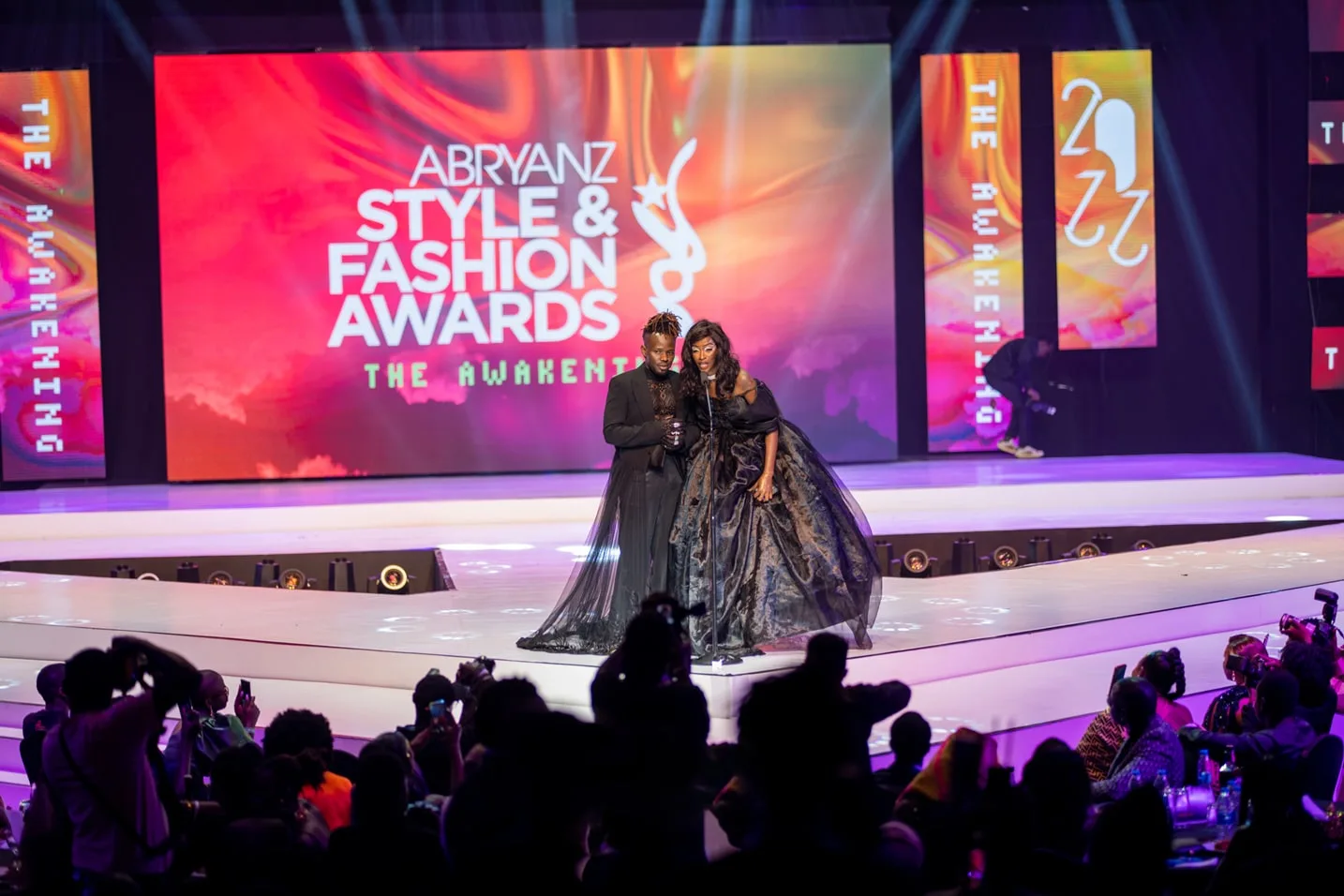
The annual Abryanz Style and Fashion Awards 2022 presentation, with the theme “The Awakening,” took place on December 16, 2022, at the Kampala Serena Hotel.

An extraordinary selection of skilled nominees and a star-studded guest list kicked off the eagerly awaited evening with a red-carpet extravaganza of glitz and flair.

The Covid epidemic has had a significant impact on the fashion industry, and the gathering of fashion-forward celebrities and a larger fashion community of the general public recognized and honored the remarkable individuals who have made this contribution.
This year’s categories included representation from a wide range of the fashion community, and many Ugandan and foreign celebrities stepped out to celebrate fashion.

The “Most Stylish Music Video” category honored the stylish efforts of singers in producing visually arresting music videos, while categories like “Emerging Fashion Brands” highlighted the new yet excellent fashion brands that built a reputation for themselves in the industry.

The public voted on 18 categories for the ASFA this year, which featured 8 categories for the honorary award and highlighted individuals, businesses, influencers, and designers who are having an impact on the industry.

Below Is The Full List Of Nominees And Winners At ASFAs 2022

Honorary Awards
1. Fashion Influencer Award – Angella Summer Namubiru
2. Business Maverick Of The Year – Motiv
3. Best Fashion Contributor Diaspora – Mko World
4. Trailblazer Award – Aamito Lagum
5. Lifetime Achievement Award – Eric Raisina
6. Icon Award – Trevor Stuurman
7. ASFA Visionary Award – Kasule Raphael
8. Award For Postive Charge – Mitchel Omamteker

Other Categories
Designer Of The Year (Africa)

1. Thebe Magugu
2. Moses Turahirwa – Winner
3. Rich Mnisi
4. Kenneth Ize
5. Larry Jay
6. Taibo Bacar

Designer Of The Year (Uganda)

1. Sheba Kasami
2. Kaijuka Abbas
3. Monica Kansiime
4. Dyna Vence -winner
5. Sham Tyra
6. Anita Beryl
7. Ras Kasozi

African Fashion Brand Of The Year (Africa)

1. African Boy – Winner
2. Ahluwalia World
3. Daily Paper
4. Tiffany Amber
5. Moshions
6. Rich Mnisi

Model Of The Year (Africa)

1. Anok Yai
2. Adit Priscilla
3. Achan Biong
4. Anyiel Piok Majok
5. Alaato Jazyper – Winner

Emerging Designer Of The Year Menswear (Africa)

1. Rogue-ng
2. Colrsbaby
3. Trax Apparel
4. Ajabeng
5. Kente Gentlemen
6. Teddy Ondo Ella – Winner

Emerging Designer Of The Year Womenswear (Africa)

1. Ladunni Lambo
2. Hertunba
3. Fruche Official
4. Wyne Kirabo – Winner

5. Fumi The Label

Beauty Brand Of The Year (Uganda)

1. Tk Berries Skincare
2. Minama World
3. Mb Cosmetics Amsterdam
4. Bt Beauty Uganda – Winner
5. Qwezi Beauty
6. Fabiola Beauty

Beauty Brand Of The Year (Africa)

1. Huddah Cosmetics – Winner
2. Zikel Cosmetics
3. Beauty By Ad
4. Epara
5. Colorbox Cosmetics
6. Juvia’s Place

Emerging Fashion Brand (Uganda)

1. Seamline Atelier
2. Miss Shee
3. Loumbier
4. Tru Ikon – Winner
5. The Creative Hub Ug
6. Mul C

Makeup Artist Of The Year (Uganda)

1. Peter Russell
2. Imani Makeup – Winner
3. Nahya Glam
4. Saida Beauty
5. Shillat Makeup
6. Glam By Keith

Makeup Artist Of The Year (Africa)

1. Tammi Mbambo
2. Moshoodat
3. Manal Makeup
4. Beezglam Makeup Studio
5. Reham Khalifa
6. Makeup By Zulky – Winner

Hair Artist Of The Year (Uganda)

1. Mbajja Sean
2. Mirrors Salon
3. Hair By Zziwa
4. Afros & Mo -winner
5. Jeff Jingo
6. Lana Barber 256
7. Sammy Barber Ug

Hair Artist Of The Year (Africa)

1. Laetitia Ky
2. Corrine Muthoni
3. Nikiwe Dlova
4. Kehinde Are
5. Joke Lawal
6. Ricky Kish – Winner

Fashion Stylist Of The Year (Uganda)

1. Mavo Kampala
2. Kwagala Kevira
3. Top Stylist
4. Gangstar Magic
5. Allan Senior
6. Cham Ronnie – Winner

Fashion Stylist Of The Year (Africa)

1. Luxury Recycle – Winner
2. Tiannahs Place
3. Yartel
4. T. Dosumu
5. Chuck Mbevo

Image Maker Of The Year (Uganda)

1. Kiba Shots
2. Walter Photography
3. Sasha Vybz – Winner
4. Dc Photography
5. Martin Kharumwa
6. Drimax Photography

Image Maker Of The Year (Africa)

1. Trevor Stuurman – Winner
2. Kwame Koda
3. Chuchu Ojekwe
4. Bless Dollar
5. Prince Gyasi
6. Daniel Obasi

Fashionable Music Video Award (Uganda)

1. Personal – Zulitums
2. Mbaga – Nsimbi -winner
3. Thank God – Vinka
4. Forever – Chameleone
5. My Year – Azawi
6. Wandiisa Ki – Rema Namakula

Fashionable Music Video Award (Africa)

1. Tales By Midnight – Tiwa Savage
2. Selema – Musa Keys & Loui
3. Rush – Ayra Star
4. Bandana – Fireboy & Asake – Winner

Most Stylish Male Artist Of The Year (Uganda)

1. Fik Fameica
2. Grenade Official -winner
3. Rickman Manrick
4. Zulitums
5. Gnl Zamba
6. B2c

Most Stylish Male Artist Of The Year (Africa)

1. Diamond Platnumz
2. Adekunle Gold
3. Rema
4. Fireboy – Winner
5. Kidi Music

Most Stylish Female Artist Of The Year (Uganda)

1. Spice Diana
2. Kataleya & Kandle
3. Pia Pounds – Winner
4. Azawi
5. Lydia Jazmine
6. Vinka
7. Winnie Nwagi
8. Sheebah Karungi

Most Stylish Female Artist Of The Year (Africa)

1. Ayra Starr – Winner
2. Uncle Waffles
3. Zuchu
4. Sho Madjozi
5. Nomuzi Mabena
6. Tiwa Savage

Male Fashionista Of The Year (Uganda)

1. Trend Masta
2. Dice Rich
3. Q Senior -winner
4. Mugagga Alex
5. Adnan Turan
6. Baraka Ting
7. Spy Gadget 256

Male Fashionista Of The Year (Africa)

1. Eni Oluwa – Winner
2. Dr. Akin Faminu
3. Tijesunimi Olupekan
4. Ooreofe Oluwadara
5. Denola Grey
6. Efe Tommy

Female Fashionista Of The Year (Uganda)

1. Sharne Natukunda – Winner
2. Fifi Parker
3. Aron Hilson
4. Katrina Nilzero
5. Mbabazi Kim

Female Fashionista Of The Year (Africa)

1. Hali Oduor
2. Nancie Mwai
3. Priscilla Anyabu
4. Denise Dainty – Winner
5. Diana Eneje
6. Chevonne Spirine

Most Stylish Male Personality (Africa)

1. Kat Sinivasan
2. Ebuka – Winner
3. Eni Oluwa
4. Sir Uti
5. Maps Maponyane
6. Denola Grey

Most Stylish Female Personality (Uganda)

1. Etania
2. Malaika Nnyanzi Tenshi
3. Sandra Twinoburyo – Winner
4. Evelyn Kironde
5. Bettinah Tianah
6. Sharon O
7. Natasha Sinayobye

Most Stylish Female Personality (Africa)

1. Anele Mdoda
2. Hassan Sarah
3. Nana Akua Addo
4. Official Doyin – Winner
5. Toke Makinwa
6. Allysyn Audu

Fashion Journalism Excellence Award (Africa)

1. Guap Magazine
2. Bella Naija Style – Winner
3. Fashion Bomb Daily
4. The Native

The Abryanz Style and Fashion Awards are an African fashion award show that honors and recognizes members of the fashion industry, such as fashion designers, stylists, hair and makeup artists, media figures, and influencers on the African Continent and beyond our borders. Since the 2013 opening ceremony, this event has been conducted yearly in Uganda. The ASFAs is an evening of glitz and glamour with the biggest red carpet in Africa, in a genuine celebration of fashion and style, with A-List guests from the entire continent.

The evolution of ASFA categories The exception to this rule is the Lifetime/Style Fashion Icon Achievement Award, which presents two trophies for both Ugandan and continental winners. The nominees are chosen by public voting, with the public taking 30% of the vote and the judges from the awards academy taking the remaining 70%.

Content courtesy of Abryanz Style And Fashion Awards & NFH

Fashion Designer Kithe Brewster’s Catwalks Remove Cultural Roadblocks

Kithe Brewster is an American stylist and fashion designer and founder of the Kithe Brewster brand and company. Leaving for Paris at age nineteen proved to be the right cut for him, as he immediately grasped the French scene, becoming a hot stylish on the move.

After seven years in Paris, he moved to London, where music styling became his forte. While in London, he worked for magazines such as Elle, Scene, Vanity Fair, Interview, Flaunt, Chic (Dutch), French and American Jalouse, and Surface, among others.

His work for these publications gained attention from the crème de la crème of fashion, as well as the European and Hollywood celebrity elite. He has styled covers for Flaunt magazine with stars such as Adrien Brody, Cate Blanchett, Drew Barrymore, Selma Hayek, Winona Ryder, and many others.

His personal clients have included Halle Berry, Julianne Moore, Iman, Diane Lane, Eva Mendes, Usher, and Heidi Klum. He has spent a great deal of time in the Middle East, in Egypt, Jordan, Lebanon, and the UAE. He was Creative Director of DIFW, the original Fashion Week. “I predicted on record,” he says, “that Dubai would become a major fashion capital.”

Currently, in Dubai, Brewster spoke to Gulf Today

Why did you choose the fashion industry as your place of work?

I would like to think my early exposure to the arts in all aspects was definitely a deciding factor. From a very young age, I was extremely conscious of clothing and its many textures. At five or six, I truly understood the definition of beauty.

Looking back, I adored rummaging through my mother’s closets and just appreciating the quality; I was quick to notice when something missed this quality.

It was truly organic in this sense, thus I believe I was chosen. As a man of faith, there are no coincidences. I believe it is the Creator’s plan – the journey and the results.

What are the African-American sensitivities you bring to fashion?

Being African and American contributes a great deal to my creative DNA. I am balanced in rich history and tradition. As a designer, my gift is my hands, draping and manipulating fabric to create one-of-a-kind designs. This is rich African tradition the sense of color and dynamic.

There is a European side of my makeup, which leads me to seek out Europe to discover this sense of style. I was a huge success as a stylist, fashion editor, and celebrity stylist, because of the balance of multiple culture comprehension. In fact, it’s the understanding of all global cultures combined, that is needed to truly be a voice in fashion.

Is fashion only for celebrities or can it be shared by others?

Fashion is, in my belief, for everyone. I definitely think we all want and need the confidence of looking and then feeling good. I spend a lot of time observing the influences in modern society. I’m certain it trickles down, in some capacity, to reach everyone.

Is Faith a constraint on fashion?

I believe Faith is in no way a restraining measure in fashion. For example, my time in the UAE and other Arab countries, helped me to see the progression of High Fashion and Modesty. When I was Creative Director of Dubai Fashion Week, I helped to discover the amazing talent of Rabia Z.

I had the huge pleasure to nurture her and pushing her vision of modesty and the Muslim woman. At that time, twelve years ago, we made history with her first show in Dubai. I get goosebumps when I think back and hear the live drums and the first entrance of the first model.

We proved successfully that within modesty, one can be fashion-forward and completely true to one’s faith, respecting the modesty it is built upon. I cried like a baby that night when she received a true standing ovation. We had managed to inspire Muslim women. It was a historic moment and I have watched a global progression in High Fashion inspired by the modesty of Muslim women. Let’s not forget my first ever collection was inspired by Emirati women.

Is there a distinction between ex-pat fashion and Emirati fashion? If so, what are their defining features?

There is a difference between ex-pat fashion and Emirati fashion. There is a merging of sophistication and class in Emirati fashion. Expat fashion tends to hinge upon trends from Europe, yet slightly behind. As an ex-pat, I say this in an opinion-based manner. What’s beautiful is when all of the incredible high fashion intertwines with traditional and modest apparel.

Why did you think Dubai could be a fashion center of the world?

I felt twelve years ago that Dubai would become a fashion capital because I saw the vision of Sheikh Mohammed and the impact of the year that I spent coming back and forwards from New York. The buildings were going up all around me. I saw it happening.

I felt the hunger for this country’s own place within fashion makeup. I pushed so hard to catch them up to the rest of the world. On a funny note, I got rid of the raised runways and had the models walk on the floor. It caused a huge uproar: it was in the papers. But when the rest of the world saw the shows that came out of Dubai, they were blown away. I convinced American Elle magazine to cover Fashion Week. It was a huge step that was aligned with Sheikh Mohammed’s vision.

How will you define your style?

Maison Kithe Brewster will define its style by being discerning and not by overcapitalizing or overexposing the brand. By always being consistent in style. By not selling the same thing to hundreds of clients.  By quality and personal attention to every client. By never running out of ideas, and creating original excellence.

Content courtesy of Gulf Today & Nairobi fashion hub 

Erika Akoth Personal Fashion Stylist

Erika Akoth owner and founder of Erika A. Style Concept store, has worn many hats she is an avid traveler, a keen collector, a fashion curator, a stylist, and a former designer and model.
She has traveled the world, carefully collecting each piece that features at the store, from a variety of runways, designers, and craftsmen and women.

Erika A. Style has a keen eye for detail and beauty, and it matters that each collected and curated piece tells a story.

Erika Akoth is the curator behind the brand. She is a fashion and personal stylist, multi-label fashion curator and high end personal shopper. Erika has been involved in the fashion industry for more than twelve years. During this time, she has worked as a personal stylist, modeled for a variety of high-fashion projects and shopped for a range of private clients around the world.

She now owns and runs Erika A. Style, a luxury fashion concept store, in her home country, Kenya.

Akoth studied culinary arts but while she enjoyed cooking, she was also tired of the daily routine of creating in the background  she wanted something bigger and more fulfilling. She soon discovered that fashion was her missing ingredient.

Her love for food still informs her creative sense for fashion, and she believes that the secret to good fashion like good cooking lies with knowing how much is needed.

Scarabs are Erika A’s statement piece. She credits this to Steve Tyler whom she met at an event once, trying to get an autograph after one of his events. Tyler’s words to her on seeing her Scarab piece were, ‘what a beautiful statement piece!”

Erika has since worn them to many more events, believing they are her lucky charm.  She enjoys curating clothes, collecting art, decorating spaces and creating beauty in as many spheres as she can.

Content courtesy of Erika A. Style & Nairobi fashion hub

Erika A. Style

Erika Akoth is the founder and C.E.O of Erika A. Style is a fashion concept store located in leavy suburb of Karen off Bogani In Nairobi

The concept store has a variety of unique pieces collected from different parts of the world, the pieces are curated from luxury brands, fashion runways, designer stores, small boutiques and upcoming designers. Each piece is the only one of its kind, and once sold out, will not be re-stocked.

Personal stylist Erika Akoth at her Karen shop

Erika Akoth owner and founder of Erika A. Style Concept store, has worn many hats she is an avid traveler, a keen collector, a fashion curator, a stylist, and a former designer and model.
She has traveled the world, carefully collecting each piece that features at the store, from a variety of runways, designers, and craftsmen and women. Erika A. Style has a keen eye for detail and beauty, and it matters that each collected and curated piece tells a story.

The store offers a range of items from the fashion world: jewelry, clothes, shoes, hats and a variety of accessories including hats, scarfs and brooches. Erika A. Style’s signature piece is the Scarab and the store also features an eclectic range of scarab pieces including brooches, necklaces, printed scarves, rings and wrist bangles.

Erika A. Style Concept Store has been open since 2017. The store is located on Karen Road, off Bogani in Nairobi, Kenya. It operates on appointment only and clients are requested to call or email to make an appointment before visiting.

Content courtesy of Erika A. Style & Nairobi fashion hub 

Ad