Monday 26th of October 2026

Nairobi, Kenya

One On One With Jeff Wanjala Co-founder and CEO Of Wan Fam Clothing

Brief introduction about yourself and your fashion house
Name is Jeff Wanjala. I’m m the co-founder and CEO of Wan Fam Clothing

Can you describe Wan Fam Clothing, and the idea and concept as if I knew nothing about it
or the market it is in?

Wan Fam Clothing was founded by my brother, Mr. Emmanuel Wanjala and I in 2009 as when were were doing hand painted t shirts for client.

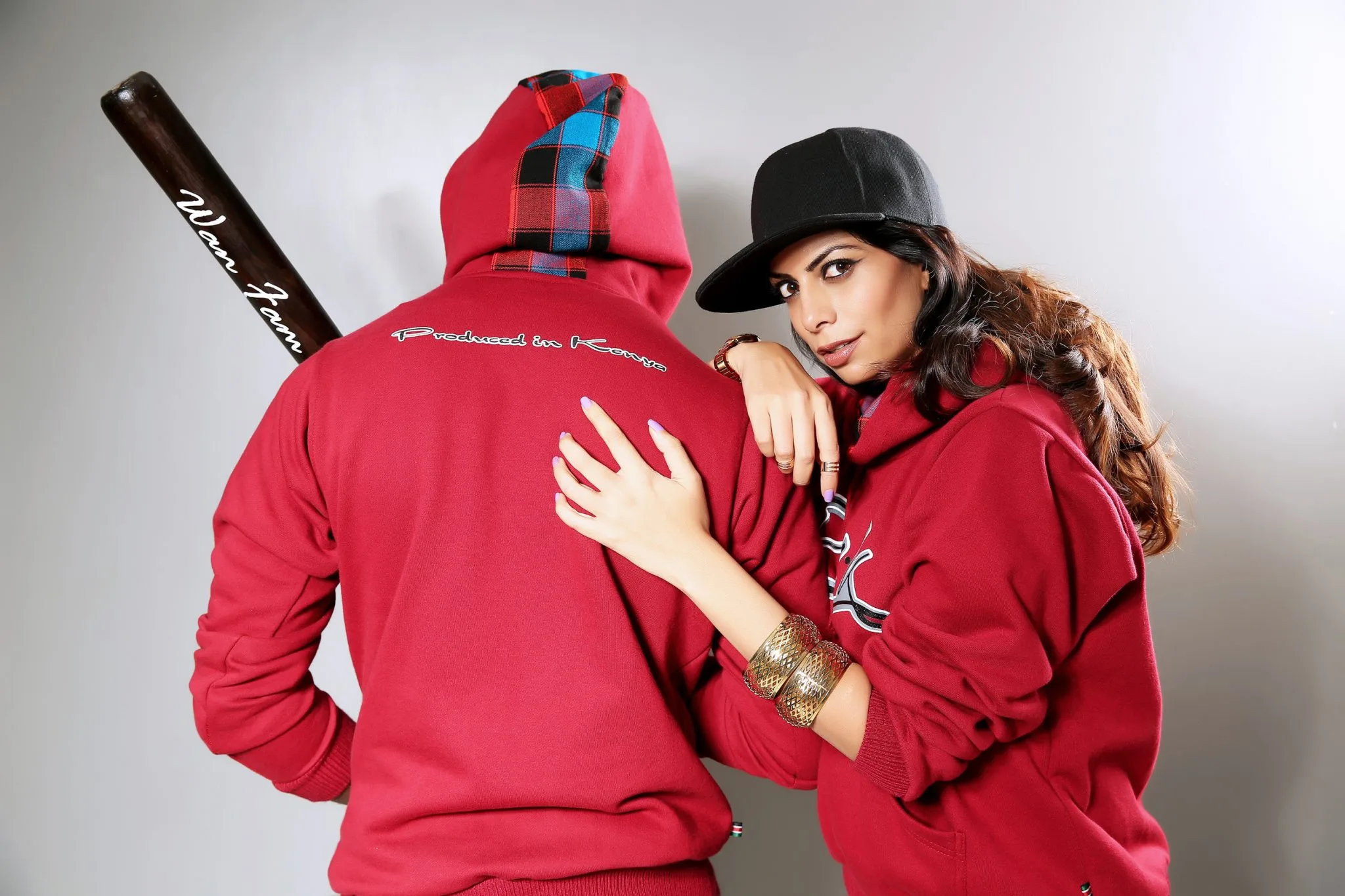
In 2011 Wan Fam Clothing was born and ventured into the fashion and apparel industry as a recent start-up manufacturer of an upscale urban fashion clothing line targeted at consumers between the ages of 16 and 35. Wan Fam Clothing not only develops the clothing line, but supports it with advertising and promotion campaigns.

Wan Fam Clothing markets its line as an alternative to existing clothing lines, and differentiate itself by marketing strategies, exclusiveness, and high brand awareness. The company uses high-end materials such as khaki, fleece, upholstery and twill. Current products include travel/gym bags, backpacks, sweatshirts, sweatpants, jackets, bags, and t-shirts both for men and women. Future plan includes business suits, children’s clothing, footwear and leather products.

The key message associated with the Wan Fam clothing line is upscale, local, versatile, and affordable clothing. In the future, the company hopes to develop lines of accessories for men, women, and also children.

What were you doing before Wan Fam Clothing, and what motivated you to start the
business?

I was a student. I have a friend called Chif who used to make hand painted t shirts for me and other clients. In 2009 he got employed and put his t shirt business on hold. I asked him for some brushes and paint and since I knew my brother was good at graffiti and sketching so we thought we tried his talent on t shirts.

We were constraint on cash so we bought second hand branded t-shirts, covered the branded works with white paint and branded our artwork on that. We did few t-shirts, posted on Facebook and got 13 orders and we grew from there

What techniques do you use? Tell us about the process.
How did you learn/master this technique and why do you use it?

What challenges did you face?
The biggest setback for us has been fabric availability and capital. Sometimes you get really good fabric, you make the products and when you go back to get more, it’s no longer available. This goes hand in hand with the fact we lack capital just to buy enough fabric and stock it.

Another setback which goes hand in hand with lack of capital is the fact we have created more demand than what we can actually supply. Which to an entrepreneur it’s one of the greatest achievements but I count it as a setback because some clients get disappointed when they don’t find what they like ready-made.

As for now we tell people to Pre-order in case whatever they want no longer in stock but at times you get clients who need our stuff there and then. Either they want to wear it at a specific event or they are flying out. So despite having created demand I can call it a setback since you end up disappointing a client who really has passion for Wan Fam products.

How did the obstacles make you feel?
Definitely obstacles don’t create a good feeling but they helped me get better. They made us focus
in what we can do and not put energy on what we cannot.

It also helped us not flood the market
with our products but rather move at pace thus controlling what we give consumers and how we
give them and also focus on what the consumer wants from our products

What were your achievements?
a) We have managed to have sold out collections with the fastest selling in less than 48 hours.
b) Managed to catch the eye of Cable News Network (CNN) and got featured on their African
start-up program
c) Managed to work with some influential people who I admire and my most notable one was
working with personality Pinky Ghelani. The whole process and support was amazing. From
doing a collection together to working on photo shoots together to exchanging ideas.

Favorite moments?
The moments mentioned above and every step of the way has been a step to
our goal and a learning experience thus every moment is what helps us get better and closer to
what we want to be and stand for.

What’s your take about Kenya fashion industry?
It still has a long way to go but it’s better than
where it was when we started. Most of our problems can be solved at the top national level then the effect will be felt positively by designers, manufacturers, labourers and consumers in the
fashion industry.

If you were given opportunity to work with local or international fashion designer who will
you love to work with?

Virgil Abloh

What are your thoughts on fashion in Africa?
It’s amazing. Everyone has their eye on Africa now. We have brands like Kate Spade having some of their products made in Rwanda, Michael Kors bags being made in Ethiopia, United Aryan Ltd making Levi’s and Wrangler in Kenya, Philips-Van Heusen via the local subsidiary Hela Intimates making Victoria’s Secret, Calvin Klein, Tommy Hilfiger in Kenya..

The presence of big brands, just to name a few, in Africa is a sign that the African market is doing well at the moment with even bigger things in future.What we need are better policies which are not only written on paper but implemented on the ground that will see the market move in a direction where the designers, creatives and entrepreneurs in the industry get their share of the fashion pie.

How are African fashion designers influencing fashion in the western world?
We have seen designers leaving people in awe at the New York Fashion week and also designers like Gold Carvier Crew leaving a mark at Vienna Fashion week this year. We have also seen celebrities like Beyonce, Rihanna, Gwen Stefani just to name a few rocking African designs while performing or red carpet events.

We have seen the influence African fashion and culture had on the blockbuster film Black Panther etc. So African fashion designers are now getting noticed for their incredible work, unique designs and influence. No just because they are African but because of the signature pieces, quality of works and stories behind each thread

What can the African fashion industry learn from the western world?
The main thing, in my opinion, we can learn is setting up our products and services to those international standards already set and practiced by western world, This is in terms of the quality of raw materials, quality of finish products etc. Another thing we can learn from the western world is building of brands. Most designers are good at making the products but building brands around it becomes hard. We need to build African fashion brands. Brands create loyalty.

Having a brand name makes work easier in the long run, also creates a space where your work will speak for you not only now but in future. Designers should also learn about protection of intellectual property. Some designers put a lot of work on coming up with their name and products just for them to be counterfeited locally and internationally.

Lastly, Africa is a developing nation, thus we can learn what the developed countries did wrong and do things differently thus we don’t have the burden of having to experiment or focus so much on what doesn’t work but we can study the western world and pick only what works thus saving money, time and resources.

Over the last few years have you noticed any significant changes with the African fashion
trends?

Yes…there has been an increase in urban fashion brands with focus mainly on African made
products rather than making items in Asia or other countries and selling locally.

When dealing with Africa is it important for the fashion world to be ethical and socially
responsible, and put in place strong corporate social responsibility governance?

Yes. Especially in Africa.

Unlike in developed countries, most of Africa’s clothing industry relies on unskilled labour for its production. Meaning most of our seamstress and other labour workers don’t come from a a well-off family or fashion education to back her production abilities and this shows that the less fortunate are the backbone of the industry so it’s only right the African fashion industry gives back to these important people and this can be done via CSR which may include training, education, social causes etc

Where can we find your designs?
We are at Westlands Commercial Centre, Block B, Suite 3, You can contact us via +254705 818
84 or info@wanfamclothing.com We also do deliveries wherever you are

Twitter : @WanFamClothing  Instagram : @wanfamclothing  Facebook : Wan Fam Clothing 

What does e-Commerce mean to you and your business?
E-commerce is a very important tool especially in fashion especially in this digital age. And like
many tools it can be a plus or minus for designers depending on how they adopt the wave into
their businesses.

Do you think e-commerce is important for African fashion designers that are trying to get
recognized and reach a global market?

It is important but not as important as it is made out to be. Africa designers have managed to create unique products using unique materials and even marketing them uniquely so I think we should also sell them uniquely than just follow what the western markets have done.

The e-commerce sites are popping up every week and also closing down or being neglected at almost
similar rate. E-commerce is an important tool but like every tool, it should be used correctly where
appropriate to produce the best results

How does your strategy change when running an online store to an offline store?
It changes because now you have all these different people from all over the globe that you need to server rather than a usual brick and mortar store where you server who you see and interact with. This means a lot will change since e-commerce can provide you with the information you need to curve your business’ future.

E commerce can provide info such as where most of your clients are, what they like, what colour or design they don’t like etc and this can help a designer know what to make in his or her next collections, what sizes to make more of and also understand his/her clientele in a different level.

This is something that a brick and mortar store will have limitations in. This information can help change how you make your item, how many items you make, your target and how to market. In turn this changes your whole strategy from design, marketing to even amending your business plan to fit with the market demand and supply

Where do you see African fashion in the next 5 to 10 years?
~ I’m sure I’ll see more fashion houses from Africa.
~ We’ll also see more designers being recognized in their works in terms of film costume designers, stylists etc.
~ Well also see more African fashion events being given international plat forms. Like the Lagos Fashion week, Dakar fashion week etc
~ I’m sure the future has international designers teaming up with African designers. We’ll see more clothing pieces being curated for African market than taking anything being given to us.

What 5 pieces of advice would you give to young African fashion designers wanting to enter
the fashion industry?

1. Patience – Overnight success doesn’t take a night
2. Know what you want from the word go. I know people who started with clothing lines who are now doing business cards, food etc because they didn’t know what they wanted when starting
3. Do what you love
4. Don’t compromise on quality
5. Make products, work and partnerships with the long-run mind set. Think of building a name rather than quick cash

Is there anything else you would like to add?
Just want to thank our clients and everyone who has supported us: From the ones who own all our
collections in their closet, to those who set even a minute to visit our stand at events, to those who just show support online.

None of our achievements would have been possible without you and your unwavering support. There would be no Wan Fam (One Family) without you.

Content courtesy of Wan Fam Clothing & Nairobi fashion hub 

Kenya Kanga Collection

Kenya Kanga Collection was founded by Gemma in 2005, here’s her story:
“The lightbulb moment came when I was on holiday at the coast Kenya’s coast is amazing by the way! – and I’d been walking along the beach, wearing my own kanga and admiring the local women in their kangas.

It was just like suddenly the kanga jumped out at me as the most amazing piece of artwork, but also as an incredibly versatile cotton material.

I knew I wanted to do something with it initially to package it nicely and bring it to the rest of the world, but also to start designing clothing using kangas.

We started in a small shed in the garden, with one tailor who I trained up to make the kind of dresses I wanted, and today we employ 12 women at our warehouse.

I’m constantly inspired by the colours of Africa which I feel are embodied in the Kanga, and I’m also constantly inspired by the women I work with  an incredible team whose hard work and dedication to creating our beautiful line of clothing, homeware and gifts is second to none.

One thing I particularly love about the Kanga is that women in Kenya are still generally not heard in the public sphere but the Kanga is a very clever way of ensuring their voices are heard; the slogans on Kangas are amazing, inspiring and sometimes a little controversial!”

The Kanga
Every Kanga tells a story.
The Kanga is a vibrant piece of material that usually consists of a central design (Mji) and a border (Pindo), and a Swahili proverb running along the bottom some of which are funny, others of which have an important moral lesson and one thing we love about the Kanga is that it’s very much a woman’s world  sometimes the Swahili proverbs seem to be telling the world what the women think – and in that way giving the women a voice.

Traditionally the Kanga is a piece of printed cotton, measuring 1.5m x 1m, but at Kenya Kanga Collection we support the local Kenyan industry by buying both ready printed Kangas as well as designing our own.

The Kenya Kanga workshop has provided an opportunity for women who were mostly unemployed or dependent on others, by providing them with skills, and consequently independence.

These women now have a skill set that ensures a sustainable and dependable income, which in turn creates true independence. Many of the women working at Kenya Kanga have come from a place with not much hope to being a major bread winnerfor their extended families, which makes them hugely successful and inspirational. We feel honoured to have been part of their journey so far and onwards.

No one can have too many Kangas in their lives.

Community
Kenya Kanga Collection and AMREF Women’s Projects
AMREF Dagoretti project and Kenya Kanga Collection partnered to provide training and skills to young or single mothers in an area of low income.

Kenya Kanga Collection provides a tailoring tutor who teaches basic skills to the women and helps maintain the quality of the work done. The mothers come to the workshop twice a week where they work on selected items, and each mother is paid for all the work do.

AMREF provides a space, which is equipped with machines and offers lunch to the working mothers and their babies, as well as training sessions in parenting and SRH. Besides training in tailoring, Kenya Kanga Collection provides toys for the children to play with as their mothers work.

The project has helped young mothers achieve economic empowerment and training in life skills.

Economic empowerment
The young mothers make products such as cushion covers, hair bands, make up bags, wrapped kangas depending on the demand from Kenya Kanga Collection as well as the local market. The money earned helps the mothers pay rent, buy food and pay for their children’s day care.

One young mother was even able to help pay for her nephew’s education. “It was only Ksh 500 but my sister really appreciated this gesture” she said.

Life skills training
The project also aims to equip the young mothers with life skills that will help them cope with life’s challenges and make the best choices in life.

The majority of the mothers have one or two children not out of their choice but due to varying circumstances that resulted in them becoming pregnant, so these life skills make a significant and lasting impact.

Content courtesy of Kenya Kanga collection & Nairobi Fashion Hub 


Voila Apparel

What does ”Voilà” mean? Originally a french, now a universal term, “Voilà” /vwʌˈlɑ/ literally means ‘Look there!”
It is used when showing to other people something that you have just made or got and are pleased with, You can use it to call attention, to express satisfaction or to suggest an appearance as if by magic, Bold African materials, unique and modern designs, teamed with the finest yet discrete workmanship…and…Voilà!

Your wardrobe
Where Europe meets AfricaVoila has a well-defined, easily recognized style, stemming from the ability to blend modern styles and occidental influences with the beauty, timelessness and nobleness of African fabrics. Offering modern elegance that is always in keeping with current trends.

Simplicity is the ultimate sophistication. Leonardo da Vinci
We value simple things, yet sophisticated and unique designs. Just because they do all the things we need easily and none of the things we don’t.

Simplicity is harmonious. This approach is deeply rooted in accurate, strikingly simple yet far from minimal styling: a trendy design featuring ongoing experimentation in shapes, teamed with the constant value of experience.

The perfect simplicity of every single Voila outfit conceals precious painstaking care for details and impeccable workmanship.

The dynamic & multitasking women line
Voià Apparel was founded with the goal of offering the modern working woman the best fitting dress or outfit she’s ever worn to the office (whatever that “office” is) and afterwards (wherever the night may take her).

The line thus includes cleanly cut, comfortable and sophisticated dresses and other apparel that instantly transform from office wear to a playful uniform for post work revelry.

And because, our customers are dynamic and creativity has no limit, our collections are one of the most rich and monthly updated with outfits that feature timeless structures and classy cuts.

Our values
~ High-Quality Standards:

We strive to provide our customers with high quality, yet unique, pieces.
Our designers and artisans adopt high standards of production with each piece they make.
~ Dispelling Stereotypes:

It is all about positive images of Africa. We focus on ensuring that its history, the talents, diversityand creativity of its people are shared wherever Voila outfits are worn. Each outfit comes with a proverb, historic fact or joke from Africa.
~ Ethical Fashion:

We only work with tailors and artisans that provide fair wages and safe work conditions to their employees.
~ Local Economic Development:

We are committed to investing in grassroots talented tailors and providing them with opportunities to expand their work.
Through their success, jobs are created and their local economies are stimulated.
~ Environmental Sustainability:

We are dedicated to using eco-friendly packaging for our pieces which are recyclable. In addition, Voilà Apparel does not use any material resulting from animal exploitation (e.g leather, fur, etc.). We rather use the highest quality of simili leather.
~ Customer Service Excellence:

We are dedicated to satisfying customer needs and creating an enjoyable shopping experience.

Content courtesy of Voilà & Lulà 

4 Shore

Larissa and David grew up in Kenya, surrounded by its beautiful plant, marine and wildlife. After studying graphic design and fashion in Cape Town and the Netherlands, the siblings returned to their favourite childhood beach spot (picturesque Kilifi) and created 4 Shore, a graphic design and clothing company rooted in social and environmental ethics.

Both keen surfers, travellers and sailors, David and Larissa were inspired to create a range of quality yet casual beach clothing that epitomises a youthful, coastal and environmentally conscious culture. Rejecting “fast fashion”, they opted instead for classic organic cotton t-shirts, upon which they digitally print their drawings, watercolours, and conservation messages.

They also create unique logos and branding concepts for organisations. Previous clients include Tusk Trust, Lewa Safaricom Marathon, Distant Relatives Ecolodge, and Colobus Conservation. 

“The best time to plant a tree is twenty years ago. The second best time is now.” For every 4 Shore item you purchase, we plant a tree! We want to help conserve Kenya’s unique wildlife and natural environment.

​We also want to reduce the carbon footprint of our business and set an example to other clothing companies: fashion can be a force for good.

So since 2014, we’ve worked with Green World Campaign to plant indigenous or food trees in rural schools, local communities, and deforested places in our local area,together we’ve planted 5,405 trees to date, with more planned for later this year.

4 Shore Process of Creating their Eco friendly products 

4 shore is inspired by nature and they start by creating drawings and painting watercolors that feature Kenya’s unique plants, animals and environment. These artworks form the basis of 4 shore graphic design work, and also there printed cotton clothing range

They  source ethical and sustainable, organic cotton fabric, and their  digital printing method uses non-toxic, water based inks, they design prints and choose clothing styles that will last and also offset there carbon emissions by planting a tree for every item sold.

4 Shore currently sources ready-made cotton clothing from manufacturers who comply with the Global Organic Textile Standard. This is a mark of quality that ensures cotton producers and manufacturers meet strict environmental and social criteria.

All GOTS certified clothing uses cotton that has been grown using no hazardous pesticides or chemicals, and no forced or child labour.

Their clothing is classic and practical, 4 shore create meaningful designs to print on to garments that will last.they  want their t-shirts to be your “old favourites” who’ve been everywhere with you, not purchased on a whim and thrown out next season.

Living by the ocean,they have witness the scourge of plastic every single day and they try to recycle and use plastic as little as possible. 4 shore pack and send your items in hand made baobab/banana leaf paper, and thier swing tags are printed on recycled cardboard using non-toxic inks.


Content courtesy of 4 Shore & Nairobi Fashion Hub  

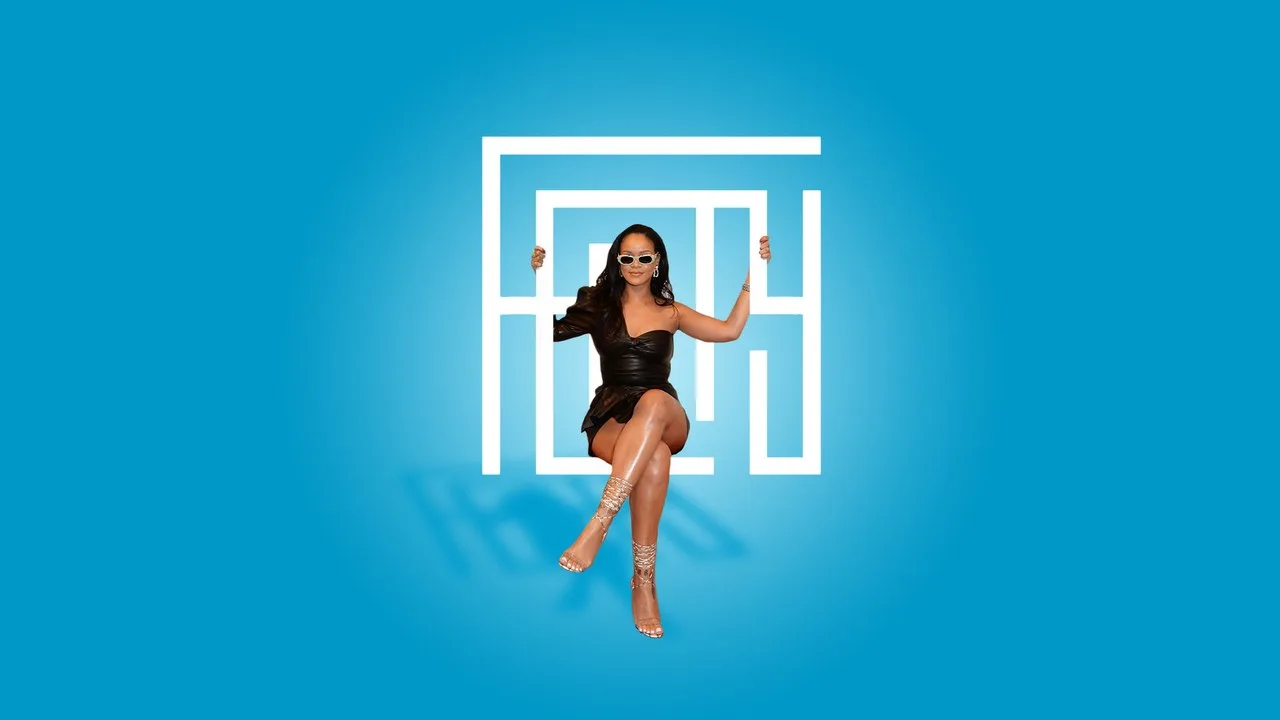
Rihanna Fenty become the first black woman in charge of a major luxury fashion house in Paris

FOR THREE YEARS, I have been a diligent student of Rihanna’s 2016 song “Work.” The first lesson it taught me was in the fine art of ubiquity: The omnipresent earworm hovered over casual intimacies, significant encounters, mundane journeys and made sense of itself wherever, in whatever crevices it chose.

Then “Work” found its way into my own work. In my script for “Slave Play,” which debuted at New York Theater Workshop in 2018, the protagonist Kaneisha suffers from obsessive-compulsive disorder and Rihanna’s “Work” plays in her head on repeat, taking on a frighteningly oppressive quality and revealing the historic bedrock I was attempting to excavate: namely, that black people, specifically women, must live with the knowledge that their emotional and physical labor is the backbone of every relationship that they endeavor to have with their partners, with America. The song, which weaves through the dialogue, brought more attention to the play than any other device could have.

This sense of casual immensity is what drew me to Robyn Rihanna Fenty, 31, as not only a performer but as an artist and a businessperson: a model for my own maturation. When listening to her repetitive, patois-filled song work, work, work, work, work, work  one hears a Barbados-born1musician who recognizes that the histories that are carried in her movement and her tongue are foreign to the listener.

But instead of shying from that otherness, she dines upon it, a lesson for any of us who have held onto the shame of difference. As she prepares to launch Fenty, the fashion line she has created in partnership with LVMH2 — the first luxury fashion house the conglomerate has created from scratch (which will begin sales at a pop-up in Paris on May 24, then be fully available at fenty.com on May 29)  I wanted to discover what lessons she had to offer as she carried that confident otherness deeper into the nonmusical work she has been concentrating on this decade.

In April, we agreed to meet among barrels of chocolate at Dark Sugars Cocoa House,3 in the Shoreditch neighborhood of London. I thought about the unenviable position that Rihanna has come to occupy throughout her 14-year career, since she first moved to Stamford, Conn., and released her first tracks in 2005. To be black, a woman and an immigrant in the United States is to be a collection of negations of the American dream  yet she stepped past those negations and into a fantasy of abundance few could imagine.

In the last five years, we have witnessed her release her most critically acclaimed album,4 become creative director of women’s collections for the German sportswear brand Puma,5 develop a line of size- and gender-inclusive lingerie under the Savage x Fenty label and debut her Fenty Beauty line,6 which literally changed the face of the cosmetics world by introducing a foundation palette with 40 shades, from the palest to the darkest skin tones.

Now, Rihanna has become the first black woman to run a major luxury fashion house. Featuring structured silhouettes in subdued neutrals (at least to start) that emphasize strong shoulders, cinched waists and exposed legs, the Fenty brand is hoping to disrupt the market not only by channeling the imagination of a black woman but by revolutionizing the luxury distribution model by focusing on direct-to-consumer online sales.

This allows Rihanna and her team of collaborators the freedom to drop new additions to the collection — which includes sunglasses, shoes and other accessories every few weeks, like singles from an album. LVMH and the artist decided last year to expand their current relationship beyond cosmetics into a full-fledged fashion company, and Rihanna has already imbued the collection with her high-low aesthetic, incorporating intricate leatherwork and meticulous techniques like boning, then queering the looks by playing with gender tropes.

Rihanna is uniquely positioned to forge a path for black owners in luxury fashion: Not only is she a muse of that realm herself but she has studied the maps she’s inherited from her forebears. From a red-carpet style indebted to the silhouettes of Zelda Wynn Valdes7 as well as the lush fabrics of Sean Combs’s Sean John line8 and the steely assurance of Jay-Z’s Rocawear9 collection, we have seen black fashion’s past adorning Rihanna as she steps into black fashion’s future.

Indeed, the mission of the Fenty clothing line, according to Jahleel Weaver, a stylist for Rihanna who is now the label’s style director, “is to really speak to how multifaceted today’s woman is. We’re thinking about each release as a different facet to a woman’s wardrobe and how she approaches dressing.

Luxury has been defined in the past as one woman, one brand: You know who the Saint Laurent woman is, you understood who the Céline woman was when it was Phoebe.10 Which is fine, but you think about how that relates to the modern woman. I don’t think she is just one thing, Rih being the perfect example of that.”

Content courtesy of New York Times T Magazine & Nairobi Fashion Hub

Connie Aluoch 

 Connie Aluoch’s training in Fashion Design started at the Evelyn College of Design, Kenya in 1996 where she earned a Diploma in Fashion Design and Garment Making. In 1998, she enrolled in the prestigious Fashion Institute of Technology (FIT), New York where she graduated with a Bachelor’s of Fine Arts in Fashion Design.

While at FIT, she participated in a one year study abroad program at Polimoda International Institute of Fashion Design & Marketing in Florence, Italy. During her study in Italy, she fully immersed herself in the Italian culture and language and is speaks and writes fluent Italian.

In 2003 Connie moved back to New York from Italy and worked for various leading international designers and production houses such as Emporio Armani, Alek Wek and Matthew Williamson in the Design and Public Relations departments.

She has worked at three of the ‘Big 4’ international fashion weeks. At the New York Fashion Week, she worked as a Backstage Director for the ground crew ensuring models were properly styled for the runway. At the Milan Fashion Week, she worked for Vivvene Westwood and Dsquared2. At the London Fashion Week in 2011, Connie was instrumental in showcasing the first Kenyan Male Designer John Kaveke.

In 2004, Connie moved home and has been actively participating in the development of the Kenyan fashion industry. She continues to mentor aspiring fashion stylists and has served as a judge for fashion design events and modelling competitions across the country. In 2009, she returned to Italy and graduated from Istituto Marangoni in Milan with a Masters in Fashion Styling.

As part of her mentoring and passion to give young people the requisite skills in fashion, she is a Fashion lecturer at the University of Nairobi, School of Arts and Design.

Her distinct and unique styling work has seen her featured numerous times in East Africa’s largest selling Fashion magazines; True Love and Drum. She also has a column in the weekly “Nairobian” Newspaper an affiliate of the Standard Media Group.

She was in charge of the styling for Tusker Project Fame Season 4, and conducts image training for private and state corporations as well as working on local international advertising campaigns. She has been styling the Kenya Television (KTN) News Anchors since 2013 and this has seen the station set itself apart from other news channels styling.

To ensure that her business remains profitable in the ever changing and competitive fashion landscape, completed the Owner Manger Executive Program for entrepreneurs in 2015 at the Strathmore Business School.

She is the first Kenyan in the East and Central African region to obtain a Master’s Degree in Fashion Styling and awarded the “2014 Established Fashion Stylist” in Kenya

Content courtesy of Connie Aluoch Styling Management & Nairobi Fashion Hub 

Bettinah Tianah

The face of everything young, fresh and modern in Uganda. I started out in the Ugandan entertainment at the age of 15 as the host of “Youth Voice” followed by popular television shows “Be My Date” and “About Town”, I also became a respected actor after landing the lead role as Rhona in the Hostel serenity season 4 that aired on  Uganda’s NTV.

I’ve also been a spokesperson for many campaigns here in Uganda and regularly featured on the best dressed lists. All this while completing a degree in Public Relations and media management at CUU

Currently a panelist on the Ntv Style Project a show that aims at edutaining about current trends beauty and fashion which airs every Friday at 7:35pm. In 2017, I emerged as a winner for the best dressed female media personality Uganda in the Abryanz Style and Fashion Awards also landed multiple nominations in the Starqt  and  Hipipo Awards.

Bettinah Tianah born Betty Nassali, 10 November 1993 is an Ugandan television personality, actress, model, and fashionista. She is known for hosting television programs like Youth Voice, Be My Date, and The Style Project. She also played a lead role (Rhona) in The Hostel television series.

At the age of 15, Tianah started working at NBS Television as the host of Youth Voice. She later hosted a matchmaking television show called Be My Date in 2015, replacing Anita Fabiola, and has hosted a fashion show called The Style Project since 2017. Tianah landed her first acting role as Rhona, a “bad girl” on the Ugandan television series The Hostelin its fourth and last season.

Tianah hosted the red carpet event at the UNAA Convention in Washington D.C., becoming the first Ugandan to host the event. She is also a model, having signed with Creative Industries Group in 2017. She held her first photoshoot in Paris.

Tianah holds a degree in Journalism from Cavendish University. She had earlier enrolled for a degree in Human Resources Management at Makerere University Business School (MUBS), but dropped out to pursue a journalism career.

Content courtesy Of Bettinah Tianah & Nairobi Fashion Hub 


Met Gala 2019

The Metropolitan Museum of Art Costume Institute benefit, where celebrities dress up in extravagant outfits to have dinner at the Met but do not burglarize it, is tonight. Known colloquially as the Met Gala, it’s like an awards show without the awards — pure, unadulterated red carpet. This year, the theme is camp. It’s a slippery thing to define! The dress code: “studied triviality.” Expect the unexpected.

  • The first unexpected thing was the number of outfits Lady Gaga wore on the red carpet. (Four.)
  • The second was Billy Porter, the “Pose” actor, wearing a golden bodysuit and wings in a tribute to one of the looks from the 1975 Diana Ross film “Mahogany.” (The film was suggested as inspiration by Ryan Murphy, who suggested that Mr. Porter, too, wear multiple looks. But the actor didn’t “want to work that hard.”)
  • Mr. Murphy himself wore a 100-pound outfit inspired by Liberace. “Once you’re strapped in there’s no getting out of it,” he said. “But it’s really, really fun.”
  • Celine Dion showed up to exhibit the joy of living!
  • So did Tiffany Haddish. “When I was broke I used to buy knockoff Michael Kors handbags,” she said. “Now I am here several years later wearing Michael Kors for me. Designed for me!” Thank you, Tiffany Haddish.
  • Gemma Chan said she “came in right behind Kim and Kanye so that was intense.”
  • Katy Perry came as a chandelier. Her headpiece weighs 40 pounds. Asked how she would sit down, she rolled her eyes. “You don’t sit down at the Met,” she said. She began singing Sia’s 2014 hit song, “Chandelier” as she walked away.
  • Lizzo rolled in, spun around and started happily cursing, spreading joy through expletives. “A silk dress that fits my breasts like butter,” she said, cursing. “Pink hair don’t care. And diamonds,” she said, cursing.
  • Awkwafina, Dapper Dan and Celine Dion have been especially chatty with the red carpet reporters. Frank Ocean, not so much. He raced up the stairs, pausing only for a moment to take a picture with a camera (not an iPhone camera).

Anna Wintour, wearing the last Chanel dress that Karl Lagerfeld designed for her, was asked what camp means. “Having fun!” she said.

Content Courtesy Of New York Times & Nairobi Fashion Hub 

Maria Grazia Chiuri

Maria Grazia Chiuri has always had her heart set on establishing creative exchanges with African cultures. With this collection, she sought to dialogue with the real and imagined landscape of Morocco, at the crossroads of the Mediterranean, Europe and Africa, as a dream destination for artists, poets, writers and eternal adventurers.

Showing the 2020 Cruise collection in Marrakesh represents a way of being guided by the memory of the House and Christian Dior’s first successor, Yves Saint Laurent, a native of Oran who was fascinated by Morocco.

This show also illustrates the concept of a meeting of ideas, a “common ground” like the one feminist philosopher Naomi Zack describes, in which, despite all differences, exchanges among women can materialize through reflection and action.

This collection is a world map connecting images and ambiances that, on this side of the Mediterranean, have shaped our visual culture. Its original inspiration – and veritable emblem – is Wax print fabric.

The anthropologist Anne Grosfilley explores its complex origins and evolution. The incredible story of this fabric unfolds like a family tree, a journey that winds its way from Europe and Asia, extending into Africa.

Wax print fabric celebrates and federates diversity; it is the fabric of a cultural melting pot. Maria Grazia Chiuri collaborated with the Uniwax factory and studio (in Ivory Coast) to reinterpret Dior codes by integrating them into the weave of the fabric for a special edition.

Revisited in Wax, new toiles de Jouy come to life, recasting various landscapes or reinventing tarot motifs. The Bar suit, like all the other pieces, exalts the power of fashion as an inclusive, transnational language.

The Dior archives attest to this fascination, in Marc Bohan’s Jungle silhouette or a scarf printed with an African lion that gave life to a savannah bestiary. Landscapes that inspired authors such as Albert Camus, Paul Bowles, Alberto Moravia and Bernardo Bertolucci unfurl across warp prints, jacquards and fils coupés.

At the crossroads of culture and emotion, Maria Grazia Chiuri underscores the power of Nature, an evocation punctuated with ecru silk, silk gauze, and shantung that, in shades of sand, indigo or burned red ocher, enhance coats and suits, pleated skirts and trousers.

Through its cultural dialogues, the Cruise collection offers a condensation of diverse realities and temporalities. Fashion itself is a unique fabric inspired by countless places and times that gives rise to a new vision. Through this magical act, Maria Grazia Chiuri projects a collective memory, a common territory that is open to every kind of possibility.

Content Courtesy of Dior & Nairobi fashion hub 
Dior Cruise 2020 Fashion Show

The Dior Cruise 2020 show is about to begin in Marrakech. Catch all the action, from start to finish, see below.

Scroll through Instagram at any given time and it seems like everybody is vacationing in or at least planning to visit Marrakech. The historic buildings, colorful souks, and local fashion is enough to propel the Moroccan city to the top of anyone’s travel bucket lists, including Christian Dior. This week, the luxury house staged its Cruise 2020 show against the stunning backdrop of the city’s El Badi Palace.

In an Instagram, the brand explained that Maria Grazia Chiuri chose Marrakesh because “the city across centuries has drawn a stream of influential travelers, artists and creatives, from former Dior Creative Director Yves Saint Laurent to novelist and philosopher Albert Camus, photographers Cecil Beaton and Irving Penn, and more.”

Eager to celebrate the intersection of Mediterranean, European and African culture, the brand worked with local artisans, Uniwax a company in the Ivory Coast that worked with the design studio to reinterpret two of the House’s signature motifs: toile de Jouy and tarot cards plus other black designers and artists including Grace Wales Bonner and Mickalene Thomas who, lent their own design touches to the iconic skirt and bar jacket silhouette.

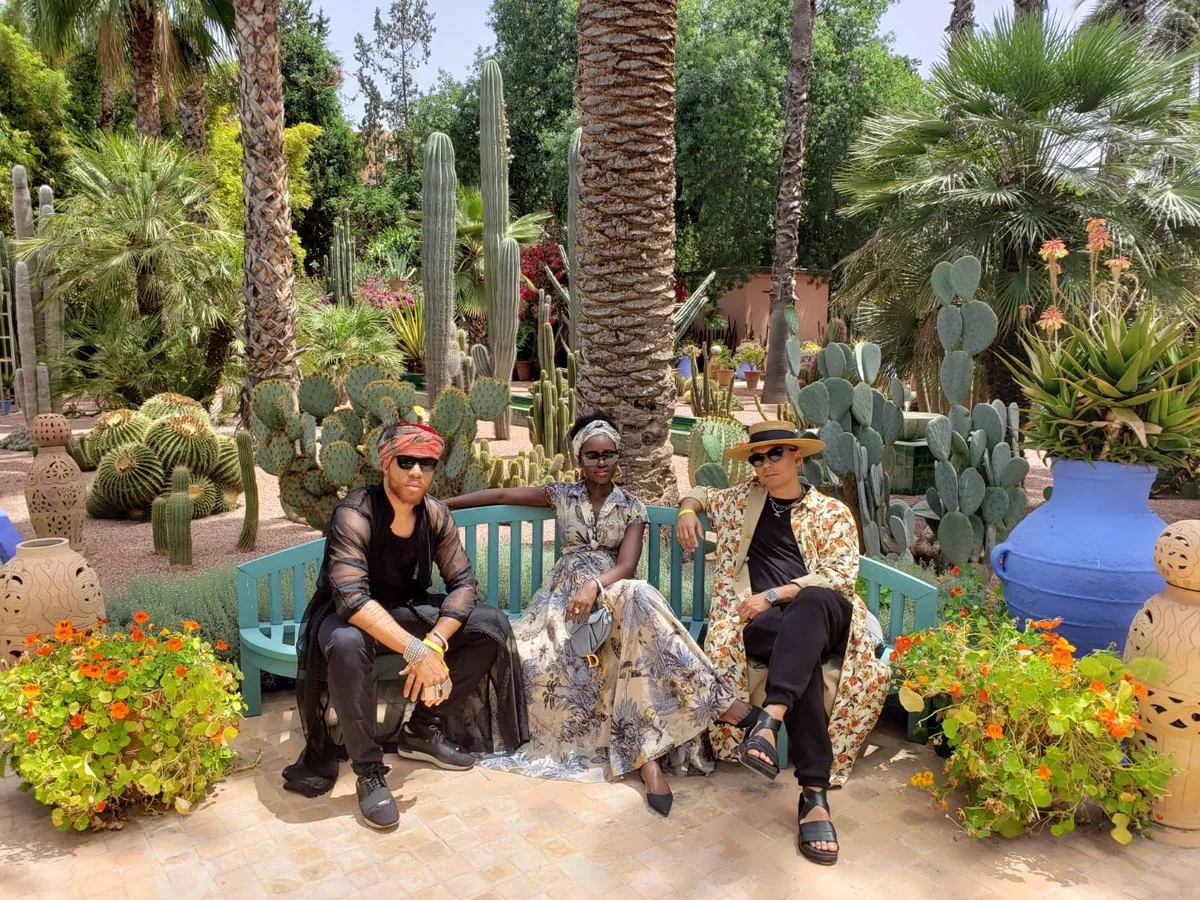
With celebs like Lupita N’yong and Shailene Woodley on the ground, the two-day extravaganza kicked off with a special dinner and traditional music performance at the Palais Bahia. Jessica Alba, who recently celebrated her 38th birthday and is a Dior ambassador, also celebrated with the luxury house.

On the runway, dresses with intricate beading and African-inspired patterns in varying lengths and cuts—maxi, mini, long-sleeved and sleeveless—and the brand’s signature cinched waist made a splash. Patterned head wraps, capes, and jackets added a finishing touch to the looks.

For the finale, Diana Ross surprised the crowd with a performance of Ain’t No Mountain High Enough.

Content courtesy of Dior , Elle & Nairobi Fashion Hub


The Royal Marker

I am the Royal Marker one of the top model coaches in Africa but my real name is Stephen Wainaina

You can also call me Rydah Aftermath

I’m the proud Founder of  The Aftermath Modeling Agency. 

Over the last seven years, I’ve trained & nurtured around 70% of the country crown holders from major beauty pageant both National and county levels. Indeed, I have a secret simple remedy that I’m sharing with the rest of the world.

My foundation is based on four pillars that I train my students in so they can stand out as professional models in Commercial, Pageants & High Fashion.

1) Etiquette:- The customary code of polite behaviour in society or among members of a particular profession or group.

2) Perseverance:- Persistence in doing something despite difficulty or delay in achieving success.

3) Management:- The process of dealing with or controlling things or people.

4) Charity:- The voluntary giving of help,being  generous to others and setting humanitarian standards.

 Naturally I believe that a good personality & skills will always help you stand out from the crowd. This has helped my models reach international standards like Miss Diplomacy Africa,Miss Royalty Nigeria,Miss Intercontinental Guinea,Mr Nigeria INT,Miss Style France,Miss Intercontinental Kenya. Also, the best High Fashion Models in the country have been trained by me. I’ve also worked with models from Ghana,Rwanda South Africa, Dubai,France Italy,New York and globally extending our channels to other countries.

If you’re an upcoming model and you want to brand yourself as a world class supermodel then Nairobi Next Top Model is the Academy for you with African Best Model coach #TheRoyalMaker

Content Courtesy Of The Aftermath Modeling Agency & Nairobi Fashion Hub 

Fashion High Tea 2019

On Saturday 16th February, Nairobi’s biggest fashion event, The Fashion High Tea 2019 went down at the lush Zen Garden Restaurant.

This was the 9th edition of the popular luxe event that’s known to host the upwardly mobile class of Nairobians encompassing media personalities, fashionpreneurs, fashion enthusiasts, models, celebrities and even dignitaries.

The event prides itself on being one of the few local events that combine fashion and charity, by collaborating with philanthropist, Caroline Mutoko to support a charitable cause every year. Proceeds this year will go towards THE NEST A centre established in 1997 for the rescue, rehabilitation and re-integration of children in conflict with the law and children of imprisoned mothers.

The event promises an afternoon of free-flowing drinks, food and biting, an impressive runway where models showcase designs by select local designers, pop up stores where you can shop for fashionable items, great music and ambiance. As expected, the organizers of the event did not disappoint as everything was up to par, not to mention, the weather was brilliant.

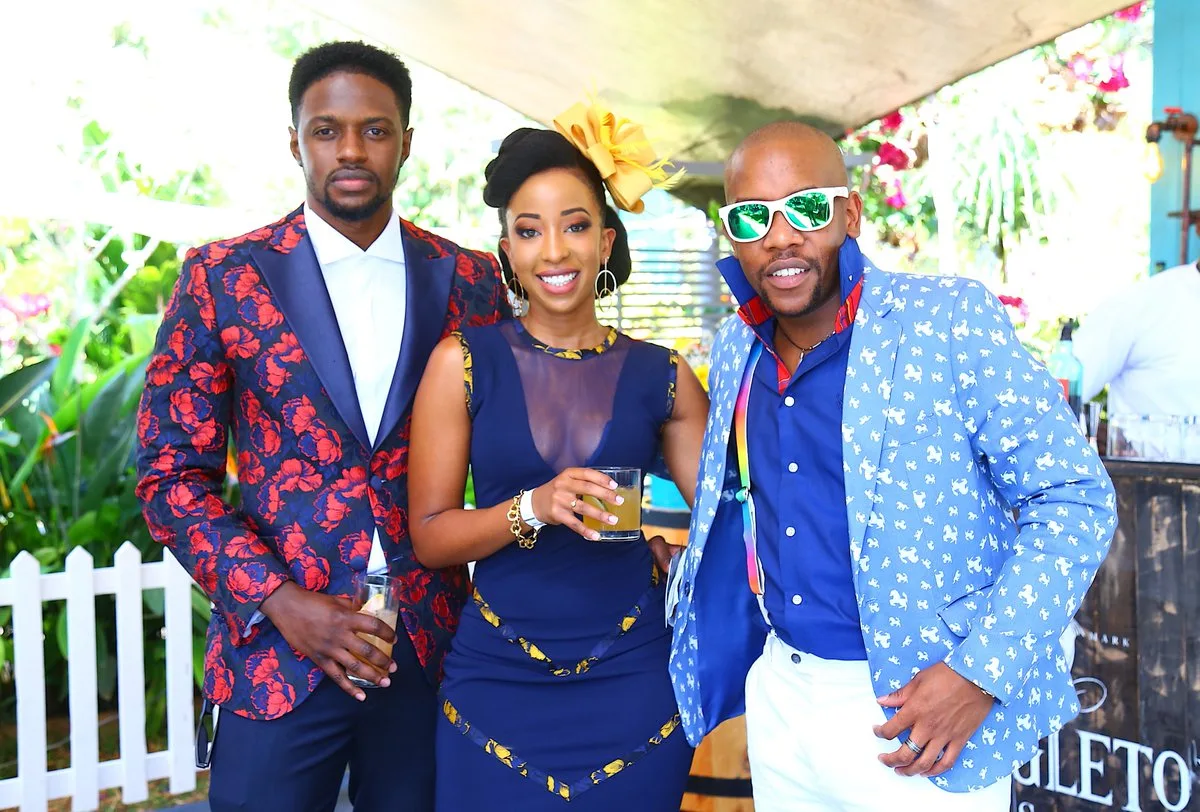
Attendees of the event brought their best fashion A game forward, interpreting the ‘high tea’ theme the best way they know how and some even adding an unexpected dimension to the somewhat complicated dress-code that many don’t seem to get right. Normally, the high tea theme is characterized by opulence.

Women are expected to wear respectable yet elegant clothing. No cut out figure hugging dresses, but more like flared hem dresses whose length is decent enough – tea length. The contemporary high tea theme is slowly changing and becoming accepting of pants, flashy colors and even outfits that are elegant, but don’t necessarily fall under the ‘high tea’ dress code. That being said, here’s what Nairobians wore to the event.

Content Courtesy of Pusle live Photo Credit 99thsense  

Ad