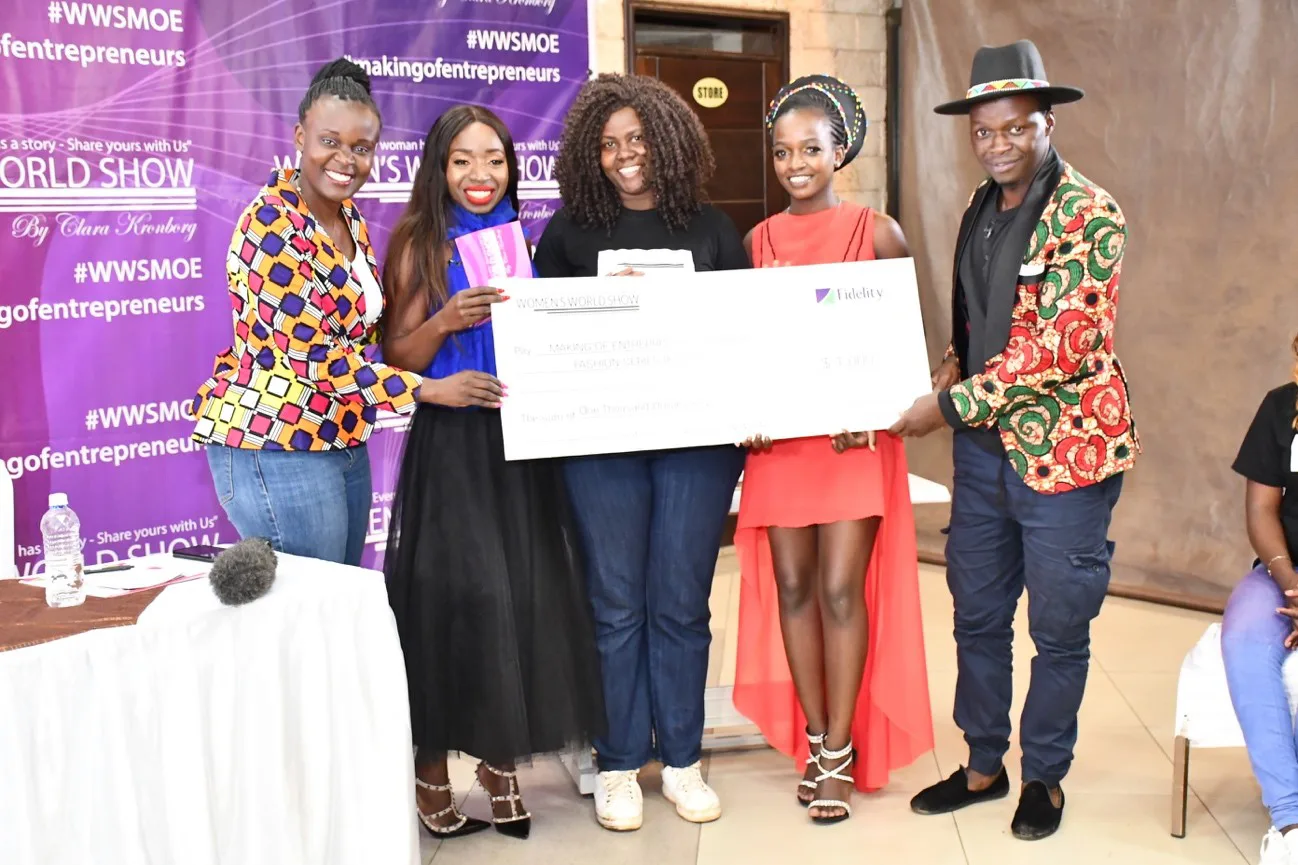
Clara Kronborg, Founder and Host of Women’s world show arrived to Kenya for the making of entrepreneurs in the show. This took place in Nairobi on the 4th of December 2019 in collaboration with Delight Tailoring fashion and design Academy (known as Delight Africa Kenya)
Clara Kronborg, Founder and Host of Women’s world show
Making of entrepreneur in women’s world show is focused on promoting the positive impact /role of skilled African women in the socioeconomic development of Africa.
By supporting as little as we can in bridging the constraints lack of capital and supporting a woman with no means of education with our strategy FUNDING, BRANDING AND MENTORING. In doing so, we hope to accelerate the number of Female entrepreneurs throughout Africa and strengthen African female entrepreneurial ecosystem.
For this segment, ‘’ making of entrepreneurs ’’, we travel around African countries, where we choose a certain skill depending on hand works women are involved in within the country. We collaborate with organizations, companies or individuals whose goals aligns with ours for this process. It is done by setting a mini competition among 5 to 10 women, where the winner wins a start up fund and cash value if 1000 USD.
The Theme for the fashion designer series in Kenya was a Cocktail dress with a significant touch of Kenya. Where Miss Debra Ang’awa emerged the winner of women’s world show Making of entrepreneurs, Kenya edition, the Fashion designers series 2019.
She stood out with her creative skill but mostly for her Business strategy to stand out in fashion industry in Kenya and beyond.
‘’ We are coming back to Kenya ’’, Clara says, because the young women here are filled with zeal and desire to add to the development of Africa. And our return will be bigger, as we will be making more than one woman this time. Our plan starting 2020,
The goal is to make 50 entrepreneurs per annul for the next 5 years, by visiting 6 African countries every year, invest $10000 on 10 female entrepreneurs in each country, with the sum total of $60000 on 50 female entrepreneurs annually. All these are made possible through our investors, partners, collaborators and we want to say thank you to all of them all, as we continue to play our little part to the development of Africa through entrepreneurship.
Content courtesy of Women’s world show, Jw Show & Nairobi fashion hub
The Kenya Film Classification Board (KFCB) led by Dr. Ezekiel Mutua were the biggest and main sponsors of the 2019 edition of one of Kenya’s biggest fashion events, The JW Show.
KFCB boss Dr, Ezekiel Mutua was the Chief Guest at the Jw Show 2019
Two Rivers Mall, which is also the largest mall in East & Central Africa, provided the perfect venue for the event, setting the right tempo; on what would be a night full of creativity, colors, design and awards for the emerging talents in the fashion and fabric industry.
Models on the runway showcasing designs at the JW Show 2019. Picture Courtesy – Fotophreak Magazine
The event, which seeks to connect Africa and the World through fabric and design, usually begins with a competition for upcoming designers drawn from different fashion and design institutes across the country.
The quality of work by the upcoming designers is then judged by a team of experienced designers and players in the industry, who then award points and compile the marks. The team also offers expert advice to individual contestants about their pieces, the choice of fabric and how they can scale their creativity to the next level.
The judges bench is responsible for awarding points to each of the upcoming designers depending on the quality and creativity of their work
This year the judges bench was rich with industry experience from: Betty Kyalo: Media personality – Kenya Kenneth Pope Ndolo: Fashion Designer – Kenya Aulgah Nato: Fashion Designer – Kenya Jane Sempeo: Fashionpreneur – Dubai Lisa Christoffersen: Fashion Designer – Kenya Charity Gachenge: – Fashion Strategist – USA
Julia Achieng from Delight Institute of Fashion & Design was awarded winner of this year’s event
The winner of this year’s contest was Julia Achieng from Delight Tailoring, Fashion & Design School, who could not hide her joy and utter surprise after the announcement. She walked away with a sewing machine from Denri, 6 months free training and mentorship program fully sponsored by Liz Njoroge collection and 2 months workshop in Europe fully sponsored by Fashion Aid.
#MadeInKenyaByKenyans “The unique designs and art arrayed here tonight and made on Kenyan soil is testament that our creativity and talent as a people is unmatched the world over and are pivotal in wealth and job creation in line with the Presidential Big 4 Agenda” ~ Dr. Ezekiel Mutua
The first runners up position went to Prisca Nicole and Anne Nyamari who were awarded a 2 nights holiday in Diani, all inclusive sponsored by Travelluxe and 2 months training and Mentorship program by Nato Design fashion House. Gloriana Kingo’mbe emerged third and was graced with a 2-nights package at Melili Hotel sponsored by Melili hotel plus 1 Month Mentorship sponsored by Ellen Design Fashion House.
Other contestants included: Mary Nyambura and Debra Ang’awa from Delight Tailoring, Fashion & Design school. Charity Nyathira, Ruth N and Samuel Mbugua from the Nairobi Institute of Business Studies. Amboseli institute of tourism and hospitality was represented by Samuel Kamau, Prisca Nicole & Ann Nyamari, while the Vera Beauty College was not left out courtesy Gloriana kingombe.
Models showcasing designs by Aqil fashion house at the JW Show 2019
As is our norm, we would also like to congratulate the models who strut up and down the runway in a beautiful choreography and kept the audience entertained. They included: Sharon Otieno, Nivea Debra, Cindy Kemunto, Ann Amondi, Marion Jacklin, Idah Odeka, Nelius Leah, Saidia Said, Fhanreet Birdi, Faizal Abbas, Cliff Mageto, Gathu Mwangi, Zuma Kabadii, Jack Mulla, Edwin Jewel, Blair and Jansen Odhiambo. The powerful choreography and stage sequence at this year’s event was courtesy of Sangeeta.
Models showcasing designs by Ashok Sunny at the Jw Show 2019
After the competition, it was all about pomp and color as an array of experienced designers unleashed their magic on the runway. They included Kelele designs, Aqil Fashion house, Ashok sunny, Francenca designs, Ellen design, Rialto by Lucy Rao and Sunny designs.
The 2020 Edition of the JW Show is even promising to be more epic, with an initial Kes. 1M sponsorship pledge already made by KFCB boss Dr. Ezekiel Mutua. The JW show is also set to collect more talent in the fashion and fabric industry thanks to the ongoing JW show county tour that is also widely supported by the Dr. Ezekiel Mutua led organization.
KFCB boss Dr Ezekiel Mutua poses with Jw Show Founder and CEO Mr. Jeffrey Wilson
Special recognition also goes out to the other sponsors who in one way or another added so much flavour to the event in their own capacity. They included the Two Rivers Mall, Fashion aid, Cbit East Africa, Ajiry by Centum Investments, Travelluxe, Rome tech, Green peace, Status communication, Denri, Flair by betty, Ciala resort, Melili hotel and Italia kitchens. Last but not least, a big thank you goes out to the hosts of the show, Ms. Angela Wambui and Oga Obinna; and the entire Jw Show team coordinated by Ms. Sheila Nkirote.
We cant wait to see you at the next edition of the JW Show in 2020. Far right, Mr. Brian Mwau of Centum Investments. Far left, Mr. Clive Lupao – Head of Communications – The JW Show
Content courtesy of Fotophreak Jw Show & Nairobi Fashion Hub
Looking to put more money in your pocket? Your sense of style may just be the key.
Maverick Kagesha is an international model looking to put more money into his pocket but doesn’t know how to do so.
Luckily for him, King Sidney comes to his rescue with a wonderful wardrobe upgrade that helps him see how looking sharp will lead to an increase in respect and therefore more money for him in the long run.
I love dressing up, but of late particularly at work, I may have been letting myself go a bit. And it’s definitely been hurting my bottom line. had been giving myself excuses and wearing a simple branded polo shirt to meet my customers until my wife advised me otherwise.
Before – The guy who will probably clumsily stumble through the project.
After – The boss, guaranteed to do a tremendous job on the client’s project.
The Difference one thing makes.
The difference my new look made during the client meetings that followed was immediate. I noticed there was a lot less resistance in signing on the dotted line from new clients who didn’t know me because my new look had amplified their trust to a whole new level.
My favourite weapon of choice is this luxurious wool King Sidney statement blazer as part of a three-piece suit.
Client meeting will truly never be the same again, all thanks to my lovely wife. I finally discovered the truth to the saying, he who finds a wife finds what is good and receives favour from the Lord.
Interested in showcasing your true potential? Get in touch and we may just consider you for our next men’s designer makeover.
Content courtesy of King Sideney & Nairobi Fashion Hub
The awards show celebrates and acknowledges African fashion industry stakeholders including fashion designers, models, icons, media influencers amongst others.
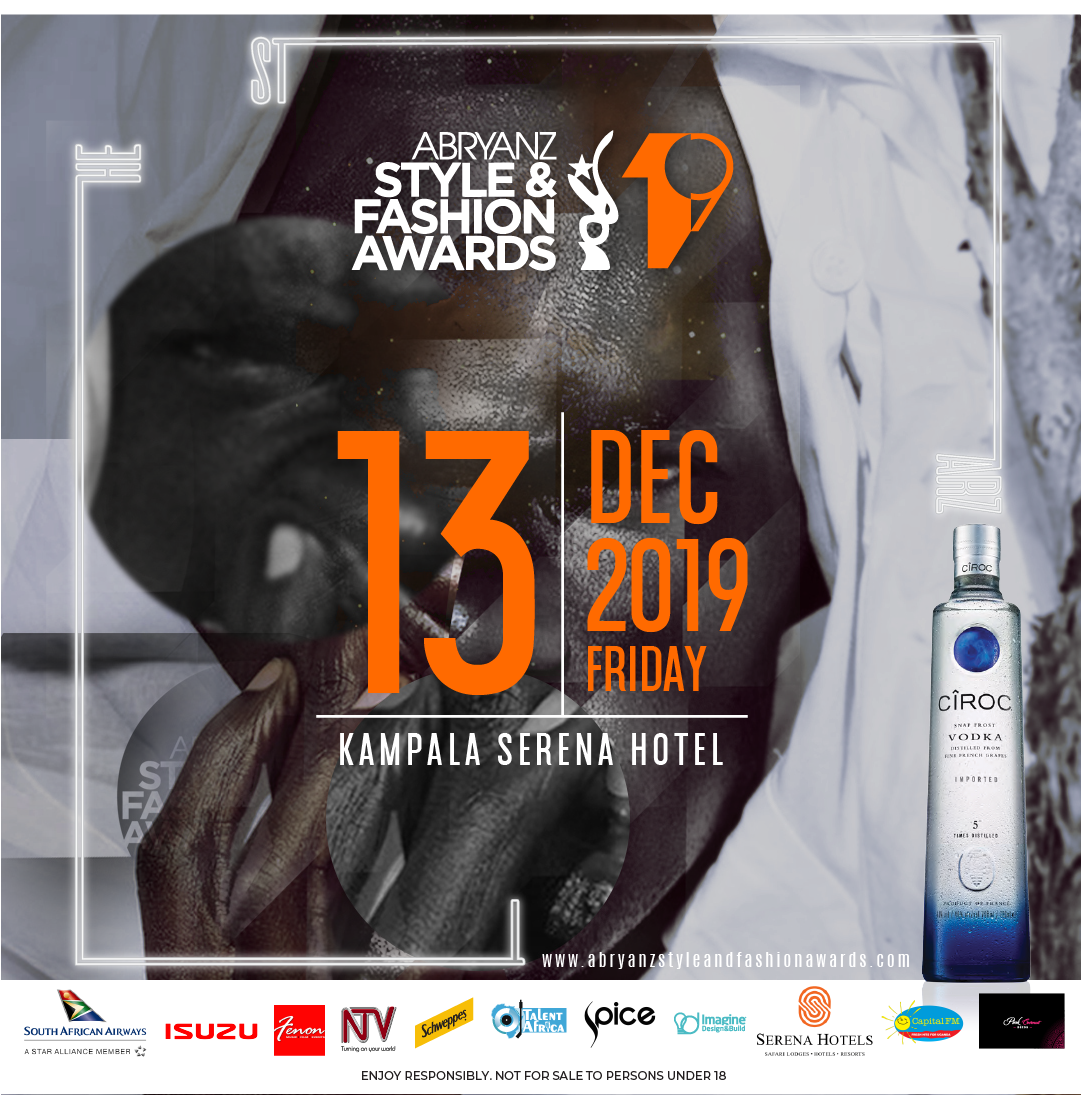
On the 13th of December 2019, at the Kampala Serena hotel, the Asfas once again will be broadcast live on Uganda’s leading broadcaster NTV Uganda, DSTV channel 190, spice tv will shine a spotlight on African fashion on the 7th edition of the ASFAS. The annual celebration of African fashion creatives, the ASFAS are back under the theme ‘the starz’ set to be the biggest edition yet with a mission to shine a global spotlight on the African fashion industry while highlighting creativity, achievement and excellence.
The awards seek to highlight the tradition of selflessness of the African nation to uplift one another through advancements of adoption, and the modern generation that tirelessly challenges the socio-political global status quo. With compelling ideas between self-identity and recognition of ownership, this theme seeks to emphasize that this new outlook of the future African generation is for “us by us” hence it’s name the starz.
ASFA 2019 will celebrate African creatives across 14 categories. In line with the ASFA2019 THEME, this year’s show will also feature special HONORARY AWARDS i.e. Icon Award, Positive Change And Special Recognition Award For Innovation. The nominations start on 20th September 2019 and end on 8th October 2019.
Another new development this year will see the ASFAs partnering with Talent Africa, Uganda’s leading events and entertainment company who will work together with the ASFAs to bring a new level of professionalism in event and business management. The ultimate goal of the new partnership is to make the ASFAs the biggest fashion event in Africa.
Talent Africa CEO Aly Allibhai states “Talent Africa is really excited to partner with the Abryanz Style and Fashion on this venture as a business partner and events management company. The ASFAs are already on amazing event and Talent Africa is dedicated to doing what we can do to make it even better and growing ASFA to another level. Look out for some new and exciting changes to this year’s edition”
The ASFAs 2019 come with excitement of Partners, sponsors, fashion personalities, production and major stakeholders expressing their enthusiasm and eagerness. “The ASFAs have been an iconic instrumental change to the Business of Fashion and modelling not only in Uganda but Africa at large. The Awards are more than tribalizers to pushing the boundaries of African Fashion boarders and celebrating the narrative of futuristic African Fashion.” Says Joram Muzira Job, Production manager, Fashion Show.
Veronic Rubanga From Fenon said “We are always very excited to be part of the biggest Fashion Awarding event for the 7th year running, as we have been a part of this journey from the very start. Fenon is known for the innovation and executing high end and classy events and the attendees should expect a bigger and better production at the event this year. We always aim to push the limits and deliver a new, never seen before experience.
We have many surprises in store and can’t wait to unveil them.” While Angie Kemi-Omeke CEO Pink Coconut is also overwhelmed at the announcement of the return of the ASFAs this year.
“If you have been following the ASFAs, you will realize they are a celebration of fashion and style. They are also a representation of Ugandan and international culture, pomp and pizzazz.
As Pink Coconut Decor, we strive to be part of anything that gives people a chance to comment with their true self while showcasing talent, hence once again this year we are pleased to be working with ASFA as the official decor partner.” she added. Celebrating the Asfa2019 starz, the awards will encompass three events featuring star designers, stylists artistes, emerging fashionistas etc. including a nominees party, fashionpreneur summit / workshop for aspiring designers and fashion entrepreneurs, a model master class, where they will display their works of art, network and work together First staged in 2013, the Abryanz Style And Fashion Awards have recognised the talent of designers, achievers and personalities across the continent, rewarding icons and game changers such as David Tlale, Mafikizolo, Mai Atafo, Her Royal Highness The Princess Of Tooro Elizabeth Bagaya, Super Model Aamito Stacy Lagum, Santa Anzo Amongst Others.
In line with the Asfa 2019 theme the Starz, this year’s show will be a STAR packed edition with STAR performances, STAR designer showcases, STAR models, STAR hosts, STAR appearances on the red-carpet and main stage.
Abryanz Style and Fashion Awards will continue it’s blooming relationship with last year’s main sponsor Ciroc Ultra-Premium Vodka, Isuzu and media partners NTV Uganda and Capital FM for this year’s edition.
Other sponsors and Partners include; Serena Hotel Kampala, South African Airways, Schweppes, pink coconut, Fenon, Big Eye Uganda, MAC, and Imagine design and build.
Content courtesy of Abryanz Style and Fashion Awards & Nairobi fashion hub
She has been making headlines for almost two decades, thanks to her enviable beauty and super chic personal style, but we barely know her. Natasha Sinayobye opens up about her very private life in the limelight, why her beauty is such a pain and how farming saved her life.
Sleeveless denim jacket & denim shorts worn under denim pants – Iconic UG Striped shirt worn backwards & denim jacket worn as a skirt – Iconic UG
We tend to act differently when we are unaware that we are being watched, and so, I stalk Natasha Sinayobye.
She is doing a fitting for a shoot to accompany this story at Iconic UG, located at Senana Shopping Centre. For those who haven’t been to this flashy fashion store, it is a well-lit space with an open floor plan that is interrupted by a pillar in the middle that serves as the dressing room. The rows and racks of clothes serve as good enough hiding spots for someone who is doing what I was doing. There are poufs scattered about, perhaps to relieve tired shoppers? More likely to help those trying on shoes. Of course lots of mirrors and the most smiley staff I have seen in a clothes shop in ages, especially here in Kampala.
I sit on one of those poufs and from there I can see her checking out a striped piece of clothing. From that angle, I can’t quite make out whether it is a dress or skirt, but she holds it against her frame as she twirls this way and that in front of the mirror. Standing barefoot, dressed in a fitting light blue denim jumpsuit, she looks shorter than I had assumed. I sneakily watch her interaction with the stylists and assistants to see if her demeanor will be the same once the interview begins. Will she be nicer because she knows she is being recorded? She is after all a skilled subject, appearing to let her interviewers in while maintaining her privacy. Letting the public in but only so.
The stalking reveals that she is at ease with herself and comfortably owns the space she is in. As a result, she puts the people around her at ease as well. This extends to the waiter in the restaurant where we sit to have our chat. For this, she changes into a red midi lace dress with a wide sleeved print coat over it and a pair of heeled clear Perspex slides. That, her trademark short hair and not a speck of makeup, complete the look.
Hooded tracksuit & sweatshirt – Weren’t Born Rich Striped faux fur jacket – Iconic UG
Striped shirt worn backwards & denim jacket worn as a skirt – Iconic UG
Dress – Sham Tyra
Sinayobye has been interviewed so many times that she can hardly count. Her career as a dancer, choreographer, model, actress and stint as a musician has been chronicled since 2001 when she made her public debut. Despite that, she doesn’t get tired of being asked the same questions. She says, “Each time I’m asked about the same thing, my perspective has changed. I see things differently now that I’m older.” That might well be the case; but I suspect part of it is a tactic she uses to guard her privacy. Something she does sweetly and yet so fiercely. Along the conversation she will tell me; “and you can be assertive without being defensive.”
One of the things she has been asked about repeatedly being her looks. How has she maintained her youthful look? How did it feel to win the Miss MTN Uganda crown in 2001? How does it feel to be on several lists of ‘Most Beautiful Ugandan women’?
Unironically, because of this beauty, many people underestimate her, taking her for just a pretty face. “Ya, ya that has happened, not once, not twice. It comes so naturally for certain people. When they look at some women, they just conclude, oh you’re blonde. I have had apologies before- someone has had to say I didn’t expect you to be this person”.
Her beauty might cause people to pause but she is unphased by it. Case in point; I receive a text from a friend saying I have been spotted in a restaurant seated with the most beautiful woman in Uganda, a goddess. When I show her the message she brushes it off as one would a casual comment about the weather. She credits her parents for this outlook.
“I thank my parents so so much for this. My parents have always been very…you see when your dad tells you you’re beautiful every day, you get used to it. It doesn’t become a handicap to you. When you dress up and your mum says; you’re so smart, you’re so beautiful…”
She trails off. “So when someone else says it, there’s no reason that it should affect me in anyway, or any reason it should go to my head. I believe everyone should encourage their kids and tell them all the time; ‘you look beautiful’, ‘you are beautiful’ all the time. You are the one person they trust at that age. So you should tell them.” Now she starts to reveal a side of her most interviews I watched and read in prep for this did not show; a depth of character that sits well with her upbeat persona.
Before her beauty made her known to us, Sinayobye had a different plan for her life. She wanted to be a doctor; a journey that took a detour when she had her son. When she talks about him, she gets a bit serious. “My parents were very supportive. I could still have chased that dream but I did not want to burden them, it was my responsibility and I had to take it on.” And she has worked hard at shouldering that responsibility.
When you think of South African fashion and its creative design community, there is only one brand synonymous with both: SA Fashion Week. With a celebrated 21 year history, SA Fashion Week continues to tell designer stories nationally and internationally, on and off the runway.
The South African Fashion Week is the driving force behind structuring, strengthening and growing a consciousness of the enormous socio-economic value of a vibrant South African fashion design culture.
SAFW, the only Business to Business platform in Africa, markets the designer collections to the buyers, media, celebrities and the designer bespoke clients. This season, SAFW will open its doors to 34 designers showing their Spring/Summer Collections on the runway, and 50 labels trading wholesale at the SAFW Trade Show which runs parallel to the runway collections.
The core of SS19, The Luxury Collections, is to redefine and highlight the meaning of luxury in African fashion.
If you don’t know by now, SA Fashion Week showcases the best designs and creations from local designers. Now in its 22nd year, this annual week-long showcase is dedicated to fashion, style and beautiful signature pieces, on-trend looks and seasonal must-haves. SA Fashion Week exhibits the talent of 60 designers during five days of non-stop fashion fun.
This means you get to indulge in a night out mingling with fashion’s finest as you peruse the SA Fashion Week Autumn/Winter 2019 Collections. If you’re all about celebrating the power and influence of local fashion, then you don’t want to miss out on this fabulous fashion extravaganza!
Content courtesy of South African fashion week & Nairobi fashion hub
For the first time, during NYFW, MADE IN AFRICA 2020, will present premiere runway presentations from two, contemporary African designers, at Pier 59 Studios on September 5th – @ 6PM 2019. Each grouping spotlights the African connection between clothing, culture, tradition, aesthetics, et al, as a means of both beautification and body adornment.
Described as the “embodiment of creativity and expression with deeper cultural & spiritual meaning; designs reflect the artisanal artistry gleaned from deep African ancestral spiritual roots.”
“Truly great artistry is not achieved through knowledge or mastery alone, but, by divine inspiration from those who have come before. Their spirit lives through the hands, lives and souls of our modern African ateliers”, Creative Director, Paul Leisegang
For Laduma Ngxokolo, founder/designer, MAXHOSA AFRICA, the SiziiKumnkani NeeKumnkanikazi (“We Are Kings and Queens”) grouping, portrays the regal majesty of Africans and Africa; ‘The Cradle of Mankind’. “My collection showcases the cultural roots and traditions of Africa. My desire is to have my work restore dignity to the continent, so that each garment may reflect a modern, current aesthetic, yet, with an ancient philosophy behind my brand, set in our rich African heritage with its observance of ceremony.”
Jan Malan and Greg Meyer – Photo credit – Johan Venter
“Basking in the Osun River”, Eliana Murargy’s muse experiences a re-birth in the sweet waters of West Africa, channelling her protective deity, paying homage to the Aje, honoring the woman who yields cosmic powers and her force of creation and sustainer of life. Celebrating the timeless signature of the studio, in tandem with the gentle nature of female embodiment, healing, empowerment, the delicate, day to evening collection balances fine tailoring and refined fit via flowing shapes, detailed silhouettes; soft shadings of rosé, beige, wide array of blues, vivid sparkles, delicate silks, touches of silvery textures; pink accents in tandem with stark white and black.
Leisegang notes: “MADE IN AFRICA is an invitation to sense and experience the culturally appropriate, magical experience of African fashion; the spirit, craft, history and ceremony of these pieces, which have been passed along through the generations. We want everyone to experience how each designer blends modern African fashion and new technologies with ancient cultural tradition across the collections shown on the runway.
For Producer, Jan Malan, “the glorious, complex, wonderful body is exceptionally adaptable, inherently portable, and simultaneously personal and public. We are using the body as the mobile vehicle; unique canvas, on which to project forms that pass between cultures and communities.
Content courtesy of Bonnie Bien // L A P R E S S E PR – New York // +212 567-8900, (Africa) Leon Haasbroek // LJHPR – Johannesburg // +27 711 934181 & Nairobi fashion hub
I’ve been selling high-end men’s jackets for about two years now, and in doing so have become very familiar with men’s psychology when it comes to fashion matters. Recently a friend of mine approached me to vent on her husband’s fashion sense. She was clearly frustrated that she had a friend who sells some of the most beautiful men’s designer jackets in Africa, yet her husband dressed like a man who was blindfolded in the morning as he put his clothes on. Terrible colour combinations, ill-fitting jackets, you name it. Looks that show no effort whatsoever in the style department. She said she had tried to get him to dress better to no avail, and thought that I might be able to talk to him. She was a bit surprised when I let her know that the best placed person to help improve his style was her, then went ahead to explain why.
Photo credit my lime boots
Kenyan men have three levels with regards to style and fashion. The first is to cover nakedness, the second is to impress others, and the third is to portray his identity. Now, I will assume you’re in some type of relationship with the man in question. Let me breakdown exactly what is going on in his head. Once we’re on the same page about his thought process, the most effective approach to take as his lady to help him improve his style will be apparent. Let’s begin.
I dress to cover nakedness.
Depending on the environment they grew up in, most Kenyan men start in this category. Men are taught that the most important thing is to work hard and provide for those we love, so that is essentially where their focus lies. The interesting thing about that mentality is that it tends to be present irrespective of financial status. If he’s too broke to spend money on clothes, he’ll think “I have to focus on making money, who the hell has time to think about dressing well!” If he’s financially stable, he’ll think, “I make good money and provide and everyone is comfortable, does it really matter how I dress” Us women often put a lot of effort into dressing well whenever we step out for occasions as a couple, and it can be incredibly frustrating when men don’t reciprocate. Men at this level don’t understand how infuriating it can be for you as a woman. It simply doesn’t register. It can’t, because while the importance of dressing well and looking good was hammered home to us ladies by our parents, it was barely mentioned to them as they grew up. Which is why this actually tends to be the most dangerous stage for the relationship. A friend once told me a story about a guy who used to dress poorly, consistently. They would go out as wedding guests and his clothes would look like he had pulled them straight out of a cow’s mouth after it had regurgitated them. According to the story, his wife kept nagging him on how he should make an effort and dress better. He dismissed it because of the mentality I mentioned above. Over time, she gradually lost attraction for him. Now, if he had known it would cost him something as valuable as his wife’s attraction, of course he would’ve made the effort. But there’s no way he would have known simply because his mind-set was built differently from the onset. Men are from Mars women from Venus or so they say.
What you can do
Nagging will never work in this (or any) stage because of the reasoning I explained above. Lucky for you as his lady, this is actually the easiest stage to change his style. Simply gift him items you’d like to see him in and throw out the ones you don’t like. He will be too focused on other things to take notice. Then as people out there begin to compliment him on his improving sense of style, he’ll move on to the next stage.
I dress to impress others
This is a bitter sweet stage for you as the woman in his life. The man in question has begun to dress up, which is awesome. However, he’s dressing to impress others (his peers). Keyword being others, not you. Let me explain. If you, like me, happen to be a parent, you may have noticed an interesting phenomenon. You can repeatedly tell a child to do something that’s good for him and meet some form of resistance. Yet when he goes out with his friends, it becomes a competition amongst them and he becomes a specialist at the very same thing he wouldn’t do when it was you asking. You see, it’s not that your son loves his friends more than he does you. It’s just that he already has you, whereas he doesn’t have his friends. You will love him no matter what, and he knows that subconsciously. As for his friend’s on the other hand, he still has to work for their respect and/or acceptance, so he puts in more effort. So in regards to your man’s fashion choices in this category, you may find that your opinion counts for less that of the people he is trying to impress. So if your sentences start with something along the lines of, “I think you would look better in this” he’ll be thinking, “That’s cool, but you love me anyway, what would the guys at the party think of it? The guys who I want to like me but don’t as of yet. The actual guys I’m trying to impress.”
What you can do
If you already like how he’s dressing at this stage, then do nothing. He’s not simply covering nakedness anymore so that’s wonderful right? If however, you really in your heart of hearts feel like he could be dressing better with your influence, then it’s fairly easy. Simply be on his side in the competition. Something like, “Every man at that party will be wearing some version of what you’ve chosen to wear. It’s common so you won’t stand out. Go with this instead. You’ll crush all the competition” It doesn’t matter if you criticize the specific clothing item at this stage, because it’s all about the competition and the impression he’s bound to make. The specific clothing item doesn’t matter too much to him. But you as his woman have to be sure he’s in this particular stage, because criticizing the item in question will not work for the final category.
I dress as a portrayal of my identity
Let’s be real, everyone who dresses well wants to impress others to some degree. It’s called being human. The difference between men in the previous level and those in this level is subtle. For the ones in the previous level, impressing others is the ultimate goal, and then they feel good about what they wore once they’re complimented on it. The men in this level just love to look good based on their own opinion of themselves. The impressing others part just so happens to come as a bonus. The reason he looks so good is because it takes a lot of fashion knowledge and practice to get it right. Think about it this way, you have two individuals. One works for the money, the other works because he’s in love with whatever the job/craft is and therefore puts in major overtime. Over time, the one who loves the job is bound to get paid more because of the amount of work and practice he’s put in and the high level of skill he has achieved. But he was never really out for the money, it just just so happened to flow in abundance as a result of his love of his craft. The men in this category are basically those who have worked very hard on their fashion and style game over time. They’ve taken the time to understand their and purchase clothes that speak to that identity. So his thought process will be along the lines of “I love the craftsmanship on this jacket. It has the kind of detail I would undertake in my own endeavours.” He’s very secure style-wise. He understands his strengths and knows how to dress to enhance them. These gentlemen usually end up getting the most compliments because they have brands such as King Sidney to cater to them.
What you can do
Men in this category usually dress extremely sharply and source for the best of the best. These are guys with experience. They spent some time in the other two categories before getting here. To critique an item or a look here, you will have to have more knowledge and experience on men’s fashion than he does. Fortunately, you’ll almost never need to. Once he is at this level, you’ll find yourself singing his praises more often than not. This of course is fantastic for the relationship. What should you do as the lady of a gentleman in this category? Nothing, absolutely nothing. Just sit back, smile, and enjoy the fruits of your labour.
Content courtesy of Valour vuguza & Nairobi fashion hub
I’m a huge fan of luxury. I suppose to some extent, we all are. I’ve never met an individual who did not appreciate beauty and craftsmanship in one field or the other. It may be electronics, it may be fashion. As men, we work very hard so that one day we may be able to afford the finer things in life. This is a list on those finer things, crafted for affluent Kenyan men. Please note, this is not necessarily an endorsement of these brands, but rather an appreciation of Kenyan craftsmanship and the progress it seems to be making. It’s a phenomenon that happens in every industry. If you are as old as I am, then you remember a point in time when ninety percent of Kenyan music was absolute crap. Then stars like Sauti Sol and Nyashinski came in and raised the bar for everyone involved. Kenyan luxury fashion is a bit like that. For centuries the value of Kenyan craftsmanship has been dismissed. Here are a few luxury fashion menswear brands in Kenya that are looking to buck that trend;
King Sidney
I love how well King Sidney do their thing. Everything from their website to the actual jackets exudes beauty. Their jackets seem to take on a life of their own. This is one of those things you have to see first-hand to fully appreciate. The standard they have set for luxury fashion start-ups for men in terms of beauty and quality is truly something to marvel at.
John Kaveke
If I was to list all of John Kaveke’s accomplishments in this post, you’d be scrolling down this page for the next hour. The man is accomplished. Being the first Kenyan designer to attend the London fashion week is just one of his many accomplishments. He began by doing both but nowadays seems to be focused on menswear. A collection of some of his fine African-blended men’s evening wear can be seen on his Instagram page.
Kobe Afrika
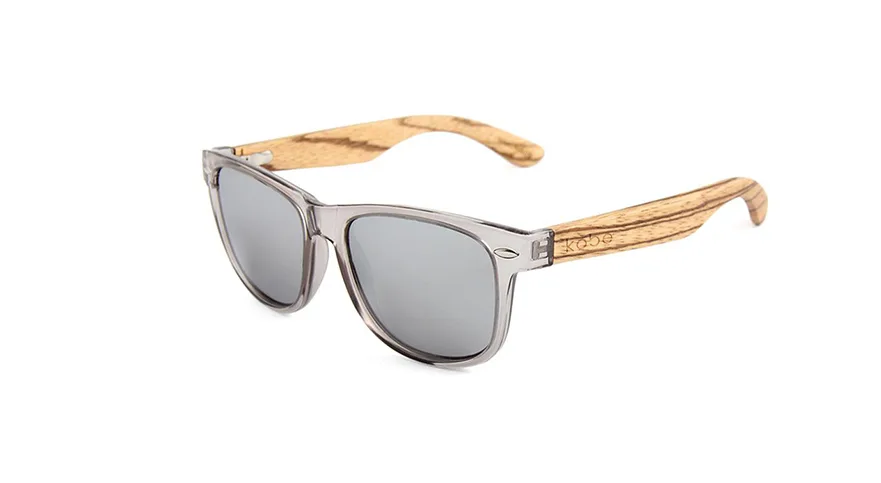
I’m a big fan of sunglasses and designer eyewear. To be honest, when I was much younger, I used to be one of those guys who would wear sunglasses at night to the club. Sad, I know. You live and you learn. Recently I came across a Kenyan luxury firm that specializes in sunglasses and designer eyewear known as Kobe Afrika. And me being a fan of the international ray bans brand couldn’t help but fall for their sunglasses. I particularly like the wooden arms. They stand out in a sea of plastic arms and serve as nice conversation starters. Just like with King Sidney, they may still have some distance to cover in terms of variety of stock. But just like with King Sidney, I love the foundation, and can’t wait to see what they do next.
Sao sartorial
He’s the gentleman who dresses Sauti Sol. I’m a big fan of statement jackets, and the ones he custom makes grew on me after some time. Inasmuch as he seems to focus more on weddings, they do custom make individual evening tuxedos as far as I know. His Instagram page states that he has a dedication to sartorial excellence, and honestly I couldn’t agree more.
Jokajok
Former ‘unbwogable’ mega-producer Tedd Josiah took his skills and transferred them to luxury bag production. Even though they do both men’s and women’s luxury leather goods, I have included them in this list because of their unique approach to men’s leather goods. I saw an animal textured leather laptop bag on their website that I couldn’t get enough of. He has one or two interesting duffel bags as well.
Patrick Mavros
Located in the village market, and known as ‘The Luxury house from Africa’, their cufflink game is on a whole other level. Just like with one or two others on this list, they do not specialize in men exclusively. They are, however, the most successful brand on this list with four stores in four different countries. Their website boasts unique gems such as the 18-carat gold turtle cufflinks that retail at 3,500 pounds.
KOY Clothing
You may have stumbled across a viral WhatsApp video of a European gentleman describing what he referred to as “The Luo jacket”. That was KOY clothing, a brand that sells luxury jackets and then as their website states “give 5% of every purchase to projects within the communities of Kenya that our products are inspired by”. Although technically not in Kenya, they are inspired by Kenya and very patriotic about our country so I just had to include them here.
True luxury is rare, exclusive and very difficult to find. I will continue my search for luxury Kenyan menswear brands and continuously update this list. Do you know of any high-quality Kenyan luxury menswear brands that I may have missed? Comment below and I’ll be sure to check them out and update.
Most Kenyan men have never taken the groom’s dress code too seriously. I forget where I heard this, but there’s actually a saying in Kenya that goes something along the lines of, “the wedding is for the bride, you as the groom are merely a spectator.” I’ve often felt that rather than being true, this was more of an excuse for men hoping to get away with lack of effort on their end in terms of certain aspects of the wedding such as fashion. Women make such tremendous efforts with their style on their wedding days. A lady who’s never spent more than 5,000 Kenya shillings on her dresses before will save up kshs. 50,000 for her wedding gown. Then there’s the make-up artist, etc.. For most men out there, what he will wear is a complete afterthought. This post is not for those men. This post is for the man who likes to dress sharp and knows that his wedding day is no exception.
Since us men like simplicity, I’ll break it up this style guide into three simple jacket looks that anyone can remember and incorporate, as well as a single source of each style within the country. I will not go into the details of color matching and adding accessories. That’s an article for another day. Without further ado; a style guide for the fashion conscious Kenyan groom looking to make a big impression.
The Suit
The suit, as seen in the look below by Nairobi grooms. This is the option most Kenyan men still like to wear mostly due to the fact that it’s safe, if not somewhat lazy. A prospective groom won’t have to think too much about what he’ll wear on the day. Simply slap on a suit he may or may not already own and we’re good to go. Below are a few advantages and disadvantages to the suit.
Pros
Tend to be readily available. Suits can be purchased anywhere, either ready-made or custom. Suit shops and suit makers are a dime a dozen on all corners of Kenya.
As I said, the prospective groom probably already owns one. And what better way to ease stress than to slap on a suit you already own and move on to other wedding arrangements. After all, most weddings are trying to cut costs not elevate them right?
Can be worn later for business. Outside of the last option on this list, a suit is the ultimate saver in terms of utility. After being worn at the wedding, it can be worn at work on that very first Monday you return from your honeymoon.
Cons
Tends to look very boring. Let’s face it, suits never really make that much of an impression, probably because they are so common and all over the place. And this post is for men looking to make a huge impression. An exception to this disadvantage is if you’re the type that never wears suits. It will then be a huge surprise for everyone to see you in a suit. The wedding pictures, however, will still look like everyone else’s. Just another man in a suit.
The Ivory jacket.
The ivory wedding jacket, as seen in the look below by Sao Sartorial. An option almost as common as a suit albeit a little more stylish. You’ve seen them, the white or ivory colored jackets that ordinarily come with black lapels. Below are a couple of advantages and disadvantages of the ivory jacket for the groom in Kenya;
Can look quite stylish, at least with respect to the suit, depending on the fabric and craftsmanship used to make them.
Tends to match the bride’s wedding dress in terms of color (either white or ivory).
Can be custom made to your style and specifications.
Cons
Just like a wedding gown, it’s unlikely to ever be worn again. There are just not a lot of occasions in which you can wear an ivory wedding jacket after the wedding day. Gala nights usually insist on black. If you attempt to wear it to a wedding as a guest, you run the risk of looking exactly like the groom. Date night? Not really. Sometimes, even a suit would look better than an ivory jacket on a date with your new wife.
As a prospective groom, you’re unlikely to already own one. This means you’ll either have to buy or custom make one, which just adds to both the hassle and expense of what may already be a stressful planning process.
The statement jacket.
My personal favorite, the statement jacket as seen in the look below by King Sidney. I won’t lie, I have always been the type of man who liked to subtly stand out and look different, so I bought a statement jacket for my wedding a year ago. Now, I realize most men may not like to stand out, but if you’re part of the few that do, here are a few advantages and disadvantages I experienced first-hand from wearing my statement jacket.
Pros
Statement jackets are extremely versatile. If you think about it, a statement jacket is simply a very nice, unique jacket, and those can be worn anywhere. They can be worn as a groom at your wedding, then as a wedding guest at your friend’s wedding in a few weeks’ time. They will have you looking great on date night. They can be used to impress your clients on days you are not required to wear a suit. They can be worn for literally every special occasion after your wedding day.
Perhaps the one I should’ve started with but I didn’t, since men are more logical than they are emotional (or so we like to believe) they will have a huge impact on your new wife. Huge. You actually see her eyes light up. And that jacket was probably the only thing my mother in law has ever given me a compliment on. Statement jackets are real compliment pullers.
Cons
You may encounter opposition from fans of tradition. Most families will prefer you to take the safe option and look like the grooms in most other weddings. Some brides as well will prefer the prospective groom plays it safe. So these are not for everyone.
You cannot really custom make one because you may not possess the design and fabric experience to guide your tailor to come up with something stylish and not tacky (check out my upcoming article, the problem with custom- made) You’d have to buy one ready, which leads me to the next disadvantage.
They tend to be quite expensive. A disadvantage often offset by their versatile nature, but still…
A great look on your wedding day as a groom can be a great way to start a marriage. Remember, once nakedness is covered in terms of basic fashion, the next level of style becomes about making a statement and portraying your personality with what you wear. And nothing makes a bigger statement to your new wife than making the effort to look good for her on her big day. Because lest you forget, inasmuch as everyone’s attention will be on the bride, her focus will always be on you.
Photo Credit : Nairobi Grooms, Sao Sartorial & King Sidney
Since Rihanna announced the launch of her luxury fashion house Fenty, we’ve pretty much been refreshing our feeds for the first opportunity to get our hands on the limited-edition pieces. For those that missed the last drop
Release 6-19 explores items made for ease of travel and intended for escape – think light fabrics and head-turning prints (which we’d expect when Rihanna is the Artistic Director). The collection, which will make its way onto the website via two separate drops, features knit, satin and body-hugging jersey dresses that celebrate the female form, and aims to provide you with investment pieces to treasure for years to come. Plus, they’re limited edition, so you’ll have bragging rights too.
The collection’s colours hold special significance to Rihanna, as the orange, fuschia and teal tones aim to mirror a Bajan sunset, while the oversized graphic tees pack a political punch as they celebrate the immigrant experience and represent Rihanna’s roots. Though, she did throw in some Japanese-inspired dragon prints. Because, well, Rihanna can do what she likes – she even shot the campaign images herself.
And it seems Fenty has our Middle-Eastern sun in mind with this drop, as eyewear is being highlighted with two new styles – the first of which shields your entire face, the second a foldable laser-cut style. Of course.
This article originally appeared on Grazia Middle East
 Clara Kronborg, Founder and Host of Women’s world show