Tuesday 5th of May 2026

Nairobi, Kenya

Kutula Clothing Celebrates its 50th Anniversary as a Leader in African Inspired Fashion

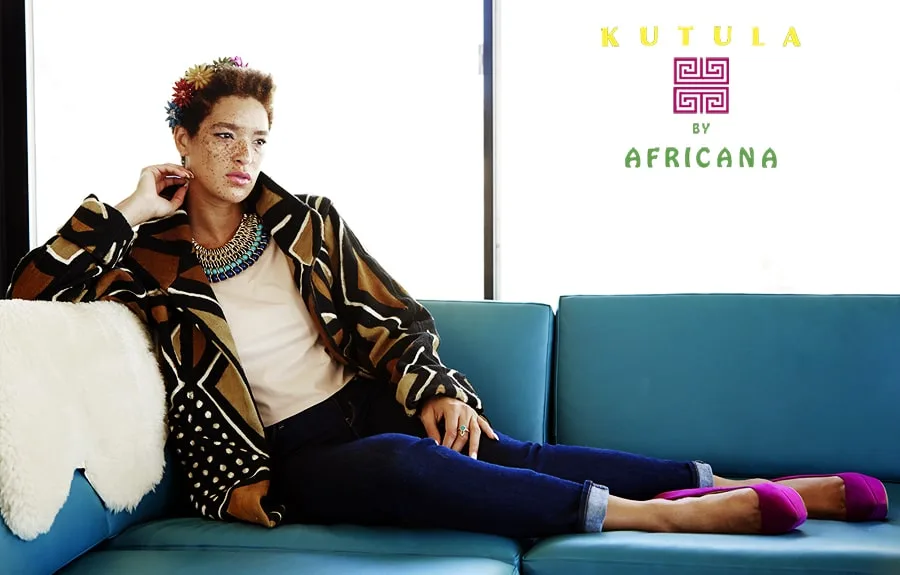
Kutula’s clothes are rich in color and African history. They’re a favorite on the red carpet. Stars like David Oyelowo, Angela Bassett, Lupita Nyongo, and the late Chadwick Boseman, and their family members wore them to premieres.

Kutula itself is a family story. Francesca Anuluoha started it in 1971 after she arrived in Los Angeles from Zambia. She told NBC4 about the 70s when her daughters were little and African fashion was beginning to take off as an individual expression.

“We’re adventurers, we were allowed to be adventurers and we did what we wanted to do,” said Anuluoha.

Fifty years later, Kutula’s clothes are once again the rage. The Black Lives Matter movement, and a summer of racial justice protests and awakening, have led to a new generation of Angelenos looking to express their African heritage.

“Individually people have come to us and made a decision to now start wearing clothing in their daily life,” says Nyambo Anuluoha Francesca’s daughter and co-owner of Kutula.

From formal wear, like the senator suit, a favorite of Boseman’s, to more casual wear like the dashiki, all of the clothes at Kutula have roots in Africa.
Francesca has now handed the business to her two daughters, Nyambo and Kay, who say they don’t only see each other as family, but also the community around them.

Everyone is a family member, everyone is part of the tribe, say Nyambo and Kay.

Those interested in getting an outfit, being fitted, or shopping off the rack at Kutula can visit the store in View Park-Windsor Hills. The clothes go from $50 and up.

Francesca is retired but she still travels regularly from Zambia to Los Angeles, keeping an eye on new prints, and appreciating that her daughter’s dedication has enabled Kutula to reach 50 years and beyond.

Content Courtesy of NBC Los Angeles & Nairobi fashion hub 

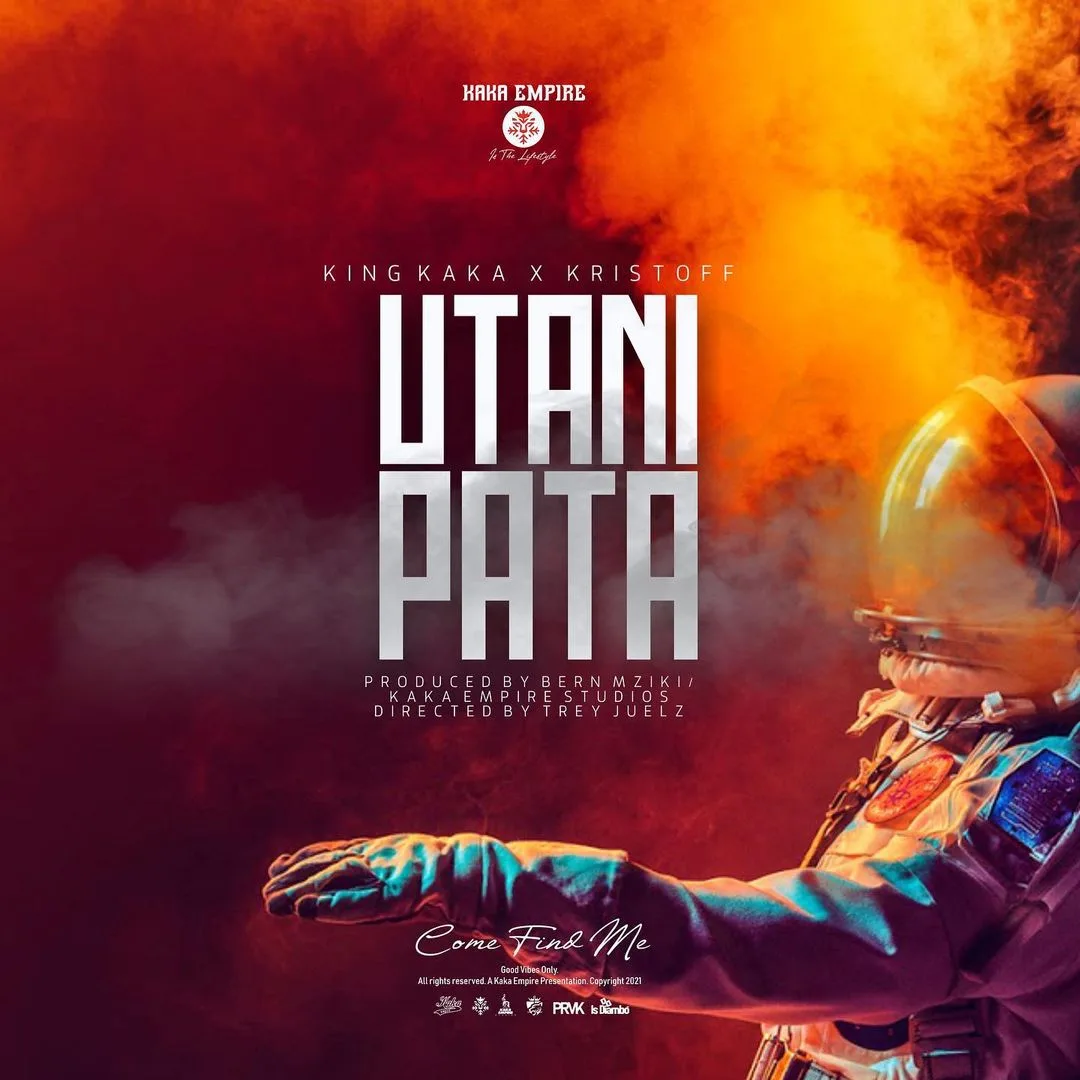
King Kaka Featuring Kristoff – Utanipata Official HD Video

Kenyan rapper and entrepreneur, King Kaka came back with a brand new banger titled Utanipata, featuring Kenyan musician, Kristoff, produced by Bern MzikI.

Let me be honest this morning. I chose to put plus-size women in the ‘Utanipata’ video because they are part of our society, they are our friends, our sisters, our girlfriends, our mothers. So why shouldn’t they be in a music video ?? Why??? Tuwache ujinga. I have seen some characters attack them for their weight, Ati why are they there? The moment we realize that we are all equal and humans then everything will make sense. You might never know what someone is going through and what the effects might be.

Link on Bio. Stop body shaming , Tuwache siasa na Ujinga” 


https://twitter.com/RabbitTheKing/status/1363747916410720256?s=20

[taq_review]

Performed by King Kaka & Kristoff.
Produced by Bern Mziki.
Kaka Empire Studios.
Directed by Trey Juelz. From The EP ‘Happy Hour’.
A Kaka Empire Presentation 2021.

Content courtesy of Kaka Empire & Nairobi fashion hub

Step into Elsa Majimbo’s World with an all-new Collaboration Presented by Valentino

Valentino is proud to announce a special project with writer, actor, and comedian Elsa Majimbo, culminating into a soon-to-be-released collaboration. Stay tuned to find out more.

Elsa X Valentino

One of the brightest stars to emerge from 2020 is Kenya-based social media sensation, Elsa Majimbo. If you haven’t seen her viral Instagram videos, which often feature tight closeups of Majimbo rocking her Matrix-style tiny sunglasses and always showcase her infectious laugh, then you’ve likely caught her being interviewed by Anderson Cooper or heard her voice on TikTok or Instagram Reels. (Majimbo’s now-signature quotes have become a popular soundtrack for many content creators’ social media posts.)

In a year marred by anxiety and uncertainty, Majimbo’s hilarious videos have provided joy for millions around the world and continue to do so. With a reach of 1.3 million Instagram followers (and an engaged online community that only continues to thrive), and partnership deals with the likes of Fenty and MAC, the 19-year-old celebrity is proving that when it comes to fame, there are no boundaries or borders.

Majimbo’s international popularity is also proof that there’s a reward in continuously catching fans by surprise. Like stealth chess player Beth Harmon, the main character in Netflix’s The Queen’s Gambit, the beauty is that no one sees her coming.

Most recently, Majimbo dropped an ASMR-style song called “Snack Queen,” produced by Cautious Clay, to strategically coincide with U.S. Thanksgiving. It’s also an ode to Majimbo’s signature snacking habit on social media and after all, has there ever been an ASMR trap song about snacks? Well now, there is.

So who is the Internet’s favorite comedian whose Instagram biography includes the titles “15x chess champion and professional bragger”? (Spoiler alert: only one of these claims is true.)

Born and based in Nairobi, Kenya, Majimbo was studying journalism when the pandemic hit in March (she had approximately 7K followers back then).

While at home during lockdown, the teenager with natural comedic talent and timing began filming short Instagram video clips from her bedroom. As fate would have it, boredom can blossom into beautiful beginnings.

The clips went viral, especially on TikTok and Instagram’s newer feature, Reels, where people posted themselves using the audio of Majimbo’s signature voice and laugh, along with her hilarious taglines. Majimbo’s profile took off like wildfire, along with her love for binging on potato chips and streaming content.

For Majimbo, 2020 has become the year of Netflix and thrill.

Majimbo’s satirical style of comedy (punctuated by her lo-fi video technique) has struck a chord with a global audience, clearly craving humor and a dose of optimism in otherwise trying times. By leaning into her voice and relatable content, Majimbo has become a breakout star with a positive impact.

“I initially made my videos to bring joy to myself. I would make them and I’d think, I am so funny! I would watch the videos and just laugh!,” Majimbo shares. “I wouldn’t care if other people found them funny or not. Turns out, the videos have also brought other people joy, and I’m so happy they did.”

Majimbo’s lockdown-themed Instagram video with the now-famous “I want you to come over, but it’s a pandemic” is the most popular. After being nominated for the E! People’s Choice Awards in the African Social Star category, Majimbo satirically taped herself looking for her humility in a big purse (a nod to her “professional bragger” title)  she ended up winning the award.

Majimbo is also passionate about chess, a skill that has earned her the title of a 15-time chess champion. Although this is clearly stated in her Instagram biography, no one thinks she’s being serious.

But once you look deeper and notice Majimbo’s swift and strategic process, it’s clear that she conducts her business as exquisitely as a chess player. Just like a chess master, everything Majimbo does is intentional, calculating, and thought out. She is always several steps ahead when it comes to plotting her next move.

A strong theme in The Queen’s Gambit is to “never count anyone out” and this holds true for Majimbo, who is proving that success can be achieved despite the sexism, colorism, and limited resources she faces in her native Kenya.

When Majimbo’s star began to rise earlier this summer, brands were clamoring to partner with her. The thing is, for Majimbo, it’s about the long game and operating with her instincts just like in chess.

“I definitely tend to always go with my gut and trust my intuition,” Majimbo explains. If my gut says one thing and I’m like, Oh no, let me just try it, it always ends up going south. My gut is like my guardian angel, always telling me what to do. Chess is an intuitive game because you don’t know what move your opponent will make next, so you have to make yours based off your gut. I always trust my intuition.”

This is why Majimbo has what can be perceived as “the audacity” (a word she uses ironically, in her videos) to refuse certain brand partnerships, by considering and focusing on the long game. She is unapologetically betting on herself and being strategic about owning her IP and brand equity. (A critical business lesson for any creative today.)

“When you’re playing chess, it’s all about the long game. And if your opponent is equally as clever as you, you have to be really clever in everything you do. Even if the brand or company approaching you makes it seem like it’s something you need or something you want that’s when the end game comes in,” Majimbo asserts.

With partnerships like Fenty and MAC already in her portfolio, Majimbo has been discerning when it comes to the merch deals, partnerships, and ambassadorship opportunities presented to her.

https://www.instagram.com/p/CFFa9iNBixl/?utm_source=ig_embed

It’s further proof that she is doubling down on her worth and keeping her sights on long-term brand equity rather than quick wins.

“It’s big money, but I know that bigger opportunities are on the way and I’d rather wait than jump on what’s coming in right now. So I’m thinking about the long term. It definitely requires patience and hard work, and being consistent and believing in yourself.”

Another tactic in Majimbo’s arsenal is consistency, a critical tool for successful chess players. In her case, there’s a lot of A/B testing when she posts her videos to Instagram and measuring different segments of her content based on engagement. In other words: nothing is random.

“I feel like being consistent just helps my mind run and helps all the ideas flow. It keeps me happy and keeps me busy. I feel like when you’re consistent and you finally get the achieved goal, you learn that nothing can be built overnight and you learn to put one brick at a time to build your empire.”

While Instagram’s algorithm can make it challenging for content creators, Majimbo explains that the “Explore” page helped catapult her videos and content by showcasing it often: as she says, “the Explore page just ‘got me’.”

“Now I’m focusing on all my platforms. Making sure they all thrive. I’m continuously perfecting my art and I’m perfecting it until now, and I just tried to build a team around me that I trust  I removed all the negative people, all the people who just came with very wicked vibes.”

She recently put her journalistic skills to use as the host of her newly-launched IGTV series, Bedtime With Elsa (her first guests include musician Jorja Smith and comedian and talk-show host Lilly Singh). She also launched a podcast this Year 2021.

While Majimbo might joke about her work ethic in her Instagram videos (with her viral quote “Everyday slaving, everyday labor”), she is getting the last laugh.

“The fact that people told me I couldn’t do it  I think that’s what drives me so much. Maybe it’s because I’m dark-skinned or I’m African, they say that I can’t achieve certain things, and I’m like, okay, we’re gonna see about that  and I just go for everything headstrong.”

The mantra she always go by?

“Chance favors the prepared mind, and opportunity favors the bold. Because I have this opportunity and so many people would say it’s luck, but I believe there is a very thin line between luck and opportunity. I feel like there’s also quite a number of people who say, Oh you know, I’m famous now, I’m untouchable. You always need to know where your head is at and I feel like you also need to carry yourself with some type of humility. Being in such a space should humble you strangers go out of their way to support you, so you should be so incredibly grateful.”

Another parallel to The Queen’s Gambit: surrounding herself with the right people. Majimbo’s manager, Mo Kheir, helps mastermind the moves, behind the scenes. Kheir, who is an architect-turned-brand developer, is also the host of the podcast Turning Point and author of the book, Alien Of Extraordinary Ability. (Spoiler alert: while Beth Harmon in the Netflix series was a natural wonder, a big part of her success can be attributed to her support system and those in her tight circle.)

Majimbo jokes about being a “professional bragger” and binging on junk food, but in reality, she’s humble and swears by eating healthy foods for her, hydration is key!

“I like junk, but I don’t eat it as much as I imply! I also tell people not to work. I’m like, guys, don’t work, work isn’t meant for you, just rest! And I work a lot. I work so much for what I want and what I’ve achieved and for the life I’m aiming for. So I always feel like I’m cheating people but we laugh. I laugh, they laugh. So everyone wins.” Checkmate.

#ElsaXValentino

Content courtesy of Valentino, Forbes & Nairobi fashion hub 

If Rihanna herself can’t hold down a luxury fashion label in 2021, then who can?

When I heard the news that LVMH was dropping Fenty (the clothing brand) from its roster and putting it on sleep mode, (or a momentary coma with indefinite return), I flinched, but nothing automatically triggered me. I love me some Rih Rih, but I wasn’t going to have sleepless nights over the first lady of pop music and beauty becoming a little less rich.

However, something didn’t quite sit well with me. For me, it was beyond Fenty.

https://www.instagram.com/p/CGDFI_vh3uI/?utm_source=ig_embed

There was a message there and it took me a few moments to grasp it.

It’s understandable there are those that perhaps feel like her luxury fashion brand didn’t have legs as she is more of a beautiful babe. It’s a fair point. Although her undeniable sex appeal and attention to diversity do sell lingerie (Savage x Fenty heart eyes), she isn’t really a lingerie designer either, right? Nor was she a beauty pro before she launched her sell-out Fenty Beauty range.

So it made me question whether there’s something else going on and whether we should be questioning the landscape of luxury when it comes to Black ownership and where exactly representation fits into this conversation.

https://www.instagram.com/p/CG7xI4dh0Mo/?utm_source=ig_embed

One of the arguments for the closure of Fenty is that her core audience is ultimately not a luxury buyer. “I believe that the clothes haven’t done as much as beauty and lingerie, but that may be because Rihanna’s current demographic/core audience is millennial/gen Z Black, men, and women.

” says creative consultant Arrieta Mujay Bärg, 41, who was a former Head of PR and Marketing for River Island and led Rihanna x River Island 13’ collection. “However Fenty fashion house has only been opened for less than two years and it takes time to develop a following when you are doing something different from the norm,” Bärg adds.

The same may be said for a lot of Black designers like the super trendy Telfar Clemens and the super edgy, cool, and monotone Cold Laundry founder Ola Alabi, who often attract a more ‘urban demographic’ for lack of a better word.

https://www.instagram.com/p/CCRGVLHI9pj/?utm_source=ig_embed

By no means is that a bad thing, but of course for sustainable success, there is a need to appeal to as wide an audience as possible. Gaining respect across the board in that space is a hard task, but it’s lazy to assume that consumerism within the Black community or a specific generation is capped at a price point.

Bärg agrees to add: “On the same note. It would be inaccurate to say that her, having a majority Black following is the reason that the brand has failed. Developing a high-quality luxury brand and sticking to it is no easy task.” Barg believes that the same level of grace is not allowed fairly, and that may support the case as to why we see so few successful Black-owned/Black-led luxury businesses.

https://www.instagram.com/p/CDXWPW3hM3e/?utm_source=ig_embed

“Case in point: Edun – the brand fronted by Bono and wife Ali Hewson made LVMH a loss of $28million in a space of five years, and every year they were given the benefit of the doubt and they kept feeding in cash until there was no turning back,” says Bärg.

Written By Sheilla Mamona

Content courtesy of Glamour & Nairobi fashion hub 

Top 10 Romantic Getaways for Valentine’s Day in Kenya

The Most Romantic Places In Kenya Every Couple In Love Should Visit
​​​​​​​Are you in love?
Exploring the world is a fantastic thing! And traveling with the person you love is the best way to take a break from your everyday life, and rediscover your passion.

Romantic getaway dinner and vacation’s doesn’t always have to be in western courtiers in places like Bora Bora, French Polynesia, Ubud, Bali, Paris, Cinque Terre, Italy, Tupai Atoll Kauai, Hawaii, Kyoto, Japan, The Maldives, Neuschwanstein Castle, Germany, Santorini, Greece .

Surprise your loved one with a romantic getaway this Valentine’s Day in Kenya. Have the time of your life at Kenya’s most romantic vacation destinations from North coast South coast, central to Western Kenya from lovable cottages to deluxe beach resorts private villas  and experience the all-inclusive facilities such as unique cuisine, butler service, spa treatment, boot ride, scuba diving and infinity pools, candlelit dinner and private beach.

We have selected our favorite places for romantic getaways on Valentine’s Day for you. The surroundings are ideal for a perfect romance, long conversation, cosiness and relaxation.

1. Mfangano Island Camp

Mfangano Island is a small island, populated by local fishermen and this wonderful intimate lodge – you can reach it by private charter from the Masai Mara or from Nairobi. Mfangano encompasses rustic island luxury, and offers a true insight into the variety Kenya offers, it makes a great combination with a safari camp or beach holiday, and is truly unique in style and location.

There is 24 hour power, and an open sitting room with a bar and dining room decorated in ethnic style. Fishing is a highlight here, and Mfangano can provide all of the equipment  there is also bird watching, walking trails, boat rides and traditional excursions in a ‘long boat’, visits to nearby Luo villages and school are also included in the price.

Location: Lake Victoria, Southern Kenya
No of rooms: 6 rondavels
Style: Island luxury in Africa’s largest lake thatched rooms with private verandah overlooking Lake Victoria
Highlights: Culture, fishing, utter privacy, truly wild environment
Dining: Eaten together or separate

2. Saruni Rhino

This extremely secluded and very intimate camp within the Sera Conservancy of the Samburu in Northern Kenya, is one of the most boutique and rustic chic camps you will visit.

There are only 3 rooms within this camp. Banda one is the largest suite which can sleep up to 4 people – perfect for families or groups of friends. There is a large outside communal space and the only thing you will share is the bathroom. Banda two is the smaller and original Kauro Banda. with a natural stone outside shower and running water. There is a spacious sandy terrace out on the front of the Banda over looking the ‘lugga’ (dried up river bed). Finally Banda number 3 is the perfect accommodation for families. Two en suite rooms with their own bathrooms and flushing loos. Like the other two Bandas, this Banda has a large veranda with stunning views of the ‘lugga’ which is often frequented by wandering elephants, plenty of plains game and an array of birdlife.

Each room has stunning views of the river bed – or ‘lugga’ – and the overall location of this camp is incredible for elephant and rhino viewing. On occasion you will be sitting with gin and tonic in hand in your room, or by the pool with your own personal sighting of these magnificent animals.

Location: Samburu, Sera Community Conservancy, Northern Kenya
No of rooms: 3 rooms
Style: Rustic boutique chic!
Highlights: Game drives in Samburu and Sere Conservancy, meeting the Samburu tribe, swimming pool, massages, wonderful hosting – PLUS tracking the endangered black rhino on foot.
Dining: Flexible dining options, but usually three course meals served in main area, although private dinners in room, and bush dinners are also available
What’s the difference: The most hilarious charming Samburu staff and guides in Kenya. Wonderful infinity pool, rustic chic luxurious room with views of the river bed, fabulous elephant and cat experiences in Samburu National Park.

3. Elsa’s Kopje

Elsa’s Kopje (named after Elsa the lioness) has long been famed as one of Kenya’s most luxurious retreats, with sweeping views over the buffalo and elephant filled savannah, an infinity pool, and exquisite food, it certainly lives up to its reputation.

The lodge is almost invisible to the eye as you approach, it is built into Mughwango Hill and only naturally sourced materials were used. Elsa’s was built above the site of George Adamson’s original campsite, and Elsa the lionesses grave is not far away. Each private cottage is enormous, with large verandahs, spacious bathrooms, and plenty of space for afternoon siestas and wildlife viewing from your room.

Elsa’s Private House is ideal for families or those guests after a little more luxury, with two bedrooms, a comfy main sitting and dining room, and a private garden and pool – you will also have an expert guide who will privately guide you throughout.

Elsa’s Honeymoon suite is the ultimate in romance, with three levels and breathtaking views, the perfect cottage to while away your days after an exciting morning of game viewing.

Activities at Elsa’s include day and night game drives, bush walks, bush meals and sundowners, cultural visits, day excursions to the Tana River, line fishing, swimming and massages.

Elsa’s Kopje works hard to preserve and promote community conservation, working closely with the Tharaka people, based near the southern boundary of the park – the lodge buys their handcrafts, promotes dancing performances which revenue money for the tribe, and finances the building of local schools through clients donations and from the lodge, Elsa’s Kopje also buy fresh produce off the farmers and employs a number of staff from the local Kanjoo community.

Location: Meru National Park, Northern Kenya
No of rooms: 6 cottages, 3 honeymoon suite, 1 two bedroom cottage, 1 private house (2 bedrooms)
Style: Luxury cottages with sweeping views
Highlights: Remote wilderness, exceptional guiding, good food, George and Joy Adamson
Dining: Eat at separate tables under the stars or in the cosy dining and sitting area
What’s the difference: Views over Meru National Park with excellent game viewing and museum dedicated to Elsa the Lion from Born Free, and George Adamson.
The Luxury Safari Company Award for: Closest Lodge to the site of most of George Adamsons work.

4. Nairobi Tented Camp

The first and only tented camp inside Nairobi National Park – Deep within a riverine forest minutes from Jomo Kenyatta Airport, Wilson Airport and Nairobi City is a true wilderness experience. Visitors can arrive into Kenya and get ‘straight under canvas’ within 30 minutes of leaving the airport. Nairobi Tented Camp is an authentic tented camp in the heart of Nairobi National Park.

It is the first accommodation of any sort to be allowed in this unique safari destination. It is also the first tented accommodation in Nairobi. There isn’t anywhere else in the world like it; a wilderness escape where you can savour the thrill of camping in the heart of thick bushland right on the doorstep of Nairobi.

With sweeping plains on one side and Nairobi city on the other, Nairobi National Park is a wildlife haven unlike any other, with guaranteed sightings of rhino a reason in itself to visit, and Nairobi Tented Camp offers guests the opportunity to really get to know this unique destination and its wildlife.

International visitors will leave Jomo Kenyatta airport and within ten minutes start their wildlife encounter, with the last 20 minutes of their short half an hour journey filled with the excitement of their first game drive in Kenya.

Location: Nairobi National Park, Kenya
No of rooms: small bush camp
Style: Comfortable and rustic bush camp
Highlights: The only camp in Nairobi National Park, fun and friendly atmosphere
Dining: In the mess area

5. The Majlis

The Majlis is a small luxury beach hotel which looks directly at Peponis across the channel. Beautiful beaches and views combine to make this hotel tranquil and idyllic. The hotel is decorated with the true Italian flare of its owner, and is heart breakingly beautiful. The 25 suites are divided between three villas, all directly on the beach, with huge verandahs overlooking the white sand and azure water of the Indian Ocean.

From the Majlis you can do everything, but a visit to Shela or Lamu town is a must, and making the most of the lodge’s exceptional restaurant is a definite.

From the Majlis, one can also do the most fantastic dhow safari. The relaxing and luxurious dhow will sail you towards the Tana River Delta, here you will be collected by a guide from Tana Delta Dune Lodge, a luxurious boutique lodge (one of Kenya’s hidden jewels) – here you can spend the day, or even a night, enjoying delicious food, a friendly atmosphere, the sheer feeling of wilderness, and you might spot a few crocodiles and hippos while you’re there – before returning by dhow back to The Majlis.

Location: Manda Island, Northern Kenya Coast
No of rooms: 25 suites
Style: Colonial settlers residence, set in the beautiful Shela town
Highlights: Peponis bar, the food, people watching from your sunbed or lunch, Shela Beach
Dining: Flexible dining options

6. Manda Bay

Manda Bay is a small boutique hotel famous for it’s private location and fabulous hosting and atmosphere. All of the bandas are on the beach, and Manda’s atmosphere is that of barefoot luxury and utter freedom to be yourself and relax. The buildings are in keeping with the local style, and built out of natural materials.

There is a central dining room, with furniture crafted out of Lamu antiques, the large bar and sitting room are on the waterfront, and the game room encompasses a fresh water swimming pool. Manda Bay can also offer beach and bush experiences, as well as a huge array of water sports, for those more active, although to relax here is to truly unwind.

Location: Manda Island, Northern Kenya Coast
No of rooms: 16
Style: Luxury beach bandas, with private beach
Highlights: Family atmosphere, fun hosting
Dining: Flexible dining options
What’s the difference: Romantic, breezy and remote – this lodge is totally unique and offers every water sport and activity under the sun, of which our favourite was the sunset dhow cruise with bitings, just magical.
The Luxury Safari Company Award for: Best beach lodge in Lamu.

7. Water Lovers

Water Lovers is a small and charming boutique hotel which feels small and intimate, with a beautiful view of the Indian Ocean. The turtle shaped infinity pool is inviting during the hot days, and there is plenty of space for all guests to be totally private and exclusive. Each cottage has a private ocean view verandah, and cuisine is exotic and delicious. Each cottage has air conditioning, fans, mosquito nets and a mobile and sim card to use for the duration of your stay. The interiors are Swahili in style, and bright and welcoming.

Water Lovers can organise kite surfing, snorkelling, big game fishing, tennis, and much more, as well as organising personal functions such as weddings, functions and events.

Location: Diani, South Kenya Coast
No of rooms: 6 cottages, 1 family cottage suitable for four
Style: Boutique hotel right on the beach
Highlights: Private bit of beach in front of the hotel
Dining: Eat separately by the sea, or the candlelit pool
What’s the difference: Small intimate and owner run this little gem offers a fantastic spa, wonderfully friendly staff and a little piece of paradise for those wanting understated luxury and privacy.
The Luxury Safari Company Award for: Best small beach lodge in Africa.

8. Desert Rose

Desert Rose is the only luxury lodge situated in the far North of Kenya, overlooking the semi-arid wilderness. Desert Rose is eco friendly and culturally integrated with the Samburu people, a wonderfully charismatic tribe. The main lounge and pool area has been hand crafted to blend with the indigenous gardens, and landscaped to enhance the dramatic views one gets from the lodge.

All of the en-suite bathrooms are open air, and each cottage is designed around natural features. All food is home cooked and home produced. Activities here include camel safaris, wood workshops, fishing on Lake Turkana, staying overnight in a houseboat on Lake Turkana.

There are also journeys by road, either north to Lake Turkana for fishing and an adventure into this rugged part of the world or towards the Ndoto Mountains for some wild rock climbing.

Location: Lake Turkana, Northern Kenya
No of rooms: 5
Style: Remote desert lodge
Highlights: Desert, Lake Turkana, true unexplored untouched wilderness
Dining: Eat together in the open dining room
What’s the difference: It doesn’t get more remote than this – enjoy walking through uncharted territory from one of the most remote lodges in Kenya.
The Luxury Safari Company Award for: Most remote location.

9. Ol Malo House

Ol Malo House is a new addition to this beautiful game sanctuary and offers guests complete and utter privacy, with all the benefits of the numerous activities offered at Ol Malo, all of which can be done with your own private guides and trackers.

Built on the rock out of olive wood, with thatched roof and hand crafted furniture, with the hub of the house being a beautiful sitting and dining room complete with open fireplaces. Off this are three double bedrooms, and a further three double cottages create plenty of space for twelve guests to stay together in complete and utter privacy. The infinity pool is sure to draw all the family, and the verandah is perfect to survey those wide-open vistas, and ideal for al fresco dining.

Location: Privately owned game sanctuary, Laikipia, Northern Kenya
No of rooms: 6 bedroom house
Style: Luxury private house
Highlights: Samburu people, conservation and flexibility in activities, private guide and meals
Dining: Meals eaten in your private house

10. Tawi Lodge

Tawi Lodge is located on a private conservancy of 6,000 acres, just five minutes from Amboseli National Park, and is a successful new addition to the luxury lodge circuit in Kenya. The lodge is an eco-friendly operation which takes maximum care of the environment and it’s people. Each cottage has it’s own wooden decked verandah with views of Kilimanjaro, which can also be seen from your enormous bathtub. Tawi cottages also have fireplaces and butlers.

The style of the lodge is peace and tranquility, from the comfort of some seriously luxurious cottages, from which you can enjoy a sundowner or drink whilst watching elephant amble along the foothills of Kilimanjaro. Relax before dinner by the campfire or at the bush bar, and take in the nightsounds and stars.

Enjoy exciting game drives or relax by the pool after a massage – night game drives are also a must.

Location: Amboseli National Park, Southern Kenya
No of rooms: 12
Style: Cottages with views of Kilimanjaro
Highlights: Elephant viewing, swimming pool
Dining: Eat together or separately, bush meals

Content courtesy of The Luxury Safari Company & Nairobi fashion hub

Hamaji Studio

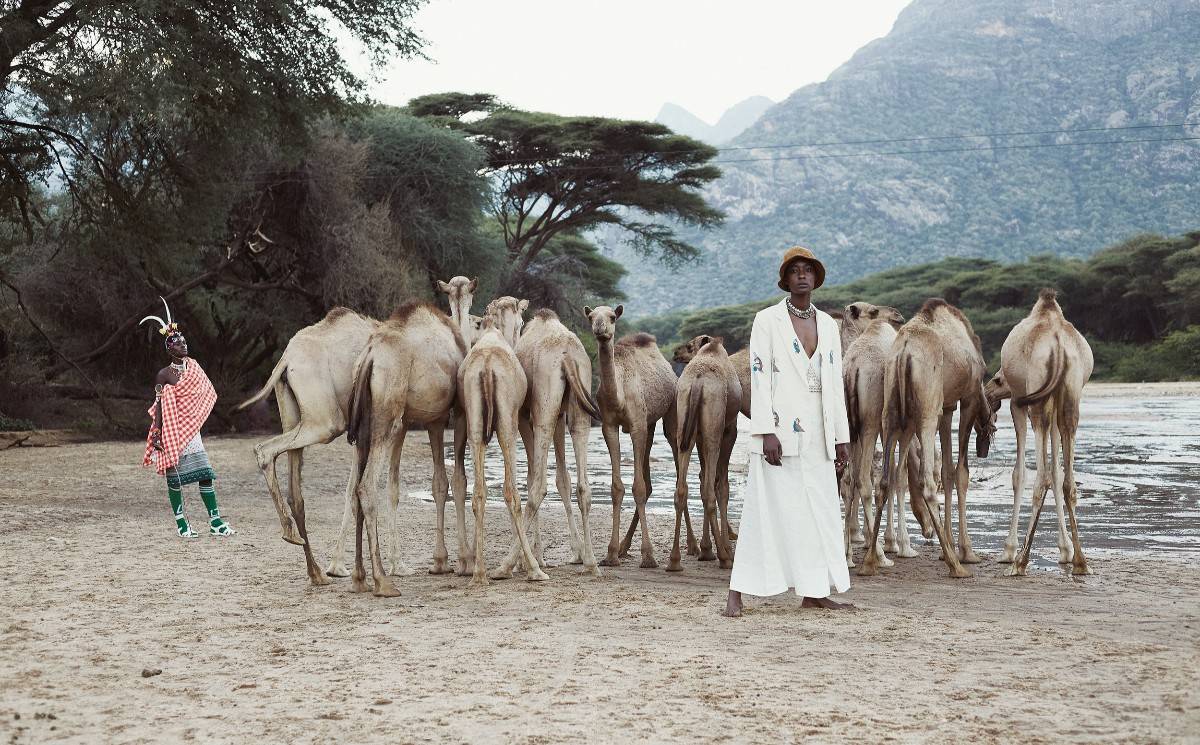
Hamaji, meaning “nomad” in coastal Swahili is an African designer collection created around preserving ancient textile traditions and nomadic craftsmanship whilst empowering local small-scale artisans in Africa.

Reigning from the East coast of Africa, Hamaji was born in Kenya in 2017 by designer Louise Sommerlatte.

Creating a narrative of sustainability and conscious consumerism their collections are made up of natural fibres, botanical dyes, hand craft, embroidery and up-cycled collected vintage textiles. Hamaji is inspired by East African charm and embodies a spirit of nomadic femininity in pastel hues, free flowing silhouettes and a delightful sense of elegance.


This collection was simply inspired by Hamaji journey between Kenya and India and her quest to source sustainable fabrics. The artisanal souls met along the way, the freedom in nature, wild vast landscapes, dusty roads and rickety trains.

But most importantly the feeling of travelling, the romance, nostalgia and inner peace retrieved from being alone and connected to your surroundings. It is to capture this honest feeling and portray its outstanding beauty.

The collection uses a variety of unbleached organic cotton, 100% linen, up-cycled vintage saris and what is currently known to be one of the most sustainable textiles available, 100% natural and biodegradable TencelT” By Lenzinr which is made using very minimal water and no chemicals, from tree bark.

This lucious fibre claims the breathability of linen, the wearability of cotton and the luxurious feel of silk. Garments are adorned with hand beaded collected cowry shells and various beaded embellishments. Our in house hornbill block print is made with harm free dyes and are certified Oeko-Tex’s Standard 100.

Made in rural Kenya by local artisans at the Mitumba Arts workshop in Nanyuki. The workshop consists of 20 artisans working together mostly in creating items made from second hand clothes. All the profits are collectively shared between the artists consisting of tailors, upholsters, hand headers and painters.

We are committed to equality and fairness in the workplace, pay not just living wages but decent wages, have interest in the livelihoods of our employees and to create a comfortable and kind working environment.

Content courtesy of Hamaji Studio & Nairobi fashion hub


Jiamini Kenya Fashion Accessories Brand

Jiamini is a family run, Kenyan based Fashion Accessories Brand meaning believe in yourself in ‘Swahili, founded in 2016, on the belief of preserving its Traditional African Heritage.

Jiamini’s vision, through its innovative designs and use of renewable resources, seeks to combine timeless traditional technique, craftsmanship and heritage with a touch of modernity, manipulated in the construction of its delicate beaded embroidery and weave. Each piece is developed around the idea of comfort, complementing the body’s feminine form and grace.

The Brands one of a kind pieces are a reminder and encouragement to women of who they are: Bold, Brilliant, Confident, Courageous, Strong, Sensual, Liberated and more. She’s an enigma to most and a balance of delicacy and strength to those who come across her path. It’s the pep in her step, the subtle elegance she carries herself with and the silent confidence that fascinates a crowd.

Her precious Armour, ‘JIAMINI’, around her body, that only she knows the true significance of. She never forgets her roots, the broth that runs through her veins and that just like tradition, she is and always will be timeless. All that’s left to do is believe in herself.

Jiamini Kenya designs, while respecting the old – age traditions passed down from generation to generation are brought to life by skilled female artisans, Creating timeless staple pieces.

Their mission is to design an international wardrobe for today’s global woman while at the same time helping women rise above poverty through economic empowerment and employment, one stitch at a time through fashion.

Content courtesy of Jiamini Kenya & Nairobi fashion hub  

Rihanna’s Fenty fashion label to close down after 2 years

The slowdown of luxury fashion continues with the announcement that Rihanna’s ready-to-wear line Fenty has been discontinued.

The fashion line, launched in 2019, made history as the first luxury brand run by a black woman and effortlessly chimed with Generation Z’s values of inclusivity and diversity. It was also only the second luxury fashion house started from scratch by the French conglomerate LVMH after Christian Lacroix in 1987.

Although it comes as a surprise  Rihanna picked up the Urban Luxe gong for the brand at the Fashion Awards in 2019 – the end of the ready-to-wear arm of Fenty is in part a casualty of the pandemic.

The brand, known for footwear, denim items, and eyewear, has struggled with supply chain issues and the singer, who is based in the US, has been unable to travel in order to collaborate with the Parisian fashion team.

During a press conference in October, LVMH’s chief financial officer, Jean-Jacques Guiony, also hinted that they were having their share of teething problems.

“On Fenty fashion, we are obviously still in a launching phase and we have to figure out exactly what is the right offer,” he was quoted by the New York Times as saying. “It is not something that is easy. We were starting entirely from scratch. Obviously, we have the great help from Rihanna on this, but I would say it’s still a work in progress when it comes to really define what the offer will be.”

Despite other LVMH-owned fashion brands such as Dior and Louis Vuitton bucking the trend of decline during the pandemic, net profits for the parent company fell 34% in 2020, according to the WWD website.

Fenty’s final collection, a collaboration with the footwear designer Amina Muaddi, was in November last year and its last Instagram post was on 1 January.

The shuttering of the fashion arm of Fenty will not affect its side projects, the lingerie arm Savage X Fenty and Fenty Skin, which are both considered a success in their field: the former made $108m (£78m) last year and the latter, which is available in Boots, has made £26m in four months, according to WWD.

Content courtesy of The GuardianNairobi fashion hub 

Three Kenyan Fashion designers join the Ethical Fashion Initiative

The Ethical Fashion Initiative, a joint venture from the UN and World Trade Organisation’s International Trade Centre, has selected three Kenyan brands – Katush by Katungulu Mwendwa, Suave, and Hamaji to participate in its second accelerator programme.

Each of the designers was chosen for their “commitment to sustainability” as they use reclaimed and organic fabrics to create their collections, as well as noting their country and upbringing in Kenya as heavily inspiring their work.

The launch of the Ethical Fashion Initiative Kenya Fashion Accelerator aims to highlight the distinct design talent within Kenya and follows the organisation’s successful launch of their nationwide accelerator search in 2019.

There will be a focus on the specific needs of African fashion brands, with this accelerator programme, with a business development approach that prepares its beneficiaries to become investment ready, to accelerate their business in the global marketplace.

Simone Cipriani, head and founder of the Ethical Fashion Initiative at the UN’s International Trade Centre, said in a statement: “The continued development of our designer accelerator programmes in Africa, provide a new generation of African design talent the opportunity to engage with the international market. Through education and mentoring we seek to equalise the playing field, giving exposure to the incredible talent that exists on the continent.

“Each region in Africa has its own unique creative voice. Being able to launch a programme dedicated to Kenya – the country where Ethical Fashion Initiative began its journey and where it has some of the most beautiful collaborations – is a wonderful opportunity to spotlight the creative visionaries that set this country apart.”

Ethical Fashion Initiative Kenya Fashion Accelerator to assist Katush by Katungulu Mwendwa, Suave, and Hamaji

The programme will help the selected brand expand their supply chain and scale up their production, source new products and develop their production team. Each designer will be assigned a production mentor, with whom one-to-one support meetings will take place, as well as additional mentoring and brand development from the Ethical Fashion Initiative team and industry experts.

The accelerator will also support the management and production of key designs for the first collection to be manufactured through experienced companies selected within the Ethical Fashion Initiative network.

In addition, the initiative will fast track the emerging African designer labels, through “identifying and strategising areas for growth” and funding towards developing a new product process or service. A diagnostic review of the business will also take place every season to assess progress and tailor the programme to best suit and benefit each business.

The programme will also help build brand value by helping each business understand investment, develop strategies for maximising brand equity, build a funding proposition and market themselves as an attractive investment proposition to angel investors or VC funds. Each designer will finish off the accelerator with an opportunity to pitch themselves to investors at a networking event.

Katush by Katungulu Mwendwa, founded and based in Nairobi, Kenya, is a leisure lifestyle brand offering seasonless, timeless, transcendent casual and semi-formal wear heavily influenced by her upbringing and surroundings.

The brand experiments with modern techniques, innovative fabrics and traditional methods, as well as working with materials that are organic and or as sustainable as possible, such as Tencel and Cupro. They are keen on working with cooperatives and businesses that have a greater impact on the lives of those within a given society.

https://www.instagram.com/p/B3ycp1ZHofh/?utm_source=ig_embed

Suave Kenya was founded in 2013 by Mohammed Awale from an idea sparked by numerous trips to a local thrift market, Gikomba Market, the largest open-air market in East Africa. While rummaging among heaps of oversized and discarded denim outfits, Awale discovered the source material for its bags, as it looks to end the cycle of unwanted garments ending up in landfills. The bags made by Suave Kenya are made with practicality in mind.

The final recipient is Hamaji, founded in 2017 by designer Louise Sommerlatte, it is a brand created around preserving ancient textile traditions and nomadic craftsmanship whilst empowering local small scale artisans in Africa. The brand creates a narrative of sustainability and conscious consumerism through its collections using natural fibres, botanical dyes, handcraft, embroidery and up-cycled vintage textiles. Hamaji is inspired by East African charm and embodies a spirit of nomadic femininity in pastel hues, free-flowing silhouettes and a delightful sense of elegance.

Commenting on joining the accelerator, Hamaji, said: “I feel hugely honoured and extremely excited to be a part of the Ethical Fashion Initiative accelerator programme, to have this opportunity to expand my knowledge and be mentored in the development of my brand in a sustainable approach with international and local expertise in Kenya.”

Written by Danielle Wightman-Stone

Photo: courtesy of Katush by Katungulu Mwendwa, Suave Kenya and Hamaji Studio
Content courtesy of Fashion United & Nairobi fashion hub 


This Love Ya Wahu Official HD Video

Wahu and Nameless have each released a song showcasing the two sides of love. In Wahu’s version called “This Love ya Wahu”, she sings with joy about the abundance of love and happiness in her own relationship. In Nameless’s version called “This Love ya Nameless”, he sings about a love tainted by arguments and broken communication while

[taq_review]

Although Nameless and Wahu are married in real life, they don’t appear together in the Music videos until the end. The role of Nameless’s love interest is played by Chiki Onwekwe while Wahu’s love interest is played by Bien-Aime Baraza. (Just so you know, Chiki and Bien are together in real life.)

This Love Ya Wahu is a song that appreciates the beauty and joys of a relationship which elevates her wisdom in love. The song is part of a unique project that brings together Wahu and her husband Nameless on a riddim talking about the two extremes of love: from the rosy and happy to the rough and hard times (expressed in This love ya Nameless)

The two video storylines creatively intertwine with each other as the artist express the two extremes of love.

Watch and enjoy the Wahu version!

Content courtesy of Nameless, Wahu & Nairobi fashion hub 

Made in Kenya: Exclusive interview with Cynthia Kimathi Founder, Creative Director at The Seamstress and African le’kiondo

Cynthia is a mother and a fashion enthusiast; who doubles up as a self-taught fashion designer, I have loved fashion and style for as far back as I can remember.

I used to accompany my mother to clothes stores every Christmas holiday to choose outfits for my siblings and me, however, I must admit that my Art and Design teacher in State House Girls High School gave me the extra push needed, from whence I learned all the basics myself.
My fashion line is The Seamstress. A seamstress is a woman who sews and one who earns her living from the craft. That is simply who I am.
I officially launched The Seamstress on November 28th, 2020 on the JW Runway Show, but we had been working on the brand and first collection for at least a year beforehand.

Oscar Alochi: Can you describe The Seamstress, the idea and concept as if I knew nothing about it or the market it is in?

Cynthia Kimathi: The Seamstress is purely a ladies-wear fashion line. During our launch, we started with the collection Dusk to Dawn, which is glam wear for evenings and events. But we are not all about evening gowns. We are a one-stop-shop for all women wear; ranging from casual, office, and streetwear, lingerie, mature looks, and older women, among others.

The brand concept is to release quarterly collections (mid-February, end June, end September, and mid-December) that will aim at introducing new designs and aspects into the fashion market. The collections are all pre-planned beforehand, with every design passing through a set of criticisms from The Seamstress team prior to the final vetting.

This is because the creative side of me sometimes needs to be controlled if we want to make functional outfits.

This February, our aim is to release our second collection just before Valentine’s.

OA: What were you doing before The Seamstress, and what motivated you to start the business?

CK: I have been running African le’kiondo, which is a subsidiary brand just like The Seamstress. The brand focuses on making authentic Africanised bags that are environmentally friendly as we source raw materials and labor locally.

Not only that, but it has been a great instrument in empowering women in Meru County by providing them with an avenue to expand their creativity, put food on their table, and have a safe space to talk about their issues.

Just like African le’kiondo, I started The Seamstress out of mere frustration in finding an outfit for myself, a great motivator. During my participation in a national pageant in 2019, Mrs. Universe Kenya as the current 1st Runners Up, it took me weeks to get an evening gown I liked.

This was simply due to all the outfits looking the same, plus they did not look very functional in the sense that I kept wondering where else I would wear the outfit, and how I could style it to look different every time. This predicament gave birth to The Seamstress fashion line.

https://www.instagram.com/p/CIr-KvcB_tV/?utm_source=ig_embed

OA: What techniques do you use? Tell us about the process.

CK: At The Seamstress, we start with a designer’s consultation, This consultation includes detailed discussions with the client ranging from color choices to fabric choices.

The client then receives three (3) designs and chooses from them. The duration from consultation to delivery also depends on design and details. The sewing process differs and the details would seem quite boring for now.

But I also add a lot of accessories to my designs to give them a 3D effect, with such pieces ranging from flowers, beads, etc, which aids in having my outfits turn heads positively.

OA: How did you learn/master this technique and why do you use it?

CK: As previously mentioned, I received basic art and design training from my high school days. In addition to this, my team and I do a lot of research, and I spend the better part of my mornings learning online.

I use this technique as it keeps me on my toes on what is currently trending in the fashion space, what trends could be making their comeback, plus the added benefit of attaining inspiration.

OA: What challenges did you face?

CK: Being a designer, one has to pump in a lot of finances before reaping anything, therefore sometimes you can be financially constrained especially as a start-up and a new name in the fashion industry.

In the Kenyan market, as much as we are now beginning to accept Kenyan designers, we are not yet there. The market still prefers ‘ready-made’ outfits from boutiques for designer outfits. Therefore, oftentimes clientele does not understand the business model especially the need to pay a Designer’s Consultation Fee.

Growth is gradual and sometimes the audience is not as receptive as imagined, but we hope for better days and are positive on the same.

The biggest challenge has however been letting go of clients who wish us to replicate outfits they find online. It is a difficult task at times explaining that we do not replicate, we create.

OA: How did the obstacles make you feel?

CK: Frustrated at times, excited at others. It is bittersweet. The challenges however motivate me, helps me find new ways of approaching things, and elevates my thinking whilst tickling my creativity.

OA: What were your achievements?

CK: The JW Runway Show is the most recent highlight since the launch. In addition, I have dressed beauty pageant judges, taken part at the end of year party for WICCI (Women’s Indian Chamber Of Commerce and Industry – Kenya Business Council) as well as having the honor of dressing an artist for their upcoming music video to be released this February.

It has just been a month and a half and we feel positive about achieving even bigger this quarter.

OA: Favourite moments?

CK: The launch at the JW has to be the highlight so far. The runway took me back to my old modeling days and I was overwhelmed by how far I have come. Seeing my pieces on the runway and how receptive the audience was to them, blew my mind away.

In some way, I felt validated that I might be on to something really amazing.
An added advantage is that I get to travel more now, another passion of mine, as I do deliveries and have one-on-one discussions with clients.

OA: How do you get dressed in the morning?

CK:  I am a casual dresser. Half the time, you shall find me in jeans and a t-shirt. Whenever I have meetings and glam events though, that is when I put my mind into the dressing.

OA: What’s your take on the Kenya fashion industry?

CK: The Kenyan fashion industry is impressively growing fast.

We are seeing Kenyans being dressed by Kenyan designers for events, and the only way we grow is by supporting our own.

The pioneers have done a great job in growing the industry, but so have media personalities and bloggers like yourselves. You have given designers and fashionistas a platform to express themselves in terms of marketing to the world at large.

OA: How different is the Kenya fashion industry compared to East Africa and Africa’s fashion industry at large?

CK: Our rich culture already sets us apart. The Maasai shuka for example has been widely accepted and has found itself in some international design houses, and so has the kikoi.

OA: Any future collaboration with Kenyan or International fashion designers?

CK: Yes. I am hopeful on this front. Maybe Neomi Nganga will read this and we get to do something.

OA: If you were given the opportunity to work with a local or international fashion designer who will you love to work with?

CK: Locally, Neomi Nganga of Style By Neomi. She has revolutionized plus-size fashion, as I find her designs sexy and eye-catching.
Internationally, Zuhair Murad. He is a genius, so daring with his technique. He always delivers utterly unique and dramatic masterpieces.

OA: What are your thoughts on fashion in Africa?

CK: It is growing tremendously fast. Countries like Nigeria and South Africa are already making enough noise in the fashion industry home and away.

OA: What has changed during this period of Covid-19?

CK: Most fashion designers have started to focus more on online marketing strategies.

Personally, the pandemic has given me room to magnify my creativity and read more. Never did I think I would be designing masks for instance.

OA: How has The Seamstress adopted the new technology virtual fashion show during and after the Coronavirus pandemic?

CK: We will be doing Instagram and Facebook live for virtual shows whenever we release our new collections.

OA: How are African fashion designers influencing fashion in the western world?

CK: Most African designers like pomp and color, and lately we have seen more African prints on the red carpet, as the Western world is already recognizing our African designs.

This can even be seen in as diverse an environment such as Hollywood blockbuster films like Black Panther, where they consulted with African designers for the costume designs.

OA: What can the Kenyan fashion industry learn from the western world?

CK: Owning our products. The Western world has a lot of acceptance and loyalty towards its designers. We should borrow a leaf from that and grow our own African designers.
We can also aim at having more fashion weeks and shows to call for upcoming designers to showcase their outfits, as I believe we have so much talent to offer.

OA: Over the last few years have you noticed any significant changes with the African fashion trends?

CK: Yes, I have. There have been some significant developments. We are seeing more African designers, models, and outfits on magazines and social media platforms, which is a clear indication that the perception of African designs has shifted progressively.

OA: When dealing with Africa is it important for the fashion world to be ethical and socially responsible, and put in place strong corporate social responsibility governance?

CK: Yes. We can’t just take and not give back.
Sustainable fashion needs CSR. It helps build relationships with consumers and stakeholders, and it helps to show the market space precisely what the designers are doing and the positive effects their work has in Africa. Let us never forget that our consumers appreciate transparency.


OA: Tell us about The JW Show or Kenyan Fashion week and your experience at the Show.

CK: The JW show is an amazing platform for upcoming designers to showcase their outfits and for seasoned designers to release their collections. The panelist choice was also a wise one; we got to get first-hand information from fashion icons and legends in the industry.

They discussed different parameters in the fashion industry and gave solid advice on how to be fashion-forward and run a house as a business.

OA: Where can we find your designs?

CK: We are currently based online.

Facebook: The Seamstress.ke
Instagram: theseamstress.ke
Facebook: African Lekiondo
Instagram: african.lekiondo
Mobile number: 0101704786

Here you will find our recently released collection Dusk to Dawn and some outfits made for our clients.

OA: Share with the audience your social media platforms or a website

CK: Our Social platforms

Facebook: The Seamstress.ke
Instagram: @theseamstress.ke
Email: theseamstress.ke@gmail.com

OA: What does eCommerce mean to you and your business?

CK: eCommerce means everything! Our business is purely online based.
We are however currently developing our website, which will give us the extra push in the eCommerce world

OA: Do you think eCommerce is important for African fashion designers that are trying to get recognized and reach a global market?

CK: Of course, it is! Ecommerce has opened doors for many businesses locally and globally. It is safe to say that eCommerce is an essential tool in the fashion industry in this modern time.

OA: How does your strategy change when running an online store to an offline store?

CK: When using an Online-to-Offline (O2O) Strategy in our business, both channels share similar significance and importance to The Seamstress in helping us achieve our success.

The Online Channels shall be helpful in widening our reach to not only local stakeholders, but internationally too, through digital marketing and advertising, and draw them into our physical store.

Whilst using the Offline Channel for a physical store, location is our primary strategy as we would wish our discerning customers to feel welcome in our brick-and-mortar when they come for measurements, fittings, and even collecting of their goods.

Finally, due to our industry being fashion, our clients still prefer to physically see, and touch and feel, our outfits when they want to make a purchase, especially if they are first-time buyers.

OA: Where do you see African fashion in the next 5 to 10 years?

CK: I see most celebrities accepting African fashion and embracing it internationally. I strongly believe that we shall be seeing more African designs in the Oscars and Golden Globe Awards amongst other international platforms. We have so much untapped talent and we are about to take the industry by storm.

OA: What 5 pieces of advice would you give to young African fashion designers wanting to enter the fashion industry?

CK: My Advice to young African designer

  • The world is your oyster. All you have to do is spread your wings.
  • Success is not experienced overnight, put in the work and it shall surely come.
  • Social media likes do not equal sales. Clients will buy even without liking your pictures.
  • Every time you feel lost, remember why in a world where you could be anyone you decided to be a designer.
  • Always be true to yourself.

OA: Is there anything else you would like to add?

CK: I would like to thank you for giving me and The Seamstress fashion line by extension, the opportunity for this interview and for deeming us worthy of it. When the names of people and organizations that led the Kenyan fashion industry to be recognized worldwide will be written, yours shall surely be there.

Content courtesy of The Seamstress, African le’kiondo & Nairobi fashion hub 


Lifestyle Cultural Brand Day MyLane Introduces African Fashion With A Purpose

Day MyLane is a lifestyle cultural brand that strives to instill confidence and unison through its unique African fashion pieces.

Day MyLane is a one-of-a-kind, lifestyle cultural brand that amplifies cultural awareness and appreciation. The brand is delighted to share African flavor with the world through fresh, forward-thinking fashion concepts. With a catalog of clothing that boasts individuality and expression, including unique Nigerian t-shirts, Day MyLane caters to a global audience.

The company is a firm believer in praising communication across cultural lines, which is why many of their clothing designs feature inspiring phrases written in Nigerian Pidgin English.

A spin on the English phrase “Stay in your lane,” the company’s name has roots in both English and Nigerian languages. In Nigerian Pidgin English, it is not uncommon for someone to say “Dey your lane,” hence the aesthetically soothing version was born, Day MyLane. Nigerian Pidgin English phrases are highlighted throughout the brand’s website and are creatively represented on a number of pieces.

Providing a massive online collection of gentlemen’s, ladies’, and unisex apparel celebrating African fashion with rich cultural heritage concepts, Day MyLane is an all-inclusive brand that strives to evoke confidence. The company also sells dynamic accessories, including stylish masks and vibrant buttons. Each unique Day MyLane product represents their profound approach toward a unified planet.

Bold yet elegant, Day MyLane’s African fashion designs draw attention while offering heartfelt quotes that will resonate with both the wearer and even strangers passing by. This notion has been developed to break down cultural barriers and connect the human race as one. By wearing fun, expressive pieces from Day MyLane, people can feel good about doing right by themselves and by humanity.

Day MyLane products empower the people who embody them. Each individual is encouraged by these African fashion pieces and unique Nigerian t-shirts to celebrate the joy of life, whether this means feeling validated or projecting those feelings of inspiration onto others. This lifestyle cultural brand is worn by adventurers and trendsetters who seek deeper meaning in each of their choices.

“Design is my passion, but even more so, my commitment is to forging a connection between people and cultures worldwide,” says Creative Director of Day MyLane, Chika. “My mission is to help others find self-confidence while being in tune with our greater purpose on this Earth which is to come together.”

Each of Day MyLane’s wearable art pieces have been created with swift attention to detail. Chika has a vast wealth of knowledge that contributes to her creative expertise while continually expanding Day MyLane. By blending powerful messages and standout subtext with trendy African fashion statements, this lifestyle cultural brand finally allows people to dress for purpose.

Content courtesy of EIN Press wire & Nairobi fashion hub 

Ad