Tuesday 26th of May 2026

Nairobi, Kenya

Exclusive Interview With Dr Sophia Omoro Founder, Designer and CEO Of odAOMO

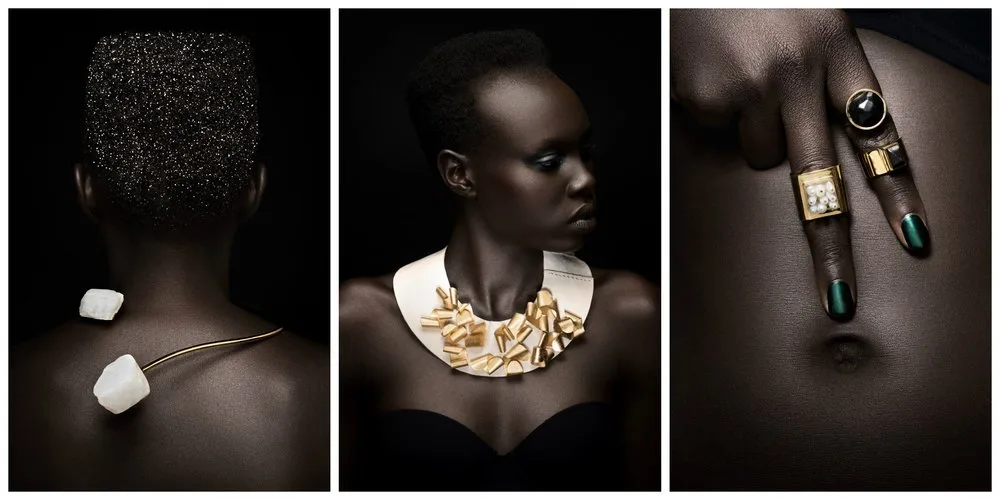
A truly unique brand, odAOMO produces garments and accessories from eco-friendly materials in Kenya.  The leather, hide, shell, snake and fish skin goods are constructed of food byproducts and found materials so no lives are harmed for fashion. The fine silks, cashmere blends and cottons used are sourced from an independent Kenyan textile distribution, run by two young Kenyan women.  The African textiles are collected throughout the Continent.  Each piece is handcrafted and produced in limited batches creating an exclusive and organically nuanced line.

Where some philanthropic entities choose to focus on charity, odAOMO and Dr. Omoro empower through opportunity.  odAOMO employs a small team in Kenya with fair wages– Douglas, the label’s leather craftsman, and Valentine, the primary jeweler—that have a profound economic impact on their respective villages.

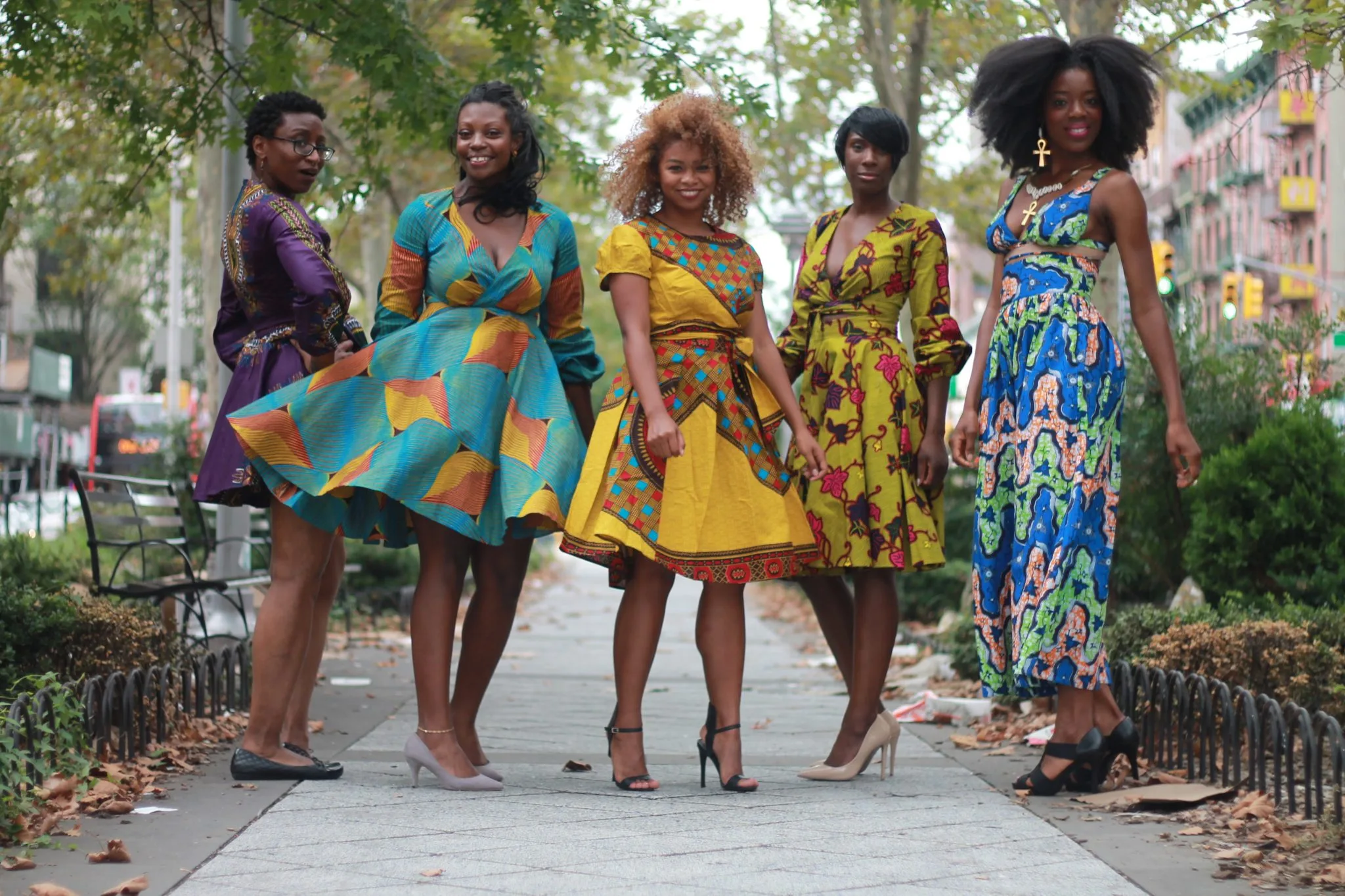
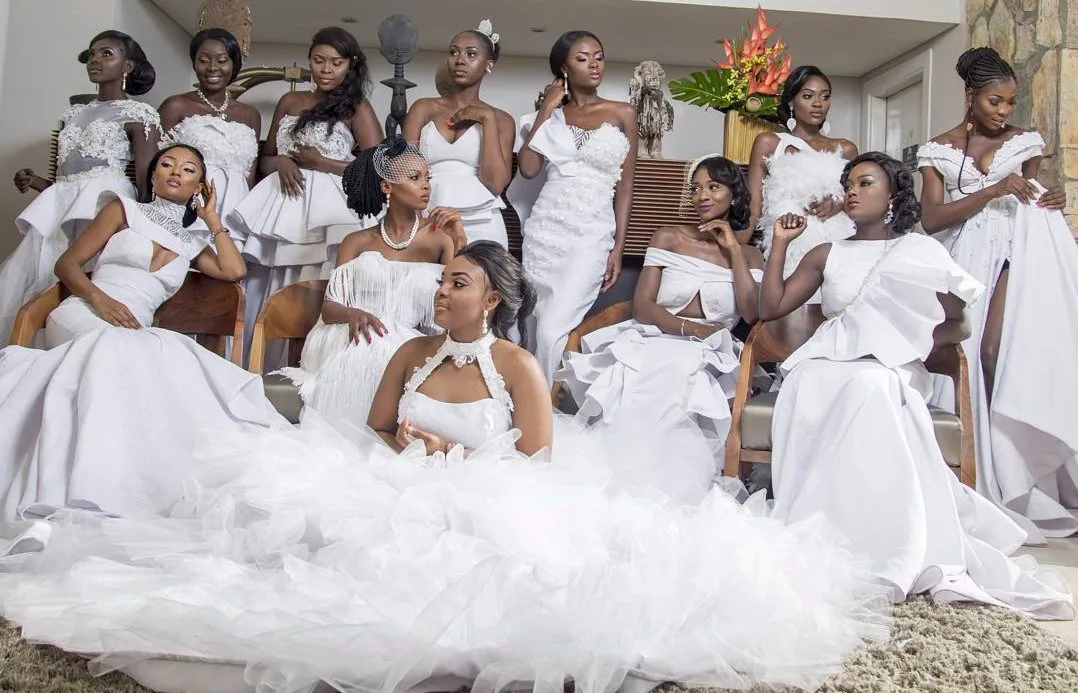
Here are some of OdAOMO Hewa 2018 Collections 

When did you first realize you wanted to pursue a career as a fashion and Jewel designer?

Dr. Sophia Omoro: This has always been part of my life’s purpose, even as I pursued medicine and philanthropy. As most people in Kenya, we designed our own clothing (as opposed to purchasing off the rack), and our seamstress mother made all the dresses of the 6 girls in the family. When I got the opportunity to study abroad, I realized that custom clothing was not the norm. I longed for my own style and found myself altering many of the clothes I bought. When friends and work colleagues noticed these custom designs, I knew I had a market, and I, therefore, had to pursue fashion.

How would you describe your personal style?

Dr. Sophia Omoro: Edgy, bold, classic, and global. I love many designers, but I am partial to classic non-trendy pieces. I am not afraid to stand out in a positive way.

Where can we find your designs?

Dr. Sophia Omoro: Our flagship store is located in the heart of the French Quarter, New Orleans Louisiana. I am so proud to come home with our second shop at the Village market. The new wing, We also pop up frequently in different locations, so follow us on Instagram @odaomo and @odaomo_kenya,  and  of course, you can always find us online at odaomo.com

What’s your target market?

Dr. Sophia Omoro: The range of ladies who wear odAOMO has humbly surprised me. My youngest customer has been a 14-year-old who returns over and over. My oldest is a 65-year-old fashionista. We have blurred ethnic and cultural boundaries, and have many non-African clients proudly wearing our beaded pieces.  We are truly global, and thus I find it hard to put a bracket around a targeted group.

Where do you see Odaomo in the next 5 years?

Dr. Sophia Omoro: My plan has always been and still remains to have a physical representation on each continent. Two continents down thus far!

Your fashion shows often take place in unusual locations and they always revolve around a certain topic. Why is this different approach so important for you?

Dr. Sophia Omoro: At the end of the day, we are all here on earth for a purpose. That purpose should be furthered on each and every platform or opportunity. We want to inspire, uplift, and give hope to each person who graces us with their time and presence. Each time.

A women’s collection can usually speak for itself, but a straightforward runway show of a men’s collection often fails to have an effect on people.

Do you have any plans in the future to start men’s designs?

Dr. Sophia Omoro: I have repeatedly received this request…I am working on it! I promise

What is the weirdest collaboration somebody has approached you with so far?

Dr. Sophia Omoro: “Weird” to me is just another word for “different”, and therefore an opportunity and challenge for growth. We had a request to collaborate with a runway for cute little doggies (I have a weakness). Although ultimately it did not happen for many reasons, I was totally up for it !

Collaborations with other companies are becoming more and more important for designers. Are they a good way of cashing in? Although yours has been very successful, having elegant women wear?

Dr. Sophia Omoro: I feel that there is enough room on this globe for all of us designers. Collaborations can therefore only strengthen the cause. I think if we lead with a pure heart and goal, the cash always follows.

Is it easier for you to find inspiration for Women because you have a closer relationship to those clothes?

Dr Sophia Omoro: I think being a female who wears many hats (I am a surgeon as well), I understand the need for a woman to feel feminine, confident, beautiful, and enhanced. Especially when you are in a position that involves visibility. I understand the need for this fine balance and try to design accordingly.

If you were given the opportunity to work with a local or international fashion designer who will you love to work with?

Dr. Sophia Omoro: I love Alaia and Alexander McQueen! Would love to throw in some Kenyan vibe into those amazing silhouettes.

What’s your take on the Kenya fashion industry and Africa in general?

Dr. Sophia Omoro: It is our time !!! We are coming into our own, appreciating and embracing our color, culture, hair, body types, and it is close to a fashion resolution. So glad to be in the midst of it all.

The designs you created are no doubt good enough, but who and which things were your inspiration while creating such designs what’s the secret?

Dr. Sophia Omoro: My mother is my inspiration. She was a master seamstress. In retrospect I am so grateful for her making us hand hem, stitch, sew buttonholes, touch and feel fabric, “run” the oiled sewing machine, etc (we thought it was torture at the time!)  She taught me the art of making a garment with proper seaming, paneling, and never skimping on fabric amount or quality.  It is ultimately what results in a beautiful well-fitting garment. It’s all in the details and love.

Check more of OdAOMO collections on  their social media pages  Instagram @odaomo and @odaomo_kenya

There’s so much pressure for designers to come out with their greatest collection season after season.
What advice would you give to young designers just starting out and hoping to make it in the industry?

Dr. Sophia Omoro: Stay true to who you are. Your aesthetic heartbeat should be clearly manifest in your collections. Go at your pace. Life is not a race, it’s a journey.

your closing remarks and advice to young Africa fashion designers who view you as their mentor

Dr. Sophia Omoro: Never lose your verve, your soul, and your creativity. Don’t get angry when your designs are copied..take it as a compliment and run harder. As you run, pace yourself as though on a marathon..not a sprint.

Content Courtesy Of odAOMO & Nairobi Fashion Hub 
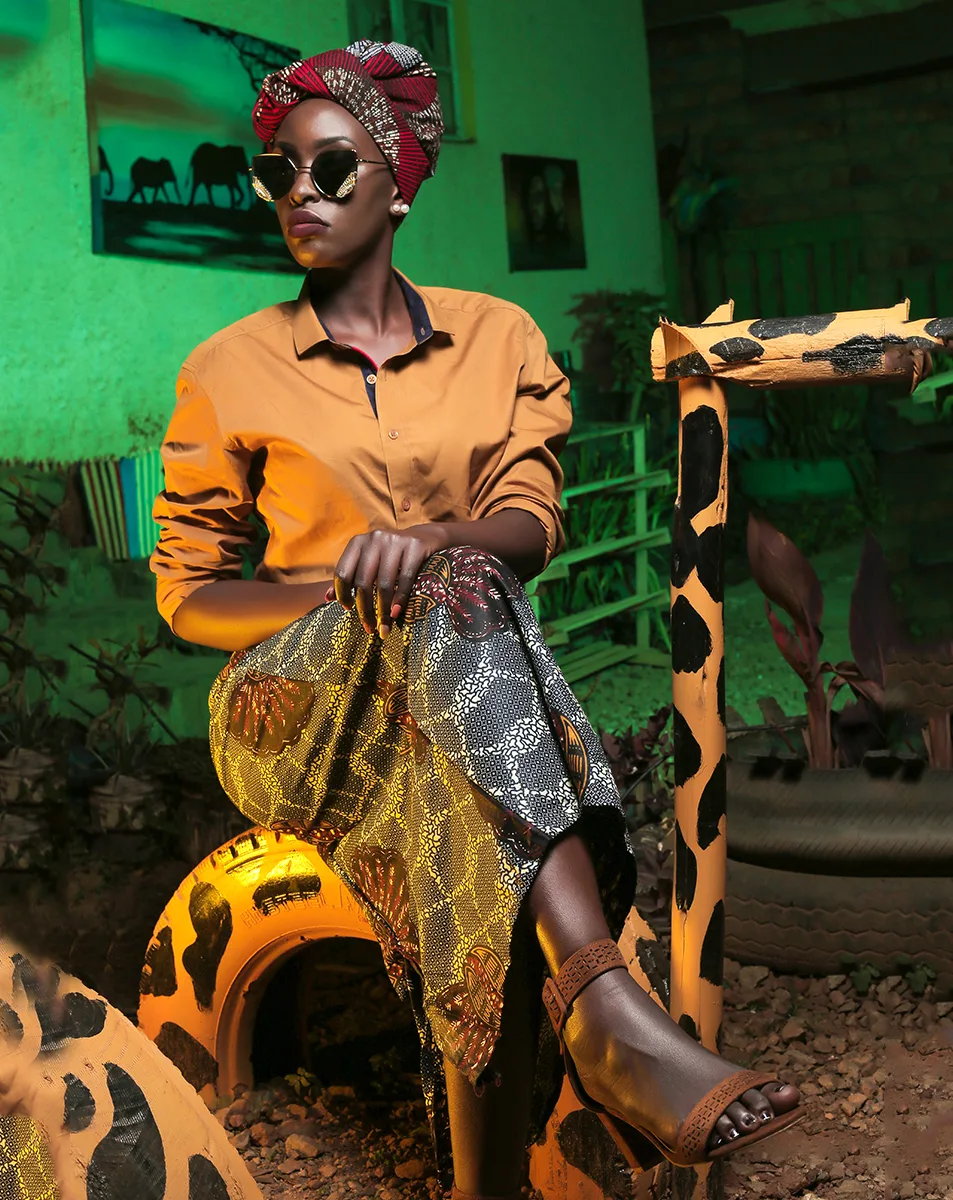
Exclusive Interview With Ndyamie Greis Fashion House From Uganda

Fashion In East African is on the rise and kitenge is world wide accepted and recognized as East Africa fabric today we had privilege to get exclusive interview  with Ndyamie Greis Fashion House brand to watch out in Africa.

Brief Introduction Of  yourself and your Fashion House

My name is Ndyamie Greis CEO Ndyamie Greis Fashion House, Ugandan fashion designer, born and raised in Uganda.

Ndyamie Greis Fashion House Is an African wear clothing line based in Uganda. Having a vision to become one of the region’s leading African Wear Company in East Africa, Majoring in African Fabrics (Kitenge) Wears, and other fabrics.

When did you first realize you wanted to pursue a career as a designer?

Ndyamie Greis Fashion House : Well, since my childhood, I had passion for fashion but when I got to high school…my love for fashion was way too high starting from styling my own outfits to the girls in my circle……I always watched the fashion influencer on Television and I was like yaay…..I will have to make up to this

How is working in fashion different today than from when you started out?

Ndyamie Greis Fashion House : We’ve not here for so long, maybe we shall be able to answer that after sometime.

What role do you think social media plays in fashion today?

Ndyamie Greis Fashion House : Social media has really helped us in marketing, finding new clients and connecting to more people in world hence widening our clientele. It has as helped us communicate to our clients where ever they are online without physical contact hence building trust in each other.

What was your biggest fear when going out and starting your own line?

Ndyamie Greis Fashion House : Well …… well……. My biggest fear was how to get clients.

What challenges did you face as Uganda Designer? 

Ndyamie Greis Fashion House : Challenges, basically are many but getting clients is the major one, inadequate capital, then Ugandans like cheap stuff but from expensive material.

What is your favorite part about being a fashion designer?

Ndyamie Greis Fashion House : This is when my client appreciates my work and gives me a credit, meaning my fashion and design I have inside has spoken the truth in Style.

What do you think about Uganda fashion Industry Do Uganda designer’s support each other?

Ndyamie Greis Fashion House : Our fashion industry is really growing so fast because competition is stiff here, our supporting each other, well since competition is stiff support is less.

Where do you see yourself in 5 Year?

Ndyamie Greis Fashion House : I am seeing myself having one of the biggest if the biggest African Fashion House in Uganda and exporting African Fashion to Europe and Asia.

Read more  no next  page

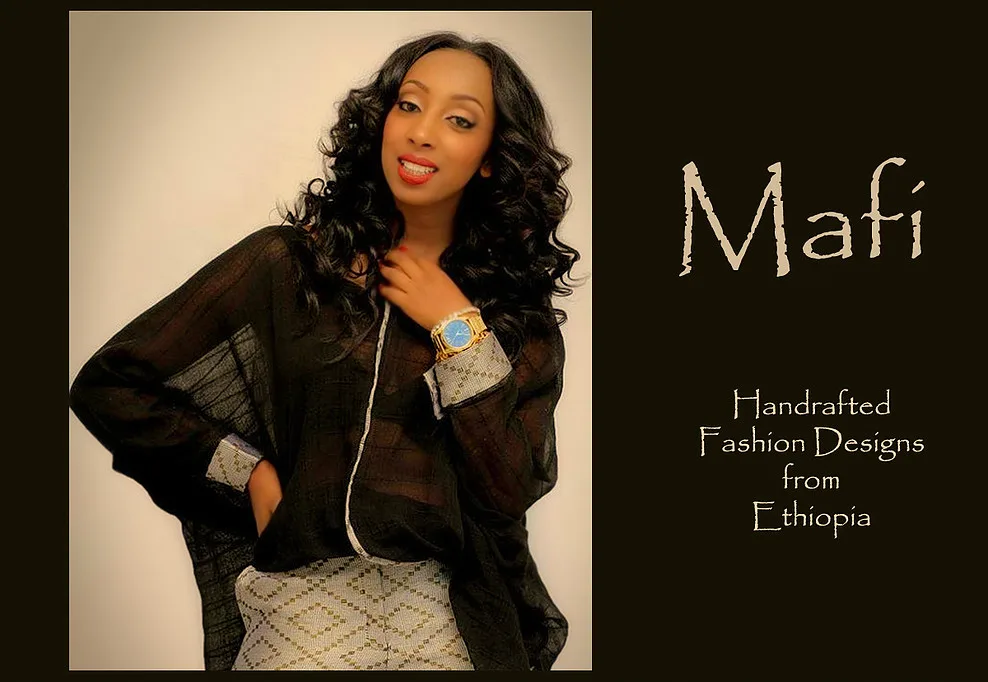
Mafi Handcrafted Designs From Ethiopia

Founded in 2011 by Mahlet Afework, Mafi Mafi relies on traditional Ethiopian fabrics and techniques for its contemporary designs.

Mafi, one of Ethiopia’s most recognized designers won a contest organized by Creative Futures. Known to work with exclusively hand woven fabrics, Mafi as a winner of the competition  showcased her work at the Hub of Africa 2017, an event that showcases the works of well know as well as up and coming fashion designers,

The competition was juried by Waridi Schrobsdorff, Founder and CEO Fashion Africa 254, Sara Maino, Senior Editor Vogue Italia and Head of Vogue Talents and Julia Sattler, Director Goethe-Institut Addis Abeba.

Mafi’s ability to use only traditional materials while at the same time making it appeal to the modern women and the fact that she has already developed her own signature for her work is one of the reasons she won the contest.

Haute Baso

Haute Baso recognized the potential of young women by offering them training and employment an investment which results in skill development at a fair wage and within a safe environment.

Collaboration through design and production with talented artisans to create high quality “Made in Rwanda” apparel, accessories and home decor pieces enables preservation of traditional craftsmanship.

To this end, Haute Baso took part in co-design sessions with Springs partner San Francisco-based fuse project, and engaging Girl Hub Rwanda, to construct a professional training program for 15-21 year old young women in 2015.

Most of the women working with Haute Baso are the sole breadwinners of their households; therefore, this partnership enables them to feed, educate, and provide healthcare for their loved ones and ultimately reduce the long-term cycle of poverty.
The brand was established in March 2014 by two Rwandan designers with four female artisans and has since grown to collaborations with 275 artisans, 202 of the artisans being women.

I Ami Doshi Shah

Ami Doshi Shah is a trained jewellery and silversmith, having gained a BA in Jewellery and Silver smithing from the Birmingham School of Art & Design in the UK in 2001.

She is the recipient of the The Goldsmiths’ Award for Best Design (Apprentice trainee) in 2001. Upon graduating, she completed jewellery apprenticeship program mes in Mumbai and Jaipur, India.

In 2013, Shah established the eponymous design label, I AM I, which marked her return to the design world after a 12-year hiatus, during which she worked with multinational advertising agencies in Nairobi and London. Shah’s love for Kenya and its human and natural beauty is a constant source of inspiration for her creative endeavors.

She sources materials locally and uses her technical training to work with the elements in unexpected ways, bringing her artistic sensibilities to her label. Speaking about the pulls of her heritage with Daily Nation Kenya the designer said: “As a Kenyan of Indian origin, I am quite heavily influenced by both cultures. Kenya, when it comes to the scale of adornment and India when it comes to the detailing.”

Best Dress at the Red Carpet SAMA 2018

This past Saturday, the 24th annual South African Music Awards took place in Sun City and it was indeed a spectacle.  Somizi Mhlongo, Dineo Ranaka and Mpho Popps were the charismatic hosts for the evening, making the awards ceremony one to remember. As excited as we were to see which artists walked away with awards, we were also glued to the screen to see who brought the most sass to the red carpet.

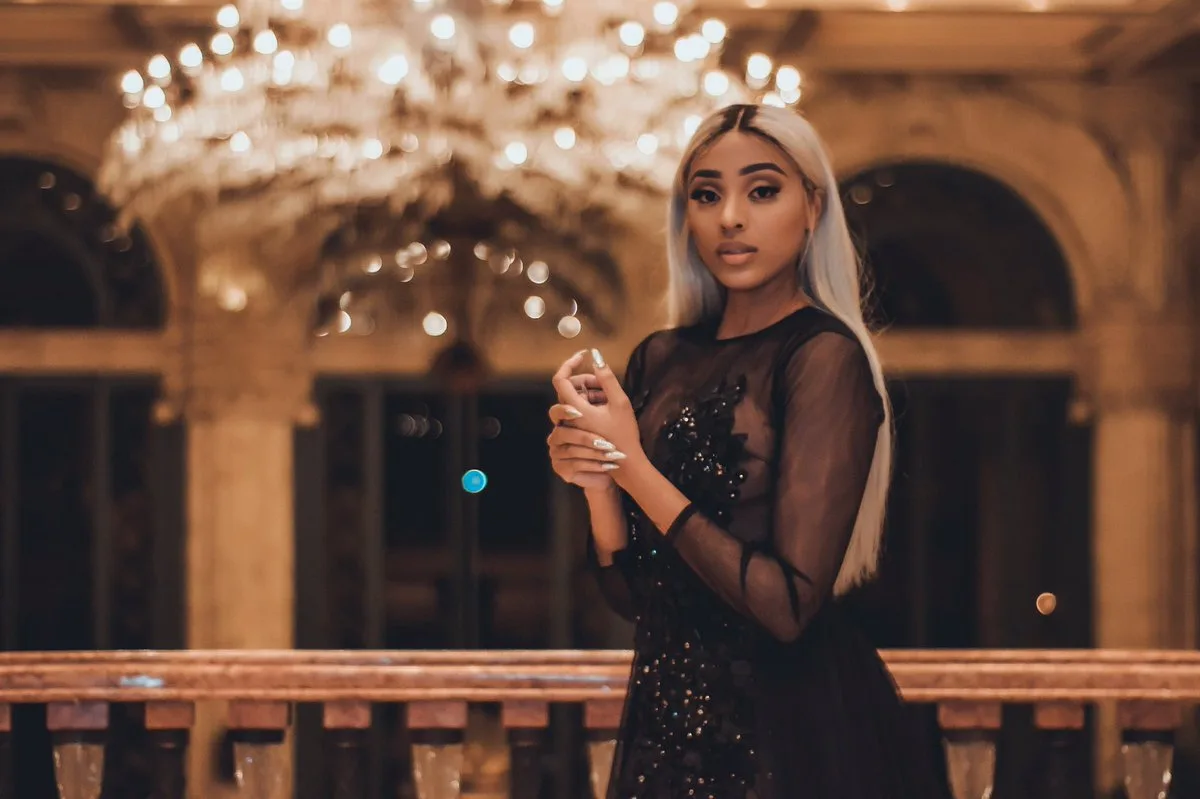
Nadia Nakai
Nadia gets the number one spot simply because she redefined sexy and added a regal touch to it. The sheer fabric, embroidery in all the right places, and the somewhat dramatic train stole the show. Her styling team did an amazing job with this Anita Ferreira gown. In a subtle way, the bleached hair toned down the look.

Boity Thulo
TV presenter Boity was the definition of sultry, serving a very high slit gown by South African designer Orapeleng Modutle.
!–nextpage–>

Page 2

Tikovah Clothing Creative Director talks about her fashion Journey and How she was inspired By Art

Nigerian designer, Ihenatu Kodlinye Mike Creative Director, at Tikovah Clothing shares her journey into fashion as she prepares to showcase at Africa Fashion Week Nigeria 2018

What inspired your fashion journey?
Tikovah Clothing: Growing up as a child I used to see my mom and grandma make clothes with portable sewing machines, I was always fascinated at the process of converting a plain fabric to bespoke and hot couture outfits.

Art also inspired my fashion journey; I appreciate Art so much to the extent that everything I do has to have aesthetics and creativity written over it, I was always keen to make something. I selected my clothes, picked out my shoes, styled my mom’s hair a lot- I still do (laughs), and played with her jewelries too. My mom and dad played a profound role in my journey, my mom has this big wardrobe filled clothes , jewelries and what not, so I used to play dress up too ,while my dad never failed to buy the really good and pretty stuff to help augment my fashion flair

Read more  no next  page

History Of Met Gala

Officially, it’s the Metropolitan Museum of Art Costume Institute benefit, a black-tie extravaganza held the first Monday in May to raise money for the Costume Institute (a.k.a. the fashion department).

Unofficially, the night’s festivities have been called many things, including “the party of the year,” “the Oscars of the East Coast” (mostly because of the star quotient and the elaborate red carpet, where guests pose on the grand entrance stairs to the museum) and, somewhat pointedly, “an A.T.M. for the Met,” the last by the publicist Paul Wilmot.

The party signals the opening of the Costume Institute’s annual blockbuster show, and it is known for its celebrity and fashion hosts. This year the exhibition is “Heavenly Bodies: Fashion and the Catholic Imagination,” and the hosts are Anna Wintour (the magical manipulative Wizard of Oz for this particular event), Rihanna (who has a starring role in the coming Met Gala heist movie, “Ocean’s 8”), Donatella Versace (because her brother Gianni had a thing about Catholic iconography) and Amal Clooney (because … well, who doesn’t want to stand in a receiving line with Amal Clooney?).

Stephen A. Schwarzman, a founder of Blackstone, and his wife, Christine, are honorary chairs. They are the first people to name-sponsor a fashion exhibition since 1997. That’s a big deal. It’s also big money.

Content Courtesy Of New York Time & Nairobi Fashion Hub
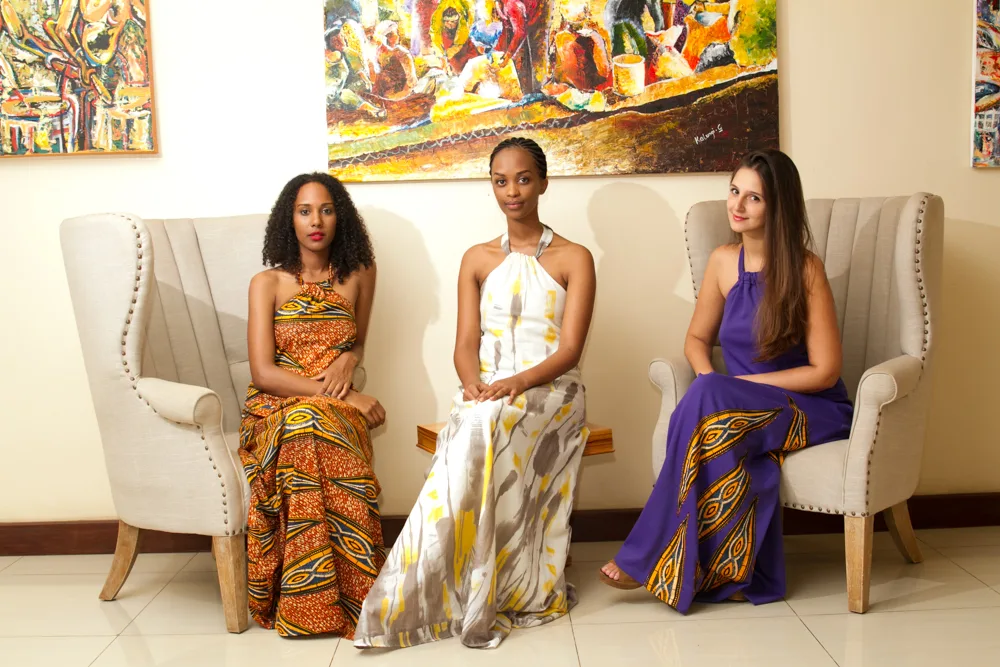
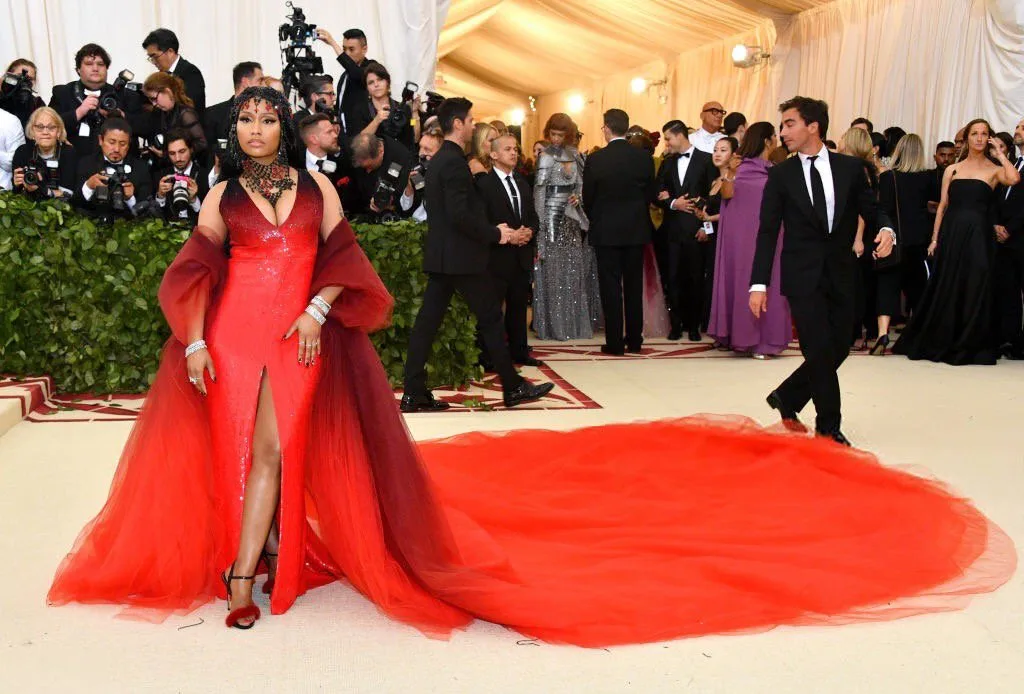
The Best Dressed Celebrities on the Red Carpet at Met Gala 2018

Best Dress celebrites at the met gala 2018 Considering the dress code of the 2018 Met Gala was “Sunday best,” celebrating a Catholicism-themed exhibit, Monday night’s celebrity-packed red carpet could’ve gone wrong in a million ways.
Yet, for all the sacrilegious naked dresses or culturally inappropriate couture that the event’s A-list attendees could’ve worn to the event, the majority of this year’s Met Gala looks hit the mark, making for a revelatory night of saintly fashion.
From Lena Waithe’s instantly-iconic LGBTQ flag cape to the many angels, popes and renaissance artworks that walked the carpet, these were the best fashions of the 2018 Met Gala.

Rihanna
Rih has always been a Met Gala show-stopper, and considering Anna Wintour tapped her as one of the celebrity hosts of this year’s event, her look was bound to be a success. And it was, with the singer opting for a Margiela-designed papal crown and cape.

Lena Waithe
With a suit and cape by Carolina Herrera, Waithe re-imagined the night’s theme as a way to celebrate a community that hasn’t historically been recognized by the church, a fashion choice both cheekily transgressive and triumphant. Plus, it was a look that Vogue icon and cape enthusiast André Leon Talley had to love.

Fashion Journey of Lilifeys’ Fashion

Lilifeys’ Fashion is a female haute/ready to wear fashion brand founded in Lagos, Nigeria. The brand achieves her aesthetics by a seamless fusion of African cultural heritage and Western culture to appeal to a global market. Founded by Lilian Ifeyinwa Ndukwu, the brand name is a combination of her names.

​​​​​​​What inspired your fashion journey?
Lilifeys Fashion:  My early childhood passion for my baby doll dresses and the curiosity on how to make such tiny little dresses really influenced and triggered my fashion journey.

Tell us more about  the brand
Lilifeys’ Fashion:  We aim to seasonally roll out collections and designs that are carefully crafted with detailed finishing that fits all types of feminine silhouettes using bold African prints, colours and good textured fabrics to make every LILIFEYS’ woman look like a queen. The Brand’s pieces reflect elegance, style, royalty, and comfort for the stylish, trendy and confident woman. Our core value is detailed attention to fabric selection, perfection, quality and fitting.
We target educated, female urban high profile clients, who wants to be stylish, trendy, and comfortable, with a feel of royalty irrespective of their body shapes.

Read more  no next  page

Market Demand for East Africa Fabric Kitenge

Market Demand for East African’s fabric Kitenge In the past few years  there has been a sharp rise in demand for East African’s fabric Kitenge, Kenya is beginning to appreciate and value home grown fashion industry, and designers are dropping the cliche that African fashion has to look African more local designers are coning up with creative designs to suit the millennial most of the design are made of local fabric kitenge 

Kenyans wear the Kitenge as an appreciation of culture and creativity. As such, you are more likely to see such dresses during events such as Concur De Elegance, Koroga festival , Blankets and Wine,  among others. Fashion designers have tapped into the growing demand for the Kitenge by creating unique and beautiful pieces. Today, you can find just about anything; traditional top and down or the modern Kitenge fused with other fabrics (laces, denim, silk).

What is Kitenge ?
Kitenge is an East African cotton fabric printed in various colours and designs with distinctive borders, used especially for women’s clothing,Kitenge or chitenge is an East African, West African and Central African fabric similar to sarong, often worn by women and wrapped around the chest or waist, over the head as a headscarf, or as a baby sling.

Miss Malaika

Miss Malaika Ghana is a beauty pageant, and reality show which first aired in Ghana in 2003. The show is produced by Charter House Productions and airs on Ghana television station TV3 as well as DSTV channel Africa Magic. The pageant is produced as a 12- to 13-week reality show which shows the search for a Ghanaian representative for the Miss Malaika continental competition. It was the first beauty pageant show to be aired as a reality series in Ghana.

From the conception of the show 2002, it has been presented to the audience as a reality TV show which allows for the viewers to vote for their favorite contestant to be crowned Miss Malaika Ghana. Each week, the contestants are given tasks to perform which range from performances to organizing events. This is then assessed by a panel of judges who have a certain degree of power in selecting successful candidates and eliminating others

Before the pageant was produced as a reality television series, with viewers voting for their favourite contestants, Ghana’s Miss Malaika’s representative was handpicked by judges.Since the show began in 2003, it has included judges known as the godmothers. The duty of the godmothers are to instruct and teach the contestants on conduct and beauty amongst other things. These godmothers are Mrs Kay Bentsi-Enchill who’s been on the show for 3 years and Mary-Anne Sekyi, who’s has 6 years worth of experience. The 2010 finale judging panel of the event also included, Ghanaian actors John Dumelo and Jackie Appiah, as well as Paul Adom Otchere.

Ad