Thursday 7th of May 2026

Nairobi, Kenya

Designer and Teacher Diarra Bousso Fuses Math and Art to Create Her Fashion Collections

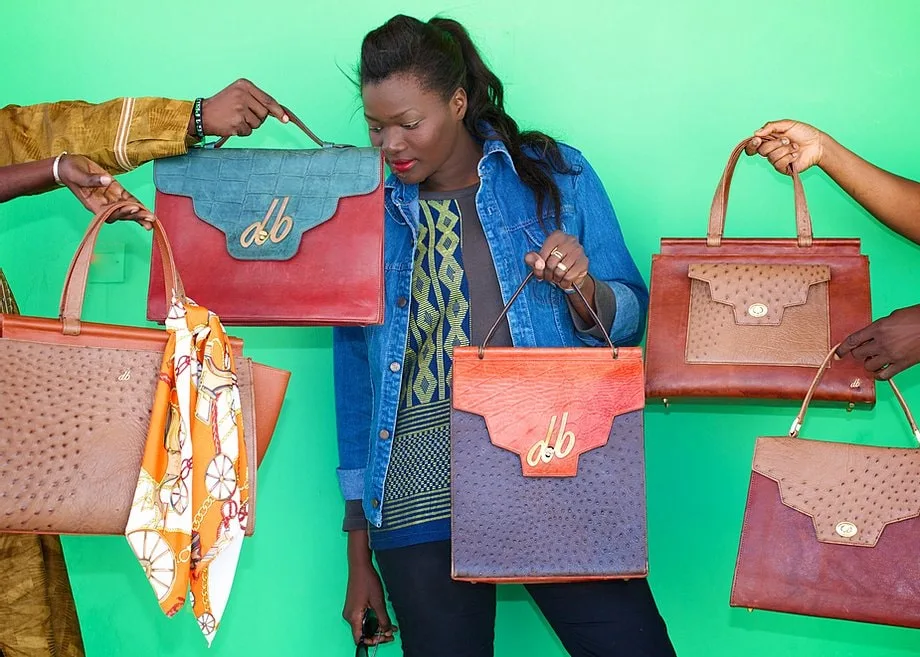
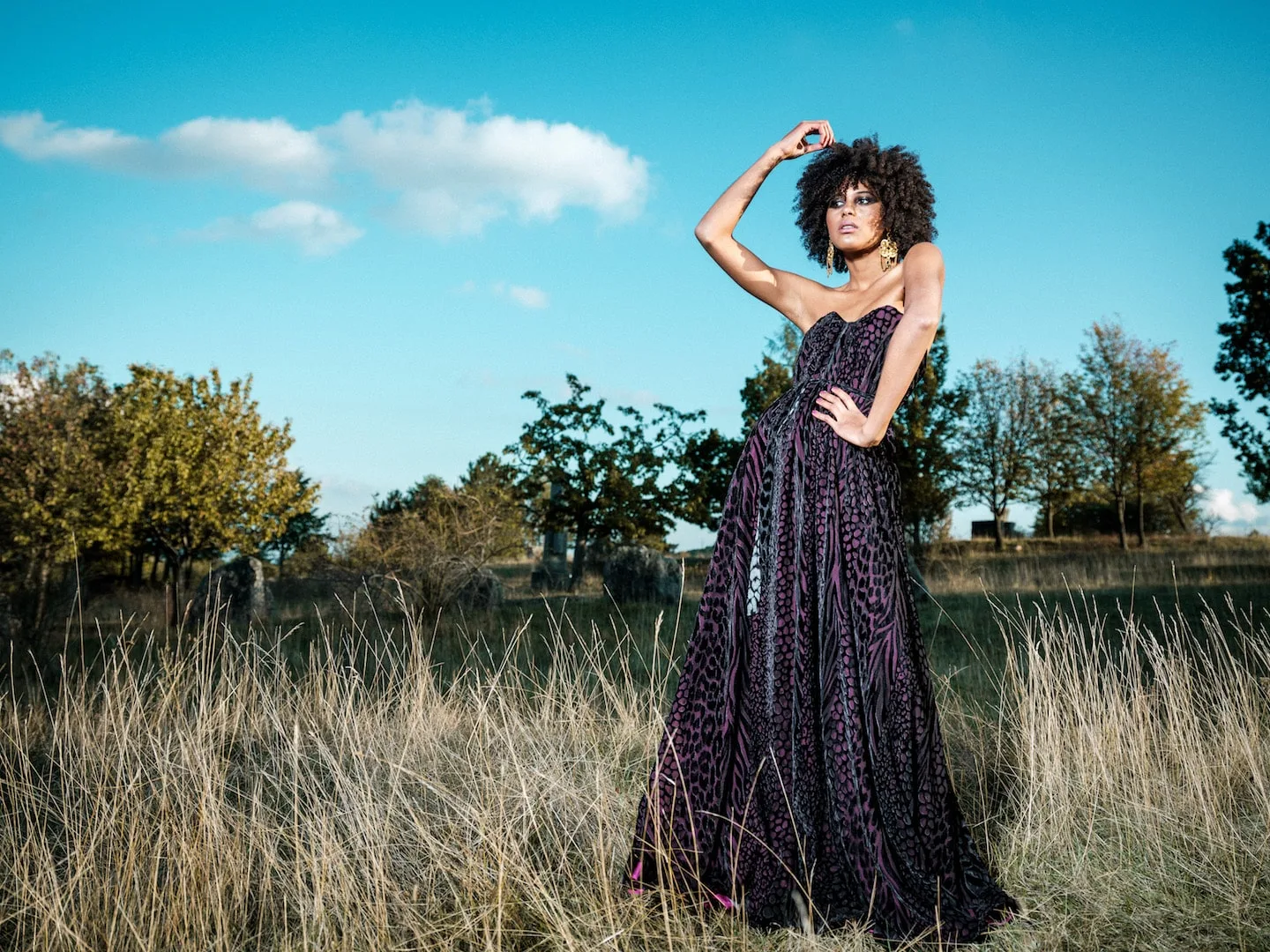
Diarra Bousso isn’t your average designer. She’s a mathematician, an artisan, and a former Wall Street trader, and all of those experiences have led to the creation of her lifestyle brand, Diarrablu. Her designs celebrate her rich culture, with every pattern and piece telling a story.

“I grew up in Senegal, and I wanted to be the perfect student. I was never a cool girl or an ‘It girl,’ I was a nerd,” Bousso told POPSUGAR. Bousso is from a family of artisans. “In the summers, when I would go to my dad’s village, I’d see that work, and it’s so rich and beautiful,” she explained.

Splitting her time between visiting her dad’s village and attending a private French school in the city, Bousso explained she wasn’t sure how to connect her two worlds. “I always knew that I was going to do something at the intersection of those two worlds, but I didn’t know how to do it.”

She moved to the United States to attend graduate school at Stanford University, graduating with a degree in math education and research. Bousso didn’t want to work in tech upon graduation and found herself trying to figure out how to fuse her background in math with her love of fashion.

She began doodling in her free time and realized, “I can doodle, and I can also write math code to do the doodles for me.” It isn’t common for designers to code their designs, but Bousso is creating her own rules.

“Once you write a couple of equations, by just changing a few numbers, you can create a new print very quickly. So it makes the process of drawing now very efficient because you can draw one thing, then actually create thousands by just changing the numbers,” she explained.

“Algorithms allow me to solve a very important problem in fashion in terms of sustainability. They also allow me to really explore creativity beyond what’s available, because there are no limits to what you can make.”

The equations Bousso writes create afrocentric shapes and prints that tell stories, centering on the diversity of Africa. She described the process as empowering, as she owns the production of the prints and no longer has to attend markets or trade shows for fabrics.

Additionally, there’s a sustainable element to her approach which allows her to save money without wasting fabric. “Algorithms allow me to solve a very important problem in fashion in terms of sustainability. They also allow me to really explore creativity beyond what’s available, because there are no limits to what you can make.”

This new technique has also allowed her to engage with her audience in real time, creating polls to find out which designs they prefer. “We produce what people want. There’s no excess inventory,” she said. Once she has the pattern in fabric form, she cuts it to maximize the amount of pieces produced, creating a dress, a necklace, shoes, and a face mask from three yards of fabric. “We keep iterating until there is nothing left,” Bousso explained.

Her 2020 Joal collection is rooted in wanderlust, the idea of freedom and travel, and her love for Senegal and celebrating the destinations in Africa that people don’t know. It pays homage to a small village on the coast of Senegal, Joal Fadiouth, an island covered in clam seashells. Joal was designed for being comfortable at home, mixing lightweight prints with solid-colored pieces.

Her newest collection, Dall (the Wolof word for stillness and serenity), “celebrates the magic in peace and stillness at home,” Bossou said in a press release. “Dall is an escape; a feeling; a destination; a daydream; a pause; an escape in time; a retreat in space,” she explained.

The holiday collection features sustainable, solid pieces like palazzo pants and maxi dresses made from ecofriendly lyocell fabric, coming in olive green, navy blue, rust, and evening noir colors. There are also bold pieces, such as kimonos and minidresses, inspired by mindful moments and the Tanzanian Serengeti, celebrating the beauty of movement in stillness.

The Diarrablu brand is known for its oversize kaftans and dresses that can be wrapped in 19 different ways, in addition to jumpsuits, swimsuits, kimonos, and mules. Each garment is custom adjusted to one’s height, per the African bespoke garment-making tradition, and ranges in size from XS to 3XL.

Every item is created to be worn for a lifetime and throughout all the changes the body will go through. “It’s always going to fit because everything is elastic and wraps,” she said.

Bousso’s designs are coveted for both the comfort and understated luxury. “It looks expensive but it’s not trying too hard.” Her collections are timeless, and with each design, you’ll be transported to a place of peace, freedom, and stillness.

Content courtesy of Pop Sugar & Nairobi fashion hub 
Africa’s Biggest Red Carpet (Asfas) To Return In 2021

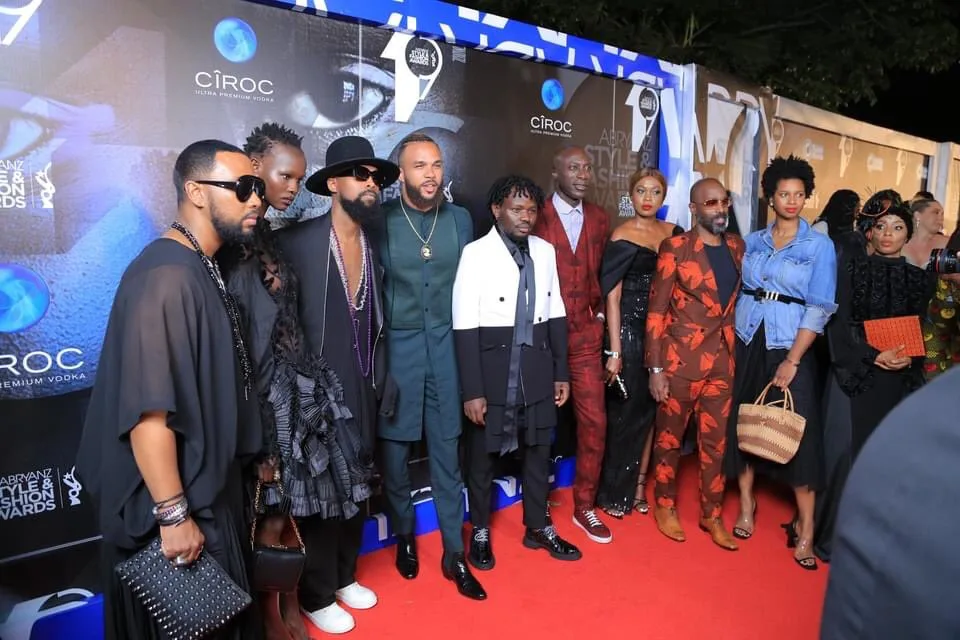
The Abryanz Style & Fashion Awards (ASFAs), Africa’s biggest red carpet fashion awards have announced that the awards will not take place this year. This is the first time since its inception in 2013 that the event is pushed forward.

The Abryanz Style and Fashion Awards also known as the ASFAs are continental fashion awards presented annually in Uganda to recognize excellence and outstanding achievement in the fashion industry in Uganda and Africa. More than 2,000 people grace the event annually.

https://www.instagram.com/p/CIgWqPon7bt/?utm_source=ig_embed

Brian Ahumuza founder of the ASFAs states: “The Abryanz Style & Fashion Awards were started on the idea of people coming together to socialize, network and interact with one another, in the name of celebrating something we all love and support; Fashion. Our team did have a sit down, and we did weigh our options, in as far as embracing the new normal goes.

But we have never envisioned the ASFAs being a virtually produced show, as this ruins the idea and concept on which the ASFAs started. People coming together, in one room, with all the oomph, flair and glam is what has made the ASFAs what they are today. So, after much consideration, putting into account the safety of our fans and guests, and also the need to give you a show that will be as remarkable and unforgettable like the last 8 years, we have made the tough decision to postpone the event to 2021.

This year and the year to come will be maximized in planning, together with our partners at Talent Africa, to ensure that we deliver a show that will be the best you have ever experienced. To our loyal fans and the supporters of the ASFAS, we do apologize for any inconveniences this may cause, but you can be sure to experience the ASFAs like never before, come 2021! Thank you for your unwavering support in the last 8 years, and get those outfits and the flair ready.

Aly Allibhai from Talent Africa Group states “with the current health guidelines and ban of public events due to the pandemic it would have been impossible for the ASFAs to give our guests the same A-list red carpet fashion experience through an online or virtual experience, so we have decided to come back next year with a bigger and bolder experience”.

The team from the ASFAs wishes you a safe and happy festive season ahead.

Content courtesy of ASFAs & Nairobi fashion hub 

How can Private and Public Institutions Support Africa’s Growing Fashion Industry?

This is the topic that will be discussed during the virtual conference entitled “The Future of Fashion Industry in Africa”. It will be in the form of a series of thought-provoking panel discussions about the textiles and fashion industry in Africa. It is scheduled on Friday, 18th December 2020, from at 10:30 am to11:30 am (GMT-KIGALI).

Rcfs 2020 Webinar Speakers

Rwanda Cultural Fashion Show Webinar 2020 Register Here To Participate  or Send your registration via e-mail: info@rcfs.rw 

It is organized by the Rwanda Cultural Fashion Show known as the RCFS. This is a Rwandan company which had been working in the fashion industry about 8 years ago. The RCFS was founded in 2012 to promote fashion designers and create public awareness of the talent and quality designs in Africa.

Since the start, may Africans men and women have been promoted through the RCFS events. It assists in marketing, promotion and branding especially for the upcoming fashion designers who are starting small businesses in fashion. According to the examples from the RCFS’s 8 years’ experience, many brands from all over the continent had been established and some are now selling even on the international fashion markets.

https://twitter.com/RCFSRW/status/1329388178655096833?s=20

This is a magnificent step which shows that the Africa fashion industry had been achieving in a short time. For example, Africa has few fashion schools comparing to the countries where modern fashion is coming from like in the USA, India and Europe etc. But many Africans fashion designers had been invited to showcase in Western and Europe fashion weeks and this is a great full for the Africa fashion sector.

The journey of the fashion industry in Africa started about 20 years ago. It was the revolution of the textiles and fashion industry on the continent which the RCFS sees as an example for the Africans and friends of Africans to feel the pride from our various cultures in styling.

https://twitter.com/RCFSRW/status/1329384864576057344?s=20

According to the African Development Bank, demand for African textiles and garments is increasing globally, and African patterns are gaining international recognition as fashionable and iconic pieces, with international fashion houses now integrating more and more African influences in their latest collections. As President Zewde stated: “Globally, Africa’s cultural colours and clothing are increasingly being embraced.

Another example, there are several continental initiatives which are supporting the African fashion industry to develop and sell their products. The Fashionomics Africa initiative of the African Development Bank, together with the African Union, the AfroChampions initiative, and other institutional partners and private operators, launched the Pan-African Fashion initiative on 9 February during the recent AU meetings in Addis Ababa.

https://twitter.com/RCFSRW/status/1329023863527714818?s=20

Pan-African Fashion initiative is a platform for stakeholder engagement, dialogue, strategy and policies to advance the African fashion industry within the context of the African Continental Free Trade Area (AfCFTA), which aims to remove trade barriers between African nations and thus expand intra-Africa trade by about $35 billion per year. Intra-African imports and exports currently account for just 15% of all trade on the continent.

Content courtesy of Rwanda cultural Fashion show & Nairobi fashion hub 

The Brave Heart campaign Designers make a stand Against Child Abuse

Johannesburg – Thirty-six top South African fashion designers have teamed up for to raise money for the national effort to end child abuse.
The designers have dressed over 120 teddy bears in trendy apparel from their collections for the first annual Brave Heart Bears initiative that is part of the16 Days of Activism Against Gender-Based Violence.

The Brave Heart campaign is in collaboration with Women and Men Against Child Abuse (WMACA).

The unique teddy bears were unveiled at the Jenna Clifford Design Studio in Johannesburg last week, and they are up for auctioning.

Spearheaded by jewellery designer Jenna Clifford, some of the labels in the Brave Heart Bears initiative include Scalo, Rubicon, Anel Botha, and Fundudzi by Craig Jacobs. Among leading personalities involved in the campaign are hip-hop artist Riky Rick, ex-Miss South Africa Sasha Lee Laurel, End Girl Hate founder Leanne Dlamini, the Soweto Gospel Choir, and TV host Kim Jayde.

Designer Thokozani Lloyd “TK” Mbatha – who runs the Lloyd Hotsense label – said it was high time society demonstrated that actions were louder than words when it came to ending all forms of abuse.

“The 16 Days are not enough, people need to be reminded about gender-based violence every day of the year. I wanted to make a difference. And as a father, being part of a project such as this, one day my son will understand me as a person and will see what I have done. I won’t have to explain, he’ll see what is the right thing to do,” said Mbatha

WMACA founder Miranda Jordan said violence against women and children had increased during the lockdown period.

“Over the past eight months, we have assisted with 3,500 children’s therapy sessions, 90 parent sessions and 120 family sessions,” she added.

Jordan explained they had settled on teddy bears for the campaign because of te affinity many children had for the stuffed toys.

“Besides being cuddly and cute, they offer unconditional love, reassurance, security and companionship. Even in our high-tech world of gadgets and gizmos, their love affair with the simple teddy bear runs deep, which is why Brave Heart Bears was the perfect initiative for what we are working towards.

“This will help us with a much needed financial injection to help those broken little souls by giving them tools to navigate a positive way through their pain,” she said.

She spoke firmly for the need of mental support for children who become victims of sexual abuse.

“I often refer to it as a lifelong impact, of child sexual abuse may cause a range of negative consequences for the mental health and adjustment in childhood, adolescence and adulthood for the victim.

“The abuse does not only steal the childhood, but it also steals adulthood and that is why our early work at our clinics is often followed by later work with our advocacy team. Important aspects of the abuse include the relationship with the perpetrator, the betrayal of trust, the age and gender of the child and the particular form of abuse; all are significant factors,” she said.

Content courtesy of The Southern Time & Nairobi fashion hub  

Asorock Watches Africa’s First Luxury Watch Brand

ASOROCK Watches was founded to challenge the belief that high quality watches and accessories should only be affordable to the one-percenters in society.

We live in an age of radical transparency. Anyone with access to a web browser can find the manufacturing cost of a car, a smartphone, or a premium timepiece within minutes. This type of “free and open” information helps consumers make better purchasing decisions.

But it’s not always great for manufacturers who excessively inflate the prices of their products. For example.

The retail price of a traditional premium watch can be anywhere between 10 and 40 times higher than its production cost. A lot of this “margin” is used to compensate wholesalers, distributors, and retailers  the price increasing each time the watch changes hands. On top of that, there’s the celebrity advertising campaigns and event sponsorships many brands engage in.

ASOROCK is different. We believe in making premium timepieces available to everyone at fair prices. We value access over aspiration, and expression over status.

Here at ASOROCK Watches, a name influenced by the breath-taking mountains in Central Nigeria, our love and affection for watches, created a desire in us, to make a positive long-lasting impact on the African continent by representing her in the luxury watch market of the world.

Started by young entrepreneurs and watch enthusiasts Ben Iroala (Nigerian American), and Andrew Mutale (Zambian American) we sought to cut out the high retail mark up of popular name brands. We have been obsessed with watches our entire life and got fed up paying for overpriced name brand watches that only cost a fraction of the price to produce.

Being avid watch enthusiasts ourselves, we were fed up with our limited choices due to the inflated high mark up prices of popular name brands. It also didn’t help that we always felt like our collection was never complete (a problem all true watch enthusiasts can relate to).

It bothered us even more that we didn’t have a single watch from an African source where we have our roots. All these led to the creation of the ASOROCK range of watches.

About ASOROCK Watches 
When designing our watches, we did not hold back on quality. We made sure of 4 prospects that differentiate us:
1) We offer various multiple models of watches under each watch type.
2) All of our watches are made with the finest quality of materials. (staying true to our principles “if you are going to do something, do it right”)
3) We offer our watches at a price less than half of what our competitors charge for watches of the same category.
4) Purchase of any AsoRock watch, does more than just get you compliments, it also goes towards helping to create a better foundation for the youths in Africa.

Our Goals  And Commitment
proceeds from each watch sold by ASOROCK goes to building a library in a village in Nigeria by the end of 4th quarter 2021 and, all names of backers will be engraved in the middle of the library.

Primarily, we believe that through the sales of our fantastically made watches we will raise the funds needed to realize our deep dreams of building libraries with computers equipped with Wifi and learning software in various villages in Africa.

We also foresee the massive amounts of employment our brand will offer from; library keepers to tech-savvy millennials worldwide who want to promote and be an influencer for us, and also down to our photographers and design team that will grow as we grow and produce better designs than we have now. These factors further led us to the creation of ASOROCK.

That’s why ASOROCK Watches is truly more than just another watch company, not only are we more of a charity at heart by using the sales of our awesome watches as leverage to achieve our core aims of helping empower the youths in our motherland and continent, but we are also seeking to create jobs.

How We Do It
To offer you fairly-priced, premium watches at unbeatable prices, ASOROCK took the direct-to-consumer approach. (D2C)

Our pieces are crafted from the same top-quality components as other premium watch brands. But we’re obsessed with keeping our supply, distribution, and advertising costs to a bare minimum. This allows us to pass far greater savings on to you.

And the quality of our watches is guaranteed  your ASOROCK timepiece is protected by an industry-leading 2year international warranty. Wherever you are and whatever your problem, we’ll make it right.

We could continue congratulating ourselves for our wonderful work, but we’d prefer you experience the Asorock difference yourself. Our premium-quality watches are waiting to be discovered.

Content courtesy of ASOROCK Watches & Nairobi fashion hub 

African Inspired Ankara Prints Get Modern Makeover

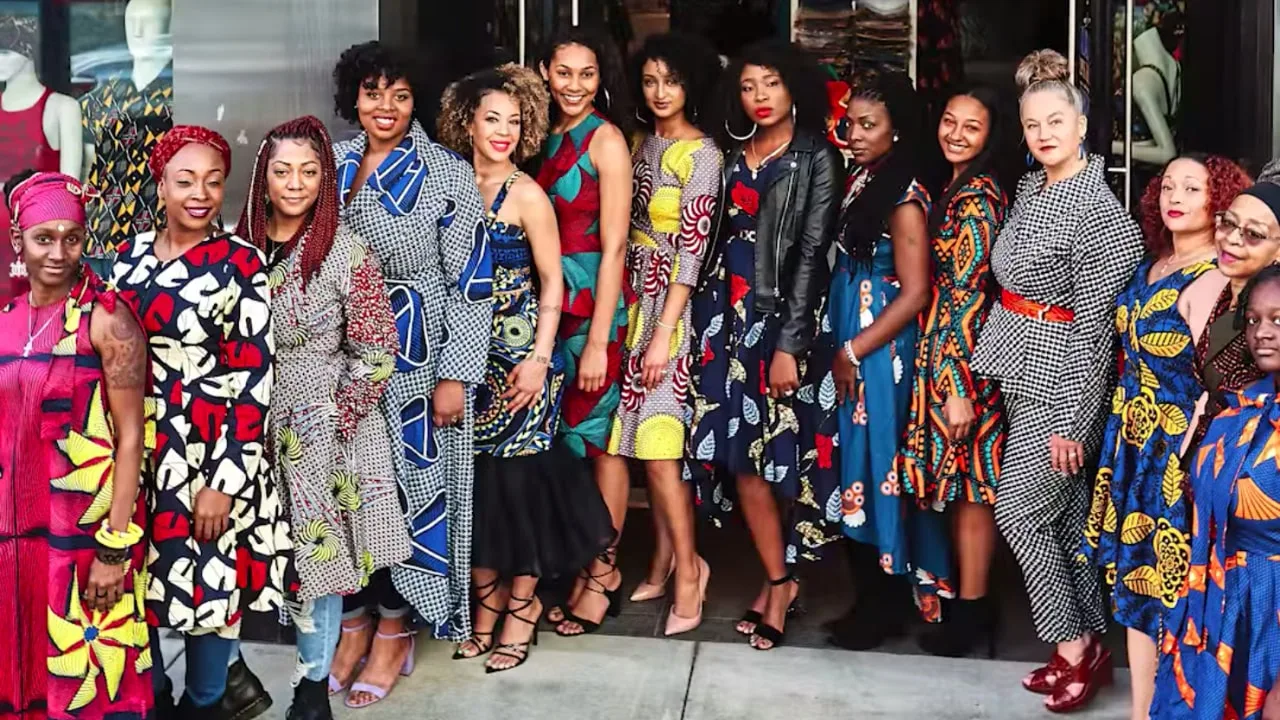
HOUSTON, Texas – African-inspired prints are getting a modern makeover. Ankara, a fabric from West Africa, isn’t just considered cultural attire anymore it’s taking the spotlight on catwalks and red carpets across the world.

Onyii Brown, a Nigerian-born designer from Houston, has always admired the bold, bright colors of Ankara. She first started her brand, Onyii & Co., in her garage, turning vibrant African prints into figure-flattering wrap dresses, skirts, and jumpsuits. Since then, she has shown her colorful styles at New York Fashion Week and even received recognition from Martha Stewart.

Yetunde Olukoya, also from Nigeria, first started sewing designs for her label in her living room in Fulshear, Texas. Like Brown, she drew inspiration from her African heritage, fusing the traditional Ankara prints she loves into Western looks. Her brand, Ray Darten, is manufactured in Nigeria and supports educational and health initiatives in that country.

Localish went behind the scenes with these bold designers to see how they’re turning African-inspired prints into a global trend!

Content courtesy of ABC 7 NY & Nairobi fashion hub 

How This Black Icon Infused Fashion Line Found Success Amid Covid-19

‘We’ll continue to rise’: How this Black-icon-infused fashion line found success amid Covid-19

Johanne and Terrance Wilson, owners of COOL Creative, recently won Comcast’s RISE contest, which invited Black small business owners who were hit hardest by the pandemic the chance to win consulting, media services, or a technology makeover.

Models wearing COOL Creative apparel. Courtesy of Comcast.

Several years ago, Johanne and Terrance Wilson, of Hollywood, Florida, celebrated African-American icons in a meaningful way, by passing on their inspiring stories to their daughter, who was 6 years old at the time.

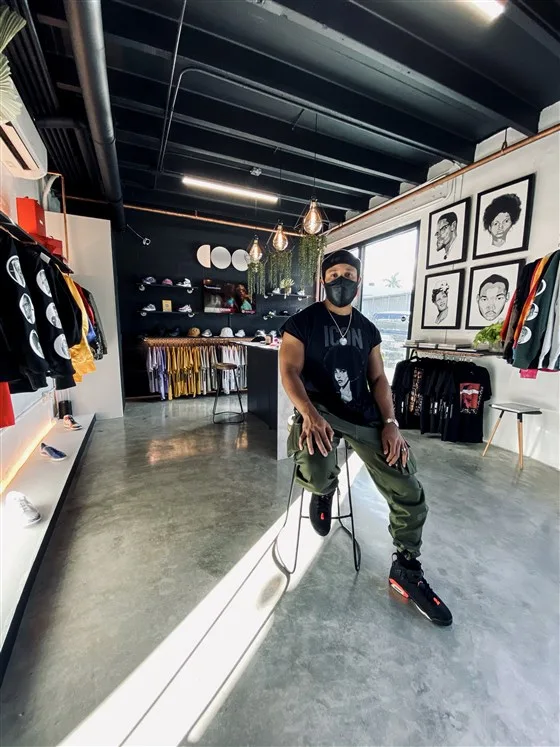
Terrance, an illustrator, brought influential Black figures from Martin Luther King and Maya Angelou to Notorious B.I.G. and Lauryn Hill to life through storytelling and sketching portraits. One day, Johanne had an epiphany these beautiful portraits created by her husband within the walls of their own home should be shared with the world. And so COOL Creative, a unique boutique that offers apparel and accessories with African-American icons displayed on them, was born.

COOL is an acronym for Create Out Of Love, because for the Wilsons, their brand design and digital agency isn’t just a business, it’s a family. The Wilsons worked hard to expand and lay the groundwork to open a brick-and-mortar store to sell their apparel in Little Haiti, a neighbourhood of Miami, Florida.

Models wearing COOL Creative apparel. Courtesy of Comcast.

Despite the strides the family took to grow their business, they recently experienced the major setbacks as a result of the coronavirus pandemic. After pouring countless resources into opening a store, they could not physically open due to lockdown orders and delays from manufacturers. Ironically, during a time when racial inequality and #BlackLivesMatter protests echoed in cities around the country, COOL Creative was also fighting for a lifeline.

The Wilsons are certainly not alone. African-Americans have been disproportionately impacted by Covid-19 from every angle, from systemic health inequities that put them at greater risk of the virus to the fact that Black-owned, small businesses are nearly twice as likely to shutter during the pandemic.

https://www.instagram.com/p/BbAuGtRBX83/?utm_source=ig_embed

A model in COOL Creative apparel. Courtesy of Comcast.

Between February and April 2020, the number of active Black-owned businesses declined by 41 percent, compared to 21 percent for the general population, according to the National Bureau of Economic Research.

Unwilling to back down from their dream, the Wilsons carried on. With the same tenacity and grit that Johanne once had as a young student applying for numerous grants and scholarships to finance her college education, she set out to find assistance that might help COOL Creative rise above the overwhelming pressures that came from the pandemic.

That’s when she found the Comcast RISE contest, which invites Black small business owners who were hit hardest by the pandemic to apply for a chance to win consulting, media services, creative production or a technology makeover. RISE targets the pioneers of legacy, the curators of culture, the family franchise and more.

Comcast RISE which stands for Representation, Investment, Strength and Empowerment stemmed from Comcast’s $100 million Diversity, Equity and Inclusion initiative that launched this past summer. The contest awarded COOL Creative with significant media services, including a commercial for 90 days and a recent appearance in November on “The Kelly Clarkson Show.”

“It’s more important than ever to stand with the Black community and amplify Black voices,” Clarkson said during her segment. The contest awarded several other Black small business owners, including LeDay Grant, owner of an ice cream shop that provides space for community engagement in Denver, and Alicia Goodwin, owner of Lingua Nigra Jewelry in Chicago.

“We’re really excited to take advantage of the promotion and to get a commercial for 90 days,” Wilson said. “Our goal is to drive people to the website and also to the store and make up for all the sales that we lost over these past months,” she added.

Terrance Wilson, co-owner of COOL Creative, at his store Little Haiti, a neighbourhood of Miami, Florida. Courtesy of Comcast.

Teresa Ward-Maupin, SVP for Digital and Customer Experience at Comcast Business, said that RISE came from a deep desire to help people on a more granular level and to recognize those who have been most impacted by Covid-19. “We set out to determine how we can make the biggest impact, not just during this moment in time but to help businesses recover and prosper for the long term. We set out to truly lift businesses up.”

While the first phase of RISE focused on Black small business owners, the contest is now accepting entries from BIPOC small business owners. In all, Comcast will award around 700 small businesses in need among various categories.

A model is COOL Creative apparel.Courtesy of Comcast.

“When the thought of losing COOL Creative hit us, we kicked into fight mode,” Wilson said. “During a time of racial inequality and protests, we need fashion lines like ours more than ever. It really speaks to the struggle and truly connects people,” she explained, adding that she hopes their Little Haiti store will be a space for people to engage and connect within the community.

“Our fashion speaks to a nation that has been hurting,” Wilson said. “We’ll continue to rise.”

Written By 

Content courtesy of NBC News & Nairobi fashion hub 

Nigerian Fashion Brand Imaatu Debuts ” Adire Tuntun ” Collection 2021

Vietnam based Nigerian fashion brand has lifted the veil on their fall/winter collection titled “Adire Tuntun”.
According to the elegant creative director, Omaatu, ‘Adire Tuntún’ which simply means “New Adire” births a dazzling array of ready to wear pieces and evening gowns, with striking emerald and shadowy patterns.

https://www.instagram.com/p/CGA7e3snfdp/?utm_source=ig_embed

Omaatu has a special place in her heart for African prints and African fashion which she fuses into modern style, like seen in this collection.

Highlighting the indigo-dyed pattern, originated in Nigeria, which is the primary drive of the collection, its her way of paying homage to the African culture, accentuating cross-cultural fashion.

The designer, Omatu, who believes her works should be more popular than her personality said that the dresses are comfortable and youthful yet very stylish.

https://www.instagram.com/p/CHbEbyGnzWv/?utm_source=ig_embed

Imaatu, whose fashion brand is formerly known as Fulani, started her fashion works in Vietnam and launched in 2003.
The designer and creative director who prefers to be called by her first name, Omatu, celebrates women globally and empowers them through her creations to emphasize their feminine charms.

https://www.instagram.com/p/CF7nQ4vnR3S/?utm_source=ig_embed

Her designs radiates self-confidence through colorful fabrics, with great importance to unique cuts that do not limit the wear ability of each piece.

Content courtesy of New Telegraph & Nairobi fashion hub 

The Jw Show 2020 Edition Connecting Africa and The World Through Fabric and Design

The JW Show 2020 edition held last night at Nairobi Film Centre formally know as ( Nairobi Cinema ) was successfully event and one of the big show in East & Central Africa #MadeinKenyaByKenyans, the show had quite and inspirational panel for fashion designers and literally every young person who inspire future generation.

The show was limited to 300 attendees as per the state regulations on COVID-19 rules and was streamed live across all major social media platforms

The JW Show gave opportunity to  11 fashion designers from Nairobi with a mix of students and upcoming designers unlike last year when they went scouting for talent from the counties level.

Unlike the previous edition where showcasing designers were competing for a prize, this year show was one simple platform for unveiling  new talented participants. All collections on the runway come with face masks.

The organizer of the event added a panel discussion where they generated and share ideas on how they can support upcoming designers and keep them on their feet.

Once again the Jw Show, gave opportunity to persons living with disabilities in the fashion industry who have been left behind during this pandemic and they want to make sure their valuable input is seen and appreciated. 

This year the show was keen on the quality of the fabric employed in designs and creativity of the designers, each designer to showcase at least five collections.

Kenya Film Classification Board  ( KFCB ) has been partnering with the JW Fashion Show for three years in a row. The vast creative sector is the next frontier for wealth and job creation.

The Board is cognizant of the untapped potential in the creative industry thus commits to continue supporting ventures that seek to identify and nurture talent for job creation ~ CEO Ezekiel Mutua

The Jw Show signed a Memorandum of Understanding (MOU) and a partnership with Kenya Film Classification Board since last year 2019 where KFCB committed themselves to support Jw Show Made in Kenya By Kenyans

It’ been tough to persuade sponsors to come on board  because people’s finances have been affected by the pandemic. But we are very grateful to Kenya Film Classification Board (KFCB) for believing in us. ~ Jw Show Founder Jeffrey Wilson 

Organizers of Jw Show were planning on bringing in three designers from Rwanda, Nigeria and South Africa, but the pandemic came in the way of it. and the plan has been pushed to next year were we will see international designers showcasing at The JW Show 2021 edition.

Photo credit : Mesmeric Kenya

Content courtesy of Nairobi Fashion Hub 


Fashioning with Waste: Turning Fast Fashion into an Opportunity in Africa

Human capital, embodied in the skills, talents, energy, aptitudes, creativity of the human race, has propelled the global north to the pinnacle of global competitiveness. Africa being the youngest continent, with 720 million young people, has a significant comparative advantage in harnessing this sovereign capital. This is a critical consideration for a continent that needs to create no less than 13 million jobs each year to be competitive. One of the areas that these jobs can come from is in the fashion industry.

Social Media Effects

With the advent of social media and the convenience of e-commerce, the popularity of the fashion industry in Africa is growing significantly. The largest segment of Africa’s e-commerce is fashion with a projected market value of $8 billion in 2020. The youth are the most significant source of this market. Studies show that in developing regions like Africa, fashion – specifically textile and clothing – is the second-largest sector after agriculture. This sector is dominated by informal sector actors and is documented as holding the potential to create jobs for millions of women and youth across the continent. Cumulatively, the market value of fashion in Africa is estimated to be $31 billion. With interest and a ready and growing market, the fashion industry in Africa stands out as an area where millions of jobs can be created for youth entering the labour market each year.

How Fast Fashion Impacts the Environment

As lucrative as it sounds, the impact of fast fashion on the environment is extreme. For example, to manufacture one pair of jeans takes close to 8,000 litres of water. This amount is equivalent to what a person drinks over seven years. A cotton shirt requires close to 3,000 litres of water to manufacture. Typically, within ten uses, these jeans and shirts are discarded. They end up contributing to the 21 billion tons of textiles sent to landfills each year. In addition, thousands of different chemicals are used to turn raw materials into clothes. The fashion industry produces 10% of global carbon emissions and consumes more energy than aviation and shipping combined.

Ripe Time for Sustainable and Climate Resilient Fashion in Africa

With increasing concerns surrounding the environmental impact of fast fashion, there is a greater push for the industry to adopt sustainable practices. A strategic shift towards sustainability is beckoning. Africa is already contributing to this push, but through circumstances, rather than by design. And this is through the second-hand clothes market. A staggering 80% of people in Africa wear second-hand clothes. While this market is fueled by unfortunate circumstances, with those looking for low-cost clothing unable to afford any better than second-hand imports, this contribution to sustainability in fashion qualifies as “re-use” in sustainability parlance. But the continent can do much better.

First, is through competitively marketing Africa’s traditional sustainable fashion practices. From bark cloth making in Uganda, to woven textiles of Nigeria and Ghana, traditional Berber weaving in North Africa, and beadwork from Maasai and Ndebele artisans in Kenya and Tanzania, sustainable fashion has been a part of the continent’s cultural heritage. These practices need to be prioritised in a new push to bring sustainable fashion to the mainstream of fashion on the continent. Yet another opportunity comes from recycling and reusing other inorganic waste generated in the continent. For example, even as the push to ban plastics is looked at from the dimension of reducing waste, another alternative can be in the form of reusing the 180 million tonnes of waste plastic bags and bottles to manufacture synthetic apparel like shoes and bags.

The fashion industry, being the second largest sector in Africa after agriculture, offers a timely opportunity for diversification of innovative climate action enterprises for African youth. Through this sector, willing youth can establish innovative climate action enterprises that will enhance their liquidity and ability to invest in other equally promising climate action enterprise areas like clean energy. Fashioning with waste as a resource is a hidden gold mine that needs to be explored.

Written By  

Photo courtesy of Business of Fashion

Content courtesy of International Policy Digest

The Folklore

The Folklore is a New York City-based multi-brand online concept store and wholesale showroom that allows U.S. based and international customers to easily shop exclusive styles from Africa and the diaspora’s top luxury and emerging fashion brands.

Shop clothing, accessories, shoes, jewelry, bags, hats, and homewares from top contemporary fashion brands including Andrea Iyamah, MaXhosa, Loza Maléombho, Orange Culture, Simon and Mary, and Pichulik.

Exclusivity and sustainability is key for The Folklore. Each season The Folklore carries very limited stock of each luxury item. The carefully curated high-end product-line reflects the diversity of Africa’s contemporary urban landscapes, minimalist design aesthetic, and artistic vibrancy.

Most of the fashion, accessories, and homewares available were handmade by local artisans based in South Africa, Nigeria, Ghana, Morocco, and Cote D’Ivoire.

In addition to operating as an online concept store, The Folklore also provides wholesale services to African designer brands interested in penetrating the global retail market. Our wide range of services help brands reach new audiences and significantly enhance profits. The Folklore works as an intermediary to facilitate positive and rewarding wholesale business relationships between brands and retailers.

The combination of goods and services provided by The Folklore helps enhance the visibility and financial success of Africa’s garment industry while exposing a global customer base to exclusive designers and styles, some of which were previously unavailable to shop online or outside of Africa until now.

Content courtesy of The Folklore & Nairobi fashion hub 

Ivorian startup, Afrikrea is building the online infrastructure for African culture commerce

Growing up in Mali, Moulaye Taboure was passionate about art and fashion. His studies took him to France, where he noticed that the people there took particular interest in buying art and fashion depicting African culture.

This wasn’t just in France; it was in many parts of Europe.

In 2010 while Taboure was working at PricewaterhouseCoopers (PwC) as the senior IT auditor and later in 2013 as the internal audit manager at Alstrom, Mali started having issues with tourism; the country was closing up to tourists.

In turn, artisans and designers began to struggle, turning to other jobs outside craftsmanship to survive.

Taboure says this led to him to brainstorm on how best to help these African designers sell their products.

In the meantime, a different group of designers began to gain international recognition from names like Burberry and IKEA fabrics because of their brand of Western aesthetics with African fabrics.

These two separate events and studying the success of models like US-based eCommerce platform, Etsy, led Taboure to enlist the help of his long-time friend, Kadry Diallo in 2014.

Driven by his disgust that the average craftsman didn’t get enough pay or recognition for their work, they began a side project called Afrikrea to make these businesses sustainable.

But the idea underwent iteration as further consumer studies showed that they needed to break the niche and include anyone making Africa-inspired art, fashion, or beauty.

This time, however, they would help African designers sell their products outside the continent.

“People could make DIY products in the US and sell them for billions of dollars on Etsy. It didn’t make sense that we couldn’t make something similar for African creatives recognised all over the world,” Taboure says to Techpoint Africa.

According to Statista, Africa’s eCommerce opportunity is estimated to be around $19.8 billion. McKinsey & Company, on the other hand, says that by 2025, the local manufacturing industry will grow to more than $900 billion.

https://www.instagram.com/p/CFNqbARHVV9/?utm_source=ig_embed

While this shows signs of promise for African online retailers to pursue a global push for Africa’s fashion industry, issues have come up to stifle collective progress.

For one, cross-border shipping and handling, and marketing are barriers to African fashion designers reaching global demand actively.

Similarly, difficulties arising from accepting online payments from platforms like Shopify exist. As with other eCommerce platforms, Shopify encourages African online retailers but does not build its platform to cater to their specific needs like payments.

Afrikrea: Tailored to the needs of African designers and global buyers

These were the problems Kadry and Taboure sought to solve with Afrikrea.

Quitting their jobs to work on the project full-time, Afrikrea officially launched in 2016 when Luc B. Perussault Diallo joined them to become Co-founder and CTO.

Based in Abidjan, the capital city of Ivory Coast, Afrikrea’s mission is to enable African designers to create storefronts, receive payments from customers globally, and lower shipping costs for delivery.

https://www.instagram.com/p/CHGy1krlgon/?utm_source=ig_embed

Taboure tells us that Afrikrea can offer lower shipping costs because of its partnership with DHL. He further claims that shipping up to 2kg from Nigeria to the UK, for instance, costs less than $20 (₦10k).

In the past few years, DHL has been actively involved in Africa’s growing eCommerce space. It launched DHL Africa eShop, an eCommerce platform present in 34 African countries, in 2019, and a year later, inked a deal with Link Commerce which saw the logistics giant acquire a minority stake in the UK-based turnkey eCommerce firm.

Designers on the platform are not required to pay to sell at first. However, after an initial sale, they begin to pay $10/month.

https://www.instagram.com/p/CHGGE8pl_on/?utm_source=ig_embed

There’s the question of whether these designers will make as much as they pay to use the platform. But Taboure addresses that, saying the pricing is perfect for those who need the service.

“It’s pretty simple. We cost the same thing as a Spotify subscription and half the price of a Shopify one. Anyone serious about exporting and doing their business online will find our price not only affordable but very complete.”

Taboure says Afrikrea charges between 5% and 8% in commission on further sales made through the platform.

And to establish trust between buyer and seller, Afrikrea has a wallet feature. This means that when a buyer pays for a product, the seller doesn’t get the money until the buyer receives and rates the product based on their level of satisfaction. Moulaye claims Afrikrea guarantees a full refund to unsatisfied buyers as soon as possible.

“I think this is a big influence for someone buying globally without seeing the vendor or the product. Our value offering is to make the infrastructure so people can have trust to know when they sell, they’ll be paid; trust to know that when they buy, they’ll receive what they’ve bought.”

Taboure also adds that via the integration of multiple payments solutions in its wallet infrastructure, Afrikrea can pay designers in the 50 countries Afrikrea is currently present in.

In total, Afrikrea’s global infrastructure of African culture eCommerce spans 150 countries, including the US, UK, and most parts of Europe.

Pursuing African and global growth

Afrikrea’s marketplace also enables efficient exchanges between buyers and sellers before, during, and after an order through its messaging system, which Taboure says records over 30,000 messages a month.

Having made tremendous progress, the startup began to gain recognition when it was one of ten finalists at the Jack Ma Foundation Africa Netpreneur Prize Initiative 2019.

Although it lost out on the top three prizes of $250k, $150k, and $100k that went to LifeBank, Nawah-Scientific, and Water Access Rwanda respectively, the $65k Afrikrea took home was a huge validation of its platform.

https://www.instagram.com/p/CFSfxtgHmZl/?utm_source=ig_embed

Further monetary validation would come in February 2020 when the Ivory Coast-based startup raised $1m.  The Africa-focused VC fund, Saviu.vc, led the round. Id4 Ventures, a European-based angel fund and Showroomprive, France’s second-largest fashion and beauty e-commerce platform, also participated.

Despite the investment, Moulaye is quick to add that so far, Afrikrea has also been running also on revenue. In the last 18 months, this amounts to a little over $2 million.

The goal is to achieve profitability in 2021 while doubling its revenue and sustaining most of its costs.

Traction is another area where the startup has fared well too. When we reported its fundraise ten months ago, Afrikrea had processed $5 million in sales across more than 6,000 shops in 101 countries.

Now, the numbers stand at $7 million in transactions from across 7,000 sellers in 150 countries. Taboure adds that 40% of the buyers are in Europe, while 30% make their purchases from the US.

A case for minority innovation and recognition 

Taboure recalls that when Afrikrea started, the team realised its first group of African designers did not trust themselves.

According to him, most of them didn’t believe that being with other designers was going to help them grow individually.

“They were afraid of competition and didn’t realise, until now, the effectiveness of the community, in terms of cross-selling, as two-thirds of purchases made on our platform are done to more than one seller at a time.”

Also, some services individual designers enjoy only exist because they are all on the platform. For instance, the DHL deal was only possible because Afrikrea promised to aggregate volume en masse.

Driving home his point about the success of the partnership, Moulaye says that in a recent encounter with DHL, the logistics company told him that Afrikrea was living up to its expectations and outperforming competitors in volume.

“They told us that we were the only company that moved from 150 shipments a month last year to nearly 10,000 this month within one year,” he says enthusiastically.

With a successful partnership and thriving business in place for more growth, the CEO sees Afrikrea dealing with products outside African fashion.

“We want to be the number one export partner for anyone who wants to transact between Africa and the world,” he says. However, Taboure doesn’t want to forget why Afrikrea started in the first place.

https://www.instagram.com/p/CG419OQlDG7/?utm_source=ig_embed

“We want to make sure that people in Africa can realise how valuable their cultures, talents, and business can be. And that is important for everyone that has the will to sell properly,” he adds.

This includes women who account for 90% of the platform’s sellers. That’s a large number to keep in mind because women are generally underestimated in terms of talent and what they’re able to make of it.

Similarly, Francophone Africa is considered a minority in the African tech space. Often looked at as second-best to Anglophone Africa, the region has fewer technological innovations and startups.

“Looking at the well of startups in Africa, I feel like we’re almost despised and ignored by pretty much everyone in Africa,” he laughs. “It feels like there’s only Kenya, Nigeria, and South Africa in Africa. And that’s kind of insulting when we see that we’re able to create big businesses like the others,” he says on the matter.

Despite the consensus, Taboure believes the Francophone African tech space and startups shouldn’t be ignored. His take is straightforward: Francophone African countries can innovate and deliver globally, just like any other country in Africa.

Content courtesy of Tech Point Africa & Nairobi fashion hub 


Ad