Thursday 7th of May 2026

Nairobi, Kenya

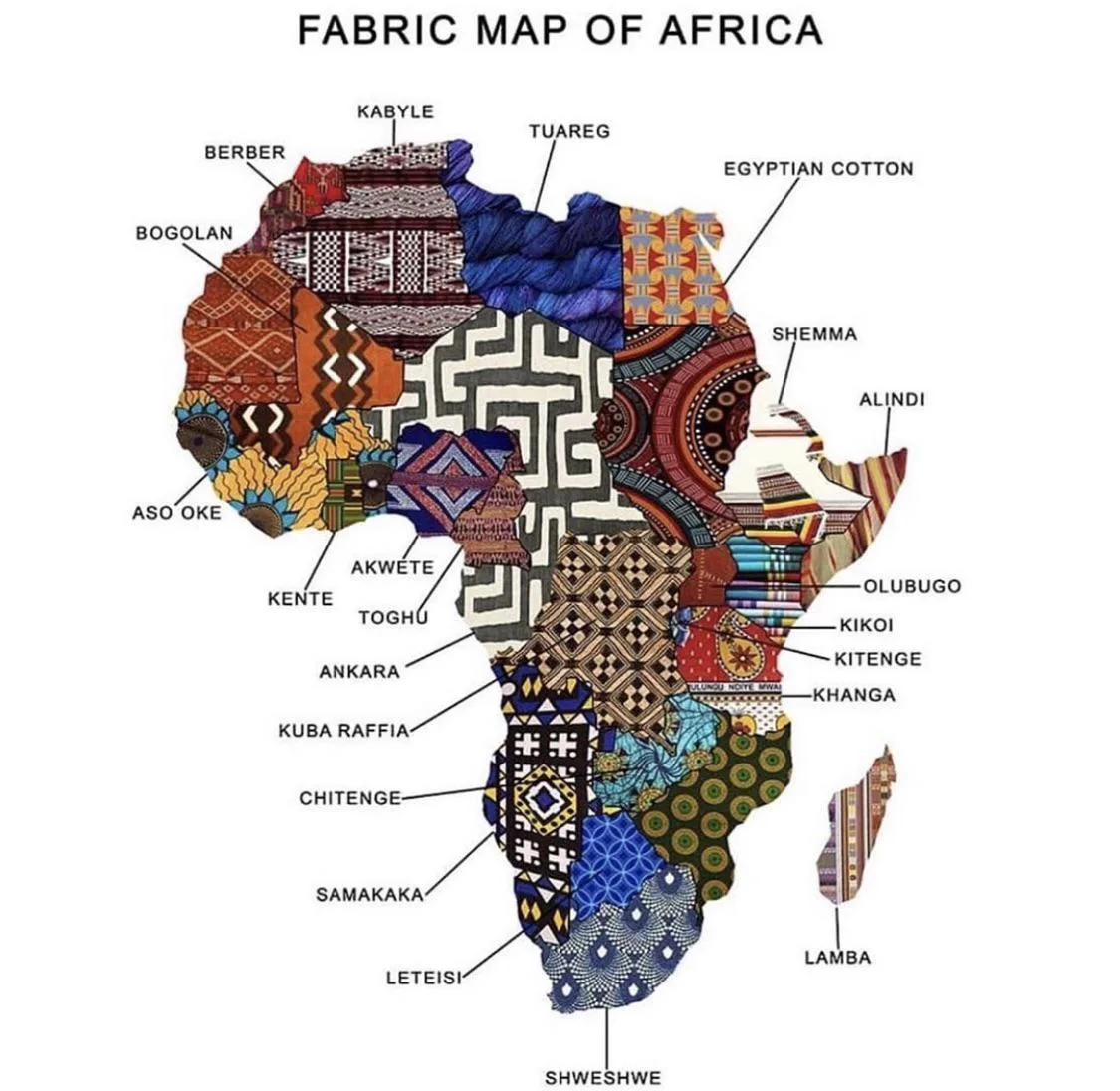
The World’s Going Mad for This Fabric Map of Africa

Mia Kora has been “honoured and humbled” by the impact of its ‘Fabric Map of Africa’. The company, which usually offers a collection of scarves and shawls centred around the concept of ‘wearable art’ has this time created art centred around a collection of fabrics from each of the continent’s countries from Egyptian cotton to kikoi, shweshwe and more.

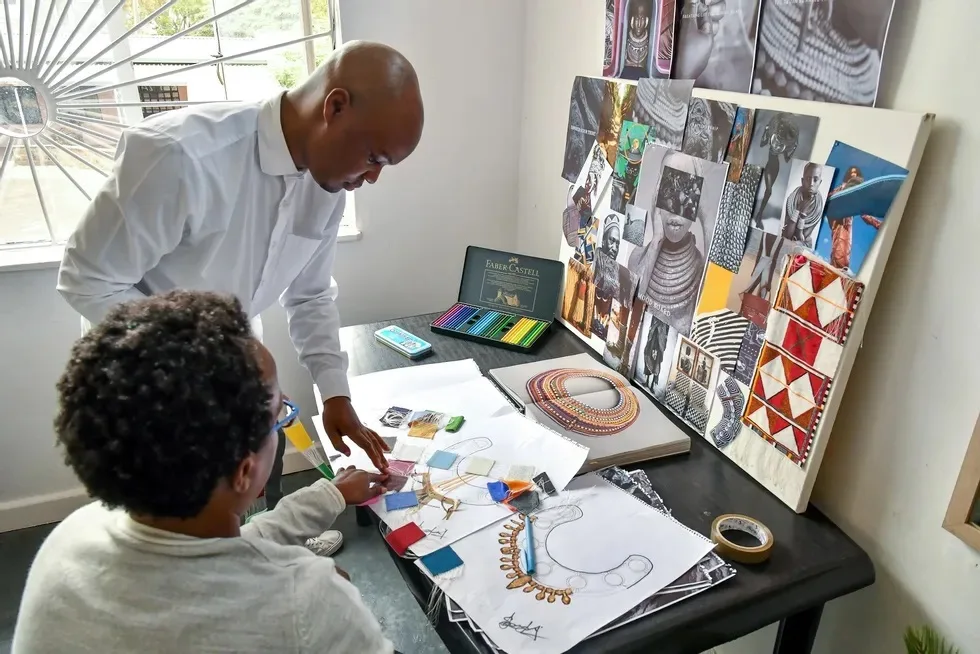
Mia Kora founder Priya Shah, who grew up in Kenya, says the map was born during lockdown. “It was created as a mood board to inspire my next collection based on my love of African textiles and patterns. It took time to evolve, and I was constantly editing images until it was aesthetically pleasing and showed a range of fabrics.

“The map is a visual representation of the richness and beauty of African fabrics. It is an artistic reflection. Art sees no political boundaries, cast, religion or gender. Art in its truest form speaks across all barriers and lines. The map’s aim is to spread positivity and joy.

“My dearest hope, as an African, is that this map raises worldwide appreciation and acknowledgment of African textiles and its high standing in influencing fashion and art.”

She says the Map of Africa was inspired by the fabric Map of India, and her desire to show how beautiful and rich the African continent is. “Truly fortunate to have been brought up in Kenya in the midst of so many cultures, art, wildlife and beauty,” she says, adding “AFRICA! Where my heart is…”

Email info@miakora.com for all orders. These designs are copyrighted and belong to Mia Kora so please don’t purchase them from unauthorized agents.

The size of the map is A2 (42cm x 59.4cm), on 260 gsm Satin photo paper.

Content courtesy of SA People & Nairobi fashion hub 

Tanzania fashion festival celebrates models of all sizes

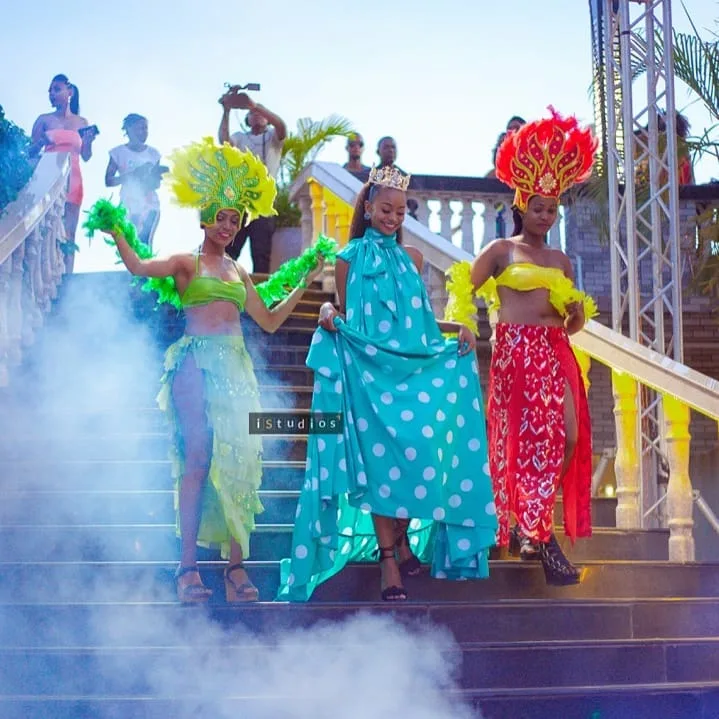
This year’s Tanzania Fashion Festival held on October 3, embraced diversity in its choices while remaining relevant.

The show, held at the Slipway Hotel in Dar es Salaam, had models of different body sizes, heights and ages. It also gave new designers and first-time models a chance to showcase their talent.

There was a total of 21 designers – 16 emerging and five well-established.

Ruth Josephat Urio, founder of J’adore Couture which specialises in hair and cosmetics  represented different sizes and body shapes with models who don’t fit the “typical” figure.

“Fashion is for everybody. I wanted to be inclusive through action not just preaching it.

“Anyone can have a chance at fashion, what is needed is confidence to showcase products in front of the crowd,” she said.

Taff had 17-year-old model Angela walk the runway while international model and former Miss Tanzania Millen Happiness Magese made a special appearance.

Jacqueline Wolper, Bongo, a movie actress and stylist, closed the show with her collection off Wolper House of Stylish.

Some of the designers at the show were Lucky Collections, Wole, Waiz Zanzibar, Enjipai by Nasreen Karim and American-based Tanzanian designer Asia Idarous.

VIP tickets were sold at Tsh50,000 ($21.60) while normal tickets were sold at Tsh10,000 ($4.3o) advance and Tsh15,000 ($6.40) at the door.

South Africa-based fashion photographer Shawn Keiffer, who was also one of the organisers, described the country’s fashion industry as remarkable.

“The fashion industry has grown in size and sophistication. The evolution of the fashion scene in the past few years, with the changing politics of the front row and the diverse imagery behind-the-scenes, has been nothing short of remarkable,” he said.

Keiffer added that getting more support for the fashion industry would enable it to realise its potential.

“It will take joint effort to get the Tanzanian fashion industry up to speed,” he said.

However, despite the glamour of the fashion show, there are still not enough platforms for the growing number of designers, stylists and models to showcase their creativity.

“We need more platforms and fashion activities,” said Makrida Joseph, a Tanzanian model and stylist.

Besides the Tanzania Fashion Festival, there is Swahili Fashion Week and the East: The annual Tanzania fashion festival was founded by fashion TV producer and presenter Deogratius Kithama in 2018.

Content courtesy of The East African & Nairobi fashion hub 

Future of Fashion 2020 indaba to explore African sustainability

Rewoven will host fashion indaba, Future of Fashion on 19 and 20 November 2020, with Twyg and AFRI hosting masterclasses from 3 to 12 November 2020.

The South African fashion indaba applies a locally-relevant lens to the topic of ethical and sustainable fashion and creates space for collaborative knowledge-sharing between all stakeholders in the fashion value chain.

Through sharing tools, frameworks and ideas between South Africa, Africa at large and Sweden, Future of Fashion aims to facilitate the development of a thriving, inclusive, ethical and future-fit local fashion industry. The indaba is open to anyone connected to and interested in the fashion industry: this includes manufacturers, retailers, designers, fashion institutions, fashion academia, consumers, clothing industry policy-makers and influencers.

This year, Future of Fashion will explore the theme ‘African sustainability – our way of being’. While the concept of sustainability seems to be a relatively new concept to many of us living in a largely Western and modern world, many indigenous groups in Africa and across the globe have been living in harmony with the environment for thousands of years.

There is much to learn about sustainability, circularity, the shared-economy, sustainable material sourcing and more from these communities whose sustainable practices have stood the test of time.

Here’s what to expect:

Fashion film
A locally-produced fashion art short film that explores the importance of caring about sustainability and climate change for a developing country such as South Africa will be screened. The concept of sustainability and climate change might often seem removed from the realities of people who live below the poverty line.

By unpacking the lessons to be learnt about sustainability and slow fashion from ancient and indigenous cultures in Africa and Sweden, the film aims to debunk this idea and rather create an inclusive, relatable and locally-relevant narrative on sustainability, climate change and slow fashion. The short film is shot in the Eastern Cape, Western Cape, Northern Cape, Kinshasa and Jokkmokk.

Twyg Sustainable Fashion Awards
The Sustainable Fashion Awards, in collaboration with Twyg, will be hosted at Rewoven and available via livestreaming on the virtual event platform.

Sustainable design showcase
The exhibition aims to showcase and celebrate the work of South African sustainable fashion designers. This year, the exhibition will be a video exhibition, which will be livestreamed on 19 November 2020. In total 15 designers will be showcased.

Addressing sustainable fashion
Founder of Lagos Fashion Week, Omoyemi Akerele, will be speaking on the topic of “The Future of African Fashion”. The second speaker is the sustainability manager of Fjällräven who will be sharing the experience of the company on “Designing for circularity, recyclability and slow fashion”. Fjällräven was voted Most Sustainable Brand in its industry, according to Sweden’s Sustainable Brand Index in April 2020.

Digital shopping
The virtual marketplace is a platform that shares, amplifies and celebrates sustainable businesses that are contributing to a sustainable and ethical fashion future. The virtual marketplace mimics a marketplace at an in-person event where there are multiple businesses on display that event attendees can interact with.

By utilising this platform, the aim is to showcase sustainable fashion businesses and provide them with an opportunity to directly interact with event attendees who could become potential clients/collaborators.

Content courtesy of Biz Community & Nairobi fashion hub 

Joburg Fashion Week will hit the virtual runway this year

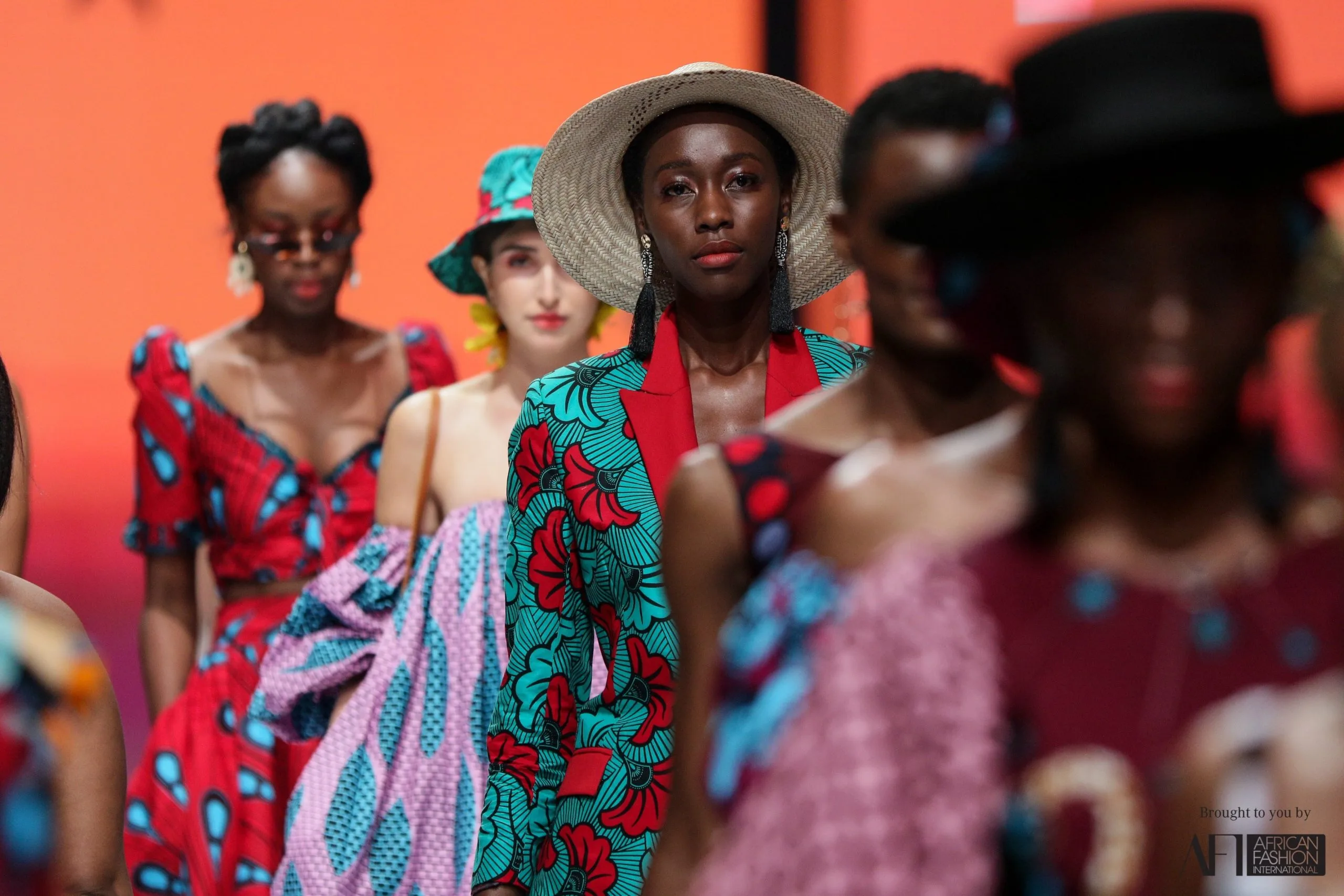
African Fashion International (AFI) will present the 2020 Joburg Fashion Week which will be presented via a virtual runway from 13 to 14 November.

Due to the global pandemic, the fashion industry has had to move into the digital domain and fashion shows around the world have been presented via virtual platforms.

Joburg’s 2020 virtual show will feature a ready-to-wear virtual runway with an assortment of curated locations that showcase the beauty of Johannesburg. The runway will be reimagined with each setting to enhance each designers’ storytelling with African culture and heritage.

https://www.instagram.com/p/CDLpCchA_-J/?utm_source=ig_embed

The virtual platform will also allow audiences to view, click and pre-order designer collections during and post the event.

The New Face Of Fashion Weeks

Due to COVID-19, virtual fashion shows and digital catwalk collections are emerging as an alternative to fashion weeks.

In addition to the influence of the global pandemic, the rising financial and environmental cost of producing fashion events have also caused an about-turn, and 3D virtual shows and augmented reality experiences are emerging as an exciting and even more accessible alternative compared to the traditional fashion calendar.

African Fashion International are no strangers to hosting virtual runway shows. The last day of AFI Fashion Week Cape Town in March 2020 was livestreamed under unforeseen COVID-19 precautions, making AFI the first on the continent to incorporate digital mediums.

https://www.instagram.com/p/CCdl2L4gv-D/?utm_source=ig_embed

Eighteen local and international designers were showcased at the fashion week, which also featured masterclasses and stage performances from AKA and Ricky Rick. The third day of the fashion week was streamed live due to the COVID-19 outbreak and no audience was allowed into the venue.

AFI recognises the value of the virtual platform and the power it has for inclusivity within the industry by reaching audiences who otherwise would not participate in traditional physical shows.

African Fashion International

Established 13 years ago, African Fashion International focuses on Africa’s diverse heritage and history by hosting talented African designers who work with exceptionally skilled artisans to produce high-quality luxury garments in line with the latest trends.

The association hosts the AFI Joburg and AFI Cape Town Fashion Week each year, which showcase, promote, and retail refined African brands from 40 pan-African designers. Fashion-lovers and aficionados can find the AFI exclusive runway collections in the online boutique store.

https://www.instagram.com/p/CCqJCJrAivR/?utm_source=ig_embed

Marketing Manager for AFI, Roshee Pillay says AFI’s hybrid fashion week aims to bring hope to the industry and connect African brands to global markets.

“The front row is open to everyone, as we come together to reinvent the fashion industry, restore hope and drive sales for designers through our e-commerce platform,” she says.

Content courtesy of The South African & Nairobi fashion hub 

The Next Wave of African Designers Taking Their Place on the Global Stage

For too long, fashion’s gatekeepers in Western nations have largely ignored the abundance of ideas and creativity brimming out of African countries, where designers have been toiling away without recognition outside of their local communities.

While there is still a ways to go, there has been a slow but steady influx of platforms geared toward exposing these talents to a wider audience. From online concept store The Folklore, which distributes luxury and emerging designer brands from Africa, to Orange Mentorship, an initiative that provides mentorship of young fashion entrepreneurs in Africa, many of the continent’s designers are finally starting to get their due.

Among the most recent success stories are arguably Thebe Magugu, the designer who grew up in the city of Kimberley in South Africa’s Northern Cape and just launched his first e-commerce shop, and Kenneth Ize, whose reinterpretation of traditional West African fabrics and Nigerian craft made its official debut this year at Paris Fashion Week. Notably, both designers were finalists of last year’s LVMH Prize, with Magugu scooping up the top award.

Still, while there have been several regional fashion weeks in recent years, they have yet to attract the kind of global attention paid to the four main capitals. (It was at Arise Fashion Week in Lagos two years ago where Naomi Campbell notably called for there to be an African edition of Vogue.) Even smaller showcases held in predominantly white cities like Copenhagen and Sydney have drawn a significant amount international guests.

Recognizing the need for more structures in place to support emerging African fashion talent, the Ethical Fashion Initiative recently announced the launch of its first Accelerator Programme, which targets existing fashion brands producing in Africa who require additional support to accelerate their business in the global marketplace to become investment ready. The organization selected five designers to participate in the platform: REIGN, Margaux Wong, Lukhanyo Mdingi, WUMAN and Jiamini.

The five talents were picked out of a pool of 250 applicants by a judging panel comprising of Nigerian actress Dakore Egbuson-Akande, Japanese retail magnate Hirofumi Kurino and creative consultant Susi Billingsley. As part of their selection, the designers will get to reveal their latest collections in 2021 during Pitti Uomo, the bi-annual international menswear trade show where guest designers such as Telfar, Jil Sander and Givenchy have all shown in the past.

Ahead of their debut on the global stage next year, PAPER caught up with the five winning designers to get their thoughts on the state of the African fashion industry, how their heritage and culture influences their work, and what they’re most excited about as they get ready to show their work on an international platform.

Margaux Wong

Margaux Rusita is a Guyanese/Burundian designer with more than 18 years of experience based in Burundi, East Africa. Her company, Margaux Wong, is known for its signature technique of turning rare cow horn and brass into luxurious and wearable art.

The creative director works with her team to produce distinguished artisan jewelry using tedious traditional techniques, and she’s also mentored hundreds of young designers over the last 10 years in her home country.

How has your African heritage influenced your creativity and design approach?

Having spent the last 11 years living and working on the continent has morphed my Afro-Caribbean decent and love of Africa and all its colors very well with my work and expression. I have been able to immerse myself in the culture, traditions, history and traditional jewelry making techniques, which I have been able to observe and learn throughout the years. It is clear that preserving certain techniques is quite difficult especially in the world of fast fashion, which is why we hold on to them. It is very important to us to maintain the integrity of culture for posterity while engaging with contemporary ideas for design and expression.

What have been some of the highlights and challenges of being based and producing in your country?

Burundi has been known as being a war-torn, poverty-stricken country for many years. We are very pleased that in a very small way, we have been able to change that narrative by telling positive stories about what we do and actually showcasing the amazing work that we have been doing at shows on at least four continents.

Winning the trust and respect of my male employees has taken many years of hard work and is still a challenge to some degree, as they are used to being the leaders in their homes, jobs, and communities. I give daily support and encouragement, knowing myself how capable our artisans are but also acknowledging the trauma background of war and near death from which they came.

We have also had challenges with inefficient banking systems as well as shipping challenges due to our landlocked position on the continent. With the successes and challenges, however, we have been able to come this far. Building my brand and business in Burundi has been a major stepping stone for me as a designer, business owner, and innovator. There is no doubt about that.

“It is very important to us to maintain the integrity of culture for posterity while engaging with contemporary ideas for design and expression.”

What does it mean for you to get the support of a platform like the EFI?

As a designer, I can’t say that I have chased this kind of recognition much over the years. My focus has been to work on my craft and hopefully over time, have my work speak for itself. I think my attraction to EFI went way beyond being recognized. I saw an organization that was offering much needed mentorship, guidance, technical support, and validation for all the years of hard work I had previously put in.

Now that I am benefiting from their support, I feel further validated as an artist. I am further convinced that I am on the right track and feel encouraged that my art needs to be shared with the world, not only as my art but as a boost to all those with whom I have worked all these years.

What are some of the ways African fashion designers can be supported so that they can become global businesses?

African designers, like any designer from every background, require lots of support in order to become globally successful businesses. I think our proximity to global competitors, peers, platforms, and experienced professional mentors is a major challenge.

What the EFI has done by creating the bridges we need to connect with the rest of Africa and the Western fashion world is revolutionary and exactly what we needed as an answer to this challenge. African designers also need to be connected to African investors and mentors who are immersed in the continent and can assist in strengthening trade relationships and cultural exchange within the continent. This involvement can help to solidify our confidence in our ability to enter any room on the global platform and exist as people who are able to compete with competence, confidence, and drive.

WUMAN

Ekwerike Chukwuma is a Nigerian fashion designer/artist who launched the men’s and womenswear brand WUMAN in 2013. He cites the female anatomy as a perennial source of inspiration, which he first obtained from his medical school studies.

The cross-disciplinary areas of architecture, poetry, and geometry inform his contemporary storytelling approach to design while staying true to his African heritage and its unique perspective across the global fashion industry.

How has your African heritage influenced your creativity and design approach?

My heritage and culture have always influenced my design thinking and process. I feel the pulse of Africa, she is a great woman who is dear to me.

The beauty, rich culture, history, and diversity are all elements that form the core of my design process. My works tell stories inspired by my existence in Africa, stories that stimulate you to further see, understand, and love Africa.

What have been some of the highlights and challenges of being based and producing in your country?

One of my highlights of being based and producing in Nigeria is the privilege of learning to work and grow with the resources available. I have also had access to the rich heritage of craft and skills available within my country. I have also had a nearness with my culture firsthand. The challenges faced here include funding, inadequacies in manufacturing, a bit of lack of technical know-how and labor force, economic instabilities, power supply as well as infrastructural deficiencies.

“My works tell stories inspired by my existence in Africa, stories that stimulate you to further see, understand, and love Africa.”

What does it mean for you to get the support of a platform like the EFI?

It means a lot to me and my brand. I see this as a great step in the right direction. The EFI is a reputable organization and selecting me for this great opportunity further amplifies my brand in a bid to grow and succeed both here in Africa and globally.

What are some of the ways African fashion designers can be supported so that they can become global businesses?

African fashion designers can be supported to excel globally through more training and education, access to more developmental programs like the EFI accelerator, platforms that give them more visibility, support in manufacturing, and funding.

Lukhanyo Mdingi

Hailing from a small coastal town in the Eastern Cape of South Africa, Lukhanyo Mdingi describes his design aesthetic as having a “languid sensibility.” The Cape Peninsula University graduate participated in Pitti Uomo’s Fall 2017 Generation Africa in Florence initiative that gave him his first taste of international exposure.

The cross-cultural references help inform Mdingi’s approach, which uses theory and research to create timeless essentials that are refined each season. “Our intention is to collectively create a body of work that has a sense of soulfulness to it, work that is steady, solid, and strong,” he says.

How has your African heritage influenced your creativity and design approach?

Immensely. I think that this is something that is intrinsic to so many artisans and designers. I believe that our diverse and unique heritage is something that is grounded and rooted in the spirit of love. Community is what binds our lineage and culture, celebrating and bringing this within our work allows us to collaborate and celebrate all that we bring to the table.

What have been some of the highlights and challenges of being based and producing in your country?

The highlight is always celebrating the moment this is done solely when all parties involved have put in the work, time, and consideration of their individual roles. Collaboration is so important to us, when you are able to witness the steady and seamless growth of your ally then see them reach their potential, it’s that moment that becomes a highlight, that is priceless.

The challenging aspects, in any career, are finding the people that are aligned with our vision as much as you are aligned with there’s, identifying the intentions and the precision that you envision, and making sure that there are parallels between all involved whichever project you choose to embark on.

“Community is what binds our lineage and culture.”

What does it mean for you to get the support of a platform like the EFI?

It feels like the natural step. The nuances between the EFI and our label are parallel. The importance of craft, collaboration, and considered design is the premise of both entities. What the Accelerator Programme has done is yield our label and give it the platform for our narrative to be seen and heard.

Presenting the new body of work during PITTI UOMO is a space that raises the bar.

What are some of the ways African fashion designers can be supported so that they can become global businesses?

I think it’s simple. It’s continuing to provide platforms such as the EFI accelerator programme to tell our narratives.

Jiamini

Kenyan-based accessories brand Jiamini (meaning “belief in yourself” in Swahili), known for its durable, hand-beaded embroidery, turns traditional pieces into contemporary jewelry. The brand promotes sustainable development solutions while being influenced by African techniques and craftsmanship. Among its company missions is to help local communities rise above poverty through economic empowerment.

How has your African heritage influenced your creativity and design approach?

The diversity of African culture and creativity has always been the foundation of our brand, closely examining the craftsmanship, heritage, and traditional approach used by our forefathers, which have been a strong influence in our designs. Our African heritage has enabled us to communicate an authentic expression of the past, present and future, through design.

What have been some of the highlights and challenges of being based and producing in your country?

Having the opportunity to produce in Kenya enables us to not only create employment but to share, learn and implement traditional skills, knowledge, and techniques, from vast local communities used in production.

“Our African heritage has enabled us to communicate an authentic expression of the past, present, and future, through design.”

What does it mean for you to get the support of a platform like the EFI?

This opportunity couldn’t have come at a better time. A time when the fashion industry in Africa has witnessed tremendous growth in recent years and the global demand and discussion on African-inspired fashion are on the rise.

Getting recognition from the EFI accelerator program and being able to present at Pitti Connect gives us a platform to tell our authentic rich story through design, as well as show the world the quality, richness, and luxury that Africa is capable of developing and producing.

What are some of the ways African fashion designers can be supported so that they can become global businesses?

A great way to support African fashion brands would be through meaningful collaboration and skill transfer programs with already established international brands.

REIGN

Sipho Mbuto and Ben Nozo first met in 2015 as students at the Durban University of Technology in South Africa. They often worked together on class projects where they exchanged ideas and fashion concepts, not knowing that upon graduating they’d team up to create REIGN, which they describe as a brand that “narrates African culture reimagined with traces of eastern and western influences.”

The duo says they constantly enroll in fashion learning programs to be mentored while also mentoring others by engaging in tutorials and workshops.

How has your African heritage influenced your creativity and design approach?

Growing up in the small town of Port Shepstone in Kwa Zulu Natal. It was a beautiful town, however, we had no access to art and cultural infrastructure or creative media. We were at least fortunate to grow up in a family of artisans who were able to influence our perspective and development.

They are an integral part of our drive-in working with arts and crafts. Even listening to stories of their youth while crafting these unique items, made us think differently about creativity and gender as a Zulu man. Specifically how there are certain roles individuals play in the culture of the concerning family clan.

What have been some of the highlights and challenges of being based and producing in your country?

Textiles there are still many challenges for African designers in Africa, one of them being the Chinese domination of the textile industry, such as the unavailability of fabrics, even the ones that are produced locally are created using imported equipment from Asia and Eastern Europe. Not enough funds countless people with incredible ideas languish because they are not able to access the necessary funds to enter the marketplace.

Fashion is a business where you need money in every step, to make quality designs, to market them, and promote them. Lack of accelerator and mentorship programs Industry-related education is another major challenge and if the government doesn’t see a value or a need for the luxury fashion industry locally, it becomes difficult for us to convince the international market of our existence in Africa as mostly we are reliant on help from abroad.

Production and lack of good manufacturers  Most African brands are small operations, with no production capacity to supply large orders. Scaling up is hard, given electricity shortages and other manufacturing glitches that come with producing in a developing country. Getting an opportunity to work with our chosen team of people and to learn and grow with them.

“People rarely know who contributes to the growth of the industry outside tokenized representation or engagement in the African contemporary conversation.”

What does it mean for you to get the support of a platform like the EFI?

It’s an exciting opportunity for us as a growing brand as it provides a chance to market our brand to an international market. Gaining a better understanding of the business of fashion and also learning about the different distribution channels of supply chains. Working together with artisans, understanding the inspiring stories behind their craft, motivates us to look deeper into sustainability and producing ethically also.

What are some of the ways African fashion designers can be supported so that they can become global businesses?

Working together with our government on setting up more legislations, policies, and fashion laws to favor African fashion designers by the government would definitely help to improve the African economy while making our fashion brands globally recognized.

Creating efficient distribution channels for designers distribution is usually a challenge for designers. Most designers cannot fully control the distribution of their clothes, having this distribution platform in place can eliminate cost, time, and anxiety in most fashion businesses. Including disadvantaged designers in the fashion conversation, graduates and emerging creatives, stylists, and directors.

People rarely know who contributes to the growth of the industry outside tokenized representation or engagement in the African contemporary conversation. Our own fashion channels are inundated with European or western content.

Photos courtesy of Ethical Fashion Initiative

Content courtesy of Paper & Nairobi fashion hub 

Eva Marcille Defends Her Traditional African Hairstyle That Critics Slammed Her For Wearing To Cynthia Bailey’s Wedding

Eva Marcille is a beauty who isn’t afraid to experiment whether it comes to fashion or hairstyling. After she wore a unique hairstyle to Cynthia Bailey‘s wedding, she has a message for close-minded critics.

Eva appeared in a beautiful white dress that hugged every curve of her body along with gold jewelry and an embellished towering hair bun.

Many people slammed her for the style itself and the fact that she would wear it as a bridesmaid to another person’s nuptials.

‘For a runway…absolutely. For someone else’s wedding…absolutely not,’ commented one.

‘Alllllllllll the loctitians in Atl… & this is what we come up with…,’ said another.

This person commented: ‘Eva could’ve pulled it back not sticking straight up like she was going to Whooville!!!!!’

There were people who came to her defense.

One person wrote: ‘People who keep talking about not liking her hair don’t know fashion. @evamarcille I LOVE YOUR HAIR style that way! It speaks to your personality and style and it looks bomb! This type of style is not for the faint of hearts. It’s for the out the box, eccentric and free spirited types.

And if @cynthiabailey felt some way about it, best believe a woman on her wedding day would have no hesitation saying so, lol. And you guys sound crazy asking her why she styled her hair that way. Obviously, it’s because she liked it that way. Girrrrl, don’t pay these basics no mind.’

Content courtesy of Celebrity Insider & Nairobi fashion hub  

A letter to the fashion industry: what you need to do to go beyond performative allyship

Model and activist Ashley Chew pens a public letter urging the industry to do better

She has graced countless magazine covers, posters, merchandise and even face masks. Her smile was always accompanied by short face-framing curls or deep polished waves. Headlines across the world ran images of the 26-year old African-American woman. Her name was Breonna Taylor.

In early summer 2020, our Instagram newsfeeds were flooded with black squares, captioned with statements such as “we stand with you” or “we love diversity”. Some companies embarrassingly posted nothing at all. The murder of George Floyd reached the fashion industry in the most complex of ways. It seemed trivial for us to post our new haircuts, DIY at-home spa treatments or sponsored content. I cringed at so many tone-deaf companies and even unfollowed their accounts.

Performative activism contributes to the problem, and what I mean by that is sharing an Instagram post about the importance of racial equality without diversifying staff, castings and content. It means nothing to talk the talk unless you are prepared to do the work, to act and do better. For two weeks straight I scrolled past black squares. After a while, I didn’t even care about them anymore. I wanted to know what was going to happen within you, the industry, afterwards, how you would go beyond Instagram statements and implement meaningful change.

In 2015, I started the #BlackModelsMatter movement. The hashtag is currently trending at 83,000 on Instagram. At the time, New York Fashion Week catwalks featured less than 10 per cent models of colour. In 2019, there was at least one model of colour in every single runway show and diversity now stands at 43 per cent.

Beyond the hashtag, I worked vigorously for the phrase not to become trendy – the fight for better Black representation in fashion is not a trend. I’ve spoken for The New York Times, Columbia University, The Indianapolis Museum of Art, magazine panels and even an event in Lagos, Nigeria. I served on The Model Alliance Advisory Board and have sat in with The Humans Of Fashion Foundation. I have poked microphones directly in designers’ faces backstage at Fashion Week asking what more can be done.

” Performative activism contributes to the problem ”

Performative activism does not go to these lengths. Performative activism posts a graphic online, and goes about their Zoom meetings while their African-American colleagues are on the receiving end heartbroken. Performative activism says, “we value diversity”, yet allows racism to manifest itself within meetings, editing, casting rooms, and on set. Allyship is not confined to a Black square on social media. Allyship requires honesty, responsibility and accountability.

As a working African-American model and visual artist, I have been well-equipped for racism; I have the choice about who I choose to champion. During New York Fashion Week, I don’t attend shows that do not cast Black models. On social media, I do not follow brands that don’t reflect society.

Your attention is your highest currency. Brands like Telfar, Fenty, Aerie, Pacifica, Christian Siriano, and Pyer Moss have my full support. These brands undoubtedly have shown diversity in race, age, gender and body positivity long before Covid-19 and the Black Lives Matter movement. If every company took similar initiatives, some rooms in the industry wouldn’t be so unbearable, unwelcoming, and uncomfortable.

” What good is using Black culture if Black people aren’t allowed in the room? ”

I still have hope for the future of fashion, but there must be accountability. As a society we are so pressured into making the next thing, buying more things, and being the next big thing. It is essential for us to care about the people that contribute to those exact things. “Never let them convince you that broken glass or property is violence,” said Marc Jacobs in response to the damage done to his Soho location in the midst of the Black Lives Matter protests. “Property can be replaced, human lives cannot.”

I am relieved that activism is not taboo anymore. Activism can happen anytime, anywhere by anyone. Five years ago, I was a liability. People in this industry were afraid to exercise their freedom of speech in fear of being blacklisted or even fired. But what you, the fashion world, needs to know is this: caring about people shouldn’t be a liability. What good is using Black culture if Black people aren’t allowed in the room? There is no one better to tell Black stories than Black people. Black editors matter, Black designers matter, Black directors matter, Black models matter, Black creatives matter, Black lives matter.

This article originally appeared on Harpers Bazaar

Content courtesy of Harpers Bazaar & Nairobi fashion hub 

La Sape : Evolution of a Sartorial Style

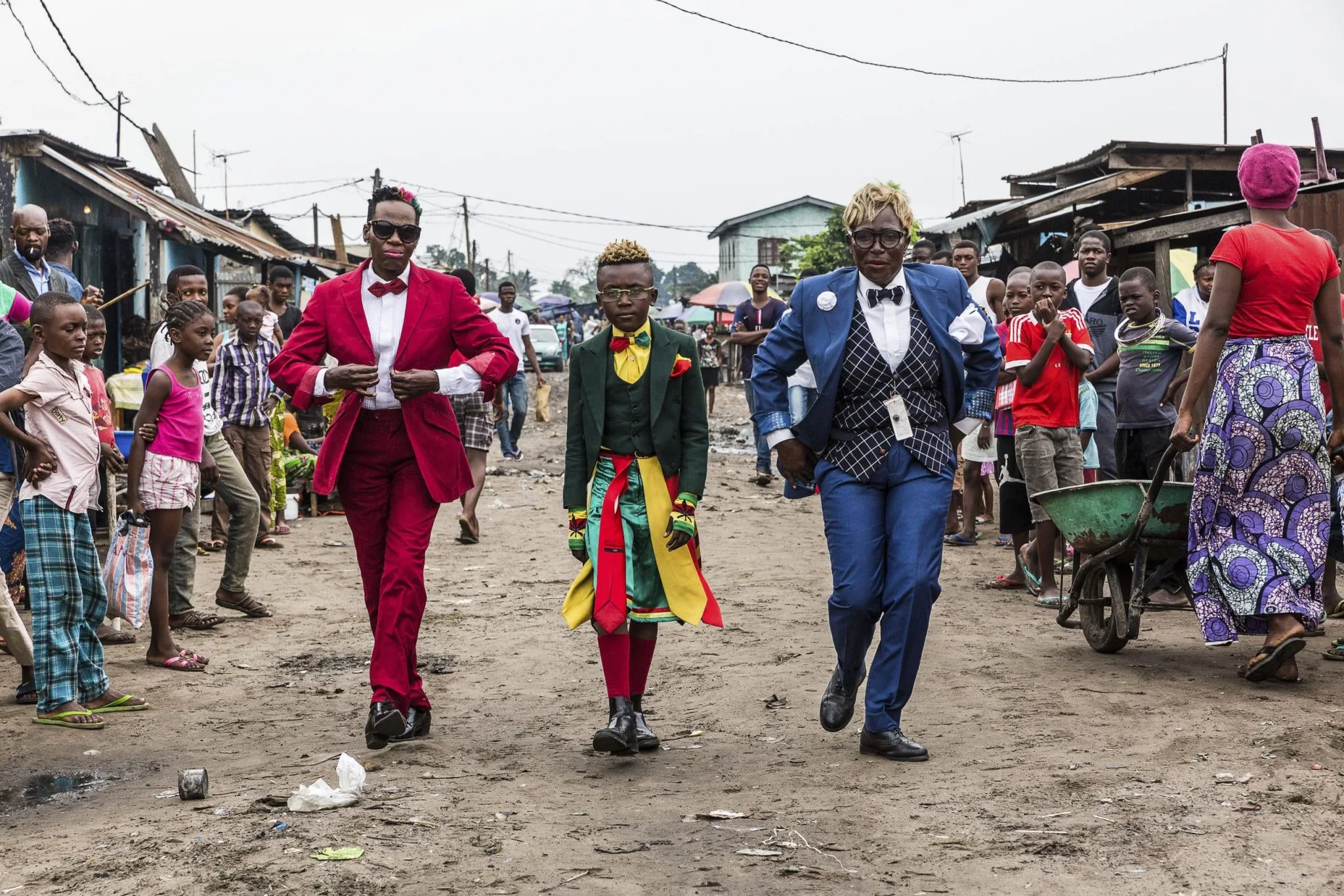
La Sape, short for “Société des Ambianceurs et des Personnes Élégantes” (Society of Ambiance-Makers and Elegant People) began as a “transaction” between the Belgium-French colonialists at the beginning of the 20th century where Congolese slaves worked for second-hand suits.

Off the clock, Congolese men began to dress like “French gentlemen” admired by their fellow countrymen and characterised by colourful, sometimes over-the-top haute couture, luxury loafers, accessories like bowler hats, canes, and sunglasses, and a cool, slick walk that oozed charisma, energy and joy.

They became known as sapeurs (sapeuses for women) and were class and elegance personified. At the time, La Sape was a social commentary on taking control of their – once thought to be colonised – destinies. Sapeurs used this movement as an escape from their misery, which became inspiring and uplifting not only to the sapeurs themselves, but also to their respective communities.

La Sape only developed legs as a “fashion movement” in the 1970s when now notable names in the movement, including Stervos Niarcos; the former president of the DRC Joseph Mobutu; and legendary musician and style icon Papa Wemba influenced the development of the movement. Papa Wemba especially made La Sape very popular through his music in the Congo, Europe and many African countries.

Most Congolese dandies or sapeurs come from middle-class or sometimes very poor families and have ordinary day jobs as policemen, taxi-drivers, tailors and gardeners, but by night, a sapeur can look like a millionaire.

Over the last four decades La Sape has spread to other corners of the African continent and beyond, and relatively recently includes women and children, evolving a once curious sartorial subculture exclusive to men in the heart of Africa, into a way of life.

Photojournalist Tariq Zaidi has captured this in his latest photo essay, “SAPEURS: Ladies and Gentlemen of the Congo”.

In 2017 Zaidi began photographing and documenting les sapeurs of the streets of the Congos’ two capital cities, Kinshasa and Brazzaville. The series is part of a larger body of work, to be published at the end of September 2020, about people who are part of La Sape in the Congo and how the fashion subculture has evolved.

Dilens Dilenga, a 75-year-old Congolese musician and original sapeur from Mbuji-Mayi in DRC, has been a sapeur for more than 50 years. Dilenga likes to dress in white and navy-blue suits from Turkey and says that a sapeur will always be defined as “a star of highest nobility who everyone looks at with admiration”.

However, Dilenga adds that the way sapeurs dress today is not the same way sapeurs dressed 50 years ago when his journey as a sapeur began. Everything from silhouettes, cuts, colours and labels has changed.

“There have been changes and there must be changes. A sapeur always tries to remain relevant and attract people with the way he looks, walks and speaks and adapts to the social and political conditions of the times, places and trends within which he lives,” says Dilenga.

It is perhaps for this reason that the movement still resonates with, and inspires so many people today – particularly the younger generations like 21-year-old student Dorcas Mutombo from Mbuji-Mayi.

Mutombo is completing her third year in fashion at the Elizabeth Galloway Academy of Fashion Design in Stellenbosch in the Western Cape. Her final research project, “La Sape: Congolese Dandy”, is a “self-expressive” fashion range inspired by the elegant men she watched sashay down the streets wrapped in Armani suits and dripping in Cartier jewellery as a child.

“They were always doing something cool, appreciating themselves and doing the ‘slick’ walk. As I got a little older, I learnt that these men were called ‘sapeurs’ and they are always the centre of attention. They are admired by everyone who sees them so it made sense to me to write about La Sape and interpret my thesis into visually beautiful, meaningful and culturally sustainable colourful garments. La Sape has inspired my range, but I also wanted to tell the story, my story, as a Congolese girl in South Africa.”

It’s worth noting, however, the excessive and often financially crippling spending which can turn sapeurs into slaves of fashion. Traditionally, sapeurs from the Congo would wear expensive haute couture brands from Europe, like Kenzo, Giorgio Armani, Yves Saint Laurent, Gucci, Louis Vuitton, Cartier, Givenchy and JM Weston for shoes.

In a symbolic defiance of his socioeconomic circumstances, Severin Muengo from Brazzaville, also known as “The Badass of La Sape”, is a middle-class man who boasts a rich collection of bags and accessories to go with his looks. He was interviewed by Mutombo as part of her thesis and explained that he takes out bank loans when he is unable to afford clothes to keep up appearances/lifestyle. Muengo estimates he has borrowed more than US$23,100 (from the bank to buy clothes.

While designer labels might have been important for creating the synergies between European and African dress at first, there has been a shift to purchase made-to-measure (MTM), or even ready-to-wear labels that focus specifically on Sapology.

Maxime from Brazzaville in 2010 started a project called “Sapeur in Danger” to help sapeurs learn La Sape without spending and sacrificing too much. Maxime encourages sapeurs to make use of local tailors for clothes instead of waiting for European fashion. Not only will this hopefully decrease the amount of fashion waste but it will create jobs and decrease poverty in the community.

Peter Moelans (33) from Antwerp, Belgium builds on Maxime’s vision. Moelans dresses like a sapeur inspired by the La Sape movement in 2014 after watching a documentary called “Un Dimanche à Brazzaville (A Sunday in Brazzaville)”.

“I loved the styles worn and most of all the lust for life radiating from the sapeurs shown in (the documentary).”

However, for a style-conscious Moelans, finding off-the-rack suits that transcended the fashion of the moment proved tricky.

“I started at first by panic buying every piece I liked, which resulted in a wardrobe with a lot of items that were hard to combine and didn’t always fit properly.”

Together with a colleague, Moelans decided to start his own MTM label, called Petrus Suits, and practically only wears clothing (blazers, trousers, shirts, suits) from his label. Moelans’ shoes are from the Spanish brand Magnanni because they offer a wide and affordable range of shoes with original designs. Moelans buys ties and accessories from Amidé Hadelin, a fast growing Dutch brand that offers limited runs of Italian-made ties.

“We visit our customers, measure them and advise them on what fabrics, styles and fits to order. Our mission is to dress them as bright and conspicuous as their personality allows, in order for them to receive compliments and inspire the people around them. And thus, we come very close to the mission of La Sape.”

According to Moelans, the most important thing is the colourful flamboyance both in patterns and traditional suits which creates joy.

“Sapeurs are never afraid of being noticed. They see it as a duty, by way of dressing and behaviour, to first incorporate and then show elegance to everyone. Even if the world doesn’t seem to be open to it at first. But apart from that, a sapeur must not only know certain rules on how to combine colours and patterns, for example, but also how to break them within limits of the aesthetic,” says Moelans.

A generation of young South Africans has begun to embrace La Sape as an extension of the formal style of dress Xhosa boys adopt when they become men during umgidi.

In 2017, photographer and entrepreneur Tony Maake, aka Tony Mac, co-founded the Afrodandy Social Club in Cape Town, along with fellow dandies Omphile Sedumedi, Menzi Mcunu and Zola Msizi, to further the Afrodandy movement in South Africa and create entrepreneurial networks.

Tony Mac believes dandyism has always been within him, but says it only manifested in his physical appearance in 2011 through fashion, art, photography and videography.

“Our elders were dandies during apartheid, therefore I feel honoured to be part of the generation to continue the legacy of who we are and what we strive to be. To be a dandy is another fortunate platform to change how we want to be seen and to express ourselves, because dressing up is part of who we are as black people. We were born with it and it is in our blood.”

Tony Mac’s personal style is inspired by his mood and TV shows like Peaky Blinders. His favourite dandy accessory is a hat as he says it is a “symbolic honour to oneself” and he almost never leaves the house without one.

La Sape has evolved to represent more than just expensive labels. La Sape has become a way of life steeped in colonial history using the bright colours and bold patterns of traditional African dress on clothing deemed European.

https://www.instagram.com/p/CFFrjLppXLg/?utm_source=ig_embed

“It is a reminder to myself and to the people around me that life is beautiful and that you can choose who you are,” says Molans.

“In my opinion, a man is defined not only by going to traditional initiation school but by how a man carries himself in every inch of themselves. Black boys will turn into black men that are actually concerned about how they look, how they present themselves, how they step into a space and own it without saying anything, simply by the way they put their suit together,” adds Tony Mac.

Content courtesy of Daily Maverick & Nairobi fashion hub

Haute Couture sub-sector hamstrung with textile mills collapse

The Nigeria fashion industry, with its creativity in the use of fabrics to produce alluring styles, is merely standing on one leg.

Past governments, through their unstable policies, succeeded in diminishing efforts of enterprising designers, including Frank Oshodi, Zizi Cardow, Lanre Da Silva, Lisa Folawiyo, Deola Sagoe, among others, who, despite all these, are making waves across the world, while exploring the African Ankara and other local fabrics with flora and fauna prints.

These designers now spend huge sums of money to import fabrics, which is 1980 and 1990 were sourced locally.

Reports say currently, out of the over 300 textile companies that were scattered across the country, providing numerous fashion designers with quality fabrics to dress Nigerians, and for export, only 25 of them are still in operation. This number, aside from being too low and malnourishing, the haute couture sub-sector of the fashion industry, becomes a source of concern when the textile mills are operating very well below capacity – about 20 per cent of their installed capacity.

And from the look of things, the situation may not improve any time soon as virtually all the textile mills are laden with a plethora of challenges, including funding and inadequate power supply. This means, if the authorities concerned are not proactive in sustaining the height, which the fashion industry has reached, it would get to a level where its productivity will nosedive, and those making waves within and outside the country thrown into the already saturated labour market or forced to migrate to other countries to showcase their talents. This would not only mean loss of Internally Generated Revenue (IGR), but also a drop in the nation’s Gross Domestic Product (GDP).

According to research findings by Euromonitor published in 2019, the African fashion market is worth $31b, with Nigeria accounting for about $4.7b (15 per cent) of it. The figure is not only lower than South Africa’s current share of ($14.4b), though Nigeria has nearly four times its population, it can be improved upon with the nation’s rising population and resourceful youth.

While the report also puts the estimated value of Africa’s share of the global fashion industry market at about $2.5t, some designers and stakeholders in the industry believe that Nigerian couturiers would only get a sizable part of the market if different tiers of governments partner with them to remove all bottlenecks that are crippling the sector, and stopping it from emerging the leader in the sub-Saharan market.

In the past, the National Bureau of Statistics (NBS) revealed that the textile, apparel and footwear sector has, since 2010, recorded a growth rate of 17 per cent, which was as a result of an increase in demand for and, partly by unprecedented initiatives that continue to push the Nigerian fashion globally.

Many designers and stakeholders have noted that what is happening is not healthy for the sector, and the nation’s economy, as it has negatively affected pricing, aside from rendering able-bodied people jobless.

They also observed that for the country to sustain its pride of place and have a flourishing haute couture, which is a major part of the fashion industry, its textile mills must be functional.

Outset Of The Rot
FROM the 1980s to 1990s, Nigeria was known across the West African sub-region and the world for its burgeoning textile industries, which recorded a yearly growth of 67 per cent, and engaging about 25 per cent of workers in the manufacturing sector.

During this period, about 600,000 local farmers across the country grew and supplied cotton to the Cotton, Textile, and Garment (CTG) industries. But today, many of these industries have gone underground and the 25 that are still operating are not meeting up with local demands, making the nation to depend heavily on imported fabrics from Europe, United States, China, India, Saudi Arabia, among others to sustain its local fashion industry.

The Acting General Secretary, National Union of Textile, Garment and Tailoring Workers of Nigeria, Ali Baba, but the woes of the Textile, Garment and Tailoring sector on government and its never-ending policy somersault.

He traced the origin of the problems to 1995 when Nigeria replaced the Multi-fibre Agreement (MFA) with the World Trade Organisation’s (WTO) Agreement on Textiles and Clothing (ATC).

The scribe pointed out that with the replacement, Nigeria had to remove all protection of its local textile industry, adding that it would have been proper for the nation’s policymakers to first, secure special arrangements with the WTO, such that its local textile industries would be protected until they were able to stand on their feet.

According to him, the WTO agreement opened the Nigerian market to cheaper textile imports, predominantly from China, as well as second-hand clothing from the United States and Europe.

However, before the expiration of the MFA, the United States had introduced the African Growth and Opportunity Act (AGOA), an initiative that opened up the American market to African countries to export to the U.S., but instead of African countries enjoying the window opened to them, China with its textiles proved stronger and took over the U.S. market.

This, on its own, set most African countries backward, as many of them, particularly Nigeria, is yet to recover from the setback.

Ailing Textile Industries In Kaduna, Kano
In Kano, quarters including Sharada Phase I and II, Challawa and Bompai are well-recognised as industrial hubs with textile companies manufacturing different fabrics scattered around it.

Largely dominated by Lebanese businessmen, the old famous sector has a history of providing employment opportunities for the teeming youths in the North.

Conversely, the good old stories of the 1980s and 1990s of textile industries in Kano have changed. The booming sector that accounted for almost 20 large-scale industries can hardly produce five ailing factories, running above 50 per cent capacity.

The acting General Secretary, National Union of Textile, Garment and Tailoring Workers of Nigeria, Ali Baba, identified epileptic power supply, lack of patronage, and invasion of foreign fabrics dominating the markets as part of factors hindering the growth of the local textile industries.

According to him: “Power remains one of the critical challenges killing textile industries in northern Nigeria, especially in Kano and Kaduna, where factories dominate. Our power generation has not exceeded 5, 000 megawatt in a long time. Sometimes, we have as low as 2,500 or 3,000 megawatts. This is not enough to run a successful textile industry.

“Aside from smuggling and counterfeits, foreign textiles are another major challenge. Local fabrics are synonymous with Nigeria and northern Nigeria in particular because the first textile industry in Nigeria was situated in Kaduna State.

“Unfortunately, we now have a situation where criminal elements take the best of our designs to China to reproduce and return to Nigeria to sell them within the range of N3, 000 to N4, 000.”

Baba disclosed that Nigerians and not Chinese are to be blamed for our woes in the sector because it is the Nigerian businessmen that usually take the samples of our local fabrics to China to reproduce.

He noted that even with the closure of the country’s borders, Nigerians could not exhaust Chinese fabrics already stocked in different warehouses across the country for the next seven years.

Commenting on various interventions aimed at rejuvenating the sector, the Acting General Secretary noted that such interventions have not begun yielding any meaningful fruits because of other issues, including infrastructure, quality, and standard, the market, taxation, among others have not been properly handled.

“Textile factory owners pay the cost of demurrage when they have not even sourced funds to clear their raw materials at the seaports, or transport them up North. There are multiple taxes on the road, aside from other risks. The Federal Government needs to reduce all these liabilities and make policies that will mandate agencies and departments to patronise locally produced products,” he stated.

A National Council member of the Manufacturer Association of Nigeria (MAN) and Managing Director of Tofa Textile Limited, Sulaiman Isiyaku Umar, also decried the sad state of textile industries in Kano, considering the huge economic viability and employment opportunity abound in the sector.

Umar also attributed the failing state of the textile industry partly to inconsistent government policies that stagnate the system as soon as there is regime change, aside from the huge and multiple taxations from various government agencies.

Saving A Sinking Sector
REALISING that Nigeria is losing over $4b yearly for opening its borders to foreign textile companies to bring in fabrics into the country, the government placed a ban on imported finished textiles, in order to protect local manufacturers and designers. Despite this, smuggling has persisted, especially through the Benin Republic, Chad, and Niger borders.

According to the Director-General, Nigerian Textile Manufacturers Association (NTMA), Mr. Hamma Kwajaffa, about 85 per cent of textiles sold in the country are smuggled, and the country loses around $325m in potential Value Added Tax (VAT) revenue annually from this.

To revamp dormant textile industries, the Bank of Industry (BoI) in 2010, released N30b as a grant to the textile industry, as part of the Cotton, Textiles and Garment Industry Revival Scheme passed at the end of 2009. The Kaduna textile industry received an N24b grant, which was part of the N100b expected to be injected into the industry.

The then Vice President, Namadi Sambo, disclosed that the initiative would create jobs for more than 2, 000 Nigerians. After the presentation, the programme went like others, as nothing much was heard of it. The factories are still not producing as expected.

However, in continuation of the government’s intervention, the Central Bank of Nigeria (CBN), early last year, placed a restriction on the sale of foreign exchange to importers of textiles and other clothing materials in the country, stating that the measure would reposition the textile, cotton and garment industry to provide jobs, create wealth and ginger the economy.

In addition to this, the government would provide loans at 4.5 per cent interest rate to textile manufacturers at a single digit interest rate to enable them to retool and upgrade their factories to produce high-quality textile materials for the local and export markets.

Aside the Anchor Borrowers Programme, the CBN Governor, Godwin Emefiele, said not long ago that the bank would support local farmers to grow cotton for textile firms, as well as support efforts to source high-yield cotton seedlings to ensure that yields from cotton farmers meet global standards.

Emefiele also disclosed that the apex bank would support the creation of textile production centres in designated areas, stressing that the government has begun discussions with the Kano and Kaduna states’ governments to establish textile industrial areas to guarantee stable electricity in those industrial areas.

The Real Situation
THE former National Chairman of the Nigerian Textile Manufacturers Association (NTMA), Ibrahim Igomu, said the ban placed on imported textile and finished clothing does not mean that the country would automatically stop buying textiles or clothing from other countries.

He explained that the policy would only discourage importers from sourcing textile materials from overseas, but to look inwards and source their raw materials locally.

For Hilary Nwosu, a fashion designer, repositioning the textile industry was beyond mere policymaking as most times, the government would speak from both sides of their mouths, a development, which made operations in the sector unstable.

Nwosu, the proprietor of Hilary Couture, called for a sustainable blueprint, which subsequent governments would use as a guide to steer the fashion industry in the right direction.

Content courtesy of The Guardian Nigeria & Nairobi fashion hub

Festival Africana To Highlight African Culture This Weekend

‘I’m Bringing Africa To Pittsburgh’ a multi-day virtual, global celebration of African style, beauty, design & culture

Happening this weekend is the first of a four-part series highlighting African design, style, beauty and culture.

Demeatria Boccella is the festival producer of Festival Africana.

“I’m bringing Africa to Pittsburgh,” Boccella told KDKA’s Lisa Washington.

Boccella says the idea was born after she connected with a Parisian curator.

“Once we got to know one another, we realized that our missions were aligned, as it relates to elevating Black creatives, elevating and supporting Black creatives. I said the only difference is we live on different continents,” Boccella added.

The two initially planned to create a project in Pittsburgh, celebrating the diversity of the African diaspora, but were forced to pivot to a virtual festival because of the pandemic.

“We’re hoping that during these difficult times this will be a moment of encouragement, a moment of inspiration,” said Boccella.

The festival includes a fashion editorial produced in Ghana, a showcase of African accessories, home décor and a concert an event Boccella describes as timely and necessary.

She added, “It’s so important on so many levels…because it is about equity. It is empowerment. It’s about celebrating who we are as people of African descent.”

There are plans for an in-person exhibition in Pittsburgh in the fall of 2021.

Content courtesy of KDKA & Nairobi fashion hub

The Naked Ape celebrates 10 years at SA Fashion Week

The Naked Ape, a clothing brand by Shaldon Kopman, is celebrating 10 years at South African Fashion Week.

The brand is known for its bespoke Africa inspired men’s wear that dresses the quintessence of the African spirit will once again be showcasing at SAFW on October 24.

At the show, to be held at the Mall Of Africa, Kopman will be revealing his latest collection, The Street Rover- inspired by the indomitable nature of the industry urban salvors, who emerge from the pre-dawn darkness into the day, irrespective of the season’s onslaught, suitably attired for the conditions to harvest, recycle and repurpose our disposed personal effects.

Kompan said: “This range goes beyond a look, and encapsulates the ethos of the salvor, in using recycled, and sustainable materials developed using unique and environmentally friendly processes, as well as energy-efficient methodologies to produce a ‘kind to nature’ product which

“lovingly instils the African story in each piece.

“Each piece is an environmental hero and an embodiment of the African warrior spirit seamlessly blending into the urban landscape.”

The Street Rover range is a gift of love to anyone who has longed for a Naked Ape ensemble, and day-today wear for its legion of bespoke clients.

The Naked Ape has been worn by notables of the silver screen like Samuel L Jackson and Orlando Jones.

Content courtesy of IOL , SA Fashion Week & Nairobi fashion hub 

A new Generation of E-commerce Retailers want to Globalise African fashion

Sites like Industrie Africa, The Folklore and Afrikrea are connecting African designers to customers abroad, but designers are wary of what international demand will do to their businesses.

For African designers, local e-commerce platforms can provide a gateway to an international audience eager to shop their collections. After several setbacks, a new generation of players is stepping up to bring African fashion to a global customer.

Companies including Industrie Africa, Afrikrea, Kisua and The Folklore are attracting designers wanting to gain awareness among customers outside of Africa. These companies help facilitate cross-border shipping and handling as well as marketing, all resource-intensive hurdles that could otherwise act as barriers for African fashion designers who have a willing buyer outside of their native continent, but no way to reach them sustainably.

“Shortly after launching my business on Instagram, I had people from New Zealand, Accra, New York messaging me about purchasing,” says Vanessa Iloenyosi, founder and designer of Nigerian label Nyosi, which launched in 2017. “There was no way to get things to them effectively.” Iloenyosi then partnered with The Folklore after the company, which acts as an online curator for luxury African fashion customers in the US, reached out to her.

E-commerce marketplaces for African fashion tap into a growing demand for African designer goods all over the world. Currently, Africa’s e-commerce opportunity is estimated to be $19.8 billion by Statista. According to McKinsey, the continent’s local manufacturing industry is also expected to grow to $930 billion by 2025.

This presents an opportunity for African e-tailers to promote Africa’s fashion industry globally. African designers are hoping that these partnerships, in addition to offering benefits like better shipping rates and distribution, will introduce a greater pool of customers to African fashion.

Working with a team of buyers who understand the local market also makes for a better experience selling abroad. But some designers are wary of what globalising the African fashion market means for their businesses and are pushing for a local emphasis on e-commerce plays.

https://www.instagram.com/p/CF226fFFxka/?utm_source=ig_embed

With programmes like the Africa free-trade policy, a growing middle class and internet use, initiatives to encourage artisanship and African sourcing such as the Designers Consociate and grassroots work to encourage government subsidies, designers and e-tailers on the continent are hopeful that African fashion will become more than a fad for Western customers or a luxury that only richer Africans home and in the diaspora can access.

Some see it as a long time coming, but earlier attempts to establish a go-to online marketplace for African fashion have stalled.

Zuvaa, founded in 2014, lost trust with designers after marking down prices and refusing to pay the agreed commissioning rate, resulting in a 2017 petition that racked up 3,000 signatures.

The company ended up shutting down in 2019 due to the lack of infrastructure and an operations team versed in the African e-commerce industry, according to founder Kelechi Anyadiegwu. Oxosi, a once-promising African e-commerce play positioned as “Africa’s answer to Moda Operandi” that worked with prominent brands including Maki Oh, Brother Vellies and Osei Duro and inked a deal with the costume department of HBO’s Insecure, abruptly shut down in 2017. Oxosi did not respond to requests for comment.

The perks of online partnerships

E-tailers like Afrikrea, which is based in Ivory Coast and launched in 2016, are able to address shipping costs for African designers through lucrative partnerships with DHL, a company invested in tapping into Africa’s growing e-commerce.

https://www.instagram.com/p/CGDkr7qlbI6/?utm_source=ig_embed

Designers selling on Afrikrea can create storefronts and receive payments from customers anywhere in the world, an important benefit for sellers based in Africa who have had difficulties accepting online payments from platforms like Shopify in the past.

Founder Moulaye Taboure recently raised $1 million in funding to further promote African designs and expand intracontinental distribution.

Amira Rasool, founder of The Folklore, uses a slightly different strategy. She and her team spend as much as four months on the continent sourcing products, coaching designers on how to price for a global market, helping to find stylists, product shooting, and negotiating shipping rates with third-party agencies. The designers then make the products and ship to the company’s warehouse in New Jersey, where it is then dispersed to customers.

African fashion e-commerce platforms also serve functions that go beyond shipping and distribution. Fashion education is a core component of Industrie Africa and critical in building up e-commerce on the continent, says founder and CEO Nisha Kanabar. Kanabar says she started the platform to shatter stereotypical interpretations of African design, which usually involve the Dutch Wax Print known as Ankara, and earn the market respect by amplifying Pan-African voices.

The platform launched in 2018 as an encyclopedia of contemporary African design and centuries-old artisanship native to the continent, then segued into e-commerce, allowing customers to shop by filters such as sustainability and material type important because it helps promote the work of African artisans in the textile industry. Most clientele is based in the UK and the US.

“African fashion consumers are already shopping online on Asos, Zara, Harrods. They just need to be taught [and] shown to ‘shop African’,” Kanabar says.

The drawbacks of scaling globally

While many African designers aim to get their collections in front of a global audience, that growth can strain small businesses as they try to meet customer expectations that don’t align with their operations. Fashion consumers have gotten accustomed to fast fashion practices that African designers cannot afford to bear, say Maxwell Boko and Mmuso Potsane, the South African design duo behind the label Mmuso Maxwell.

“See-now, buy-now is distorting people’s understanding of how fashion design works,” the design duo says. The designers argue that while international African e-commerce retailers are offering support for designers, an overreliance on Western imports undermines the industry.

“People want to come to the party when people are already there. It’s sad that co-signs from “international media” is what assures people of the unique lens that African designers bring to fashion,” says Boko.

Others in the industry are similarly wary of hinging too much of African designers’ success on how much they can resonate with a global customer. Zara Odu, a former buyer at Oxosi, says the platform came about as a way to represent that African fashion industry for Africa’s online shoppers. “Oxosi came at a time when designers were starting to get tired of pandering to international buyers and retailers,” she says. “They had spent so long waiting to belong in stores internationally; but Oxosi came with a ‘for us, buy us’ perspective accompanied with the most beautiful visuals and narrative. It was undeniably powerful, and everyone wanted to be a part of that.”

Even successful international partnerships introduce new pressures on designer businesses. For Iloenyosi, selling on The Folklore has been largely beneficial, but the cost of production led to a significant disparity between the cost of products on her Instagram page and the Folklore website leading to queries from some customers. The designer is launching her own e-commerce platform as an alternative for customers who are OK with waiting much longer for products.

Still, African designers are garnering notice from international retailers as the marketability of the sector becomes clearer, thanks in part to the African specific e-commerce platforms. Browns, owned by international luxury marketplace Farfetch, recently joined forces with Homecoming the multi-hyphenate platform whose aim is to support and bolster art and design in Africa  to showcase Africa’s fashion talent.

The festival ended with Nigerian designer Orange Culture announcing an e-commerce partnership with Farfetch. Designers like Kenneth Ize, Thebe Magugu and Mowalola have also earned global recognition.

African e-commerce platforms and buyers who understand the limitations that designers on the continent face are, ultimately, a boon for the industry.

“Designers will only grow if they can continue to sell at a steady and sustainable pace. With growing interest in traditions that are central to Africans, which boost the manufacturing and textile sectors, African merchandising will grow, allowing for better products to be made and sold all over the world,” says Odu.

Writen by BY ADEDOYIN ADENIJI

Content courtesy of Vogue Business & Nairobi fashion hub 

Ad