Saturday 26th of September 2026

Nairobi, Kenya

The New Barbados-inspired Fenty Release Is Here, And It Includes Collapsible Sunglasses

Since Rihanna announced the launch of her luxury fashion house Fenty, we’ve pretty much been refreshing our feeds for the first opportunity to get our hands on the limited-edition pieces. For those that missed the last drop

Release 6-19 explores items made for ease of travel and intended for escape – think light fabrics and head-turning prints (which we’d expect when Rihanna is the Artistic Director). The collection, which will make its way onto the website via two separate drops, features knit, satin and body-hugging jersey dresses that celebrate the female form, and aims to provide you with investment pieces to treasure for years to come. Plus, they’re limited edition, so you’ll have bragging rights too.

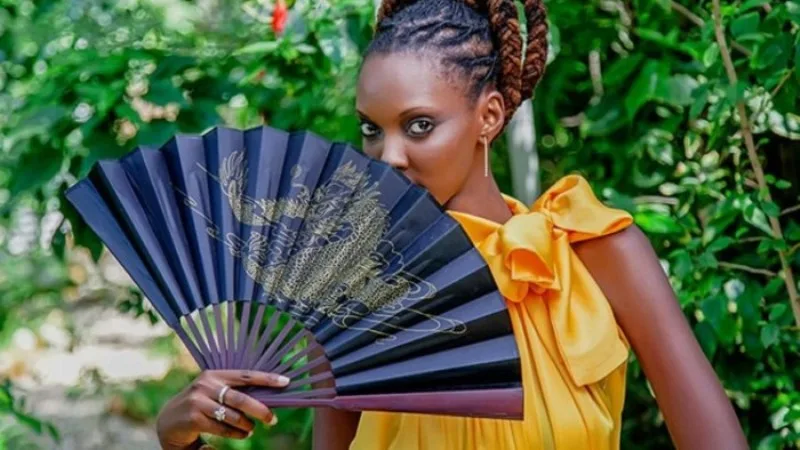
The collection’s colours hold special significance to Rihanna, as the orange, fuschia and teal tones aim to mirror a Bajan sunset, while the oversized graphic tees pack a political punch as they celebrate the immigrant experience and represent Rihanna’s roots. Though, she did throw in some Japanese-inspired dragon prints. Because, well, Rihanna can do what she likes – she even shot the campaign images herself.

And it seems Fenty has our Middle-Eastern sun in mind with this drop, as eyewear is being highlighted with two new styles – the first of which shields your entire face, the second a foldable laser-cut style. Of course.

This article originally appeared on Grazia Middle East 

One On One With Jeff Wanjala Co-founder and CEO Of Wan Fam Clothing

Brief introduction about yourself and your fashion house
Name is Jeff Wanjala. I’m m the co-founder and CEO of Wan Fam Clothing

Can you describe Wan Fam Clothing, and the idea and concept as if I knew nothing about it
or the market it is in?

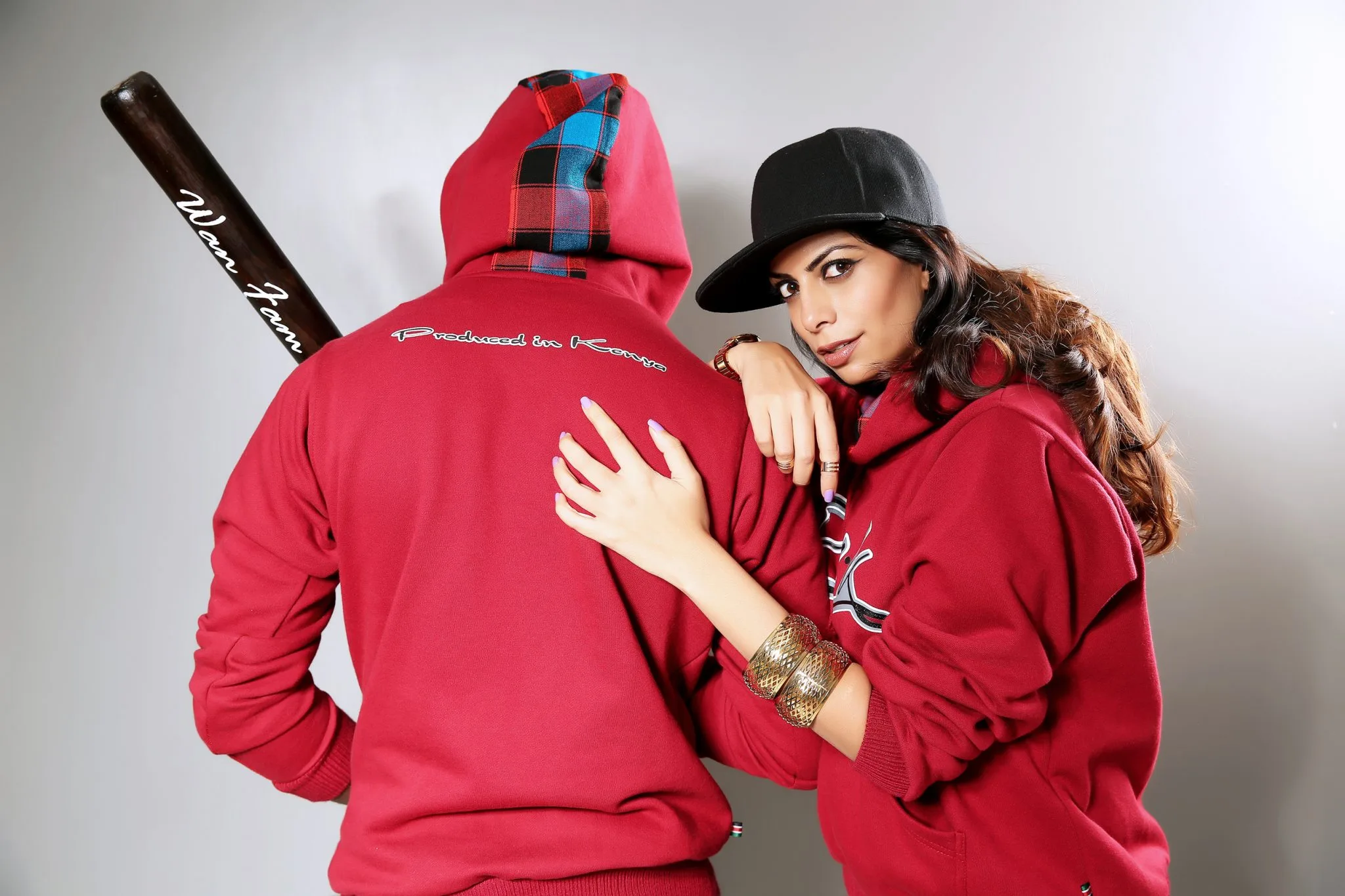
Wan Fam Clothing was founded by my brother, Mr. Emmanuel Wanjala and I in 2009 as when were were doing hand painted t shirts for client.

In 2011 Wan Fam Clothing was born and ventured into the fashion and apparel industry as a recent start-up manufacturer of an upscale urban fashion clothing line targeted at consumers between the ages of 16 and 35. Wan Fam Clothing not only develops the clothing line, but supports it with advertising and promotion campaigns.

Wan Fam Clothing markets its line as an alternative to existing clothing lines, and differentiate itself by marketing strategies, exclusiveness, and high brand awareness. The company uses high-end materials such as khaki, fleece, upholstery and twill. Current products include travel/gym bags, backpacks, sweatshirts, sweatpants, jackets, bags, and t-shirts both for men and women. Future plan includes business suits, children’s clothing, footwear and leather products.

The key message associated with the Wan Fam clothing line is upscale, local, versatile, and affordable clothing. In the future, the company hopes to develop lines of accessories for men, women, and also children.

What were you doing before Wan Fam Clothing, and what motivated you to start the
business?

I was a student. I have a friend called Chif who used to make hand painted t shirts for me and other clients. In 2009 he got employed and put his t shirt business on hold. I asked him for some brushes and paint and since I knew my brother was good at graffiti and sketching so we thought we tried his talent on t shirts.

We were constraint on cash so we bought second hand branded t-shirts, covered the branded works with white paint and branded our artwork on that. We did few t-shirts, posted on Facebook and got 13 orders and we grew from there

What techniques do you use? Tell us about the process.
How did you learn/master this technique and why do you use it?

What challenges did you face?
The biggest setback for us has been fabric availability and capital. Sometimes you get really good fabric, you make the products and when you go back to get more, it’s no longer available. This goes hand in hand with the fact we lack capital just to buy enough fabric and stock it.

Another setback which goes hand in hand with lack of capital is the fact we have created more demand than what we can actually supply. Which to an entrepreneur it’s one of the greatest achievements but I count it as a setback because some clients get disappointed when they don’t find what they like ready-made.

As for now we tell people to Pre-order in case whatever they want no longer in stock but at times you get clients who need our stuff there and then. Either they want to wear it at a specific event or they are flying out. So despite having created demand I can call it a setback since you end up disappointing a client who really has passion for Wan Fam products.

How did the obstacles make you feel?
Definitely obstacles don’t create a good feeling but they helped me get better. They made us focus
in what we can do and not put energy on what we cannot.

It also helped us not flood the market
with our products but rather move at pace thus controlling what we give consumers and how we
give them and also focus on what the consumer wants from our products

What were your achievements?
a) We have managed to have sold out collections with the fastest selling in less than 48 hours.
b) Managed to catch the eye of Cable News Network (CNN) and got featured on their African
start-up program
c) Managed to work with some influential people who I admire and my most notable one was
working with personality Pinky Ghelani. The whole process and support was amazing. From
doing a collection together to working on photo shoots together to exchanging ideas.

Favorite moments?
The moments mentioned above and every step of the way has been a step to
our goal and a learning experience thus every moment is what helps us get better and closer to
what we want to be and stand for.

What’s your take about Kenya fashion industry?
It still has a long way to go but it’s better than
where it was when we started. Most of our problems can be solved at the top national level then the effect will be felt positively by designers, manufacturers, labourers and consumers in the
fashion industry.

If you were given opportunity to work with local or international fashion designer who will
you love to work with?

Virgil Abloh

What are your thoughts on fashion in Africa?
It’s amazing. Everyone has their eye on Africa now. We have brands like Kate Spade having some of their products made in Rwanda, Michael Kors bags being made in Ethiopia, United Aryan Ltd making Levi’s and Wrangler in Kenya, Philips-Van Heusen via the local subsidiary Hela Intimates making Victoria’s Secret, Calvin Klein, Tommy Hilfiger in Kenya..

The presence of big brands, just to name a few, in Africa is a sign that the African market is doing well at the moment with even bigger things in future.What we need are better policies which are not only written on paper but implemented on the ground that will see the market move in a direction where the designers, creatives and entrepreneurs in the industry get their share of the fashion pie.

How are African fashion designers influencing fashion in the western world?
We have seen designers leaving people in awe at the New York Fashion week and also designers like Gold Carvier Crew leaving a mark at Vienna Fashion week this year. We have also seen celebrities like Beyonce, Rihanna, Gwen Stefani just to name a few rocking African designs while performing or red carpet events.

We have seen the influence African fashion and culture had on the blockbuster film Black Panther etc. So African fashion designers are now getting noticed for their incredible work, unique designs and influence. No just because they are African but because of the signature pieces, quality of works and stories behind each thread

What can the African fashion industry learn from the western world?
The main thing, in my opinion, we can learn is setting up our products and services to those international standards already set and practiced by western world, This is in terms of the quality of raw materials, quality of finish products etc. Another thing we can learn from the western world is building of brands. Most designers are good at making the products but building brands around it becomes hard. We need to build African fashion brands. Brands create loyalty.

Having a brand name makes work easier in the long run, also creates a space where your work will speak for you not only now but in future. Designers should also learn about protection of intellectual property. Some designers put a lot of work on coming up with their name and products just for them to be counterfeited locally and internationally.

Lastly, Africa is a developing nation, thus we can learn what the developed countries did wrong and do things differently thus we don’t have the burden of having to experiment or focus so much on what doesn’t work but we can study the western world and pick only what works thus saving money, time and resources.

Over the last few years have you noticed any significant changes with the African fashion
trends?

Yes…there has been an increase in urban fashion brands with focus mainly on African made
products rather than making items in Asia or other countries and selling locally.

When dealing with Africa is it important for the fashion world to be ethical and socially
responsible, and put in place strong corporate social responsibility governance?

Yes. Especially in Africa.

Unlike in developed countries, most of Africa’s clothing industry relies on unskilled labour for its production. Meaning most of our seamstress and other labour workers don’t come from a a well-off family or fashion education to back her production abilities and this shows that the less fortunate are the backbone of the industry so it’s only right the African fashion industry gives back to these important people and this can be done via CSR which may include training, education, social causes etc

Where can we find your designs?
We are at Westlands Commercial Centre, Block B, Suite 3, You can contact us via +254705 818
84 or info@wanfamclothing.com We also do deliveries wherever you are

Twitter : @WanFamClothing  Instagram : @wanfamclothing  Facebook : Wan Fam Clothing 

What does e-Commerce mean to you and your business?
E-commerce is a very important tool especially in fashion especially in this digital age. And like
many tools it can be a plus or minus for designers depending on how they adopt the wave into
their businesses.

Do you think e-commerce is important for African fashion designers that are trying to get
recognized and reach a global market?

It is important but not as important as it is made out to be. Africa designers have managed to create unique products using unique materials and even marketing them uniquely so I think we should also sell them uniquely than just follow what the western markets have done.

The e-commerce sites are popping up every week and also closing down or being neglected at almost
similar rate. E-commerce is an important tool but like every tool, it should be used correctly where
appropriate to produce the best results

How does your strategy change when running an online store to an offline store?
It changes because now you have all these different people from all over the globe that you need to server rather than a usual brick and mortar store where you server who you see and interact with. This means a lot will change since e-commerce can provide you with the information you need to curve your business’ future.

E commerce can provide info such as where most of your clients are, what they like, what colour or design they don’t like etc and this can help a designer know what to make in his or her next collections, what sizes to make more of and also understand his/her clientele in a different level.

This is something that a brick and mortar store will have limitations in. This information can help change how you make your item, how many items you make, your target and how to market. In turn this changes your whole strategy from design, marketing to even amending your business plan to fit with the market demand and supply

Where do you see African fashion in the next 5 to 10 years?
~ I’m sure I’ll see more fashion houses from Africa.
~ We’ll also see more designers being recognized in their works in terms of film costume designers, stylists etc.
~ Well also see more African fashion events being given international plat forms. Like the Lagos Fashion week, Dakar fashion week etc
~ I’m sure the future has international designers teaming up with African designers. We’ll see more clothing pieces being curated for African market than taking anything being given to us.

What 5 pieces of advice would you give to young African fashion designers wanting to enter
the fashion industry?

1. Patience – Overnight success doesn’t take a night
2. Know what you want from the word go. I know people who started with clothing lines who are now doing business cards, food etc because they didn’t know what they wanted when starting
3. Do what you love
4. Don’t compromise on quality
5. Make products, work and partnerships with the long-run mind set. Think of building a name rather than quick cash

Is there anything else you would like to add?
Just want to thank our clients and everyone who has supported us: From the ones who own all our
collections in their closet, to those who set even a minute to visit our stand at events, to those who just show support online.

None of our achievements would have been possible without you and your unwavering support. There would be no Wan Fam (One Family) without you.

Content courtesy of Wan Fam Clothing & Nairobi fashion hub 

Exclusive Interview With Kevin Outa Founder and Design Director of Deep End Clothing

My name is Kevin Outa, and I am a self-taught photographer and designer based in Nairobi, Kenya, specializing in creative portraiture, fashion photography, and food photography. I also hold a Bachelors’ degree in Political Science and Economics from the University of Nairobi (but I haven’t used it so much)
Deep End Clothing is a Nairobi-based fashion enterprise that focuses on the creation of Africanized Denimwear. This means that we create both clothes and bags from denim and a mix of different African fabrics.

Can you describe Deep end Clothing, and the idea and concept as if I knew nothing about it
or the market it is in?

Deep End Clothing is an online fashion house that specializes in the creation of bespoke denim clothing items such as bags, jackets, dresses, shirts, and trousers, among others. We make custom designs using denim as the primary fabric, mixing it with either Ankara, khaki, or the legendary Maasai shuka.

We also specialize in developing branded items, such as t-shirts. As for the market segment, Deep End Clothing targets the middle to luxury segment. This is because we mainly concentrate on developing custom designs as per the specifications of our
clients. However, this does not mean that we do not create our own designs; we do, as a means to show our potential customers what they can expect when they choose to work with us.

Some of Deep End Clothing Collections check out their Instagram page @deependke

What were you doing before Deep end Clothing, and what motivated you to start the
business?

Before Deep End Clothing, I was still at the university and navigating my early years as a photographer. In 2016, when I originally conceived the idea of this brand, I saw it as a means to expand my reach as a photographer. This is because I believed that it would enable me to interact with more people who could be interested in my services as a photographer.

After a lot of mental and financial push and pull, we finally created our first designs in September 2017. Many things have changed for me and for Deep End Clothing since that time. The focus has shifted from me wanting to reach more people as a photographer, to me wanting to build a Kenyan fashion brand that will stand out and redefine the current wave of African street style. We might still be a long way off, but there is no better way to dream than to go for something that
seems out of your reach.

What techniques do you use? Tell us about the process.
As a brand that creates both bags and clothing, we usually rely on the services of two very talented tailors to actualize our bespoke designs; one for the bags, and another for the clothing items. Most of our designs are usually hand-drawn, but I also use inspiration from platforms such as Pinterest and Instagram.

This helps me know what designs are currently trending, and how I can remake them into something that is truly representative of Deep End Clothing. Once I develop the designs or receive some recommendations from a client, I have to decide and inform them on which material mix would work best for that particular design. For clothing items, I usually have to meet with the clients so that I can get their specific measurements.

The next step is to liaise with our tailors and see if the designs are workable. If they are, then the next step is to source the materials (which I do personally), and deliver them to the tailor, depending on whether it is a bag or piece of clothing. On average, it takes about a week to create and deliver the designs to our clients.

How did you learn/master this technique and why do you use it?
Like most things in this life, I learned and understood the design and creation process on the fly. It helps that I work with highly-skilled tailors who guide me and have helped me grow and develop Deep End Clothing into the brand that it is today. There have been a few times where I have made mistakes and they laughed at me so much, but I have come to see the importance of taking it all in stride and using such experiences to learn more.

It also helps to laugh at yourself! I feel that this method works best for our brand because we are still relatively young, and the ability to create bespoke items makes it easier for me to control the output in terms of quality and client specification. We stick to this method because it allows us to focus on producing high-quality denim designs that will interest our potential customer base, by targeting them directly.We do not want to rush into mass producing substandard products due to lack of production capacity.

What challenges did you face?
As a young brand, I would say the biggest challenge for us was to put our products out there. When you develop new products, there is always that nagging feeling at the back of your mind. For me, this is because you start to think of how people will respond to you and your brand, and whether people will really like your product enough to buy it. As a creative, this also happens
when I finish working on a new photography project.

It happens every time I develop a new design. Over time, I have come to understand that you will never really know the potential of what you hold until you put it out there. I still struggle with this, but it is not actually an obstacle you can clear, but a journey that you have to go through every day. Another challenge is trying to get people to understand the value of locally-made bespoke items.

There are many times I have encountered potential customers that want me to lower prices just because they saw a cheaper alternative elsewhere. This is very frustrating because they do not see the hard work, effort, and emotion that goes into building a Kenyan brand. Every time we put a single product out there, it bears the soul of up to five people; the designer, the person who sells the fabric, the tailor, the brand holder, and you. We all work together to ensure that you as our client get what you want.

For me, bespoke clothing carries more value than mass-produced items because it gives you the added luxury of buying something that you have actually contributed to its development (financially and design-wise) and fits you perfectly.

Some of Bags collections from Deep End Clothing

How did the obstacles make you feel?
Angry. Frustrated. Depressed. Like our brand is not worthy. There were times where I felt like giving up altogether. These are things that we feel on a regular basis, but there is no other alternative than to push on. That is why our brand continues to produce designs for our wonderful community.

What were your achievements?
Haha! It’s really hard to decide on a particular moment because the most notable achievement for me is to be able to meet new people through this brand; people that have unwaveringly built us up and supported us. I would consider this as one of the things we treasure deeply.

Favorite moments?
I would say the best memory was when Deep End Clothing got the chance to exhibit some of our designs at last year’s edition of the PAWA Festival. It was an awesome experience to put our brand out there while interacting with denim enthusiasts and fellow creatives.

There was also a small disagreement with the County Government of Nairobi during the event, but thankfully, it was sorted out.

What’s your take on the Kenya fashion industry?
The Kenyan fashion industry is a very diverse space with everyone having a particular taste that sets them apart. I see some people going back to retro styles and thrifted outfits, and others getting more into designing and creating their own outfits.

This is very exciting because it means that new designers and brands have the opportunity to develop a following for their products. The diversified nature of Kenyan fashion means that the industry is growing at a steady pace. There are exciting opportunities coming up all around that we cannot wait to get a hold of!

If you were given the opportunity to work with a local or international fashion designer who will you love to work with?
Adele Dejak. Her designs and what she creates are just wow. I believe that the way she conveys Africa in her products is what every Kenyan brand aims to achieve.

What are your thoughts on fashion in Africa?
I believe that fashion in Africa is getting noticed more and more on the global stage because African brands have embraced their authenticity and true nature. This means that even major players in the African fashion scene have started investing more in products that embrace their culture.

Therefore, when we present our designs on the global stage, they are truly representative of our African culture. This gives us an even better standing and we earn more respect from our peers globally. In totality, it creates an opening for African fashion brands to thrive worldwide.

How are African fashion designers influencing fashion in the western world?
With the growth and expansion of the internet, it is becoming even easier for African designers to share their products online. This expands their reach globally, increasing their spheres of influence. I would say that the number of people from the western world who are interested in African products is increasing significantly. There are also fashion brands in the western world
that embrace African-inspired designs and prints in some of their collections.

We cannot ignore the role that fashion designers from different parts of the world play in the global scene. As African designers, it is our responsibility to package our products in a manner that highlights our way of life and shows the world what we can do. When we constantly share this with the rest of the world, it gives people a deeper understanding of our diverse cultures. This, in turn, help increase our influence as more people want to learn about our brands that support African culture.

What can the African fashion industry learn from the western world?
The emphasis on quality; both in service and the products offered. This has been deeply ingrained in my mind, and I feel it is the single most significant thing we can learn. The reason is that how you treat your customers (both returning and potential) will reflect on your ability to retain them.

The quality of your products will also determine just how people interested in your brand will
interact with you. When your brand exemplifies quality in service, as well as develops high-quality and durable
products, it becomes easier to build a trusting community around your brand.

Over the last few years have you noticed any significant changes in the African fashion
trends?

Creative autonomy. This means that more and more people are taking control of their own fashion sense. The focus has slowly shifted from people buying well-known names to them focusing on creating or working with fashion brands that can address their specific needs. This kind of shift has been necessitated by the need to be unique.

When you create something you love, you will be more comfortable and confident, and this will show in how you present yourself. This is what should form the basis of any brand. This is what I have built my brand on, and is what will dictate the emerging trends in the African fashion industry in the coming few years.

When dealing with Africa is it important for the fashion world to be ethical and socially
responsible, and put in place strong corporate social responsibility governance?

Yes, I believe this is very important. When building a brand from scratch, there are many ethical and social considerations. It is important to fully understand your base of operations so that you do not engage in activities that might be detrimental to the success and progress of your fashion brand, and the society at large.

However, it is important to understand that although different societies align with different values, this should not act as an impediment to our overall objective as creatives, which is to express ourselves through what we make. I believe there is a way to balance your values as a fashion house, with those of your society. It should not be a case where one supersedes the other, but a level ground for you to reconcile the aspects of social and ethical responsibility with the
values of your brand.

Where can we find your designs?
You can find most of our designs on Instagram ( @deependke ) and on Facebook ( Deep End Clothing ) You can also regularly find us at different pop up stores and locations, so make sure you follow us across our socials so that you get updates on when and where you can find us personally! It also doubles up as a good avenue for you to interact and engage with our brand.

What does eCommerce mean to you and your business?
As an online-based business, e-commerce is one of the most important things in Deep End Clothing’s business structure. The ability to buy and sell products online makes it possible for us to share our designs with potential customers in our immediate environment, as well as all over the globe. Our business reach is limitless.

Do you think eCommerce is important for African fashion designers that are trying to get
recognized and reach a global market?

The internet and the rise of e-commerce have provided upcoming designers and young entrepreneurs the opportunity and platform to display their products and services on a global scale. The benefits of this cannot be understated. In this digital age, as long as you have a product or service you think people might be interested in, you can post it on social media and get
immediate feedback.

You just have to be consistent and intentional in your efforts to ensure that your products get recognized. Competition is rife everywhere, especially in the global market. This means that although the platform to get your designs noticed is readily available, you have to work smart to guarantee that your products have a global reach.

How does your strategy change when running an online store to an offline store?
As with running an offline store, operating an online store requires you to have a solid strategy to put you in a better position to make sales. In both cases, you will have to consider how you display your products, branding, and marketing plan, among other things.
When you operate an offline store, you will also consider other aspects such as rent and miscellaneous expenses, store positioning (because of walk-ins), and hours of operation. On the other hand, if you run an online store, you have to consider which is the best platform to build a following on, how to get this following to engage with your online brand, and if you want to physically interact with this following.

You also have to think of the frequency of these physical interactions, as well as how you will deliver your products when people order from you. I believe that how you display your products online will contribute significantly to people engaging with your brand. This is because it is the first point of contact between you and your potential customer.

To this end, I have come to really appreciate the value of photography to ensure that you display all your products in an enticing and professional manner. You should also try to be responsive as possible to customer requests and inquiries to make sure
that you do not lose any potential leads.

Where do you see African fashion in the next 5 to 10 years?
With all the brands coming up, I believe that African fashion will have a very commanding presence in the international fashion scene. The number of people investing in and shopping with local brands will continue to grow considerably, locally and globally. I can attribute this to the growth of e-commerce as well because, with time, it will be even easier than it is now to sell and
ship your products to any part of the world.

What 5 pieces of advice would you give to young African fashion designers wanting to enter
the fashion industry?

  1. Never hesitate to create what you love. This is the purest form of expression, and slowly but surely, people will start to see the value of what you make.
  2. Do not be afraid to start small. It is very easy to put yourself off by thinking of what could go wrong, or feeling as though you do not have enough resources. Do not get lost in your head. Just start and bring your ideas to fruition. There’s nothing as satisfying as the feeling of seeing an idea or concept transform into something you can see and touch. We started Deep End Clothing with only two designs, then started building up slowly. You can do it too.
  3. Focus on yourself and your brand. You are likely to yield to the temptation of comparing yourself with more successful fashion brands in your space. However, it is important not to dwell on these thoughts; you should concentrate on building your brand and use these established brands as your motivation to grow. They might as well be a very valuable asset in your network. Also, be sure to have adequate information about the business environment you want your brand to operate
    in.
  4. Specialize. When starting out, it is important to have a signature style that will be associated with your brand. This helps you attract the kind of customers that you want to work with, and ensure that you retain them as part of your community. It also helps when you focus on creating a strong product base, one collection at a time.
  5. Put your designs out there. Once you create something, share it. There are so many platforms for you to share your work with others. You will get honest feedback and even find people who might be willing to work with you. There is no need to develop something and just keep it to yourself; you should put it out there and always be ready for whatever people say. Absorb what you need to, and keep creating.

Is there anything else you would like to add?
It is always difficult to share what you have created. You never know how others will respond to it, but I feel that if you have the need to create, you should do so and allow people to experience it with you. After all, sharing is caring, right?

Content courtesy of Deep End Clothing & Nairobi Fashion Hub

Bettinah Tianah

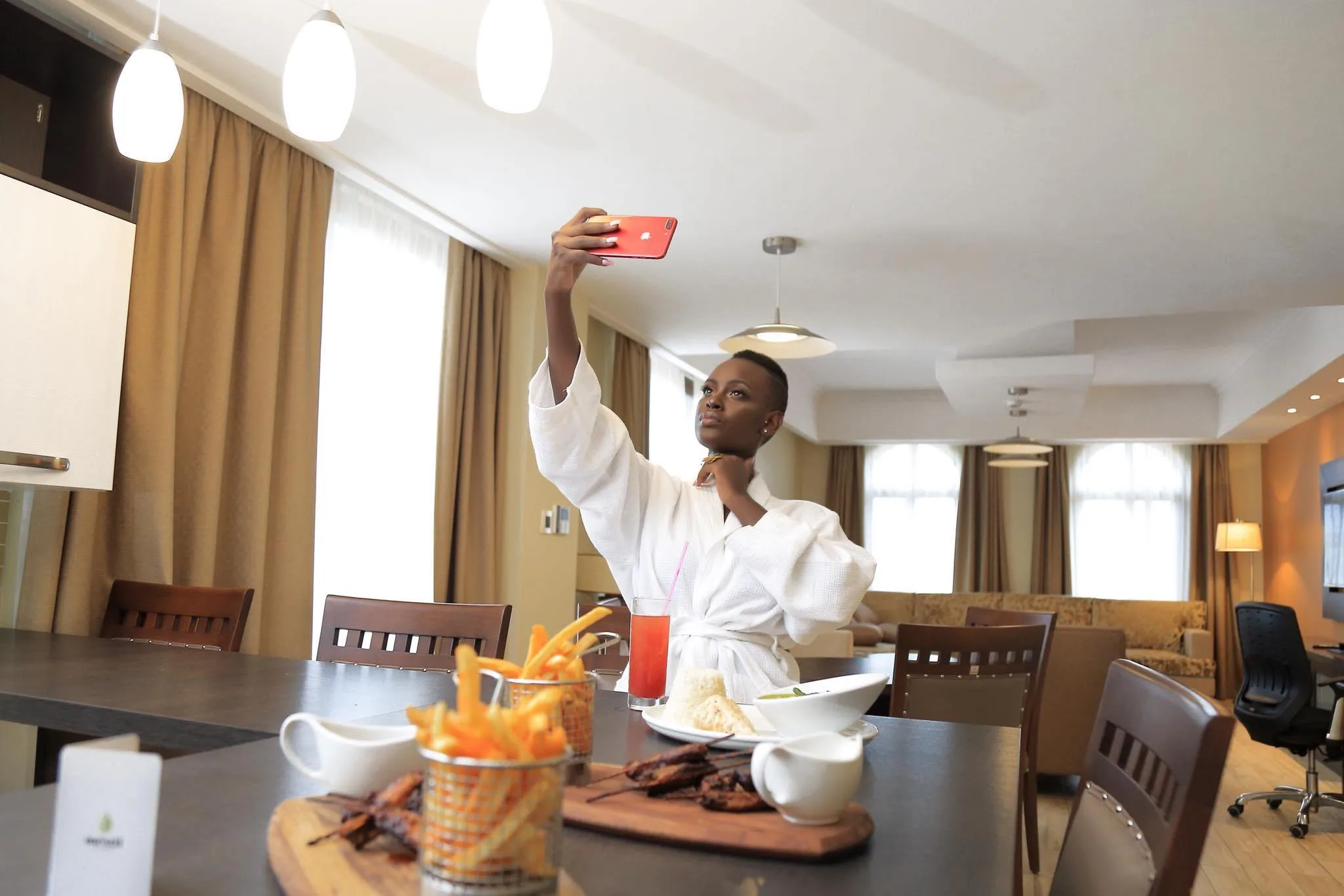
The face of everything young, fresh and modern in Uganda. I started out in the Ugandan entertainment at the age of 15 as the host of “Youth Voice” followed by popular television shows “Be My Date” and “About Town”, I also became a respected actor after landing the lead role as Rhona in the Hostel serenity season 4 that aired on  Uganda’s NTV.

I’ve also been a spokesperson for many campaigns here in Uganda and regularly featured on the best dressed lists. All this while completing a degree in Public Relations and media management at CUU

Currently a panelist on the Ntv Style Project a show that aims at edutaining about current trends beauty and fashion which airs every Friday at 7:35pm. In 2017, I emerged as a winner for the best dressed female media personality Uganda in the Abryanz Style and Fashion Awards also landed multiple nominations in the Starqt  and  Hipipo Awards.

Bettinah Tianah born Betty Nassali, 10 November 1993 is an Ugandan television personality, actress, model, and fashionista. She is known for hosting television programs like Youth Voice, Be My Date, and The Style Project. She also played a lead role (Rhona) in The Hostel television series.

At the age of 15, Tianah started working at NBS Television as the host of Youth Voice. She later hosted a matchmaking television show called Be My Date in 2015, replacing Anita Fabiola, and has hosted a fashion show called The Style Project since 2017. Tianah landed her first acting role as Rhona, a “bad girl” on the Ugandan television series The Hostelin its fourth and last season.

Tianah hosted the red carpet event at the UNAA Convention in Washington D.C., becoming the first Ugandan to host the event. She is also a model, having signed with Creative Industries Group in 2017. She held her first photoshoot in Paris.

Tianah holds a degree in Journalism from Cavendish University. She had earlier enrolled for a degree in Human Resources Management at Makerere University Business School (MUBS), but dropped out to pursue a journalism career.

Content courtesy Of Bettinah Tianah & Nairobi Fashion Hub 


Bonang Matheba Reality Show

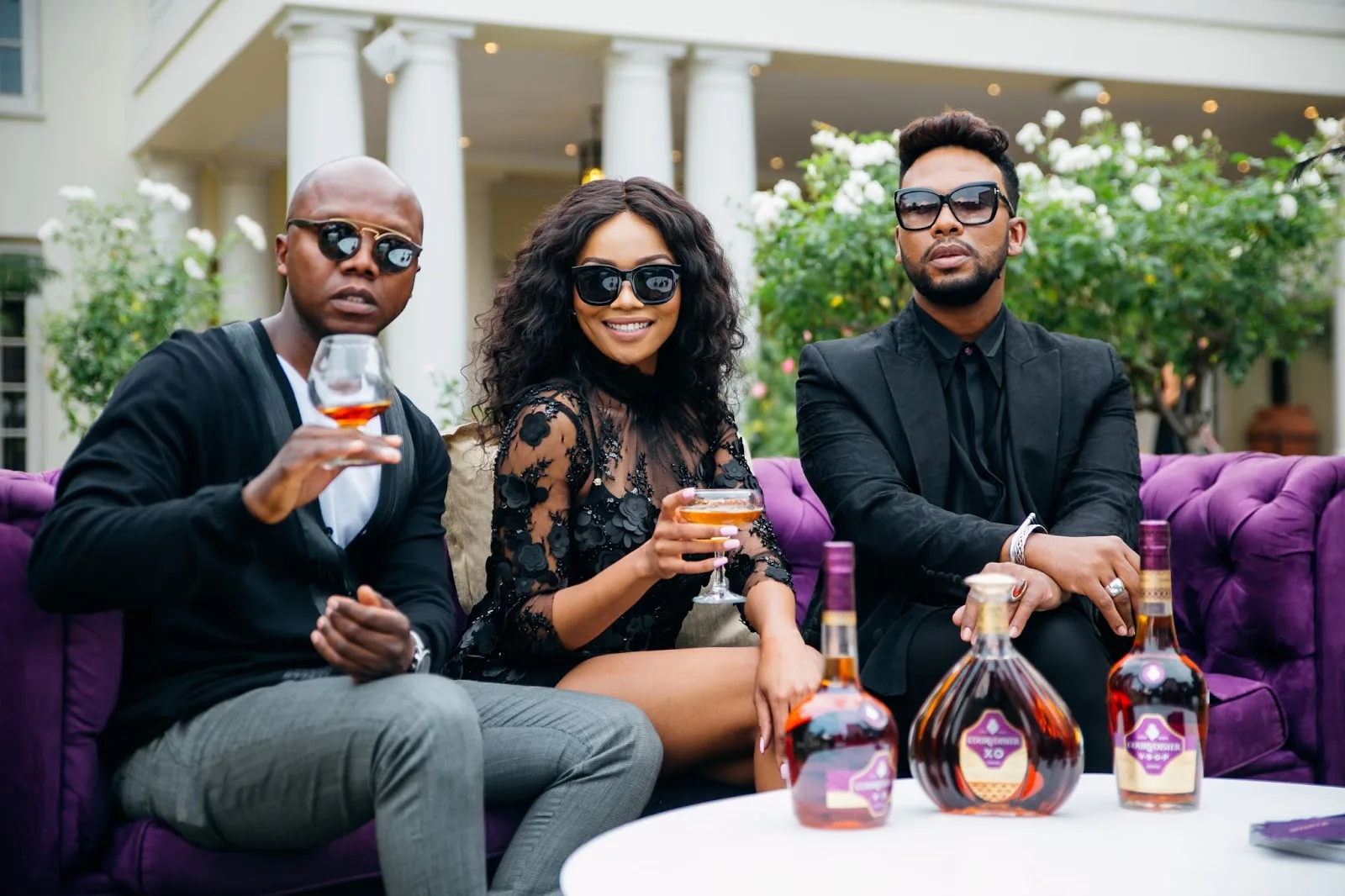
Bonang Dorothy Matheba known for her work ethic, determination and generosity, South African multi award winning radio host, TV presenter, MC and style icon, Bonang Matheba, affectionately referred to by fans as Queen B, has firmly positioned herself as Africa’s most sought after entertainment personality and SA’s number one social media darling.

From a very young age Bonang knew that she wanted to be great, and following endless hours building her brand, she got her break as presenter of LIVE.

Today, Bonang enjoys a daily active audience of over 5 million fans, wrote a No.1 Best-selling autobiography From A to B and has been included as Forbes List of Top 13 African Celebrities to Watch. She has also achieved a nomination for a MTV Africa Music Award for African Personality of the Year, won SA Style Icon of the Year, Channel 24 Digital Influencer of the Year and ranks as one of the 10 Most Powerful Celebrities in South Africa 2017.

In addition to launching the second season of Being Bonang, she has also been building her brand as MC, most recently being invited to the London’s premier social event, where she hosted the The Global Gift Nelson Mandela Centenary Dinner and has also been invited to host Miss SA, which took place at the Times Square Arena on Sunday 27th May.

Content courtesy of Bonang Matheba & Nairobi fashion hub

The Royal Marker

I am the Royal Marker one of the top model coaches in Africa but my real name is Stephen Wainaina

You can also call me Rydah Aftermath

I’m the proud Founder of  The Aftermath Modeling Agency. 

Over the last seven years, I’ve trained & nurtured around 70% of the country crown holders from major beauty pageant both National and county levels. Indeed, I have a secret simple remedy that I’m sharing with the rest of the world.

My foundation is based on four pillars that I train my students in so they can stand out as professional models in Commercial, Pageants & High Fashion.

1) Etiquette:- The customary code of polite behaviour in society or among members of a particular profession or group.

2) Perseverance:- Persistence in doing something despite difficulty or delay in achieving success.

3) Management:- The process of dealing with or controlling things or people.

4) Charity:- The voluntary giving of help,being  generous to others and setting humanitarian standards.

 Naturally I believe that a good personality & skills will always help you stand out from the crowd. This has helped my models reach international standards like Miss Diplomacy Africa,Miss Royalty Nigeria,Miss Intercontinental Guinea,Mr Nigeria INT,Miss Style France,Miss Intercontinental Kenya. Also, the best High Fashion Models in the country have been trained by me. I’ve also worked with models from Ghana,Rwanda South Africa, Dubai,France Italy,New York and globally extending our channels to other countries.

If you’re an upcoming model and you want to brand yourself as a world class supermodel then Nairobi Next Top Model is the Academy for you with African Best Model coach #TheRoyalMaker

Content Courtesy Of The Aftermath Modeling Agency & Nairobi Fashion Hub 

Fashion Couture Affair 5th Edition in Dar es Salaam

Nairobi fashion hub brings you the latest trends from the front rows of the just concluded fashion couture affair 5th edition.

A lot has been said about this runway event which started right here in Kenya. Over the years we have seen it grow from a simple catwalk event to a high end international fashion runway event.

Fashion Couture Affair Changing The Fashion Industry In Africa

Let us take you through how their 5th edition went down in Dar es Salaam Tanzania. This is the first Kenyan runway event to be hosted outside the county.

The stage was set for the show and the location was perfect and atmosphere was just right for the occasion.

Something to note about this show was they had a lot of industrial players attending the event. Which is good if you are into fashion business.

Sorry I forgot to mention the theme for this edition was valentines that explains the timing of the event and the set you see below.

The event was able to bring together fashion designer from across the globe. What am sure everyone will agree with me is that from all the edition fashion couture affair has had, this one has produced one of the most creative and mind blowing designs.

From the red carper to the main runway, the setup was done very exquisite kudos to the team.

Event host was Diana Edward Loi Miss Tanzania with an amazing voice, very composed and technical knowhow of the job.

Designers who showcased their design collection at this year’s event ” Fashion Couture Affair 5th Edition” were

  • Kidato designs
  • Levra with culture
  • Angel Hudson
  • Baghai classic fashion
  • Mahamus Designs
  • Africa By Linet
  • Rama D

What we can learn from this event is that, they are trying to connect different countries through the work of fashion and art. Fashion Couture has had a significant growth and their track record speaks for themselves as they have always managed to deliver a quality experience for the audience, designers and all other participants.

This places the event among the top events in the East and central African block. Spreading out their wings to Tanzania seems like a bold move and one that was met positively considering the event has hosted quite a number of foreign designers in previous editions.

We hope to more of these kind of high end runway events that will create a good impart to the region and our day to day living.

Content Courtesy of Fashion Couture Affair & Nairobi Fashion Hub 

Fashion High Tea 2019

On Saturday 16th February, Nairobi’s biggest fashion event, The Fashion High Tea 2019 went down at the lush Zen Garden Restaurant.

This was the 9th edition of the popular luxe event that’s known to host the upwardly mobile class of Nairobians encompassing media personalities, fashionpreneurs, fashion enthusiasts, models, celebrities and even dignitaries.

The event prides itself on being one of the few local events that combine fashion and charity, by collaborating with philanthropist, Caroline Mutoko to support a charitable cause every year. Proceeds this year will go towards THE NEST A centre established in 1997 for the rescue, rehabilitation and re-integration of children in conflict with the law and children of imprisoned mothers.

The event promises an afternoon of free-flowing drinks, food and biting, an impressive runway where models showcase designs by select local designers, pop up stores where you can shop for fashionable items, great music and ambiance. As expected, the organizers of the event did not disappoint as everything was up to par, not to mention, the weather was brilliant.

Attendees of the event brought their best fashion A game forward, interpreting the ‘high tea’ theme the best way they know how and some even adding an unexpected dimension to the somewhat complicated dress-code that many don’t seem to get right. Normally, the high tea theme is characterized by opulence.

Women are expected to wear respectable yet elegant clothing. No cut out figure hugging dresses, but more like flared hem dresses whose length is decent enough – tea length. The contemporary high tea theme is slowly changing and becoming accepting of pants, flashy colors and even outfits that are elegant, but don’t necessarily fall under the ‘high tea’ dress code. That being said, here’s what Nairobians wore to the event.

Content Courtesy of Pusle live Photo Credit 99thsense  

Kahindo Mateene Fashion Designer from Congo

KAHINDO is a contemporary women’s wear brand creating vibrant statement pieces with a resort feel. The colorful pieces bought originally for a vacation will quickly turn into closet staples.

The brand was founded by Kahindo Mateene in 2009 and features feminine and sexy design alongside bold colors and unique prints inspired by the designer’s African heritage, globe-trotting adventures and surroundings in New York.

A graduate of the Illinois Institute of Art in Chicago, Mateene was selected to take part in Macy’s Chicago Fashion Incubator program and was also one of the contestants in season 12 of Project Runway.

Mateene is a passionate believer in the importance of empowering women and champions this cause through philanthropic endeavors in her native Congo and stateside.

KAHINDO is an independent women’s ready-to-wear design label based in New York city. Founded in 2009 under the name Modahnik, the brand was born of founder Kahindo Mateene’s desire to create a line that infuses the nostalgia and modernity of the two cultures of her upbringing, American and Congolese.

KAHINDO pairs mid-century Americana silhouettes with traditional Congolese textiles and fabrics creating garments that empower women in all of their femininity. KAHINDO believes that when you empower women, you empower a whole society, and champions this cause with a philanthropic partnership with MamAfrica, KAHINDO and MamAfrica repurpose the brand’s fabric scraps into handbags 100% made in the DRC by Congolese women.

Born in the Democratic Republic of Congo, Kahindo Mateene is an alum of the Illinois Institute of Art. Mateene draws inspiration from Congolese art and culture of her childhood as well as the culture of her adopted country of the United States and extensive travels throughout Europe, the Americas and Africa. Upon completion of Chicago’s Fashion Incubator at Macy’s Residence Program in 2011, Kahindo Mateene landed a spot as a contestant on Season 12 of Lifetime Network’s Emmy-Nominated Project Runway television show.

From her constant philanthropic endeavors to partnership with MamAfrica through KAHINDO, Mateene has always seen fashion as a vehicle for conveying cultural perspective and betterment of a society.

Her collection marks the rebirth of my brand, under its new name, KAHINDO. The essence is maintained – bold colors and prints, sexy and sophisticated, and the attention to detail remains a priority. You will see my Congolese heritage shine through, with more emphasis on texture.

The color palette was inspired by conceptual artist Lina Iris Victor, whose work, specifically her painting, “Syzygy”, creates synergy between blue, black, white and 24-carat gold. I now present, KAHINDO, statement pieces for the progressive woman.

Content Courtesy Of Kahindo & Nairobi Fashion Hub

Top Celebrated Rwandan Model Alexia Mupende, Murdered by Domestic Worker

The popular model was reportedly killed by a domestic worker at her father’s home.

Alexia Mupende, a celebrated Rwandan model, actress and fitness worker, died on Tuesday after being stabbed by a 23-year-old domestic worker at her father’s home in the Nyarugunga Sector, Kicukiro District, reports Rwanda’s The New Times. She was 35.

Model Alexia Mupende

The news was later confirmed by the spokesperson of Rwanda Investigation Bureau, Modeste Mbabazi, who declined to share further details involving the case.

The model was due to get married next month.

As part of the Mashirika Performing Arts Group, Mupende worked to bring Rwandan clothing and fashion to international attention. She was also the General Manager of Waka Fitness in the capital city of Kigali according to The New Times.

Mupende was born in Kenya, and raised between Kenya and Uganda, before moving to Rwanda where she studied Business Information and Technology, adds BBC Africa.

The news of Mupende’s untimely death has come as a shock to many of her fans and supporters who have taken to social media to give their condolences, and ask that her killer be brought to justice.

Mupende is being remembered as a dedicated worker and kind soul.

Content Courtesy of Nairobi Fashion Hub

Meet East African brand Cocolili and learn more about their scholarship fund for Girls 

Coocolili is a ready to wear East African retail brand offering high quality tailored clothing and accessories for women, men and children. The brand is based in Nairobi, Kenya and was officially launched in November 2016.

Cocolili is a brand that is African at heart but has been designed to fit perfectly on any high street boutique in the world. Cocolili seeks to narrate the African story through its bold, vibrant and colorful prints which are individually customized for the brand. The prints are based on African themes and motifs and are symbolic of our African heritage and add an element of ethnic pride.

Our design philosophy focuses on classic and timeless staples that transcend time and culture and that allow for maximum adaptability and flexibility.

We offer styles in a variety of prints and colors ranging from subtle delicate reflections to vivacious spirited pallets,Cocolili prides itself as a truly East African brand, with each item of clothing conceptualized, designed, and manufactured in the region.

As a female led business, Cocolili prides itself as a brand that promotes the progress of women in our society. We identify ways to make women more visible and campaign for more inclusivity at school, work and in society.

The scholarship fund will sponsor under privileged school girls in secondary school pursuing Science, Technology, Engineering and Mathematics (STEM) subjects. Ten percent of our annual net sales will go towards the fund. Our goal is to empower these young girls to succeed and hopefully become the next women leaders of Africa and the world.


Content Courtesy of Cocolili Africa & Nairobi Fashion Hub

African Dresses

Over the years, African fashion has grown in popularity with many fantastic designers, fashion bloggers and stylist in this area. The best thing is, you can really make it unique to your sense of style. There’s an outfit for every season and occasion whether you want to go casual, add colour to your work wardrobe or to a friends up coming wedding ,you can dress your outfit up or down to create the desired result you need.

The best things about African fashion is the array of bold statement colours and prints. You can either make your whole outfit bright, bold and beautiful or just choose a statement piece to incorporate into your look to add a new element of interest to that black blouse. Whether that is through a pair of shoes, stunning necklace or a flowing skirt, the end result is as fantastic as ever.

Perhaps the best thing about the variety of colours is that you can really match it to your personality and play around with the right tones that complement you and your skin tone the best. We say, have fun with it and experiment; you’ll soon learn what works for you.

You walk into a high street shop in any fashion store in Africa and most clothes have safe prints and patterns. African fashion is a lot more interesting with many different prints to choose from and all with a different meaning. The prints are used tell stories about Africa life , proverbs and traditional tales of most Africans.

We particularly love that you can clash your prints, which ensures your outfit truly is unique. It can be tricky to pull off, a top tip is to put together the style of pattern or colours used, so that the two prints you are planning on wearing together almost match, but not quite.

“Beauty of Africa “

With African fashion in your wardrobe, there are never ending options to dress up your outfit, whatever the occasion. For example if you fancy going out in your little black dress, breathe some new life into it by adding a focal point such as a sash, scarf or printed headband.

Just believe us, there is nothing difficult about African fashion. The trick is to subtly add it into your style as little or as much as your personality and fashion statement allows.

Not just a trend; African fashion is a life style and it here to stay as they as Africa is the future.

Content Courtesy of DMY and Nairobi Fashion Hub 

Ad