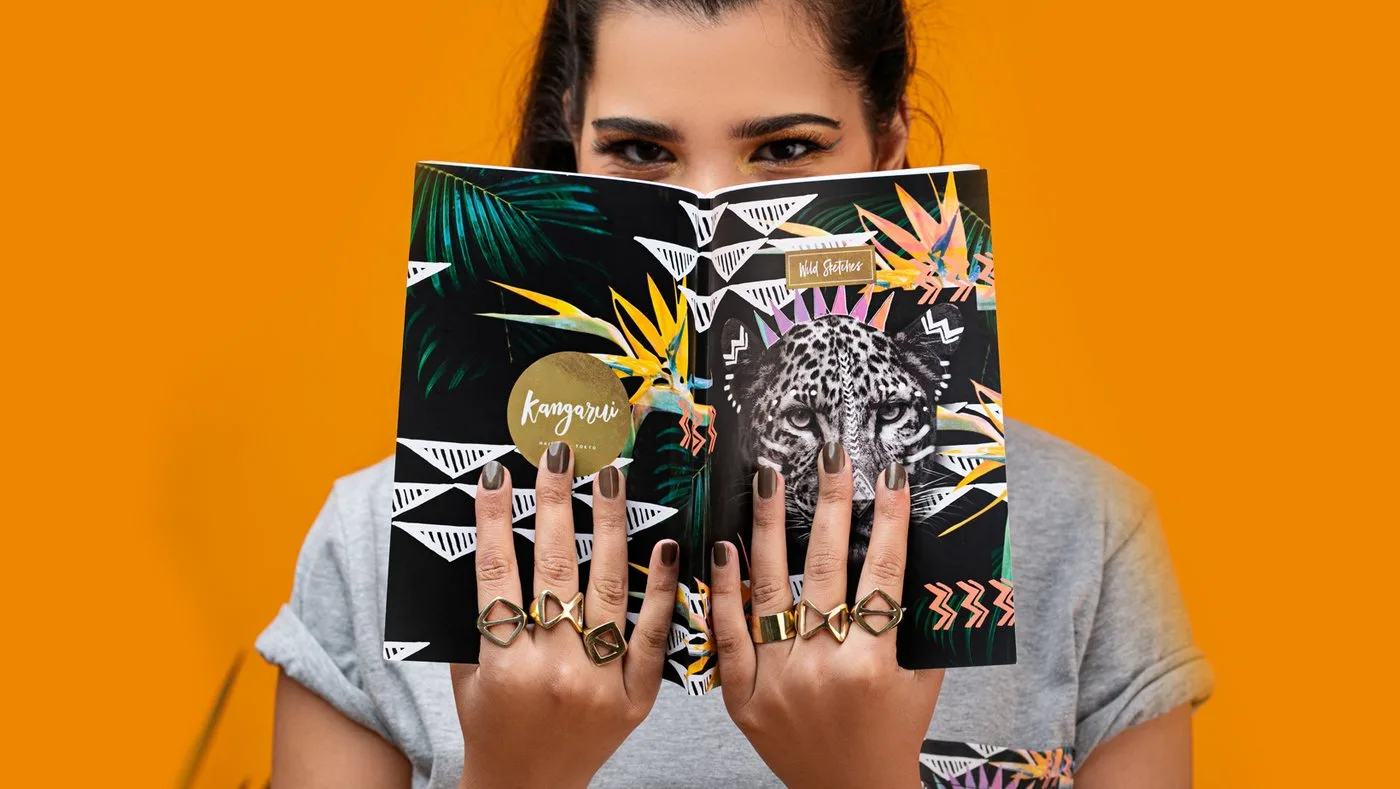
Kangarui is all about colour, animals and nature. Each piece is custom designed using watercolour, photography and collage, carefully printed on to accessories and home decors. Inspired by the beauty of Kenya, Kangarui wish to spread positive vibes around the world through there unique art.
Kangarui products are produced by local manufacturers in Nairobi + Tokyo, with no animals used or harmed in the process.
Rui Yamashita is the artist behind Kangarui. She was born in Japan, raised in Kenya and her life experiences are reflected in each of her designs. A quirky fusion style, filled with colour and often with animals found in East Africa, she wishes to spread her safari love around the world.
Her passion has always been to get dirty and be creative by exploring all sorts of materials and tools, playing heavily with layers. Her designs were sold at Urban Outfitters, Target, BHG, Houzz, and many other stores worldwide, before she launched her own brand in September 2016.
The name ‘Kangarui’ sounds like an animal often found in Australia, but it is actually a combination of Kanga (or Khanga, a traditional textile from Kenya, often used as headscarves and sarongs) and her first name, Rui. Kanga-Rui
Content courtesy of Kangarui & Nairobi fashion hub
A fashion show is an event put on by a fashion designer to showcase his or her upcoming line of clothing during Fashion Week. Fashion shows debut every season, particularly the Spring/Summer and Fall/Winter seasons. This is where the latest fashion trends are made. A fashion show is an ensemble of creative ideas, right from ramp, lighting, and décor, to models and clothing.
Success of a fashion show depends on whether it is able to spark the imagination of audience, and convince them to buy those clothes. Themes in fashion shows, are able to do just that, as they provide theatrics and create drama, at an otherwise normal show.
Fashion events not only create a buzz in their home countries but attract people from all over the world. These events encourage creative and diverse ideas in the fashion industry and also helps generate revenue for other industries as well.
Over the past few years, the fashion scene in Kenya has undergone massive changes. One could even say that it has been democratized. Even right now it is growing in leaps and bounds even though sometimes it may not be apparent. With the large number of fashion events that we have presently, it can be difficult to decipher which ones are actually the best and worth looking out for.
Do you know what the 10 biggest fashion events in Kenya are?
1. Kenya Fashion Awards Established in 2012 the Kenya Fashion Awards is celebrating the contributions of the designers, fashion photographers, models, fashion stylists, make-up artists, hair stylists and creatives to the fashion scene. Its aim to recognize and celebrate the wealth of fashion talent across Kenya and East Africa. The event provides a stepping stone for emerging talent into the highly competitive fashion arena through networking, promotion and guidance. Winning or being shortlisted for an Award provides endless rewards for designers, photographers, models … who participate as the event offer s a great opportunity to increase brand awareness and to showcase designers, photographers or fashion stylists work to the industry professionals, fashionistas, press and media.
2. Nairobi Fashion Week
The Nairobi Fashion Week ( NFW ) is a creative idea targeted to be a meeting place for the nation and Africa’s most creative talent. It’s an event created to showcase East Africa’s designers, stylist’s,producer’s, commentators, sponsors and everyone in between to a global audience.
NFW has been conceptualized to provide a leading platform for the Kenyan fashion industry to grow. It brings together all the necessary components under one roof to provide an opportunity to incubate and grow the Kenyan fashion industry.
3. Fashion High Tea
The event prides itself on being one of the few local events that combine fashion and charity, by collaborating with philanthropist,The contemporary high tea theme is slowly changing and becoming accepting of pants, flashy colors and even outfits that are elegant, but don’t necessarily fall under the ‘high tea’ dress code.
Fashion High Tea has proven itself time and again to be one of the premiere fashion events in the country, the event brings together designers from all over the world to showcase their work to the local market.
4. The JW Show
Aim to connect, Kenya, Africa And the world through fabric and design,this style-studded fashion extravaganza congregates men and women who are pushing the envelope of sustainable local fashion brands that have transcended borders and caught global attention. Make a date with us and be part of this iconic show where style will meet elegance.
The event mostly offers a platform to young upcoming designers with more established designers opting not to showcase due to the presentation format,he JW Show, organized by Jeffrey Wilson, has proven itself not once or twice but several times to be among the top fashion events in Kenya.
5. Tribal Chic
Tribal Chic is Nairobi’s most respected fashion show. The annual event is hosted by Tribe Hotel and aims to showcase the best Kenyan and international designers to local fashion insiders. Following in the footsteps of previous worthwhile happenings in the city, namely Kenya Fashion Week and FAFA, Tribal Chic has over the past few years, become a flag bearer for promoting Kenya’s fashion infrastructure. This is thanks in large part to the show’s curator Alina Haq and choreographer Sunny Dolat.
“The concept is simple we want to showcase great design,” says Dolat. “For the line-up we look for something fresh that the audience will appreciate and buy. It’s a show that aims to surprise and impress.”
Held annually at Tribe Hotel at around 14th December, this event attracts thousands of artists, designers to come showcase their talent. It accommodates both local and international fashionistas. It was founded with an aim of helping the less fortunate in the society.
6. Fashion Couture Affair
Fashion couture affair is a runway event , started in 2016 and its managed by fashion killers 254. its a platform for designer, models, exhibitors, artists and any other business related to fashion,The event traces its roots to Nairobi Railways museum where most of the editions have been held.
7. Samantha’s Bridal Wedding Expo
Samantha’s Bridal Wedding Expo is a bi-annual event where all wedding service providers in the industry come together and showcase the very latest in wedding trends,The Samantha’s Bridal wedding fair is an exciting 3-day event filled with fashion, beauty and style. It is Kenya’s most dynamic and effective place to meet leading industry players in the wedding, beauty, honeymoon, Kenyan fashion giants and affluent women and their families.
The event spans a couple of days with close to a hundred vendors in attendance to showcase and promote their brands. There’s a runway segment that give a better view at how the wedding attires look like.
8. Entrepreneur Fashion Week
EFW is a great event with three key elements, Fashion shows, mini expo and master class that hat pulls together business owners, industry insiders, exhibitors and fashion lovers in East, south and West Africa across fast fashion, contemporary luxury and trends for the world apparel production and supply for both European and African buyers and an opportunity for brands to meet and spark possible business opportunities & collaborations.
9. Kenya Worldwide Fashion Week
With the immense knowledge in the Fashion Industry and Having held Various High Profile Fashion Shows and Being Voted Fashion Ambassador Kenya ,Sonu strongly Believes “in a World of Color”.Her creativity “runs on an engine of passion,shape,textures and touch in a pattern that Leads to the Creation of Fashion.”
Sonu moved to Kenya from India in 2006 and soon realized that Kenya had lots to offer to the World and had a rich Cosmopolitan flair to it. In a short time Sonu has made a huge impact on the Kenyan Fashion scene, at Kenya Worldwide Fashion Week, local and international designers are given a chance to showcase their original haute couture pieces. It has held 7 editions so far.
10. Core Fashion Kenya Show
The Core Fashion Kenya aims to give the Kenyan fashion industry one voice; to help project local designers and talent onto the international fashion arena,with the aim of promoting local talent to penetrate the international market, Linda Murithi CEO of In The Bag saw the opportunity to give fashion industry a voice. Core Fashion Kenya is held at Tribe Hotel to nurture, celebrate and unify local talent fashion icons.
Turkana Fashion Week
Founded by Ignatius Wafula, Turkana Fashion Week aims to recreate Turkana culture using fashion beyond Kenya. It has received international recognition from the likes of Ajuma Nasenyana.
All the fashion shows events listed here may vary from ranking.
Content courtesy of Nairobi fashion hub Digital Team
Let’s be honest. We all dress up for other people. At least to some extent.
It may be to attract the opposite sex as we seek their admiration. Admiration, not approval.
It may be to impress members of the same sex as we seek their respect. Anyone who’s ever had to dress up for an important function with a lot of big wigs can easily attest to this. Today, however, I want to address the most important person you will ever dress up for.
YOU.
Elevating your standards to new heights and dressing up for yourself can have some serious positive impacts on your psychology. Benefits which include but are not limited to;
A major boost in your self-confidence which radiates like warm sunshine to those around you.
Improved mental health based on the good feelings you end up having about yourself from within.
A sudden increased desire to go out and conquer, which is essentially what men are all about in the first place.
When all’s said and done, anything you wear to a special occasion should pump you up as it does with the gentleman in the video below.
https://youtu.be/znsyf0Ot0mU
If it doesn’t, then it’s a waste of money. And as my grandfather would always say, “It’s better to invest Kshs. 50,000 than to lose Kshs. 5,000.”
So, gentlemen, it’s time to stop taking cheap shortcuts and make the investment in yourself that you’re worthy of.
You deserve it.
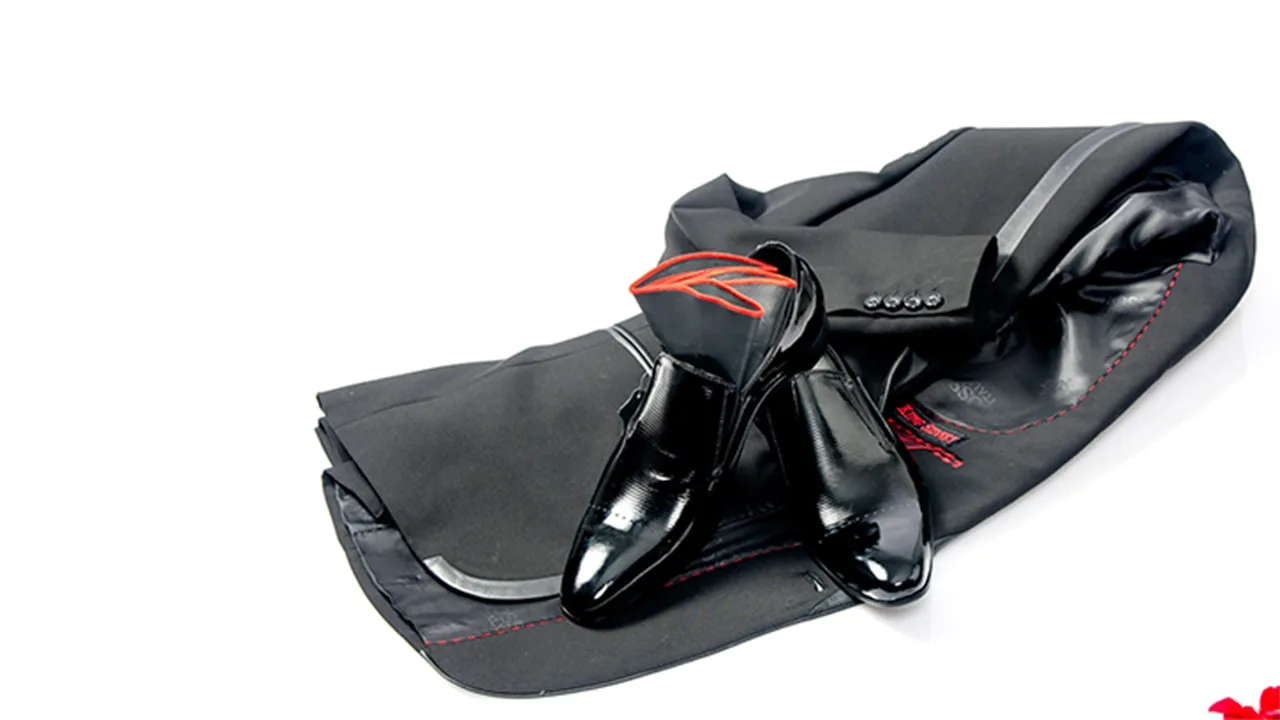
Black designer mafia boss jacket exclusive to King Sidney.
Content courtesy of Paul Oloo & Nairobi fashion hub
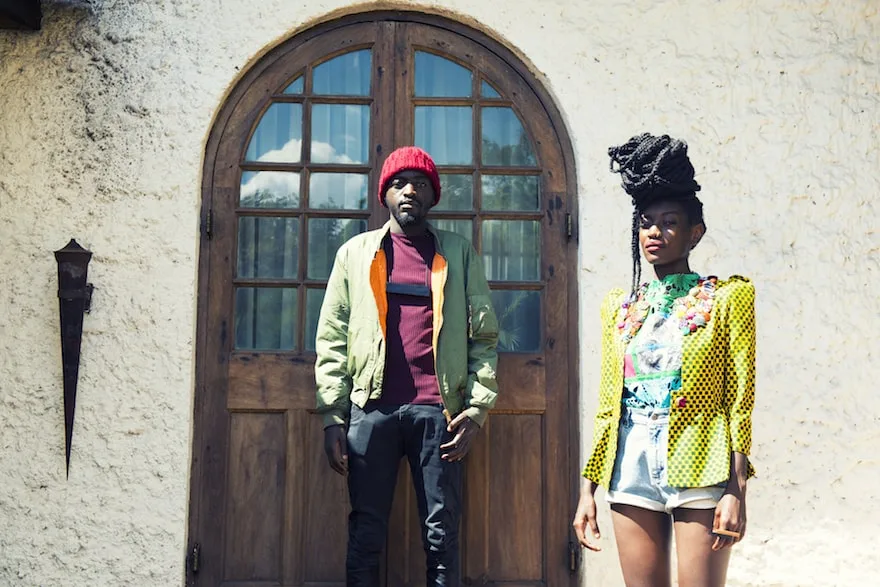
Ichyulu (ee・chew・lu) is derived from “Chyulu Hills” which means “Spotted Hills” and is a mountain range in Eastern Kenya. Established in 2016, Ichyulu is a concept store featuring hand-selected pieces from African Fashion and Design brands. Nairobi is our home but we host a wide variety of designers from the continent whom we have gotten to know through our travels and social media.
Oliver wears the Sehemu Necklace and Vipande Necklace both by Nyumbani Design (Tanzania). Background features Shine Shine fabrics (SA)
As a lover of African fashion and design, Ichyulu was set up to provide a platform that would connect designers with potential consumers and serve as an alternative distribution channel.
Fashion store Ichyulu, which launched in January 2016, has just teamed up with Kenyan photographer Migwa Nthigah and local style bloggers to create a series that celebrates Nairobi’s growing style scence.
Nancie Mwai fashion blogger Wearing: Neon 27 black and white cropped pants, Urbano Gallery nude chain bag, Angelos nude pumps, Adams khaki blouse.
Ichyulu’s focus is to provide a curated retail experience for those who seek unique pieces to match their individual style. Part of our ethos is to celebrate the diversity of African fashion and design through showcasing the use of local materials , sustainable practices, custom prints and craftsmanship through a modern lens. We hand select everything and we make sure we love it first before we introduce it on the platform.
Nancie Mwai fashion blogger
They believe in a thoughtful approach to fashion and design. Ichyulu want their customers to love what they buy and want to have it as a staple piece in their wardrobe or home for years to come. Ichyulu also love photography and most of the time they use it for editorial campaigns and to work with the best talent in Kenya to create wonderful visual campaigns.
Content courtesy of Ichyulu, Nancie mwai & Nairobi fashion hub
British supermodel, businesswoman, and philanthropist, Naomi Campbell, was recently honored by the Human Rights Campaign (HRC) with the Global Advocacy Award at the 19th annual Greater New York Gala, which was held on Saturday, February 1st, 2020 at the New York Marriott Marquis, New York.
Campbell was recognized based on her global relief efforts which support homelessness, poverty, HIV/Aids, world hunger and equality for all people. While accepting her honor, the 49-year-old activist who donned a draping Zuhair Murad gown, complemented with Fred Leighton jewelry notes:
“ This journey that I am on gives me a sense of fulfillment. When I committed to doing this work, I was not aware of the difficult tasks ahead but I did realize one thing, I wanted to give back to communities of all various circumstances, all the things that I had to fight for in my own life – to be seen, to be heard, to be included, to be accepted and to be given hope when it seems there is none. ”
Also honored on the night was American actress and singer, Kristin Chenoweth with the Ally for Equality Award and American actor and playwright, Jeremy O. Harris with the HRC Equality Award, among others.
About Naomi Campbell
One of the five original supermodels, Naomi Campbell was born in London and caught her break when she was 15 years old. She has graced the covers of more than 500 magazines during her career and has been featured in campaigns for Burberry, Prada, Versace, Chanel, Dolce & Gabbana, Marc Jacobs, Louis Vuitton, Yves Saint Laurent, and Valentino.
She was the first black model to appear on the cover of TIME magazine, French Vogue and Russian Vogue as well as the first British black model to appear on the cover of British Vogue. The runway was her domain as she showcased the collections of top designers, including Chanel, Azzedine Alaia, Christian Dior, and Versace.
Additionally, Campbell has appeared in countless TV shows, music videos and films, including “The Cosby Show,” “The Fresh Prince of Bel-Air,” Madonna’s “Erotica ” Bob Marley’s ” Is This Love ” and Michael Jackson ” In The Closet. ” Campbell is also responsible for an incredible amount of fundraising and charity work in South Africa and across the globe. She began charity work with Nelson Mandela in 1993, and in 1997 he named her “Honorary Granddaughter” for endless activism.
In 2005, she established Fashion For Relief and hosted its first charity fashion show to raise funds for victims of Hurricane Katrina in New Orleans. Since its conception in 2005, Fashion For Relief has presented shows in New York, London, Cannes, Moscow, Mumbai, and Dar es Salaam, and has raised millions of dollars for various causes. Naomi Campbell executive produced and appeared as a supermodel coach on Oxygen’s acclaimed series “The Face," in the USA, which aired in winter 2012. In her role as executive producer, Campbell brought in key fashion designers, photographers, publications, products, and contest partners, and created unique, real-life opportunities for the contestants.
UK series of "The Face" launched in September 2013 and airs throughout the Autumn on Sky Living. “The Face” has been announced for Australia, filming begins in the winter of 2013.
Advanced conversations are underway to take “The Face” to other territories across the world.
Naomi Campbell continues to be a formidable force in the world of fashion and has used her success to establish herself as an entrepreneur whilst always helping others in need through her charity work.
Content courtesy of Anyiko PR & Nairobi fashion hub
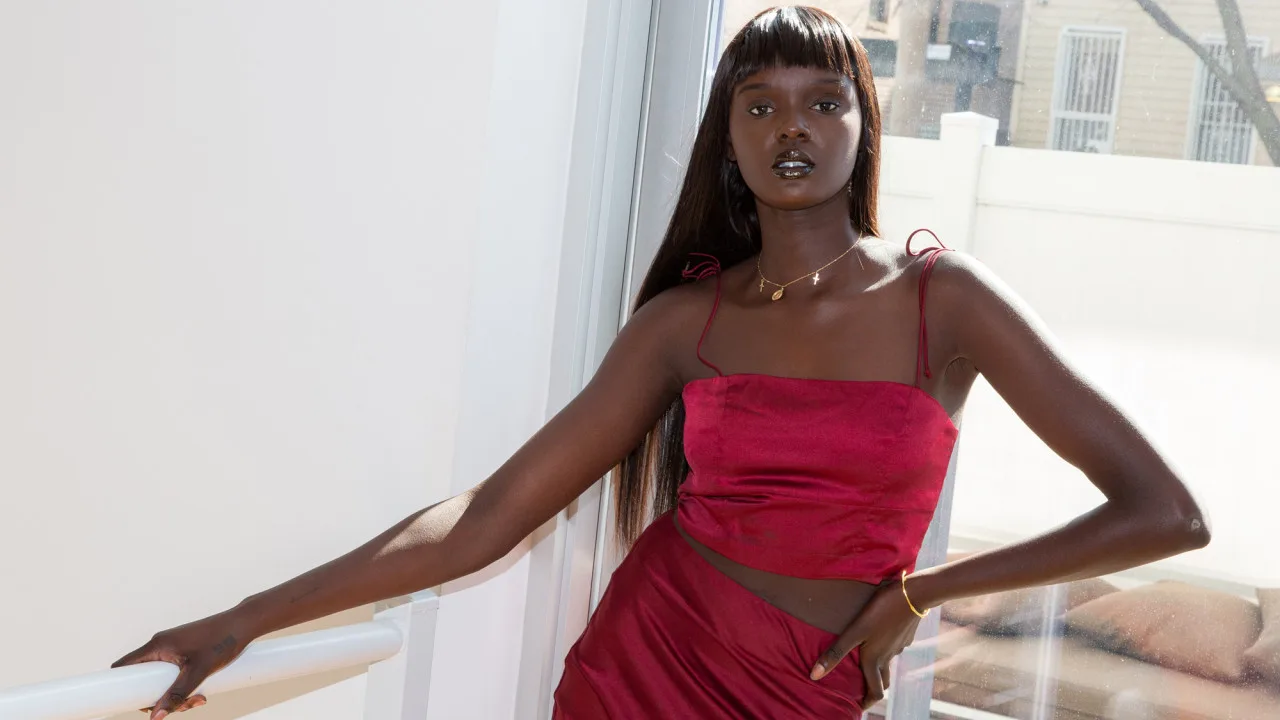
I was the first in my family to be born in Australia. My parents came from South Sudan as refugees; the South Sudanese Civil War was really hard, and my dad wanted the best for us. He came over first with a few friends, and the rest of the families followed. (My mother was pregnant with me when she left South Sudan.) My grandpa was an English teacher so my dad was fortunate enough to be able to understand the paperwork; not many people in South Sudan could.
When I was maybe 5 or 6, more families started coming to Australia from South Sudan. We let many of them live with us so that they could ease into Australian culture. Because my dad spoke English, he could help them with their papers as well. Going from war to such a put-together country is a really difficult transition, and we tried to make that as easy as possible for them.
Though we lived in Melbourne, I grew up in a South Sudanese household. I spoke Nuer, the language of my tribe, and I learned English at the same time. I felt disconnected from my family’s home country because I didn’t know too much about it, but my parents did a lot to keep the culture alive; we’d attend community events and classes on Saturday, where we’d learn cultural dances, and we’d hold traditional wedding ceremonies. It’s a very different culture, but it’s part of who I am. I’m grateful for that. My parents didn’t want me to lose that side of myself while growing up in Australia.
I went to a private school where there weren’t many people of color. When we were growing up and people started wearing makeup, I could never find a shade for me, which was difficult to deal with. I remember being in a shopping center, and I couldn’t find a single person who looked like me on a billboard. That moment made me want to get into fashion. I learned about modeling through my older sister, Nikki, who had signed with a small boutique agency in Melbourne. I would go to set with her, and the more I watched, the more I just loved it.
I was at one of her gigs when I got scouted to do Australia’s Next Top Model. I was only 15 at the time, so they told me to come back when I was old enough. I was on the show when I was 17 for their eighth cycle. Tyra [Banks] made the show so big in the States, and it was so big in Australia as well, so when they asked me to participate, I was thrilled. But filming was difficult. We had limited access to speak to our families and we weren’t allowed to go out, and, you know, as teenage girls that is a little bit tough. But I ended up finishing in third place.
After that, I tried to find gigs in Australia, but I didn’t get much work, I think due to a mixture of things. I hadn’t found my groove yet. When you’re not confident in what you want, that plays a huge part in modeling. There was also a lot going on in my life at the time. I was in school studying chemistry (I hated it) and I’d just lost one of my seven siblings. When somebody passes in our culture, there’s a weeks-long mourning process and that hit me hard. It took a toll on me, and I started to fall behind in school. That experience is what made me decide I was going to give modeling another crack.
My mom thought I was crazy, but I already had my visa in my hand; if you want to make it as a model you go to New York. In August 2016, I moved to New York City with $400 in my pocket. At the time, I really underestimated how hard it would be, and I underestimated the consequences of coming with so little. I lived in a model’s apartment with a bunch of girls, and as soon as I got off the plane, it was running around to what felt like a billion castings. I was very emotional and cried a lot—I didn’t know if I could do it. Looking back, I’m grateful for that experience because it taught me how to toughen up.
Two weeks after arriving, I was on my way out of a casting—I think for Ralph Lauren—when a casting director ran out after me. She worked for Kanye West’s team and said, “Kayne is in the building, and he would love to see a fresh face.” I was freaking out, but I went and met him and saw his collection with Jackie Nicholson. It just so happens that same day I also met Pat McGrath. It all flowed from there: I did Kayne’s show that September and started working with Pat right away. Since then, I’ve been able to pick who I want to work with, like Tim Walker. I shot his Pirelli Calendar in 2018 as the first black “Alice in Wonderland,” and I’m always going to be proud of that moment.
I was at one of her gigs when I got scouted to do Australia’s Next Top Model. I was only 15 at the time, so they told me to come back when I was old enough. I was on the show when I was 17 for their eighth cycle. Tyra [Banks] made the show so big in the States, and it was so big in Australia as well, so when they asked me to participate, I was thrilled. But filming was difficult. We had limited access to speak to our families and we weren’t allowed to go out, and, you know, as teenage girls that is a little bit tough. But I ended up finishing in third place.
My upbringing definitely shaped my modeling career. My dad shared the lessons he learned growing up in Africa and moving to Australia, and that helped in my move to New York. He would always tell me to be stronger and to make my voice heard as a black woman.
The beautiful thing about fashion is it’s an always-changing industry [in terms of diversity]. We’re at a point right now, especially the younger generation, where everybody needs our voice and needs us to say what we want the fashion industry to look like in five years. Remember that billboard I couldn’t find when I was younger? Today, there are women of color on billboards everywhere. At airports, every shopping center in every country I go to. It’s so important and so necessary, and I’m so happy that other girls can see themselves now. When it comes to diversity in the industry, I’m happy to be a part of that change. My dad used to say, “Be true to yourself, and the answers will come.” I really try and live by that principle.
African fashion is booming, and so is its web presence. Ever-expanding numbers of websites, blogs, e-tailers, Tumblrs and online magazines dedicated to African-influenced style represent a field of fashion that is as fast evolving as the social and online media that shows it love.
A new generation of African and diaspora designers have gained attention in recent years, and African styles are a perennial trend on international catwalks too. With so much information to filter, here are 10 places to begin your African fashion odyssey.
Jamila Kyari Jamila Kyari is an African fashion and lifestyle brand that inspires women to live a colourful, vibrant and bold life. It achieves this through the showcase of bright colours, vibrant prints and bold patterns in women’s apparel, home decor, stationery and gifts. Content includes style posts, product reviews and lifestyle tips tricks with an African twist. www.jamilakyari.com
Fashion Breed A fashion blog from South Africa, regularly updated with photo-stories, everyday style, travel, events and articles. The site has witnessed her growth since its founding early in 2010, and documents the way Aqeelah has incorporated fashion in her many adventures. www.fashionbreed.co.za
Brett Robson Fashion by Brett Robson was started in 2010 when Brett found herself unemployed. Fashion by Brett Robson has worked with many brands, been featured in multiple publications and continues to grow & enrich both existing & new brand relations. www.brettrobson.com
Africa Fashion Guide Africa Fashion Guide is the brainchild of Jacqueline Shaw a professional fashion designer, a visionary and an eco-entrepreneur with a big heart for Africa, Fashion and International Development. Jacqueline concepted Africa Fashion Guide with the focus to promote the African fashion and textile industry to the greater global textile industry. www.africafashionguide.com
Nairobi Fashion Hub This is all aimed at emphasizing to the region that fashion is an income generating creative industry, meanwhile promoting the ‘Made in Africa’ concept. www.nairobifashionhub.co.ke
Arum Lilea Arum Lilea was born in 2011 with the intention of inspiring young women to live their best lives possible. Focusing on the personal style and elegance that everyone can add to their daily attire. Whether being in a corporate environment or casual university style, Arum Lilea aims to offer something to everyone and make stylish living attainable for each and every lady www.arumlilea.com
Style Me Blog Style Me is a Durban based image consulting & personal stylist business designed to enhance your best features & disguise the ones you are less proud of. Daniyel Berry, is a qualified Fashion Designer who has channeled her passion into building self-confidence in her clients through Image Consulting. www.styleme.co.za/styleblog/
King Sidney Discover Afica’s finest wearable art in the form of these unparalleled dinner jackets, designer tuxedos & statement blazers for men in Nairobi and Kenya. www.kingsidney.co.ke
My Life in Pink My Life in Pink is a fashion and lifestyle blog by Emma Jane Menteath. Her blog’s design boasts a chic and minimal aesthetic, reflecting her classic and pared-back approach to dressing. www.mylifeinpink.co.za
Baked Online Baked Online a publishing platform highlighting beauty and fashion trends in South Africa and the world. Founded in 2009 by Aisha Baker – Parnell, Baked The Blog has grown with its creator to become an award winning blog www.bakedonline.co.za
Heritage1960 Heritage1960 offers both an editorial view of global African style and an e-commerce arm selling a mix of African-produced and inspired brands, including artisanal gems scouted from across the continent by apparel industry maven Enyinne Owunwanne. Pick up pieces from Jewel by Lisa, The Summit and Jamhuri Wear. www.heritage1960.com
Bella Naija Bella Naija, aka Uche Eze, began her blog in 2006 and it has grown to be one of the biggest fashion, entertainment and lifestyle websites in Africa. From Nollywood gossip to red carpet glamour, and from shop openings to beauty advice, nothing escapes this Lagosian’s all seeing eye. www.bellanaija.com
Africa Fashion Guide Jacqueline Shaw’s website is pegged as a “social enterprise promoting sustainability within Africa’s fashion and textile industry”. The London-based consultant’s interest is in promoting ethical and eco-friendly methods of fashion production, as her book Fashion Africa also expounds. www.africafashionguide.com
Aces Date Look at cute, young people wearing acid wash jeans and heart shaped shades. Read DIY guides to making leather shorts or wax print tote. And marvel at fashion shoots on water slides. It’s all on 4 Aces Date, a wizzy little website by Abby, Cookie, Kaven and Ozzie – four self-confessed fashionistas based, variously, in Lagos, New York and Washington DC. Who runs the world? Girls! www.the4acesdate.com/
One Nigerian Boy Street style from One Nigerian Boy Photograph: Terence Sambo/onenigerianboy.com Terence Sambo trumpets African fashion, design and arts on his site, which began as a blog but is now all grown up. Previously based in Lagos, he’s currently studying in London and is a keen street style photographer too, often taking photos of his own attire, which is no mean feat when you think about it. www.onenigerianboy.com
Marian Kihogo Stylist and creative consultant Marian Kihogo is one of the best dressed – and tallest – figures to be seen prowling around London Fashion Week and beyond. Her weblog went live in 2009 and covers fashion, beauty, catwalk shows and trends. She hosts a damn good party, too. www.mariankihogo.com/
I See A Different You Three dapper dans from Soweto, Justice Mukheli, Innocent Mukheli and Vuyo Mpantsha, fill their Tumblr with arty images of themselves as they travel around Africa, usually wearing bow ties and braces, fraternity sweaters and slacks. It’s a hard job etc etc. iseeadifferentyou.tumblr.com/
Fashion Notebook Nairobi-based blogger Nanci Mwai is as interested in promoting Kenya’s fledgling fashion scene as she is in global seasonal trends and celebrity style. Hot off the press: how to do a natural hair puff. www.nanciemwai.com
Africa Style Daily Huffington Post columnist Zandile Blay is the brains behind this popular site that puts African fashion within a diaspora dialogue about art, music, politics and culture. She also makes time to hail Africa’s contemporary icons such as former UN secretary general Kofi Annan and Tanzanian model and campaigner Flaviana Matata. www.africastyledaily.com/
Arise Live Arise Live is the virtual arm of Arise magazine, the London-based global African style magazine. Showcasing the best of the bi-monthly title plus films and reports from Arise Magazine Fashion Week, and blogs, catwalk reports, news and snappy interviews, it’s really rather good. Oh, and I edit the magazine. Did I mention that? www.ariselive.com
Content courtesy of Feedspot & Nairobi fashion hub
Photographing one of the world’s most sought after celebrities may seem a daunting task, but for Flo Ngala it’s all part of the day job. For two years, the photographer captured parts of the life of musician Cardi B, from video shoots to intimate moments with her family to sold out arenas. Here writer Alix-Rose Cowie speaks to Flo to find out what it takes to snap shots that are seen by millions, and document moments that will go down in music history.
Flo Ngala We’re both young women chasing our dreams and doing our work
When everyone on a Cardi B music video set is being told “strictly no phones, no photos,” Flo Ngala is quietly snapping away, swooping in between takes to get the shot. “There’s not really anyone telling me what to do,” she says. Since 2017 Flo has gained exclusive access shooting behind the scenes for the hip hop superstar on music video sets, at music festivals, awards shows, talk show appearances and two Met Galas. “It’s not like an outlined role,” she says. “It’s more like a kid who has a good eye and gets a chance to work with a big artist, and I’m just going to go in and do my thing.”
Flo was first given the opportunity to shoot Cardi B by Atlantic Records in October 2017. Her single Bodak Yellow had been a hit all summer and she was performing it at the BET Hip Hop awards in Miami. The audience saw a kaleidoscopic fur-laden Cardi B in hot pink high-waisted velvet trousers and a bra made of jewels stake her claim on the stage before going on to win multiple awards. Backstage, Flo captured a wholly more private moment as Cardi B celebrated her own firsts with her close-knit team and her now husband Offset in her dressing room. “I was just happy to be there, like a fly on the wall, just observing,” Flo says. “It’s a little intimidating when you’re around a big star. It was my first time being around someone who was as famous as her. I think she’s so used to having so many people around her that for a while she even recognized my face.”
Shooting the same subject over time naturally fosters a familiarity between a photographer and her subject and over the two years that Flo has been shooting Cardi B, she’s captured her in high spirits: cracking jokes with her team and turning up the volume to entertain an audience of thousands, but she’s also captured her tired, hungry, and pregnant. “I think she definitely knows how to bring it out and be this funny, outgoing person when she needs to be, but in general she also has a pretty low key side as well,” Flo says.
One thing she’s learnt over time is to gauge what images of herself Cardi B will like and which she won’t. Early on when Flo would show selects to Cardi’s hair stylist or make-up artist they’d immediately pick out the ones she wouldn’t like. “They were like: this doesn’t look like her, she’s not going to like the picture,” she says. Any picture she posts to social media has the potential to be picked up by numerous fan pages, re-posted and re-tweeted until it’s seen by millions of people. The intractable nature of an online image means that what she decides to post comes with a certain responsibility. Although there’s no formal approval process for the images Flo shares online, she’s sensitive to Cardi B’s insecurities.
“Being a woman informs the way I photograph a woman. Nobody wants an unflattering image of them out there,” Flo says. “There might be what I think are incredible photographs but if she wouldn’t like how she looks in them, I try to respect that and avoid putting it out there.” The way tabloid press treats celebrity pictures has led us to believe that celebrities waiver this right in exchange for fame. But this only makes their image more fiercely controlled. It’s through Flo’s respect for her subject as a person that she’s gained Cardi B’s trust and the trust of her label and, in turn, she’s invited behind closed doors to document what others don’t get to see.
Flo doesn’t take this access for granted. Her gift is capturing human moments from within the pop machine: the late hours on a music video shoot when Cardi B can’t keep her eyes open as her make-up artist re-applies her lip liner in bed; or satisfying a pregnancy craving for watermelon between takes while dressed in a voluminous wedding gown designed to cover her growing belly. These photos are the ones Flo has come to appreciate the most.
Showing the public persona and the private persona of someone is pretty cool.
“When things are set up — it’s not a bad thing — but you are seeing what the director, the photographer, the agency, whomever wants you to see whereas when you’re taking pictures as they’re happening you can catch in-between moments and the candid, the off guard,” she says. “Especially with celebrities, the images are so well-curated, taken care of before they’re put out into the public. I think a big reason why Cardi B rose to fame is because she’s really good at being real and just being honest, being transparent.”
There are two photographs that Flo shot at the Broccoli City Festival in Washington, D.C. in 2018 that were taken within an hour of each other. In the first, a blue-haired Cardi B ascends the stairs to the stage, mic in hand, for her last performance before taking a break to give birth to her daughter Kulture (whose first birthday party Flo was asked to shoot a year later). She’s surrounded by security, festival crew, cameras and a crowd of fans with phones raised to nab a pic. In the second image she’s laying feet up on a couch, scrolling through her phone, alone, surrounded by take-out boxes.
When viewed as a pair, the before and after shots provide a rare glimpse at the duality of celebrity. “Showing the public persona and the private persona of someone is pretty cool,” Flo says. “It’s a duality we all have.” It’s this humanness that Flo sets out to capture.
The most viewed image of Flo’s from Broccoli City Festival was a different one though: an image of Sasha Obama hanging out backstage with Cardi B and Offset. The image went viral instantly. “It was literally TMZ hitting me up and Page Six. It was on the Daily Mail, it was crazy,” Flo says. While she appreciates the artistic opportunities being on music video sets or backstage allows her, Flo can’t ignore the platform it’s given her too.
“I was taking pictures for a couple of years before I got the opportunity to work with Cardi,” she says. “I definitely credit working with people like Cardi and Gucci Mane for why my images really started to be seen. In America we glorify celebrities and put them on this pedestal so I understand as an artist, but also as a consumer, that this is something people want to see. I think being able to use my eye and what I love about the world and capture a Rihanna or a Beyonce or, you know shoot Leonardo Di Caprio for Vanity Fair — and I’m just kind of throwing stuff out here — but whatever it is I think that’s definitely going to be a running theme in my career for sure. I appreciate being able to meet these people that a lot of people know or respect for their craft or their money or whatever and be able to figure out how to approach them to create a powerful image.”
I’m not trying to be her best friend, I’m trying to give her the best images.
And to get the shot Flo has had to learn to work with what she’s got: sometimes this is a few seconds squished into a narrow hallway backstage while Cardi B does a quick outfit change in a closet, and other times this is the luxury of having a professional lighting set up to take advantage of on a music video set. “It teaches me to work with different scenarios and just try to make the best of a situation,” she says. Moving between different lighting set-ups, Flo keeps a consistent look to her images by almost always shooting on the lowest aperture possible. It has the desired effect of making you feel like you’re in the room with her. “I think that’s part of why people look at my photos and feel this sort of intimacy or feel this proximity,” she says.
Flo usually relies on chatting to her subjects to make them feel comfortable in front of the camera but with Cardi B it’s different. “I know I’m there for a job, she knows she’s there for a job, so I don’t really have to cushion the situation to make it more comfortable,” she says. Instead she gives small, quick directions where she can.
“Cardi’s already on a video set and she just spent four hours in a chair getting her make-up and hair done and now she has to perform this one scene five times, so I try and minimize the talking where I can,” she says. “Once I get the shot, I keep it moving, it’s important to be alert when shooting BTS. I’m not trying to be her best friend, I’m trying to give her the best images. When there has been down time in her trailer it is fun to chat and joke with her team but I’ve actually never even asked her for a picture!”
By keeping her head down and her camera up, Flo has inadvertently created a vast and colorful archive of one of the world’s iconic entertainers. It’s a collection of images that she’s only recently realized will mean a lot to look back over both personally as a record of her early career but also for the world remembering a historic time for women in hip hop. “Hopefully one day these pictures will mean something more than me, more than throwing them up on my social media or my website or her Instagram, you know, so that’s exciting,” she says. But for now, she says, “We’re both just two young women who are chasing our dreams and doing our work.”
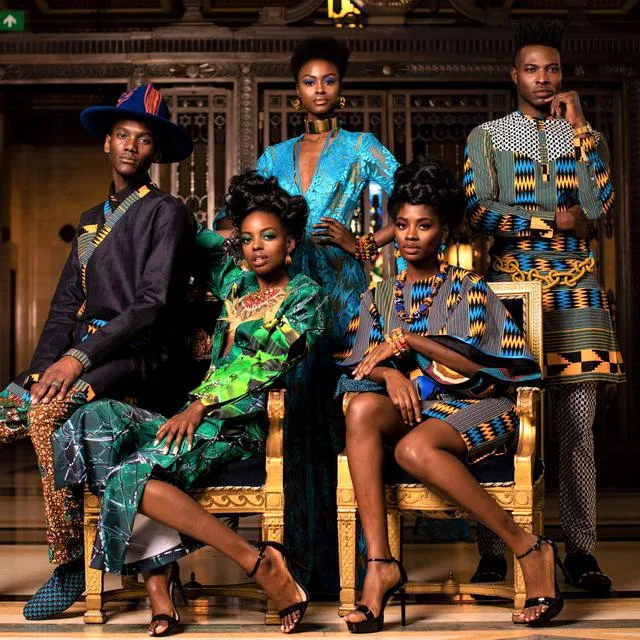
It goes without saying, African fashion is trendy. Celebrities such as Beyoncé and Rihanna are rocking the design, and what’s more, African designers have also won worldwide recognition. It is not a traditional style anymore, but African fashion has been elevated and incorporated into the modern fashion style
African Prints & Shades of Melanin Ruled the Ankara Delights Boutique Runway During Miami Swim Week Ankara SWIM
The African fashion styles stand out in any occasion and for this reason, the style is worn worldwide. You are an African and you should have a piece of the unique African native wear to show that you are proud of our culture.
The interesting bit about the African fashion styles is that they will always give one a presentable, classy, and expensive look. African fashion styles 2020 Over the years, the West African people have been known to embrace the African fashion style.
They have inspired the other African countries with their beautiful looks and now the tough market of the mainstream western culture wears is experiencing favorable competition. Latest African fashion styles These styles are trending and anyone who wears one of these in any occasion surely steals all the attention. Some are fabrics and in this case you can make any design out of them including dresses, shorts, pants, jumpsuits and anything that pleases you.
Latest African fashion styles of Ankara prints The African creative designers have now modernized the old Ankara print fabric designs. It is classic and blended well by mixing it with other fabrics like laces, kente, and kitenge to make it more unique and attractive.
Ankara mixed with lace Utilize the Ankara fabric and create any piece from the dresses, blazers, shoes, handbags, pants, suits, ties, and blouses as well. Keep in mind that the design will depend on the occasion. If you choose an Ankara print crop top, attend occasions like wedding ceremonies and the dinner-date.
If you want an official look, the design must look presentable. You won’t go wrong with this rich Ankara print fabric that assures you of an expensive look any day any time
African fashion with the Aso Ebi styles The African fashion Style dresses with Aso Ebi styles are amazing and unique. The West African countries especially the Nigerians, adore this fabric style because it gives them an expensive, decent, and classy African culture look.
Dashiki fashionable styles 2020 Are you in love with this dashiki fabric? The dashiki fabrics are so beautiful with their upper half body length cover.
In 2019, the African designers have fully utilized the fabric and they are creating unique pieces, such as dresses, skirts, tops, and pants.
The modern pieces for ladies will definitely give you a classy and a gorgeous look. Keep in mind that you need to create a piece that will fit in with your occasion. Classic accessories and a cool hairstyle will give you a fabulous look. Agbada African design style Who said looking unique is not the 2019 theme?
The Agbada is well-known to be a Nigerian wear. Well, the other African women and men are getting inspired with the unique, more presentable and classy fashion style.
It is not a man’s design anymore, the rich design will make any ordinary lady look expensive. Kente fashionable styles for ladies Kente styles are mostly embraced by the Ghanaians during their traditional engagements. The Kente fabric has now been utilized and people all over Africa are creating multi-occasion design styles and they look fabulous.
Kente design combinations Most African designers are blending the Kente fabric with soft polished cotton of various colors to make pieces like skirts, tops, dresses, and pants. Own a piece too for an out-standing look.
Kitenge trending style for Africans Kitenge is a unique fabric that well represents the beauty of the African queens. The African designers with an affordable price have created Kitenge beautiful styles and designs.
They look very attractive and fashionable as well. The tulip and the oleku Buba styles are the trending styles because they make a woman to be more decent, attractive, and most of all expensive.
Looking to put more money in your pocket? Your sense of style may just be the key.
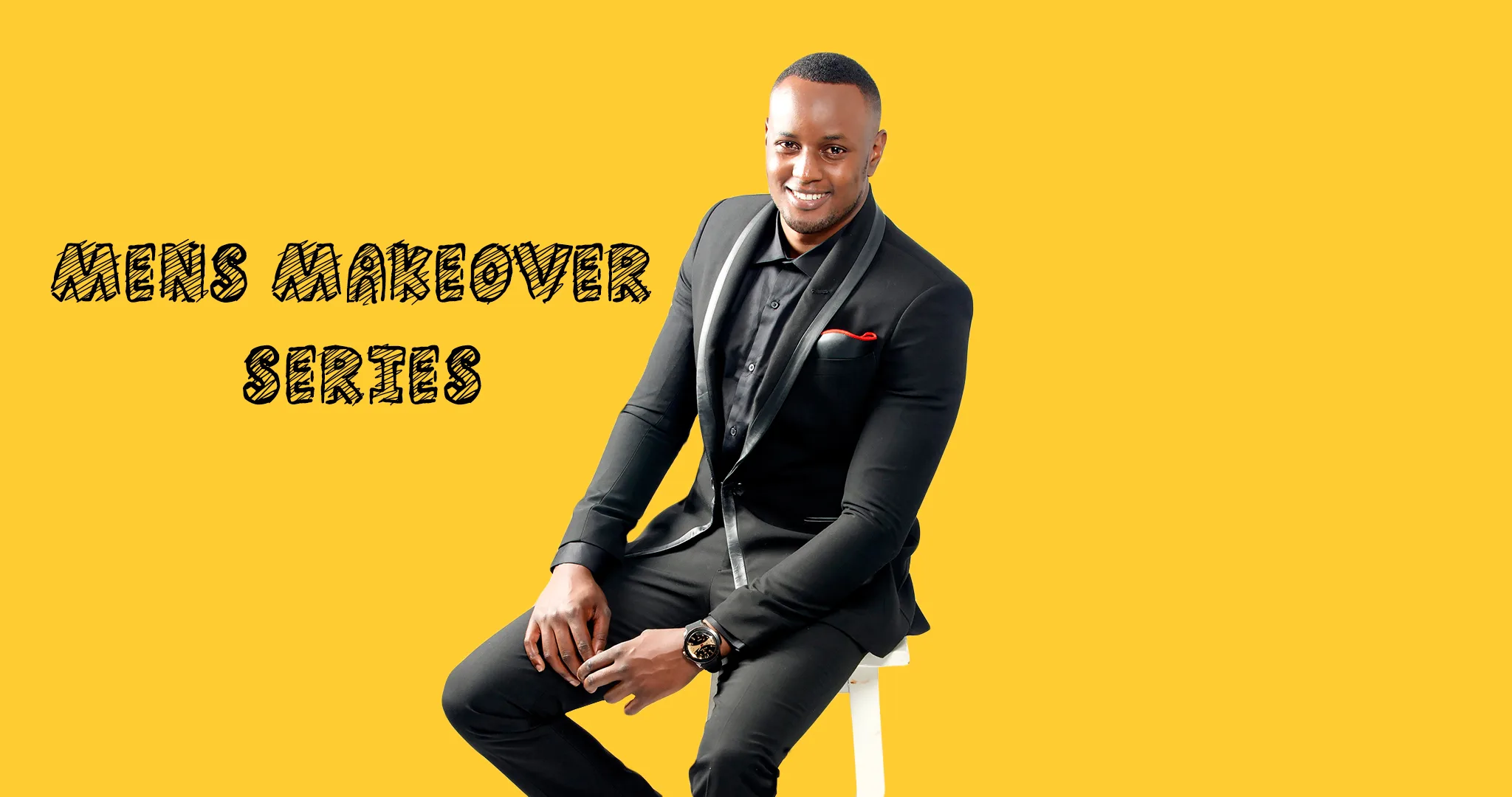
Maverick Kagesha is an international model looking to put more money into his pocket but doesn’t know how to do so.
Luckily for him, King Sidney comes to his rescue with a wonderful wardrobe upgrade that helps him see how looking sharp will lead to an increase in respect and therefore more money for him in the long run.
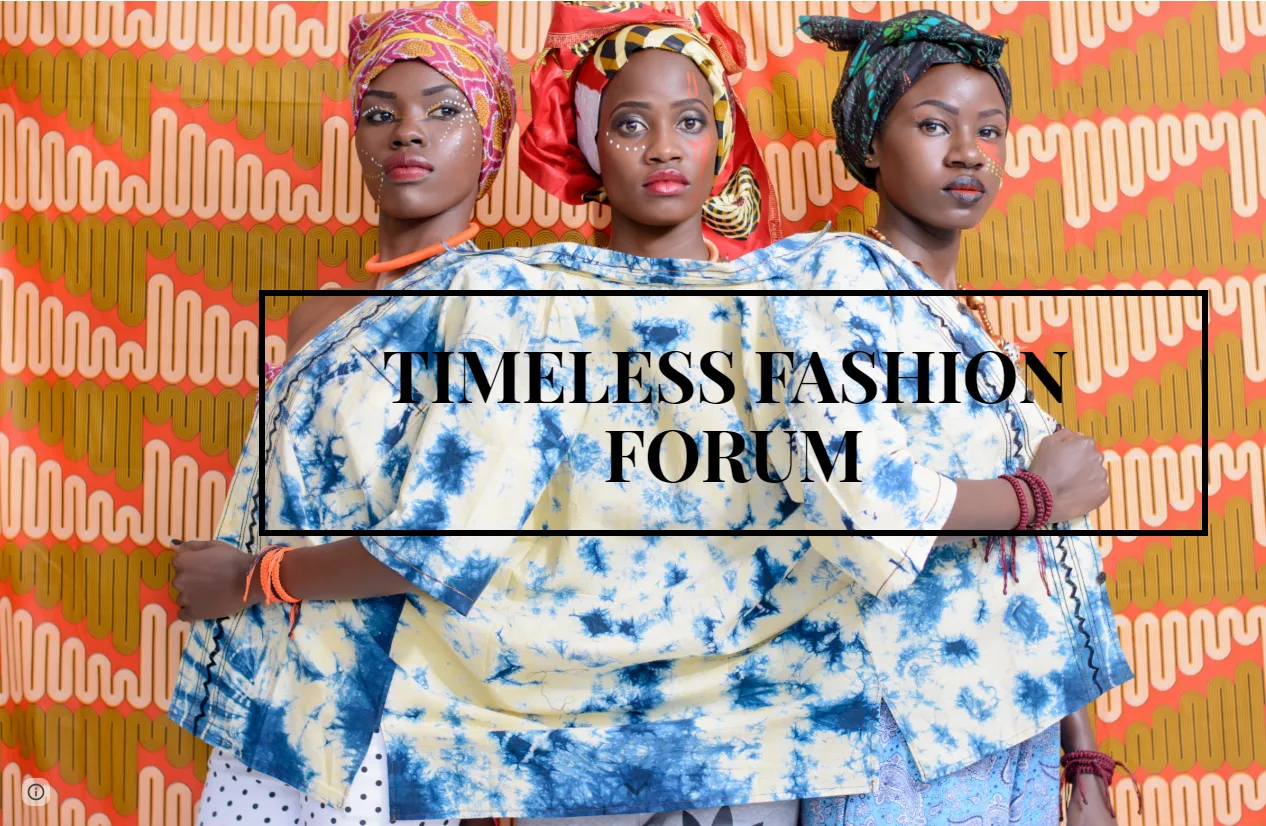
Timeless Fashion Forum is a fashion initiative started by Terra Model Management to create a learning platform for people seeking knowledge about Fashion business as well as protecting them from lawlessness that may not be visible to them but happen because of lack of knowledge and information.
This year we plan to host the forum with No Entrance charges on 17th August 2019 from 10Am-5Pm at Alliance Francaise, Moyne Drive Nyali.
To develop and encourage a collaborative movement which would transform Environmental & Social standards in Coast Fashion Industry.
MISSION To promote and encourage sustainable practices such as; Facilitate Collaboration of Creatives in Fashion; Raise Awareness of Business Side of Fashion; Provide Tools & Resources needed to reduce poverty; Eliminate malpractices and Raise Standards in Fashion Industry
OBJECTIVES 1.Educate and create a learning platform for people wishing to know more about Fashion industry and people in it.
2.Create a networking platform for models, make-up artists, photographers, agencies, designers and other fashion players for future collaborations and jobs.
3.To unite all persons in fashion industry in Coast and coming up with solutions to tackle challenges in the industry.
4.Offer Legal knowledge and laws to safeguard people in fashion industry against Fraud, Bad promoters and illuminate crimes that happens in industry and how to evade them.
Content courtesy of Timeless Fashion Forum ,Terra Model Management & Nairobi fashion hub
I’ve been selling high-end men’s jackets for about two years now, and in doing so have become very familiar with men’s psychology when it comes to fashion matters. Recently a friend of mine approached me to vent on her husband’s fashion sense. She was clearly frustrated that she had a friend who sells some of the most beautiful men’s designer jackets in Africa, yet her husband dressed like a man who was blindfolded in the morning as he put his clothes on. Terrible colour combinations, ill-fitting jackets, you name it. Looks that show no effort whatsoever in the style department. She said she had tried to get him to dress better to no avail, and thought that I might be able to talk to him. She was a bit surprised when I let her know that the best placed person to help improve his style was her, then went ahead to explain why.
Photo credit my lime boots
Kenyan men have three levels with regards to style and fashion. The first is to cover nakedness, the second is to impress others, and the third is to portray his identity. Now, I will assume you’re in some type of relationship with the man in question. Let me breakdown exactly what is going on in his head. Once we’re on the same page about his thought process, the most effective approach to take as his lady to help him improve his style will be apparent. Let’s begin.
I dress to cover nakedness.
Depending on the environment they grew up in, most Kenyan men start in this category. Men are taught that the most important thing is to work hard and provide for those we love, so that is essentially where their focus lies. The interesting thing about that mentality is that it tends to be present irrespective of financial status. If he’s too broke to spend money on clothes, he’ll think “I have to focus on making money, who the hell has time to think about dressing well!” If he’s financially stable, he’ll think, “I make good money and provide and everyone is comfortable, does it really matter how I dress” Us women often put a lot of effort into dressing well whenever we step out for occasions as a couple, and it can be incredibly frustrating when men don’t reciprocate. Men at this level don’t understand how infuriating it can be for you as a woman. It simply doesn’t register. It can’t, because while the importance of dressing well and looking good was hammered home to us ladies by our parents, it was barely mentioned to them as they grew up. Which is why this actually tends to be the most dangerous stage for the relationship. A friend once told me a story about a guy who used to dress poorly, consistently. They would go out as wedding guests and his clothes would look like he had pulled them straight out of a cow’s mouth after it had regurgitated them. According to the story, his wife kept nagging him on how he should make an effort and dress better. He dismissed it because of the mentality I mentioned above. Over time, she gradually lost attraction for him. Now, if he had known it would cost him something as valuable as his wife’s attraction, of course he would’ve made the effort. But there’s no way he would have known simply because his mind-set was built differently from the onset. Men are from Mars women from Venus or so they say.
What you can do
Nagging will never work in this (or any) stage because of the reasoning I explained above. Lucky for you as his lady, this is actually the easiest stage to change his style. Simply gift him items you’d like to see him in and throw out the ones you don’t like. He will be too focused on other things to take notice. Then as people out there begin to compliment him on his improving sense of style, he’ll move on to the next stage.
I dress to impress others
This is a bitter sweet stage for you as the woman in his life. The man in question has begun to dress up, which is awesome. However, he’s dressing to impress others (his peers). Keyword being others, not you. Let me explain. If you, like me, happen to be a parent, you may have noticed an interesting phenomenon. You can repeatedly tell a child to do something that’s good for him and meet some form of resistance. Yet when he goes out with his friends, it becomes a competition amongst them and he becomes a specialist at the very same thing he wouldn’t do when it was you asking. You see, it’s not that your son loves his friends more than he does you. It’s just that he already has you, whereas he doesn’t have his friends. You will love him no matter what, and he knows that subconsciously. As for his friend’s on the other hand, he still has to work for their respect and/or acceptance, so he puts in more effort. So in regards to your man’s fashion choices in this category, you may find that your opinion counts for less that of the people he is trying to impress. So if your sentences start with something along the lines of, “I think you would look better in this” he’ll be thinking, “That’s cool, but you love me anyway, what would the guys at the party think of it? The guys who I want to like me but don’t as of yet. The actual guys I’m trying to impress.”
What you can do
If you already like how he’s dressing at this stage, then do nothing. He’s not simply covering nakedness anymore so that’s wonderful right? If however, you really in your heart of hearts feel like he could be dressing better with your influence, then it’s fairly easy. Simply be on his side in the competition. Something like, “Every man at that party will be wearing some version of what you’ve chosen to wear. It’s common so you won’t stand out. Go with this instead. You’ll crush all the competition” It doesn’t matter if you criticize the specific clothing item at this stage, because it’s all about the competition and the impression he’s bound to make. The specific clothing item doesn’t matter too much to him. But you as his woman have to be sure he’s in this particular stage, because criticizing the item in question will not work for the final category.
I dress as a portrayal of my identity
Let’s be real, everyone who dresses well wants to impress others to some degree. It’s called being human. The difference between men in the previous level and those in this level is subtle. For the ones in the previous level, impressing others is the ultimate goal, and then they feel good about what they wore once they’re complimented on it. The men in this level just love to look good based on their own opinion of themselves. The impressing others part just so happens to come as a bonus. The reason he looks so good is because it takes a lot of fashion knowledge and practice to get it right. Think about it this way, you have two individuals. One works for the money, the other works because he’s in love with whatever the job/craft is and therefore puts in major overtime. Over time, the one who loves the job is bound to get paid more because of the amount of work and practice he’s put in and the high level of skill he has achieved. But he was never really out for the money, it just just so happened to flow in abundance as a result of his love of his craft. The men in this category are basically those who have worked very hard on their fashion and style game over time. They’ve taken the time to understand their and purchase clothes that speak to that identity. So his thought process will be along the lines of “I love the craftsmanship on this jacket. It has the kind of detail I would undertake in my own endeavours.” He’s very secure style-wise. He understands his strengths and knows how to dress to enhance them. These gentlemen usually end up getting the most compliments because they have brands such as King Sidney to cater to them.
What you can do
Men in this category usually dress extremely sharply and source for the best of the best. These are guys with experience. They spent some time in the other two categories before getting here. To critique an item or a look here, you will have to have more knowledge and experience on men’s fashion than he does. Fortunately, you’ll almost never need to. Once he is at this level, you’ll find yourself singing his praises more often than not. This of course is fantastic for the relationship. What should you do as the lady of a gentleman in this category? Nothing, absolutely nothing. Just sit back, smile, and enjoy the fruits of your labour.
Content courtesy of Valour vuguza & Nairobi fashion hub