MIA KORA (100 Gold Coins) is a collection of scarves and shawls that is centered around the concept of WEARABLE ART.
Some of Mia Kora scarves collections.
A collection of scarves and shawls bridging the gap between art and fashion.
Originally inspired solely by Artist and Mia Kora founder Priya Shah’s artwork, we now have a growing portfolio of talented Artists and designers whose diverse work keeps our collections unique, creating on-trend surface patterns and collections every season.
Priya graduated with a degree in Textiles but started off her career working in a Bronze foundry where she got to experience both 2D and 3D art. She started painting full time and worked as a freelance artist for about 12 years before going back full circle and heading back to her first love… fabric!
Painting A New Trend
Putting her artwork onto beautiful fabrics and wearing them became an addiction. Her paintings and designs adorn Scarves, Shawls, Soft furnishings, Sarees, Wall paper and much more!
Not one to work within boundaries and limitations, Mia Kora has now branched out to being a full scale fabric production house offering digital printing on a variety of fabrics for the Fashion, Art and Interior industries. We are able to offer a wide range of fabrics from synthetic to natural fibres to suit all kinds of creative ventures.
(More information on DIGITAL PRINTING visit Mai Kora website Here).
“I felt restricted with paintings being hung up, with this concept and my training in textiles I could bring them more to life by being able to wear my work and wrap myself in my own comfort bubble.” Priya
Mia Kora Conservation
Born and brought up in Kenya where the wildlife, flora and fauna has become a part of her being, it was natural to become protective of her surrounding ecosystem. Mia Kora has introduced a charity collection where between 40% – 100% of the profits go towards selected organisations.
Currently we are working with and been a part of the David Shepherd Wildlife Foundation (UK), Ol Pejeta Conservancy (Kenya), Helping Rhinos (UK), Tofauti Foundation (UK), Anne Kent Taylor Fund (Kenya), Heed India (INDIA) as well as the Amboseli Trust for Elephants (Kenya) which has become one of our favorite wildlife conservation projects. Alongside wildlife projects we are now working with local communities, especially women from marginalized communities, providing them with healthcare essentials and education.
For more details on any of our conservation projects please feel free to get in touch with Mia Kora.
London Mia Kora +44 7895711331 info@miakora.com, Kenya Bansi Shah +254733782788 bansi@miakora.com, Tanzania / south Africa Kiran Ahluwalia +254722523966 runninwild@iconnect.co.ke, Australia Neha Shah +61 435 596 630 shahnb01@gmail.com
Stockists
Zoophoria – UK Trentham Shopping Village, Trentham Estate, Staffordshire,ST4 8AX, UK
Tel: +44 7503 15644
Watlings Gallery – UK 15 East Street, Lacock, Wiltshire SN15 2LF, UK
David Shepherd Wildlife Foundation (DSWF) – UK Saba House, 7 Kings Road, Shalford, Guildford, Surrey, GU4 8JU, UK
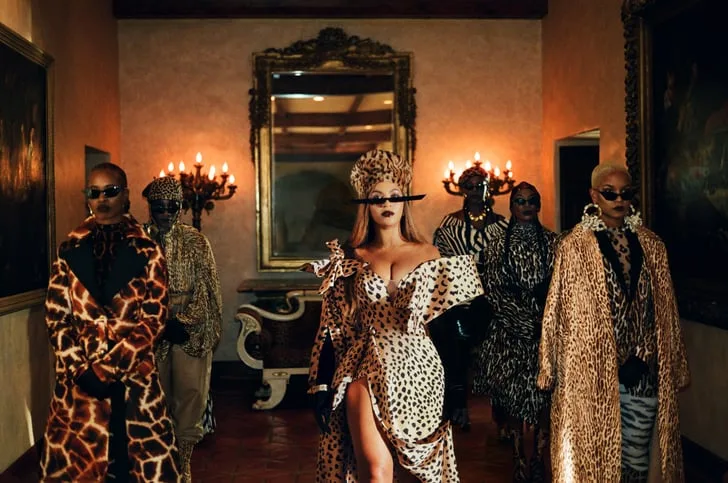
While it’s undoubtedly reductive to think of an entire continent as a trend, there’s clearly a growing appetite to connect with stories out of Africa, as demonstrated by Beyoncé’s stunning Black is King visual, which invokes symbolism from a broad range of ancient African traditions.
And, with the rise of Afro-beats (the genre was recently given its own official music chart) and African designers such as LVMH prizewinner Thebe Magugu, it has certainly become a cultural force to be reckoned with of late and that’s not lost on Grace Ladoja, CEO of Metallic Inc. and co-creator of Homecoming, the festival that prides itself on “taking the world to Africa and Africa to the world.”
“Obviously, there’s so much focus on Africa, but I think it’s really important to learn from those who have experienced the culture firsthand rather than the U.K. or elsewhere deciding what Africa is,” explains Ladoja. “A continent with 1.3 billion people, 54 countries, 200 million Nigerians, over 50% under 30, has so many stories to connect with globally. They are going to be in charge of the narrative.
They’re the future.” Now in its third year, the festival has earned a reputation for putting cool, on-the-rise creatives on the map via its pop-up shops, workshops, and riotous live shows in Lagos, Nigeria. She is excited that, despite the pandemic, Homecoming will still be able to lend its platform to exciting new voices from the continent, starting with a virtual pop-up featuring 15 up-and-coming labels from the diaspora including British-Nigerian designer Mowalola, Lago-based skate crew Motherlan, and British-Nigerian tailoring specialists Tokyo James that goes live today on Browns Fashion. “It’s about empowerment, platforming, equality, ownership, and education,” she says.
Several designers championed by Homecoming over the last three years have experienced huge success, among them Kenneth Ize and Mowalola, who has garnered a cult following for her provocative, body-skimming leather designs. Ladoja, who met Mowalola when she was at university in 2017 and started buying her pieces back then, describes her as a “a once-in-a-decade designer.”
“We’re so happy to have had her be a part of our story and that some people met her through our festival,” she says. “We’re just a platform and we want to position people in the right place. We’re not a production house trying to break brands, we’re just trying to make people connect the dots.”
While there’s been an uptick in interest for Nigeria fashion, it’s still relatively difficult to get your hands on the clothes themselves. This year’s partnership with Browns will help bring this talented new generation of designers to a global audience.
Beyond shopping, the festival is also a marketplace of ideas. Browns will host a limited-edition e-zine, a collaboration between a number of publications leading Nigeria’s cultural conversation, including music connoisseurs The Native and the thought-provoking team behind The Republic. It features fashion editorials from Sheffield-born British-Nigerian photographer Ruth Ossai and artwork by Nigerian Gothic and Moses Adesanya.
To round off the week, there will be a series of panels on August 27 and 28 that give attendees a chance to learn from heavyweights across the cultural spectrum, from the U.S., the U.K., and Nigeria. Virgil Abloh, Gee Patta of the Amsterdam-based streetwear brand Patta, and AWAKE founder Angelo Baque will discuss how Africa can regenerate streetwear with the founders of Motherlan, Vivendii, and Daily Paper.
Ladoja predicts that this is one area of fashion in which “Africa can set a new blueprint” due to it being more affordable and therefore accessible. Wale Lawal, the editor of The Republic, Post Imperial creative director Niyi Okuboyejo, and Tremaine Emory of No Vacancy Inn are also coming together for a talk, entitled “Pushing the African Visual Identity Discourse Forward,” which aims to dissect the cultural impact of the continent.
Overall, the event is a testament to a new crop of young creatives who are bringing Africa’s rich style history into the future. “I hate trends. I lean towards designers that have their own consistent identities, but if there is a ‘trend’ on the horizon, it’s seeing how these traditions will be reimagined, reinvented, and modernized by the next generation,” she says.
“There’s a new generation flipping tradition and bending old practices with the new. You see this with the weaving that Kenneth Ize does or the Adire dyeing that Post Imperial and Waffles N Cream do, and that’s never going to get old.”
Tshepo Jeans is South Africa’s premier lifestyle denim brand that offers a range of bespoke denim clothing and cotton products. Founded in 2015 by Tshepo Mohlala, the brand has established itself in the hearts and minds of ordinary South Africans and people across the world.
The decision to specialise in denim is due to its distinctly nostalgic character and its ability to tell stories. Tshepo Jeans’ logo a three pronged crown – is inspired by the three women to have played a role in the upbringing of Tshepo: His mother, grandmother, and trendy aunt Takalani who brought the fashion one used to see on TV to reality.
The daily operations within the studio consists of designing, manufacturing and retailing Tshepo Jeans’ range of premium and bespoke denim clothing and accessory items, which range from jeans to hats and aprons. At present, Tshepo Jeans produces custom designs for individuals looking to find the perfect fit as well as commercial orders in which the business designs uniforms for other organisations.
About Tshepo Mohlala and how he started Tshepo Jeans Brand
I was raised by three strong women. It was my mother who taught me how to hustle, My grandmother, a pastor and a masterful storyteller, whose words, ‘Tshepo you’re a gentleman and should always look like one’, dance through my mind every morning as I get dressed.
And Aunt Takalani, the first person in my family and neighbourhood to graduate varsity, who would visit us back home in the early 2000s, dressed head-to-toe in denim, rocking the era’s unavoidable pair of Spice Girls sneakers.
A decade later, having abandoned my study of Film at AFDA, I studied Fashion at the University of Johannesburg. My journey led me back to the spark ignited by my quirky and classic Aunt Takalani – back to denim.
Denim’s ability to stand the test of time is beautiful. Its ability to tell a story is limitless. The ease with which it communicates is flawless no matter who you are, you belong in jeans. Founded in 2015, you’ll find the three women who raised me in the crown
Brief introduction about yourself and your fashion house Name is Jeff Wanjala. I’m m the co-founder and CEO of Wan Fam Clothing
Can you describe Wan Fam Clothing, and the idea and concept as if I knew nothing about it or the market it is in? Wan Fam Clothing was founded by my brother, Mr. Emmanuel Wanjala and I in 2009 as when were were doing hand painted t shirts for client.
In 2011 Wan Fam Clothing was born and ventured into the fashion and apparel industry as a recent start-up manufacturer of an upscale urban fashion clothing line targeted at consumers between the ages of 16 and 35. Wan Fam Clothing not only develops the clothing line, but supports it with advertising and promotion campaigns.
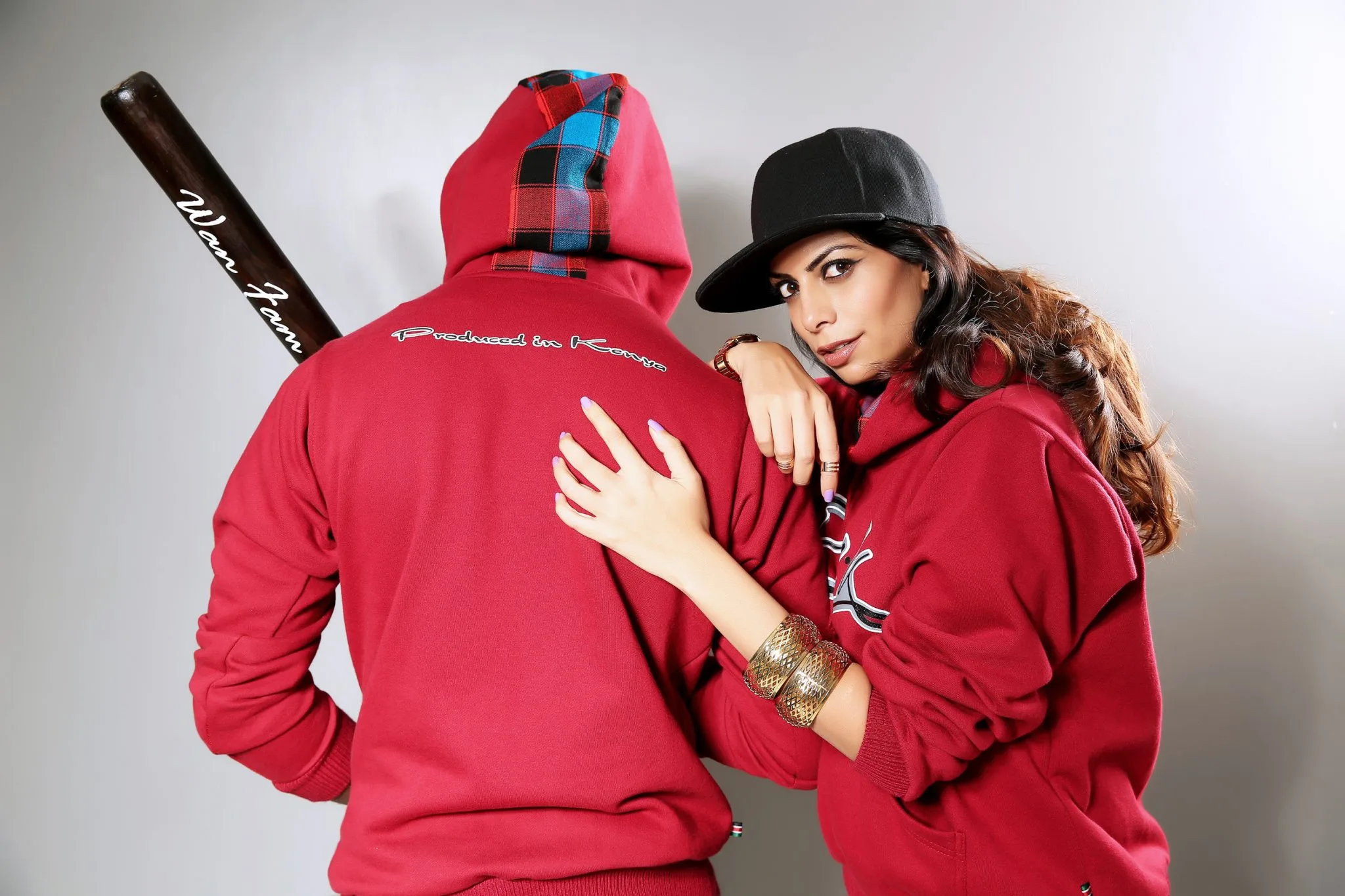
Wan Fam Clothing markets its line as an alternative to existing clothing lines, and differentiate itself by marketing strategies, exclusiveness, and high brand awareness. The company uses high-end materials such as khaki, fleece, upholstery and twill. Current products include travel/gym bags, backpacks, sweatshirts, sweatpants, jackets, bags, and t-shirts both for men and women. Future plan includes business suits, children’s clothing, footwear and leather products.
The key message associated with the Wan Fam clothing line is upscale, local, versatile, and affordable clothing. In the future, the company hopes to develop lines of accessories for men, women, and also children.
What were you doing before Wan Fam Clothing, and what motivated you to start the business? I was a student. I have a friend called Chif who used to make hand painted t shirts for me and other clients. In 2009 he got employed and put his t shirt business on hold. I asked him for some brushes and paint and since I knew my brother was good at graffiti and sketching so we thought we tried his talent on t shirts.
We were constraint on cash so we bought second hand branded t-shirts, covered the branded works with white paint and branded our artwork on that. We did few t-shirts, posted on Facebook and got 13 orders and we grew from there
What techniques do you use? Tell us about the process. How did you learn/master this technique and why do you use it?
What challenges did you face? The biggest setback for us has been fabric availability and capital. Sometimes you get really good fabric, you make the products and when you go back to get more, it’s no longer available. This goes hand in hand with the fact we lack capital just to buy enough fabric and stock it.
Another setback which goes hand in hand with lack of capital is the fact we have created more demand than what we can actually supply. Which to an entrepreneur it’s one of the greatest achievements but I count it as a setback because some clients get disappointed when they don’t find what they like ready-made.
As for now we tell people to Pre-order in case whatever they want no longer in stock but at times you get clients who need our stuff there and then. Either they want to wear it at a specific event or they are flying out. So despite having created demand I can call it a setback since you end up disappointing a client who really has passion for Wan Fam products.
How did the obstacles make you feel? Definitely obstacles don’t create a good feeling but they helped me get better. They made us focus in what we can do and not put energy on what we cannot.
It also helped us not flood the market with our products but rather move at pace thus controlling what we give consumers and how we give them and also focus on what the consumer wants from our products
What were your achievements? a) We have managed to have sold out collections with the fastest selling in less than 48 hours. b) Managed to catch the eye of Cable News Network (CNN) and got featured on their African start-up program c) Managed to work with some influential people who I admire and my most notable one was working with personality Pinky Ghelani. The whole process and support was amazing. From doing a collection together to working on photo shoots together to exchanging ideas.
Favorite moments? The moments mentioned above and every step of the way has been a step to our goal and a learning experience thus every moment is what helps us get better and closer to what we want to be and stand for.
What’s your take about Kenya fashion industry? It still has a long way to go but it’s better than where it was when we started. Most of our problems can be solved at the top national level then the effect will be felt positively by designers, manufacturers, labourers and consumers in the fashion industry.
If you were given opportunity to work with local or international fashion designer who will you love to work with? Virgil Abloh
What are your thoughts on fashion in Africa? It’s amazing. Everyone has their eye on Africa now. We have brands like Kate Spade having some of their products made in Rwanda, Michael Kors bags being made in Ethiopia, United Aryan Ltd making Levi’s and Wrangler in Kenya, Philips-Van Heusen via the local subsidiary Hela Intimates making Victoria’s Secret, Calvin Klein, Tommy Hilfiger in Kenya..
The presence of big brands, just to name a few, in Africa is a sign that the African market is doing well at the moment with even bigger things in future.What we need are better policies which are not only written on paper but implemented on the ground that will see the market move in a direction where the designers, creatives and entrepreneurs in the industry get their share of the fashion pie.
How are African fashion designers influencing fashion in the western world? We have seen designers leaving people in awe at the New York Fashion week and also designers like Gold Carvier Crew leaving a mark at Vienna Fashion week this year. We have also seen celebrities like Beyonce, Rihanna, Gwen Stefani just to name a few rocking African designs while performing or red carpet events.
We have seen the influence African fashion and culture had on the blockbuster film Black Panther etc. So African fashion designers are now getting noticed for their incredible work, unique designs and influence. No just because they are African but because of the signature pieces, quality of works and stories behind each thread
What can the African fashion industry learn from the western world? The main thing, in my opinion, we can learn is setting up our products and services to those international standards already set and practiced by western world, This is in terms of the quality of raw materials, quality of finish products etc. Another thing we can learn from the western world is building of brands. Most designers are good at making the products but building brands around it becomes hard. We need to build African fashion brands. Brands create loyalty.
Having a brand name makes work easier in the long run, also creates a space where your work will speak for you not only now but in future. Designers should also learn about protection of intellectual property. Some designers put a lot of work on coming up with their name and products just for them to be counterfeited locally and internationally.
Lastly, Africa is a developing nation, thus we can learn what the developed countries did wrong and do things differently thus we don’t have the burden of having to experiment or focus so much on what doesn’t work but we can study the western world and pick only what works thus saving money, time and resources.
Over the last few years have you noticed any significant changes with the African fashion trends? Yes…there has been an increase in urban fashion brands with focus mainly on African made products rather than making items in Asia or other countries and selling locally.
When dealing with Africa is it important for the fashion world to be ethical and socially responsible, and put in place strong corporate social responsibility governance? Yes. Especially in Africa.
Unlike in developed countries, most of Africa’s clothing industry relies on unskilled labour for its production. Meaning most of our seamstress and other labour workers don’t come from a a well-off family or fashion education to back her production abilities and this shows that the less fortunate are the backbone of the industry so it’s only right the African fashion industry gives back to these important people and this can be done via CSR which may include training, education, social causes etc
Where can we find your designs? We are at Westlands Commercial Centre, Block B, Suite 3, You can contact us via +254705 818 84 or info@wanfamclothing.com We also do deliveries wherever you are
What does e-Commerce mean to you and your business? E-commerce is a very important tool especially in fashion especially in this digital age. And like many tools it can be a plus or minus for designers depending on how they adopt the wave into their businesses.
Do you think e-commerce is important for African fashion designers that are trying to get recognized and reach a global market? It is important but not as important as it is made out to be. Africa designers have managed to create unique products using unique materials and even marketing them uniquely so I think we should also sell them uniquely than just follow what the western markets have done.
The e-commerce sites are popping up every week and also closing down or being neglected at almost similar rate. E-commerce is an important tool but like every tool, it should be used correctly where appropriate to produce the best results
How does your strategy change when running an online store to an offline store? It changes because now you have all these different people from all over the globe that you need to server rather than a usual brick and mortar store where you server who you see and interact with. This means a lot will change since e-commerce can provide you with the information you need to curve your business’ future.
E commerce can provide info such as where most of your clients are, what they like, what colour or design they don’t like etc and this can help a designer know what to make in his or her next collections, what sizes to make more of and also understand his/her clientele in a different level.
This is something that a brick and mortar store will have limitations in. This information can help change how you make your item, how many items you make, your target and how to market. In turn this changes your whole strategy from design, marketing to even amending your business plan to fit with the market demand and supply
Where do you see African fashion in the next 5 to 10 years? ~ I’m sure I’ll see more fashion houses from Africa. ~ We’ll also see more designers being recognized in their works in terms of film costume designers, stylists etc. ~ Well also see more African fashion events being given international plat forms. Like the Lagos Fashion week, Dakar fashion week etc ~ I’m sure the future has international designers teaming up with African designers. We’ll see more clothing pieces being curated for African market than taking anything being given to us.
What 5 pieces of advice would you give to young African fashion designers wanting to enter the fashion industry? 1. Patience – Overnight success doesn’t take a night 2. Know what you want from the word go. I know people who started with clothing lines who are now doing business cards, food etc because they didn’t know what they wanted when starting 3. Do what you love 4. Don’t compromise on quality 5. Make products, work and partnerships with the long-run mind set. Think of building a name rather than quick cash
Is there anything else you would like to add? Just want to thank our clients and everyone who has supported us: From the ones who own all our collections in their closet, to those who set even a minute to visit our stand at events, to those who just show support online.
None of our achievements would have been possible without you and your unwavering support. There would be no Wan Fam (One Family) without you.
Content courtesy of Wan Fam Clothing & Nairobi fashion hub
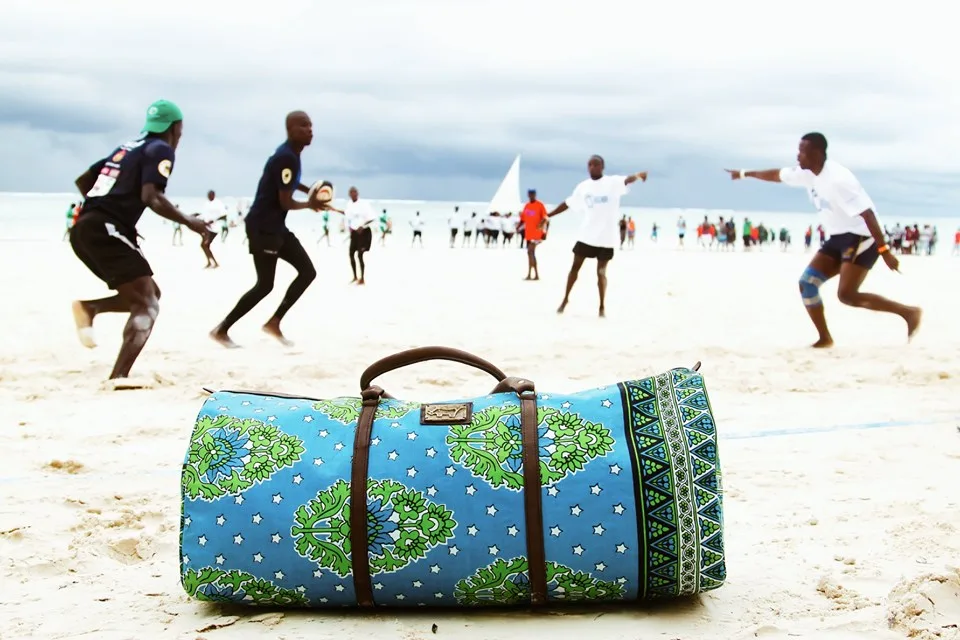
Ngiri-giri bags are handmade, using local material from leather, cotton canvas and locally made traditional cotton material, called kanga, creating bright, long-lasting and totally individual bags in a variety of styles and sizes. Each Ngiri-giri bag is unique!
When did you launch the brand and what was the reason behind it?
Ngirigiri was launched in 2010 with the vision of creating and sustaining employment in Mombasa Kenya.
Whats your background?
I moved back to Africa as a teacher in 1998 to teach at the international school in Mombasa. After being born in Nairobi I always knew I would return to Africa at some point. Meeting, then marring my Swiss husband we went on to have our 3 sons here in Africa, and Africa was home once more. My love for design and desire to engage in the community, I started working along side a disabled workshop where my visions came to life and Ngirigiri was born. In 2018 we set up our own workshop still with the focus on disability. I am hugely proud to be where we are today. Fashion with humanity, touching lives, is what we are all about.
How many people are involved in the company and what are their roles?
We have just set up our own workshop in a local village, which is very exciting! Raff, who is my workshop manager No 1. He has worked with me for the last 10 years. His roll is the production and quality of the work, he works on all new designs and concepts with me and together we produce the look and feel that we are after. Joy; has just come on board. Locally trained in tailoring she is now in charge of all the cutting of the patterns of the bags. The ethos behind Ngirgiri is to train up all our team to be able to cover all areas in the workshop. Harold; Has been working as a tailor for many years. His roll in the workshop is the finishing and stitching of the bags. Every bag is hand made and we believe in high quality.
And then there is ME!
If you could start over with the business, would you do anything differently?
Starting my own work shop this year has been empowering as well as overwhelming at times, so much to learn in a very short time. You need to be committed to your ideas, designs and have a splash of passion in what you are producing, this will pull you through the ever changing world we are living in. I am hugely grateful for the journey I am on.
What is the hardest lesson you have faced since you started the company?
Don’t mix friendship with business.
Tell us one piece of advice you would give to anyone else setting a small business:
Risk more than others think is safe. Care more than others think is wise. Dream more than others think is practical. And smile, it will all work out. Maybe not the way you thought, but the way it is meant to!
2020 is almost here, where do you plan on taking the brand?
So many exciting projects ahead. We are have launch our online shopping sight, giving us the opportunity to reach a wider platform of our clients.
2020 will see us collaborate with a new brand that is about to launch. Watch this space, very exciting times for us.
To date, what has been the highlight since launching?
Everything has been a milestone for us this year, with so many new beginnings. Taking our brand to London & Dubai in 2017/18 has been amazing.
I think for me it was receiving an email from a husband who had spotted one of our bags in Dallas Texas airport and knew his wife would just love one.
He did something he had never done before and asked the lady where she had bought it. He then contacted us and bought his wife one of our bags.
He then wrote and told us just how thrilled she was and how glad he was to have found his nerve. That for me was a highlight.
Which city do you feel most at home in, London, Paris or New York?
Mombasa, my home town!
Style means….?
Being bold and authentic, with that touch of class.
Best thing about London to you?
The vibe. I love being in London.
Statement shoe or statement bag?
Statement bag every time!
Most memorable piece of advice given to you?
Be very careful of who you step on, on your way up. As you will meet them on your way down! Given to me by my very wise Father. His words of wisdom have kept my feet very firmly on the ground. Hugely grateful to have him in my life!
Where can people find out more? (website/social media) www.ngirigiri.com
Some great collection from Ngiri giri Bags check out their online shop here www.ngirigiri.com
What does ”Voilà” mean? Originally a french, now a universal term, “Voilà” /vwʌˈlɑ/ literally means ‘Look there!” It is used when showing to other people something that you have just made or got and are pleased with, You can use it to call attention, to express satisfaction or to suggest an appearance as if by magic, Bold African materials, unique and modern designs, teamed with the finest yet discrete workmanship…and…Voilà!
Your wardrobe Where Europe meets AfricaVoila has a well-defined, easily recognized style, stemming from the ability to blend modern styles and occidental influences with the beauty, timelessness and nobleness of African fabrics. Offering modern elegance that is always in keeping with current trends.
Simplicity is the ultimate sophistication. Leonardo da Vinci We value simple things, yet sophisticated and unique designs. Just because they do all the things we need easily and none of the things we don’t.
Simplicity is harmonious. This approach is deeply rooted in accurate, strikingly simple yet far from minimal styling: a trendy design featuring ongoing experimentation in shapes, teamed with the constant value of experience.
The perfect simplicity of every single Voila outfit conceals precious painstaking care for details and impeccable workmanship.
The dynamic & multitasking women line Voià Apparel was founded with the goal of offering the modern working woman the best fitting dress or outfit she’s ever worn to the office (whatever that “office” is) and afterwards (wherever the night may take her).
The line thus includes cleanly cut, comfortable and sophisticated dresses and other apparel that instantly transform from office wear to a playful uniform for post work revelry.
And because, our customers are dynamic and creativity has no limit, our collections are one of the most rich and monthly updated with outfits that feature timeless structures and classy cuts.
Our values ~ High-Quality Standards:
We strive to provide our customers with high quality, yet unique, pieces. Our designers and artisans adopt high standards of production with each piece they make. ~ Dispelling Stereotypes:
It is all about positive images of Africa. We focus on ensuring that its history, the talents, diversityand creativity of its people are shared wherever Voila outfits are worn. Each outfit comes with a proverb, historic fact or joke from Africa. ~ Ethical Fashion:
We only work with tailors and artisans that provide fair wages and safe work conditions to their employees. ~ Local Economic Development:
We are committed to investing in grassroots talented tailors and providing them with opportunities to expand their work. Through their success, jobs are created and their local economies are stimulated. ~ Environmental Sustainability:
We are dedicated to using eco-friendly packaging for our pieces which are recyclable. In addition, Voilà Apparel does not use any material resulting from animal exploitation (e.g leather, fur, etc.). We rather use the highest quality of simili leather. ~ Customer Service Excellence:
We are dedicated to satisfying customer needs and creating an enjoyable shopping experience.
On Saturday 16th February, Nairobi’s biggest fashion event, The Fashion High Tea 2019 went down at the lush Zen Garden Restaurant.
This was the 9th edition of the popular luxe event that’s known to host the upwardly mobile class of Nairobians encompassing media personalities, fashionpreneurs, fashion enthusiasts, models, celebrities and even dignitaries.
The event prides itself on being one of the few local events that combine fashion and charity, by collaborating with philanthropist, Caroline Mutoko to support a charitable cause every year. Proceeds this year will go towards THE NEST A centre established in 1997 for the rescue, rehabilitation and re-integration of children in conflict with the law and children of imprisoned mothers.
The event promises an afternoon of free-flowing drinks, food and biting, an impressive runway where models showcase designs by select local designers, pop up stores where you can shop for fashionable items, great music and ambiance. As expected, the organizers of the event did not disappoint as everything was up to par, not to mention, the weather was brilliant.
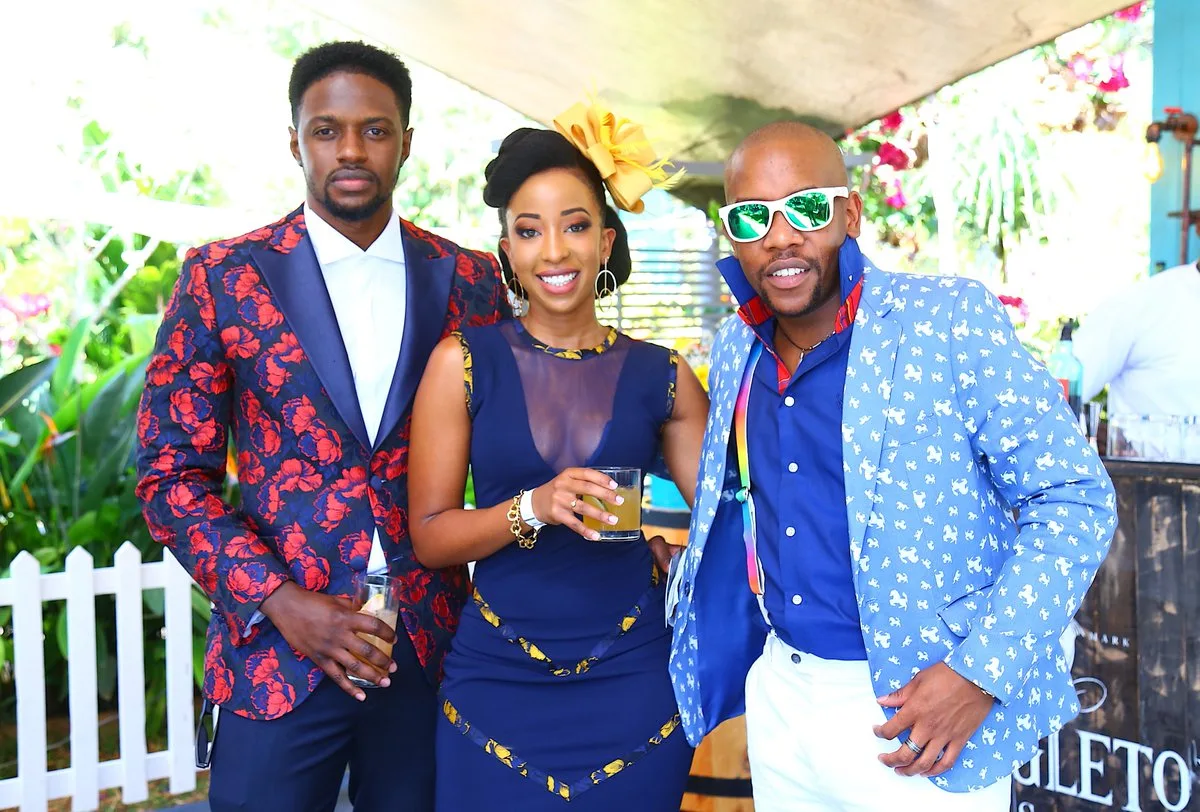
Attendees of the event brought their best fashion A game forward, interpreting the ‘high tea’ theme the best way they know how and some even adding an unexpected dimension to the somewhat complicated dress-code that many don’t seem to get right. Normally, the high tea theme is characterized by opulence.
Women are expected to wear respectable yet elegant clothing. No cut out figure hugging dresses, but more like flared hem dresses whose length is decent enough – tea length. The contemporary high tea theme is slowly changing and becoming accepting of pants, flashy colors and even outfits that are elegant, but don’t necessarily fall under the ‘high tea’ dress code. That being said, here’s what Nairobians wore to the event.
Content Courtesy of Pusle live Photo Credit 99thsense
KAHINDO is a contemporary women’s wear brand creating vibrant statement pieces with a resort feel. The colorful pieces bought originally for a vacation will quickly turn into closet staples.
The brand was founded by Kahindo Mateene in 2009 and features feminine and sexy design alongside bold colors and unique prints inspired by the designer’s African heritage, globe-trotting adventures and surroundings in New York.
A graduate of the Illinois Institute of Art in Chicago, Mateene was selected to take part in Macy’s Chicago Fashion Incubator program and was also one of the contestants in season 12 of Project Runway.
Mateene is a passionate believer in the importance of empowering women and champions this cause through philanthropic endeavors in her native Congo and stateside.
KAHINDO is an independent women’s ready-to-wear design label based in New York city. Founded in 2009 under the name Modahnik, the brand was born of founder Kahindo Mateene’s desire to create a line that infuses the nostalgia and modernity of the two cultures of her upbringing, American and Congolese.
KAHINDO pairs mid-century Americana silhouettes with traditional Congolese textiles and fabrics creating garments that empower women in all of their femininity. KAHINDO believes that when you empower women, you empower a whole society, and champions this cause with a philanthropic partnership with MamAfrica, KAHINDO and MamAfrica repurpose the brand’s fabric scraps into handbags 100% made in the DRC by Congolese women.
Born in the Democratic Republic of Congo, Kahindo Mateene is an alum of the Illinois Institute of Art. Mateene draws inspiration from Congolese art and culture of her childhood as well as the culture of her adopted country of the United States and extensive travels throughout Europe, the Americas and Africa. Upon completion of Chicago’s Fashion Incubator at Macy’s Residence Program in 2011, Kahindo Mateene landed a spot as a contestant on Season 12 of Lifetime Network’s Emmy-Nominated Project Runway television show.
From her constant philanthropic endeavors to partnership with MamAfrica through KAHINDO, Mateene has always seen fashion as a vehicle for conveying cultural perspective and betterment of a society.
Her collection marks the rebirth of my brand, under its new name, KAHINDO. The essence is maintained – bold colors and prints, sexy and sophisticated, and the attention to detail remains a priority. You will see my Congolese heritage shine through, with more emphasis on texture.
The color palette was inspired by conceptual artist Lina Iris Victor, whose work, specifically her painting, “Syzygy”, creates synergy between blue, black, white and 24-carat gold. I now present, KAHINDO, statement pieces for the progressive woman.
Coocolili is a ready to wear East African retail brand offering high quality tailored clothing and accessories for women, men and children. The brand is based in Nairobi, Kenya and was officially launched in November 2016.
Cocolili is a brand that is African at heart but has been designed to fit perfectly on any high street boutique in the world. Cocolili seeks to narrate the African story through its bold, vibrant and colorful prints which are individually customized for the brand. The prints are based on African themes and motifs and are symbolic of our African heritage and add an element of ethnic pride.
Our design philosophy focuses on classic and timeless staples that transcend time and culture and that allow for maximum adaptability and flexibility.
We offer styles in a variety of prints and colors ranging from subtle delicate reflections to vivacious spirited pallets,Cocolili prides itself as a truly East African brand, with each item of clothing conceptualized, designed, and manufactured in the region.
As a female led business, Cocolili prides itself as a brand that promotes the progress of women in our society. We identify ways to make women more visible and campaign for more inclusivity at school, work and in society.
The scholarship fund will sponsor under privileged school girls in secondary school pursuing Science, Technology, Engineering and Mathematics (STEM) subjects. Ten percent of our annual net sales will go towards the fund. Our goal is to empower these young girls to succeed and hopefully become the next women leaders of Africa and the world.
Content Courtesy of Cocolili Africa & Nairobi Fashion Hub
Kiko Romeo, meaning “Adam’s Apple” in Kiswahili, is now co designed by mother daughter duo Ann and Iona McCreath from Nairobi, Kenya. The heritage lifestyle brand was founded in 1996 to stimulate employment through trade and to encourage appreciation of traditional crafts.
Ann McCreath and Iona McCreath
KikoRomeo is widely credited with transforming the Kenyan fashion industry and has mentored many designers and artisans over the last two decades.
Lona graduated in 2018 with a degree in Sociology from London School of Economics and a Foundation in Art and Design from UAL Central St Martin’s. She has also apprenticed in the fashion industry from birth.
Ann has a classical training in Italian Alta Moda combined with a Master of Arts from University of Edinburgh. She is the founder of FAFA (Festival of African Fashion & Arts), which created “Fashion for Peace” in 2008, and became a global platform for African designers.
Brand Vision “KikoRomeo mission is to bring different peoples together, using fashion as a medium, in order to build understanding between races and cultures. We are passionate about the arts and use our language and fashion skills to mentor and inspire people to be open-minded and to earn a living from creativity. The beautiful things we create, embolden the wearer, opening new paths and giving them confidence to live at their full potential”.
Fashion DNA Kiko Romeo is passionate about sustainability. Our items are beautifully crafted by artisans in East Africa, many of whom we have worked with us for over two decades. Our products are works of art and are treasured as such by our clients, who repeatedly tell us that they still wear the same creation ten years later.
We bring out the love for beauty in the crafts person and open doors to the wearer, who is admired globally, making them feel comfortable and ready to represent their company and the African continent. Our fabrics are mainly from natural fibers including cottons, linens and silk.
We work with weavers and textile designers to enhance the whole value chain, making Kiko Romeo’s DNA singularly unique. Our silhouettes are effortlessly elegant, with attention to the details. We are colorful, fun and classy.
Inspirations Kiko Romeo continues to question what we can wear to look great, when not wearing business attire. Now located in an art centre, the mother and daughter design duo draw from the inspiration of the fine artists around them.
Looking at the textures in paints, the accidental merging of colours and mixed media, to create an originality and richness in the textiles. Paying attention to the details, fascination with traditional Kenyan culture as well as punk culture and hip-hop merge in an eclectic and vibrant mix of embroidered symbols, straps and graffiti.
Customer Profile The Kiko Romeo man likes to feel comfortable, but stylish, and can even substitute a classical suit for these original pieces. He likes to look distinctive and values quality. The Kiko Romeo woman is bold and not afraid to stand out in the crowd. With structured silhouettes and attention to detail, combined with impeccable cut.
The designs are timeless, and pave the way for interesting conversations about the sophistication of things made in Africa. Our clients have a deep appreciation for the arts and enjoy our show music and backdrops as much as the clothes.
Awards / Accolades Kiko Romeo is a Kenyan heritage brand, based in Nairobi with over two decades in the fashion business. Recent achievements include dressing the actresses from the Kenyan movie “Rafiki” at the Cannes Film Festival as well as musicians Mr Eazi and Blinky Bill.
Kiko Romeo is no stranger to the red carpet having famously dressed Dorothy Nyon’go to accompany Lupita her daughter, for the BAFTA Awards.
Over the years Kiko Romeo has won East African Designer of the Year at the Swahili Fashion Awards 2014, Icon of Hope at AFDW Nigeria in 2015 as well as head creative Ann McCreath being listed by Arise magazine in the “100 Women Changing Africa”, and African Woman’s ‘Fashion Power Players”.
Ann has been quoted severally in the Business of Fashion and continues to make a mark by mentoring the next generation of designers including refugees in Kenya. Iona has been celebrated in her own right, for her sustainable fashion brand Kikoti, including being featured in ID magazine.
However the duo see their most important award as the praise they get from clients and fans, who constantly encourage them, by showing just how much appreciation they have for Kiko Romeo.
Content courtesy of Kiko Romeo & Nairobi fashion hub
Vivienne Taa is a leading fashion house renowned for bold, edgy and glamorous bespoke pieces, occasion and bridal wear, custom-made-uniforms and ready to wear clothing. Our unique designs intricately blend African prints with contemporary fabric of different colours and textures to create beautifully styled exotic clothes and accessories for fashion lovers both men and women with a discerning eye.
Our Clothes All our outfits are produced from the finest quality fabrics and are impeccably finished with unrivaled fit. We strive to ensure that there is an exquisite Vivienne Taa piece for every occasion, guaranteed to ensure you always make a fashion statement.
Whether you’re dressing up for the office, a night out, the weekend, a wedding or a special occasion, you can count on us to produce an outfit that makes you look the part.
Our Inspiration Our designs draw inspiration from African culture, music, art and way of life. We are set apart by our extraordinary workmanship, innovation and meticulous attention to detail.
Our Commitment Vivienne Taa is fully committed to providing decent employment and promoting inclusive and sustainable economic growth for all. We work with local skilled artisans in the production of all our clothes and accessories.
Responsible consumption and production are also a key priority in our garment construction process.
Contact Us 0733 848436 E-mail: sales@viviennetaa.com Five Star Road, South C, Nairobi, Kenya
Content courtesy of Vivienne Taa & Nairobi fashion hub
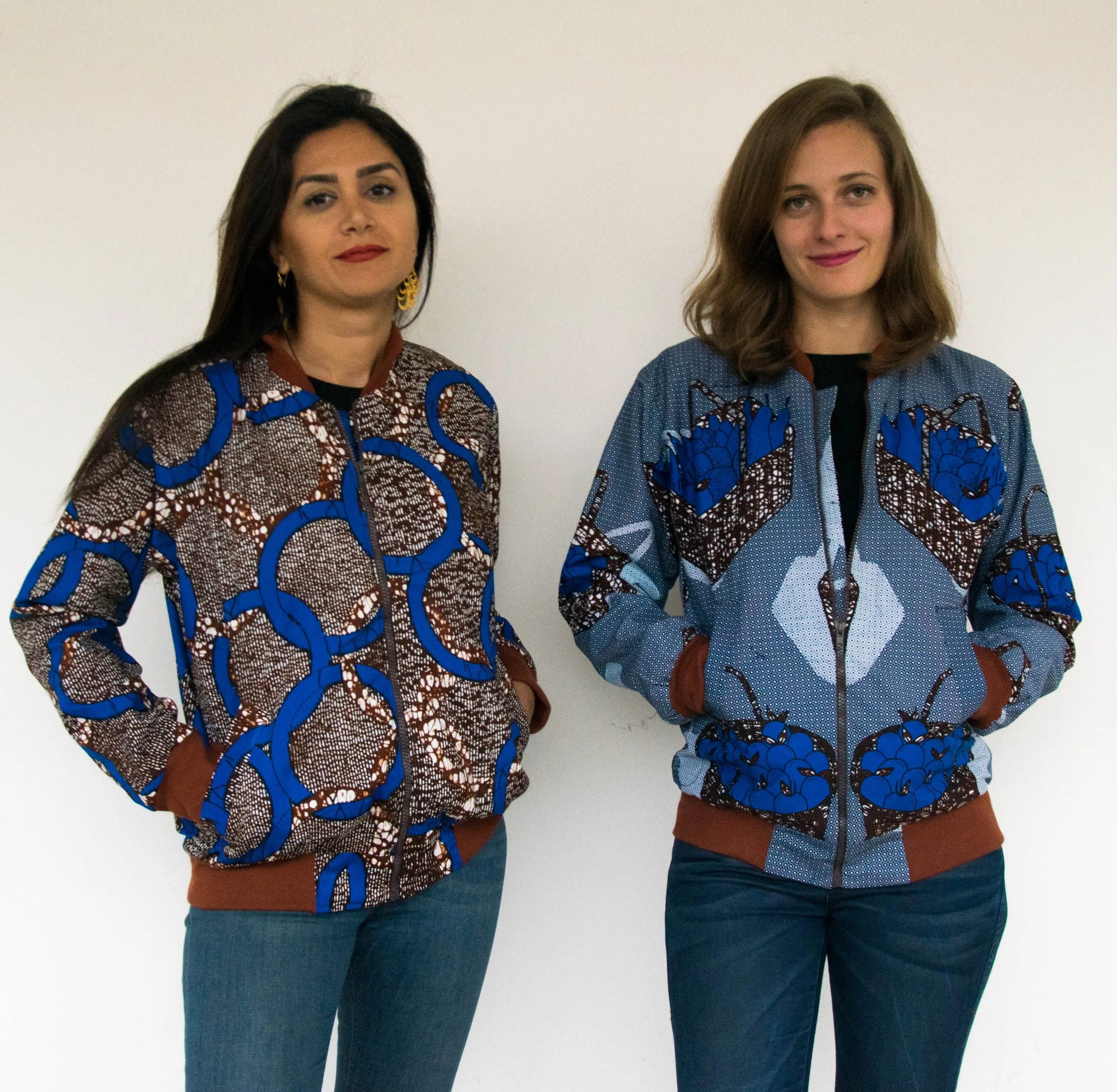
Over the years, African fashion has grown in popularity with many fantastic designers, fashion bloggers and stylist in this area. The best thing is, you can really make it unique to your sense of style. There’s an outfit for every season and occasion whether you want to go casual, add colour to your work wardrobe or to a friends up coming wedding ,you can dress your outfit up or down to create the desired result you need.
The best things about African fashion is the array of bold statement colours and prints. You can either make your whole outfit bright, bold and beautiful or just choose a statement piece to incorporate into your look to add a new element of interest to that black blouse. Whether that is through a pair of shoes, stunning necklace or a flowing skirt, the end result is as fantastic as ever.
Perhaps the best thing about the variety of colours is that you can really match it to your personality and play around with the right tones that complement you and your skin tone the best. We say, have fun with it and experiment; you’ll soon learn what works for you.
You walk into a high street shop in any fashion store in Africa and most clothes have safe prints and patterns. African fashion is a lot more interesting with many different prints to choose from and all with a different meaning. The prints are used tell stories about Africa life , proverbs and traditional tales of most Africans.
We particularly love that you can clash your prints, which ensures your outfit truly is unique. It can be tricky to pull off, a top tip is to put together the style of pattern or colours used, so that the two prints you are planning on wearing together almost match, but not quite.
“Beauty of Africa “
With African fashion in your wardrobe, there are never ending options to dress up your outfit, whatever the occasion. For example if you fancy going out in your little black dress, breathe some new life into it by adding a focal point such as a sash, scarf or printed headband.
Just believe us, there is nothing difficult about African fashion. The trick is to subtly add it into your style as little or as much as your personality and fashion statement allows.
Not just a trend; African fashion is a life style and it here to stay as they as Africa is the future.