Saturday 26th of September 2026

Nairobi, Kenya

Jamaican-born acclaimed fashion designer returns to Ghana

New York-based, Jamaican-born, international fashion designer Glenroy March and his fashion brand D’Marsh Couture is set to make a return to Ghana for a three-month long project D’Marsh Ghana 2020.

This is the designer’s third time to the Ghana following previous visits to participate in Mercedes Benz Fashion Week in Accra and Bryte Africa Fashion Week.

While in Ghana, March said he will be based in Accra for the duration of the project, which comprises a masterclass, model development workshops, and culminate with the Face of D’Marsh Model Competition.

For the masterclass, the independent designer said he will draw on his more than 17 years of experience in the industry to assist other young and upcoming designers and brands expand.

“The class will be intimate, interactive and purposeful,” March said, adding that he will take participants behind the scenes, sharing his personal industry experiences about navigating the pros and cons, the failures and the successes, and the lessons learned throughout his journey.

“The Face of D’Marsh Model Competition wraps up the three-month project and will be used to identify a young male and female model that can represent the brand internationally, and be used as a platform to expose them to the global market,” March said.

“Like most industries, the pandemic has forced them to rethink their business strategy and, as an independent designer, I had to pivot quickly to figure out a way to ensure the brand remains sustainable and continues to grow,” March added. “With that in mind, I sought to leverage my relationships in Ghana to undertake this project which is in keeping with our vision of making the brand’s presence stronger in the international market.”

March said Ghana holds a special place in his heart as his previous collection, “Sankofa by D’Marsh”, Fall 2018/2019, was inspired by one of his visits.

He said that undertaking such a project at this time has not been without its challenges, but is looking forward to the experience.

“I hope to learn a lot from this visit and get to understand the international market and what is required to grow and promote an independent brand in the African market,” March said.

“I will get the opportunity to meet with logistics partners and determine how I will be better able to position the brand to explore the global market,” he added.

Content courtesy of Caribbean Life News & Nairobi fashion hub 

Fabric Map of Africa By Mia Kora

Fabric map of Africa celebrating the richness of this beautiful continent through Mia Kora work and passion where art meets fashion.

Mia kora is a range of luxury scarves and shawls centered around the concept of bringing art into your everyday lives. Artwork and designs originally done by priya shah, mia kora now has a portfolio of artists joining the team to help create an art inspired fashion trend!
The team has expanded now to 25 graphic designers working in house, agents in Africa and Australia, collaborations with various design companies who share our passion for conservation and a great team on the factory floor who help bring Mia Kora designs to life.

I’m honoured and humbled at the impact this map has had, and how it has evoked a range of strong opinions. This map was born during lock down. It was created as a mood board to inspire my next collection based on my love of African textiles and patterns.

It took time to evolve, and I was constantly editing images until it was aesthetically pleasing and showed a range of fabrics. The map is a visual representation of the richness and beauty of African fabrics. It is an artistic reflection. Art sees no political boundaries, cast, religion or gender. Art in its truest form speaks across all barriers and lines. The map’s aim is to spread positivity and joy.
My dearest hope, as an African, is that this map raises worldwide appreciation and acknowledgment of African textiles and its high standing in influencing fashion and art.

Mia Kora Conservation

As life itself has been the very source of inspiration for Mia Kora’s collections, they have joined the worldwide movement to protect Africa’s elephants. By wearing one of Mia Kora ‘iconic elephants’ scarves, come together with them towards this cause.

Their latest collection is a tribute to the conservation efforts of the David Shepherd Wildlife Foundation. Alongside the other Artists who support this cause, they have designed scarves and shawls that are not only starting a new trend, but have a purpose. Mia Kora is also proud to be associated with Ol Pejeta Conservancy, helping raise funds through our scarves and paintings.

Content courtesy of Mia Kora 

Mia Kora Inspired with Conservation Conscience and Fashion Sense

Where Art Meets Fashion

MIA KORA (100 Gold Coins) is a collection of scarves and shawls that is centered around the concept of WEARABLE ART.

Some of Mia Kora scarves collections.

A collection of scarves and shawls bridging the gap between art and fashion.

Originally inspired solely by Artist and Mia Kora founder Priya Shah’s artwork, we now have a growing portfolio of talented Artists and designers whose diverse work keeps our collections unique, creating on-trend surface patterns and collections every season.

Priya graduated with a degree in Textiles but started off her career working in a Bronze foundry where she got to experience both 2D and 3D art. She started painting full time and worked as a freelance artist for about 12 years before going back full circle and heading back to her first love… fabric!

Painting A New Trend

Putting her artwork onto beautiful fabrics and wearing them became an addiction. Her paintings and designs adorn Scarves, Shawls, Soft furnishings, Sarees, Wall paper and much more!

Not one to work within boundaries and limitations, Mia Kora has now branched out to being a full scale fabric production house offering digital printing on a variety of fabrics for the Fashion, Art and Interior industries. We are able to offer a wide range of fabrics from synthetic to natural fibres to suit all kinds of creative ventures.

(More information on DIGITAL PRINTING visit Mai Kora website Here).

“I felt restricted with paintings being hung up, with this concept and my training in textiles I could bring them more to life by being able to wear my work and wrap myself in my own comfort bubble.” Priya

Mia Kora Conservation

Born and brought up in Kenya where the wildlife, flora and fauna has become a part of her being, it was natural to become protective of her surrounding ecosystem.  Mia Kora has introduced a charity collection where between 40% – 100% of the profits go towards selected organisations.

Currently we are working with and been a part of the David Shepherd Wildlife Foundation (UK), Ol Pejeta Conservancy (Kenya), Helping Rhinos (UK), Tofauti Foundation (UK), Anne Kent Taylor Fund (Kenya), Heed India (INDIA) as well as the Amboseli Trust for Elephants (Kenya) which has become one of our favorite wildlife conservation projects. Alongside wildlife projects we are now working with local communities, especially women from marginalized communities, providing them with healthcare essentials and education.

For more details on any of our conservation projects please feel free to get in touch with Mia Kora.

London Mia Kora +44 7895711331 info@miakora.com, Kenya Bansi Shah +254733782788 bansi@miakora.com, Tanzania / south Africa Kiran Ahluwalia +254722523966 runninwild@iconnect.co.ke, Australia Neha Shah +61 435 596 630 shahnb01@gmail.com

Stockists

Zoophoria – UK
Trentham Shopping Village, Trentham Estate, Staffordshire,ST4 8AX, UK

Tel: +44 7503 15644

Watlings Gallery – UK
15 East Street, Lacock, Wiltshire SN15 2LF, UK

David Shepherd Wildlife Foundation (DSWF) – UK
Saba House, 7 Kings Road, Shalford, Guildford, Surrey, GU4 8JU, UK

Tel: +44 1483 272323

Giraffe Manor – Nairobi (Kenya)
Gogo Falls Road, Nairobi

Solio Lodge – Laikipia (Kenya)
The Safari Collection

Le Sport Boutique – St Lucia
Body Holiday, Cariblue Beach, Castries, St Lucia, west Indies

Rendezvous Boutique – St Lucia
The Landings, St Lucia, west Indies

Emara by Ole Sereni – Kenya
Mombasa Road, Nairobi

Ngorongoro Crater Lodge – Tanzania
Lake Manyara tree Lodge – Tanzania

Bateleur Camp – Maasai Mara, Kenya

Kichwa Tembo – Maasai Mara, Kenya

Content courtesy of Mia Kora 

Cardi B Is the New Face of Balenciaga Billboard

Only a few weeks after Cardi B released her bold and empowering new hit song “WAP” with Megan Thee Stallion, the rap sensation has managed to top herself once again.

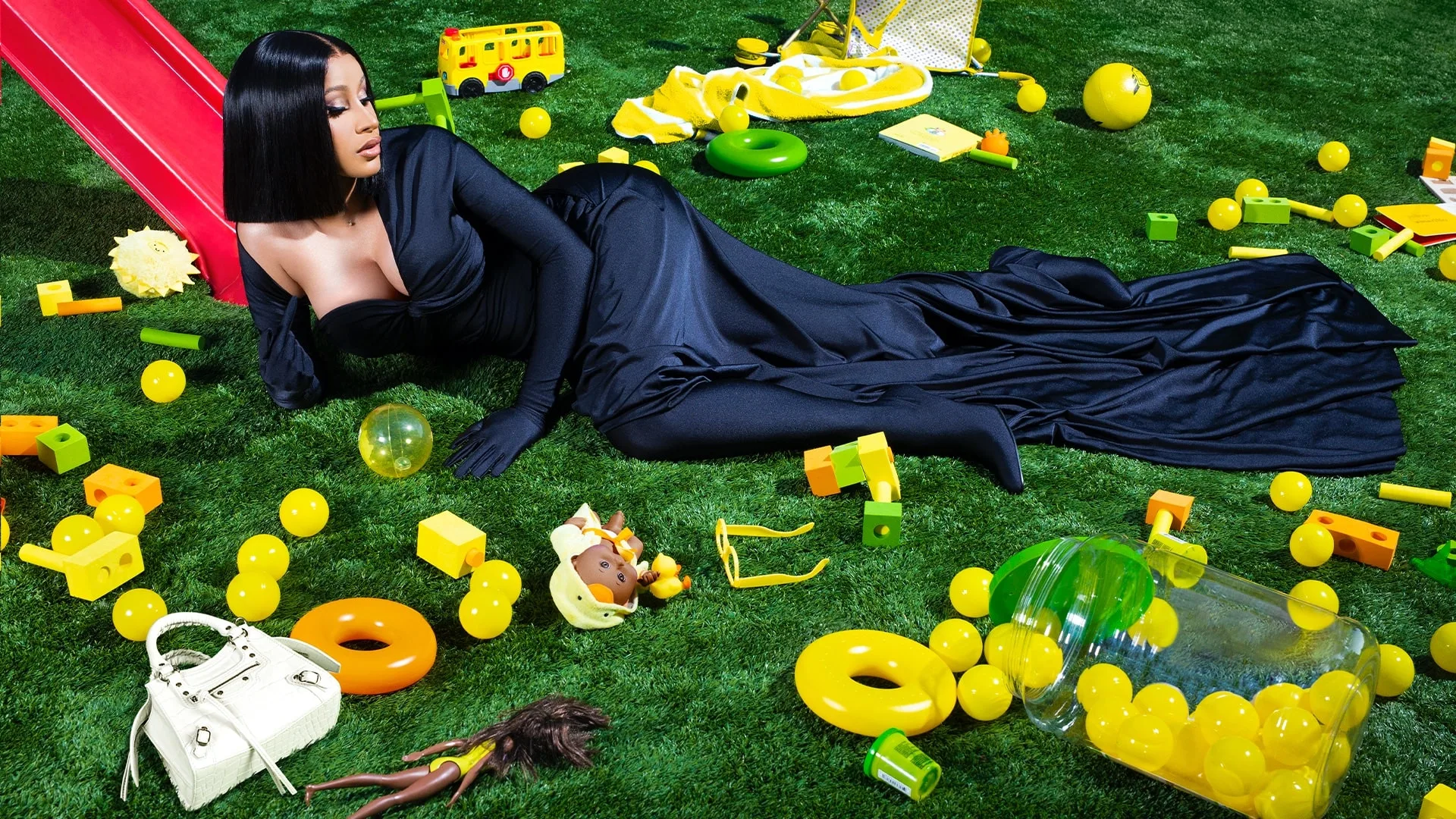
Today, Cardi took to her Twitter account to share the news that she is now the face of Balenciaga’s latest ad campaign for the winter 2020 season. Shot and styled by Cardi B’s team in her home in L.A., the  imagery features the rapper wearing a black catsuit-dress hybrid from creative director Demna Gvasalia’s fall 2020 collection.

Cardi is lying on what appears to be an astro-turf surface, surrounded by a slide and kids toys, as well as Balenciaga’s Neo Classic bag in white.

On Instagram, the rapper also shared an image of a giant billboard featuring the new campaign, which is being displayed on the side of the Louvre museum in Paris. In her caption, she wrote that she remembers how it felt to see herself on a billboard in Times Square for the first time but, in her words, “PARIS! Wish I was there to see it in person.”

This is Cardi’s first campaign for a luxury fashion house, though she’s definitely no stranger to the Parisian style scene. In the last few years, Cardi has become a front row fixture at shows including Chanel, Tom Ford, and Thom Browne. Her street style swagger during fashion month has also gone viral: Remember when she wore a floral printed Richard Quinn ensemble that literally covered her from head to toe?

She and her stylist Kollin Carter have been wildly successful in carving out a much-needed space for Cardi within the fashion industry, and they’ve cultivated a personal style that is all her own while being inspiring to all. To say that she is deserving of this new Balenciaga campaign is an understatement.

Cardi is the risk-taking, unapologetic sartorial muse we all need right now, whether she’s showing us the power of the WAP or making her mark on European fashion, from the side of one of the most famous buildings in the world.

Content courtesy of Vogue Magazine & Nairobi fashion hub 

Winner Of African Kids Fashion Week is June Alaare Wisse a 7 years old Nigerian Dutch Model

A 7-year-old winner, June Wisse has emerged following this year’s African Kids Fashion Week competition; an event created to showcase the best of African fashion for children. The second runner ups ae Jayson Egbon and Oladeji Excel respectively.

This year’s edition themed the “SHOWCASE ” gave African kids the platform to showcase the best of African Fashion Inspired by the rich and diverse African culture with traditional fabrics in a creative and stylish way as organised by Smart Code Africa.

The competition was held virtually, where contestants with the highest likes and engagement online became the African Kids Fashion Week (Showcase) winner.

https://www.instagram.com/p/CBiM2wJDE20/?utm_source=ig_embed

In a statement made available to the press, the Creative Director of the event, Mr Ajibola Akande, said that the African Kids Fashion Week is an event created to showcase the best of African fashion for kids

“This years’ edition aims to build the attitude and develop personality for the young African to love and embrace African attires, ” he added.

Ajibola further explained the economic value of the project which is aimed at retaining the foreign exchange that goes out of Africa within Africa.

He said, “Billions of dollars goes out of Africa from the children fashion industry and one of the main objectives of the African Kids Fashion Week is to help retain those funds within Africa.

https://www.instagram.com/p/CCJkjmjDO9q/?utm_source=ig_embed

“When the children grow up wearing African fashion, they will definitely stick to it when they are of age. Imagine all the children in African are wearing African fashion, you cannot imagine how much that will contribute into the Africa economy in respect to IGR.”

The event gave children between the ages of 4 to 12 years the opportunity to showcase the best of African Fashion Inspired by the rich and diverse culture in Africa.

The online event started with an entry which started on the 9th of August and closed on the 22nd of August. Voting started on the 23rd of August and ended on the 29th of August 2020. The voting was filled with interesting activities as contestants scramble for votes from all over the world. Some Nigerian celebrities also joined in the competition by endorsing their chosen candidates to win the competition via the Instagram platform @africankidsfashionweek.

This year’s African Kids Fashion Week was powered by Smartcode Africa and was supported by Mobiwura Children Fragrance, Afrikayla, wonder child for kids, Wealahkids among other top kids designers

Content Courtesy of This Day Live & Nairobi fashion hub 

The Online Festival Putting Nigerian Fashion on The Global Map 

While it’s undoubtedly reductive to think of an entire continent as a trend, there’s clearly a growing appetite to connect with stories out of Africa, as demonstrated by Beyoncé’s stunning Black is King visual, which invokes symbolism from a broad range of ancient African traditions.

And, with the rise of Afro-beats (the genre was recently given its own official music chart) and African designers such as LVMH prizewinner Thebe Magugu, it has certainly become a cultural force to be reckoned with of late and that’s not lost on Grace Ladoja, CEO of Metallic Inc. and co-creator of Homecoming, the festival that prides itself on “taking the world to Africa and Africa to the world.”

“Obviously, there’s so much focus on Africa, but I think it’s really important to learn from those who have experienced the culture firsthand rather than the U.K. or elsewhere deciding what Africa is,” explains Ladoja. “A continent with 1.3 billion people, 54 countries, 200 million Nigerians, over 50% under 30, has so many stories to connect with globally. They are going to be in charge of the narrative.

They’re the future.” Now in its third year, the festival has earned a reputation for putting cool, on-the-rise creatives on the map via its pop-up shops, workshops, and riotous live shows in Lagos, Nigeria. She is excited that, despite the pandemic, Homecoming will still be able to lend its platform to exciting new voices from the continent, starting with a virtual pop-up featuring 15 up-and-coming labels from the diaspora including British-Nigerian designer Mowalola, Lago-based skate crew Motherlan, and British-Nigerian tailoring specialists Tokyo James that goes live today on Browns Fashion. “It’s about empowerment, platforming, equality, ownership, and education,” she says.

Several designers championed by Homecoming over the last three years have experienced huge success, among them Kenneth Ize and Mowalola, who has garnered a cult following for her provocative, body-skimming leather designs. Ladoja, who met Mowalola when she was at university in 2017 and started buying her pieces back then, describes her as a “a once-in-a-decade designer.”

“We’re so happy to have had her be a part of our story and that some people met her through our festival,” she says. “We’re just a platform and we want to position people in the right place. We’re not a production house trying to break brands, we’re just trying to make people connect the dots.”

While there’s been an uptick in interest for Nigeria fashion, it’s still relatively difficult to get your hands on the clothes themselves. This year’s partnership with Browns will help bring this talented new generation of designers to a global audience.

Beyond shopping, the festival is also a marketplace of ideas. Browns will host a limited-edition e-zine, a collaboration between a number of publications leading Nigeria’s cultural conversation, including music connoisseurs The Native and the thought-provoking team behind The Republic. It features fashion editorials from Sheffield-born British-Nigerian photographer Ruth Ossai and artwork by Nigerian Gothic and Moses Adesanya.

To round off the week, there will be a series of panels on August 27 and 28 that give attendees a chance to learn from heavyweights across the cultural spectrum, from the U.S., the U.K., and Nigeria. Virgil Abloh, Gee Patta of the Amsterdam-based streetwear brand Patta, and AWAKE founder Angelo Baque will discuss how Africa can regenerate streetwear with the founders of Motherlan, Vivendii, and Daily Paper.

Ladoja predicts that this is one area of fashion in which “Africa can set a new blueprint” due to it being more affordable and therefore accessible. Wale Lawal, the editor of The Republic, Post Imperial creative director Niyi Okuboyejo, and Tremaine Emory of No Vacancy Inn are also coming together for a talk, entitled “Pushing the African Visual Identity Discourse Forward,” which aims to dissect the cultural impact of the continent.

Overall, the event is a testament to a new crop of young creatives who are bringing Africa’s rich style history into the future. “I hate trends. I lean towards designers that have their own consistent identities, but if there is a ‘trend’ on the horizon, it’s seeing how these traditions will be reimagined, reinvented, and modernized by the next generation,” she says.

“There’s a new generation flipping tradition and bending old practices with the new. You see this with the weaving that Kenneth Ize does or the Adire dyeing that Post Imperial and Waffles N Cream do, and that’s never going to get old.”

Content courtesy of Vogue & Nairobi fashion hub 


Beyoncé’s Black Parade Route catalog giving African owned businesses a boost

Designs from the new Anyango Mpinga collection are worn by 3D avatar models. Kenya’s Mpinga is behind one of the businesses featured on Beyoncé’s website.

Anyango Mpinga woke up August 1 to multiple social media comments and messages informing her that her fashion brand was featured on the website of one of the most popular entertainers in the world  Beyoncé.

“There was a comment from one of my followers on Instagram that said, “Oh, your work is featuring on Beyoncé.”
“I was confused at first because as far as I knew, I hadn’t sent Beyoncé anything,” Mpinga said, laughing.

The fashion designer from Kenya would later find out that her business Anyango Mpinga had been listed as part of the “Black Parade Route,” a directory of Black- and African-owned small businesses curated by Beyoncé and Zerina Akers.

Akers is Beyoncé’s stylist and the founder of Black Owned Everything, a compilation of businesses across various fields run by Black entrepreneurs.

Black Parade Route

Black Parade Route highlights brands and businesses across different industries, including restaurants, beauty, arts, and design, as well as multiple fashion brands from different countries in Africa.

The directory was released alongside a song titled “Black Parade” on Juneteenth. The June 19 holiday celebrates the end of slavery in the United States. It’s the anniversary of the day in 1865 when news of their emancipation reached slaves in Galveston, Texas.

“Happy Juneteenth Weekend! I hope we continue to share joy and celebrate each other, even in the midst of struggle. Please continue to remember our beauty, strength, and power,” the singer wrote on Instagram at the time. “‘BLACK PARADE’ celebrates you, your voice and your joy and will benefit Black-owned small businesses.”

Mpinga told CNN that she is a fan of Beyoncé and was excited to see that the award-winning musical artist had posted her brand on the website.

Through her brand, the 36-year-old designs and produces re-imagined white shirts, bold prints, jewelry, and leather bags.
“I was excited to see that my business is on Beyoncé’s site. And I was also thrilled to see so many beautiful brands that she wore in her album on the website, and I loved them,” she said.

More visibility

Being featured on Beyoncé’s website is giving many African owned businesses greater visibility and by extension more customers, according to Edwin Okolo.
Like Mpinga, Okolo’s fashion brand, Studio Imo, was spotlighted on Black Parade Route.

“I was not expecting it at all because I am a small brand … I was pleasantly surprised to find that I had been featured,” he told CNN.

The 33-year-old Nigerian has been running his business since 2013 and makes dresses and jumpsuits, knitting them by hand.
Since the feature, he has noticed a lot more activity on his business page with people pre ordering some of his designs, he said.

“A lot of people are showing interest. I have already gotten new commissions and more people have ordered from the online store. I don’t know how that will play out in the long term but just being recognized has been very good for my brand,” he added.

Mpinga said her brand has also attracted more attention.

“It brought a wider audience to my platform. What has happened is that I’ve been getting a lot more requests from people asking how they can get the pieces from my collection, people wanting to make orders,” she explained.

‘There are many Black creatives’
Mpinga said that the directory is proof that there are many Black and African creatives across different industries.

“The industry has been saying they don’t know where to find Black designers or good creators, it has been an excuse for a long time with the big retailers,” she said.

Edwin Okolo’s brand, Studio Imo, designs and produces handmade dresses and jumpsuits in Nigeria.

“What Beyoncé has done is show everyone where to find these creatives so that there are no more excuses,” she added.
And while Okolo is excited that Beyoncé is featuring businesses on her website, he said he hopes the singer and her team will give an additional boost to brands by promoting them outside Black Parade Route.

“It is wonderful to see Africans get this kind of platform without doing anything extra but I am hoping more can be done in terms of PR. I don’t know if that will happen in the near future.”

Beyonce Knowles Carter released her latest surprise single, “Black Parade” on Juneteenth last week. Along with the release of the single, she launched an initiative that supports Black owned businesses

She brought the song and the news to her Instagram account where she has more than 149 million followers. “BLACK PARADE” celebrates you, your voice, and your joy and will benefit Black-owned small businesses,” she states.

Content courtesy of CNN & Nairobi fashion hub

Evelyne Akinyi Odongo

Akinyi Odongo Kenya  is an authentic high end, rejuvenating and invigorating African fashion line by MEFA Creations, cutting across the local, regional and international apparel industry. Inspired by a Kenyan fashion industry indefatigably knocking on the international market galaxy, Akinyi Odongo has tilted the establishment with African inspired designs exuding timeless sophistication, class and ever present diversity that has carved its niche in the local and international fashion arena.

Akinyi Odongo is now a bespoke designer of perfect cuts with refined details and fabrics that are of high quality yet sustainable for everyday use, a touch of rich African culture that creates the distinction. We talk the talk in targeting high net worth individuals from all over the world. Our Jackets, dresses, skirts and suits have been won by first ladies of African countries, presidential candidates, and corporate high flyers and hugely acclaimed by fashion enthusiasts.

Akinyi Odongo Kenya primarily has its market base in Kenya as its headquarters are located in Nairobi, at Sifa Towers on Cotton Avenue. The line also boasts a large foreign-based client base in South Africa, Zimbabwe, Rwanda, USA and UK. To serve its global markets, the line is on course to establish retail access outside Kenya. Akinyi Odongo Kenya designs are becoming a fixture in global exhibitions and fashion shows like the famed Origin Africa, Source Africa (yearly sourcing event in Cape Town)

She is an extraordinary story of passion, diligence, work ethic, integrity and God! With ‘fashion designer’ genes flowing in her blood, inspired by her mother, a ‘fundi’ (tailor) in a Small village Called Rangala In Siaya County in western part of Kenya who taught her the mastery of a sewing machine at a tender age, Evelyne Akinyi Odongo set up MEFA Creations a decade ago in the corner of her house  humble beginnings. Her trailblazing journey, building her clientele from a handful of friends to celebrity endorsement status can only be typified by Evelyne Akinyi Odongo’s

words, “I love fashion, I love creativity and art, and it’s my purpose and I’m pursuing it to the highest place, and being good Steward of what God has bestowed upon me.” It has been a journey of perfecting her concepts, designs, systems and structures while amassing valuable experience in exploring new frontiers of fashion designs and marketing that will match and meet international fashion standards. The launch of brand Akinyi Odongo Kenya  in 2015 represents the new beginning of a legacy she has amassed over the years and of her future endeavours, giving her brand a face to go with it.

Akinyi Odongo  has earned numerous accolades for an inestimable contribution to the Kenyan fashion industry. In 2005, its designs were exhibited in a gallery in Dusseldorf Germany garnering international recognition for the brand and consequently credit for Kenyan fashion designers. In 2014, MEFA Creations and Evelyne Akinyi Odongo were awarded the prestigious ELNET Business Leader Ethics Award for exemplary ethical standards in business.

The company boasts a 5 star rating for ethical compliance. In September 2014, Akinyi Odongo was the only Kenyan designer who represented the country at the 14th World Export Development Forum in Kigali, Rwanda and in August 2015 participated in the 18th Rwanda International Trade Fair in Kigali through Export Promotion Council. In 2015, the founder, Evelyne Akinyi Odongo was

among Kenya’s trendsetting entrepreneurs that showcased their products and business ideas at the 6th Global Entrepreneurship Summit held in Nairobi, Kenya. She was among the high-level delegation that represented Kenya at the Milan Expo Kenya Week 2015, led by The President of the Republic of Kenya, H.E Uhuru Kenyatta. Akinyi Odongo KenyaTM continues to dress Kenya’s First lady Margaret Kenyatta and former Presidential aspirant, Hon. Martha Karua, among others.

The Company has attained various Kenya Bureau Standards (KEBS) standardization marks including the Diamond and the Standardization Quality marks. As a designer, she continues to work with several institutions including Kenya Industrial Research & Development Institute (KIRDI), African Cotton,

Kenya National Chambers Of Commerce and Industry (KNCCI), Export Promotion Council (EPC), African Cotton & Textile Industries Federation (ACTIF), and Proudly Kenyan (IED) counselling on issues affecting the fashion industry.

Board of Advisors The Board consists of nine members who are responsible in formulating, reviewing and provision of counsel in matters relating to Akinyi Odongo Kenya’s business strategy and development, marketing and communications efforts and corporate governance Executive Directors Evelyne Akinyi Odongo: Founder, Managing Director and Head of Fashion Design Martin Oluoch: Director Catherine Jadeya: Financial Consultants

Content courtesy of Akinyi Odongo Kenya & Nairobi fashion hub 

Beyoncé Amplifies The Diversity Of Cultures Throughout The African Diaspora

In this op-ed, fashion historian and curator Darnell-Jamal Lisby breaks down the fashion from Black Is King and their connections to specific African regions, cultures, and traditions.

Throughout the years, fashion has been an essential element to the way Beyoncé communicates, specifically Black empowerment. As an extension of her 2019 Lion King: The Gift studio album, her latest musical film Black is King reimagines the Disney classic The Lion King through the eyes of people instead of digitally animated animals.

In this way, Beyoncé, who acts as the film’s narrator, is able to help push society away from conditioned tropes of African peoples while using clothing to overtly and subtly subvert the 1994 narrative into a tastefully executed ode to the true beauty of Africa and its people. Through the fashion in Black Is King, it introduces us to new perspectives through design that amplifies the collective elegance of Black bodies and the diversity of African diasporic cultures.

Beyoncé’s long-time stylist Zerina Akers served as the film’s costume designer, commissioning custom designs from a bountiful selection of designers from and outside of the African Diaspora. Although Beyoncé worked with many fashion houses like Burberry, Valentino, and Mugler, there was a concerted effort to present a range of work by Black and other designers of color on par with their heavyweight fashion peers.

Designers like Jerome LaMaar, Loza Maléombhoa, and Alon Livné and labels like Tongoro Studio interpreted traditional symbols from various African cultures to pay homage to the continent’s artistic richness. Setting name recognition aside and looking at pure materiality and narrative, the styles throughout Black is King are cohesive and electrifying, allowing the inspirational perspective of each designer to add to the captivating story and highlight the multitudes of African people and cultural traditions

There are nods to specific accouterments that help tie into the plot of Black is King while maintaining a consistent level of admiration for these cultures. One uniform representation in Beyoncé’s artistry is the Yoruba goddess of rivers and fertility, Oshun. Whether ushering the film’s beginning wearing a white Wendy Nichol gown pieced in white Japanese organza and white silk habotai walking in the rolling waves or wearing the Balmain marigold dress with a pleated off the shoulder bodice towards the end of the film, these designs conveyed a connection to Oshun and spirituality.

As celebrated in Lemonade, Oshun signifies renewal and life. Additional fashions in Black Is King that showed the essence of Oshun include Senegalese designer Adama Ndiaye’s sprawling dress and halo-like gele. There is also, of course, the beaded gown by Brazilian designer Alexandrine that we saw in shots in the 2019 release of “Spirit” and styled with the stunning cowrie mask by “Queen of the Cowries” Lafalaise Dion.

When it comes to African textiles and dress traditions, particularly West Africa, the costumes in the film create a dialogue between respected customs and contemporary fashion. The history of wax print in the region, which has Dutch origins, and its reclamation by African communities is very vital to the continent. During the Dutch colonization of Indonesia, wax prints did not penetrate the local market as a profitable good; turning their sites on a new consumer, West African communities adopted the textile as a way to assimilate into the Eurocentric colonial landscape.

The subversion of this textile by contemporary African designers to direct a new empowering course of wax print is incredible. Pieces such as the printed Mugler jumpsuit (in “My Power”), the Vrettos Vrettakos crystal-encrusted multicolored dress (in “Find Your Way Back”), the Venny Etienne cinched floral printed jacket (in “Already”), or the Erdem floral printed gown (in “Mood 4 Eva’) unwittingly directed attention to the essence of the decorative nuances of wax print.

Another textile tradition delineated throughout the film is the intricate textile practice of Bògòlanfini, which is an integral practice in Mali. The unique arrangement of symbols and shapes created by undyed spaces on the Bògòlanfini textile is undeniably felt through the Loza Maléombho broad-shouldered black and white geometric patterned bodysuit with figural mask buttons in the “Already” scene.

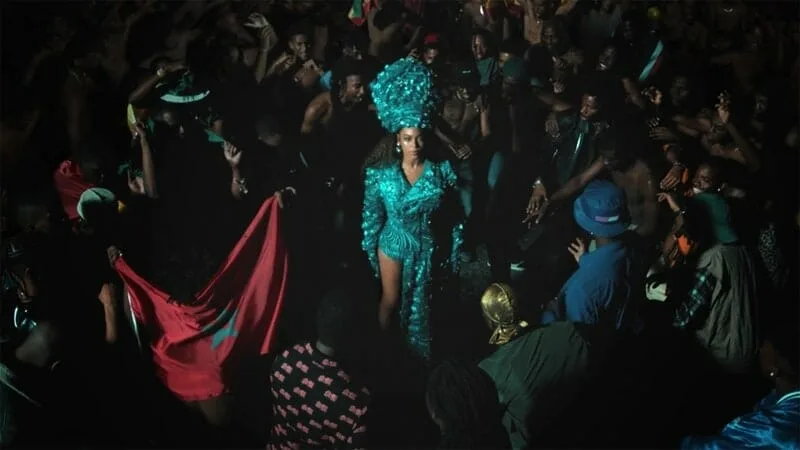
The repetitive pattern in its black and white colorway in the bodysuit is almost an abstract extrapolation of the traditional textile’s geometric patterns, creating continuity with the West African setting of that portion of the film – the Ghanian flag was swung by backup dancers, giving away that portion of the narrative. Additionally, the buttons on the Maléombho bodysuit also speak to a similar adornment of gold seen on the crowns worn by rulers of Akan people in Ghana and the Ivory Coast. There are also references to the geometrical spirit of the Bògòlanfini in the billowing NGOR and BIRMA dresses by Tongoro Studio Beyoncé wore in “Brown Skin Girl.”

With dance being a cornerstone of Beyoncé’s visual experiences, in addition to being functional, her costumes and fashions are constructed to add drama to the performance and specific movements. Dance has always been integral to many African cultures, religiously and for entertainment. In the more religious vein of dance and ceremony, the Mossi people, native to modern-day Burkina Faso, are known for their Ouangos dance costume consisting of elongated stylized masks and layered fibrous cloaks.

From longtime Beyoncé collaborator Timothy White’s voluminous fringed dress and fringed fedora in “Water,” the crystal poncho by Area in “Find Your Way Back,” and the crystal cape-dress designed by Lace by Tanaya also in “Find Your Way Back” create this romantic connection to Mossi art form through their excessively layered fringed constructions like the Mossi’s beautiful coarse dance costume, creating additional and accessible points for viewers to approach the education of African communities.

Headwraps are another glorious symbol of the legacy of the African diaspora because of their crown-like attributes. The sumptuous characteristics of headwraps signify a sense of pride for many African people. Identified as the gele in Nigeria and duku in Ghana, headwraps are the vocal points to each of Beyoncé’s ensembles to complement her non-verbal celebration of Blackness.

Notable illustrations of the headwrap are present in the custom turban by Sarah Soko Millinery styled with a matching hand-beaded Nigerian lace trench-jumper by Jerome LaMaar in “Already;” the pink structured gele styled with a chiffon gown by Molly Goddard in “Water;” as well as the Laurel DeWitt and Alon Livné turbans as seen in “Find Your Way Back” and throughout the entire film.

Moving away from West African connections, the fashionable imagery in Black is King also has powerful signals to cultures native to central and southern Africa. During the Lemonade era, fashion pointing to the peoples of these regions was essential to conveying her appreciation of them.

The Mangbetu practiced Lipombo head-elongation, which in “Brown Skin Girl,” Beyoncé reinterprets with the arrangement of her braided hairstyle in a scene wearing a black Timothy White mermaid tiered tulle gown. Briefly, the braided ties woven onto the bodice of the lace dress designed by Déviant La Vie in “Nile” brings about a question of whether the tradition of crochet hats and masks popular amongst Bamileke people native to Cameroon was the inspiration.

When thinking about the culture of southern African indigenous groups, the fashions in the film illuminate delineations of Herero dress. The Herero are native to Namibia; after the country’s colonization by the Germans in the early twentieth century, Herero women integrated Edwardian style into their daily lives. During the end of the nineteenth-century into the first decade of the twentieth, women’s fashion continued to perpetuate the broad-shouldered Gibson-girl-like silhouette, cinching the waist and having voluminous sleeves and skirts which created an hour glass like shape.

When the Germans gave up control of the region, Herero women reclaimed this style as a form of solidarity and keeping memories of the Herero genocide alive. Between the leg-of-mutton sleeve gown by the Alejandro Collection in “Mood 4 Eva” as well as the floral printed with grey ground headpiece styled with a matching wrapped and draped dress designed by Mia Vesper in “Water” while dancing with a calabash bowl on her head highlight the power of Herero dress and culture.

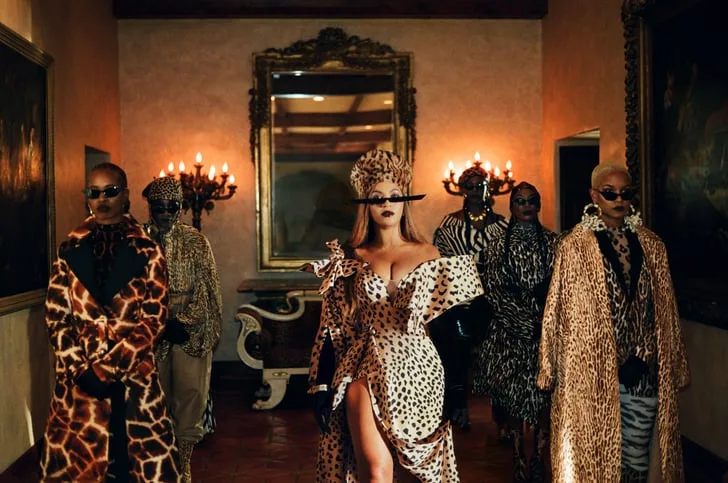
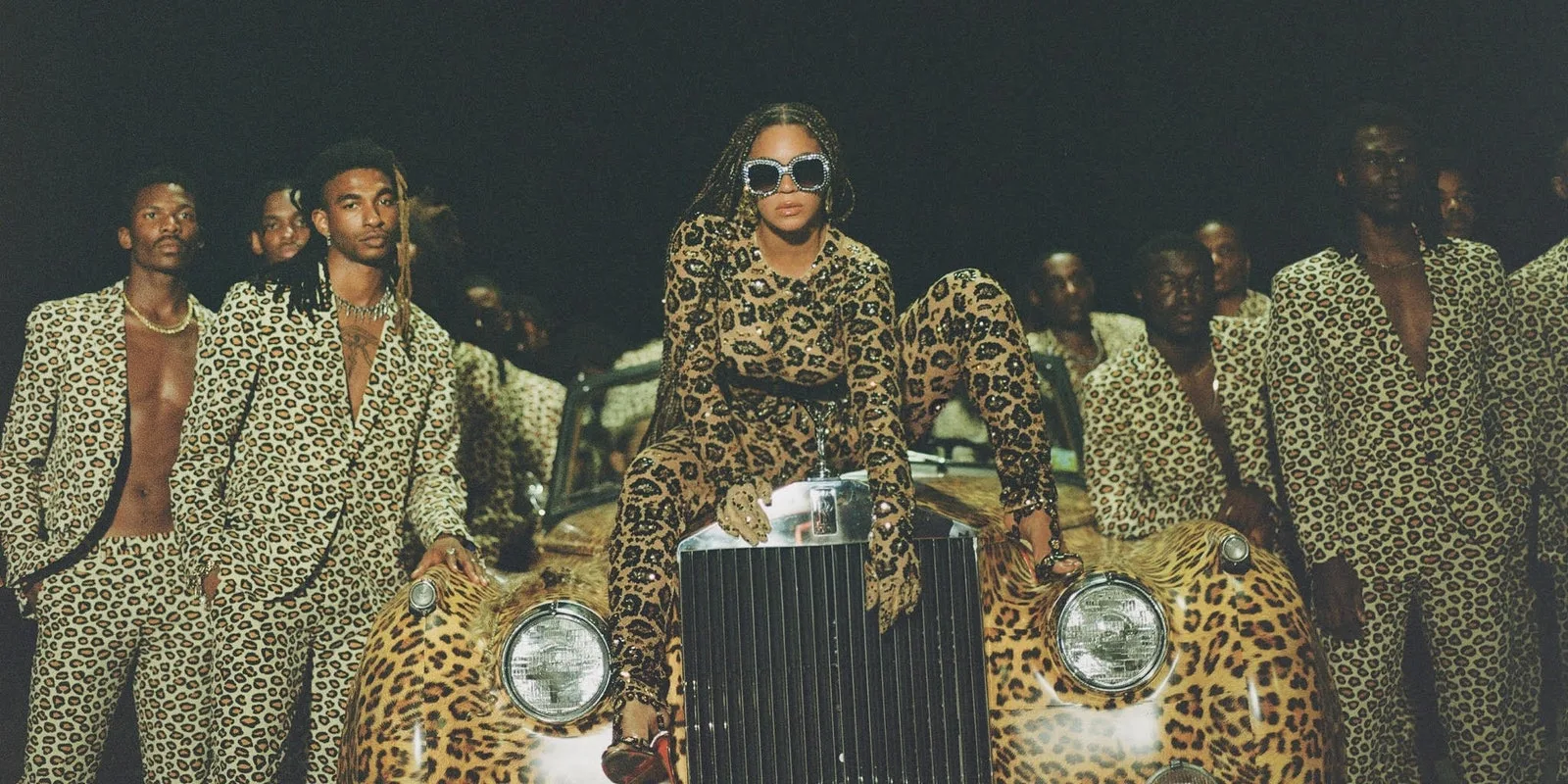
There was also a significant presence of using fashion to draw links to the Zulu, who are native to South Africa. The cowhide Burberry ensembles in “Already” speak to the use of this material for Nguni shields. The custom leopard printed and crystal-embellished jumpsuit and matching cape by Valentino worn in “Mood 4 Eva” elicits thoughts of the Zulu’s widely known history of leopard skins in ceremonial dress.

Building on the leopard connotations, the Kujta & Meri off-the-shoulder dress with a deep slit and hat in the same scene exudes more abstract interpretations of the animal skin, especially being surrounded and walking regally amidst the extras wearing leopard printed ensembles. Again, Black is King represents how the designers in the film interpret, connect, and celebrate African diasporic cultures.

In a time when we are unlearning conditioned history that supported white Eurocentrism, Black is King simultaneously addresses the fact that Black people are not monoliths but possess cultural nuances that bind them together through art, music, dance, and dress, among others.

Even though Beyoncé was the central figure of the film, she selflessly elicited the colorful and brilliant character of the African continent and all of its peoples. In addition to continuing to create, assumedly, a deep spiritual connection to the continent and its people, this film continues the collective work to dissipate disastrously historical perceptions in favor for illuminating the exquisite cultural abundance of African and Afro-Diasporic cultures.

In a time when we are unlearning conditioned history that supported white Eurocentrism, Black is King simultaneously addresses the fact that Black people are not monoliths but possess cultural nuances that bind them together through art, music, dance, and dress, among others.

Even though Beyoncé was the central figure of the film, she selflessly elicited the colorful and brilliant character of the African continent and all of its peoples. In addition to continuing to create, assumedly, a deep spiritual connection to the continent and its people, this film continues the collective work to dissipate disastrously historical perceptions in favor for illuminating the exquisite cultural abundance of African and Afro-Diasporic cultures.

Content courtesy of Teen Vogue & Nairobi fashion hub 

Top 10 Fashion Designers From Tanzania

Swahili Fashion Week is one of the biggest and largest annual fashion events in East and Central Africa providing a platform for fashion and accessory designers from Swahili-speaking countries and beyond to showcase their talent, market their creativity, and network with clientele and the international fashion industry.

This is all aimed at emphasizing to the region that fashion is an income-generating creative industry, meanwhile promoting a Made in Africa concept, Swahili Fashion Week is a platform founded and created by celebrated Pan African couturier from Tanzania, Mustafa Hassanali in the year 2008.

1. Doreen Mashika

Doreen Mashika was born and raised in Tanzania, studied and work in Switzerland, and is now part of a growing homeward-bound African diaspora. While in Switzerland she began her career in the financial industry, specializing in goods fund management, Doreen doesn’t only design bags but she is an all-around designer she designs anything from shoes, bags, and stunning clothes. What I like about her designs is that she incorporates the western culture and African style.

She is also one of the designers who manage to create something new and exciting with African textiles – in this case with Kitenge fabrics, This is where she had her first contact with the fashion industry and designers, providing her a unique insight and appreciation of the sector. Inspired by a deep sense of affection for the cultural heritage and wealth of design possibilities in Africa, she returned to Tanzania and settled in Zanzibar to pursue her passion for design while building a successful company.

2. KiKi’s Fashion

Kikis fashion founder and CEO, Christine Kissa Zimba popularly known as Kiki Zimba, was born on Christmas day 25th December 1977 in Dar Es Salaam, Tanzania, Kiki Zimba is married and a mother of 3yrs old son, she is a new designer in town and a businesswoman as well.

Kikis Fashion is another fashion home owned by Kiki Zimba.  She portrays her fashion and personality via her fashion brand, through her creativity and designs. She mostly customizes her designs to women and children and captures their hearts with stylish long dresses, evening gowns, or short skirts.  If you’re a fashion-savvy lady, you will always find something new at Kiki Fashion. She incorporates her designs with Kitenge and Ankara. She is currently big on African prints.

Well Fashion is in her blood, Kiki feel that fashion design is an art and a way of expressing oneself creatively and she has been able to make people wear her label, and she is so proud of that, Kiki Zimba has also designed Vodacom Miss Tanzania 2011 Dance and Beachwear and her target was to sell her brand worldwide.

3. Mustafa Hassanali

Tanzanian Mustafa Hassanali is a medical doctor who began fashion designing as a hobby in 1999. Hoyce Temu wore one of his first creations and was crowned Miss Tanzania that same year, wearing his signature evening gown. This initial hobby has turned into a fully-fledged career for Mustafa who has shown his collections across Africa and outside the continent in promoting the Tanzanian fashion industry.

Mustafa has showcased his creations in over 31 cities across 21 countries globally representing Tanzania as a Fashion and Cultural ambassador. He is highly appreciated at the international level by working alongside Naomi Campbell. Mustafa is still on that ladder to leave his mark on his work globally.

His zest for fashion is not limited to fostering his own creations and offering something new to his target audience, but he is also concerned about the growth of the industry. In 2008, he launched the Swahili Fashion Week, which has created a promising platform for established designers and models, as well as emerging talent. This event has now become the largest fashion event in East and Central Africa. Hassanali was also appointed by the minister for information, youth, culture, and sports as a member of the steering committee to search for the Tanzania national attire.

4. Khadija Mwanamboka

Khadija’s 24 years of progressive achievements in fashion designing, organizing events, opportunities to youth and women to express themselves through fashion, marketing promotions, ambassador/influencer for different organizations, initiatives, and campaigns through the promotion of different services and products. She is very enthusiastic, highly motivated, and resourceful. Khadija is Poised and self-confident in dealing with a wide variety of people.

One of the top trail-blazers and trendsetters in the Tanzanian fashion industry, Khadija continues to set the pace in the African fashion arena locally, regionally, and internationally.

Khadija is not only a fashion designer but enjoys giving back to her community. She is a founder and chairperson of Tanzania Mitindo House, a not-for-profit social initiative to utilize fashion designing in the country for community-based charities geared at assisting HIV/AIDS orphans.

5. Evelyn Rugemalira

Evelyn is the creative director of Eve Collection. All she needed to set her on the fashion path was the inspiration she got during a trip to Lagos Nigeria.  Her passion was ignited after seeing and experiencing western African fashion enthusiasts at work. She believes that Fashion has the ability to inspire, inform and document what society says. She mostly uses kitenge and Ankara for her designs. Her audience is mostly women with an endearing soft spot for curvy women.

In the last few months Eve has been very privileged to dress several Tanzanian celebrities in the likes of Madame Rita Paulsen of Bongo Star and Wema Sepetu a well known Tanzanian businesswoman and actress and most recently Eve had the honor of dressing Miss Tanzania 2012 who represented Tanzania in the Miss World competition in Malaysia, Eve Collections was also featured in Mashariki Mix in October 2013.

In a span of few years, Evelyn has had a huge success in different fashion shows and Exhibitions namely the Women Worth Fashion Show June 2011, Swahili Fashion Week November 2011, Red Ribbon Gala Dec 2011 and 2012, Khanga za Kale November 2012, and recently the South African Fashion Week April 2012. Eve has also been featured in the popular and trendy Bang Magazine in 2011

6. Kemi Kalikawe

Kalikawe is the founder of Naledi Fashion House, which was established in 2008. By profession, Kemi is an interior designer who is inspired by all forms of designs and creativity. She found passion in fashion as a natural progression from interior designing. Naledi fashion house designs are all created by Miss Kemi Kalikawe herself and they are ready-to-wear casual or contemporary afro-urban fashion for both men and women.

The name Naledi means “star” in Tswana, one of the languages spoken in Botswana and Amazing Africa thinks that is a perfectly fitting name for one of Botswana’s rising young entrepreneurial stars, Kalikawe’s uses indigenous Tanzanian fabrics Khanga and Kitenge for some of her women’s dresses too.  But her best selling item is the sandal.

The designer makes heavy use of one of national Tanzania’s fabric Khanga alongside the Kitenge and the Ankara. Kemi recently participated and won the award of Innovative Designer of the Year award at the Swahili Fashion Week in Tanzania.

7. Jamilla Vera Swai

Jamilla Vera Swai’s label caters to women who infuse exotic vibrant style, glamour, and sophistication into their professional and social lifestyle, vibrant, exotic, all in your face extraordinaire designs. Jamilla’s love affair with fashion started at the tender age of 7 when she came across her auntie’s fashion sketches.

At the age of 14, while she was still in high school, she started modeling for adverts on a local TV station in Maputo as well as designing for the agency she was signed with, Estudio Stilo. To perfect her skills she joined Institute de Bela Artes in Maputo to study fashion then, later on, moved to Fashion College International in Nairobi to complete her studies.

8. Ally Rhemtullah

Ally Rhemtullah is one of the upcoming fashion designers of Tanzania, Young at heart and creative, There was a time where the arena was dominated by “so-called” designers but with the emergence of this new blood, new talent, everything is changing for the development and betterment of the fashion industry of Tanzania
Ever since he was a child he was always in love with drawing, painting, and using colors as his daily playing elements. Ally had a dream to be a fashion designer, and after a lot of hard work, he achieved his goals and is now starting his career in the fashion industry.

Allys fashion talents are like the unique Tanzanian art of “Makonde” carvings. His creations are a blend of wearable garments which are in the true sense combination cultures, styles, and fabrics. Ally is a Tanzanian, born and raised within Indian ethnicity. The opportunity to go to the west to obtain his degree made him knowledgeable of all three different parts of the world, thus the ability to create designs with inspiration from all the cultures.

Different colors in nature inspire Ally to create his designs, he also gets inspiration from his fellow colleagues who have been in the industry for a long time.

9. Fatma Amour

Fatma Amour is a fashion designer from Tanzania who makes use of traditional materials like leather and tree bark, inspired by the designs of the Hadzabe people of north-central Tanzania.

The moment she set foot in Hadzabe land, Amour knew she had found her calling bringing the richness of Hadzabe tradition to the outside world, the Hadzabe live around Lake Eyasi in the central Rift Valley and in the neighboring Serengeti plateau, where Western “civilization” hasn’t touched the ground.

They are one of the few groups left in Tanzania whose life still revolves around hunting and gathering. Their garments are mostly made from leather from animals they hunt and tree bark from the natural forest, for people who still believe that Europe and America are the founts of fashion, Amour has a message with her eye-catching traditional creations

10. Farha Sultan

Farah Sultan, Founder of ARNAA and graduate of the AUS Design Management Program in the College of Architecture, Art and Design (CAAD), will give a talk on how to create your international brand. Farah Sultan is an example of an AUS alumna who studied hard and applied the knowledge she learned on the design management degree program to her life, to her graduate studies in Italy, and to the prolific creative businesses she built. Farah is a world-class role model and success story–an award-winning AUS graduate who made it big internationally.

Farah Sultan is an entrepreneur, philanthropist, and fashion investor. As the founder of the luxury footwear brand ARNAA and the owner of and buyer for the multi-brand store GRAIN, she is a prolific patron of fashion and philanthropist of new talent. Farah is one of the youngest serving patrons of the British Fashion Council Fashion Trust. In 2017, she won the Arab Women Award for Young Designer of the Year.

Farah holds a Bachelor of Science in Design Management from AUS. After completing the London Business School Executive Leadership Program, she went to Italy to specialize in footwear at Milan’s Ars Sutoria under the apprenticeship of sought-after professors. As ARNAA’s founder, Farah aims to create shoes that are one-of-a-kind style statements of the highest quality and comfort for distinguished women around the world.

11. Zamda George

Life has a way of turning things around and surprising us in so many different ways in our journey to finding ourselves in being who we want while trying to live life to the fullest at the same time.

Some call this journey of figuring out who we will be in the end as finding our destiny; others just put it as fate, but for Ms. Zamda George it’s passion.

12. Ailinda Sawe
13. Asia Idarous Khamsin
14. Manju Msita

Content Courtesy Of Nairobi Fashion Hub
 

Top 10 Fashion Designers from Uganda

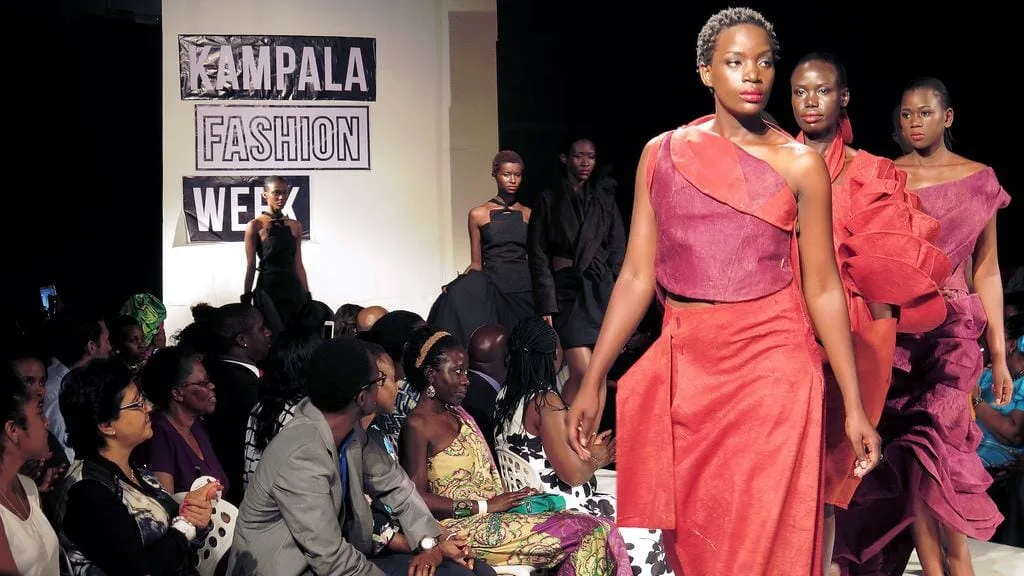
Kampala Fashion Week  Uganda’s most influential fashion platform, (KFW) promotes Ugandan designers and Fashion designers African continent to a large global market. The organization was created to support and strengthen the design industry in Uganda as well as enhancing the cultural and creative talent that our country and continent has to offer. KFW is powered by the Ugandan Fashion Council (UFC).

Fashion in Uganda is flourishing, if the work we’ve seen this year is anything to go by. Design labels are turning into highly respectable brands, attracting attention from all over the world. This is thanks to platforms such as Kampala Fashion Week which foster talent and creation of high-quality garments.

1. Anita Beryl

Anita Beryl born 11 January 1986 is a Ugandan Fashion Designer, Couturier and Entrepreneur. She is the creative director of Beryl Qouture, a Ugandan fashion house. The Ugandan magazine, Satisfashion Uganda, named Beryl one of “The 40 Movers and Shakers of 2016”, in December 2016.

Anita Beryl of Beryl Qouture has positioned herself as the go-to dressmaker for exquisite red carpet looks. Her label which started as a bridal house has dressed some of the best-dressed women this year, attracting massive PR in the process.

She has also featured at a slew of fashion weeks the previous years , Accra Fashion Week and Swahili Fashion Week being some of them. We look forward to the surprises she has under her sleeve in 2018

2. Sylvia Owori

She was born 1976 is a Ugandan fashion designer, businesswoman political lobbyist and entrepreneur. She is the Chairperson and Chief Executive Officer of Zipa Modeling Agency, a company that she founded and owns. She is reported to be one of the wealthiest individuals in Uganda, the third-largest economy in the East African Community.

Sylvia Owori is one of today’s leading figures in East Africa’s Fashion, media, and modeling industries, famous for both her entrepreneurial skills as well as for her creative talent.

Her break into fashion happened when she took on the challenge of revitalizing the ‘Miss Uganda Beauty Pageant’, (2001-2004) which following her input became one of the most significant events on the Ugandan social calendar. She also revealed her innovative talent by designing outfits for the contestants of the M-Net Face of Africa in Dar es Salaam (2000) and Cape Town, which resulted in immense acclaim from the public as well as from fashion critics. Following this positive feedback, Sylvia was appointed to design the Nokia Face of Africa’s Ugandan finalist’s outfit in 2001.

Sylvia Owori, the brand, launched in 2004 and provides a range of prêt-a-porter exclusively on sale in the flagship store in Kampala and in an outlet in Nairobi. Described as a balanced mix between smart and elegant outfits for work and trendy casual wear for leisure, her label is all designed with sophisticated and modern working women in mind.

3. Philip Buyi
​​​​​​​Philip Buyi is an actor, founder and creator of the Kkoolo fashion brand. Kkoolo means “crow” in Buyi’s native language, Gisu. The brand specializes in designing and manufacturing customized street, haute and ready-to-wear apparel for both men and women. Buyi’s goal for Kkoolo is to return, rediscover, and redefine African culture today. “Fashion is an image and character we portray.”

Kkoolo is afro urban wear trend with beauty to colour your world, K koolo reproduces african fabrics and recycled materials ,customized products such as caps , jackets ,vests , pants for both men women, Kkoolo, an afro-urban label made its KFW debut with a collection filled with Samurai inspired outfits, long coats and jumpsuits with dandelions, and lots of leather. We can’t wait to see what the youthful brand has up their sleeves for 2018.

https://www.instagram.com/p/BbxyxRhh9RG/?utm_source=ig_embed

Kkoolo operates at the intersection of the art projects and economic development. Kkoolo is dedicated to the development of the local job market and youth empowerment through skill development, employment opportunities to the youth using fashion, design and craft.

With her activities, Kkoolo addresses issues in regards to innovation, creativity and inclusiveness. Kkoolo Organizers believe that with Art and unemployment can be addressed through gender, innovation and creativity

4. Santa Anzo
​​​​​​​
Anzo is a Ugandan model, fashionista, fashion designer and businesswoman, who is the founder, chief fashion designer and managing director of Arapapa Fashion House, based in Kampala, Uganda’s capital city. She is also the founder and President of Uganda International Fashion Week, an annual fashion exhibition.

Santa Anzo is another pioneer of Uganda’s fashion industry. Anzo is the Chief Fashion Designer and Managing Director of Arapapa Fashion. Anzo says that fashion is not just about glamorous models and glitzy catwalks, it is also a multi-million dollar industry that creates millions of jobs just like any other business. “The fashion industry includes many sub-industries, it has an amazing value chain.”

5. Charles Kasozi

Charles Kasozi, aka Ras Kasozi, is founder and creative director of Kas Wear. It was his lack of financial capital that motivated him to explore new and unusual avenues through recycling to create unique designs. Kasozi began experimenting with different textiles and materials to create one-of-a-kind looks which he is now famous for.

6. Raphael Allan Kasule

Raphael Kasule is the owner of K-Rafael Couture fashion brand. Kasule began his fashion journey at the age of 13, when he started tinkering with his mother’s sewing machine. His fashion brand is famed for its unconventional concepts and approach to style. Rafael’s highlight was when he designed the official national ceremonial wear for Uganda’s Olympic team, which was quite well received at the Rio 2016 Olympics.

“Fashion means so many things; a way of life, culture, an art, source of income. But in general I take it as a platform to express fantasies, thoughts, emotions, among other things. As for the K-Rafael brand, the vision is to make it to the top African designers, to spread outlets and a wide employment and training scheme around Uganda, equipping the less privileged. I would also like to get into the global film costume industry, mainly with adventure, sci-fi, and video production.”

7. Brenda Maraka

Brenda Niwagaba Maraka, who is undoubtedly among Uganda’s top fashion designers, describes herself as “just a simple person who loves work and fashion”. She is also quick to recognise people who have inspired her, including renowned fashion designer and artist Stella Atal and Xenson Samson Ssenkaaba

In January 2007, Maraka officially launched ‘Brendamaraka’ as a fashion label, Brenda Maraka is a textiles designer with a passion for promoting Uganda’s art, culture and traditions through fashion.

For Maraka, fashion is a channel of expression, not just for herself but also for her clients. “It’s been my livelihood and has propelled me to where I am today. Fashion has opened up doors for me, to meet people I never imagined I would meet, to make friendships and visit several countries.”

8. Shiela Lukwanzi

Shiela Lukwanzi is a Ugandan fashion designer who has worked before as a studio assistant for Emanuel Ungaro in Paris and Gloria Wavamunno in Kampala where she assisted in the preparations for the first ever Kampala Fashion Week in 2014. she discovered her signature style while at the university and continue to portray her attention to asymmetric cuts in the collections.

Sheila Lukwanzi is the force behind the formidable Lukwanzi fashion label. Lukwanzi aims to remain enthralling and show a degree of inventiveness through its signature style. It is a unisex brand, currently producing one collection a year. “Fashion to me is freedom, the freedom to change and break barriers. It’s an art and therefore a means of deep communication. Fashion is courage, it’s bold and beautiful.”

Lukwanzi is currently contributing to the fast growing fashion industry in Africa as the creative director for LUKWANZI, a local fashion brand, and also the head designer for Haute Uganda Limited, manufacturers of industrial garments, and corporate and school uniforms.

9. Stella Atal

Stella Atal was born in the Northern Region of Uganda, along the northern shores of Lake Kyoga. Stella started her schooling in Kampala, Uganda’s capital and largest city. She relocated to Kenya and continued her education there. Later, she completed her education in the United Kingdom. She has a bachelors and a master’s degree in Fine Art.

Stella Atal is based in Paris, France. Atal, a professional painter, describes her fashion as wearable art. Having grown up in an artistic family, it was only natural to take on fashion. Atal uses the opportunity of living in the fashion capital to elevate Uganda’s fashion industry to an international level by connecting upcoming fashion designers to international fashion communities.

https://www.instagram.com/p/BqBYPXfl9br/?utm_source=ig_embed

In 2007, she started her own label, Atal Stella. There she focuses on using what is locally available, including eco-friendly, natural and re-cycled material. Her designs have showcased at the Africa Fashion Week New York, in 2010 and at the Green Fashion Switzerland, in 2011. Stella’s work has been featured in two issues of the prestigious Italian Vogue magazine.

In 2016, she relocated from Kampala, Uganda to Paris, France. The following year, she received a license that allows manufacturing and selling of her branded clothes and copyrighted art pieces in France and the rest of the European Union. She tours internationally in Continental Europe, United Kingdom and the United States.

10. Xenson

Xenson know as Samson Ssenkaaba is a multimedia artist and the brilliant brain behind the Xenson fashion brand. Xenson is famed for its creativity greatly influenced by the grandeur of African arts, culture, the vitality of African dance and hip-hop as a free, expressive art form.

​​​​​​​“For me, every creation is a narrative of a complex historical idiom correlated with a poetic contemporary occurrence. The process is very organic and embodies modern African ingenuity and ancient craftsmanship. Materiality involves recycling consumerist by-products, interplayed with organic or natural materials.”

Content courtesy  Nairobi fashion hub 

Sylvia Owor

Sylvia Owori She was born 1976 is a Ugandan fashion designer, businesswoman political lobbyist and entrepreneur. She is the Chairperson and Chief Executive Officer of Zipa Modeling Agency, a company that she founded and owns. She is reported to be one of the wealthiest individuals in Uganda, the third-largest economy in the East African Community.

Sylvia Owori is one of today’s leading figures in East Africa’s Fashion, media, and modeling industries, famous for both her entrepreneurial skills as well as for her creative talent.

Her break into fashion happened when she took on the challenge of revitalizing the ‘Miss Uganda Beauty Pageant’, (2001-2004) which following her input became one of the most significant events on the Ugandan social calendar. She also revealed her innovative talent by designing outfits for the contestants of the M-Net Face of Africa in Dar es Salaam (2000) and Cape Town, which resulted in immense acclaim from the public as well as from fashion critics. Following this positive feedback, Sylvia was appointed to design the Nokia Face of Africa’s Ugandan finalist’s outfit in 2001.

Sylvia Owori, the brand, launched in 2004 and provides a range of prêt-a-porter exclusively on sale in the flagship store in Kampala and in an outlet in Nairobi. Described as a balanced mix between smart and elegant outfits for work and trendy casual wear for leisure, her label is all designed with sophisticated and modern working women in mind.

Most recently Sylvia Owori launched an Uganda Organic Collection which she showcased in Italy.

This collection represents Uganda and the rich cotton that is grown from its fertile soils. It depicts fashion with an aspect of environmental friendliness exuding from Uganda. Sylvia Owori, therefore contributing to the development of the society. This collection is very special to Sylvia Owori, and has a theme of ‘fashion with a purpose’!

The other aspect to this collection is the ‘paper beads’. These beads are made from coloured paper by the rural women in Uganda. This empowers their lives, as employment is created and poverty eradicated in Uganda.

Content courtesy of Nairobi fashion hub 

Ad