Thursday 30th of April 2026

Nairobi, Kenya

A New African Fashion Narrative Is Being Created, And Designers Think It’s About Time.

“African fashion is not a trend,” asserts Aisha Ayensu, the creator and creative director of Christie Brown. Ayensu founded her company in Accra, Ghana in 2008, fusing traditional designs like wax print and batiks with contemporary voluminous sleeve tops and corset dresses. We have been doing this for years; it was never a fad for us.

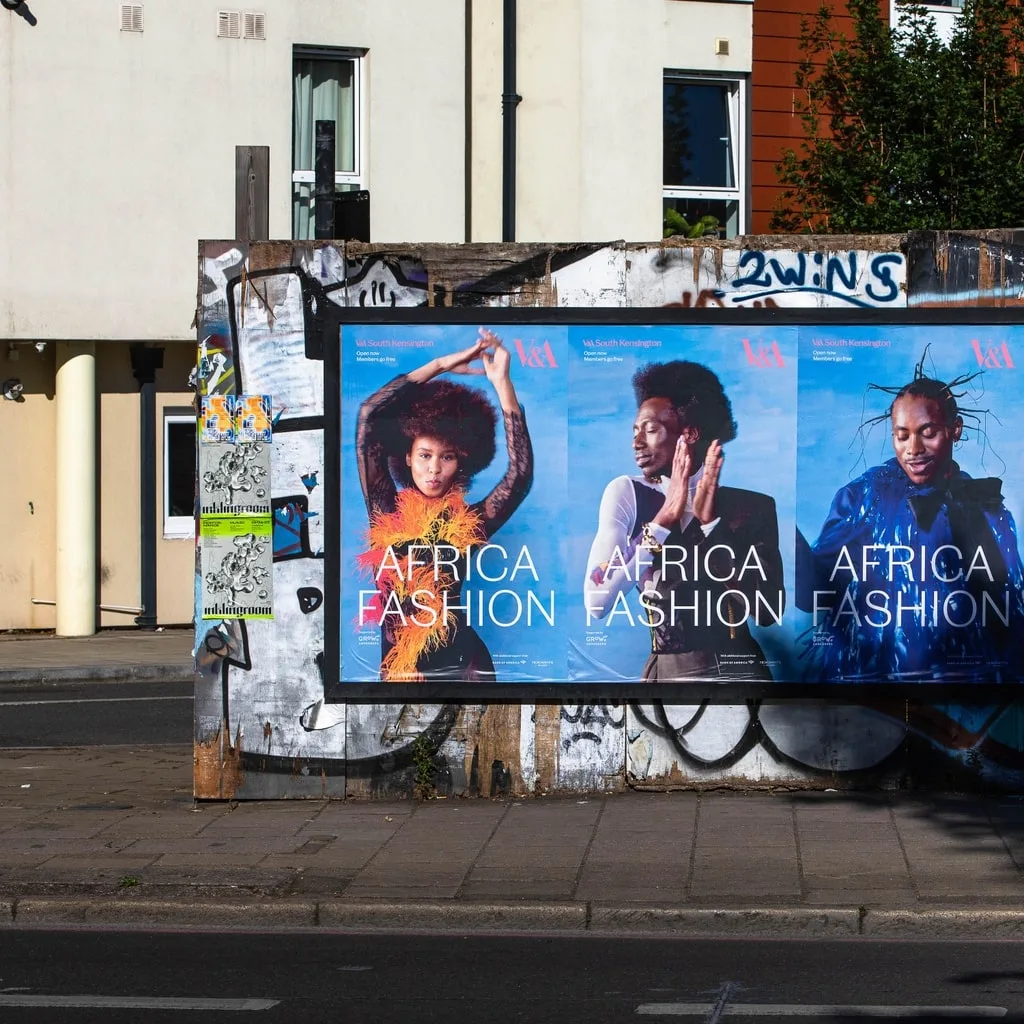
As part of a new exhibition at Britain’s Victoria and Albert Museum, the influential UK arts and culture institution, Christie Brown is one of 45 brands and designers wanting to help shape and change the narrative surrounding African fashion. From a traditional silk Kente engagement dress created by Ghanaian fashion designer Kofi Ansah to Rwandan brand Moshions

The exhibition looks at African fashion dating back to the 1950s, a period in time when countries across the continent started to break away from colonial rule, and highlights the importance of traditional prints like Kente Cloth as a signifier of wealth and status. These modern interpretations of ceremonial attire, traditionally worn by royalty, were created using wool and viscose.

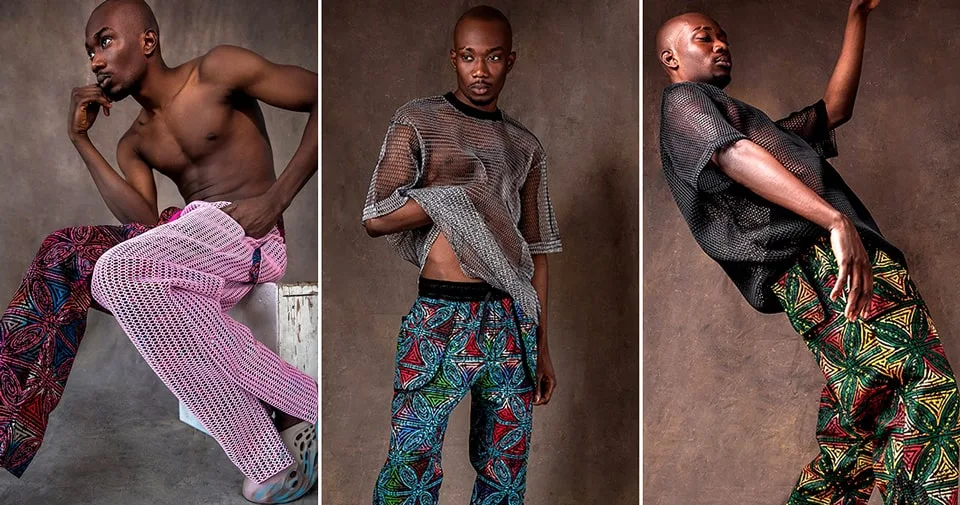
Thebe Magugu, Rich Mnisi, and Mmusomaxwell, three contemporary South African designers, as well as the West African brands Orange Culture, Lagos Space Programme, and Iamisigo, who participated in the curating of their own displays, are also featured.

With Chanel hosting a fashion show in Dakar, Senegal later this year, Birimian investing $5 million annually in African and diasporic brands, and the rise of designers like Thebe Magugu, a recent guest designer at AZ Factory, and Kenneth Ize, a finalist for the 2019 LVMH Prize, attention is growing on African fashion.

According to experts, African fashion is still underrepresented and poorly understood in the West, with its range frequently being condensed and pigeonholed. Few large multi-brand shops carry African fashion; some, who depend on small-scale production and work directly with ateliers, have found it impossible to scale production to satisfy demand from international retailers, making it difficult for brands to sell outside of local markets.

There are few materials that adequately reflect the development and subtleties of the fashion on the continent, and fashion curricula rarely acknowledge the breadth and history of African designers.

There was internal acknowledgement of a void in the V&A’s holdings, according to Christine Checinska, senior curator of African and African diaspora textiles and apparel, who joined the institution in the summer of 2020.

https://www.instagram.com/p/CdA13Gsutxp/?utm_source=ig_web_copy_link

When she joined, her duties included expanding the institution’s collection of African fashion fabrics and creating the Africa Fashion show. Although we have always gathered artifacts from the continent, Africa and its diaspora were underrepresented in our collections compared to other parts of the world.

As a museum, I believe it was already acknowledged that the fashion scene had such an impact that the museum wanted to address it.
The work that went into curating and putting this exhibition together, according to Ayensu of Christie Brown, was significant because she initially questioned the V&A’s aims. Making ensuring that it stayed true to who we are as African companies, according to her, is really important.
“We weren’t watered down, and looking at African design through a European prism was not the goal. It was about observing the diverse range of our work and the represented brands.

The exhibition featured many of the designers’ voices, and Checinska says it is a special element she was eager to include. A quote from each designer was exhibited next to a description of their product. Adebayo Oke-lawal, the creator of Orange Culture, is quoted as saying, “Clothing should be flowing and have the potential to be worn by any and everyone.”

Omoyemi Akerele, creator and director of Lagos Fashion Week and Style House Files, said of the exhibition, “This exhibition is essential because for the very first time fashion from the continent will be examined from a broad perspective which spans decades.

“African dress is something that has always been here; it is a part of who we are… There is an entire ecosystem of models, make-up artists, photographers, and illustrators in addition to designers.
According to Erica De Greef, co-director of The African Fashion Research Institute, the industry has always disregarded African fashion.

“The two terms ‘Africa’ and ‘fashion’ were not found in a book, let alone on a page together, and much alone in an exhibition title together, 20 years ago when I started teaching fashion in South Africa.”

A move, in her opinion, is an effort to “reverse the coloniality of the museum” and marks a fundamental and important shift in the field.

The need to decolonize the curriculum remains.
The display serves as a reminder that additional research on African dress is required.
According to Frederica Brooksworth, executive director of the Council for International African Fashion Education, “There hasn’t been a lot of knowledge published on African fashion for people to use, and not many people have had the opportunity to learn about African fashion” (CIAFE).
“I do think that a lot of people’s minds will be opened and their perspective of African fashion will alter as a result of this exhibition.

And I believe that many institutions will come to appreciate the value of decolonizing the fashion curriculum.

The next step should be to analyze the subtleties of African dress, according to De Greef. The range of clothing on the continent was not thoroughly investigated. She claims that more depth and nuance are required. “There are still a lot of the cliches, and some of the choices are still pretty vivid and colorful…

But what’s going on in Rwanda is different from what’s going on in Tanzania and from what’s going on in Mozambique.
Greef contends that while fashion varies across the continent, some of these outfits transcend the boundaries of couture and streetwear and are difficult to classify.

The worth of “Made in Africa”
Others still see a chance to expand their internet presence and change the perception of “Made in Africa” by fortifying their online platforms. The founder of the Senegal-based company Tongoro, Sarah Diouf, claims that accessing African fashion for a very long time was extremely difficult.
We solely engage in e-commerce, and because of the difficulty in obtaining African fashion labels for a very long time, this business strategy has allowed us to flourish in the larger fashion arena.

She continues, “Changing the perception of “Made in Africa” is a long-term topic of endeavor.”

For Diouf, whose clothing is entirely sourced and made on the continent, there needs to be work done to refute the myth that “Made in Africa” products are not incredibly important and alluring to domestic and foreign consumers. We are able to create clothing that is equally as good as European or any other fashion.

According to Diouf, this has an impact on Tongoro’s pricing approach. She decided not to price her clothing beyond $230 in an effort to expand her company into international markets and increase African fashion’s appeal outside of the continent. “Anything linked to Africa did not have a favorable image for a very long time,” she claims.

It was extremely important to me to give people the option to shop for African fashion and to encourage them to do so, therefore in certain ways, the clothing had to be reasonably priced.
Merchants on Long (MOL), a South African concept store specializing in African fashion, is the sponsor of the V&A’s Africa Fashion show and says it intends to maintain momentum by presenting a number of pop-ups and events starting in September throughout the UK.

In order to connect foreign buyers with African businesses, the company’s chief executive Hanneli Rupert said it is opening its e-commerce to the UK market.

The retailer is eager to expand its clientele and stock some of the fashion houses represented at the exhibition, including Tongoro.

Along with capital, scaling manufacturing for “Made in Africa” brands can still be difficult for companies looking for new luxury partners. Tongoro began selling on Net-a-Porter this month, which Diouf describes as both an exciting development for the company and a struggle because “everything is handcrafted in Senegal and we haven’t reached industrial level production, so for us it was a barrier.”

The long-term objective, which remains the same after participating in the exhibition, is to “dynamise the local retail manufacturing in West Africa, starting with Senegal.”
Christie Brown’s Ayensu, who has tripled her capacity since 2020 but still feels that it is insufficient, echoes the attitude.

“We want to expand up our operations to be able to satisfy the rising demand,” she says.
“That’s one area and issue we want to conquer.” We did an excellent job of figuring out what the customer wanted… The focus currently is merely on having a sufficient supply of the product and a larger distribution. You need funding to accomplish that, too. According to Ayensu, her company consists of 40% online and 60% brick-and-mortar sales.

International expansion is not the only goal for many aspiring designers, though. The brand is reaching new audiences, according to South African designer Rich Mnisi, thanks to the international attention the exhibition has received. However, the objective is to maintain local market expansion.

Initially, Mnisi explains, “our clothes were made for a worldwide market, but we chose to just concentrate on South Africa, and it was the best decision ever.” “Like most great brands, they first established a strong foothold in the neighborhood; this is what we’ll do.”

There’s still work to be done. The show is undoubtedly a significant accomplishment, but Diouf notes that it is only the beginning. “My daily job in the atelier, teaching the tailors, and attempting to maintain and improve the quality that we have, so that the brand keeps expanding over time, is what matters most to me,” she said.

Content courtesy of Vogue Business & NFH 
The Kenyan Fashion Label Ikeno Clothing Was Inspired By Life On Lamu Island

Variety of menswear in slow fashion Jemima Bornman founded Ikeno in October 2019, and it was inspired by Lamu Island in Kenya.
The equator sun’s glare is reflected by Ikeno clothes. The clothing trend is made of baggy, worn-out materials and is slow and sustainable.

The spirit of Lamu Island, where company founder Jemima Bornman lives, is immediately reflected in the airy cotton and big cuts. It readily captures the winds that pick up off the Indian Ocean, making it ideal for use in the sweltering heat of tropical climates.

Small youngsters pass by and wave in the village of Shela as young Masai men drift by and laugh together. Donkeys wander aimlessly and without attention. You sweat calm there because it moves so slowly that it almost feels hallucinogenic.

When asked what the focus of her menswear clothes is, Bornman responds to OkayAfrica, “I want to keep things extremely simple. She points to the island’s renowned boats and explains, “My last line of suits were constructed from the Dhow boat sails that you see sweeping by, look.”

One of the largest offshore islands, Lamu is only 60 miles from the Somali border. A place with no automobiles or trucks and a predominantly Muslim population who speak Swahili. Donkeys’ sturdy backs carried an enormous load of creating and maintaining the island, which was still being done today.

Bornman moved to Lamu when she was 3 years old after being relocated from Zambia when her parents divorced.
The neighborhood came together to support a young single mother and her daughters. She feels a strong connection to those who, like her, stay and have known Bornman her entire life.

She reclines in the shade. After spending a long night bringing in bass and barracuda, the fisherman tie ropes behind her. “It makes no sense for Ikeno or me to live anywhere other than Lamu. My house,” she declares. Why even leave Kenya, which has always been such a fantastic creative center for fashion, design, and art? For me, it’s a location where creativity’s magic may be found every minute.

Ikeno relies on recycling items that capture the essence of the island because it uses its rhythms and echoes. According to Bornman, who sources the fabrics for her collections from India, “Ikat handwoven cloth from India has always been exported to East Africa and all the way to Lamu.”

It is impossible to avoid being inspired by the Swahili, Arabic, Persian, and Indian influences of the region’s past given the confluence of art and trade that makes up the culture of the region.
Bornman’s eyes brighten up as she talks about the elaborate and florally carved door frames on the island that inspired the block printing of geometric designs on her brand-new shirts.

Bornman has little desire to expand her brand past where it is now. I definitely shouldn’t admit it, but I’m content to keep things modest.
In fact, I believe it to be crucial,” she asserts. “During the rainy season, Sanga, a tailor I work with, returns to his home in Malindi, which is located near the coast. When it comes to stitching, he is discrete, experienced, and thorough. Not just for Ikeno, I just feel so blessed to have him in my life.

All the clothes Ikeno makes are sewn and tailored by Sanga. Bornman is the less reluctant of the two to serve as the spokesperson in their working business relationship.

Together, they are creating something considerate and innately eco-friendly. A company that is content to be virtually alone and pleased there.

When it comes to presenting the story of Ikeno, Bornman is also picky about her collaborators. To create the editorial for the brand’s most recent collection, she teamed up with the contemporary visual art collective 199x.
When Michael Mwangi Maina, an art director, and Fred Odede, a photographer, founded 199x, they were just two friends doing what they liked. Now, 199x is a highly sought-after agency.

Any customer we work with is aware that we need to handle the creative parts, according to Maina.

“We are skilled in subtlety.” In order to prepare for their arrival on Lamu, Bornman and I exchanged ideas. Photos of desirable sites were looked at, but even though Odede had already visited the island, nothing could have prepared Maina for it.

He says, “I can’t even put it into words.” “The sea was too much for me. the local atmosphere of the location, the hues of the sky, and the mangroves. Although almost too much, it was everything we had anticipated.

Along with three other members of their collective who were chosen to model, they spent seven days shooting. Even though the workdays were long, the evenings had a celebratory atmosphere, and as things started to fall into place, the entire experience turned into an adventure.

Being able to work and have fun, as Odede puts it, “felt like everything an artist needs. Although slow fashion is very important to us, we also wanted to let everyone know that Kenya was present. We intended for that to be felt both locally and globally.

When asked if their company was expanding internationally, Maina smiles and leans back. Both culture and fashion are reflected in our work, he claims.
We are the forerunners of full campaign editorial work in East Africa, therefore we know we can never run out of ideas here. With a serious nod, Odede continues, “Africa currently owns the vision, and we have taken up the role.” Across the globe from Lamu Island.

Content courtesy of Okay Africa & NFH 

African Fashion Show: The Focus Is Back On Fashion Presentations, The Upcoming Season Will Look Like This.

Two years ago, when everything came to a halt, it still seems like yesterday. We couldn’t even go out and get refreshments or go to activities since we were confined to our homes.

Although it was difficult, we had to do it for the sake of our own and others around us. We never anticipated this day would come so quickly, yet two years later, we are able to leave the house without a mask.

Due to spending so much time inside starting in March 2020, the majority of people were forced to pack away their fashionable attire in favor of something more comfortable.

It’s time to dust off those fashionable outfits and display your innovative sense of fashion now that events are open.

As a result, prepare ready for some of the country’s hottest fashion shows, which will take place between September and October.

Durban Fashion Fair 
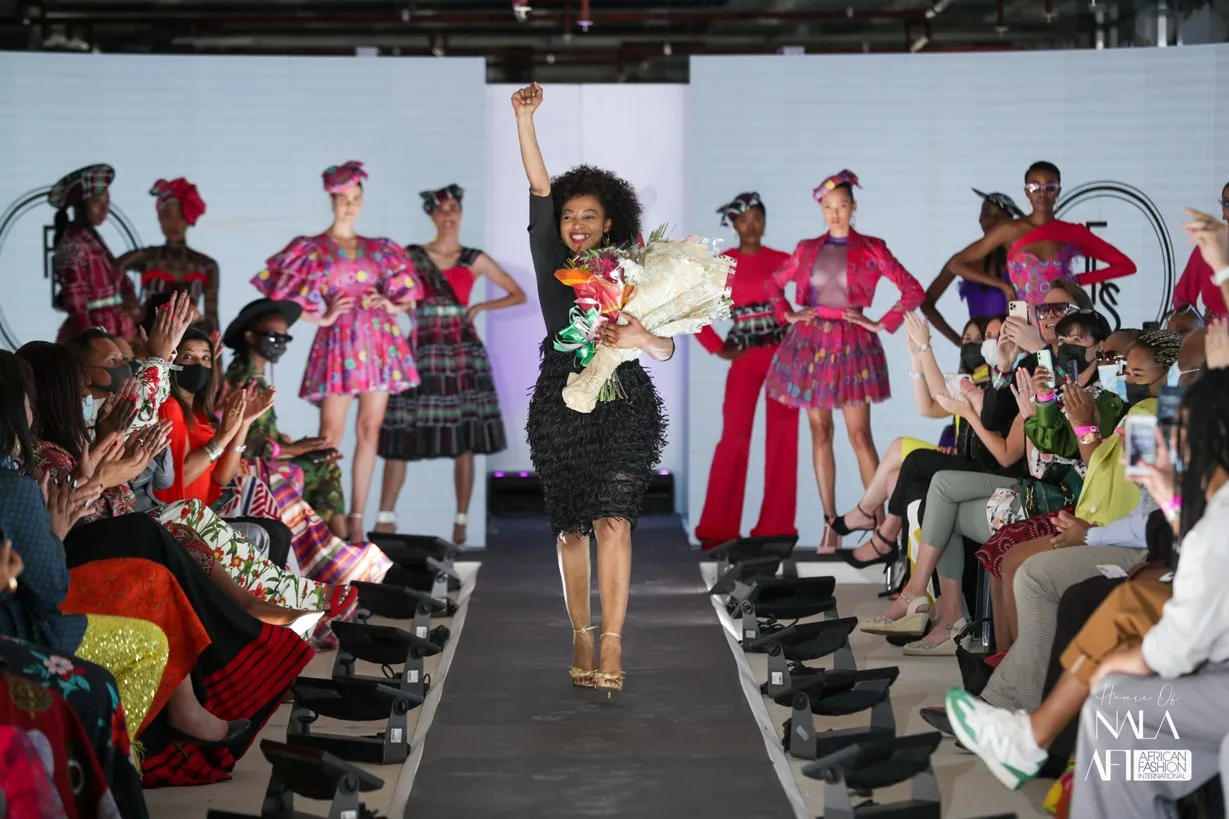
The Inkosi Albert Luthuli International Convention Center will play host to the 10th annual Durban Fashion Fair from September 21–23 as part of eThekwini Metro. Along with the well-known designers, this year’s exhibition will feature student designers who are a part of its mentorship program showcasing their creations on the runway.

Before showcasing their collections to a larger audience of fashion buyers, the media, critics, and the general public at the fashion fair, the student designers are required to critique each other’s work as part of their weekly assignments under the guidance of Fezile Mdletshe, managing director and founder of the Fezile Fashion Skills Academy.

Mxolisi Kaunda, the mayor councilor of Ethekwini, is pleased with the program’s continued growth.

Our goal was to identify new talent and offer the required mentoring to promote self-employment by honing designers’ abilities so they might in turn produce jobs for others.

Free State Fashion Week
After an absence of two years, the Free State Fashion Week is returned. This year, the fashion spectacular will be held at the Naval Hill Planetarium in Bloemfontein thanks to a partnership with All Black Soiree, a high-end lifestyle event founded in 2021.

“As All Black Soiree, we are thrilled and honored that Candy Smith has given us the chance to collaborate with such an incredible company as Free State Fashion Week. one that breaks down historical entrance barriers in an effort to economically, creatively, and socially emancipate young people. According to Rapelang Khati, chief operating officer of All Black Soiree, “We look forward to a long-lasting cooperation that will give rise to various prospects.”

In order to prepare the public for the fashion show, which will take place from September 28 to October 1, the fashion week will organize a Women’s Day Breakfast on August 9.
According to Candy Smith, CEO of the Free Condition Fashion Week, “The Women’s Day Breakfast will focus on the most important aspect of being a woman and how each and every woman in our midst has weathered the past two difficult years and how they have encountered humanity in its vulnerable state.”

Award-winning TV and radio personality Lerato Kganyago, “Ask A Man” host on Metro FM, “Young Famous & African” star Naked DJ, and world-famous medium and life coach Taz Singh are just a few of the people that are anticipated to attend the event.
Additionally, designers will present collections based on the “Be Human” concept at the fashion show, which was motivated by surviving a global pandemic and moving on after it.

“This year, I want to inspire our fashion business owners to “Be Human,” take a deep breath, and pause for a moment. That is the exact goal of the theme for 2022. Everyone in the world has experienced a great deal in both their personal and professional lives.

We must stop for a moment to breathe, then begin again with renewed vigor. It’s time to recover from the pandemic’s losses and reclaim our rightful positions while still managing to “Be Human.” This year’s designs from various designers will undoubtedly reflect this, according to Smith.

South African Fashion Week

The start of October is typically when South African Fashion Week holds its fashion shows, however, this has not yet been confirmed. The entries for the Scouting Menswear Competition are being processed right now.

The SA Fashion Week Scouting Menswear Competition seeks for the nation’s top up-and-coming menswear designers to showcase them to the media, buyers, and people who helped them break into the retail industry. On July 20, 2022, the competition’s semi-finalists will be revealed.

Content courtesy of IOL & NFH

African Prints: A Celebration Of African Fashion

The late Ghanaian fashion designer Kofi Ansah famously said: “Without clothes, we cannot play our parts.” He first made news in the UK in the 1970s after designing an outfit for Princess Anne.

One of the more than 40 designers showcased in the V&A’s exhibition Africa Fashion, from pioneers like himself to the new generation looking to shake things up, is Ansah, a graduate of the Chelsea School of Art who would go on to launch Ghana onto the international catwalk with his innovative styles.

Most of the names will be obscure to anyone who does not follow the fashion industry, and a few are only well recognized in Africa, so this first UK display is long overdue.

The exhibition’s dazzling collection of clothes, along with the textiles, personal testimonies, photographs, sketches, and film that go with them, highlight the diversity and richness of African fashion as well as the difficulty of defining it across a vast continent with 54 distinct countries, each with their own history, culture, and influences. The exhibition’s prosaic title belies this.

According to lead curator Christine Checinska, “Africa Fashion celebrates the vibrancy and originality of a select group of fashion creatives, investigating the work of the vanguard in the 20th century and the creatives at the center of this multicultural and cosmopolitan scene today.”
“We hope that this exhibition will lead to a rethinking of the geography of fashion and affect the course of the industry.”

She cited the exhibition’s opening piece, a 2019 electric pink outfit made of silk and Cameroonian raffia, as an example of Paris-based designer Imane Ayissi’s work at the exhibition’s opening earlier this month. This piece “sits on the crossroads of fashion systems cementing Africa and its diaspora, blurring the borders between craft-making and couture.”

Beyond this striking display, one enters the first section of the exhibit, which is, in my opinion, the more fascinating part. It tells the tale of African fashion’s ascent to global prominence beginning in the middle of the 20th century through the eyes of several important figures, such as Shade Thomas-Fahm, a graduate of St. Martin’s School of Art, who transformed traditional print fabrics for modern wear and Chris Seydou, who combined Malian bògòlanfini cloth with opulent western

It’s also important to note Naima Bennis, who combined Moroccan and French couture textiles to produce, among other things, the female equivalent of the Maghrebi hooded cape.

In the post-independence era, the pioneers’ work matured to signify the political and cultural revolution that was underway.
A picture of Kwame Nkrumah announcing Ghana’s independence from British domination in 1957 while donning traditional kente robes rather than a Savile Row suit and the stylish youths shot by portrait photographers Seydou Keta, James Barnor, and others serve to highlight this period of pride and promise.

The “modern creatives” take the stage upstairs, where the museum transforms into a sort of store, aware of their background but actively upending expectations and prejudices.

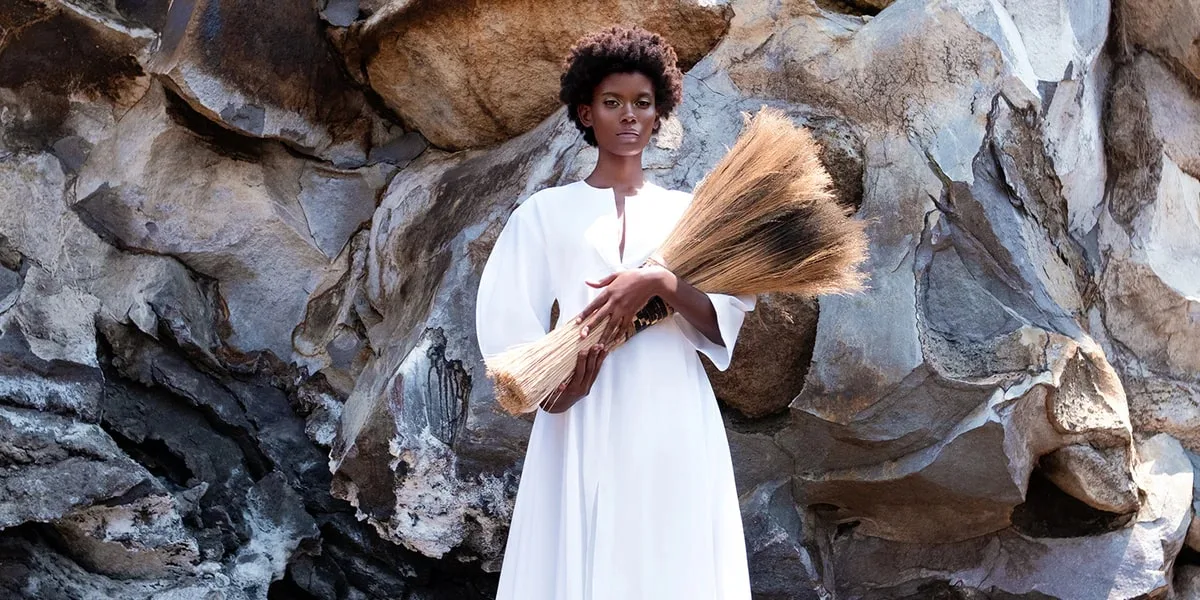
Adebayo Oke-use Lawal’s of organza and pleated chiffon as part of his Orange Culture label questioning hyper-masculinity and Lukhanyo Mdingi’s fluffy white mohair ensemble from the legendary Angora goats of South Africa couldn’t be more dissimilar from our conventional perception of what African fashion is.

I really like the flowing elegance of Rwanda’s Moshions brand and the fitted Ankara prints worn by Lisa Folawiyo.
But the focus is no longer solely on design. Awa Meité’s focus is cotton, both in her clothing and in her attempts to promote Malian cotton workers, while Congolese designer IAMISIGO uses his “wearable artworks” to “decolonize the mind.”

Content courtesy of Camden New Journal & NFH

Dinner Experience: Moët & Chandon Hosts A Food Pairing At The Radisson Blu Hotel In Upperhill.

Thursday, June 30th, Nairobi Moët & Chandon hosted Champagne lovers, friends, and key partners to an exclusive food pairing dinner at Radisson Blu Hotel Upper Hill’s Chophouse restaurant.

The event’s goal was to provide guests with a sensory experience in which they could learn about the subtleties and philosophies of Moët & Chandon champagne.

Alexandre Helaine, Moët Hennessy Market Manager Eastern Africa, said at the event: ” “We strive to provide our customers with unique, immersive, and memorable experiences at Moët& Chandon. Combining expertise with various artists to create memorable moments with the world’s most popular champagne.”

Throughout the evening, guests enjoyed Seared Scallops with Black Salt paired with Moët Imperial Brut, Bresaola paired with Moët Imperial Brut, and Duck paired with Moët Rose Imperial. Macarons were served with Moët Nectar Imperial as a dessert.

“This pairing enhances the dining experience by enhancing the flavors, textures, and various expressions of the food. We continue to evolve inspiration and create passion centered on sharing success and glamour with the world,” “Mr. Helaine added.

Moët & Chandon invites you to raise a glass and toast to all of life’s memorable moments!

About Moët & Chandon
Moët & Chandon, founded in 1743, is the Maison that helped to introduce champagne to the world by offering a variety of unique wines for every occasion.

Each champagne dazzles and delights with bright fruitiness, an enticing palate, and an elegant maturity, from the iconic Mot Impérial to the Grand Vintage Collection, from the extroverted Moët & Chandon Rosé Impérial to the innovative Moët & Chandon Ice Impérial.

Moët & Chandon has been the champagne of choice to commemorate historical events or private moments of great personal significance since its inception. Moët & Chandon has a champagne style that is uniquely suited to each of life’s memorable moments.

Content Courtesy of Moët & Chandon, African Elite Group Ltd & NFH

The largest exhibition of ‘African Fashion’ in the United Kingdom will open in London.

Britain is gearing up to host the world’s first and most comprehensive exhibition on African fashion in London, offering a glimpse into the continent’s cultural heritage and designers.

“Africa Fashion,” which opens Saturday at the Victoria and Albert (V&A) Museum, is the country’s first exhibition dedicated to the medium.

The show will provide a “glimpse into the glamour and politics of the fashion scene,” according to project curator Elisabeth Murray.

“Today, we wanted to celebrate the incredible African fashion scene. So, looking at the inspiration behind all of the designers, stylists, and photographers, “According to Agence France-Presse (AFP).

Objects, sketches, photos, and film from across the continent are included in the exhibition, ranging from African liberation years in the 1950s to up-and-coming contemporary designers.
Senior Curator Christine Checinska described the exhibition as “part of the V&A’s ongoing commitment to highlighting work by African heritage creatives.”

Global anti-racism movements, such as Black Lives Matter, have compelled the United Kingdom to reconsider its contentious colonial past, from museum collections and public monuments to history education in schools.
The V&A was founded in 1852, as Britain expanded its global empire under Queen Victoria, including in Africa in the decades that followed.

Checinska, on the other hand, claimed that African creativity had been “largely excluded or misrepresented in the museum, owing to the historic division between art and ethnographic museums arising from our colonial roots and embedded racist assumptions.”

Celebration
The scene is set with a section on “African Cultural Renaissance,” which highlights protest posters and literature from independence movements that evolved alongside fashion.

The central attraction is “The Vanguard,” which features iconic works by well-known African designers such as Niger’s Alphadi, Nigeria’s Shade Thomas-Fahm, and Ghana’s Kofi Ansah.

Beadwork and raffia, among other African textiles and styles, are used in innovative designs with cross-cultural influences.
For example, Thomas-designs Fahm’s reinvented traditional African-wear for the “cosmopolitan, working woman.”

Other exhibits, such as “Afrotopia,” “Cutting-Edge,” and “Mixology,” look at fashion alongside issues like sustainability, gender, race, and identity.

The centerpiece, created especially for the exhibition by Moroccan designer Artsi, is a highlight.
It’s a work inspired by the British trenchcoat and Muslim hijab that explores how to “present Africa in England,” he told AFP.

Artsi emphasizes the beauty of African fashion, which “doesn’t come from a source of commercialized clothes,” in her “meditation on our common humanity.”
“It comes from a place of heritage and culture,” he added.

Content courtesy of Daily Sabah & NFH

African Fashion: David Ochieng, A Kenyan Fashion Designer, Uses Fashion To Make A Positive Impact On Kenyan Communities.

As an up-and-coming fashion designer, David Ochieng is creating waves. Ochieng, who put Kenya on the fashion map, remains in the community’s orbit, using fashion as a platform for social change.
David Ochieng, alias Avido, is an emerging fashion designer who mixes African designs with modern, airy tailoring. He was born in Nairobi’s enormous urban slums.

Lookslike Avido, his label, is commercial enough, with the option of customizing garments on the website. More than that, the label is devoted to Kibera, the community from which Ochieng hails.

It wasn’t simple for him to break into the fashion industry. Ochieng’s childhood was difficult because he was the firstborn in a family of four. His mother was the only breadwinner in the family.

She would do other people’s laundry and work odd jobs to help support him and his siblings. His condition was made worse by a lack of school payments.
He eventually dropped out of school while he was in form one.
Later, in order to support his mother and siblings, he would go from one construction site to the next, looking for odd jobs. He sought comfort in the new acquaintances he had made.
Unfortunately, the majority of those pals met disastrous ends: some began taking drugs, others were killed, and a significant number began to engage in criminal activity.

Ochieng’s soul searching was prompted by the fate of the majority of his companions. He would practice unheard sentences in open and lonely areas. He also moved to the Olympic area from Silangi.

Ochieng claims that this was his way of confronting his problems and beginning a new life.

“I didn’t know who to turn to for help. “You’d confide in someone, and then they’d start telling other people about your troubles,” Ochieng explained to OkayAfrica. “As a result, I began conversing with nature. I used to talk to myself all the time, even repeating my issues, and it was via this that I was able to join a dance crew.
We practiced every day in Kibera at an establishment called Olympic, which performs spoken word at weddings, political rallies, and other events. Many of the young people here are in great need.
“Drugs and criminality claim the lives of the majority of them.”

The dancers wore dreadlocks and dressed up in trendy clothes. They had no idea that their newfound pastime would be short-lived. Some of the dancers were mistaken for gangsters, resulting in their deaths.
As a result, his mother encouraged him to change his mind. She gave him two bucks from her paycheck one day. He chose to put the money into fabrics and thread for sewing.
That’s when his life took a change for the better, and he started his fashion design profession with the founding of Avido Fashion House in 2018.

“My dancing crew was a huge inspiration to me.” For our costumes, I would sketch them out.

“I discovered then that as much as I was expressing myself through dance and spoken word, I felt like I could express myself more through colors,” Ochieng explained. “I learned that depicting a person’s journey via fabrics while also displaying life lessons and hardships is magnificent.” In a sense, dancing propelled me into the fashion world.

“Fashion has allowed me to discover myself and gain a better understanding of life,” Ochieng concluded. “Fashion has also become a form of therapy for me as a way of recovering from my childhood trauma.”
Ochieng is now one of Kenya’s most well-known fashion designers. The streets of Kibera, he claims, inspire his creativity.

He also feels that Africa is a vibrant continent, and he wants the world to know that crime isn’t the main problem in urban slums.

“I’m trying to show folks how great Kibera is.” I’m not the only one with talent here; I’m sure there are some who are far more talented and superior to me, but they don’t have the opportunity to show it off “Ochieng explained. “What I’m trying to convey through the fabrics is the positivity and hope that we have here so that I don’t lose sight of my roots.”

Ochieng’s vocational training program, which he started, teaches tailoring skills to young moms and people with hearing impairments.

He feels that by empowering a woman, you are empowering the entire nation. He’s begun mentoring fifteen trained women, eight of whom have hearing impairments and seven of whom are young moms.

He has taken it upon himself to cover the education tuition of the brilliant students in his community in addition to the vocational training. He mostly targets orphans whose parents have died of HIV/AIDS infection.

He claims that if these pupils are not treated, they will wind up on the streets, succumbing to peer pressure, resulting in misidentified identities and possibly losing their lives.
“I needed someone to pay for my school costs, but no one was willing to help me.

“Paying school fees to the poor is a type of therapy for me,” Ochieng explained. “It feels like I’m healing the younger version of myself.”

He also sews school clothes for Kibera’s poor pupils. So far, Ochieng has given out 786 uniforms to students from various schools. The process begins with the identification of the recipients, in which he goes to schools at random and looks for students who have tattered uniforms and provides them with new ones.

With gratitude, Ochieng recalls the first person for whom he designed clothing: the late Ken Okoth, a member of parliament from his district. He went to parliament dressed in his clothing, bringing celebrities and other lawmakers to his work.

After that, Don Carlos, a prominent reggae artist, came to Nairobi to perform, and David approached the event’s organizer to ask if he could produce a custom shirt for him. Carlos was ecstatic when he spotted the shirt and offered Ochieng a partnership to promote his work in the Caribbean.
Ochieng has collaborated with musicians such as Romain Virgo, Usain Bolt, Bruno Mars, Ghanaian Stallion, Tarrus Riley, Connie, Inge-Lise Nielsen, Everton Blendah, and others as a result of that encounter.
His biggest break occurred when he was included in Beyoncé’s album Black King, which helped him launch his career.

Ochieng’s garments are now worn all over the world, from Africa to Europe, as well as the United States and the Caribbean. But, for him, African identity is paramount, as evidenced by his work and designs.

Content Courtesy of Okay Africa & NFH

African Fashion: How Nigeria’s Losode Is Bridging The Gap Between Fashion Brands And Customers

Losode, a Nigerian company, is an online marketplace that links consumers with fashion businesses while also providing entrepreneurs with business growth tools to help them scale their businesses and increase sales.

Losode, founded by Aderonke Ajose-Adeyemi and formerly managed as a side project, claims to be establishing the digital infrastructure to facilitate trade and commerce throughout the continent, as well as overcoming long-standing impediments to economic development, beginning with fashion.

“Despite Africa’s creative center of outstanding fashion designers, the lack of effective channels to drive sales is limiting designers’ growth potential.”

Fashion items are always in demand in Nigeria, from statement pieces to everyday items, but getting products into the hands of consumers has proven difficult, according to Ajose-Adeyemi.

“We all know there is talent and a market, but we need more effective platforms to link buyers and sellers in a way that benefits everyone, and that is exactly what we are working on.”

She claims that the greatest competition for startups is open markets, where companies set up shop to gain customers and support.

“These locations allow entrepreneurs to do more than just acquire and sell. They frequently provide a variety of tools to businesses in order to help them develop and profit. “We aim to reproduce this experience in a digital context, and eventually build a global marketplace where consumers from all over the world can access African brands, and brands can use our network to reach African customers,” Ajose-Adeyemi said.

https://twitter.com/thisislosode/status/1535542219125448704?s=20&t=8hMpJPyo3C-4slWXkfZlrg

Losode has received some startup money but has been largely self-funded to date, despite seeing a 20% month-over-month increase in platform users over the last six months.

“As we begin to make more strategic measures to enhance awareness and gain more users, we expect this growth pattern to continue,” said Ajose-Adeyemi.

“We’re now looking for investors to help us raise the capital we’ll need to expand our platform and attract more businesses and customers.”

The firm, which is based in Nigeria, also has merchants on its site from Ghana, Kenya, and South Africa.

“As we expand out to the 46 countries across Sub-Saharan Africa, we’ll take a phased approach, determining which cities we’ll be active in based on GDP, commercial activity, and population size,” said Ajose-Adeyemi.

“In our initial phase, we have targeted 15 countries, which includes some of Nigeria’s neighbors. We’ll also be on the lookout for cities and countries that need our help. In the end, we’re establishing a global brand.

Beyond fashion, we’re looking into other industries where our technology can have a significant impact, break down trade barriers, and empower entrepreneurs to do tremendous things.”

The company earns money by collecting a commission on each item sold, as well as through targeted advertising.

https://twitter.com/thisislosode/status/1487431411074224128?s=20&t=GtmmYAZCjSxLMwbCsdvsow

About Losode

Losode is an ecommerce marketplace network that connects fashion designers and companies with customers across Sub-Saharan Africa, allowing shoppers to easily obtain high-quality clothes at low prices. We take satisfaction in being able to provide both men and women with attractive and cheap clothing, shoes, and accessories.

‘Losode’ means ‘let’s go to town’ or ‘let’s go out’ in Yoruba. It’s no surprise that we identify strongly with the Yoruba, who are described as a West African people who live primarily in the coastal regions of South Western Nigeria and are known for their former city state and complex material culture, as evidenced by their music, art, and sculpture by the Collins dictionary.

As an organization dedicated to the development of the African fashion industry, we felt it was important to align ourselves with a diverse and deeply rooted tribe. To provide robustness for all of our consumers, our style selection incorporates both ethnically African elements and western aesthetics.

At Losode, we collaborate with a variety of fashion labels to provide you the highest-quality clothes and accessories designed particularly for the African market. To provide robustness for all of our consumers, our style selection incorporates both ethnically African elements and western aesthetics.
Our mission at Losode is built around five main objectives:

  • Empowering Entrepreneurs
  • Smashing existing trade borders
  • Doing Big Business
  • Serving the industries we play in
  • Boldly and courageously

As a platform, we help entrepreneurs become more profitable and scale their fashion businesses.

Content Courtesy of Disrupt Africa, Losode & NFH

Zari Hassan Arrives in Kenya to Debut Her Mega-Mansion Ahead Of Her All-White Party

Zari Hassan, alias Zarithebosslady, a Ugandan socialite and business entrepreneur, has landed in Kenya ahead of the Zari all-white party.
On Thursday, June 9, Zari will organize a party at the XS millionaires’ club, where she will meet her admirers and friends.

Her Kenyan hosts, including bloggers Kabi and Milly WaJesus, met her at the Jomo Kenyatta International Airport (JKIA).

https://www.instagram.com/p/CeiH3G7oU6_/?utm_source=ig_web_copy_link

She told the press shortly after arriving in that she will be commissioning some houses designed by a company she has been working with during her visit.

“The party is for us to get together and meet some of my friends who we haven’t seen in a long time,” she explained. “But that will have to wait till I finish what I’m supposed to accomplish here.”

“I’m here to show you a mansion created by Fine Urban Construction and Interiors, and it’s one of those out-of-this-world homes you wouldn’t expect to see in East Africa.” As a result, I’ve come to reveal their work.”

The 41-year-old has been throwing parties, the most recent of which was in Dubai in May.

The mother of five went on to say that she has always been interested in real estate and that she came across a listing on the internet that encouraged her to contact the agency.

“I enjoy real estate, and this particular home occurred to be listed on the internet. “I was enthralled and went out to them, and that’s how we came up with the idea for this initiative,” she explained.

On Thursday, the curvy entrepreneur will hold an all-white party in Nairobi, which is likely to be glitzy and glamorous.

“All the ballers in Nairobi, get ready for an all-white adventure this Thursday 9th June at XS Millionaires Club in Nairobi. I’ll be there with some other ballers, so come on over and let’s pop some champagne together. “See you at XS millionaires club on Thursday,” she said on social media.

This will be the mother of five’s second time hosting an all-white celebration in Kenya, having previously done so in 2018.

Zari advised her followers to keep an eye out for season two of Africa’s first fan-favorite TV reality series on Netflix, “Africa’s First Fan-Favorite TV Reality Series.”

“I can’t say much about season 2, but I can tell you that it’s coming. I’m not sure who’ll be returning.” But it was a positive experience, having one of the most popular African shows on Netflix for six weeks in a row,” she remarked.

Content Courtesy of Zari Hassan, Fine Urban Construction and Interiors & NFH

Kyallo Kulture, Betty Kyallo’s Reality Show, Is Set To Premiere On Showmax Kenya.

On June 17, 2022, Showmax will launch Kyallo Kulture, a new Kenyan reality series about Betty Kyallo and her sisters Mercy and Gloria.

Betty Kyallo, one of Kenya’s most popular media personalities and a thriving entrepreneur, and her courageous sisters, Mercy and Gloria Kyallo, will be profiled in this 13-part reality series like you’ve never seen before.

The three sisters will give us a glimpse into the joys and hardships of sisterhood while also sharing more about their love lives, motherhood, developing into adulthood, and taking responsibility of their businesses, all while remaining modern, unapologetic, and diverse.

“The urban Kenyan lady is represented by Gloria, Mercy, and Betty,” says Eugene Mbugua, the show’s creator. “They’re hardworking entrepreneurs who enjoy having a good time, and they’re not held back by what society thinks of them in any manner.”

They’re unapologetic and strong. Our production firm, D&R Studios, was drawn to them because of these qualities.”

While Betty is the most well-known of the three sisters, Eugene believes that each one adds something special to Kyallo Kulture that the audience would enjoy.
“Each sister will reveal a significant life narrative that they’ve never shared before,” Eugene says.

“From Betty’s childhood injury to Mercy’s IVF experience to Gloria’s upbringing growing up without a father and so much more, these stories are highly personal to them and have shaped who they are now.”

Eugene had the idea for the show in 2021 after meeting the Kyallo sisters, but they “required a little convincing,” as Eugene puts it.


“We spent a lot of time shooting test footage to evaluate if our concept was viable,” Eugene explains. “We’ve had to rethink numerous pilots, and we’ve gone through a number of different plots before deciding on the season we have today.”

Eugene, one of Kenya’s most in-demand documentary-reality filmmakers, is also the creator of some of the country’s most popular docu-reality shows, including the 2021 Kalasha nominee Sol Family, the 2021 Kalasha nominee and 2022 Africa Magic Viewers’ Choice (AMVCA) nominee This Love, the 2018 Kalasha nominee Stori Yangu, and the 2019 Kalasha winner Our Perfect Wedding.

In Kenya, Sol Family and This Love were among the top ten most-watched shows on Showmax in 2020 and 2021, respectively, but Eugene believes Kyallo Kulture stands out because it features an all-female lead cast.

He adds, “The show was likewise created by a mostly female staff.” Overall, Eugene defines Kyallo Kulture as “emotional, hilarious, and entertaining, even as it goes deep into issues that many women (and, by extension, men) will relate to and empathize with.”

Content Courtesy of Showmax, Betty Kyallo, Mercy, Gloria & NFH

Top 10 Black Fashion Designers: The Most Fashionable African American Designers

African attire is lively, life-affirming, and colorful. There are so many things to adore about fashion from this area of the world, and the fabrics made in Africa can be turned into almost any type of garment.

African American fashion designers are bringing a sense of life and vibrancy to other regions of the world through brilliant colors and attractive patterns. Many minorities’ voices would be suppressed and unheard if African American designers were not there.

Items like this African print Tunic are exactly what you’d expect from the top African American designers, and you’ll appreciate having this much color and flair in one piece of apparel.

D’IYANU African dress is akin to sending a statement out into the world. You must continue reading if you want to learn more about the most fashionable African American designers.

1. Kerby Jean-Raymond

Kerby Jean-Raymond is the creative force of Pyer Moss in New York. Jean-Raymond creates fabrics and apparel that use showmanship and innovation to discuss the black American experience.

https://www.instagram.com/p/B7oYAtVHxSO/?utm_source=ig_web_copy_link

Jean-Raymond draws on his Haitian-American roots to create vibrant and unique apparel that makes a statement about social issues and the history of minorities all over the world. The capacity of African American designers to create their brands for generations has been harmed by cultural appropriation and other concerns.

All of this experience, as well as the true nature of what it means to design for minorities today, is discussed by Jean-Raymond.

With this work in film, street art, and fashion, Jean-Raymond has brought attention to societal issues that affect African Americans and has made references to the Black Lives Matter movements.

Jean-Raymond was just chosen the global director of Reebok, and he will continue to use this media, as well as his other creative endeavors, to bring the voice of African Americans to fashion.

2. Aurora James

Aurora James is the creative director and founder of the fashion label Brother Vellies. This brand is dedicated to preserving and sharing indigenous African design principles and techniques with the rest of the globe.
James has worked in the fashion, media, art, and photography industries.

All of these abilities come together to create the unique and moving apparel that James is known for.
James is also concerned in supporting the ingenuity behind African designs and their style by generating and sustaining handmade jobs.

James’ efforts to combine sustainability with fashion design in her work are unique and special in the fashion world.

If you’re looking to invest in African culture and the voices of African Americans, this is the brand to go with.

James’ brand is usually associated with celebrities such as Beyonce, Meghan Markle, Serena Williams, and others. The brand’s mission is to make one-of-a-kind fashion goods that spread the African design message over the world.

James has a very unique and meticulous attention to detail, and her work is transforming how people around the world perceive African culture and fashion.

3. Dapper Dan

Daniel Day’s socially minded brand, Dapper Dan, is his creation. Since 1982, Daniel Day has owned and maintained this store, and he has worked with a wide range of celebrities, including Salt-N-Pepa, LL Cool J, and Jay-Z.

Daniel has also collaborated with Gucci to produce a fashion brand, and he has made a name for Harlem fashion around the world. Harlem has always had its own distinct sense of style, and there is no shortage of incredible inspiration in this Harlem-inspired apparel collection.

Dapper Dan is the fashion world’s voice for Harlem, and the business aims to make an impact in the areas of poverty reduction, crime prevention, and spiritual enlightenment.

This is a brand that is inspired by everyone who has struggled to overcome social injustice, as well as those who have been told that their culture is irrelevant and that they have no right to speak up.

Day’s personal life has been marred by sorrow and hardship, and his voice and vision, which tell the experience of African Americans through the centuries, communicate to everyone in the globe.

4. Carly Cushnie

Carly Cushnie is one half of the Cushnie design house’s founding team. Knitwear, tailored corporate clothes, and elegant and attractive female clothing were all celebrated by this brand.
Michelle Obama, the Kardashians, and Blake Lively have all been photographed wearing Cushnie.

This is a company that honors both the African-American experience and women’s empowerment.

Due to the pandemic’s impact on retail enterprises, Cushnie was forced to close its doors in late 2020.
That isn’t to say Carly hasn’t continued to design clothing and advocate for women’s and minorities’ rights.

Cushnie’s voice will not be hushed, and her talent and ability to create designs that allow women to embrace their femininity without compromise will continue to fuel her efforts in the fashion world.

5. Romeo Hunte

Romeo Hunte has his own lifestyle business that he runs and designs. This is a New York-based company that aims to develop both simple and complicated style.
Hunte started out as a buyer and personal shopper in the fashion industry.

As a result, he realized the need for a street-style brand that reflected African-American history and experience.

Hunte is constantly developing and curating his brand, with the goal of creating timeless styling. This is a free-spirited brand that clothes clients for black-tie events as well as casual daywear for work or lounging around.

Hunte’s designs have such a strong voice, and the brand’s colors, design choices, and styling vary and evolve with the social fabric of the United States.

Check out Romeo Hunte’s work if you’re looking for clothing that speaks to the heart while still creating a bold style statement. There are few brands that manage to be both edgy and restrained, and this brand’s careful balancing act of social commitment and style awareness is truly unique.

6. Laquan Smith

Laquan Smith had a successful year in 2021, with several celebrities wearing his designs on the red carpet. From celebs like Ciara, who look great in every outfit, to many accolades and magazine covers, there’s something for everyone.
Laquan Smith is a talented Black fashion designer to watch in 2022.

As a child, Laquan Smith observed his grandma and many other female role models.
His family sent him to art school in high school, and it was a life-changing event for him. He was turned down by FIT and Parsons when attempting to break into the industry.
Laquan e established a company called “LaQuan Smith 3D Leggings” and became known as the “leggings” person.

Things ‘took off’ once he modeled them, handed them around, and celebrities began to wear them.
Beyonce, Rihanna, Lady Gaga, and Kim Kardashian were all early fans of his unique work, which piqued the curiosity of fashion icons and risk takers.

The company has received acclaim for its never-ending archive of unique clothing and details since its formal launch in 2013. Smith has developed a thriving private order clientele that stretches from Lagos to London.

7. Christopher John Rogers

It’s simple to see why Christopher John Rogers is one of fashion’s most fascinating new names. The designer’s voluminous designs, crisp tailoring, and unashamed use of color have already garnered him a CFDA/Vogue Fashion Fund Award and a legion of followers, including Zendaya, Tracee Ellis Ross, and Michelle Obama, after founding his eponymous label only a few seasons ago.

Rogers got the best of the year early after designing the much-discussed purple inauguration coat for Vice President Kamala Harris. The Council of Fashion Designers of America (CFDA) awarded Rogers the “American Womenswear Designer of the Year” honor, and his beautiful designs clearly speak for themselves.

Rogers’ high-end collections, which may sell for hundreds of dollars, are recognized for being vivid, flamboyant, and monochromatic.
He also has a Target limited-edition brand, Lime green, amber orange, and teal blue are among his favorite hues.

“One of my favorite tales is about a friend who was recently wearing a sweater I designed a few seasons ago. And it was just a striped, color-box jumper, to be honest “He was willing to share. “And I assumed it was nothing out of the ordinary, something I’d always wanted to witness.

“However, she stated that she had never received as many praises from any other piece of clothes in her life.

And I guess what I like about what I do is the way we use color and apply it to something that feels very practical.”
Rogers’ artistic vision has made him one of New York City’s most sought-after designers.
His climb to the top, however, has not been simple.

8. Jason Rembert

Jason Rembert, a celebrity stylist based in New York, has styled a slew of superstars on the red carpet and on magazine covers over the years.

Zendaya was photographed in one of his captivating designs for her Netflix feature, Malcolm & Marie, earlier this year, and his luxury fashion label, Aliétte, exploded.
John Boyega, Rita Ora, Issa Rae, Winnie Harlow, Michael B. Jordan, and Odell Beckham JR. are among his celebrity clients.

Vogue, L’Officiel, Paper, Essential Homme, GQ UK, Sports Illustrated, Variety, New York Times, and Billboard Magazine have featured Rembert’s work, as well as major campaigns for Samsung, Adidas, Moncler, Penshoppe, Giuseppe, and Google.

Rembert is noted for his ability to combine classic sensibilities with current components, a unique technique that gives his editorial, celebrity, and advertising collaborations a fresh perspective.

Jason Rembert was nominated Stylist of the Year at the 2018 Harlem Fashion Row Awards, in addition to being recognized to The Hollywood Reporter’s “Most Powerful Stylist of the Year” list.

9. Fe Noel

Big things usually start small, and Fe Noel was no exception. What began as a tiny experiment in Brooklyn has grown into a globally famous brand.

Noel’s creative and airy outfits have graced the silhouettes of powerful women like Beyonce and Michelle Obama. Some attribute Noel’s toughness and creativity to her New York and Grenadian roots, but we attribute it to her tenacity and creativity.

Fe Noel is a womenswear designer from Brooklyn, New York, who is inspired by travel, brilliant colors, and strong prints. She began her career at the age of 19, when she opened a brick-and-mortar boutique in Brooklyn for vintage enthusiasts and trendsetters.

That boutique sparked her ambition to help women embrace their femininity, which led to the creation of her namesake clothing and lifestyle fashion business, ‘Fe Noel.’

Fe Noel is a womenswear designer from Brooklyn, New York, who is inspired by travel, brilliant colors, and strong prints. She began her career at the age of 19, when she opened a brick-and-mortar boutique in Brooklyn for vintage enthusiasts and trendsetters.

That boutique sparked her ambition to help women embrace their femininity, which led to the creation of her namesake clothing and lifestyle fashion business, ‘Fe Noel.’

Fe’s Caribbean ancestry and large, close-knit family have had a big influence on her. She regards her mother and grandmother in particular in great regard, crediting them with demonstrating what hard work, determination, and humble hearts can achieve.

She enjoys assisting other young women start their own businesses in addition to creating, which she is able to do through the Fe Noel Foundation, a program for young girls who are interested in entrepreneurship.

10. Savage x Fenty

Business tycoon Savage x Fenty Think of Rihanna’s Midas touch: she constantly trying her hand at new entrepreneurial initiatives and blowing them up into empires.
Rihanna introduced a lingerie collection in addition to her Fenty cosmetics line, and it has been a huge success.

We may not know what’s next for Rihanna, but we do know that there’s no room for downward as long as Savage x Fenty continues to incorporate diversity into every creation.

The lingerie industry has been shaken, and sexy has been redefined, thanks to Savage X Fenty. The company encourages fearlessness, confidence, and inclusivity with affordable pricing ranges and a wide range of fashion-forward styles.
Savage X Fenty has something for every mood, vibe, and BODY, from everyday essentials to daring pieces.

“We want to make people look and feel beautiful,” Rihanna says, explaining that she approaches Savage X with the same mindset she applies to all of her projects: to create something new and fresh that everyone can relate to and be confident in.
“We want you to feel sexy while having a good time doing it.” Savage X Fenty has underwear for every mood, with everything from everyday necessities to more provocative items.


African American fashion is one-of-a-kind, These designers are always pushing the boundaries in order to create designs that effectively express the African American experience in the United States and around the world.

The challenges that affect African Americans are important enough for everyone to care about. Every design created by African American fashion artists is based on social justice and the ability of minorities around the world to speak up for their rights.

You support distinctive voices with essential tales to tell when you invest in African American designers. African American designers in the United States provide unique, remarkable, and authentic clothes and aesthetic aspects.

If you enjoy fashion and want to ensure that minorities have the same opportunities as others, you should invest in African American fashion.
One garment at a time, these designers are transforming the world.

Content Courtesy of EDM Chicago & op 

Red Carpet Dresses: Best Dressed Kenyan Celebrities And Beauty Influencers At L’oréal Paris Launch 2022

Without saying anything, fashion is the only way to express yourself. It reflects your personal style, elegance, mood, and personality.
Celebrities play a large part in shaping our society when it comes to fashion inspiration.
Nairobi fashion hub compiled a list of the top 10 most fashionable Kenyan women who rocked the red carpet at the L’Oréal Paris Kenya Launch.
On Instagram and YouTube, the majority of the trendy Kenyan female celebs and beauty influencers included here have a sizable following.

Taking a look at the best and boldest ensembles from the L’Oréal Paris Kenya Launch gives you a good idea of where the red carpet stands right now. The winning looks were elegant yet unique, and they should continue to inspire fashionistas for years to come.

1 Catherine Kamau

Catherine Kamau Karanja, better known by her stage names “Celina” and “Kate Actress,” is a Kenyan actress who has won numerous awards.
She rose to prominence thanks to her portrayal as Celina in the Citizen TV drama Mother In-Law. Sue na Jonie, Plan B, and Disconnect are just a few of the films she has been in.

2. Maureen Bandari

The Funshion Mistress, Maureen Bandari, is a passionate fashion blogger who has expanded into hair and beauty care to become a household name in Kenya

3. Sarah Hassan

4. Joyce Maina

5. Shely Sophisticated

6. Pearls and Loaf

7. Maureen Lwanga

8. Lydia Karleen Mukami

9. Anita Nderu

10. Jackie Matubia


As the month of June approaches, the temperatures begin to increase, allowing us to break out our summer staples. There are plenty of style ideas to steal from the celebrity set when it comes to designing your summer wardrobe, whether you’re a fan of a summer maxi, simple slips, or classic white dresses.


It never hurts to look to the stars for some fashion inspiration, whether you’re stuck in a style rut or simply want to treat yourself to some new investment purchases.

Content Courtesy of NFH Digital Team

Ad