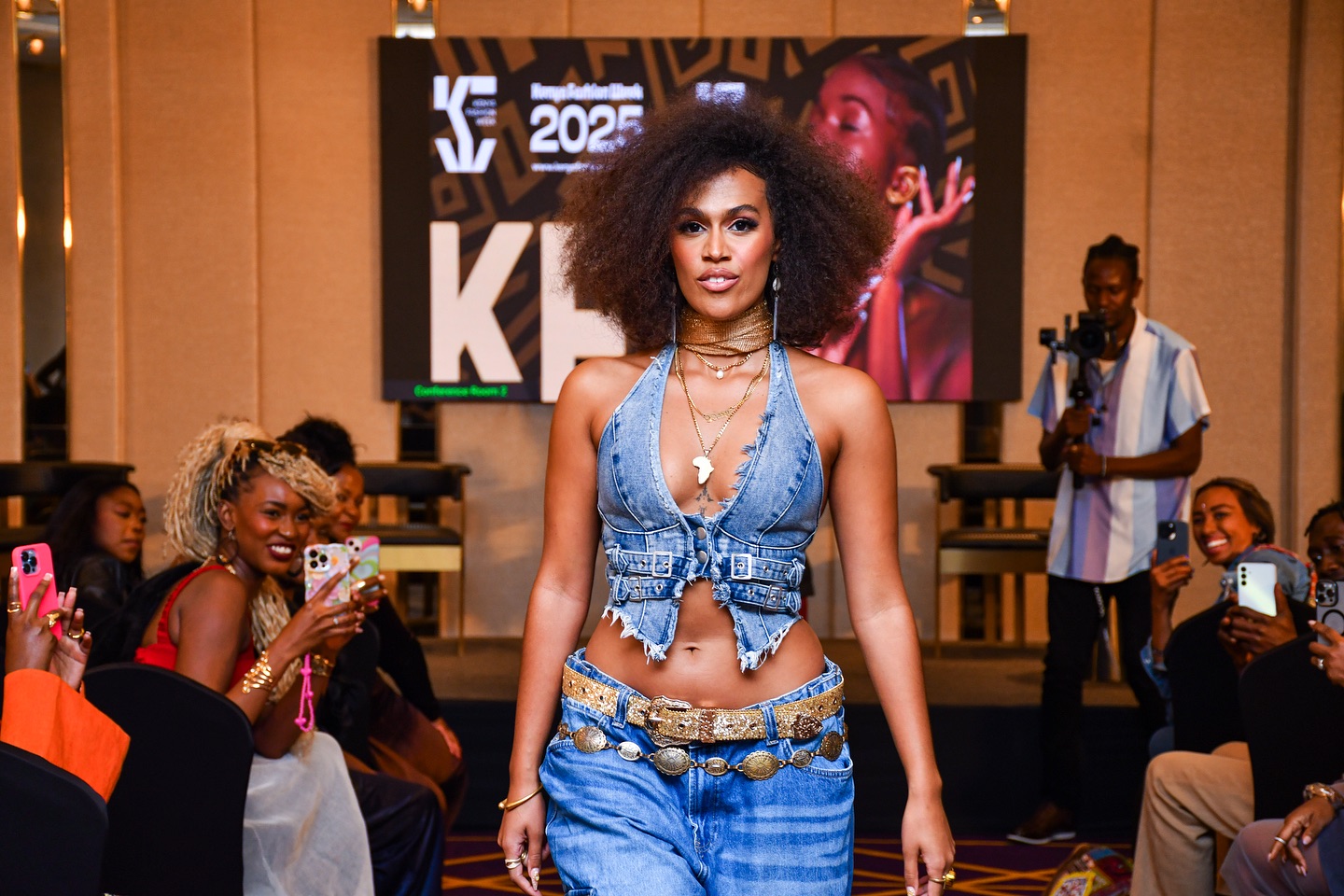
How to Become a Fashion Model in Kenya: Building a Career, Finding Opportunities and Entering the Fashion Industry Through Nairobi Fashion Hub
Kenya’s fashion industry is creating space for a new generation of models whose influence extends beyond the runway. From fashion editorials and commercial campaigns to beauty advertising, digital content, television, e-commerce and international fashion shows, modelling offers diverse opportunities for people with different looks, backgrounds, ages and professional ambitions.
Nairobi, in particular, has become an important meeting point for designers, photographers, fashion entrepreneurs, creative agencies and event organisers. Across the country, fashion productions, brand campaigns, cultural events and digital platforms are creating demand for talent that can communicate ideas, represent brands and bring creative concepts to life.
Yet becoming a successful fashion model involves much more than having an attractive appearance. It requires professionalism, confidence, preparation, an understanding of the industry, a strong portfolio, reliable connections and the ability to identify legitimate opportunities.
For aspiring models, one of the most important questions is not simply how to get noticed, but how to turn an interest in modelling into a sustainable professional career.
Nairobi Fashion Hub is one digital platform aspiring and established models in Kenya can explore to build professional visibility, showcase portfolios and connect with clients and other fashion-industry participants.
This guide explains how to get started, the different modelling opportunities available in Kenya, how to prepare for professional assignments, and how Nairobi Fashion Hub can support your journey.
1. The many paths into modelling
One of the biggest misconceptions about modelling is that there is only one route into the profession. In reality, the industry is made up of several specialisms, each requiring different skills, presentation styles and professional strengths.
Kenyan models can explore opportunities in fashion, advertising, beauty, entertainment, retail and digital media. Understanding these categories early can help an aspiring model identify where to focus their preparation.
Runway and fashion show modelling
Runway modelling is among the most recognisable areas of the fashion industry. Models present clothing and accessories during fashion shows, designer showcases, fashion weeks, exhibitions and other live productions.
The work involves much more than walking in a straight line. Models must understand garment presentation, posture, timing, choreography, movement, stage awareness and how to respond to a designer’s creative direction.
A professional runway model should develop:
- A confident and controlled runway walk.
- Good posture and body awareness.
- The ability to follow choreography and stage instructions.
- Confidence when presenting different clothing styles.
- Professional conduct during fittings and rehearsals.
- The ability to work collaboratively with designers, stylists and production teams.
Kenya’s fashion calendar provides opportunities to gain experience through fashion shows, designer presentations and creative productions. Emerging models should follow reputable event organisers, designers and modelling networks to learn about casting announcements and auditions.
Commercial and advertising modelling
Commercial modelling is one of the broadest areas of the profession. It involves representing brands, products and services through photographs, videos, television advertisements, digital campaigns and promotional material.
Commercial models may work with fashion retailers, beauty brands, telecommunications companies, financial institutions, hospitality businesses, food brands and lifestyle companies.
Unlike traditional high-fashion modelling, commercial modelling often prioritises relatability, expression and the ability to connect with a particular audience.
Brands need people who can communicate a message naturally. This creates opportunities for different ages, body types, appearances and backgrounds.
Editorial and high-fashion modelling
Editorial modelling focuses on visual storytelling. It is commonly associated with fashion magazines, designer campaigns, creative photography and artistic productions.
Editorial models work with photographers, fashion editors, creative directors, stylists and makeup artists to communicate a concept through images.
This category requires more than posing. Models need to understand facial expression, body movement, angles, mood and the relationship between clothing and photography.
An editorial portfolio can demonstrate versatility through different creative concepts, lighting styles, fashion looks and expressions.
Beauty and hair modelling
Beauty modelling focuses on the face, skin, hair, makeup and related products.
Models may participate in:
- Skincare campaigns.
- Makeup advertisements.
- Haircare promotions.
- Wig and braiding campaigns.
- Beauty editorial photography.
- Salon marketing.
- Cosmetic product demonstrations.
This category is particularly relevant in Kenya, where salons, beauty businesses, makeup artists, hair brands and cosmetic retailers regularly need visual content for their marketing activities.
Beauty models should be comfortable with close-up photography, detailed posing and working with makeup artists and beauty professionals.
E-commerce and catalogue modelling
Fashion retailers and online stores need models to present clothing and accessories clearly.
E-commerce modelling involves wearing products for catalogue photographs, product pages, online advertisements and social media campaigns.
The objective is to help customers understand how clothing looks when worn.
Models working in this area should be able to follow posing instructions, maintain consistency across multiple outfits and work efficiently during product shoots.
Lifestyle and fitness modelling
Lifestyle modelling represents everyday experiences and activities. Campaigns may involve family life, travel, fitness, wellness, hospitality, education, technology and other consumer products.
Fitness modelling focuses on sportswear, exercise, athletic products and active lifestyles.
These areas are suitable for individuals who can communicate a particular lifestyle naturally and convincingly.
Promotional and event modelling
Promotional models represent brands during product launches, exhibitions, activations, conferences, shopping-centre campaigns and other events.
Responsibilities may include welcoming guests, presenting products, interacting with consumers and supporting brand visibility.
Strong communication skills, confidence, punctuality and a professional attitude are especially important in this category.
Plus-size, petite and alternative modelling
The fashion industry is increasingly recognising that effective representation involves more than one physical appearance or body type.
Plus-size, petite, mature, alternative and other specialist models can find opportunities in commercial campaigns, editorial productions, beauty, lifestyle and fashion projects.
Aspiring models should not assume that they must fit one conventional physical standard before exploring the profession. The most important starting point is identifying the category that suits their strengths and developing the skills required for it.
2. Do you need to be tall or have a particular body type?
Not necessarily.
Height and body measurements can matter for certain runway and high-fashion assignments, particularly where designers have specific sample-size or casting requirements. However, modelling is not limited to those categories.
Commercial campaigns, beauty productions, lifestyle advertising, promotional events and e-commerce projects may require very different types of talent.
Some clients look for a particular appearance, age range, personality, cultural background or ability to represent their target customers.
A model’s suitability should therefore be assessed against the actual brief rather than a universal standard.
Aspiring models should avoid unhealthy weight-loss practices, extreme dieting or unnecessary cosmetic procedures in an attempt to fit perceived industry expectations. Professional development should prioritise health, confidence and sustainable career preparation.
3. How to become a fashion model in Kenya: A practical step-by-step guide
Entering modelling can feel overwhelming when you are starting without industry contacts or professional experience. The good news is that you can begin with basic preparation and build your career progressively.
Step 1: Understand your modelling interests
Before investing in a portfolio or approaching agencies, identify the kind of modelling you would like to pursue.
Ask yourself:
- Am I interested in runway modelling?
- Do I enjoy photography and creative expression?
- Would I be comfortable appearing in advertisements?
- Am I interested in beauty, hair or skincare campaigns?
- Would I enjoy promotional events and brand activations?
- Do I want to work in fashion editorials or e-commerce?
You do not have to choose only one category. Many working models develop experience across several areas.
However, having a clear starting direction makes it easier to prepare the right portfolio and approach suitable clients.
Step 2: Take simple, professional-looking photographs
Your photographs are often the first introduction to your modelling potential.
You do not need an expensive photoshoot to begin. Many reputable casting processes accept simple, recent photographs that show your natural appearance.
Start with:
Headshot: A clear photograph of your face, preferably taken in natural light.
Full-length photograph: A standing image showing your overall appearance and proportions.
Profile photograph: A side-view image that gives a different perspective of your features.
Natural photograph: A simple image without heavy filters, excessive editing or distracting effects.
Creative photograph: Once you have experience, add professionally produced images demonstrating your ability to work with fashion, styling, lighting and different concepts.
Use recent photographs. Your portfolio should accurately represent how you look today.
Avoid excessive retouching, artificial body reshaping and filters that make it difficult for clients to assess your appearance.
Step 3: Build a professional modelling portfolio
A portfolio is one of the most important tools in a model’s career.
It is a visual record of your work, versatility and potential. A strong portfolio helps clients, photographers, agencies and designers understand what you can offer.
For a beginner, an initial portfolio may include:
- A clear headshot.
- A full-length photograph.
- A simple fashion look.
- A commercial or lifestyle look.
- A beauty or close-up photograph.
- An editorial-style photograph, if available.
As your experience grows, update the portfolio with work from legitimate fashion shows, campaigns, professional photoshoots and other assignments.
Do not focus exclusively on the number of photographs. A smaller collection of strong, varied and authentic images is more useful than dozens of repetitive pictures.
Step 4: Learn the fundamentals of modelling
Talent can attract attention, but professional skills help sustain a career.
Consider developing the following abilities:
Runway walking: Learn posture, foot placement, turns, pacing and how to present different garments.
Posing: Practise different poses for full-length, half-body and close-up photography.
Facial expression: Understand how to communicate different moods through your eyes and facial expressions.
Camera awareness: Learn how lighting, angles and movement affect photographs and video.
Fashion knowledge: Follow designers, collections, fashion publications and industry developments.
Communication: Learn how to receive instructions, ask relevant questions and work respectfully with creative teams.
Professional discipline: Be punctual, prepared, respectful and reliable.
You can practise at home using a mirror or camera, but professional workshops and supervised photoshoots can help accelerate your development.
Step 5: Attend legitimate castings and auditions
Castings are an important entry point into modelling.
Designers, agencies, photographers, production companies and brands may organise auditions to identify suitable talent for upcoming projects.
A casting may involve:
- Registration and basic personal details.
- Reviewing your portfolio or photographs.
- A short introduction.
- A runway walk.
- Posing or movement exercises.
- Measurements where relevant to the assignment.
- A discussion about availability and experience.
Read the casting brief carefully and prepare accordingly.
A casting invitation is not a guarantee of selection or paid work. Treat every audition as an opportunity to gain experience and understand the expectations of the industry.
Step 6: Create a professional digital presence
In today’s fashion industry, your online presence can influence how potential clients discover you.
Social media can help you showcase photographs, behind-the-scenes work, fashion collaborations and professional achievements.
However, social media alone may not provide the organised presentation that clients need when evaluating talent.
A dedicated professional profile can help bring together your:
- Modelling category.
- Professional photographs.
- Portfolio.
- Experience.
- Services.
- Location and availability.
- Booking information.
This is where platforms such as Nairobi Fashion Hub become relevant.
Step 7: Network with fashion professionals
Modelling is a collaborative profession.
Models work with designers, photographers, makeup artists, hair stylists, fashion stylists, casting directors, production teams, agencies and event organisers.
Building respectful professional relationships can introduce you to new creative projects and help you understand how the industry operates.
Attend legitimate fashion events, participate in suitable creative collaborations and connect with professionals whose work aligns with your career direction.
Networking should be based on professional value, not pressure to accept every invitation or assignment.
Step 8: Learn how to handle bookings and contracts
As opportunities begin to develop, understand the business side of modelling.
Before accepting an assignment, establish:
- The name and contact details of the client.
- The purpose of the assignment.
- The date, location and expected working hours.
- The agreed compensation.
- Travel and other expense arrangements.
- Wardrobe, hair and makeup responsibilities.
- Image and video usage rights.
- Whether the client requires exclusivity.
- Cancellation and payment arrangements.
Image usage is especially important. A photograph taken for one social media campaign may later be proposed for a billboard, television advertisement or long-term commercial campaign.
These uses may require different permissions and compensation arrangements.
Where possible, have the agreed terms documented in writing before the assignment begins.
4. What modelling opportunities are available in Kenya?
Kenya offers several potential pathways for aspiring and established models.
Opportunities vary according to industry demand, professional experience, location, casting requirements and the strength of a model’s portfolio.
Fashion weeks and runway productions
Fashion weeks and designer showcases offer opportunities to present collections to audiences, buyers, media and fashion professionals.
Models may be selected for runway presentations, lookbooks, backstage productions and designer campaigns.
Kenya’s fashion calendar includes a range of independent and organised events. Following event announcements and casting opportunities is an important way to identify potential assignments.
Fashion designer campaigns
Kenyan designers need visual content to introduce collections, promote new products and strengthen their brands.
Models can participate in:
- Collection launches.
- Editorial photoshoots.
- Designer lookbooks.
- Fashion campaigns.
- Social media promotions.
- E-commerce photography.
Working with emerging designers can also help models build experience and establish professional creative relationships.
Advertising and commercial campaigns
Brands across different sectors use models in promotional material.
Potential assignments include:
- Television commercials.
- Digital advertising.
- Billboards.
- Product campaigns.
- Retail catalogues.
- Corporate promotional content.
- Lifestyle photography.
Commercial modelling can be particularly varied because each campaign has a different target audience and creative direction.
Beauty, cosmetics and hair campaigns
Beauty businesses need models for product demonstrations, promotional photography, salon marketing, hair campaigns and editorial productions.
Models interested in beauty work should develop a portfolio that includes clean close-ups and photographs showing their versatility.
Music videos, film and entertainment
Modelling skills can also create opportunities in entertainment productions.
Some music videos, films, television productions and promotional videos require individuals who can present fashion looks, perform confidently on camera or participate in creative scenes.
These assignments may overlap with acting, performance and commercial talent work.
Influencer and content-creation collaborations
Models with strong digital communication skills may also work with fashion brands as content creators or influencers.
This can involve presenting products, creating fashion videos, participating in brand campaigns and producing social media content.
A model does not necessarily need millions of followers to be valuable to a brand. Audience relevance, content quality, authenticity and professional conduct also matter.
International modelling opportunities
Kenyan models can explore opportunities beyond the local market through reputable international agencies, casting networks, designer collaborations and professional referrals.
International opportunities may involve editorial productions, commercial campaigns, fashion weeks and representation by overseas agencies.
However, international modelling requires careful preparation.
Models should research agencies, verify contracts, understand travel and visa requirements, establish who is paying for expenses and avoid accepting overseas assignments without reliable documentation.
An international opportunity should never be considered legitimate simply because it promises travel or exposure.
5. How Nairobi Fashion Hub can help aspiring models in Kenya
A professional modelling career depends on visibility, presentation, connections and access to relevant opportunities.
Nairobi Fashion Hub is designed to bring models and other fashion professionals together with clients, brands and event organisers through one digital platform.
Its model-related services provide an opportunity for aspiring and established talent to establish a professional presence and become discoverable by people looking for creative services.
A. Create a professional model profile
One of the first steps is creating a profile on Nairobi Fashion Hub.
A well-prepared profile can help communicate who you are, what type of modelling you offer and how potential clients can engage your services.
Your profile should include accurate information, a clear professional description and photographs that represent your current appearance.
Create your model profile:
https://app.nairobifashionhub.co.ke/join/provider
B. Showcase your modelling portfolio
A portfolio allows clients to evaluate your presentation, versatility and experience.
Through Nairobi Fashion Hub’s professional profile and portfolio features, models can present their work in a more organised digital environment.
This can be useful when clients are looking for talent for fashion shows, editorials, photoshoots, campaigns and other creative productions.
A strong portfolio should be regularly updated as you gain experience.
C. Get discovered by clients and brands
Nairobi Fashion Hub brings together clients and fashion professionals.
The platform’s directory allows users to explore service providers, including models, and review available profiles and portfolios.
This gives models an additional channel through which prospective clients can discover their work.
The platform currently includes model service listings covering areas such as runway modelling, hair modelling and commercial, high-fashion and runway modelling.
D. Receive booking requests
Models can present their services and give prospective clients a way to request bookings.
Potential assignments may include:
- Runway shows.
- Fashion photography.
- Beauty and hair campaigns.
- Brand advertisements.
- Editorial productions.
- Promotional projects.
- Creative photoshoots.
The actual assignment, payment and working arrangements must be agreed between the model and the client.
Being listed on a platform does not guarantee a booking. Your profile quality, suitability for the brief, availability and professional communication remain important.
E. Explore creative gigs
Nairobi Fashion Hub also supports creative gig opportunities.
Clients can post project briefs and budgets, while interested professionals can submit offers for consideration.
For models, this creates another way to discover projects and express interest in assignments that match their experience.
It also gives clients a structured way to communicate what they need before selecting suitable talent.
F. Connect with photographers, designers and stylists
A modelling portfolio is rarely built in isolation.
Models need photographers to produce strong images, designers to provide creative looks, makeup artists to develop beauty concepts and stylists to coordinate outfits.
Nairobi Fashion Hub brings these different professionals into one environment.
This can make it easier to discover collaborators and explore creative projects that strengthen your portfolio.
Any collaboration should have clearly agreed expectations, responsibilities, image ownership and usage permissions.
G. Discover fashion events and industry activities
Fashion shows, workshops and networking events provide opportunities to learn, meet professionals and understand the industry.
Nairobi Fashion Hub supports fashion event discovery and ticketing, giving users a way to explore relevant activities.
Models can use this feature to follow fashion events, attend industry gatherings and remain connected to the creative community.
Explore fashion professionals and services:
https://app.nairobifashionhub.co.ke/services
Explore fashion events:
https://app.nairobifashionhub.co.ke/events
6. How to register as a model on Nairobi Fashion Hub
Getting started is straightforward.
Step 1: Visit the platform
Open https://app.nairobifashionhub.co.ke/ or download the Nairobi Fashion Hub mobile application.
Step 2: Select service provider registration
Choose the option for professionals who want to showcase their services and be discovered by clients.
Step 3: Select your professional category
Choose the modelling category that best represents your services.
Step 4: Complete your profile information
Provide the requested details accurately. Use a professional description that communicates your modelling interests and experience.
Step 5: Add your portfolio
Upload clear, relevant photographs that demonstrate your potential and modelling specialisation.
Step 6: Publish and maintain your profile
Review your information, keep your portfolio updated and respond professionally to relevant enquiries and booking requests.
Registration screens and available options may change as the application develops. Follow the current instructions provided during onboarding.
Join Nairobi Fashion Hub:
- Register as a service provider
- Explore professional services
- Download on Google Play
- Download on the Apple App Store
7. How much can a fashion model earn in Kenya?
Modelling income varies considerably. There is no universal salary or guaranteed payment for all models.
Compensation depends on the type of assignment, client, model’s experience, duration, image usage, exclusivity requirements and the overall production budget.
For example, a short photoshoot, runway appearance, full-day campaign and national advertising assignment should not necessarily command the same fee.
A model should consider more than the number of hours spent in front of a camera.
Important pricing factors include:
- Preparation and fitting time.
- Working hours and overtime.
- Travel and accommodation.
- Hair, makeup and wardrobe requirements.
- Image and video usage.
- Advertising territory.
- Duration of usage.
- Exclusivity arrangements.
- Whether the assignment involves additional appearances or deliverables.
New models should research prevailing rates, understand their expenses and avoid accepting unclear arrangements.
Where payment is offered, establish the agreed amount and payment date in writing.
A useful professional habit is to keep records of bookings, invoices, payments, expenses and client agreements. This helps models understand whether their work is financially sustainable.
8. Professionalism: What clients expect from fashion models
Talent may get you considered for an assignment, but professionalism influences whether clients want to work with you again.
The following habits can make a significant difference.
Punctuality: Arrive at the agreed location on time and communicate early if an unavoidable delay occurs.
Preparation: Understand the brief, bring the required items and arrive ready to work.
Communication: Respond to messages professionally and ask questions when instructions are unclear.
Adaptability: Be prepared to work with different designers, photographers, creative directors and production teams.
Respect: Treat other professionals with courtesy, regardless of their experience or position.
Reliability: Honour confirmed bookings and communicate promptly if your availability changes.
Continuous development: Keep practising runway techniques, posing, camera awareness and presentation.
Financial discipline: Understand your rates, track expenses and keep written records of professional engagements.
The strongest modelling careers are built through a combination of talent, consistency, trust and professional relationships.
9. Modelling safety: How to protect yourself from scams and exploitation
The modelling industry offers genuine opportunities, but aspiring models must also be aware of scams, misleading promises and inappropriate professional conduct.
A legitimate opportunity should have a clear purpose, identifiable organisers, transparent expectations and appropriate working arrangements.
Before accepting an invitation, consider the following safeguards.
Verify the client or agency
Research the organisation, review its public presence and confirm that the person contacting you is genuinely associated with it.
Ask for the client’s official contact details and information about the project.
Be cautious about guaranteed success
No legitimate professional can guarantee that you will become an international model, appear in a major magazine or secure a specific campaign simply by paying a registration fee.
Treat promises of guaranteed fame, employment or international contracts with caution.
Understand all fees
Some professional development programmes and agencies charge for legitimate services. However, every fee should be explained clearly.
Ask what the payment covers, whether it is optional and what services you will receive.
Do not pay large amounts under pressure or because someone claims an opportunity will disappear immediately.
Protect your personal information
Share only information necessary for the professional engagement.
Be cautious about requests for sensitive personal documents, banking information or private photographs.
Be careful with private auditions and photoshoots
Confirm the location, client, production team and purpose of the assignment before attending.
For an unfamiliar first engagement, consider bringing a trusted person where permitted or informing someone you trust about your location and schedule.
Never accept pressure to participate in nudity, sexualised photography or activities outside the agreed brief.
Understand image rights
Before a shoot, clarify how your photographs and videos may be used.
Ask about advertising usage, social media, print, billboards, duration, location and exclusivity.
A professional agreement should make these expectations clear.
Additional safeguards for young models
Young people interested in modelling require additional protection.
Parents or legal guardians should be involved in registration, auditions, contracts, travel and professional engagements. Do not allow minors to attend unfamiliar professional meetings or photoshoots without appropriate adult supervision.
Nairobi Fashion Hub’s published terms state that users must be at least 18 or have guardian consent. Always review the current platform terms before registering.
10. Building a modelling career beyond Nairobi
Although Nairobi is an important centre for Kenya’s fashion industry, modelling opportunities should not be viewed as limited to the capital.
Fashion professionals and creative businesses operate across the country.
Models from Mombasa, Kisumu, Nakuru, Eldoret, Nyeri, Machakos and other counties can build professional portfolios and pursue suitable opportunities in their regions.
Digital profiles can help reduce the geographical barriers that traditionally make it difficult for emerging talent to connect with clients outside their immediate communities.
A model based outside Nairobi can use digital tools to present their work, communicate with clients and explore assignments that may require travel.
For this to work effectively, models should keep their location, availability and travel expectations accurate.
11. The future of modelling in Kenya and Africa
The future of modelling is increasingly connected to technology, digital media and the expansion of the creative economy.
Traditional runway and editorial work remain important, but models now participate in a wider range of productions, including e-commerce, social media campaigns, livestreams, digital advertisements, music videos and brand collaborations.
This evolution creates opportunities for people who can combine modelling ability with communication, digital presentation and professional adaptability.
It also highlights the importance of platforms that make talent easier to discover.
For Kenya, the opportunity lies in building stronger connections between models, designers, photographers, brands, agencies and event organisers.
A more connected fashion ecosystem can help emerging professionals access information, showcase their abilities and participate in a wider range of creative projects.
Nairobi Fashion Hub is positioning itself within this evolving landscape by providing digital tools for professional discovery, portfolios, bookings, creative gigs and fashion events.
Its long-term value will depend on the strength of its community, the quality of its services and the opportunities users are able to develop through the platform.
12. Final thoughts: Your modelling journey can start today
Becoming a fashion model in Kenya does not require you to have an established agency, an expensive portfolio or connections with famous designers before you begin.
It starts with understanding your interests, developing your skills, preparing professional photographs and making yourself visible to the right people.
Whether your ambition is to walk international runways, appear in fashion editorials, represent beauty brands, participate in commercial campaigns or build a career in digital content, the most important step is to approach modelling as a profession.
Learn the industry. Build your portfolio. Attend legitimate castings. Network with creative professionals. Understand your rights. Be consistent and take your professional development seriously.
And importantly, give your talent a place where potential clients can discover it.
Nairobi Fashion Hub offers aspiring and established models an opportunity to create a professional profile, showcase their portfolios, connect with fashion professionals, explore creative gigs and discover fashion events.
Your journey into modelling could begin with a single photograph, your first casting or your first professional profile.
Your talent deserves to be discovered.
Start Your Modelling Journey with Nairobi Fashion Hub
Create your professional profile and become part of a growing community connecting Kenya’s fashion professionals, clients, brands and event organisers.
Register as a model and service provider:
https://app.nairobifashionhub.co.ke/join/provider
Explore modelling services:
https://app.nairobifashionhub.co.ke/services
Explore fashion events:
https://app.nairobifashionhub.co.ke/events
Download the Nairobi Fashion Hub app:
NAIROBI FASHION HUB — HOME OF AFRICAN FASHION.
PUSHING THE AGENDA FOR MADE IN AFRICA TO THE WORLD.
About Nairobi Fashion Hub
Nairobi Fashion Hub is a fashion and creative-industry platform operated by Tinker Digital Limited. It connects models, designers, photographers, stylists, makeup artists, fashion brands, clients and event organisers through digital tools for professional discovery, portfolios, bookings, creative gigs and fashion events.
The platform’s mission is to strengthen connections within the African fashion industry, improve visibility for creative professionals and support the growth of the Made in Africa movement.
Website: /
Email: info@nairobifashionhub.co.ke
Telephone: +254 734 003 400


