Sunday 19th of April 2026

Nairobi, Kenya

African Fashion Retailer Produces A Unique Fashion Show At The Karoo Winter Wool Festival

When we talk about fashion shows, we frequently pay more attention to the designers than to the curators who make sure the environment is appropriate for the items being displayed.

A fashion show’s location and production style have a significant impact on how the clothing is highlighted.
The African clothing company Merchants on Long organized a fashion display featuring South African designers at the Karoo Winter Wool Festival.

Designers like Mmuso Maxwell and Lukhanyo Mdingi showcased a true celebration of South African wool and skill at the fashion show, which was centered on sustainability and durability and portrayed a cyclical, sustainable fashion industry where clothing is returned to the source.

The showcase also included designs by Viviers Studio, Luminous Ware, Emelia Dorcas, INKE Knitwear, Fields, Wrapt Knitwear, House of Lucent, and GugubyGugu.
The curator of the show and fashion buyer at Merchants on Long, Sumendra Chetty, was quite clear about the types of designers she sought for the exhibition.

“In choosing the designers, I was quite deliberate. The first requirement was to find designers who had a history of working with the local wool sector; names like Lukhanyo Mdingi and MmusoMaxwell instantly sprang to mind.

“Our definition of luxury is based on durability, recyclable materials, respect for the environment and animals, as well as adhering to fair-trade principles.
“Every designer was required to adhere to this ideal, ensuring that we advanced purposefully. This showcase was identical to what we were presenting in person or online, according to Chetty.

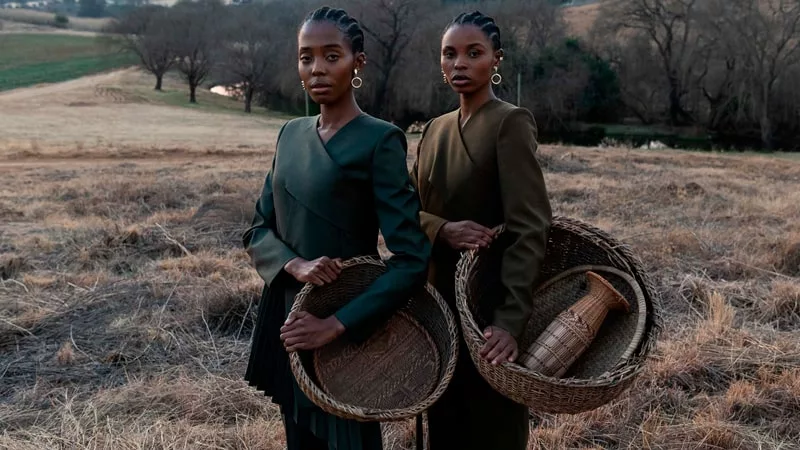
Chetty and her colleagues devised something unexpected instead of the typical runway that we are used to. In order to display the most recent collections from the designers, models strolled beneath the stunning Karoo sky.

The visual storytelling had to have the same effect as the Karoo scenery. I made the decision to create layers to resemble the Karoo sky pretty early on because the trend was already so daring and distinctive.

From the delicate whites and creams of the cirrus clouds through the soft beige and sand of golden hour to colorful blossoms, dusk to blue, and eventually culminating in a starry night.

Content courtesy of IOL & NFH

Rwandans in Kigali Want a Dress Code to Be Enacted

The Rwanda Cultural Heritage Academy (RCHA) has proposed that modern fashion be regulated in order to preserve the “decent” Rwandan culture.
This was disclosed on August 2 at the publication of the book “Imyambarire y’Abanyarwanda mu ndorerwamo y’umuco n’iterambere,” which explores the development of Rwandan fashion based on culture and the effect of civilization.

This comes after decades of dispute about what is more culturally acceptable in terms of clothing, with the majority of arguments centering on covering one’s body and wearing clothing that is “overly” revealing.
According to a study conducted in 2022–2023, 76.6 percent of Rwandans believe that the country’s present fashion is respectable.

Young people make up 90.2% of those who believe indecent dressing is prevalent, while young women account for 68.5% of those who believe this.

Short skirts and dresses, “transparent” clothing, sagging pants and shorts, and other items are among the majority of what respondents deemed to be “indecent.”

The Director General of RCHA, Robert Masozera, stated at the occasion that research alone would not be sufficient to ensure the culture’s survival and that additional stakeholders would need to contribute.

The public needs to be informed, and this needs to be done. The need for stakeholders like educational institutions and schools is a result. The only time these toolkits will be helpful is if we conduct morality-related sessions, according to Masozera.

This was echoed by historian Clothilde Umubyeyi, who stated that even the media should play a role in highlighting morals, particularly acceptable dress, in the nation.
Given how the topic of “decent dressing” has been handled in the past, this book is likely to encounter criticism from the general public even if it is most anticipated by some.

Two additional volumes on traditional dances and sayings from Rwanda were also published at the event.

The event was also part of a larger initiative to commemorate the annual “Umuganura,” which is the Rwandan equivalent of Thanksgiving and is observed in August. The academy organizes various cultural preservation initiatives at this time.

On August 4, the Rutsiro district will host a national celebration of umuganura.

Content courtesy of The Rwanda Cultural Heritage Academy & NFH

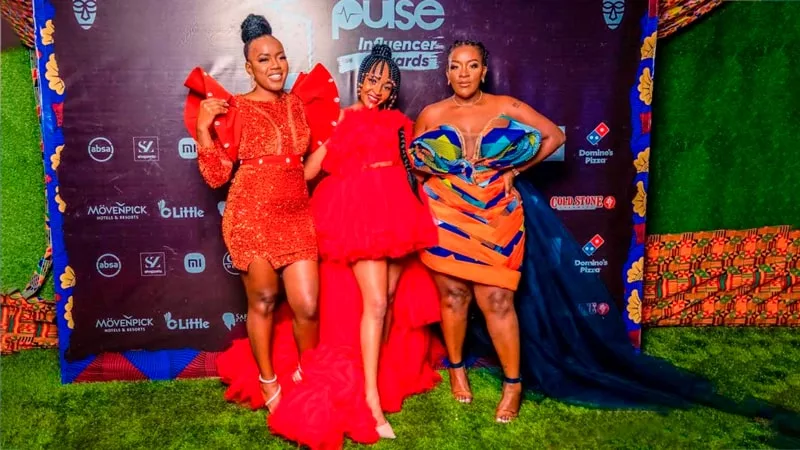
Pulse Influencer Awards 2023 Nominations Are Now Open

The public can now submit nominations for Africa’s top influencer award program, the Pulse Influencer Awards 2023. This is the third iteration of the renowned prize, which has as its theme “The Golden Era – Bold & Elegant.”

These awards, developed by the media business Pulse Live, honor individuals from Africa who have made significant contributions to digital creativity, innovation, and community building. These honors are given to people who successfully use social media to communicate information, spread value, and build active online communities.
There will be some substantial changes to the Pulse Influencer Awards in 2023. In order to emphasize the key spheres of influence, the categories have been condensed from 29 to 24.
The award has also debuted the intriguing new award category “Next Gen Influencer of the Year.”

This category honors the work of up-and-coming digital artists.
The Pulse Influencer Awards 2023 will take place concurrently in each of the six Pulse markets, just like they did the year before.
Nigeria, Ghana, Kenya, Senegal, Uganda, and Côte d’Ivoire are among them.
Before the deadline of August 6, 2023, fans can submit their preferred influencers on the official Pulse Live website.

Timelines for the Pulse Influencer Awards in 2023
After the nominations are revealed, the online voting phase starts on September 5, 2023.
The public vote is still of the utmost importance to this procedure even though there is a seven-member jury made up of various specialists in the field of digital. A gala ceremony slated on October 7, 2023, will present the prizes to the victors.
The Pulse Influencer Awards have always been about recognizing influencers’ dedication to their craft, said Judysheila Mugo, Director of Content at Pulse Kenya.
Pulse, she continued, acts as a link between influencers and the many brands that work with them. As a result, winners find the yearly award to be much more satisfying.

864,768 votes were cast in the Pulse Influencer Awards last year, a record number that highlights how vibrant the Kenyan digital community is.
Just Ivy, Dennis Ombachi, Murugi Munyi, and Nikita Kering are a few of the notable winners from the prior competition.
Pulse Kenya predicts an even larger celebration for the 2018 event, with more audience participation, influencer participation, and partnerships with well-known brands. The Pulse Influencer Awards in 2023 are expected to be a lavish event with glitz, delicious food and drinks, outstanding content creation, and unmatched networking opportunities.

About the Pulse Influencer Awards
The Pulse Influencer Awards were created to honor and celebrate rising stars in the African influencer scene who are creating vibrant, engaged communities around their specialty or skill.

Like the rest of the world, the African media landscape is evolving swiftly. The importance of influencers in bringing about this transition cannot be overstated because digital media has become the new mainstream. This initiative’s main goals are to involve influencer networks, showcase the most reliable and influential artists, and eventually support the expansion of digital media in Africa.
The Pulse Influencer Awards are anticipated to greatly increase social media engagement, reach, and interest in all of the participating nations.

Content courtesy of  Pulse Influencer Awards & NFH Digital Team

Revival of Traditional African Textiles

With a long history that dates back to antiquity, African textiles have cultural importance and serve as a means of communication. They feature a variety of designs and materials and come from various origins.
Due to the demand for their vivid colors and distinctive cultural expressions, traditional African textiles are currently undergoing a rebirth.
Traditional African textiles have been made, woven, and embroidered with artistic skill since the dawn of human civilization.
These textiles represent the diverse fabric of the African continent and serve as historical documents.

African weavers and artists have been creating clothing for more than a millennium. They come from 54 countries and more than 3,000 ethnic groupings.

This type of fabric can be used to honor a particular person, remember a special moment, or even convey a political stance.
Textiles have been used to transmit important cultural knowledge in addition to being frequently at the center of festivities and events.

History of African Fabric
Ancient Egypt, where flax was woven into linen, is where the origins of African fabric production may be traced back to 5000 BC. With the production of textile-related raw materials such as tree bark, animal hides, cotton, palm, jute, flax, and silk, North Africa’s textile industry grew rapidly. Before the Dutch and the French brought in Ankara (a type of batik) and Shweshwe (a type of tie-and-dye), Africans utilized mud and texture to make straightforward designs, setting the stage for an African textile revolution.

The Dutch Wax Print also referred to as Ankara, is one of the most well-known African textiles. While occupying Indonesia, the Dutch developed the art of batik, and they also introduced Ankara to West Africa.

Wax prints started being produced in large quantities in facilities across the Netherlands and other regions of Europe. These European-made fabrics, however, were never widely accepted in their intended Asian market because the Javanese valued hand-made genuine goods over machine-made imitations.

The Dutch gave the African nations along their trade routes the materials they possessed at the beginning of the 1800s. At this time, Dutch recruits from Africa started sending gifts of fabric home.
Due in large part to the fact that there was nothing else quite like it, the distinctive, lovely cloth was quickly welcomed by West African countries, and through time, it became an essential component of their own culture.

Despite the fact that we often identify this cloth with Africa, it was not originally made or planned there. Its manufacturing was under Dutch supervision, and the Dutch cleverly redesigned it utilizing African folktales, stories, and rituals described by neighborhood traders and artisans.
Through this reworking, the fabric became a print that eventually developed into an unsaid language. The idea of employing art as a covert means of communication among tribes, nations, and women often discussing taboo subjects was accepted by the Africans.

A visual language was created by the prints, and it permeated all of Africa.
They denoted celebrations and rites of passage, communicated different messages, and portrayed varied emotions.

The Dutch dipped into African culture to make the fabrics come alive and resonate with the people of Sub-Saharan Africa because they understood that authenticity was essential to the appeal of African patterns and textiles (a lesson learned from their unsuccessful attempt to replicate the process for the Asian market).
This led to the fabric’s rapid popularization, and because it linked people to politics, religion, and culture, it gained the name “African Print.”

We may make a lot of cultural similarities by looking at African patterns and textiles. Despite the fact that cotton and silk make up the majority of the base materials, the origins of the fabrics are ultimately determined by the designs.

Origin of African Fabrics

The bold motifs, inventive patterns, and unapologetically vivid color palettes of African fabrics have earned them acclaim around the world. Similar to their Asian counterparts, these fabrics are steeped in rich culture, history, and customs and express the essence of life while bringing vibrancy to daily existence.
Fashion and interior design trends around the world are clearly influenced by African fabrics.

As was already said, the history of the textile business in Africa dates back to 5000 BC, when the ancient Egyptians first started growing flax and weaving it into linen.
A scene of weavers working a horizontal loom is depicted in artwork from the 12th dynasty, which was discovered in the tomb of Khnumhotep (about 2400 BC). Pyramids, artwork, and hieroglyphs all depict cloth-draped Egyptians in great detail.

As evidenced by the statues of the great queen Amanishakheto, pharaoh Piye, and the Meroitic pyramids, even the Egyptians’ southern neighbors, the Nubians, had a thriving textile industry.

Later, as numerous African civilizations rose to prominence, cotton became a common material. Weavers were present in Timbuktu and the Mali empire in the 1300s, according to traveler Ibn Battuta. The boubou, a traditional long garment, became increasingly popular as Islam spread over West Africa.
Africa now has a thriving textile heritage. Mali is the place where the hand-woven Bogolan, often called “mud cloth,” originated. In the past, only royalty could buy versions of Ghana’s national fabric, the kente cloth, which was sewn with gold threads.

According to legend, British explorers were impressed by the splendor of an Ashanti king’s apparel.
Fabric manufactured from tree bark has a long history in Cameroon, with some fabrics made exclusively from obom. Clothing and bags are still made from raffia fibers.

The finest weavers in the nation also create the intricately woven clothing used by West Cameroon’s rulers, which is embellished with beads.
While Pygmies employ bark fabric created from tropical fig trees, people in Chad and the Central African Republic weave cotton strips on horizontal looms using a variety of natural colors.

Some of the most exquisite handmade sculptures, garments, and blankets are made by the Kuba people of the Democratic Republic of the Congo using raffia.
Beautiful, bright quilts and blankets are totally handmade by the Ndebele people of South Africa and Zimbabwe, continuing a historical tradition.
Well-dressed Ndebele ladies would be admired for their grace, color, and presentation.

Popular textiles of Africa

1. Kuba Fabric
The people of the Bakuba kingdom, which was situated along the Kasai River in the contemporary Democratic Republic of Congo, created these textiles from palm fibers.
They were traditionally used for royal clothing and rugs. In the early 20th century, artists like Matisse and Picasso were influenced by the patterns on the cloth.

2. Ase Oke
The Yoruba term for “greetings on the spending of money,” Ase Oke, is the name given to a unique fabric in the Yoruba culture. Men alone weave this fabric on tiny strip looms with silk or cotton-based ingredients. Both Yoruba men and women place a high value on ase oke, which confers both aesthetic appeal and social rank on the wearer and the weaver.
When English lace that had been imported became scarce during World War II, this magnificent fabric, made by Yoruba men in Nigeria, rose to prominence.
To make up for this, delicate lace-like decorations were added to the weaves, which is a characteristic aspect that is frequently displayed in Ase Oke.

Popular Ase Oke styles include:
• Alaari: This is a rich, red Ase Oke, often worn on special occasions.
• Sanyan: This Ase Oke is brown, typically light brown in color, and is a common choice for various events.
• Etu: This dark blue Ase Oke is another popular style regularly adorned by Yoruba people.

3. The Okene Fabric
A sort of woven fabric called the Okene Cloth was developed in the Nigerian community of Okene.
The Okene is regarded as a “prestige” cloth manufactured by Ebira women using huge fixed looms inside their homes, in contrast to the Ebira men who weave on small portable looms outside.
Metallic gold or silver threads are frequently used in contemporary weaves, giving the fabric a lovely gloss.

These fabrics, which are frequently used as headwraps or wraps, elevate the status of the ladies who wear them. Additionally, they enhance the reputation of the dyers and weavers who make them.

4. Kente fabric
Of all African textiles, Kente is undoubtedly the most well-known and intricately woven. Men use a combination of small hand and foot looms to create this fabric. It is customary for members of the Ashanti royal family to don it for formal occasions like’stooling,’ a ceremony that represents ascending to the throne.

When the Ashanti display their spectacular gold jewelry and renowned golden stool at royal celebrations, the brilliant colors and geometric patterns of Kente cloth make the ideal contrast.
A stunning cloth is made by stitching together the long, narrow strips of kente that Ashanti men weave. It was originally woven with silk, especially for the Ashanti nobility.

5. Adire Fabric
Adire is a word that means “tie and dye” in Yoruba. This is a reference to the indigo-dyed textile, one of the most recognizable fabrics in Africa that is typically worn only by women. Adire cloth is made of cotton fabric that resists starch and has a design akin to batik.
The old Adire art form has been actively being revived by the artist Niki Seven.

Early in the 20th century, new methods of resist dyeing appeared, most notably the technique of hand-painting designs on the fabric with a paste made of cassava root before dying. Adire Eleko was the name given to this technique.

The textiles from Adire, which are indigo-dyed and made by Yoruba women in southwest Nigeria employing a variety of resist dyeing techniques, are well-known. Early textiles, like those now made in Mali, were probably hand-spun cotton fabrics that were locally woven with basic knotted designs.

6. Bokolonfini
The fabric made by men in Mali known as “bokolonfini” in the Bambara language is what is referred to as “mud cloth.” The fabric is first immersed in a bark and leaf dye throughout the production process.
Then, using thick mud that is gathered from lake bottoms and is high in iron acetate, a design is painted on.

Innovative patterns are used in modern adaptations of this fabric, which are often made in the colors black, gold, brown, and off-white.
These hues have struck a chord with global audiences, generating a sizable export business that is especially well-liked among interior decorators.

7. Adinkira

A calabash (gourd)’s thick rind was used to make stamps that were used to hand-print the fabric known as adinkira. The wearer is able to “read” the print since each stamp has a meaning associated with a proverb.
It is a royal fabric of the Ashanti people and is frequently worn with ‘Kente’ on special occasions like funerals (particularly when wearing black clothes),’stoolings’ (inaugurations), and other royal ceremonies. Adinkira fabrics have beautiful hand embroidery in numerous colors running throughout each seam.
On the seams of contemporary Adinkira fabrics, machine embroidery is frequently visible.

8. Kanga
Kanga is a vibrant and colorful rectangular piece of fabric often worn by women as a wrap-around skirt or dress. It usually features bold patterns, Swahili proverbs, and messages that convey various meanings and sentiments. Kangas are widely used for everyday wear, special occasions, and even as gifts.

9. Kitenge
Similar to Kanga, Kitenge is a colorful fabric worn by both men and women for various occasions. It is commonly used for dresses, shirts, and head wraps. Kitenge fabrics are known for their intricate designs, often featuring geometric patterns, animals, flowers, and cultural symbols.

10. Maasai Shuka
The Maasai Shuka is a distinctive rectangular cloth traditionally worn by the Maasai people. It’s often seen as a blanket, shawl, or even a garment. The Shuka is known for its bold and bright checkered patterns, typically in shades of red, blue, and black. It holds cultural significance within the Maasai community and is sometimes used as a symbol of identity.

11. Kikoi/Kikoy
The Kikoy is a versatile cloth worn by both men and women. It’s characterized by its striped patterns and fringed ends. Originally from the coastal areas of Kenya, the Kikoy has become popular as beachwear and casual clothing due to its lightweight and comfortable nature.

12. Rendille and Samburu Blankets
These blankets are traditional textiles of the Rendille and Samburu ethnic groups. They are known for their intricate beadwork and vibrant colors. These blankets hold cultural significance and are often used as part of ceremonies, gifts, and clothing accessories.

13. Bogolanfini (Mud Cloth)
While not originally from Kenya, the Bogolanfini or Mud Cloth is also used in some parts of the country. It’s a textile art form associated with the Bambara people of Mali, West Africa. Mud Cloth is made using a process of dyeing with fermented mud and plant-based dyes, resulting in unique and intricate patterns. In Kenya, it might be used for decorative purposes or even clothing.

14. Akamba Kikoys
The Akamba people are known for their colorful and finely woven kikoys, which are used for both clothing and household items. These textiles often feature bright geometric patterns and are known for their durability.

15. Luo Traditional Cloth 
The Luo people of western Kenya have their own traditional cloth called “Osuga.” This cloth is often used as a wrap or shawl and is made from locally grown cotton. It features bold designs and is woven using intricate techniques.

16. Bark Cloth
Among some indigenous communities in Kenya, bark cloth is produced by beating the inner bark of certain trees to create a flexible fabric. This traditional technique is practiced by groups like the Bukusu and Taita people.

These traditional textiles not only serve functional purposes but also play an important role in expressing cultural identity, values, and heritage among Kenya’s diverse ethnic groups.

17. Leso
Similar to the kanga, the leso is another piece of cloth often used as a wrap-around garment. It is popular among the Swahili-speaking communities along the coast. Lesos are adorned with various patterns and designs, and they hold cultural significance during ceremonies and celebrations.

18. Akala
This is a traditional textile produced by the Luo community. It’s typically woven from sisal fibers and used to create various items such as bags, mats, and even clothing. Akala weaving is a skill passed down through generations.

19. Isukuti Fabric
The Isukuti people of western Kenya have a distinct style of textile art. Their fabrics often feature geometric patterns and bright colors.
These textiles are used for various purposes, from clothing to home decor.

20: Chitenje
Although more common in neighboring countries like Malawi and Zambia, the chitenje is sometimes used in Kenya as well. It’s a versatile rectangular piece of cloth often worn as a wrap, dress, or headscarf.

Current Demand of African Traditional Textiles

African textiles, fabrics, and fashions have been globally distributed for centuries through networks of growers, artisans, and merchants, leveraging fibers like cotton, as well as the bark and leaves of various plants and the colour dyes derived from them. Traditional African textiles, produced from natural fibers like cotton, are worn to display status and wealth. On the other hand, technical African textiles are crafted from natural and engineered materials for specific purposes, such as insulation, conductivity, or fire resistance.

Cotton is one of the most important fibers used in African textiles, serving as a significant crop for domestic consumption and a crucial export for several countries. Both organic and genetically modified forms of cotton are cultivated on the continent.

The current generation of designers is embracing digital, 3D, and other technologies to adapt indigenous production methods and handcrafting skills for the fabric and fashion emerging from Africa. African clothing flourishes in urban markets across the continent, where woven and commercially created prints are sold side by side, supported by a network of interconnected weavers, buyers, and sellers.

According to Statista, the market volume is predicted to reach $6,182 million by 2027, with revenue expected to grow annually at a rate of 13.23 percent (CAGR 2023–2027).1 A significant market segment is created by e-commerce through distribution channels like online stores. The rise in the African clothing market’s sales is primarily attributable to the expanding middle class in East and Southeast Asia, who use social media and mobile apps for online shopping.

The African clothing market is mainly composed of cotton fibers. Uganda, Benin, Ethiopia, Mali, Egypt, Tanzania, Senegal, Burkina Faso, and South Africa are among the African countries that produce fiber for both domestic use and export, with the majority going to China, India, and the United States. Sub-Saharan Africa ranks fifth in global cotton production, accounting for 7.1 percent of the total. Many nations in Africa are ideally suited for cotton production due to their mild climates.

In 2005, the World Trade Organisation relaxed restrictions, granting African textile manufacturers access to markets in Europe and Asia. As a result, global demand for African fabrics, clothing, and fashion has increased considerably and is expected to remain robust. African garment manufacturers now enjoy improved working conditions, due to lower wages for textile workers in Africa than in Asia and enhanced shipping in countries like Ethiopia.

Ending Note

The prosperity of Africa’s economy hinges significantly on the textile industry. The primary catalysts for the development of Africa’s burgeoning textile sector are foreign investment, investor confidence, and the growth of the fashion industry. Over the last two decades, China has emerged as a significant source of finance for African economies, particularly for Ethiopia’s young yet rapidly expanding manufacturing sector.

The level of engagement from African nation governments remains the primary challenge. Therefore, political will and an enhanced business climate are two factors that would spur increased competition and promote the growth of the industry.

Content courtesy of  Fiber 2 Fashion & NFH 


Kenyan Model Hassan Duba: Celebs Have Popularized Nigerian Fashion

Hassan Duba, a fashion influencer and model from Kenya, has praised Nigerian celebrities for promoting the nation’s fashion industry.
According to her comments to Saturday Beats, “Nigerian celebrities, such as actors, artists, and influencers, have significantly contributed to the globalization of Nigerian fashion.
Their everyday attire as well as their red carpet outfits have inspired many. People have been inspired to be more daring and expressive with their personal styles by their daring fashion choices.

Duba commented that the vivid and varied selection of materials used in African fashion sets it apart from that of other regions.
The vibrant colors, detailed patterns, and distinctive textures of these fabrics, which range from classic prints like Ankara, Kente, and Kitenge to modern interpretations, set African fashion apart.

The cultural traditions and heritage of the continent are also honored by African fashion.
When asked what she thought fashion represented, she responded, “Fashion is a form of self-expression and creativity.
Through the selection of clothing, accessories, and personal grooming, it offers the chance to express one’s uniqueness, personality, and style preferences. It also enables one to express one’s identity, views, and feelings to the outside world.
As it allows us the opportunity to try out new styles, trends, and aesthetics, fashion may be liberating. One can express themselves honestly and with confidence thanks to it.

African celebrities from all over the continent have united in an amazing display of support for influencer Hassan Duba, who was born in Kenya.
The top influencer, who has been dubbed one of the most attractive women in the United Arab Emirates, has won over many hearts with her talent and personality.

Duba, who competed for Miss Universe UAE 2022, has established herself as a major player in the fashion and modeling worlds in addition to making a name for herself in the world of pageants.
Her popularity has quickly surpassed national boundaries after appearing at prominent events including Dubai Fashion Week, New York Fashion Week, and Fashion Week DXB.

Duba’s status as a rising star in the entertainment and fashion industries is further cemented by the outpouring of support from African superstars like Tems, Chanel Ayan, and Lisa Milan, founder of luxury design label Minaroe.
A number of well-known actors, musicians, and celebrities have praised and urged Hassan Dub on social media. Duba’s talent, style, and commitment have been praised by powerful figures in the African entertainment sector from Nigeria to South Africa.

Hassan Duba’s extraordinary journey and accomplishments serve as an example for aspiring influencers and models not only in East Africa but across the entire African continent.
She has gained the respect and affection of both her peers and admirers thanks to her perseverance and dedication to her craft.

The enormous amount of support Duba is getting is proof of the strength of African talent and innovation.
People like Hassan Dub act as ambassadors, highlighting the enormous potential that the entertainment and fashion sectors on the continent hold as the world continues to appreciate and recognize the diversity and depth of African culture.

Hassan Duba stands tall as a beacon of African brilliance in a time when discussions about representation and diversity are at the forefront.
Her transformation from an entertainer to a global influencer and fashion star is proof that young African people with ability, passion, and perseverance can achieve everything they set their minds to.

Content courtesy of Punch , Independent & NFH 


The Designers That Will Be Exhibiting at the Standard Bank Luju Food & Lifestyle Festival Have Been Unveiled.

The Standard Bank Luju Food & Lifestyle Festival will take place as usual, following the success of the MTN Bushfire Festival in Eswatini.
The event is a two-day extravaganza of music, fashion, entertainment, and gastronomic treats.
The theme for this year’s event is “A Return to the African Future,” which will showcase Africa’s natural wealth, beauty, and elegance from the past to the present and into the future.

It’s a sensory trip, a reimagining of our legacy, and a peek at tomorrow’s design advances.
Luju 2023 will commemorate the transformational power of design and the use of fashion to impact future generations, in addition, to live performances by great African artists and a full gastronomic program.

This year’s theme, “African Fashion Folktales,” emphasizes craft mastery, with sustainable materials serving as means for reclaiming ancestral traditions. We reimagine our future by weaving these stories from our history together.
Mbali Temantimandze Kunene, Nomi, House Of Diva, and Ntrentre Couture Creations are among the designers whose designs will be showcased at the Luju Mastercard Runway Show.

“The Design and Craft creatives will be tasked with creating a capsule collection to be presented as part of the Standard Bank Luju Fashion Runway on the Mastercard Stage.”
“Working with local stylists, hair artists, and models, the collective will create a pop-up fashion performance that will be displayed on a regular basis in the Fashion Café Marketplace.”

“The Fashion Café Marketplace is a swarm of creative abundance, offering a wide range of African clothing, accessories, and skin and hair care products.

“Festival goers can find a wide variety of items inspired by African culture and heritage, including colorful apparel, distinctive jewelry, and healthy skincare products.

This market has something for everyone, whether festival-goers want to include natural, plant-based substances into their skincare routine or want to add some bold statement pieces to their outfit.

According to the event’s organizers, festival attendees may shop with assurance knowing that their purchases support small, independent enterprises and showcase the exquisite workmanship of Africa.

Designers will participate in the first market showcase following the fashion show to advertise their off-the-runway collection.
They will carry out this action as part of the Artisanal Incubator Programme for 10 MSMEs, which is sponsored by the European Union and run in collaboration with the International Trade Centre (ITC) Alliance for Action Programme.

On August 4 and 5, the Standard Bank Luju Food & Lifestyle Festival will be held at Malandela’s Farm’s House on Fire. There will be numerous South African musicians performing, including Big Zulu, Lloyiso, Sun-El Musician, Zo Modiga, and more.

About The Standard Bank Luju Food & Lifestyle Festival
A family-friendly feast of culinary exploits, high-end fashion, premium wine, and whiskey showcases fine music and wholesome entertainment.

Through culinary showcases by celebrity chefs, and fabulous fashion designs inspired by the Luju ethos “A Return to the African Future”, the festival celebrates the sophistication and elegance of African vintage style, creative design, and delicacies. Come and Eat, Sway, Love, and rejoice in our heritage and culture, in all its afro-futuristic boldness.

The Standard Bank Luju Food & Lifestyle Festival is proudly brought to you by House On Fire, with generous support from Standard Bank Eswatini.

Content courtesy of IOL , The Standard Bank Luju Food & Lifestyle Festival & NFH


The 2023 Schedule for Lagos Fashion Week is Announced

Lagos will once again be at the forefront of connecting with the global fashion community and honoring the craftsmanship of Africa and its diaspora during the 12th iteration of Lagos Fashion Week, which is scheduled to take place from October 26 to 29 of 2023.

Within Africa’s constantly changing fashion scene, Lagos Fashion Week occupies a key role. It continues to guide the continent’s fashion industry toward a conscious future that cuts across boundaries, strengthens communities, and has a significant socioeconomic impact.

Lagos Fashion Week is devoted to presenting the rich creativity and artistry that have come to define African fashion, building on its journey of more than ten years. As proven by various ground-breaking partnerships formed over the years, collaboration is at the heart of its vision for the future of fashion, nurturing alliances that open up novel avenues and produce one-of-a-kind chances.

The event encourages co-creation, welcomes varied talent, and deftly combines innovation and tradition to create designs that honor cultural legacy while embracing the digital world. Lagos Fashion Week also champions community strength through fostering talent, elevating voices, and igniting change in the fashion industry.

In the #LagosFW Tents and other locations throughout the vivacious city of Lagos, Lagos Fashion Week 2023 will return with Runway Shows and Presentations showcasing new season collections from designers.
The Nigerian and Pan-African industries, as well as other sectors, will be the focus of the Fashion Business Series. With seminars and master lectures, the Visual Makers Fellowship was established to assist aspiring filmmakers and photographers.
Created with the goal of fostering fresh dialogue and intellectual interaction regarding sustainability in African design, Swap Shop After parties are a chance to explore Lagos’ nightlife and network with some of Africa’s best creatives in a laid-back setting.
XRETAIL is a tailored shopping experience across key cities in Africa. LagosFW Showrooms provide you access to some of your favorite fashion companies.

Lagos Fashion Week offers Green Access in keeping with its commitment to facilitating the growth of the regional manufacturing economy, fostering impactful conversations, and cultivating young talent. Until August 23, 2023, this yearly talent discovery platform will accept applications from designers in Nigeria.
This season’s subject is “Standing The Test of Time,” and the Green Access program seeks to identify five young Nigerian designers who place a strong emphasis on sustainability and the creative use of waste materials.

A fashion accelerator program called Green Access encourages the recommitment of resource efficiency, biodegradability, longevity, and recyclability as guiding principles for fashion design and production.

Green Access has been highlighting fashion businesses that are changing their business models and implementing measures to support environmentally, socially, and ethically responsible production processes since its start in 2018.

The OR Foundation awarded Themba Shezi (Heru Shezi, South Africa) and Lu Adesola (Lul’la House, Nigeria) financial support in the amount of $10,000 USD following the successful completion of the Green Access 2022 program. The funding was given out to help the recipients’ respective brands grow and advance.

They were chosen for the funding based on their deep awareness of and dedication to researching the idea of circular fashion, as well as the incorporation of pre-existing materials into their design processes, such as textiles, clothing, or waste from other industries.
The OR Foundation, a 501(C)(3) public charity located in the USA, has been operating in Ghana since 2009.

Its primary goal is to find and support alternatives to the dominant fashion model. The foundation’s activities center on the confluence of environmental justice, educational advancement, and fashion design.
The OR Foundation perfectly complements the aims and ideals of Lagos Fashion Week’s Green Access program by promoting ecological prosperity and developing a deeper relationship with fashion that goes beyond mere consumerism.

The OR Foundation and Lagos Fashion Week agree that sustainable fashion has the power to spark good change and move the industry toward a future that is more responsible and mindful.
Emerging designers have the ability to have a big effect and support a more circular and sustainable fashion industry thanks to the Green Access platform.

#LagosFW Important Dates:

  1. Green Access Applications Open: 25th July – 23rd August 2023 | Apply HERE
  2. Runway Shows: 26th – 29th October 2023

For more information regarding Lagos Fashion Week 2023, kindly visit lagosfashionweek.ng or follow their Instagram page @lagosfashionweekofficial.

Content courtesy Lagos Fashion Week, Culture Custodian & NFH


Through Gaff, We Celebrate the Innovation and Beauty of African Fashion and Promote Our Designers Around the World – Desiring a Sure Boss, Olapeju Naomi

An exceptional African amazon of beauty, glitz, and style is Naomi Olapeju Sigismund. She is an elegant, seductive, and chic fashionista. Naomi serves as the project director for African Canada Investment and the convener for the Hope For Sure Foundation. She traveled to Nigeria to conduct the Glam African Fashion Festival at Victoria Island in Lagos’ famous Oriental Hotel and Suits.

Naomi Olapeju expressed her gratitude to the attendees and visitors at GAFF 2023 during a gathering that included several super fashion stars, business leaders, industry captains, and champions of traditional and cultural values.

She gushed over the successes of the imaginative event, stating that the event’s main goal is to honor the inventiveness, beauty, and vivacious spirit of African design. “It is an honor and a privilege for me to stand before you as we begin this exciting journey together,” she said. A strong statement of identity, culture, and art, fashion has always been.
It cuts across barriers, brings people together, and shares tales that are firmly established in our culture. The Glam African Fashion Festival honors the diversity and wealth of African fashion by exhibiting the extraordinary abilities and imagination of designers from all over the continent.

The mother of all African fashion shows’ attracted guests who made time in their busy schedules to attend, and were treated to a stunning exhibition of creativity, innovation, and enthusiasm.
The runway came alive with a kaleidoscope of colors, textures, and patterns that capture the soul of Africa, from spectacular traditional outfits to cutting-edge contemporary creations.
The organizers took practical measures to make sure that GAFF 2023 is about more than just fashion.

They made certain that the focus is on empowerment. Olapeju stated, “It’s about showcasing the unrealized potential inside our communities and giving up-and-coming designers a stage on which to shine.
It focuses on opening doors, encouraging entrepreneurship, and changing lives. We can inspire and empower people via fashion, fostering economic development and cross-cultural interaction.

The proud African woman continued by expressing her true belief that by working together, we can shatter barriers, confront preconceptions, and transform the world of fashion. She is deeply committed to promoting the beauty and originality of her continent.

The Glam African Fashion Festival is a movement, a driver of advancement and change, not merely a one-time occasion.

Without a doubt, Naomi Olapeju, who is Hope For Sure’s capable mentor, has created channels through which members of the African fashion industry may collaborate with the foundation to help the brilliant designers on the continent and be a part of this amazing journey.

To celebrate the wonder of African fashion, the inventiveness that results from our different cultures, and the unifying power of creativity, she explained that all hands must be on deck.

As she concluded her remarks for the occasion, Naomi Olapeju said that as the models creatively and aesthetically adorned the catwalk that evening, everyone should congratulate them on their talent and embrace the idea of a future in which African design reclaims its rightful place on the global arena.

Let’s let the brilliance that exists within our borders inspire, enthrall, and move us.
Olapeju praised everyone who attended, supported African fashion, and believed in the aspirations of the continent’s creators.

It was an event, in her opinion, that began a revolution in the fashion business and highlighted the genius of African inventiveness.
Glamour African culture stands for culture, peace, and heritage.
Everybody’s life has been greatly impacted by fashion; among other things, it has helped people overcome obstacles and change their moods.

I kindly ask that we always make an effort to express love to mental health sufferers as they need it.
The earnings from the Glam African Festival benefit those who have experienced mental illness.
“Let’s be constructive with criticism and cast out all negativity to prevent inciting depression,” Olapeju argued.

The most crucial point is that fashion is an effective tool for tackling mental health difficulties.
A person’s uniqueness can be expressed through their attire. In the same vein, we honor our award recipients for their outstanding contributions to humanity and unwavering commitment to improving our communities.

I can confirm that clothes can genuinely affect how we think as the convener of the Hope for Sure Foundation.

Thank you, and have a wonderful day ahead of you all!
We’re glad you’re here for Glam African Fashion Festival 2023.

Content Courtesy Of  Glam African Fashion Festival & NFH


Pulse Launches The 2023 Pulse Influencer Awards Nomination Phase

Pulse Kicks Off Nomination Phase for Pulse Influencer Awards 2023 As a result of the Pulse Influencer Awards 2023’s successful debut, Pulse is excited to announce that the nomination phase will start on Monday, July 24, 2023. All six Pulse markets Nigeria, Ghana, Kenya, Senegal, Uganda, and Côte d’Ivoire will participate in this exciting phase.
The nomination process, which will last until August 6, 2023, will involve millions of Africans via Pulse’s social and web channels. The audience is encouraged to highlight their preferred influencers from among the 23 award categories during this round. Anyone may submit a nomination by using the Pulse country websites and the accompanying nomination guidelines.

“The Pulse Influencer Awards are about celebrating both established talents and emerging voices in our vibrant digital landscape,” says Katharina Link, CEO of Pulse.

The involvement of our audience in this nomination process is something we value highly.
Our collection of influencers from Nigeria, Ghana, Kenya, Senegal, Uganda, and Côte d’Ivoire is more diverse and representative thanks to their special insights.
You are actively influencing this year’s PIA by voting, giving us your eyes and ears all around the continent.
We are constantly seeking to work with creators and influencers who are bringing about change and engaging with new demographics in all of these fields. We would thus urge our readers to nominate on the national portals.

Kanyinsola Aroyewun, Director of Marketing and Content Growth, continues, “We invite Africa to show us whose creators we should consider in each of our categories starting on Monday.

The Pulse Influencer Awards nomination phase is crucial because the nominees are chosen organically and cover a wide range of established and up-and-coming influencers. As a team, we have the opportunity to work with artists whose work is compelling and memorable enough to garner several nominations from the public.

The top 10 in each category will be revealed after the nomination period when the independent juries in each market will examine the nominees.
The nomination process, which marks the start of the Pulse Influencer Awards 2023, prepares the ground for the grand finale occasions, which will take place concurrently on October 7, 2023, in each of the six Pulse markets.

Content courtesy of  Pulse Influencer Awards  & NFH

African Designers and Brands To Know About Now

When it comes to fashion, Africa is a continent with no shortage of ability.
While individuals like Virgil Abloh stand out as some of the most significant designers of our generation, the industry is home to a large number of creative people. Designers from throughout the continent are coming up with new textiles, patterns, and textures to create stunning clothing for consumers around the world. The entire globe is enthralled watching.

Others in South Africa are embracing natural components to redesign everyday clothing, while many Ghanaian designers are eschewing traditional wax cloth and kente clothes.

Additionally, there has been a surge of environmentally conscious designers that reuse deadstock materials to create brand-new products. Former Balenciaga employee Bobby Kolade founded Return to Sender in 2022 with the goal of bringing Uganda’s textile sector back to its pre-mid 1970s apex, when more cotton was processed than exported.

Designers from the United States, including Anifa Mvuemba of Hanifa, are doing important fashion exhibits in unusual locations like Washington, DC. “I’m purposeful. She said to Teen Vogue in 2021, “I like doing things my way and I dislike conforming, being put in a box.
“I honestly find it unsettling. I stayed loyal to myself and pushed myself with this performance in D.C. The result was astounding.

African fashion designers are emerging both on the continent and in the diaspora.
Togo-born Jacques Agbobly received a 2019 CFDA Scholarship and attended Parsons. Born in Austria of Nigerian parents, Kenneth Ize is a finalist for the 2019 LVMH Prize.
And Maram Aboul Enein, who later went on to work for Pierre Balmain, Zac Posen, and Oscar De La Renta, fled Egypt for Canada as a young girl.

Algeria
Ilyes Ouali won “Fashion Star Arabia” in 2019 and takes heavy inspiration from the glitz and glamour of the ’70s in his recent work.

Angola
Fashion designer and criminologist Nadir Tati uses fashion as a means of celebrating Angolan womanhood and promoting a culture of peace.

Benin
With his brand Allëdjo, Kassim Lassissi aims to channel all that he has encountered while traveling across the world, into sustainable fashion and style.

Botswana
From shining gold bodycon dresses to floor-length bridal gowns, DihDah offers a range of striking pieces.

Burkina Faso
Pathé’O has designed head-turning garments since the ’70s, dressing African leaders such as Nelson Mandela.

Burundi
Content creator, stylist, and entrepreneur Juan Nsabiye crafts bespoke suits, with a focus on elegance for all genders.

Cabo Verde
Stylist-turned-designer Marvin Lima uses his brand Virtuoso to recognize African videographers, photographers, makeup artists, and models.

Cameroon
With a background in environmental engineering, Liz Ngwane creates both upcycled and one-of-a-kind garments under her slow-fashion brand Margo’s Mode.

Central African Republic
O’poma Designs founder Olga Nganzi Samba-Pamza incorporates African kitenge fabrics into her clothes, which often teem with colorful hues.

Chad
During the height of the COVID-19 pandemic, Jonas Berassengar sewed masks for members of his community, to extend the accessibility of protective measures.

Comoros
Sakina M’sa fuses her interests in contemporary art, dance, and philosophy into her art direction and fashion design work.

Congo
“For women without limits” is Hanifa’s motto, which founder Anifa Mvuemba furthers through increased access to shows as well as inclusive sizing and model casting.

Cote d’Ivoire
Loza Maléombho fuses contemporary and traditional silhouettes through footwear, accessories, and made-to-order garments with gold accents.

DRC
Designer and creative director behind Moulandzaou, Aton Tsiba creates genderless clothes with loose form and fluorescent color palettes.

Djibouti
Yanie Ayoun draws inspiration from her mother and designs for the next generation of Djiboutian youth.

Egypt
Maram Aboul Enein reflects on her own spiritual journey with the brand MARAM and plays with texture through sequins, ruffles, and electric colorways.

Equatorial Guinea
Visionary Society founder Diosdado Sima draws from his early interests in typography and streetwear to create a brand centered on community.

Eritrea
Former costume designer and stylist Selam Fessahaye launched her brand in 2018 and features gilded embroidery and beading in recent work.

Eswatini
For her label Mamakatessa, Temahlubi Dlamin uses silks and tulles of every shade to make gowns for a plethora of occasions.

Ethiopia
Maisha Marshall-Ende’s label Lehwatch explores cultural exchange, as its name translates to, and uses Ethiopian fabrics to create garments inspired by her move to Canada.

Gabon
Teddy Ondo Ella’s label draws inspiration from Gabonese culture and dress, utilizing traditional pieces such as sarong wraps paired with bold patterns.

Gambia
Masaneh Badjie’s dresses are rich with detail, including corset-style boning, appliqué, and crystal beading.

Ghana
Free the Youth began in 2013 by Jonathan Coffie, Winfred Mensah, Richard Ormano, and Kelly Foli; it has grown beyond its initial purpose of documenting Ghanaian streetwear and now encapsulates the brand and organization.

Guinea
Mariama Camara is a designer and humanitarian, whose interest in handmade textiles began at a young age when she watched her family design and dye prints.

Guinea-Bissau
Armando Cabral began working in the fashion industry as a model and shifted to design in 2009 as his continued interests in footwear and luxury clothing grew.

Kenya
Akiba Studios fuses functionality and playfulness through whimsical motifs and pieces with a street-style twist.

Lesotho
Creative director and fashion designer Thabo Makhetha offers luxury coats, jackets, and capes inspired by Basotho blankets.

Liberia
Archel Bernard began her sewing factory with an all-woman staff in 2016, to help those impacted by the Ebola epidemic; after the factory’s success, she opened her ethical fashion store, Bombchel, four years later in Atlanta.

Libya
Through minimalistic and geometric pieces, designer Ibrahim Shebani allows Born in Exile’s ensembles to speak for themselves.

Madagascar
After studying fashion in Paris, Eric Raisina debuted his work in the mid-2000s, which focuses on tactility and color.

Malawi
Award-winning entrepreneur Lilly Alfonso’s penchant for fashion design traces itself back to her youth when she would upcycle and reinvent her mother’s old clothing.

Mali
Lamine Kouyaté’s Xuly. Bët repurposes deadstock fabrics in his garments, a practice pulled from his mother and grandmother who would reshape old clothes for him and his siblings as children.

Mauritania
Kadiata Diallo of Niuku fuses form and function with hand-painted dresses and suits.

Mauritius
Fabien Fauzou is a designer and seamstress who specializes in geometric and vibrant dresses.

Morocco
Doum offers a range of bags, from totes to cross bodies, with summery, woven elements.

Mozambique
From a tracksuit touting the word “fearless” to sleek little black dresses, Taibo Bacar offers customers a range of garments and accessories.

Namibia
Melisa Poulton, founder of House of Poulton, describes her label as powerful, dramatic, and bold, and she aims to bring strength to her wearers.

Niger
Referred to as the “magician of the desert,” Alphadi debuted his label in the mid-1980s and has crafted highly-detailed bustiers, maxi skirts, and floor-length dresses since.

Nigeria
Kenneth Ize’s unisex work features technicolor hues and traditional Aso-Oke fabrics on oversized tunics, waistcoats, and dresses.

Rwanda
The Mysteries plays with extreme silhouettes and textiles in its unconventional sets and individual pieces.

Sao Tome and Principe
D&D Clothing offers both ready-to-wear and custom ensembles, donning patterns that range from animal print to neon patchwork.

Senegal
Contemporary lifestyle brand Diarrablu innovates tradition through its inclusive clothing, jewelry, ceramics, and artwork.

Seychelles
Johanna Didon launched her brand Katiti in 2017, which focuses on classic styles with edgy twists, although she had been sewing clothes since she was 12.

Sierra Leone
Sai Sankoh looks to retro and vintage clothing for inspiration as well as pieces in her own wardrobe; her work brings luxury to anyone and everyone.

Somalia
Through a combined interest in jewelry and tailoring, Omar Munie began his award-winning work as a bag designer in the early 2010s.

South Africa
Swim, surf, and beachwear brand Bantu Wax is making waves with its graphics-driven apparel.

Sudan
Yousra Elsadig aims to dismantle stereotypes and sustainability through her work with the brand Boutique de Nana.

South Sudan
Activist, doctor, and designer multi-hyphenate Mayada Adil use clothes to empower women refugees and honor diplomacy.

Tanzania
Through her brand Naledi, designer Kemi Kalikawe celebrates spunk and youthfulness and advocates for women’s equality at the intersections of fashion and technology.

Togo
Textile artist and designer Jacques Agbobly launched their made-to-order knitwear label, Black Boy Knits, inspired by the joy they saw as a child from customers of tailors and seamstresses in Togo.

Tunisia
Appearing on Project Runway Middle East, Malek Gheni juxtaposes maximalist bling with simple and geometric pieces.

Uganda
Bobby Kolade’s brand Buzigahill aims to combat Uganda’s secondhand clothing crisis, by making efforts to return its textile industry to the success it faced in the late twentieth century.

Zambia
As an entrepreneur and founder of Debbie Chu, Deborah Chuma sees her label as a community, rather than a fashion design brand.

Zimbabwe
Vanhu Vamwe has created a community of macramé weavers and celebrates handmade objects and craftsmanship.


Content courtesy of Teen Vogue & NFH


A New Website Called “Teach Me Fashion” by Maikem Anderson Has Just Been Launched to Elevate African Fashion Through Unique  Designs.

Anderson Maikem, a designer from Cameroon, has truly perfected the art of dressing well.
Having a profound awareness of the transformational potential of clothes, Maikem set out to build his own company, Teach Me Fashion, a few years ago. Teach Me Fashion (TMF), a well-known Cameroonian apparel company, is known for its outstanding designs that give African fashion a new perspective.

The idea that one’s clothing should reflect their cultural history and personal personality is at the heart of Teach Me Fashion’s ideology. No matter where a person is in the globe, the brand’s products, which are all made of pure cotton, serve as a representation of their connection to their country of origin.

This distinctive strategy has captured the attention of fashion aficionados who wish to show their origins and uniqueness through their clothing choices.
What was originally a domestic business in Douala, Cameroon has now broadened its sights to include a global market. Teach Me Fashion has successfully expanded its business into Latvia and now provides delivery services to all countries through dependable partner delivery companies. The company has been able to transcend borders and share its unique fashion vision with people all over the world thanks to its global presence.

For those with a good sense of fashion, Teach Me Fashion is a gold mine for both sexes. The line offers a wide range of items, such as streetwear, tuxedos, jeans, underwear, and joggers in addition to custom suits and combinations.

Teach Me Fashion offers such a large selection of items that it can satisfy the needs of people looking for distinctive, cutting-edge clothing that stands out.
Teach Me Fashion has the ideal attire to suit any situation, whether it’s a formal function, a casual trip, or a laid-back day at home.

Visit Teach Me Fashion’s official website to see for yourself how excellent they are. Get ready to be amazed by the superb craftsmanship and meticulous attention to detail in each outfit.
Teach Me Fashion offers a wide selection of exceptional clothing that will up your style game, from expertly made-suits to fashionable streetwear.

Teach Me Fashion is unique because it values authenticity and individual expression. The company recognizes the value of expressing one’s identity via apparel. Teach Me Fashion offers styles for each season of the year to meet a wide range of fashion requirements.
You can rely on Teach Me Fashion to provide designs that capture the essence of each season while showcasing your own individuality, whether it’s summer, winter, spring, or fall.

Beyond only fashion, Teach Me Fashion has an influence. The company is committed to empowering regional communities and promoting environmentally friendly methods.
Teach Me Fashion not only creates outstanding clothing but also supports the expansion and advancement of the fashion industry in Cameroon and elsewhere by obtaining premium materials and working with knowledgeable artisans.

Teach Me Fashion encourages people to embrace their ancestry, express their individuality, and celebrate their sense of style as it continues to create and redefine African design.

Teach Me Fashion offers people the chance to wear clothes that conveys their narrative and ties them to their roots by meticulously crafting each piece of apparel.
Teach Me Fashion introduces a fresh perspective to the world of fashion.

Don’t pass up the chance to participate in this fashion revolution.
Immerse yourself in the extraordinary world of African fashion by visiting the Teach Me Fashion website at https://teachmefashion1.com right away. Unlock a new level of style that speaks to your true identity by learning how to dress to impress at your gatherings and appointments.

Contact Information
Company name: Teach Me Fashion 1
Contact person: Mr. Maikem Anderson
Instagram: Tmf_designs_Maikem_anderson_
Facebook: Teach me fashion
Snapchat: Maikem.Anderson
TikTok: teachmefashion1

Email: Teachmefashion731@gmail.com
Phone# +37126007107
Address: Europe, Latvia, Riga
Website: https://teachmefashion1.com

Content courtesy of Benzinga & NFH


Introducing Studio Fix Every-wear All-over Face Pen To The Kenyan Market By Mac Cosmetics

The Studio Fix Every-Wear All-Over Face Pen, a much-anticipated addition to MAC Cosmetics’ Studio Fix brand, was unveiled at a series of exciting in-store activations that took place throughout Nairobi.
These activations, which involved working with well-known figures from the beauty business, were held at several MAC Stores in Sarit Centre, Village Market, and The Junction Mall.

A revolutionary product that accommodates every hue and fashion is the Studio Fix Every-Wear All-Over Face Pen.
This ground-breaking high-control face pen, which comes in a wide spectrum of 33 hues, expertly combines the advantages of foundation and concealer.
Users benefit from the control, comfort, and flawless results because of its cutting-edge formulation, which offers transfer- and waterproof coverage.

For spot-concealing or all-over coverage, the Studio Fix Every-Wear can be applied with a single pen click.
The product effortlessly provides flawless coverage with a natural matte finish that lasts for about 36 hours, guaranteeing an appearance that is devoid of creases and cakeiness.
Siphesihle Ngalonkulu, the Sub-Saharan Africa Marketing Manager for MAC, stated, “We are happy that the Studio Fix collection has entered the Kenyan market. This innovative product combines comfort and efficiency.
Our customers can acquire the immaculate and fresh appearance they desire thanks to our skill and expertise.
We are sure that our consumers will adore the flawless application, organic matte finish, and additional hydration and protection benefits.

The Studio Fix Every-Wear All-Over Face Pen’s delicate fluid texture melts into the skin to give it a second-skin effect. A potent combination of chemicals, including moisturizing hyaluronic acid, stimulating caffeine, and shielding vitamin E, enables this.
It provides excellent covers and nourishes the skin, boosting moisture levels by up to 53% after just one week of usage moisture levels rise by 44% right away.

Users of the Studio Fix Every-Wear All-Over Face Pen can click it on, tap it in, and build it up to suit their needs, It is versatile and adaptable.
This product is made to match your versatility and creativity, whether it’s for covering up discoloration, hiding dark circles, or enhancing your contour.

About Mac Cosmetics

The Estée Lauder Companies Inc. is the parent company of M.A.C. (Make-Up Art Cosmetics), a well-known professional cosmetics brand worldwide. The company had modest beginnings over 30 years ago in Toronto, Canada, but has grown tremendously successful because of word-of-mouth advertising and international contributions from makeup artists, models, photographers, and journalists.
In excess of 130 nations and territories worldwide currently sell M.A.C. products. Follow M.A.C. on social media platforms like Facebook (facebook.com/maccosmetics), Instagram (instagram.com/maccosmetics), YouTube (youtube.com/maccosmetics), Snapchat, TikTok, and Pinterest (@MACcosmetics) to stay up to date with all of the company’s latest news.
Please visit maccosmetics.com to find an M.A.C. store near you.

Content courtesy of African Elite Group Ltd & NFH


Ad