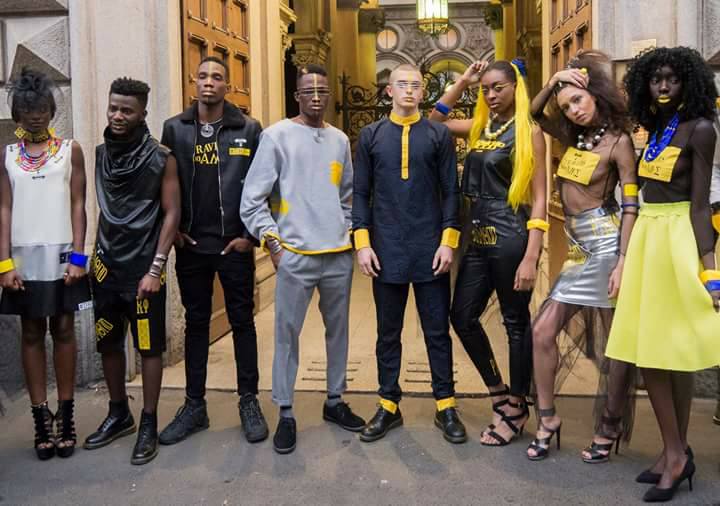
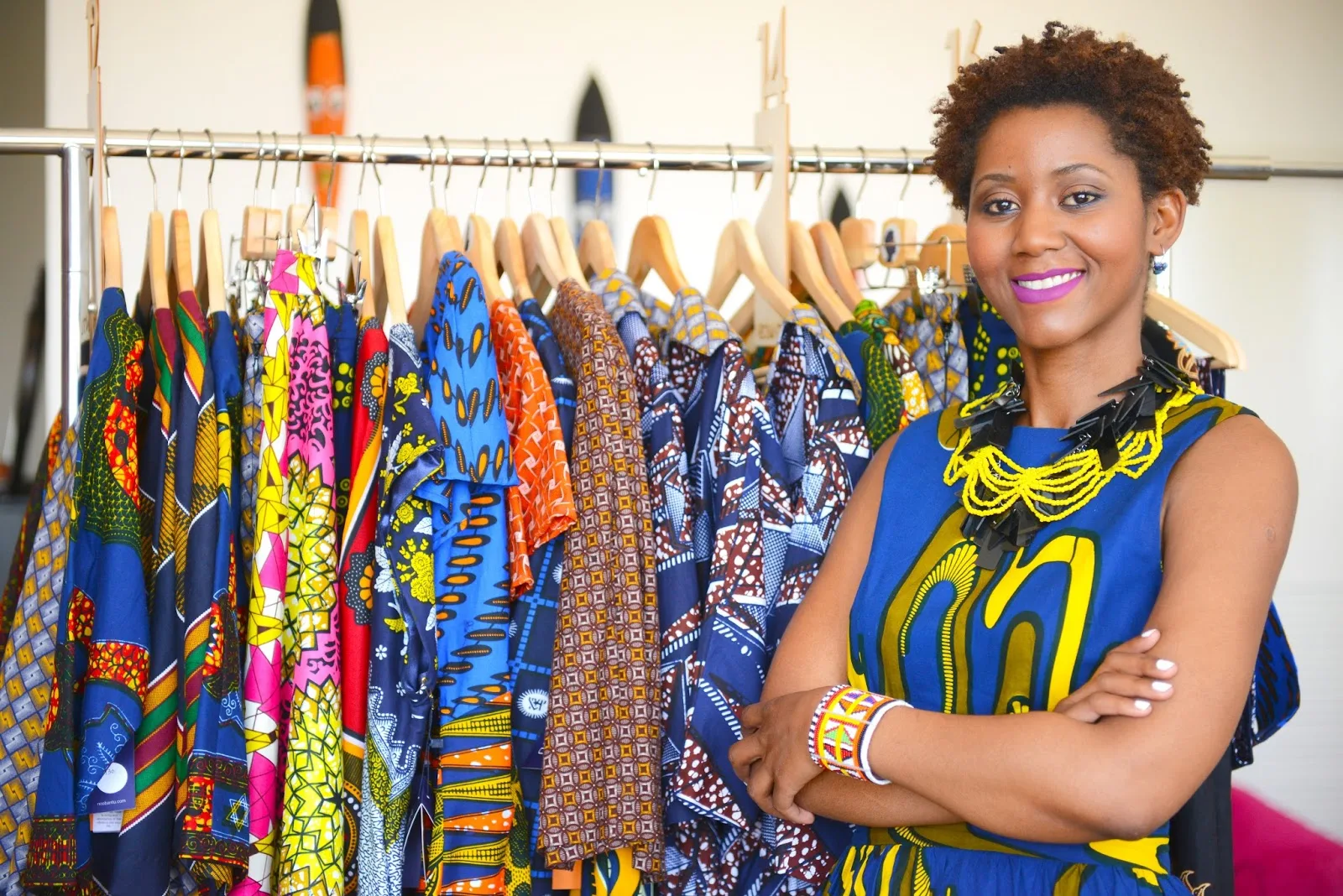
Sunday 30th of August 2026

Nairobi, Kenya

African Prom Dresses

Are you looking African prom dress ideas to inspire you for the big night? Or simply looking for the best African prom dress stores online. Hurray! You’ve come to the right place!

Find the latest 2020 dashiki prom dress styles Find your perfect modern & trendy African print prom dress and gown for you.

Prom is one of the many exciting highlights of every high school girl. It’s one of those events in your life that you want to stand out beautifully & effortlessly from the crowd! Over the years, prom has and always will be a big deal for most high schoolers especially in America.

No one ever forgets what they wore on this big night. Which brings us to African prom dresses! They entirely steal the show if you ask me. They draw an accurate picture of what the black lady represents. Bold. Beautiful & Breath-taking.

Every day, we are inundated with latest African dress styles and top dashiki prom dresses. While Africa might not be the first idea that comes to mind for most people when it comes to new fashion trends, African print dresses, or dashiki dress as it’s better known proves to be a great option for a variety of occasions & moments.

Each year, African fashion designers come up with fresh, trendy & stunning African dresses that are excellent choices for all occasions ranging from prom date, weddings, ballroom and gala nights and everything in between.

African dresses are known for their vibrant mixed colors. It’s one of the qualities that makes the African print fabric a versatile and sensational option for special moments like proms and weddings.

The color and shine that accompanies African print prom dresses are irresistible. Let’s not forget that every dress needs accessories to go with it. African print dresses are the easiest to accessorize. This is because of the variety of colors you can choose from. If for example, you were going to wear a white dress, this would limit your accessory options tremendously. On the other hand, if you chose an African print prom dress with three mixed colors, then that increases your options.

African dresses can fit into any customization you find best. Furthermore, they come in multiple colors. The designs of African prom dresses also offer a more natural look. Some clothes can be used to tie your hair up into a neat look to compliment the dress. The cloth is often the same theme and color as the dress to give you that very natural look.

No matter how much we talk about African prom dress designs, it won’t help if you don’t know where to buy prom dresses for black girls. Note that some designs are often done using low-quality cloth, so be careful with where you choose to buy your prom dress.

Each dashiki dress is custom made for you. To help you find the best African prom dress, we have curated 100+ dashiki prom dresses and styles for your big night. So, don’t be afraid to step out beautifully in one of these beautiful African print prom dresses. You are sure to make lots of heads turn in amazement and receive tons of compliments.

And don’t forget, or the look to be perfect, it is usually advisable to liaise with your hair stylist, so you get the perfect hairstyle to complement the dress. African print prom dresses can be woven into a lot of shapes and sizes. So, it doesn’t matter how you look, there is a design that would look absolutely gorgeous on you.

Content courtesy of Africa Blooms & Nairobi fashion hub 

Tshego Manche from a small town of Klerksdorp with Big Dreams For African Fashion

Tshego Manche grew up in Klerksdorp and found sartorial visibility in big city Johannesburg, Born in Klerksdorp, a small town in the North West Province of South Africa, Tshego Manche was raised in a business-oriented family.

Her parents owned a salon and cosmetic store in the township for over 20 years before venturing into other businesses.

“Coming from that environment, I already knew I wanted to be an entrepreneur,” says the 30-year-old fashionista today. “I aimed for what I am passionate about. Growing up, I always said I am a small town girl with big city dreams.”

Manche, known for her sartorial sense among friends, studied for a BCom degree in Marketing Management and whilst in varsity, worked at Pulsate, a fashion store in Africa’s richest square mile, Sandton, in Johannesburg.

“Two weeks after being employed, the owner flew down and said he had to meet me as there was a spike in sales. I was never afraid to approach people and tell them about the store, and also interact with customers. I then learned customer and marketing skills, and developed a deeper love for fashion which led me to want to start my own brand,” says Manche.

La Manche clothing was registered in early 2012 and was ready to put the all the theory into practice. Manche dropped out of varsity during her third year and went on to start selling on a small scale to friends and family, and she opened her physical store end of 2012.

Her mother contributed immensely to her startup and invested in clothing, packaging, and also paid for her flights and accommodation to look for stock in China and Turkey. The brand started growing. In 2014, she employed three workers, teamed up with stylists and magazine editors and the brand grew with sales doubling, she says.

“In 2015, we hit our million mark [offering local and international clothing]. From 2016 onwards, we hit a decline in sales as new entrants in the market came; rental for my space was also high and the location remote.

In 2017, I started 100% custom-making; growth had been slow yet steady and I had nine employees by the end of 2019. I decided to close my physical store in April 2019 and stay with one employee. Now in 2020, we are focusing solely on the online space we have rebranded and restructured.”

https://www.instagram.com/p/B89ZlRijA4o/?utm_source=ig_emebed

The coronavirus also had an impact on business but this has taught her that digitizing the business is the best way to go. She also took to social media, encouraging other entrepreneurs during the tough times.

“I invited different people from different industries to come talk to people and engage about entrepreneurship every Monday for 10 weeks. We had one livestream with over 10,000 viewers,” says Manche.

Who would have thought a small town girl would encourage entrepreneurs in a big city to keep pushing ahead in the hard times.

Content courtesy of Forbes Africa  & Nairobi fashion hub 

Afro Fashion Week Milan Forges Ties with CNMI, White Milano

African Fashion Marking its fifth anniversary, Afro Fashion Week Milan is expanding its reach — a sign of the multicultural bent the city has embraced.

https://www.instagram.com/p/B89ZARqhkvt/?utm_source=ig_embed

Organized by Afro Fashion, an Italy-based nonprofit organization that has been actively promoting the African continent’s designers and creative talents over the past five years, the showcase will encompass a range of fashion shows, entirely digital or livestreamed, talks and even a couple of high-scale partnerships with Camera Nazionale della Moda Italiana and White Milano.

From Sept. 24 to 27 a range of digital shows, panel discussions and exhibitions will shine a light on African fashion talents.

“It’s been a complicated year because of the COVID-19 pandemic and also in the wake of the Black Lives Matter [movement] which has resonated and drawn attention not only in the U.S., but internationally,” said Michelle Francine Ngonmo, president of Afro Fashion during a virtual press conference Tuesday.

Running Sept. 24 to 27, at the same time as Milan Fashion Week, Afro Fashion Week Milan will host on the association’s online platform a range of fashion showcases from Emeka Suits, a Kenyan green label founded by Sydney Nwakanma, Frida-Kiza, helmed by Burundi-born, Italy-based Fabiola Manirakiza, swimwear label Other Couture, launched by Mozambique-born Helena de Jesus; Otinguema, run by Gabonese designer Jessica Nguema-Metoule, and the collective display of works from students at Cameroon’s LABA Douala, or Libre Académie des Beaux-arts.

https://www.instagram.com/p/BxcIiQvIUiq/?utm_source=ig_embed

The virtual shows will be flanked by panel discussions and talks spanning different topics, such as D&I in fashion, hosted by Stella Jean and Edward Buchanan; Fashion for Empowerment, analyzing how fashion can serve as a lever for economic and social development for the African continent, as well as a spotlight on leading fashion schools where African students are stretching their muscles.

In addition, the Afro Fashion organization has helped Stella Jean and Edward Buchanan, as well as the Black Lives Matter in Italian Fashion Collective, select the “The Fab Five Bridge Builders,” such as the five designers that will present the “We Are Made in Italy” project as part of Italy’s Camera della Moda official Milan Fashion Week calendar.

https://www.instagram.com/p/CDgX2FvgpaO/?utm_source=ig_embed

As reported, the digital event spotlighting the five Black-owned Made in Italy businesses will take place on Sept. 27.

Centered on the “Exquisite Beauty” theme, which Ngonmo describes as a celebration of beauty in all its forms, Afro Fashion Week Milan has also forged ties with White Milano, which will host a special exhibition dedicated to Afro-Italian fashion throughout the four-day event.

Content courtesy of WWD & Nairobi fashion hub 

Fabric Map of Africa By Mia Kora

Fabric map of Africa celebrating the richness of this beautiful continent through Mia Kora work and passion where art meets fashion.

Mia kora is a range of luxury scarves and shawls centered around the concept of bringing art into your everyday lives. Artwork and designs originally done by priya shah, mia kora now has a portfolio of artists joining the team to help create an art inspired fashion trend!
The team has expanded now to 25 graphic designers working in house, agents in Africa and Australia, collaborations with various design companies who share our passion for conservation and a great team on the factory floor who help bring Mia Kora designs to life.

I’m honoured and humbled at the impact this map has had, and how it has evoked a range of strong opinions. This map was born during lock down. It was created as a mood board to inspire my next collection based on my love of African textiles and patterns.

It took time to evolve, and I was constantly editing images until it was aesthetically pleasing and showed a range of fabrics. The map is a visual representation of the richness and beauty of African fabrics. It is an artistic reflection. Art sees no political boundaries, cast, religion or gender. Art in its truest form speaks across all barriers and lines. The map’s aim is to spread positivity and joy.
My dearest hope, as an African, is that this map raises worldwide appreciation and acknowledgment of African textiles and its high standing in influencing fashion and art.

Mia Kora Conservation

As life itself has been the very source of inspiration for Mia Kora’s collections, they have joined the worldwide movement to protect Africa’s elephants. By wearing one of Mia Kora ‘iconic elephants’ scarves, come together with them towards this cause.

Their latest collection is a tribute to the conservation efforts of the David Shepherd Wildlife Foundation. Alongside the other Artists who support this cause, they have designed scarves and shawls that are not only starting a new trend, but have a purpose. Mia Kora is also proud to be associated with Ol Pejeta Conservancy, helping raise funds through our scarves and paintings.

Content courtesy of Mia Kora 

Mia Kora Inspired with Conservation Conscience and Fashion Sense

Where Art Meets Fashion

MIA KORA (100 Gold Coins) is a collection of scarves and shawls that is centered around the concept of WEARABLE ART.

Some of Mia Kora scarves collections.

A collection of scarves and shawls bridging the gap between art and fashion.

Originally inspired solely by Artist and Mia Kora founder Priya Shah’s artwork, we now have a growing portfolio of talented Artists and designers whose diverse work keeps our collections unique, creating on-trend surface patterns and collections every season.

Priya graduated with a degree in Textiles but started off her career working in a Bronze foundry where she got to experience both 2D and 3D art. She started painting full time and worked as a freelance artist for about 12 years before going back full circle and heading back to her first love… fabric!

Painting A New Trend

Putting her artwork onto beautiful fabrics and wearing them became an addiction. Her paintings and designs adorn Scarves, Shawls, Soft furnishings, Sarees, Wall paper and much more!

Not one to work within boundaries and limitations, Mia Kora has now branched out to being a full scale fabric production house offering digital printing on a variety of fabrics for the Fashion, Art and Interior industries. We are able to offer a wide range of fabrics from synthetic to natural fibres to suit all kinds of creative ventures.

(More information on DIGITAL PRINTING visit Mai Kora website Here).

“I felt restricted with paintings being hung up, with this concept and my training in textiles I could bring them more to life by being able to wear my work and wrap myself in my own comfort bubble.” Priya

Mia Kora Conservation

Born and brought up in Kenya where the wildlife, flora and fauna has become a part of her being, it was natural to become protective of her surrounding ecosystem.  Mia Kora has introduced a charity collection where between 40% – 100% of the profits go towards selected organisations.

Currently we are working with and been a part of the David Shepherd Wildlife Foundation (UK), Ol Pejeta Conservancy (Kenya), Helping Rhinos (UK), Tofauti Foundation (UK), Anne Kent Taylor Fund (Kenya), Heed India (INDIA) as well as the Amboseli Trust for Elephants (Kenya) which has become one of our favorite wildlife conservation projects. Alongside wildlife projects we are now working with local communities, especially women from marginalized communities, providing them with healthcare essentials and education.

For more details on any of our conservation projects please feel free to get in touch with Mia Kora.

London Mia Kora +44 7895711331 info@miakora.com, Kenya Bansi Shah +254733782788 bansi@miakora.com, Tanzania / south Africa Kiran Ahluwalia +254722523966 runninwild@iconnect.co.ke, Australia Neha Shah +61 435 596 630 shahnb01@gmail.com

Stockists

Zoophoria – UK
Trentham Shopping Village, Trentham Estate, Staffordshire,ST4 8AX, UK

Tel: +44 7503 15644

Watlings Gallery – UK
15 East Street, Lacock, Wiltshire SN15 2LF, UK

David Shepherd Wildlife Foundation (DSWF) – UK
Saba House, 7 Kings Road, Shalford, Guildford, Surrey, GU4 8JU, UK

Tel: +44 1483 272323

Giraffe Manor – Nairobi (Kenya)
Gogo Falls Road, Nairobi

Solio Lodge – Laikipia (Kenya)
The Safari Collection

Le Sport Boutique – St Lucia
Body Holiday, Cariblue Beach, Castries, St Lucia, west Indies

Rendezvous Boutique – St Lucia
The Landings, St Lucia, west Indies

Emara by Ole Sereni – Kenya
Mombasa Road, Nairobi

Ngorongoro Crater Lodge – Tanzania
Lake Manyara tree Lodge – Tanzania

Bateleur Camp – Maasai Mara, Kenya

Kichwa Tembo – Maasai Mara, Kenya

Content courtesy of Mia Kora 

The Online Festival Putting Nigerian Fashion on The Global Map 

While it’s undoubtedly reductive to think of an entire continent as a trend, there’s clearly a growing appetite to connect with stories out of Africa, as demonstrated by Beyoncé’s stunning Black is King visual, which invokes symbolism from a broad range of ancient African traditions.

And, with the rise of Afro-beats (the genre was recently given its own official music chart) and African designers such as LVMH prizewinner Thebe Magugu, it has certainly become a cultural force to be reckoned with of late and that’s not lost on Grace Ladoja, CEO of Metallic Inc. and co-creator of Homecoming, the festival that prides itself on “taking the world to Africa and Africa to the world.”

“Obviously, there’s so much focus on Africa, but I think it’s really important to learn from those who have experienced the culture firsthand rather than the U.K. or elsewhere deciding what Africa is,” explains Ladoja. “A continent with 1.3 billion people, 54 countries, 200 million Nigerians, over 50% under 30, has so many stories to connect with globally. They are going to be in charge of the narrative.

They’re the future.” Now in its third year, the festival has earned a reputation for putting cool, on-the-rise creatives on the map via its pop-up shops, workshops, and riotous live shows in Lagos, Nigeria. She is excited that, despite the pandemic, Homecoming will still be able to lend its platform to exciting new voices from the continent, starting with a virtual pop-up featuring 15 up-and-coming labels from the diaspora including British-Nigerian designer Mowalola, Lago-based skate crew Motherlan, and British-Nigerian tailoring specialists Tokyo James that goes live today on Browns Fashion. “It’s about empowerment, platforming, equality, ownership, and education,” she says.

Several designers championed by Homecoming over the last three years have experienced huge success, among them Kenneth Ize and Mowalola, who has garnered a cult following for her provocative, body-skimming leather designs. Ladoja, who met Mowalola when she was at university in 2017 and started buying her pieces back then, describes her as a “a once-in-a-decade designer.”

“We’re so happy to have had her be a part of our story and that some people met her through our festival,” she says. “We’re just a platform and we want to position people in the right place. We’re not a production house trying to break brands, we’re just trying to make people connect the dots.”

While there’s been an uptick in interest for Nigeria fashion, it’s still relatively difficult to get your hands on the clothes themselves. This year’s partnership with Browns will help bring this talented new generation of designers to a global audience.

Beyond shopping, the festival is also a marketplace of ideas. Browns will host a limited-edition e-zine, a collaboration between a number of publications leading Nigeria’s cultural conversation, including music connoisseurs The Native and the thought-provoking team behind The Republic. It features fashion editorials from Sheffield-born British-Nigerian photographer Ruth Ossai and artwork by Nigerian Gothic and Moses Adesanya.

To round off the week, there will be a series of panels on August 27 and 28 that give attendees a chance to learn from heavyweights across the cultural spectrum, from the U.S., the U.K., and Nigeria. Virgil Abloh, Gee Patta of the Amsterdam-based streetwear brand Patta, and AWAKE founder Angelo Baque will discuss how Africa can regenerate streetwear with the founders of Motherlan, Vivendii, and Daily Paper.

Ladoja predicts that this is one area of fashion in which “Africa can set a new blueprint” due to it being more affordable and therefore accessible. Wale Lawal, the editor of The Republic, Post Imperial creative director Niyi Okuboyejo, and Tremaine Emory of No Vacancy Inn are also coming together for a talk, entitled “Pushing the African Visual Identity Discourse Forward,” which aims to dissect the cultural impact of the continent.

Overall, the event is a testament to a new crop of young creatives who are bringing Africa’s rich style history into the future. “I hate trends. I lean towards designers that have their own consistent identities, but if there is a ‘trend’ on the horizon, it’s seeing how these traditions will be reimagined, reinvented, and modernized by the next generation,” she says.

“There’s a new generation flipping tradition and bending old practices with the new. You see this with the weaving that Kenneth Ize does or the Adire dyeing that Post Imperial and Waffles N Cream do, and that’s never going to get old.”

Content courtesy of Vogue & Nairobi fashion hub 
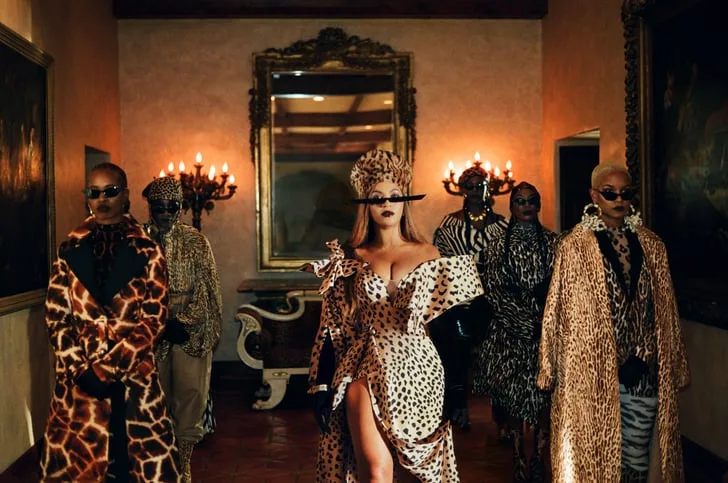
 

Wabosha Maxine

Wabosha  Maxine is a  Kenyan beauty influencer based in Nairobi, She is a professional make-up artist, and a vlogger. Wabosha Maxine is well  known for her talent and desire to grow in the make-up industry in Africa at a tender age as well as her skill in the art.

Wabosha views makeup as a way of diversifying a person’s beauty. She is a true believer of inner beauty but still believes in the confidence makeup instills to an individual. Maxine enjoys exploring that world with others, enabling them to transform into something entirely different from what they could ever have imagined.

Maxine Wabosha’s devotion to her career has seen her working with top artists and gigs with huge brands. She landed her first big job courtesy of House of Elzuri. This is a body wellness and beauty company which specializes in makeup and body art. Maxine Wabosha worked for them as a backstage designer for a model and still works there with the team in assisting young beauticians and beauty bloggers in developing their brand and expounding their client base.

On the social media arena, Wabosha features a YouTube channel on which she showcases various do-it-yourself makeup videos. These videos are mostly liked by the young girls who hunger to get tips on how to wear every-day makeup. ‘Beauty by Wabosha’ is the brand name she uses for her YouTube channel.

Wabosha Maxine’s YouTube channel helps her make videos used as marketing strategies which give her an upper hand in the industry compared to other makeup artists. In these videos, Maxine Wabosha speaks on travels, how to apply to make up, shaping eyebrows (which are her signature look) and also about hair and how to keep it looking good.

Wabosha Maxine hair brand has also earned her more subscribers and followers  since she shows the young ladies how to keep it flawless. It’s important to build a subscriber base who love your channel and keep on to it. Wabosha enjoys a huge YouTube-follower base of 175, 000 subscribers, she has a massive followers of 286k  on her instagram page

Content courtesy of Wabosha Maxine & Nairobi fashion hub Online Digital Team 
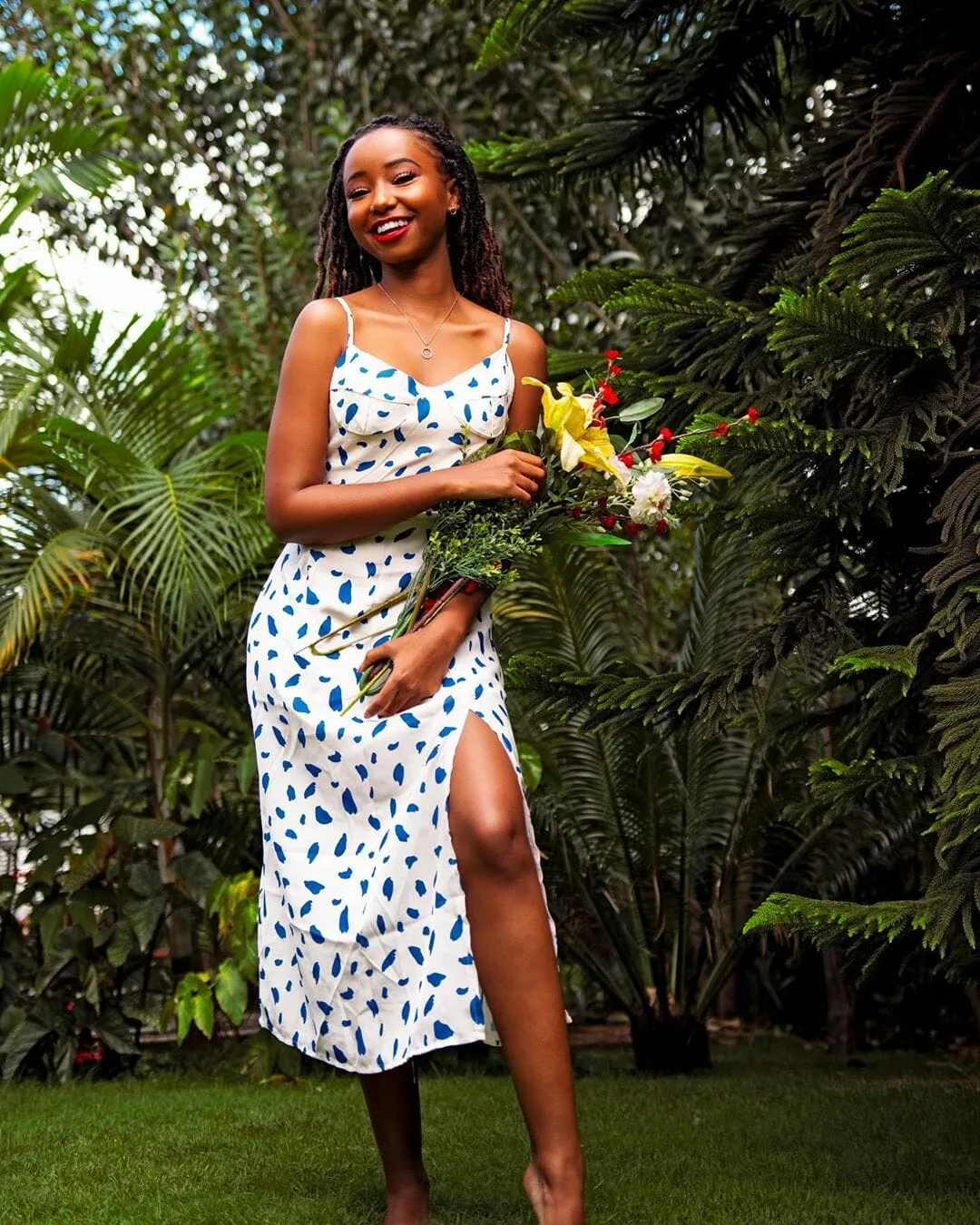
Sarah Diouf

Prior to launching Tongoro, Sarah Diouf had already stepped foot into the fashion industry with Ghubar, a fashion, arts and culture magazine promoting diversity and

creativity from the Arabic and African world she launched in 2009. Her work with the publication sparked the interest of multiple brands, which led her to launch her own visual production agency under her company Ifren Media Group, housing all her media activities.

Over the past years, Sarah has been observing the African fashion market and saw a gap that she thought she could fill while most African brands are positioning themselves as luxury, I wanted to come up with something more accessible for people to experience the Made in Africa, and change their mind about the quality issues often associated to it.

Her latest venture, Tongoro is a 100% Made In Africa online label providing clothing that offer style conscious consumers quality, variety and convenience, at affordable prices.

By sourcing materials on the continent and working with local tailors, the brand long-term goal is to contribute to the development of the retail production in Western Africa, opening a production facility in Dakar, Senegal.

Content courtesy of  State of Education in Africa & Tongoro

You Could Star in Rihanna’s Next Savage X Fenty Campaign

This year, hot girl summer feels like it’s being replaced by quar girl summer but thankfully Rihanna has a better solution: Savage X Summer. Her lingerie and intimates brand has released its latest collection and is debuting a campaign, photographed on Rihanna and a cast of her muses.

It has everything you’d associate with Rihanna’s summer vibe: neon colors, revealing silhouettes, and plenty of sex appeal. What’s more, the campaign images seen here were all photographed in the models’ homes in collaboration with the collage artist Rafatoon, who used tropical foliage and dreamy landscapes to create a Rihanna worthy world around each muse.

What makes this drop especially exciting for those of us stuck at home is that we can get involved. As you know, Rihanna is the queen of finding new talent on Instagram see her “Bitch Better Have My Money” video for the proof and this campaign extends the opportunity for a Savage X star turn to all her fans.

From now through July, the Savage account will be running a contest where people can submit their own Savage snaps. Several will be selected to be photographed over Face Time this summer and star in images for a later drop.

So, really, what are you waiting for? Practice your poses ASAP and follow the @savagexfenty account for more information.

In honor of Rihanna’s Savage X Fenty second anniversary, the brand is doing things differently for its new summer campaign. The “Savage X Summer” collection’s campaign was shot by the brand’s own ambassadors and influencers exclusively at home in collaboration with mixed media artist Rafatoon. Plus, fans have the chance to star in Savage X Fenty’s July campaign, which they can learn more about soon on the brand’s Instagram page.

This article originally appeared on Vogue 

Naomi Campbell Makes ESSENCE History As Her Own Photographer For Our 50th Anniversary Issue

Supermodel Naomi Campbell has proven she’s not only talented in front of a camera, but also behind one with her latest cover work for the 50th-anniversary issue of Essence Magazine dressed in a Ghanaian fashion designer Stevie Frenchie a African attire.

On Tuesday, May 5, the 49-year-old supermodel, who has been a powerhouse in the modeling industry since the age of 15, posted a tweet featuring a history-making photo shoot she did for the magazine with her iPhone while being self-isolated at home dressed in African attire design by African attire.

Naomi Campbell was also responsible for her own styling, hair, and makeup #ESSENCE50.


It was a very special honor and unusual experience for me to be able to shoot and style my own cover for Essence’ 50th anniversary issue.

The cover featured Campbell wearing a flowing white dress accented with triangular and circular patterns in black, red, green, and brown. The garment also had a loosely tied black bow that resembled a satin material that sat below her bosom.

In the cover photo, Campbell was sitting on a light wood set of stairs with a backdrop resembling a cloudy blue sky. She noted that the vintage garment was designed by Karl Lager-field for the luxury Parisian fashion brand Chloe in an Instagram post.

The cover also included the title of Campbell’s feature in the issue – “Self-Portrait In Isolation.”

Through an Instagram video posted on Essence’s profile, fans learned the magazine’s Chief Content and Creative Officer MoAna Luu and Campbell collaboratively video chatted through Face Time to work on the shoot.

The issue will also feature an article titled “The New Normal: How COVID-19 Shifted Our Reality.”

According to the Essence Instagram post, Campbell shot other looks for the anniversary issue as well which included a layered tangerine-colored dress with red and black patterns throughout and a navy blue, periwinkle, aquamarine, and white headdress.

Campbell’s announcement tweet, in which she mentioned that she was honored to participate in the shoot, received over 2,000 retweets and over 13,000 likes, with many comments rejoicing the creativity, innovation, and overall hard work she has displayed throughout her years in the modeling industry.

Content courtesy of Essence 


Power of E-commerce in Rapid Expanding African Fashion Sector  

Thirty-two-year-old Gambian economist Marie Ba used to buy most of her clothes online from British fashion retailer ASOS. But when she wanted to update her closet with some tailored wax print African dresses, she took a chance ordering through Ghana’s KIKI Clothing platform.

“I was looking for something well designed and fitted, and it’s lovely to support brands based in West Africa, while looking quite unique in their pieces,” she says.

Online revenues for the African fashion sector are predicted to grow by over 14% annually over the next four years.

Within five working days the clothes were delivered by DHL from Accra, to her door in Gambia’s largest city, Serekunda. And Ba became part of a growing ecosystem of fashionistas purchasing their clothes within the expanding African e-fashion market.

African fashion has revelled in tremendous media interest recently. Beyoncé helped propel Senegalese designer Sarah Diouf’s Tongoro brand to international fame when the singer wore a patterned dress and wide-leg pants on holiday last year. Naomi Campbell and Alicia Keys are other megastars spotted wearing African-designed clothes.

Sub-Saharan Africa’s clothing and footwear market is worth $31bn, according to Euromonitor. The growth has prompted the expansion of foreign and local brands into the African clothing market. Companies are fulfilling increasing orders from the African diaspora, particularly in Europe and America, while sales of Ankara gowns and African print dresses are also popular among non-African consumers. This has led to the creation of African-based e-fashion platforms.

“We export African culture no matter where you are,” says Malian-born Moulaye Tabouré, the CEO of Afrikrea, an online marketplace that allows users to sell African clothing to over 100 countries. The Abidjan-based tech startup secured an additional $1m funding round in February, money Tabouré says will allow the business to grow its developer team, and expand its mobile technology and marketplace.

The company boasts a minimalist and user-friendly website, and says 5000 designers use its platform. These designers build an online “shop” with digital tools provided by Afrikrea. They then set the prices and communicate directly with customers, who are able to stagger their payments.

Afrikrea then deducts a commission of 10-15% per sale, and says it has facilitated over 4m sales since the company’s 2016 inception. The biggest market is the US, followed by France and the rest of the EU.

“Our target is to get the infrastructure growing, so we get at least 50% of our sellers from Africa,” says Tabouré. “The idea is to get people in Africa to say, ‘Maybe this is the best place to set up my business.’ But the biggest issue is to be able to organise, and sustain the growth.”

E-commerce in sub-Saharan Africa is in its nascent stage but it’s showing enormous potential as smartphones proliferate across one of the world’s youngest and fastest-growing populations.

A 2017 report by Statista estimated the e-commerce sector in Africa generated $16.5bn in revenue that year. The research firm currently predicts that revenue in the sector will reach $27.7bn in 2020 and rise to $47bn by 2024.

Online growth is being driven by the under-35s. Rubab Abdoolla, senior analyst of beauty and fashion at Euromonitor, says the e-commerce sector is being driven by “the increasing number of working mothers who are being supported by rapid adaptation to internet retailing”.

The wider African e-commerce landscape is being pushed by sales in fashion. Statista predicts revenue at $8.3bn in 2020 and projects an annual growth rate of 14.2% between 2020 and 2024. But this expanding e-fashion market faces major challenges.

Overcoming challenges

West Africa is a major cotton-growing region, but its textile industry struggles to compete with cheap clothes made in Asia. Since the 1980s, most of Africa’s textile industries have been wiped out and a generation of skilled workers have been lost.

Textile manufacturing in the region is estimated to have fallen by more than 75% in that time. Transporting clothing within the continent and beyond can be problematic, with expensive export costs and border difficulties.

“The number one business constraint I have is definitely the customs,” says Tabouré. “If African governments would realise the potential of having free trade between African countries, and facilitating customs for people shipping outside of Africa – especially with Europe – then there would be an extremely good advantage.

“In the US, we have an agreement [the US’s African Growth and Opportunity Act] that allows us to ship without customs up to $700. If we could have the same agreement with Europe, then that would change the game.”

These challenges are not stopping self-taught Ghanaian designer Felicia Parker. The Afrikrea user is able to sell her La Mode Afrique brand of kente cloth styles and other items to a growing customer base in London, Paris and elsewhere on the continent.

“When an order is placed, DHL will come to pick up the clothing from my door, and take it to most places in the world,” she says.

“The internet has made it really easy for anyone to purchase whatever designs they want, in the comfort of their home and workplace In the next five years, I hope I’ll have a big factory here in Ghana, and shop branches worldwide, that are full of African print fashion.”

This article originally appeared on African Business 
Written by WIlliam McBain

Africa’s 50 Most Powerful Women By Forbes Woman Africa Magazine

This is a first-of-its-kind Pan-African unranked compilation of the continent’s leading women, drawn from business, politics, media, science, sports and public life, who are challenging the status quo and creating a trail on terrain where there was none.

Africa’s 50 Most Powerful Women By Forbes Woman Africa Magazine

They are reshaping history, closing inequalities and pioneering new avenues of wealth creation and in turn, lifting others with them.

The unprecedented, unranked list features the continent’s leading women, drawn from business, politics, media, science, sports and public life, who are challenging the status quo and creating a trail on terrain where there was none. They are reshaping history, closing inequalities and pioneering new avenues of wealth creation and in turn, lifting others with them.


NAMECOUNTRYTITLESECTOR
GRACA MACHELSOUTH AFRICAFOUNDER, GRACA MACHEL TRUSTSOCIAL DEVELOPMENT
CLARE AKAMANZIRWANDACEO, RWANDA DEVELOPMENT BOARDSOCIAL DEVELOPMENT/GOVERNANCE
FOLORUNSO ALAKIJANIGERIAEXECUTIVE VICE CHAIR, FAMFA OILOIL SECTOR
JENNIFER RIRIAKENYAGROUP CEO, ECHO NETWORK AFRICA (ENA); FOUNDING MEMBER, KENYA WOMEN FINANCE TRUSTFINANCE
LOUISE MUSHIKIWABORWANDASECRETARY GENERAL, ORGANISATION INTERNATIONALE DE LA FRANCOPHONIE (OIF)
AYA CHEBBITUNISIABLOGGER AND AFRICA UNION YOUTH ENVOYMEDIA
ELSIE KANZATANZANIAHEAD OF AFRICA AND MEMBER OF THE EXECUTIVE COMMITTEE, WORLD ECONOMIC FORUMFINANCE
IBUKUN AWOSIKANIGERIAFOUNDER AND CEO, THE CHAIR CENTRE GROUPMANUFACTURING
DR JUDY DLAMINISOUTH AFRICAFOUNDER, MBEKANI GROUPSOCIAL DEVELOPMENT
CHARLIZE THERONSOUTH AFRICAHOLLYWOOD ACTRESSENTERTAINMENT
CHIMAMANDA NGOZI ADICHIENIGERIAAUTHOR, PUBLIC SPEAKERPUBLISHING
PHUTI MAHANYELE-DABENGWASOUTH AFRICACEO, NASPERS SOUTH AFRICATECHNOLOGY
OBIAGELI ‘OBY’ EZEKWESILINIGERIASENIOR ECONOMIC ADVISOR, AFRICA ECONOMIC DEVELOPMENT POLICY INITIATIVE (AEDPI)SOCIAL DEVELOPMENT
GLENDA GRAYSOUTH AFRICAPRESIDENT AND CEO, SOUTH AFRICAN MEDICAL RESEARCH COUNCIL (SAMRC)HEALTHCARE
THULI MADONSELASOUTH AFRICALAW TRUST CHAIR, SOCIAL JUSTICE RESEARCH AT STELLENBOSCH UNIVERSITYLAW
WENDY LUHABESOUTH AFRICASOCIAL ENTREPRENEUR & CO-FOUNDER, WIPHOLDFINANCE
ANGÉLIQUE KIDJOBENINFOUR-TIME GRAMMY AWARD WINNERENTERTAINMENT
MANAL ROSTOMEGYPTFOUNDER, SURVIVING HIJAB AND FACE OF NIKE PRO HIJABHEALTH AND FITNESS
LYDIA NSEKERABURUNDIPRESIDENT, NATIONAL OLYMPIC COMMITTEE (NOC) OF BURUNDI AND MEMBER OF FIFA COUNCILSPORT/GOVERNANCE
WINNIE BYANYIMAUGANDAEXECUTIVE DIRECTOR, UNAIDSSOCIAL DEVELOPMENT
NGOZI OKONJO-IWEALANIGERIACHAIR, BOARD OF THE GLOBAL ALLIANCE FOR VACCINES AND IMMUNISATION (GAVI)HEALTHCARE
PHUMZILE MLAMBO-NGCUKASOUTH AFRICAEXECUTIVE DIRECTOR, UNITED NATIONS (UN) WOMENSOCIAL DEVELOPMENT
WARIS DIRIESOMALIAPRESIDENT AND FOUNDER, DESERT FLOWER FOUNDATIONSOCIAL DEVELOPMENT
ELLEN JOHNSON SIRLEAFLIBERIAFIRST FEMALE PRESIDENT OF LIBERIA, NOBEL PEACE LAUREATEGOVERNANCE
YVONNE CHAKA CHAKASOUTH AFRICAAWARD-WINNING MUSICIANENTERTAINMENT
SAHLE-WORK ZEWDEETHIOPIAPRESIDENT OF ETHIOPIAGOVERNANCE
MAMOKGETHI (KGETHI) PHAKENGSOUTH AFRICAVICE-CHANCELLOR, UNIVERSITY OF CAPE TOWN (UCT)EDUCATION
REBECCA ENONCHONGCAMEROONFOUNDER & CEO, APPSTECHTECHNOLOGY
BONANG MATHEBASOUTH AFRICAMEDIA PERSONALITY, ENTREPRENEURENTERTAINMENT
FATMA SAMOURASENEGALSECRETARY-GENERAL, FIFASPORT
IRENE CHARNLEYSOUTH AFRICAFOUNDER, SMILE COMMUNICATIONSTECHNOLOGY
UCHENNA ‘UCHE’ PEDRONIGERIAFOUNDER AND CEO, BELLANAIJAMEDIA
ILWAD ELMANSOMALIAFOUNDER, ELMAN PEACE CENTREACTIVISM
WENDY APPELBAUMSOUTH AFRICAFOUNDER AND CHAIRPERSON, DE MORGENZON WINE ESTATEENTREPRENEUR
OLAJUMOKE ADENOWONIGERIAFOUNDER, AD CONSULTINGADVERTISING
BETHLEHEM TILAHUN ALEMUETHIOPIAFOUNDER AND CEO, SOLEREBELS FOOTWEAR, GARDEN OF COFFEE, TEFFTASTICENTREPRENEUR
NKOSAZANA DLAMINI-ZUMASOUTH AFRICAMINISTER OF COOPERATIVE GOVERNANCE AND TRADITIONAL AFFAIRS, SOUTH AFRICAGOVERNANCE
WENDY ACKERMANSOUTH AFRICAEXECUTIVE DIRECTOR, PICK ‘N PAYRETAIL
CASTER SEMENYASOUTH AFRICAOLYMPIC CHAMPIONSPORT
RAWYA MANSOUREGYPTFOUNDER AND CEO, RAMSCOAGRICULTURE
ARUNMA OTEHNIGERIAACADEMIC SCHOLAR, UNIVERSITY OF OXFORD FORMER TREASURER AND VICE PRESIDENT, WORLD BANK LONDON STOCK EXCHANGE AFRICA ADVISORY GROUP MEMBERFINANCE
FATOU BENSOUDAGAMBIAPROSECUTOR, INTERNATIONAL CRIMINAL COURT (ICC)LAW
HAJER SHARIEFLIBYAHUMAN RIGHTS ADVOCATEACTIVISM
AMINA J. MOHAMMEDNIGERIADEPUTY SECRETARY-GENERAL, UNITED NATIONSSOCIAL DEVELOPMENT
PRECIOUS MOTSEPESOUTH AFRICAFOUNDER, AFRICAN FASHION INTERNATIONALFASHION
LUPITA NYONG’OKENYAOSCAR-WINNING ACTORENTERTAINMENT
VERA SONGWECAMEROONEXECUTIVE SECRETARY, UNITED NATIONS ECONOMIC COMMISSION FOR AFRICASOCIAL DEVELOPMENT
MAGDA WIERZYCKASOUTH AFRICAFOUNDER, SYGNIAFINANCE
TARA FELA-DUROTOYENIGERIAFOUNDER, HOUSE OF TARA INTERNATIONALBEAUTY
THERESA KACHINDAMOTOMALAWICHIEF OF DEDZA DISTRICTSOCIAL DEVELOPMENT

Forbes Africa research looked at Africa’s leading women across sectors and industries, as well as government agencies and non-profit institutions. We sifted through several recognition lists, conducted Forbes Africa own research in coming up with new names, and short-listed nominations that came in from Forbes Africa editorial teams across Africa, applying our own metrics of leadership, influence, consistency, and most importantly, impact. In addition to this list, this issue also features an important story on the effect of the coronavirus on corporate Africa.

Also in the focus section, a story on the future of African mining. And a tennis match on African soil that brought together two legends and the world’s second-richest man.

This article originally appeared on Forbes Africa

Author Mashokane Mahlo

Ad