Sunday 19th of April 2026

Nairobi, Kenya

Kenyan Born Beauty Queen Rehema Muthamia Crowned Miss England 2021

Miss England finalists walked the catwalk in Coventry for the last time on Friday night (August 27), the final was held at the Heart of England Conference Centre and saw the not-so-average contestants take to the stage.

The eventual winner of Miss England was 25-year-old technology consultant Rehema Muthamia, She was crowned by former champion and doctor, Bhasha Mukherjee, who held the title for two years.

The much-anticipated event was held in Coventry as part of the City of Culture 2021 celebrations, where Miss Coventry missed out after the penultimate round.

Born in North West London, Rehema spent part of her childhood living in Kenya and now works with healthcare professionals on electronic patient records.

As well as speaking four languages, she graduated in Genetics during the pandemic at the University of Sussex, Rehema said: “My family is so supportive they can’t stop talking about it, and the Kenyan community has really got behind me and wanted to support me and loved seeing someone from my heritage being represented.”

https://www.instagram.com/p/CTPXPv2IYbz/?utm_source=ig_embed

When asked by a panel of judges what the worst experience in her life has been, she said: “I would have to say that the most difficult experience that I’ve had in life is having gone through an abusive relationship and it’s not something that people speak about, especially in young women.

“But having gone through a relationship that was abusive it helped me learn more about myself.

“In fact unfortunately the relationship and the abuse were made public in the press and it was a terrible experience having to go through that.

https://www.instagram.com/p/CTMWkhkoxzH/?utm_source=ig_embed

“But knowing that I was able to come through that experience, learn more about myself and my worth, who I am as a woman and be able to now use this platform in Miss England, to help other women that may be in that have been in my position.”

Before scooping the top prize in the pageant, which took place at the Heart of England Conference and Events center in the Midlands city, the 25-year-old had also won the first-ever Miss All African Colours contest.

The Mr. England winner was also announced as 28-year-old Liam Royce from Banbury, Oxfordshire, Muthamia spent part of her childhood in Kenya before moving over to England and studying at the University of Sussex.

She will now represent England at the 70th Miss World in Puerto Rico and pocketed £2,000 in cash alongside a wardrobe of the evening and occasion wear, a photoshoot, a personalized website, luggage, and a glamour mirror.

Content courtesy of Daily Mail & Nairobi fashion hub 

Rihanna Is Officially a Billionaire

Rihanna, the singer of hits such as Umbrella and We Found Love, is officially a billionaire and the world’s richest female musician.

However, most of her fortune, estimated on Wednesday by Forbes magazine to be $1.7bn (£1.2bn), does not come from chart-topping singles, but from the success of her cosmetics empire.

Rihanna’s real name Robyn Fenty launched Fenty Beauty in 2017 with a dream to create a cosmetics company that made “women everywhere feel included”.

The singer, who has described makeup as her “weapon of choice for self-expression” while growing up, said she was driven to create her own range because established brands did not provide a full choice of products for all varieties of skin types and tones. The brand boasted foundation in 40 different shades when it first launched to “make skin look like skin” and has since expanded to 50.

Rihanna, 33, launched the beauty brand, of which she owns 50%, with the French luxury conglomerate LVMH in 2017. In its first year, Fenty Beauty achieved sales of $550m, far more than other celebrity-endorsed makeup ranges. Forbes magazine estimates that the company is now worth “a conservative $2.8bn”.

Her stake in the company, combined with a 30% stake in the lingerie line Savage X Fenty and money generated during her 16-year career as a recording artist, take Rihanna’s fortune to $1.7bn, according to Forbes. That makes her the second wealthiest female entertainer on the planet after Oprah Winfrey, who is sitting on a fortune estimated at $2.7bn.

Bernard Arnault, LVMH’s chairman and chief executive, and the world’s third-richest person with an estimated $179bn fortune have said: “Everyone knows Rihanna as a wonderful singer, but through our partnership at Fenty Beauty, I discovered a true entrepreneur, a real CEO, and a terrific leader.”

Commenting on Rihanna’s success, Shannon Coyne, the co-founder of the consumer products consultancy Bluestock Advisors, said: “A lot of women felt there were no lines out there that catered to their skin tone. It was light, medium, medium-dark, dark. We all know that’s not reality. Fenty Beauty was one of the first brands that came out and said: ‘I want to speak to all of those different people.’”

Rihanna is not the first celebrity to make a fortune from cosmetics. Kylie Jenner, the youngest member of the Kardashian-Jenner American reality-TV family, became the world’s youngest billionaire in 2019 at the age of 21 thanks to the success of Kylie Cosmetics, the makeup company she runs largely from her iPhone. Her sister, Kim Kardashian West, also has a cosmetics business, KKW Beauty, while the actor Jessica Alba runs the beauty and wellness brand Honest Co.

Content courtesy of The Guardian & Nairobi fashion hub  

The Folklore website is elevating African fashion and helping designers get paid

“This is going to change the way people value Africa and its creators,” says Amira Rasool, founder of The Folklore, which sells clothing and accessories from prominent and emerging African brands.

Amira Rasool is the founder and CEO of The Folklore, an online concept store featuring contemporary African design. She spoke to Doreen Lorenzo for “Designing Women“, a series of interviews with brilliant women in the design industry.

Doreen Lorenzo: How did you first find your way into design?

Amira Rasool: I was a creative kid. I used to make these huge forts out of sheets all around the house. I actually used to want to be an architect. Then I failed algebra my freshman year of high school. I figured if I was going to be an architect, math would be something I needed to be somewhat good at so people weren’t walking into their homes and sliding to the right because I measured wrong.

I thought, “what’s something creative that doesn’t have to do with math or science?” I started thinking more about interior design because my dream was always to build a community of really cool houses that all look different.

I also always had on these funky outfits, so my older sister Jasmine told me: “Why don’t you just get into fashion? You watch The Devil Wears Prada all the time. You’re always getting dressed up. You like writing.” She suggested that I start a blog back in 2010 when blogging was really big. So I created a blog and an alter ego named Bobby Austin posting outfits of me wearing purple wigs and black lipstick.


I also started taking FIT (Fashion Institute of Technology) pre-college courses, so all my friends were just as weird as me and also had wigs on. I grew up in South Orange, New Jersey, about 40 minutes outside of New York, so I would take the train on the weekends, do my college courses, then go hang out with my friends afterward. I was one of those weird creative kids that were also a great athlete and could fit into both worlds.

Doreen Lorenzo: What made you decide to go from creative fashion blogger to entrepreneur and founder of The Folklore?

Amira Rasool: The blog is what let me know that my passion was in writing. I started doing internships as soon as I got into college floating between interning for fashion market editors, stylists, and features editors. I interned at Women’s Wear Daily and I really loved that experience. From there, I went to Marie Claire, which was really eye-opening for me because I was given a lot of responsibility.

It made me understand how hectic magazines were and learn how to take charge without anyone telling me to. I realized I was super good at organizing and providing top-quality results. My boss from Marie Claire then referred me to V Magazine where I interned in their fashion department, and later their editorial department.

During my internships, I made really good connections with the people I worked for. They saw I was a hard worker. By the time I graduated, I had multiple magazine jobs that I was up for. People in media know it’s so hard to get that entry-level job when you’re coming out of college. The fact that I had my choice between jobs was a testament to me busting my butt and always being reliable. I ultimately ended up choosing V Magazine where I worked full time for a year as their fashion coordinator before I decided to start The Folklore.

Doreen Lorenzo: What made you decide to branch out and start The Folklore?

Amira Rasool: When I was majoring in journalism at Rutgers, I started taking a bunch of African American studies courses. By the end of my junior year, I had more African American studies courses under my belt than I did journalism. I decided to change my major to African American studies. Growing up they did not do a good job teaching us about Black history outside of Martin Luther King, Harriet Tubman, and the few other Black people they let us learn about. So when I started taking those African American studies courses and started learning about so many inspiring people, I was shocked.

I became obsessed with Black literature and started reading James Baldwin, W.E.B. Du Bois, Toni Morrison, and a lot of the people who came from the Harlem Renaissance. I learned how the creatives during the time we’re able to create these great publications like Fire!! that was a part of activism, but more creative activism. I related to that because I felt like I was put on this earth to uplift my people in some powerful way. I had this fire under me to go out and make an impact within the Black community.

Fashion is very whitewashed. I’ve always been the only Black girl in every meeting and every company I go to, and they weren’t having conversations about race like they are now. I started feeling like fashion was so vain. People thought that they were curing cancer with what they were doing, but they weren’t even going beyond surface-level conversations. I liked fashion and felt I shouldn’t have to give up what I love because I want to pursue something that’s a little bit more serious and impactful. How could I do both? That’s when I started thinking about Africa.

I had taken a trip there my senior year of college and fell in love. I went to South Africa and discovered all of these cool designers, creatives, and music. I bought a bunch of clothing and accessories when I was there and started wearing them when I came back to the United States and people were stopping me and asking: “Where did you get those sandals from? Where did you get this hat from?”

I started thinking about getting access to these products again, but most of them did not have e-commerce sites and weren’t sold at retailers outside of Africa. I didn’t have access to them unless I hopped back on the plane. That’s when I came up with the idea. Why is there a whole continent full of designers that cannot penetrate the international market, and how can I help them do that? How can I use my resources, network, and overall creativity to find a way for them to have access?

I started creating a business plan and applied to the University of Cape Town for a master’s degree in African studies. Once I got in, I moved to Cape Town, South Africa, and lived there for two years learning about the designers and what they needed from an e-commerce platform. At the same time, I got to learn about various African cultures.

That informed how I thought about communicating these designers’ stories. Halfway through my program I ended coming back to the U.S. to launch The Folklore site.

Doreen Lorenzo: How did you find these African designers and fashion styles you wanted to represent through The Folklore?

Amira Rasool: There’ve always been so many different stereotypes of Africa. There’s definitely poverty in Africa, but at the end of the day, that’s not only Africa, and Africa is not the only place with widespread poverty. For a whole continent to be defined by that is ridiculous. I wanted to be able to reflect that and show this whole renaissance happening with designers incorporating their heritage into modern and contemporary forms of expression.

https://www.instagram.com/p/CLpAJH-gOx5/?utm_source=ig_embed

Being on the continent was really important because I was able to touch and feel the fabrics and most importantly, connect with the designers. I knew I wanted to stay away from Ankara prints or anything traditional because I wanted everyone to be able to wear these pieces.

I wasn’t going to be the American that came in and started selling white people Ankara prints, advocating for cultural appropriation. I also did not want to be a cultural appropriator myself, so I purposely go after pieces that can be worn comfortably by anyone.

There was already a market that catered to Black people who wanted to feel connected to the continent and their cultural heritage. I wanted to provide that counter-narrative where someone could see a piece and not know where it was created. People universally can wear these products and we know the only reason why these designs are as unique as they are is because of these designers combining their heritage, culture, and their natural environment in Africa that’s not typically portrayed.

When you don’t know that this place exists, everything’s going to look new and unique to the outside person. I’m excited to be the person to help the designers introduce this counter-narrative and share their unique stories outside of Africa.

Doreen Lorenzo: The Folklore became a 2021 Techstars accelerator company. What does this mean to you and for the future of The Folklore?

Amira Rasool: It means a lot.

The network, resources, and overall knowledge Techstars provides are extremely beneficial. I like to think that when The Folklore got into TechStars all of our brands got Techstars. Whatever knowledge or resources we absorb during the program, we are going to make sure we share with our brands.

One of Techstars’ mission statements is “Give first” and everyone who I’ve encountered at Techstars has really embraced that mission. So much of the focus is on how to help you raise money and build a profitable company. That’s a great thing because they realize what it takes to build a great company. Everyone’s been super supportive, so I’m really excited and honored to be a part of it.

Doreen Lorenzo: How do you believe Folklore will change the way people view the fashion industry in Africa?

Amira Rasool: This is going to change the way people value Africa and its creators.

The value that was placed on African designers before was the number of clicks their creativity could generate for fashion publications featuring African brand look books. They didn’t care that the press these brands were getting did not convert to dollars because a lot of the brands did not have a website to link back to. It was an afterthought.

We created a dialogue around economic opportunity and put pressure on the industry to actually put their money where their mouth is. Now they can write about these brands and link them back to The Folklore. We want to put as much value on these designers as people put on Gucci or Alexander McQueen, and honestly, there’s more value in these goods because most of them are unique and sustainably made.

People pay luxury prices because they were told these brands are important. When we’re pricing our goods, it’s really because it costs a lot of money to ship these products from Africa to the U.S. The e-commerce infrastructure has been set up, whether consciously or not, to exclude people like us.

If you’re truly committed to diversifying the designers that you work with and fighting for equity and inclusion, you have to make compromises that you would have otherwise not made for more established brands. When you’re paying for a product from our website, you’re buying something because it is amazing. People have asked to donate to my company but no, you can invest in my company, our brands, and their products. We don’t want charity.

https://www.instagram.com/p/CEsKKBOlrHK/?utm_source=ig_embed

Nobody wants charity. I want to change the way that people talk about contributing to Africa and help people recognize the value in not only how these products are produced, but in the story and the exclusivity behind them.

Written By Doreen Lorenzo

Content courtesy of Fast Company & Nairobi fashion hub 

African-American Youth Runway Model Inspires as a Natural Hair Advocate

She’s not even a teenager and she’s already walked the runways at New York and LA Fashion Week. Twelve-year-old model Celai (Seh-lay) West continues to inspire.

This time, with a special honor to her ancestry.

Celai lives in Sacramento but is known on the SoCal fashion scene after walking in shows in Los Angeles. The first time she wore heels was when she was ten years old and walking in the Style fashion show in Palm Springs Fashion Week

At 10 years old, Celai perfected that walk on the runway. She’d been invited to hit the catwalk in New York for designer David Tupaz after being “discovered” as a model as a child.

It’s not only that mature-beyond-her-years strut that makes her a stand-out it’s her signature hair. The African-American model is an advocate for natural black hairstyles.

She calls herself a “texture activist.” She said she’d be on set and the stylist didn’t know how to do her hair.

On her social media page, you’ll find hair tutorials. She’s an advocate for natural black hair.

At seven years old, she started an empowerment t-shirt line called The Chatty Chick. A signature t-shirt reads “I’d be jealous of my hair too.”

Celai West has appeared on ten magazine covers, published inside several magazine issues and newspapers and many of her images as well as videos have been shared on social media in viral numbers. She currently has two viral runway videos that to date, have been viewed more than 17 million times collectively. She can regularly be seen walking the runway among an all adult line-up as well as her coaching runway techniques.

For Black History Month, Celai did a modeling photoshoot in honor of her great-great-great-grandmother Maddie Ligans, who passed away in the 1930s. Along with the black-and-white photo with her dress in lace, she titled her copy “Dear Ancestors” and wrote, “I will make you proud.”

Although the coronavirus numbers are now easing Southern California into the less-restrictive red tier, fashion shows that would normally be held in March are still a no-go. If pandemic numbers hold, expect the fashion world on both coasts to go big in September and October for Fall Fashion Week.

Content courtesy of FOX 11 & Nairobi fashion hub 

Miss Universe South Africa 2020 Natasha Joubert Empowers Fashion Designers

Miss Universe South Africa 2020, Natasha Joubert, has launched #DestinyDesigned, a project to empower fashion designers through her passion for entrepreneurship and design.

Joubert is a fashion designer who owns a clothing company named Natalia Jefferys that she runs with her mother.

#DestinyDesigned is her Miss Universe social cause initiative, whereby South African designers are invited to submit more information on their design label and explain how their business has been affected by Covid-19.

Ten designers will be tasked to make two garments each and have them modeled by former Miss South Africa titleholders and finalists, as well as special guest models, in a virtual fundraiser fashion show that will take place on April 10.

Joubert’s brand will also be part of the show.

After the show, all the garments will be auctioned off online, and proceeds will be given to the designers.

Speaking about the project, Jourbet said: “I am passionate about entrepreneurship. I started my own company in 2016 as circumstances placed me in a position where I needed to become self-sufficient. I was also modeling, and I started making my garments as I couldn’t afford to buy an extensive wardrobe.”

She added: “Young girls started to admire my handmade garments and asked if I could start making outfits for them as well, and Natalia Jefferys was born! I now want to help other designers on their journey. #DestinyDesigned aims to empower fellow South African designers by showcasing their fashion in a virtual space while using the Miss Universe South Africa platform.”

https://www.instagram.com/p/CLrjGUGh6uz/?utm_source=ig_embed

Entries for #DestinyDesigned are now open and close on February 22. Send an email to natasha@misssa.co.za for more information

Miss Universe Sa Pays It, Forward

Joubert’s Miss Universe social cause initiative, #DestinyDesigned, aims to showcase these talented South African designers on a global platform and draw attention to South Africa’s talent in the fashion industry. It also aims to help designers that have been affected by the global pandemic.

How Does #destinydesigned Work?

  • The initiative invites South African designers to submit their design labels and explain how their business has been affected by COVID-19. The 10 selected entrants will then be asked to make two garments each.
  • The garments will then be modeled by former Miss South Africa titleholders and finalists, as well as special guest models, in a virtual fundraiser fashion show that is scheduled to take place on Saturday, April 10.
  • The spectacular online runway show will also feature Natalia Jefferys‘ garments from Joubert’s couture store.

Global Audience

The online show will be available to audiences around the globe who will be able to tune into the show. Viewers will pay a minimal subscription fee on misssa.live to watch the show, with all funds and proceeds from the show going to the 10 designers featured.

The designers’ garments will be auctioned off online with the proceeds from each item sold going to the respective designers and viewers will have the opportunity to purchase a limited-edition custom-designed T-shirt in aid of the project.

Miss Universe delegates from other countries will also be encouraged to participate.

Joubert told IOL that she is passionate about entrepreneurship and she started her own company in 2016 to become self-sufficient. She said she began making her own garments while she was modeling as she couldn’t afford to buy an extensive wardrobe.

 “Young girls started to admire my handmade garments and asked if I could start making outfits for them as well, and Natalia Jefferys was born!” she said.

https://www.instagram.com/p/CLZDbJhHNCf/?utm_source=ig_embed

Virtual Fashion Space

Joubert now wants to help other designers on their journey by empowering fellow South African designers through showcasing their fashion in a virtual space while using the Miss Universe South Africa platform.

Stephanie Weil, CEO of the Miss South Africa Organisation, is delighted that the organisation can showcase South Africa’s rich design talent on a worldwide platform while also helping South African design talent on their own entrepreneurial journey.

“It is imperative now, more than ever, for us to support local fashion designers.”

Stephanie Weil, CEO of the Miss South Africa Organisation

The Miss Universe pageant is scheduled to take place in the second half of 2021, but no dates have been confirmed due to the ongoing COVID-19 pandemic.

Content courtesy of  The South African, IOL & Nairobi fashion hub


Made in Kenya: Exclusive interview with Cynthia Kimathi Founder, Creative Director at The Seamstress and African le’kiondo

Cynthia is a mother and a fashion enthusiast; who doubles up as a self-taught fashion designer, I have loved fashion and style for as far back as I can remember.

I used to accompany my mother to clothes stores every Christmas holiday to choose outfits for my siblings and me, however, I must admit that my Art and Design teacher in State House Girls High School gave me the extra push needed, from whence I learned all the basics myself.
My fashion line is The Seamstress. A seamstress is a woman who sews and one who earns her living from the craft. That is simply who I am.
I officially launched The Seamstress on November 28th, 2020 on the JW Runway Show, but we had been working on the brand and first collection for at least a year beforehand.

Oscar Alochi: Can you describe The Seamstress, the idea and concept as if I knew nothing about it or the market it is in?

Cynthia Kimathi: The Seamstress is purely a ladies-wear fashion line. During our launch, we started with the collection Dusk to Dawn, which is glam wear for evenings and events. But we are not all about evening gowns. We are a one-stop-shop for all women wear; ranging from casual, office, and streetwear, lingerie, mature looks, and older women, among others.

The brand concept is to release quarterly collections (mid-February, end June, end September, and mid-December) that will aim at introducing new designs and aspects into the fashion market. The collections are all pre-planned beforehand, with every design passing through a set of criticisms from The Seamstress team prior to the final vetting.

This is because the creative side of me sometimes needs to be controlled if we want to make functional outfits.

This February, our aim is to release our second collection just before Valentine’s.

OA: What were you doing before The Seamstress, and what motivated you to start the business?

CK: I have been running African le’kiondo, which is a subsidiary brand just like The Seamstress. The brand focuses on making authentic Africanised bags that are environmentally friendly as we source raw materials and labor locally.

Not only that, but it has been a great instrument in empowering women in Meru County by providing them with an avenue to expand their creativity, put food on their table, and have a safe space to talk about their issues.

Just like African le’kiondo, I started The Seamstress out of mere frustration in finding an outfit for myself, a great motivator. During my participation in a national pageant in 2019, Mrs. Universe Kenya as the current 1st Runners Up, it took me weeks to get an evening gown I liked.

This was simply due to all the outfits looking the same, plus they did not look very functional in the sense that I kept wondering where else I would wear the outfit, and how I could style it to look different every time. This predicament gave birth to The Seamstress fashion line.

https://www.instagram.com/p/CIr-KvcB_tV/?utm_source=ig_embed

OA: What techniques do you use? Tell us about the process.

CK: At The Seamstress, we start with a designer’s consultation, This consultation includes detailed discussions with the client ranging from color choices to fabric choices.

The client then receives three (3) designs and chooses from them. The duration from consultation to delivery also depends on design and details. The sewing process differs and the details would seem quite boring for now.

But I also add a lot of accessories to my designs to give them a 3D effect, with such pieces ranging from flowers, beads, etc, which aids in having my outfits turn heads positively.

OA: How did you learn/master this technique and why do you use it?

CK: As previously mentioned, I received basic art and design training from my high school days. In addition to this, my team and I do a lot of research, and I spend the better part of my mornings learning online.

I use this technique as it keeps me on my toes on what is currently trending in the fashion space, what trends could be making their comeback, plus the added benefit of attaining inspiration.

OA: What challenges did you face?

CK: Being a designer, one has to pump in a lot of finances before reaping anything, therefore sometimes you can be financially constrained especially as a start-up and a new name in the fashion industry.

In the Kenyan market, as much as we are now beginning to accept Kenyan designers, we are not yet there. The market still prefers ‘ready-made’ outfits from boutiques for designer outfits. Therefore, oftentimes clientele does not understand the business model especially the need to pay a Designer’s Consultation Fee.

Growth is gradual and sometimes the audience is not as receptive as imagined, but we hope for better days and are positive on the same.

The biggest challenge has however been letting go of clients who wish us to replicate outfits they find online. It is a difficult task at times explaining that we do not replicate, we create.

OA: How did the obstacles make you feel?

CK: Frustrated at times, excited at others. It is bittersweet. The challenges however motivate me, helps me find new ways of approaching things, and elevates my thinking whilst tickling my creativity.

OA: What were your achievements?

CK: The JW Runway Show is the most recent highlight since the launch. In addition, I have dressed beauty pageant judges, taken part at the end of year party for WICCI (Women’s Indian Chamber Of Commerce and Industry – Kenya Business Council) as well as having the honor of dressing an artist for their upcoming music video to be released this February.

It has just been a month and a half and we feel positive about achieving even bigger this quarter.

OA: Favourite moments?

CK: The launch at the JW has to be the highlight so far. The runway took me back to my old modeling days and I was overwhelmed by how far I have come. Seeing my pieces on the runway and how receptive the audience was to them, blew my mind away.

In some way, I felt validated that I might be on to something really amazing.
An added advantage is that I get to travel more now, another passion of mine, as I do deliveries and have one-on-one discussions with clients.

OA: How do you get dressed in the morning?

CK:  I am a casual dresser. Half the time, you shall find me in jeans and a t-shirt. Whenever I have meetings and glam events though, that is when I put my mind into the dressing.

OA: What’s your take on the Kenya fashion industry?

CK: The Kenyan fashion industry is impressively growing fast.

We are seeing Kenyans being dressed by Kenyan designers for events, and the only way we grow is by supporting our own.

The pioneers have done a great job in growing the industry, but so have media personalities and bloggers like yourselves. You have given designers and fashionistas a platform to express themselves in terms of marketing to the world at large.

OA: How different is the Kenya fashion industry compared to East Africa and Africa’s fashion industry at large?

CK: Our rich culture already sets us apart. The Maasai shuka for example has been widely accepted and has found itself in some international design houses, and so has the kikoi.

OA: Any future collaboration with Kenyan or International fashion designers?

CK: Yes. I am hopeful on this front. Maybe Neomi Nganga will read this and we get to do something.

OA: If you were given the opportunity to work with a local or international fashion designer who will you love to work with?

CK: Locally, Neomi Nganga of Style By Neomi. She has revolutionized plus-size fashion, as I find her designs sexy and eye-catching.
Internationally, Zuhair Murad. He is a genius, so daring with his technique. He always delivers utterly unique and dramatic masterpieces.

OA: What are your thoughts on fashion in Africa?

CK: It is growing tremendously fast. Countries like Nigeria and South Africa are already making enough noise in the fashion industry home and away.

OA: What has changed during this period of Covid-19?

CK: Most fashion designers have started to focus more on online marketing strategies.

Personally, the pandemic has given me room to magnify my creativity and read more. Never did I think I would be designing masks for instance.

OA: How has The Seamstress adopted the new technology virtual fashion show during and after the Coronavirus pandemic?

CK: We will be doing Instagram and Facebook live for virtual shows whenever we release our new collections.

OA: How are African fashion designers influencing fashion in the western world?

CK: Most African designers like pomp and color, and lately we have seen more African prints on the red carpet, as the Western world is already recognizing our African designs.

This can even be seen in as diverse an environment such as Hollywood blockbuster films like Black Panther, where they consulted with African designers for the costume designs.

OA: What can the Kenyan fashion industry learn from the western world?

CK: Owning our products. The Western world has a lot of acceptance and loyalty towards its designers. We should borrow a leaf from that and grow our own African designers.
We can also aim at having more fashion weeks and shows to call for upcoming designers to showcase their outfits, as I believe we have so much talent to offer.

OA: Over the last few years have you noticed any significant changes with the African fashion trends?

CK: Yes, I have. There have been some significant developments. We are seeing more African designers, models, and outfits on magazines and social media platforms, which is a clear indication that the perception of African designs has shifted progressively.

OA: When dealing with Africa is it important for the fashion world to be ethical and socially responsible, and put in place strong corporate social responsibility governance?

CK: Yes. We can’t just take and not give back.
Sustainable fashion needs CSR. It helps build relationships with consumers and stakeholders, and it helps to show the market space precisely what the designers are doing and the positive effects their work has in Africa. Let us never forget that our consumers appreciate transparency.


OA: Tell us about The JW Show or Kenyan Fashion week and your experience at the Show.

CK: The JW show is an amazing platform for upcoming designers to showcase their outfits and for seasoned designers to release their collections. The panelist choice was also a wise one; we got to get first-hand information from fashion icons and legends in the industry.

They discussed different parameters in the fashion industry and gave solid advice on how to be fashion-forward and run a house as a business.

OA: Where can we find your designs?

CK: We are currently based online.

Facebook: The Seamstress.ke
Instagram: theseamstress.ke
Facebook: African Lekiondo
Instagram: african.lekiondo
Mobile number: 0101704786

Here you will find our recently released collection Dusk to Dawn and some outfits made for our clients.

OA: Share with the audience your social media platforms or a website

CK: Our Social platforms

Facebook: The Seamstress.ke
Instagram: @theseamstress.ke
Email: theseamstress.ke@gmail.com

OA: What does eCommerce mean to you and your business?

CK: eCommerce means everything! Our business is purely online based.
We are however currently developing our website, which will give us the extra push in the eCommerce world

OA: Do you think eCommerce is important for African fashion designers that are trying to get recognized and reach a global market?

CK: Of course, it is! Ecommerce has opened doors for many businesses locally and globally. It is safe to say that eCommerce is an essential tool in the fashion industry in this modern time.

OA: How does your strategy change when running an online store to an offline store?

CK: When using an Online-to-Offline (O2O) Strategy in our business, both channels share similar significance and importance to The Seamstress in helping us achieve our success.

The Online Channels shall be helpful in widening our reach to not only local stakeholders, but internationally too, through digital marketing and advertising, and draw them into our physical store.

Whilst using the Offline Channel for a physical store, location is our primary strategy as we would wish our discerning customers to feel welcome in our brick-and-mortar when they come for measurements, fittings, and even collecting of their goods.

Finally, due to our industry being fashion, our clients still prefer to physically see, and touch and feel, our outfits when they want to make a purchase, especially if they are first-time buyers.

OA: Where do you see African fashion in the next 5 to 10 years?

CK: I see most celebrities accepting African fashion and embracing it internationally. I strongly believe that we shall be seeing more African designs in the Oscars and Golden Globe Awards amongst other international platforms. We have so much untapped talent and we are about to take the industry by storm.

OA: What 5 pieces of advice would you give to young African fashion designers wanting to enter the fashion industry?

CK: My Advice to young African designer

  • The world is your oyster. All you have to do is spread your wings.
  • Success is not experienced overnight, put in the work and it shall surely come.
  • Social media likes do not equal sales. Clients will buy even without liking your pictures.
  • Every time you feel lost, remember why in a world where you could be anyone you decided to be a designer.
  • Always be true to yourself.

OA: Is there anything else you would like to add?

CK: I would like to thank you for giving me and The Seamstress fashion line by extension, the opportunity for this interview and for deeming us worthy of it. When the names of people and organizations that led the Kenyan fashion industry to be recognized worldwide will be written, yours shall surely be there.

Content courtesy of The Seamstress, African le’kiondo & Nairobi fashion hub 
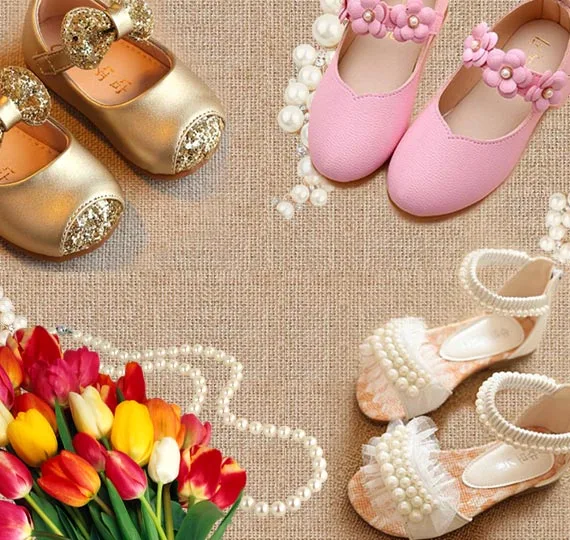


Michelle Obama Chose a Symbolic Outfit for Inauguration Day of Joe Biden and Kamala Harris’s swearing in ceremony

The former First Lady dressed for the historical importance of Joe Biden and Kamala Harris’s swearing-in ceremony.

If anyone could handle the pressure of dressing for this historic Inauguration Day, it’s former First Lady Michelle Obama. As the first Black First Lady, she has a better understanding than most of the pressures Vice President Kamala Harris will face as the trifecta of first woman, first Black, and first Asian American Vice President of the United States.

And with that comes the responsibility of what to wear. It isn’t mere superficial vanity, Obama expertly deployed her fashion early on to share her values and promote emerging designers. “It seemed that my clothes mattered more to people than anything I had to say,” she told the New York Times in 2018. “Optics governed more or less everything in the political world, and I factored this into every outfit.”

On January 20, she arrived in a burgundy coat and jumpsuit cinched with a gold belt by Black designer Sergio Hudson and a black face mask. Hudson, an up-and-coming designer who made his debut on New York Fashion Week in February 2020, has designed looks for Obama’s Becoming book tour and at the Essence Festival and his clients include celebrities like Rihanna and Beyonce.

Kamala Harris wore Sergio Hudson shoes to the inauguration with her outfit by Black designer Christopher John Rodgers.

For President Barack Obama’s first inauguration in 2009, she wore a sparkling gold sheath dress and coat by Cuban-born American designer Isabel Toledo for the presidential swearing-in ceremony. There was the color: sunny and full of optimism. And there was the designer: Toledo immigrated to the U.S. at age eight and went on to fulfill the American dream of becoming a successful fashion designer.

In 2013, she wore a Thom Browne dress and coat, polished and businesslike. And of course, there were the stunning gowns for each inauguration, both designed by Jason Wu. It is clear from these examples alone (and there are many more) that Obama artfully represented American designers of all races and all genders, particularly championing emerging designers.

As the years went on, her approach became dubbed “sartorial diplomacy,” drawing comparisons to Jackie Kennedy, who took a similar approach, although with fewer political landmines to navigate.

Content courtesy of Town and Country  & Nairobi fashion hub 

Top 10 Adult Sex Toys Shops In Nairobi Kenya

Sex toys are by no means new. In fact, they’ve been around for thousands of years. However, thanks to recent advances in sex tech, we are now living in the golden age of erotic toys.

While you may think intimate products (like vibrators and male masturbators) are strictly for solo use, they have the power to revolutionize your sex life. We stock a smorgasbord of couple’s toys, designed to raise your romp and test your bed springs.

Adult toys even have the power to make you a better lover – take our range of strokers, for instance. With regular training, these bedroom beauties can improve your stamina and let you explore different sensations. A G-spot vibe could also unlock new ways to play with your partner and a set of Ben Wa balls could strengthen your pelvic muscles and give you some powerful love muscles.

Even if you know your way around the bedroom like the back of your hand, a cheeky buzz here or a touch of pressure there can push your sessions from good to ‘Wow!’

Here is a list of Top 10 Adult Sex Toys Shop in Kenya

1. Wowgasmic 

Looking to Buy an Adult Toy? It doesn’t matter if you’re straight, gay, lesbian, bi, or anything in between Wowgasmic are on a mission to get you off with the very best sex toys, After all, sexuality is a big beautiful rainbow and we want to cater for every color.

Wowgasmic provides a wide range of adult toys to suit every taste, gender, and experience level. Whether you and your pleasure center are lifelong friends or just mere acquaintances, you’ll find something to tickle your fancy on our virtual shelves.

To make sure you get your hands on the very best, Wowgasmic stock the most popular pleasure products from some of the most exciting brands in the world, If you’re rocking a vulva, take a look at Wowgasmic ever-expanding vibrator and dildo selection. Whether you’re looking for a clitoral vibrator to take you to new heights or are on the hunt for a rabbit vibrator to make you see stars, you’ll find it here.

If you’re the proud owner of a penis, fill your boots with Wowgasmic assortment of Fleshlights, massagers, and sex dolls. Whatever your taste, male sex toys are a great way to upgrade solo sessions or add another dimension to a couple’s play.

If you’re looking to spice up things with your partner, consider adding some sex toys for couples into the mix. Try a wearable vibrator for next-level penetration or a strap-on kit to really elevate your bedroom antics.

Contact Details

WhatsApp: +254788666333 +254707202303 
Instagram: @wowgasmic
Twitter: @wowgasmic
Facebook: Wowgasmic
Website: wowgasmic.co.ke

2. Secrets Kenya

Secrets Kenya is an online adult sex shop in Kenya. they stock the best sex and adult toys in Nairobi Kenya. Secrets Kenya sells sex toys that have been designed for sexual enhancement, including women & men toys, vibrators, dildos, straps on, penis enlargement, among other sex enhancers. You can browse our sexcessories and sexual paraphernalia for couples that will make your date nights even more enjoyable and orgasmic.

Shop for the latest sex toys in Kenya from the online sex toy retail store with easy online shopping with discreet packaging for all your consumer needs. Buy sex toys today from Kenya’s leading online sex shop.

Contact Details

WhatsApp: +254734081550 or +254724278550
E-mail: nairobibeauty1@gmail.com
Website: secretskenya.co.ke

3. Doctor Crocodildo

Doctor crocodildo Kenya is great sex toys and accessories sold in Kenya and across East Africa, they are an online service that delivers high-quality sex toys and accessories with great service delivered discreetly in Kenya and East Africa.
This is where you’ll find all the goodies to make life in the bedroom more pleasurable, It’s a non-judgemental zone, so kick back, relax and have fun.

Contact Details

WhatsApp: +254718383871 or +254731255235
E-mail: info@doctorcrocodildo.com
Website: doctorcrocodildo.com

4. G-spot Kenya 

G spot Kenya exists to make you feel confident & comfortable in your most intimate moments. We are here so that you can take control of your orgasms, at G spot Kenya we are Reinventing Sex wellness and Orgasms for the Modern Kenyan and East African Woman. Because having an orgasm is not only healthy but puts a smile and a glow on your face.

We stand for sexual liberation, experimental and mind-blowing satisfaction. We encourage sexual awakening as we are the trusted authority in the market in Kenya. We push boundaries and buttons to give you exactly what you want. We will continue to provide Kenya with the latest Sextoy innovations. We don’t compromise on Quality! We are the Pioneers of  Quality Pleasure in East Africa. Be sexually empowered!

Contact Details

WhatsApp: +254 771 063 331
E-mail: bevmunga@gmail.com or bev@gspotkenya.com
Instagram: @bevmunga
Twitter: @SextoysKenya
Facebook: The Gspot Experience by Bev Munga
Website: gspotkenya.com

5. Raha Toys

This is home to the best and cheapest bedroom toys in the country. Good news considering they are the widest selection of products which fall under numerous different categories and sub-categories

What about Raha Toys’ return policy you ask? It says “if you become dissatisfied with an item for any reason whatsoever during the first 30 days of ownership, then you can return the item to us for a replacement, an alternate selection, or a full refund. If an item does not perform because of a manufacturer’s defect, then return it to us. We’ll replace it without charge”.

Contact Details

WhatsApp: +254 708 332 646 or +254 722 165 790
E-mail: rahatoys@eml.cc
Website: rahatoys.com

6. Pleasure World

Sex toys are devices that help you encourage and give you satisfaction during sex. Pleasure world is a famous online adult toys shop in Nairobi, Kenya.

Contact Details

WhatsApp: +254700793020
E-mail: pleassure.worldkenya@gmail.com
Instagram: @pleasure_world_kenya
Facebook: Pleasure World Kenya
Website: pleasureworld.co.ke

7. 69 Vibrations Kenya

The most affordable sex toy shop in Kenya, So you have been looking around wondering what toy to get yourself. Maybe for the first time or you need to upgrade, but the prices have been exorbitant, worry not wanker, this is the site for you, at 69 Vibrations Kenya we have stocked one of the largest varieties of sex toys in Kenya and our prices will not break your budget.

Pick two, pick three, heck even pick five, your wallet will still be smiling, 69 Vibrations Kenya we are a purely online shop and do deliveries at a fee to CBD and out of CBD. No same-day delivery. All orders are delivered the next day.

Contact Details

WhatsApp: +254701053013 or +254737381170
Instagram: @69vibrations
Facebook: 69 Vibrations Kenya
Website: 69vibrationskenya.com

8. Sex Toys Kenya

They offer discrete shipment to any location in Kenya, including Nairobi and its Outskirts, including Kilimani, Eastleigh, Westlands, Parklands, Eastlands, and Embakasi, among others, and they have a fantastic range of sex toys for both men and women.

Sex Toys Kenya not only has a wide variety of sex toys, but they also have a blog that examines all facets of sexuality.
They offer articles on a variety of topics, including how to choose the best sex toy for you and how to have better sex. Their website also includes a section on sex education. Sex Toys Kenya is a fantastic resource, so check it out if you’re searching for a new sex toy or just want to learn more about sexuality.

Contact Details

WhatsApp: +254724278550/+254734081550
E-mail: info@sextoyskenya.co.ke
Instagram: @sextoyskenya
Twitter: @sextoyskenya
Facebook: Sex Toys Kenya
Website: sextoyskenya.co.ke

9. Pleasures Galore

Pleasures galore support the maintenance of good sexual health & promote sexual growth, they create opportunities for sexual exploration by providing a fun, educational, and comfortable shopping experience featuring an extensive selection of personal, romantic, and pleasurable products.

WhatsApp: +254796496543
E-mail: toys@pleasuresgalore.co.ke
Instagram: @pleasuresgalore49
Twitter: @PleasuresGalore
Facebook: Pleasures Galore 254
Website: pleasuresgalore.co.ke

10. Euphoric

Contact Details

WhatsApp: +254703 174363
E-mail: orders@euphoric.pro
Instagram: @euphoric
Facebook: Euphoric
Website: euphoric.co.ke

Content courtesy of Nairobi fashion hub 


Rihanna Wore $2 Million Worth of Rubies and Jewels For a Savage X Fenty Valentine’s Day Ad​​​​​​​

Rihanna modeled her new Savage X Fenty Valentine’s Day lingerie in a sexy collage-style campaign combining latex and mesh with over $2 million worth of antique diamond and ruby jewels.

In the sultry shots, the 32-year-old triple threat pairs the red “Candy Hearts” bralette ($39.95), G-string ($22.95), and garter ($39.95) with two different sparkling necklaces from Hammerman Jewels a seven-row collar, and a chandelier style dripping with pear-shaped stones worth over $2 million combined.

And that’s just the tip of the iceberg. Rihanna also shines in no fewer than five Art Deco pieces from Lang Antiques, including two giant ruby rings and a duo of matching bracelets worth around $35,000 each.

A rep for Lang Antiques told us the precious pieces, which collectively total over $130,000, are all around 100 years old.

https://www.instagram.com/p/CJ_qaJGHi82/?utm_source=ig_embed

In other images from the campaign, Rihanna teams the same jewels with the “V-Day” fishnet slip ($49.95) and pieces from the “Candy Hearts” Xtra VIP box ($129.85), including a cropped mesh cami and matching open-back skirt.

Latex opera gloves and stockings from Atsuko Kudo one of Hollywood’s favorite latex fashion providers round out the sizzling mix.

Now available to shop online, Savage X Fenty’s V-Day lingerie comes in sizes 32A to 42DD and XS to 3X, with prices ranging from $13 to $80.

Those aren’t your average, everyday diamonds and rubies, either. She layers two necklaces in the shoot: a chandelier style and a seven-row collar, both by Hammerman Jewels, Page Six reports. Their total worth? Over $2 million. And to finish off the look, Rih wears an assortment of Art Deco rings and bracelets from Lang Antiques, worth a total of $130,000. It’s simply what she deserves!

Content courtesy of Page Six & Nairobi fashion hub

CHANEL Unveils First ever Fragrance and Beauty Boutique in South Africa at the Victoria & Alfred Waterfront

If you’ve enjoyed the little pockets of luxury and pampering that are the Chanel beauty counters at Edgars or Woolworths, then you have probably wished that you could enjoy a little bit more of the Chanel experience. Known for its exceptional quality and standards in fashion and beauty, the brand has always honoured its rich heritage, which is woven into all its product offerings across skincare, fragrances and so on, as well as the ever-present touch of its founder, Mademoiselle Coco Chanel in every sphere of the brand.

December 12 2020 sees the unveiling of the first Chanel Fragrance & Beauty flagship boutique at the V&A Waterfront in Cape Town which will be dedicated to fragrance, make-up and skincare. As a start, the store will open as a 61m2 space, which will feature the first stand-alone pop-up concept for SA and in 2021, will see its expansion to 106m2.

Chanel is a brand synonymous with luxury retail experiences, and this store will not be any different. So what can you expect from the flagship boutique? Prepare to embark on a journey of discovery as the décor reinterprets the codes and aesthetics of the House with signature tones of black and white and a touch of gold; with clean, understated lines that subtly define the distinct categories of make-up, fragrance, skincare, and in-boutique exclusives.

The boutique will offer an immersive experience, and a large range of fragrances featuring all your favourites such as the iconic N°5 and Coco Mademoiselle pillars, Les Eaux De Chanel and Les Exclusifs De Chanel  comprising 17 rare fragrances in identical bottles. Skincare fanatics are not left out of the equation, so be prepared to slather yourself with iconic creams, serums and elixirs  and explore Chanel’s skincare experience display featuring the likes of the premium Sublimage range.

Need to transform your look while you’re there? Indulge in the ultimate interactive experience as the make-up display invites you to discover the full range of Chanel make-up, with Chanel beauty advisers always on-hand to assist to provide personalised consultations and make-up tips.

Come 2021, the boutique will also offer a comprehensive selection of Chanel sunglasses (an elegant and modern mix of seasonal and classic styles) as part of its expansion, all embodying the exclusive allure of Chanel.

Make sure you’re the first to experience it all this Saturday and get ready to explore the elegance and audacity of Chanel on whole new level  we know we are.

CHANEL FRAGRANCE & BEAUTY BOUTIQUE
Shop 6206B, Victoria & Alfred Waterfront
19 Dock Rd, Cape Town, 8001
+27 (021) 442 7831
Trading Hours
Monday – Sunday: 9:00am – 21:00pm

Content courtesy of Business Day Wanted & Nairobi fashion hub

Whitney Madueke Re-envisions Traditional Nigerian Fabrics for a New Generation

Growing up, Whitney Madueke watched on the sidelines as her parents got dressed up for Nigerian weddings and parties. “My dad would play pretty background music and you knew he was getting ready to go out,” she says, laughing. “I was mesmerized at how my parents would pair their traditional Nigerian attire with modern pieces from the Western world tradition, mixed with, like, a pair of Gucci sunglasses,” she quips.

https://www.instagram.com/p/CGxyTb_FLxn/?utm_source=ig_embed

As a student in England, Madueke realized that her own cultural encounters started influencing her fashion choices in the same way as her father a mix of trendy and time-honored pieces. “I started mixing Nigerian pieces like a Buba blouse, a top with long loose style sleeves, with a pair of jeans.

https://www.instagram.com/p/CBL3ax6HI2z/?utm_source=ig_embed

Or I’d find myself mixing traditional silk fabrics with more modern materials,” she says. Drawing on her African background and her love of fashion, Madueke, 26, set out to launch her own eponymous fashion line, which went live on her website and on Instagram in June. Currently living in New York, Madueke frequently travels back to London to visit her siblings and spends winters with her parents in Nigeria, where her line is based.

https://www.instagram.com/p/CG8FTUDFEi6/?utm_source=ig_embed

Here, we chat with Madueke about her own style, her clothing line, and her favorite designers to shop now.

https://www.instagram.com/p/CEzoNONlN6S/?utm_source=ig_embed

Marie Claire: How did you get your start in fashion?

Whitney Madueke: Since I was little, I’ve had an interest in fashion and fashion design. I wanted to study fashion in college, but I figured my parents would say no to that, so I went to college in England to study law. I needed a creative outlet there, so I started a fashion and beauty YouTube channel and an Instagram but I wasn’t really happy with law. I was like, What is my life? What’s my next step? I needed to do something that would make me happy, so I decided to move to New York to study fashion design at Parsons in their Associate’s Degrees for Professionals program. Last year, I started working on the launch of my clothing brand, Whitney Madueke.

MC: What was the inspiration behind your new fashion line?

WM: Nigerian fashion represents the people, but it also tells the story of the country and its surrounding nature. I wanted my clothing line to tell more African stories and to expand on who I am as a Nigerian and African woman in the fabrics, the silhouettes, and the vibrant colors.

MC: Tell us about Lagos Fashion Week.

WM: Just like New York, Lagos fashion week is a great way for the fashion community to connect with one another. Designers tell stories through their collections using traditional Nigerian fabrics like Adire fabrics, Kente and Akwete cloths. As a Nigerian fashion designer, I love celebrating a diverse group of designers telling the story of home. Lagos Fashion Week was scheduled for late October this year, but in light of the #EndSARS protests [centered around police brutality in Nigeria], the event has been postponed.

MC: How do you get dressed in the morning?

WM: It depends on how I feel that day, but I tend to gravitate towards bright colors, especially vibrant, primary colors that stand out in a room. I also love versatility I’m always looking for great basics that I can pair in numerous different ways.

MC: Who are some of your favorite designers right now?

WM: Social media has made it so much more accessible for global designers to have a voice, and I’m able to actively find and support more African designers. Two of my favorites are Abiola Olusola and Onalaja. Both are Black women designers that embody timeless fashion. Their pieces are crafted from African textiles and include intricate beading techniques.

Written By Marie Claire

Content courtesy of Marie Daire & Nairobi fashion hub 

Eva Marcille Defends Her Traditional African Hairstyle That Critics Slammed Her For Wearing To Cynthia Bailey’s Wedding

Eva Marcille is a beauty who isn’t afraid to experiment whether it comes to fashion or hairstyling. After she wore a unique hairstyle to Cynthia Bailey‘s wedding, she has a message for close-minded critics.

Eva appeared in a beautiful white dress that hugged every curve of her body along with gold jewelry and an embellished towering hair bun.

Many people slammed her for the style itself and the fact that she would wear it as a bridesmaid to another person’s nuptials.

‘For a runway…absolutely. For someone else’s wedding…absolutely not,’ commented one.

‘Alllllllllll the loctitians in Atl… & this is what we come up with…,’ said another.

This person commented: ‘Eva could’ve pulled it back not sticking straight up like she was going to Whooville!!!!!’

There were people who came to her defense.

One person wrote: ‘People who keep talking about not liking her hair don’t know fashion. @evamarcille I LOVE YOUR HAIR style that way! It speaks to your personality and style and it looks bomb! This type of style is not for the faint of hearts. It’s for the out the box, eccentric and free spirited types.

And if @cynthiabailey felt some way about it, best believe a woman on her wedding day would have no hesitation saying so, lol. And you guys sound crazy asking her why she styled her hair that way. Obviously, it’s because she liked it that way. Girrrrl, don’t pay these basics no mind.’

Content courtesy of Celebrity Insider & Nairobi fashion hub  

Ad